Cracking a skill-specific interview, like one for Ability to Work with a Multidisciplinary Team, requires understanding the nuances of the role. In this blog, we present the questions you’re most likely to encounter, along with insights into how to answer them effectively. Let’s ensure you’re ready to make a strong impression.
Questions Asked in Ability to Work with a Multidisciplinary Team Interview
Q 1. Describe your experience working on a multidisciplinary team.
My experience with multidisciplinary teams is extensive, spanning over eight years across various projects. I’ve consistently found success collaborating with engineers, designers, marketers, and project managers to achieve common goals. For instance, in my previous role at Acme Corp, I was part of a team developing a new SaaS platform. This involved working closely with software engineers to define technical specifications, UX designers to create user interfaces, and marketing specialists to develop a launch strategy. Each discipline brought a unique perspective and skillset, creating a truly synergistic environment.
Another example comes from a project where we redeveloped a legacy system. Here, my role involved bridging the gap between legacy system maintainers (who prioritized stability) and the development team (focused on new features). My understanding of both perspectives facilitated a smooth transition and minimized disruptions.
Q 2. How do you handle conflicts that arise between team members from different disciplines?
Conflict is inevitable in multidisciplinary teams due to differing perspectives and priorities. My approach focuses on proactive communication and structured conflict resolution. I typically begin by actively listening to each party, ensuring everyone feels heard and understood. I then work to identify the root cause of the conflict, separating the issue from the individuals involved. Once the core problem is identified, we collaboratively brainstorm solutions, focusing on finding a win-win outcome.
For example, during a project, a disagreement arose between the design and engineering teams concerning the feasibility of a certain UI element. Instead of siding with one party, I facilitated a discussion where both teams explained their constraints and limitations. This led to a compromise, where a slightly modified version of the UI element was implemented, satisfying both design aesthetics and technical constraints.
Q 3. Explain your approach to resolving disagreements on project direction within a multidisciplinary team.
Disagreements on project direction are best handled through a collaborative and data-driven approach. I advocate for open discussions, where different viewpoints are presented and supported with evidence. This could involve sharing market research, user feedback, or performance data. Instead of imposing a decision, I encourage a process of negotiation and compromise, focusing on the overall project goals and success metrics.
In one instance, we had a debate on whether to prioritize feature development or improving system performance. I gathered data on user engagement and system bottlenecks. Presenting this data, we collaboratively decided to improve performance first, as that would unlock greater potential for future feature development and improve the overall user experience.
Q 4. How do you ensure effective communication within a diverse team with varying levels of technical expertise?
Effective communication is critical in diverse teams. My strategy involves using clear and concise language, avoiding jargon unless necessary and defining it when used. I tailor my communication style to suit the audience. I utilize various communication channels – regular team meetings, project management software (e.g., Jira, Asana), and instant messaging – to keep everyone informed and engaged. I also establish clear communication protocols and expectations from the outset.
For instance, in a team with both highly technical and less technically savvy members, I ensured technical documents were supplemented with visual aids and plain-language summaries. This ensured everyone understood the project’s progress and their individual roles.
Q 5. Describe a situation where you had to negotiate priorities with different teams to meet a deadline.
Negotiating priorities to meet a deadline requires careful planning and prioritization. I typically use a combination of techniques, such as creating a prioritized task list, identifying dependencies between tasks, and using visual tools like Gantt charts to track progress. Crucially, I communicate transparently with all involved teams, explaining the overall constraints and seeking their input. This collaborative approach helps to build consensus and ensure everyone understands the trade-offs.
Once, facing a tight deadline, a marketing campaign was delayed due to unforeseen technical issues. Through open communication and collaboration, the development team adjusted their priorities, allowing the marketing team to complete their tasks on time. This required careful re-prioritization, but the collaborative approach averted a significant project delay.
Q 6. How do you leverage the strengths of individual team members from different disciplines to achieve project goals?
Leveraging individual strengths is key to achieving project goals. I start by conducting a thorough assessment of team members’ skills and expertise. This allows me to strategically assign tasks based on individual strengths. I encourage team members to share their knowledge and skills with each other, fostering a collaborative learning environment. By creating opportunities for cross-functional collaboration, we build upon each other’s expertise and achieve greater efficiency.
In a recent project, one team member possessed strong data analysis skills, while another excelled in visualization. I assigned them collaborative tasks, allowing them to leverage their complementary strengths and create more impactful reports.
Q 7. Explain how you facilitated collaboration among team members with conflicting work styles.
Facilitating collaboration among team members with conflicting work styles requires understanding individual preferences and adapting communication strategies accordingly. I encourage open discussion about work styles and preferences, helping team members understand and appreciate diverse approaches. I establish clear project guidelines and expectations to provide a framework for collaboration. Where necessary, I introduce collaborative tools and processes, such as Agile methodologies or pair programming, to enhance teamwork and communication.
In one case, we had a team member who preferred highly structured processes and another who thrived in a more flexible environment. By implementing a hybrid approach with elements of both structured and flexible processes, and clear communication protocols, we managed to satisfy both team members and achieve optimal productivity.
Q 8. What strategies do you employ to manage information flow across different disciplines in a team?
Managing information flow in a multidisciplinary team requires a structured approach. Think of it like orchestrating a symphony – each section (discipline) plays a vital role, but needs clear direction and communication to create a harmonious whole. I employ several strategies:
- Centralized Communication Hub: We use a project management tool like Asana or Monday.com to centralize all documents, updates, and discussions. This ensures everyone has access to the same information, preventing silos and misunderstandings.
- Regular Team Meetings: Scheduled meetings, including both large group sessions and smaller discipline-specific ones, are crucial. These meetings allow for information sharing, problem-solving, and progress tracking.
- Clearly Defined Roles and Responsibilities: Each team member has a defined role with clear responsibilities for information dissemination and reporting. This prevents duplication and omissions.
- Communication Protocols: We establish consistent communication protocols – for example, specific channels for different types of information (e.g., general updates, technical questions, design feedback).
- Version Control: For documents and designs, version control systems (like Git) ensure that everyone is working with the latest version and revisions are tracked.
For example, in a recent project involving software development, marketing, and design, we used Asana to track tasks, share design files, and discuss marketing strategies. This ensured all teams were on the same page, leading to a highly efficient workflow.
Q 9. How do you build consensus within a multidisciplinary team on critical decisions?
Building consensus in a multidisciplinary team is about understanding diverse perspectives and finding common ground. It’s not about forcing agreement but about collaborative decision-making. My approach involves:
- Open and Respectful Dialogue: Creating a safe space for open discussion where every team member feels comfortable sharing their opinions and concerns is paramount.
- Data-Driven Decision Making: Decisions should be based on objective data and evidence wherever possible, minimizing emotional bias.
- Structured Decision-Making Processes: Using methods like the Nominal Group Technique or Delphi method ensures everyone has a voice and facilitates a structured evaluation of different options.
- Compromise and Negotiation: Finding common ground requires compromise. This involves actively listening to different viewpoints and finding solutions that meet the majority of needs.
- Clearly Defined Decision Criteria: Establishing clear criteria upfront helps guide the discussion and ensure everyone understands the parameters of the decision.
In a recent project, we used a weighted scoring system to evaluate potential solutions. Each discipline assigned weights to different criteria, reflecting their priorities. This ensured that all viewpoints were considered and resulted in a solution that was widely accepted.
Q 10. Describe a time you had to adapt your communication style to effectively collaborate with individuals from different backgrounds.
Adapting communication styles is crucial in multidisciplinary teams. It’s like learning different languages – you need to understand the nuances of each to effectively communicate. I recall a project where our team included engineers, marketers, and artists. The engineers preferred concise, technical reports, the marketers focused on persuasive narratives, and the artists expressed themselves visually.
To bridge the gap, I adjusted my approach. With engineers, I focused on using precise technical language and providing data-driven arguments. With the marketers, I used storytelling and highlighted the value proposition. With the artists, I used visual aids and focused on the creative aspects. Active listening and asking clarifying questions were essential in all these interactions. I also made a conscious effort to use language that was inclusive and easy to understand, regardless of their background. This resulted in smoother communication and a more collaborative environment.
Q 11. How do you measure the success of a multidisciplinary team project?
Measuring the success of a multidisciplinary project requires a holistic approach that goes beyond simply meeting deadlines and budget. It should align with the overall project goals and incorporate multiple perspectives. Key metrics include:
- Project Goals Achievement: Did the project achieve its primary objectives? This may involve quantitative metrics (e.g., sales figures, user engagement) or qualitative assessments (e.g., customer satisfaction, market impact).
- Team Performance and Collaboration: Were team members effective in their roles? Was collaboration smooth and efficient? This can be assessed through surveys, feedback sessions, and observation.
- Time and Budget Adherence: Did the project meet its deadlines and budget constraints?
- Quality of Deliverables: Were the final products or services high quality and meet required standards? This might involve testing, reviews, and user feedback.
- Innovation and Learning: Did the project lead to any innovations or new learnings? This is an important aspect of long-term success and growth.
Often, a balanced scorecard approach, combining quantitative and qualitative measures, provides the most comprehensive view of success.
Q 12. How do you foster a positive and inclusive team environment in a multidisciplinary setting?
Fostering a positive and inclusive team environment in a multidisciplinary setting requires creating a culture of respect, trust, and shared purpose. I employ these strategies:
- Team Building Activities: Organizing team-building activities that encourage interaction and collaboration can break down barriers between different disciplines.
- Open Communication and Feedback: Creating a safe space for open communication and feedback, both positive and constructive, is critical. Regular check-ins and feedback sessions are helpful.
- Respect for Diverse Perspectives: Actively valuing and respecting the unique skills and perspectives of each team member is essential. Acknowledge and appreciate the contributions of all.
- Inclusive Language and Practices: Being mindful of language and avoiding biases creates a more welcoming and inclusive atmosphere.
- Mentorship and Support: Providing mentorship and support to team members can build confidence and foster a sense of belonging.
For example, we started each team meeting with a quick round of introductions, allowing everyone to share something personal, which fostered a sense of community.
Q 13. What tools or techniques do you utilize to improve team collaboration in a multidisciplinary project?
Many tools and techniques enhance multidisciplinary team collaboration. The choice depends on the specific project needs, but here are some examples:
- Project Management Software (Asana, Trello, Jira): These tools facilitate task management, communication, and progress tracking.
- Communication Platforms (Slack, Microsoft Teams): These platforms enable real-time communication and collaboration.
- Video Conferencing (Zoom, Google Meet): Facilitates face-to-face communication, particularly useful for geographically dispersed teams.
- Collaborative Document Editing (Google Docs, Microsoft Office 365): Allows multiple team members to work on documents simultaneously.
- Visualization Tools (Mind maps, Kanban boards): Help visualize the project workflow and progress.
In a recent project, we used a combination of Jira for task management, Slack for quick communication, and Google Docs for collaborative writing, resulting in increased efficiency and transparency.
Q 14. Describe a time you identified and addressed a communication breakdown within a multidisciplinary team.
In a previous project, we experienced a communication breakdown between the engineering and marketing teams. The engineers provided highly technical specifications, which the marketing team struggled to understand and translate into marketing materials. This led to delays and inconsistencies in messaging.
To address this, I implemented a few changes:
- Bridging the Communication Gap: I organized a joint workshop where the engineers presented their work in a less technical manner, using visuals and simple language. The marketing team asked clarifying questions to ensure mutual understanding.
- Shared Glossary: We created a shared glossary of technical terms, defining them in accessible language for everyone on the team.
- Regular Check-ins: We implemented more frequent check-ins between the engineering and marketing teams to prevent similar misunderstandings from arising.
These steps significantly improved communication, leading to more effective collaboration and project completion on time and within budget.
Q 15. How do you handle situations where team members have differing levels of technical understanding of a project?
Addressing varying technical expertise within a team requires a strategic approach focused on communication, training, and clear role definition. It’s not about making everyone an expert in every area, but rather ensuring everyone understands their role and how it contributes to the overall project goal.
Clear Communication Strategies: I start by establishing clear communication channels. This might involve regular team meetings, dedicated communication platforms (like Slack or Microsoft Teams), and well-defined communication protocols for technical inquiries. Simple language, avoiding jargon, is crucial.
Targeted Training and Mentorship: For team members with less experience in certain areas, I identify opportunities for training or mentorship. This could involve workshops, online courses, or pairing them with more experienced colleagues for hands-on learning. I always ensure the training aligns with the specific project needs and the individual’s learning style.
Role-Based Task Assignment: I carefully assign tasks based on each member’s skill set and experience. This minimizes frustration and allows team members to contribute their strengths effectively. I also create opportunities for less experienced members to gradually take on more challenging tasks with support.
Documentation and Knowledge Sharing: Comprehensive documentation, including tutorials, FAQs, and code examples, becomes invaluable. Encouraging team members to share their knowledge and expertise through internal wikis or knowledge bases fosters a collaborative learning environment.
Example: In a recent project involving software development and graphic design, I paired a junior developer with a senior designer to help the developer understand the design process and implement the designs effectively. The senior designer provided guidance and feedback, while the junior developer brought fresh perspectives to the design team.
Career Expert Tips:
- Ace those interviews! Prepare effectively by reviewing the Top 50 Most Common Interview Questions on ResumeGemini.
- Navigate your job search with confidence! Explore a wide range of Career Tips on ResumeGemini. Learn about common challenges and recommendations to overcome them.
- Craft the perfect resume! Master the Art of Resume Writing with ResumeGemini’s guide. Showcase your unique qualifications and achievements effectively.
- Don’t miss out on holiday savings! Build your dream resume with ResumeGemini’s ATS optimized templates.
Q 16. How do you ensure all team members feel valued and heard in a multidisciplinary environment?
Creating a valued and inclusive multidisciplinary environment necessitates active listening, open communication, and equitable opportunity for contribution. It’s about fostering a culture of respect and understanding, ensuring everyone feels their voice matters.
Regular Feedback Mechanisms: Implementing regular feedback sessions, both formal and informal, is essential. This allows team members to share their perspectives, concerns, and ideas openly. Anonymous feedback mechanisms can also be beneficial for sensitive issues.
Open Communication Channels: Creating a safe and respectful environment for communication is paramount. This means actively encouraging open dialogue, actively listening to different viewpoints, and valuing diverse perspectives. I use methods such as round-robin discussions in meetings to ensure everyone gets a chance to contribute.
Equitable Task Assignment and Recognition: Ensuring fair and equitable task assignment, recognizing contributions, and celebrating successes are crucial. Highlighting individual achievements and team accomplishments reinforces the value of each member’s contributions.
Conflict Resolution: Having a clear process for addressing conflicts and disagreements is essential. This might involve mediation, facilitated discussions, or utilizing a conflict resolution framework to ensure fair and effective resolutions.
Example: In a previous project, a team member felt their expertise was underutilized. By actively listening to their concerns and assigning them a leadership role in a specific area, I empowered them and significantly improved their morale and contribution to the project.
Q 17. Describe your experience with using project management tools to facilitate multidisciplinary teamwork.
Project management tools are indispensable for effective multidisciplinary teamwork. They provide a central hub for communication, task management, and progress tracking, facilitating seamless collaboration across different disciplines.
Experience with Tools: I have extensive experience using tools like Jira, Asana, Trello, and Microsoft Project. My choice of tool depends on project specifics, team size, and the complexity of tasks. For instance, Jira excels for software development projects, while Asana is better suited for simpler projects with a smaller team.
Utilizing Features: I leverage various features offered by these tools, such as task assignment, progress tracking, Gantt charts for visualizing timelines, and Kanban boards for workflow management. These features are crucial in managing dependencies and maintaining project transparency across different teams.
Customizing Workflows: I customize workflows within these tools to align with the specific needs of each project and team. This could involve creating custom fields, defining statuses, and establishing clear escalation paths.
Integration with Other Tools: I integrate project management tools with other relevant applications, like communication platforms or design software, to streamline the workflow and improve data consistency.
Example: In a recent project, I used Jira to track bug fixes, feature development, and testing activities across multiple development teams. The use of Jira’s built-in reporting capabilities allowed for easy tracking of progress, identification of bottlenecks, and timely escalation of issues.
Q 18. How do you manage dependencies between different teams or disciplines within a project?
Managing dependencies between different teams or disciplines requires meticulous planning, proactive communication, and robust tracking mechanisms. Dependencies, if not managed effectively, can lead to significant project delays and disruptions.
Dependency Mapping: I start by creating a comprehensive dependency map, identifying all interdependencies between different teams and disciplines. This could be a simple flowchart or a more sophisticated dependency matrix.
Critical Path Analysis: Using techniques like Critical Path Analysis (CPA), I identify the most critical tasks and dependencies that impact the project’s overall timeline. This helps in prioritizing tasks and allocating resources effectively.
Regular Communication and Synchronization: I establish regular communication channels and synchronization meetings between different teams to discuss progress, address issues, and mitigate potential conflicts arising from dependencies.
Contingency Planning: I develop contingency plans to handle potential delays or setbacks caused by dependency issues. This could involve buffer time allocation, resource reallocation, or exploring alternative solutions.
Example: In a construction project, the electrical team’s work depended on the completion of the structural work by the civil engineering team. We established clear milestones and communication protocols to ensure timely completion of the structural work and prevent any delays impacting the electrical work.
Q 19. How do you incorporate feedback from multiple stakeholders into project decisions?
Incorporating feedback from multiple stakeholders requires a structured approach that ensures all voices are heard and considered. It’s not just about gathering feedback but also about analyzing it, prioritizing it, and translating it into actionable decisions.
Feedback Gathering Methods: I utilize various feedback gathering methods depending on the context, including surveys, interviews, focus groups, and regular meetings. The choice of method depends on the number of stakeholders and the type of feedback required.
Feedback Analysis and Prioritization: Once feedback is collected, I analyze it systematically, identifying common themes, trends, and priorities. I use techniques such as affinity diagramming to group related feedback and prioritize based on impact and feasibility.
Transparency and Communication: I maintain transparency throughout the feedback process, communicating the collected feedback to stakeholders and explaining how it’s being incorporated into project decisions.
Decision-Making Framework: I use a clear decision-making framework that considers feedback from all stakeholders, alongside other project constraints such as budget, timelines, and technical feasibility.
Example: In a software development project, we collected user feedback through beta testing. The feedback was analyzed, prioritized, and incorporated into the final product release, resulting in a significantly improved user experience.
Q 20. Explain your process for identifying potential conflicts between different disciplines and mitigating them.
Identifying and mitigating potential conflicts between different disciplines is crucial for project success. This requires proactive identification of potential friction points and establishing clear communication and resolution protocols.
Proactive Conflict Identification: I identify potential conflicts during the planning phase by carefully analyzing the project scope, work breakdown structure, and team dynamics. This involves considering potential differences in working styles, priorities, and communication preferences.
RACI Matrix: I often use a Responsibility Assignment Matrix (RACI) to clarify roles and responsibilities, minimizing ambiguity and reducing the potential for conflicts arising from unclear roles.
Regular Team Meetings and Communication: Regular team meetings provide a platform for open communication and conflict resolution. This creates an environment where team members can address concerns proactively before they escalate.
Conflict Resolution Strategies: I utilize various conflict resolution strategies, such as mediation, compromise, and collaboration, depending on the nature and severity of the conflict. My goal is to find solutions that are mutually acceptable and beneficial to all parties involved.
Example: In a marketing campaign project, a conflict arose between the design team and the copywriting team regarding the design layout and its impact on the effectiveness of the copy. Through facilitated discussions, we found a compromise that satisfied both teams, ensuring the campaign’s visual appeal and message clarity.
Q 21. How do you ensure the consistent application of project standards across different team members and disciplines?
Maintaining consistent application of project standards across different team members and disciplines requires clear documentation, training, and ongoing monitoring. Inconsistent application can lead to errors, rework, and project delays.
Standard Operating Procedures (SOPs): I create and maintain detailed SOPs outlining the standard processes, guidelines, and best practices for each discipline. These SOPs are readily accessible to all team members.
Training and Onboarding: I ensure all team members receive proper training on the established project standards, including best practices, quality assurance procedures, and communication protocols.
Templates and Checklists: I utilize templates and checklists to enforce consistency in deliverables. This ensures that all work products adhere to the predefined standards.
Regular Audits and Reviews: Regular audits and reviews help monitor adherence to standards and identify any deviations early on. This allows for timely corrective action, preventing errors from escalating.
Example: In a software development project, we developed coding standards and style guides that all developers followed. Regular code reviews ensured consistent adherence to these standards, improving code quality and maintainability.
Q 22. How do you handle challenges associated with different reporting structures within a multidisciplinary project team?
Navigating diverse reporting structures in a multidisciplinary team requires a proactive and collaborative approach. Instead of focusing on the formal hierarchy, I prioritize establishing clear communication channels and shared goals. This means understanding each team member’s role and responsibilities, regardless of their reporting manager. I facilitate regular cross-functional meetings to ensure everyone is informed and aligned on project progress and objectives. For example, in a recent software development project, we had team members reporting to both the project manager and their respective department heads. To address this, we implemented a weekly cross-functional meeting, using a shared online project management tool to track progress and flag potential issues across different reporting lines. This ensured transparency and minimized confusion, ultimately streamlining the project workflow.
Q 23. Describe your approach to conflict resolution in situations where technical disagreements arise between team members.
Technical disagreements are inevitable in multidisciplinary teams. My approach to conflict resolution is based on fostering open dialogue, respectful debate, and collaborative problem-solving. I encourage team members to clearly articulate their viewpoints, supporting them with evidence and data. I facilitate a structured discussion, ensuring everyone has a chance to express their ideas and concerns. The goal is not to ‘win’ an argument, but to find the best solution for the project. For instance, during a medical device development project, engineers and clinicians had conflicting opinions about a design feature. Instead of dismissing either perspective, I facilitated a workshop where each side presented their data and rationale. We eventually found a compromise that incorporated the strengths of both approaches, leading to a superior product.
Q 24. How do you proactively identify and address potential roadblocks in a multidisciplinary project?
Proactive risk management is crucial for multidisciplinary project success. I employ a structured approach, starting with a thorough risk assessment during the initial planning phase. This involves brainstorming potential challenges, considering factors such as technical hurdles, resource constraints, communication breakdowns, and potential conflicts. We then prioritize these risks based on their likelihood and potential impact. For each identified risk, we develop mitigation strategies, assigning responsibilities and establishing clear timelines for action. We regularly review and update our risk register throughout the project lifecycle, adapting our strategies as needed. For example, on a construction project, we anticipated potential delays due to inclement weather. We built this into our schedule, allocating extra time for contingencies and securing alternative materials to minimize disruptions.
Q 25. How do you encourage knowledge sharing and collaboration between team members from diverse disciplines?
Knowledge sharing is the cornerstone of effective multidisciplinary collaboration. I encourage this through several strategies, including establishing a dedicated communication platform (e.g., a shared drive, project management software, or communication channel), organizing regular knowledge-sharing sessions (e.g., brown bag lunches, workshops, or presentations), and fostering a culture of mentorship and peer learning. This also includes leveraging the diverse expertise within the team by assigning tasks that allow for cross-functional learning. For example, I facilitated cross-training between engineers and marketing staff on a software project, enabling them to understand each other’s roles and enhance collaboration. This led to improved product design and more effective marketing strategies.
Q 26. Describe a time you had to compromise your own preferences to achieve a team goal in a multidisciplinary context.
In a previous project involving the development of a new educational app, I had a strong preference for a specific design approach that prioritized aesthetics. However, the user experience (UX) team had data suggesting a different approach would be more user-friendly. Although I initially felt strongly about my preference, I recognized that prioritizing user experience was paramount to the project’s success. I actively listened to the UX team’s arguments, reviewed the data they presented, and ultimately compromised, adopting a modified design that balanced aesthetic appeal with user-friendliness. The result was a significantly more effective and user-friendly app.
Q 27. How do you facilitate decision-making processes in situations where there is a lack of consensus among team members?
Facilitating decision-making when there’s a lack of consensus requires a structured approach. I use techniques such as nominal group technique or multi-voting to ensure everyone’s voice is heard and considered. These methods allow for individual idea generation followed by group discussion and prioritization, helping to reach a collective decision even with diverse opinions. If a complete consensus is still elusive, I might employ a weighted voting system, where the weight given to each vote reflects the individual’s expertise or role in the project. Transparency and fairness in the decision-making process are crucial to maintain team morale and buy-in.
Q 28. Explain your approach to onboarding new members into an established multidisciplinary team.
Onboarding new members into an established multidisciplinary team requires a comprehensive and welcoming approach. I start with a structured orientation program, introducing the new member to the team, the project goals, and the team’s workflow. This includes introductions to key team members and access to relevant project documentation. I also assign a mentor to guide the new member and provide ongoing support. Crucially, I create opportunities for the new member to actively participate in team activities and build relationships with colleagues. This integrated approach ensures seamless integration and accelerates their contribution to the team’s success.
Key Topics to Learn for Ability to Work with a Multidisciplinary Team Interview
- Communication & Collaboration: Understanding different communication styles and mastering effective strategies for collaborating with individuals from diverse backgrounds and expertise levels. This includes active listening, clear articulation, and constructive feedback.
- Conflict Resolution & Negotiation: Developing skills in identifying and addressing conflicts proactively. Learn techniques for respectful negotiation and compromise to achieve shared goals within the team.
- Respect for Diverse Perspectives: Highlighting your ability to value and leverage the unique contributions of each team member. Showcase examples where you’ve integrated diverse viewpoints to enhance project outcomes.
- Teamwork & Shared Goals: Demonstrating a clear understanding of teamwork dynamics and the importance of shared objectives. Prepare examples that illustrate your ability to contribute to a cohesive team environment focused on achieving common goals.
- Project Management & Contribution: Understanding how your role contributes to the overall project success within a multidisciplinary team. Be prepared to discuss your contributions to team projects and how you ensured alignment with overall project goals.
- Adaptability & Flexibility: Showcasing your ability to adjust to changing priorities, accommodate diverse work styles, and remain productive in dynamic team environments.
Next Steps
Mastering the ability to work effectively within a multidisciplinary team is crucial for career advancement. It demonstrates valuable soft skills highly sought after by employers across various industries, opening doors to leadership roles and increased responsibility. To maximize your job prospects, create an ATS-friendly resume that showcases these crucial skills. ResumeGemini is a trusted resource to help you build a professional and impactful resume that highlights your teamwork and collaboration abilities. We provide examples of resumes tailored to emphasize your “Ability to Work with a Multidisciplinary Team,” ensuring your application stands out. Use ResumeGemini to build a resume that gets noticed.
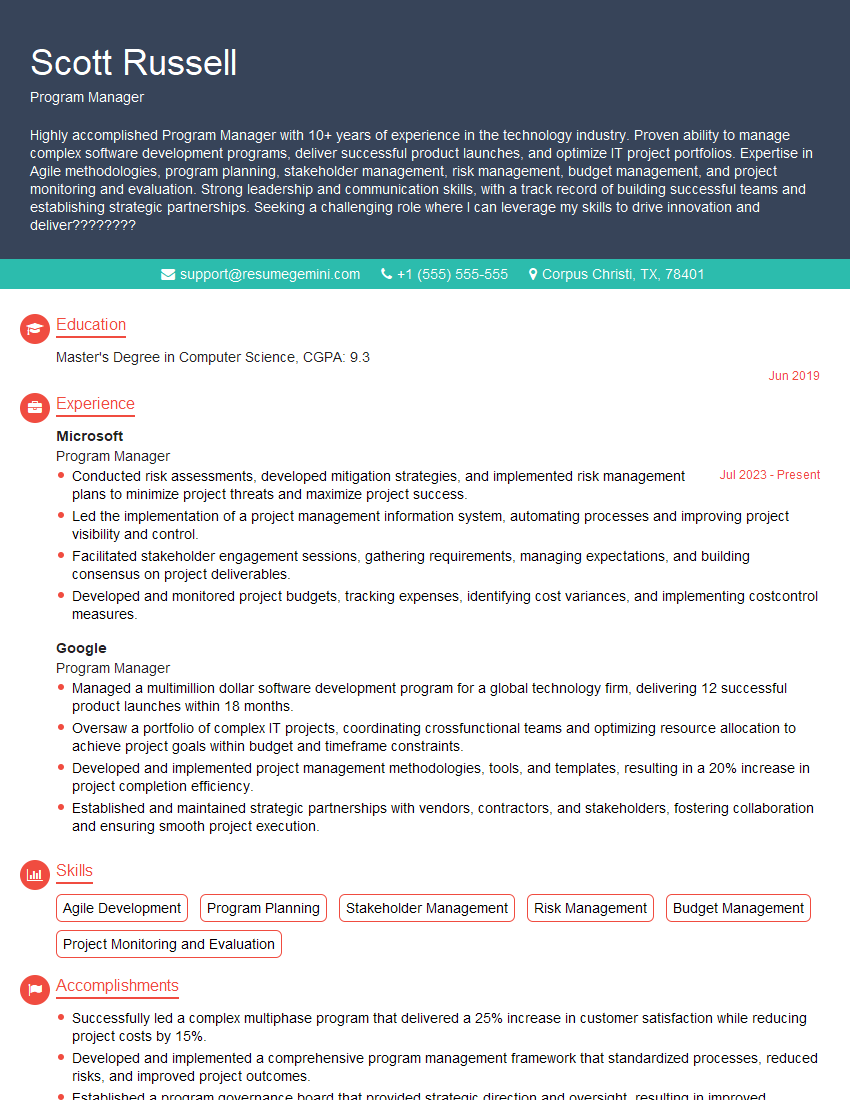
Program Manager Resume Sample

Operations Manager Resume Sample
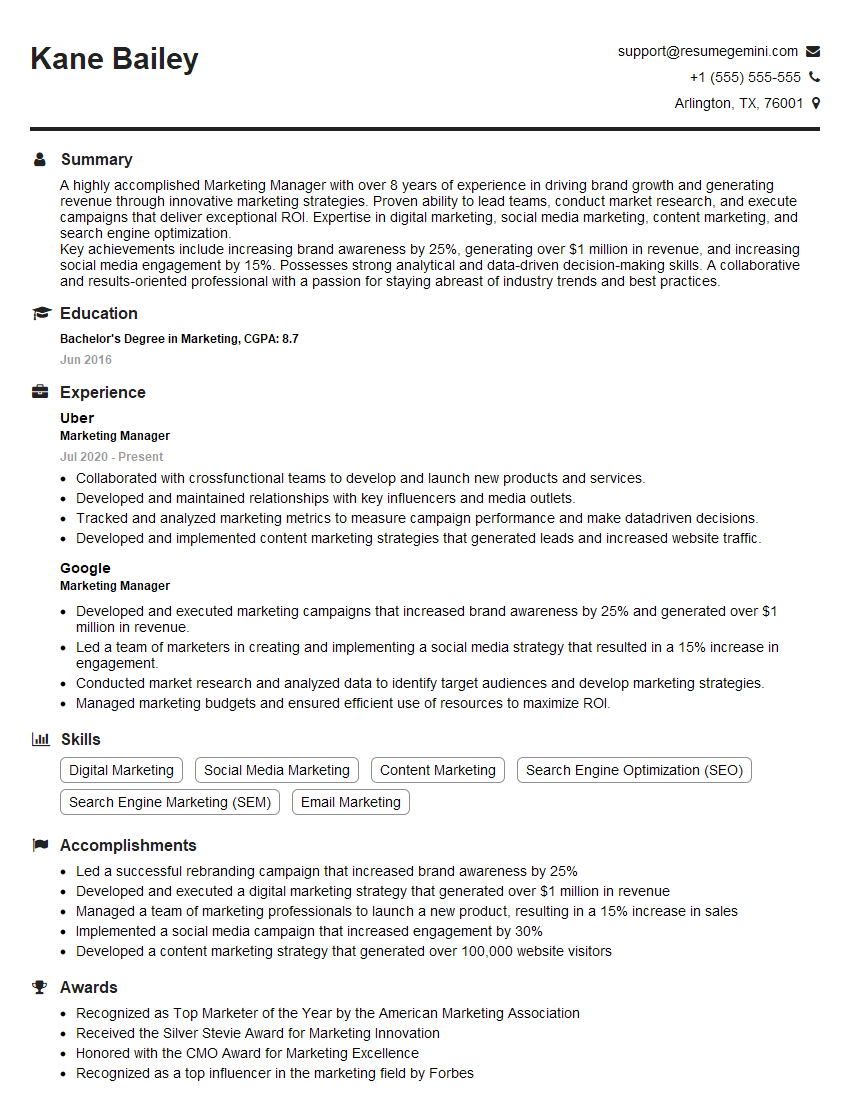
Marketing Manager Resume Sample
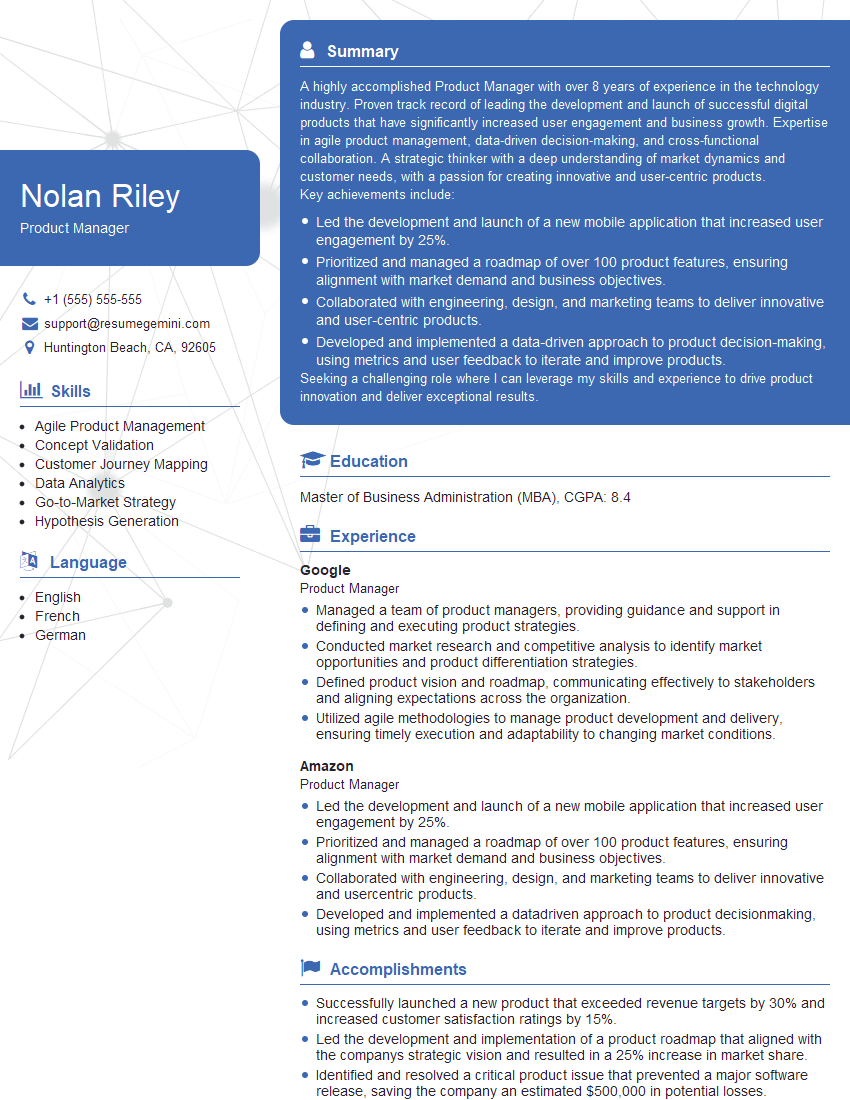
Product Manager Resume Sample
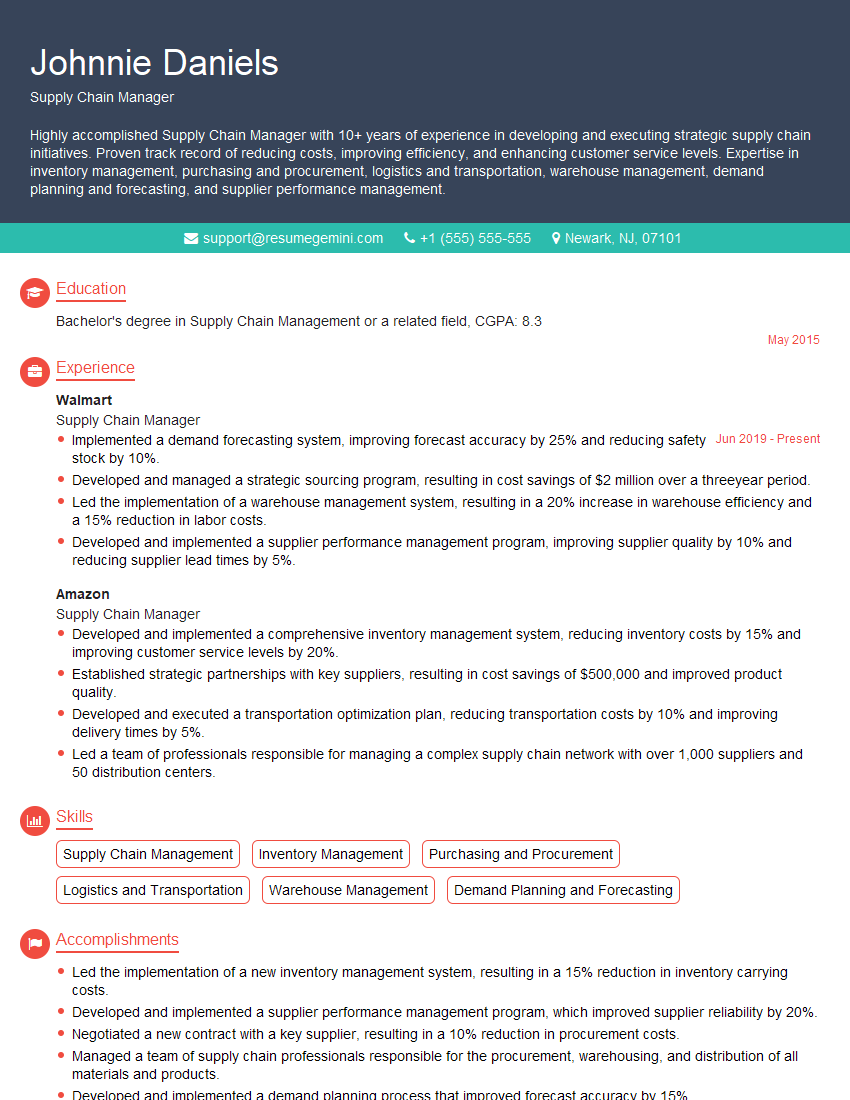
Supply Chain Manager Resume Sample
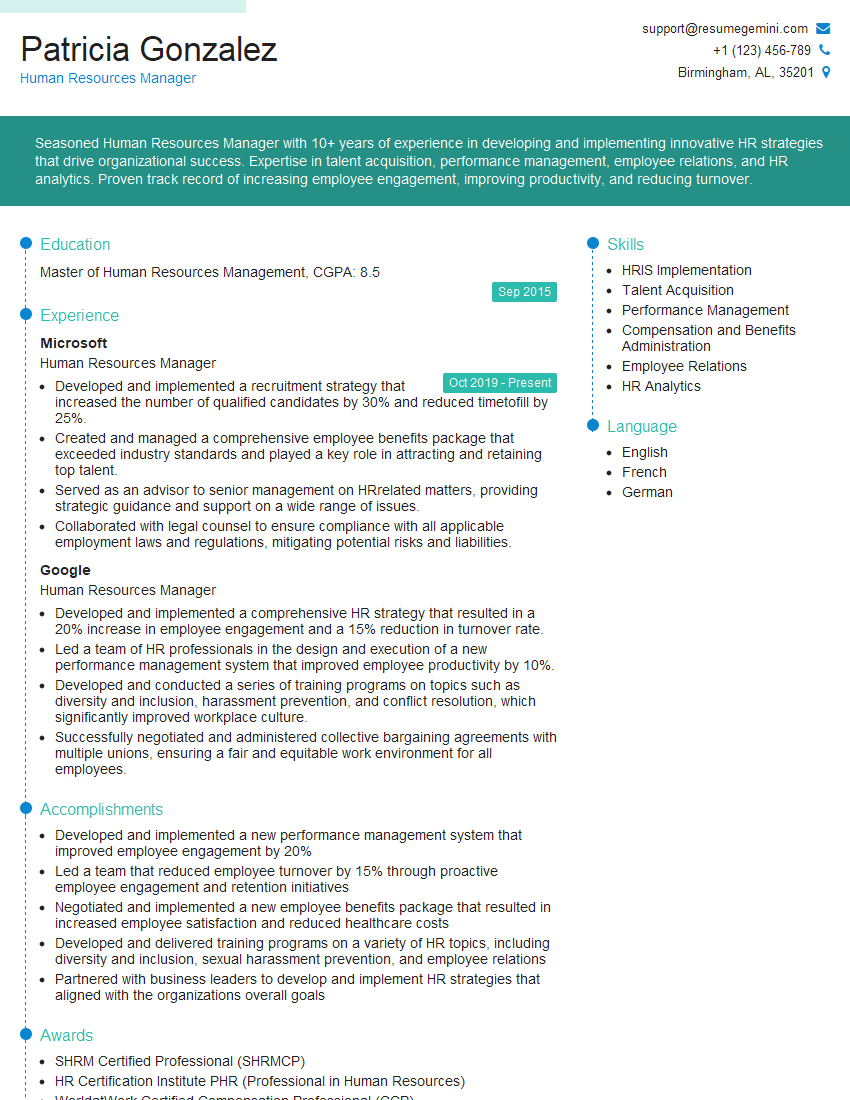
Human Resources Manager Resume Sample

Project Manager Resume Sample
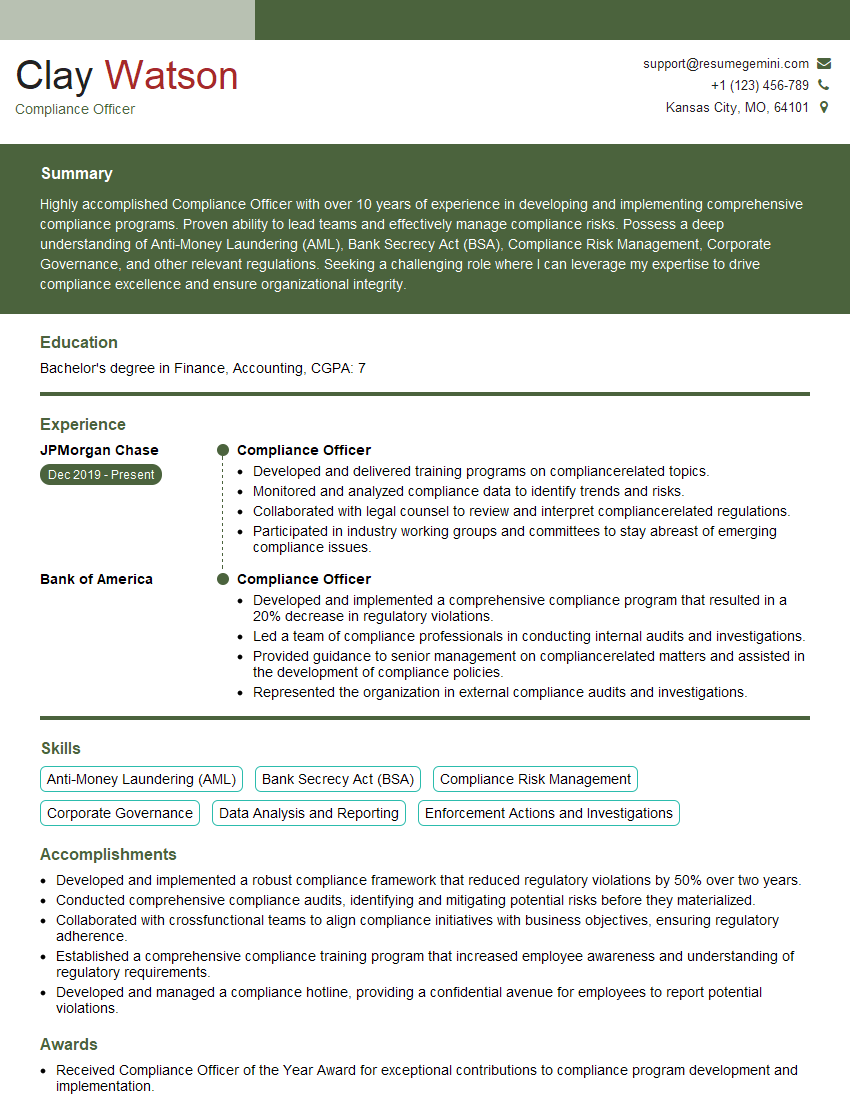
Compliance Officer Resume Sample
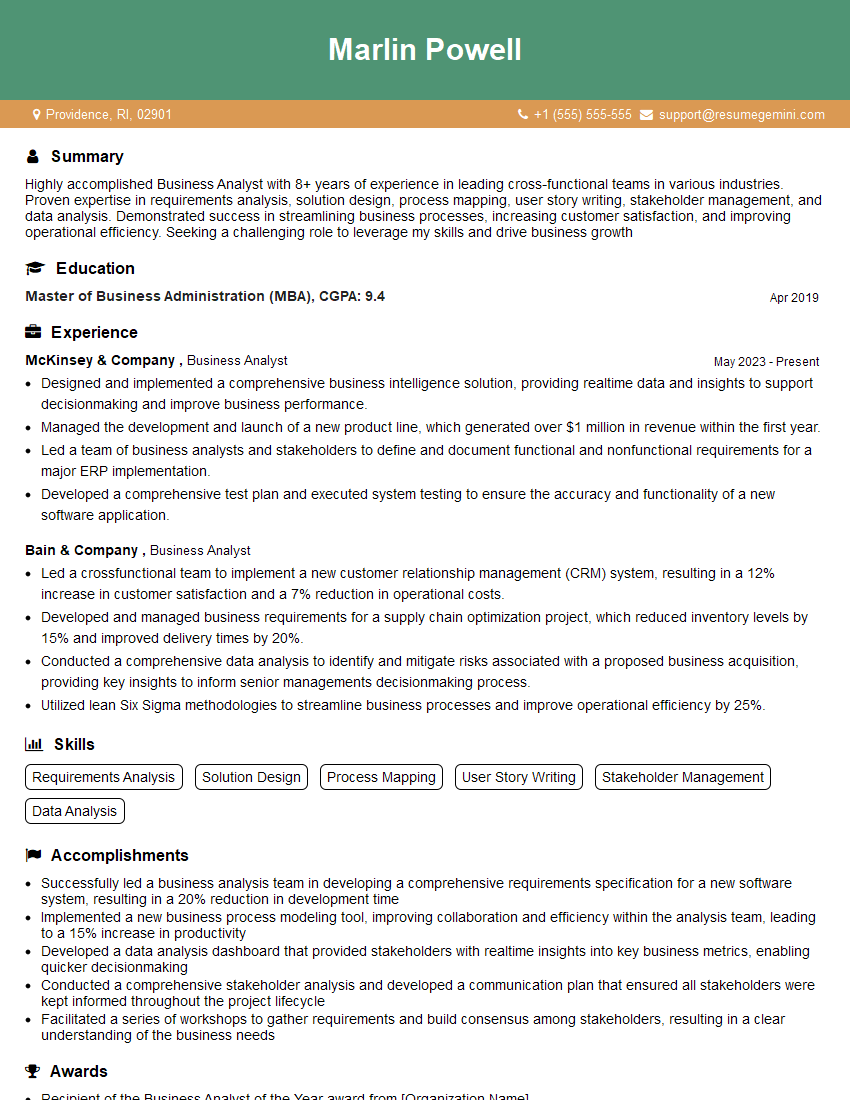
Business Analyst Resume Sample
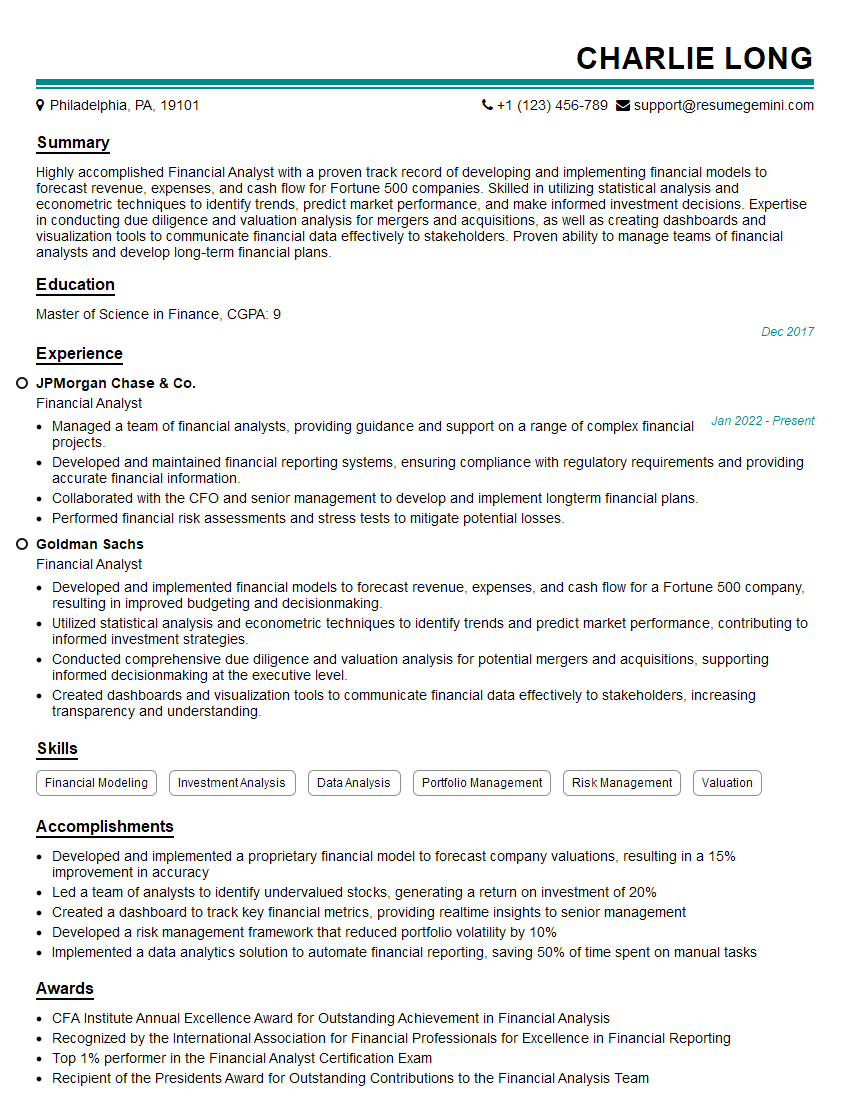
Financial Analyst Resume Sample
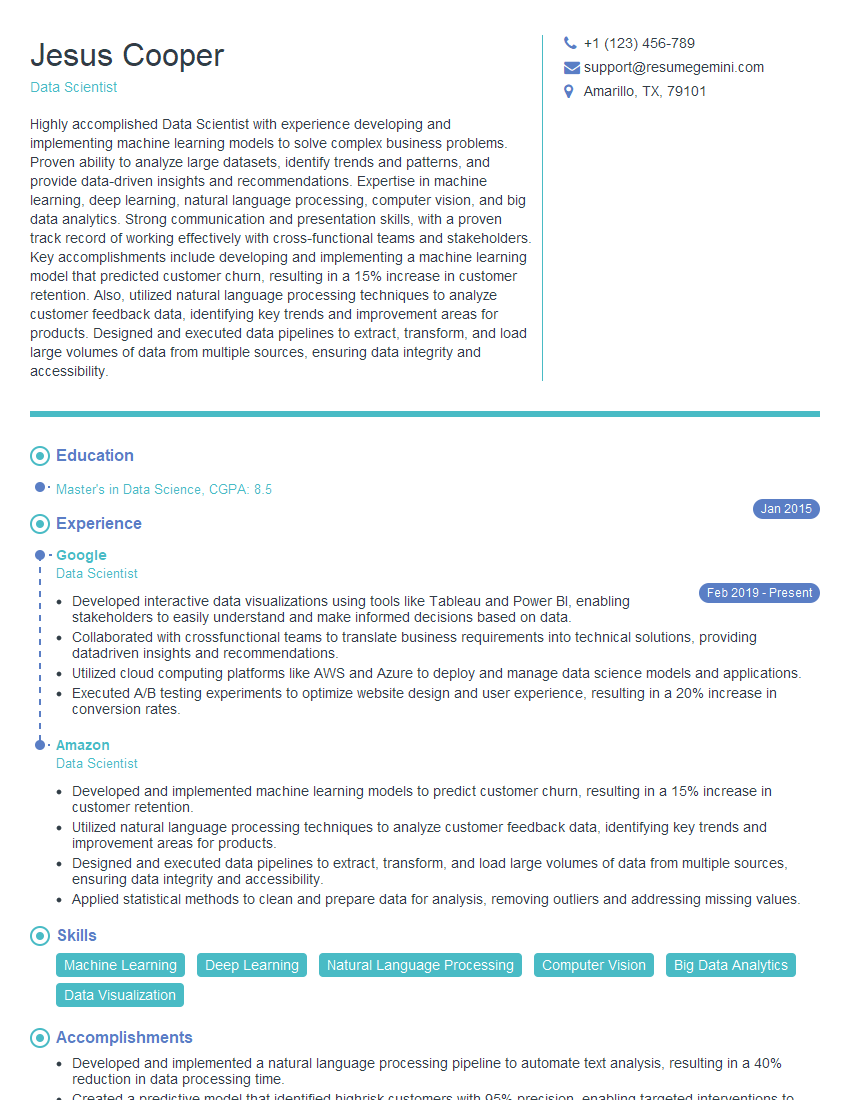
Data Scientist Resume Sample
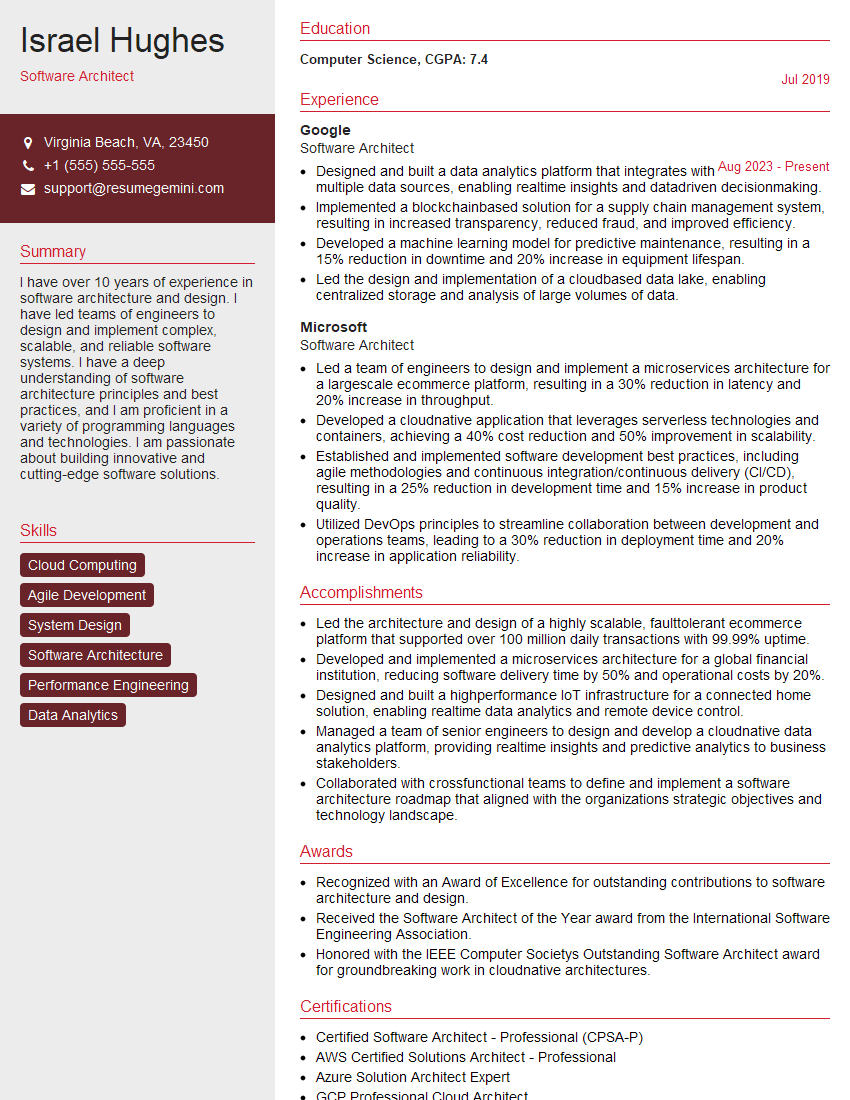
Software Architect Resume Sample
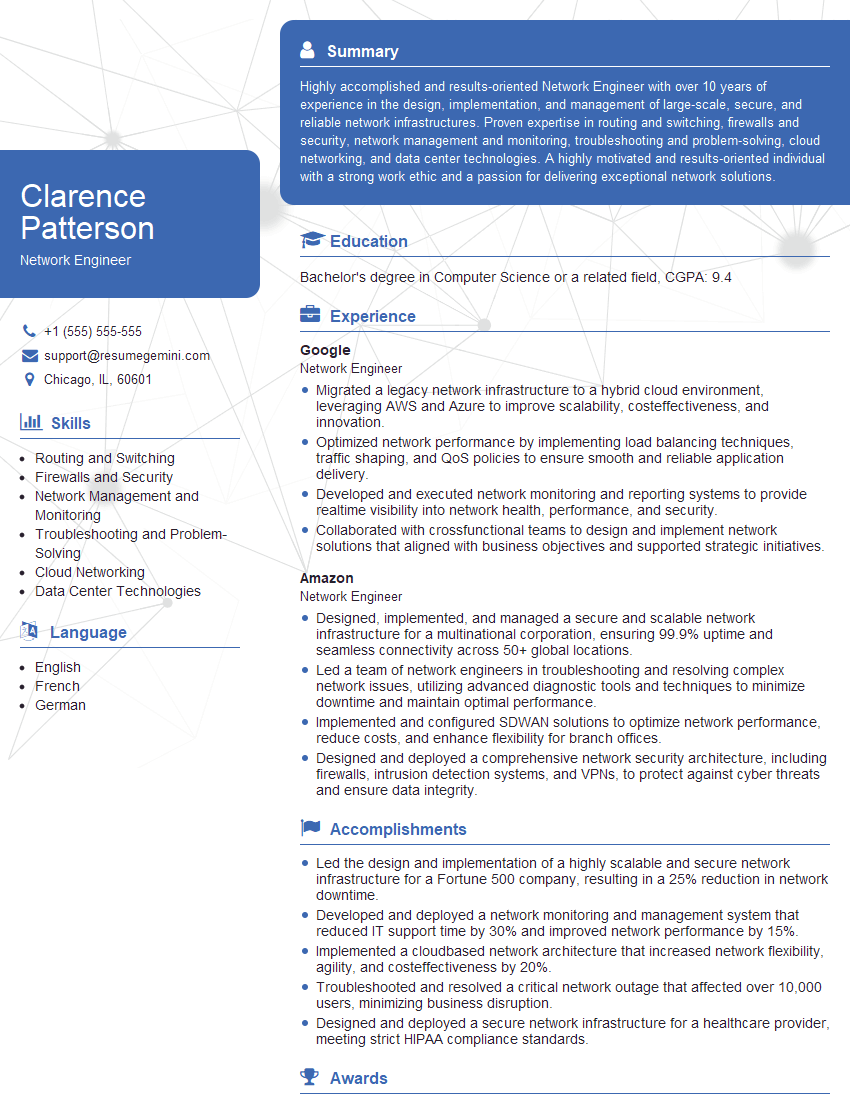
Network Engineer Resume Sample
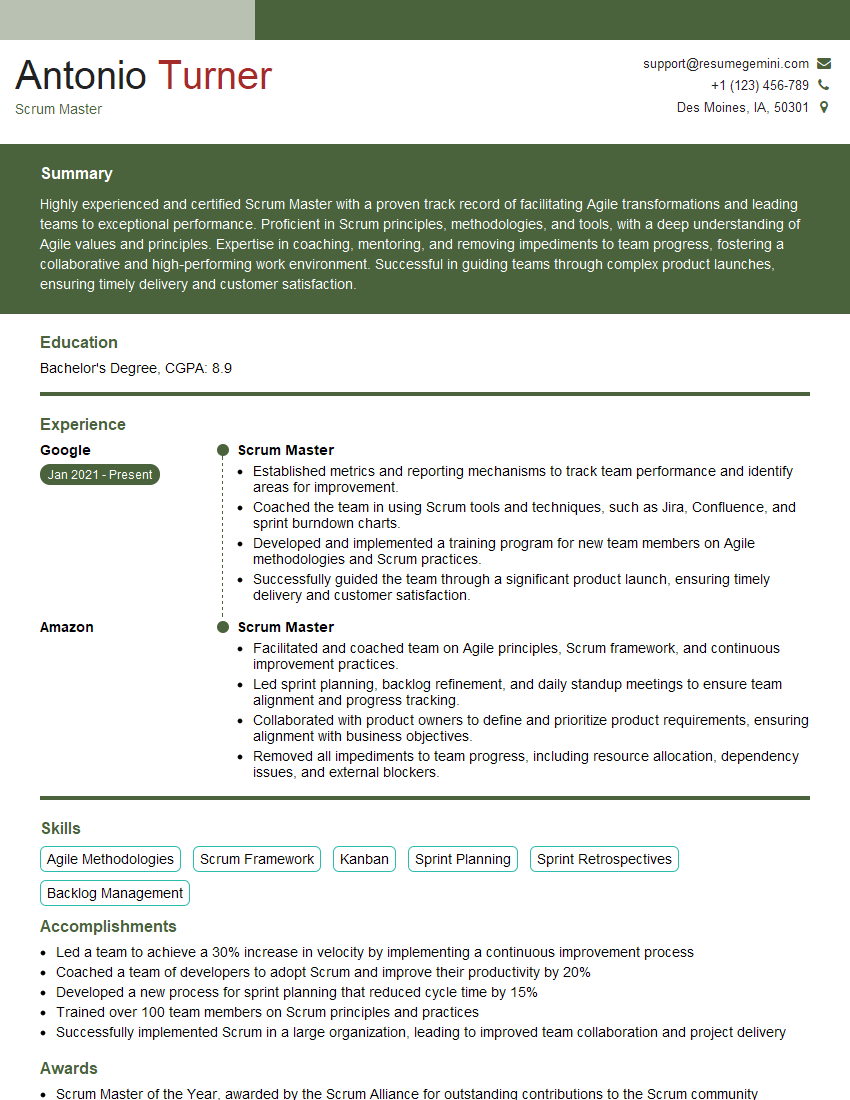
Scrum Master Resume Sample
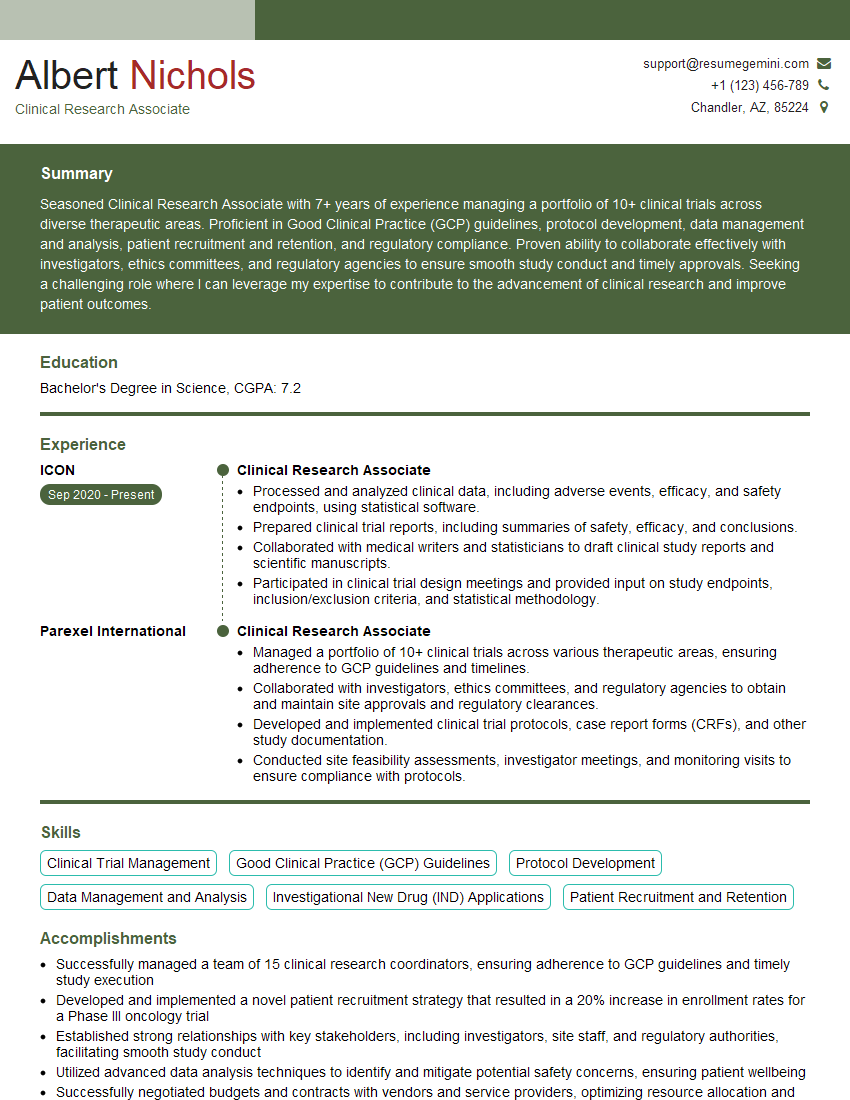
Clinical Research Associate Resume Sample
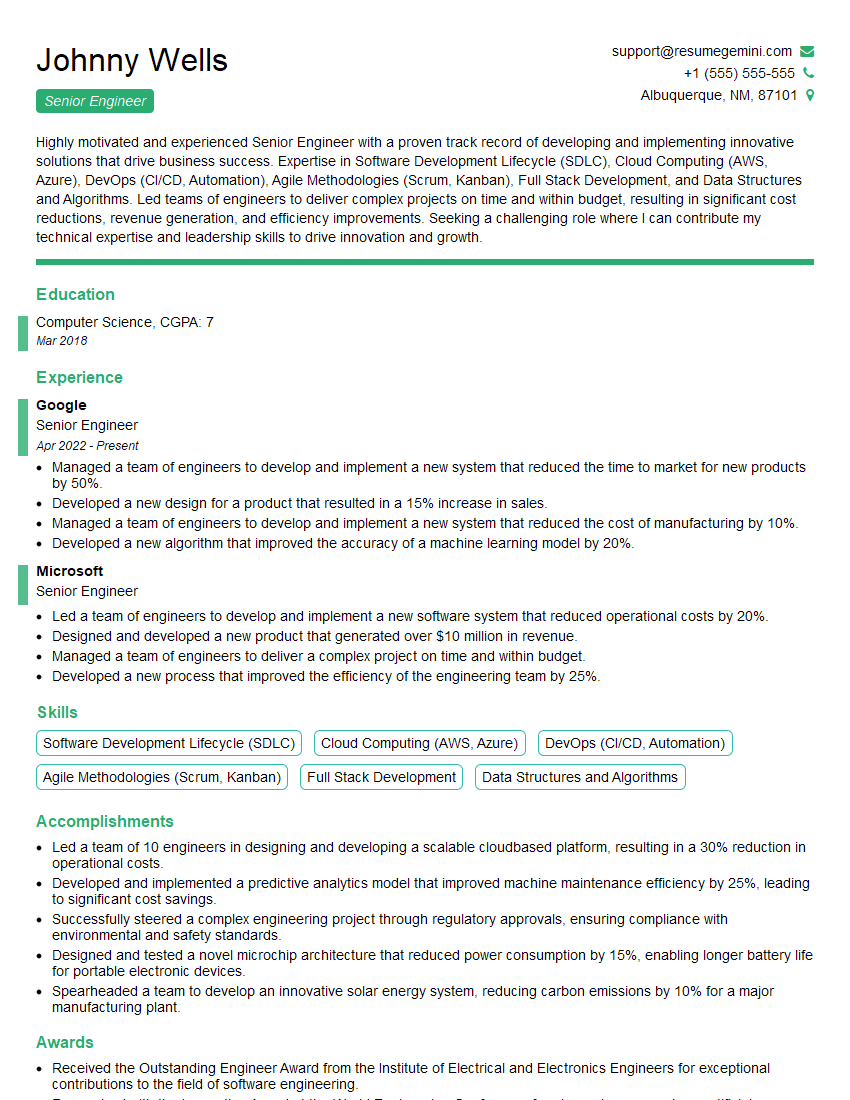
Senior Engineer Resume Sample
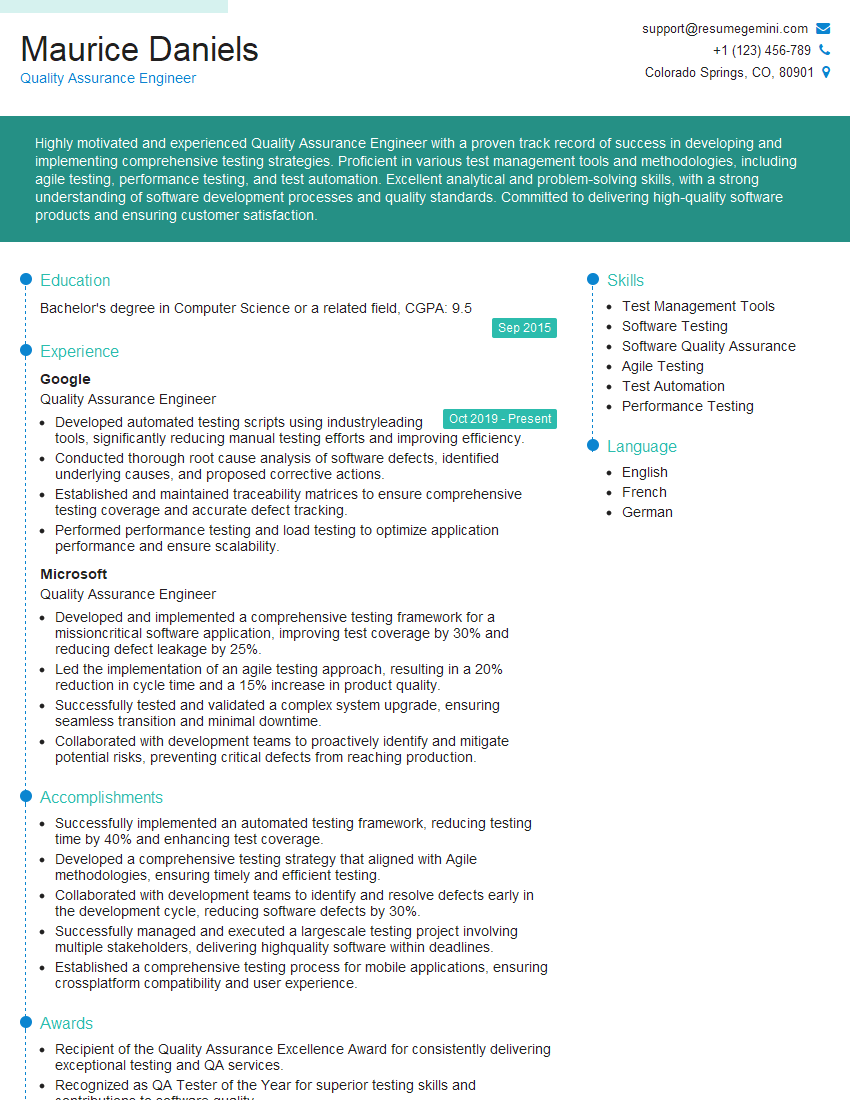
Quality Assurance Engineer Resume Sample

Technical Writer Resume Sample
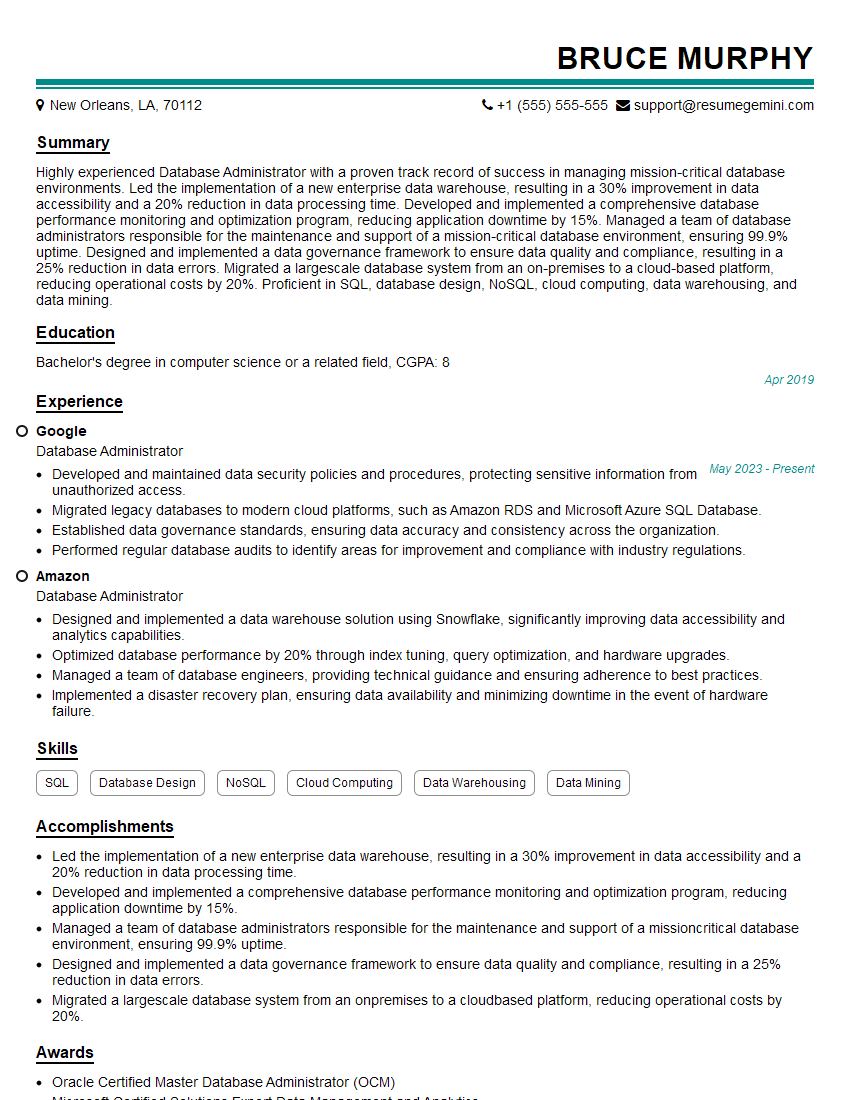
Database Administrator Resume Sample
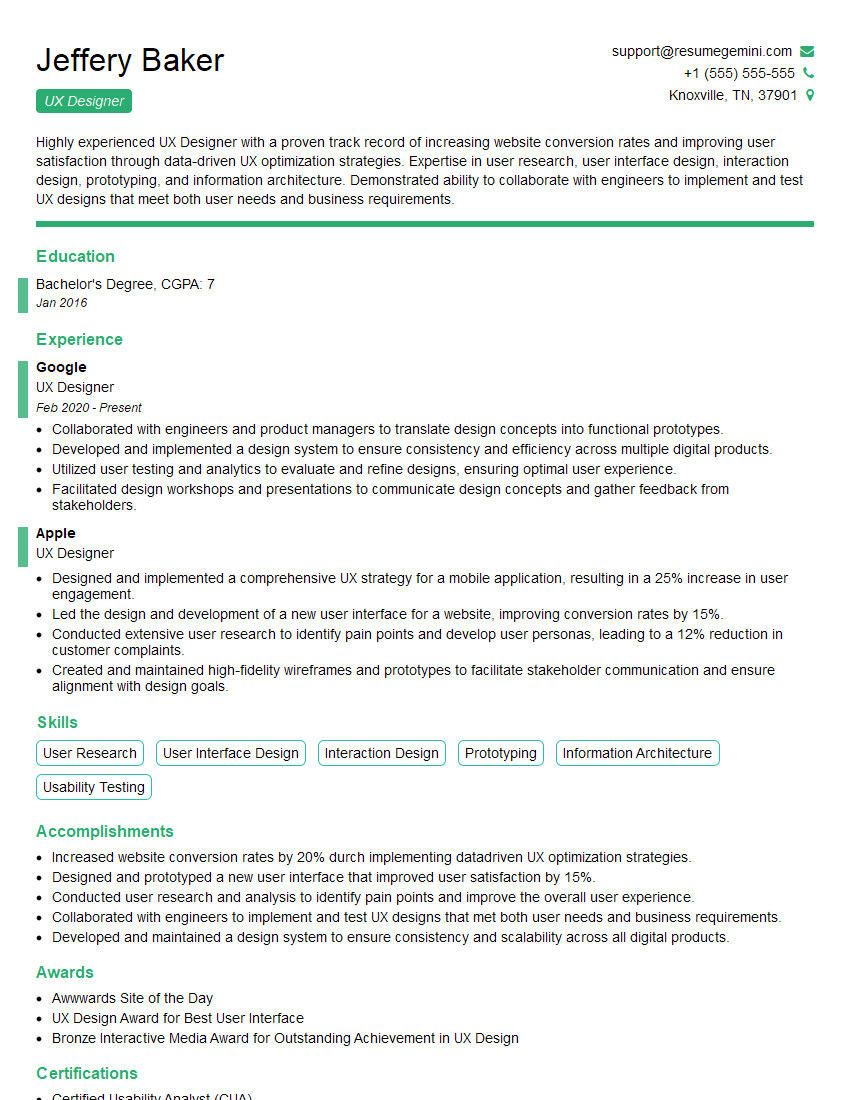
UX Designer Resume Sample
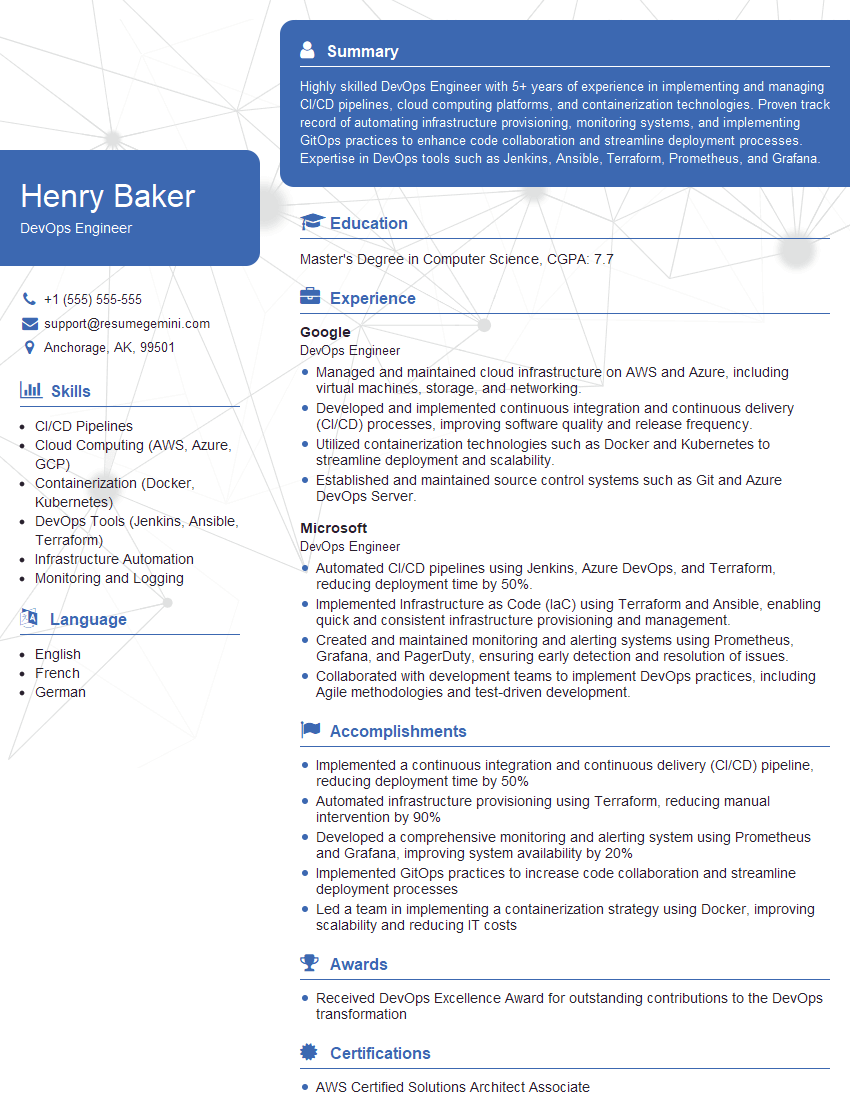
DevOps Engineer Resume Sample
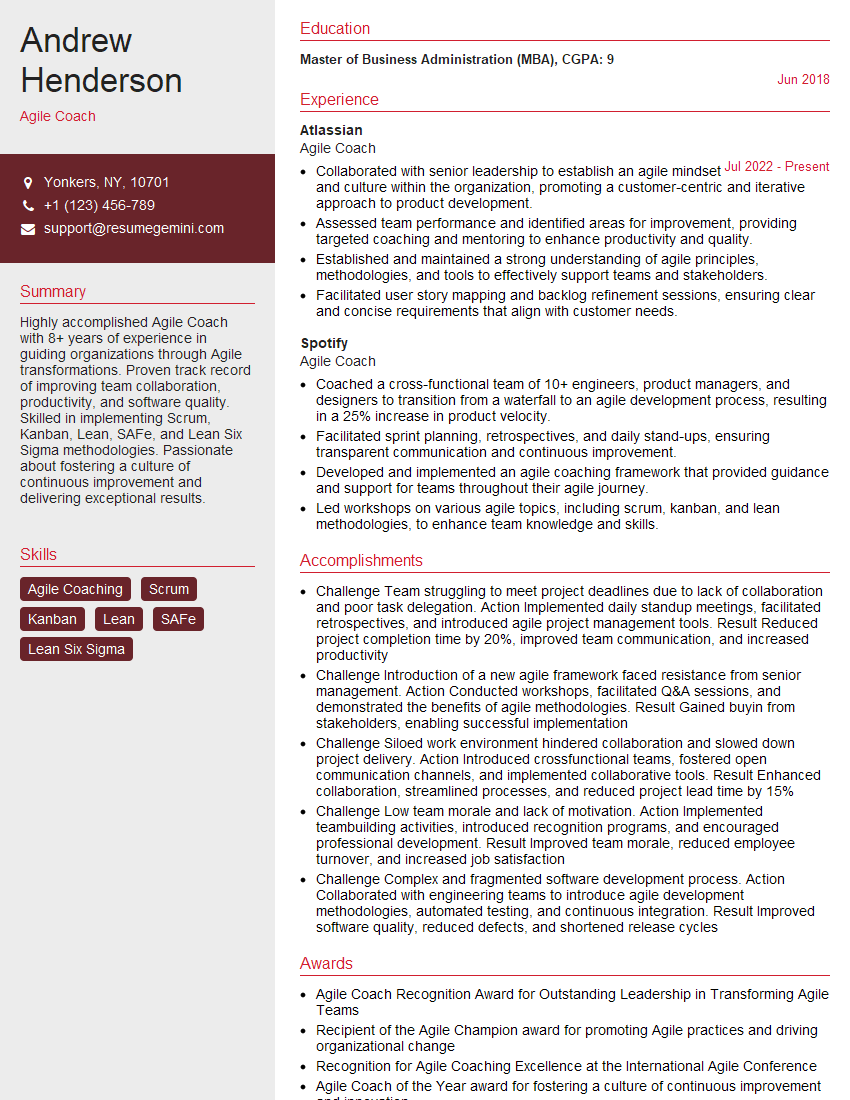
Agile Coach Resume Sample
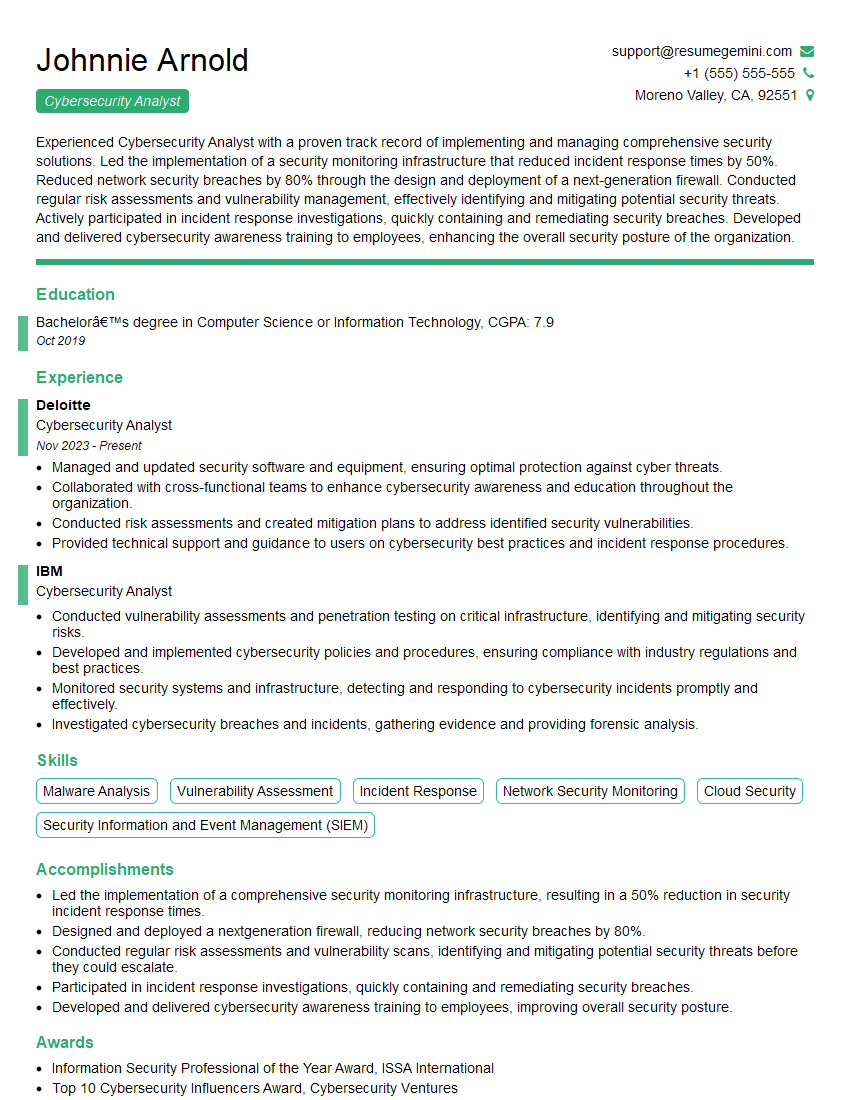
Cybersecurity Analyst Resume Sample
- Program Manager
- Operations Manager
- Marketing Manager
- Product Manager
- Supply Chain Manager
- Human Resources Manager
- Project Manager
- Compliance Officer
- Business Analyst
- Financial Analyst
- Data Scientist
- Software Architect
- Network Engineer
- Scrum Master
- Clinical Research Associate
- Senior Engineer
- Quality Assurance Engineer
- Technical Writer
- Database Administrator
- UX Designer
- DevOps Engineer
- Agile Coach
- Cybersecurity Analyst
Explore more articles
Users Rating of Our Blogs
Share Your Experience
We value your feedback! Please rate our content and share your thoughts (optional).
What Readers Say About Our Blog
I Redesigned Spongebob Squarepants and his main characters of my artwork.
https://www.deviantart.com/reimaginesponge/art/Redesigned-Spongebob-characters-1223583608
IT gave me an insight and words to use and be able to think of examples
Hi, I’m Jay, we have a few potential clients that are interested in your services, thought you might be a good fit. I’d love to talk about the details, when do you have time to talk?
Best,
Jay
Founder | CEO