The right preparation can turn an interview into an opportunity to showcase your expertise. This guide to Ability to work with Diverse population of Individuals with Disabilities interview questions is your ultimate resource, providing key insights and tips to help you ace your responses and stand out as a top candidate.
Questions Asked in Ability to work with Diverse population of Individuals with Disabilities Interview
Q 1. Describe your experience adapting teaching methods for students with various learning disabilities.
Adapting teaching methods for students with diverse learning disabilities requires a deep understanding of individual needs and a flexible approach to instruction. I begin by conducting thorough assessments to identify each student’s strengths, weaknesses, and preferred learning styles. This might involve reviewing IEPs (Individualized Education Programs), conducting informal assessments, and collaborating with the student and their family.
For example, a student with dyslexia might benefit from multi-sensory learning techniques, like using manipulatives, visual aids, and auditory cues. I might incorporate assistive technology such as text-to-speech software and speech-to-text software. A student with ADHD might need frequent breaks, structured activities, and opportunities for movement. I’d implement strategies such as utilizing visual timers, breaking down tasks into smaller chunks, and providing choices to maintain engagement. For a student with autism spectrum disorder, I would focus on creating a predictable and structured environment, utilizing visual schedules, and providing clear and concise instructions. I also tailor my communication style to match individual needs, using clear, simple language and providing ample opportunities for the student to ask questions and express themselves.
Ultimately, my approach is individualized and data-driven. I regularly monitor student progress and adjust my methods accordingly. This iterative process ensures that every student receives the support they need to thrive.
Q 2. Explain your approach to collaborating with families of individuals with disabilities.
Collaborating with families is crucial for successful support of individuals with disabilities. I believe in a partnership model, where families are active participants in the decision-making process, not just recipients of information. I initiate open communication channels from the outset, utilizing various methods to ensure effective communication. This might include regular phone calls, email updates, parent-teacher conferences, and collaborative goal setting.
For instance, I might use a shared online platform to easily share resources, progress reports, and any relevant documentation. Active listening is crucial; I prioritize hearing their perspectives, concerns, and insights into their child’s strengths and challenges. I actively involve families in the development of IEPs or support plans, ensuring that the plan aligns with family values and goals. I’m also mindful of cultural differences and potential language barriers, adapting my communication accordingly to ensure inclusivity and respect.
Building trust is paramount. I demonstrate respect for their expertise about their child, value their input, and celebrate their child’s accomplishments. This collaborative approach ensures a consistent and supportive environment for the individual, maximizing their potential for success.
Q 3. How would you address a conflict between a staff member and an individual with a disability?
Addressing conflicts between staff members and individuals with disabilities requires a calm, empathetic, and structured approach. My priority is to ensure the safety and well-being of all parties involved. First, I would conduct separate, private conversations with each party to understand their perspectives without judgment or interruption. I’d encourage them to express their feelings and concerns using active listening techniques. It is important to validate each party’s feelings even if I don’t agree with their perspective.
Next, I would facilitate a mediated meeting between the staff member and the individual with a disability, creating a safe space for open and honest dialogue. A neutral third party might be beneficial, especially if the conflict involves a significant emotional element. During this meeting, I would focus on identifying the root cause of the conflict, facilitating constructive communication, and collaboratively developing solutions that meet the needs of everyone involved. If the conflict involves a violation of policy, I will follow organizational protocols and procedures to address it appropriately.
Following the meeting, I will conduct regular check-ins to ensure the conflict is resolved and the relationship is improving. I might also implement additional training or support for the staff member to prevent future conflicts.
Q 4. What assistive technologies are you familiar with, and how have you integrated them into your work?
I’m proficient in a variety of assistive technologies, tailored to various disabilities. For visual impairments, I utilize screen readers (like JAWS or NVDA), screen magnification software, and Braille displays. For auditory impairments, I utilize captioning software, real-time transcription tools, and assistive listening devices. For individuals with mobility limitations, I utilize adaptive keyboards, ergonomic mice, and voice-activated software.
For example, I integrated text-to-speech software into a classroom setting for students with dyslexia, allowing them to access reading material independently. I’ve also used speech-to-text software to help students with writing difficulties complete assignments. Furthermore, I’ve incorporated augmentative and alternative communication (AAC) devices, such as picture exchange systems (PECS) and communication apps, to support individuals with limited verbal communication skills. My integration of these technologies is always guided by individual needs and a thorough assessment process. I regularly evaluate the effectiveness of the technology and make adjustments as needed, ensuring the technologies are user-friendly and seamlessly integrated into daily activities.
Q 5. How do you ensure the safety and well-being of individuals with disabilities in your care?
Ensuring the safety and well-being of individuals with disabilities is my top priority. This involves creating a safe and inclusive environment, implementing clear safety protocols, and providing appropriate supervision. For example, regular safety audits are conducted to identify and mitigate potential hazards. This might involve checking for accessibility issues, ensuring proper emergency exits and evacuation plans, and providing personal emergency response systems (PERS).
I conduct regular training for staff members on safety procedures, including emergency response protocols, first aid, and de-escalation techniques. I ensure that staff members receive training specific to the needs of each individual, addressing potential challenges and behaviours. This might involve creating personalized safety plans or implementing specific behavior management strategies. I implement strategies to prevent bullying and harassment, fostering a culture of respect and understanding among staff and individuals. I maintain detailed records of any incidents or near misses, using this data to inform ongoing safety improvements.
Furthermore, I ensure that all staff members are aware of the individual’s medical needs, allergies, and any specific support requirements. Open communication with the individual, their family, and medical professionals is vital in maintaining a safe and supportive environment.
Q 6. Describe a situation where you had to modify a task or environment to accommodate a disability.
I once worked with a student who had severe mobility limitations due to cerebral palsy. The task was to participate in a group art project that required precise hand movements. The original task was simply not feasible for the student. To accommodate his disability, I modified the task and environment in several ways.
First, I provided him with adapted art supplies. This included larger paintbrushes with ergonomic handles and a specialized easel that could be adjusted to his preferred position. I also provided alternatives; instead of painting with brushes he could use voice-activated software to express his creativity in a different way. Secondly, I adjusted the environment by providing him with a comfortable, supportive chair that allowed him to work comfortably and maintain good posture. Finally, I provided him with assistance from a peer buddy, ensuring he felt supported and included.
This adaptation enabled him to participate fully in the project, demonstrating his creativity and improving his self-esteem. The experience highlighted the importance of creative problem-solving and the positive impact of environmental modifications in enabling participation.
Q 7. How do you promote self-advocacy among individuals with disabilities?
Promoting self-advocacy among individuals with disabilities is essential for their independence and empowerment. I begin by fostering a culture of respect and trust, creating a space where individuals feel comfortable expressing their needs and preferences. I actively listen to their perspectives and validate their feelings.
I use various strategies to teach self-advocacy skills, starting with simple steps. This might involve role-playing scenarios, practicing assertive communication techniques, and learning how to express needs clearly and directly. I encourage them to participate in decision-making processes that affect their lives, such as IEP meetings and support plan reviews. For example, I teach them how to ask questions, express concerns, and advocate for the accommodations they require.
I use visual aids, such as checklists and social stories, to help individuals understand and remember their self-advocacy skills. I also provide opportunities for them to practice their self-advocacy skills in real-world situations, gradually increasing the complexity of the tasks. Celebrating their successes and providing positive reinforcement is vital for building their confidence and competence as self-advocates. Ultimately, the goal is to empower individuals to take control of their lives and become their own best advocates.
Q 8. What are some common challenges faced by individuals with disabilities in the workplace, and how would you address them?
Individuals with disabilities often face numerous workplace challenges, ranging from accessibility issues to attitudinal barriers. These can significantly impact their productivity, job satisfaction, and overall well-being.
Accessibility Barriers: Physical inaccessibility (lack of ramps, elevators, adaptive equipment), inaccessible technology (websites, software), and inadequate communication strategies (lack of sign language interpreters, poorly designed visual aids).
Attitudinal Barriers: Prejudice, stereotypes, and a lack of understanding from colleagues and supervisors. This can manifest as exclusion from social events, unfair performance evaluations, or lack of opportunities for advancement.
Health and Wellness Concerns: Managing the symptoms of their disability, potential for increased stress and burnout, and needing to coordinate workplace accommodations with personal medical needs.
Addressing these challenges requires a multifaceted approach:
Proactive Accessibility Planning: Conducting workplace assessments, procuring adaptive technology, and ensuring physical spaces are fully accessible.
Comprehensive Training: Educating all employees on disability awareness, sensitivity, and inclusive practices. This includes understanding person-first language and respecting individual needs.
Individualized Support: Working closely with employees with disabilities to create individualized accommodation plans that cater to their specific needs, while maintaining a focus on their abilities and strengths.
Open Communication and Collaboration: Establishing open communication channels to address any concerns promptly and creating a supportive and inclusive team environment.
For example, in a previous role, I worked with a team to adapt a software program for a visually impaired employee by implementing screen reader compatibility, adjusting font sizes, and modifying color contrast.
Q 9. How familiar are you with the Americans with Disabilities Act (ADA)?
I am very familiar with the Americans with Disabilities Act (ADA) of 1990. I understand its core purpose is to prohibit discrimination based on disability in employment, state and local government services, public accommodations, commercial facilities, and transportation.
My understanding encompasses:
Reasonable Accommodations: The ADA mandates that employers provide reasonable accommodations to qualified individuals with disabilities, unless doing so would impose an undue hardship on the business.
Essential Job Functions: Understanding the distinction between essential and non-essential job functions in determining reasonable accommodations.
Interactive Process: The importance of a collaborative and interactive process between the employer and the employee to determine appropriate accommodations.
Confidentiality: Maintaining the confidentiality of medical information provided by employees.
I regularly consult ADA guidelines to ensure compliance and best practices in supporting individuals with disabilities in the workplace.
Q 10. Explain your understanding of person-first language and its importance.
Person-first language emphasizes putting the individual before their disability. Instead of saying “the autistic person,” we say “the person with autism.” This subtle shift highlights the individual’s humanity and individuality, recognizing that their disability is just one aspect of who they are, not their defining characteristic.
The importance lies in promoting respect, dignity, and inclusion. It reframes how we perceive individuals with disabilities, moving away from labeling and towards valuing their unique capabilities and contributions.
Using person-first language fosters a more positive and inclusive environment, reducing stigma and promoting understanding. It reflects a shift in societal attitudes, recognizing disability as part of human diversity.
Q 11. Describe your experience providing support to individuals with intellectual disabilities.
I have extensive experience supporting individuals with intellectual disabilities, both in educational and vocational settings. This has included designing individualized support plans, facilitating job coaching and skill development, and advocating for their access to resources and opportunities.
In one instance, I worked with an individual with Down syndrome who aspired to work in a coffee shop. We collaboratively developed a job training program focusing on practical skills such as operating the cash register, preparing simple drinks, and interacting with customers. Through patience, positive reinforcement, and task breakdown, he successfully acquired the necessary skills and is now a valued employee. This experience highlighted the importance of individualized support, positive reinforcement, and focusing on strengths.
Q 12. How would you handle a situation where an individual with a disability is exhibiting challenging behavior?
Challenging behavior exhibited by an individual with a disability should be approached with empathy, understanding, and a focus on identifying the root cause. It is crucial to avoid judgment and instead look for underlying triggers.
My approach would involve:
Calm and Patient Response: Remaining calm and patient, avoiding confrontation, and addressing the situation with sensitivity.
Root Cause Analysis: Determining if the behavior stems from environmental factors, unmet needs, sensory overload, or communication barriers.
Collaboration: Consulting with relevant professionals (such as therapists, medical staff, or behavior specialists) to develop a tailored support plan.
Positive Reinforcement: Focusing on reinforcing positive behaviors and rewarding progress.
Environmental Modifications: Adjusting the environment to reduce potential triggers, such as noise levels, visual stimulation, or changes in routine.
Communication Strategies: Utilizing alternative communication methods, if necessary, to better understand and address the individual’s needs.
For example, a person with autism might exhibit self-injurious behaviors due to sensory overload. Implementing strategies to reduce sensory input, such as providing a quiet space or using noise-canceling headphones, could help manage the behavior. In such scenarios, a collaborative approach is always vital.
Q 13. What strategies do you employ to foster a sense of belonging and inclusion for individuals with disabilities?
Fostering a sense of belonging and inclusion requires creating a workplace culture that values diversity and respects individual differences. This begins with creating a welcoming and supportive environment where everyone feels valued and respected.
My strategies include:
Inclusive Leadership: Promoting inclusive leadership styles that actively encourage participation, respect diverse perspectives, and celebrate individual contributions.
Team Building Activities: Organizing inclusive team-building activities that cater to the diverse needs and abilities of all employees.
Open Communication: Encouraging open dialogue and promoting a culture of respect and understanding.
Accessibility Initiatives: Continuously working towards creating a fully accessible workplace, including physical accessibility and accessible communication strategies.
Mentorship Programs: Pairing employees with disabilities with mentors to provide guidance, support, and advocacy.
Celebrating Diversity: Recognizing and celebrating the unique talents and contributions of all employees.
In my experience, creating a sense of belonging is not about treating everyone the same, it’s about valuing and respecting individual differences and providing what each person needs to succeed and thrive.
Q 14. Describe your experience working with individuals with sensory processing disorders.
Sensory processing disorder (SPD) affects how the brain receives and interprets sensory information. Individuals with SPD may experience over- or under-sensitivity to sights, sounds, touch, tastes, smells, or movement. Understanding these sensory sensitivities is crucial for creating a supportive work environment.
My experience includes understanding and adapting the work environment to accommodate the specific sensory needs of individuals with SPD. This involved:
Environmental Modifications: Adjusting lighting levels, noise levels, and workspace organization to minimize sensory overload.
Communication Strategies: Utilizing clear and concise communication, providing visual aids, and ensuring adequate time for processing information.
Flexible Work Arrangements: Offering flexible work arrangements or breaks as needed to accommodate sensory sensitivities.
Assistive Technology: Utilizing assistive technology such as noise-canceling headphones or weighted blankets, to help regulate sensory input.
Collaboration: Working collaboratively with occupational therapists or other professionals to create tailored support plans.
For example, I helped an employee with SPD by providing a quiet workspace away from distracting noises, using a visual schedule to manage their workload and providing frequent breaks to prevent sensory overload.
Q 15. How would you adapt your communication style to effectively interact with individuals with various communication needs?
Effective communication with individuals with diverse communication needs requires adaptability and a person-centered approach. It’s not a one-size-fits-all solution; instead, it’s about understanding the individual’s unique strengths and challenges.
- Visual Supports: For individuals who benefit from visual aids, I would use pictures, symbols, or written words alongside verbal communication. For example, when explaining a task, I’d use a picture schedule or a checklist.
- Augmentative and Alternative Communication (AAC): I’m proficient in working with various AAC devices, from simple picture boards to sophisticated speech-generating devices. I would collaborate with the individual to determine the most effective communication method.
- Simplified Language: I would avoid jargon and complex sentence structures, opting for clear, concise language. Breaking down instructions into smaller, manageable steps is also crucial.
- Active Listening: Paying close attention to both verbal and nonverbal cues is paramount. This includes observing body language, facial expressions, and vocal tone to fully understand the individual’s message.
- Patience and Understanding: Communication may take longer, and that’s okay. Patience and a non-judgmental attitude are essential for creating a safe and comfortable environment.
For instance, I once worked with a young man who relied heavily on picture exchange communication. By using a picture schedule to guide him through his daily routine, we were able to reduce his anxiety and improve his independence.
Career Expert Tips:
- Ace those interviews! Prepare effectively by reviewing the Top 50 Most Common Interview Questions on ResumeGemini.
- Navigate your job search with confidence! Explore a wide range of Career Tips on ResumeGemini. Learn about common challenges and recommendations to overcome them.
- Craft the perfect resume! Master the Art of Resume Writing with ResumeGemini’s guide. Showcase your unique qualifications and achievements effectively.
- Don’t miss out on holiday savings! Build your dream resume with ResumeGemini’s ATS optimized templates.
Q 16. What resources do you utilize to stay current on best practices in disability services?
Staying current on best practices in disability services requires a multifaceted approach. I regularly utilize several resources to maintain my knowledge and skills.
- Professional Organizations: I am an active member of [Name Professional Organization(s)], which provides access to conferences, webinars, and publications on the latest research and best practices.
- Journals and Publications: I subscribe to journals such as [Name relevant journals] and regularly read articles on relevant topics.
- Online Resources: I frequently consult reputable websites like [Name websites like the CDC, WHO, etc.], which offer information on various disabilities and best practices.
- Continuing Education: I actively seek out and participate in continuing education courses and workshops focused on specific areas of disability services, ensuring my skills remain up-to-date.
- Networking: I maintain a professional network of colleagues and experts in the field, engaging in regular discussions and knowledge sharing.
For example, attending a recent conference on assistive technology allowed me to learn about a new software that significantly enhances communication for individuals with aphasia, a skill I immediately integrated into my practice.
Q 17. How do you ensure confidentiality and privacy when working with individuals with disabilities?
Confidentiality and privacy are paramount when working with individuals with disabilities. I adhere strictly to ethical guidelines and legal regulations to protect sensitive information.
- HIPAA Compliance: I am thoroughly familiar with HIPAA regulations and understand the importance of protecting Protected Health Information (PHI).
- Secure Record Keeping: I maintain all records securely, both electronically and physically, using password-protected systems and locked storage.
- Informed Consent: I always obtain informed consent from the individual or their legal guardian before sharing any information with others.
- Need-to-Know Basis: I only share information with other professionals on a need-to-know basis, and only when necessary for providing care or services.
- Data Breach Protocol: I understand and follow the appropriate procedures in the event of a data breach.
For example, if a colleague needs information about a client, I’d only share what’s strictly necessary for their role in the client’s care, never divulging unnecessary personal details.
Q 18. Describe your experience with developing Individualized Education Programs (IEPs) or Individualized Habilitation Plans (IHPs).
I have extensive experience in developing both Individualized Education Programs (IEPs) and Individualized Habilitation Plans (IHPs), depending on the individual’s needs and setting.
IEPs are developed for students with disabilities in educational settings. My role often involves participating in IEP meetings, collaborating with parents, teachers, and other professionals to identify the student’s strengths and needs, setting measurable goals, and outlining strategies to support their learning.
IHPs, on the other hand, focus on habilitative goals and are often used in community-based settings for individuals with developmental disabilities. These plans outline strategies to enhance the individual’s independence and quality of life across various areas, such as daily living skills, communication, and social interaction. I have significant experience in facilitating IHP meetings, collecting data to monitor progress, and adapting plans as needed.
In both cases, I employ a collaborative and person-centered approach, ensuring that the individual or their family has a significant voice in the planning process.
Q 19. How would you identify and address potential barriers to accessibility in a workplace or community setting?
Identifying and addressing accessibility barriers requires a proactive and comprehensive approach, involving observation, assessment, and collaboration.
- Environmental Scan: I would begin by conducting a thorough environmental scan of the workplace or community setting, paying close attention to physical, informational, and attitudinal barriers.
- Accessibility Audits: Utilizing accessibility checklists and conducting audits (physical and digital) to identify areas needing improvement.
- Individual Needs Assessment: Understanding the specific needs and preferences of individuals with disabilities is crucial. I would actively involve them in the assessment process.
- Collaboration with Stakeholders: Working collaboratively with building management, human resources, community leaders, and individuals with disabilities to develop solutions is critical.
- Implementation and Evaluation: Implementing recommended changes and regularly evaluating their effectiveness to ensure they meet the needs of individuals with disabilities.
For example, I once helped a local business make their storefront more accessible by adding ramps, widening doorways, and installing audio descriptions on their menu boards. This involved working directly with the owners and consulting with accessibility experts.
Q 20. What is your experience with crisis intervention and de-escalation techniques related to individuals with disabilities?
Crisis intervention and de-escalation techniques are essential skills when working with individuals with disabilities, who may experience heightened emotional or behavioral challenges due to various factors.
- Training and Certification: I have received training in crisis prevention and intervention techniques, specifically adapted for individuals with disabilities.
- Understanding Triggers: I strive to understand the individual’s triggers and potential stressors to anticipate and prevent crises.
- Calm and Empathetic Approach: Maintaining a calm and empathetic demeanor is crucial during a crisis. I would speak slowly and clearly, using simple language and non-threatening body language.
- Communication Strategies: Utilizing effective communication strategies that cater to the individual’s communication needs, offering choices and reassurance.
- Safety Procedures: I am familiar with appropriate safety procedures to protect myself and the individual during a crisis, including seeking assistance when necessary.
For instance, I once helped de-escalate a situation with a client experiencing sensory overload by creating a quiet, calm space and providing weighted blankets. Understanding the sensory sensitivities of the individual was key to resolving the situation peacefully.
Q 21. Describe your knowledge of different types of disabilities and their unique needs.
My knowledge of different types of disabilities and their unique needs is extensive. I understand that each individual is unique and their needs vary even within the same disability category.
I am familiar with a broad range of disabilities, including:
- Developmental Disabilities: Autism spectrum disorder, intellectual disabilities, cerebral palsy, Down syndrome
- Physical Disabilities: Spinal cord injuries, limb differences, multiple sclerosis, muscular dystrophy
- Sensory Disabilities: Visual impairments, hearing impairments, deaf-blindness
- Mental Health Disabilities: Depression, anxiety, schizophrenia, bipolar disorder
- Traumatic Brain Injuries (TBI): Cognitive, physical, and emotional challenges resulting from TBI
Understanding the impact of each disability on an individual’s functioning and the range of support they may require, from assistive technology to behavioral interventions, allows me to provide personalized and effective services. I also recognize the importance of understanding the co-occurrence of disabilities.
For example, a person with autism may also have sensory processing difficulties, which requires a tailored approach involving both behavioral and sensory interventions. Recognizing these complexities allows me to offer truly person-centered care.
Q 22. How would you assess the needs of an individual with a disability to create a personalized support plan?
Assessing the needs of an individual with a disability requires a holistic and person-centered approach. It’s not a one-size-fits-all process; it’s about understanding the individual’s unique strengths, challenges, and aspirations within their specific context.
- Comprehensive Assessment: This involves gathering information from multiple sources, including the individual themselves (if possible), family members, caregivers, medical professionals, and educational records. Methods include interviews, observations, standardized assessments, and informal evaluations.
- Identifying Functional Limitations: We determine specific areas where the disability impacts daily living, such as mobility, communication, self-care, cognitive function, and social interaction. For example, we might assess the individual’s ability to dress themselves, prepare meals, or navigate public transportation.
- Strengths and Preferences: It’s crucial to identify the individual’s strengths and preferences. What are their interests? What are they good at? What kind of support do they prefer? This empowers them and ensures the support plan is aligned with their values and goals.
- Environmental Factors: We evaluate the individual’s environment – home, school, workplace – to identify potential barriers and facilitators. For instance, we’d consider accessibility, social support systems, and available resources.
- Personalized Support Plan: Based on the assessment, we develop a detailed plan outlining specific goals, strategies, and support services tailored to the individual’s needs. This plan is dynamic and can be adapted as needed.
Example: For a young adult with autism spectrum disorder, the assessment might involve reviewing educational reports, conducting interviews with family members, and observing their social interactions. The resulting support plan could incorporate strategies for managing sensory overload, developing social skills, and finding employment.
Q 23. What are your strategies for supporting individuals with disabilities in achieving their goals?
Supporting individuals with disabilities in achieving their goals requires a collaborative and empowering approach. My strategies focus on building on their strengths, fostering independence, and promoting self-determination.
- Goal Setting: I work collaboratively with the individual to establish meaningful and achievable goals. These goals should be person-centered, reflecting their aspirations and priorities.
- Skill Development: I provide training and support to develop the skills necessary to achieve those goals. This could involve teaching adaptive strategies, accessing assistive technology, or connecting them with community resources.
- Self-Advocacy Training: Empowering individuals to advocate for their own needs is critical. I provide training and guidance on communication skills, self-expression, and assertive behavior.
- Environmental Modifications: I work to remove barriers in the environment, such as improving accessibility or modifying tasks to make them easier to complete.
- Regular Monitoring and Evaluation: We regularly review progress and adjust the support plan as needed. This ensures the plan remains relevant and effective.
Example: A client with a physical disability aiming for independent living might need support in learning to use adaptive equipment, navigating public transport, and managing their finances. The support plan would detail the steps and resources to accomplish each of these goals.
Q 24. Describe your understanding of the concept of Universal Design.
Universal Design is the creation of environments, products, and services that are usable by all people, to the greatest extent possible, without the need for adaptation or specialized design. It’s about designing for diversity from the outset, rather than adding accommodations later.
- Equitable Use: The design is useful and marketable to people with diverse abilities.
- Flexibility in Use: The design accommodates a wide range of individual preferences and abilities.
- Simple and Intuitive Use: Use of the design is easy to understand, regardless of the user’s experience, knowledge, language skills, or concentration level.
- Perceptible Information: The design communicates necessary information effectively to the user, regardless of the user’s sensory abilities.
- Tolerance for Error: The design minimizes hazards and the adverse consequences of accidental or unintended actions.
- Low Physical Effort: The design can be used efficiently and comfortably and with a minimum of fatigue.
- Size and Space for Approach and Use: Appropriate size and space is provided for approach, reach, manipulation, and use regardless of user’s body size, posture, or mobility.
Example: Ramps instead of stairs, curb cuts, captions on videos, and adjustable furniture are all examples of Universal Design. It promotes inclusion and removes the need for separate, specialized designs for people with disabilities.
Q 25. How do you promote positive mental health and well-being for individuals with disabilities?
Promoting positive mental health and well-being for individuals with disabilities requires a multi-faceted approach, recognizing that mental health challenges can be exacerbated by societal barriers and discrimination.
- Trauma-Informed Care: Understanding that many individuals with disabilities have experienced trauma and adjusting support strategies accordingly. This means creating a safe and supportive environment where they feel heard and understood.
- Stress Management Techniques: Teaching coping mechanisms such as mindfulness, relaxation exercises, and stress-reducing activities.
- Social Support Networks: Facilitating connections with peers, family, and community support groups to combat isolation and build resilience.
- Access to Mental Health Services: Ensuring easy access to mental health professionals who are knowledgeable about disability-specific issues. This includes removing financial and logistical barriers.
- Promoting Self-Esteem and Self-Efficacy: Highlighting the individual’s strengths and celebrating their achievements to boost self-confidence.
Example: Providing a calm, sensory-friendly space for an individual with autism who experiences anxiety, along with strategies for managing sensory overload, can significantly improve their mental well-being.
Q 26. How do you work effectively with interdisciplinary teams to support individuals with disabilities?
Effective collaboration with interdisciplinary teams is essential for providing comprehensive support to individuals with disabilities. This involves clear communication, shared goals, and a respect for each team member’s expertise.
- Regular Team Meetings: Establishing regular meetings to discuss progress, challenges, and modifications to the support plan. This ensures everyone is on the same page and working towards common objectives.
- Clear Communication Channels: Utilizing various communication methods to ensure effective information sharing among team members, including the individual and their family, if appropriate.
- Shared Decision-Making: Involving all team members in decision-making processes, respecting individual perspectives and expertise.
- Role Clarity: Establishing clear roles and responsibilities for each team member to avoid overlap and ensure efficiency.
- Conflict Resolution Strategies: Developing mechanisms for resolving conflicts and disagreements in a constructive manner.
Example: A team supporting a child with cerebral palsy might include a physician, therapist, teacher, and social worker. Effective collaboration ensures that the child receives integrated support across all aspects of their life.
Q 27. Describe a time you had to advocate for an individual with a disability.
I once advocated for a young woman with Down syndrome who was denied access to a vocational training program because of perceived limitations. The program directors believed she wouldn’t be able to succeed.
- Gathering Evidence: First, I gathered evidence of her abilities and past achievements. I collected reports from her therapists, teachers, and previous work experiences demonstrating her capabilities and desire to learn.
- Presenting a Case: Then, I presented a compelling case to the program directors, highlighting her skills, determination, and the potential for reasonable accommodations. I emphasized that exclusion was discriminatory and violated her rights.
- Negotiating Accommodations: We negotiated reasonable accommodations, such as one-on-one support during certain tasks and adjustments to the program’s timeline.
- Positive Outcome: Ultimately, she was accepted into the program and excelled. This experience reinforced my belief in the importance of advocacy and the power of challenging unfair practices.
This situation demonstrated the necessity of understanding legal frameworks surrounding disability rights and having the confidence to challenge discriminatory practices.
Q 28. What are your strategies for ensuring equal access to opportunities for individuals with disabilities?
Ensuring equal access to opportunities for individuals with disabilities requires a multi-pronged approach focusing on removing systemic barriers and promoting inclusive practices.
- Accessibility Audits: Conducting regular accessibility audits of physical spaces, websites, and programs to identify and address barriers.
- Assistive Technology: Providing access to assistive technologies to support participation in various activities.
- Adaptive Strategies: Developing and implementing adaptive strategies to modify tasks or activities to make them accessible to individuals with diverse abilities.
- Inclusive Policies: Advocating for policies and practices that promote inclusion and equality, such as affirmative action and reasonable accommodation provisions.
- Awareness and Education: Raising awareness about disability issues through education and training to challenge stereotypes and promote understanding.
Example: Advocating for accessible public transportation, accessible online learning platforms, and job accommodations demonstrates a commitment to removing barriers and fostering genuine inclusion.
Key Topics to Learn for Ability to work with Diverse population of Individuals with Disabilities Interview
- Understanding Disability: Explore the diverse range of disabilities, including visible and invisible conditions, and the social model of disability.
- Inclusive Communication: Learn effective communication strategies tailored to different needs, such as clear and concise language, alternative communication methods (e.g., visual aids, sign language), and active listening.
- Accessibility and Adaptive Strategies: Understand how to adapt your work environment and methods to ensure accessibility for individuals with disabilities. This includes physical accommodations, assistive technologies, and flexible work arrangements.
- Legislation and Compliance: Familiarize yourself with relevant legislation (e.g., ADA, ADAAA) protecting the rights of individuals with disabilities in the workplace and understand your responsibilities as an employee.
- Cultural Sensitivity and Bias Awareness: Recognize and address potential biases and stereotypes related to disability, fostering a respectful and inclusive work environment.
- Practical Application: Develop scenarios where you’ve worked with or supported individuals with disabilities, highlighting your ability to adapt your approach and promote their inclusion effectively.
- Problem-Solving: Prepare examples demonstrating your ability to resolve challenges related to accessibility, communication, or inclusion in a professional and compassionate manner.
- Collaboration and Teamwork: Showcase your experience collaborating effectively with individuals with disabilities and colleagues to achieve shared goals.
Next Steps
Mastering the ability to work effectively with a diverse population of individuals with disabilities significantly enhances your career prospects across various sectors. It demonstrates empathy, adaptability, and a commitment to creating inclusive environments – qualities highly valued by employers. Building an ATS-friendly resume is crucial for maximizing your job search success. To create a compelling and effective resume that highlights your skills and experience in this area, leverage the power of ResumeGemini. ResumeGemini offers a user-friendly platform to craft professional resumes and provides examples of resumes tailored to showcasing experience with individuals with disabilities, giving you a head start in your job search.
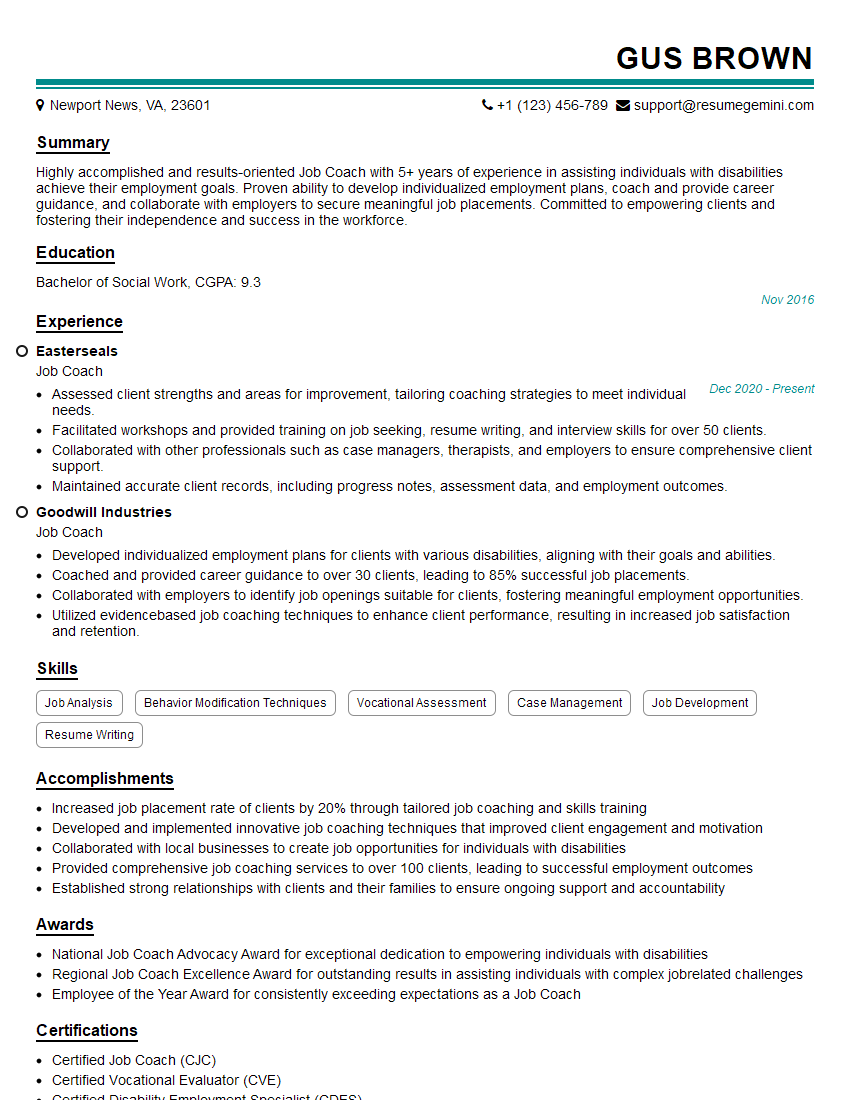
Job Coach Resume Sample
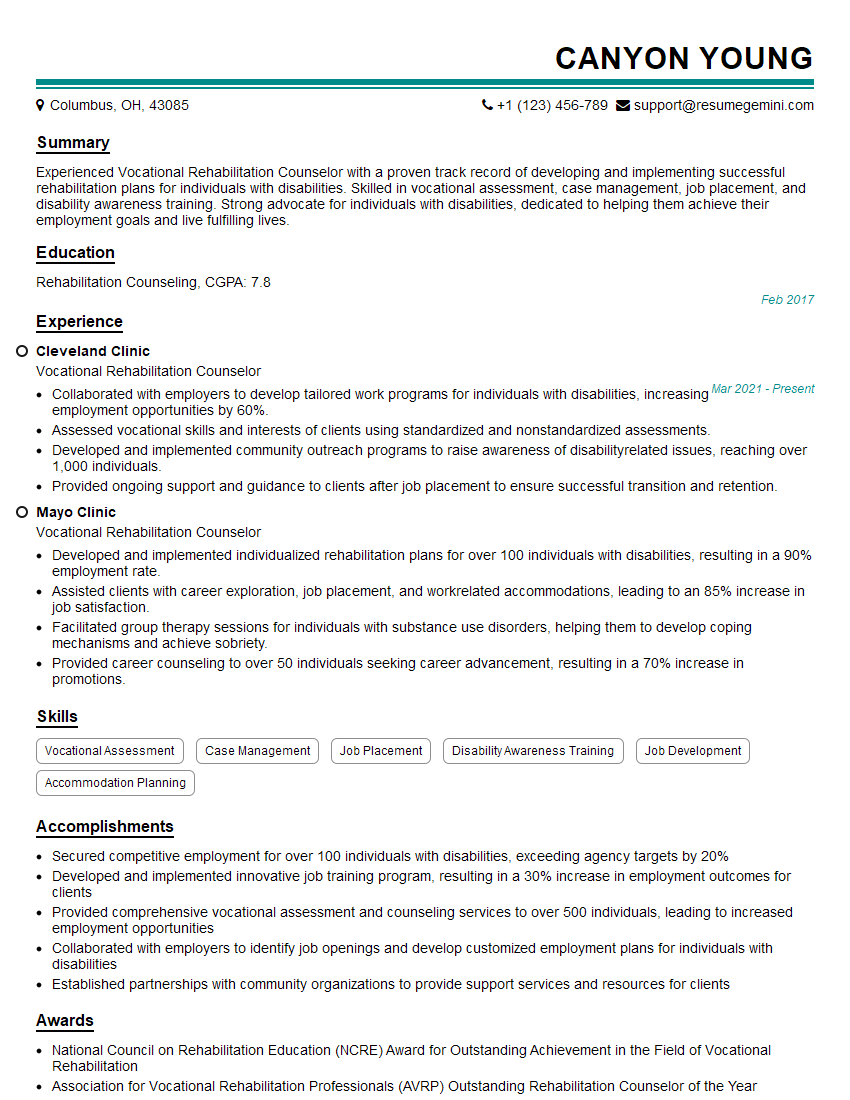
Vocational Rehabilitation Counselor Resume Sample

Rehabilitation Counselor Resume Sample
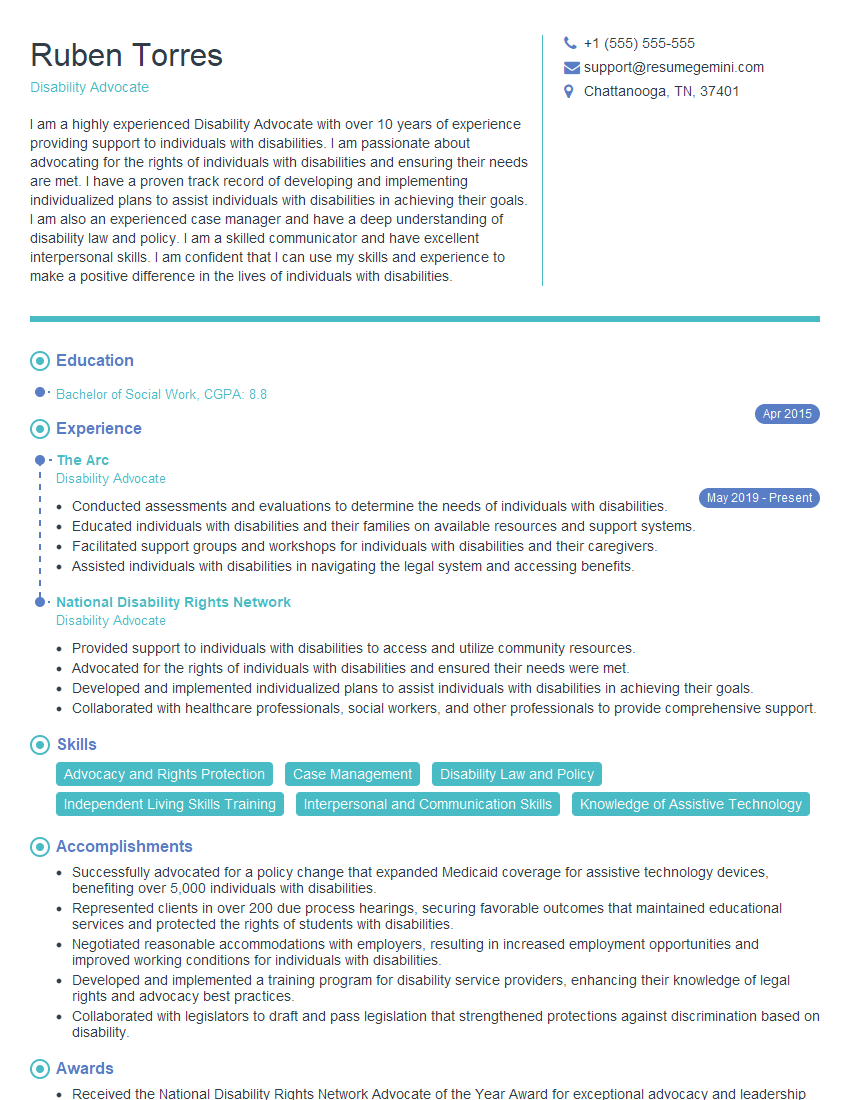
Disability Advocate Resume Sample
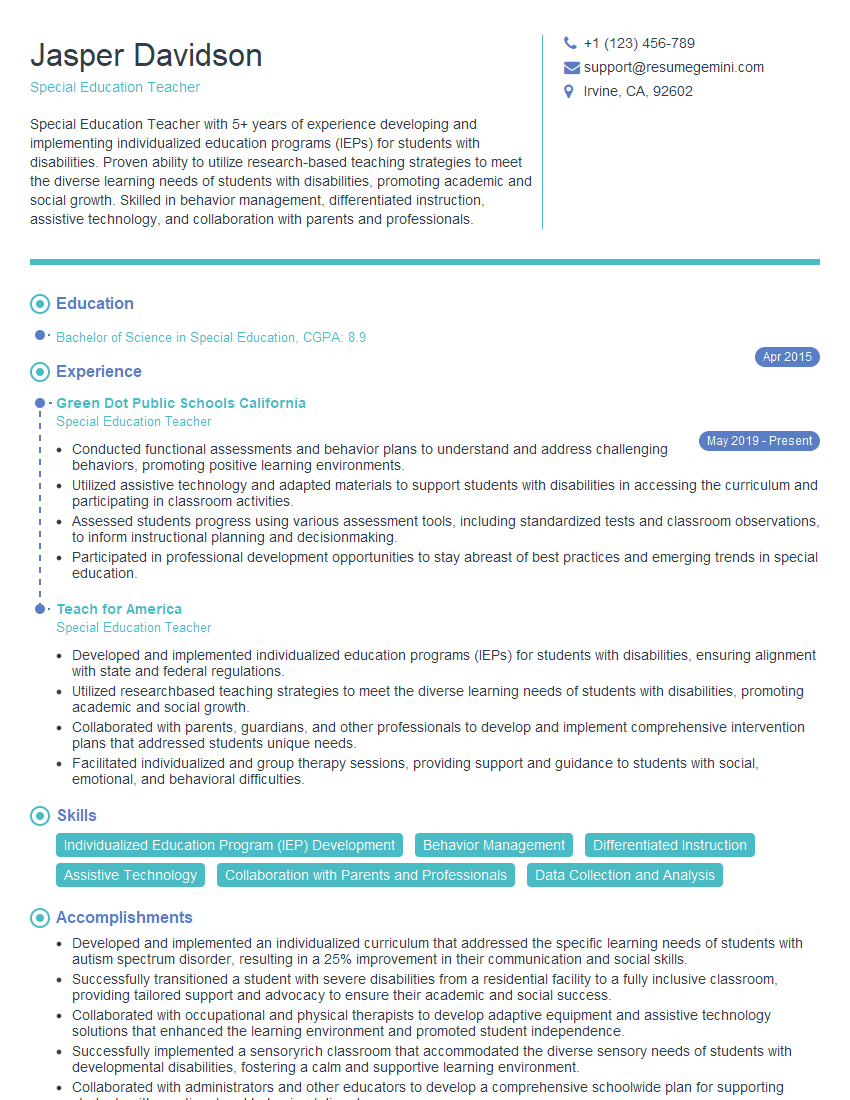
Special Education Teacher Resume Sample
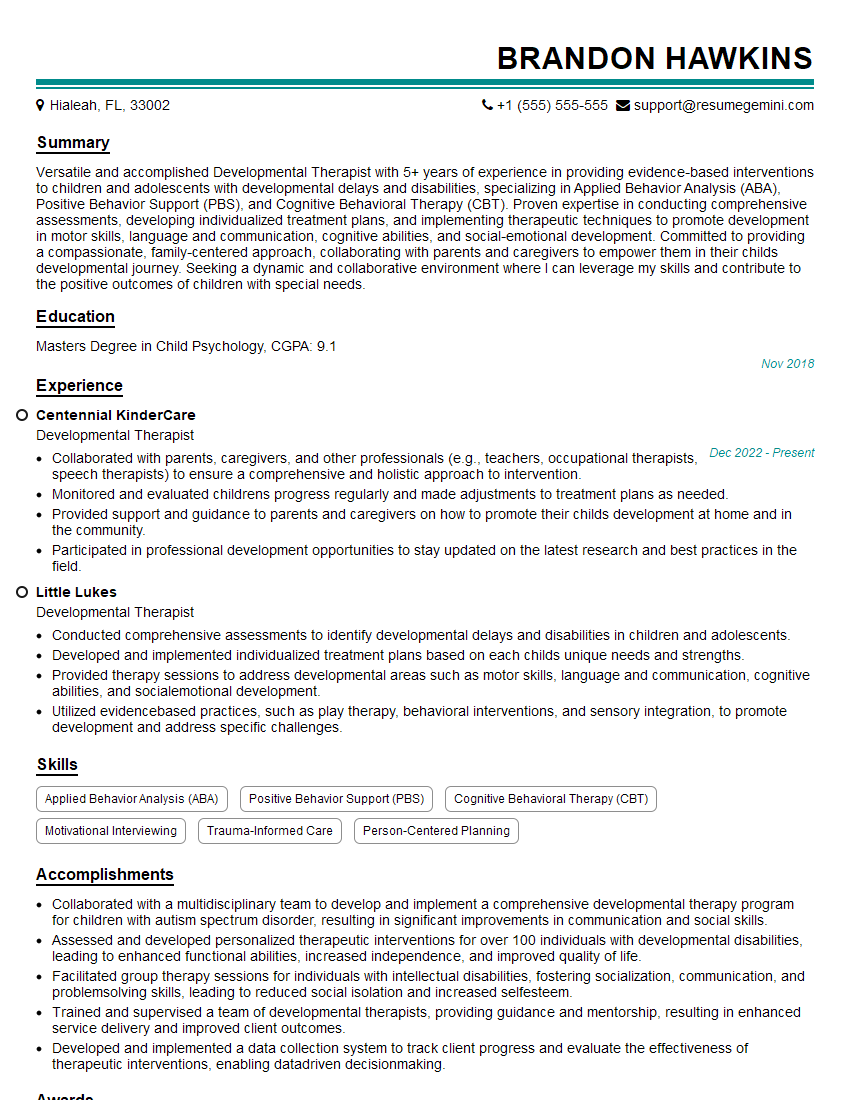
Developmental Therapist Resume Sample
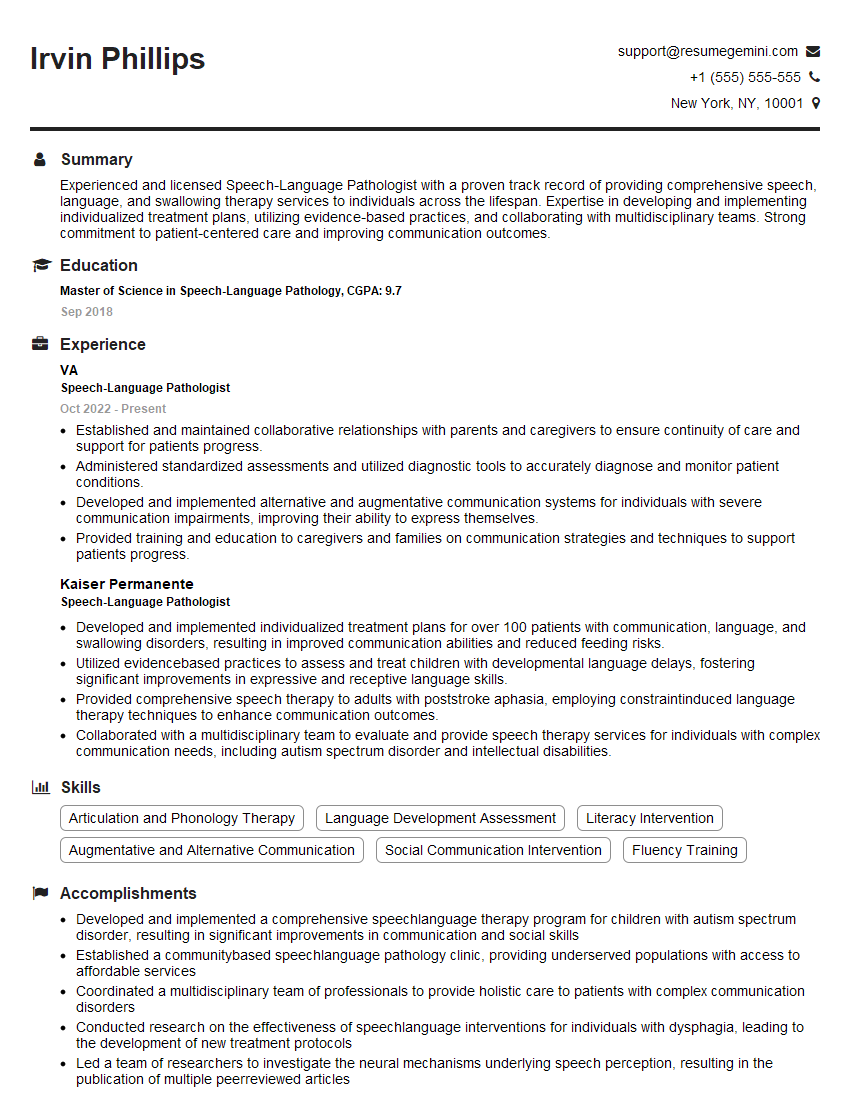
Speech-Language Pathologist Resume Sample
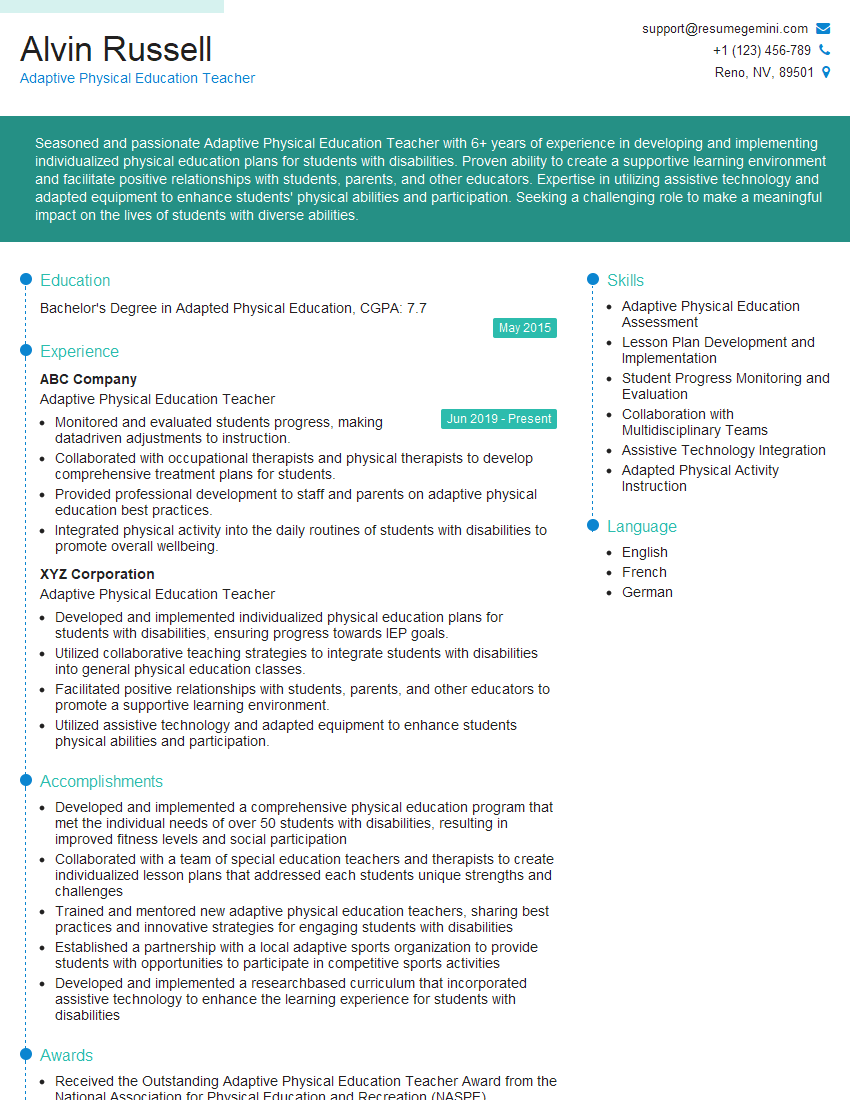
Adaptive Physical Education Teacher Resume Sample
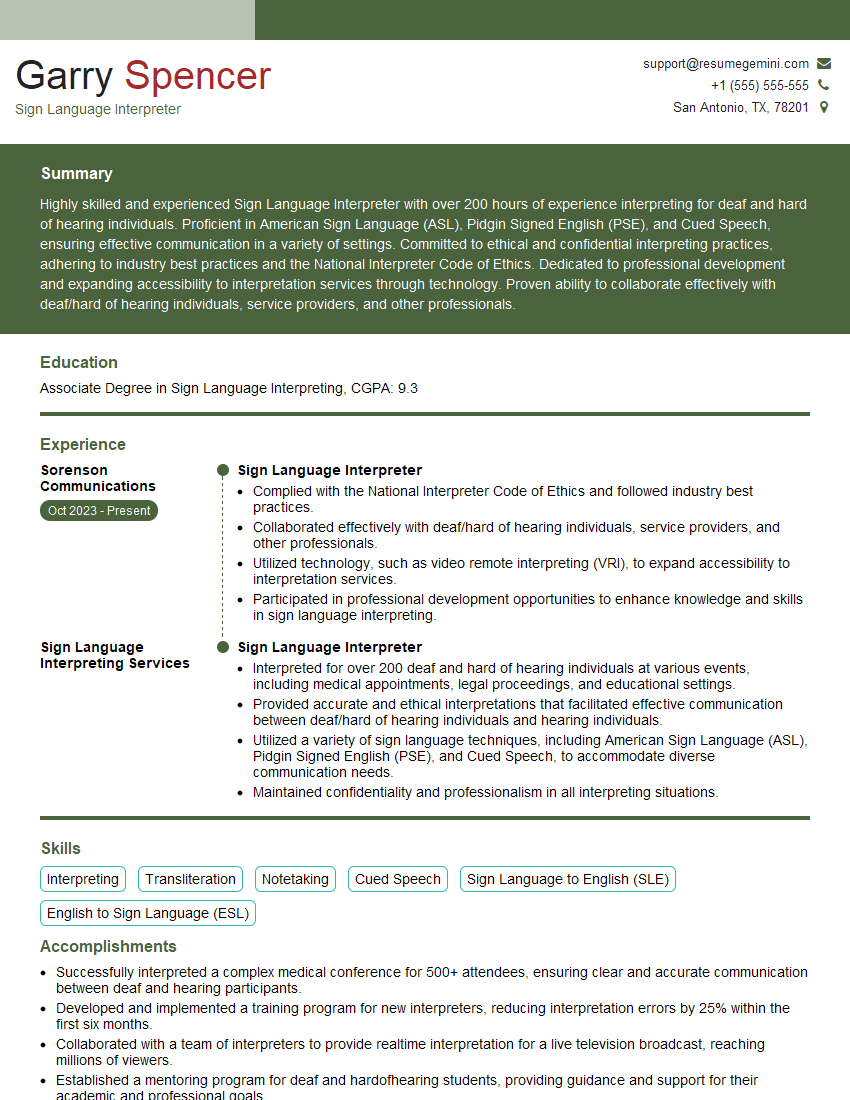
Sign Language Interpreter Resume Sample
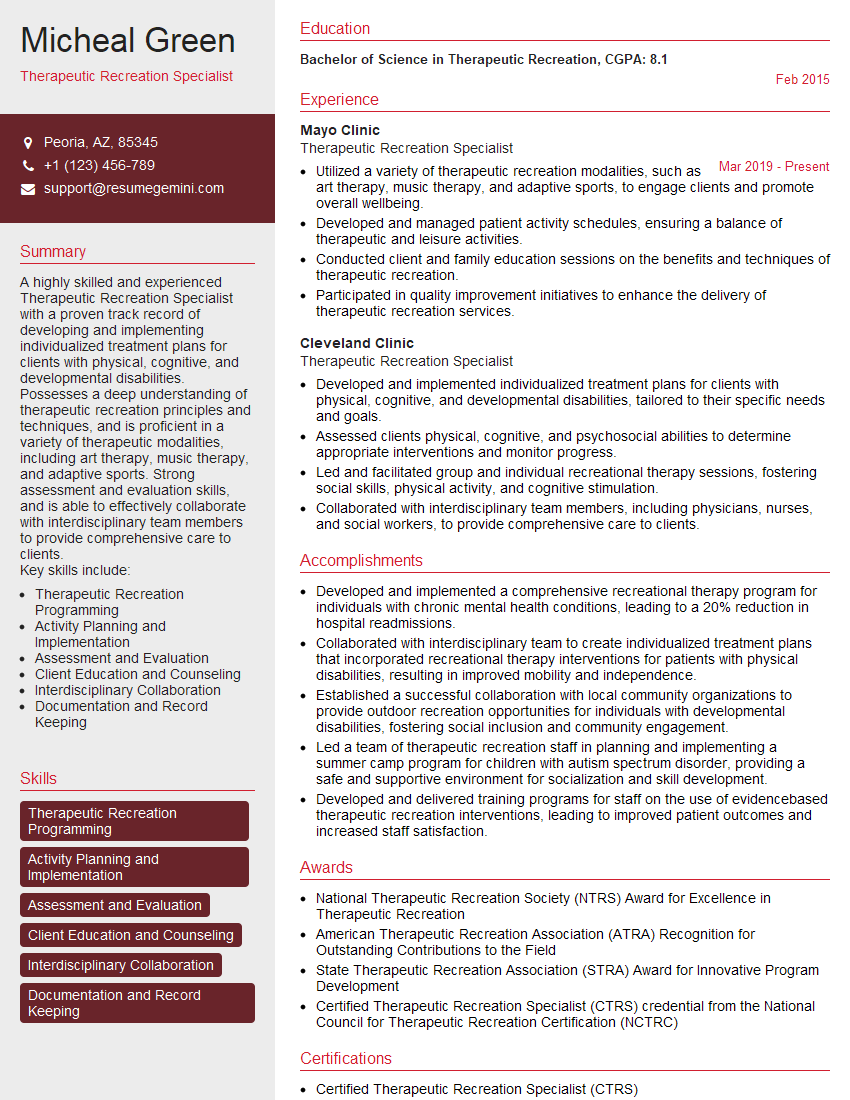
Therapeutic Recreation Specialist Resume Sample
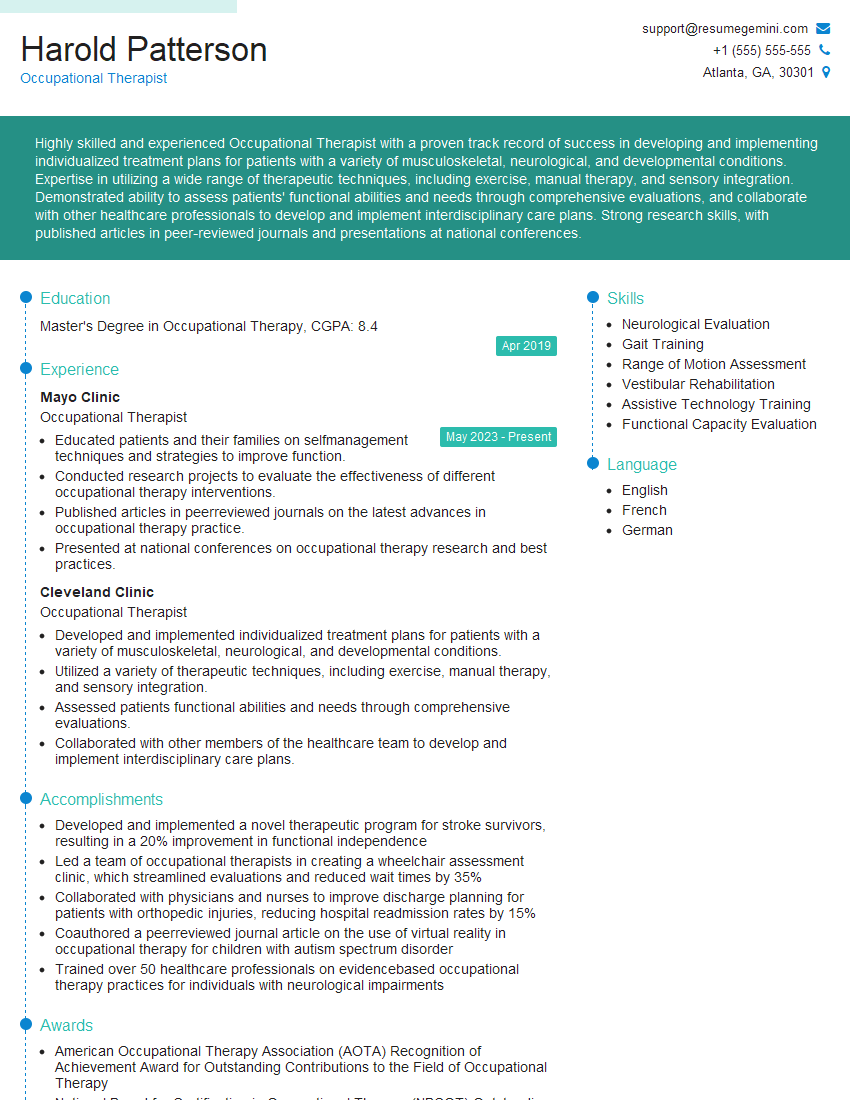
Occupational Therapist Resume Sample
Explore more articles
Users Rating of Our Blogs
Share Your Experience
We value your feedback! Please rate our content and share your thoughts (optional).
What Readers Say About Our Blog
I Redesigned Spongebob Squarepants and his main characters of my artwork.
https://www.deviantart.com/reimaginesponge/art/Redesigned-Spongebob-characters-1223583608
IT gave me an insight and words to use and be able to think of examples
Hi, I’m Jay, we have a few potential clients that are interested in your services, thought you might be a good fit. I’d love to talk about the details, when do you have time to talk?
Best,
Jay
Founder | CEO