Interviews are opportunities to demonstrate your expertise, and this guide is here to help you shine. Explore the essential Adaptability and flexibility in changing educational environments. interview questions that employers frequently ask, paired with strategies for crafting responses that set you apart from the competition.
Questions Asked in Adaptability and flexibility in changing educational environments. Interview
Q 1. Describe your experience adapting curriculum to meet diverse learner needs.
Adapting curriculum to meet diverse learner needs is crucial for effective teaching. It involves understanding the varying learning styles, strengths, and challenges of each student and modifying the curriculum accordingly. This isn’t about lowering standards, but about providing access to the same high-quality learning in different ways.
In my experience, I begin by conducting thorough formative assessments to gauge students’ prior knowledge and identify learning gaps. For example, I might use pre-tests, observation during group work, or informal conversations to pinpoint areas where extra support is needed.
- Differentiated Instruction: I use differentiated instruction, tailoring activities and materials to cater to various learning preferences. This could involve providing visual aids for visual learners, hands-on activities for kinesthetic learners, or independent study projects for students who thrive on autonomy.
- Universal Design for Learning (UDL): I embrace UDL principles, offering multiple means of representation (e.g., videos, text, audio), action and expression (e.g., writing, presentations, projects), and engagement (e.g., choice boards, gamification).
- Collaboration with Specialists: I actively collaborate with special education teachers, counselors, and other support staff to develop individualized learning plans (ILPs) for students with disabilities or exceptional needs.
For instance, in a history class, I might offer students choices for demonstrating their understanding: a traditional essay, a multimedia presentation, a historical fiction short story, or even a museum exhibit design. This allows students to express their learning in a way that suits their individual strengths.
Q 2. How have you successfully integrated new technologies into your teaching practice?
Integrating new technologies effectively requires careful planning and a focus on pedagogical impact, not just novelty. It’s about using technology to enhance, not replace, effective teaching practices.
I’ve successfully integrated technology in several ways:
- Interactive Whiteboards: Using interactive whiteboards for collaborative brainstorming, real-time feedback, and interactive simulations has significantly improved engagement and understanding in my classes.
- Learning Management Systems (LMS): I utilize LMS platforms (like Moodle or Canvas) to create organized learning environments. I use them to distribute assignments, provide feedback, and facilitate online discussions. This has made communication and resource access far more efficient.
- Digital Tools for Assessment: I’ve used online quizzes, polls, and peer assessment tools to provide immediate feedback to students and improve the efficiency of assessment processes.
- Virtual Field Trips & Simulations: I’ve employed virtual field trips and simulations to bring engaging, immersive learning experiences into the classroom, especially beneficial for topics where physical access might be limited.
For example, when teaching about the Roman Empire, I used a virtual reality experience to take my students on a ‘tour’ of the Colosseum, enhancing their understanding of Roman architecture and daily life far beyond what traditional textbooks could provide. The key is always to connect the technology seamlessly to the learning objectives.
Q 3. Explain a time you had to adjust your teaching methods due to unexpected circumstances.
Adaptability is paramount in education. Unexpected circumstances, like a sudden school closure due to inclement weather or a power outage, necessitate quick thinking and resourceful solutions.
During a unexpected school lockdown, my initial response was to ensure the safety and well-being of my students. Once that was secured, I immediately transitioned to online instruction using readily available digital resources. I communicated with parents via email and text, providing them with clear instructions and assignments that could be completed remotely. I utilized Google Classroom to deliver online lessons and assignments, making use of pre-recorded video lectures and interactive online exercises. I also scheduled virtual office hours to address student questions and provide support. While far from ideal, the experience highlighted the importance of having a backup plan and the capacity to pivot quickly to alternative teaching methods.
While this transition wasn’t without its hiccups (some students lacked reliable internet access), the experience reinforced the need for flexible lesson plans and a reliance on a variety of instructional strategies to cater to different learning situations.
Q 4. How do you stay current with educational trends and best practices?
Staying current with educational trends and best practices is an ongoing commitment. It’s essential for maintaining a dynamic and effective teaching practice.
My strategies include:
- Professional Development: I actively participate in professional development workshops, conferences, and webinars focusing on innovative teaching methodologies and technological advancements in education.
- Educational Journals and Publications: I regularly read educational journals and publications to stay informed about research findings and new pedagogical approaches.
- Online Communities and Networks: I engage with online professional communities and networks, sharing best practices and learning from colleagues across various educational settings. This includes both formal and informal online communities.
- Mentorship and Collaboration: I participate in peer observations and seek mentorship from experienced educators, collaborating to improve my teaching practices.
This continuous learning ensures that I am equipped with the latest knowledge and tools to effectively support my students’ learning needs in a rapidly evolving educational landscape.
Q 5. Describe your approach to managing change in a fast-paced educational setting.
Managing change in a fast-paced educational setting necessitates a proactive and organized approach. It’s about embracing change as an opportunity for growth and improvement, rather than viewing it as a threat.
My approach involves:
- Open Communication: I maintain open communication with my colleagues, administrators, and students to keep everyone informed about upcoming changes and address any concerns or questions.
- Collaboration and Teamwork: I actively collaborate with my colleagues to navigate changes together, sharing ideas and resources to streamline the implementation of new initiatives. A team effort makes the change process smoother and more effective.
- Flexibility and Adaptability: I embrace flexibility, understanding that changes can be unexpected and require adjustments along the way. I am willing to adapt my teaching methods to accommodate new initiatives and technologies.
- Strategic Planning: I engage in strategic planning, breaking down large-scale changes into smaller, manageable steps. This allows us to monitor progress and make adjustments as needed.
For example, when our school implemented a new assessment system, I collaborated with colleagues to develop a training plan, created resources to support students and myself, and actively sought feedback from both students and staff to identify areas for improvement.
Q 6. How do you handle conflicting priorities and deadlines?
Handling conflicting priorities and deadlines requires effective time management and prioritization skills. It’s about focusing on what truly matters and being realistic about what can be accomplished within a given timeframe.
My strategy involves:
- Prioritization Matrix: I use a prioritization matrix (like Eisenhower Matrix – Urgent/Important) to identify and prioritize tasks based on their urgency and importance. This helps me focus on high-impact activities first.
- Time Blocking: I schedule specific times for specific tasks, preventing multitasking and ensuring focused attention. This helps minimize distractions and improves productivity.
- Delegation: Where possible, I delegate tasks to others (if appropriate), freeing up time to concentrate on my most critical responsibilities.
- Realistic Goal Setting: I set realistic goals and deadlines, avoiding overcommitment and ensuring that tasks are manageable within the available time.
- Regular Review and Adjustment: I regularly review my schedule and priorities, adjusting them as needed based on changing circumstances and new information.
For example, if I have a major curriculum review due and several student projects to grade, I use my prioritization matrix to determine which tasks need my immediate attention and which ones can be scheduled for later. I might also seek support from colleagues to share grading responsibilities.
Q 7. How do you support colleagues in adapting to new educational initiatives?
Supporting colleagues in adapting to new educational initiatives involves fostering a collaborative and supportive environment. It’s about creating a sense of shared ownership and promoting open dialogue.
My approach involves:
- Mentoring and Peer Support: I offer mentorship and peer support, sharing my experiences and expertise to help colleagues navigate the challenges of implementing new initiatives.
- Collaborative Planning and Resource Sharing: I engage in collaborative planning, working with colleagues to develop strategies and resources for adapting to new initiatives. We share successful strategies and troubleshoot problems together.
- Training and Professional Development: I organize or participate in training sessions and professional development opportunities to equip colleagues with the knowledge and skills necessary for successful implementation.
- Open Communication and Feedback: I maintain open communication channels, encouraging colleagues to share their thoughts, concerns, and suggestions. Constructive feedback is crucial for improvement.
For example, when our school introduced a new technology platform, I worked with colleagues to create a shared resource library of tutorials and best practices, facilitating a smoother and more collaborative transition for everyone.
Q 8. Share an example of how you successfully navigated a period of significant change in your school or institution.
Navigating significant change requires a proactive and collaborative approach. During the shift to online learning due to the pandemic, our institution faced immense challenges. Instead of resisting, we embraced a problem-solving mindset.
First, we formed a task force comprising teachers, IT staff, and administrators. We analyzed our existing resources, identified gaps (like digital literacy among some staff and students), and prioritized solutions. This involved providing comprehensive professional development for teachers on various online learning platforms (like Zoom, Google Classroom, and Canvas), ensuring equitable access to technology for students from low-income families, and creating detailed support documentation.
Secondly, we implemented a phased rollout of online learning, starting with smaller pilot programs to identify and address potential issues before full-scale implementation. This iterative approach allowed us to refine our strategy, gather feedback, and adapt our approach based on real-time experience. We continuously monitored student engagement through digital tools and adjusted our teaching strategies accordingly. The successful transition, evidenced by high student completion rates and positive feedback, demonstrates our adaptability and commitment to quality education.
Q 9. How do you effectively communicate changes to students and parents?
Effective communication is crucial during periods of change. I employ a multi-pronged approach, ensuring transparency and clarity. This involves:
- Multiple channels: We use school newsletters, emails, parent-teacher meetings, school website updates, and even social media platforms (where appropriate) to reach parents and students. This allows for broader reach and caters to different communication preferences.
- Clear and concise messaging: I avoid jargon and use simple language to explain the ‘why’ behind the changes, alongside clear instructions on ‘what’ needs to be done. Anticipating questions and providing answers proactively is key.
- Open forums and Q&A sessions: Holding regular online or in-person sessions creates a space for parents and students to ask questions, express concerns, and receive immediate feedback. This builds trust and minimizes misunderstandings.
- Personalized communication: When necessary, I use individual emails or phone calls to address specific concerns or provide personalized support to students and parents.
Regular feedback mechanisms (surveys, informal discussions) help evaluate the effectiveness of our communication strategies, ensuring we’re always refining our approach.
Q 10. What strategies do you use to foster a flexible and adaptable learning environment?
Fostering a flexible learning environment requires a shift from rigid teaching styles to a more student-centered approach. Key strategies include:
- Differentiated instruction: Recognizing that students learn differently, I provide a variety of learning materials, activities, and assessment methods to cater to diverse learning styles and needs. This might involve offering choice boards, project-based learning, or tiered assignments.
- Flexible scheduling and pacing: While maintaining structure, I incorporate flexibility in deadlines and pacing to accommodate individual student progress. This might mean allowing students to work ahead or providing extended time for specific tasks.
- Technology integration: Leveraging technology for personalized learning allows for flexible access to materials and tools. This includes utilizing learning management systems, online resources, and educational apps.
- Collaborative learning environments: Encouraging peer learning and group work helps students develop adaptability and problem-solving skills in a supportive environment.
- Growth mindset culture: Creating a classroom where mistakes are seen as learning opportunities fosters resilience and a willingness to embrace challenges.
Q 11. How do you assess the effectiveness of your adaptability strategies?
Assessing the effectiveness of adaptability strategies involves a combination of quantitative and qualitative data collection.
- Quantitative data: This includes tracking student achievement (grades, test scores), attendance rates, engagement levels in online platforms (time spent, participation in discussions), and completion rates of assignments.
- Qualitative data: This comes from student and parent feedback through surveys, focus groups, and informal discussions. Teacher reflections on the effectiveness of different strategies are also crucial.
By analyzing this data, I can identify areas where strategies are effective and those that need improvement. This iterative process of data collection, analysis, and refinement is essential for continuous improvement.
Q 12. How do you build resilience and adaptability in your students?
Building resilience and adaptability in students involves nurturing specific skills and mindsets. I focus on:
- Problem-solving skills: I incorporate activities and challenges that require students to analyze situations, identify solutions, and adapt their approaches as needed.
- Growth mindset: Emphasizing that abilities can be developed through dedication and hard work helps students view challenges as opportunities for growth.
- Self-regulation skills: I teach students techniques for managing emotions, stress, and time, allowing them to better handle unexpected situations.
- Collaboration and communication: Encouraging teamwork and open communication helps students learn to work effectively with others and to adapt to diverse perspectives.
- Metacognitive skills: I encourage students to reflect on their learning process, identify their strengths and weaknesses, and develop strategies for improvement.
By focusing on these key areas, students develop the inner strength and adaptability to navigate life’s challenges successfully.
Q 13. Describe a time when you had to adapt your teaching style to meet the needs of a specific student.
I once had a student who struggled significantly with reading comprehension due to dyslexia. My initial teaching strategies weren’t effective. Instead of sticking to a traditional approach, I adapted my teaching style to meet his specific needs.
I began by using multi-sensory techniques, incorporating visual aids, auditory recordings, and hands-on activities. I also broke down complex texts into smaller, manageable chunks and provided extra time for reading and comprehension tasks. I utilized assistive technology like text-to-speech software and graphic organizers. Finally, I focused on building his confidence and self-esteem through positive reinforcement and celebrating his progress, no matter how small. The result was a significant improvement in his reading comprehension and a renewed sense of confidence in his abilities.
Q 14. How do you incorporate feedback to improve your adaptability skills?
Incorporating feedback is essential for continuous improvement in adaptability. I actively seek feedback from multiple sources:
- Student feedback: Through surveys, informal conversations, and classroom observations, I gather insights into what works well and what could be improved.
- Parent feedback: Regular communication with parents allows me to understand their perspectives and address their concerns regarding my adaptability strategies.
- Peer feedback: Collaborating with colleagues and observing their teaching styles provides valuable insights and allows for sharing best practices.
- Self-reflection: Regularly reflecting on my own teaching practices helps identify areas for growth and improvement in my adaptability skills.
This multifaceted approach ensures that I’m continuously refining my strategies, incorporating constructive feedback to create a more adaptable and effective learning environment for all students.
Q 15. How do you prioritize tasks when faced with multiple demands?
Prioritizing tasks amidst multiple demands requires a structured approach. I utilize a combination of methods, starting with a clear understanding of deadlines and importance. I employ techniques like Eisenhower Matrix (urgent/important), where tasks are categorized and prioritized accordingly. For example, preparing for an upcoming exam review session for students would be deemed urgent and important, taking precedence over long-term curriculum development, which, while important, isn’t as time-sensitive. I also use digital tools like task management software to visually organize my workload, setting reminders and deadlines to stay on track. Regularly reviewing and adjusting my priorities is crucial, as unexpected events inevitably arise in education.
- Urgent & Important: Immediate action (e.g., addressing student crisis).
- Important but Not Urgent: Planning (e.g., lesson planning for next week).
- Urgent but Not Important: Delegation (e.g., administrative tasks).
- Neither Urgent Nor Important: Elimination (e.g., time-wasting activities).
Career Expert Tips:
- Ace those interviews! Prepare effectively by reviewing the Top 50 Most Common Interview Questions on ResumeGemini.
- Navigate your job search with confidence! Explore a wide range of Career Tips on ResumeGemini. Learn about common challenges and recommendations to overcome them.
- Craft the perfect resume! Master the Art of Resume Writing with ResumeGemini’s guide. Showcase your unique qualifications and achievements effectively.
- Don’t miss out on holiday savings! Build your dream resume with ResumeGemini’s ATS optimized templates.
Q 16. Explain your approach to problem-solving in dynamic educational situations.
My problem-solving approach in dynamic educational situations hinges on a cyclical process: Identify, Analyze, Strategize, Implement, Evaluate. First, I clearly define the problem; for instance, declining student engagement in a specific topic. Next, I analyze the root cause – perhaps the teaching method isn’t engaging enough or the material is too complex. This involves gathering data through observations, student feedback, and assessment results. Then, I strategize solutions, considering various interventions like incorporating group projects, using technology to enhance learning, or adjusting the pacing of the material. Implementation involves putting the chosen strategy into action, closely monitoring the results. Finally, I evaluate its effectiveness, making adjustments as needed based on student progress and feedback. This iterative approach ensures adaptability and continuous improvement.
Q 17. Describe your experience with online or blended learning environments.
I have extensive experience with online and blended learning environments, having successfully transitioned numerous courses to online platforms and integrated digital tools into face-to-face instruction. During the pandemic, I quickly adapted my teaching methods to a fully online format, utilizing platforms like Zoom for synchronous sessions and utilizing learning management systems like Canvas for asynchronous content delivery. I created engaging video lectures, incorporated interactive online quizzes, and fostered a sense of community through online discussion forums. This experience highlighted the importance of clear communication, accessibility of materials, and providing opportunities for student interaction in a virtual setting. In blended environments, I strategically use technology to supplement in-person instruction, providing access to online resources, interactive simulations, and personalized learning paths.
Q 18. How do you ensure equity and access for all students in a changing educational landscape?
Ensuring equity and access for all students in a changing educational landscape is paramount. This requires a multi-faceted approach. First, I proactively identify and address potential barriers to learning, including socioeconomic factors, disabilities, and language differences. I differentiate instruction to meet diverse learning needs, offering varied learning materials, activities, and assessment methods. For instance, providing both written and oral assessment options, or utilizing assistive technology for students with disabilities. I also build strong relationships with students, creating a supportive and inclusive classroom environment where all students feel respected and valued. Furthermore, I advocate for equitable resource allocation within the school system, ensuring all students have access to the necessary technology, support services, and enriching learning experiences. This includes advocating for diverse learning materials and culturally responsive teaching practices.
Q 19. How do you leverage technology to enhance flexibility and accessibility in your teaching?
I leverage technology extensively to enhance flexibility and accessibility in my teaching. Learning Management Systems (LMS) like Canvas provide a central hub for course materials, assignments, and communication, accessible anytime, anywhere. I use interactive digital tools like simulations, educational games, and virtual labs to engage students and cater to diverse learning styles. Furthermore, I utilize accessibility features such as screen readers, captioning, and alternative text for images to ensure inclusivity. Video conferencing platforms facilitate synchronous interaction with students, even those facing geographical limitations or other constraints. Tools like Google Classroom promote collaboration and allow for real-time feedback on student work. The strategic implementation of these technologies fosters a more flexible and personalized learning experience, promoting student success.
Q 20. Describe your approach to collaborative problem-solving with colleagues.
My approach to collaborative problem-solving with colleagues involves open communication, active listening, and a shared commitment to finding the best solution. I believe in fostering a culture of trust and respect, where everyone feels comfortable sharing their ideas and perspectives. I often initiate collaborative problem-solving by clearly defining the problem, then brainstorming potential solutions as a team. This may involve using collaborative online tools like Google Docs or mind-mapping software. We critically evaluate each solution, considering its feasibility, impact, and potential drawbacks. Once a solution is agreed upon, we establish clear roles and responsibilities, ensuring accountability and transparency throughout the implementation process. Regular check-ins and feedback mechanisms are crucial to ensure we stay on track and adjust our approach as needed.
Q 21. How do you manage stress effectively during times of significant change?
Managing stress during times of significant change requires a proactive and holistic approach. I prioritize self-care practices like regular exercise, sufficient sleep, and mindful moments throughout the day. I also establish clear boundaries between my professional and personal life, ensuring adequate time for relaxation and activities that bring me joy. Effective time management and prioritization are key, preventing feeling overwhelmed. Open communication with colleagues and supervisors is also important, allowing for mutual support and problem-solving. When feeling particularly stressed, I utilize stress-reduction techniques like deep breathing exercises or mindfulness meditation. Finally, actively seeking professional support when necessary is vital to maintaining well-being during periods of significant change. This may include seeking help from counselors, therapists or using employee assistance programs.
Q 22. How do you maintain a positive attitude when faced with unexpected challenges?
Maintaining a positive attitude during unexpected challenges is crucial for effective adaptability. I approach this by focusing on problem-solving rather than dwelling on the negative aspects. This involves:
- Reframing challenges as opportunities: Instead of viewing a sudden change in curriculum as a setback, I see it as a chance to innovate and explore new teaching methods.
- Seeking support and collaboration: I actively communicate with colleagues, administrators, and even students to brainstorm solutions and share the workload. A shared challenge is a lighter challenge.
- Practicing self-care: Burnout is a real threat during stressful periods. Prioritizing my own well-being through exercise, mindfulness, or hobbies helps me approach challenges with renewed energy and a clearer perspective.
For example, when our school abruptly transitioned to online learning due to a pandemic, instead of panicking, I focused on learning new technologies and collaborating with colleagues to create engaging online lessons. This positive approach helped me not only manage the situation but also grow professionally.
Q 23. How do you assess the learning needs of your students in a flexible manner?
Assessing learning needs flexibly requires a multi-faceted approach that moves beyond standardized tests. I employ:
- Formative assessments: These ongoing checks – like quick quizzes, class discussions, and observations – provide real-time feedback on student understanding and identify areas needing further attention. They help adjust my teaching in the moment.
- Diagnostic assessments: Pre-tests or initial surveys help me gauge students’ prior knowledge and learning styles, allowing me to tailor instruction from the start. This is especially critical in diverse learning environments.
- Student self-assessment: Encouraging students to reflect on their learning through journals, rubrics, or peer feedback helps them understand their own strengths and weaknesses, promoting ownership and agency in their learning journey.
- Informal observation: Paying close attention to student engagement during lessons, participation in discussions, and their responses to questions provides valuable insights into their grasp of concepts.
For instance, if I notice several students struggling with a particular concept during a class discussion, I adjust my lesson plan immediately to provide further clarification or use different teaching strategies.
Q 24. How do you utilize different assessment methods to evaluate student learning in a dynamic environment?
Utilizing diverse assessment methods is key to gaining a comprehensive understanding of student learning in a dynamic environment. I employ a balanced approach that includes:
- Traditional assessments: Tests and quizzes remain valuable for measuring factual knowledge and skill mastery.
- Performance-based assessments: Projects, presentations, and practical demonstrations allow students to showcase their understanding in a more applied context. These assessments are especially useful in showing students’ ability to apply what they’ve learned.
- Portfolio assessments: Collecting student work over time provides a holistic view of their learning progress and development. It showcases growth and improvement throughout the course.
- Technology-integrated assessments: Online quizzes, simulations, and interactive exercises provide engaging and efficient ways to assess learning.
For example, in a history class, I might use a traditional exam to assess factual knowledge, a research presentation to assess critical thinking and communication skills, and a student-created historical timeline to assess their organizational and analytical skills. This multi-faceted approach gives a much richer picture of student learning than a single method could ever provide.
Q 25. What professional development opportunities have you sought to improve your adaptability skills?
To enhance my adaptability skills, I’ve actively sought professional development opportunities focusing on:
- Educational Technology Integration: Workshops and online courses have equipped me with skills in using various educational technologies to create engaging and flexible learning environments.
- Differentiated Instruction: Training in designing lessons that cater to diverse learning styles and needs has greatly improved my ability to meet the needs of all students.
- Assessment for Learning: Professional development in designing and implementing formative and summative assessments has enhanced my capacity to effectively track student progress and adjust teaching strategies accordingly.
- Collaborative Learning Strategies: Workshops on facilitating effective group work and peer learning have allowed me to create dynamic classroom environments that foster collaboration and improve student engagement.
I also regularly attend educational conferences and webinars to stay abreast of current trends and best practices in education.
Q 26. Describe a time you had to make a difficult decision in response to a changing educational environment.
During a sudden school closure due to a severe weather event, I had to quickly adapt my lesson plans to facilitate remote learning. This required making a difficult decision about how to best balance the need for continuity in learning with the limitations of online resources and student access to technology.
My initial plan relied on assigning traditional worksheets and reading assignments online. However, after assessing student feedback and realizing many lacked reliable internet access or quiet workspaces, I made the difficult decision to shift to project-based assignments that offered flexibility in terms of time commitment and required minimal technology. This required significant redesign of the curriculum but ultimately ensured that students, regardless of their circumstances, could continue learning.
Q 27. How do you incorporate student voice and feedback into curriculum adaptation?
Incorporating student voice and feedback is essential for effective curriculum adaptation. I use several strategies:
- Regular feedback sessions: I conduct short surveys, informal discussions, and focus groups to gather students’ opinions on the curriculum’s content, pace, and teaching methods.
- Student-led conferences: These meetings give students an active role in reflecting on their learning progress and providing valuable input for curriculum improvements.
- Online feedback platforms: Utilizing online tools allows for anonymous feedback, encouraging honest and open communication.
- Analyzing student work: Carefully reviewing student assignments can reveal areas where the curriculum may need adjustment or clarification. This also provides valuable insights into learning gaps that need to be addressed.
For instance, based on consistent student feedback regarding difficulty with a particular unit, I revised the unit’s learning objectives, added additional support materials, and incorporated more interactive activities to address the identified gaps.
Q 28. Describe your experience with implementing new assessment tools or technologies.
I have extensive experience implementing new assessment tools and technologies, including:
- Learning Management Systems (LMS): I have used various LMS platforms (e.g., Canvas, Moodle) to deliver online courses, manage assignments, and provide feedback to students.
- Digital assessment tools: I’ve incorporated online quizzing platforms and interactive simulations to enhance student engagement and provide immediate feedback.
- Data analytics platforms: I am proficient in using data analytics tools to track student progress, identify learning gaps, and inform instructional decisions.
For example, when implementing a new LMS, I started with a pilot program in one class to allow for adjustments before a full school-wide rollout. This phased approach, combined with thorough training for both teachers and students, ensured a smooth transition and effective utilization of the new technology.
Key Topics to Learn for Adaptability and Flexibility in Changing Educational Environments Interview
- Understanding Change Management in Education: Explore the theoretical frameworks behind successful adaptation to evolving educational technologies, pedagogical approaches, and administrative structures. Consider models of organizational change and their relevance to educational settings.
- Practical Application: Technology Integration: Discuss your experiences integrating new technologies into the classroom or learning environment. How did you approach the learning curve? How did you support colleagues or students through the transition? Highlight instances where you proactively sought out training or resources to enhance your skills.
- Problem-Solving in Dynamic Environments: Describe situations where unexpected challenges arose (e.g., sudden curriculum changes, technological failures, shifting student needs). Focus on your problem-solving process: identifying the issue, brainstorming solutions, implementing strategies, and evaluating outcomes. Emphasize your ability to remain calm and resourceful under pressure.
- Adapting Teaching Strategies: Discuss your experience adapting your teaching methods to accommodate diverse learning styles and needs, particularly in response to changes in educational policy or available resources. Examples might include differentiating instruction, incorporating inclusive practices, or adjusting lesson plans based on student feedback.
- Collaboration and Communication during Change: Highlight your ability to effectively collaborate with colleagues, administrators, and students during periods of significant change. Showcase instances where you facilitated open communication and built consensus to navigate transitions smoothly.
- Embracing Lifelong Learning: Demonstrate your commitment to continuous professional development and your proactive approach to acquiring new skills and knowledge to remain relevant in a constantly evolving educational landscape.
Next Steps
Mastering adaptability and flexibility is crucial for career advancement in education. The ability to thrive in dynamic environments demonstrates valuable skills highly sought after by employers. To enhance your job prospects, creating a strong, ATS-friendly resume is essential. ResumeGemini is a trusted resource to help you build a professional resume that effectively showcases your skills and experience. Examples of resumes tailored to highlight adaptability and flexibility in changing educational environments are available to help guide your creation. Use these examples as inspiration to craft a compelling narrative showcasing your unique contributions and prepare for a successful interview.
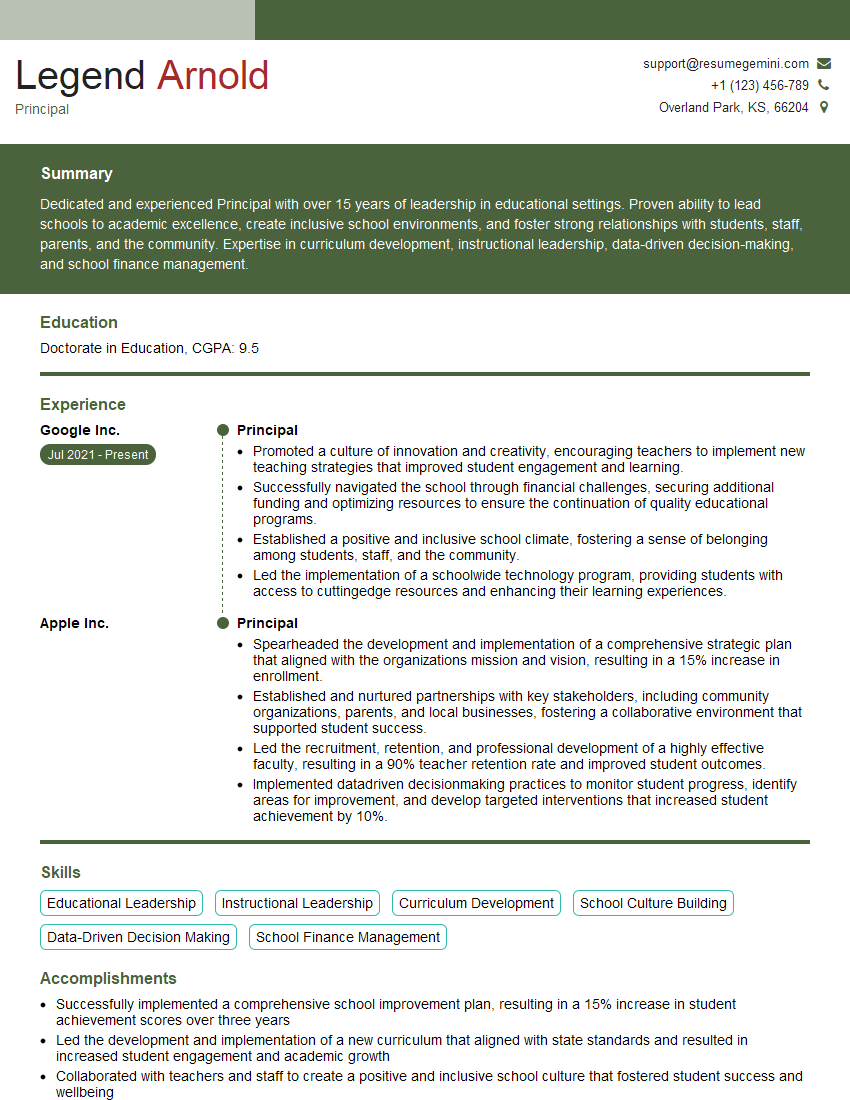
Principal Resume Sample
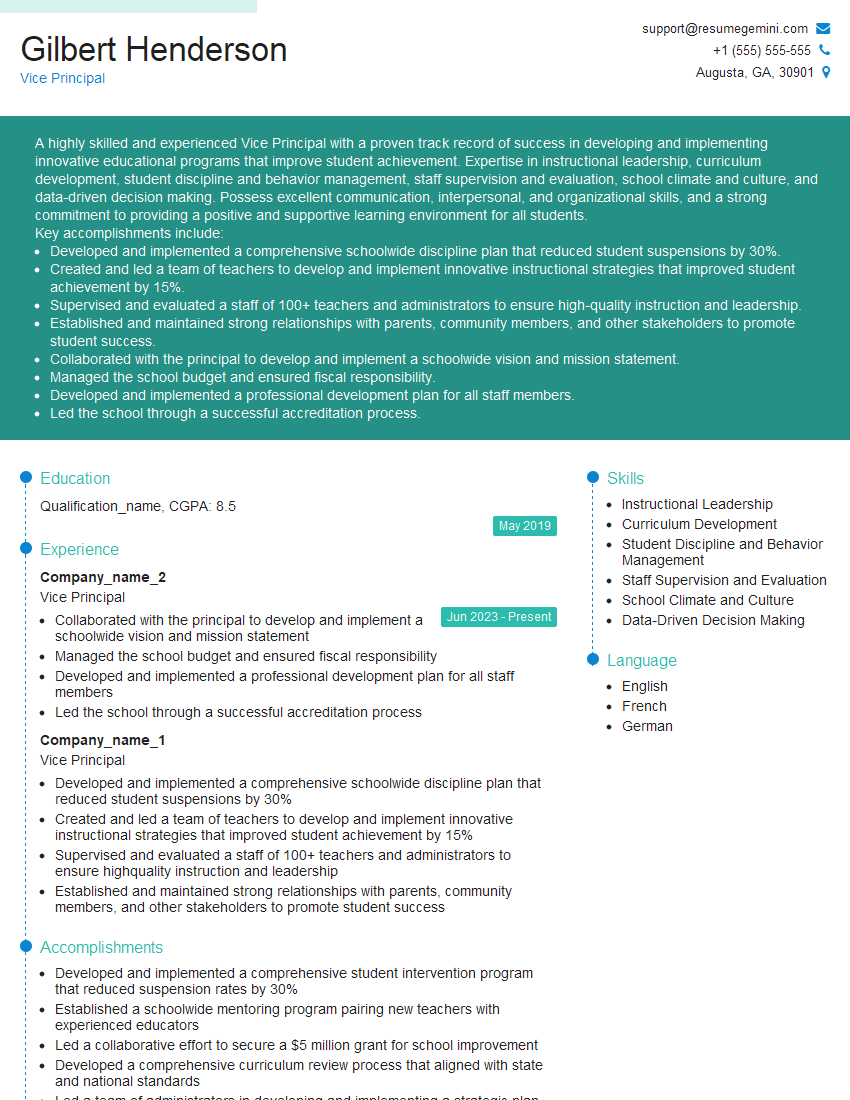
Vice Principal Resume Sample
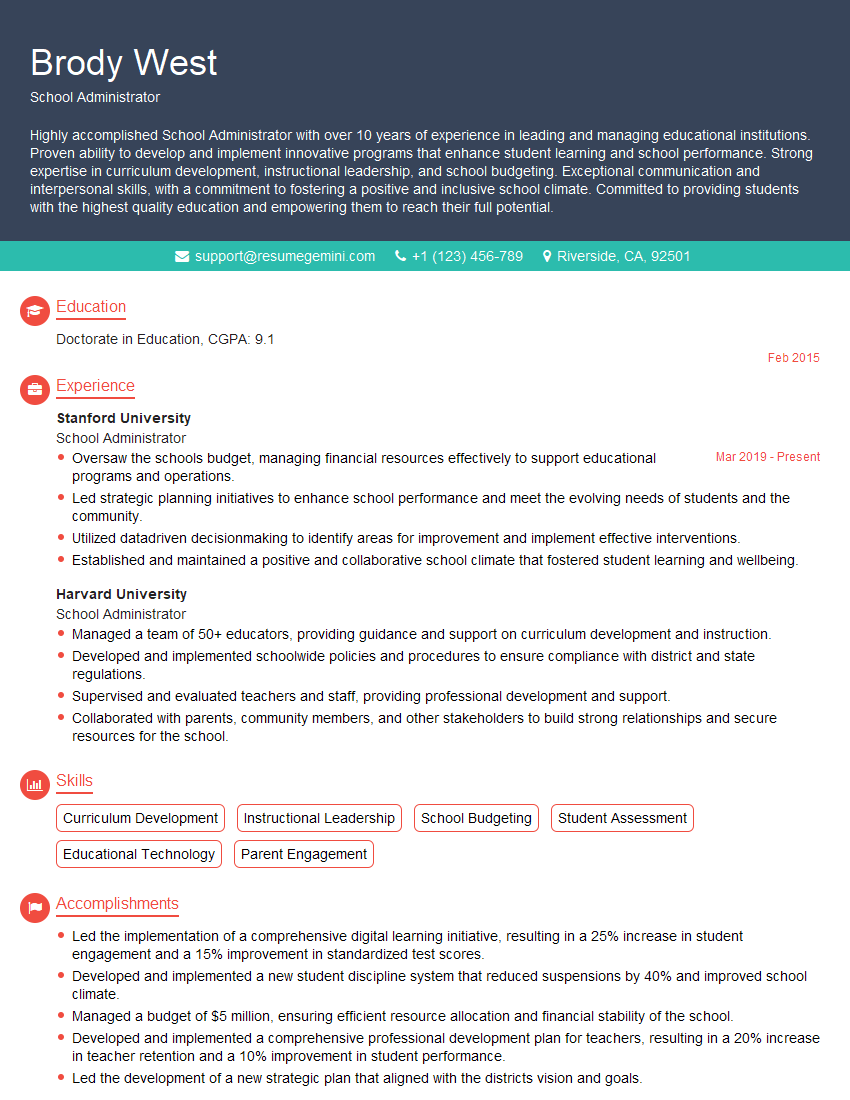
School Administrator Resume Sample
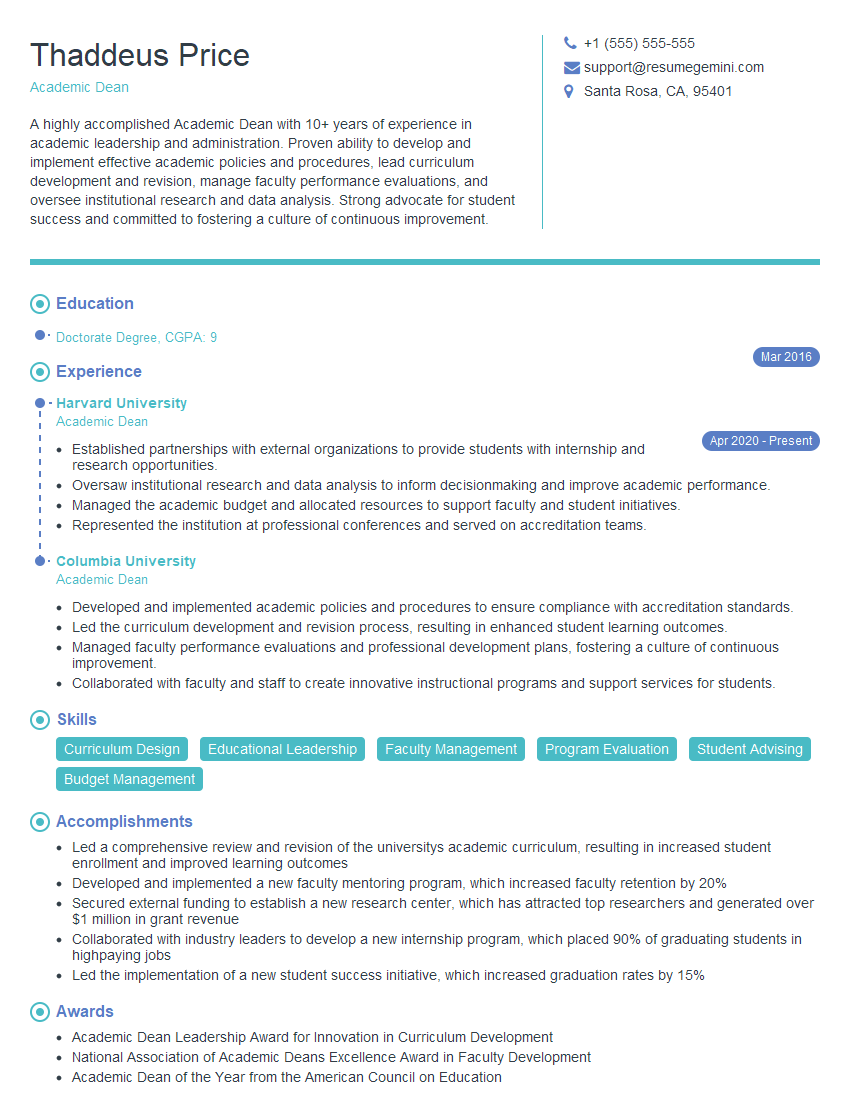
Academic Dean Resume Sample
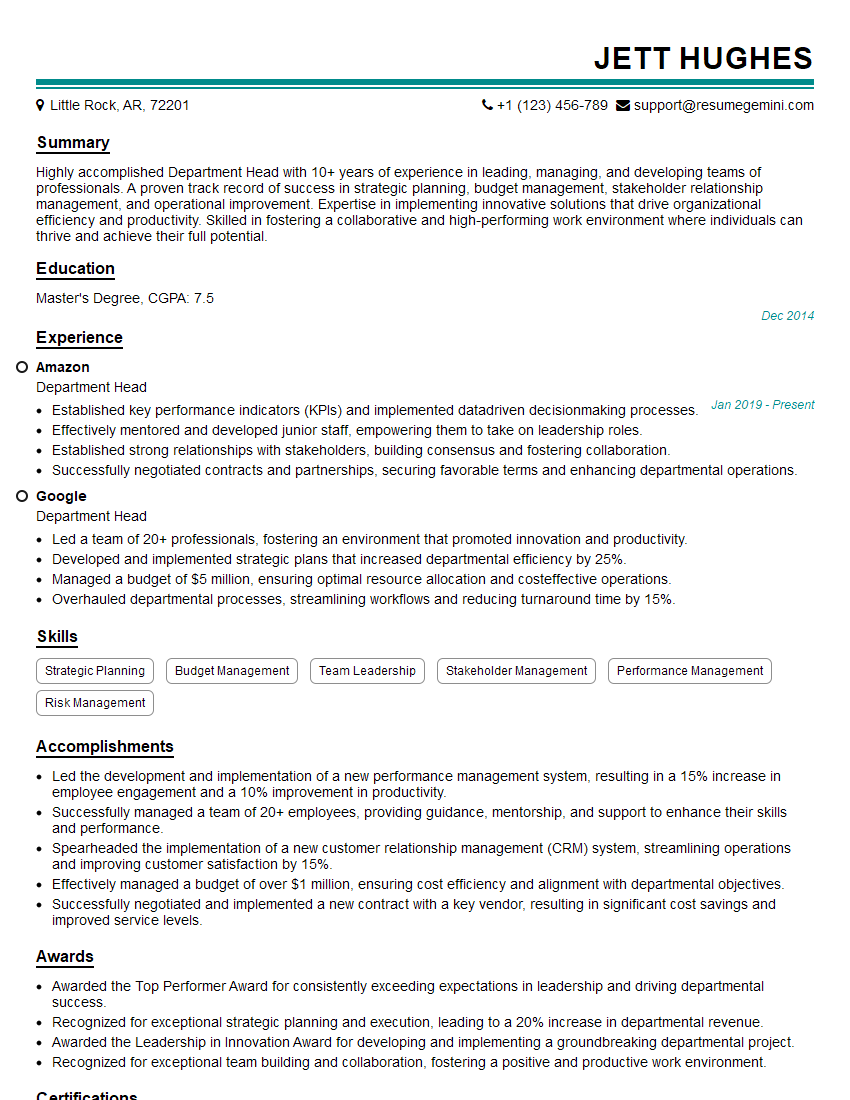
Department Head Resume Sample
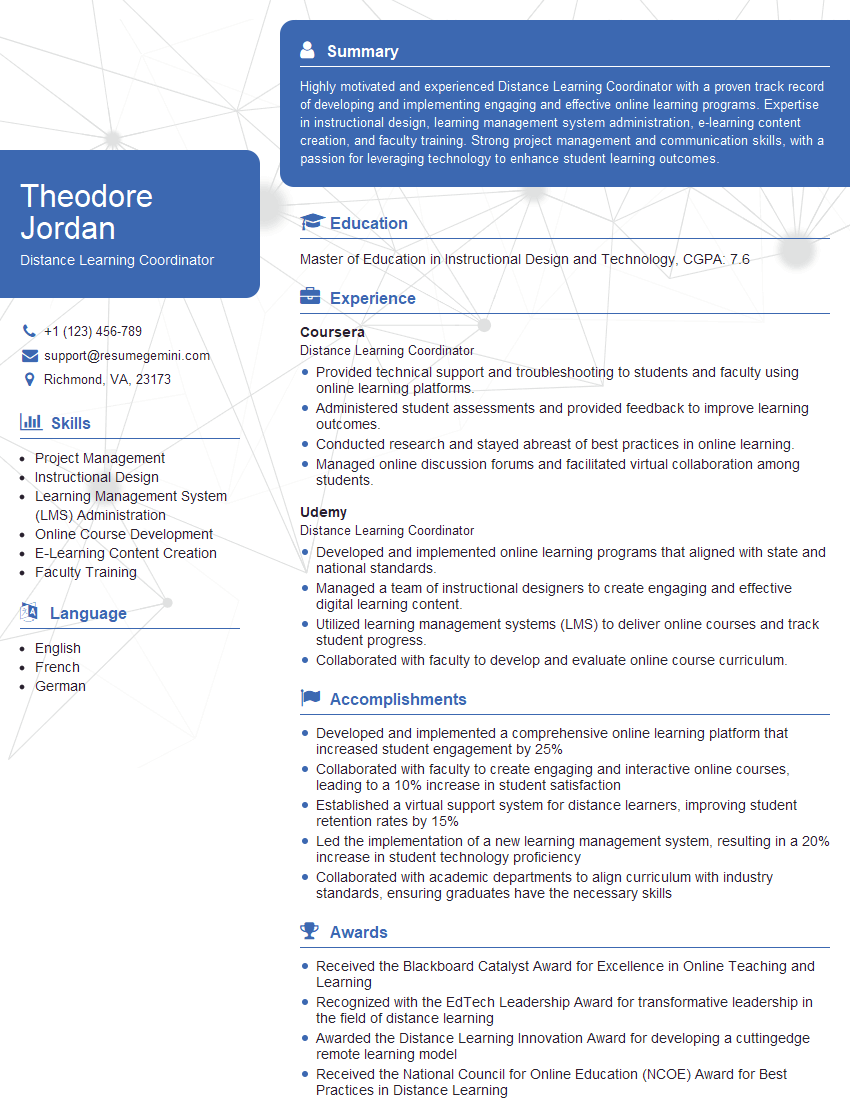
Distance Learning Coordinator Resume Sample

Curriculum Developer Resume Sample
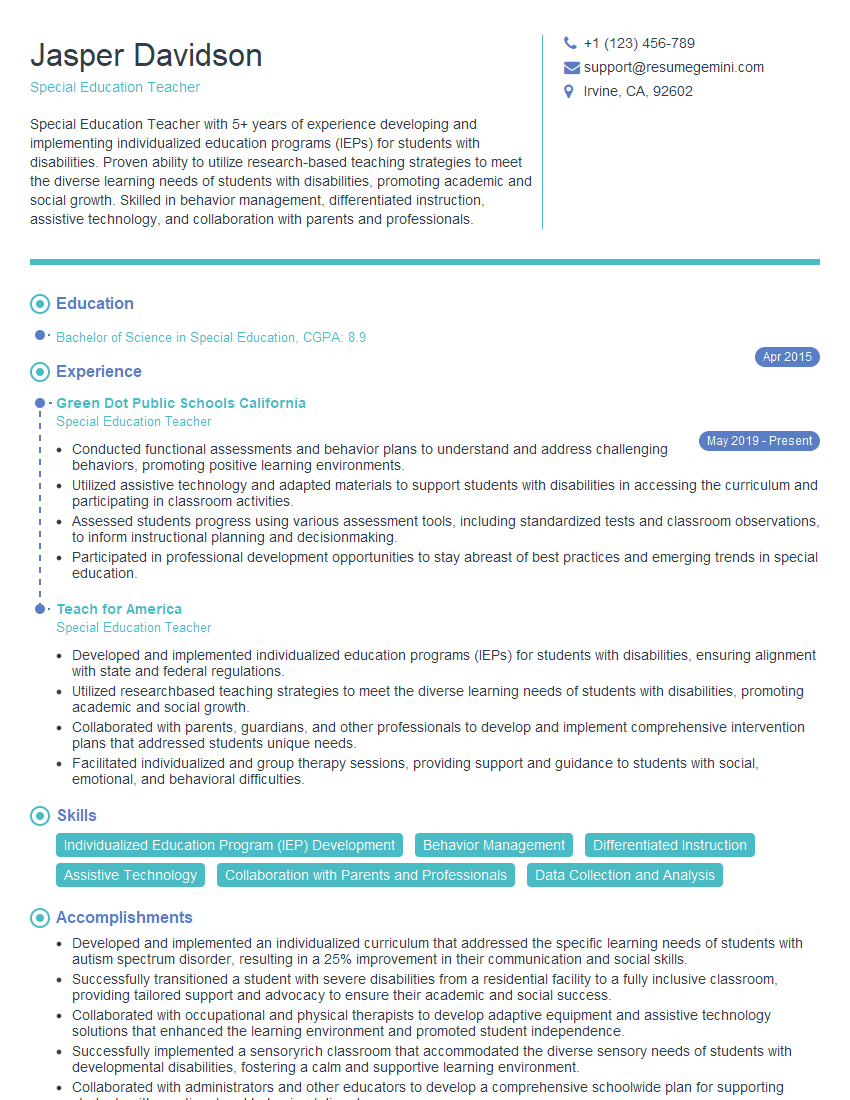
Special Education Teacher Resume Sample
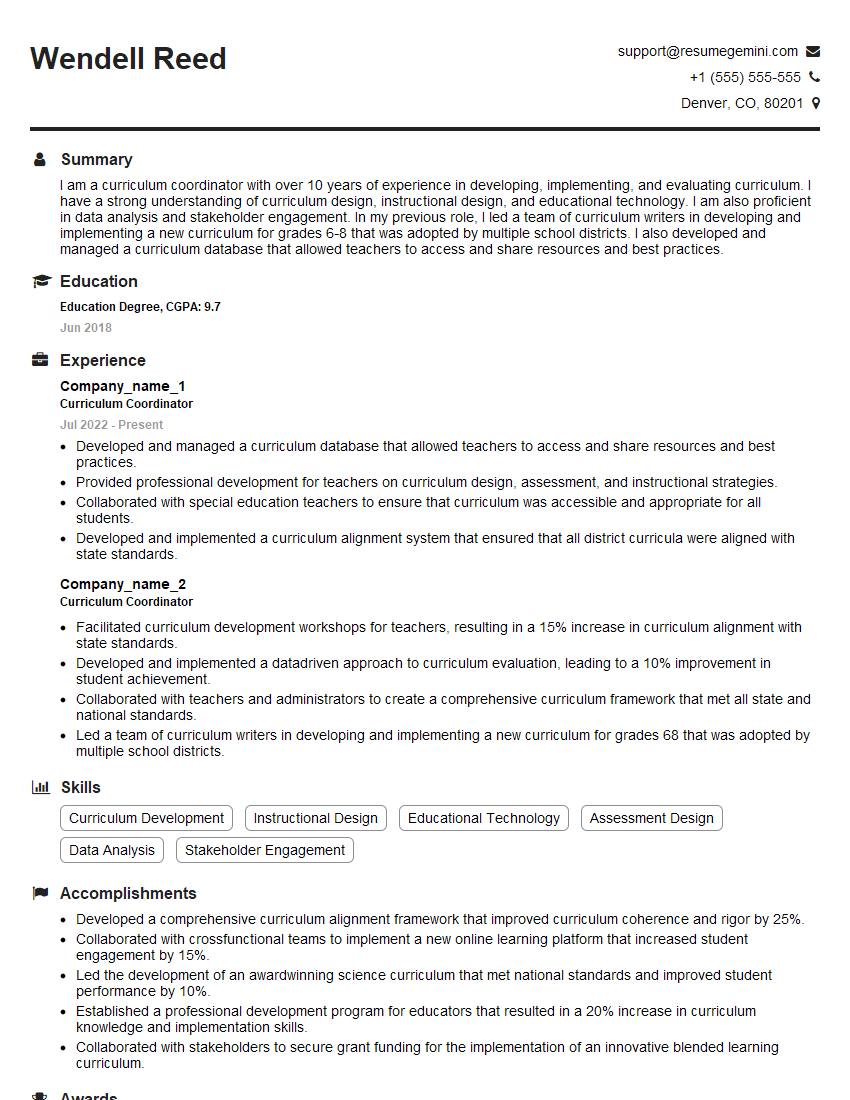
Curriculum Coordinator Resume Sample
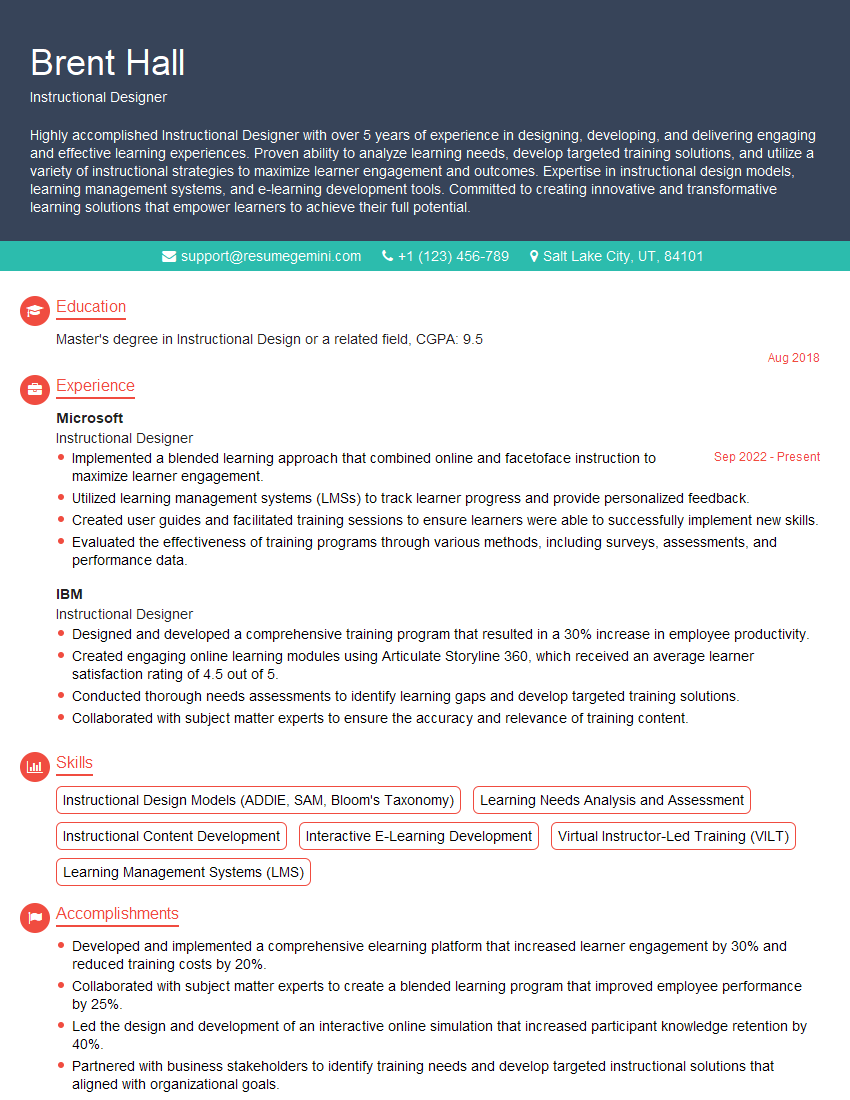
Instructional Designer Resume Sample

Educational Technologist Resume Sample
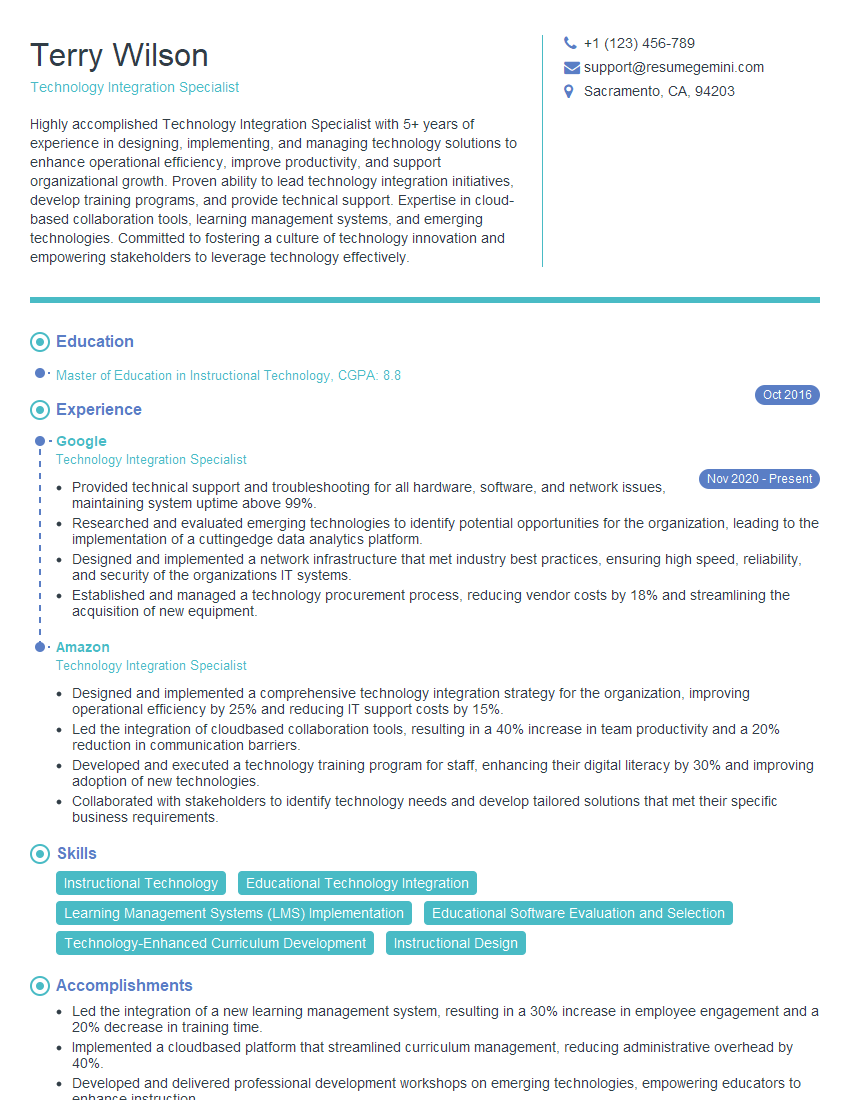
Technology Integration Specialist Resume Sample
Explore more articles
Users Rating of Our Blogs
Share Your Experience
We value your feedback! Please rate our content and share your thoughts (optional).
What Readers Say About Our Blog
I Redesigned Spongebob Squarepants and his main characters of my artwork.
https://www.deviantart.com/reimaginesponge/art/Redesigned-Spongebob-characters-1223583608
IT gave me an insight and words to use and be able to think of examples
Hi, I’m Jay, we have a few potential clients that are interested in your services, thought you might be a good fit. I’d love to talk about the details, when do you have time to talk?
Best,
Jay
Founder | CEO