Interviews are more than just a Q&A session—they’re a chance to prove your worth. This blog dives into essential Adaptable and flexible to changing student needs and learning styles interview questions and expert tips to help you align your answers with what hiring managers are looking for. Start preparing to shine!
Questions Asked in Adaptable and flexible to changing student needs and learning styles Interview
Q 1. Describe your experience adapting curriculum to meet the diverse learning needs of students.
Adapting curriculum to meet diverse learning needs involves a multifaceted approach that goes beyond simply modifying assignments. It requires a deep understanding of individual student strengths and weaknesses, learning preferences, and cultural backgrounds. My approach begins with a thorough assessment of student needs, followed by strategic adjustments to the curriculum’s content, delivery, and assessment methods.
For instance, in a history class focusing on the American Revolution, I might offer various learning activities catering to different styles. Some students might excel with traditional lectures and essays, while others might thrive with interactive simulations, group projects, or visual presentations. For students who struggle with writing, I might provide graphic organizers or allow them to present their findings orally. For visual learners, I might incorporate maps, timelines, and images extensively. For kinesthetic learners, I might incorporate role-playing or hands-on activities, like recreating historical events.
This process requires ongoing evaluation and refinement. I regularly solicit student feedback, monitor their progress, and adjust my teaching strategies as needed to ensure all students are learning effectively and engaging with the material.
Q 2. How do you identify students’ learning styles and preferences?
Identifying students’ learning styles and preferences is crucial for effective teaching. I use a variety of methods, including:
- Observations: I carefully observe students during class, noting their engagement levels, preferred work styles (individual vs. group), and how they respond to different teaching techniques.
- Learning Style Inventories: While I acknowledge the limitations of these tools, I use them as one data point among many, to get a preliminary sense of students’ preferences. Examples include the VARK (Visual, Aural, Read/Write, Kinesthetic) questionnaire.
- Student Self-Assessments: I encourage students to reflect on their own learning preferences through questionnaires or informal discussions. I ask questions like, “What types of activities help you learn best?” or “Do you prefer working independently or in groups?”
- Informal Assessments: I assess students’ understanding through various methods, such as quizzes, class discussions, and projects, to see how they process information and what formats they find most helpful.
The key is to synthesize information from multiple sources to create a holistic picture of each student’s learning profile. It’s not about labeling students but about understanding their individual needs to tailor instruction accordingly.
Q 3. Explain your approach to differentiating instruction to cater to various learning levels.
Differentiating instruction involves adjusting teaching methods to meet the diverse learning levels within a classroom. This isn’t about lowering standards but about providing multiple pathways for students to reach the same learning goals. My approach involves:
- Tiered Assignments: I create assignments with varying levels of complexity to accommodate different skill levels. For example, a math problem might have a basic version, a standard version, and an advanced version, each addressing the same concept but at a different level of difficulty.
- Flexible Grouping: I utilize flexible grouping strategies, placing students in groups based on their strengths and needs for specific activities. Some activities might benefit from homogeneous grouping (students of similar abilities working together), while others might be more effective with heterogeneous grouping (students with diverse abilities collaborating).
- Choice Boards: Students are given a menu of activities related to the learning objective and can choose which ones to complete, based on their preferences and learning styles. This allows them to demonstrate their understanding in a way that aligns with their strengths.
- Open-Ended Tasks: Open-ended tasks allow students to approach the same learning objective from various perspectives and at different paces. This caters to students who may need more time or a more individualized approach.
Regular formative assessment is crucial for monitoring student progress and making timely adjustments to instruction.
Q 4. How do you create a flexible and inclusive classroom environment?
Creating a flexible and inclusive classroom environment involves fostering a sense of belonging and providing equitable access to learning for all students. This includes:
- Establishing clear expectations and routines: Consistency helps students feel safe and secure, particularly those with anxiety or learning disabilities.
- Promoting a culture of respect and empathy: Creating a safe space where students feel comfortable taking risks and asking for help is paramount.
- Providing choices and autonomy: Allowing students choices in assignments and activities empowers them and supports their sense of ownership.
- Utilizing Universal Design for Learning (UDL) principles: UDL provides a framework for creating flexible learning environments that cater to diverse learners. This involves offering multiple means of representation, action & expression, and engagement.
- Collaborating with families and support staff: Building strong partnerships with parents, special education teachers, and other support staff helps create a cohesive and supportive learning environment.
Creating an inclusive environment is an ongoing process that requires intentional effort and reflection.
Q 5. Describe a time you had to adjust your teaching methods due to unexpected circumstances.
During a unit on Shakespeare, a sudden illness swept through my class, leaving many students absent. Instead of forging ahead with my planned activities, I immediately shifted gears. I created asynchronous learning modules using online platforms, incorporating video lectures, interactive quizzes, and discussion forums. Students could access these resources at their own pace and from anywhere. Upon their return, we had a collaborative session where students shared their experiences with the online materials and engaged in a rich class discussion.
This unexpected situation highlighted the importance of having flexible lesson plans and a variety of teaching tools at my disposal. It also reinforced the need for open communication with students and families to ensure their needs are met.
Q 6. What strategies do you use to support students with learning disabilities?
Supporting students with learning disabilities requires a multi-pronged approach that focuses on individual needs and strengths. My strategies include:
- Collaboration with Special Education Teachers: I work closely with special education teachers to develop individualized education programs (IEPs) and ensure the student’s learning needs are met.
- Differentiated Instruction: I adapt my teaching methods and materials to accommodate individual learning styles and challenges, using strategies like providing graphic organizers, breaking down tasks into smaller steps, and offering extended time for assignments.
- Assistive Technology: I integrate assistive technology, such as text-to-speech software or speech-to-text software, to support students with reading or writing difficulties.
- Accommodations and Modifications: I provide accommodations, such as preferential seating or adjusted testing formats, and modifications, such as simplifying assignments or changing assessment methods, as needed.
- Positive Reinforcement and Encouragement: Creating a supportive and encouraging classroom environment is crucial for building student confidence and fostering a love of learning.
I also emphasize celebrating student progress and focusing on their strengths to help them build self-esteem and resilience.
Q 7. How do you incorporate technology to enhance learning for diverse learners?
Technology offers powerful tools to enhance learning for diverse learners. I integrate technology in several ways:
- Interactive Whiteboards and Presentation Software: These tools allow me to present information in visually engaging ways and incorporate multimedia elements, benefiting visual and auditory learners.
- Educational Apps and Websites: Many apps cater to different learning styles and abilities, providing opportunities for personalized learning and practice.
- Learning Management Systems (LMS): Platforms like Canvas or Moodle provide a central hub for distributing materials, collecting assignments, and offering feedback. This is particularly helpful for students who need access to information outside of class time.
- Assistive Technology: As previously mentioned, text-to-speech, speech-to-text, and other assistive technologies can significantly improve access to learning for students with disabilities.
- Virtual Reality (VR) and Augmented Reality (AR): These immersive technologies can create engaging learning experiences for all students, particularly those who are kinesthetic learners or benefit from hands-on activities.
The key is to use technology strategically and thoughtfully, always keeping the learning goals and student needs at the forefront. Technology should enhance, not replace, effective teaching practices.
Q 8. How do you provide individualized support to students who are struggling?
Individualized support begins with understanding each student’s unique learning needs and challenges. This involves careful observation in the classroom, reviewing assessments, and having open conversations with students. I use a multi-pronged approach:
Diagnostic Assessments: I employ pre-tests or diagnostic tools to pinpoint specific areas of weakness. For instance, if a student struggles with fractions, a diagnostic assessment will reveal if the problem lies in understanding concepts or in procedural fluency.
Differentiated Instruction: Based on the assessment results, I differentiate instruction. This could involve providing tailored worksheets, adjusting the complexity of assignments, offering one-on-one tutoring, or utilizing different learning modalities (visual, auditory, kinesthetic). For example, for a student struggling with reading comprehension, I might provide audio books or graphic novels alongside traditional text.
Collaborative Learning: Pairing struggling students with more advanced peers for collaborative projects can foster peer learning and build confidence. The stronger student benefits from explaining the concepts, while the struggling student benefits from peer support and alternative explanations.
Technology Integration: Educational software and apps can provide targeted practice and personalized feedback, allowing students to work at their own pace and receive immediate support. Khan Academy or IXL are excellent examples of platforms offering such personalized learning.
Regular communication with parents is also crucial, ensuring a cohesive support system for the student.
Q 9. How do you assess student learning and adjust your instruction accordingly?
Assessing student learning is an ongoing process, not a single event. I use a variety of formative and summative assessments to gain a comprehensive understanding of student progress.
Formative Assessments: These are ongoing checks for understanding throughout the learning process. Examples include exit tickets (brief questions answered at the end of a lesson), quick quizzes, class discussions, and observation of student work during activities. These assessments guide my instruction in real-time; if students struggle with a concept, I can immediately adjust my teaching approach.
Summative Assessments: These provide a comprehensive evaluation of student learning at the end of a unit or course. Examples include tests, projects, presentations, and essays. Summative assessments inform my overall evaluation of student learning and help me identify areas where adjustments to curriculum or teaching methods might be beneficial.
I analyze assessment data to identify patterns and trends. For example, if a significant number of students struggle with a particular concept, I might need to revisit the topic, using different teaching strategies or providing additional resources. Adapting my instruction is key; it’s not about ‘fixing’ students, but rather optimizing the learning experience for everyone.
Q 10. Describe your experience using various assessment methods to evaluate student understanding.
My experience encompasses a wide range of assessment methods, each chosen to best suit the learning objective and student needs. I’ve utilized:
Traditional Assessments: Multiple-choice tests, short answer questions, and essays are valuable for assessing factual knowledge and comprehension. However, these alone don’t fully capture the depth of student understanding.
Performance-Based Assessments: These assess skills and application of knowledge through tasks like presentations, projects, experiments, and problem-solving activities. For instance, a science project allows students to demonstrate their understanding of scientific principles through hands-on experimentation and analysis.
Portfolio Assessments: Students compile a collection of their work over time, demonstrating growth and progress. This method allows for a holistic view of student learning and reflects the development of their skills.
Authentic Assessments: These assessments mirror real-world applications of knowledge and skills. For example, having students design a marketing campaign for a fictional product assesses their understanding of marketing principles in a practical setting.
Self and Peer Assessments: These empower students to reflect on their own learning and provide feedback to peers, fostering metacognition and a collaborative learning environment.
The key is to use a balanced approach, combining various methods to obtain a comprehensive and nuanced understanding of student learning.
Q 11. How do you foster a positive and supportive learning environment for all students?
Creating a positive and supportive learning environment is paramount. I achieve this through:
Building Relationships: Getting to know students individually, understanding their interests, and showing genuine care creates a sense of belonging and trust. This makes them feel comfortable taking risks and participating actively.
Establishing Clear Expectations: Clear rules and routines provide structure and predictability, minimizing disruptions and maximizing learning time. I involve students in establishing these expectations whenever possible, promoting ownership and responsibility.
Promoting Collaboration: Group work and peer learning foster teamwork, communication skills, and a sense of community within the classroom. I carefully structure group activities to ensure all students participate and contribute meaningfully.
Celebrating Successes: Acknowledging and celebrating both individual and collective achievements reinforces positive behaviors and motivates students. This can be done through verbal praise, awarding certificates, showcasing student work, or sharing success stories with parents.
Creating a Safe Space: Students must feel safe to express themselves, ask questions, and make mistakes without fear of judgment. I create a culture of respect and encourage open communication.
A positive learning environment is more than just a pleasant atmosphere; it’s a crucial element in fostering effective learning and student well-being.
Q 12. How do you manage a classroom with students of varying abilities and backgrounds?
Managing a diverse classroom requires a flexible and adaptable approach. I address the varying abilities and backgrounds of students by:
Differentiated Instruction: As mentioned earlier, I adapt my teaching methods and materials to meet the individual needs of each student. This could involve providing different levels of support, adjusting the pace of instruction, or offering alternative learning activities.
Universal Design for Learning (UDL): I incorporate UDL principles into my lesson planning, ensuring that materials and activities are accessible to all students regardless of their learning style or ability. This involves providing multiple means of representation, action and expression, and engagement.
Culturally Responsive Teaching: I strive to create a classroom that values and celebrates the diversity of student backgrounds and experiences. This includes incorporating culturally relevant materials and teaching strategies, and fostering a respectful and inclusive environment where all students feel valued.
Collaboration and Peer Learning: Pairing students with diverse abilities and backgrounds for collaborative projects promotes mutual learning and understanding. Students learn from each other’s strengths and perspectives.
Utilizing Technology: Educational technology can provide personalized learning experiences and cater to various learning styles. For instance, interactive simulations, adaptive learning platforms, and assistive technologies can help bridge learning gaps.
Effective classroom management in a diverse setting requires ongoing reflection and adaptation. I continuously evaluate my strategies and make adjustments as needed to ensure all students thrive.
Q 13. How do you incorporate student feedback to improve your teaching?
Student feedback is invaluable for improving my teaching. I actively solicit and utilize feedback through various methods:
Formal Surveys and Questionnaires: At the end of units or courses, I use surveys to gather student feedback on the effectiveness of my teaching, the clarity of instructions, the relevance of materials, and the overall learning experience.
Informal Feedback: I encourage open communication with students, allowing them to share their thoughts and suggestions throughout the course. This can happen during class discussions, individual meetings, or through informal chats.
Student Self-Assessments: Encouraging students to reflect on their own learning and identify areas where they need more support empowers them and provides valuable insights into their learning process.
Peer Feedback: Peer assessment activities allow students to provide feedback to their classmates, developing their critical thinking skills and providing additional perspectives on the quality of work and instruction.
Analyzing Student Work: Carefully reviewing student work, including assignments, tests, and projects, reveals areas where students struggle and where instruction might need to be adjusted.
I use this feedback to refine my teaching strategies, improve lesson plans, select appropriate materials, and create a more effective learning environment for all students. It’s a continuous cycle of improvement based on student input.
Q 14. Describe your experience working with parents and guardians to support student learning.
Collaboration with parents and guardians is crucial for student success. I maintain open communication through various channels:
Parent-Teacher Conferences: I schedule regular conferences to discuss student progress, address concerns, and collaborate on strategies to support student learning. These conferences are opportunities for open dialogue and shared responsibility.
Regular Communication: I regularly communicate with parents through emails, newsletters, or online platforms, providing updates on student performance, upcoming assignments, and important events.
Progress Reports: I provide regular written reports that detail student progress, strengths, and areas for improvement. These reports offer a formal overview of student performance and are a valuable tool for communication.
Positive Reinforcement: I actively communicate positive developments to parents, celebrating student achievements and highlighting their efforts.
Addressing Concerns Promptly: If concerns arise, I respond promptly and collaboratively, working with parents to develop strategies for addressing challenges.
Building strong partnerships with parents creates a supportive network that fosters student success. Open communication and collaboration are key to ensuring that everyone is working together to support the child’s educational journey.
Q 15. How do you collaborate with other educators to meet students’ needs?
Collaboration is the cornerstone of effective teaching, especially when catering to diverse student needs. I actively participate in collaborative planning sessions with colleagues, sharing best practices and lesson ideas. We frequently co-teach lessons, allowing us to leverage each other’s strengths and expertise. For instance, when teaching a complex science concept, I might collaborate with a colleague specializing in technology to integrate interactive simulations and virtual labs, making the learning experience more engaging and accessible for visual and kinesthetic learners. We also utilize shared online platforms to share resources and lesson materials, allowing for continuous improvement and adaptation based on student feedback.
Furthermore, regular informal discussions with colleagues during break times or after school provide opportunities for quick problem-solving and brainstorming solutions to challenges faced in the classroom. This constant dialogue helps create a supportive environment where everyone feels comfortable sharing ideas and seeking support.
Career Expert Tips:
- Ace those interviews! Prepare effectively by reviewing the Top 50 Most Common Interview Questions on ResumeGemini.
- Navigate your job search with confidence! Explore a wide range of Career Tips on ResumeGemini. Learn about common challenges and recommendations to overcome them.
- Craft the perfect resume! Master the Art of Resume Writing with ResumeGemini’s guide. Showcase your unique qualifications and achievements effectively.
- Don’t miss out on holiday savings! Build your dream resume with ResumeGemini’s ATS optimized templates.
Q 16. How do you adapt your teaching style to different age groups or subject matter?
Adapting my teaching style to different age groups and subject matters involves understanding the developmental stages of learners and adjusting my methods accordingly. For younger students (e.g., elementary), I prioritize hands-on activities, games, and storytelling to maintain engagement and cater to their shorter attention spans. My lessons are more visually driven, using bright colors, images, and real-world examples. I also incorporate more frequent breaks and opportunities for movement. With older students (e.g., high school), I adopt a more project-based approach, encouraging independent research and critical thinking. Discussions and debates are more common, fostering collaborative learning and deeper understanding of complex concepts. Subject matter also influences my approach. A mathematics lesson requires a structured, step-by-step approach, whereas a literature class might involve open-ended discussions and creative writing exercises.
Essentially, the key is to remain flexible and use a variety of instructional methods – lectures, discussions, group work, projects, technology integration – to cater to different learning styles and preferences within each age group and subject.
Q 17. Describe a time you had to modify a lesson plan due to student needs.
During a unit on fractions in 5th grade, I initially planned a worksheet-based approach with standard practice problems. However, after observing students during the initial lesson, I noticed significant frustration and a lack of understanding among several students. Their struggles stemmed from a weak foundational understanding of the concepts of parts and wholes. I immediately modified the lesson plan. Instead of focusing solely on abstract calculations, I introduced a hands-on activity using manipulatives (fraction circles and bars). Students were able to visually represent fractions, manipulate them physically, and develop a concrete understanding before moving on to written exercises. The change in approach dramatically improved comprehension and student engagement. I also incorporated more visual aids and real-world examples, making the concepts relatable and easier to grasp. The formative assessment I conducted immediately after the modification showed a significant improvement in student understanding.
Q 18. How do you address the needs of gifted and talented students?
Gifted and talented students require differentiated instruction that challenges their abilities and fosters intellectual curiosity. I address their needs through several strategies. First, I provide them with extension activities that go beyond the standard curriculum. This might involve independent research projects, advanced reading materials, or participation in specialized programs. Second, I encourage independent learning and self-directed exploration. I offer them more autonomy in choosing projects and selecting learning paths aligned with their interests. Third, I facilitate opportunities for collaboration with other gifted students, fostering peer learning and intellectual stimulation. Mentorship opportunities with advanced students or professionals in relevant fields can also be incredibly beneficial. Finally, regular check-ins and open communication ensure I understand their progress and can provide tailored support and challenges.
Q 19. How do you support students who are struggling with emotional or behavioral challenges?
Supporting students with emotional or behavioral challenges requires a multifaceted approach. I start by building a strong, positive rapport with each student, creating a safe and supportive classroom environment. I communicate openly and respectfully, actively listening to their concerns and validating their feelings. I collaborate closely with school counselors and special education staff to develop individualized behavior plans and implement strategies that address the root causes of their challenges. These plans may include classroom modifications, such as providing a quiet workspace or breaking down tasks into smaller, more manageable steps. I also utilize positive reinforcement techniques to reward positive behavior and encourage desired actions. For students exhibiting significant emotional or behavioral issues, referrals to external professionals are crucial.
Q 20. How do you use formative assessment to inform your instruction?
Formative assessment is an integral part of my teaching practice. It involves ongoing evaluation of student understanding during the learning process, allowing for timely adjustments to instruction. I utilize a variety of formative assessment methods, such as exit tickets, quick quizzes, informal observations, and class discussions. For instance, exit tickets allow me to gauge student understanding of a specific concept at the end of a lesson. This feedback informs my next lesson, allowing me to address any misconceptions or gaps in understanding. Regular observations during group work or individual activities help me identify students who are struggling and provide targeted support. Data gathered from formative assessments helps me modify my teaching strategies, adapt lesson plans, and provide personalized support to meet the diverse learning needs of my students.
Q 21. How do you ensure that all students have access to the resources they need to succeed?
Ensuring all students have access to necessary resources is paramount. I advocate for equitable resource allocation within the school, ensuring that all students, regardless of background or learning needs, have access to appropriate technology, learning materials, and support services. I actively seek out and utilize resources available within the school and community, such as library services, online learning platforms, and community partnerships. I also work closely with parents and guardians, fostering open communication and collaboration to address any resource barriers their children may face. This involves providing clear and consistent information about classroom expectations, assignments, and available resources. I also advocate for students with special needs, ensuring they receive appropriate accommodations and support services. Building a strong network of support involving parents, counselors, and administrators is key to meeting the needs of all students.
Q 22. How do you promote a growth mindset among your students?
Cultivating a growth mindset is crucial for student success. It’s about shifting the focus from innate ability to the power of learning and effort. I foster this by emphasizing the process of learning over grades. I explicitly teach students about the brain’s neuroplasticity – its ability to grow and change – and how effort strengthens neural connections.
- Praise Effort, Not Just Intelligence: Instead of saying, “You’re so smart!” I might say, “I’m impressed by how persistently you worked through that problem.” This focuses their attention on the strategies and perseverance that lead to success.
- Embrace Mistakes as Learning Opportunities: We view mistakes as valuable feedback, not indicators of failure. We analyze them together to understand what went wrong and how to improve. We use phrases like, “What can we learn from this mistake?”
- Set Challenging Goals: I encourage students to set ambitious goals, breaking them down into smaller, manageable steps. Celebrating each milestone reinforces their belief in their ability to progress.
- Share My Own Struggles and Growth: I share my own experiences with challenges and how I overcame them, demonstrating that everyone faces setbacks and that growth comes from effort.
For example, in a math class, after a student struggles with a complex problem, I might say, ‘That was a tough one! But look at all the steps you already mastered. Let’s focus on the next step and break it down together.’ This approach helps to build resilience and a positive attitude towards learning.
Q 23. Describe your experience with assistive technology for students with disabilities.
I have extensive experience integrating assistive technology to support students with diverse learning needs. This involves understanding individual student needs and selecting appropriate tools. My experience includes working with students who utilize screen readers (like JAWS or NVDA), text-to-speech software, speech-to-text software, and augmentative and alternative communication (AAC) devices.
- Needs Assessment: Collaborating with special education teachers, occupational therapists, and parents is paramount to understand the specific challenges and strengths of each student. This ensures that technology aligns perfectly with their needs.
- Software and Hardware Selection: I’ve worked with various software and hardware, customizing settings to optimize accessibility. This includes adjusting font sizes, colors, and using screen magnification tools as well as exploring various digital learning platforms that offer built-in accessibility features.
- Training and Support: Simply providing the technology is insufficient. Thorough training for both the student and myself is essential to ensure effective use. Ongoing support and troubleshooting are critical aspects of my role.
For example, I once worked with a student who had dyslexia. By implementing text-to-speech software and providing graphic organizers, I significantly improved her comprehension and ability to participate actively in class. The key was individualized support and iterative adjustments based on her ongoing feedback.
Q 24. How do you use technology to personalize learning?
Technology offers powerful tools to personalize learning experiences. I use it to differentiate instruction based on individual student needs, pace, and learning styles.
- Adaptive Learning Platforms: These platforms adjust the difficulty level based on student performance, providing customized challenges and support. They offer immediate feedback and track progress, allowing me to monitor student understanding and adjust my instruction accordingly.
- Differentiated Learning Resources: I use digital tools to create various learning materials – videos, interactive simulations, audio recordings – catering to visual, auditory, and kinesthetic learners. This approach ensures that all students can engage with the content in a way that suits them best.
- Personalized Learning Paths: With the help of technology, I can create individualized learning paths for students. This allows students to delve deeper into areas they find challenging or pursue topics that particularly interest them. For example, a student excelling in math might be given advanced problems while another student might benefit from extra practice with interactive tutorials.
For instance, I utilize educational games and interactive simulations to make learning engaging and to allow students to practice concepts at their own pace and in a non-threatening environment. The immediate feedback these platforms provide is invaluable for both the student and myself.
Q 25. How do you address cultural diversity in your classroom?
Addressing cultural diversity is fundamental to creating an inclusive classroom. I strive to create a welcoming and respectful environment where all students feel valued and understood.
- Culturally Responsive Teaching: This involves understanding and incorporating diverse cultural perspectives into my teaching practices. I use materials that represent a range of cultures and backgrounds, avoiding stereotypes and promoting accurate representations.
- Building Relationships: I take the time to learn about my students’ cultures and backgrounds. I make an effort to pronounce names correctly, learn about their traditions and holidays, and create opportunities for them to share their unique experiences.
- Creating Inclusive Learning Activities: I design activities that are relevant and engaging for all students, regardless of their cultural background. I promote collaborative work and encourage students to learn from each other.
- Language Support: If there are language barriers, I might utilize translation tools, visual aids, or collaborate with ESL specialists to ensure that students can access the curriculum effectively.
For example, during a history lesson, I ensured that we explored events from multiple perspectives, recognizing diverse narratives and contributions. Celebrating cultural events and incorporating diverse voices in our discussions made the classroom feel more inclusive and enriched everyone’s learning experience.
Q 26. How do you maintain student engagement in a diverse learning environment?
Maintaining student engagement in a diverse learning environment requires a multifaceted approach. It’s about creating a classroom that caters to diverse learning styles and interests while fostering a sense of belonging.
- Varied Instructional Strategies: I employ a range of teaching methods – lectures, discussions, group work, independent projects, games, and technology – to keep students actively involved and cater to different learning preferences.
- Student Choice and Voice: Offering students choices in assignments and projects increases their motivation and ownership of their learning. I also create opportunities for students to share their ideas and perspectives.
- Collaborative Learning: Group work encourages interaction, peer learning, and a sense of community. I carefully structure groups to promote diversity and support students who might need extra help.
- Positive Classroom Culture: Building a supportive and respectful environment where students feel comfortable taking risks and asking questions is essential for engagement. This involves establishing clear expectations and celebrating successes.
For instance, during a science project, students were given choices in how they presented their findings: a poster, a presentation, or a video. This allowed students to showcase their work in ways that aligned with their strengths and interests, leading to significantly increased engagement and higher-quality work.
Q 27. Describe your experience with inclusive curriculum design.
Inclusive curriculum design is about ensuring that all students, regardless of their abilities or backgrounds, have access to a challenging and relevant curriculum. It involves proactively considering the diverse needs of all learners during the planning process.
- Universal Design for Learning (UDL): I use UDL principles as a framework for curriculum design. UDL focuses on providing multiple means of representation, action and expression, and engagement, thereby catering to various learning styles and preferences.
- Differentiated Instruction: I differentiate assignments to meet the individual needs of students. This may involve adjusting the complexity of tasks, providing scaffolding, or offering varied assessment options.
- Accessibility Considerations: I ensure that all materials are accessible to students with disabilities, following accessibility guidelines like WCAG (Web Content Accessibility Guidelines). This includes providing alternative text for images, captions for videos, and accessible formats for documents.
- Culturally Relevant Content: I integrate diverse perspectives and voices into the curriculum, ensuring representation of various cultures and backgrounds.
For example, when designing a literature unit, I selected a range of texts, including diverse authors and storylines. I also provided various options for students to demonstrate their understanding – written essays, oral presentations, artwork – allowing them to express their learning in the ways that suited them best.
Q 28. How do you ensure equity and access for all students in your classroom?
Ensuring equity and access for all students requires a proactive and ongoing commitment. It involves creating a classroom environment where all students have the opportunity to succeed, regardless of their background or abilities.
- Equitable Access to Resources: I ensure that all students have access to the same quality resources, including technology, materials, and support. This may involve advocating for additional resources or accommodations for students who need them.
- Bias Awareness: I am actively aware of my own biases and strive to create an unbiased classroom environment. This involves carefully selecting materials and avoiding language that reinforces stereotypes or marginalizes certain groups.
- Responsive Assessment Practices: I utilize a variety of assessment methods to capture students’ understanding accurately, avoiding assessment biases that might disadvantage certain groups. I might include multiple assessment formats to cater to diverse learning styles.
- Advocacy and Collaboration: I collaborate with colleagues, administrators, and parents to ensure that all students have the support they need to succeed. I advocate for policies and practices that promote equity and access for all.
For example, I’ve actively sought out and incorporated diverse learning materials into my classroom, ensuring that all students see themselves represented in the curriculum. This creates a more inclusive and engaging learning environment for all.
Key Topics to Learn for Adaptable and Flexible to Changing Student Needs and Learning Styles Interview
- Understanding Diverse Learning Styles: Explore various learning styles (visual, auditory, kinesthetic, etc.) and their implications for teaching methodologies.
- Differentiated Instruction: Learn practical strategies for adapting lessons and assessments to meet individual student needs, including modifying content, process, product, and learning environment.
- Assessment and Feedback: Master techniques for formative and summative assessment that provide actionable feedback tailored to different learning styles and individual student progress. Consider how to adapt assessment methods to accurately reflect understanding.
- Classroom Management and Inclusivity: Develop strategies for creating a positive and inclusive classroom environment that caters to diverse learning needs and fosters collaboration and respect.
- Technology Integration: Explore how technology can be used to personalize learning experiences and provide differentiated instruction. Consider accessibility features and diverse technological literacy levels.
- Adapting to Unexpected Challenges: Discuss strategies for handling unexpected situations, such as changes in student needs, curriculum adjustments, or technological disruptions. Highlight problem-solving skills and flexibility in decision-making.
- Collaboration and Communication: Emphasize the importance of effective communication with students, parents, and colleagues to address individual learning needs and ensure a supportive learning environment.
- Self-Reflection and Professional Development: Showcase your commitment to continuous learning and improvement by discussing your strategies for reflecting on teaching practices and seeking professional development opportunities related to differentiated instruction and inclusive education.
Next Steps
Mastering adaptability and flexibility in addressing diverse student needs is crucial for career advancement in education. It demonstrates your commitment to student success and your ability to create a positive learning environment for all. To increase your job prospects, build an ATS-friendly resume that highlights these skills effectively. ResumeGemini is a trusted resource to help you create a professional and impactful resume. Examples of resumes tailored to showcase expertise in adapting to changing student needs and learning styles are available through ResumeGemini.
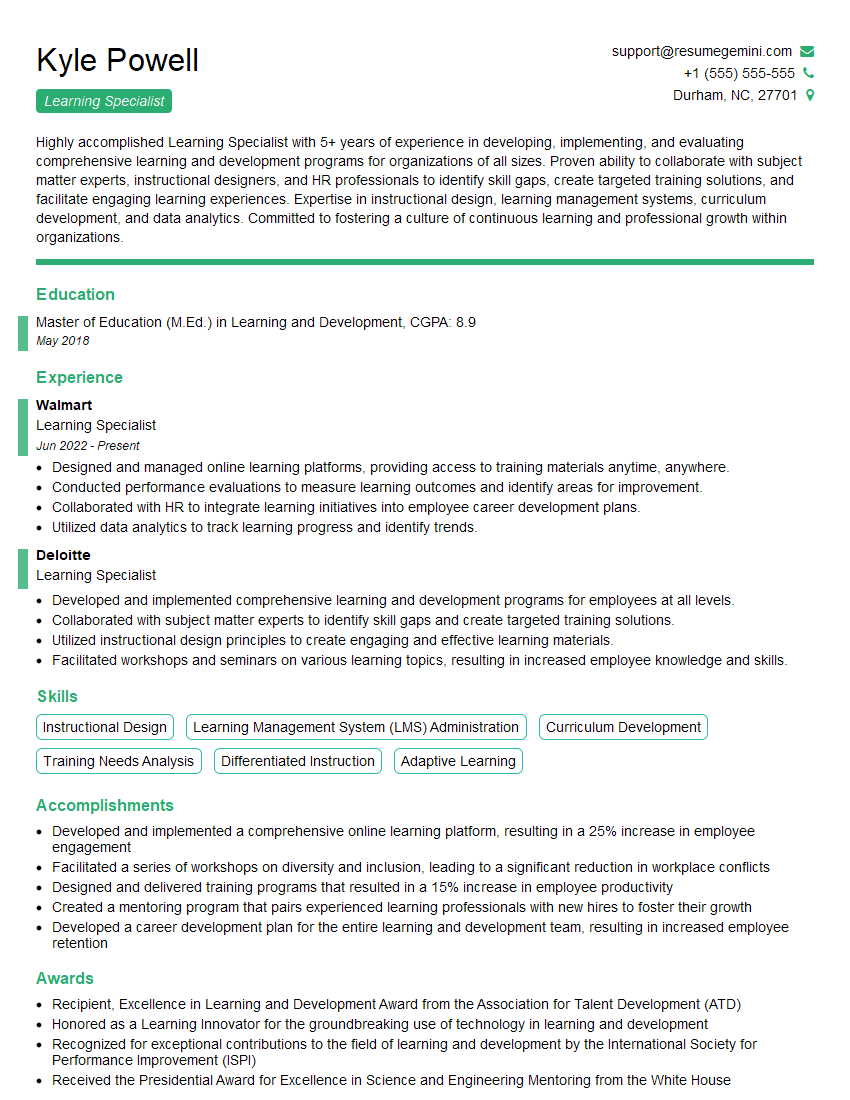
Learning Specialist Resume Sample
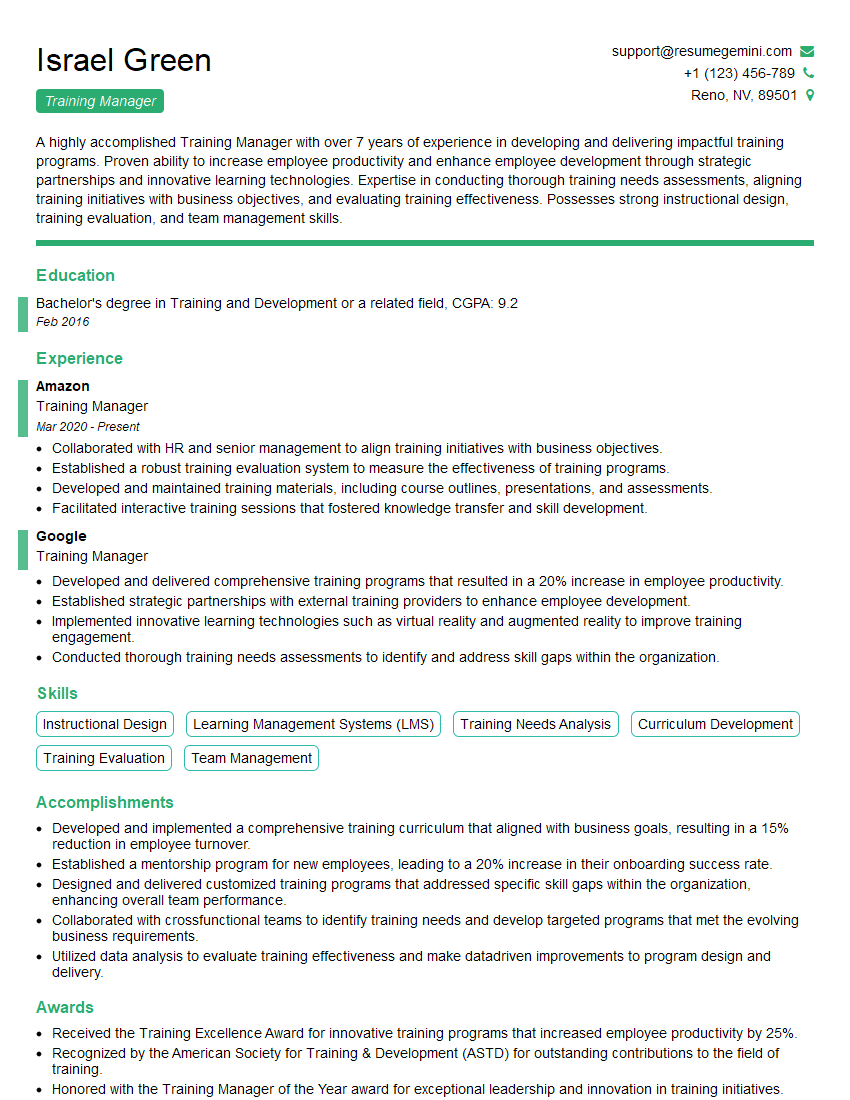
Training Manager Resume Sample
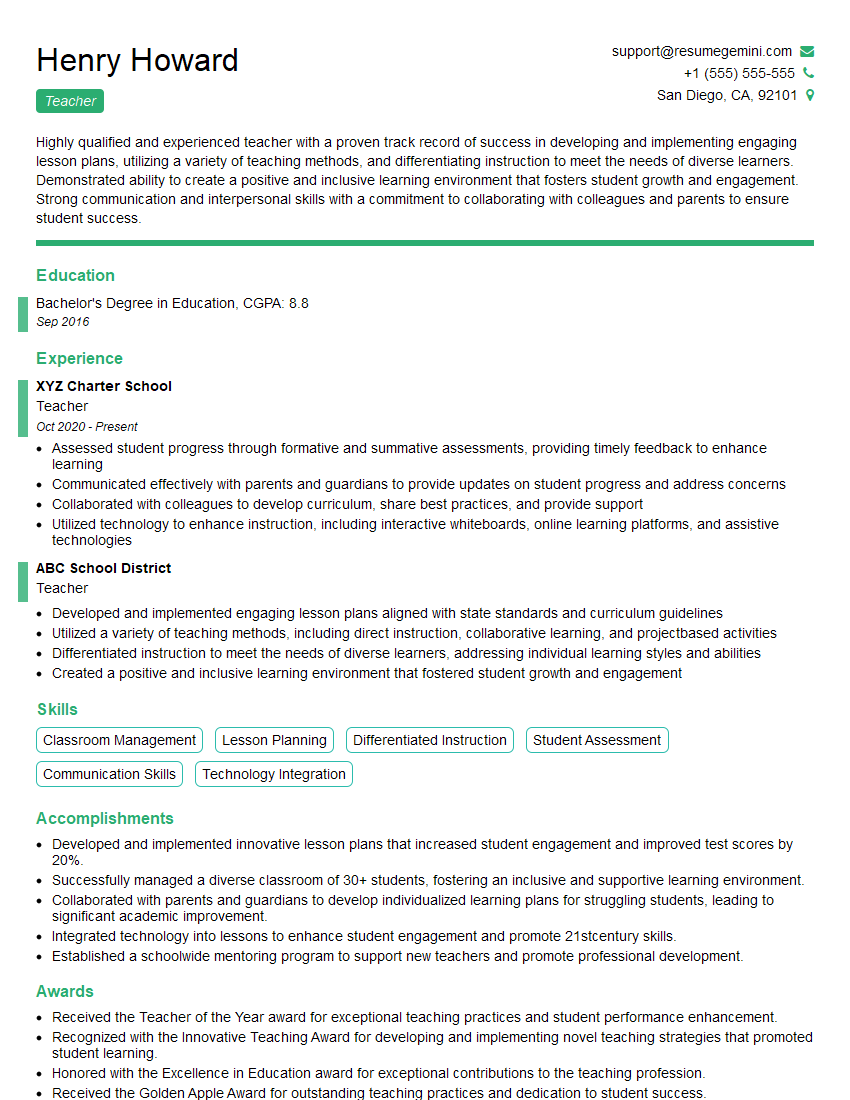
Teacher Resume Sample

Professor Resume Sample
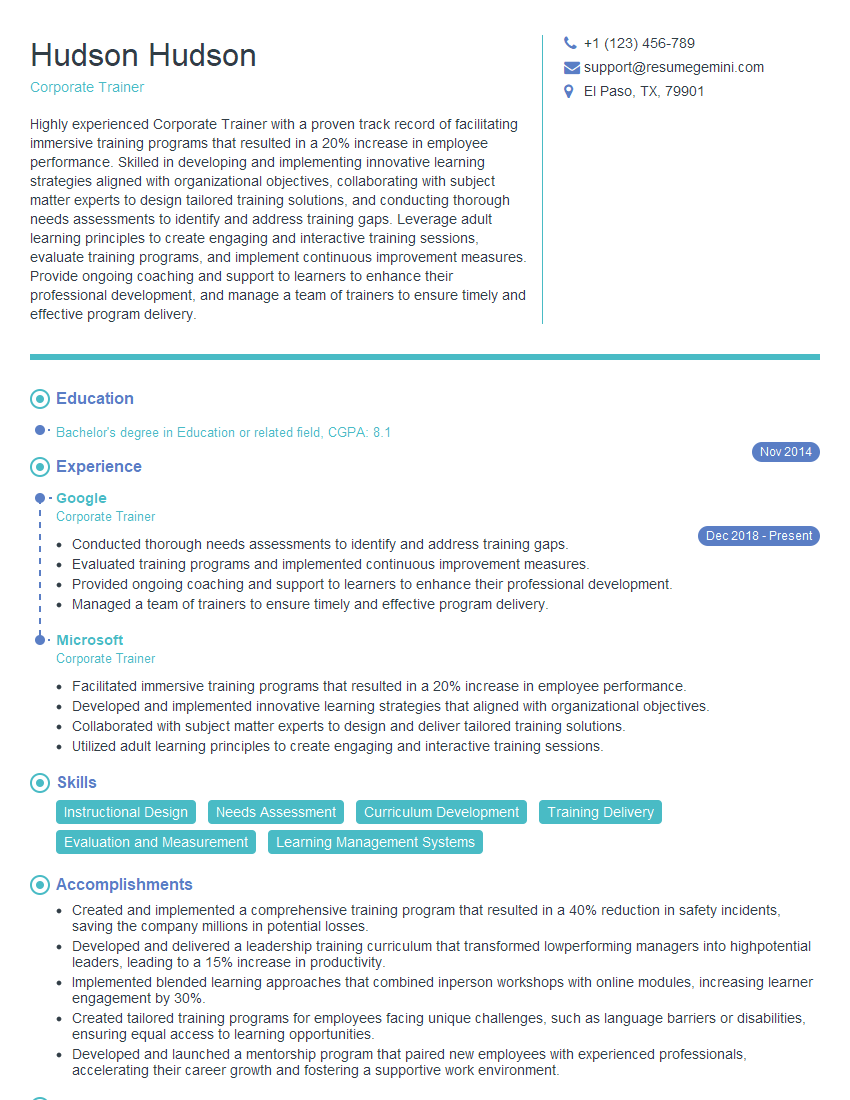
Corporate Trainer Resume Sample

Curriculum Developer Resume Sample

E-Learning Developer Resume Sample
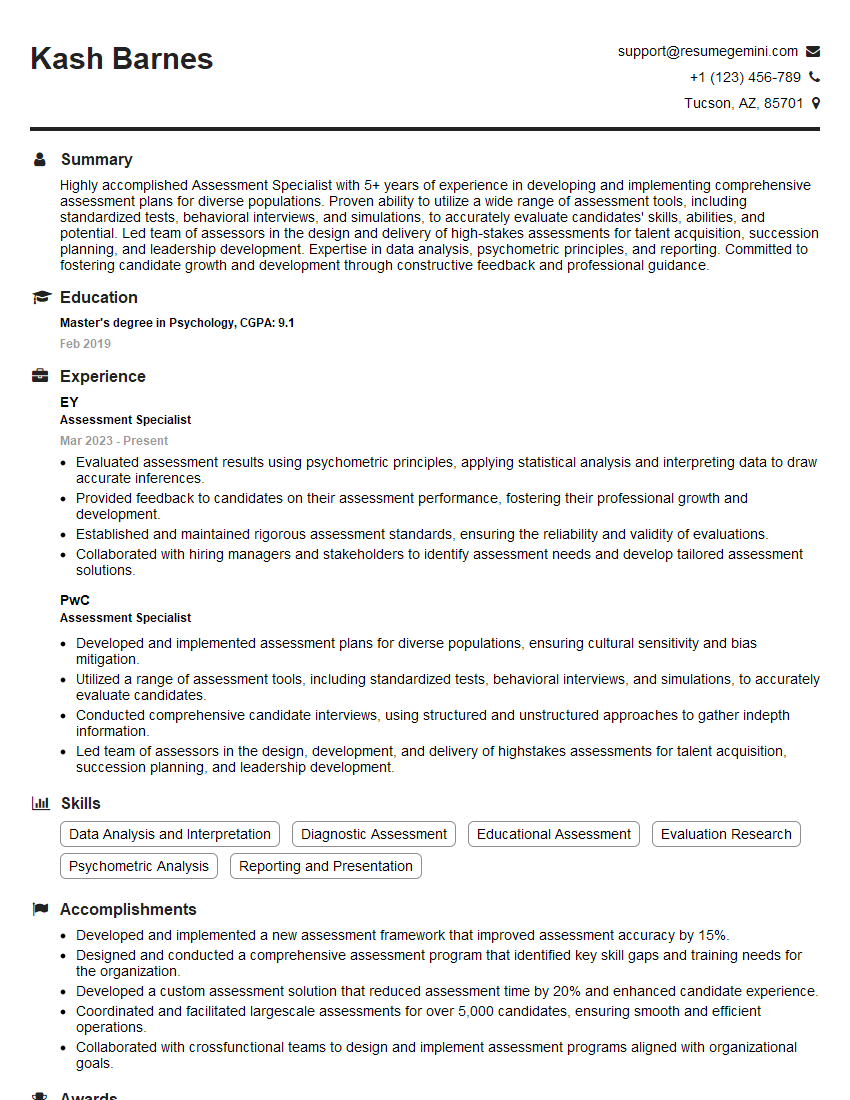
Assessment Specialist Resume Sample
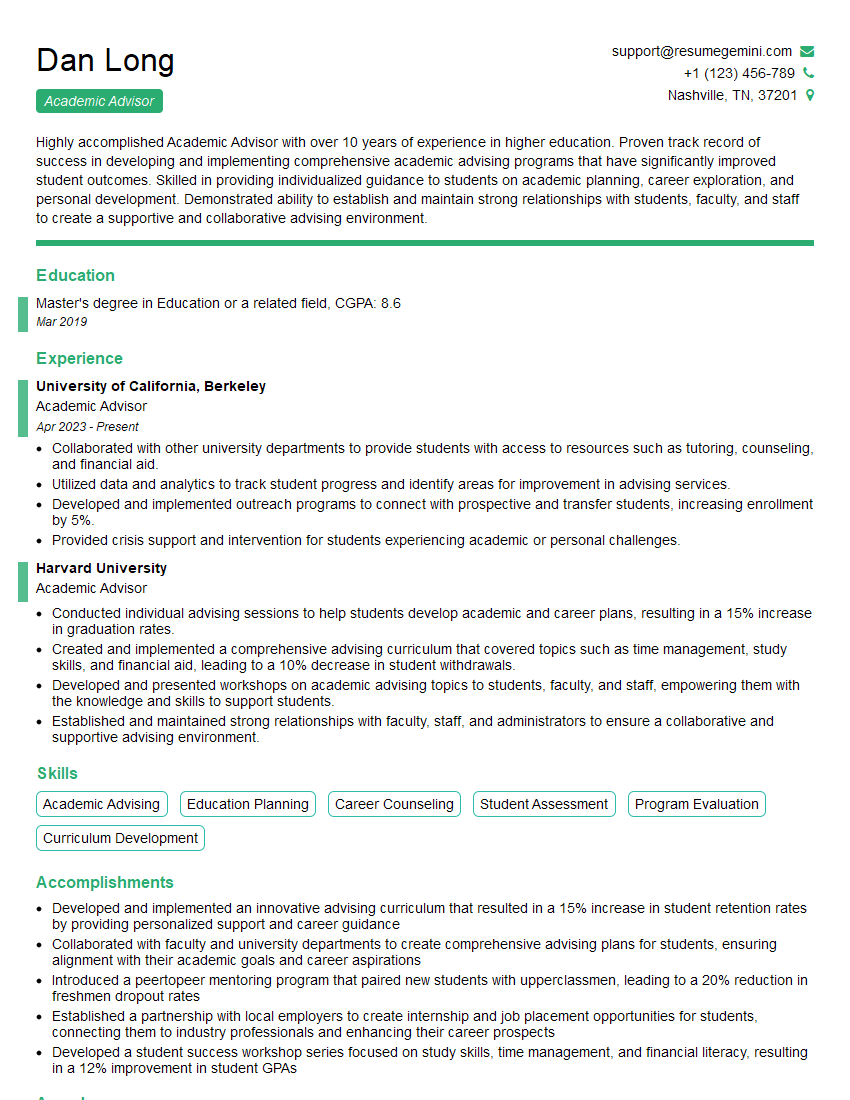
Academic Advisor Resume Sample
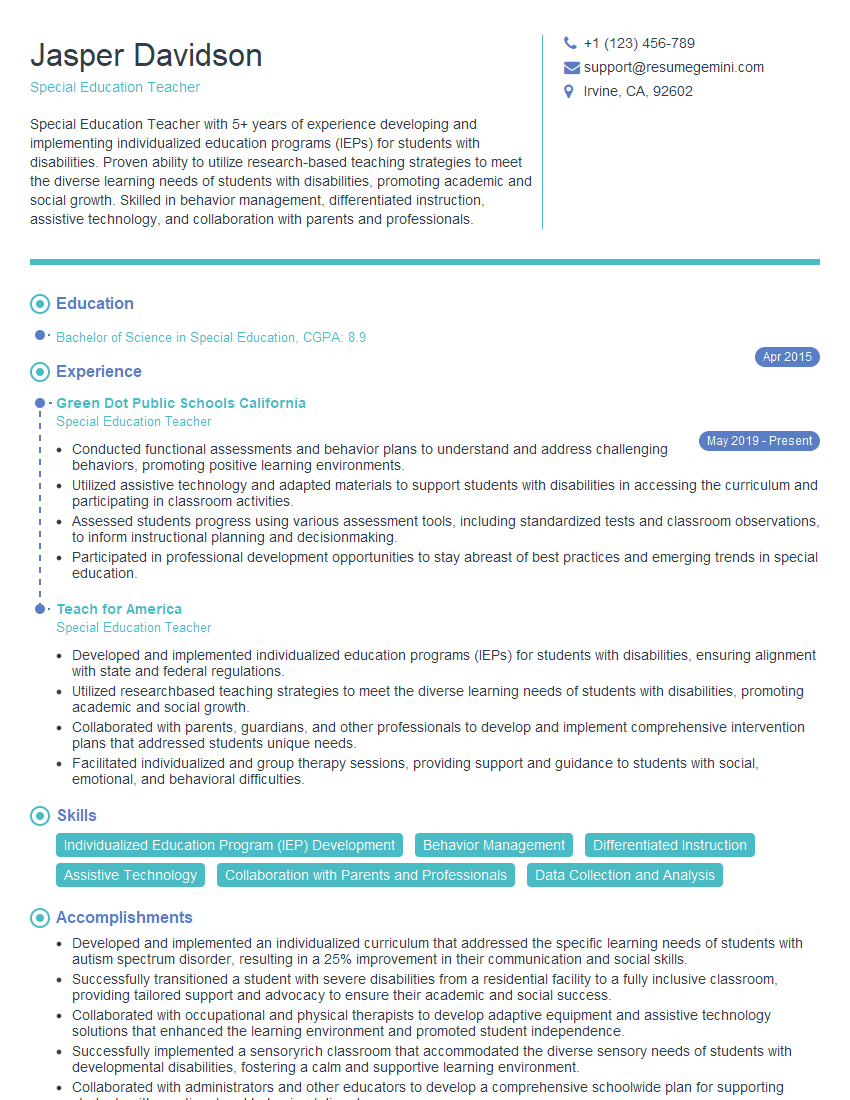
Special Education Teacher Resume Sample

Tutor Resume Sample
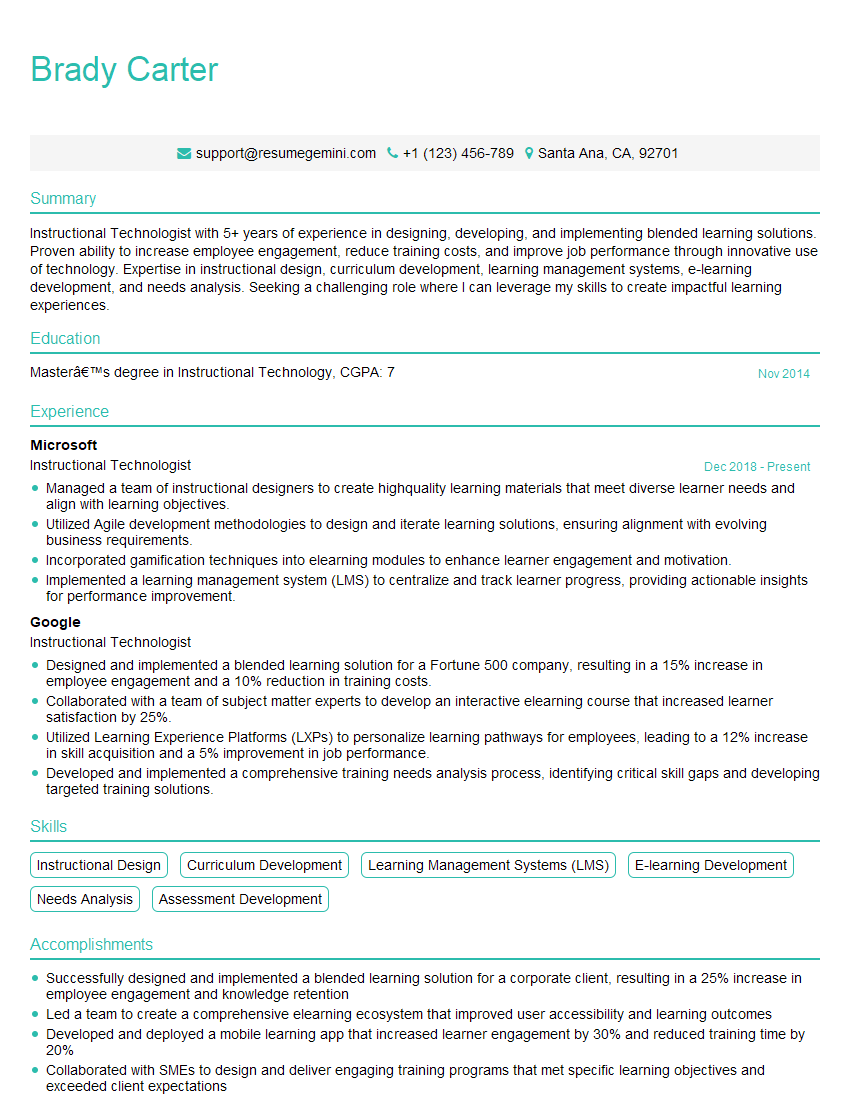
Instructional Technologist Resume Sample
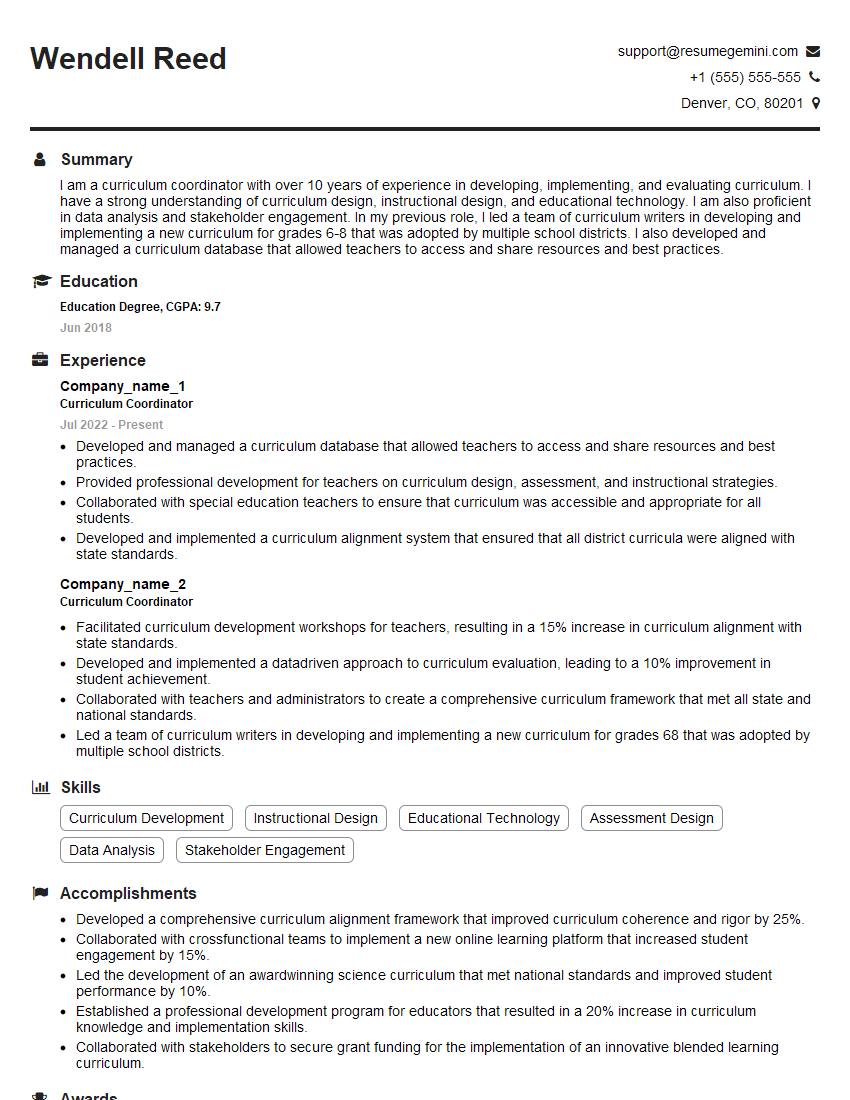
Curriculum Coordinator Resume Sample
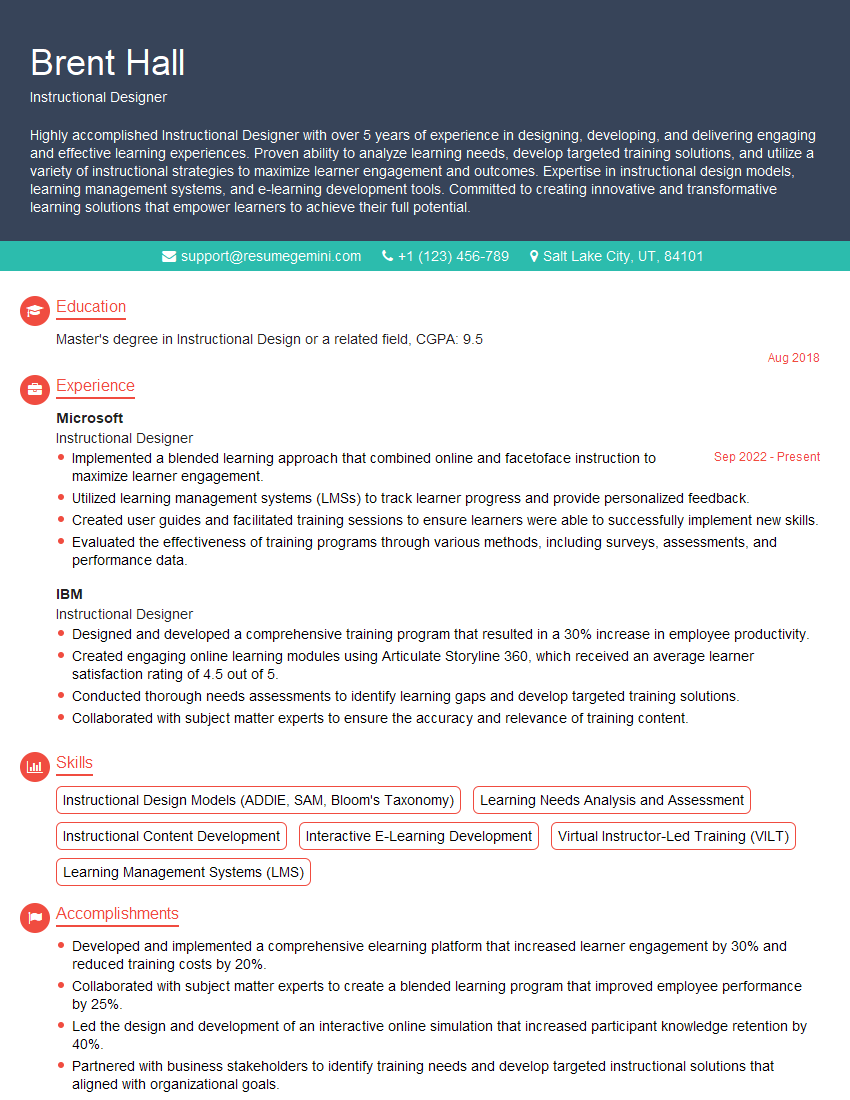
Instructional Designer Resume Sample

Educational Technologist Resume Sample
Explore more articles
Users Rating of Our Blogs
Share Your Experience
We value your feedback! Please rate our content and share your thoughts (optional).
What Readers Say About Our Blog
I Redesigned Spongebob Squarepants and his main characters of my artwork.
https://www.deviantart.com/reimaginesponge/art/Redesigned-Spongebob-characters-1223583608
IT gave me an insight and words to use and be able to think of examples
Hi, I’m Jay, we have a few potential clients that are interested in your services, thought you might be a good fit. I’d love to talk about the details, when do you have time to talk?
Best,
Jay
Founder | CEO