Preparation is the key to success in any interview. In this post, we’ll explore crucial Adapted Equipment interview questions and equip you with strategies to craft impactful answers. Whether you’re a beginner or a pro, these tips will elevate your preparation.
Questions Asked in Adapted Equipment Interview
Q 1. What are the key considerations when selecting adaptive equipment for a client with limited mobility?
Selecting adaptive equipment for clients with limited mobility requires a holistic approach, considering several crucial factors. It’s not just about choosing the ‘right’ device, but ensuring it’s the right device for that specific individual in their unique environment.
- Client’s Physical Capabilities and Limitations: This includes assessing their range of motion, strength, dexterity, balance, and cognitive abilities. For example, a client with weak upper body strength wouldn’t benefit from a manual wheelchair requiring significant pushing power. Instead, a power wheelchair would be more suitable.
- Lifestyle and Activities: Consider their daily routines, hobbies, and social activities. Someone who enjoys gardening will need different equipment than someone who primarily remains indoors. We need to understand how the equipment will integrate into their life, not disrupt it.
- Home and Community Environment: Accessibility features of the home and community are paramount. Doorways, ramps, bathroom layouts, and transportation options heavily influence equipment selection. A heavy-duty wheelchair might be ideal for outdoor use, but impractical navigating narrow hallways.
- Budget and Insurance Coverage: Funding limitations are a reality. We need to find the best balance between effectiveness, durability, and affordability, factoring in insurance coverage and potential financial assistance programs. Sometimes, a less expensive, but still functional, option is the best solution.
- Safety and Comfort: The equipment must be safe, comfortable, and easy to use. Proper fitting and adjustments are crucial to avoid pressure sores, falls, or discomfort, ultimately ensuring the client’s well-being.
For example, a client recovering from a stroke might initially require a lightweight wheelchair for short distances indoors, but as they regain strength, a more robust model for longer outings may become necessary. This highlights the importance of ongoing reassessment.
Q 2. Describe the different types of wheelchairs and their suitability for various needs.
Wheelchairs are categorized in various ways, primarily based on their propulsion method and features. The best choice depends on the user’s needs and abilities.
- Manual Wheelchairs: These require the user to propel themselves using their arms. Subcategories include standard wheelchairs, lightweight wheelchairs (ideal for users who can self-propel but need lighter equipment), and reclining wheelchairs (for comfort and pressure relief). A client with strong upper body strength might prefer a standard manual chair, while someone with limited strength would benefit from a lightweight model or potentially a power assist.
- Power Wheelchairs: These are electrically powered and offer greater independence for users with limited upper body strength or endurance. They come in various sizes and designs, including those with tilt-in-space and recline functions. Someone with significant mobility limitations or fatigue would find a power wheelchair essential for daily life.
- Hybrid Wheelchairs: Combining aspects of both manual and power wheelchairs, these offer a flexible approach. Some feature power assist to supplement manual propulsion, while others allow the user to switch between manual and powered modes. This is useful for users who have fluctuating energy levels.
- Standing Wheelchairs: These allow the user to transition from a seated to a standing position, offering numerous benefits, including improved circulation, reduced pressure sores, and improved respiratory function. This could be important for clients who spend extensive time in a wheelchair.
Choosing the right type of wheelchair involves careful consideration of the client’s physical capabilities, lifestyle, and environment. A thorough assessment is crucial to ensure the best possible match.
Q 3. Explain the process of assessing a client’s needs and recommending appropriate adaptive equipment.
Assessing a client’s needs and recommending adaptive equipment is a multi-step process requiring collaboration and expertise. It’s a blend of art and science.
- Comprehensive Assessment: This involves a thorough evaluation of the client’s physical, cognitive, and functional abilities. This may include interviews, physical examinations, and functional assessments to determine their strengths, weaknesses, and specific needs. We might observe them performing daily tasks to understand their challenges better.
- Environmental Assessment: Analyzing the client’s home, workplace, and community to identify any accessibility barriers. This is crucial to select equipment that integrates seamlessly into their environment.
- Equipment Demonstration and Trial: Whenever possible, allowing clients to try out different types of equipment helps determine what feels comfortable, functional, and manageable. This is especially important for wheelchairs and other mobility aids.
- Recommendation and Fitting: Based on the assessments and trials, we recommend the most appropriate equipment. Proper fitting is crucial for safety and comfort. Wheelchairs often require precise adjustments to the seat, back, armrests, and footrests to accommodate individual needs.
- Documentation and Communication: Maintaining detailed documentation of the assessment, recommendations, and fitting process is essential. Clear communication with the client, their family, and other healthcare professionals is crucial for seamless implementation and ongoing support.
For instance, a client with limited upper body strength might require a trial of several power wheelchairs with varying controls and features to find the optimal fit. This meticulous process ensures the chosen equipment improves the client’s independence and quality of life.
Q 4. How do you ensure the safety and proper use of adapted equipment?
Ensuring the safety and proper use of adapted equipment is a critical responsibility. It involves a multifaceted approach.
- Proper Training and Instruction: Thorough training on the safe and effective use of the equipment is essential. This includes demonstrations, hands-on practice, and clear instructions. For example, demonstrating proper wheelchair propulsion techniques and safety precautions is crucial.
- Regular Maintenance and Inspections: Regular maintenance and inspections are vital to identify and address any potential issues before they become safety hazards. This includes checking for wear and tear, ensuring proper functionality, and making necessary repairs.
- Appropriate Modifications and Adaptations: Sometimes, modifying existing equipment or the environment is necessary to enhance safety and functionality. For example, adding anti-tip devices to a wheelchair or installing ramps to overcome environmental barriers.
- Safety Features and Devices: Incorporating safety features, such as seatbelts, anti-tip devices, and appropriate lighting, enhances safety. These are especially important for power wheelchairs and other mobility aids.
- Ongoing Monitoring and Support: Regular follow-up sessions and ongoing support help identify potential issues, adjust equipment as needed, and ensure continued safe and effective use. This often includes addressing any questions or concerns that the client or their caregivers may have.
For example, providing regular maintenance schedules for a power wheelchair, along with clear instructions on how to charge the battery and report malfunctions, is critical for long-term safety and effectiveness.
Q 5. What are the common challenges in adapting existing environments for individuals with disabilities?
Adapting existing environments for individuals with disabilities presents numerous challenges. Often, it involves overcoming design flaws and a lack of foresight.
- Narrow Doorways and Hallways: Many older buildings have narrow doorways and hallways that pose significant challenges for wheelchair users. Widenings might require extensive structural modifications.
- Lack of Ramps and Elevators: Step-free access is crucial. The absence of ramps and elevators can restrict mobility within buildings and between floors. Retrofitting ramps can be costly and disruptive.
- Inadequate Bathroom Facilities: Bathrooms often lack sufficient space, grab bars, and roll-in showers, posing significant challenges for individuals with limited mobility.
- Insufficient Lighting and Signage: Poor lighting and inadequate signage can create hazards and disorientation, especially for visually impaired individuals. These issues require careful assessment and tailored solutions.
- High Counters and Appliances: High counters and appliances make it challenging for individuals in wheelchairs to reach objects comfortably. Lowering counters or installing adjustable equipment can be helpful.
Overcoming these challenges requires careful planning, collaboration with architects and contractors, and a thorough understanding of accessibility guidelines. The cost and complexity of these adaptations can be significant.
Q 6. Discuss the importance of client training and ongoing support related to adapted equipment.
Client training and ongoing support are essential components of successful adaptive equipment implementation. They ensure safe, effective, and efficient use of the equipment, maximizing its benefit.
- Initial Training: This involves hands-on training sessions demonstrating the proper use of the equipment, including safety precautions and troubleshooting procedures. This should be tailored to the individual’s needs and capabilities.
- Follow-up Support: Regular follow-up sessions provide opportunities to address any questions, concerns, or difficulties the client may encounter. This can be crucial for adjusting to new equipment and adapting to changes in their abilities.
- Maintenance and Repair Guidance: Providing information and guidance on routine maintenance, repairs, and troubleshooting helps clients maintain the functionality and safety of the equipment.
- Adaptive Strategies Training: Training on adaptive strategies can enhance the client’s independence and skills in using the equipment effectively in various situations. This could involve training on transfer techniques or other adaptive skills.
- Caregiver Training: If applicable, training should extend to caregivers to ensure they can safely assist the client with the equipment and provide support when needed. This is especially important with complex equipment.
For instance, a client using a new power wheelchair might need regular follow-up to address any difficulties with maneuvering it in different environments or troubleshooting minor technical issues. This ongoing support enhances their confidence and ensures safe and efficient use of the equipment.
Q 7. What are some common funding sources for adaptive equipment?
Funding for adaptive equipment varies widely depending on the client’s circumstances, location, and the specific equipment needed. Navigating these resources can be challenging, requiring persistence and detailed knowledge of available programs.
- Private Insurance: Many private health insurance plans cover some or all of the cost of adaptive equipment. However, coverage varies greatly between plans, and pre-authorization might be required. The specific coverage needs to be checked with each individual’s insurer.
- Medicare and Medicaid: Government-sponsored programs like Medicare and Medicaid often provide coverage for medically necessary adaptive equipment. The eligibility requirements and coverage levels depend on individual circumstances and program guidelines. Eligibility needs to be checked in detail for each client.
- Veterans Affairs (VA): Veterans may be eligible for funding through the Veterans Affairs department depending on their service-connected disabilities. They usually offer specific adaptive equipment benefits.
- State and Local Programs: Many states and localities offer programs to assist individuals with disabilities in obtaining adaptive equipment. These programs often have eligibility requirements that must be met.
- Charitable Organizations: Various charitable organizations provide funding or equipment donations to individuals with disabilities. This is often the solution for the most vulnerable, and access to these resources often involves significant networking.
Securing funding requires careful planning, thorough documentation, and effective communication with the appropriate agencies or organizations. It often involves navigating bureaucratic processes and sometimes appealing decisions.
Q 8. How do you stay up-to-date on the latest advancements in adapted equipment technology?
Staying current in the rapidly evolving field of adapted equipment requires a multi-pronged approach. I actively participate in professional organizations like the RESNA (Rehabilitation Engineering and Assistive Technology Society of North America), attending conferences and webinars to learn about the latest research and product launches. I also subscribe to leading journals in assistive technology and rehabilitation engineering, such as Assistive Technology and Archives of Physical Medicine and Rehabilitation. Furthermore, I maintain a network of colleagues and industry professionals through online forums and in-person collaborations, allowing for the exchange of best practices and emerging trends. Finally, I dedicate time to continuous self-learning through online courses and independent research on specific areas of interest, ensuring my expertise remains relevant and comprehensive.
Q 9. Describe your experience with different types of adaptive eating utensils.
My experience with adaptive eating utensils is extensive, encompassing various designs to accommodate different needs. I’ve worked with built-up handles, providing a larger, easier grip for individuals with limited hand strength or dexterity. These are often available in various materials such as foam or rubber to improve comfort and reduce slippage. I’m also familiar with angled utensils, which help individuals with limited range of motion reach their mouths more easily. For individuals with tremors, weighted utensils can significantly reduce shaking, making eating less challenging. Furthermore, I have experience with rocker knives, which allow users to chop and slice with minimal hand movement, and specialized spoons with deep bowls to prevent food spillage. Each utensil’s design is selected based on a thorough assessment of the individual’s physical capabilities and needs, ensuring optimal functionality and independence.
Q 10. Explain your familiarity with various types of communication aids.
My familiarity with communication aids covers a broad spectrum of technologies. This includes low-tech options like picture exchange systems (PECS), which use images to represent words or phrases. These are particularly useful for individuals with limited verbal skills. I also have experience with high-tech options, such as augmentative and alternative communication (AAC) devices. These range from simple speech-generating devices (SGDs) with pre-programmed phrases to sophisticated tablets with customized vocabulary and text-to-speech capabilities. I’m also knowledgeable about eye-gaze technology, which allows individuals with limited motor skills to select words or images using their eye movements. Choosing the right communication aid depends on the individual’s communication abilities, cognitive skills, and physical limitations, requiring a careful assessment and collaboration with speech-language pathologists and other relevant professionals. I always consider the individual’s preferences and their environment to ensure successful implementation and integration.
Q 11. How would you troubleshoot a malfunctioning adaptive device?
Troubleshooting a malfunctioning adaptive device begins with a systematic approach. First, I’d thoroughly inspect the device to identify any visible damage, loose connections, or obvious signs of wear and tear. Next, I would check the power source, if applicable, ensuring batteries are properly installed and charged. For electronic devices, I would review the device’s manual to troubleshoot common problems and check for error codes. If the problem persists, I would then consider contacting the manufacturer’s customer support for technical assistance, or perhaps a qualified repair technician depending on the complexity of the device. If the malfunction is due to user error, such as incorrect usage, I will provide clear and concise instructions for proper use, and if necessary, provide hands-on training to prevent future problems. Documentation is vital at each step, ensuring proper tracking and communication with the user and other healthcare professionals.
Q 12. What are some ethical considerations when providing adaptive equipment?
Ethical considerations in providing adaptive equipment are paramount. Central to this is ensuring that the equipment is appropriate, effective, and safe for the intended user. This involves thorough assessment of the user’s needs and capabilities to avoid unnecessary or inappropriate equipment. Confidentiality is essential. All information gathered during the assessment and subsequent use of the equipment must be treated with the utmost respect for privacy. Furthermore, equitable access is crucial. We must strive to ensure that adaptive equipment is available to all individuals who need it, regardless of their financial status or other circumstances. Finally, informed consent is paramount. Users should have a complete understanding of the equipment’s purpose, function, and limitations before they use it, ensuring autonomy and self-determination.
Q 13. Describe your experience with pressure-relieving cushions and mattresses.
My experience with pressure-relieving cushions and mattresses is significant, encompassing various types designed to prevent pressure sores and improve comfort. I’ve worked with air-filled cushions and mattresses, which provide adjustable pressure relief through air bladders. Gel-filled cushions and mattresses offer a more consistent level of pressure distribution. Foam cushions and mattresses, including those with memory foam, provide varying degrees of support and pressure relief. The choice of cushion or mattress depends on the individual’s specific needs and risk factors for pressure sores, as well as their body weight and preferences. I consider factors such as the user’s mobility, skin condition, and overall health status to select the most appropriate option. Regular inspection and maintenance of these products are crucial to ensure their continued effectiveness and safety.
Q 14. How do you adapt equipment to meet the specific needs of individuals with various disabilities?
Adapting equipment to meet specific individual needs requires a holistic approach. It starts with a thorough assessment of the individual’s functional limitations, cognitive abilities, and personal preferences. For example, a wheelchair user might need customized seating adjustments, such as specialized cushions or back supports, to accommodate spinal deformities or postural issues. Someone with limited hand function might require adapted utensils or switch controls to operate electronic devices. A person with visual impairments might benefit from auditory or tactile cues integrated into their adaptive technology. This often involves collaborating with a multidisciplinary team, including occupational therapists, physical therapists, and engineers, to design and implement modifications. In some cases, custom-made equipment may be necessary to address unique requirements. Throughout this process, the individual’s feedback is crucial to ensure that the adapted equipment not only functions effectively but is also comfortable, user-friendly, and promotes independence.
Q 15. What are the different types of adaptive driving controls?
Adaptive driving controls are modifications to vehicles that allow individuals with disabilities to operate them safely and independently. These controls range from simple adaptations to complex technological integrations.
- Hand Controls: These replace the traditional foot pedals with levers or other mechanisms operated by the hands, often preferred by individuals with lower limb impairments.
- Adaptive Steering: This category includes spinner knobs, push-pull levers, and specialized steering wheel adaptations to aid individuals with limited hand or arm mobility or strength.
- Electronic Modifications: These encompass electronic throttle controls, adaptive cruise control systems, and automated braking systems designed to enhance safety and ease of driving for people with various disabilities.
- Specialized Seating: Adapted seating systems are crucial for driver comfort and stability, often incorporating features like adjustable height and lumbar support.
- Vehicle Modifications: Beyond controls, this can involve ramps for wheelchair access, modified entry/exit points, and alterations to accommodate adaptive equipment.
For example, a client with paraplegia might use hand controls and a modified seating system, while someone with arthritis might benefit from power steering and larger, easier-to-grip controls.
Career Expert Tips:
- Ace those interviews! Prepare effectively by reviewing the Top 50 Most Common Interview Questions on ResumeGemini.
- Navigate your job search with confidence! Explore a wide range of Career Tips on ResumeGemini. Learn about common challenges and recommendations to overcome them.
- Craft the perfect resume! Master the Art of Resume Writing with ResumeGemini’s guide. Showcase your unique qualifications and achievements effectively.
- Don’t miss out on holiday savings! Build your dream resume with ResumeGemini’s ATS optimized templates.
Q 16. How do you assess the effectiveness of adaptive equipment in improving a client’s quality of life?
Assessing the effectiveness of adaptive equipment is a crucial aspect of our work. We use a multi-faceted approach that combines quantitative and qualitative data.
- Functional Assessments: We observe the client performing tasks before and after the implementation of adaptive equipment. This allows us to measure improvements in speed, efficiency, and independence in areas like dressing, eating, mobility, or driving.
- Client Feedback: We actively solicit feedback from the client and their caregivers through interviews, questionnaires, and regular follow-up meetings. This provides valuable insight into their satisfaction with the equipment and its impact on their daily life.
- Quality of Life Measures: We employ standardized questionnaires or scales to quantify improvements in areas like physical comfort, emotional well-being, social participation, and overall life satisfaction.
- Outcome Measures: We document specific measurable outcomes, such as reduction in caregiver burden, increased participation in social activities, or improved mobility levels. These metrics offer tangible evidence of the equipment’s effectiveness.
For instance, a client using a new feeding device might show improved mealtime independence and reduced frustration, which we would document and quantify through observation and client interviews.
Q 17. What is your experience with augmentative and alternative communication (AAC) devices?
My experience with Augmentative and Alternative Communication (AAC) devices is extensive. I’ve worked with a wide range of individuals, from young children to adults, using various AAC modalities.
- No-Tech AAC: This includes picture exchange systems (PECS), sign language, and communication boards. I’ve trained clients and their families in the effective use of these low-tech solutions.
- Low-Tech AAC: This involves devices such as picture cards, simple communication boards, and adapted writing aids. I’m proficient in selecting and customizing these aids based on the client’s communication needs and abilities.
- High-Tech AAC: This encompasses sophisticated devices like speech-generating devices (SGDs), eye-gaze systems, and computer-based communication software. I have experience programming and customizing these devices, ensuring they are tailored to the individual’s specific communication style and preferences.
I worked with a young child with autism who used PECS initially and transitioned to a high-tech SGD as his language skills developed. We tailored the SGD’s vocabulary and features to match his communication progress.
Q 18. Explain the process of modifying a home environment for accessibility.
Modifying a home environment for accessibility is a comprehensive process that requires careful planning and coordination. It involves assessing the client’s needs and the home’s existing features, then implementing appropriate modifications.
- Assessment: This involves a thorough evaluation of the client’s physical limitations, mobility aids, and daily routines. We identify areas within the home that present barriers to accessibility.
- Planning: We develop a detailed plan outlining necessary modifications, considering budget, space constraints, and the client’s preferences. The plan often involves creating detailed drawings or schematics.
- Implementation: This stage involves the actual modification work, which could include installing ramps, widening doorways, installing grab bars, modifying bathrooms for wheelchair access, lowering countertops, and modifying kitchen appliances. We often collaborate with contractors, architects, and occupational therapists.
- Evaluation: Once the modifications are complete, we assess their effectiveness in improving the client’s mobility, independence, and safety. This often includes observing the client using the modified space and making any necessary adjustments.
For example, we might install a ramp for wheelchair access, reposition light switches to a more accessible height, and add grab bars in the bathroom to improve safety for an elderly client with mobility issues.
Q 19. What are the legal and regulatory requirements related to adapted equipment?
Legal and regulatory requirements surrounding adapted equipment vary depending on the jurisdiction and the specific type of equipment. However, some common themes emerge.
- Accessibility Standards (ADA): In many countries, legislation such as the Americans with Disabilities Act (ADA) sets standards for accessibility in public spaces and workplaces. This impacts the design and installation of adaptive equipment in these settings.
- Safety Regulations: Many adaptive devices are subject to safety standards and regulations, particularly those involving mobility or driving. These regulations ensure the devices meet safety requirements and are properly tested.
- Medical Device Regulations: Adaptive equipment that is considered a medical device must comply with relevant medical device regulations, which often involve stringent testing and certification processes.
- Insurance Coverage: Insurance policies may influence the types of adaptive equipment that are provided or reimbursed. Understanding insurance requirements is crucial for securing coverage.
- Building Codes: Home modifications may need to adhere to local building codes to ensure safety and structural integrity.
It is crucial to be aware of all relevant regulations to ensure compliance and protect the client’s safety.
Q 20. Describe your experience working with different manufacturers and suppliers of adapted equipment.
I’ve had extensive experience collaborating with various manufacturers and suppliers of adapted equipment. This involves researching and selecting appropriate products, negotiating prices, coordinating delivery, and troubleshooting any issues.
- Product Selection: I carefully evaluate products based on factors like quality, functionality, durability, safety, and cost-effectiveness. I often compare products from multiple manufacturers to find the best option for each client.
- Supplier Relationships: I maintain strong working relationships with several trusted suppliers. These relationships ensure timely delivery, technical support, and efficient handling of any necessary repairs or replacements.
- Customization: In many cases, standard products require customization to perfectly fit the client’s unique needs. I collaborate with suppliers to achieve optimal customization while adhering to safety regulations.
- Quality Control: I play a vital role in quality control, inspecting delivered equipment to ensure it is in perfect working order and meets specifications. I address any defects or issues promptly.
For example, in one project, I worked with three different suppliers to source a customized wheelchair, a specialized communication device, and adaptive bath equipment for a client with multiple disabilities.
Q 21. What are some common problems encountered with adaptive clothing and footwear?
Common problems encountered with adaptive clothing and footwear often stem from the balance between functionality and comfort, fitting and ease of use.
- Difficult Fasteners: Traditional buttons, zippers, and laces can be challenging for individuals with limited dexterity or hand strength. Adaptive clothing frequently addresses this by utilizing Velcro closures, magnetic snaps, or elastic waistbands.
- Material Issues: Certain fabrics can be irritating to sensitive skin or difficult to manage for individuals with limited fine motor control. The selection of breathable, soft, and easily manageable materials is critical.
- Sizing and Fit: Finding appropriately sized adaptive clothing and footwear can be challenging due to variations in body types and the need for specialized features. Custom alterations are sometimes necessary.
- Limited Selection: The range of styles and designs in adaptive clothing and footwear is often limited compared to conventional options, potentially impacting client self-esteem and fashion choices.
- Cost: Adaptive clothing and footwear can be significantly more expensive than conventional options.
For instance, we often work with occupational therapists to adapt existing clothing or recommend specific brands that address the client’s individual needs for ease of dressing and comfort.
Q 22. Explain your understanding of Universal Design principles.
Universal Design is a philosophy that aims to create products and environments that are usable by people of all ages and abilities, without the need for adaptation or specialized design. It’s about designing for the widest possible range of users from the outset, rather than adding accommodations later. Think of it like baking a cake – Universal Design is like making a recipe that inherently accommodates various dietary needs, rather than baking a standard cake and then trying to modify it for someone with allergies.
Seven key principles guide Universal Design:
- Equitable Use: The design is useful and marketable to people with diverse abilities.
- Flexibility in Use: The design accommodates a wide range of individual preferences and abilities.
- Simple and Intuitive Use: Use is easy to understand, regardless of the user’s experience, knowledge, language skills, or concentration level.
- Perceptible Information: The design communicates necessary information effectively to the user, regardless of ambient conditions or the user’s sensory abilities.
- Tolerance for Error: The design minimizes hazards and the adverse consequences of accidental or unintended actions.
- Low Physical Effort: The design can be used efficiently and comfortably with a minimum of fatigue.
- Size and Space for Approach and Use: Appropriate size and space is provided for approach, reach, manipulation, and use regardless of user’s body size, posture, or mobility.
In the context of adapted equipment, Universal Design means creating equipment that is inherently accessible to a wider range of users, minimizing the need for customized solutions.
Q 23. Describe your familiarity with different types of mobility aids.
My familiarity with mobility aids is extensive, encompassing a wide range of options catering to diverse needs and abilities. These include:
- Wheelchairs: From manual wheelchairs for individuals with good upper body strength to powered wheelchairs offering greater independence and maneuverability, including those with specialized features like tilt-in-space or standing capabilities.
- Walkers: Standard walkers, rolling walkers, and walkers with seats offer varying levels of support and stability, ideal for individuals needing assistance with balance and gait.
- Crutches and Canes: These provide support for individuals with temporary or permanent mobility limitations, with different styles catering to specific needs and preferences.
- Adaptive Bikes and Tricycles: Adapted cycles allow individuals with disabilities to enjoy the benefits of cycling, often incorporating hand-cycles or modifications to accommodate various physical limitations.
- Scooters: Three-wheeled or four-wheeled scooters provide a convenient and practical solution for shorter distances, offering a balance of mobility and ease of use.
Furthermore, I’m familiar with the assessment process required to determine the most appropriate mobility aid for an individual’s specific needs, considering their physical capabilities, living environment, and lifestyle.
Q 24. How do you address issues related to the cost-effectiveness of adaptive equipment?
Cost-effectiveness is a crucial consideration when recommending adaptive equipment. My approach involves a multi-pronged strategy:
- Needs Assessment: Thoroughly evaluating the client’s needs to determine the most appropriate and cost-effective solution. Sometimes, simpler, less expensive aids can suffice.
- Exploring Funding Options: Connecting clients with relevant funding sources, including insurance coverage, government programs, and charitable organizations. I’m knowledgeable about the eligibility criteria and application processes for these programs.
- Used Equipment: Recommending certified pre-owned equipment when appropriate, offering a viable, cost-effective alternative to new equipment.
- Prioritization: Assisting clients in prioritizing needs, focusing on the most essential equipment first. This can involve staging the acquisition of equipment over time.
- Rentals: Suggesting rentals as a short-term solution for trial periods or temporary needs. This allows clients to test equipment before committing to a purchase.
- DIY and Modification: Where feasible and safe, exploring options for adapting existing equipment or using DIY solutions to reduce costs.
The goal is to balance functionality and affordability to ensure the client receives the support they need without unnecessary financial burden.
Q 25. What is your experience with adapting computers and assistive software?
My experience with adapting computers and assistive software is significant. I’m proficient in configuring various assistive technologies, including:
- Screen readers (e.g., JAWS, NVDA): These software programs convert text on the screen to speech, enabling visually impaired users to access computer information.
- Screen magnifiers: Software that enlarges parts of the screen to aid users with low vision.
- Alternative input devices: Such as switch interfaces, eye-tracking systems, and voice recognition software, for users with limited dexterity or motor control.
- Adaptive keyboards and mice: Modifications and specialized input devices designed for users with physical limitations.
- Assistive software for cognitive impairments: Software that provides support for memory, organization, and other cognitive functions.
I also have experience in setting up and customizing operating systems (Windows, macOS, and Linux) to enhance accessibility. For example, I can modify keyboard shortcuts, adjust screen colors, and configure accessibility options to meet individual needs. This often involves writing custom scripts or using accessibility APIs (Application Programming Interfaces) for advanced customization.
Q 26. Explain your approach to customizing adaptive equipment to meet specific client needs.
Customizing adaptive equipment is a collaborative process that begins with a comprehensive assessment of the client’s specific needs, abilities, and environment. I employ a client-centered approach, focusing on their individual requirements and preferences. This includes:
- In-depth Needs Assessment: A thorough evaluation of the client’s functional limitations, physical capabilities, living environment, and lifestyle preferences.
- Collaboration and Communication: Open and consistent communication with the client, their family, and other relevant professionals (e.g., therapists, doctors) to gain a complete understanding of their requirements.
- Trial and Error: Offering clients the opportunity to try out different equipment options and modifications to find the best fit.
- Measurements and Adjustments: Precise measurements and adjustments are crucial for proper fit and function. This often involves adjusting straps, supports, and other components to ensure comfort and effectiveness.
- Ongoing Support and Modifications: Providing ongoing support and making adjustments as the client’s needs evolve over time. This is particularly important for children or individuals with progressive conditions.
For example, a wheelchair might require custom cushions, specific armrests, or specialized controls depending on the client’s physical limitations. These adjustments go beyond standard features and require careful consideration of individual needs.
Q 27. How do you handle client concerns or complaints regarding adapted equipment?
Addressing client concerns or complaints is paramount. My approach focuses on empathy, active listening, and problem-solving.
- Active Listening: I begin by attentively listening to the client’s concerns, allowing them to fully express their experiences without interruption.
- Empathy and Validation: Acknowledging and validating the client’s feelings and perspectives, demonstrating understanding and support.
- Investigation and Troubleshooting: Systematically investigating the issue to identify its root cause. This may involve inspecting the equipment, reviewing usage instructions, or consulting with technical specialists.
- Solutions and Alternatives: Exploring potential solutions, ranging from simple adjustments and repairs to replacement or alternative equipment. I also explore possibilities for further customization.
- Follow-up and Communication: Maintaining open communication with the client throughout the process, providing updates and ensuring their satisfaction.
My aim is to resolve the issue effectively, restore client confidence, and maintain a positive relationship built on trust and mutual respect.
Key Topics to Learn for Adapted Equipment Interview
- Assistive Technology Fundamentals: Understanding the principles behind assistive technologies and their impact on users’ lives. This includes learning about various types of assistive technologies and their functionalities.
- Adaptive Equipment Design Principles: Exploring the key design considerations for creating effective and user-friendly adapted equipment. This involves understanding ergonomics, accessibility guidelines, and user-centered design methodologies.
- Specific Equipment Categories: Familiarize yourself with common types of adapted equipment, such as mobility aids, communication devices, and adaptive utensils. Understand their functionalities, limitations, and appropriate applications.
- Materials and Manufacturing Processes: Gain knowledge of the materials used in adapted equipment manufacturing and the various processes involved in their production. This includes understanding material properties, durability, and manufacturing techniques.
- Regulatory Compliance and Safety Standards: Learn about relevant safety regulations and compliance standards related to adapted equipment. This includes understanding the importance of safety testing and certification.
- Needs Assessment and User Evaluation: Understanding the process of conducting needs assessments to determine appropriate equipment for individuals with specific needs and evaluating the effectiveness of adapted equipment through user feedback.
- Troubleshooting and Maintenance: Develop your problem-solving skills by learning common issues with adapted equipment and how to troubleshoot and maintain them effectively.
- Ethical Considerations in Adapted Equipment: Explore the ethical implications surrounding access to, design of, and distribution of adapted equipment, including factors like affordability and equity.
Next Steps
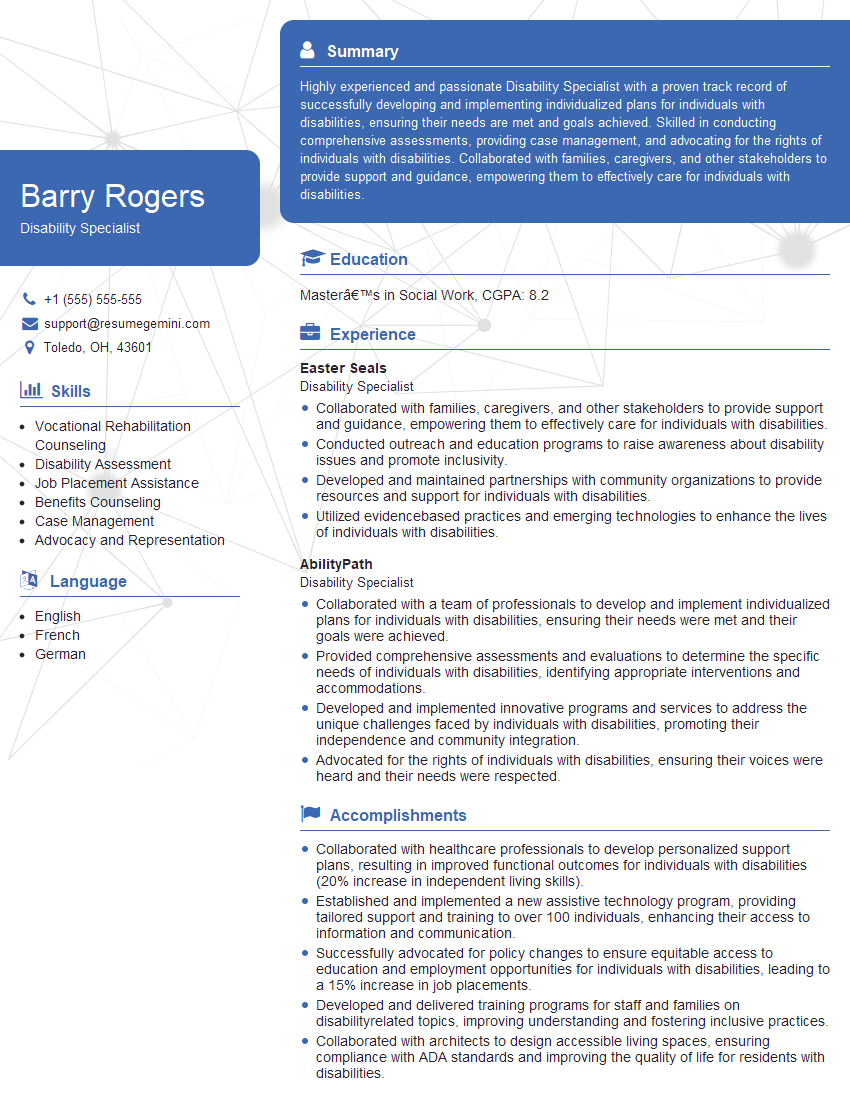
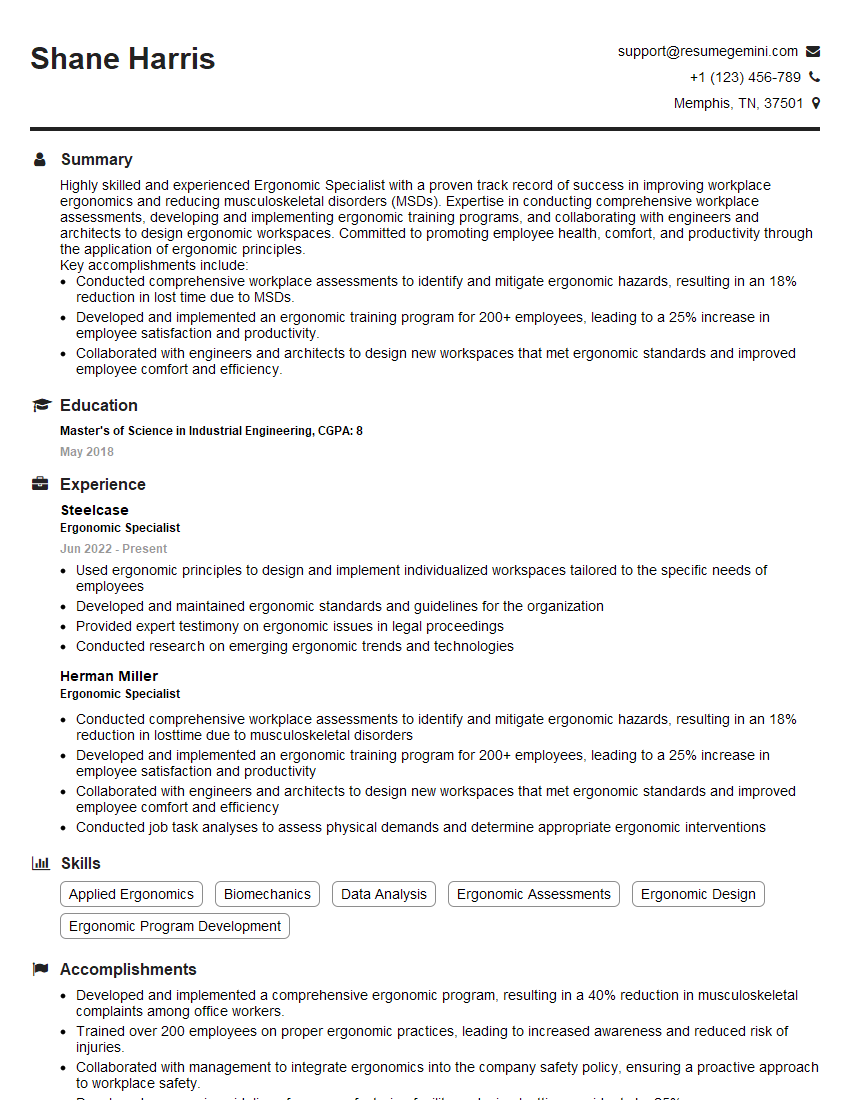
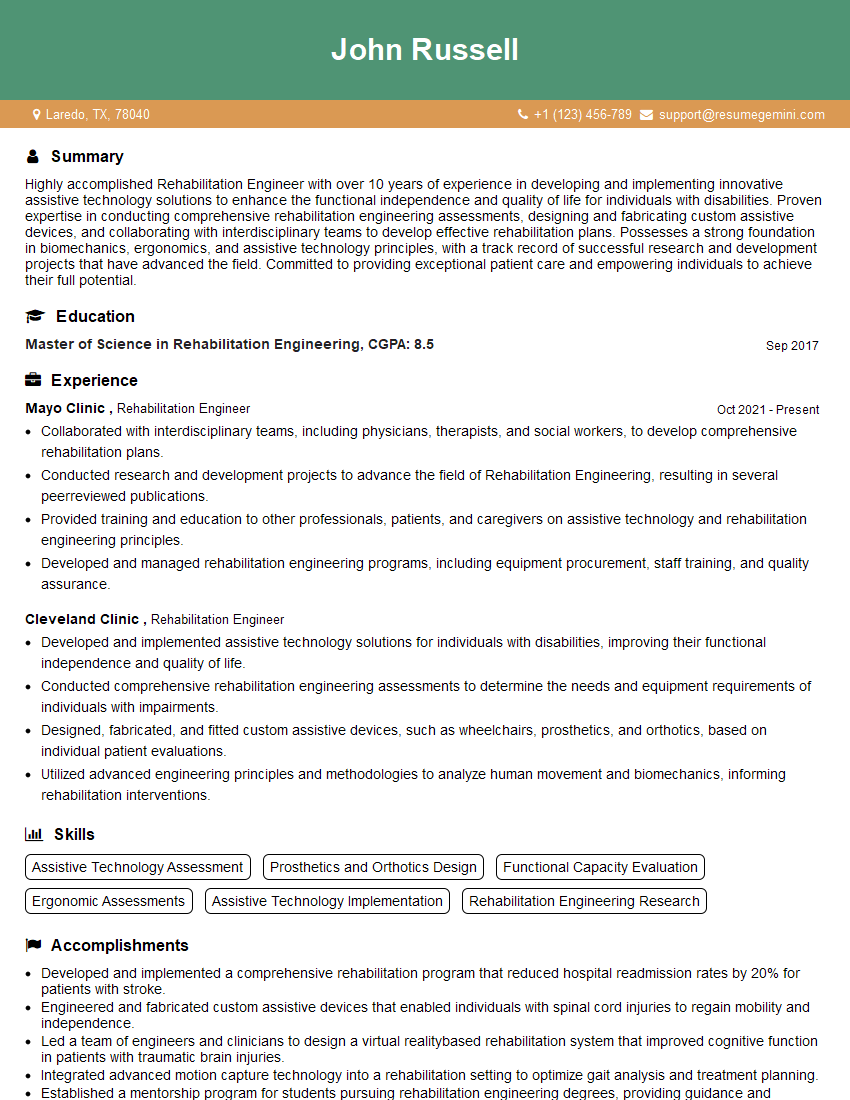
Mastering the field of Adapted Equipment opens doors to a rewarding career impacting countless lives. Your expertise in assistive technology will be highly valued, leading to diverse and fulfilling opportunities. To maximize your job prospects, crafting a strong, ATS-friendly resume is crucial. ResumeGemini is a trusted resource to help you build a professional and impactful resume that highlights your skills and experience effectively. Examples of resumes tailored to the Adapted Equipment field are available to guide you. Invest the time to create a compelling resume – it’s your first impression and a key to unlocking your career potential.
Explore more articles
Users Rating of Our Blogs
Share Your Experience
We value your feedback! Please rate our content and share your thoughts (optional).
What Readers Say About Our Blog
I Redesigned Spongebob Squarepants and his main characters of my artwork.
https://www.deviantart.com/reimaginesponge/art/Redesigned-Spongebob-characters-1223583608
IT gave me an insight and words to use and be able to think of examples
Hi, I’m Jay, we have a few potential clients that are interested in your services, thought you might be a good fit. I’d love to talk about the details, when do you have time to talk?
Best,
Jay
Founder | CEO