Are you ready to stand out in your next interview? Understanding and preparing for Adhere to Company Policies interview questions is a game-changer. In this blog, we’ve compiled key questions and expert advice to help you showcase your skills with confidence and precision. Let’s get started on your journey to acing the interview.
Questions Asked in Adhere to Company Policies Interview
Q 1. Describe your understanding of the importance of adhering to company policies.
Adhering to company policies is fundamental to a well-functioning organization. It ensures consistency, protects the company from legal and financial risks, maintains a fair and equitable work environment, and promotes a positive and productive culture. Think of company policies as the roadmap for success; everyone following the same path ensures the company reaches its destination smoothly and efficiently. Failure to comply can lead to decreased productivity, reputational damage, and even legal repercussions.
- Consistency: Policies ensure everyone operates under the same rules, preventing favoritism and promoting a sense of fairness.
- Risk Mitigation: Policies often address legal and ethical considerations, protecting the company from lawsuits and penalties.
- Productivity: Clear guidelines minimize ambiguity and confusion, allowing employees to focus on their work rather than guessing how to proceed.
Q 2. How do you stay updated on changes to company policies?
Staying updated on policy changes requires a proactive approach. I regularly check the company intranet, specifically the section dedicated to policies and procedures. I also attend all mandatory training sessions and policy update meetings. I subscribe to relevant company newsletters or email announcements. Additionally, I maintain open communication with my manager and HR department to clarify any doubts or seek updates. This multi-faceted approach ensures I’m always aware of the latest changes and best practices.
Q 3. Have you ever encountered a situation where a company policy conflicted with your personal values? How did you handle it?
Yes, I once faced a situation where a company policy regarding social media use during work hours seemed to conflict with my personal belief in open communication and transparency. The policy strictly prohibited discussing company matters on personal social media accounts. However, I felt that sharing positive company updates or industry news could be a valuable way to promote our brand and build connections. My approach was to discuss my concerns with my manager privately. We explored alternative solutions, such as focusing my social media presence on more general industry insights rather than specific company information. This approach balanced company policy with my personal values and resulted in a mutually agreeable solution.
Q 4. Explain a time you had to enforce a company policy.
In my previous role, I had to enforce a company policy regarding data security. A colleague inadvertently shared sensitive client information via personal email. My first step was a private conversation with the colleague, emphasizing the importance of the policy and the potential consequences of a data breach, including legal and financial risks. I then guided them through the proper procedures for handling sensitive data, offering training materials and support. The situation was resolved positively, with the colleague expressing understanding and commitment to following the policy strictly going forward. This experience reinforced the importance of clear communication, empathy, and constructive feedback in enforcing policies.
Q 5. How would you address a colleague who was not following company policy?
Addressing a colleague who is not following company policy requires a sensitive and professional approach. I would start with a private conversation, expressing my concern in a non-judgmental way. I would focus on the impact of their actions, rather than placing blame. For example, I might say, “I noticed that X hasn’t been followed recently. Are there any challenges you’re encountering, or is there something I can help with?” This approach aims to understand the underlying reasons for non-compliance. If the behavior persists, I would escalate the issue to my manager or HR department, ensuring that the company’s formal procedures are followed.
Q 6. How do you handle ambiguity in company policies?
When faced with ambiguous company policies, I would first attempt to clarify the situation by carefully reviewing the policy document itself and any related supporting materials. If that’s insufficient, I’d seek clarification from my supervisor or the relevant department (e.g., HR, Legal). It is crucial to document my inquiry and the response received to prevent future misunderstandings. This approach ensures that actions are taken with a clear understanding of expectations, and to avoid potential errors due to a lack of clear policy guidelines.
Q 7. Describe your experience with conducting policy compliance audits or reviews.
In my previous role, I participated in several policy compliance audits. These involved reviewing employee records to ensure adherence to company policies related to data privacy, safety regulations, and time-off requests. The process typically included:
- Document Review:Examining policies and procedures for clarity and completeness.
- Data Collection:Gathering employee data to assess compliance.
- Analysis:Identifying areas of non-compliance and potential risks.
- Reporting:Creating a comprehensive report with recommendations for improvement.
Q 8. What are the potential consequences of not adhering to company policies?
Failure to adhere to company policies can have serious consequences, ranging from minor reprimands to termination of employment. The severity depends on the nature of the violation and the company’s internal policies.
- Minor Violations: Ignoring dress code guidelines, minor infractions of timekeeping policies might result in verbal warnings or written reprimands.
- Serious Violations: Breaching confidentiality agreements, engaging in illegal activities, or violating safety regulations can lead to suspension, immediate termination, legal action, and reputational damage for both the employee and the company.
- Financial Consequences: In some cases, violations might result in financial penalties, such as fines or having to repay misappropriated funds.
Think of it like driving a car; you need to follow traffic laws. Ignoring minor rules like parking regulations might get you a ticket, but ignoring major rules like speeding or driving under the influence could lead to severe penalties or accidents. Company policies are the ‘traffic laws’ of the workplace.
Q 9. How do you ensure that you understand and follow all relevant company policies?
Understanding and following company policies is a crucial part of my professional responsibility. I employ a multi-pronged approach:
- Thorough Review: I carefully read and review all relevant policy documents provided by the company. This includes employee handbooks, specific departmental policies, and any updates or revisions.
- Active Questioning: I don’t hesitate to ask clarifying questions if I encounter anything unclear or ambiguous. This ensures I have a complete understanding before proceeding.
- Regular Updates: I make it a habit to check for policy updates regularly, often through internal communication channels or dedicated platforms. Staying informed is key.
- Training and Workshops: I actively participate in any company-sponsored training sessions or workshops related to compliance. These provide valuable insights and reinforce understanding.
For example, in my previous role, we had a complex data privacy policy. I actively sought clarification on specific aspects, ensuring I understood the implications for handling sensitive customer information. This proactive approach prevented potential breaches and protected both the company and its clients.
Q 10. Explain your approach to documenting compliance with company policies.
Documenting compliance is equally important as understanding the policies themselves. My approach involves:
- Maintaining Records: I keep records of my participation in compliance training, acknowledging my understanding of updated policies, and any instances where I’ve applied policy guidelines.
- Confirmation Signatures: I sign and date acknowledgements of policy receipt and understanding. This provides a clear audit trail.
- Detailed Documentation: In tasks where policy compliance is critical, I create detailed documentation that explains how I followed the relevant policies. This could include logs, reports, or meeting minutes.
- Using Company Systems: I utilize company-provided systems designed for policy acknowledgement and tracking, if available. This allows centralized monitoring of compliance.
For instance, in a project involving handling sensitive customer data, I would meticulously document each step, ensuring compliance with data privacy regulations and the company’s data handling policy. This detailed documentation would serve as proof of adherence in case of any audits or reviews.
Q 11. How do you contribute to a culture of compliance within a team or organization?
Building a culture of compliance is a collective effort. I contribute by:
- Leading by Example: I consistently demonstrate adherence to company policies in my own work. This sets a positive precedent for others to follow.
- Open Communication: I encourage open communication within the team regarding policy-related questions and concerns. This fosters a safe environment for discussion and prevents misunderstandings.
- Proactive Engagement: I actively participate in compliance initiatives and encourage team members to do the same. This reinforces the importance of compliance.
- Mentoring and Training: I willingly help colleagues understand policies, especially new team members, and share best practices related to compliance.
In a previous team, I initiated a monthly ‘compliance check-in’ meeting, where we discussed relevant policies and shared potential challenges. This proactive approach improved overall understanding and strengthened our collective commitment to compliance.
Q 12. What steps would you take if you discovered a violation of company policy?
Discovering a policy violation requires a responsible and methodical response. My approach is:
- Gather Information: I would first gather all relevant facts and evidence related to the violation, making sure I understand the situation accurately.
- Report the Violation: I would report the violation through the appropriate channels, such as my supervisor, HR department, or a designated compliance officer, depending on the severity and nature of the breach.
- Maintain Confidentiality: I would maintain confidentiality throughout the process, adhering to the company’s confidentiality policies and procedures.
- Cooperate with Investigations: I would fully cooperate with any subsequent investigations or inquiries.
For example, if I observed a colleague mishandling confidential client data, I would report it to my manager immediately and provide them with the information I have gathered, while maintaining the confidentiality of involved parties.
Q 13. How familiar are you with legal and regulatory compliance requirements relevant to your industry?
My familiarity with legal and regulatory compliance requirements varies depending on the specific industry. However, I possess a strong understanding of fundamental legal and ethical principles relevant to most work environments. I am adept at quickly learning and applying specific industry regulations.
For example, in a role involving data handling, I would have a comprehensive understanding of data privacy laws like GDPR or CCPA. In finance, I’d be familiar with regulations such as SOX. My approach is to always proactively seek out and understand the specific legal and regulatory landscape relevant to my current position and responsibilities.
Q 14. Can you explain your understanding of the difference between a policy, procedure, and guideline?
While the terms ‘policy,’ ‘procedure,’ and ‘guideline’ are often used interchangeably, they have distinct meanings:
- Policy: A policy is a high-level statement outlining the organization’s stance or intent on a specific topic. It sets the overall direction and expected behavior. Think of it as the ‘what’ – what the company wants to achieve.
- Procedure: A procedure is a step-by-step guide detailing how a specific task or process should be carried out to ensure compliance with the policy. It’s the ‘how’ – how to achieve what the policy outlines.
- Guideline: A guideline offers recommendations or best practices for handling situations or tasks, providing more flexibility than a strict procedure. They are suggestions rather than mandatory instructions. Think of it as optional advice to improve efficiency or effectiveness.
For instance, a company might have a policy on data security (‘what’ – protect sensitive information). The procedure might outline the exact steps for encrypting data and managing access permissions (‘how’). Finally, a guideline might suggest best practices for password management, offering suggestions rather than strict rules.
Q 15. Describe a time you identified a gap or weakness in existing company policies.
Identifying gaps in company policies requires a proactive and analytical approach. In my previous role at Acme Corp, we were using a rather outdated expense reporting system. While the policy itself was clear regarding acceptable expenses, the system lacked the functionality to properly categorize and flag potentially problematic entries, such as those exceeding pre-approved limits or lacking sufficient supporting documentation. This led to increased manual review and potential for errors. I flagged this as a weakness, proposing an upgrade to a system with enhanced features for automated checks and clear reporting. This ensured better compliance and freed up valuable time for the finance team.
This experience highlighted the importance of not just looking at the policy document itself, but also considering the systems and processes supporting it. A well-written policy can be rendered ineffective by inadequate supporting infrastructure.
Career Expert Tips:
- Ace those interviews! Prepare effectively by reviewing the Top 50 Most Common Interview Questions on ResumeGemini.
- Navigate your job search with confidence! Explore a wide range of Career Tips on ResumeGemini. Learn about common challenges and recommendations to overcome them.
- Craft the perfect resume! Master the Art of Resume Writing with ResumeGemini’s guide. Showcase your unique qualifications and achievements effectively.
- Don’t miss out on holiday savings! Build your dream resume with ResumeGemini’s ATS optimized templates.
Q 16. How do you prioritize adherence to multiple company policies that may conflict?
Prioritizing conflicting policies requires a structured approach. Think of it like navigating a complex road system; you need to know the rules of the road (the policies), but you also need a system for deciding which rule takes precedence in case of a conflict. My strategy involves first understanding the underlying goals of each policy. For instance, if a policy prioritizes client confidentiality while another emphasizes efficient internal communication, I would assess the specific context. If a situation requires sharing client information for internal troubleshooting purposes, I’d prioritize client confidentiality by only sharing essential information with authorized personnel and taking appropriate security measures. This involves carefully weighing the potential risks and benefits, documenting the decision, and escalating to management if necessary for situations involving significant potential for violations.
Q 17. How would you explain the importance of company policies to a new employee?
Explaining the importance of company policies to new employees requires empathy and clear communication. I often start by framing policies not as restrictions, but as guidelines designed to protect the company, its employees, and its clients. I would use relatable analogies, such as comparing company policies to the rules of a sports team or a shared living space – they ensure everyone’s safety, productivity, and fair play. I emphasize that adherence to policies is essential for maintaining a safe and productive work environment, protecting company reputation, and ensuring legal and regulatory compliance. I’d also highlight the resources available for policy questions and updates.
- Emphasize the ‘why’ behind each policy.
- Offer real-world examples of policy violations and their consequences.
- Provide easy-to-access resources for policy review and questions.
Q 18. What methods do you use to verify the accuracy and up-to-dateness of company policies?
Verifying policy accuracy and up-to-dateness is a crucial part of ensuring compliance. My approach is multi-faceted. I regularly review the company’s policy repository (often a shared intranet or dedicated software). I also pay attention to any internal communication – emails, memos, and announcements – regarding policy changes. Beyond passively reviewing, I actively seek feedback from colleagues and stakeholders across departments. This crowdsourced approach helps identify potential discrepancies or outdated sections. If I find inconsistencies or out-of-date information, I immediately report it to the appropriate personnel for correction and update the internal database to ensure consistency across all documented materials.
Q 19. How do you balance efficiency with adherence to company policies?
Balancing efficiency with policy adherence is about finding the right balance between speed and compliance. It’s not about choosing one over the other; rather, it’s about finding the most efficient *way* to remain compliant. For example, if I’m working on a time-sensitive project and need to obtain approval for a certain action, I wouldn’t cut corners. Instead, I’d utilize the fastest approved channels for approval, while ensuring complete and accurate documentation to stay compliant. This includes utilizing streamlined workflows and technology solutions whenever possible to reduce processing time without compromising on adherence to established procedures.
Q 20. Have you ever had to escalate a policy violation? Describe the process.
Escalating a policy violation is a serious step, requiring careful consideration and documentation. In one instance, I noticed a colleague inadvertently sharing confidential client data via an unsecure email. After gently informing the colleague about the violation, I documented the incident with all relevant details, including dates, times, and involved parties. I then escalated the issue to my supervisor, following the company’s established reporting procedure. This involved providing a written report with detailed evidence and suggestions for prevention. My supervisor took appropriate action, ensuring retraining for the colleague and system-level improvements to prevent future occurrences.
Q 21. Describe your experience working with policy management systems or software.
I have extensive experience using various policy management systems. In my previous role, we utilized a cloud-based platform that allowed for version control, automated notifications of policy updates, and robust search functionality. I am proficient in using such systems to search for specific policies, track updates, and ensure that everyone within my team has access to the most current versions. This experience has not only enhanced my own compliance but has also allowed me to assist others in ensuring consistent adherence to company policies. I am familiar with the benefits of utilizing a central, easily accessible repository for policies, which helps reduce confusion and ensure consistency across all departments.
Q 22. How do you ensure that your work complies with all relevant data privacy and security policies?
Ensuring my work complies with data privacy and security policies is paramount. It’s not just about following rules; it’s about safeguarding sensitive information and maintaining trust. My approach is multi-faceted:
- Understanding the Policies: I meticulously review all relevant data privacy and security policies, including those related to GDPR, CCPA, HIPAA (if applicable), and internal company-specific policies. I ensure I understand the requirements, responsibilities, and consequences of non-compliance.
- Data Minimization and Purpose Limitation: I only collect and process the minimum necessary data for specified, explicit, and legitimate purposes. This reduces the risk of breaches and ensures data is used responsibly.
- Access Control: I strictly adhere to access control policies, ensuring that only authorized individuals have access to sensitive data. This might involve using role-based access control (RBAC) systems or following strict protocols for data sharing.
- Data Encryption and Secure Storage: I utilize encryption methods for data both in transit and at rest, ensuring data confidentiality. I also store data in secure locations, following established procedures for data backups and disaster recovery.
- Regular Training and Updates: I participate in regular training sessions on data privacy and security best practices. I stay updated on the latest regulations and technological advancements to maintain proficiency.
- Incident Reporting: In case of a suspected data breach or security incident, I immediately report it through the appropriate channels, following the established incident response plan.
For example, if working with customer data, I would never store it in unencrypted formats or share it with unauthorized individuals. Every action is guided by the principle of minimizing risk and protecting sensitive information.
Q 23. What role does risk assessment play in ensuring policy compliance?
Risk assessment is fundamental to ensuring policy compliance. It’s a proactive process that identifies potential vulnerabilities and helps prioritize mitigation efforts. Think of it as a preemptive strike against potential problems.
The process typically involves:
- Identifying Assets: Determining what data and systems need protecting.
- Identifying Threats: Pinpointing potential risks, like cyberattacks, human error, or natural disasters.
- Assessing Vulnerabilities: Evaluating weaknesses in systems or processes that could be exploited by threats.
- Analyzing Risk: Calculating the likelihood and impact of each identified risk.
- Developing Mitigation Strategies: Creating plans to reduce or eliminate identified risks. This could involve implementing new controls, updating security measures, or changing procedures.
- Monitoring and Review: Regularly reviewing the effectiveness of implemented controls and updating the assessment as needed.
For instance, if a risk assessment reveals a high likelihood of phishing attacks, the mitigation strategy might involve implementing stronger password policies, security awareness training, and multi-factor authentication.
Q 24. How do you stay informed about industry best practices related to policy compliance?
Staying informed about industry best practices is continuous learning. I employ several methods:
- Professional Organizations: Membership in professional bodies like ISACA or (ISC)² provides access to resources, publications, and networking opportunities to stay abreast of the latest developments in data privacy and security.
- Industry Publications and Conferences: I regularly read industry publications, attend conferences, and participate in webinars to learn about new technologies, trends, and best practices.
- Online Resources: Trusted online sources, government websites (e.g., NIST), and reputable blogs offer valuable information on regulatory changes and industry best practices.
- Internal Training Programs: Participating in company-sponsored training programs keeps me updated on internal policies and procedures.
- Networking: Engaging with colleagues and peers in the field allows for the exchange of ideas and experiences.
For example, attending a cybersecurity conference might expose me to a new vulnerability management tool or a more efficient incident response methodology.
Q 25. Describe your understanding of whistleblower protection policies.
Whistleblower protection policies are crucial for ethical conduct and organizational transparency. They protect individuals who report violations of company policies or laws from retaliation. These policies typically include:
- Confidentiality: Guaranteeing the anonymity of the whistleblower to the extent possible.
- Protection from Retaliation: Ensuring that whistleblowers won’t face negative consequences, such as demotion, termination, or harassment, for reporting violations.
- Reporting Mechanisms: Establishing clear channels for reporting violations, such as an ethics hotline or a designated compliance officer.
- Investigation Procedures: Defining a process for investigating reports and taking appropriate action.
Understanding these policies is vital because it encourages reporting of unethical or illegal activities, contributing to a more responsible and compliant workplace. It’s about fostering a culture where doing the right thing is not only encouraged but also protected.
Q 26. How do you handle situations where a company policy seems unfair or unreasonable?
If a company policy seems unfair or unreasonable, I would first try to understand the rationale behind it. Perhaps there’s a business reason or legal requirement I’m unaware of. My approach would be:
- Internal Channels: I’d discuss my concerns with my supervisor or a designated point of contact within the compliance department. I would respectfully explain my perspective and seek clarification.
- Documentation: I would document my concerns, including the specific policy, my reasons for questioning it, and any attempts I’ve made to resolve the issue internally.
- Escalation (if necessary): If the internal channels don’t resolve my concerns, and I believe the policy violates ethical principles or legal requirements, I might escalate the issue through appropriate channels, possibly referring to the company’s ethics hotline or other established procedures.
It’s important to handle such situations professionally and respectfully, focusing on constructive dialogue and finding solutions within the framework of company procedures.
Q 27. What are some common challenges in ensuring policy compliance and how can they be overcome?
Ensuring policy compliance faces several challenges:
- Lack of Awareness: Employees might be unaware of specific policies or their implications.
- Policy Complexity: Overly complex or lengthy policies can be difficult to understand and follow.
- Lack of Training: Inadequate training can leave employees unsure of how to comply with policies.
- Resistance to Change: Employees may resist new policies or procedures.
- Technological Limitations: Technology might not adequately support policy implementation.
Overcoming these requires a multi-pronged approach:
- Clear and Concise Policies: Policies should be easy to understand and accessible to all employees.
- Comprehensive Training: Regular training programs should ensure employees understand and can apply policies effectively.
- Effective Communication: Regular communication helps keep employees informed of policy updates and best practices.
- Technology Integration: Leveraging technology to automate compliance processes and provide tools to support policy adherence.
- Leadership Buy-in: Strong leadership support is crucial to fostering a culture of compliance.
- Regular Audits and Reviews: Regular audits help identify gaps in compliance and allow for timely corrective actions.
For example, implementing a user-friendly online training platform and regular policy updates can significantly improve awareness and understanding, addressing the challenges of complexity and lack of awareness.
Key Topics to Learn for Adhere to Company Policies Interview
- Understanding the Importance of Company Policies: Explore why adherence to policies is crucial for maintaining a safe, productive, and ethical work environment. Consider the legal and ethical implications of non-compliance.
- Practical Application of Company Policies: Think about real-world scenarios where understanding and following specific policies (e.g., confidentiality, data security, code of conduct) would be critical. How would you handle a situation where a policy seems unclear or conflicting?
- Policy Interpretation and Problem-Solving: Discuss your approach to understanding potentially ambiguous policy statements. How would you navigate a grey area, and what resources would you consult to ensure compliance?
- Ethical Considerations and Decision-Making: Explore how personal ethics align with company policies. Consider situations where adhering to policies might present a challenge, and how you would address them responsibly.
- Communication and Reporting: How would you report a policy violation or a situation where you believe a policy needs clarification? Consider the importance of clear and professional communication in such scenarios.
Next Steps
Mastering the nuances of company policies demonstrates your commitment to professionalism, ethical conduct, and a collaborative work environment – all highly valued attributes in any organization. This understanding significantly enhances your interview performance and overall career prospects.
To further strengthen your job application, focus on creating an ATS-friendly resume that effectively highlights your relevant skills and experience. ResumeGemini is a trusted resource that can help you build a professional and impactful resume tailored to the specific requirements of your target roles. Examples of resumes tailored to demonstrating adherence to company policies are available to guide you.

Operations Manager Resume Sample
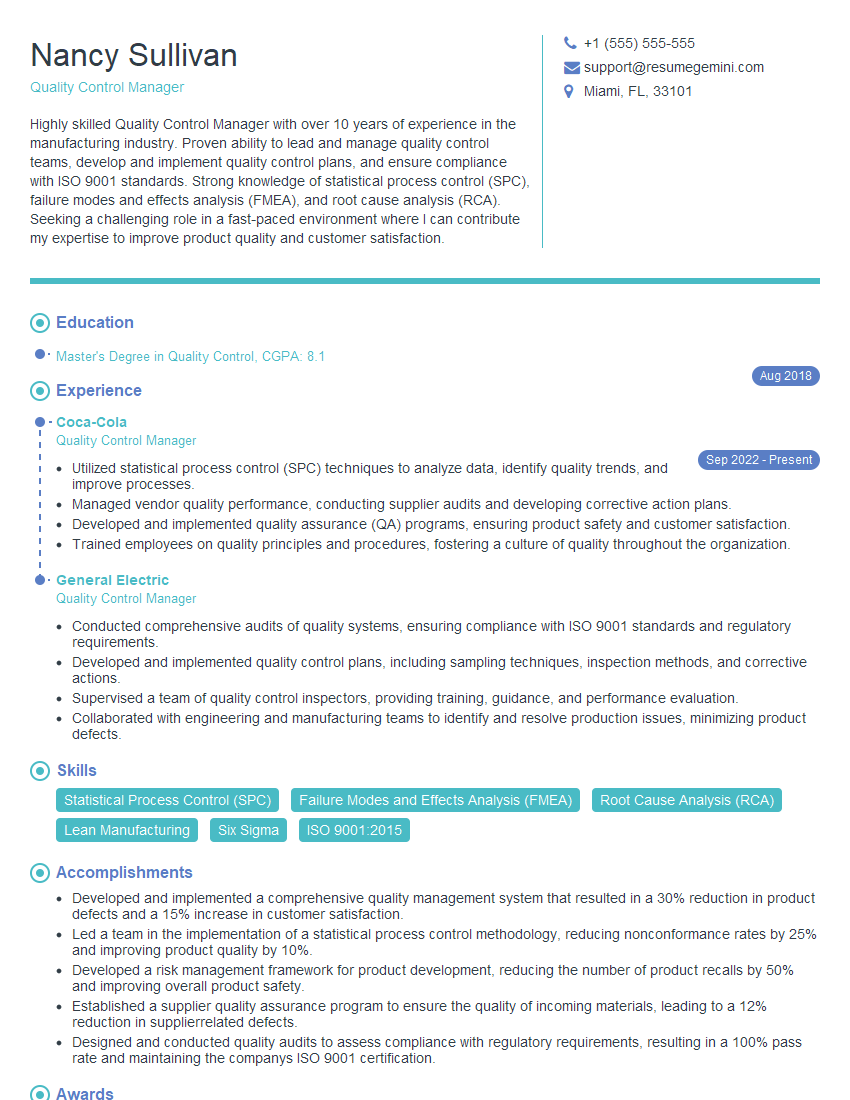
Quality Control Manager Resume Sample

Project Manager Resume Sample
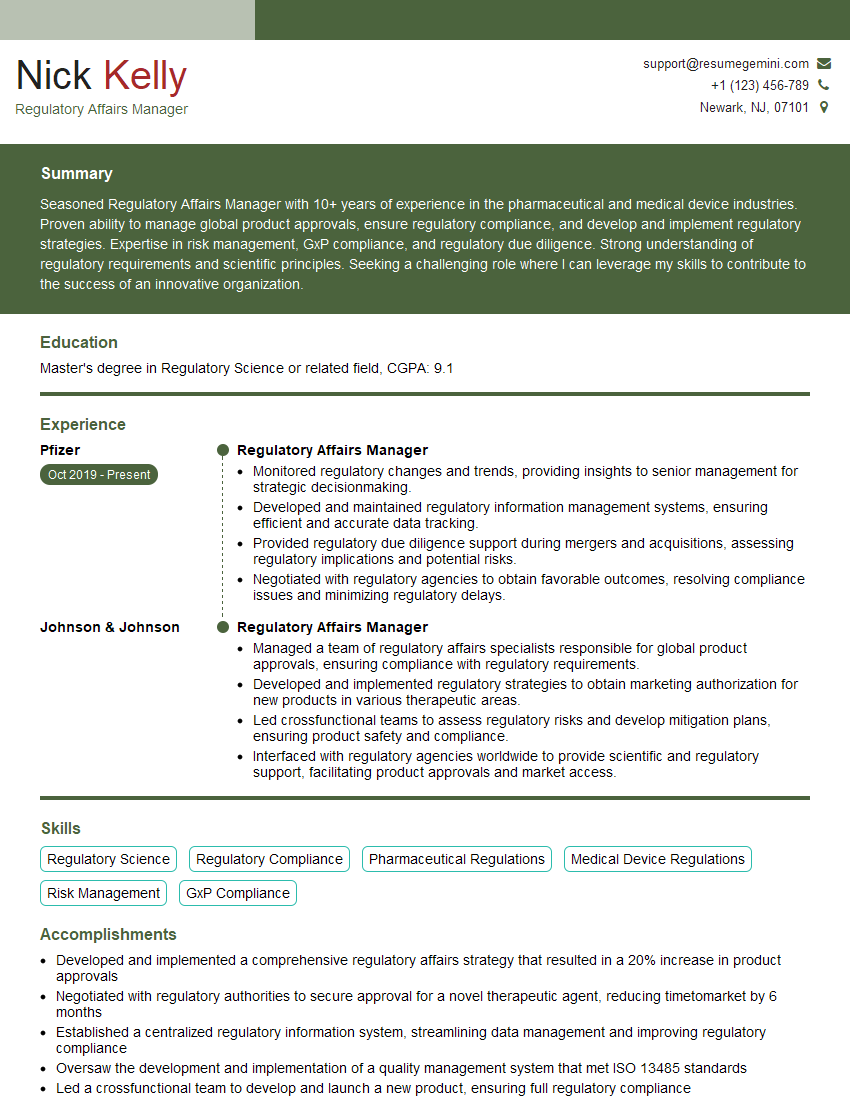
Regulatory Affairs Manager Resume Sample
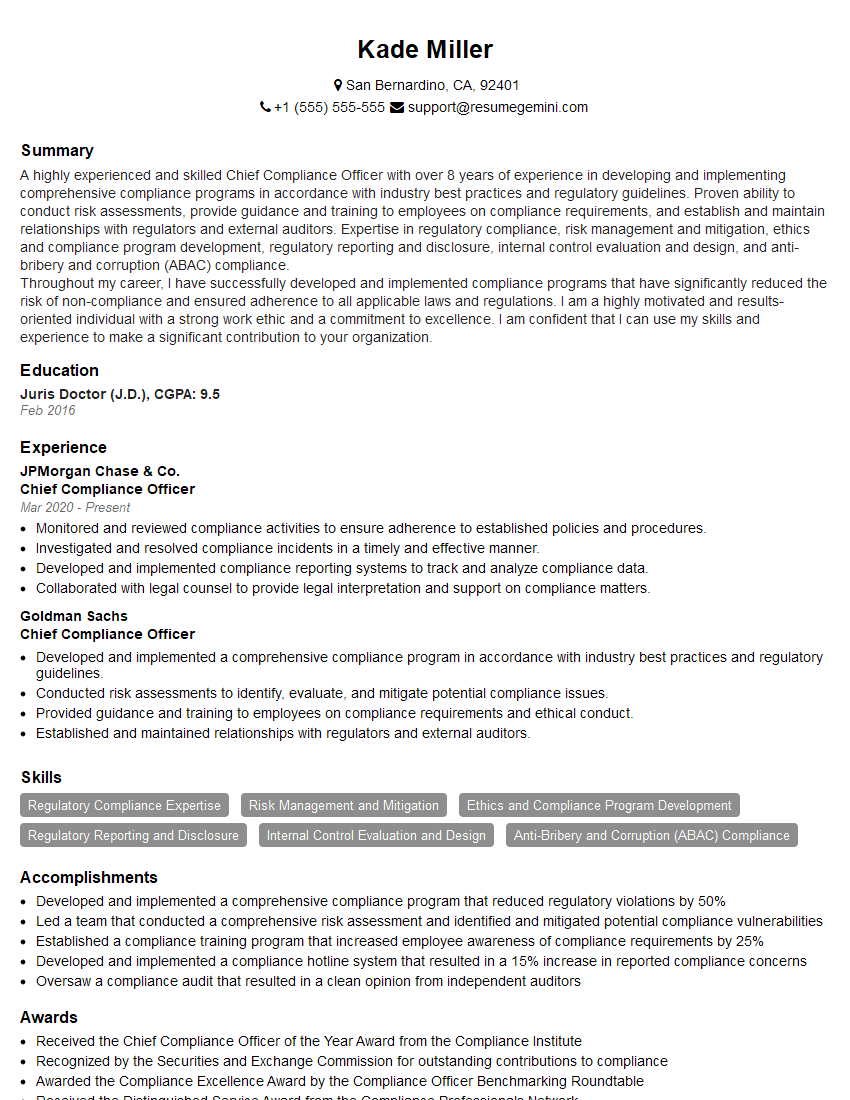
Chief Compliance Officer Resume Sample
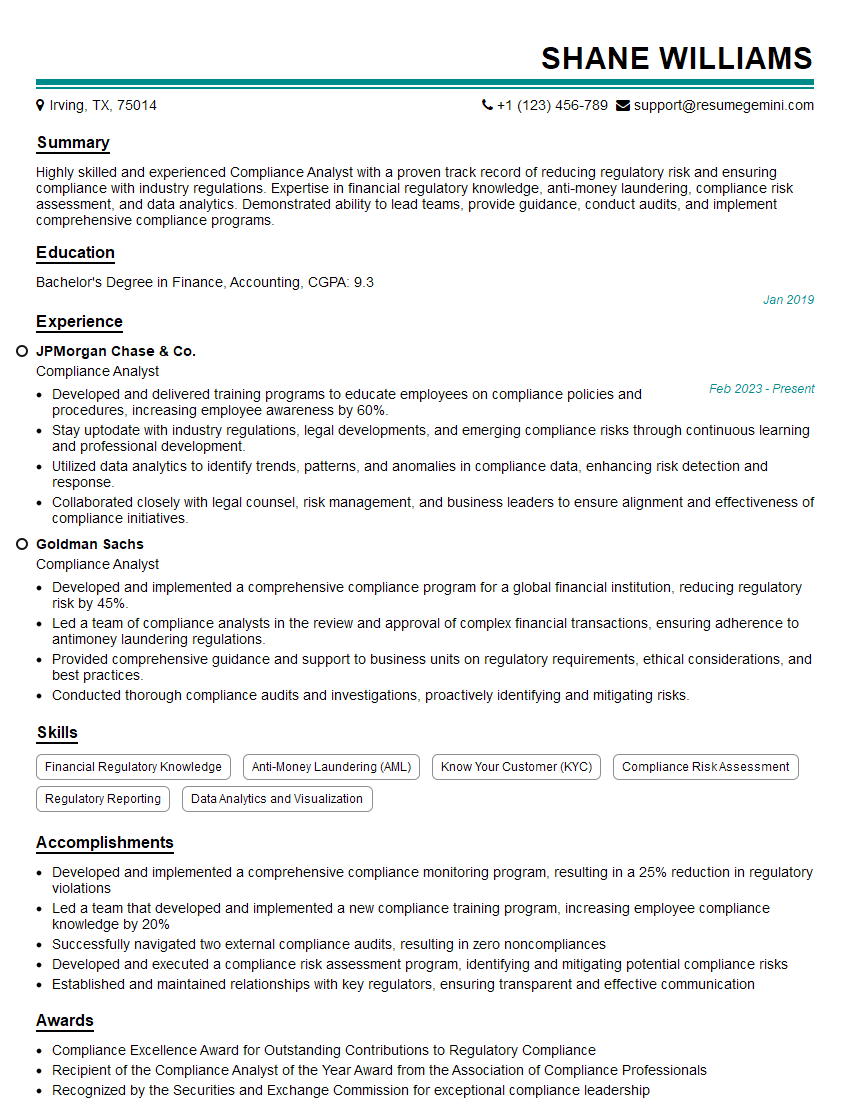
Compliance Analyst Resume Sample
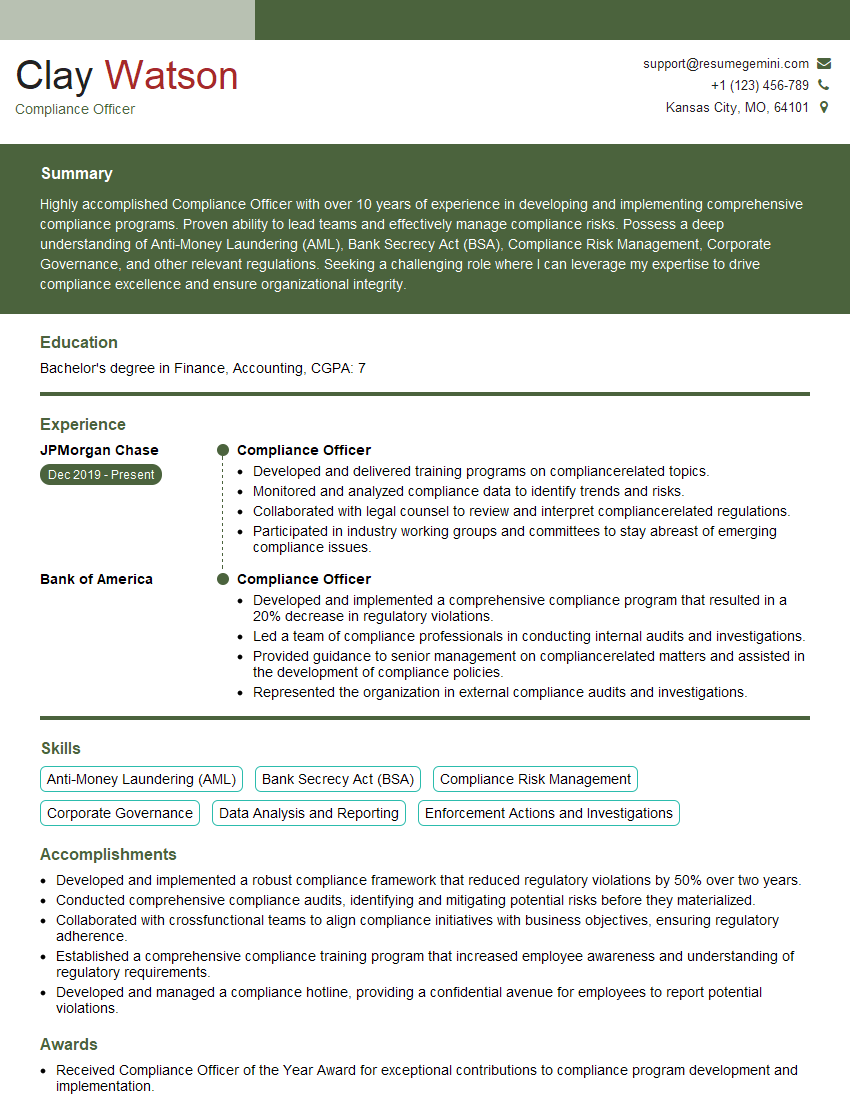
Compliance Officer Resume Sample
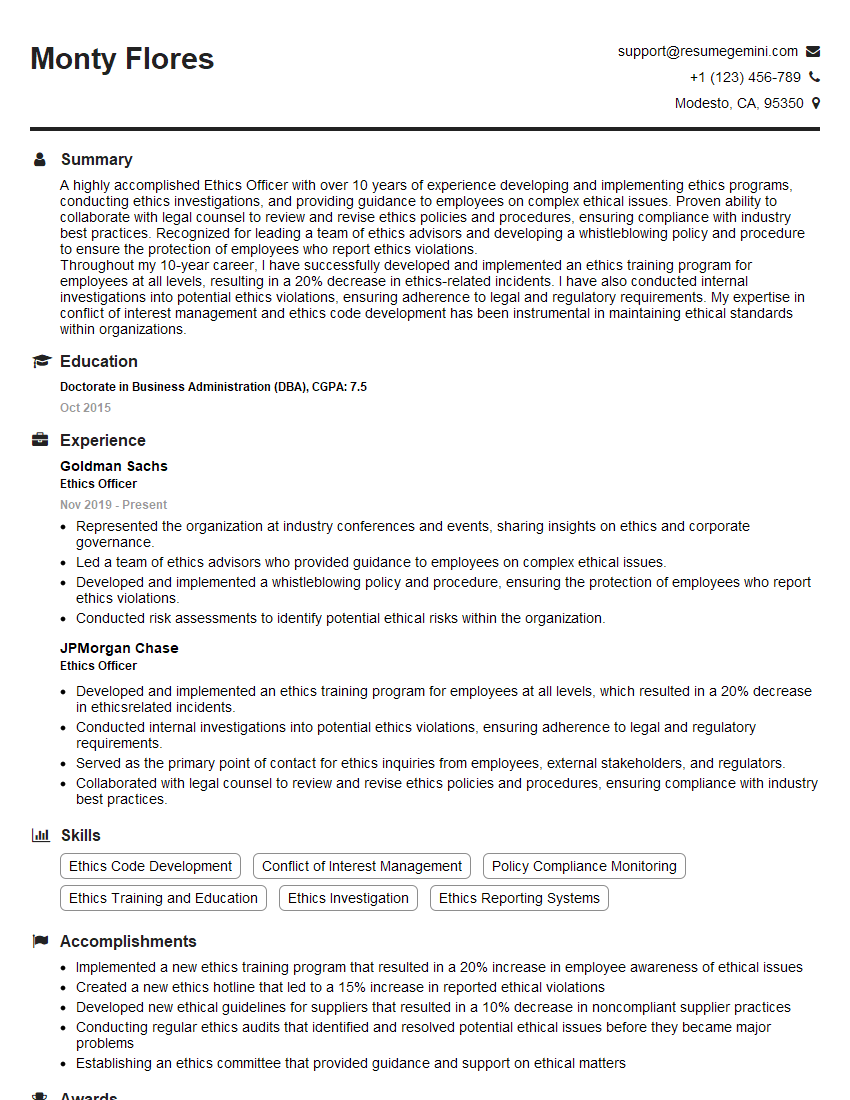
Ethics Officer Resume Sample
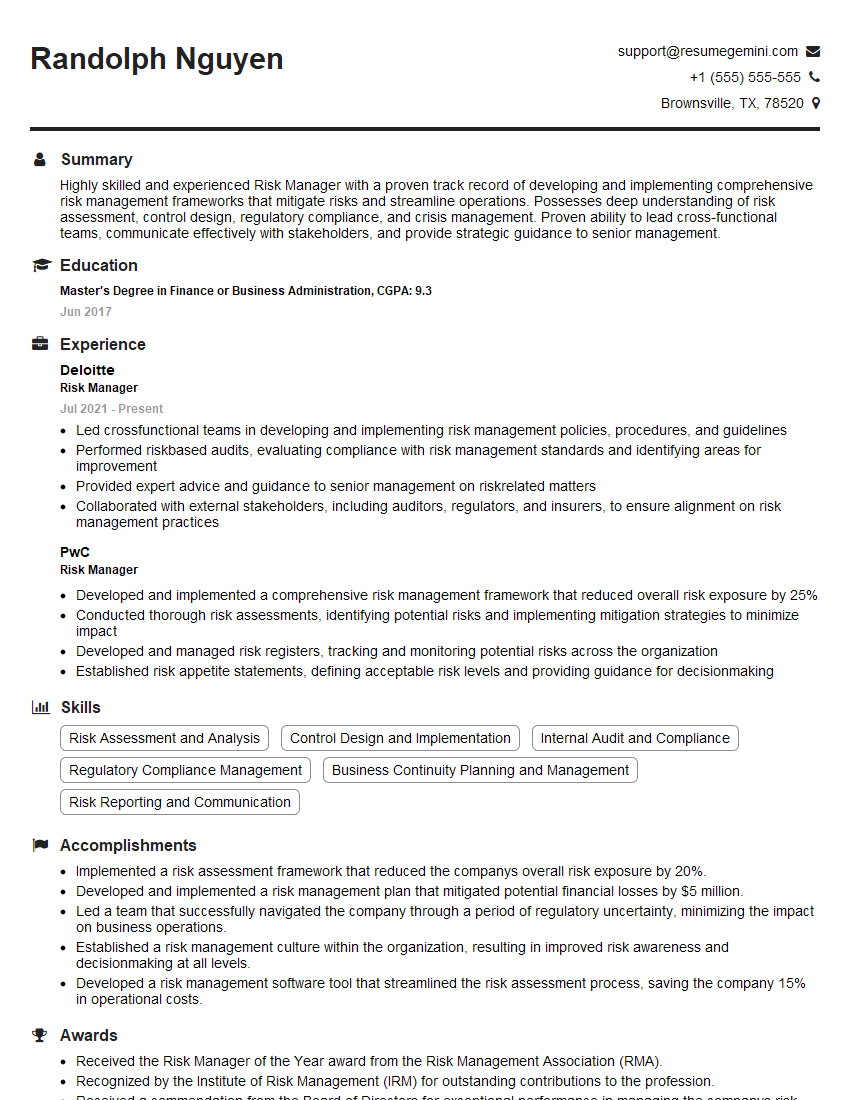
Risk Manager Resume Sample
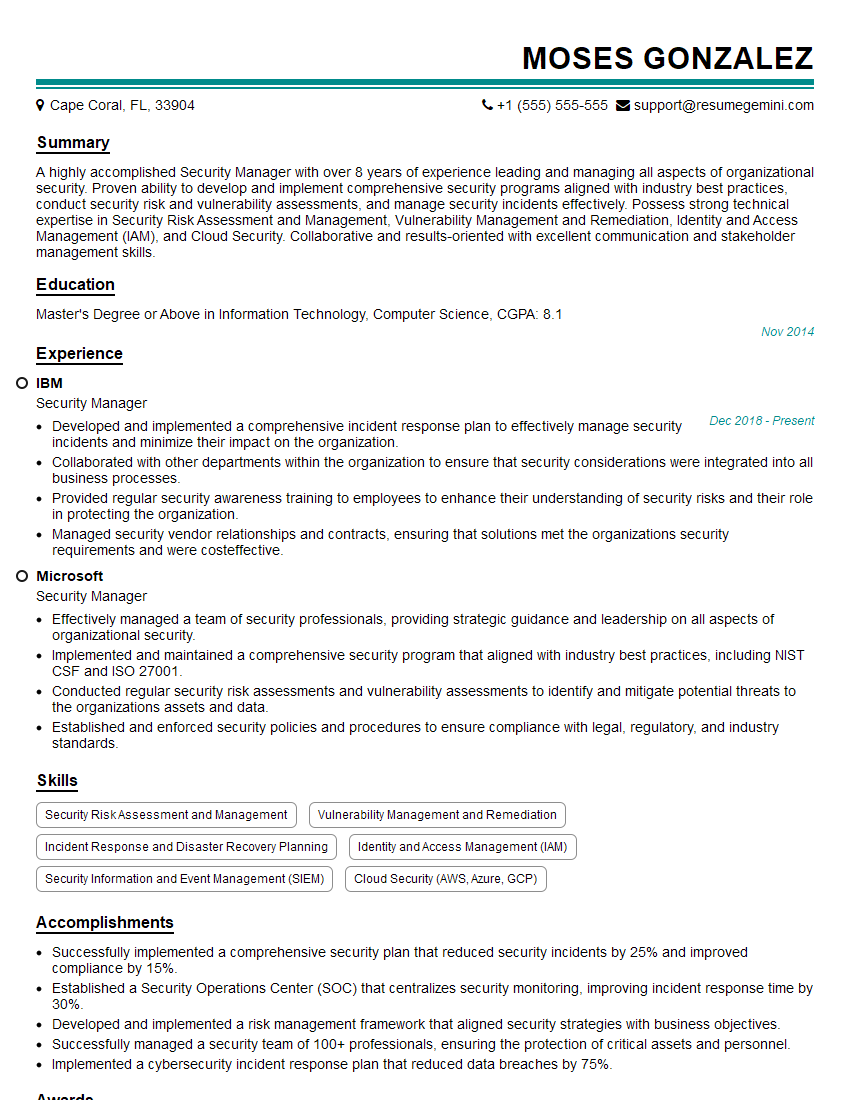
Security Manager Resume Sample
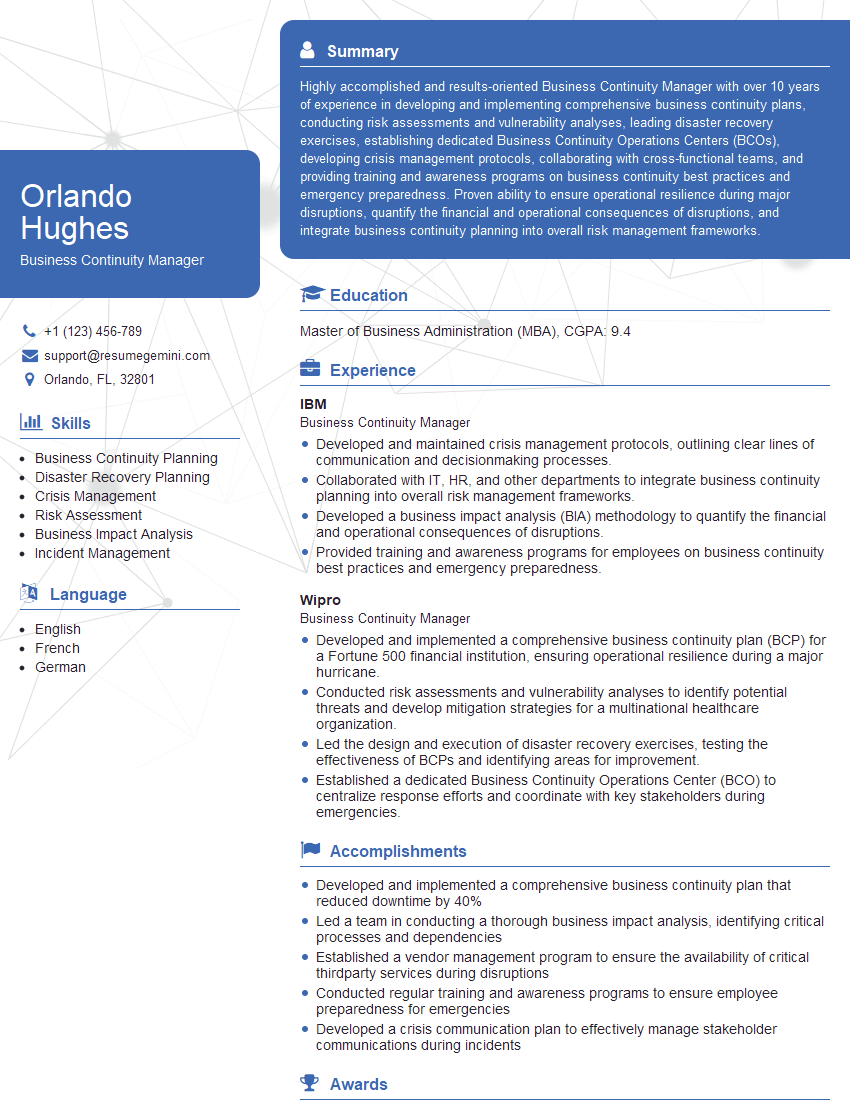
Business Continuity Manager Resume Sample
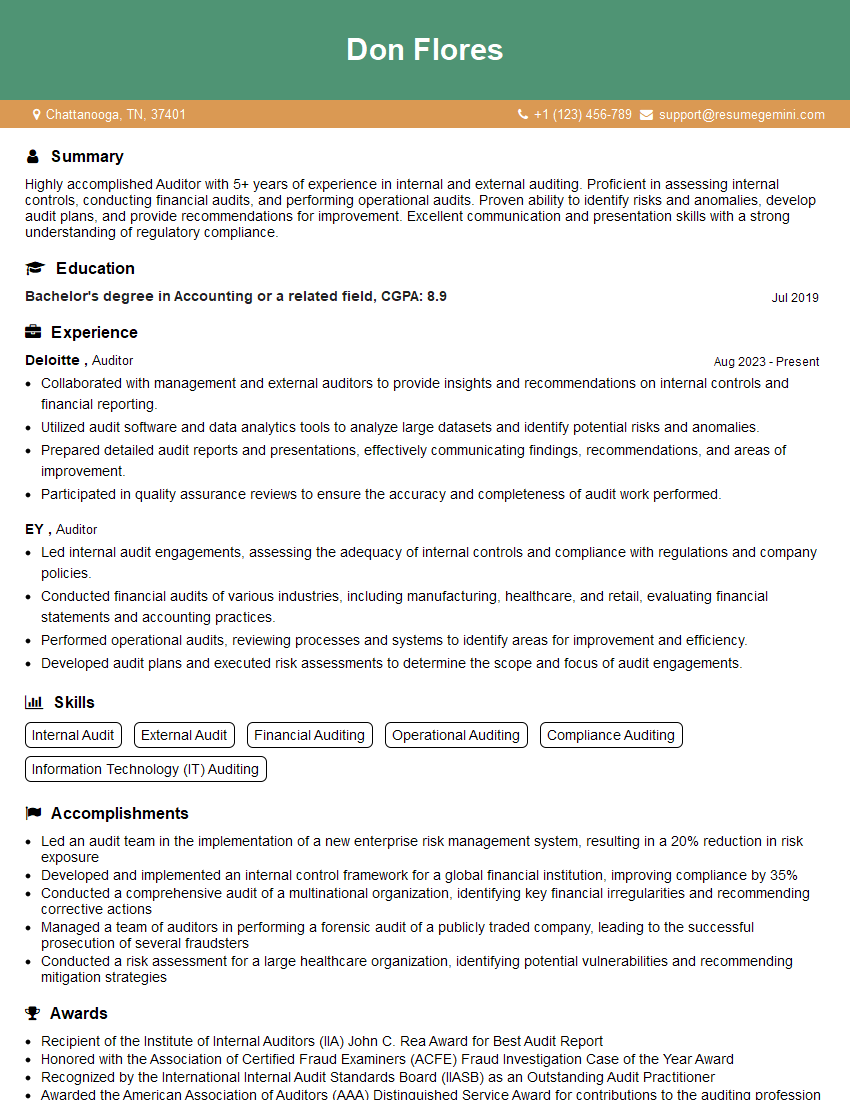
Auditor Resume Sample
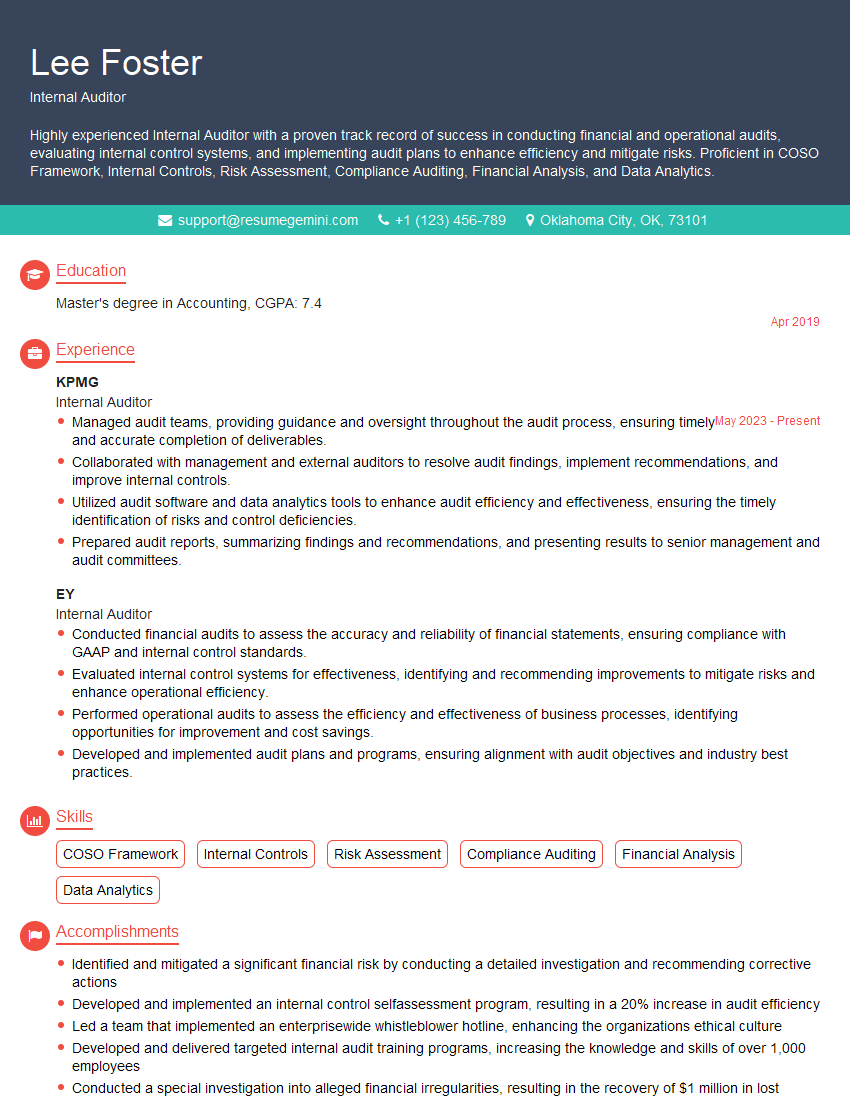
Internal Auditor Resume Sample
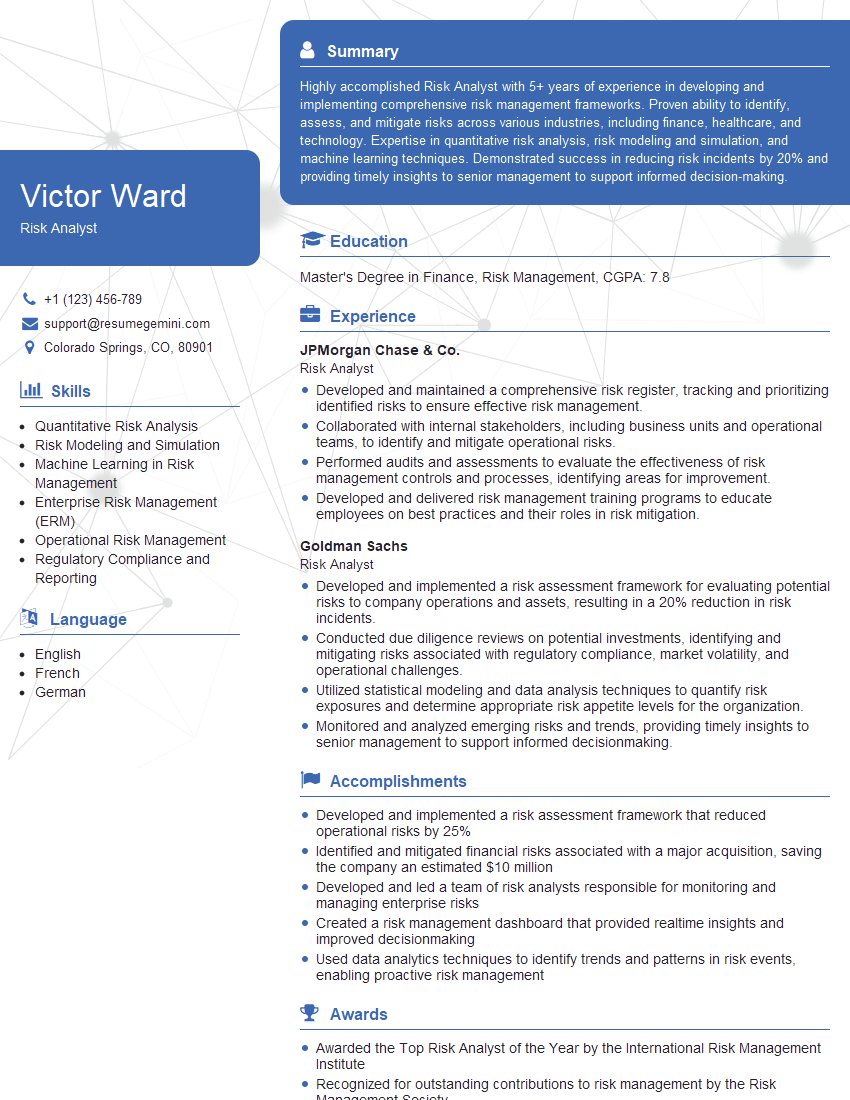
Risk Analyst Resume Sample
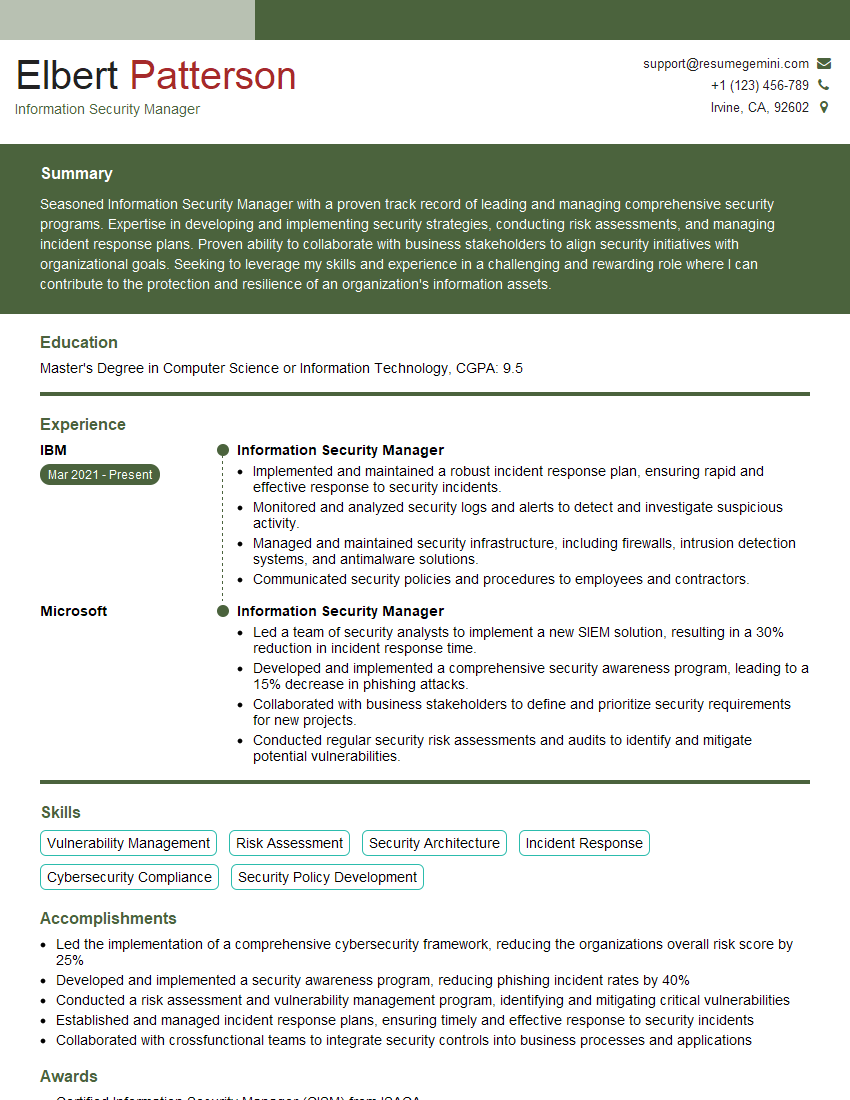
Information Security Manager Resume Sample
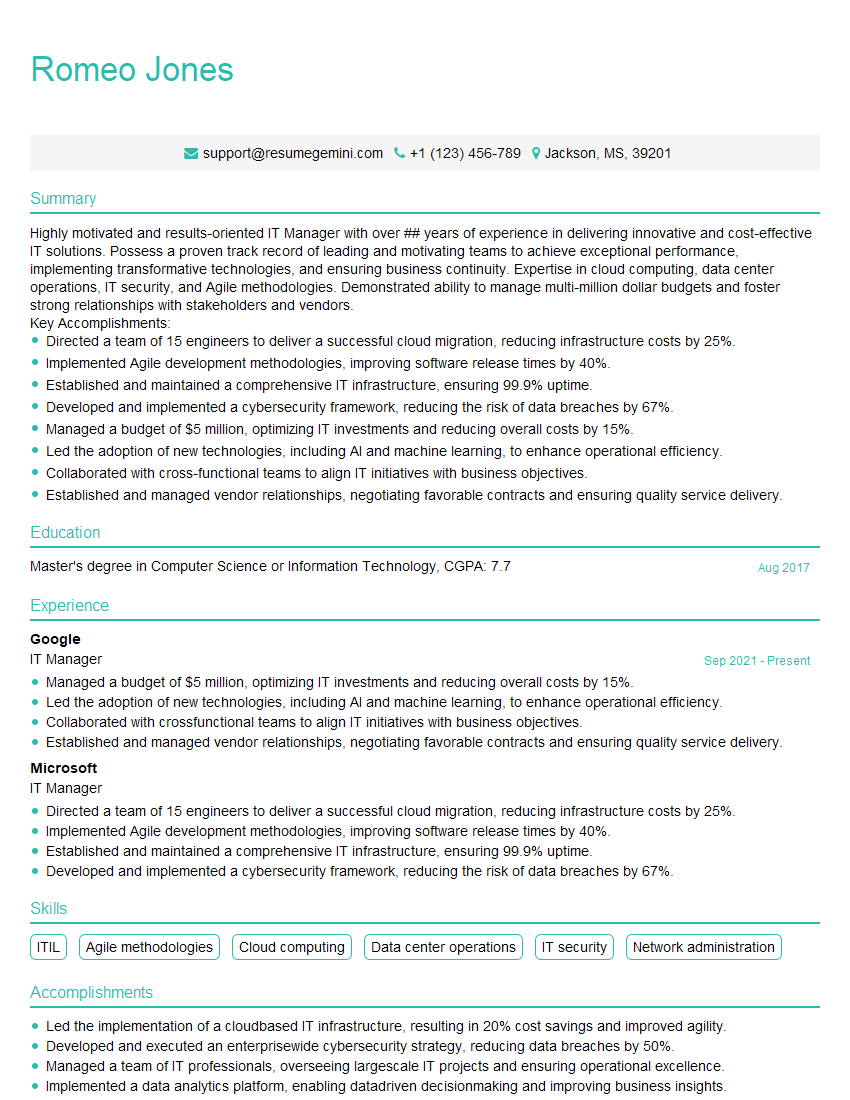
IT Manager Resume Sample
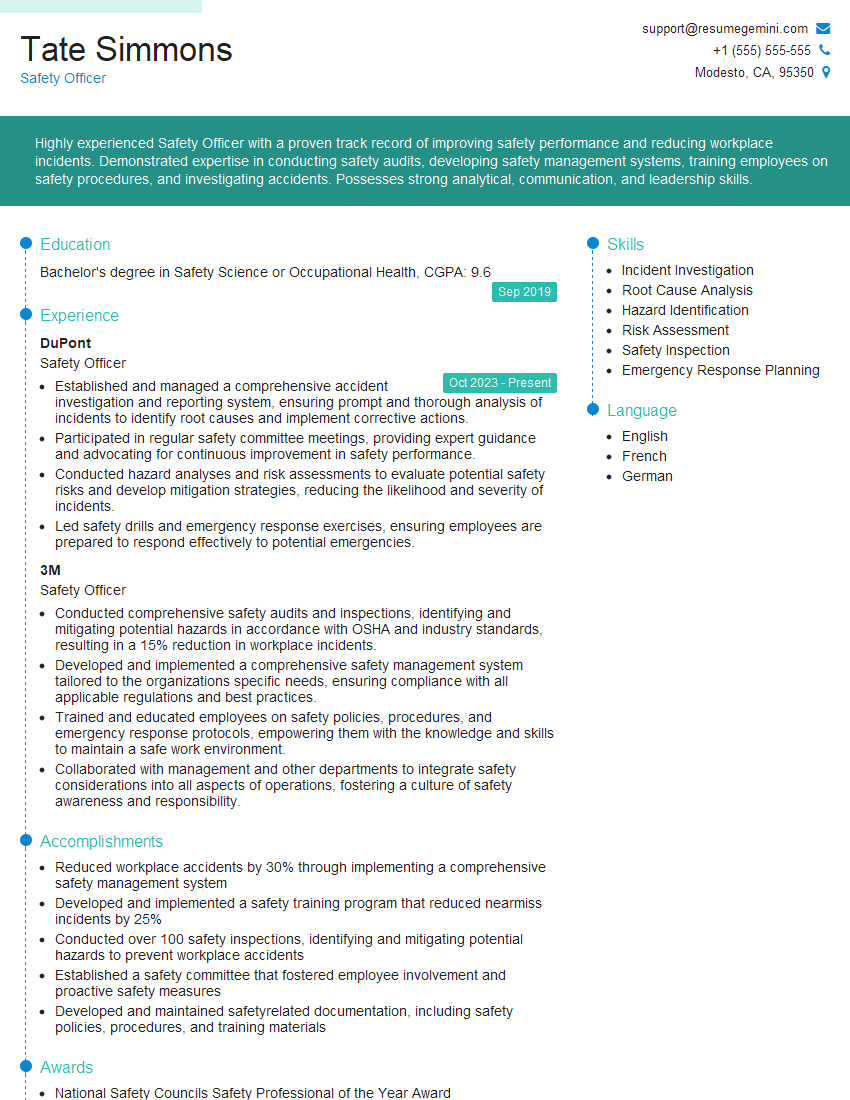
Safety Officer Resume Sample
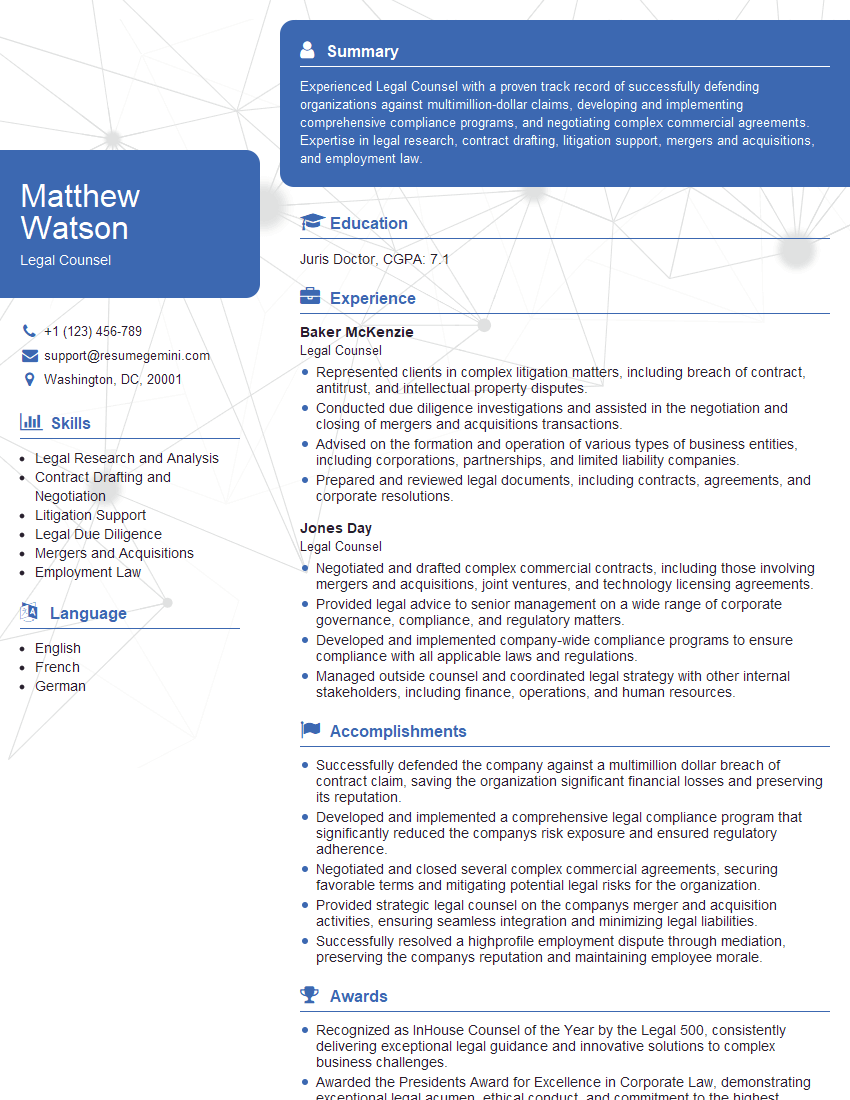
Legal Counsel Resume Sample
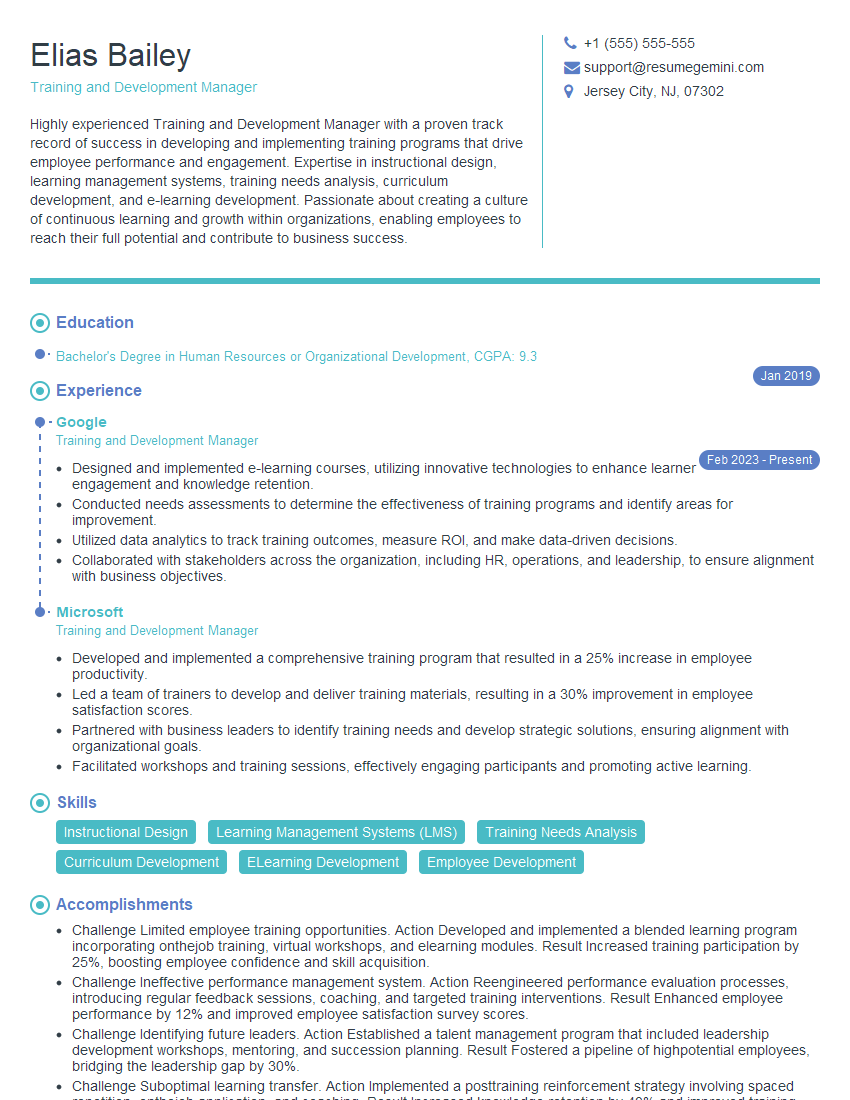
Training and Development Manager Resume Sample
- Operations Manager
- Quality Control Manager
- Project Manager
- Regulatory Affairs Manager
- Chief Compliance Officer
- Compliance Analyst
- Compliance Officer
- Ethics Officer
- Risk Manager
- Security Manager
- Business Continuity Manager
- Auditor
- Internal Auditor
- Risk Analyst
- Information Security Manager
- IT Manager
- Safety Officer
- Legal Counsel
- Training and Development Manager
Explore more articles
Users Rating of Our Blogs
Share Your Experience
We value your feedback! Please rate our content and share your thoughts (optional).
What Readers Say About Our Blog
I Redesigned Spongebob Squarepants and his main characters of my artwork.
https://www.deviantart.com/reimaginesponge/art/Redesigned-Spongebob-characters-1223583608
IT gave me an insight and words to use and be able to think of examples
Hi, I’m Jay, we have a few potential clients that are interested in your services, thought you might be a good fit. I’d love to talk about the details, when do you have time to talk?
Best,
Jay
Founder | CEO