Unlock your full potential by mastering the most common Adhering to load limits interview questions. This blog offers a deep dive into the critical topics, ensuring you’re not only prepared to answer but to excel. With these insights, you’ll approach your interview with clarity and confidence.
Questions Asked in Adhering to load limits Interview
Q 1. Define ‘safe working load’ and its importance.
The safe working load (SWL) is the maximum load that a piece of equipment, such as a crane, sling, or lifting beam, can safely lift or support without risk of failure or damage. It’s essentially the weight limit the manufacturer has determined to be safe for continuous use. The importance of SWL cannot be overstated. It’s a crucial safety parameter that directly impacts the well-being of personnel and the integrity of the equipment. Exceeding the SWL can lead to catastrophic equipment failure, potentially resulting in serious injury or even death.
Imagine trying to lift a grand piano with a child’s toy crane – the outcome is predictable. Similarly, ignoring the SWL for any lifting equipment can have equally disastrous consequences. Knowing and adhering to the SWL is fundamental to safe lifting practices and responsible equipment management.
Q 2. Explain the difference between working load limit and ultimate load limit.
The working load limit (WLL) and ultimate load limit (ULL) are two distinct measures of a lifting device’s capacity. The WLL is the maximum load a piece of equipment should carry during normal operation. Think of this as the daily recommended dosage for your equipment – a continuous, safe load. The ULL, on the other hand, is the maximum load the equipment can withstand before complete failure. It’s the breaking point, the absolute maximum. The WLL is always significantly lower than the ULL. This safety factor accounts for wear and tear, variations in materials, and unexpected stresses. Typically, the WLL is 1/5 to 1/3 of the ULL.
For instance, a lifting chain might have a WLL of 1000 kg, but its ULL could be around 3000 kg. Operating within the WLL ensures longevity of the equipment and above all, safety. Exceeding the WLL risks premature failure, while surpassing the ULL results in immediate and potentially catastrophic failure.
Q 3. How do you identify the load limits of various equipment?
Identifying load limits is crucial and involves a multi-step process. First, always refer to the manufacturer’s data plate. This plate, usually permanently affixed to the equipment, clearly states the WLL. If the data plate is missing or illegible, you need to consult the equipment’s manual or contact the manufacturer directly. For certain types of equipment, like slings or chains, industry standards and regulations dictate the WLL based on the material, diameter, and construction. For instance, a load-bearing chain’s WLL will change depending on its diameter and material grade.
Remember, never guess or estimate the load limit. Always verify through official documentation. If there is any doubt, err on the side of caution and avoid using the equipment until its WLL is properly identified. Using improperly identified equipment is a risk no responsible professional would take.
Q 4. Describe the process of verifying load limits before lifting or moving an object.
Verifying load limits before any lifting operation is non-negotiable. The process begins with accurate weight assessment. Weigh the object using appropriate scales and factor in the weight of any lifting equipment, such as slings or shackles. Compare the total weight (including equipment) with the equipment’s stated WLL. Ensure that the combined weight is significantly lower than the WLL, preferably with a considerable safety margin. Don’t forget to consider the weight distribution – uneven loads can exceed the load capacity of specific components, even if the total weight is within the WLL.
Next, inspect the equipment thoroughly. Check for any damage, wear, or defects that could compromise its strength. Damaged equipment should never be used. Finally, ensure the lifting environment is safe and free of obstructions. Only after completing this comprehensive verification should the lift proceed.
Imagine preparing for a long journey. You wouldn’t just jump in your car without checking the tires, fuel level, and overall condition. The same meticulous care should be exercised when verifying load limits before lifting.
Q 5. What are the consequences of exceeding load limits?
Exceeding load limits has serious repercussions, ranging from minor damage to catastrophic failure. Minor consequences could include permanent deformation of equipment, reduced lifespan, or operational inefficiencies. More severe consequences involve equipment failure, which can lead to property damage, injuries to personnel, and even fatalities. The financial implications are significant as well. Replacing damaged equipment, dealing with insurance claims, and potential legal action can result in substantial losses.
For example, exceeding the WLL of a crane could cause the boom to collapse, potentially damaging the object being lifted, the crane itself, and surrounding property. A failed sling could drop a heavy load, causing serious injury or death to those nearby. The consequences are far-reaching and underscore the critical importance of adhering to load limits.
Q 6. How do you ensure compliance with load limit regulations?
Ensuring compliance with load limit regulations necessitates a multifaceted approach. This involves regular equipment inspections to detect any signs of wear, damage, or deterioration. All equipment should have a visible and legible data plate clearly indicating its WLL. Operators need comprehensive training on safe lifting procedures, including proper weight assessment and the importance of never exceeding the WLL. Regular maintenance, including inspections by qualified personnel, is critical. Finally, maintaining detailed records of inspections, maintenance, and any incidents related to load handling is crucial for audits and traceability.
Compliance also mandates adherence to relevant industry standards and regulations. These standards are frequently updated and need to be understood and followed diligently. Companies must establish clear procedures and protocols for load handling, regularly review these procedures, and provide ongoing training for their employees. This proactive approach to safety fosters a culture of compliance and minimizes the risk of accidents.
Q 7. Explain your experience using load monitoring devices.
In my experience, load monitoring devices have become indispensable for ensuring safe lifting practices. I’ve worked extensively with both digital and analog load cells, dynamometers, and load pins. These devices provide real-time feedback on the weight being lifted, allowing for immediate adjustments if the load approaches or exceeds the WLL. The use of these devices minimizes guesswork and significantly improves the accuracy of load assessments. It eliminates human error and ensures that the operator remains aware of the weight, even under dynamic conditions.
For example, I’ve used load pins on construction projects to precisely measure the weight being lifted by a crane. This data allowed us to optimize lifting procedures and ensure that the crane was never overloaded. The digital load cells provide a continuous digital readout which can be monitored remotely. This has enhanced safety, improved efficiency, and reduced the potential for errors by providing clear visual and often audible alerts when approaching load limits.
Q 8. Describe a time you had to make a decision about a load that was near the limit. What was your process?
Adhering to load limits is paramount for safety and efficiency. One time, I was overseeing the loading of a crane for a particularly large piece of industrial equipment. The weight was very close to the crane’s rated capacity. My process involved several steps:
- Verifying the load weight: I independently verified the equipment’s weight using multiple sources, including the manufacturer’s specifications and a certified scale.
- Analyzing environmental factors: I considered the wind speed and direction as strong winds can significantly impact a crane’s stability and load capacity.
- Calculating safety margins: I applied a safety factor – a percentage above the calculated load – to account for unexpected variables. For instance, if the crane’s limit was 100 tons and the equipment weighed 95 tons, I wouldn’t proceed unless confident in the accuracy of all measurements and environmental conditions allowing for a safe margin.
- Consultation with the team: I consulted with the crane operator and rigging crew, ensuring everyone understood the weight and the safety precautions being implemented.
- Step-by-step execution: The lifting process was executed slowly and methodically, with constant monitoring of the crane’s behavior and the load’s stability.
By following a methodical process, we successfully lifted the equipment without incident. The key was prioritizing safety above speed, verifying weight multiple times and leaving a safe margin for error.
Q 9. How do you handle situations where load limits are unclear or conflicting?
Unclear or conflicting load limits are a serious concern. My approach involves:
- Identifying the source of the conflict: I would pinpoint where the discrepancy arises – outdated documentation, different standards being used, etc.
- Consulting relevant documentation: This might involve checking manufacturer specifications, industry standards (like ASME or OSHA regulations), and any relevant permits or approvals.
- Seeking clarification from experts: If resolution is difficult, I would consult with structural engineers, lifting equipment specialists, or other relevant experts to gain a clear understanding of the appropriate limits.
- Adopting a conservative approach: In the event of persistent uncertainty, I would always err on the side of caution, using the most conservative load limit until the ambiguity is resolved.
- Documentation: Every step of the investigation and decision-making process would be meticulously documented, including all communication with relevant parties and the rationale behind the final load limit adopted.
Remember, safety should never be compromised due to ambiguity. A conservative approach is always preferable to potential disaster.
Q 10. What safety measures do you employ when working with heavy loads?
Safety is my top priority. When working with heavy loads, I employ several measures:
- Proper Personal Protective Equipment (PPE): This includes hard hats, safety glasses, steel-toe boots, and high-visibility clothing.
- Rigging inspections: All rigging equipment—chains, slings, hooks—must be inspected before each lift to ensure they are free from damage and are appropriately rated for the load.
- Load securing: The load must be properly secured to prevent shifting or movement during transit.
- Designated lifting zones: Establishing clear zones around the lifting operation minimizes the risk of accidents to personnel.
- Trained personnel: Only trained and certified personnel should operate lifting equipment and handle heavy loads.
- Emergency procedures: A well-defined emergency plan should be in place and communicated to everyone involved.
Think of it like this: every precaution taken is a layer of protection. Multiple layers working together significantly reduce the chances of an accident.
Q 11. How do environmental factors affect load limits?
Environmental factors significantly influence load limits. Consider these examples:
- Temperature: Extreme temperatures (both hot and cold) can affect the strength of materials, reducing their load-bearing capacity.
- Wind: Strong winds can exert significant forces on loads, making them unstable and increasing the risk of accidents. Load limits often need to be reduced in windy conditions.
- Precipitation: Rain or snow can add weight to the load and reduce traction, affecting stability.
- Ground conditions: Soft or uneven ground can limit the load-bearing capacity of the surface, requiring adjustments to the load limits.
It’s crucial to consult relevant weather forecasts and assess ground conditions before any lifting operation, adapting load limits accordingly. Ignoring these factors can lead to dangerous situations.
Q 12. Explain the role of load charts and datasheets.
Load charts and datasheets are essential documents that provide critical information on load limits and other operational parameters. Load charts typically illustrate the safe working load limits (SWL) of lifting equipment under various conditions and configurations. Datasheets usually contain detailed specifications, including material properties, dimensions, and operational guidelines for equipment and materials.
For example, a load chart for a crane would show the maximum load it can lift at different radii (the distance between the crane and the load). A datasheet for a steel beam would list its yield strength, ultimate tensile strength, and other properties to determine if it can withstand a particular load. Failure to consult these documents can lead to serious safety violations and equipment failure.
Q 13. Describe your experience using load-bearing calculations.
Load-bearing calculations are a fundamental aspect of ensuring structural integrity and safety. My experience involves using various methods, depending on the complexity of the structure and load.
For simpler scenarios, I might employ basic formulas to calculate stress and strain on a component under load. More complex situations might require sophisticated Finite Element Analysis (FEA) software to simulate load distribution and predict potential failure points. I’m proficient in using both manual calculations and software tools, and I always double-check my work to avoid errors. The accuracy of load-bearing calculations is crucial to prevent structural failure and maintain safety.
For instance, in calculating the load-bearing capacity of a support beam, I would use formulas factoring in the material properties (like yield strength and modulus of elasticity), cross-sectional area of the beam, and the type of load (static or dynamic).
Q 14. How do you communicate load limit information to team members?
Clear and concise communication is critical when dealing with load limits. My approach includes:
- Pre-job briefings: Before any operation, I conduct thorough briefings with the team, clearly stating the load limits, safety procedures, and any potential hazards.
- Visual aids: Load charts, diagrams, and other visual aids can enhance understanding and ensure everyone is on the same page.
- Written documentation: All relevant information is documented, including load limits, weights of materials, and any special instructions.
- Open communication: I foster an environment where team members feel comfortable raising concerns or questions about load limits or safety.
- Using standard terminology: I avoid jargon and communicate using clear, easily understood language.
Effective communication is the foundation of a safe and productive work environment. By ensuring everyone understands the load limits and associated procedures, we minimize the risk of accidents.
Q 15. What are the common causes of load limit exceedances?
Load limit exceedances, unfortunately, are quite common and stem from a variety of factors. They often arise from a combination of human error and inadequate planning.
- Improper Load Estimation: Underestimating the weight of materials or neglecting the impact of uneven weight distribution is a primary cause. Imagine trying to carry a fridge on your own – it’s obvious it’s too heavy. Similarly, professionals need to accurately weigh and assess their load.
- Faulty Equipment: Damaged or poorly maintained equipment, such as cranes, forklifts, or slings, can lead to exceeding load limits. A worn-out sling, for example, might break under a weight it was once capable of supporting.
- Neglecting Environmental Conditions: Weather conditions like strong winds or slippery surfaces can significantly impact a load’s stability and increase the risk of exceeding limits. Think about a crane lifting a load in high winds; the wind itself adds extra force.
- Lack of Training/Supervise: Inadequate training and insufficient supervision of workers involved in handling loads contribute significantly to accidents. It’s like trying to cook a complex meal without a recipe or instruction; it’s likely to end in a mess.
- Time Pressure: Rushing to complete a task often leads to shortcuts that compromise safety and disregard load limits.
Career Expert Tips:
- Ace those interviews! Prepare effectively by reviewing the Top 50 Most Common Interview Questions on ResumeGemini.
- Navigate your job search with confidence! Explore a wide range of Career Tips on ResumeGemini. Learn about common challenges and recommendations to overcome them.
- Craft the perfect resume! Master the Art of Resume Writing with ResumeGemini’s guide. Showcase your unique qualifications and achievements effectively.
- Don’t miss out on holiday savings! Build your dream resume with ResumeGemini’s ATS optimized templates.
Q 16. How do you contribute to a safety-conscious work environment regarding load limits?
Creating a safety-conscious work environment around load limits requires a multi-pronged approach. It’s not just about following rules; it’s about fostering a culture of safety.
- Lead by Example: I consistently demonstrate safe practices, ensuring I never exceed load limits myself and encouraging others to do the same.
- Promote Open Communication: I foster an environment where employees feel comfortable voicing concerns about potential load limit issues without fear of reprisal.
- Regular Safety Meetings & Training: I participate in and actively contribute to regular safety meetings, ensuring everyone receives updated training on load limits and safe handling techniques. We also incorporate practical demonstrations and case studies of past incidents to emphasize the importance of adhering to limits.
- Enforcing Procedures & Protocols: Strict adherence to established procedures for load assessment, securing, and transportation is crucial. This includes thorough pre-lift checks and regular equipment inspections.
- Using Technology: Utilizing load monitoring systems and weight scales helps ensure accurate weight measurement and avoids guesswork.
Q 17. Describe your experience with different types of load securing methods.
My experience encompasses a variety of load securing methods, each tailored to the specific characteristics of the load and the transport mode.
- Chain Slings: I am proficient in using chain slings, understanding their safe working load limits and ensuring proper attachment points to prevent slippage or damage.
- Webbing Slings: I am well-versed in using webbing slings, recognizing the importance of inspecting for any signs of wear and tear before use. Different webbing slings have different load ratings depending on their material and construction.
- Ratchet Straps: I have extensive experience with ratchet straps, ensuring correct tensioning to prevent load movement during transit. Over-tightening can damage goods, while insufficient tension can lead to shifting and accidents.
- Wire Rope Slings: I understand the importance of inspecting wire rope slings for kinks, broken strands, or corrosion, which can compromise their strength and lead to load limit issues.
- Other Methods: Depending on the load, I also employ specialized methods, including crimping, bolting, and securing with containers. I also carefully consider the load’s center of gravity to avoid instability.
Choosing the appropriate method is critical and depends heavily on the specific nature of the load (size, shape, weight, material) and the type of transport being used.
Q 18. How do you handle situations where equipment malfunctions might compromise load limits?
Equipment malfunction is a serious concern that demands immediate action. My approach is always to prioritize safety.
- Immediate Halt: If a malfunction is suspected, I immediately cease all operations involving the affected equipment and secure the load. Safety is paramount.
- Assessment and Reporting: A thorough assessment of the malfunction is carried out to identify the root cause. Detailed reports are filed, including photos and descriptions, for investigation and future preventative measures.
- Repair or Replacement: The malfunctioning equipment undergoes repair by qualified personnel or is replaced if necessary. No compromised equipment is ever used until it’s fully certified as safe.
- Communication: All relevant personnel are informed about the malfunction and the suspension of operations. Transparency is key in maintaining a safe environment.
- Prevention: Following a malfunction, we implement preventative maintenance measures or adjust our processes to reduce the likelihood of similar issues arising in the future. Regular preventative maintenance is our primary defense against such occurrences.
Q 19. What are your methods for regular inspection of load-bearing equipment?
Regular inspection is not just a best practice; it’s a necessity. I adhere to a rigorous inspection schedule for all load-bearing equipment.
- Pre-use Inspection: Before each use, I conduct a thorough visual inspection of all equipment, checking for damage, wear, or any signs of stress. This includes cables, slings, hooks, and any supporting structures.
- Scheduled Inspections: Beyond pre-use checks, we have a scheduled inspection program following manufacturer recommendations and industry best practices. These involve more in-depth checks and possibly load testing (depending on equipment type).
- Documentation: All inspections are meticulously documented, recording any findings, repairs, and maintenance carried out. This creates an audit trail for compliance and safety tracking.
- Third-Party Inspections: Periodically, we utilize independent third-party inspectors to conduct comprehensive checks on our equipment, ensuring objectivity and maintaining a high safety standard. A fresh set of eyes can often catch things we might miss.
- Retirement Criteria: Equipment exceeding its useful lifespan or showing significant wear and tear is promptly retired from service. Safety isn’t negotiable.
Q 20. How do you handle load limit discrepancies between different documentation?
Load limit discrepancies between different documentation are never tolerated. They represent a major safety risk.
- Identify the Discrepancy: The first step is to thoroughly identify the source and nature of the discrepancy, comparing different documents such as manufacturer specifications, previous inspection reports, and load calculations.
- Verification: If a discrepancy exists, I initiate verification by independent means. This might involve re-weighing the load, re-calculating load limits based on new information, or conducting additional inspections of load-bearing equipment.
- Resolution: Once the accurate load limit is determined, the conflicting documentation is updated and corrected. The most conservative load limit is always chosen in such situations – better to err on the side of caution.
- Root Cause Analysis: The root cause of the discrepancy is investigated to prevent future errors. This could involve improved communication procedures or updated record-keeping practices.
- Documentation of Resolution: All steps taken to resolve the discrepancy, along with the final determined load limit, are documented and disseminated to all relevant parties.
Q 21. What is your understanding of relevant legislation concerning load limits?
My understanding of relevant legislation concerning load limits is comprehensive and up-to-date. I am familiar with the regulations governing safe lifting operations, workplace safety, and the transportation of goods. Specific regulations vary by location, but common themes include:
- Safe Working Loads (SWL): I understand the importance of adhering to the SWL marked on all equipment, which represents the maximum load the equipment can safely handle. I also understand the implications of exceeding these limits, which can result in fines, shutdowns, or even criminal charges.
- Certification and Inspection Requirements: I’m familiar with the periodic inspection and certification requirements for load-bearing equipment, as well as the qualifications and training necessary for personnel operating such equipment.
- Record-Keeping: I’m aware of the legal requirements regarding thorough record-keeping of inspections, maintenance, and any incidents. Accurate record keeping is not just about compliance but about continuous improvement.
- Transportation Regulations: I understand the specific regulations concerning load securing during transportation, which vary depending on the mode of transport (road, rail, sea) and the type of goods being moved.
- Emergency Procedures: I’m familiar with the protocols to follow in emergency situations involving load limit exceedances or equipment failure.
I regularly review and update my knowledge of all relevant legislation to ensure compliance and best practice adherence.
Q 22. Explain your process for documenting load limits and movements.
Documenting load limits and movements is crucial for safety and regulatory compliance. My process involves a multi-step approach ensuring complete and accurate records. First, I meticulously document the maximum allowable load limits for each piece of equipment, clearly specifying weight, dimensions, and any special handling instructions. This information is then entered into a centralized database, accessible to all relevant personnel. Next, for every load movement, a detailed record is created, including the date, time, load details (weight, dimensions, type of goods), equipment used, the individuals involved, and the origin and destination points. Finally, I regularly audit these records to identify any potential inconsistencies or areas for improvement in our procedures. This system utilizes both digital and physical documentation for redundancy and accessibility. For instance, a digital record might be supplemented with a signed physical copy of a delivery receipt.
- Centralized Database: A digital system allows for easy searching, updating, and sharing of information.
- Detailed Load Sheets: These sheets are crucial for capturing the specifics of each movement. They act as a checklist to ensure all information is collected.
- Regular Audits: These audits are critical for maintaining accuracy and improving our processes.
Q 23. How do you ensure proper training for personnel handling loads?
Ensuring proper training is paramount to preventing accidents and ensuring compliance. Our training program is comprehensive and covers various aspects of load handling. It begins with classroom instruction, covering the theoretical aspects of load limits, safe handling techniques, and the proper use of equipment. We then move to hands-on training, where personnel practice loading, securing, and moving loads under supervision. This practical component includes simulations of various scenarios, including emergency procedures. Finally, ongoing refresher training and competency assessments reinforce the learned skills and ensure that everyone remains up-to-date on best practices and any changes in regulations or equipment. For example, operators of forklifts receive specialized training focusing on stability, load centering, and awareness of surrounding hazards. We also utilize practical demonstrations and case studies of past incidents (without identifying individuals) to highlight potential hazards and consequences.
Q 24. Describe your experience with load testing procedures.
Load testing is a critical part of ensuring equipment can handle its intended load safely. I have extensive experience with static and dynamic load testing. Static testing involves applying a gradually increasing load until a predetermined limit or failure point is reached. We use calibrated instruments to precisely measure the load and stress on the equipment. In dynamic load testing, we simulate the actual movement of the load, often employing specialized equipment to generate the required forces. Both methods generate data that can be used to validate the load capacities of equipment and identify potential weaknesses. For example, we might conduct static load tests on newly installed cranes to verify their load-bearing capacity. We also conduct regular dynamic tests on lifting equipment like slings and chains to ensure that they are in good condition and capable of supporting the expected load.
Q 25. How do you identify and mitigate potential risks associated with exceeding load limits?
Identifying and mitigating risks associated with exceeding load limits requires a proactive approach. First, we implement a robust system of checks and balances, starting with clearly marked load limits on equipment. Pre-trip inspections are mandatory before any load movement. We use load indicators and weighing systems to verify the weight of the load, preventing accidental overloads. Regular maintenance of equipment is essential to ensure it remains within its operational limits. Furthermore, we conduct regular risk assessments to identify potential hazards and develop mitigation strategies. For instance, if an area experiences frequent overloading issues, we might implement stricter procedures or invest in new equipment with a higher load capacity. We also incorporate safety measures such as load securing devices, to prevent shifting during transportation.
Q 26. What are some common mistakes people make when handling loads?
Several common mistakes contribute to load-handling incidents. One common error is ignoring or misinterpreting load limit markings on equipment. Another is failing to properly secure loads, which can lead to shifting or tipping. Improper use of lifting equipment, such as incorrect attachment points or using damaged equipment, is another significant problem. Insufficient training and lack of awareness of potential hazards also lead to mistakes. Finally, rushing or working under pressure can compromise safety and lead to careless practices. Think of a scenario where a forklift operator, in a hurry to complete a task, attempts to lift a load that is slightly above the rated capacity of the forklift, ignoring the warning signs. This could lead to a serious accident.
Q 27. How would you react to a situation where a colleague is about to exceed a load limit?
If I observed a colleague about to exceed a load limit, my immediate response would be to intervene calmly and respectfully. I would bring their attention to the load limit markings and the potential dangers associated with exceeding them. I would offer to assist them in finding an alternative solution, perhaps by suggesting the use of different equipment or a more suitable lifting technique. Depending on the urgency and the nature of the situation, I might also involve a supervisor to ensure the correct procedure is followed. Safety is paramount, and preventing an accident is always a higher priority than meeting deadlines. This is all about teamwork and ensuring everyone gets home safely at the end of the day.
Key Topics to Learn for Adhering to Load Limits Interview
- Understanding Load Limits: Defining load limits in different contexts (e.g., weight, volume, pressure, data transfer). Understanding the consequences of exceeding these limits.
- Safety Regulations and Compliance: Familiarize yourself with relevant safety regulations and industry best practices related to load limits. Know how to identify and interpret relevant documentation and regulations.
- Load Calculation and Estimation: Mastering techniques for accurately calculating and estimating loads under various conditions. This includes understanding the factors influencing load calculations.
- Load Distribution and Optimization: Explore methods for optimally distributing loads to minimize stress and ensure safety. Understand concepts like center of gravity and load balancing.
- Equipment and Technology: Become familiar with the equipment and technology used to monitor and manage loads (e.g., load cells, sensors, software). Understand their limitations and how to interpret their data.
- Risk Assessment and Mitigation: Learn to identify potential risks associated with exceeding load limits and develop strategies for mitigating those risks. Understand the importance of preventative maintenance.
- Troubleshooting and Problem-solving: Develop your ability to troubleshoot issues related to load limits. Practice identifying and resolving problems related to overloading or equipment malfunctions.
- Communication and Teamwork: Understand the importance of clear communication and teamwork in ensuring adherence to load limits, especially in collaborative work environments.
Next Steps
Mastering adherence to load limits is crucial for career advancement in many industries, demonstrating your commitment to safety and operational efficiency. A strong resume showcasing your skills and experience is vital for securing your desired role. Create an ATS-friendly resume to maximize your chances of getting noticed by recruiters. ResumeGemini is a trusted resource to help you build a professional and impactful resume that highlights your expertise. Examples of resumes tailored to roles emphasizing adherence to load limits are available to guide you.

Operations Manager Resume Sample

Maintenance Manager Resume Sample

Supply Chain Manager Resume Sample

Warehouse Manager Resume Sample

Logistics Analyst Resume Sample

Compliance Auditor Resume Sample

Risk Management Specialist Resume Sample

Civil Engineer Resume Sample

Structural Engineer Resume Sample

Health and Safety Manager Resume Sample
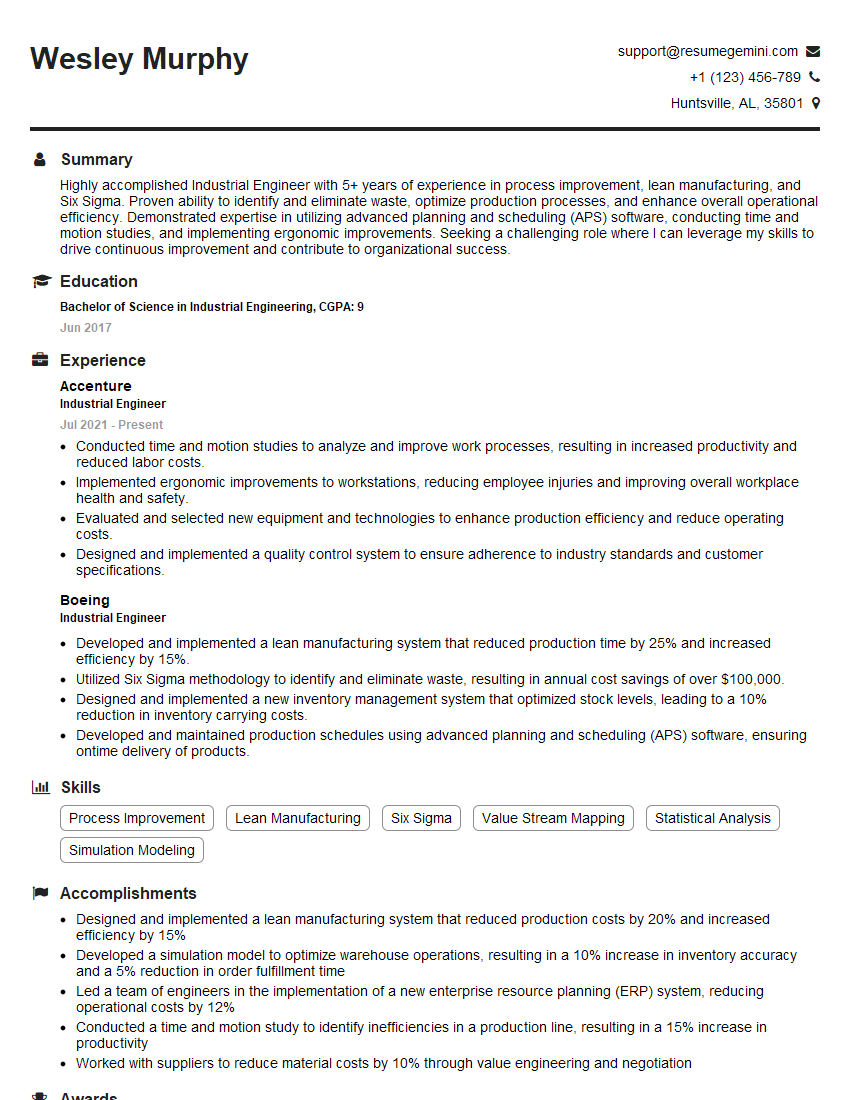
Industrial Engineer Resume Sample

Safety Inspector Resume Sample

Transportation Planner Resume Sample

Crane Operator Resume Sample

Heavy Equipment Operator Resume Sample
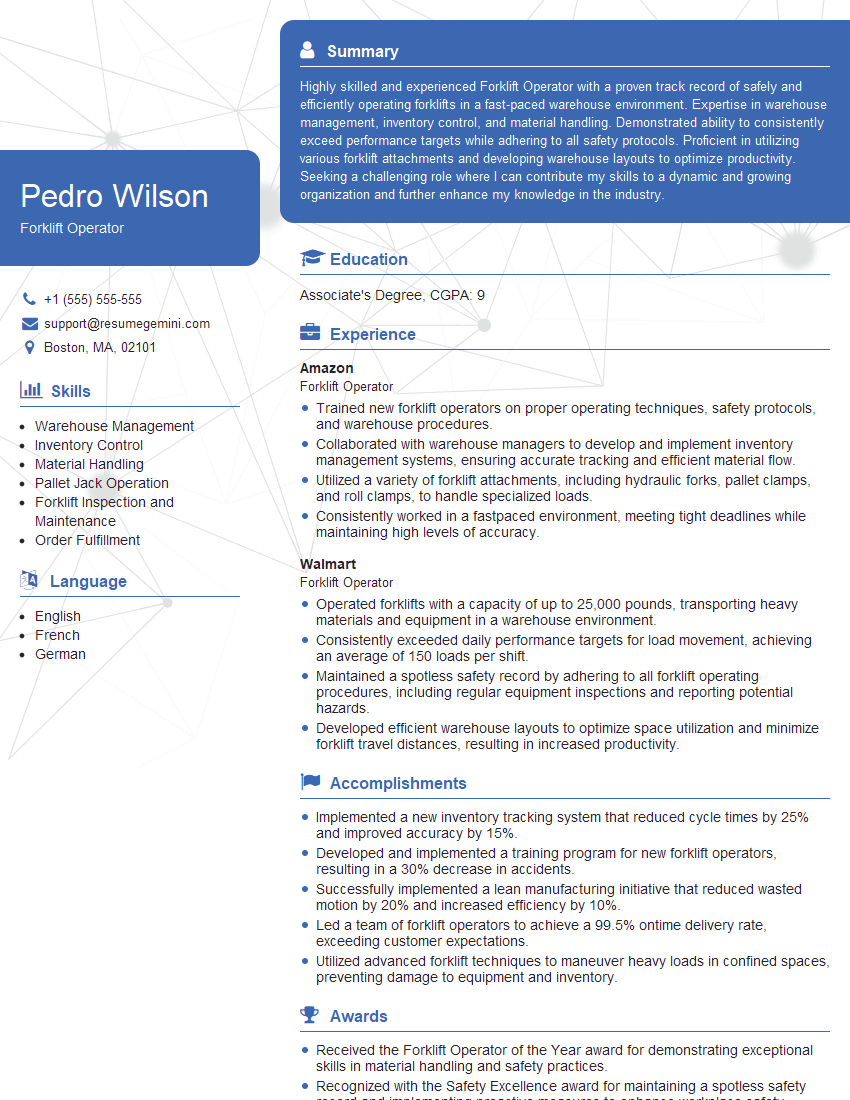
Forklift Operator Resume Sample

Rigger Resume Sample

Quality Control Inspector Resume Sample

Transportation Safety Officer Resume Sample
- Operations Manager
- Maintenance Manager
- Supply Chain Manager
- Warehouse Manager
- Logistics Analyst
- Compliance Auditor
- Risk Management Specialist
- Civil Engineer
- Structural Engineer
- Health and Safety Manager
- Industrial Engineer
- Safety Inspector
- Transportation Planner
- Crane Operator
- Heavy Equipment Operator
- Forklift Operator
- Rigger
- Quality Control Inspector
- Transportation Safety Officer
Explore more articles
Users Rating of Our Blogs
Share Your Experience
We value your feedback! Please rate our content and share your thoughts (optional).
What Readers Say About Our Blog
I Redesigned Spongebob Squarepants and his main characters of my artwork.
https://www.deviantart.com/reimaginesponge/art/Redesigned-Spongebob-characters-1223583608
IT gave me an insight and words to use and be able to think of examples
Hi, I’m Jay, we have a few potential clients that are interested in your services, thought you might be a good fit. I’d love to talk about the details, when do you have time to talk?
Best,
Jay
Founder | CEO