The thought of an interview can be nerve-wracking, but the right preparation can make all the difference. Explore this comprehensive guide to Advanced Firefighting and Damage Control interview questions and gain the confidence you need to showcase your abilities and secure the role.
Questions Asked in Advanced Firefighting and Damage Control Interview
Q 1. Describe your experience with various fire suppression techniques.
My experience encompasses a wide range of fire suppression techniques, from basic water application to advanced tactics involving specialized agents and equipment. I’m proficient in using handlines, master streams, and foam systems, adapting my approach based on the fire’s class, intensity, and location. For example, in a Class A fire (ordinary combustibles like wood and paper), I’d prioritize water application to cool the fuel and extinguish the flames. However, in a Class B fire (flammable liquids), applying water directly could spread the fire, so I’d use foam to create a barrier and suppress the vapor.
Furthermore, I’ve extensive experience with suppression techniques in confined spaces, utilizing positive-pressure ventilation to remove smoke and heat and improve visibility while deploying water mist effectively. I’ve also worked with specialized agents like dry chemical extinguishers for Class C fires (energized electrical equipment) and halon replacements for sensitive electronic equipment, ensuring minimal damage.
Beyond practical application, I understand the crucial role of strategic fire attack – considering factors like wind direction, building construction, and available resources to achieve the most effective and safe fire suppression. This includes using defensive strategies when necessary, prioritizing the protection of life and property, and coordinating efforts with other teams.
Q 2. Explain the different classes of fires and the appropriate extinguishing agents.
Fires are classified into several types, each requiring a different approach to extinguishment. Class A fires involve ordinary combustibles (wood, paper, cloth). Water is the primary extinguishing agent, cooling the fuel below its ignition temperature. Class B fires involve flammable liquids (gasoline, oil). The goal is to interrupt the fuel-air-heat chain reaction. We achieve this using foam to create a barrier, preventing vaporization and combustion. Class C fires involve energized electrical equipment. The key here is to de-energize the equipment first, then use a non-conductive extinguishing agent like a dry chemical extinguisher. Class D fires involve combustible metals (magnesium, titanium). These fires require specialized extinguishing agents like dry powder designed to cool and smother the burning metal. Finally, Class K fires involve cooking oils and fats. Wet chemical agents are used to saponify (form soap) with the cooking oil, disrupting the combustion process.
Choosing the wrong extinguishing agent can be extremely dangerous and ineffective. For instance, using water on a Class B fire can spread the flames. Similarly, using a dry chemical extinguisher on a Class K fire might not suppress the fire effectively.
Q 3. How do you assess the structural integrity of a building during a fire?
Assessing structural integrity during a fire is crucial for firefighter safety and effective operations. This is done through a combination of observation, experience, and sometimes specialized tools. Initial assessment involves looking for signs of weakening: visible cracks, bowing walls, smoke pushing out through cracks, or the sound of structural members failing (popping, cracking). The type of building construction plays a key role; older buildings with lightweight materials may be prone to rapid collapse. The fire’s intensity, duration, and location within the building also greatly influence the level of damage.
I’ve utilized thermal imaging cameras to detect hotspots and assess the extent of heat damage to structural members. This technology allows us to identify hidden structural weaknesses not readily visible. In severe situations where entry is too dangerous, aerial observation (e.g., via drones) can give a broader view of the structure’s condition. My experience also includes collaborating with structural engineers for more detailed assessments following a fire’s stabilization, providing them with vital data on the extent of the damage to help them decide if the building is salvageable.
Q 4. What are the key safety procedures when entering a burning building?
Safety procedures when entering a burning building are paramount and strictly adhered to. They start with a thorough size-up of the situation – considering the fire’s location, intensity, potential hazards (structural collapse, hazardous materials), and available resources. We always work in teams, with a designated team leader and backup. We utilize the buddy system; no firefighter enters a burning structure alone. We always have a clear communication system in place, typically radios, ensuring constant contact with command and other crews.
Before entry, we don our full personal protective equipment (PPE), including self-contained breathing apparatus (SCBA) to ensure a breathable atmosphere. We meticulously check our equipment before every entry to guarantee it’s functional. During the operation, we maintain constant awareness of our surroundings, paying close attention to structural instability, rapidly changing fire behavior, and the potential for backdrafts. We utilize search patterns to effectively and systematically search for victims, prioritizing areas where they are most likely to be found. Regular communication and accountability checks are crucial for tracking the location and status of each team member.
Q 5. Describe your experience with hazardous materials incidents.
I possess considerable experience in handling hazardous materials incidents. This includes responding to spills, leaks, and releases of various substances, ranging from flammable liquids and gases to toxic chemicals and biological agents. My experience covers a spectrum of scenarios, from small-scale incidents requiring simple containment and cleanup to large-scale events demanding extensive resources and coordination with multiple agencies. For example, I’ve responded to incidents involving chemical spills in industrial settings, requiring a thorough understanding of the material’s properties and the proper protective measures to prevent further exposure and contamination.
I’ve also participated in training exercises simulating hazardous materials incidents, enabling me to hone my skills in risk assessment, emergency response procedures, and decontamination techniques. This training regularly incorporates the latest safety guidelines and best practices.
Q 6. How do you identify and mitigate the risks associated with hazardous materials?
Identifying and mitigating risks associated with hazardous materials is a multi-step process. First, identification is key – correctly identifying the substance involved is paramount. This often involves using resources such as the Emergency Response Guidebook (ERG) to determine the material’s properties and associated hazards. Proper identification includes checking labels, placards, and shipping manifests, if available. Once identified, a risk assessment is conducted, considering factors like the quantity spilled or released, the substance’s toxicity, flammability, reactivity, and the potential for exposure to people and the environment.
Mitigation strategies vary depending on the identified hazard. They can range from simple containment and cleanup for minor spills to establishing a perimeter, evacuating surrounding areas, and utilizing specialized equipment and techniques for more serious incidents. Decontamination procedures are crucial to prevent further exposure after the initial containment, often involving washing, rinsing, or other specialized cleaning methods. Throughout the process, strict adherence to safety protocols, including appropriate PPE and monitoring, is critical.
Q 7. Explain your understanding of incident command systems.
Incident Command Systems (ICS) are crucial for effective management of emergency incidents, especially large-scale events. ICS provides a standardized, flexible organizational structure for coordinating resources and personnel. It’s based on a modular design, adaptable to the size and complexity of the incident. The system outlines clear roles and responsibilities, improving communication and decision-making in chaotic situations. Key positions within ICS include the Incident Commander, who has overall responsibility for the incident; the Operations Section Chief, responsible for deploying resources and controlling the tactical operations; the Planning Section Chief, responsible for gathering information and developing plans; the Logistics Section Chief, responsible for providing resources; and the Finance/Administration Section Chief, responsible for managing resources and finances.
My understanding of ICS is comprehensive, encompassing the various functional areas and their interrelationships. I’m experienced in operating within an ICS structure, effectively communicating within the system, and contributing to the overall strategic goals. Understanding ICS allows for seamless integration with other agencies, both public and private, ensuring a coordinated and efficient response to any emergency.
Q 8. Describe your experience with rescue operations, including different types of rescues.
My experience in rescue operations spans a wide range of scenarios, from swift water rescues to confined space extractions and high-angle rope rescues. Each type demands a unique approach and specialized equipment.
- Swift Water Rescues: These involve using specialized swift water rescue suits, throw bags, and rescue boats to extract individuals from rapidly flowing water. I’ve been involved in several operations where we had to navigate treacherous currents and utilize advanced techniques to safely reach and secure victims.
- Confined Space Rescues: These require meticulous planning and the use of breathing apparatus, specialized lighting, and communication systems. I recall a particularly challenging incident involving a worker trapped in a grain silo; we had to carefully assess the risks of engulfment and asphyxiation before initiating the rescue.
- High-Angle Rope Rescues: These rescues demand proficiency in rope techniques, including rappelling, ascending, and hauling systems. I have extensive experience in rescuing climbers and hikers from precarious positions on cliffs and mountains, ensuring their safe retrieval with minimal risk to rescuers.
- Structural Collapse Rescues: These rescues demand a thorough understanding of structural integrity, search and rescue techniques, and the safe use of heavy rescue equipment. I have experience in urban search and rescue following building collapses, where we prioritized locating and extracting survivors amidst unstable debris.
These are just a few examples; my experience encompasses diverse rescue scenarios, all emphasizing safety and the effective application of specialized knowledge and techniques.
Q 9. How do you prioritize tasks during a multi-casualty incident?
Prioritizing tasks during a multi-casualty incident (MCI) is critical. We use a triage system, typically the START (Simple Triage and Rapid Treatment) method, to quickly assess and categorize victims based on their injuries and immediate needs.
The START method prioritizes victims into four categories:
- Immediate (Red): Life-threatening injuries requiring immediate attention (e.g., airway obstruction, severe bleeding).
- Delayed (Yellow): Serious injuries requiring treatment but not immediately life-threatening (e.g., fractures, burns).
- Minor (Green): Walking wounded requiring minimal treatment.
- Dead/Expectant (Black): Injuries are unsurvivable, or resources are unavailable to assist.
After triage, we allocate resources based on the number of victims in each category and the severity of their injuries. This involves coordinating ambulances, assigning personnel to specific tasks (e.g., administering first aid, transporting patients), and establishing a command structure to ensure efficient and effective resource allocation. Communication and teamwork are paramount in managing the chaotic environment of an MCI.
Q 10. Explain your understanding of fire dynamics and behavior.
Fire dynamics is the study of how fires start, grow, spread, and eventually extinguish. Understanding this is crucial for effective firefighting. Key elements include:
- Fire Triangle/Tetrahedron: Understanding the elements needed for fire (fuel, heat, oxygen, and chemical chain reaction) allows us to strategically control or extinguish fires by removing one or more of these elements.
- Heat Transfer: Fires spread through conduction (direct contact), convection (movement of hot gases), and radiation (heat waves). Understanding these modes helps predict fire spread and implement defensive tactics.
- Fire Behavior: Factors like fuel type, ambient temperature, wind speed, and building construction influence fire behavior. Predicting this behavior is vital for strategic deployment of resources and crew safety.
- Flashover and Backdraft: These are critical events in fire development. Flashover is the sudden ignition of all combustible materials in a room, while a backdraft is a sudden, explosive expansion of hot gases when oxygen is introduced to a smoldering fire. Recognizing the precursors and taking appropriate precautions is paramount for crew safety.
For example, understanding how wind can accelerate fire spread allows us to position firefighters strategically and deploy firebreaks to contain the blaze. Knowing the type of fuel will inform our choice of extinguishing agents (e.g., water for wood, foam for flammable liquids).
Q 11. How do you utilize personal protective equipment (PPE) effectively?
Personal Protective Equipment (PPE) is crucial for firefighter safety. Effective utilization involves:
- Proper Donning and Doffing: Knowing how to correctly put on and take off PPE (including structural firefighting gear, SCBA, and gloves) is crucial to minimize risk of injury or contamination.
- Regular Inspection and Maintenance: Regularly inspecting PPE for wear and tear and undergoing necessary maintenance ensures its effectiveness in protecting us from the hazards of fire. Damaged equipment is immediately replaced.
- Awareness of Limitations: We understand that PPE has limitations; it doesn’t provide absolute protection. This includes awareness of potential failures and limitations based on the situation.
- Fit and Comfort: Properly fitting PPE is crucial for both safety and mobility. Ill-fitting gear can hinder performance and increase the risk of injury.
For instance, during a structural fire, I always ensure my SCBA is functioning correctly before entering a burning building. I regularly check the integrity of my turnout gear and replace any damaged components immediately. Understanding the limitations of my PPE, such as its inability to protect from all types of hazards, enables me to work more safely and effectively.
Q 12. Describe your experience with post-fire damage assessment.
Post-fire damage assessment involves a systematic evaluation of the structural integrity, extent of damage, and potential safety hazards of a building after a fire. It is a crucial step in determining whether a building can be repaired or requires demolition.
The process generally includes:
- Initial Site Survey: A visual assessment of the building’s exterior and interior to identify major structural damage and potential hazards (e.g., unstable floors, collapsed walls, hazardous materials).
- Structural Evaluation: A more in-depth assessment by structural engineers to determine the stability of the remaining structure. This often involves non-destructive testing (e.g., ultrasonic testing) and may necessitate shoring or other structural supports.
- Environmental Assessment: Testing for hazardous materials (e.g., asbestos, lead) is crucial to protect cleanup crews and ensure compliance with environmental regulations.
- Documentation and Reporting: Thorough documentation of findings, including photographs, sketches, and written reports, is important for insurance claims, legal proceedings, and future planning.
I’ve conducted numerous post-fire assessments, where I have collaborated with structural engineers and environmental consultants to provide comprehensive reports that inform decisions about repair, demolition, or further investigation.
Q 13. How do you manage a team during a stressful emergency situation?
Managing a team during a stressful emergency is about clear communication, decisive leadership, and fostering trust. It involves:
- Clear and Concise Communication: Using clear, concise language and established communication protocols is essential to ensure that everyone understands their roles and responsibilities.
- Delegation of Tasks: Assigning tasks based on individual skills and experience enhances efficiency and reduces stress.
- Maintaining Situational Awareness: Continuously monitoring the situation and adapting strategies as needed allows for effective responses to changing circumstances.
- Providing Support and Encouragement: In high-stress situations, providing support, encouragement, and a sense of team unity is crucial to maintain morale and performance.
- Post-Incident Debriefing: Conducting a debriefing allows team members to share their experiences, identify areas for improvement, and process the emotional impact of the incident.
During a large warehouse fire, for example, I delegated specific tasks to team members based on their expertise, maintaining open communication channels and ensuring everyone had the necessary information to carry out their roles effectively. After the fire, we held a debriefing to discuss what went well, where improvements could be made, and to support each other in processing the intense experience.
Q 14. Explain the importance of pre-planning and risk assessment.
Pre-planning and risk assessment are fundamental to safe and effective firefighting. They minimize risks, optimize resource allocation, and enhance operational efficiency.
- Pre-planning: Involves studying potential hazards at a site before an emergency. This includes creating detailed maps, identifying access points, understanding building layouts, and familiarizing ourselves with potential hazards specific to each site. Examples include pre-planning for high-rise buildings, industrial facilities, and schools.
- Risk Assessment: A systematic process of identifying, analyzing, and evaluating potential hazards and risks associated with a specific operation. This involves considering factors such as building construction, potential hazards (e.g., hazardous materials, electrical equipment), and environmental conditions (e.g., weather, terrain).
Pre-planning for a high-rise building might involve detailed floor plans, knowledge of stairwell locations, and identification of potential structural weaknesses. A risk assessment for a chemical plant would involve identifying the types of chemicals present, their potential hazards, and the necessary safety precautions. By proactively identifying and mitigating risks through pre-planning and risk assessment, we significantly improve the safety and effectiveness of our operations.
Q 15. Describe your experience with fire investigation techniques.
Fire investigation is a meticulous process aiming to determine the origin, cause, and development of a fire. My experience encompasses a wide range of techniques, from initial scene assessment and evidence collection to advanced analysis of burn patterns and material testing. I’m proficient in using various tools, including infrared cameras to detect hidden heat sources, gas chromatographs to identify accelerants, and 3D modeling software to reconstruct the fire’s progression. For example, in one investigation, I used burn pattern analysis to determine that the fire originated near a faulty electrical outlet, rather than from an initially suspected gas leak. This involved carefully examining charring patterns, depth of burn, and the direction of fire spread to pinpoint the point of origin.
I also have extensive experience interviewing witnesses, reviewing building plans and maintenance records, and coordinating with other investigators to create a comprehensive report. My approach is always systematic, following established protocols and maintaining a rigorous chain of custody for all evidence collected.
Career Expert Tips:
- Ace those interviews! Prepare effectively by reviewing the Top 50 Most Common Interview Questions on ResumeGemini.
- Navigate your job search with confidence! Explore a wide range of Career Tips on ResumeGemini. Learn about common challenges and recommendations to overcome them.
- Craft the perfect resume! Master the Art of Resume Writing with ResumeGemini’s guide. Showcase your unique qualifications and achievements effectively.
- Don’t miss out on holiday savings! Build your dream resume with ResumeGemini’s ATS optimized templates.
Q 16. How do you document and report fire incidents?
Documenting and reporting fire incidents is critical for future prevention and legal purposes. My process begins with detailed photographic and video documentation of the scene before any significant intervention. This includes wide shots to show the overall scene, medium shots to capture specific details, and close-up shots of potential evidence like burn patterns or possible ignition sources. Sketches and diagrams are also crucial for depicting the layout of the scene, the location of fire damage, and the position of key evidence. I meticulously record all collected evidence in a log, noting the time, location, and condition of each item.
The written report follows a standard format, summarizing the investigation’s findings, including the cause of the fire, the origin point, and a description of the fire’s progression. It details all evidence collected, the results of any tests conducted, and any witness statements obtained. I ensure the report is clear, concise, objective, and supported by factual evidence. This detailed documentation protects everyone involved and allows for informed decisions to prevent similar incidents in the future.
Q 17. What are the common causes of structural fires?
Structural fires have a variety of common causes, broadly categorized into accidental, intentional, and undetermined. Accidental causes are the most prevalent and include:
- Heating equipment: Malfunctioning furnaces, space heaters, chimneys, and fireplaces are frequent culprits due to improper installation, maintenance, or usage.
- Cooking equipment: Unattended cooking is a leading cause, often involving grease fires or stovetop incidents.
- Electrical malfunctions: Faulty wiring, overloaded circuits, and damaged appliances can spark fires.
- Smoking materials: Discarded cigarettes are a significant fire hazard, particularly if they land on combustible materials like furniture or bedding.
- Arson: Deliberately set fires fall into this category. Identifying accelerants and burn patterns helps determine if arson was involved.
Understanding these common causes allows for targeted fire prevention strategies, including regular inspections, maintenance of heating and electrical systems, and public awareness campaigns promoting safe cooking and smoking practices. For instance, a simple check of a furnace’s pilot light and venting system can dramatically reduce the risk of a heating-related fire.
Q 18. Explain the different types of fire detection and alarm systems.
Fire detection and alarm systems play a vital role in early warning and evacuation. They can be broadly categorized into:
- Smoke detectors: These are the most common type and detect smoke particles through either photoelectric or ionization technology. Photoelectric detectors respond better to smoldering fires, while ionization detectors are more sensitive to flaming fires.
- Heat detectors: These sensors detect excessive heat and activate the alarm when a certain temperature threshold is exceeded. They come in fixed temperature and rate-of-rise types.
- Flame detectors: These detectors utilize infrared or ultraviolet sensors to detect the presence of flames directly. They are often used in industrial settings or areas with high risk of rapid fire spread.
- Combination detectors: These integrate multiple detection technologies, providing more comprehensive coverage.
Proper placement and maintenance of these systems is critical. Systems should be regularly tested and inspected to ensure they are functioning correctly, and building codes outline specific requirements for placement based on building type and occupancy. A properly functioning system gives occupants crucial time to escape, reducing fatalities and property damage.
Q 19. How do you conduct a building fire safety inspection?
A building fire safety inspection involves a thorough examination of the structure’s fire protection features and practices. My approach is systematic and follows a checklist ensuring all aspects are covered. This includes:
- Exterior inspection: Checking the condition of fire escapes, access roads, hydrants, and landscaping to ensure clear access for firefighting vehicles.
- Interior inspection: Evaluating the building’s layout, fire exits, alarm systems, sprinkler systems, fire extinguishers, and emergency lighting. I meticulously check that exits are clearly marked, unobstructed, and that emergency lighting is functioning correctly.
- System testing: Testing the functionality of fire alarms, sprinkler systems, and fire suppression systems. This ensures they are responsive and ready for emergencies.
- Documentation and reporting: Detailed documentation of findings, including photographic evidence, and a written report recommending any necessary corrective actions.
For instance, during an inspection, I discovered a blocked fire exit in a commercial building, posing a significant safety risk. I immediately highlighted this issue and recommended immediate remediation to the building management to ensure occupant safety.
Q 20. Describe your experience with fire prevention strategies.
Fire prevention is a proactive approach that minimizes the risk of fires. My experience in this area involves designing, implementing, and auditing comprehensive fire prevention strategies. This includes working with building owners and managers to develop and implement fire safety plans, which encompass procedures for evacuation, fire drills, and emergency response. I also conduct risk assessments to identify potential fire hazards, such as evaluating the combustibility of materials, ensuring proper storage of flammable substances, and addressing issues of electrical safety.
A key aspect of my work is educating building occupants about fire safety. This involves conducting training sessions, providing clear signage, and promoting fire safety awareness campaigns. For example, I developed a fire safety training program for a local manufacturing facility which included hands-on training with fire extinguishers and simulated evacuation drills. This significantly improved the employees’ preparedness in case of a fire.
Q 21. How do you educate the public on fire safety?
Educating the public about fire safety is essential for reducing fire incidents and their consequences. My approach involves a multi-faceted strategy using various channels to reach a broad audience. This includes:
- Public presentations and workshops: I conduct presentations for community groups, schools, and organizations on topics such as home fire safety, kitchen fire prevention, and the importance of working smoke detectors.
- Development of educational materials: I create brochures, posters, and online resources that provide practical fire safety tips and information.
- Media outreach: I collaborate with local media outlets to disseminate fire safety messages and highlight fire-related news and events.
- Social media campaigns: Utilizing social media platforms to disseminate fire safety information and engage with the community.
One successful campaign involved partnering with a local radio station to run weekly fire safety tips during their morning show. This broadcasted practical advice to a wide audience, significantly increasing public awareness and engagement.
Q 22. Explain your understanding of building codes and regulations related to fire safety.
Building codes and regulations related to fire safety are crucial for minimizing risks and ensuring life safety. They dictate everything from the materials used in construction (fire-resistant materials are prioritized) to the placement of fire exits, sprinklers, and fire detection systems. These codes are designed to prevent fires, limit their spread, and facilitate safe evacuation. For example, the International Building Code (IBC) is a widely adopted standard that outlines specific requirements for things like fire-resistant walls (rated for a certain number of hours of fire resistance, denoted as e.g., 2-hour rated wall), smoke barriers, and the spacing of fire extinguishers. Understanding these regulations is essential for firefighters as it allows us to anticipate building layouts, identify potential hazards, and develop effective strategies during emergency response. We constantly update our training to stay abreast of any changes or modifications to these regulations.
- Fire Resistance Ratings: Understanding the fire resistance rating of various building components helps determine how long a structure can withstand a fire before structural collapse occurs. This is crucial for tactical decision-making during firefighting operations.
- Means of Egress: Knowing the location and functionality of fire exits, stairs, and alternative escape routes is critical for effective evacuation strategies, both for occupants and firefighters.
- Fire Suppression Systems: Familiarity with different types of fire suppression systems, such as sprinkler systems, standpipes, and fire alarm systems, allows for efficient coordination and utilization during firefighting operations.
Q 23. Describe your experience with using specialized firefighting equipment.
My experience with specialized firefighting equipment is extensive. I’m proficient in operating and maintaining a wide range of tools, including:
- High-pressure hose lines: I’m skilled in deploying and maneuvering large-diameter hose lines to effectively control and extinguish large-scale fires.
- Aerial ladders and platforms: I have experience in operating aerial equipment to access upper floors of buildings and perform rescues in high-rise fires. Safety procedures are paramount here – securing the equipment and ensuring stable positioning before any rescue attempts.
- Thermal imaging cameras: These cameras allow us to ‘see’ through smoke and locate hidden fire sources, trapped victims, or areas of intense heat, significantly improving search and rescue efficiency.
- Positive pressure ventilation fans: These are used to remove smoke and toxic gases from buildings, creating safer conditions for firefighters and occupants.
- Hydraulic rescue tools (the ‘Jaws of Life’): I’ve utilized these tools for extricating victims from vehicle accidents or collapsed structures, requiring precise operation and a clear understanding of safety protocols.
I also have experience with specialized breathing apparatus, including self-contained breathing apparatuses (SCBA) and positive-pressure systems, ensuring my safety in hazardous environments. Each piece of equipment requires regular maintenance and training to use proficiently and safely.
Q 24. How do you maintain and inspect firefighting equipment?
Maintaining and inspecting firefighting equipment is an absolute priority. It’s not just about ensuring functionality; it’s about ensuring firefighter safety and operational effectiveness. Our process involves a multi-step approach:
- Regular Inspections: Daily checks are performed on equipment like SCBAs, hoses, and nozzles to identify any wear and tear or potential malfunctions. We check for leaks, damage to hoses, and proper function of regulators.
- Preventive Maintenance: This includes regular servicing of equipment according to manufacturer’s recommendations. For example, SCBA cylinders need to be hydrostatically tested periodically to ensure their structural integrity. Hoses are checked for kinks, abrasions, and proper connections.
- Testing and Calibration: Equipment like thermal imaging cameras and gas detectors requires regular calibration to guarantee accurate readings. Fire extinguishers undergo pressure testing to confirm their functionality.
- Record Keeping: Detailed records are kept of all inspections, maintenance, and testing activities, ensuring accountability and traceability.
Failure to maintain equipment can lead to malfunctions during critical incidents, resulting in delays, injuries, or even fatalities. Therefore, a rigorous and disciplined approach to maintenance is non-negotiable.
Q 25. Explain your familiarity with emergency communication systems.
Emergency communication systems are the backbone of effective firefighting. My familiarity encompasses various systems, including:
- Two-way radios: These are essential for maintaining communication within the fire crew, with dispatch, and with other emergency services. Clear and concise communication is critical, especially in chaotic environments. We use standardized codes and protocols for efficiency.
- Emergency alert systems: Understanding the local emergency alert systems (e.g., municipal alerting systems) enables efficient coordination of resources and information dissemination.
- Computer-aided dispatch (CAD) systems: Many departments now utilize CAD systems to provide real-time incident information, resource allocation, and tracking capabilities.
- Interoperability: Effective communication relies on interoperability, the ability to communicate seamlessly with other agencies (police, EMS, etc.) during a multi-agency response.
Efficient use of these systems minimizes response times, enhances coordination, and ensures safety for both responders and the public. Regular training and drills help ensure proficiency in using these various communication platforms.
Q 26. Describe a challenging fire incident you responded to and how you handled it.
One particularly challenging incident involved a large-scale fire in a multi-story commercial building. The fire started in the basement, rapidly spreading through the ventilation shafts and engulfing the upper floors. The dense smoke and structural instability posed significant risks. My role involved:
- Rapid Assessment: Upon arrival, I quickly assessed the situation, identifying the fire’s extent, potential hazards (e.g., structural collapse, hazardous materials), and the number of occupants still inside.
- Incident Command System (ICS): We immediately implemented the ICS, establishing clear roles, responsibilities, and communication channels within our team and with other responding agencies.
- Strategic Fire Suppression: We focused on a defensive strategy initially, given the rapid fire spread and structural concerns. We used aerial ladders and platforms to target upper-floor fires while simultaneously working to control the basement fire to prevent further escalation.
- Search and Rescue: Once the fire was somewhat under control, we conducted systematic searches of the building using thermal imaging cameras to locate and rescue any remaining occupants.
The incident required effective teamwork, rapid decision-making under intense pressure, and the coordinated use of specialized equipment. Successful evacuation of all occupants and containment of the fire demonstrated the effectiveness of our training and our team’s ability to work cohesively under extreme pressure.
Q 27. How do you handle stress and pressure during emergency response?
Handling stress and pressure during emergency response is crucial. It’s a skill honed through experience and training. We use several techniques:
- Training and Preparedness: Rigorous training prepares us mentally and physically to handle high-pressure situations. Drills and simulations help us develop effective coping strategies under stress.
- Teamwork and Support: The support of my fellow firefighters and the sense of shared responsibility are critical in managing stress. We rely on each other for support and rely on efficient communication to build trust and confidence.
- Self-Care: Recognizing the importance of self-care, I prioritize physical fitness, healthy eating, and sufficient rest to maintain both physical and mental resilience. We have access to counseling and support programs to assist with stress management.
- Debriefing: Post-incident debriefings are essential for processing emotions, learning from experiences, and identifying areas for improvement. This process allows us to discuss challenges and successes openly to foster psychological recovery.
Maintaining a calm and focused demeanor in crisis situations requires a combination of mental fortitude, physical fitness, and effective teamwork.
Q 28. What are your career goals within the field of Advanced Firefighting and Damage Control?
My career goals center around enhancing my expertise in Advanced Firefighting and Damage Control and contributing to the safety and well-being of my community. I aim to:
- Advance my technical skills: I plan to pursue advanced certifications in areas like hazardous materials response, high-rise firefighting, and trench rescue.
- Leadership development: I aspire to take on leadership roles within the fire department, mentoring younger firefighters and contributing to the development of effective strategies and training programs.
- Community engagement: I’m passionate about educating the public on fire safety and prevention, working to reduce the incidence of fires and enhance community resilience.
- Research and innovation: I’m interested in exploring opportunities to contribute to the advancement of firefighting technologies and techniques, working to make our operations more efficient and safer.
Ultimately, my goal is to make a significant contribution to the field of firefighting, improving both the safety of firefighters and the communities we serve.
Key Topics to Learn for Advanced Firefighting and Damage Control Interview
- Advanced Fire Suppression Techniques: Understanding and applying various suppression methods beyond basic firefighting, including specialized agents and techniques for different fuel types.
- Hazardous Materials Incidents: Identifying, containing, and mitigating hazardous materials incidents, including understanding Material Safety Data Sheets (MSDS) and proper personal protective equipment (PPE) usage.
- Structural Collapse Awareness: Recognizing potential structural weaknesses during fire incidents and implementing safe rescue and evacuation strategies.
- Incident Command System (ICS): Demonstrating familiarity with ICS principles, roles, and responsibilities within a large-scale firefighting operation.
- Fire Investigation and Prevention: Understanding basic fire investigation techniques and applying knowledge of fire prevention strategies to mitigate future risks.
- Emergency Medical Services (EMS) Integration: Understanding the role of EMS in firefighting operations and effective collaboration during rescue and medical response.
- Technical Rescue Techniques: Knowledge of advanced rescue techniques, such as confined space rescue, high-angle rescue, and trench rescue, as they relate to firefighting operations.
- Damage Control Strategies: Implementing effective strategies to minimize property damage and environmental impact following a fire incident, including salvage and overhaul procedures.
- Risk Assessment and Mitigation: Conducting thorough risk assessments to identify potential hazards and developing strategies to mitigate those risks before, during, and after a fire incident.
- Teamwork and Communication: Highlighting the importance of effective communication and teamwork within a firefighting team, including clear and concise reporting procedures.
Next Steps
Mastering Advanced Firefighting and Damage Control significantly enhances your career prospects, opening doors to leadership roles and specialized units. A strong resume is crucial for showcasing your skills and experience to potential employers. To maximize your chances, create an ATS-friendly resume that highlights your qualifications effectively. ResumeGemini is a trusted resource that can help you build a professional and impactful resume. Examples of resumes tailored to Advanced Firefighting and Damage Control are available to guide you through this process. Invest time in crafting a compelling resume – it’s your first impression on a potential employer.
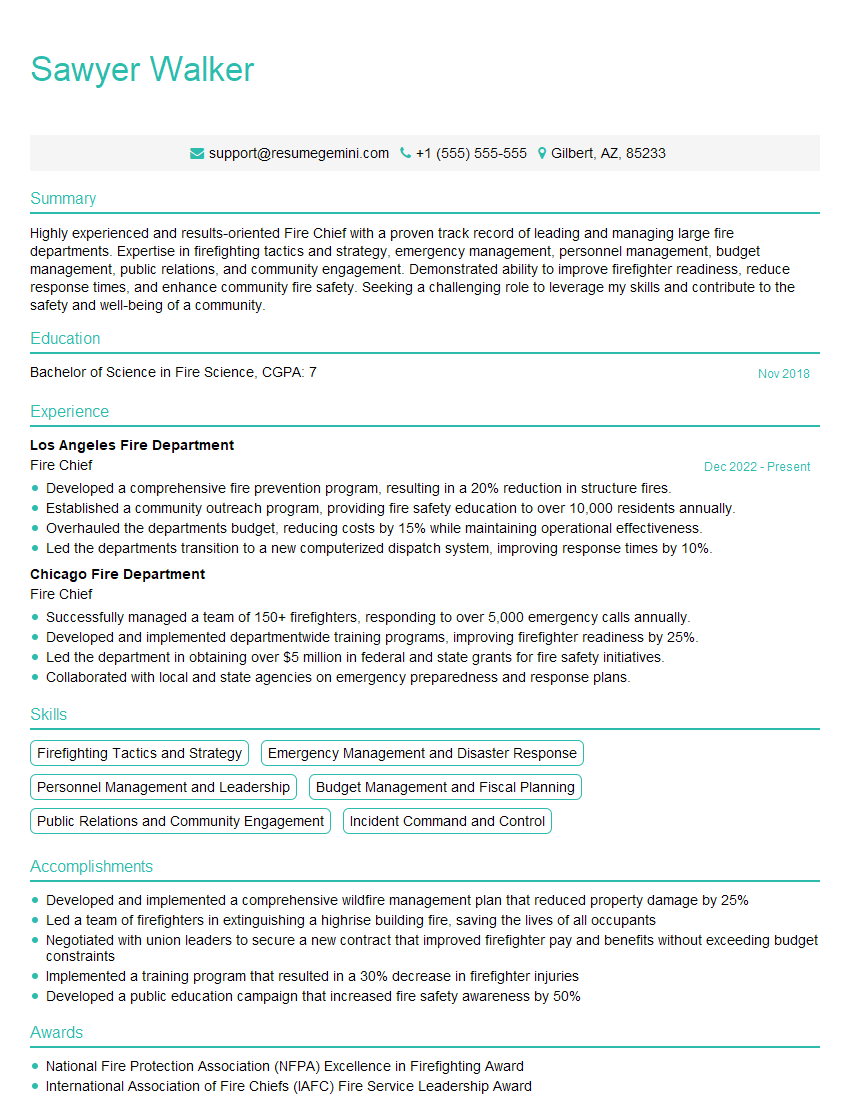
Fire Chief Resume Sample
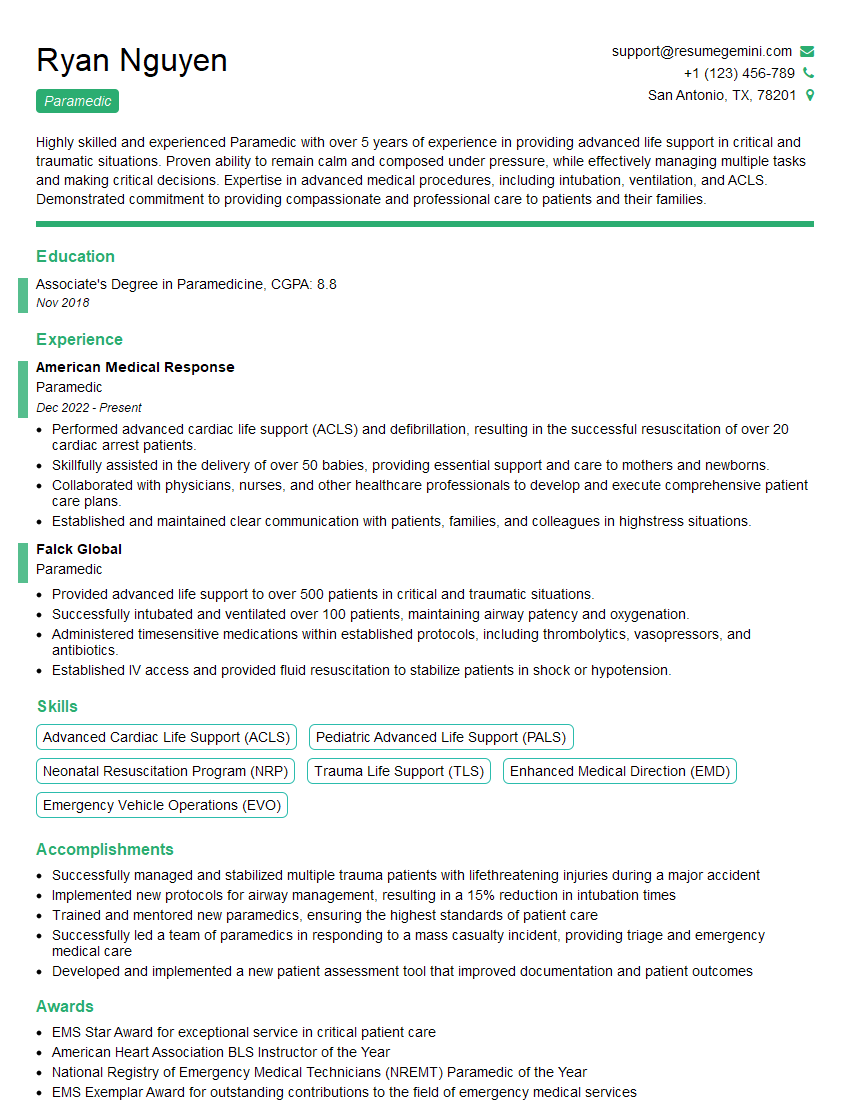
Paramedic Resume Sample
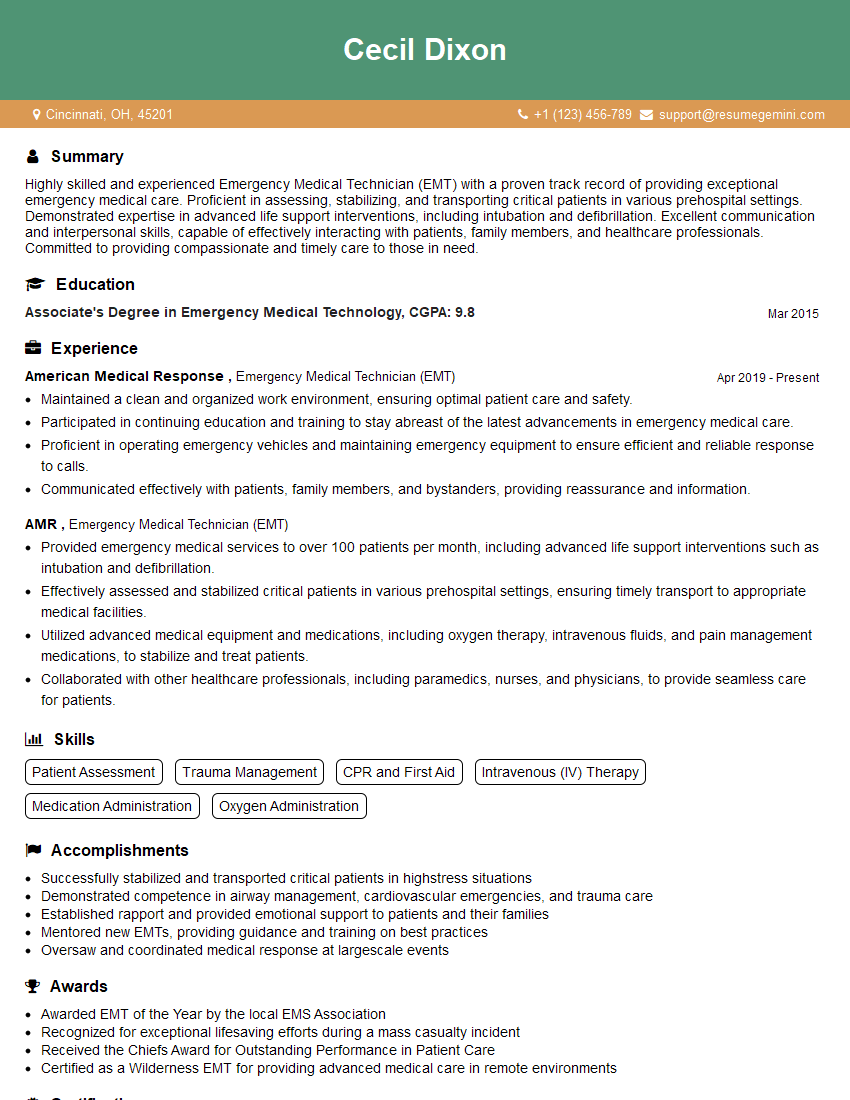
Emergency Medical Technician (EMT) Resume Sample
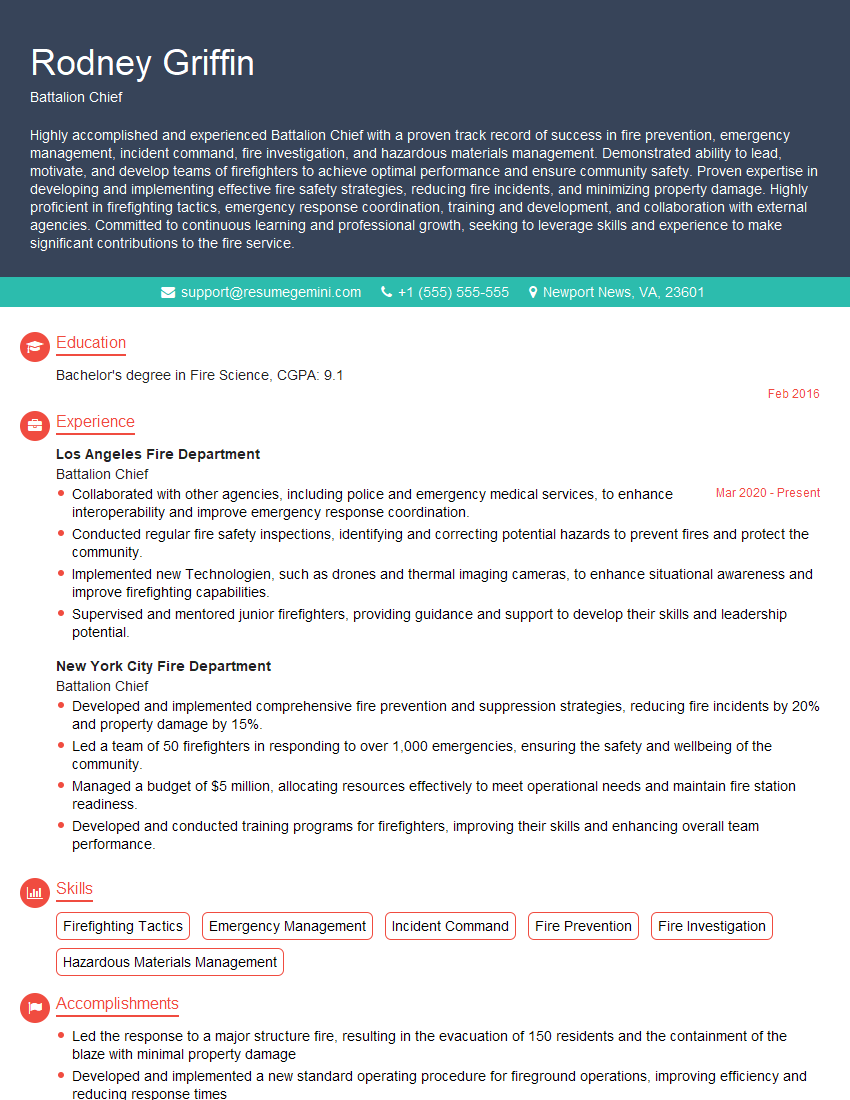
Battalion Chief Resume Sample
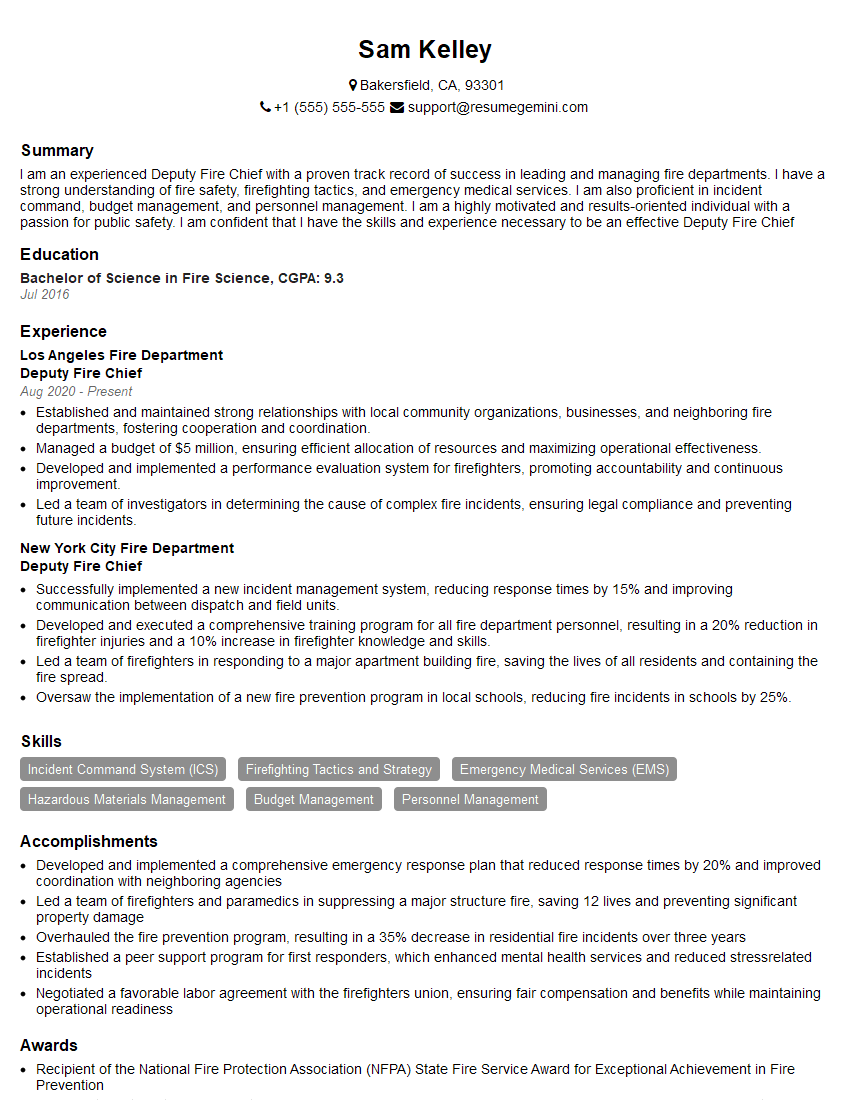
Deputy Fire Chief Resume Sample
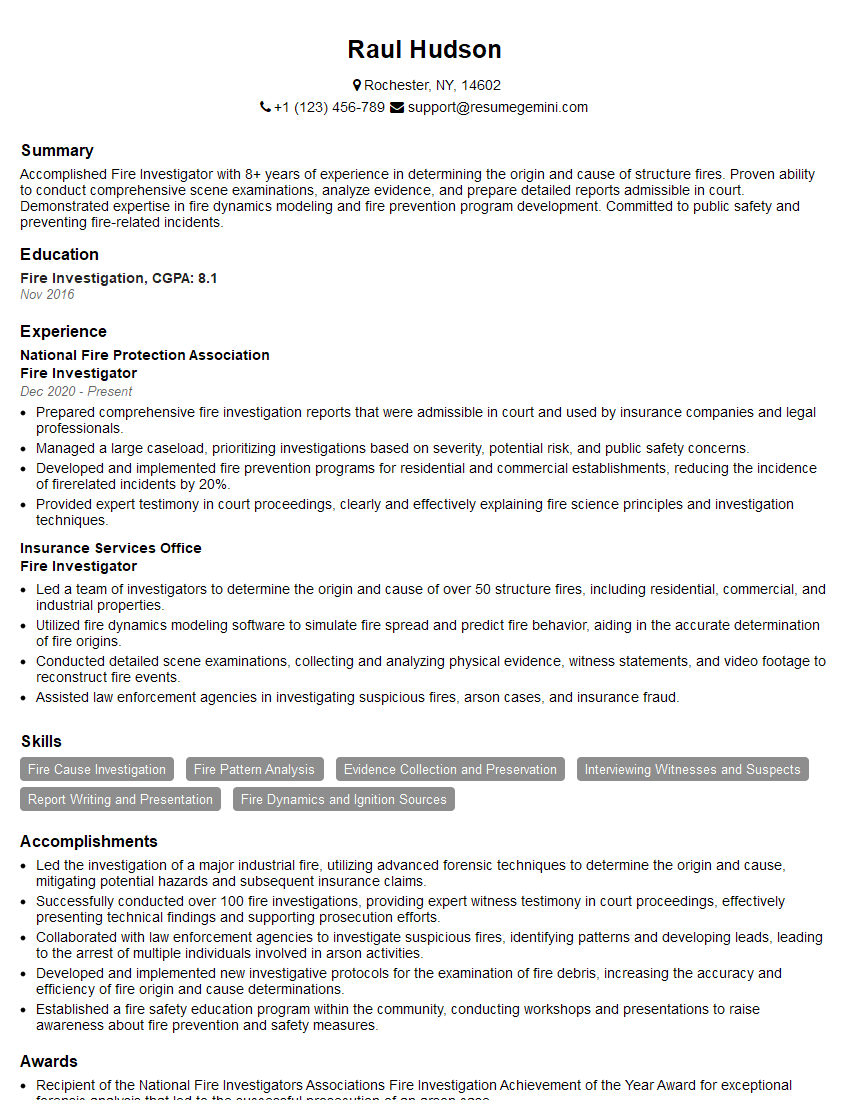
Fire Investigator Resume Sample
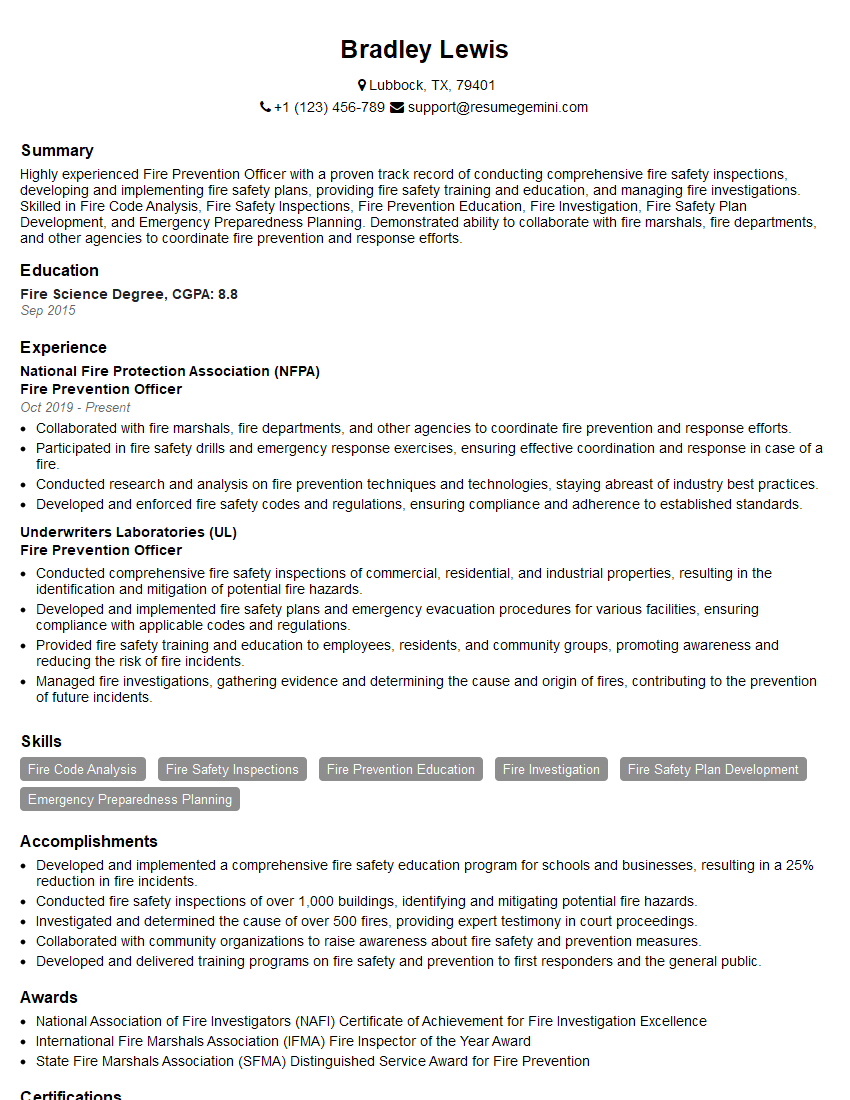
Fire Prevention Officer Resume Sample
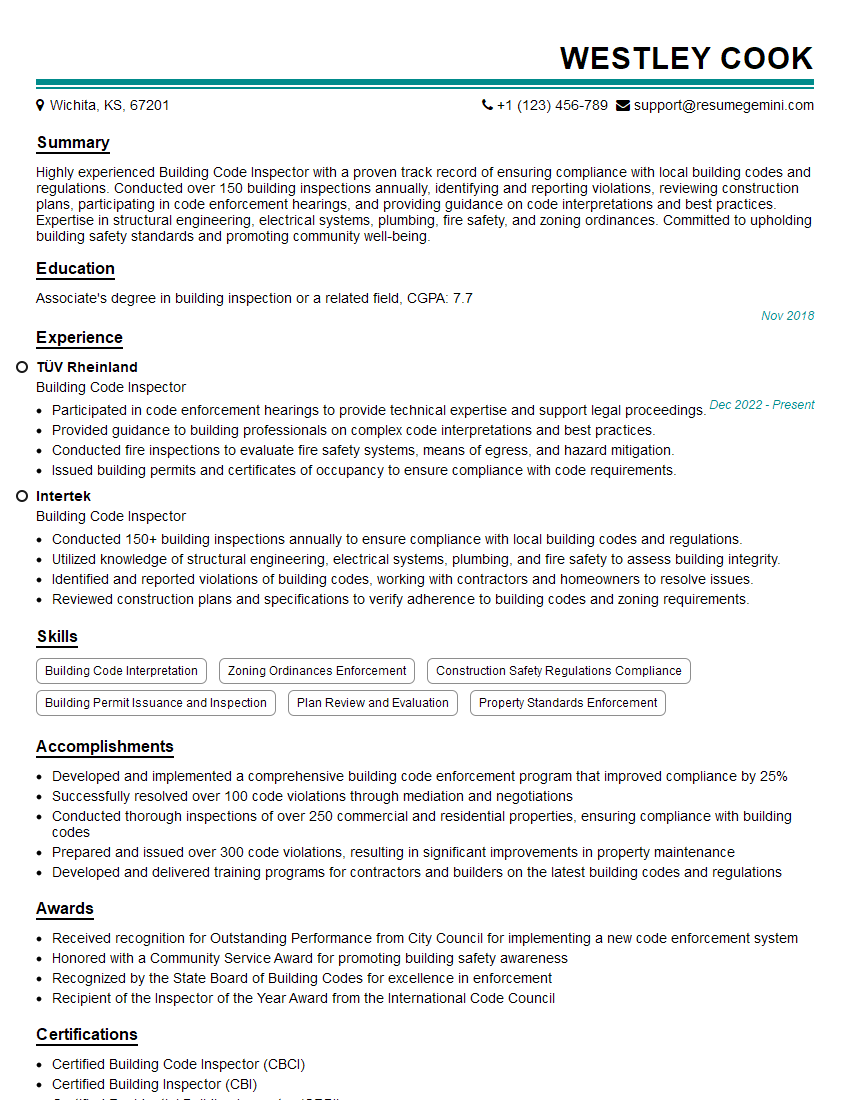
Building Code Inspector Resume Sample
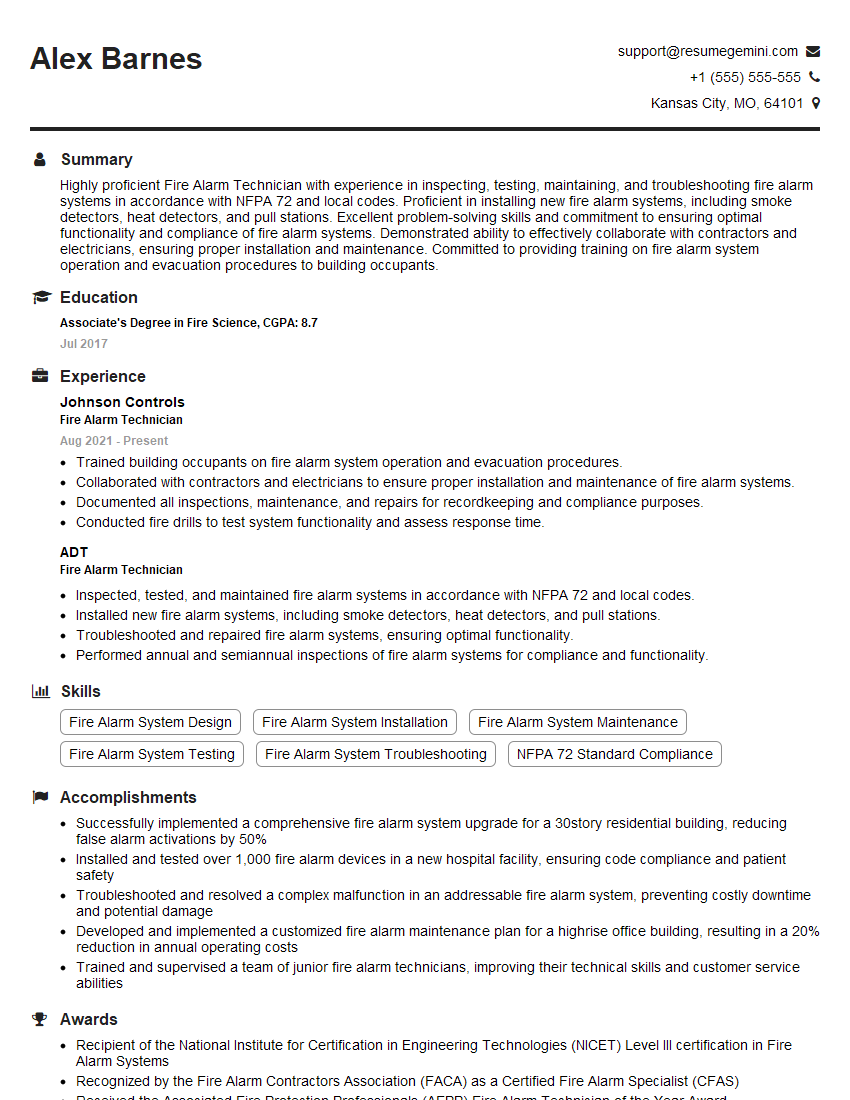
Fire Alarm Technician Resume Sample
Explore more articles
Users Rating of Our Blogs
Share Your Experience
We value your feedback! Please rate our content and share your thoughts (optional).
What Readers Say About Our Blog
I Redesigned Spongebob Squarepants and his main characters of my artwork.
https://www.deviantart.com/reimaginesponge/art/Redesigned-Spongebob-characters-1223583608
IT gave me an insight and words to use and be able to think of examples
Hi, I’m Jay, we have a few potential clients that are interested in your services, thought you might be a good fit. I’d love to talk about the details, when do you have time to talk?
Best,
Jay
Founder | CEO