Preparation is the key to success in any interview. In this post, we’ll explore crucial Advanced Statistical Process Control (SPC) Techniques interview questions and equip you with strategies to craft impactful answers. Whether you’re a beginner or a pro, these tips will elevate your preparation.
Questions Asked in Advanced Statistical Process Control (SPC) Techniques Interview
Q 1. Explain the difference between common cause and special cause variation.
In Statistical Process Control (SPC), understanding the sources of variation is crucial. Common cause variation is the inherent, ever-present variability within a process. Think of it as the background noise—small, random fluctuations that are expected and inherent to the system. These variations are typically due to many small, unpredictable factors that are difficult or uneconomical to identify and eliminate individually. For instance, slight variations in raw material properties, minor differences in operator technique, or even temperature fluctuations in the environment can contribute to common cause variation. These variations are generally stable and predictable over time, following a known distribution (e.g., normal distribution). In contrast, special cause variation represents unusual, non-random events that significantly impact the process. These are typically outliers, sudden shifts, or trends that indicate something unusual has happened within the process, disrupting its normal behaviour. Examples include a machine malfunction, a change in raw material supplier, or a poorly trained operator introducing an error. Identifying special cause variation is key because it signals a need for investigation and corrective action.
Analogy: Imagine a bakery producing loaves of bread. Common cause variation might be slight differences in the size of loaves due to variations in flour consistency or oven temperature. Special cause variation would be a significant change in loaf size resulting from the oven malfunctioning or a change in the bread recipe.
Q 2. Describe the different types of control charts and when to use each.
Several types of control charts exist, each designed for different data types and purposes. The choice depends on the nature of the data being monitored (variables or attributes) and the specific aspects of the process under investigation.
- X-bar and R charts: Used for continuous data (variables) to monitor the average (X-bar) and range (R) of subgroups of samples. These are ideal for monitoring processes where the average and variation are important aspects.
- X-bar and s charts: Similar to X-bar and R charts, but use the standard deviation (s) instead of the range. These are preferred when subgroup sizes are larger (n>10).
- Individuals and moving range charts (I-MR): Used when individual measurements are taken instead of subgroups. This is useful when sampling is costly or time-consuming.
- p-charts: Used for attribute data (proportion nonconforming). They monitor the proportion of defective units in a sample.
- np-charts: Also for attribute data, but focus on the number of nonconforming units in a sample of constant size. They’re useful when the sample size is constant.
- c-charts: Monitor the number of defects per unit (or sample). They’re useful when the number of defects is important and the sample size can vary.
- u-charts: Monitor the average number of defects per unit. Similar to c-charts but allows for varying sample size.
Example: A manufacturing process producing ball bearings might use X-bar and R charts to monitor the average diameter and variation in diameter of subgroups of bearings. A textile company might use p-charts to monitor the proportion of defective fabric rolls produced in each batch.
Q 3. How do you interpret control chart patterns?
Interpreting control chart patterns requires a keen eye for detail and a solid understanding of statistical principles. Points outside the control limits (usually 3 standard deviations from the central line) strongly suggest special cause variation and necessitate investigation. However, patterns within the control limits can also be indicative of problems. Some common patterns to watch for include:
- Points outside the control limits: Clear indication of special cause variation.
- Trends: A series of consecutive points increasing or decreasing. This suggests a gradual shift in the process.
- Cycles or patterns: Recurring patterns in the data which are not random.
- Stratification: Data clustering above or below the central line. This can signify underlying subgroups.
- Too many points near the control limits: Even if within limits, this warrants attention as the process might be approaching instability.
Example: A consistently upward trend in an X-bar chart might indicate a gradual wear of a machine part, while a sudden jump above the upper control limit might point to a sudden machine malfunction.
Q 4. What are the limitations of control charts?
While control charts are powerful tools, they have limitations:
- Assumption of normality: Many control charts assume the process data follows a normal distribution. If this assumption is violated, the chart’s effectiveness is compromised.
- Sensitivity to sample size: Small sample sizes can lead to less sensitive charts, potentially masking real problems.
- Ignoring correlations: Traditional control charts often assume independence between data points. If data points are correlated (e.g., due to autocorrelation), the chart’s performance may be affected.
- Delayed detection: Control charts may not detect subtle shifts in the process until several data points are collected.
- False alarms: There’s a chance of false alarms, where points fall outside the control limits due to random variation. This is especially true with smaller sample sizes.
It’s important to be aware of these limitations and use control charts judiciously in conjunction with other process improvement tools.
Q 5. Explain the concept of process capability and how it’s measured (Cp, Cpk).
Process capability refers to the inherent ability of a process to produce output that meets specifications. It assesses whether a process is capable of consistently producing products or services within predefined customer requirements. Process capability is typically measured using Cp and Cpk indices.
- Cp (Process Capability Index): Measures the inherent variability of a process relative to the tolerance width. It tells us how much variation is present regardless of process centering. A higher Cp indicates a more capable process.
- Cpk (Process Capability Index): Similar to Cp, but takes into account the process mean’s position relative to the specification limits. It indicates whether the process is both capable and centered within the specifications. A higher Cpk indicates a more capable and centered process.
These indices provide a quantitative measure of how well a process meets customer specifications. A typical benchmark is often Cp and Cpk values of at least 1.33 or higher. But these values should always be set based on industry standards, customer needs and cost constraints
Q 6. How do you calculate Cp and Cpk?
The formulas for Cp and Cpk are:
Cp = (USL - LSL) / (6σ)
Cpk = min[(USL - μ) / (3σ), (μ - LSL) / (3σ)]
Where:
- USL = Upper Specification Limit
- LSL = Lower Specification Limit
- μ = Process Mean
- σ = Process Standard Deviation
Example: Let’s say a process has USL = 10, LSL = 0, μ = 5, and σ = 1. Then:
Cp = (10 - 0) / (6 * 1) = 1.67
Cpk = min[(10 - 5) / (3 * 1), (5 - 0) / (3 * 1)] = min(1.67, 1.67) = 1.67
In this example, the process is capable and centered.
Q 7. What is a process capability study, and how do you conduct one?
A process capability study aims to determine the capability of a process to meet specified requirements under stable operating conditions. It involves:
- Process characterization: Defining the process, including input variables, output characteristics, and specifications.
- Process stability assessment: Using control charts to determine whether the process is statistically stable (in control) before assessing capability. Special cause variation needs to be eliminated before assessing capability.
- Data collection: Gathering a sufficient amount of data to ensure accurate estimates of process parameters (mean and standard deviation).
- Capability analysis: Calculating Cp and Cpk indices using the collected data to determine the process capability.
- Report generation: Documenting the study findings, including the capability indices, process mean and standard deviation, and any recommendations for process improvement.
A successful process capability study provides objective evidence regarding a process’s ability to meet customer requirements and guide any necessary improvement efforts. A crucial aspect is to ensure the process is stable and that data collected represents the process under typical operating conditions. For example, it’s essential to account for any planned downtime during the data collection period.
Q 8. Explain the relationship between process capability and specifications.
Process capability and specifications are intrinsically linked in determining how well a process meets the predefined requirements. Specifications define the acceptable range of variation for a product or process characteristic (e.g., the diameter of a bolt must be between 10.0mm and 10.2mm). Process capability, on the other hand, describes the inherent variability of the process itself. It’s a measure of how consistently the process produces outputs within these specifications. A process is considered capable if the natural variation of the process falls entirely within the defined specification limits. If the process variation extends beyond the specifications, the process is deemed incapable, leading to a high rate of defective products.
Imagine a coffee shop aiming for a consistent cup size (specification). Their process (capability) might have some natural variation in cup fill volume. If the variation is small, all cups are within the acceptable range, and the process is capable. But if the variation is large, some cups will be overfilled, others underfilled, resulting in an incapable process.
Q 9. How do you interpret a process capability index?
Process capability indices (CPIs) quantify the relationship between process variation and specification limits. The most common are Cp, Cpk, and Pp, Ppk. Cp and Cpk measure the capability of a process that is *in statistical control*, while Pp and Ppk assess capability regardless of control status. Cp simply looks at the ratio of the specification width to the process spread (6σ). A Cp of 1 indicates that the process spread is equal to the specification tolerance. Cpk, however, also considers the process centering. A Cpk of 1 indicates that the process is centered and capable. Values greater than 1 indicate increasing capability; values less than 1 signal an incapable process. Pp and Ppk are calculated similarly but using the overall process variation observed from a larger sample, not just the variation within subgroups.
For example, a Cpk of 1.33 implies that the process is capable and has sufficient margin to accommodate variability. Conversely, a Cpk of 0.7 indicates the process is incapable and produces a significant number of defects.
Q 10. What are some common sources of variation in a manufacturing process?
Sources of variation in a manufacturing process can be broadly categorized into common causes and special causes. Common causes are inherent in the process itself and are considered random, predictable variations that are always present. Special causes, also known as assignable causes, are unusual events that are not inherent to the process and lead to unpredictable, significant deviations from the norm. These can be traced back to a specific source.
- Common Causes: Machine wear, normal fluctuations in raw materials, minor environmental changes, slight variations in operator technique.
- Special Causes: Machine malfunction, operator error, incorrect setup, change in raw material supplier, sudden power surge.
Identifying and eliminating special causes is critical for improving process capability. Analyzing common causes helps determine the inherent variation and potential for improvement through process redesign or better equipment.
Q 11. Describe the steps involved in implementing a statistical process control system.
Implementing a Statistical Process Control (SPC) system involves several key steps:
- Define the process: Clearly identify the process to be controlled, its outputs, and the key characteristics to monitor.
- Collect data: Gather data on the key characteristics using appropriate sampling methods. Ensure data is accurately recorded and traceable.
- Develop control charts: Select the appropriate control chart (e.g., X-bar and R chart, X-bar and s chart, p-chart, c-chart) based on the type of data and process characteristics.
- Establish control limits: Calculate the control limits based on the collected data. These limits define the boundaries of acceptable process variation.
- Monitor the process: Continuously monitor the process by plotting data points on the control charts. Identify and investigate any points outside the control limits (out-of-control points).
- Analyze out-of-control points: Determine the root cause(s) of any out-of-control points and take corrective actions.
- Improve the process: Based on the analysis, implement changes to reduce process variation and improve capability. Monitor the effectiveness of improvements.
- Document procedures: Establish clear documentation for the entire SPC system, including data collection, analysis, and corrective actions.
Q 12. How do you identify and investigate out-of-control points on a control chart?
Out-of-control points on a control chart signify potential problems in the process. Identifying and investigating these points is crucial for maintaining quality. Several rules are used to detect out-of-control points, the most common being:
- One point beyond the control limits: This clearly indicates a significant deviation from the expected process behavior.
- Nine consecutive points on one side of the central line: Suggests a shift in the process mean.
- Six consecutive points steadily increasing or decreasing: Indicates a trend in the process.
- Four out of five consecutive points in Zone A or beyond: Suggests increased process variation or a shift.
Once an out-of-control point is identified, a thorough investigation is required. This involves examining process parameters, checking for equipment malfunctions, reviewing operator logs, and evaluating raw materials. The goal is to pinpoint the root cause of the deviation and implement corrective actions to prevent future occurrences.
Q 13. What is the difference between X-bar and R charts and X-bar and s charts?
Both X-bar and R charts and X-bar and s charts are used to monitor the central tendency and dispersion of a continuous variable. They differ primarily in how they measure dispersion:
- X-bar and R charts: Use the range (R) of the data within each subgroup to measure dispersion. The range is the difference between the largest and smallest value in the subgroup. R charts are easier to calculate but less efficient in terms of statistical power.
- X-bar and s charts: Use the standard deviation (s) of each subgroup to measure dispersion. Standard deviation is a more sensitive measure of dispersion than the range, providing more information about the process variability. However, s charts are slightly more complicated to calculate.
In practice, X-bar and s charts are preferred when the subgroup size is larger (n ≥ 10) because the standard deviation is a more precise estimator of variation with larger samples. For smaller subgroups (n < 10), X-bar and R charts are often more suitable.
Q 14. What is a Pareto chart and how is it used in SPC?
A Pareto chart is a bar graph that ranks causes of defects or problems in descending order of frequency. It’s a valuable tool in SPC for identifying the ‘vital few’ causes that contribute to the majority of problems. The Pareto principle (also known as the 80/20 rule) suggests that 80% of effects come from 20% of causes. This chart helps prioritize improvement efforts by focusing on the most significant contributors.
In an SPC context, a Pareto chart might be used to analyze defect types in a manufacturing process. By plotting the frequency of each defect type, the chart highlights the most common defects, allowing for targeted corrective actions. For instance, a Pareto chart might reveal that 70% of defects are caused by a specific machine malfunction, guiding maintenance efforts toward that specific machine.
Q 15. Explain the concept of statistical significance in SPC.
Statistical significance in Statistical Process Control (SPC) refers to the probability that an observed difference or pattern in your process data is not due to random chance but rather reflects a real change in the process itself. It’s essentially asking: “Is this variation I’m seeing a fluke, or is something actually different?”
We use statistical tests, like those embedded in control charts, to determine significance. For example, a point plotting outside the control limits on a control chart is generally considered statistically significant, suggesting a potential problem. However, the significance level (alpha) is crucial; a common alpha of 0.05 means there’s a 5% chance of falsely concluding a significant change when there isn’t one (Type I error). In SPC, we carefully examine these signals beyond just the significance testing, using our understanding of the process to verify our conclusions.
Imagine a bottling plant. One day, the average fill volume is slightly lower than usual. Is this significant? A control chart showing this point outside the control limits suggests a statistically significant deviation. This prompts an investigation into potential causes, like a malfunctioning filling machine. However, a single point slightly outside the limits might not immediately trigger alarm, especially if other process indicators remain stable. Continuous monitoring using SPC helps to differentiate between random fluctuations and genuine process shifts.
Career Expert Tips:
- Ace those interviews! Prepare effectively by reviewing the Top 50 Most Common Interview Questions on ResumeGemini.
- Navigate your job search with confidence! Explore a wide range of Career Tips on ResumeGemini. Learn about common challenges and recommendations to overcome them.
- Craft the perfect resume! Master the Art of Resume Writing with ResumeGemini’s guide. Showcase your unique qualifications and achievements effectively.
- Don’t miss out on holiday savings! Build your dream resume with ResumeGemini’s ATS optimized templates.
Q 16. What are the benefits of using SPC in a manufacturing environment?
SPC offers numerous benefits in manufacturing:
- Early Problem Detection: SPC allows for the prompt identification of process shifts before they lead to significant defects or waste, saving time and resources.
- Process Improvement: By visually tracking process variation over time, SPC reveals areas for improvement and allows for data-driven decision-making. Instead of reacting to problems, you can proactively refine the process for greater efficiency.
- Reduced Waste and Rework: Early detection means fewer defective products, leading to lower scrap rates and reduced rework costs.
- Improved Quality: Consistent monitoring and timely interventions help maintain stable and predictable product quality, leading to higher customer satisfaction.
- Increased Efficiency: By optimizing processes and reducing waste, SPC contributes to increased efficiency and higher productivity.
- Data-Driven Decision Making: Decisions are based on factual data rather than assumptions or gut feelings, promoting more effective and informed improvements.
For instance, a car manufacturer uses SPC to monitor the dimensions of car parts. If the control chart shows that a certain dimension is consistently outside the control limits, it alerts the production team to adjust the machinery or investigate other contributing factors, preventing the production of defective parts that might later necessitate costly repairs or recalls.
Q 17. How do you handle non-normal data in SPC?
Many SPC techniques assume normally distributed data. However, real-world data often deviates from normality. Here’s how to handle non-normal data in SPC:
- Transformations: Apply mathematical transformations (e.g., logarithmic, square root) to the data to make it more closely resemble a normal distribution. This often works well.
- Non-parametric Methods: Use control charts designed for non-normal data. These methods don’t assume normality and can still effectively monitor process stability. Examples include the runs chart, which is extremely useful even if data is not normal. These charts focus on patterns in the data rather than specific distributional assumptions.
- Robust Control Charts: Employ control charts that are less sensitive to departures from normality. These charts often use median or other robust measures of central tendency and dispersion.
- Data Sub-Grouping: Divide your data into more smaller subgroups that are more likely to be normally distributed. Increasing the subgroup size does not guarantee normality.
- Assess the impact: Understand the impact of deviation from normality. In many cases, a slight deviation from normality might not drastically affect the use of traditional control charts.
For example, if your data is skewed, a logarithmic transformation might help to normalize it before applying standard control charts. If transformations are not effective, a non-parametric control chart, such as a run chart that focuses on patterns rather than the underlying distribution might be a better option.
Q 18. Explain the concept of a run chart and its use in process improvement.
A run chart is a simple line graph that plots data points over time, showing the process behavior. It’s a fundamental tool for monitoring process trends and identifying potential problems.
Use in Process Improvement:
- Trend Detection: Run charts readily reveal trends (upward or downward shifts), indicating process instability.
- Variation Analysis: They illustrate the amount of variation within the process over time.
- Before and After Comparisons: They can easily demonstrate the effectiveness of process improvements by comparing before-and-after data.
- Simple Implementation: Run charts are very easy to understand and construct, making them accessible to everyone involved in a process.
Example: A bakery tracks the weight of its loaves of bread daily using a run chart. A downward trend in weight might signal a problem with the dough mixing process or the oven temperature.
Q 19. What is the difference between attribute and variable data in SPC?
In SPC, data is categorized into attribute and variable data based on how the characteristic is measured.
- Variable Data: This data is continuous and measured on a numerical scale (e.g., weight, length, temperature, time). It provides detailed information about the magnitude of the characteristic. We use charts like X-bar and R charts or individuals and moving range charts for variable data.
- Attribute Data: This data is discrete and represents the presence or absence of a characteristic (e.g., defective/non-defective, conforming/non-conforming). Attribute data only focuses on the quality outcome, not the magnitude. For attribute data, we use charts such as p-charts (proportion of defects), c-charts (number of defects), and u-charts (defects per unit).
Example: A manufacturing plant produces light bulbs. The bulb’s lifespan (measured in hours) is variable data. Whether a bulb is defective (yes/no) is attribute data.
Q 20. Describe some common methods for reducing process variation.
Reducing process variation is crucial for improving quality and efficiency. Common methods include:
- Standardization: Develop clear, consistent procedures to minimize variations caused by different operators or methods. Standard operating procedures (SOPs) are highly effective here.
- Automation: Replace manual processes with automated ones to reduce human error and inconsistency. This helps to improve precision.
- Preventive Maintenance: Regularly maintain equipment to prevent unexpected breakdowns and ensure consistent performance. A well-maintained machine will perform with less variation.
- Operator Training: Train operators thoroughly to ensure consistent performance and reduce errors.
- Improved Materials and Supplies: Utilize higher-quality materials and supplies to decrease variability caused by material defects or inconsistencies.
- Process Capability Analysis: Use statistical tools to assess process capability and identify areas needing improvement. This quantitative analysis helps identify which aspects of a process are most critical to address.
- Design of Experiments (DOE): DOE uses a structured approach to identify and quantify factors that influence process variation.
Example: A factory producing screws might improve consistency by standardizing the tightening torque, automating the screw-feeding mechanism, and implementing preventive maintenance on the machinery. This reduces variations caused by human error or machine wear, resulting in screws with more consistent dimensions.
Q 21. How do you determine the appropriate sample size for a control chart?
Determining the appropriate sample size for a control chart depends on several factors:
- Process Variation: Higher process variation requires larger sample sizes to accurately estimate the process parameters. High variation masks signals.
- Desired Sensitivity: Greater sensitivity in detecting small shifts in the process requires larger sample sizes.
- Cost and Time Constraints: The cost and time required for sampling should be considered. Larger samples are more costly and time-consuming.
- Number of Subgroups: The number of subgroups you plan to collect data on over time also influences your sample size choice. More subgroups typically result in a better process understanding.
- Statistical Power: Ensure sufficient statistical power to detect meaningful shifts. Larger sample sizes generally increase power.
There isn’t a single formula for sample size. Often, it’s determined through a combination of experience, pilot studies (small preliminary studies), and consideration of the factors listed above. Smaller sample sizes, especially when sampling is expensive and/or time-consuming, are often acceptable in stable processes to detect larger process shifts. Larger sample sizes, on the other hand, are more appropriate in less-stable processes when small process shifts are critical to detect.
Q 22. Explain the concept of control limits and their significance.
Control limits in Statistical Process Control (SPC) are the boundaries on a control chart that distinguish between common cause variation and special cause variation within a process. They’re not arbitrary limits, but are statistically calculated based on the data collected.
Common cause variation represents the inherent variability in a process due to random, predictable fluctuations. Think of it as the ‘noise’ in the system – small variations that are always present. Special cause variation, on the other hand, indicates the presence of an assignable cause, something unusual affecting the process, such as a machine malfunction or a change in raw materials. These causes need to be identified and addressed.
Control limits are typically set at three standard deviations (3σ) from the central line (mean) of the data. Points falling outside these limits signal a potential problem and prompt investigation. The significance of control limits lies in their ability to help us distinguish between normal process behavior and abnormal behavior, allowing for proactive problem-solving rather than reactive firefighting.
For instance, imagine a manufacturing process producing bolts. If the bolt diameter consistently falls within the control limits, the process is considered stable and predictable. However, if several data points fall outside the limits, it suggests the process is unstable and the source of the variation (e.g., worn-out equipment, inconsistent raw material) needs to be investigated and corrected.
Q 23. What is a Gage R&R study and what does it measure?
A Gage Repeatability and Reproducibility (Gage R&R) study is a statistical method used to assess the variability in measurement systems. It measures the amount of variation introduced by the measurement device (repeatability) and the variation introduced by different operators using the same device (reproducibility). Essentially, it determines how much of the total observed variation is due to the measurement system itself, versus the actual variation in the characteristic being measured.
The study quantifies the precision of the measurement system. A precise measurement system consistently produces similar measurements when repeatedly measuring the same item (high repeatability) and provides similar results when different operators perform the measurements (high reproducibility). A poor Gage R&R study indicates unreliable measurements, making process improvements difficult or impossible to validate.
Q 24. How do you interpret the results of a Gage R&R study?
Interpreting Gage R&R study results involves examining several key metrics, typically presented in a study summary report:
- %Study Variation: This indicates the percentage of total variation attributable to the measurement system. A high percentage (e.g., >30%) suggests significant measurement error, indicating the need for improvement in the measurement system.
- Repeatability (Equipment Variation): This metric reflects the variation inherent in the measuring instrument itself. High repeatability indicates consistent measurements from the same device.
- Reproducibility (Operator Variation): This assesses the variation among different operators using the same measuring device. High reproducibility indicates that different operators obtain similar results.
- %Contribution to Total Variation: This breaks down the percentage contribution of repeatability, reproducibility, and part-to-part variation to the overall variation.
A good Gage R&R study will have low percentages of variation attributed to repeatability and reproducibility, allowing for confident interpretation of the measured data and making process improvements based on those measurements reliable. Software typically provides visual aids, such as graphs and tables, that facilitate the interpretation of these metrics.
Q 25. Describe your experience with using statistical software for SPC (e.g., Minitab, JMP).
I have extensive experience using Minitab and JMP for advanced SPC analyses. I’m proficient in creating various control charts (X-bar and R charts, individuals and moving range charts, p-charts, c-charts, etc.), performing capability analyses, conducting Gage R&R studies, and analyzing data from designed experiments. In Minitab, for example, I frequently utilize its automation features to streamline repetitive tasks, and its powerful statistical capabilities for hypothesis testing.
In JMP, I particularly value its visual data exploration tools, such as interactive graphs and its robust DOE (Design of Experiments) functionalities. I’ve used both platforms to analyze large datasets, identify patterns, and derive actionable insights for process improvement. My experience extends to customizing reports and sharing analyses effectively with stakeholders, both technical and non-technical.
Q 26. How do you ensure the accuracy and reliability of your SPC data?
Ensuring the accuracy and reliability of SPC data involves a multi-faceted approach:
- Calibration and Maintenance of Equipment: Regular calibration of measurement equipment is paramount to minimize systematic errors. Scheduled maintenance ensures that equipment operates within specified tolerances.
- Operator Training: Proper training ensures that operators collect data consistently and accurately, minimizing variability introduced by human error.
- Data Validation and Verification: This includes checks for outliers, missing data, and inconsistencies. Techniques like visual inspection of control charts and statistical outlier detection methods are implemented.
- Use of Standard Operating Procedures (SOPs): Clear SOPs for data collection, handling, and analysis ensure consistency and minimize errors. SOPs also enhance traceability.
- Control Chart Selection: Choosing the appropriate control chart based on the type of data (continuous, attribute) is crucial for accurate analysis and interpretation.
By meticulously adhering to these practices, I can significantly reduce the risk of errors in the data and enhance the reliability of my SPC analysis.
Q 27. Explain a time you successfully used SPC to improve a process.
In a previous role, we experienced high variability in the filling process of a specific product. We were seeing frequent out-of-specification units. Using X-bar and R charts, we identified an assignable cause: inconsistent filling machine settings. The control charts visually highlighted the variation, which wasn’t obvious from simply looking at the raw data.
Further investigation revealed that the filling machine settings weren’t being consistently calibrated. We implemented a new calibration procedure with stricter tolerances, along with better operator training. After implementing these changes, we monitored the process again using SPC. The control charts showed a significant reduction in variation, resulting in fewer out-of-specification units and improved efficiency. This project not only reduced waste but also improved customer satisfaction.
Q 28. Describe a situation where SPC analysis led to a significant improvement in product quality.
During a project focused on improving the yield of a semiconductor manufacturing process, we used a combination of control charts and designed experiments. Initially, the process was highly unstable, indicated by frequent out-of-control points on our control charts. We implemented a designed experiment to systematically investigate the impact of various process parameters (temperature, pressure, etc.) on the yield.
By carefully analyzing the results using ANOVA (Analysis of Variance) and Response Surface Methodology, we identified the optimal settings for these parameters. After adjusting the process parameters based on our findings and implementing improved process controls, we observed a dramatic increase in yield – approximately 15%. This substantial improvement was directly attributed to the application of SPC coupled with DOE, resulting in significant cost savings and improved product quality.
Key Topics to Learn for Advanced Statistical Process Control (SPC) Techniques Interview
- Control Charts Beyond the Basics: Mastering the nuances of various control charts (e.g., X-bar and R, X-bar and s, CUSUM, EWMA) including their assumptions, limitations, and appropriate applications. Understand how to choose the right chart for a given process and data type.
- Capability Analysis: Go beyond simple Cp and Cpk calculations. Explore advanced capability indices (e.g., Cpm, Pp, Ppk) and their interpretations. Learn how to assess process capability relative to customer requirements and identify areas for improvement.
- Process Optimization and Improvement Techniques: Demonstrate a strong understanding of using SPC data to guide process improvement initiatives. Familiarize yourself with methodologies like DMAIC (Define, Measure, Analyze, Improve, Control) and its application within the SPC framework.
- Multivariate SPC: Understand the principles and applications of multivariate control charts (e.g., T2, MEWMA) for processes with multiple quality characteristics. Be prepared to discuss their advantages and challenges compared to univariate methods.
- Statistical Software Proficiency: Showcase your practical experience using statistical software packages (e.g., Minitab, JMP) for SPC analysis. Be ready to discuss your experience with data manipulation, chart creation, and interpretation of results.
- Understanding and Addressing Outliers and Special Cause Variation: Deepen your knowledge beyond simple visual inspection. Explore techniques for identifying and investigating potential causes of outliers and determining whether they represent special cause variation or common cause variation.
- Real-World Case Studies: Prepare examples from your experience (or research relevant case studies) where you applied advanced SPC techniques to solve real-world problems. Highlight your problem-solving skills and the impact of your analysis.
Next Steps
Mastering Advanced Statistical Process Control (SPC) techniques significantly enhances your career prospects in quality control, manufacturing, and data analysis. These skills are highly sought after, leading to increased job opportunities and higher earning potential. To maximize your chances of landing your dream role, crafting a compelling and ATS-friendly resume is crucial. ResumeGemini can help you build a professional, impactful resume that highlights your advanced SPC expertise. We provide examples of resumes tailored to Advanced Statistical Process Control (SPC) Techniques to guide you through the process. Take the next step in your career journey today!
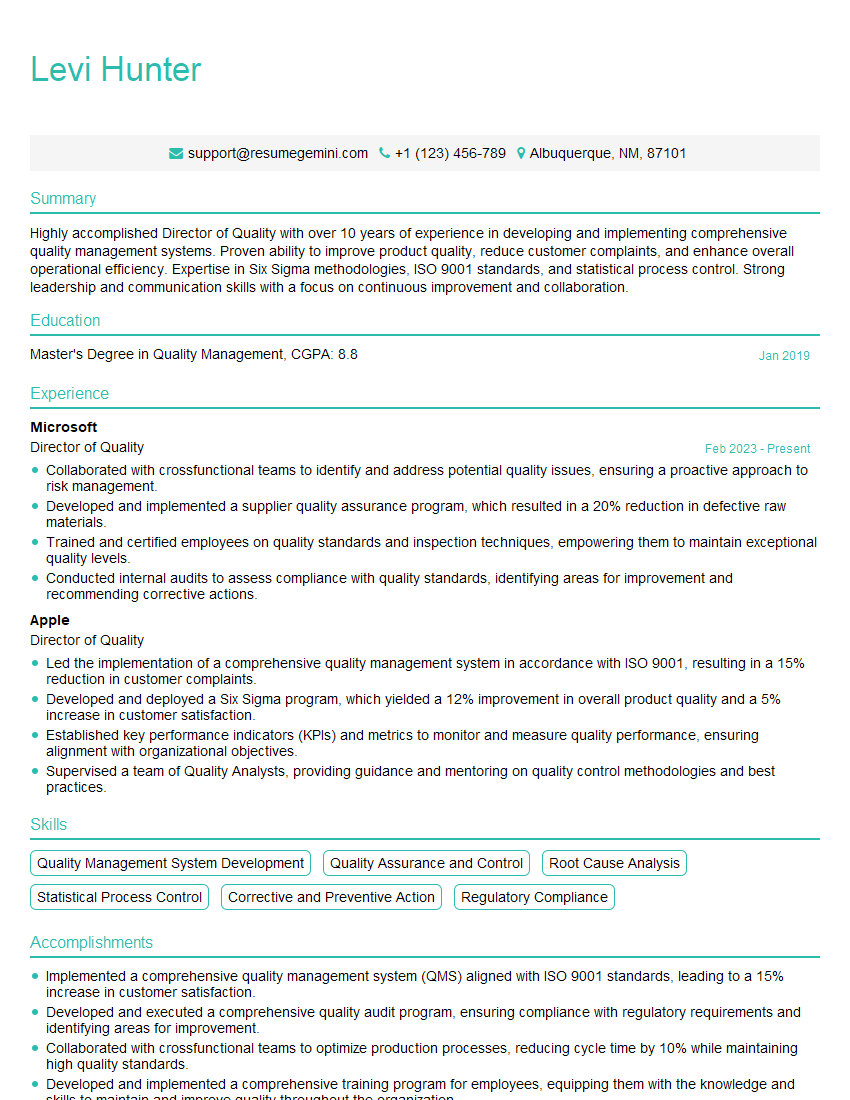
Director of Quality Resume Sample

Quality Assurance Manager Resume Sample
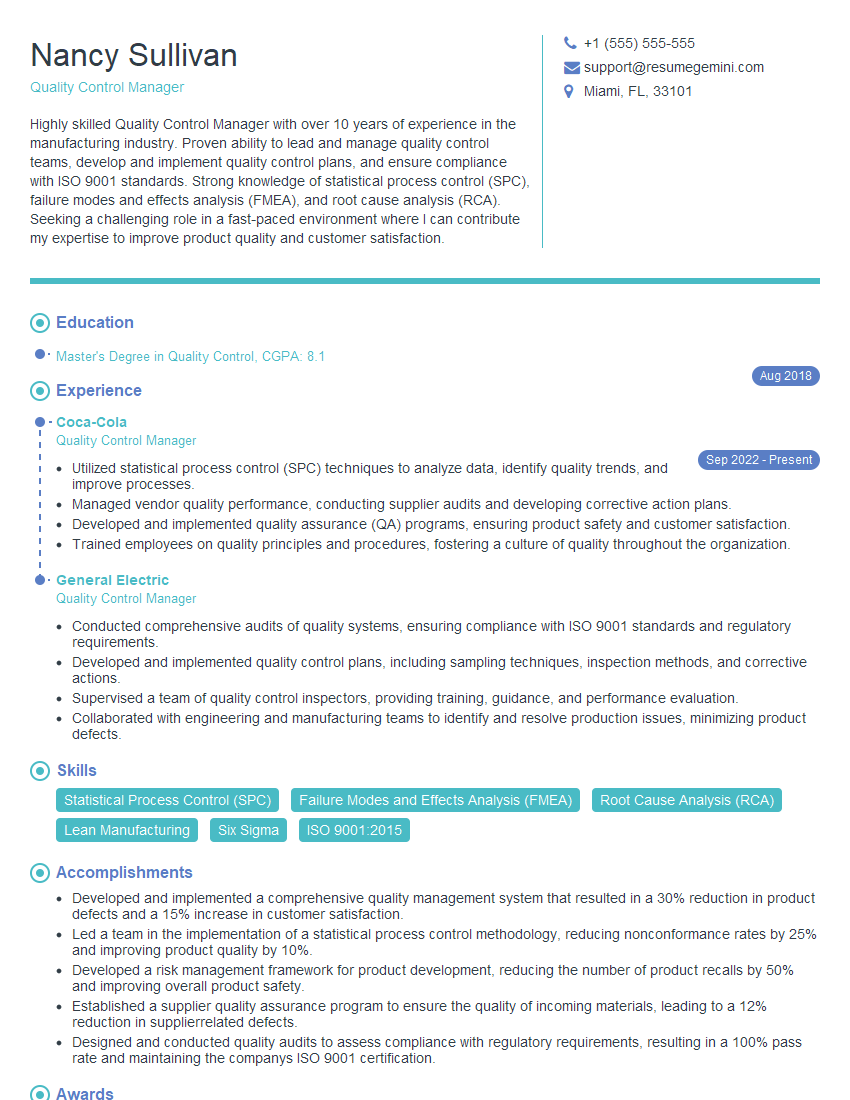
Quality Control Manager Resume Sample
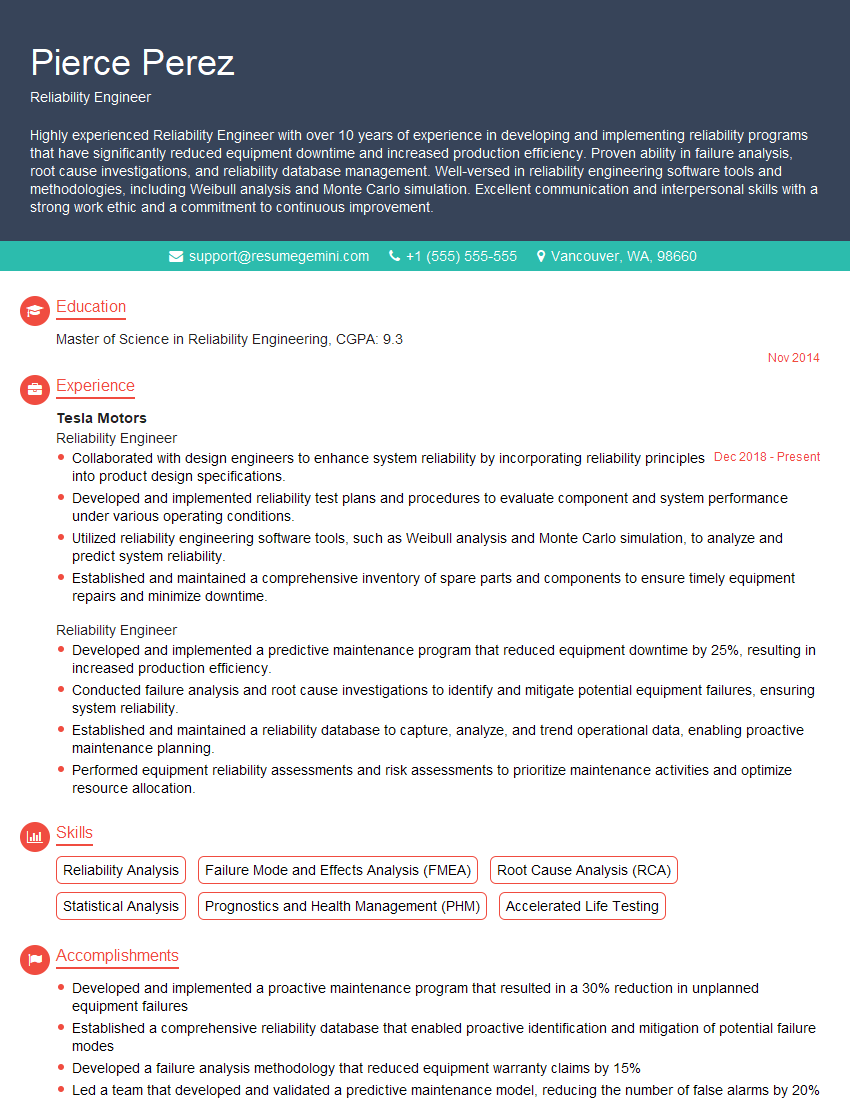
Reliability Engineer Resume Sample
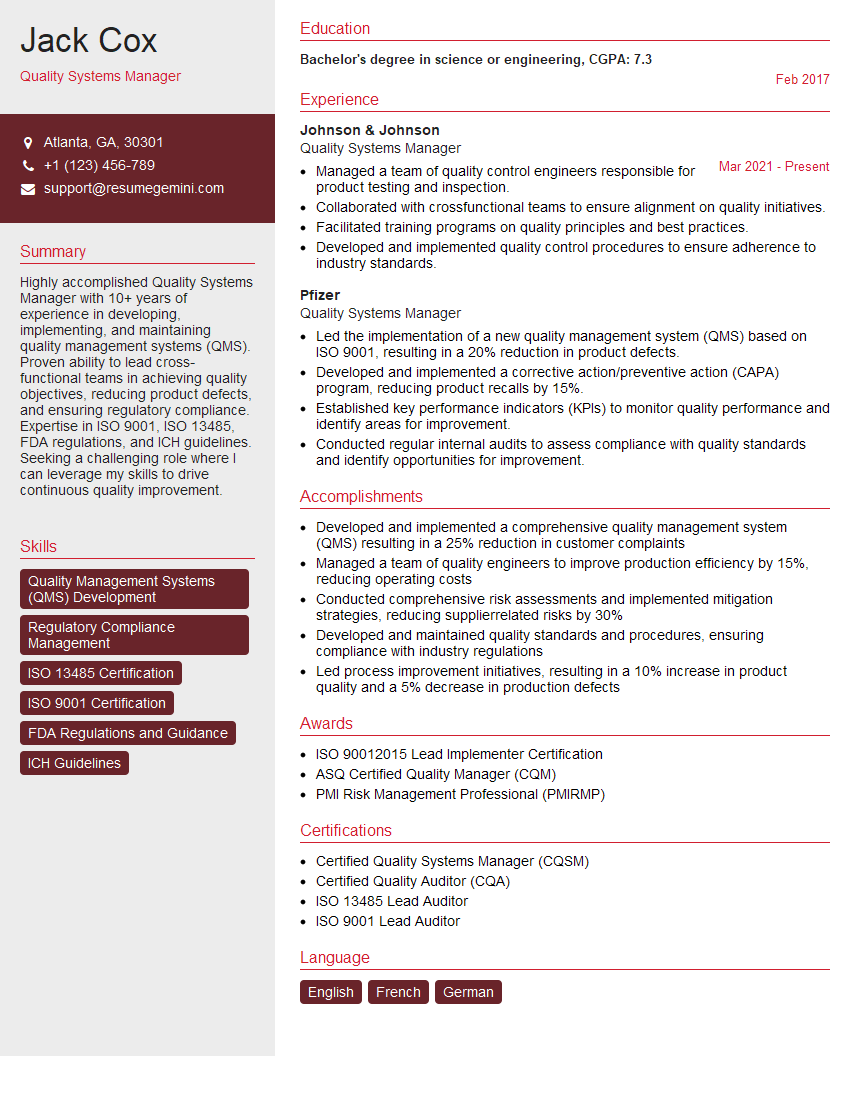
Quality Systems Manager Resume Sample
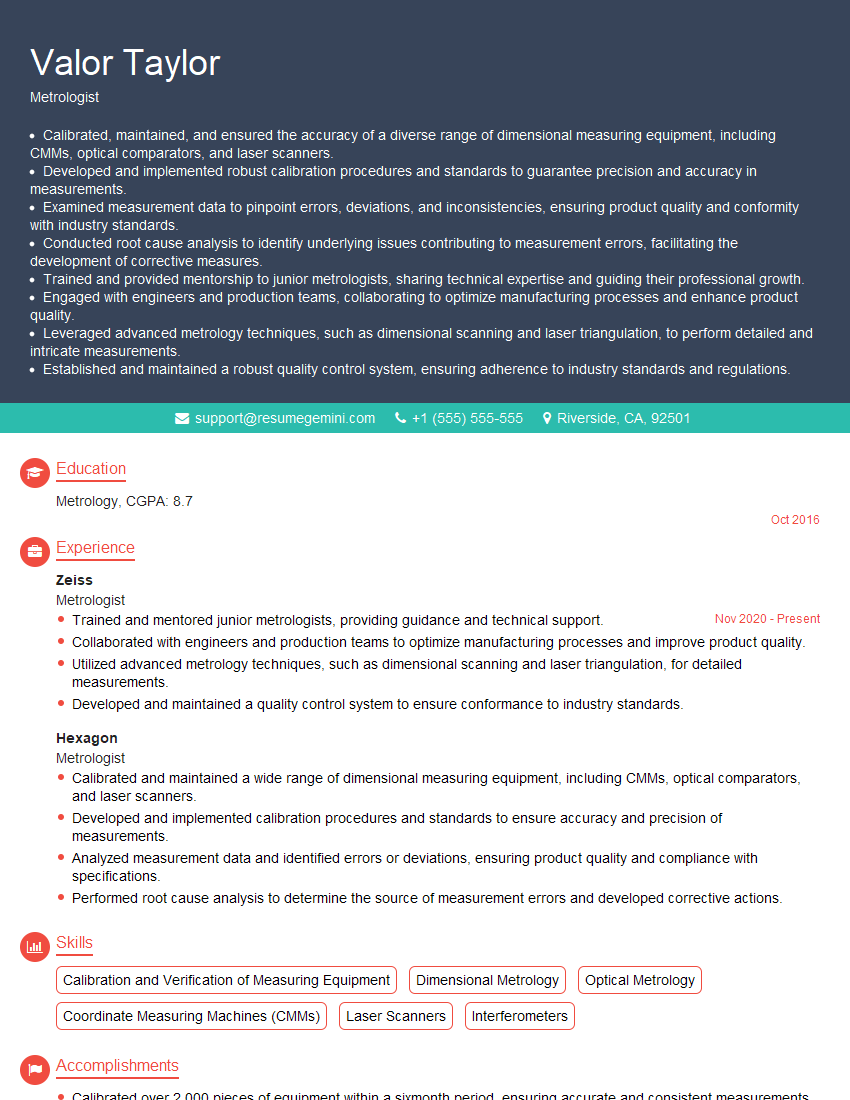
Metrologist Resume Sample
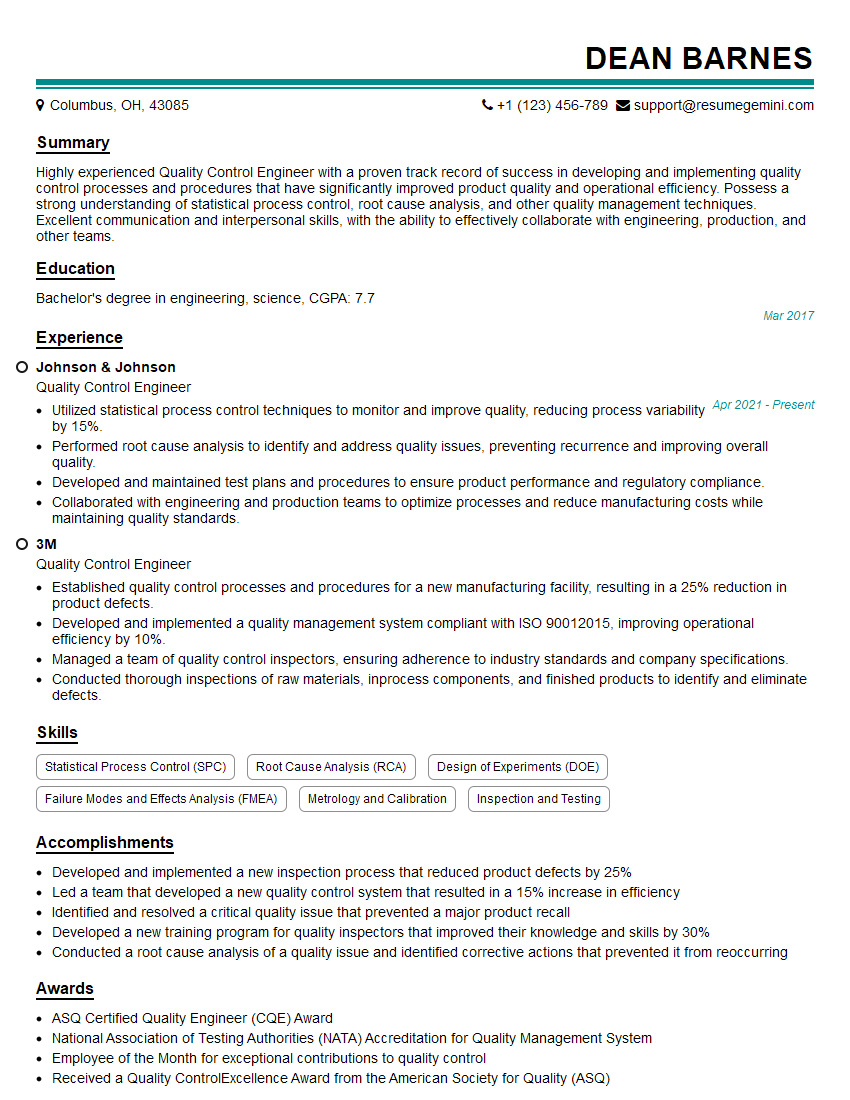
Quality Control Engineer Resume Sample
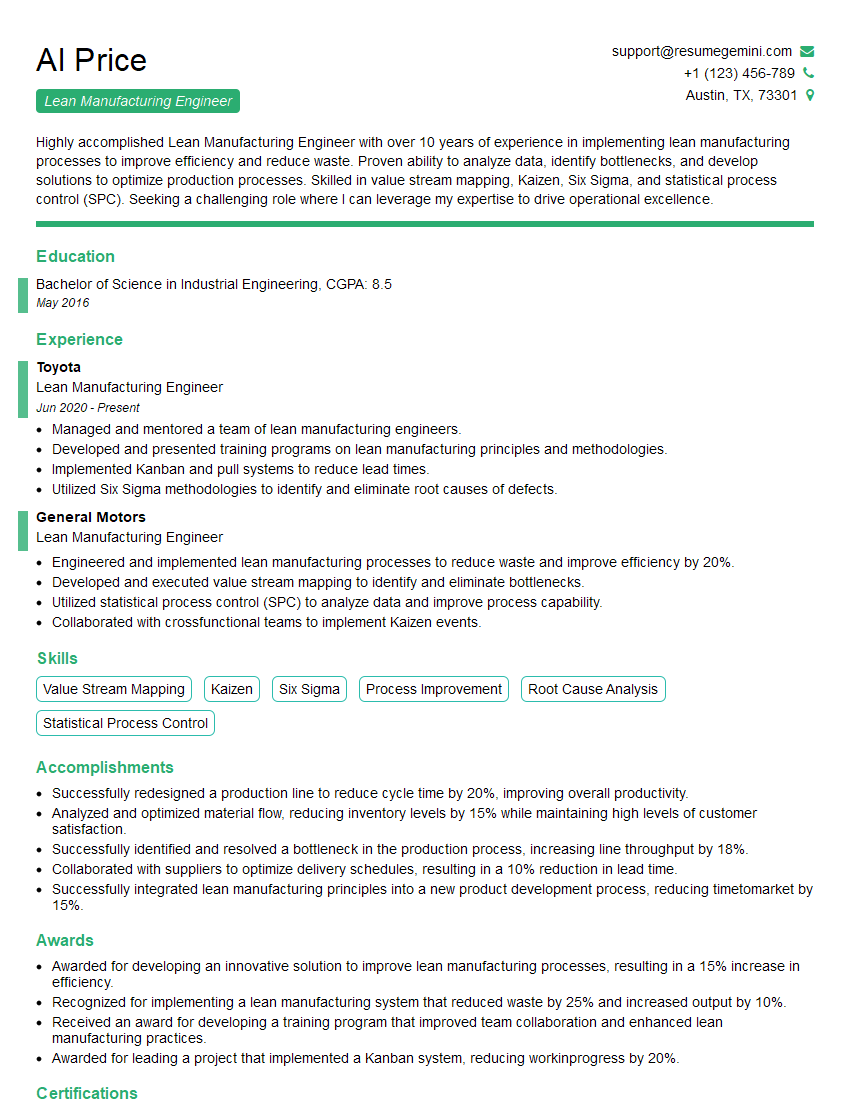
Lean Manufacturing Engineer Resume Sample
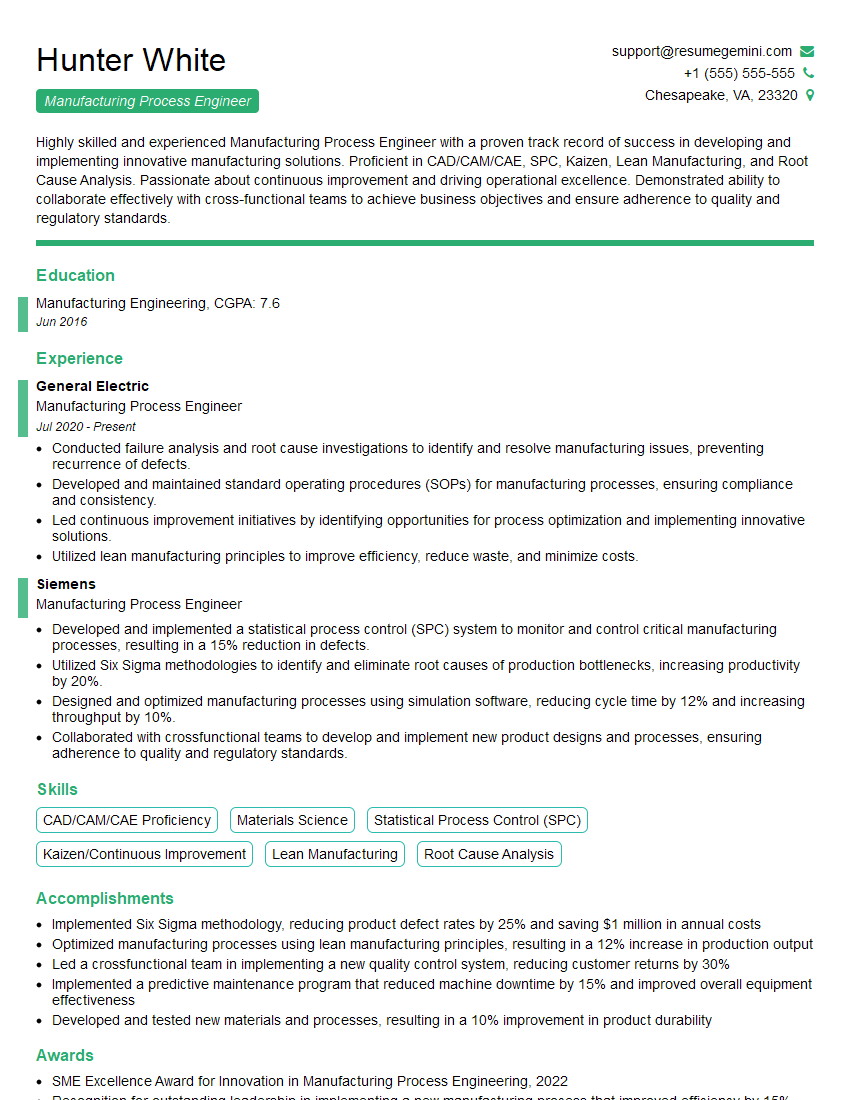
Manufacturing Process Engineer Resume Sample
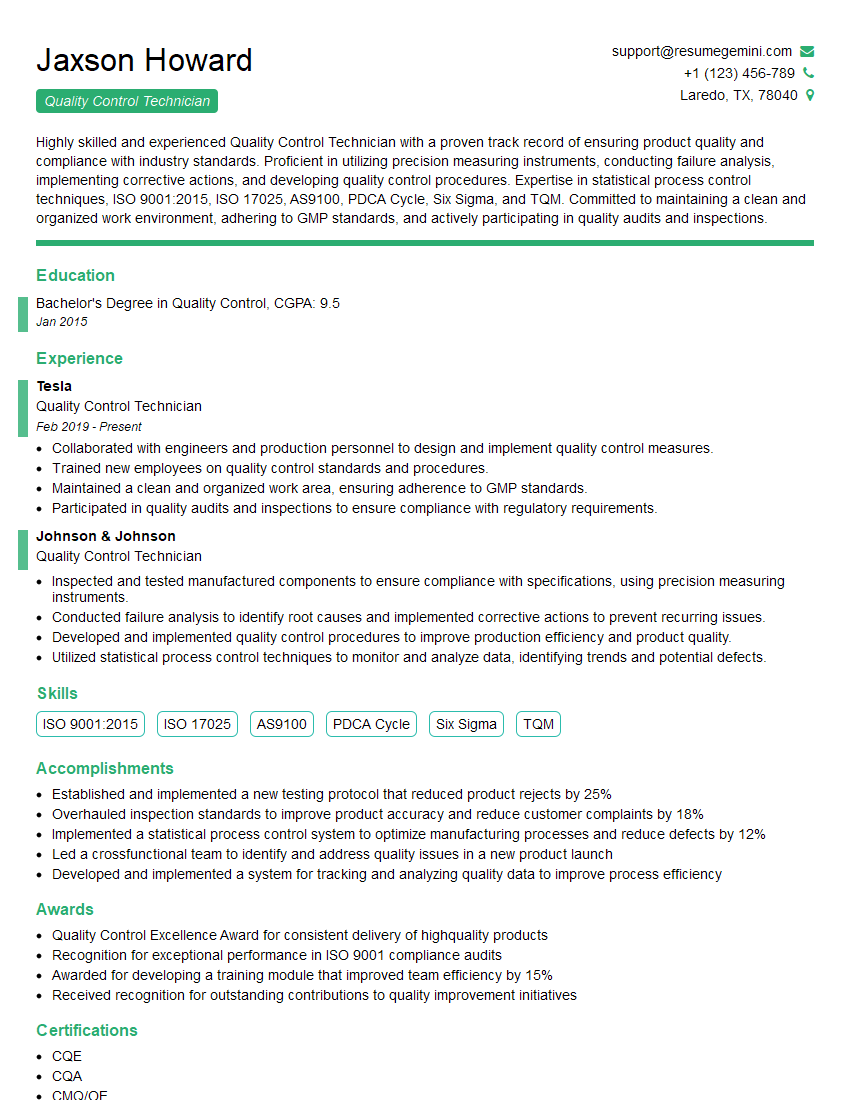
Quality Control Technician Resume Sample
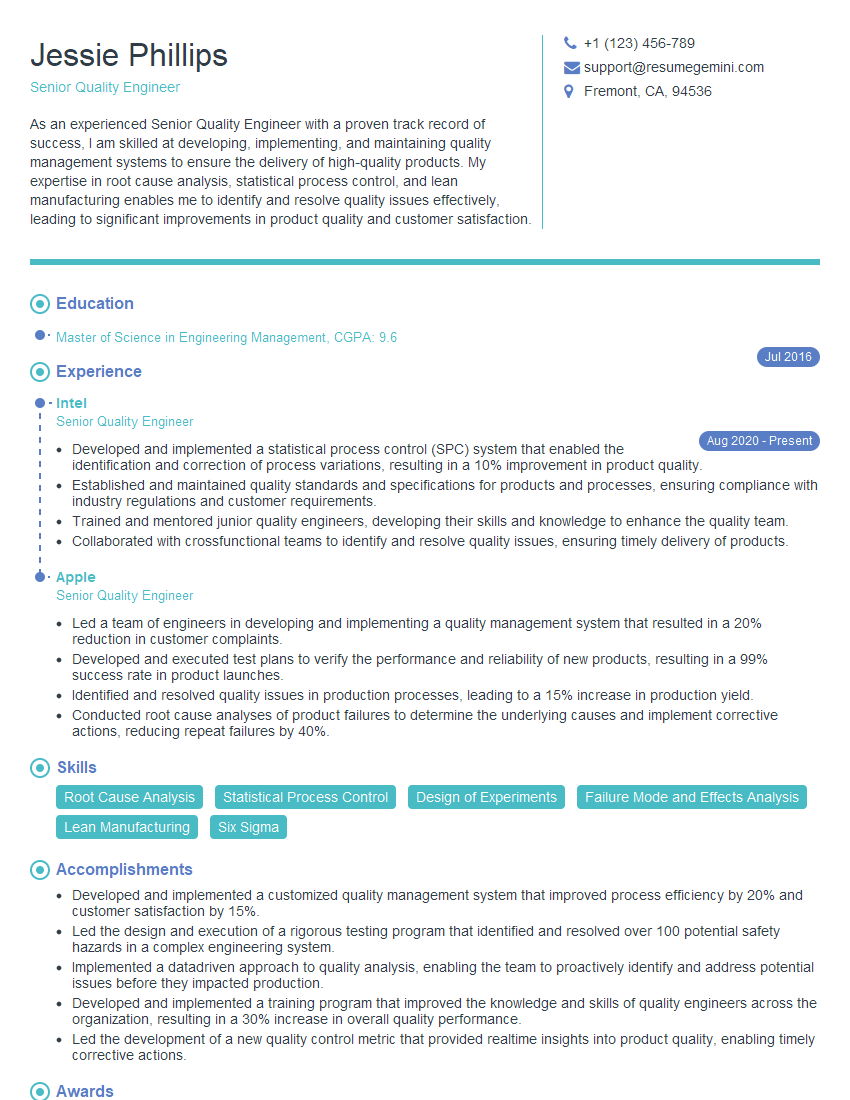
Senior Quality Engineer Resume Sample
Explore more articles
Users Rating of Our Blogs
Share Your Experience
We value your feedback! Please rate our content and share your thoughts (optional).
What Readers Say About Our Blog
I Redesigned Spongebob Squarepants and his main characters of my artwork.
https://www.deviantart.com/reimaginesponge/art/Redesigned-Spongebob-characters-1223583608
IT gave me an insight and words to use and be able to think of examples
Hi, I’m Jay, we have a few potential clients that are interested in your services, thought you might be a good fit. I’d love to talk about the details, when do you have time to talk?
Best,
Jay
Founder | CEO