Feeling uncertain about what to expect in your upcoming interview? We’ve got you covered! This blog highlights the most important Aquaculture Management Experience interview questions and provides actionable advice to help you stand out as the ideal candidate. Let’s pave the way for your success.
Questions Asked in Aquaculture Management Experience Interview
Q 1. Describe your experience in managing different aquaculture systems (e.g., RAS, ponds, cages).
My experience spans a variety of aquaculture systems, each presenting unique management challenges and rewards. I’ve worked extensively with Recirculating Aquaculture Systems (RAS), earthen ponds, and net-cage operations. RAS, for example, require meticulous monitoring of water parameters like dissolved oxygen, ammonia, nitrite, and pH, demanding precise control over filtration and water exchange rates. Think of it like managing a highly sensitive ecosystem within a controlled environment. In contrast, pond aquaculture involves managing a larger, more variable environment, focusing on factors like water inflow and outflow, aeration, and weed control. My work with ponds has involved optimizing stocking densities and managing biosecurity to prevent disease outbreaks. Finally, net-cage systems present their own set of challenges related to water currents, predator control, and maintaining structural integrity. Each system requires a distinct approach to feeding, monitoring, and harvesting, and my expertise lies in adapting management strategies to the specifics of each environment.
For instance, in one project, we transitioned a struggling pond operation to a more efficient system by implementing improved water quality monitoring and aeration strategies. This resulted in a significant increase in fish survival rates and overall yield. In another project using RAS, I optimized the biofilter design to significantly reduce ammonia levels, leading to improved fish health and growth. My experience managing these diverse systems has given me a broad understanding of the key principles of successful aquaculture operations.
Q 2. Explain your experience with fish health management and disease prevention.
Fish health management is paramount in aquaculture. My approach is proactive, focusing on prevention rather than reaction. This involves implementing robust biosecurity measures to prevent the introduction of pathogens. Think of it like creating a quarantine zone for any new fish entering the system. We rigorously inspect all incoming fish, and often use prophylactic treatments to minimize risks.
Regular monitoring of fish health is crucial. We perform visual inspections, checking for signs of disease like unusual behavior, lesions, or fin rot. In addition to visual checks, we may conduct routine parasitological examinations and microbiological tests of water samples. Early detection is key. If disease is detected, we implement appropriate treatment strategies, which may involve medication, improved water quality management, or even culling severely affected fish. I’m well-versed in a range of treatments and always prioritize using the most environmentally responsible approach. For example, in one instance, we successfully managed a bacterial outbreak in a RAS system by adjusting water parameters and implementing targeted antibiotic treatment under veterinary guidance, thereby minimizing the impact on other fish and the environment.
Q 3. How do you monitor and maintain water quality parameters in your aquaculture operations?
Maintaining optimal water quality is essential for healthy fish and efficient production. We use a multi-pronged approach involving continuous monitoring and adjustments. This includes regular measurements of key parameters like dissolved oxygen (DO), pH, ammonia (NH3), nitrite (NO2), nitrate (NO3), and temperature. We employ a variety of tools, from handheld meters for quick checks to automated monitoring systems that provide continuous data logging. This data is crucial for identifying trends and potential problems early on.
Beyond regular measurements, we utilize strategies to actively manage water quality. This may include aeration systems to increase DO levels, filtration systems to remove waste products like ammonia and nitrite, and regular water exchanges to dilute accumulated pollutants. The specific strategies depend on the aquaculture system; for example, RAS requires a more sophisticated approach with precise control over filtration and water exchange, whereas ponds might focus on managing inflow and outflow rates. The data we collect helps us fine-tune these management practices, allowing for efficient and responsive adjustments. For instance, a sudden drop in DO might indicate the need for immediate aeration adjustments or a water exchange.
Q 4. What are your strategies for optimizing feed efficiency and minimizing feed costs?
Optimizing feed efficiency is crucial for profitability and sustainability. We start by selecting high-quality feed that is appropriate for the species and growth stage. This involves analyzing the feed’s nutritional composition and ensuring it meets the fish’s specific needs. We carefully monitor feed conversion ratios (FCR), which measure the amount of feed needed to produce a unit of fish weight. A low FCR indicates higher efficiency.
Beyond feed selection, we employ strategies to improve feed utilization. This includes optimizing feeding schedules and amounts, often using automated feeding systems to ensure consistent and accurate delivery. We monitor fish growth regularly to adjust feed rates accordingly, ensuring that fish receive the right amount of food without overfeeding or underfeeding. We also consider factors such as water temperature and fish activity levels when determining feed rations. For example, we might reduce feed during periods of lower water temperature, as fish metabolic rates tend to slow down. Regularly analyzing FCR data helps us identify areas for improvement and fine-tune our feeding practices, leading to cost savings and improved efficiency.
Q 5. Describe your experience with different aquaculture species and their specific needs.
My experience encompasses a variety of aquaculture species, including various salmonids (salmon, trout), tilapia, catfish, and shrimp. Each species has unique requirements regarding water quality, temperature, diet, and disease susceptibility. For instance, salmonids require colder, well-oxygenated water, whereas tilapia are more tolerant of warmer temperatures and lower oxygen levels. Understanding these specific needs is critical for successful cultivation.
Different species also have varying dietary requirements. Salmonids are carnivorous and require diets high in protein and omega-3 fatty acids, while tilapia are omnivorous and can tolerate a broader range of feed formulations. Recognizing these differences allows for customized feeding strategies that maximize growth rates and minimize waste. Disease management also varies greatly among species; certain species are more susceptible to specific pathogens than others, necessitating different preventative and treatment measures. My expertise lies in adapting my management strategies to the specific needs of each species to ensure their optimal growth, health, and productivity.
Q 6. How do you manage and interpret aquaculture production data to improve efficiency?
Aquaculture production data provides invaluable insights into operational efficiency. We collect data on various aspects, including fish growth rates, feed conversion ratios, mortality rates, water quality parameters, and production costs. This data is organized and analyzed using spreadsheets, databases, and specialized aquaculture management software. We use statistical methods and data visualization techniques to identify trends, patterns, and areas for improvement.
For example, by analyzing growth rate data in relation to feed rations, we can optimize feeding strategies to maximize growth while minimizing feed costs. Similarly, analyzing mortality data can help pinpoint potential disease outbreaks or environmental stressors. Water quality data analysis can reveal patterns that help us predict and prevent potential problems. We use this data-driven approach to continually refine our operations, making informed decisions to enhance efficiency and productivity. Regular review and interpretation of the data enables us to make adjustments proactively, leading to significant improvements in overall farm performance.
Q 7. What are your methods for ensuring the sustainability and environmental responsibility of your operations?
Sustainability and environmental responsibility are at the core of my aquaculture management philosophy. We strive to minimize our environmental footprint through various strategies. This includes responsible waste management, minimizing water usage, and reducing energy consumption. We carefully manage effluent discharge, employing treatment methods to remove pollutants before releasing water back into the environment. We also prioritize the use of environmentally friendly products, such as organic feeds and non-toxic treatments, whenever possible.
We actively participate in initiatives promoting sustainable aquaculture practices and adhere to relevant environmental regulations. We engage in responsible stocking and harvesting practices to avoid overfishing and protect wild fish populations. For example, in one project, we implemented a closed-loop RAS system that significantly reduced water consumption and minimized effluent discharge, demonstrating a commitment to responsible resource use. By constantly seeking ways to minimize our ecological impact, we aim to ensure the long-term viability of our operations and the health of the surrounding environment.
Q 8. Explain your experience in implementing and managing biosecurity protocols.
Biosecurity in aquaculture is paramount to preventing disease outbreaks and maintaining healthy stock. My experience involves implementing a multi-layered approach, starting with strict quarantine protocols for all incoming animals and personnel. This includes a dedicated quarantine facility with separate water systems and thorough health checks. We use a comprehensive disinfection regimen, employing various methods like chlorine washes, ozone treatments, and UV sterilization, depending on the specific context.
Beyond quarantine, I’ve overseen the implementation of strict hygiene practices on the farm, including footbaths, handwashing stations with appropriate disinfectants, and the use of protective clothing. We also conduct regular surveillance, both visual inspection and laboratory testing, to detect any early signs of disease. For example, in one instance, we identified a subtle gill infection in our tilapia population early through routine microscopic analysis, enabling prompt treatment and preventing a major outbreak. Finally, I’ve developed and implemented detailed biosecurity manuals and training programs for all farm workers, emphasizing the importance of consistent adherence to protocols.
Record keeping is crucial. We maintain meticulous records of all activities related to biosecurity, including disinfection procedures, personnel movements, and health assessments of stock. This documentation is not only essential for traceability but also for identifying and improving any weak points in the system.
Q 9. Describe your experience in handling and resolving aquaculture emergencies (e.g., disease outbreaks, equipment failures).
Handling aquaculture emergencies requires quick thinking and decisive action. My experience includes managing several disease outbreaks and equipment failures. For example, during a sudden outbreak of bacterial infection in our shrimp ponds, I immediately activated our emergency response plan. This involved isolating the affected ponds, initiating appropriate treatment with antibiotics under veterinary guidance, and increasing water exchange rates to reduce pathogen load. Simultaneously, we intensified biosecurity measures to prevent spread to other ponds.
In another instance, a major pump failure threatened to deplete oxygen levels in one of our larger tanks. My team and I immediately initiated emergency aeration using backup generators and supplemental oxygenators while simultaneously contacting repair technicians. We also implemented a strategy to transfer affected fish to other tanks, minimizing losses.
Effective emergency management relies on proactive planning and training. We regularly conduct drills to ensure that everyone is familiar with their roles and responsibilities in various emergency scenarios. Having well-defined procedures and established communication channels are critical to minimize the impact of unforeseen events.
Q 10. How do you manage a team of aquaculture workers effectively?
Managing a team in aquaculture requires a blend of leadership, communication, and technical expertise. I believe in fostering a collaborative environment where each team member feels valued and empowered. My approach involves clear communication of goals and expectations, providing regular feedback and recognition for good performance. I encourage open dialogue and actively listen to concerns and suggestions.
I utilize various management techniques, including delegation and task assignments tailored to individual skills and experience levels. Training and skill development are also key; I regularly conduct workshops and provide opportunities for continuous learning, whether it involves new technologies or improved best practices. For example, I organized a training session on the proper use and maintenance of our automated feeding system, leading to improved efficiency and reduced feed wastage.
Building a strong team requires trust and mutual respect. I believe in leading by example, showing dedication and commitment to the overall success of the operation. A positive work environment fosters motivation and productivity, ultimately leading to a more efficient and successful aquaculture operation.
Q 11. What are your budgeting and financial management skills in the context of aquaculture?
Budgeting and financial management are crucial in aquaculture. My experience includes developing and managing comprehensive budgets encompassing all aspects of the operation, from feed and labor costs to equipment maintenance and energy consumption. I am proficient in analyzing financial data, identifying cost-saving opportunities, and projecting profitability. I use various financial tools and software to track expenses, monitor income, and assess the overall financial health of the operation.
For example, in one project, I identified significant cost reductions in feed by optimizing feeding strategies based on growth rates and environmental conditions. This resulted in a considerable improvement to our profit margins without compromising on fish health or production targets. I also have experience in seeking and securing funding through grants and loans and negotiating favorable contracts with suppliers.
Effective financial management is essential for sustainable aquaculture operations. By carefully monitoring costs, optimizing production, and securing appropriate funding, we can ensure long-term financial viability.
Q 12. How do you ensure compliance with relevant regulations and certifications in aquaculture?
Compliance with regulations and certifications is non-negotiable in responsible aquaculture. My experience encompasses understanding and adhering to local, national, and international standards. This includes familiarity with regulations concerning water quality, waste management, biosecurity, and traceability. We maintain detailed records of all operations to demonstrate compliance during audits.
I am actively involved in pursuing relevant certifications, such as those related to sustainable aquaculture practices (e.g., ASC, BAP). These certifications not only enhance our credibility but also open up access to new markets and potential buyers who prioritize responsible and sustainable products. For example, achieving ASC certification for our salmon farming operation significantly improved our market position and commanded premium prices. We maintain a robust internal compliance program with regular internal audits and employee training to ensure our continuous commitment to meeting regulatory requirements.
Q 13. What is your experience with different aquaculture harvesting techniques?
Harvesting techniques vary greatly depending on the species and aquaculture system. My experience includes various methods, from manual harvesting of smaller species in ponds to mechanical harvesting of larger species in cages or tanks. For example, with tilapia in ponds, we employ seine netting, a relatively labor-intensive but effective method, ensuring minimal stress on the fish. For larger scale cage operations with salmon, we utilize specialized harvesting equipment including crane-assisted nets and grading systems that minimize damage and maximize efficiency.
In all cases, minimizing stress on the fish during harvesting is crucial to ensure product quality and minimize mortality. This involves careful planning and execution, utilizing appropriate equipment and techniques to ensure a smooth and efficient harvest. Post-harvest handling, such as rapid chilling and processing, is also equally important for maintaining product quality and minimizing losses.
Q 14. Describe your experience with the selection and procurement of aquaculture equipment and supplies.
Selecting and procuring aquaculture equipment and supplies requires careful consideration of various factors, including cost-effectiveness, quality, efficiency, and compatibility with the existing infrastructure. My experience includes specifying requirements, researching vendors, obtaining quotes, and negotiating contracts for a wide range of equipment, including feeding systems, aeration systems, water treatment systems, harvesting equipment, and monitoring systems.
I prioritize cost-benefit analysis, selecting equipment that offers the best value for money while meeting our operational needs. For example, when upgrading our aeration system, I evaluated several options, comparing energy consumption, maintenance requirements, and overall performance. We ultimately chose a system that offered optimal oxygenation efficiency while minimizing operating costs. Furthermore, I ensure that all equipment purchases align with our sustainability goals, prioritizing energy-efficient and environmentally friendly technologies.
Effective procurement processes involve establishing clear specifications, conducting thorough due diligence, and ensuring proper maintenance and repair protocols are in place. This contributes to the long-term cost-effectiveness and operational efficiency of the entire aquaculture operation.
Q 15. How do you assess the economic viability of an aquaculture project?
Assessing the economic viability of an aquaculture project requires a thorough analysis encompassing various factors. Think of it like building a business plan, but specifically for raising aquatic life. We need to carefully consider all the inputs and outputs to determine profitability.
- Capital Investment: This includes the cost of land, infrastructure (ponds, tanks, RAS systems), equipment, permits, and initial stocking. We need detailed cost breakdowns for each.
- Operational Costs: These are ongoing expenses like feed, energy (especially crucial for RAS), labor, water treatment chemicals (if applicable), disease control, and transportation. We must project these costs realistically, accounting for potential price fluctuations.
- Production Costs: This includes calculating the cost per unit of production (e.g., fish, shrimp, seaweed). Factors like feed conversion ratio (FCR), mortality rate, and growth rates are critical here. A lower FCR signifies greater efficiency.
- Revenue Projections: We need to realistically estimate market prices for the harvested product and the expected volume of production. Market research and analysis are essential for accurate forecasting. This includes understanding market demand, competition, and potential for price fluctuations.
- Financial Analysis: This involves calculating key financial metrics such as net present value (NPV), internal rate of return (IRR), and payback period to determine the project’s profitability and financial feasibility. Sensitivity analysis should be performed to assess the impact of variations in key parameters.
Example: In a shrimp farm project, we would meticulously calculate the cost of constructing ponds, buying shrimp post-larvae, providing feed, managing water quality, harvesting, and processing, then compare this to projected market prices and sales volume to determine profitability.
Career Expert Tips:
- Ace those interviews! Prepare effectively by reviewing the Top 50 Most Common Interview Questions on ResumeGemini.
- Navigate your job search with confidence! Explore a wide range of Career Tips on ResumeGemini. Learn about common challenges and recommendations to overcome them.
- Craft the perfect resume! Master the Art of Resume Writing with ResumeGemini’s guide. Showcase your unique qualifications and achievements effectively.
- Don’t miss out on holiday savings! Build your dream resume with ResumeGemini’s ATS optimized templates.
Q 16. What is your understanding of different aquaculture recirculating aquaculture systems (RAS)?
Recirculating Aquaculture Systems (RAS) are closed or semi-closed systems that significantly reduce water usage and waste discharge compared to open-pond systems. Think of it as a highly controlled environment for your fish. Different RAS designs cater to various species and scales.
- Conventional RAS: These systems typically involve multiple tanks for different stages of fish development, with water continuously circulated through filtration and treatment units. This includes mechanical filtration (removing solids), biological filtration (breaking down waste using beneficial bacteria), and potentially UV sterilization to control pathogens.
- Integrated Multi-Trophic Aquaculture (IMTA) integrated RAS: This incorporates other species within the system, such as seaweed or shellfish, to help process waste products, enhancing sustainability and potentially generating additional revenue streams.
- High-Density RAS: These systems utilize advanced technology to achieve extremely high stocking densities, maximizing production per unit of space. This demands highly sophisticated water treatment and monitoring systems.
- Land-based RAS: This refers to systems located on land, usually in controlled facilities, offering advantages such as protection from environmental factors and disease outbreaks. This is often more capital-intensive but offers better control and biosecurity.
The choice of RAS depends on factors such as species being cultured, available resources, budget, and desired production scale. A smaller-scale operation might use a simpler system, while a large commercial farm would likely opt for a more complex, highly automated design.
Q 17. Explain your knowledge of integrated multi-trophic aquaculture (IMTA).
Integrated Multi-Trophic Aquaculture (IMTA) is a sustainable aquaculture approach that integrates different trophic levels (feeding levels) within a single system. Imagine a mini-ecosystem where different species work together. This approach mimics natural ecosystems, minimizing environmental impact.
In a typical IMTA system, a primary producer (e.g., seaweed) consumes nutrients from waste produced by a cultivated species (e.g., salmon or mussels). A secondary consumer (e.g., sea urchins or other shellfish) can then feed on the seaweed, further reducing waste and potentially providing additional marketable products. This cyclical process leads to reduced nutrient pollution, improved water quality, and diversified income streams.
Benefits: Reduced environmental impact through waste recycling, increased biodiversity, improved water quality, and enhanced economic returns due to multiple product streams. This method provides a much more sustainable and environmentally responsible method of farming aquatic life, particularly useful in areas concerned with eutrophication (excess nutrients).
Challenges: Requires careful species selection and system design to ensure proper integration and balance between different trophic levels, and there’s always the risk of inter-species competition or disease transmission. Therefore, careful planning and understanding of each species are needed.
Q 18. How familiar are you with different aquaculture breeding and genetic selection techniques?
Aquaculture breeding and genetic selection techniques are crucial for improving the productivity, disease resistance, and overall quality of cultured species. This involves applying principles of genetics and animal breeding to improve the traits of aquatic animals.
- Selective Breeding: This involves selecting and mating individuals with desirable traits (e.g., faster growth, disease resistance, improved feed conversion) to produce offspring with enhanced characteristics. This is a time-consuming process requiring multiple generations.
- Crossbreeding: Combining individuals from different strains or species to produce hybrids with improved traits. This is a common method to enhance growth rates and disease resistance.
- Genetic Marker-Assisted Selection (MAS): This technique uses DNA markers to identify genes associated with desirable traits, allowing for more accurate selection of breeding individuals. This speeds up the selective breeding process compared to traditional methods.
- Gene Editing (e.g., CRISPR-Cas9): This emerging technology allows for precise modifications of the genome, enabling the introduction of new traits or the correction of genetic defects. This technique is still under development in aquaculture but holds great promise for future advancements.
Example: Selective breeding programs have been successfully implemented in salmon aquaculture to enhance growth rate and disease resistance, leading to increased production efficiency and reduced reliance on antibiotics.
Q 19. What is your experience with using aquaculture software and technology?
My experience with aquaculture software and technology spans a range of applications, from data acquisition and monitoring systems to production management and financial modeling tools.
- Data Acquisition and Monitoring: I’m proficient in using sensors and automated systems for monitoring water quality parameters (temperature, dissolved oxygen, pH, ammonia, nitrite) and fish health indicators. This enables real-time monitoring and early detection of potential problems.
- Production Management Software: I’m familiar with software packages designed for managing feed rations, growth rates, mortality, and other production metrics. This facilitates efficient record-keeping and enables data-driven decision-making.
- Geographic Information Systems (GIS): I utilize GIS to map aquaculture sites, assess environmental factors, and optimize farm layout and operations.
- Financial Modeling and Analysis: I employ spreadsheet software and specialized aquaculture business planning tools to create detailed financial projections, conduct sensitivity analysis, and evaluate the economic viability of projects.
Example: In a previous role, I implemented a sensor network linked to a cloud-based dashboard for real-time monitoring of water quality in a RAS facility, allowing for proactive adjustments and improved efficiency.
Q 20. Describe your experience with market analysis and sales strategies in the aquaculture industry.
Successful market analysis and sales strategies are crucial for the profitability of aquaculture operations. This requires understanding both the supply and demand sides of the market, as well as effective marketing and sales techniques.
- Market Research: I conduct thorough market research to identify target markets (e.g., restaurants, supermarkets, processors), assess market size and demand, analyze competitor activities, and determine optimal pricing strategies.
- Sales Channel Development: I develop effective sales channels by establishing relationships with distributors, wholesalers, and retailers. This might involve attending trade shows, networking within the industry, and direct sales to customers.
- Branding and Marketing: I’m experienced in developing marketing campaigns to enhance the brand image of the aquaculture product and increase consumer awareness. This could involve highlighting sustainability practices, quality control measures, and unique product characteristics.
- Pricing Strategies: I determine optimal pricing strategies based on market demand, production costs, and competitive pressures. This might involve cost-plus pricing, value-based pricing, or competitive pricing.
Example: In one project, I helped develop a successful marketing campaign emphasizing the sustainability and high quality of organically grown trout, leading to increased sales and higher market prices.
Q 21. How do you manage the risk of climate change impacts on aquaculture operations?
Climate change poses significant risks to aquaculture operations, including changes in water temperature, salinity, and ocean acidification. Mitigation and adaptation strategies are essential to minimize these risks.
- Water Temperature Management: Implement strategies to control water temperature in ponds and tanks, such as using shade structures, aeration systems, and recirculating aquaculture systems (RAS) which offers greater control.
- Disease Management: Increased water temperatures can exacerbate the spread of diseases. Implement robust biosecurity measures and disease management strategies to minimize this risk.
- Salinity Management: Monitor and manage salinity levels, especially in coastal areas affected by sea-level rise or changes in freshwater inflow.
- Ocean Acidification Mitigation: Explore strategies to mitigate the effects of ocean acidification, such as selective breeding for acid-tolerant species or using buffering agents in RAS systems.
- Early Warning Systems: Implement early warning systems to monitor climate-related events (e.g., heat waves, storms) and proactively take measures to protect the aquaculture operation. This might include emergency water pumps, and backup power systems.
Example: In a shrimp farm, installing a water cooling system could mitigate the impact of rising water temperatures, while improving biosecurity practices could limit the spread of diseases.
Q 22. Explain your knowledge of different aquaculture waste management strategies.
Effective aquaculture waste management is crucial for environmental protection and sustainable production. Strategies focus on minimizing waste generation and maximizing its beneficial reuse or safe disposal. This involves a multifaceted approach.
- Solid Waste Management: This includes removing uneaten feed, fish feces, and dead organisms. Methods range from manual removal to automated systems. Composting is a common practice, transforming organic waste into valuable fertilizer. In larger operations, anaerobic digestion can produce biogas, a renewable energy source.
- Liquid Waste Management: Aquaculture systems generate large volumes of wastewater containing nutrients and organic matter. Strategies include settling ponds, biofilters, and constructed wetlands to remove pollutants before discharge. Advanced technologies like membrane bioreactors can achieve higher levels of purification. Recirculating aquaculture systems (RAS) significantly reduce wastewater volume by reusing water.
- Nutrient Management: Excess nutrients in wastewater can cause eutrophication in receiving waters. Strategies include optimizing feeding practices to minimize uneaten feed, using efficient filtration systems, and employing integrated multi-trophic aquaculture (IMTA) where waste from one species becomes food for another.
For example, in a shrimp farm I managed, we implemented a three-stage wastewater treatment system involving settling ponds, a biofilter, and UV disinfection before discharging treated water. This significantly reduced our environmental impact and ensured compliance with regulations.
Q 23. What is your experience with different types of aquaculture feed formulations?
Aquaculture feed formulation is a complex science aimed at providing optimal nutrition for different species at various life stages. Factors such as species-specific nutritional requirements, growth rate, water quality, and cost-effectiveness are considered.
- Ingredient Selection: High-quality feed incorporates a balanced mix of protein sources (fishmeal, soymeal, insect meal), carbohydrates, lipids, vitamins, and minerals. The choice of ingredients impacts feed cost and environmental sustainability. Sustainable sourcing of fishmeal, for instance, is crucial to avoid overfishing.
- Feed Formulation: Specialized software and expert knowledge are used to formulate feeds based on target nutrient profiles. Different formulations exist for juveniles, adults, broodstock, and even to address specific health concerns.
- Feed Quality Control: Regular quality checks ensure consistent nutrient content, palatability, and the absence of contaminants. This prevents feed spoilage and maintains optimal fish health.
In my previous role, we worked with a nutritionist to develop a custom feed for our rainbow trout. By optimizing the protein and lipid content, we achieved a 15% improvement in growth rate while reducing feed conversion ratio (FCR), which is the amount of feed needed to produce a unit of fish weight.
Q 24. How do you conduct a proper risk assessment of potential hazards in your aquaculture facility?
Risk assessment in aquaculture is a proactive process identifying potential hazards and implementing mitigation strategies to minimize their impact. A structured approach is essential.
- Hazard Identification: This involves systematically identifying potential threats, including biological (diseases, parasites), environmental (water quality fluctuations, extreme weather), operational (equipment failure, human error), and economic (market fluctuations, disease outbreaks) hazards.
- Risk Analysis: Each hazard is evaluated based on its likelihood and severity. This often involves using a risk matrix, assigning scores to each factor and calculating an overall risk level.
- Risk Evaluation: The identified risks are prioritized based on their overall risk scores. High-risk hazards require immediate attention and mitigation.
- Risk Control: Implementing appropriate control measures, such as vaccination programs, water quality monitoring, backup power systems, and robust biosecurity protocols, is crucial to reduce risks.
- Monitoring and Review: The effectiveness of the risk management plan is regularly monitored and reviewed, with adjustments made as needed.
For example, during a potential algal bloom, a risk assessment guided our response. We implemented increased water monitoring, adjusted feeding schedules, and prepared aeration systems to minimize potential fish mortality.
Q 25. Explain your experience with record keeping and traceability in aquaculture production.
Accurate record-keeping and traceability are vital for ensuring product quality, meeting regulatory requirements, and improving operational efficiency in aquaculture. This involves a detailed system for tracking all aspects of the production process.
- Production Records: Detailed records of fish stocking density, feed consumption, water quality parameters, mortality rates, and harvest data are essential. This allows for tracking growth rates, identifying potential problems, and making informed management decisions.
- Health Records: Records of disease outbreaks, treatments, and vaccination programs are crucial for disease prevention and control. This information is often required by regulatory agencies.
- Traceability Systems: Implementing a system for tracking individual batches of fish from egg to harvest allows for quick identification and removal of contaminated batches in case of a problem. This is often achieved through batch numbering and electronic record keeping.
We used a software program to manage our records, automatically calculating key performance indicators (KPIs) like FCR and growth rates. This helped us identify areas for improvement and track our progress over time. Furthermore, it ensured traceability by automatically linking all records to specific batches of fish.
Q 26. How do you develop and implement a sustainable aquaculture business plan?
Developing a sustainable aquaculture business plan requires a holistic approach that considers environmental, social, and economic factors. The plan should articulate a clear vision and strategy for long-term success.
- Market Analysis: Thoroughly research market demand, price fluctuations, and competition to identify niche opportunities.
- Species Selection: Choose species suitable to the local environment and market demands, considering their growth rates, disease resistance, and market value.
- Production System Design: Select a suitable production system (e.g., ponds, cages, RAS) that minimizes environmental impact and maximizes efficiency. Consider water usage, waste management, and energy consumption.
- Financial Projections: Develop detailed financial projections, including start-up costs, operational expenses, revenue streams, and profitability analysis. Explore financing options.
- Environmental Impact Assessment: Conduct an assessment to identify potential environmental impacts and develop mitigation strategies to minimize them. This includes evaluating water use, waste discharge, and energy consumption.
- Social Responsibility: Consider the social implications of the operation, including employment opportunities, community relations, and fair labor practices.
For a successful plan, consider incorporating elements like circular economy principles, integrating IMTA, and seeking relevant certifications (e.g., ASC, BAP).
Q 27. Describe your knowledge of current trends and research in aquaculture.
Aquaculture is a dynamic field with ongoing advancements. Current trends focus on sustainability, intensification, and technological innovation.
- Sustainable Intensification: Improving production efficiency while reducing environmental impacts through optimized feed formulations, efficient water management (RAS), and disease prevention strategies.
- Recirculating Aquaculture Systems (RAS): RAS technology minimizes water usage and waste discharge, improving sustainability and allowing for land-based aquaculture.
- Alternative Protein Sources: Research into alternative protein sources like insect meal and single-cell proteins reduces reliance on fishmeal and improves feed sustainability.
- Precision Aquaculture: Utilizing sensor technology, data analytics, and automation to optimize farming practices, improve monitoring, and enhance decision-making.
- Genetic Improvement: Selective breeding programs improve growth rates, disease resistance, and other desirable traits, enhancing production efficiency.
For example, I’ve recently been following research on the use of artificial intelligence in predicting fish health and optimizing feeding strategies. This promises to significantly improve production efficiency and reduce losses.
Q 28. Explain your experience in collaborating with regulatory agencies and stakeholders in aquaculture.
Collaboration with regulatory agencies and stakeholders is essential for responsible aquaculture practices. This involves proactive engagement and open communication.
- Regulatory Compliance: Understanding and adhering to all relevant regulations concerning water discharge, waste management, disease control, and environmental protection is critical. This often requires obtaining necessary permits and licenses.
- Stakeholder Engagement: Building strong relationships with local communities, environmental groups, and other stakeholders is essential to address concerns and build trust. This might involve participating in community forums or engaging in collaborative projects.
- Data Sharing and Transparency: Openly sharing data on production practices and environmental impacts with regulatory agencies and stakeholders promotes transparency and accountability.
- Participation in Industry Initiatives: Actively participating in industry initiatives and working groups helps to promote best practices and shape the future of sustainable aquaculture.
In my career, I’ve worked closely with the Department of Fisheries to obtain necessary permits and ensure compliance with environmental regulations. We also organized community meetings to address concerns about our operations, building a strong rapport with local residents.
Key Topics to Learn for Aquaculture Management Experience Interview
- Sustainable Aquaculture Practices: Understanding and applying principles of sustainable aquaculture, including responsible feed management, water quality control, and minimizing environmental impact.
- Fish Health Management: Diagnosing and treating common fish diseases, implementing preventative measures, and understanding biosecurity protocols to maintain healthy fish stocks.
- Production Systems & Technologies: Familiarity with various aquaculture production systems (e.g., recirculating aquaculture systems (RAS), integrated multi-trophic aquaculture (IMTA), cage culture) and associated technologies.
- Water Quality Management: Monitoring and controlling key water parameters (e.g., dissolved oxygen, pH, ammonia, nitrite), understanding their impact on fish health and productivity, and troubleshooting water quality issues.
- Nutrition and Feed Management: Formulating appropriate diets for different fish species and life stages, managing feed costs, and minimizing waste.
- Harvesting and Post-Harvest Handling: Understanding efficient and humane harvesting techniques, proper handling and processing of fish to maintain quality, and minimizing post-harvest losses.
- Financial Management in Aquaculture: Budgeting, cost analysis, and profitability calculations within the context of an aquaculture operation.
- Aquaculture Regulations and Compliance: Understanding and adhering to relevant regulations, permits, and licensing requirements.
- Problem-Solving and Decision-Making in Aquaculture: Analyzing data, identifying and addressing challenges, and making informed decisions in dynamic aquaculture environments.
- Teamwork and Leadership in Aquaculture: Working effectively as part of a team, managing staff, and demonstrating leadership qualities in aquaculture settings.
Next Steps
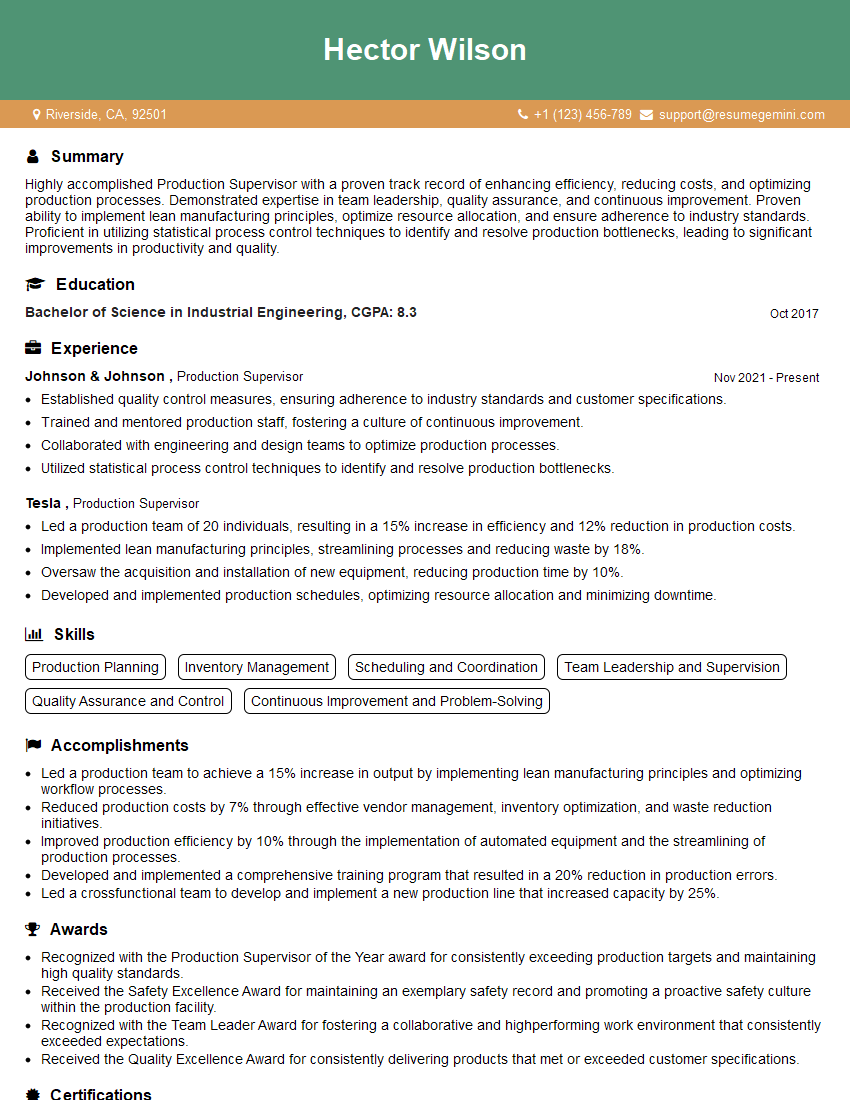
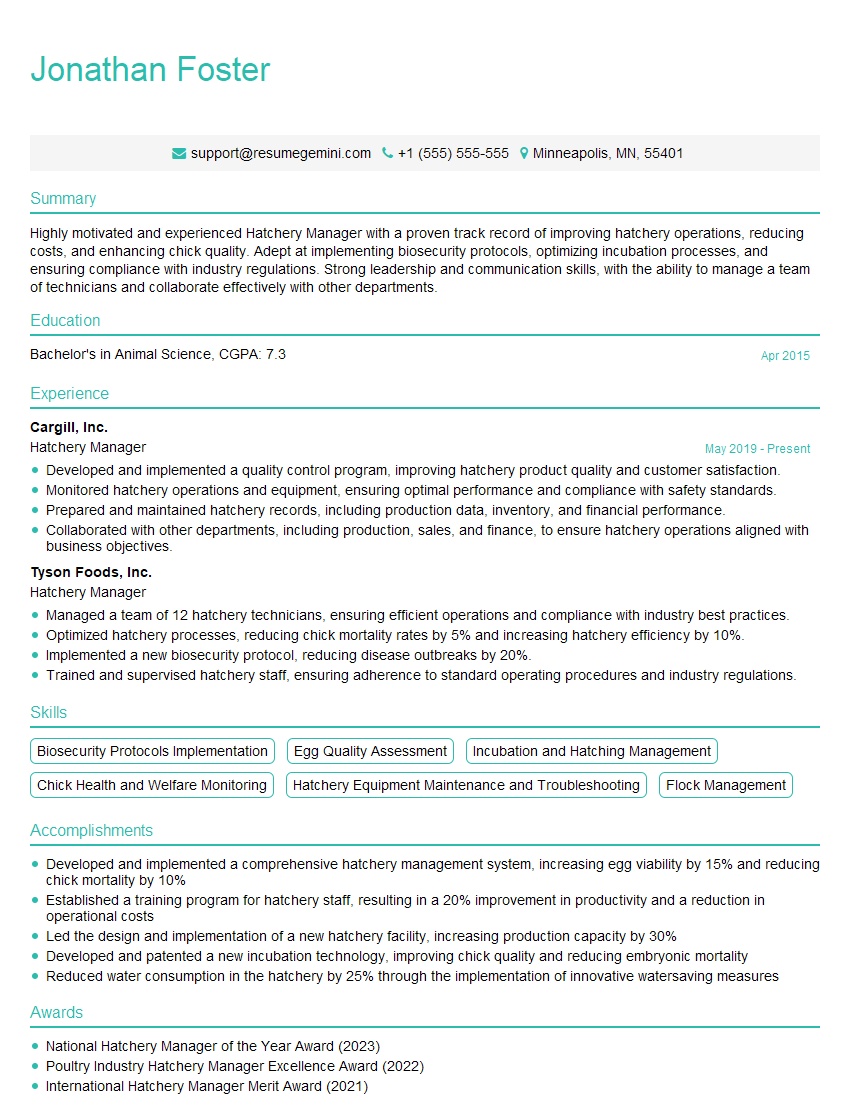
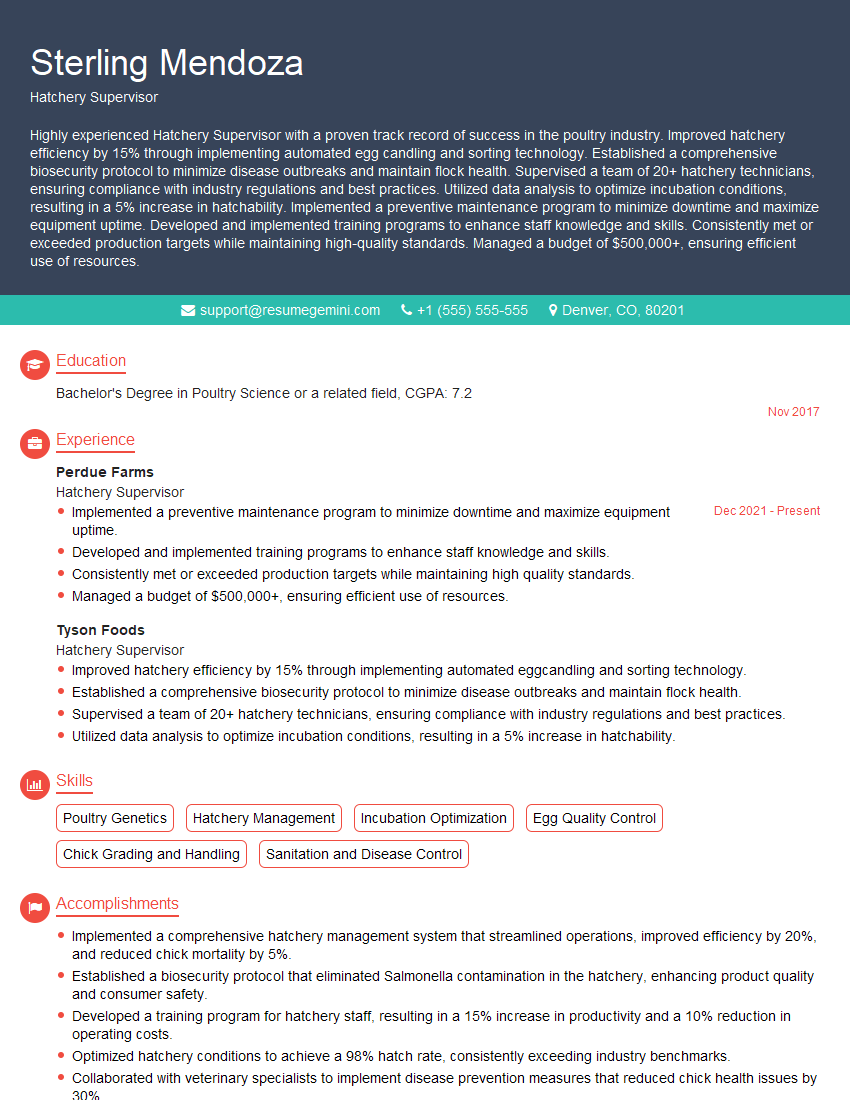
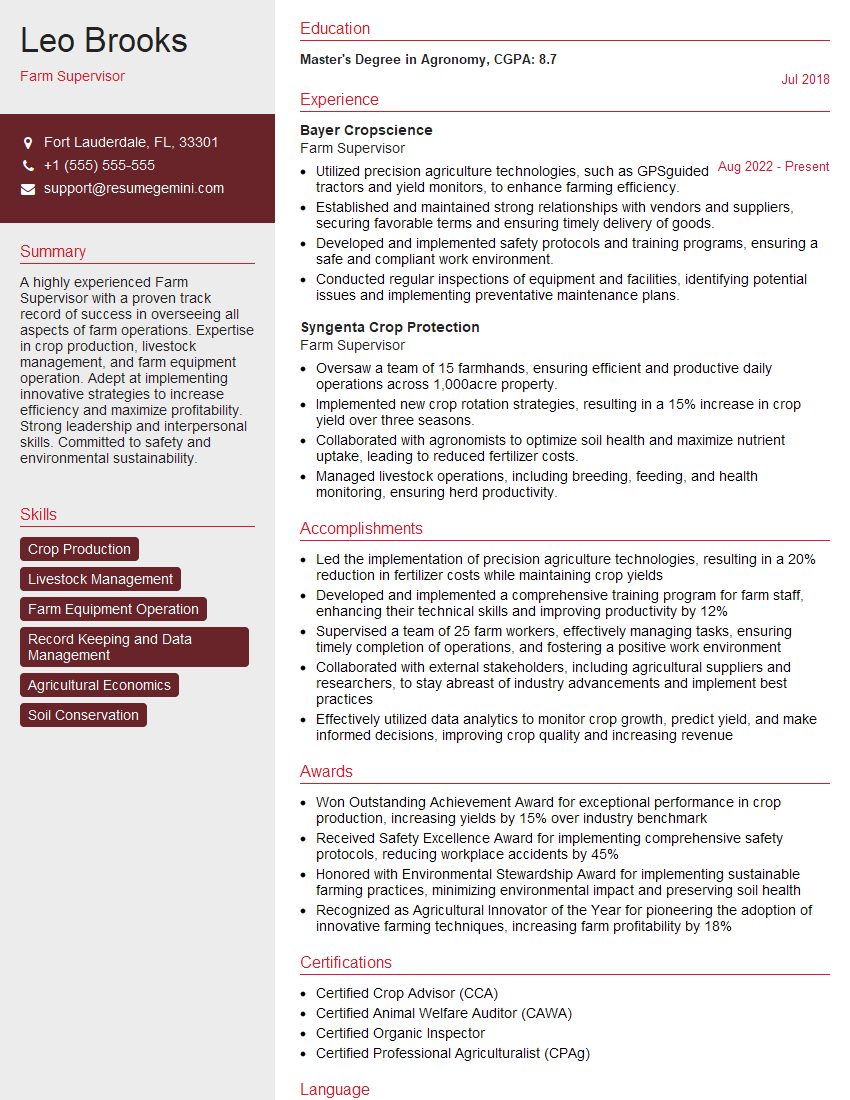
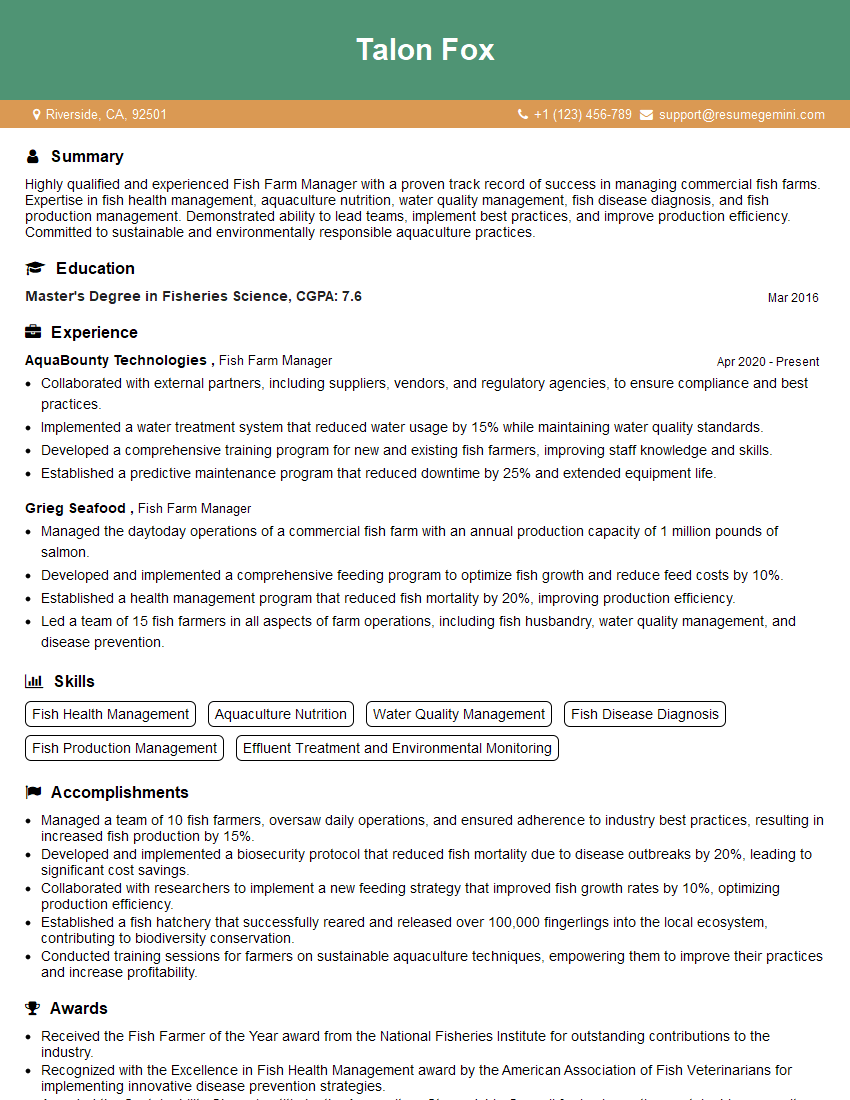
Mastering Aquaculture Management Experience is crucial for career advancement in this rapidly growing industry. A strong understanding of these key areas will significantly improve your interview performance and open doors to exciting opportunities. To maximize your chances of securing your dream role, focus on building an ATS-friendly resume that effectively highlights your skills and experience. ResumeGemini is a trusted resource that can help you craft a compelling and professional resume. We provide examples of resumes tailored to Aquaculture Management Experience to guide you through the process, helping you present your qualifications in the best possible light.
Explore more articles
Users Rating of Our Blogs
Share Your Experience
We value your feedback! Please rate our content and share your thoughts (optional).
What Readers Say About Our Blog
I Redesigned Spongebob Squarepants and his main characters of my artwork.
https://www.deviantart.com/reimaginesponge/art/Redesigned-Spongebob-characters-1223583608
IT gave me an insight and words to use and be able to think of examples
Hi, I’m Jay, we have a few potential clients that are interested in your services, thought you might be a good fit. I’d love to talk about the details, when do you have time to talk?
Best,
Jay
Founder | CEO