Feeling uncertain about what to expect in your upcoming interview? We’ve got you covered! This blog highlights the most important Basic Life Support interview questions and provides actionable advice to help you stand out as the ideal candidate. Let’s pave the way for your success.
Questions Asked in Basic Life Support Interview
Q 1. Describe the steps involved in performing chest compressions.
Chest compressions are a crucial part of Basic Life Support (BLS), designed to artificially circulate blood when the heart stops beating. The goal is to maintain blood flow to the brain and other vital organs until advanced medical help arrives. Effective compressions require proper technique and consistent depth and rate.
- Position: Kneel beside the victim.
- Hand Placement: Place the heel of one hand in the center of the chest (between the nipples). Place the other hand on top, interlacing your fingers.
- Body Position: Keep your arms straight and shoulders directly over your hands. Imagine you are pushing straight down, not leaning forward.
- Compression Depth: Compress the chest at least 2 inches (5 cm) for adults, about 2 inches for children, and about 1.5 inches for infants. This depth is critical for effective blood circulation.
- Rate: Aim for a rate of 100-120 compressions per minute. A metronome app on a smartphone can be extremely helpful in maintaining the correct rate, particularly during stressful situations.
- Complete Chest Recoil: Allow the chest to fully recoil after each compression. This allows the heart to refill with blood. Avoid pausing between compressions.
- Minimize Interruptions: Keep interruptions to an absolute minimum. Continuous compressions are vital to maintaining blood flow.
Example: Imagine you’re pumping a manual piston. Each compression is a pump, and the recoil is the chamber refilling. You need a strong, steady rhythm to keep the ‘pump’ working effectively.
Q 2. Explain the proper hand placement for chest compressions.
Proper hand placement is paramount for effective chest compressions and minimizing the risk of injury to the victim. Incorrect placement can be ineffective or even cause harm.
- Locate the Center of the Chest: Find the center of the chest by locating the lower half of the sternum (breastbone). This is between the nipples.
- Heel of the Hand: Place the heel of one hand in the center of the chest, ensuring firm contact with the sternum.
- Second Hand Overlap: Place the heel of your other hand on top of the first hand, interlacing your fingers. Avoid placing your fingers directly on the ribs; this can cause fractures.
- Straight Arms and Shoulder Alignment: Keep your arms straight and your shoulders directly above your hands. This ensures efficient force transfer and prevents unnecessary strain on your arms and back.
Example: Picture a target. The center of the chest, specifically the lower half of the sternum, is the bullseye. Your hands should be positioned directly on this point, providing a stable base for effective compressions. Imagine you are aiming to push straight down, into that bullseye.
Q 3. What is the compression-to-ventilation ratio for adult BLS?
For adult BLS, the compression-to-ventilation ratio is 30:2. This means 30 chest compressions are performed followed by 2 rescue breaths. This ratio prioritizes chest compressions, which are more crucial for maintaining blood circulation in adults.
This ratio is based on scientific evidence demonstrating the higher efficacy of chest compressions in improving outcomes in adults experiencing cardiac arrest.
Q 4. What is the compression-to-ventilation ratio for child BLS?
The compression-to-ventilation ratio for child BLS is 15:2. This means 15 chest compressions are performed followed by 2 rescue breaths. The ratio shifts towards more ventilations in children because their respiratory systems are more prone to collapse.
Remember that a child is generally defined as someone between the ages of 1 year and puberty.
Q 5. What is the compression-to-ventilation ratio for infant BLS?
For infant BLS, the compression-to-ventilation ratio is 15:2, just like for a child. However, the technique for compressions and rescue breaths differs significantly. The depth of compression and the method of ventilation are adjusted based on the infant’s size and development.
Remember that an infant is generally defined as someone younger than 1 year of age.
Q 6. How do you check for responsiveness in an unconscious person?
Checking for responsiveness is the very first step in BLS. It’s a simple yet crucial action that determines whether immediate intervention is needed.
- Gentle Approach: Approach the unconscious person gently and call out their name loudly and clearly.
- Lightly Tap Shoulders: If there’s no response, gently tap their shoulders while simultaneously calling out their name again.
- Observe Response: Observe whether the individual responds in any way – eye movement, vocalization, or movement of any kind.
Example: Imagine you find someone slumped over on a park bench. You’d approach calmly and say something like, “Sir, are you okay? Sir?” Then, gently tap their shoulder. Any response, however slight, indicates a degree of consciousness.
The absence of a response signals the need to proceed with further BLS steps.
Q 7. How do you open an airway using the head-tilt-chin-lift maneuver?
The head-tilt-chin-lift maneuver is a technique used to open the airway. It’s essential for ensuring that air can flow freely into and out of the lungs during rescue breaths.
- Head Positioning: Place one hand on the forehead and gently tilt the head back.
- Chin Lift: Place the fingertips of your other hand under the bony part of the lower jaw (the angle of the mandible), lift the jaw upward to lift the chin, and ensure the teeth don’t touch.
- Maintain Position: Keep the head tilted back and the chin lifted to maintain an open airway.
Important Consideration: Avoid this maneuver if you suspect a neck injury. In such cases, use the jaw-thrust maneuver instead.
Example: Imagine you’re opening a blocked drainpipe. The head tilt and chin lift work similarly – they carefully align the airway to ensure nothing is blocking the passage of air. A proper head tilt ensures that the tongue, which often obstructs the airway in an unconscious person, doesn’t block the airway.
Q 8. When would you use the jaw-thrust maneuver instead of the head-tilt-chin-lift?
The jaw-thrust maneuver is used to open the airway when there is a suspected or confirmed neck injury. Unlike the head-tilt-chin-lift, which involves manipulating the neck, the jaw-thrust maneuver avoids any movement of the cervical spine, minimizing the risk of further damage. Imagine a patient involved in a car accident; their neck might be unstable. In this situation, a head-tilt-chin-lift could be dangerous. The jaw-thrust is safer because it maintains the alignment of the cervical vertebrae.
How to perform the Jaw-Thrust Maneuver:
- Kneel at the patient’s head.
- Place your hands on both sides of the patient’s head, just below the angles of the jaw.
- Gently lift the jaw forward, pushing the angles of the lower jaw upwards, while keeping the head in a neutral position.
- This will lift the tongue and open the airway.
Key Difference: The head-tilt-chin-lift is a simpler maneuver, used when there’s no suspicion of neck injury. The jaw-thrust is used specifically when cervical spine injury is suspected, prioritizing spinal stability over simplicity.
Q 9. Describe how to use an AED.
Using an AED (Automated External Defibrillator) is a crucial step in managing sudden cardiac arrest. It’s a life-saving device that can restore a normal heart rhythm.
Steps for AED Use:
- Power On: Turn on the AED. The device will give clear, voice-prompted instructions.
- Attach Pads: Carefully attach the adhesive pads to the patient’s bare chest, following the AED’s instructions and pictures on the pads. One pad goes on the upper right side of the chest, the other below the left armpit.
- Analyze Rhythm: Let the AED analyze the patient’s heart rhythm. Do not touch the patient during this time.
- Shock Advised (If applicable): If the AED advises a shock, ensure no one is touching the patient, and press the shock button. This delivers a carefully measured electrical impulse to try and restore a normal heart rhythm. Immediately resume CPR after the shock.
- No Shock Advised: If the AED advises no shock, begin immediately with CPR (chest compressions and rescue breaths, if trained). Continue CPR until the AED advises a shock or emergency medical services arrive.
- Continue CPR & Monitoring: Continue cycles of CPR and AED analysis as prompted by the device until emergency medical services take over or the patient shows signs of life.
Important Note: Always follow the device’s specific instructions. These may vary slightly depending on the AED model. Training is essential for safe and effective AED use.
Q 10. What are the steps to follow if an AED advises ‘no shock advised’?
If an AED advises ‘no shock advised,’ it means the heart rhythm detected is not a shockable rhythm (such as ventricular fibrillation or pulseless ventricular tachycardia). In this instance, immediate, high-quality CPR is critical.
Steps to follow:
- Immediately resume CPR: Begin chest compressions at a rate of 100-120 compressions per minute, pushing hard and fast, allowing for complete chest recoil.
- Continue CPR: Continue CPR until the AED analyzes again or until advanced medical professionals arrive.
- Monitor patient: Keep an eye out for any changes in the patient’s condition. A patient’s condition can change at any moment.
High-quality CPR maintains blood circulation to the brain and heart until a shockable rhythm returns or medical professionals can take over.
Q 11. Explain the importance of high-quality CPR.
High-quality CPR is vital because it significantly increases the chances of survival for someone in cardiac arrest. It’s not just about doing CPR; it’s about doing it effectively.
Importance of High-Quality CPR:
- Adequate Chest Compressions: Compressions must be deep enough (at least 2 inches for adults), delivered at the correct rate (100-120 per minute), and allow complete chest recoil. Shallow compressions are ineffective.
- Minimizing Interruptions: Minimizing interruptions during compressions is key to maximizing blood flow to the brain and heart. Interruptions reduce the effectiveness of CPR.
- Effective Breathing (if trained): If trained in rescue breathing, proper rescue breaths are crucial for oxygen delivery.
- Early Defibrillation (if available): High-quality CPR, coupled with early defibrillation (if an AED is available), dramatically improves survival rates.
Think of it like this: the heart is a pump. Effective CPR helps that pump continue working, even if only partially, ensuring oxygen reaches the brain and other vital organs.
Q 12. What are the signs and symptoms of cardiac arrest?
Cardiac arrest is a sudden, unexpected loss of heart function. It’s a life-threatening emergency that requires immediate intervention.
Signs and Symptoms of Cardiac Arrest:
- Sudden collapse: The person falls down unexpectedly, often without warning.
- Unresponsiveness: The person is unconscious and cannot be awakened.
- Absence of breathing or only gasping breaths (agonal gasps): Breathing may be absent altogether or consist of shallow, irregular gasps.
- No pulse: There is no palpable pulse in the carotid artery (neck) or femoral artery (groin).
It’s crucial to remember that cardiac arrest is different from a heart attack. A heart attack involves a blockage of blood flow to the heart, while cardiac arrest is the complete cessation of the heart’s pumping action.
Q 13. What are the signs and symptoms of respiratory arrest?
Respiratory arrest is the cessation of breathing. It’s a critical condition that can quickly lead to death if not addressed immediately.
Signs and Symptoms of Respiratory Arrest:
- Absence of breathing: No visible chest rise and fall.
- Gasping breaths: The person might make occasional, ineffective gasps, but these are not true respirations.
- Cyanosis: Bluish discoloration of the skin, especially around the lips and fingertips, due to lack of oxygen.
- Unresponsiveness: The person might be unconscious.
Respiratory arrest often leads to cardiac arrest if not treated promptly because the lack of oxygen deprives the heart of the oxygen it needs to function.
Q 14. How do you recognize an obstructed airway?
An obstructed airway is a blockage that prevents air from entering or leaving the lungs. This is a life-threatening emergency that requires immediate action.
Recognizing an Obstructed Airway:
- Inability to speak or cough effectively: A person with a severe airway obstruction will be unable to speak or make any noise, or will only be able to make a weak, high-pitched sound.
- Difficulty breathing: The person might be struggling to breathe, with noisy, labored breaths.
- Clutching the throat: The universal sign for choking is clutching the throat.
- Blue discoloration of the skin (cyanosis): Lack of oxygen can cause the skin to turn blue.
- Loss of consciousness: If the obstruction is not relieved quickly, the person can lose consciousness.
It’s vital to recognize the signs of an obstructed airway quickly and act promptly, providing appropriate first aid.
Q 15. Describe the Heimlich maneuver for an adult.
The Heimlich maneuver, or abdominal thrusts, is a life-saving technique used to dislodge an object blocking a person’s airway. It’s crucial to act quickly, as lack of oxygen can lead to brain damage within minutes. For an adult, it involves these steps:
- Stand behind the choking person: Wrap your arms around their waist.
- Make a fist: Place your thumb side against their abdomen, just above their navel but below the rib cage.
- Grasp your fist with your other hand: Give quick, upward thrusts into their abdomen.
- Repeat thrusts: Continue until the object is expelled or the person becomes unresponsive.
- Call for help: Simultaneously, or if you’re alone after attempting the Heimlich, call emergency services (911 or your local equivalent).
Important Note: Never perform the Heimlich on someone who can cough forcefully. A strong cough is a sign that some air is still getting through, and forceful intervention could cause more harm. Instead, encourage them to keep coughing.
Imagine a scenario where a colleague is choking on a piece of steak. This situation demands immediate action. After ensuring the person is truly choking (not simply gagging), you’d swiftly implement the Heimlich maneuver, repeating the thrusts until the obstruction clears. Always remember to call for emergency medical help to confirm they are alright and receive any necessary follow-up care.
Career Expert Tips:
- Ace those interviews! Prepare effectively by reviewing the Top 50 Most Common Interview Questions on ResumeGemini.
- Navigate your job search with confidence! Explore a wide range of Career Tips on ResumeGemini. Learn about common challenges and recommendations to overcome them.
- Craft the perfect resume! Master the Art of Resume Writing with ResumeGemini’s guide. Showcase your unique qualifications and achievements effectively.
- Don’t miss out on holiday savings! Build your dream resume with ResumeGemini’s ATS optimized templates.
Q 16. Describe the Heimlich maneuver for a child.
The Heimlich maneuver for a child (ages 1-8) differs slightly from the adult technique. Instead of using your fist, you’ll use the heel of your hand.
- Position yourself behind the child: Kneel behind them if necessary to ensure proper positioning.
- Place the heel of one hand against their abdomen: Just above their navel but below the rib cage.
- Cover your hand with your other hand: Give quick, upward thrusts.
- Repeat the thrusts: Continue until the obstruction is cleared or the child becomes unresponsive.
- Call for help: Simultaneously, or after attempting the Heimlich, call for emergency assistance.
Consider a scenario at a school playground where a child is choking on a small toy. The quicker and more effectively you apply the child-specific Heimlich maneuver, the greater the chance of a positive outcome. Remember, the speed and precision of your actions are vital.
Q 17. Describe the Heimlich maneuver for an infant.
For infants (less than 1 year old), the Heimlich maneuver is performed differently. Instead of abdominal thrusts, you use back blows and chest thrusts.
- Support the infant’s head and neck: Lay the infant face down along your forearm, supporting their head and neck.
- Give up to five back blows: Use the heel of your hand to deliver firm blows between the infant’s shoulder blades.
- Turn the infant face up: Lay the infant face up on your forearm.
- Give chest thrusts: Using two fingers, place them in the center of the infant’s chest, just below the nipple line and deliver quick chest compressions.
- Alternate back blows and chest thrusts: Continue until the object is expelled or the infant becomes unresponsive.
- Call for help: Simultaneously, or after attempting back blows and chest thrusts, call for emergency medical services.
Think about a situation where a baby is choking on a small piece of food. The rapid response and precise techniques required for infant choking highlight the importance of proper training and quick decision-making.
Q 18. How would you handle a choking infant who is unresponsive?
If a choking infant becomes unresponsive, immediately begin infant CPR. This involves checking for breathing and a pulse. If there’s no pulse, you’ll start chest compressions. If there’s a pulse but no breathing, rescue breaths are needed.
- Call emergency services immediately: While performing CPR, ensure you have contacted emergency services.
- Check for breathing and pulse: Check for no more than 10 seconds.
- Begin chest compressions: If there is no pulse, begin chest compressions with two fingers.
- Give rescue breaths: If there is a pulse but no breathing, give rescue breaths using your mouth to cover the infant’s mouth and nose.
- Continue CPR: Continue CPR until emergency medical services arrive or the infant begins to breathe and have a pulse.
It’s vital to remember that in this scenario, every second counts. Immediate action and adherence to the correct infant CPR protocol significantly increase the chances of survival. A prompt and proficient response could be the difference between life and death.
Q 19. What are the common causes of cardiac arrest?
Cardiac arrest, the sudden cessation of heart function, can stem from various causes. Some of the most common include:
- Coronary artery disease (CAD): Narrowed coronary arteries reduce blood flow to the heart, often leading to heart attacks, which can cause cardiac arrest.
- Heart attack (myocardial infarction): A heart attack occurs when blood flow to a part of the heart is blocked, potentially leading to cardiac arrest.
- Arrhythmias: Irregular heart rhythms, such as ventricular fibrillation, can disrupt the heart’s electrical system and cause cardiac arrest.
- Cardiomyopathy: Diseases that weaken or thicken the heart muscle can lead to heart failure and eventually cardiac arrest.
- Congenital heart defects: Structural problems with the heart present from birth can increase the risk of cardiac arrest.
- Drug overdose: Overdoses of certain drugs can depress heart function and lead to cardiac arrest.
- Trauma: Severe injuries, such as chest trauma, can disrupt heart function.
- Electrocution: Severe electrical shocks can cause cardiac arrest.
Understanding these common causes enables better risk assessment and the development of preventative measures. For example, early diagnosis and management of CAD can significantly reduce the risk of a life-threatening cardiac event.
Q 20. What is the chain of survival?
The Chain of Survival is a sequence of actions that, when performed promptly and effectively, significantly increase the chances of survival from cardiac arrest. It consists of several crucial links:
- Early recognition and activation of emergency response system: Quickly recognizing cardiac arrest and immediately calling emergency medical services (EMS).
- Early cardiopulmonary resuscitation (CPR): Performing high-quality CPR, including chest compressions and rescue breaths, until EMS arrives.
- Early defibrillation: Using an automated external defibrillator (AED) to deliver an electric shock to restore a normal heart rhythm.
- Early advanced life support: Providing advanced medical care from paramedics or other emergency medical personnel.
- Integrated post-cardiac arrest care: Ongoing medical care, including monitoring and treatment, in a hospital setting.
Each link plays a vital role, and a break in the chain can dramatically reduce survival chances. Imagine a scenario where a person collapses in a public place. The speedy identification of cardiac arrest, immediate activation of EMS, and prompt CPR delivery greatly increase their likelihood of survival.
Q 21. Explain the role of bystander CPR in improving survival rates.
Bystander CPR, CPR performed by someone who witnesses a cardiac arrest before professional help arrives, plays a crucial role in improving survival rates. Its impact stems from several key factors:
- Maintaining blood flow: CPR helps maintain some blood flow to the brain and other vital organs until professional help arrives, reducing the risk of irreversible brain damage.
- Increasing chances of defibrillation success: CPR before defibrillation improves the chances of a successful defibrillation, which can restore a normal heart rhythm.
- Bridge to advanced care: Bystander CPR provides a bridge between the onset of cardiac arrest and the arrival of professional medical help, buying precious time.
- Improved survival outcomes: Studies have consistently demonstrated a significant increase in survival rates among cardiac arrest victims who receive bystander CPR.
Consider a situation in a crowded mall where someone experiences cardiac arrest. The immediate actions of a bystander performing CPR can drastically improve the chances of survival before the ambulance team arrives. This underscores the importance of widespread CPR training within communities.
Q 22. Describe the recovery position.
The recovery position, also known as the lateral recumbent position, is a crucial step in Basic Life Support (BLS) for an unconscious but breathing person. It helps maintain an open airway, prevents choking on vomit or secretions, and protects the person from further injury.
How to perform it:
- Extend one arm: Straighten the casualty’s arm closest to you.
- Bend the other arm: Bend the casualty’s other arm at the elbow, placing their hand on their cheek.
- Bend the knee: Bend the casualty’s far leg at the knee.
- Roll the casualty: Gently roll the casualty onto their side, towards the bent leg, by pulling on the bent knee. Make sure their head and neck are supported.
- Check position: Ensure the casualty remains stable and the airway is open. The mouth should be slightly lower than the nose to facilitate drainage.
Why it’s important: Imagine someone faints – the recovery position prevents them from choking if they vomit or aspirate saliva.
Q 23. How do you assess breathing in an unconscious person?
Assessing breathing in an unconscious person is a critical first step in BLS. We use the ‘look, listen, and feel’ method:
- Look: Check for chest rise and fall. Look for any obvious signs of breathing.
- Listen: Place your ear close to their mouth and nose and listen for breath sounds.
- Feel: Place your cheek near their mouth and nose to feel for the warmth of their breath against your skin.
It’s essential to do this for no more than 10 seconds. If you don’t detect breathing or only see gasping breaths (agonal gasps), immediately begin chest compressions. Gasping is not effective breathing.
Example: If you are assessing and see no chest rise and fall, hear no breath sounds and don’t feel any breath on your cheek after 10 seconds, then begin CPR immediately.
Q 24. What are some potential complications of CPR?
While CPR is life-saving, it carries potential risks. These complications can be minimized with proper technique and training:
- Rib fractures and broken sternum: Especially in elderly individuals or those with pre-existing bone conditions.
- Internal organ damage: Improper hand placement or excessive force can cause harm to the internal organs.
- Pneumothorax (collapsed lung): Forceful compressions can sometimes puncture the lungs.
- Vomiting and aspiration: The unconscious person might vomit, requiring prompt airway management to prevent aspiration (inhalation of vomit into the lungs).
- Cardiac tamponade (build-up of fluid in the heart sac): Although rare, vigorous chest compressions can increase the risk.
Mitigation: Proper training, correct hand placement, appropriate compression depth and rate, and regular skill updates reduce these risks.
Q 25. How often should BLS certifications be renewed?
BLS certifications typically need renewal every 2 years. This ensures that providers stay updated with the latest guidelines and best practices for BLS. Frequent retraining reinforces skills, addresses new knowledge, and accounts for changes in recommendations. The specific timeframe might vary slightly depending on the certifying organization.
Importance: Medical science and resuscitation techniques continuously evolve. Regular renewal maintains proficiency and ensures you’re delivering the most effective and safe care.
Q 26. How would you handle a situation where multiple casualties are present?
Handling multiple casualties requires a systematic approach. The acronym START (Simple Triage And Rapid Treatment) is often used:
- Assess breathing: Quickly assess each casualty’s breathing. Those not breathing get top priority.
- Assess circulation: Check for a pulse. Those without a pulse are next priority.
- Assess mental status: Can they follow simple commands? Those with altered mental status are treated next.
- Tag and Treat: Prioritize who to assist based on your assessment. Use different colored tags to indicate priority levels.
- Call for help immediately: Ensure adequate backup arrives as soon as possible.
Example: If you encounter a car crash with multiple injured people, you would focus first on those who aren’t breathing and without a pulse, then proceed according to the START method.
Q 27. Describe your experience with BLS in a real-world scenario.
During my time as a volunteer EMT, I responded to an incident involving a senior citizen who collapsed at a local market. Following protocol, I first assessed the scene’s safety and then checked for responsiveness. He was unconscious and unresponsive, so I immediately called for backup and started checking for breathing and a pulse. He wasn’t breathing and had no pulse, so I initiated CPR. Fortunately, another EMT arrived shortly, and we worked together to perform CPR and use an AED (Automated External Defibrillator) until paramedics arrived. The experience solidified the importance of teamwork and effective communication during emergency situations.
Q 28. What are your strengths and weaknesses in performing BLS?
Strengths: I possess a strong understanding of BLS protocols and a calm demeanor under pressure. I am proficient in CPR, AED use, and the recovery position, and I am a strong team player, able to effectively collaborate with others in high-stress situations.
Weaknesses: While my theoretical knowledge is sound, I acknowledge that there’s always room for improvement in practical application, especially when dealing with unexpected or complex situations. I am actively seeking more hands-on experience to strengthen my skills in these areas and continuously improve my proficiency.
Key Topics to Learn for Basic Life Support Interview
- Airway Management: Understanding airway anatomy, techniques for opening and maintaining a patent airway (head tilt-chin lift, jaw thrust), and recognizing airway obstructions. Consider practical scenarios involving different patient presentations.
- Breathing: Assessing breathing adequacy (rate, rhythm, depth), recognizing respiratory distress, and administering rescue breaths using appropriate techniques. Practice explaining the physiology behind effective ventilation.
- Circulation: Recognizing signs of inadequate circulation (pulse, skin color, capillary refill), performing chest compressions with proper hand placement, depth, and rate, and understanding the importance of high-quality CPR. Be prepared to discuss different scenarios requiring CPR.
- Defibrillation: Understanding the indications for defibrillation, the steps involved in using an AED, and the importance of safety precautions. Prepare to explain the electrical activity of the heart in relation to defibrillation.
- Emergency Response: Understanding the role of a BLS provider in an emergency situation, including scene safety, calling for help (EMS activation), and teamwork. Consider case studies focusing on effective team dynamics.
- Post-Resuscitation Care: Understanding the importance of post-resuscitation care, including monitoring vital signs, providing oxygen, and preparing for transfer to advanced life support. Be ready to discuss the rationale behind various post-resuscitation measures.
- Legal and Ethical Considerations: Understanding the legal implications of providing BLS, including consent and Good Samaritan laws. Be prepared to discuss ethical dilemmas that might arise in BLS situations.
Next Steps
Mastering Basic Life Support is crucial for career advancement in healthcare and related fields. A strong understanding of these life-saving skills significantly enhances your value to any employer. To increase your chances of landing your dream job, focus on creating a professional and ATS-friendly resume that highlights your skills and experience effectively. ResumeGemini is a trusted resource to help you build a compelling resume that showcases your qualifications. They even offer examples of resumes tailored to Basic Life Support professionals – take advantage of this valuable resource to make your application stand out.
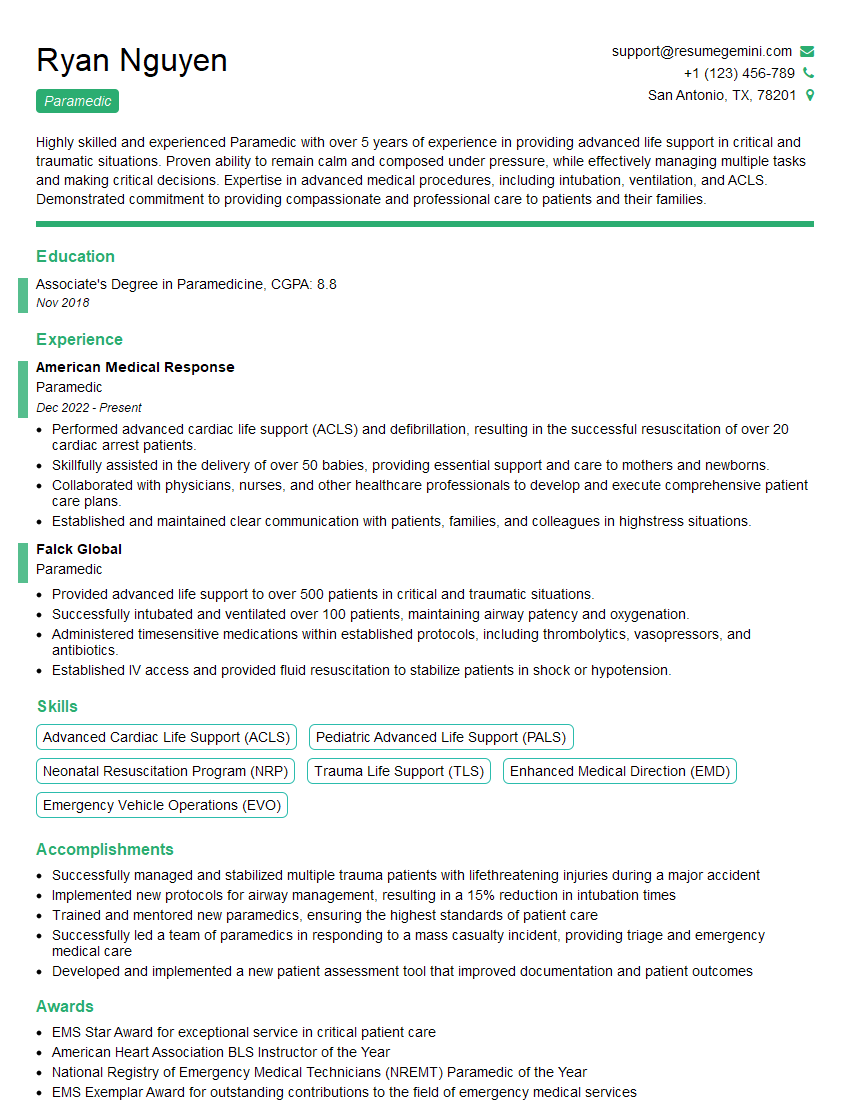
Paramedic Resume Sample
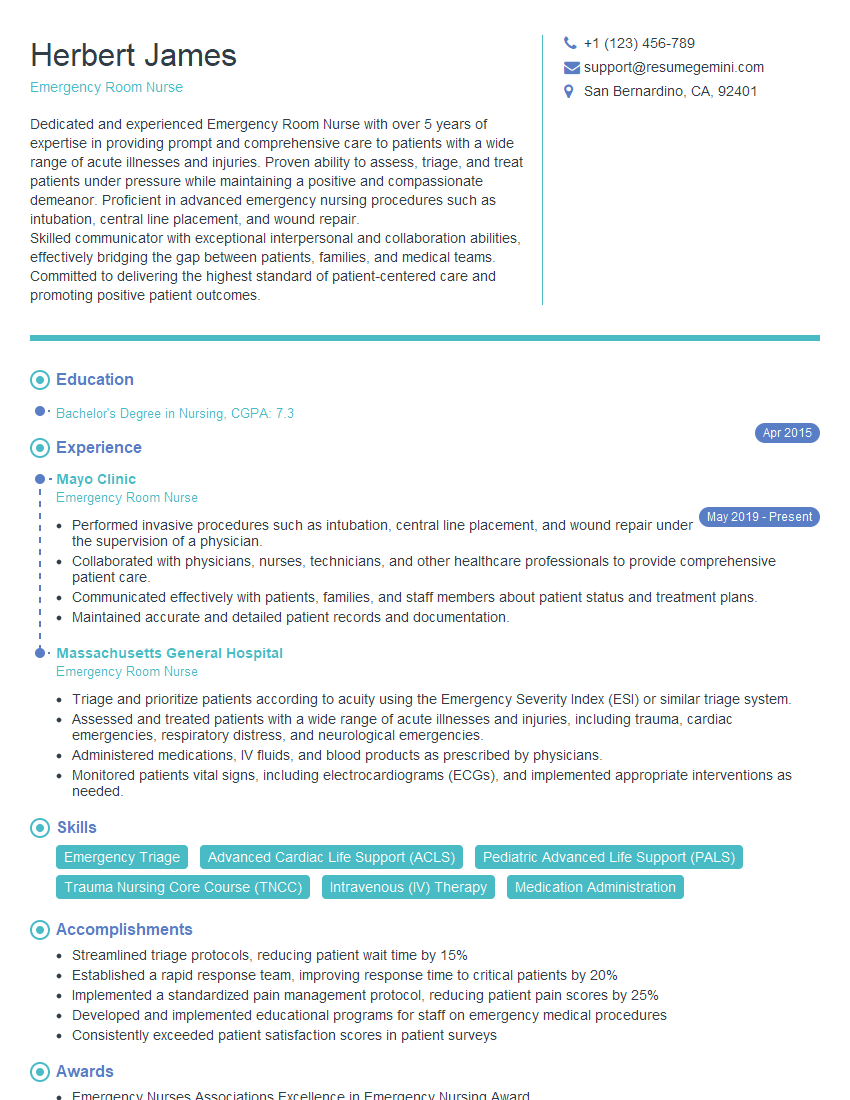
Emergency Room Nurse Resume Sample
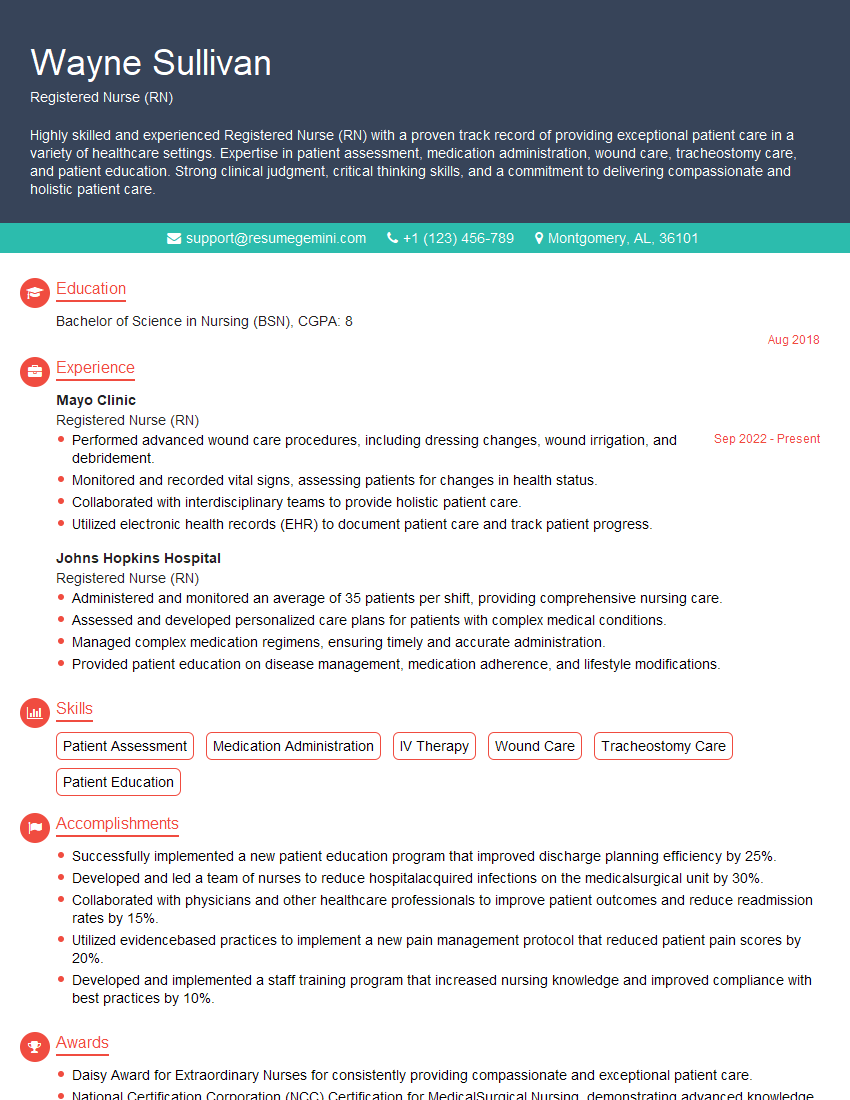
Registered Nurse (RN) Resume Sample
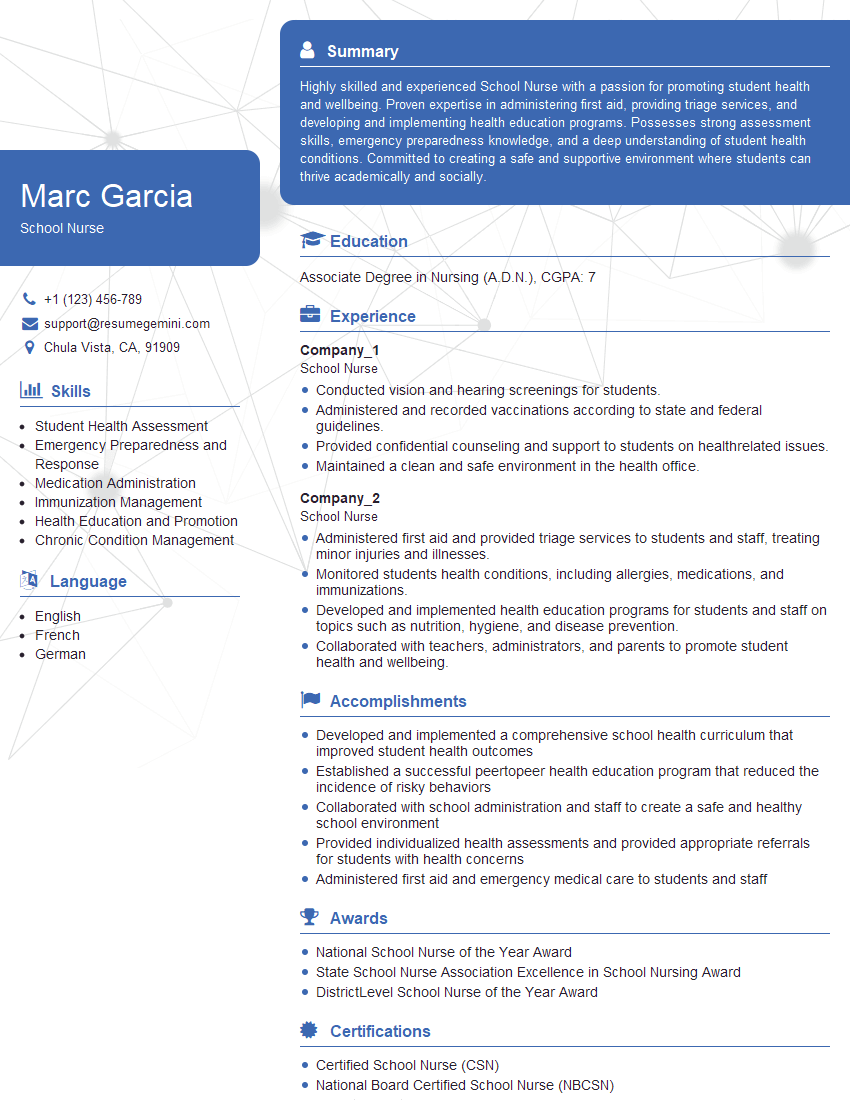
School Nurse Resume Sample
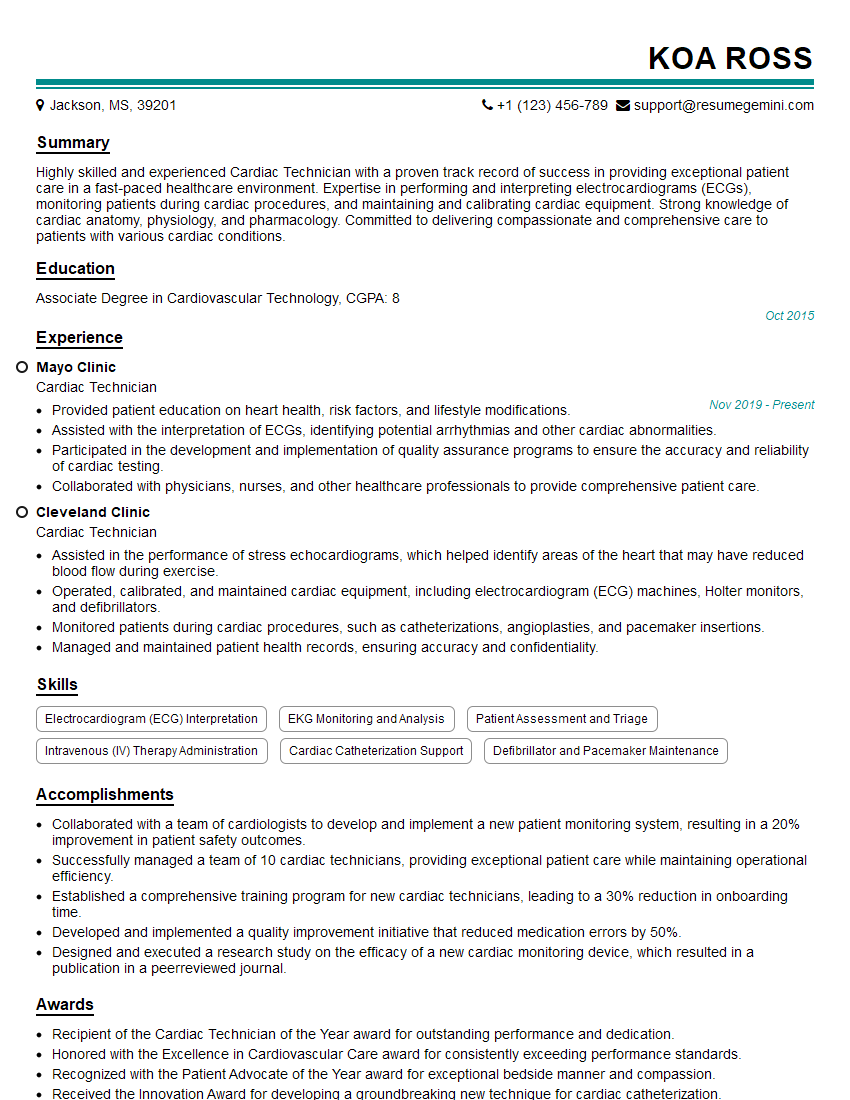
Cardiac Technician Resume Sample
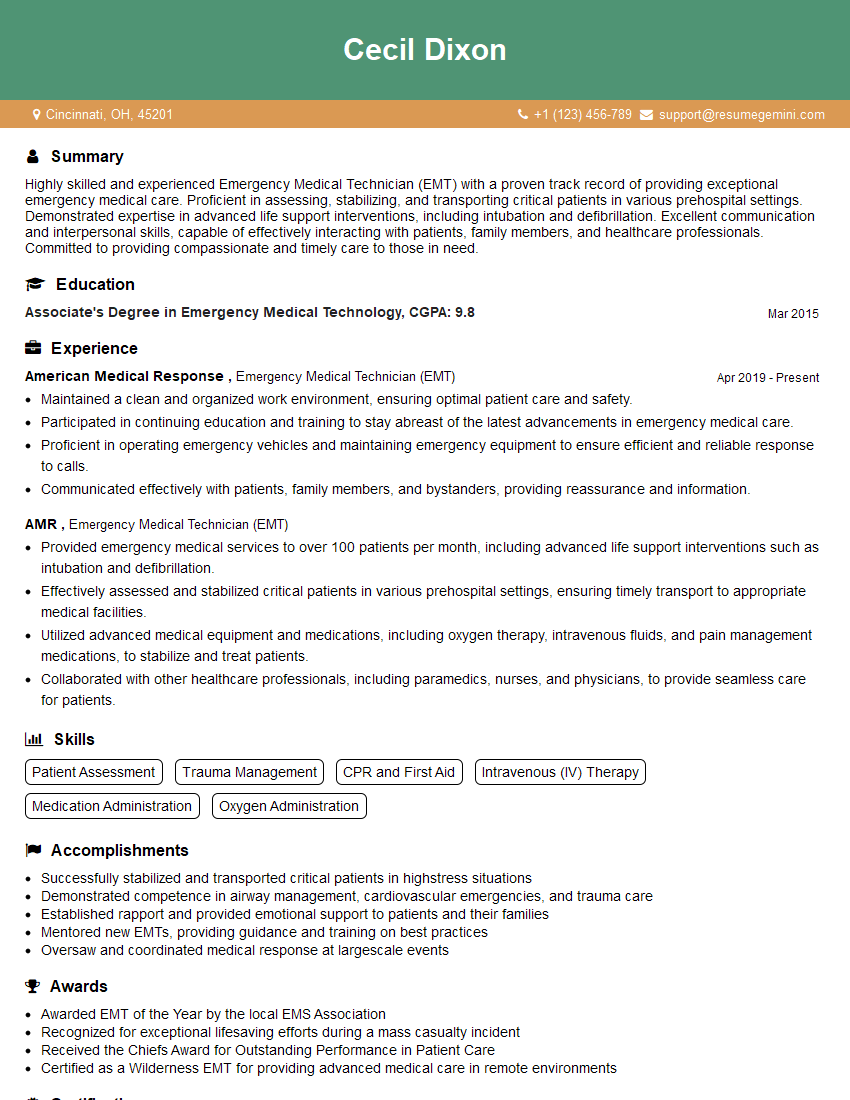
Emergency Medical Technician (EMT) Resume Sample
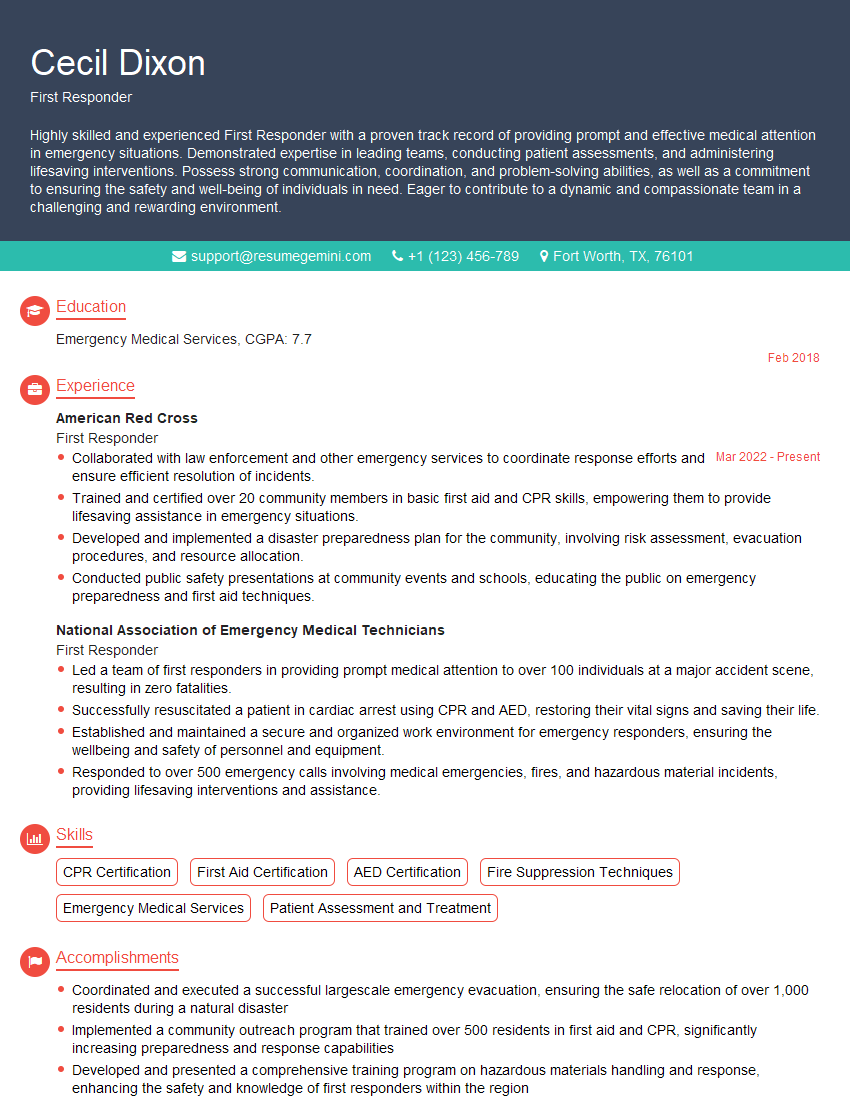
First Responder Resume Sample
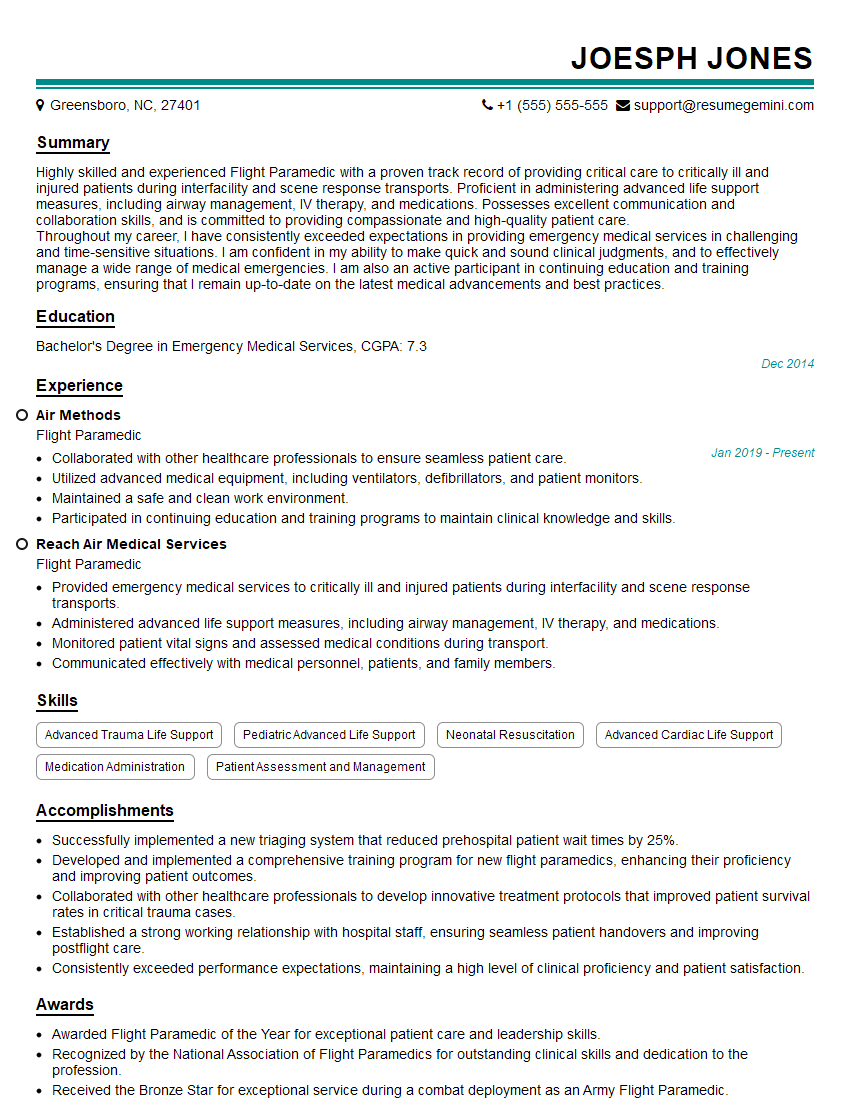
Flight Paramedic Resume Sample
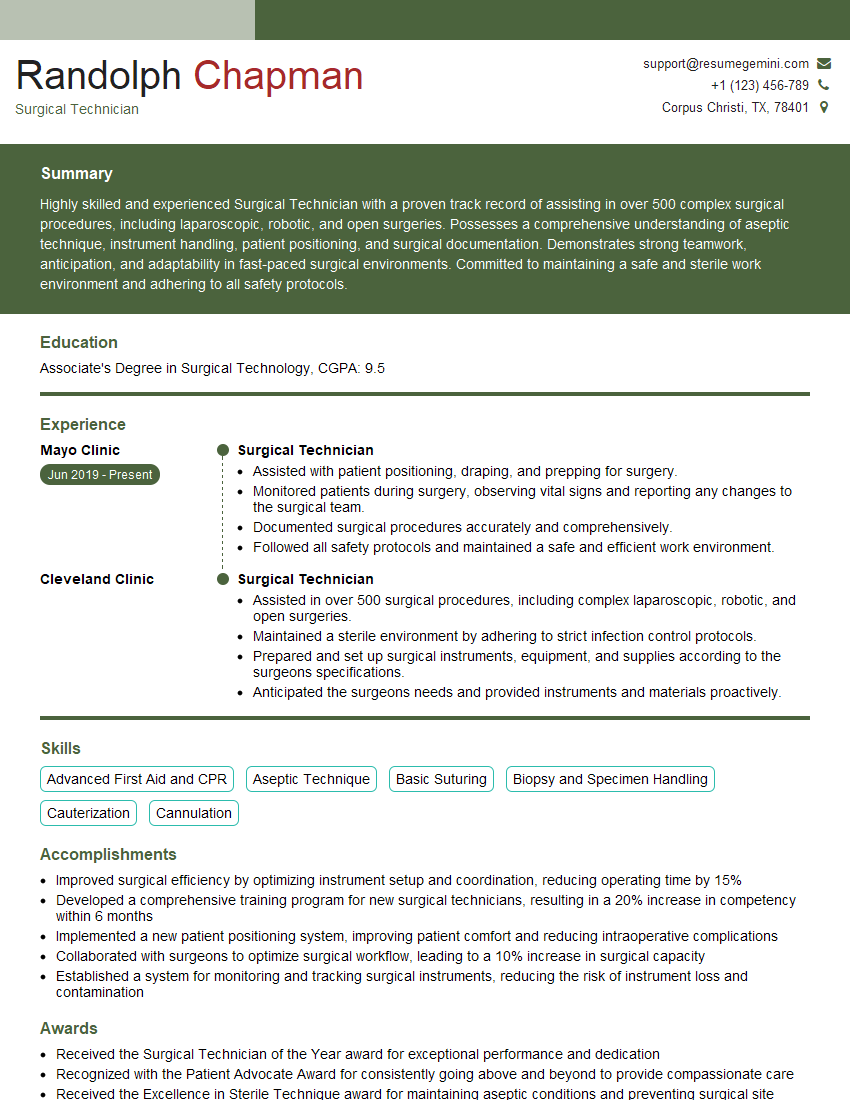
Surgical Technician Resume Sample
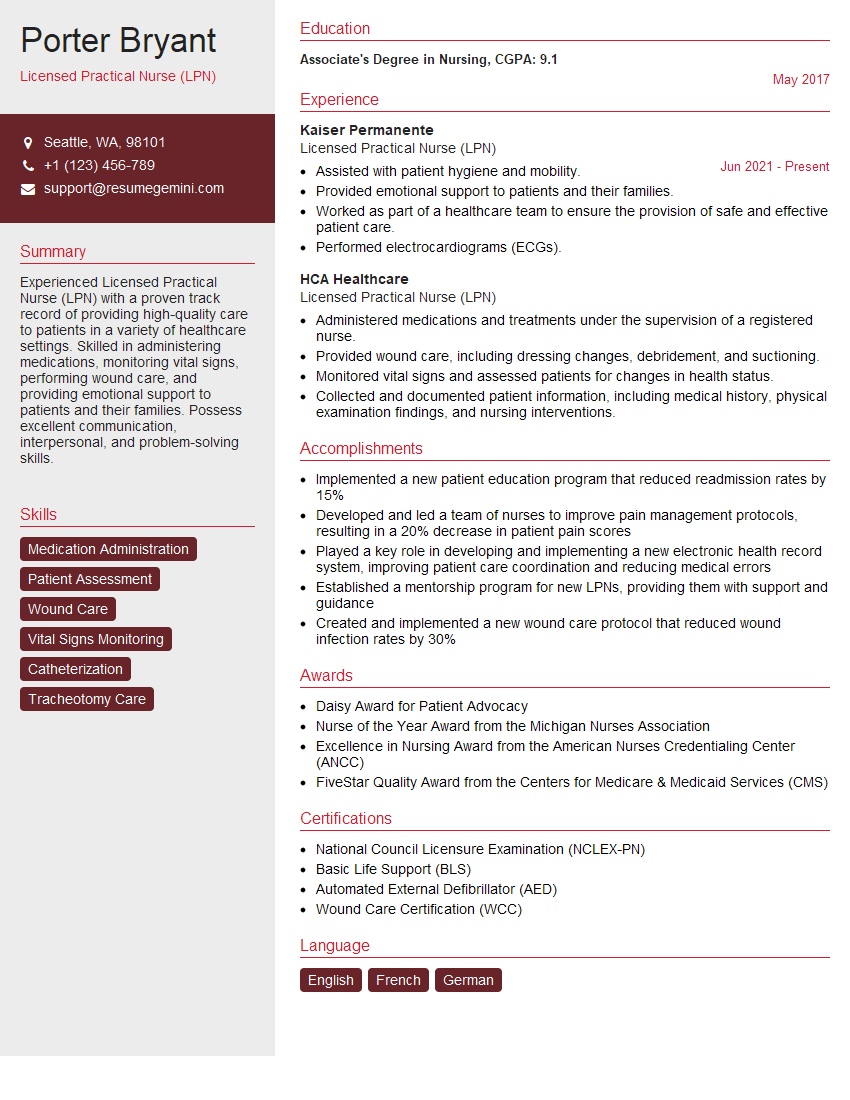
Licensed Practical Nurse (LPN) Resume Sample
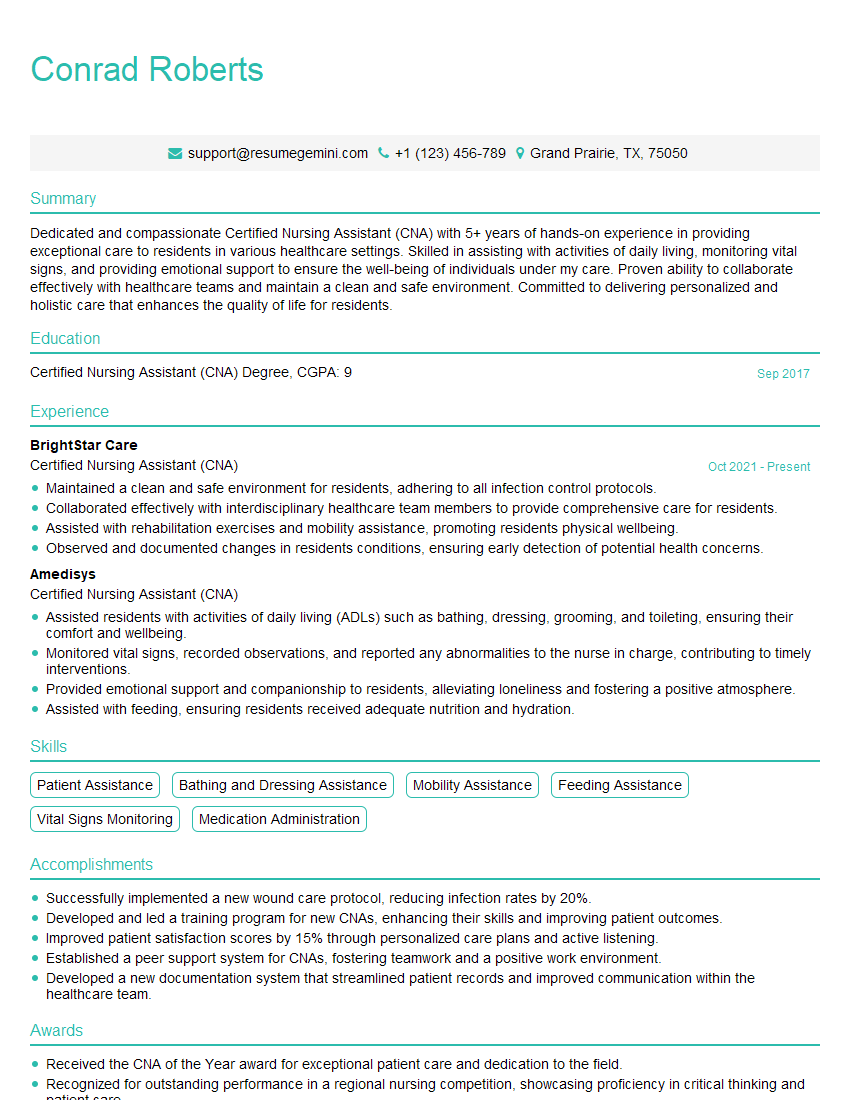
Certified Nursing Assistant (CNA) Resume Sample
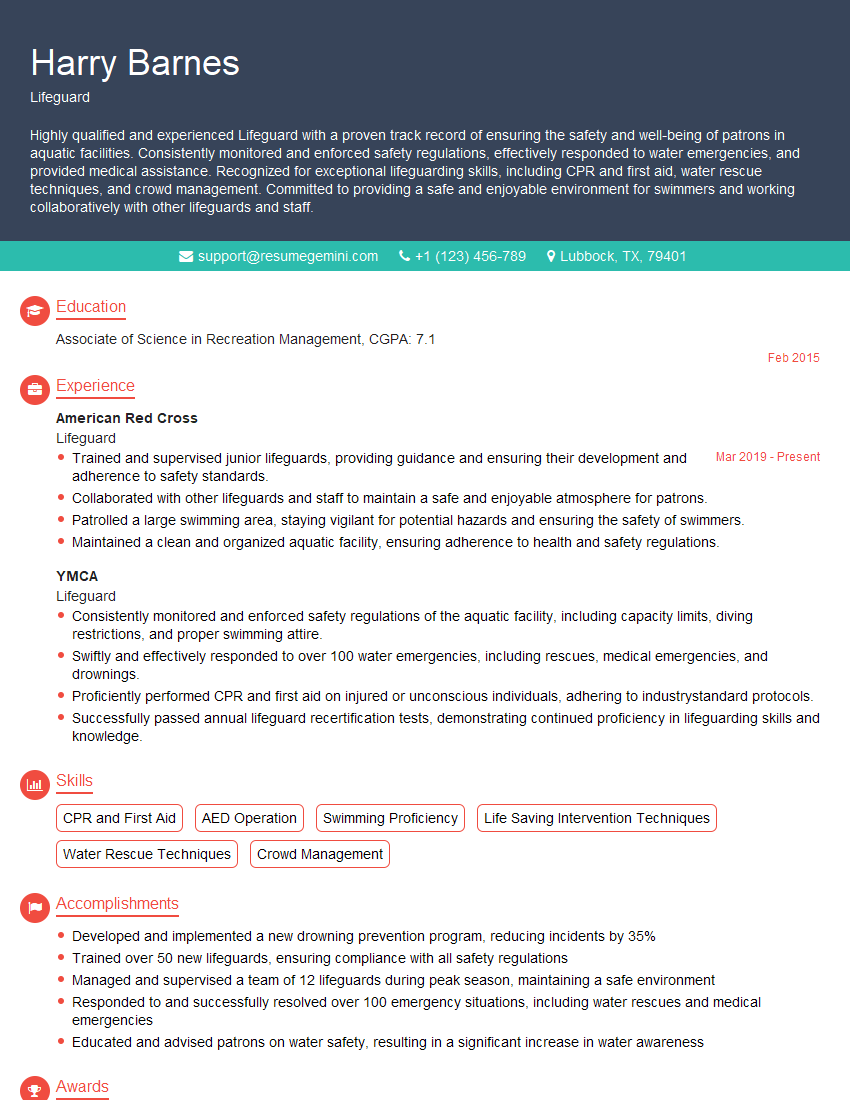
Lifeguard Resume Sample
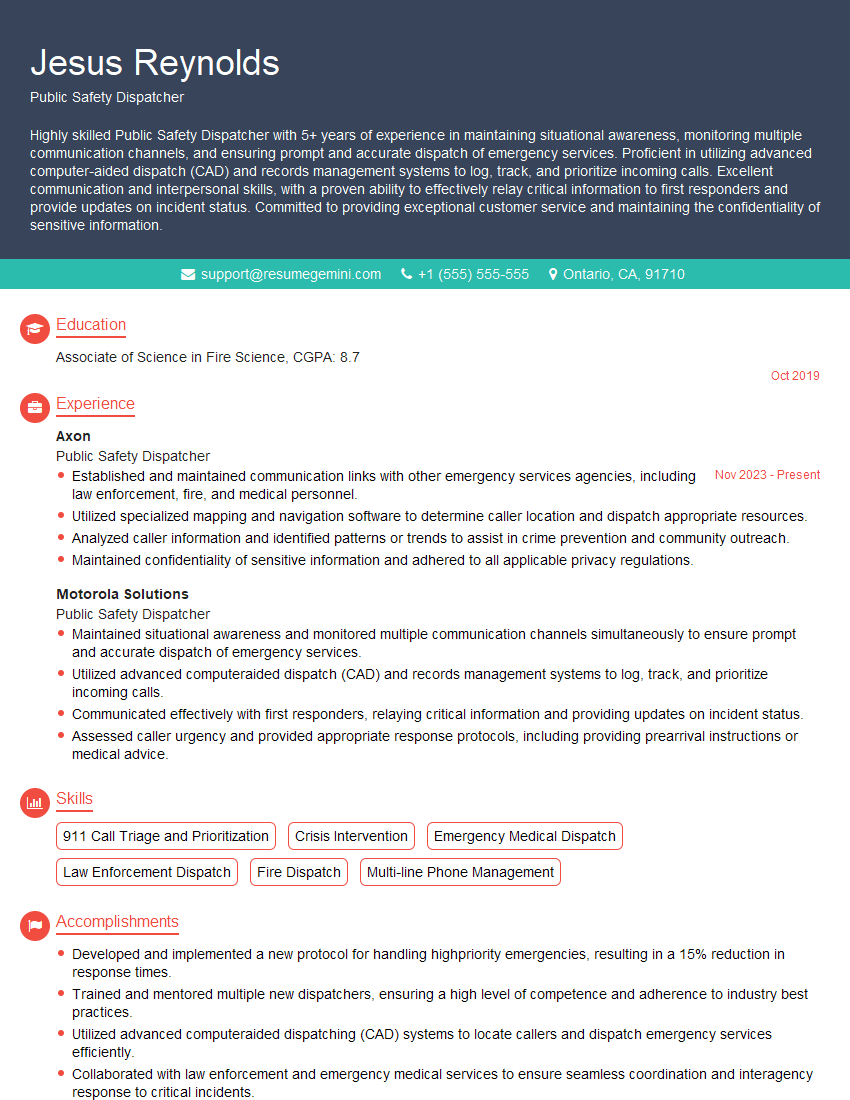
Public Safety Dispatcher Resume Sample
Explore more articles
Users Rating of Our Blogs
Share Your Experience
We value your feedback! Please rate our content and share your thoughts (optional).
What Readers Say About Our Blog
I Redesigned Spongebob Squarepants and his main characters of my artwork.
https://www.deviantart.com/reimaginesponge/art/Redesigned-Spongebob-characters-1223583608
IT gave me an insight and words to use and be able to think of examples
Hi, I’m Jay, we have a few potential clients that are interested in your services, thought you might be a good fit. I’d love to talk about the details, when do you have time to talk?
Best,
Jay
Founder | CEO