The thought of an interview can be nerve-wracking, but the right preparation can make all the difference. Explore this comprehensive guide to Behavior Intervention Techniques interview questions and gain the confidence you need to showcase your abilities and secure the role.
Questions Asked in Behavior Intervention Techniques Interview
Q 1. Describe the principles of Applied Behavior Analysis (ABA).
Applied Behavior Analysis (ABA) is a scientific approach to understanding and changing behavior. It’s based on the principles of learning theory, focusing on observable behaviors and their environmental determinants. The core principles include:
- Determinism: Behavior is not random; it’s caused by environmental factors. We can identify these factors and change the behavior by altering the environment.
- Empiricism: We rely on objective data to understand and measure behavior change. This data-driven approach allows for continuous evaluation and adjustment of interventions.
- Parsimony: We seek the simplest explanation for behavior, avoiding unnecessary complexity in interventions. The most straightforward solution is often the most effective.
- Pragmatism: ABA focuses on practical applications. The goal is to improve a person’s life by changing maladaptive behaviors and enhancing adaptive ones.
- Scientific Method: ABA uses a systematic process of observation, hypothesis formation, intervention, data collection, and evaluation to ensure interventions are effective and efficient.
For example, if a child screams to get attention, ABA would involve identifying what precedes the screaming (e.g., boredom, lack of attention), what follows (e.g., getting attention), and then implementing an intervention, like teaching appropriate attention-seeking behaviors and reinforcing them consistently.
Q 2. Explain the difference between positive and negative reinforcement.
Both positive and negative reinforcement increase the likelihood of a behavior recurring, but they do so in different ways:
- Positive Reinforcement: This involves adding something desirable after a behavior to increase the probability of that behavior happening again. Think of it as rewarding a behavior.
Example: Giving a child a sticker (adding a positive stimulus) for completing their homework (the behavior). - Negative Reinforcement: This involves removing something aversive after a behavior to increase the probability of that behavior happening again. It’s about escaping or avoiding something unpleasant.
Example: A child cleans their room (the behavior) to avoid being grounded (removing an aversive stimulus).
The key difference lies in whether you’re adding something positive or removing something negative to increase the behavior. Both are effective tools, but choosing the right one depends on the specific situation and the individual’s preferences.
Q 3. Define punishment and its various types within ABA.
Punishment, in ABA, decreases the likelihood of a behavior recurring. It’s crucial to remember that ethical considerations are paramount when using punishment. It should always be used as a last resort and only under careful supervision of a qualified professional. There are two main types:
- Positive Punishment: This involves adding something aversive after a behavior to decrease the probability of that behavior happening again.
Example: A child spills their juice (behavior), and they have to clean it up (adding an aversive stimulus). - Negative Punishment: This involves removing something desirable after a behavior to decrease the probability of that behavior happening again.
Example: A teenager stays out past curfew (behavior), and their phone is taken away (removing a desirable stimulus).
It’s vital to understand that punishment doesn’t teach alternative behaviors. It only suppresses the undesired behavior temporarily. Therefore, a comprehensive strategy always includes teaching replacement behaviors through reinforcement.
Q 4. What are the four functions of behavior?
The four functions of behavior, also known as the ‘Four-Term Contingency,’ are the reasons why a person engages in a particular behavior. Understanding these functions is critical for developing effective interventions. They are:
- Attention: The behavior is performed to get attention from others. (e.g., a child tantrums to get their parent’s attention.)
- Escape/Avoidance: The behavior is performed to escape or avoid an aversive situation or task. (e.g., a student pretends to be sick to avoid a test.)
- Access to Tangibles: The behavior is performed to gain access to a desired item or activity. (e.g., a child cries until they get a candy bar.)
- Automatic Reinforcement: The behavior is performed because it is inherently reinforcing, providing sensory stimulation. (e.g., a child repeatedly touches their face because it feels good.)
Identifying the function of a behavior is the cornerstone of developing effective interventions. For example, if a child’s tantrums are attention-seeking, the intervention should focus on teaching alternative ways to get attention and ignoring the tantrums.
Q 5. How do you conduct a Functional Behavior Assessment (FBA)?
A Functional Behavior Assessment (FBA) is a systematic process to determine the function of a challenging behavior. It aims to understand the ‘why’ behind the behavior, not just the ‘what’. It involves several steps:
- Indirect Assessment: Gathering information from interviews with parents, teachers, and the individual exhibiting the behavior. This involves reviewing records and questionnaires.
- Direct Observation: Observing the behavior in its natural environment to identify antecedents (what happens before the behavior), the behavior itself, and consequences (what happens after the behavior). This often involves using structured observation forms and recording data objectively.
- Functional Analysis: Conducting a structured experiment to manipulate the antecedents and consequences to confirm the function of the behavior. This step systematically tests different hypotheses about what’s maintaining the behavior.
- Hypothesis Development: Summarizing the findings from the assessment to create a hypothesis statement that explains the function of the behavior. This hypothesis guides the development of the BIP.
For instance, an FBA might reveal that a child’s hitting behavior is primarily maintained by gaining access to attention from adults. This finding is then used to create an intervention.
Q 6. Explain the process of creating a Behavior Intervention Plan (BIP).
A Behavior Intervention Plan (BIP) is a written document based on the results of the FBA. It outlines strategies to decrease challenging behaviors and increase positive behaviors. The process involves:
- Reviewing the FBA Results: Thoroughly analyze the data collected during the FBA to confirm the function of the challenging behavior.
- Identifying Replacement Behaviors: Determining appropriate alternative behaviors that serve the same function as the challenging behavior. For example, if the function is to gain attention, teach the child to use words or appropriate gestures instead of hitting.
- Developing Strategies to Decrease the Challenging Behavior: Employing various techniques, such as antecedent manipulation (e.g., providing choices, proactive teaching), extinction (ignoring the behavior if it’s attention-maintained), and positive reinforcement of appropriate behaviors.
- Developing Strategies to Increase Positive Behaviors: Using a variety of positive reinforcement strategies to strengthen the use of replacement behaviors. This could include praise, tangible rewards, or privileges.
- Developing a Data Collection System: Choosing appropriate methods to track the effectiveness of the interventions (see question 7).
- Implementing and Monitoring the BIP: Putting the plan into action, monitoring progress closely, and making adjustments as needed.
A well-written BIP includes specific, measurable, achievable, relevant, and time-bound (SMART) goals and clear steps to achieve those goals. Regular review and adjustment are vital for success.
Q 7. Describe different data collection methods used in ABA.
Several data collection methods are used in ABA to monitor behavior and the effectiveness of interventions. The choice of method depends on the behavior being targeted and the resources available. Some common methods include:
- Frequency: Counting the number of times a behavior occurs within a specific time frame. This is suitable for behaviors that have a clear beginning and end.
- Duration: Measuring how long a behavior lasts. Useful for behaviors that are continuous or have variable durations.
- Latency: Recording the time elapsed between a cue or instruction and the initiation of a behavior. This is helpful in understanding response time or delays.
- Intensity: Measuring the severity or strength of a behavior. This is often used subjectively with rating scales but can be operationalized through objective measures as well.
- Interval Recording: Observing and recording whether a behavior occurs during predetermined intervals of time. Useful for behaviors that are frequent and brief.
- Partial Interval Recording: Recording whether a behavior occurred at any point during an interval. A behavior might occur multiple times within an interval and be recorded once.
- Whole Interval Recording: Recording whether a behavior occurred throughout the entire interval. The behavior must occur throughout the entire interval to be counted.
Data are typically displayed graphically (e.g., line graphs) to visualize trends and evaluate the effectiveness of the interventions. Accurate and consistent data collection is crucial for ensuring evidence-based practice.
Q 8. How do you analyze behavioral data to determine treatment effectiveness?
Analyzing behavioral data to determine treatment effectiveness involves a systematic approach focusing on the frequency, duration, and intensity of target behaviors before, during, and after intervention implementation. We use visual graphs, such as line graphs, to track progress and identify trends. For example, if we’re working to reduce tantrums in a child, we’d meticulously record the number of tantrums per day. A successful intervention would show a clear downward trend in the graph. We also consider the context of the behavior – what happened before (antecedent) and after (consequence) – to understand the function of the behavior. Statistical analysis, though not always necessary for every case, can further strengthen the conclusions drawn from the data, confirming whether the observed changes are statistically significant and not due to chance. In essence, we look for a demonstrable link between the implemented intervention and a reduction or increase (depending on the goal) in the target behavior.
For instance, let’s say we’re using a token economy to increase on-task behavior in a classroom. We’d graph the number of minutes the student spent on task each day. A significant increase in those minutes correlated with the implementation of the token economy would suggest the intervention is effective. Conversely, if the graph shows no change or even an increase in off-task behavior, we’d know to revise our approach.
Q 9. What are some common antecedent interventions?
Antecedent interventions focus on modifying the environment or situation *before* a challenging behavior occurs to prevent it from happening in the first place. The goal is to proactively manage the triggers that lead to the unwanted behavior. Think of it as preparing the environment to minimize the likelihood of a problem arising.
- Environmental modifications: These changes alter the physical setting to reduce the likelihood of the behavior. For example, rearranging a classroom to keep a disruptive student away from distracting items, or removing tempting objects from a child’s reach to prevent grabbing behaviors.
- Behavioral momentum: This involves starting with easy tasks that a client can successfully complete before introducing more challenging ones. The success builds momentum, making the individual more likely to tackle the difficult tasks without resistance. Imagine a child who resists brushing their teeth. Starting with a quick, fun activity first, then transitioning to teeth brushing, can improve compliance.
- Noncontingent reinforcement (NCR): This technique involves providing reinforcement on a time-based schedule, regardless of the behavior. This satiates the individual’s need for attention or other reinforcement, reducing the likelihood they will engage in problem behaviors to obtain it. For example, providing a child with frequent praise and attention throughout the day may reduce their need to seek attention through disruptive behaviors.
- Functional communication training (FCT): This teaches the individual to communicate their needs appropriately instead of resorting to challenging behavior. If a child screams to get attention, FCT would teach them to ask for attention using words or gestures.
Q 10. Explain the concept of differential reinforcement.
Differential reinforcement is a powerful behavior modification technique that involves reinforcing desired behaviors while ignoring or punishing undesired behaviors. The core concept is to increase the likelihood of positive behaviors by consistently rewarding them, thus making them more probable than the undesirable ones. It’s like shaping behavior; we reinforce closer and closer approximations of the target behavior until it’s consistently performed.
Imagine training a dog to sit. Initially, any movement towards sitting might be rewarded. Gradually, we only reward the complete sit command. This is differential reinforcement in action. We’re differentially reinforcing the desired behavior (sitting) over undesired behaviors (standing, jumping).
Q 11. Describe various types of differential reinforcement procedures.
Several types of differential reinforcement procedures exist, each targeting specific behavioral outcomes:
- Differential reinforcement of other behavior (DRO): Reinforcement is delivered when the undesired behavior does *not* occur during a specific time interval. For instance, reinforcing a student for remaining calm for 15 minutes would be DRO.
- Differential reinforcement of incompatible behavior (DRI): This involves reinforcing a behavior that is physically impossible to perform simultaneously with the undesired behavior. If a student is constantly out of their seat, reinforcing them for sitting would be DRI. Sitting and standing are incompatible behaviors.
- Differential reinforcement of low rates of behavior (DRL): This technique is used to reduce the frequency of a behavior that is not entirely undesirable, but occurs too often. For example, rewarding a student for only asking questions once every 10 minutes instead of continuously interrupting would be DRL.
- Differential reinforcement of high rates of behavior (DRH): This is the opposite of DRL; it’s used to increase the frequency of a desirable behavior. Rewarding a student for completing at least 10 math problems in 15 minutes would be DRH.
- Differential reinforcement of alternative behavior (DRA): This involves reinforcing a positive behavior that serves the same function as the undesired behavior. If a child hits to get attention, DRA might involve reinforcing them for asking for attention verbally.
Q 12. How do you address challenging behaviors such as aggression or self-injury?
Addressing challenging behaviors like aggression or self-injury requires a multifaceted approach that prioritizes safety and a thorough functional behavioral assessment (FBA). The FBA helps identify the triggers (antecedents), the behavior itself, and the consequences that maintain the behavior. Based on the FBA, we develop a behavior support plan (BSP) that includes antecedent interventions (preventing the behavior), teaching replacement behaviors (providing alternative ways to meet needs), and consequence strategies (managing the behavior if it occurs).
For aggression, this might involve teaching the individual calming strategies, providing choices to reduce frustration, and utilizing strategies like time-out or removal of privileges (only when safe and appropriate) as consequences for aggressive acts. For self-injury, safety planning is paramount. This might involve physical protection, teaching self-calming techniques, and replacing the self-injurious behavior with a more adaptive response. It’s crucial to involve a multidisciplinary team, potentially including psychiatrists, therapists, and medical professionals, to address any underlying medical or psychological factors contributing to the challenging behaviors.
It is critically important to consult with qualified professionals before implementing any interventions for challenging behaviors, and to prioritize the safety of the individual and those around them.
Q 13. What is generalization and how do you promote it?
Generalization refers to the ability of a client to perform a learned behavior across different settings, people, and situations. For example, if a child learns to share toys in a therapy session, generalization would be demonstrated if they also share toys at home and at school. Promoting generalization requires careful planning and implementation of strategies that bridge the gap between the learning environment and the natural environment.
- Training in multiple settings: Teach the behavior in various locations and with different people.
- Varying stimuli: Practice the skill with diverse materials and under various conditions.
- Using naturally occurring reinforcement: Structure activities so that the natural consequences of the behavior reinforce it.
- Incorporating generalization probes: Regularly assess the client’s performance in different settings to monitor generalization.
- Teaching self-management skills: Equip the client with strategies to monitor and reinforce their own behavior.
For instance, if teaching a child to use polite language, practice the skill at home, school, and in community settings, ensuring consistency in reinforcement across all these environments. If possible, involve significant others in the intervention to maintain generalization.
Q 14. How do you maintain client confidentiality and adhere to ethical guidelines?
Maintaining client confidentiality and adhering to ethical guidelines is paramount in my practice. I strictly adhere to all relevant laws and regulations, including HIPAA (Health Insurance Portability and Accountability Act) and any relevant state regulations. This means protecting all identifiable client information, including verbal communications, written documents, and electronic data. I use secure methods for storing and transmitting client data, and I only share information with others who have a legitimate need to know, and only with the client’s explicit consent, unless legally required to do otherwise. I maintain detailed records of my interactions with clients, ensuring the information is accurate and reflects the services provided. I regularly update my knowledge of ethical guidelines and relevant laws to ensure my practice remains compliant.
Ethical considerations also guide my decision-making in treatment planning and implementation. I prioritize the client’s well-being and autonomy, always ensuring the interventions are in their best interests. I am open and transparent with clients about my methods, potential risks, and expected outcomes. If I encounter any ethical dilemmas, I seek consultation from supervisors or other qualified professionals. Maintaining strong ethical standards is essential for building trust with clients and upholding the integrity of the profession.
Q 15. Describe your experience with crisis intervention and de-escalation techniques.
Crisis intervention and de-escalation are crucial skills in behavior intervention. My approach centers on understanding the individual’s triggers and employing strategies to safely and effectively reduce heightened emotional states. I’ve extensively trained in various techniques, including verbal de-escalation, environmental modification, and physical intervention (only as a last resort and with appropriate training and authorization).
For example, I once worked with a young adult diagnosed with borderline personality disorder who experienced intense emotional outbursts. By carefully observing his triggers (e.g., feeling overwhelmed, perceived criticism), I developed a personalized de-escalation plan that involved providing him with a quiet space, validating his feelings, and teaching him self-regulation techniques like deep breathing. This proactive approach significantly reduced the frequency and intensity of his crises.
Another approach I frequently use involves redirecting the individual’s attention to a more calming activity or environment, helping them to regain control of their emotions. This often involves carefully chosen words to acknowledge the individual’s experience while offering a pathway away from the crisis.
Career Expert Tips:
- Ace those interviews! Prepare effectively by reviewing the Top 50 Most Common Interview Questions on ResumeGemini.
- Navigate your job search with confidence! Explore a wide range of Career Tips on ResumeGemini. Learn about common challenges and recommendations to overcome them.
- Craft the perfect resume! Master the Art of Resume Writing with ResumeGemini’s guide. Showcase your unique qualifications and achievements effectively.
- Don’t miss out on holiday savings! Build your dream resume with ResumeGemini’s ATS optimized templates.
Q 16. How do you collaborate with parents, teachers, and other professionals?
Collaboration is the cornerstone of effective behavior intervention. I believe in a multidisciplinary approach, building strong relationships with parents, teachers, and other professionals to create a consistent and supportive environment for the individual. This involves regular communication, shared goal setting, and joint decision-making.
With parents, I regularly schedule meetings to discuss progress, challenges, and adjustments to the intervention plan. I use clear and accessible language to explain complex concepts and involve them actively in the process. With teachers, I collaborate to create consistent expectations and strategies across school and home settings, ensuring a smooth transition and reinforcement of learned behaviors.
With other professionals, like psychiatrists or therapists, I regularly share information, coordinate care, and ensure the intervention plan aligns with broader treatment goals. I am proficient in using various communication platforms to ensure seamless information sharing and collaboration.
Q 17. Explain your experience working with individuals with autism spectrum disorder.
I have extensive experience working with individuals with Autism Spectrum Disorder (ASD), using evidence-based practices tailored to their specific needs. My approach incorporates Applied Behavior Analysis (ABA) principles, focusing on skill acquisition, behavior reduction, and functional communication training.
For example, I worked with a child diagnosed with ASD who exhibited repetitive self-injurious behaviors. Through a functional behavior assessment (FBA), we determined that the behavior was a means of escaping demanding tasks. We implemented a positive behavior support plan that included teaching alternative communication methods and gradually increasing task demands with positive reinforcement.
I am adept at using visual supports, social stories, and other strategies to enhance understanding and communication. It’s crucial to recognize the diverse needs within the ASD spectrum and tailor interventions accordingly; a one-size-fits-all approach is ineffective.
Q 18. Describe your experience with different age groups.
My experience spans a wide range of age groups, from early childhood to adulthood. I’ve worked with preschoolers, school-aged children, adolescents, and young adults, each requiring age-appropriate strategies and adaptations. For example, interventions for a preschooler might focus on play-based learning and visual supports, while those for an adolescent might involve more abstract concepts and self-advocacy skills.
Working with different age groups requires understanding developmental milestones and adapting my communication style and intervention methods to be age-appropriate and effective. I can tailor my language and activities to fit the developmental stage, ensuring engagement and understanding.
Q 19. How do you adapt your interventions based on individual needs?
Adapting interventions to individual needs is paramount. I use a person-centered approach, starting with a thorough assessment to understand the individual’s strengths, challenges, preferences, and learning styles. This involves utilizing various assessment tools and actively involving the individual (and their family/caregivers) in the process.
For instance, if an individual responds well to visual cues, I’ll incorporate visual schedules and supports into the intervention. If they are highly motivated by tangible rewards, I’ll use a token economy system. Regular monitoring and data collection allow me to continuously assess the effectiveness of the intervention and make necessary adjustments to ensure optimal outcomes.
Flexibility and ongoing evaluation are crucial. What works for one individual may not work for another, and interventions need to be adjusted as the individual progresses or new challenges arise.
Q 20. What is your experience with conducting skill acquisition programs?
Skill acquisition programs are a core component of my work. I am proficient in designing and implementing programs that focus on teaching new skills, such as communication, social skills, daily living skills, or academic skills. I utilize a variety of teaching methods, including discrete trial training (DTT), naturalistic teaching strategies, and chaining.
A recent example involved creating a skill acquisition program for a young child with autism to teach him to independently dress himself. We broke down the task into smaller steps (e.g., putting on socks, pants, shirt), using positive reinforcement at each step. We used visual aids like picture cards to help him understand the sequence. Data were carefully collected to track progress and make adjustments to the program as needed. The program resulted in a significant increase in the child’s independence in dressing himself.
Q 21. Describe your proficiency in using various assessment tools.
Proficiency in using various assessment tools is fundamental to effective behavior intervention. I am skilled in administering and interpreting a wide range of assessments, including functional behavior assessments (FBAs), developmental screenings, and adaptive behavior scales. FBAs are critical for understanding the function of challenging behaviors and informing the development of effective interventions.
I also use standardized assessments like the Vineland Adaptive Behavior Scales and the Autism Diagnostic Observation Schedule (ADOS) to gather comprehensive information about an individual’s abilities and needs. The data obtained from these assessments inform the development of individualized intervention plans and help to monitor progress over time. Crucially, I interpret these assessments not in isolation, but within the context of the individual’s overall functioning and experiences.
Q 22. How do you handle resistance to interventions?
Resistance to interventions is a common challenge in behavior intervention. It’s crucial to remember that resistance isn’t necessarily defiance; it often stems from a lack of understanding, skill deficits, or unmet needs. My approach focuses on collaboration and problem-solving, rather than confrontation.
- Functional Behavior Assessment (FBA): Before addressing resistance, I thoroughly review the FBA to identify the underlying function of the behavior. Is the behavior getting the student attention, escaping a task, or accessing a desired item? Understanding the function guides the intervention’s modification.
- Positive Reinforcement and Collaboration: I focus on increasing positive behaviors through reinforcement. This might involve praising effort, providing breaks, or offering choices, fostering a sense of collaboration and control.
- Environmental Modifications: Sometimes, resistance arises from an unsuitable environment. I work to adjust the setting to reduce triggers and increase opportunities for success. For example, rearranging a classroom to minimize distractions or providing noise-canceling headphones for a student sensitive to auditory stimuli.
- Adjusting the Intervention: If resistance persists despite these strategies, I reassess the intervention’s intensity, frequency, and methods. This might involve reducing demands, using different prompting techniques, or adding visual supports.
- Collaboration with Stakeholders: Open communication with parents, teachers, and other professionals is essential. A collaborative approach ensures consistency and support across various settings.
For example, I once worked with a student who consistently refused to complete his math worksheet. Through FBA, we discovered he was avoiding the task due to frustration with complex equations. We modified the intervention by breaking down the worksheet into smaller, more manageable chunks and providing more frequent positive reinforcement for each completed section. This reduced his frustration and significantly increased his task completion.
Q 23. How do you measure the effectiveness of your interventions?
Measuring the effectiveness of interventions is critical to ensuring positive outcomes and making data-driven adjustments. I utilize a variety of methods, both qualitative and quantitative, to track progress.
- Data Collection: I systematically collect data on the target behavior’s frequency, duration, and intensity using various methods like direct observation, self-monitoring, or teacher reports. This data is graphed to visually track progress over time.
- Visual Analysis of Graphs: I analyze graphs to identify trends and determine if the intervention is leading to a decrease in problem behaviors and/or an increase in desired behaviors. This helps pinpoint effective strategies and areas needing modification.
- Functional Behavior Assessment (FBA) Re-evaluation: Periodically, I re-evaluate the FBA to ensure the intervention continues to address the behavior’s underlying function. Changes in the student’s environment or needs may necessitate adjusting the intervention.
- Qualitative Measures: In addition to quantitative data, I consider qualitative feedback from teachers, parents, and the student themselves. This provides a more holistic understanding of the intervention’s impact on the student’s overall well-being and functioning.
- Progress Monitoring Meetings: Regular meetings with stakeholders allow for the sharing of data and collaborative decision-making regarding intervention adjustments.
For instance, in one case, we graphed the occurrence of disruptive behaviors before and after implementing a specific intervention. The graph clearly showed a significant decrease in disruptive behaviors following the implementation of the new strategies, confirming the intervention’s effectiveness.
Q 24. What is your experience with documentation and reporting requirements?
Thorough and accurate documentation is paramount in behavior intervention. It ensures accountability, promotes consistency, and facilitates communication among professionals. My experience encompasses various documentation methods, including:
- Behavior Intervention Plans (BIPs): I have extensive experience in creating, implementing, and updating BIPs that comply with all relevant legal and ethical standards.
- Progress Notes: I maintain detailed progress notes that accurately document daily observations, interventions implemented, and the student’s responses. These notes are written clearly and concisely, following established agency guidelines.
- Data Sheets: I use data sheets to record quantitative data on target behaviors, which are then used for graphing and analysis.
- Meeting Minutes: I meticulously document meetings with stakeholders, outlining discussed topics, decisions made, and action items.
- Compliance with Legal and Ethical Requirements: I am well-versed in relevant laws and regulations related to confidentiality, data privacy, and reporting mandated abuse or neglect.
I am proficient in utilizing electronic documentation systems and understand the importance of maintaining confidentiality and securing sensitive information.
Q 25. Describe a time you had to modify a BIP due to ineffective results.
I once worked with a student experiencing frequent outbursts in the classroom. We implemented a BIP focusing on antecedent manipulation (reducing triggers) and positive reinforcement for appropriate behavior. However, after several weeks, the outbursts persisted.
Upon reviewing the data, we noticed the intervention wasn’t impacting the frequency of outbursts significantly. We then conducted a more in-depth FBA, discovering that the student’s outbursts were primarily triggered by feelings of social isolation and a lack of opportunities for social interaction. The initial BIP hadn’t sufficiently addressed this underlying social need.
Consequently, we modified the BIP by incorporating strategies to increase social interaction and opportunities for peer collaboration. We added structured group activities, peer tutoring opportunities, and explicit instruction on social skills. Following these modifications, we observed a considerable reduction in the student’s outbursts and a significant improvement in their social interaction.
This experience highlighted the importance of continuous monitoring and flexibility when implementing interventions. A data-driven approach and willingness to adjust the plan based on the student’s needs are essential for maximizing intervention success.
Q 26. How do you stay updated on the latest research and best practices in ABA?
Staying current with the latest research and best practices in Applied Behavior Analysis (ABA) is crucial for providing effective and ethical interventions. I employ several methods to maintain my expertise:
- Professional Development: I actively participate in workshops, conferences, and online courses focusing on advancements in ABA and related fields.
- Professional Organizations: I am a member of professional organizations, such as the Association for Science in Autism Treatment (ASAT), which provide access to cutting-edge research, publications, and networking opportunities.
- Peer Review Articles and Journals: I regularly read peer-reviewed journals and research articles to stay abreast of the latest findings and evidence-based practices.
- Mentorship and Collaboration: I actively seek mentorship from experienced professionals and collaborate with colleagues to share knowledge and discuss challenging cases. This collaborative approach fosters continuous learning and refinement of techniques.
- Online Resources and Databases: I utilize reputable online databases and resources to access research findings, best-practice guidelines, and case studies relevant to ABA.
Continuous learning is not just a professional obligation; it is a fundamental aspect of providing high-quality care and ensuring positive outcomes for my clients.
Q 27. What are your strengths and weaknesses as a behavior interventionist?
My strengths lie in my ability to build strong rapport with students and their families, create data-driven interventions, and adapt strategies based on individual needs and progress. I’m a highly organized, detail-oriented individual who excels at data analysis and documentation. My collaborative style allows me to effectively work with multidisciplinary teams to ensure consistency and comprehensive support.
One area for development is further enhancing my skills in working with students who exhibit complex behaviors involving self-injurious behavior. While I have experience in this area, ongoing training and collaboration with specialists would allow me to better meet the needs of this population. I actively seek opportunities to improve my expertise through additional training and mentorship in this area.
Q 28. What are your salary expectations?
My salary expectations are in line with the current market rate for experienced Behavior Interventionists with my qualifications and experience in this region. I am open to discussing specific compensation based on the scope of responsibilities, benefits package, and other factors associated with the position. I prioritize a supportive work environment that values professional development and allows for the application of evidence-based practices.
Key Topics to Learn for Behavior Intervention Techniques Interview
- Behavioral Assessment: Understanding functional behavior assessments (FBAs), including direct observation, interviews, and record reviews. Developing hypotheses regarding the function of challenging behaviors.
- Positive Behavior Supports (PBS): Applying PBS principles to develop proactive strategies that prevent challenging behaviors. This includes identifying triggers, antecedents, and consequences.
- Behavior Modification Techniques: Mastering various techniques such as reinforcement (positive and negative), extinction, punishment, and shaping. Understanding the ethical considerations and limitations of each.
- Data Collection and Analysis: Utilizing various data collection methods (e.g., frequency counts, duration recording, anecdotal records) and analyzing data to evaluate the effectiveness of interventions. Visual representation of data and interpretation of results.
- Crisis Intervention and De-escalation: Developing skills in de-escalation techniques and safe crisis management strategies. Understanding the importance of maintaining safety and emotional regulation for both the individual and the interventionist.
- Collaboration and Communication: Understanding the importance of collaboration with families, educators, and other professionals. Effective communication strategies to build rapport and share information.
- Ethical Considerations: Understanding legal and ethical guidelines related to behavior intervention, including informed consent, confidentiality, and client rights.
- Individualized Behavior Intervention Plans (IBIPs): Developing, implementing, and monitoring IBIPs tailored to the specific needs of individuals. Understanding the components of a comprehensive IBIP.
Next Steps
Mastering Behavior Intervention Techniques is crucial for career advancement in fields like education, social work, and psychology. A strong understanding of these techniques demonstrates your commitment to evidence-based practice and your ability to provide effective support to individuals facing behavioral challenges. To maximize your job prospects, creating an ATS-friendly resume is essential. ResumeGemini can help you build a professional and impactful resume that highlights your skills and experience in Behavior Intervention Techniques. Examples of resumes tailored to this field are available through ResumeGemini, providing you with valuable templates and guidance to present your qualifications effectively. Invest time in crafting a compelling resume – it’s your first impression on potential employers.
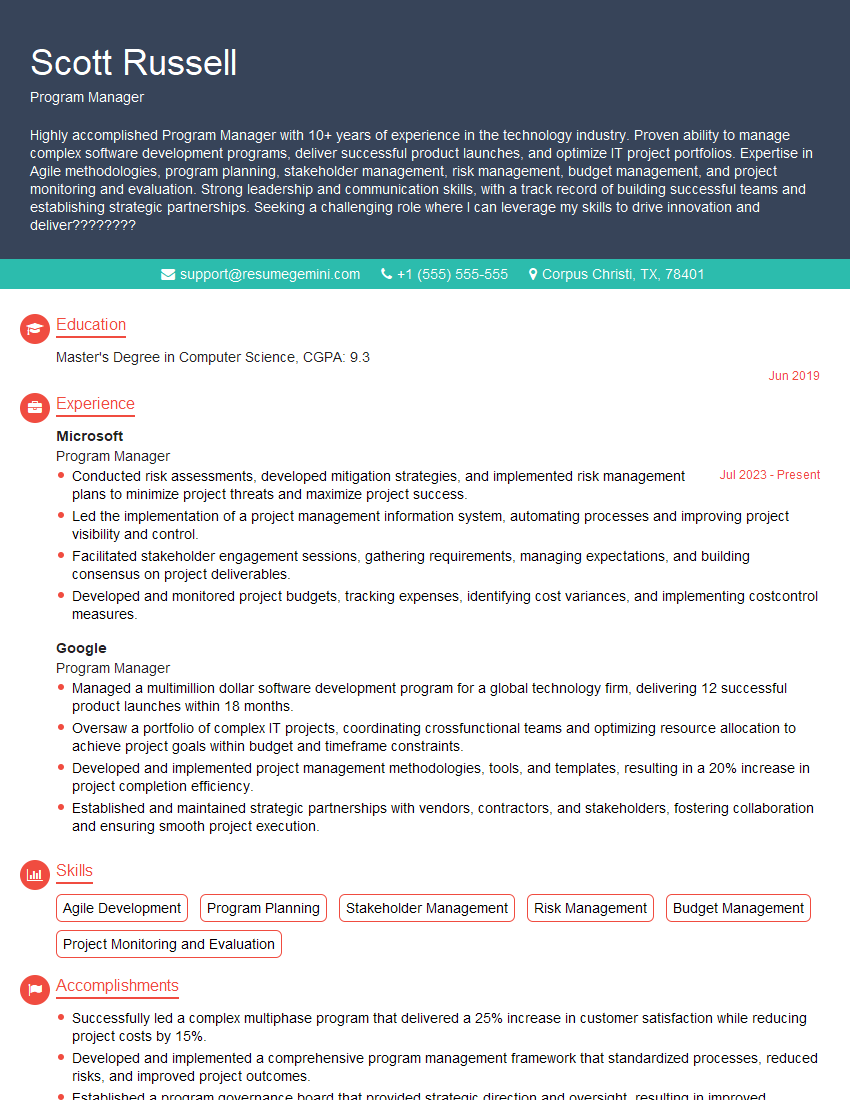
Program Manager Resume Sample
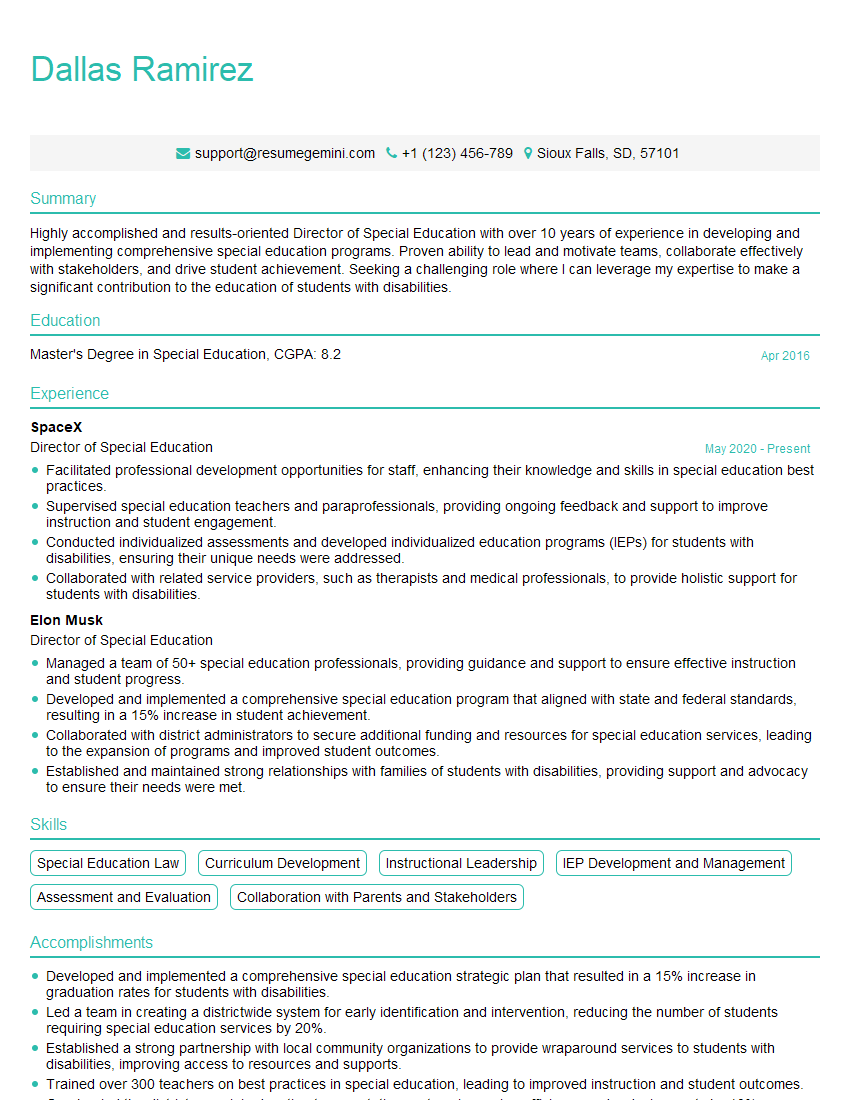
Director of Special Education Resume Sample
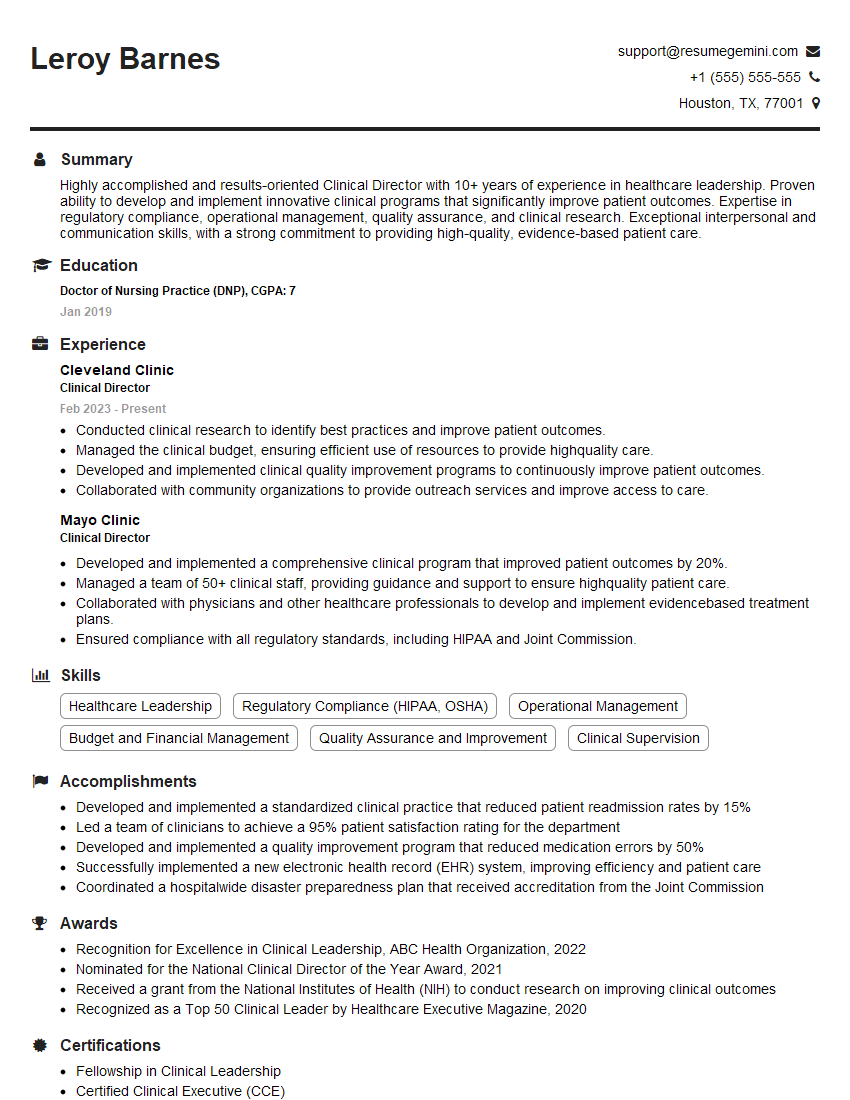
Clinical Director Resume Sample
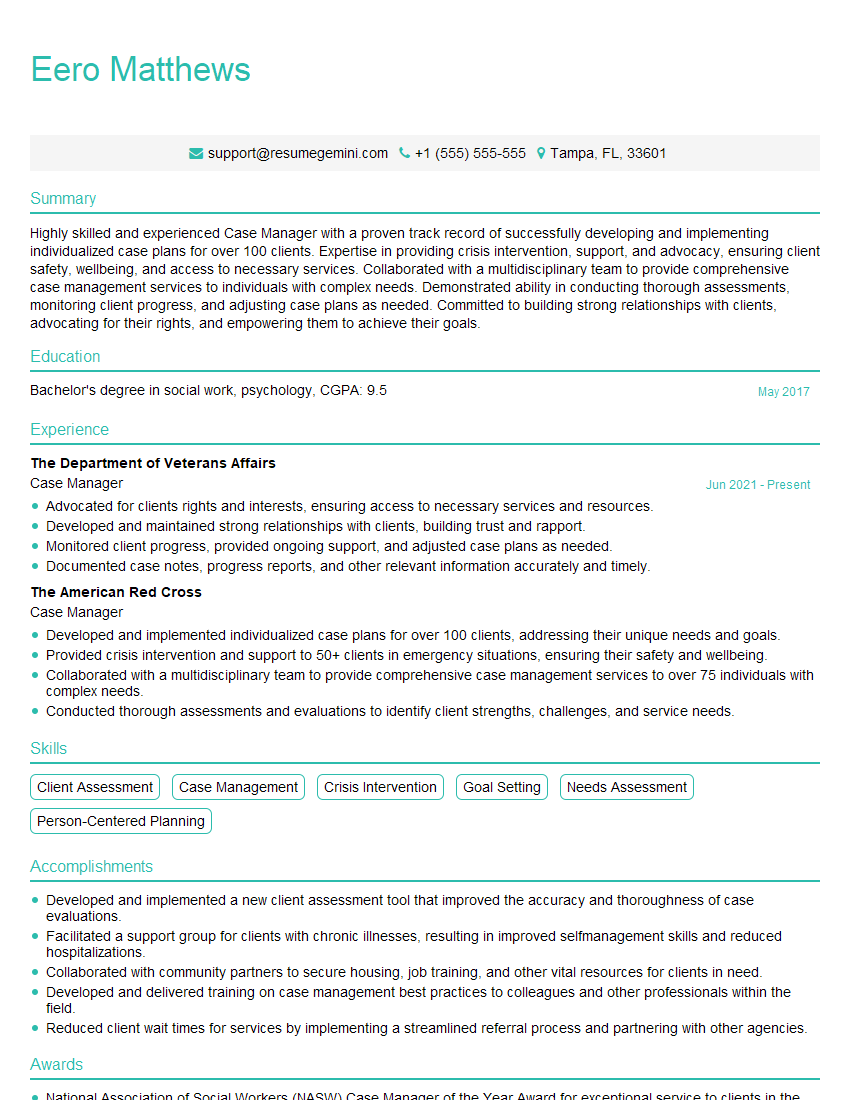
Case Manager Resume Sample
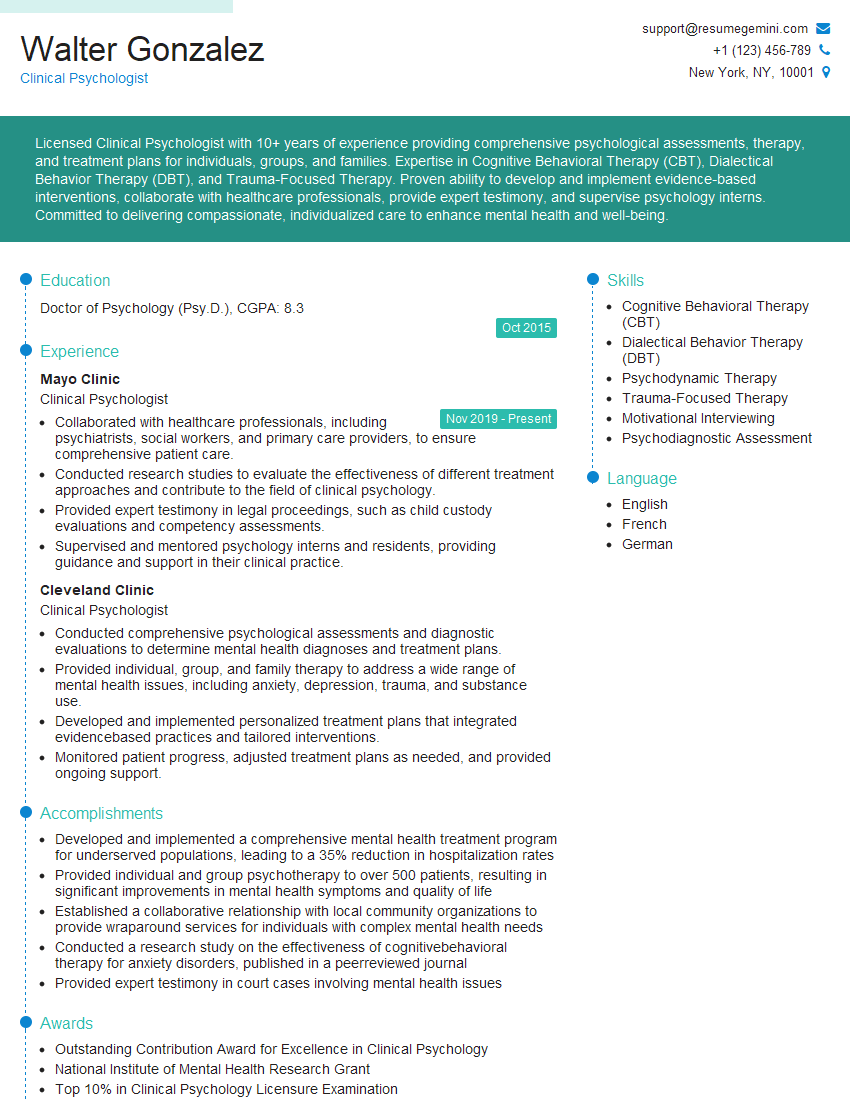
Clinical Psychologist Resume Sample

School Psychologist Resume Sample

Mental Health Counselor Resume Sample
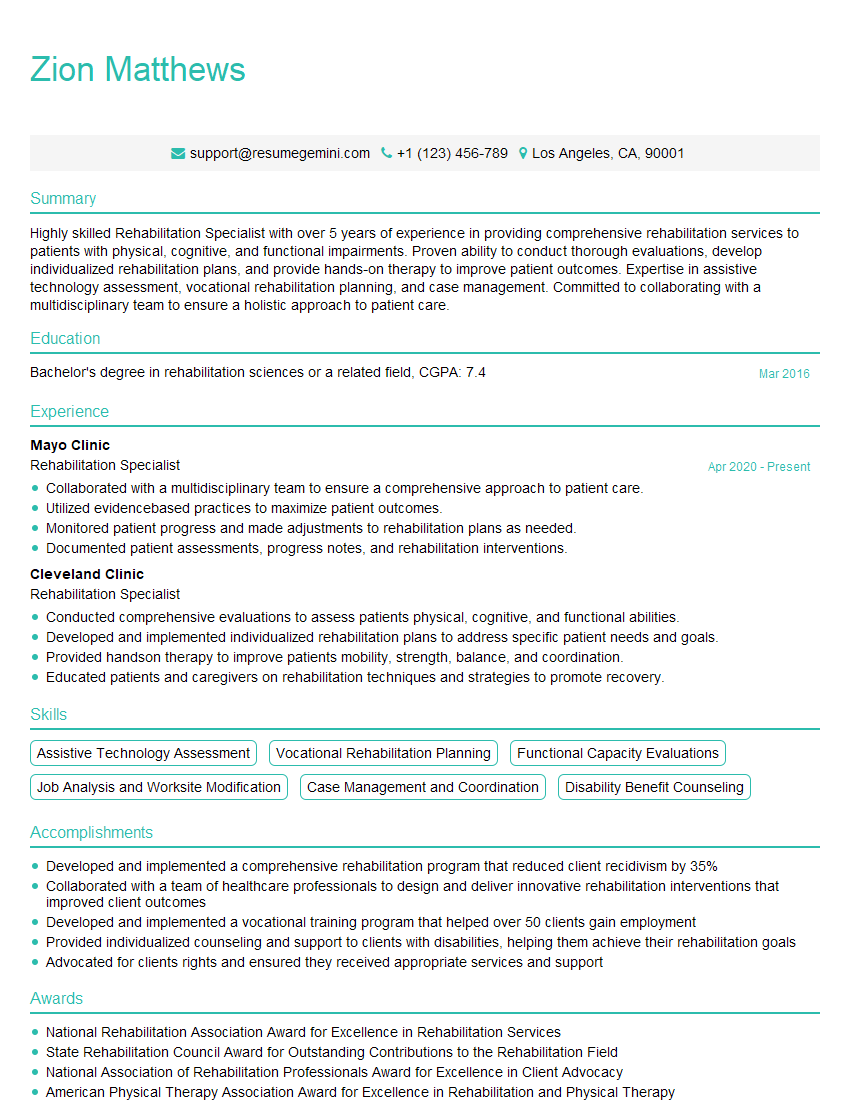
Rehabilitation Specialist Resume Sample
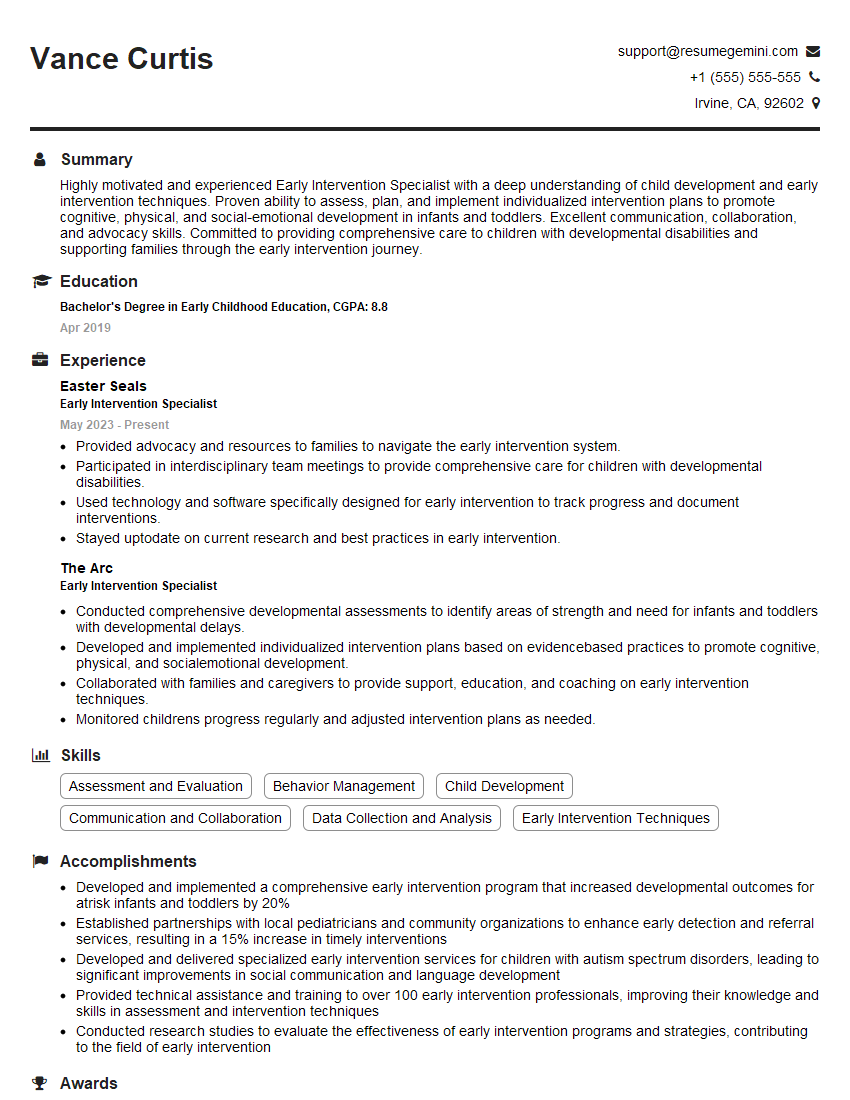
Early Intervention Specialist Resume Sample
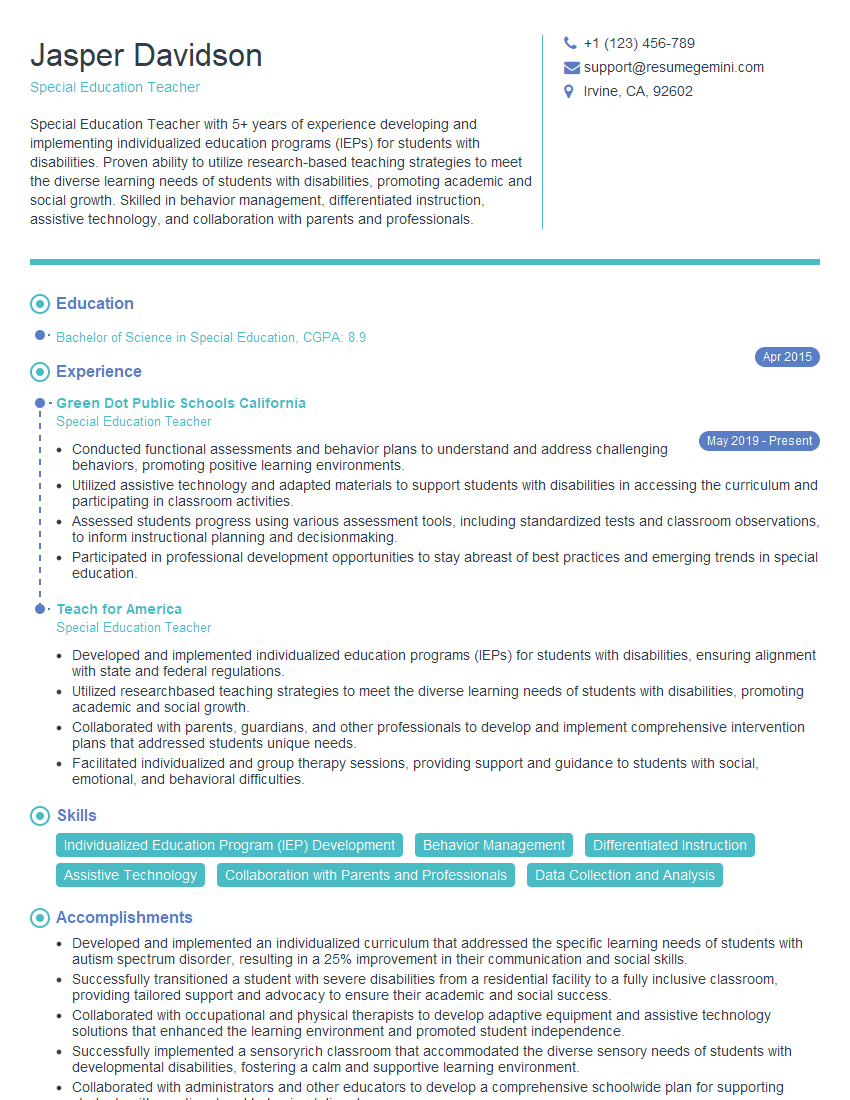
Special Education Teacher Resume Sample
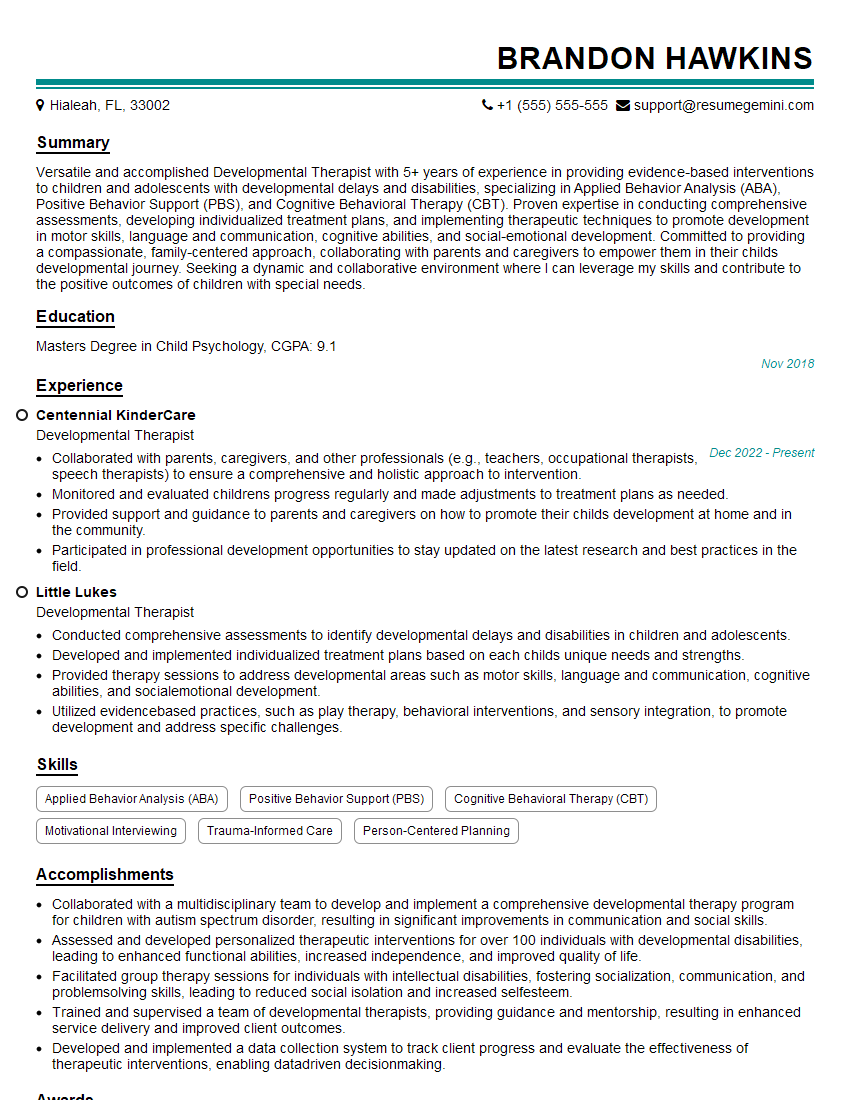
Developmental Therapist Resume Sample
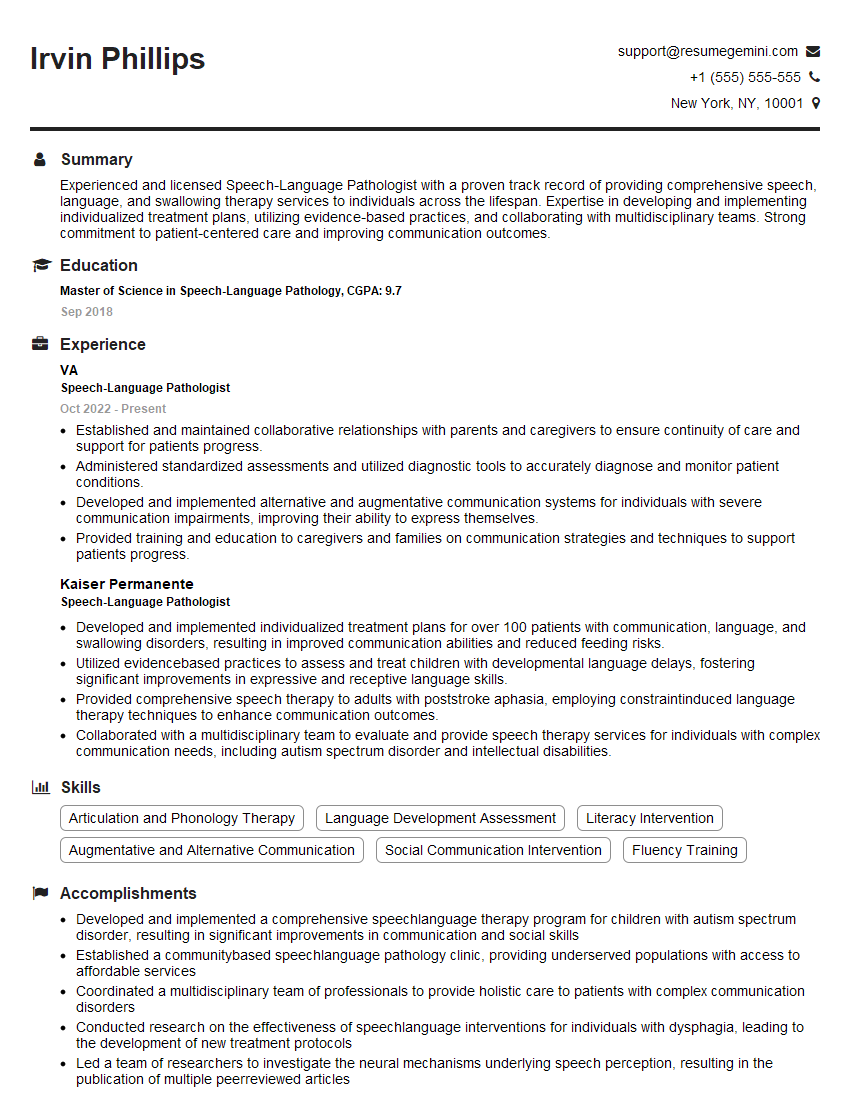
Speech-Language Pathologist Resume Sample

Occupational Therapist Resume Sample
Explore more articles
Users Rating of Our Blogs
Share Your Experience
We value your feedback! Please rate our content and share your thoughts (optional).
What Readers Say About Our Blog
I Redesigned Spongebob Squarepants and his main characters of my artwork.
https://www.deviantart.com/reimaginesponge/art/Redesigned-Spongebob-characters-1223583608
IT gave me an insight and words to use and be able to think of examples
Hi, I’m Jay, we have a few potential clients that are interested in your services, thought you might be a good fit. I’d love to talk about the details, when do you have time to talk?
Best,
Jay
Founder | CEO