Cracking a skill-specific interview, like one for Boat Handling in Rough Seas, requires understanding the nuances of the role. In this blog, we present the questions you’re most likely to encounter, along with insights into how to answer them effectively. Let’s ensure you’re ready to make a strong impression.
Questions Asked in Boat Handling in Rough Seas Interview
Q 1. Describe your experience handling a vessel in significant wave heights.
My experience with significant wave heights spans over fifteen years, encompassing voyages across various oceans. I’ve handled vessels ranging from 30-foot sailing yachts to 150-foot commercial fishing boats in conditions exceeding 15-foot significant wave heights. One memorable instance involved navigating a 60-foot trawler through a fierce storm in the North Atlantic. Waves were breaking over the deck, and winds were consistently above 50 knots. Successful navigation required precise maneuvering, constant monitoring of the vessel’s response to the seas, and unwavering attention to safety protocols. This experience underscored the importance of proactive risk assessment and the absolute necessity for a well-maintained vessel and a highly competent crew.
Q 2. Explain the procedures for reducing vessel roll in heavy seas.
Reducing vessel roll in heavy seas is paramount to maintaining stability and crew safety. The strategies employed depend on the vessel’s design and the sea state. Key techniques include:
- Adjusting speed and heading: Finding the ‘sweet spot’ in wave encounters is crucial. Heading slightly into the waves (bow-to-wave) can reduce the impact, though this must be balanced against potential pounding. Reducing speed minimizes the vessel’s response to wave motion.
- Using bilge keels and active stabilizers: Bilge keels passively resist roll, while active stabilizers utilize fins or gyro systems to counter roll motion. Proper maintenance of these systems is vital.
- Weight distribution: Even weight distribution across the vessel reduces the likelihood of excessive roll. Shifting weight strategically – for example, moving heavy objects towards the center – can be effective.
- Sea anchors and drogues: Deploying a sea anchor or drogue helps to stabilize the vessel by reducing its forward motion and creating drag. This can be particularly effective in a following sea.
- Proper trimming: Ensuring the vessel is properly trimmed, neither too bow-heavy nor stern-heavy, can significantly impact its stability in heavy seas.
The choice of method depends on the specific circumstances, the vessel’s capabilities, and the severity of the seas. It’s often a combination of techniques.
Q 3. How do you assess the risk of navigating in rough seas?
Risk assessment in rough seas is a multi-faceted process. I utilize a structured approach considering several factors:
- Weather forecast: A detailed analysis of the forecast, including wind speed, wave height, wave period, and sea state, is fundamental. I rely on multiple sources, including meteorological services and on-board weather systems.
- Vessel capabilities: I carefully evaluate the vessel’s limitations, including its structural integrity, seakeeping ability, and equipment functionality. Is the vessel properly maintained and equipped for the expected conditions?
- Crew proficiency: The crew’s experience and training in heavy weather conditions are critical. Are they sufficiently prepared for the challenges ahead?
- Navigation hazards: I assess potential navigational hazards such as shallow water, strong currents, and proximity to land. The risk is further elevated by reduced visibility.
- Alternative routes and safe havens: Identifying alternative routes and potential safe havens is crucial. Knowing where to seek shelter in case of worsening conditions is paramount.
This holistic evaluation allows for a comprehensive risk assessment, leading to an informed decision on whether to proceed or seek shelter.
Q 4. What are the limitations of your vessel in heavy weather?
Every vessel has limitations, and heavy weather significantly amplifies those. My experience has highlighted several critical limitations:
- Structural stress: Excessive wave action can cause significant stress on the hull, deck, and superstructure, potentially leading to structural damage.
- Reduced speed and maneuverability: Heavy seas dramatically reduce speed and make precise maneuvering difficult, hindering the ability to avoid hazards.
- Equipment failure: Exposure to harsh conditions increases the risk of equipment failure, such as engine problems, communication system malfunctions, and steering gear issues.
- Green water on deck: Large waves can wash over the deck, causing flooding and compromising stability.
- Seasickness and fatigue: The demanding nature of handling a vessel in heavy weather can lead to crew fatigue and seasickness, reducing their effectiveness.
Understanding these limitations allows for proactive risk management and the implementation of mitigating strategies.
Q 5. Detail your emergency procedures for severe weather conditions.
Emergency procedures for severe weather conditions are meticulously planned and regularly drilled. These include:
- Securing the vessel: This includes closing all hatches and securing loose equipment to prevent damage and injury.
- Reducing sail (if applicable): Sailing vessels will need to reduce sail area to prevent capsize or damage.
- Engine checks: Ensuring the engine is running smoothly and fuel tanks are full is crucial.
- Communication: Maintaining regular communication with shore-based authorities or other vessels is essential.
- Emergency equipment preparation: Checking the readiness of life rafts, life jackets, flares, and other safety equipment is vital.
- Damage control: Having a plan in place to deal with potential damage such as leaks or equipment failures.
- Evacuation plan: Establishing a clear evacuation plan in case of imminent danger.
Regular drills ensure that the crew is well-versed in these procedures and can respond efficiently to any emergency situation.
Q 6. How do you maintain situational awareness in low visibility and rough seas?
Maintaining situational awareness in low visibility and rough seas is extremely challenging but crucial for safety. I rely on a combination of techniques:
- Radar and AIS: Radar provides information on surrounding vessels and potential hazards, while AIS (Automatic Identification System) helps identify other vessels.
- GPS and chart plotter: Continuous monitoring of the vessel’s position and planned route, cross-referencing with charts to avoid dangers.
- Sound signals: Listening for foghorns, other vessel sounds, and changes in wave patterns can indicate potential hazards.
- Crew communication: Maintaining clear communication with the crew enhances awareness and enables a coordinated response to changing conditions.
- Careful observation: Despite the challenges, careful observation of the sea and sky, noting any signs of changing weather patterns.
This layered approach combines technological tools with experienced observation to overcome the limitations of low visibility and maintain situational awareness in difficult conditions.
Q 7. Describe your experience with various sea states (Beaufort Scale).
My experience encompasses a wide range of sea states, covering almost the entire Beaufort scale. I’ve operated in Force 0 (calm seas) to Force 11 (storm force) conditions.
- Force 0-3 (Calm to Gentle Breeze): Routine operations, emphasizing efficiency and safety checks.
- Force 4-6 (Moderate Breeze to Strong Breeze): Increased caution, monitoring sea conditions closely, and adjusting speed and heading as necessary.
- Force 7-9 (Near Gale to Storm): Significant challenges; employing heavy-weather procedures, reduced speed, and careful risk assessment; prioritizing safety and seeking shelter if needed.
- Force 10-12 (Storm to Hurricane): Extreme conditions; emergency procedures take precedence; seeking immediate shelter is paramount; survival mode activated.
Each sea state demands a different approach and skillset. My experience across this spectrum has honed my judgment and ability to adapt to varied conditions, always prioritizing safety.
Q 8. Explain your method for calculating and adjusting course in adverse conditions.
Calculating and adjusting course in adverse conditions requires a multifaceted approach combining navigational skills, weather analysis, and sound judgment. It’s not just about plotting a line on a chart; it’s about understanding the forces at play and anticipating their impact on your vessel.
My method begins with a thorough assessment of the weather forecast, considering wind speed and direction, wave height and period, and current strength. I then consult my charts, identifying safe havens, potential hazards (like reefs or shoals), and considering the capabilities of my vessel. The goal isn’t necessarily the shortest route, but the safest and most efficient route given the conditions.
Next, I’ll determine the most suitable heading considering the prevailing conditions. For instance, in a strong headwind, I might choose a slightly broader course to reduce the vessel’s exposure to the waves. This course needs constant adjustment based on real-time observations. I’ll continuously monitor the vessel’s response to the sea state, making small adjustments to maintain a comfortable and efficient speed without overloading the vessel.
A critical aspect is understanding wave patterns. Navigating between waves – riding the troughs and cresting the waves judiciously – is key to minimizing impacts and preserving vessel integrity. This requires experience and an intuitive feel for the sea.
Finally, continuous monitoring of all navigational aids (GPS, radar, etc.) is vital. This enables me to confirm my position and make necessary adjustments to avoid any hazards. It’s a dynamic process, demanding constant observation, recalculation and adaptation.
Q 9. How do you manage crew safety during severe weather events?
Crew safety is paramount in severe weather. It’s about proactive measures, not reactive responses. Preparation is key, starting well before the storm hits.
- Pre-departure briefings: A thorough briefing covering emergency procedures, the location of safety equipment (life jackets, EPIRB, etc.), and designated responsibilities in an emergency is crucial.
- Secure the vessel: Before the storm hits, all loose gear must be secured. This prevents damage and potential injuries caused by shifting cargo or equipment.
- Personal Protective Equipment (PPE): Ensuring the crew is properly outfitted with suitable waterproof clothing and foul weather gear is essential for comfort and safety.
- Sea sickness precautions: Providing easily digestible food and medication to alleviate seasickness is proactive, ensuring the crew’s ability to perform duties.
- Communication protocols: Establishing clear communication channels between the crew and the captain is crucial for effective responses during the storm.
- Emergency procedures practice: Regular drills reinforce the crew’s understanding of procedures, building confidence and minimizing confusion in stressful situations.
During the storm, constant monitoring of the crew’s well-being is crucial. Fatigue is a significant risk factor, so adequate rest periods need to be scheduled whenever possible. The crew must be continuously informed of the situation and the plan of action.
Q 10. Describe your experience with various types of anchoring in rough seas.
Anchoring in rough seas is a high-risk maneuver, requiring careful consideration and expertise. The type of anchor and the method of deployment depend heavily on the sea bed, depth, and the severity of the weather.
I have experience with various anchoring techniques, including:
- Danforth anchors: Effective in sand and mud, but less reliable in rocky or weedy bottoms in heavy seas.
- Bruce anchors: A good all-around anchor performing well in a variety of substrates and reasonably effective in rough conditions.
- Plow anchors: Excellent holding power in mud and clay but can be challenging to set in strong currents or rocky conditions.
In rough seas, setting multiple anchors is often necessary to increase holding power. The distance between anchors should be sufficient to avoid them fouling each other. The angles of the anchor rode (the rope or chain connecting the anchor to the boat) should be checked regularly, as they can change in strong winds and currents. The vessel’s position relative to the anchors needs constant monitoring using navigational aids.
Furthermore, the use of appropriate fenders and additional lines are critical to minimize damage to the hull in case of movement or significant wave action. A secondary anchor should always be ready to be deployed.
Q 11. What are the key factors influencing the decision to seek shelter in a storm?
The decision to seek shelter in a storm hinges on several critical factors:
- Severity of the forecast: Wind speed, wave height, and the projected duration of the storm are key. A rapidly developing storm demands immediate action.
- Vessel capabilities: The seaworthiness of the vessel, its ability to withstand the predicted conditions, and its capacity to handle heavy seas play a major role. Smaller vessels should seek shelter sooner.
- Distance to safe harbor: The time required to reach shelter and the possibility of doing so safely must be carefully assessed. If a shelter is far off and the conditions worsen rapidly, it may be safer to ride out the storm in a less-than-ideal location.
- Fuel reserves: Sufficient fuel to motor through the storm or to remain safely at anchor in a shelter is vital.
- Navigation hazards: The presence of shallow waters, reefs, or other navigational hazards close to the planned course or shelter influences the decision significantly.
The decision is often a judgment call, balancing the risks of remaining at sea against the risks of attempting to reach shelter in worsening conditions. It’s a delicate balance based on risk assessment and experience.
Q 12. How do you utilize weather forecasts and navigational aids in rough weather?
Weather forecasts and navigational aids are essential tools in rough weather navigation. I rely on a combination of sources for the most accurate and up-to-date information.
Weather Forecasts: I utilize multiple sources, including meteorological services (such as the National Weather Service), specialized maritime weather apps, and radio broadcasts. I cross-reference information to identify any discrepancies and build a comprehensive understanding of the approaching weather system. Understanding the weather pattern’s evolution is just as vital as knowing the current conditions.
Navigational Aids: GPS, radar, and chartplotters are indispensable. GPS provides precise position information, allowing me to accurately track the vessel’s course and position relative to hazards. Radar helps to identify other vessels and potential obstacles, such as floating debris or shifting sandbanks, particularly in reduced visibility. Chartplotters allow for route planning and efficient monitoring of the surrounding waters.
Furthermore, I constantly monitor VHF radio for weather warnings, navigational alerts, and communication from other vessels. I combine data from multiple sources to build a robust understanding of the navigational situation and make informed decisions.
Q 13. How do you communicate effectively with other vessels and shore personnel in emergencies?
Effective communication in emergencies is critical. It’s a matter of clear, concise messaging using the appropriate channels.
VHF Radio: This is my primary method of communication with other vessels and shore personnel. I use standard maritime radio procedures, ensuring clear communication even in noisy or stressful situations. Mayday calls are used only when facing imminent and grave danger.
EPIRB (Emergency Position-Indicating Radio Beacon): This device automatically transmits a distress signal to rescue authorities in the event of an emergency. It includes the vessel’s position and allows for rescue coordination.
Satellite communication: In situations where VHF radio isn’t sufficient, satellite communication provides a reliable alternative, particularly in remote areas. This enables communication with shore-based authorities or support vessels.
Clear and concise messaging is vital; using the correct terminology (e.g., “Mayday” for imminent danger, “Pan Pan” for urgent situations, “Securité” for safety information) avoids confusion.
Additionally, a pre-departure communication plan outlining frequencies, procedures, and contact information of key personnel should always be in place. This plan ensures clarity and swift action in emergencies.
Q 14. Explain the principles of collision avoidance in heavy seas.
Collision avoidance in heavy seas is significantly more complex than in calm waters. Visibility can be drastically reduced, and the unpredictable motion of vessels adds another layer of difficulty.
The key principles remain consistent with the International Regulations for Preventing Collisions at Sea (COLREGs), but their application requires heightened vigilance and cautious decision-making:
- Increased vigilance: Constant monitoring of radar, visual observations, and other vessels’ actions is crucial. Reduce speed substantially, allowing more time for response.
- Early action: Take early and decisive action to avoid a close-quarters situation. Small course adjustments early on can prevent significant maneuvers in heavy seas.
- Maintaining a proper lookout: This is absolutely crucial, regardless of the weather conditions. A dedicated lookout is recommended, particularly at night or in reduced visibility.
- Understanding vessel behavior in heavy seas: Heavy seas significantly affect vessel maneuverability. Turning circles are larger, response times are longer, and predicting a vessel’s movement is challenging.
- Communication: Maintaining clear communication with other vessels using VHF radio is paramount in heavy seas to exchange information and coordinate actions.
Essentially, the principle is to maintain a safe distance, anticipate the actions of other vessels, and act decisively and early to avoid collisions. In heavy seas, “giving way” under COLREGs may require more significant and rapid maneuvers, increasing the risk but ultimately aiming for the safest course of action.
Q 15. Describe your experience with engine troubleshooting and repair in challenging conditions.
Engine troubleshooting and repair in rough seas demands a unique blend of mechanical skill and seamanship. The rocking and rolling of the vessel makes even simple tasks significantly more challenging. My experience includes diagnosing and rectifying problems ranging from fuel system issues – like clogged filters or water in the fuel – to electrical faults, often exacerbated by saltwater intrusion. I’ve dealt with overheating engines due to insufficient cooling water intake in heavy seas, and I’m proficient in performing emergency repairs using makeshift tools and available resources. For instance, I once had to improvise a temporary fuel line repair using a section of flexible hose and strong marine-grade tape during a storm, successfully enabling us to reach a safe harbor. This involved carefully securing the repair to prevent further damage from the vessel’s movement. Safety is paramount – securing myself to the vessel and using appropriate PPE are non-negotiable.
My approach is systematic: I prioritize safety, assess the urgency, and then perform a thorough diagnostic check using available tools and my knowledge of the engine system. This often involves isolating the problem, implementing temporary fixes to ensure safe operation, and then planning for more comprehensive repairs in calmer waters.
Career Expert Tips:
- Ace those interviews! Prepare effectively by reviewing the Top 50 Most Common Interview Questions on ResumeGemini.
- Navigate your job search with confidence! Explore a wide range of Career Tips on ResumeGemini. Learn about common challenges and recommendations to overcome them.
- Craft the perfect resume! Master the Art of Resume Writing with ResumeGemini’s guide. Showcase your unique qualifications and achievements effectively.
- Don’t miss out on holiday savings! Build your dream resume with ResumeGemini’s ATS optimized templates.
Q 16. Explain your knowledge of various types of mooring systems and their suitability in rough seas.
Mooring systems in rough seas require robust and reliable equipment that can withstand significant forces. Various systems exist, each with its own strengths and weaknesses.
- Spring lines: These angled lines absorb shock and reduce the vessel’s swing. They are critical in rough seas to prevent excessive movement.
- Breast lines: These lines run perpendicular to the dock, preventing sideways movement. They should be tightly secured and regularly checked.
- Stern lines: These control the rear of the vessel and work in conjunction with the breast and spring lines to keep the boat stable.
- Anchors: In open water, a well-set anchor is vital. The type and size of the anchor depend on the sea bottom and the vessel’s size. Chain is preferable to rope for its shock absorption.
I have extensive experience with both conventional and more advanced mooring systems, including dynamic positioning systems employed on larger vessels. The key is understanding the limitations of each system and employing redundancy to ensure vessel safety.
Q 17. How do you manage fuel consumption efficiently during rough weather operations?
Fuel efficiency in rough seas is crucial, as fuel reserves are limited. Strategies to maximize efficiency include:
- Reduced speed: Lower speeds significantly reduce fuel consumption. This is often the most impactful strategy. Understanding the relationship between speed and fuel burn is essential.
- Optimized trim: Proper trim minimizes drag and improves fuel efficiency. Trimming the boat correctly to handle the waves is essential to reduce hull resistance.
- Seakeeping: Knowing how to handle a boat in rough weather to minimize pitching and rolling reduces fuel consumption. The goal is to maintain course and stability while minimizing unnecessary power application.
- Route planning: Choosing the most efficient route is vital, considering wave patterns and currents, but also prioritizing safety. Sometimes, a slightly longer route can save fuel by reducing vessel stress.
I regularly use fuel flow meters and logbooks to monitor consumption and identify areas for improvement. During rough weather, I prioritize safety; saving fuel is secondary to maintaining the vessel’s stability and the safety of the crew.
Q 18. How would you handle a sudden loss of propulsion in a storm?
A sudden loss of propulsion in a storm is a serious emergency. The immediate priorities are safety and damage control. My response would be systematic:
1. Assess the Situation: Determine the cause of the propulsion failure (if possible). Is it a mechanical issue, fuel problem, or electrical fault?
2. Secure the Vessel: Attempt to use any available means to maintain control, such as employing the emergency tiller, if equipped. This prevents uncontrolled drift.
3. Deploy Emergency Systems: If fitted, deploy any emergency anchors or sea anchors to stabilize the vessel and prevent it from being driven ashore or capsizing.
4. Communicate: Issue a distress call (Mayday) on the VHF radio, providing your position and the nature of the emergency. Contact other vessels in the vicinity if feasible.
5. Damage Control: Attempt temporary repairs (if it’s safe and possible) or secure any loose equipment.
6. Prepare for Rescue: Ensure that life jackets and other survival equipment are readily available and that the crew are prepared for abandonment if necessary.
My experience highlights that rapid and decisive action in such circumstances is crucial. The outcome greatly depends on effective teamwork, adherence to safety protocols, and calm, systematic problem-solving.
Q 19. What are the key characteristics of a seaworthy vessel in rough seas?
A seaworthy vessel in rough seas possesses several key characteristics:
- Structural Integrity: The hull must be strong enough to withstand heavy seas and impact forces. A robust design, quality construction, and regular maintenance are essential.
- Stability: The vessel should maintain stability in waves and wind, minimizing rolling and pitching. Proper ballast and a well-designed hull form are crucial.
- Watertight Integrity: The vessel must prevent water ingress during severe weather. Watertight bulkheads, hatches, and other seals are vital.
- Redundancy: Critical systems (steering, bilge pumps, communication equipment) should have backups.
- Self-Righting Capability (for smaller boats): Smaller vessels might have a design allowing them to self-right if capsized.
- Sufficient Freeboard: Adequate height of the deck above the waterline prevents waves from washing over the deck.
- Reliable Propulsion: A powerful and dependable engine is critical, ideally with redundancy (auxiliary engine).
Assessing seaworthiness often involves a thorough inspection, considering both the vessel’s design and its condition. A vessel deemed seaworthy in calm seas may not be suitable for rough conditions.
Q 20. Explain the importance of proper seamanship techniques in rough seas.
Proper seamanship techniques are paramount in rough seas, directly impacting safety and the success of the voyage. These techniques involve several aspects:
- Navigation: Accurate navigation using charts, GPS, and other tools is critical for avoiding hazardous areas and choosing the safest route.
- Sea State Awareness: Continuously assessing wave height, period, and direction, and understanding their impact on the vessel. Anticipating wave action is key.
- Vessel Handling: Skillful maneuvering to minimize the impact of waves, adjusting speed and heading to optimize seakeeping.
- Trim and Ballast: Maintaining proper trim and ballast distribution to optimize stability and reduce stress on the hull.
- Communication: Maintaining effective communication with other vessels, shore stations, and the crew, especially in times of reduced visibility or emergency.
- Risk Assessment: Constantly evaluating the risks associated with the conditions and the vessel’s capabilities. Knowing when to alter course or seek shelter is crucial.
Seamanship isn’t just about technical skills, it’s about judgment, experience, and understanding the nuances of the marine environment. A seasoned captain will make decisions based on a comprehensive evaluation of the conditions and the capabilities of the vessel and the crew.
Q 21. Describe your experience with rescue operations in challenging weather.
My experience includes participation in several rescue operations in challenging weather, including assisting disabled vessels and rescuing individuals from the water. These operations require a combination of seamanship skills, swift decision-making, and knowledge of rescue techniques. One instance involved rescuing a sailor who had fallen overboard during a severe squall. The high seas and limited visibility made the rescue extremely challenging. The successful rescue depended on precise maneuvering to approach the person in distress, utilizing a rescue boat to minimize risk to the rescuers, and coordinating with shore-based rescue teams.
Key aspects of challenging weather rescues include:
- Safety First: Prioritizing the safety of both the rescue crew and the individuals being rescued.
- Effective Communication: Maintaining clear communication with all involved parties.
- Appropriate Equipment: Using specialized rescue equipment, such as life rafts, rescue boats, and emergency medical supplies.
- Thorough Planning: Assessing the risks and developing a detailed rescue plan.
- Coordination: Working effectively with other rescue teams.
These operations demand quick thinking and decisive action under extreme pressure, always prioritizing the lives involved.
Q 22. How do you manage cargo or passengers during severe weather?
Securing cargo and passengers in severe weather is paramount to safety. It’s all about minimizing movement and preventing injuries or damage. For cargo, we utilize various methods depending on the type of goods. This could involve lashing systems with strong straps and chains, ensuring everything is tightly secured to prevent shifting. Bulk cargo might require additional bracing or internal shoring. Think of it like packing a suitcase for a bumpy journey – you want everything snug and immobile.
For passengers, clear and concise instructions are crucial. We direct them to designated areas, usually well-padded and secured locations away from potential hazards. Life jackets are often mandatory, and we enforce strict adherence to safety regulations. Imagine a rollercoaster – you wouldn’t want to be standing freely during the ride. Similarly, passengers in rough seas need to be properly restrained for their safety.
Regular checks are vital. We conduct frequent inspections to ensure everything remains secure. In extreme cases, we might even have crew members constantly monitoring cargo and passenger areas.
Q 23. What are your procedures for dealing with equipment failure in rough seas?
Equipment failure at sea can be incredibly dangerous, especially in rough seas. Our procedures involve a multi-stage approach. First, we assess the severity of the failure. Is it something minor that can be temporarily patched, or does it pose an immediate threat? This requires a calm and systematic approach, even under pressure.
For minor failures, we have pre-emptive repair kits and the training to address minor issues. Think of it as a mechanic having a toolbox – we are equipped to handle routine issues. For more critical problems, we have detailed checklists and emergency procedures. This might involve contacting shore support for guidance or even initiating distress calls depending on the situation’s gravity.
Communication is key. The crew needs to be informed, and actions need to be coordinated effectively. This includes both immediate corrective actions and contingency planning. We might have to adjust the vessel’s course or reduce speed depending on the problem. We also have a backup system for critical equipment; for instance, dual-redundant navigation systems. This ensures we maintain operational capability even if one system fails. Remember, planning and redundancy save lives at sea.
Q 24. How do you maintain the vessel’s stability in extreme conditions?
Maintaining stability in extreme conditions is a constant juggling act. We use several techniques, starting with adjusting the vessel’s trim. This means managing the distribution of weight on board to counteract the effects of waves and wind. Think of it like balancing a seesaw – you need to distribute the weight evenly to prevent tipping.
We might need to reduce speed to minimize the impact of waves. Heaving-to, a technique where the vessel is pointed into the wind, can significantly reduce rolling and pitching. This is a crucial maneuver for ride comfort and the safety of cargo and passengers. Reducing speed also helps to lessen the impact of waves on the vessel.
Bilge pumps ensure water isn’t accumulating and negatively affecting stability. In severe cases, we might need to activate ballast tanks, controlling the distribution of water within the vessel to counteract listing (tilting). Proper management of these systems, combined with a keen understanding of sea conditions, is crucial for stability and safety.
Q 25. Describe your understanding of different types of waves and their impact on vessel handling.
Understanding wave types is fundamental to safe navigation. We encounter various types, each presenting unique challenges. Long-period swells, with long wavelengths and gentle slopes, can be deceivingly powerful. They can cause a slow, rolling motion that can build up over time, potentially causing seasickness or equipment damage. Think of them as the steady rhythm of a long drum roll – deceptively forceful over time.
Short-period wind waves, often choppy and irregular, create a more turbulent sea state. These can be more immediate and impactful, generating sudden and sharp movements. They are like rapid drum beats; erratic, impacting abruptly.
Breaking waves pose the most significant danger. These are waves that collapse due to their height relative to water depth. Knowing how to avoid these dangerous situations through route planning and navigational awareness is critical to safety.
The impact on handling depends heavily on the wave height, period (time between waves), and direction relative to the vessel’s heading. Understanding these parameters allows us to anticipate the vessel’s response and take appropriate actions to mitigate risks.
Q 26. How would you approach a situation where you encountered unexpected adverse weather?
Unexpected adverse weather requires immediate and decisive action. First, we consult weather forecasts and any available real-time data, such as radar and satellite imagery. Then, we evaluate the threat. What is the severity, duration, and potential impact of the oncoming weather? The safety of the vessel and those on board always comes first.
We adjust course to seek shelter, perhaps heading for a nearby port, a lee shore (a sheltered area provided by the land), or a designated safe haven. Speed will be reduced, and the vessel’s trim adjusted for the new conditions. Crew must be briefed about the situation, and specific roles and responsibilities reinforced.
If we encounter severe weather unexpectedly, the initial response is always prioritizing safety. Seaworthiness is paramount. We secure loose objects on deck, batten down hatches, and prepare for potential challenges. Regular checks on critical systems are essential to ensure continued operability. Thorough planning and regular training are key to successfully navigating and resolving such situations. Experience and quick thinking help to manage unexpected weather occurrences.
Q 27. What are your preferred methods for navigating using GPS and other navigational aids in rough seas?
GPS is a crucial tool, but not the only one. In rough seas, GPS accuracy can be affected by atmospheric conditions. We therefore always use multiple navigation aids. This would include:
- Chart Plotters: Used for route planning and monitoring position.
- Radar: To detect other vessels, landmasses, and even approaching waves.
- AIS (Automatic Identification System): To track other ships in the area and avoid collisions.
- Gyrocompass: Provides a reliable heading reference that is less susceptible to magnetic interference than a magnetic compass.
We continuously compare readings from different sources to verify our position and course. This redundancy is essential for safe navigation, particularly in challenging conditions. Think of it as a team approach – different team members reporting to ensure everyone has a clear and reliable understanding of the situation.
Q 28. Explain your understanding of the effects of wind and currents on vessel handling in rough seas.
Wind and currents significantly impact vessel handling in rough seas. Wind exerts a force on the vessel’s superstructure and sails (if applicable), causing it to heel (tilt) or yaw (swing). Strong winds can make steering difficult and increase the likelihood of broaching (being turned broadside to the waves).
Currents can significantly alter the vessel’s course and speed. A strong current running against the vessel’s intended direction can substantially reduce speed and increase fuel consumption. Conversely, a strong current in the vessel’s favor might cause it to increase speed unexpectedly. We account for both wind and current when planning a course and adjust our course accordingly. Experienced captains learn to anticipate their effects on the vessel’s performance. Accurate weather forecasting and navigational planning are critical to mitigating these factors.
We utilize navigational tools and techniques to counteract the effects of both wind and current. This might involve using the vessel’s engines to maintain our desired course and speed or adjusting our route to minimize their impact on the voyage. Experience and careful observation play a significant role in effective navigation in rough seas.
Key Topics to Learn for Boat Handling in Rough Seas Interview
- Sea State Assessment: Understanding and interpreting weather forecasts, wave characteristics (height, period, direction), and current conditions to anticipate challenges.
- Vessel Characteristics & Limitations: Knowing your boat’s capabilities and limitations in rough seas, including stability, speed, and maneuverability. Practical application: Understanding how to adjust speed and heading based on sea state and vessel characteristics.
- Navigation Techniques in Rough Seas: Mastering safe navigation strategies in challenging conditions, including using GPS, charts, and compass effectively. Problem-solving approach: Developing contingency plans for unexpected situations like equipment failure or sudden changes in weather.
- Emergency Procedures & Safety Protocols: Thorough understanding of emergency procedures, including man overboard recovery, distress signaling, and damage control. Practical application: Demonstrating knowledge of safety equipment and its proper use.
- Crew Management & Communication: Effective communication and coordination with crew members during challenging situations. Problem-solving approach: Handling stressful situations calmly and efficiently, delegating tasks effectively.
- Collision Avoidance & Risk Management: Applying collision avoidance rules and techniques in rough seas. Practical application: Identifying and mitigating potential hazards, including other vessels and navigational obstacles.
- Specialized Techniques (if applicable): Depending on the specific role, you may need to understand techniques specific to the type of vessel (e.g., handling a tugboat in heavy seas, piloting a ferry in stormy conditions).
Next Steps
Mastering boat handling in rough seas significantly enhances your career prospects, demonstrating crucial skills in safety, decision-making, and technical expertise highly valued in the maritime industry. To maximize your job search success, creating a strong, ATS-friendly resume is essential. ResumeGemini is a trusted resource for building professional resumes that stand out. We offer examples of resumes tailored to Boat Handling in Rough Seas to help you present your qualifications effectively. Take the next step towards your dream career and build a compelling resume with ResumeGemini today.
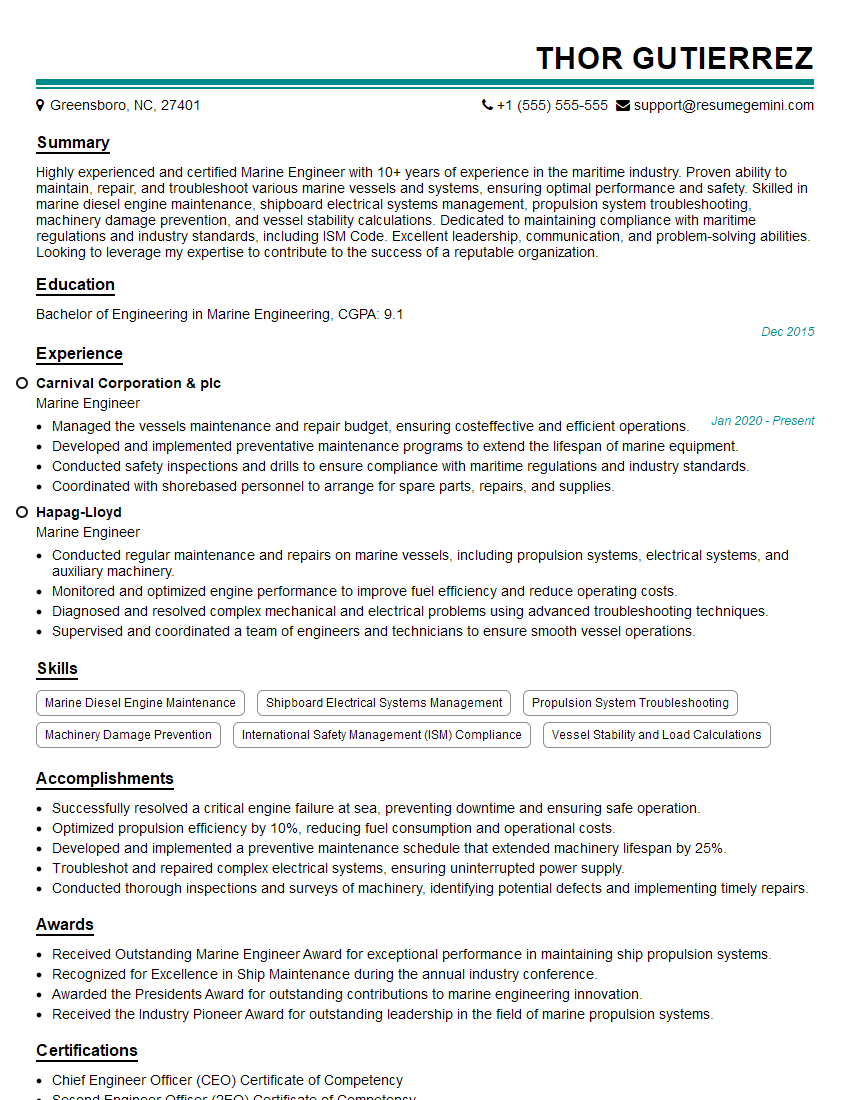
Marine Engineer Resume Sample
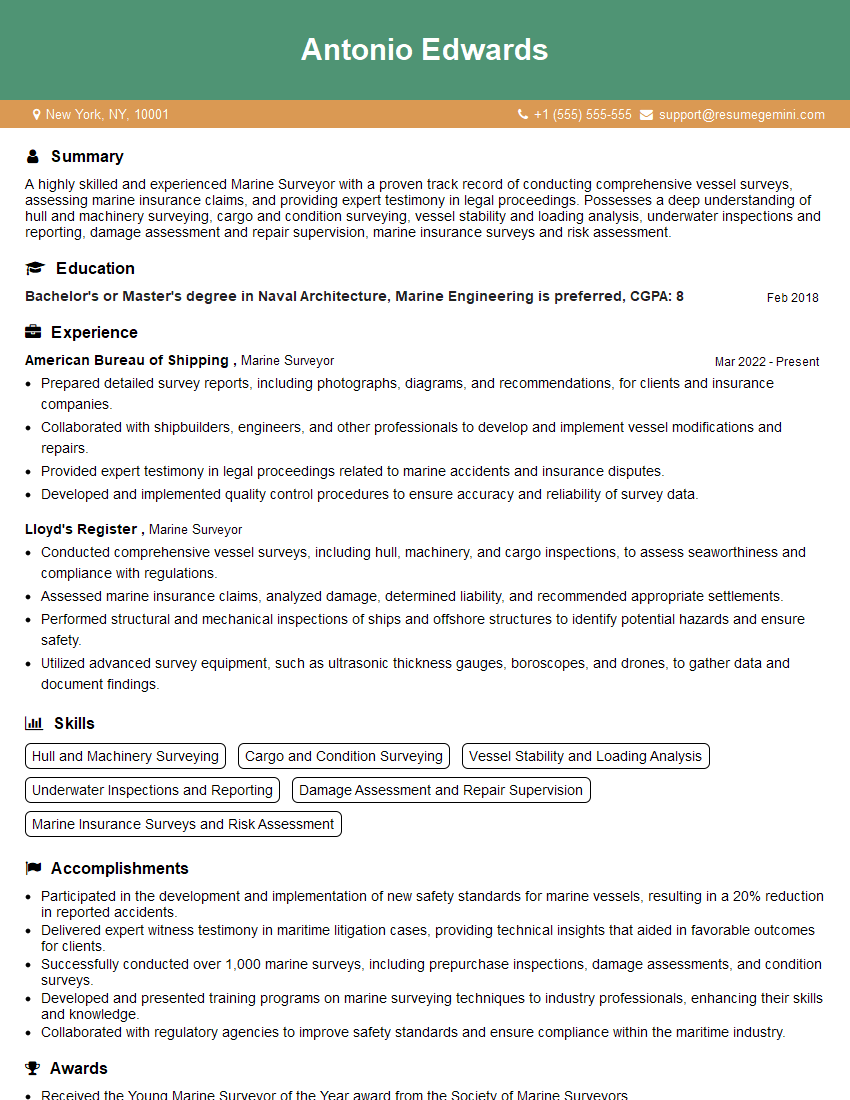
Marine Surveyor Resume Sample
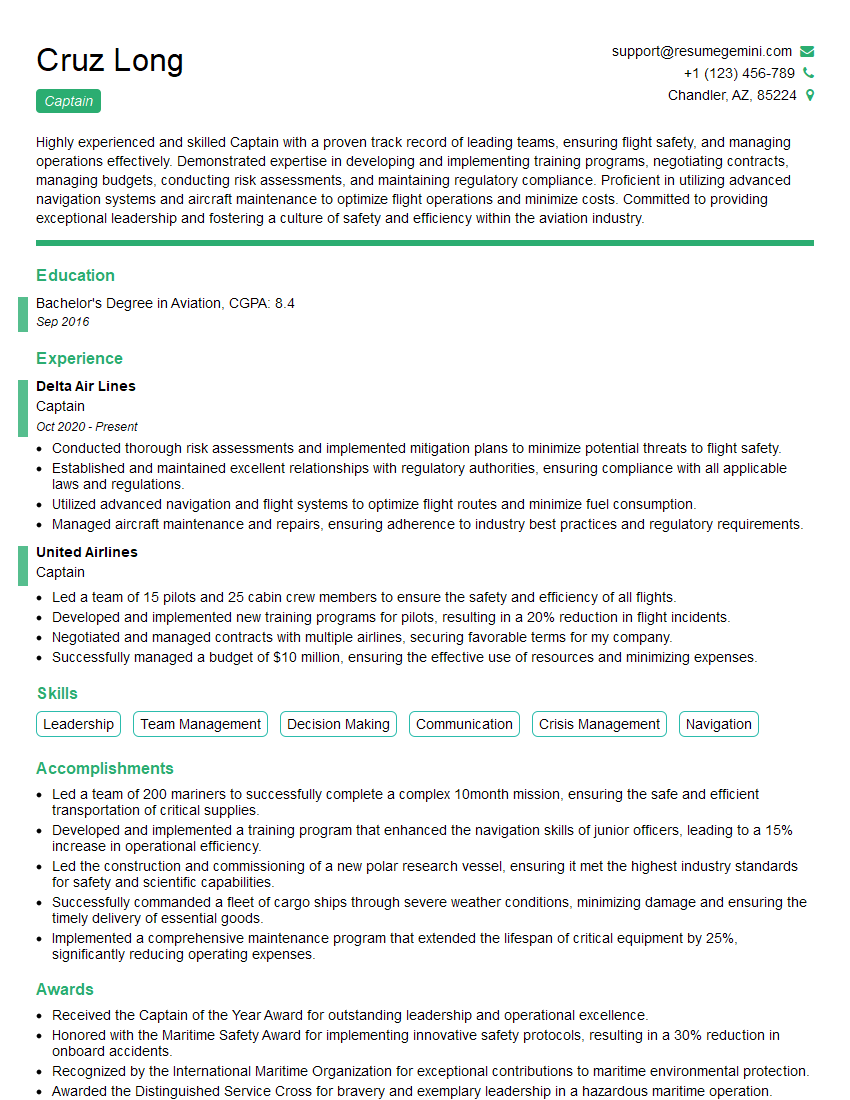
Captain Resume Sample
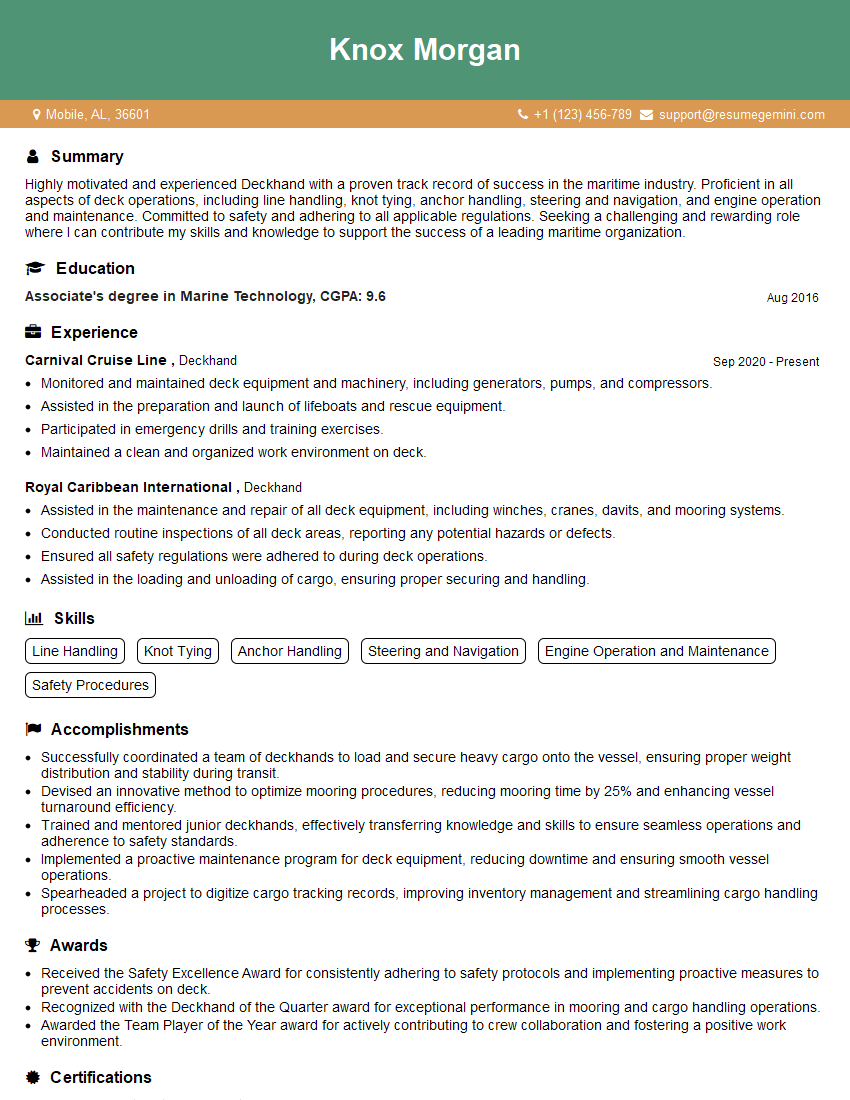
Deckhand Resume Sample
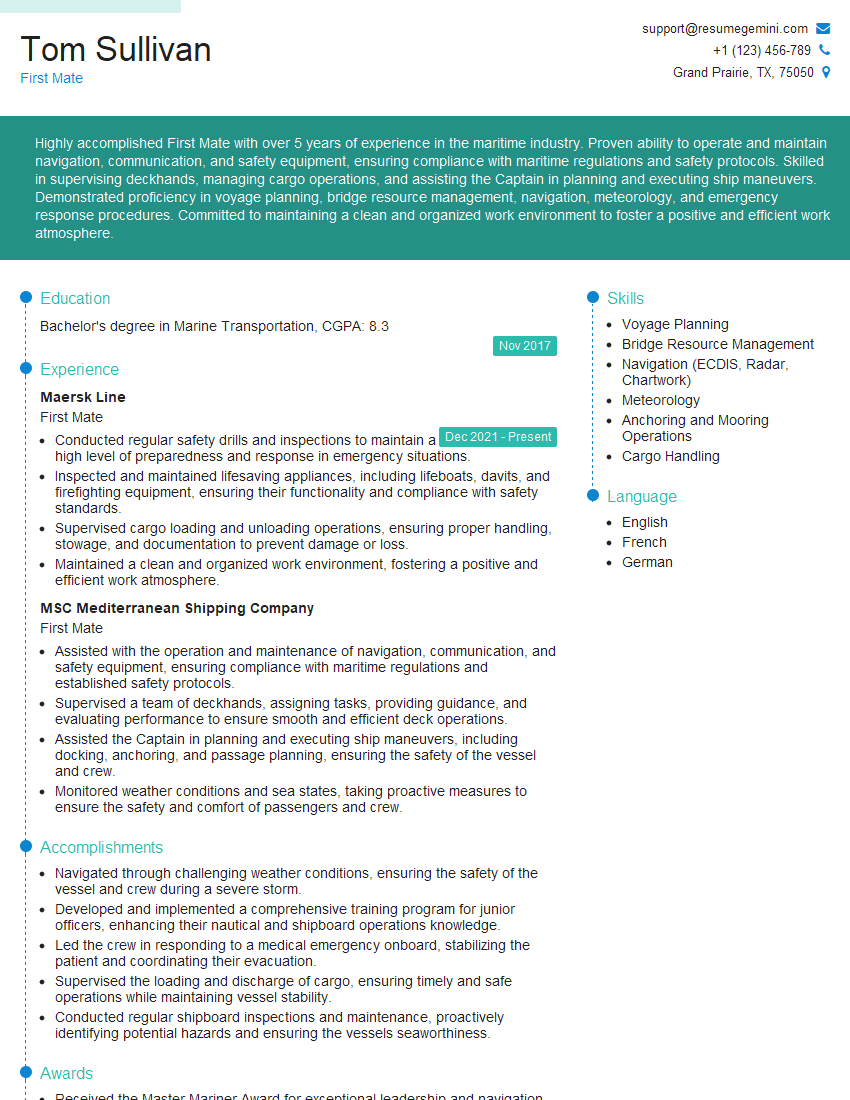
First Mate Resume Sample
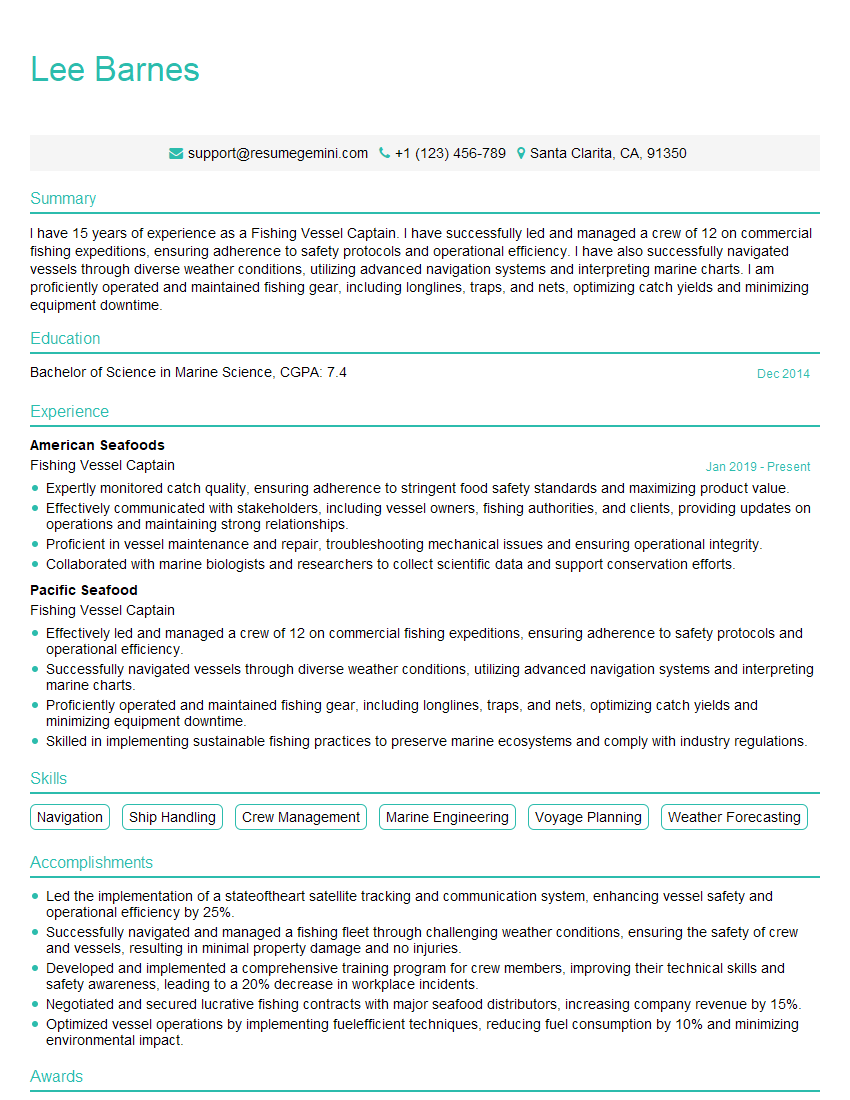
Fishing Vessel Captain Resume Sample
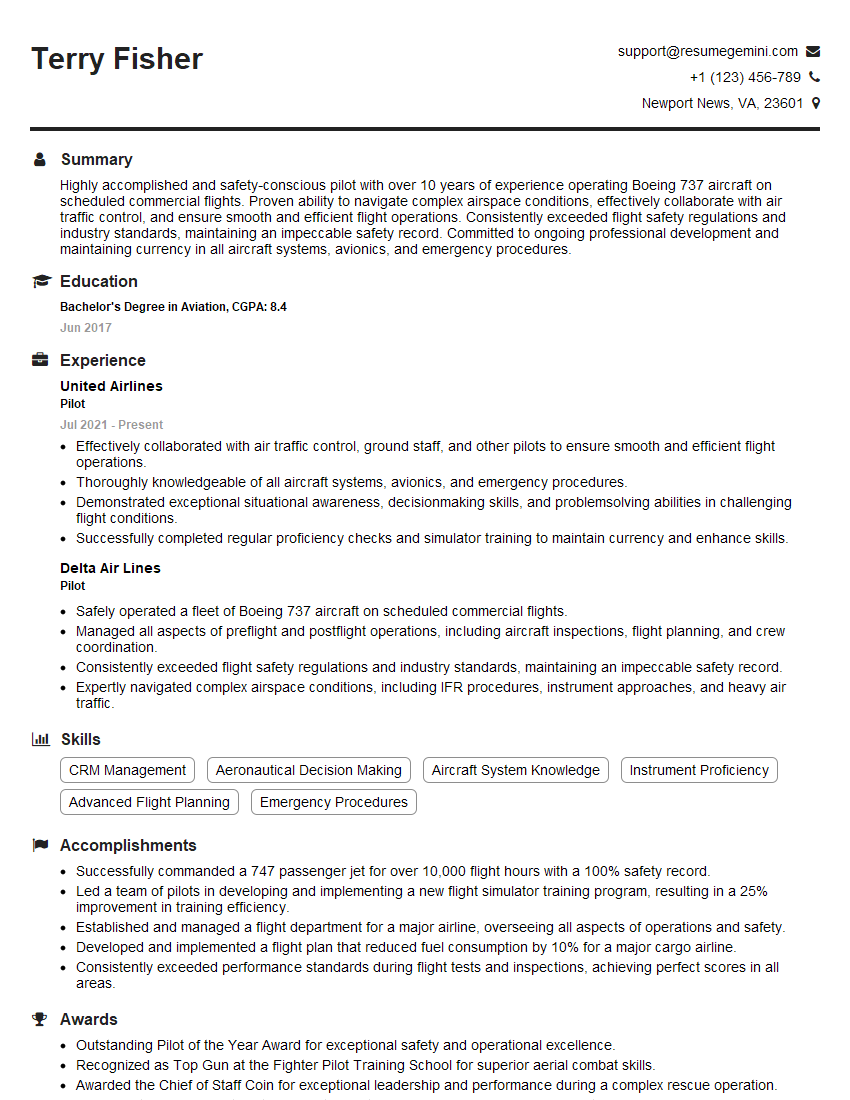
Pilot Resume Sample
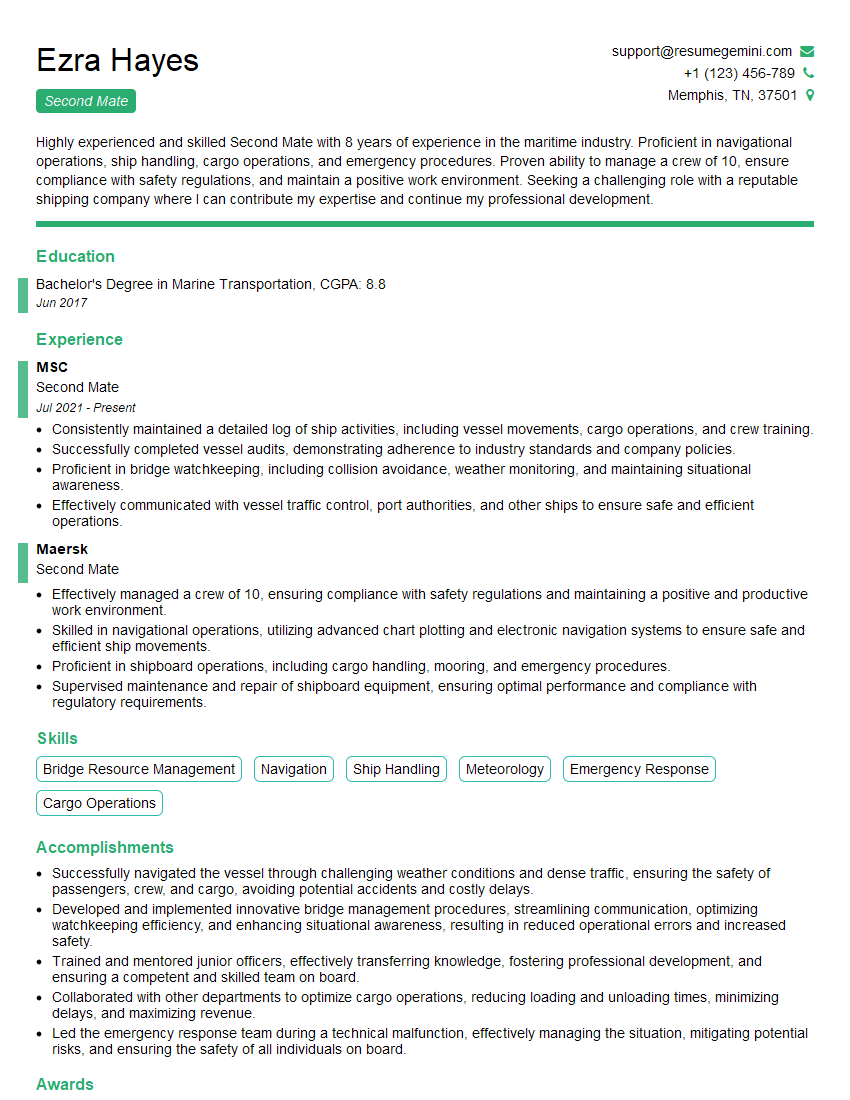
Second Mate Resume Sample
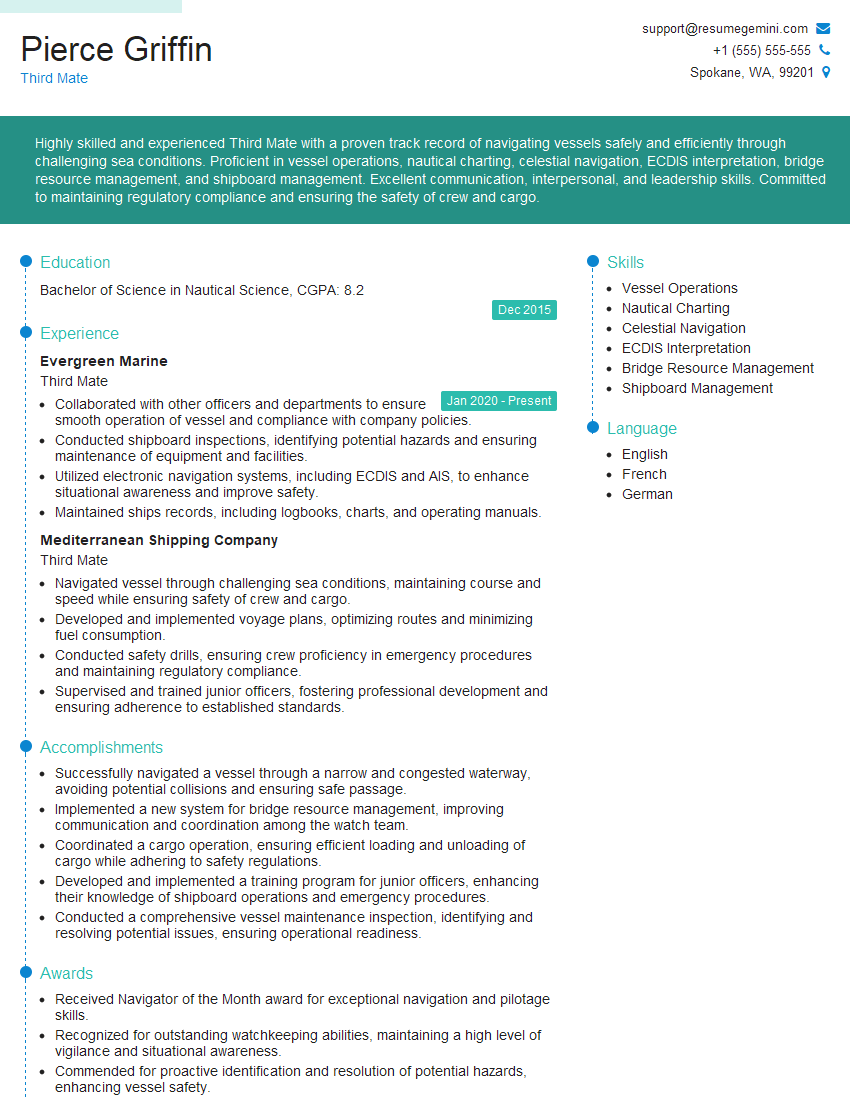
Third Mate Resume Sample
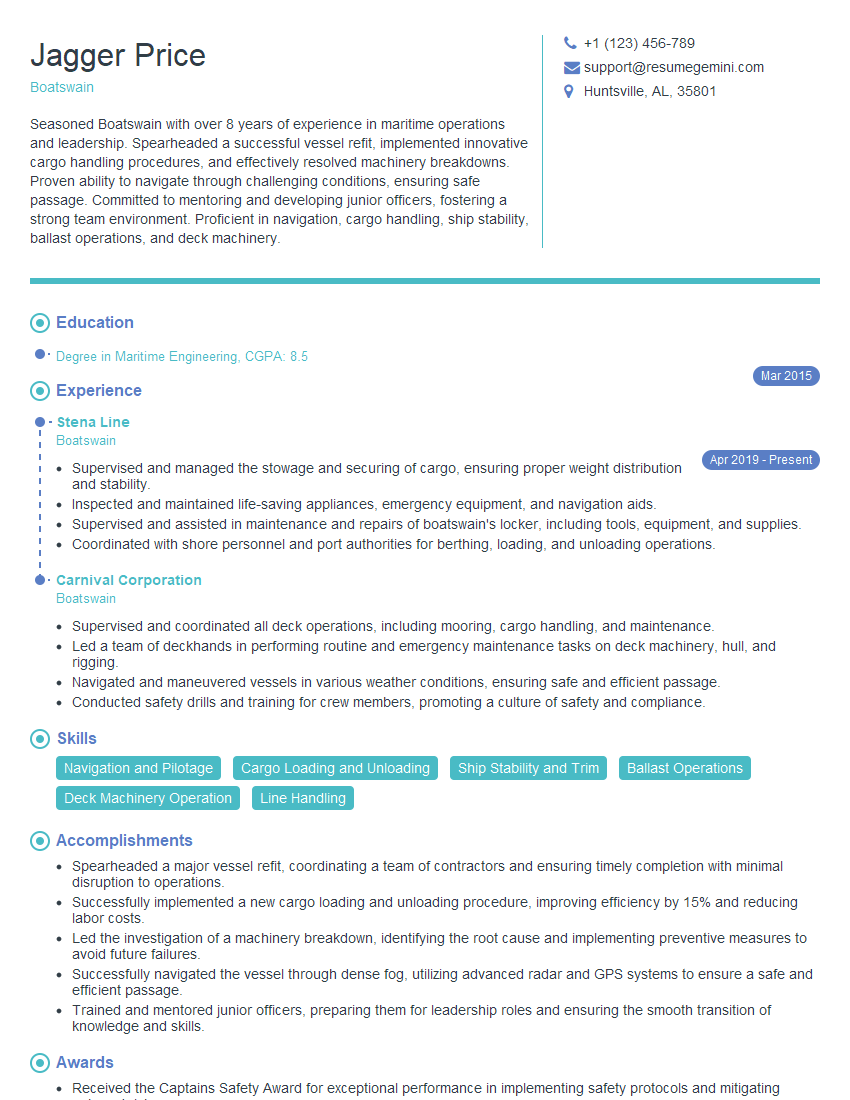
Boatswain Resume Sample
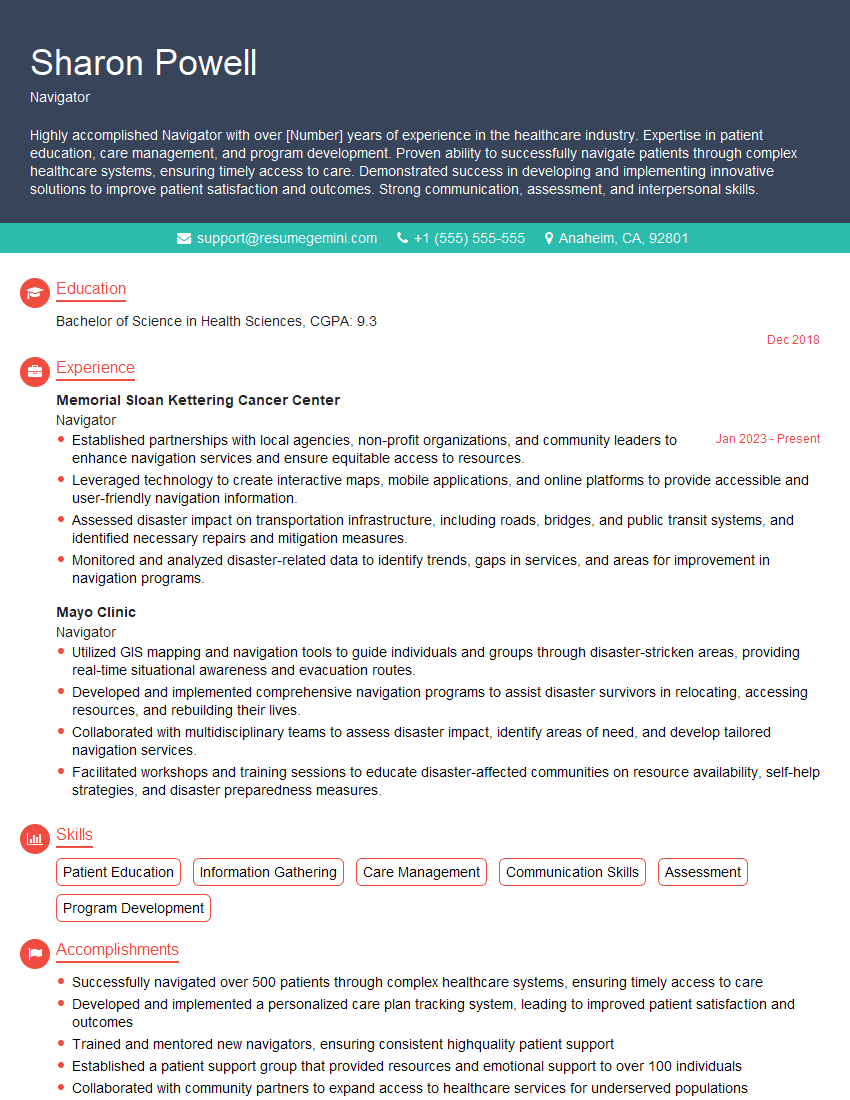
Navigator Resume Sample
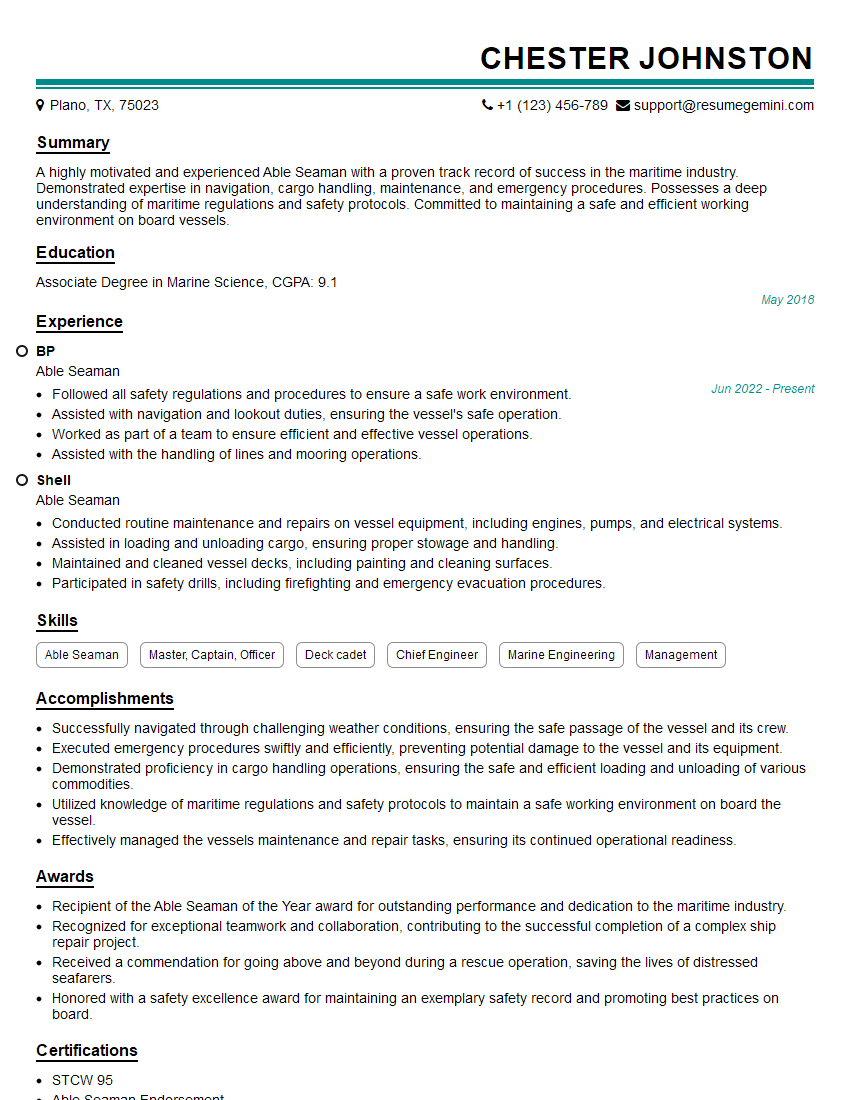
Able Seaman Resume Sample
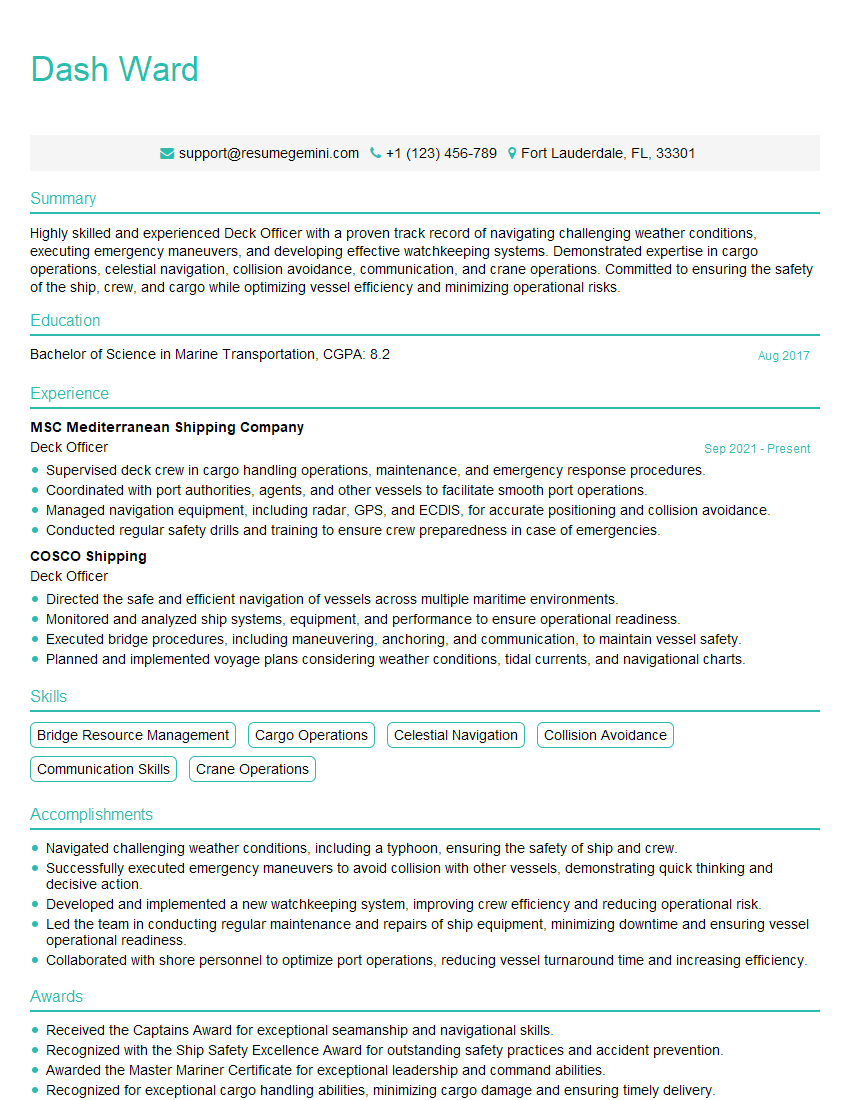
Deck Officer Resume Sample
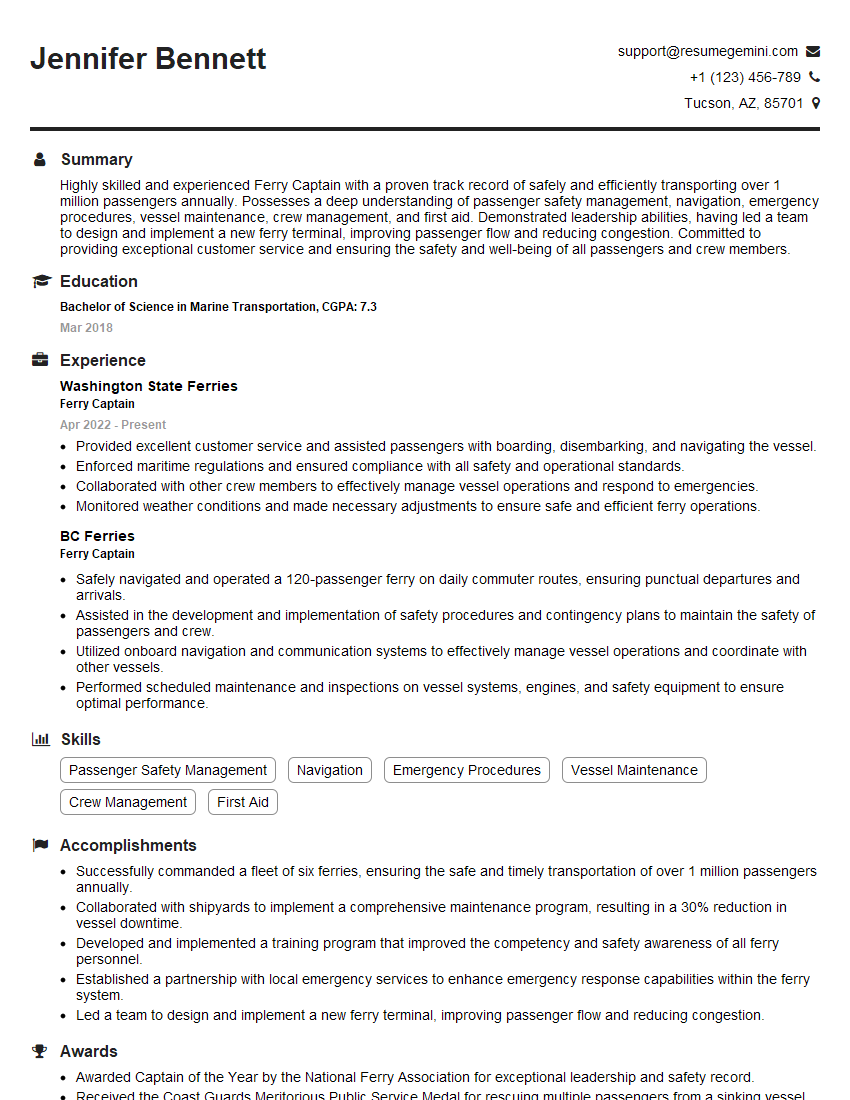
Ferry Captain Resume Sample
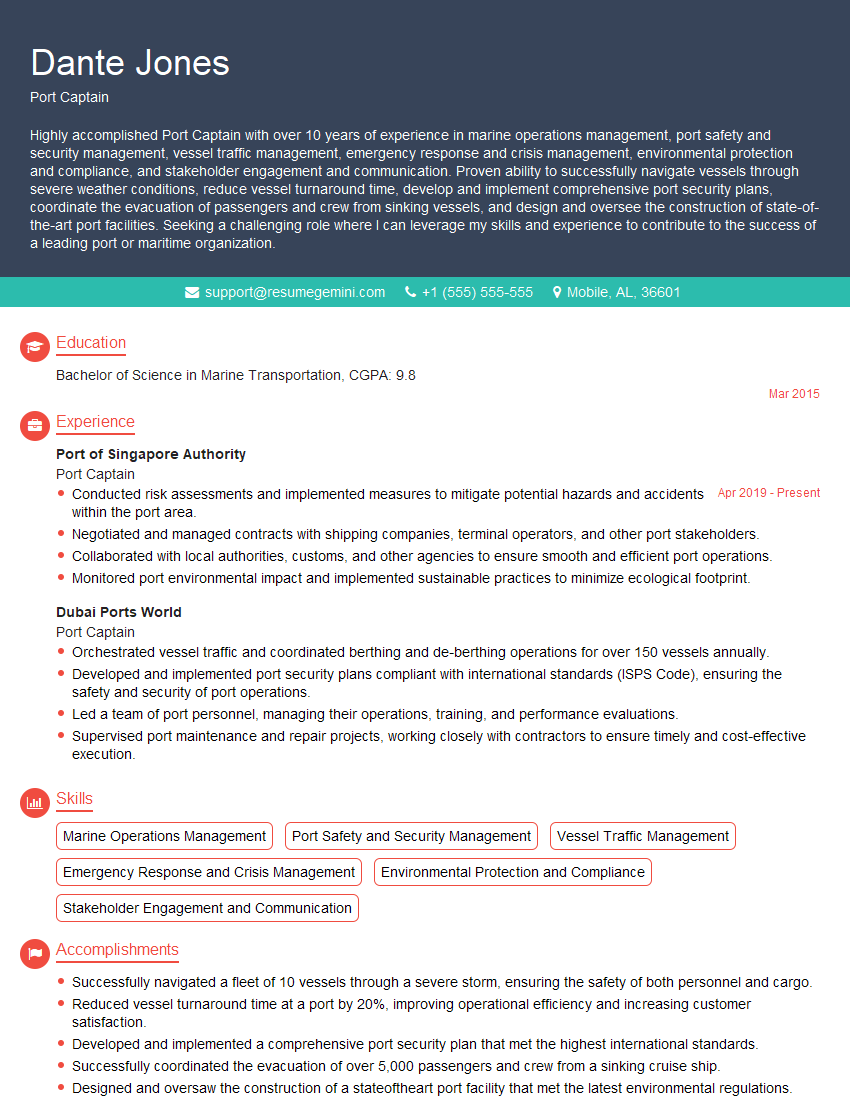
Port Captain Resume Sample
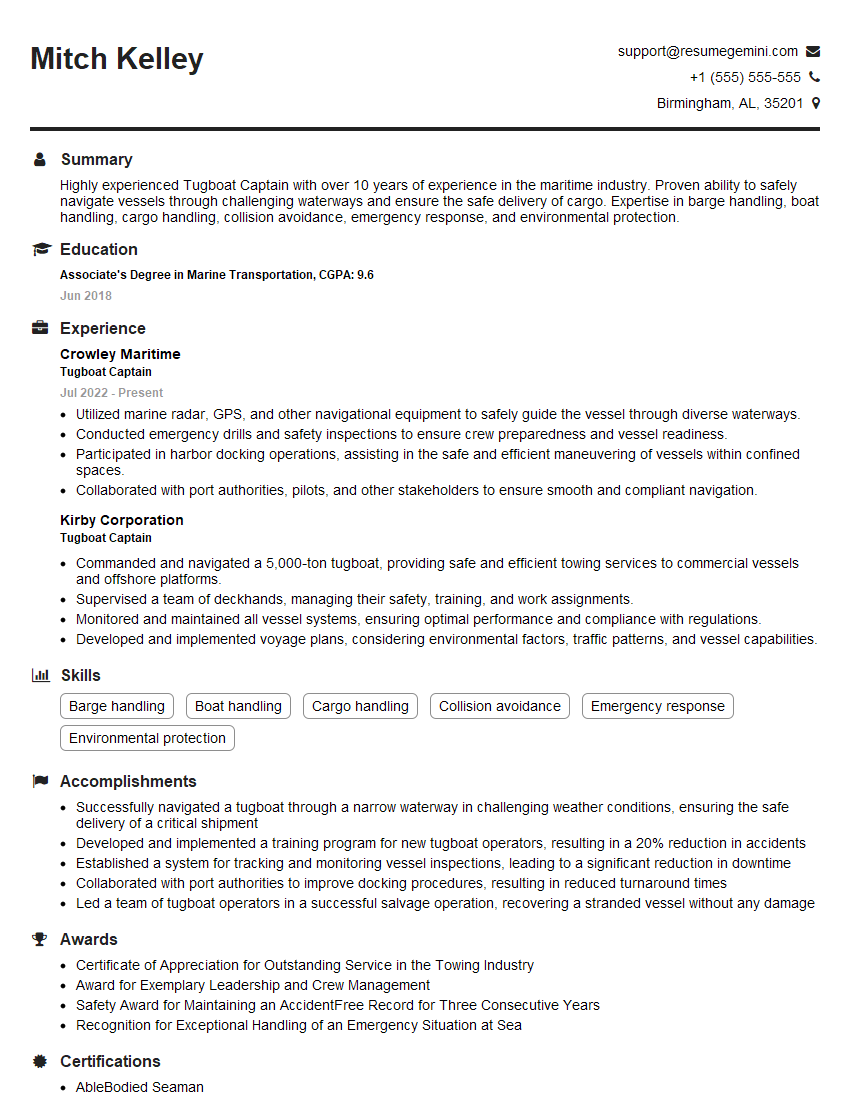
Tugboat Captain Resume Sample
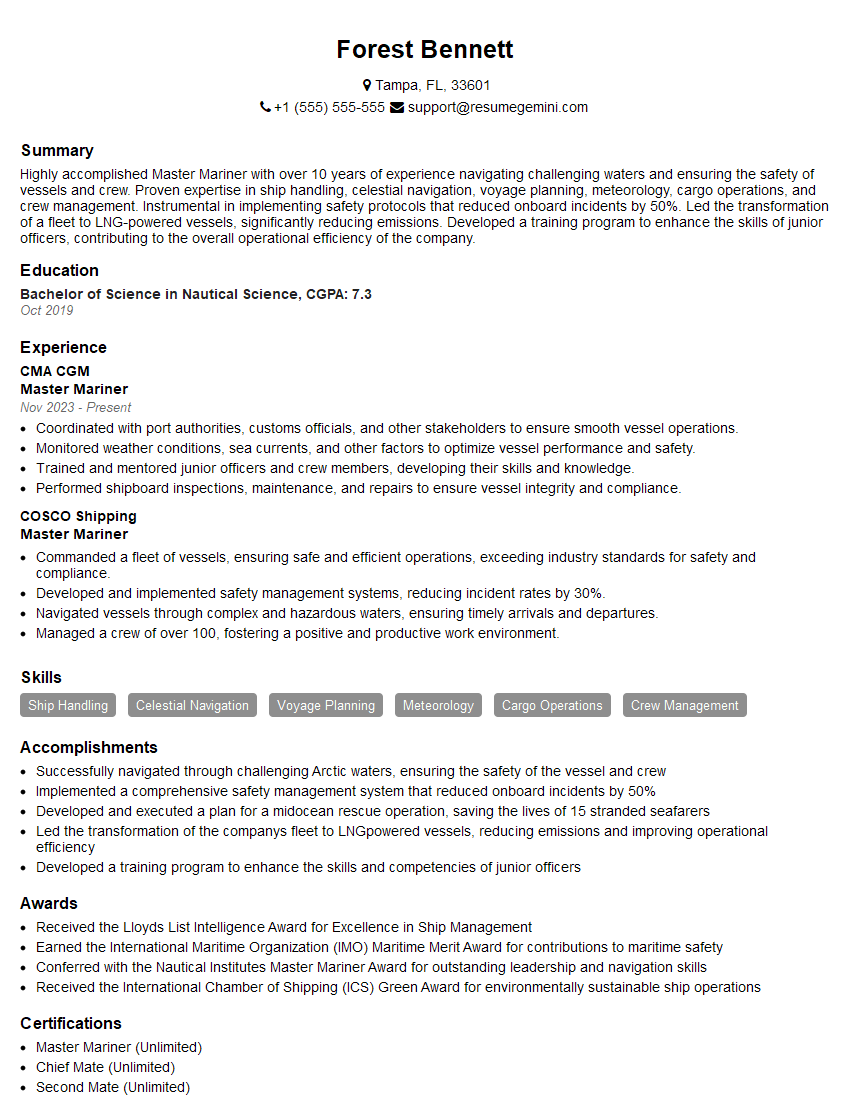
Master Mariner Resume Sample
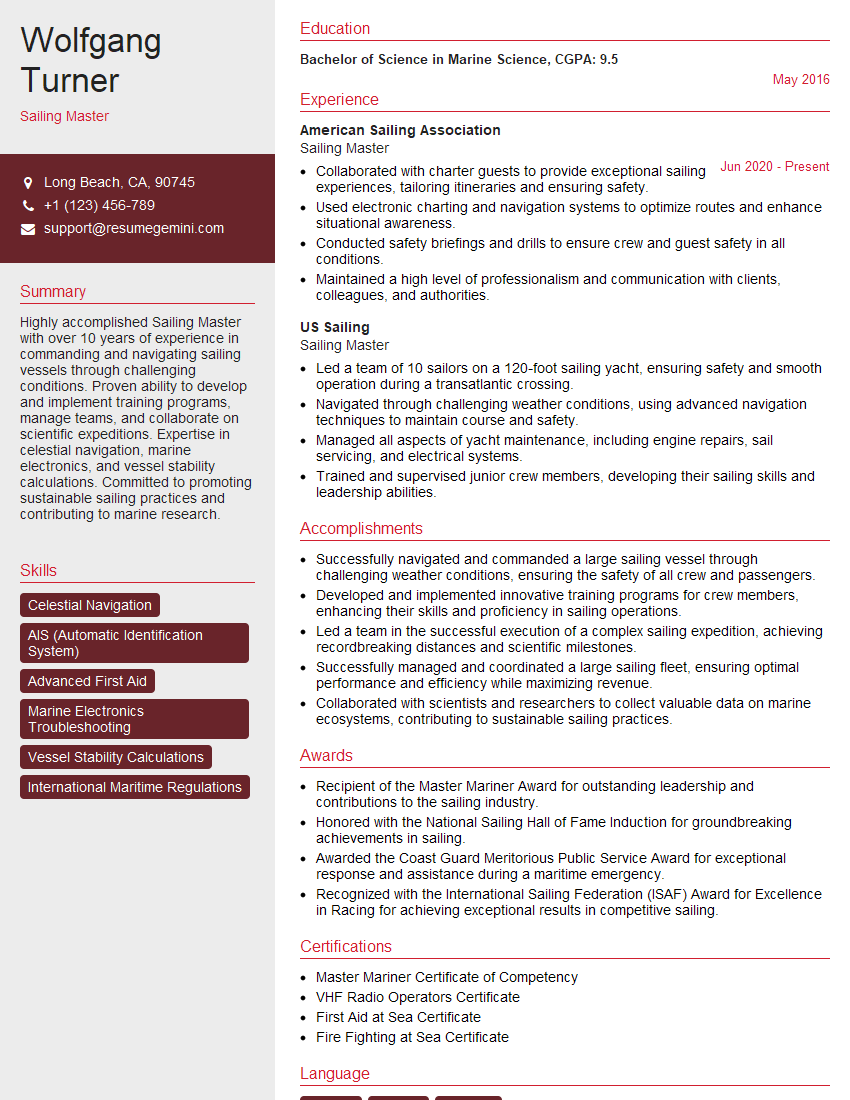
Sailing Master Resume Sample
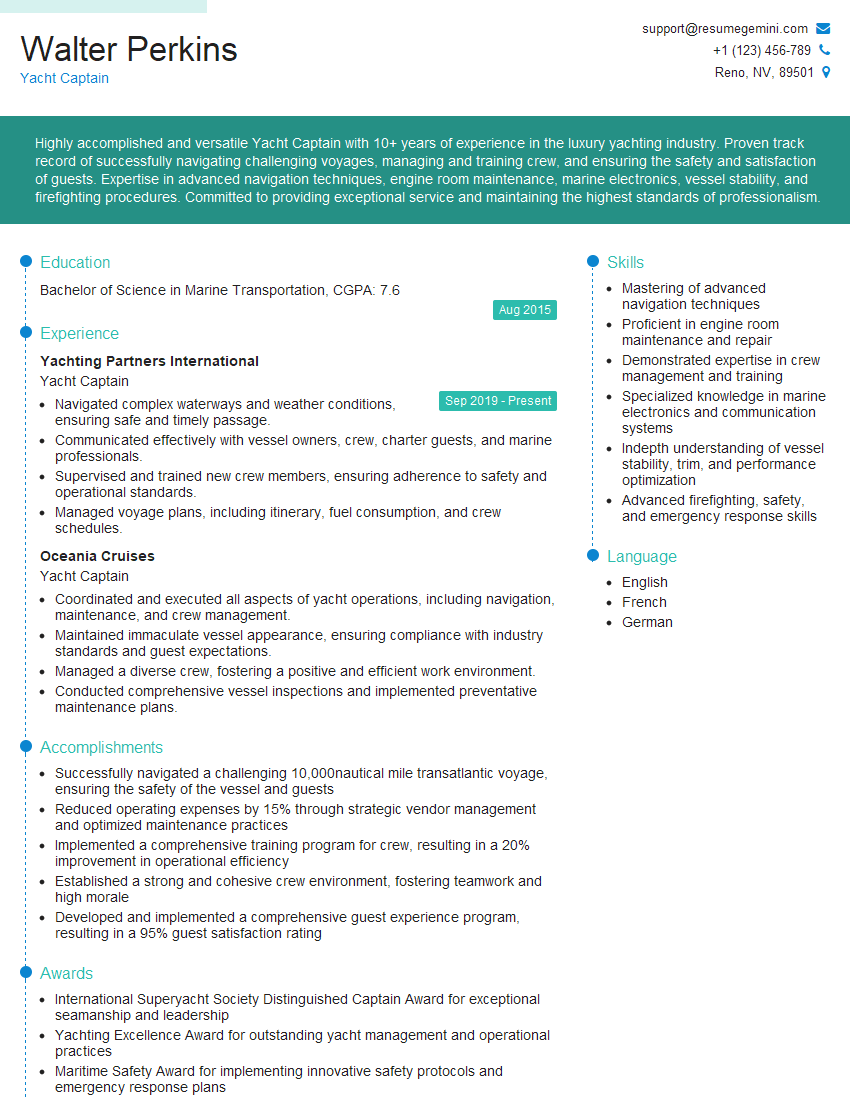
Yacht Captain Resume Sample
Explore more articles
Users Rating of Our Blogs
Share Your Experience
We value your feedback! Please rate our content and share your thoughts (optional).
What Readers Say About Our Blog
Really detailed insights and content, thank you for writing this detailed article.
IT gave me an insight and words to use and be able to think of examples