Every successful interview starts with knowing what to expect. In this blog, we’ll take you through the top Boat Propeller Cleaning interview questions, breaking them down with expert tips to help you deliver impactful answers. Step into your next interview fully prepared and ready to succeed.
Questions Asked in Boat Propeller Cleaning Interview
Q 1. What are the common causes of propeller fouling?
Propeller fouling, the accumulation of unwanted material on a boat propeller, is a common problem stemming from several sources. Think of it like barnacles growing on a rock in the ocean – it happens naturally and can severely impact performance.
- Marine Growth: This is the most prevalent cause, including barnacles, mussels, seaweed, and other organisms that attach themselves to submerged surfaces. The warmer the water and the longer the propeller remains submerged, the more significant this growth becomes.
- Sediment Buildup: In shallower waters or areas with high sediment content, mud, silt, and sand can accumulate on the propeller, reducing its efficiency and potentially causing damage.
- Paint and Corrosion: Old, peeling paint or corrosion can provide a rough surface for marine growth to attach to. It’s like a sticky surface perfect for barnacles!
- Debris: Fishing lines, plastic bags, and other debris can get tangled around the propeller, hindering its rotation and potentially causing damage. Imagine a fishing net wrapping around your propeller – that significantly restricts movement.
Q 2. Describe different methods for cleaning boat propellers.
Cleaning boat propellers requires a tailored approach based on the severity of fouling and the propeller material. Here are several methods:
- Manual Cleaning: This involves using brushes, scrapers, and cleaning solutions to remove fouling. A stiff-bristled brush works well for lighter growth while a scraper might be needed for tougher barnacles. Think of it as scrubbing a stubborn stain from a surface.
- Power Washing: Using a high-pressure washer with a suitable nozzle can effectively remove loose marine growth and debris. This is like using a power hose to clean your driveway – efficient and powerful.
- Chemical Cleaning: Specialized marine cleaning solutions can dissolve or loosen stubborn fouling. Always follow the manufacturer’s instructions carefully to avoid damaging the propeller.
- Professional Cleaning: For severe fouling or difficult-to-reach areas, professional boat yard services are an option. They possess the expertise and equipment to handle even the toughest cases.
Q 3. What types of cleaning solutions are effective and safe for propellers?
Choosing the right cleaning solution is crucial for effective and safe propeller cleaning. Some common options include:
- Mild Detergents: Dish soap or other non-abrasive detergents can be effective for removing light soil and grease. These are gentle and work well for regular maintenance.
- Marine-Specific Cleaners: These are formulated to dissolve marine growth and are often available in various strengths to tackle different levels of fouling. They’re like specialized stain removers, designed for marine environments.
- Acid-Based Cleaners (Use with Caution): These can be very effective at removing stubborn marine growth, but must be used with extreme caution as they can damage certain propeller materials. Always test in an inconspicuous area first.
Important Note: Always rinse thoroughly with fresh water after cleaning to remove any residual cleaning solution.
Q 4. How do you determine the appropriate cleaning tools for various propeller materials?
Selecting the right tools depends heavily on the propeller material. Different materials have varying levels of hardness and susceptibility to damage.
- Aluminum Propellers: These are relatively soft and can be easily scratched. Use soft-bristled brushes and avoid harsh chemicals or abrasive cleaners.
- Stainless Steel Propellers: These are much more durable and can withstand more aggressive cleaning methods. Wire brushes, scrapers, and high-pressure washers can be used, but caution is still advised.
- Nickel Aluminum Bronze Propellers (NAB): These are strong and corrosion-resistant. They usually tolerate a wider range of cleaning tools and solutions. However, extreme force should still be avoided.
Always inspect the propeller for any signs of damage before selecting your tools. A damaged propeller is more susceptible to further damage during cleaning.
Q 5. Explain the process of inspecting a propeller for damage before cleaning.
Inspecting your propeller before cleaning is crucial to avoid further damage and ensure a successful cleaning process. Think of it as a pre-operation check-up.
- Visual Inspection: Carefully examine the entire propeller surface for any cracks, bends, or significant pitting. Look closely for any signs of damage that could weaken the propeller. Use a flashlight or mirror to help you see hard-to-reach areas.
- Check for Loose Parts: Inspect the propeller’s hub and blade attachments for any signs of loosening or damage. Loose parts can be easily dislodged during cleaning, leading to further damage.
- Note Existing Damage: Document any pre-existing damage using photographs or notes. This is important for comparison after cleaning and for future reference. This will aid in understanding if any additional damage occurred during the cleaning process.
Q 6. How do you handle different types of marine growth on propellers?
Different marine growths require different cleaning approaches.
- Barnacles: These are notoriously tough. A scraper or wire brush (on stainless steel propellers) might be necessary, possibly accompanied by a marine-specific cleaner to loosen their grip. Remember, a high-pressure washer is quite effective against barnacles.
- Mussels: Similar to barnacles, mussels require a more aggressive approach. A combination of physical removal (scraper or wire brush) and chemical cleaner is often the best strategy.
- Seaweed and Algae: These are usually softer and easier to remove. A brush and a mild detergent or a power washer should be sufficient.
Remember, always start with the gentlest method possible and gradually increase the intensity as needed. Always prioritize protecting the propeller from unnecessary damage.
Q 7. What safety precautions are crucial when cleaning boat propellers?
Safety should always be the top priority when cleaning boat propellers. Here are some crucial precautions:
- Wear appropriate personal protective equipment (PPE): This includes gloves, eye protection, and closed-toe shoes to protect yourself from sharp edges, chemicals, and debris.
- Work in a well-ventilated area: Many cleaning solutions release fumes, so proper ventilation is crucial. Consider working outdoors or using respiratory protection if necessary.
- Secure the propeller: Ensure the propeller is securely supported during cleaning to prevent accidental injury. Consider using jack stands to support the weight of the propeller while cleaning.
- Never clean a running propeller: This is extremely dangerous and should never be attempted. Always disconnect the propeller shaft and ensure that the engine is off.
- Dispose of waste properly: Follow local regulations for the disposal of cleaning solutions and any removed marine growth.
Remember, a safe and planned cleaning process is crucial to avoid potential injuries and to ensure the longevity of your propeller.
Q 8. How do you prevent propeller damage during the cleaning process?
Preventing propeller damage during cleaning is paramount. Think of your propeller as a precision instrument; even minor scratches can impact performance and longevity. The key is to use the right tools and techniques, avoiding abrasive materials and excessive force.
- Gentle Handling: Always handle the propeller carefully, avoiding dropping or banging it against hard surfaces. Imagine it’s a delicate piece of art – treat it with respect!
- Appropriate Cleaning Tools: Use soft-bristled brushes, non-abrasive cleaners, and a gentle touch. Avoid wire brushes or scouring pads, as these can easily scratch the surface, especially on aluminum propellers.
- Proper Protection: Wear gloves to protect your hands from sharp edges and to prevent transferring oils or dirt to the propeller surface. Consider using a protective mask when dealing with harsh chemicals.
- Careful Inspection: Before and after cleaning, inspect the propeller thoroughly for any damage. Look for nicks, bends, or any signs of wear. Addressing small issues early prevents them from becoming major problems.
For example, a friend once used a wire brush on his aluminum propeller, leaving unsightly scratches and reducing its efficiency. He learned the hard way that a soft brush and the right cleaning solution are far more effective and gentler.
Q 9. What are the signs of a damaged or bent propeller?
A damaged or bent propeller will show several telltale signs affecting your boat’s performance. These signs can range from subtle vibrations to serious handling issues.
- Vibrations: An unbalanced or bent propeller will often cause noticeable vibrations throughout the boat, especially at higher speeds. It’s like a persistent hum that gets louder and more irritating the faster you go.
- Reduced Speed and Performance: A damaged propeller can’t generate the same thrust, leading to a noticeable decrease in your boat’s top speed and overall performance. You might find yourself needing more throttle to maintain your desired speed.
- Unusual Noises: You might hear unusual sounds like clanking, banging, or grinding coming from the propeller area. This indicates that the propeller is likely hitting something, or that parts are damaged and rubbing against each other.
- Visible Damage: In more severe cases, you’ll see obvious signs of damage, such as bends, cracks, or significant nicks on the propeller blades. A visual inspection is crucial.
For instance, a propeller that hits a submerged object might develop a noticeable bend, drastically impacting its performance and possibly causing further damage to the engine.
Q 10. How do you identify propeller cavitation and its causes?
Propeller cavitation is a serious issue characterized by the formation of vapor bubbles on the propeller blades, which collapse violently, causing damage and reduced efficiency. It’s like tiny explosions happening on your propeller.
Identifying Cavitation: You’ll notice a distinct ‘pinking’ or ‘growling’ noise coming from the propeller area. You might also see pitting or erosion on the propeller blades themselves. The propeller might be less efficient, struggling to push the boat forward even at higher throttle.
Causes of Cavitation:
- Incorrect Propeller Selection: Using a propeller that’s too small for the boat and engine can lead to excessive speed and pressure on the blades, creating cavitation.
- High Engine RPMs: Running the engine at excessively high RPMs can overwhelm the propeller, leading to vapor bubble formation.
- Insufficient Water Depth: Operating the boat in shallow water can restrict water flow to the propeller, increasing the risk of cavitation.
- Damaged Propeller: A damaged or bent propeller can’t properly generate thrust, making it more susceptible to cavitation.
- High Boat Speed: In some cases, high speeds alone can create enough low pressure to lead to cavitation.
For example, operating a boat in shallow water can significantly reduce water flow over the propeller, causing it to cavitate and lose thrust, even at lower RPMs.
Q 11. Describe the proper technique for balancing a propeller after cleaning.
Balancing a propeller after cleaning is vital to ensure smooth operation and prevent damage to the engine and steering components. An unbalanced propeller is like a wobbly wheel on a car – it causes vibration and instability. Professional balancing is usually best, but here’s a basic understanding.
Professional Balancing is Recommended: Propeller balancing requires specialized equipment and expertise. Most boat repair shops or marine mechanics offer this service. They’ll use a sophisticated balancing machine to pinpoint any imbalances and make precise adjustments.
DIY Balancing (with extreme caution): This is generally NOT recommended unless you have extensive experience and the proper equipment. Attempting this without proper knowledge can cause more harm than good.
If you must attempt basic balancing:
- Clean Thoroughly: Make absolutely sure the propeller is completely clean and free of any debris that could influence the balancing process.
- Visual Inspection: Look for any visible damage or imperfections on the blades.
- Static Balancing (extremely rudimentary): This involves using a carefully balanced pivot point. A significant imbalance will be noticeable as the propeller will tilt to one side. However, static balancing alone isn’t sufficient for precise accuracy.
Remember: Improper balancing can cause significant engine damage and boat vibrations. A professional will possess the tools and knowledge to correctly balance a propeller and ensure long-term engine health.
Q 12. How often should boat propellers be cleaned?
The frequency of propeller cleaning depends largely on your boating habits and the environment. The more you use your boat and the dirtier the water, the more frequently you’ll need to clean it.
- Regular Cleaning (Weekly): For frequent boat users in muddy or weed-filled waters, weekly cleaning is recommended. This prevents buildup that could impact performance and increase wear.
- Monthly Cleaning: For less frequent boat users in relatively clean waters, monthly cleaning is usually sufficient.
- Post-Trip Cleaning: After each boating trip, especially if you’ve been in shallow water or areas with heavy weed growth, rinse the propeller with fresh water to remove any accumulated debris.
Think of it like regular car maintenance; consistent attention prevents small problems from becoming big headaches. Regular cleaning prolongs your propeller’s lifespan and ensures optimal boat performance.
Q 13. What is the difference between cleaning aluminum and stainless steel propellers?
The cleaning methods for aluminum and stainless steel propellers differ slightly due to their material properties. Aluminum is softer and more prone to scratching, whereas stainless steel is more durable.
- Aluminum Propellers: Use extra care when cleaning aluminum propellers. Avoid abrasive cleaners and brushes. Opt for a soft-bristled brush, mild soap, and fresh water. A pressure washer can be used on low pressure, but maintain a safe distance to avoid damaging the softer metal.
- Stainless Steel Propellers: Stainless steel is more resistant to scratches but can still accumulate marine growth. You can use slightly more aggressive cleaning methods, such as a slightly stiffer brush or a pressure washer at a moderate setting. However, always avoid harsh chemicals that could damage the surface.
For example, a wire brush might be suitable for a stainless steel propeller but would leave irreparable scratches on an aluminum one. Always prioritize the material-specific cleaning approach to avoid damage.
Q 14. What are the effects of neglecting propeller cleaning?
Neglecting propeller cleaning has several serious consequences that can significantly impact your boat and your boating experience.
- Reduced Performance: Accumulated marine growth, weeds, and debris will create drag, reducing your boat’s speed and fuel efficiency. It’s like driving a car with flat tires – you’ll be losing power and burning more fuel.
- Engine Damage: A clogged propeller can strain the engine, leading to overheating and potential damage to vital components. It’s like forcing an engine to work harder than it should; it won’t last long.
- Propeller Damage: Marine growth can corrode the propeller blades, causing pitting, corrosion, and ultimately weakening the structure, leading to costly repairs or replacement.
- Safety Hazards: A fouled propeller can create imbalances, increasing the risk of vibrations, steering difficulties, and even potential accidents.
- Increased Maintenance Costs: Regular cleaning is significantly cheaper than fixing a damaged engine or replacing a corroded propeller. Prevention is key!
For instance, I’ve seen boats with severely encrusted propellers struggle to reach even half their normal speed, resulting in engine stress and expensive repairs. Regular cleaning avoids these issues.
Q 15. How do you dispose of cleaning materials responsibly?
Responsible disposal of boat propeller cleaning materials is crucial for environmental protection. Different cleaning agents require different disposal methods. For example, solvents should never be poured down drains or into the water. Instead, they should be collected in properly labeled containers and taken to a designated hazardous waste facility. Mild detergents, if biodegradable, can be disposed of according to local regulations, often meaning rinsing thoroughly and letting the wastewater flow through a standard sewage system. Always check local and national regulations for specific guidance on hazardous waste disposal. Never assume a product is safe for disposal without verifying its label instructions and checking with your local environmental agency.
For example, I once worked on a project where we were cleaning propellers using a specialized marine degreaser. The label clearly stated it was hazardous waste, so we meticulously collected all used material in designated containers and arranged for pickup by a licensed hazardous waste disposal company. This ensured we were meeting environmental regulations and minimizing any potential negative impact.
Career Expert Tips:
- Ace those interviews! Prepare effectively by reviewing the Top 50 Most Common Interview Questions on ResumeGemini.
- Navigate your job search with confidence! Explore a wide range of Career Tips on ResumeGemini. Learn about common challenges and recommendations to overcome them.
- Craft the perfect resume! Master the Art of Resume Writing with ResumeGemini’s guide. Showcase your unique qualifications and achievements effectively.
- Don’t miss out on holiday savings! Build your dream resume with ResumeGemini’s ATS optimized templates.
Q 16. Explain the process of removing and reinstalling a propeller.
Removing and reinstalling a propeller is a straightforward process, but safety is paramount. First, you’ll need the correct tools: a propeller puller (specific to your propeller type), wrenches, and potentially a hammer and block of wood (for stubborn propellers). Begin by securing the boat securely and disengaging the engine. Next, you’ll carefully detach any cotter pins securing the propeller nut, and using the propeller puller, gradually remove the propeller. Remember to support the propeller shaft to avoid damage. When reinstalling, ensure the propeller is correctly aligned with the shaft and firmly tightened, using the propeller nut and cotter pin. Always check for any damage to the shaft or propeller before and after installation. Incorrect installation can lead to vibration or even propeller failure.
For example, when removing a heavily fouled propeller from a fishing boat, I had to use a specialized puller and apply a bit more force than usual. This highlights the importance of using the right tools and proper technique. Taking your time prevents accidents and assures proper installation.
Q 17. What are the different types of propeller materials and their characteristics?
Propellers are commonly made from several materials, each with its own advantages and disadvantages.
- Bronze: A popular choice known for its durability and corrosion resistance. It’s relatively heavy and can be expensive.
- Aluminum: Lighter than bronze, making it fuel-efficient, but more susceptible to corrosion in saltwater environments. Requires more frequent cleaning and maintenance.
- Stainless Steel: Very strong and corrosion resistant, ideal for harsh saltwater conditions. It’s the most expensive option.
- Nickel Aluminum Bronze (NAB): Offers a good balance between strength, corrosion resistance, and cost. A popular alternative to bronze in many applications.
I’ve personally worked extensively with both bronze and stainless steel propellers. While stainless steel propellers require less maintenance in saltwater environments, the initial cost is significantly higher.
Q 18. How does propeller pitch affect boat performance?
Propeller pitch is the distance the propeller travels forward in one revolution. It directly affects boat performance. A higher pitch propeller will result in higher top speed but may require more engine power at lower speeds, while a lower pitch propeller improves acceleration and performance at lower speeds but lowers top speed. Finding the optimal pitch involves considering the boat’s hull design, engine power, and intended use. A propeller with an incorrect pitch can lead to poor fuel efficiency and reduced performance.
Consider a racing boat versus a fishing boat: the racing boat would likely benefit from a high-pitch propeller to achieve maximum speed, whereas the fishing boat might prefer a lower pitch for better maneuverability and performance when trolling.
Q 19. How do you troubleshoot common propeller-related problems?
Troubleshooting propeller-related problems requires systematic investigation. Common problems include:
- Vibration: Could indicate an imbalance in the propeller, a bent shaft, or a loose nut. Carefully inspect the propeller for damage and check for proper shaft alignment.
- Poor Acceleration or Top Speed: May be due to a damaged propeller, incorrect pitch, or marine growth buildup. Clean the propeller thoroughly and, if necessary, consider adjusting the pitch or replacing the propeller.
- Unusual Noise: Grinding or scraping noises could point to propeller damage or debris caught in the propeller. Inspect the propeller and surrounding area for any damage or obstructions.
- Cavitation: The formation of bubbles around the propeller, usually due to incorrect pitch or excessive speed. Reducing speed or adjusting propeller pitch can help resolve this issue.
I once encountered a boat with excessive vibration. After a thorough inspection, we found a small crack in the propeller blade. Replacing the propeller immediately resolved the issue.
Q 20. Describe your experience with different types of propeller cleaning equipment.
My experience encompasses a variety of propeller cleaning equipment. These range from simple brushes and scrapers for removing minor fouling to power washers for more substantial cleaning. Power washers, while effective, must be used cautiously to avoid damaging the propeller. Specialized propeller cleaning tools are available, featuring brushes designed to fit the curvature of the propeller blades. For stubborn marine growth, I sometimes utilize chemical cleaners, but always in accordance with the manufacturer’s instructions and environmental regulations. When dealing with heavily fouled propellers, I might even use a combination of power washing and chemical cleaning. The appropriate equipment depends entirely on the severity of the fouling.
In one instance, a client’s propeller was severely encrusted with barnacles. A combination of power washing and a specialized marine cleaner proved the most effective method for restoring the propeller to its optimal performance.
Q 21. How do you assess the condition of a propeller shaft before cleaning?
Assessing the condition of a propeller shaft before cleaning is a crucial step. It helps identify any potential problems before cleaning, minimizing the risk of further damage. I typically start by visually inspecting the shaft for signs of corrosion, wear, or bending. I carefully check for any pitting, scratches, or other surface imperfections. I then feel along the shaft to detect any unusual roughness or vibrations. A flexible shaft may indicate potential alignment problems, and any visible damage could warrant repair or replacement. Before cleaning, it’s important to note the condition of the shaft to differentiate existing damage from cleaning-related wear and tear.
For example, I recently encountered a propeller shaft with significant corrosion. This required a specialized repair before the propeller could be cleaned and reinstalled safely. Ignoring the shaft’s condition could have led to serious problems down the line.
Q 22. What are the legal implications of operating a boat with a fouled propeller?
Operating a boat with a fouled propeller can have significant legal implications, varying by location and circumstance. A fouled propeller, meaning one encrusted with marine growth like barnacles or seaweed, reduces efficiency and can severely impact maneuverability. This decreased performance can directly contribute to accidents, endangering both the vessel and others. For example, if you’re involved in a collision because your fouled propeller prevented you from reacting swiftly enough, you could face liability for damages. Furthermore, some jurisdictions have regulations regarding vessel maintenance, mandating regular inspections and cleaning. Failure to comply could result in fines or even the suspension of your boating privileges. Think of it like driving a car with bald tires – it’s unsafe and could lead to legal repercussions.
In short, a fouled propeller is not just a performance issue; it’s a safety and potentially legal one. Regular propeller maintenance is crucial for responsible boat ownership and avoiding potential legal trouble.
Q 23. How do you document your propeller cleaning and inspection procedures?
Documentation is key to demonstrating responsible boat maintenance and compliance with regulations. My propeller cleaning and inspection procedures are meticulously documented using a digital logbook and photographic evidence. Each entry includes the date, location, vessel details (name, registration number), a description of the cleaning process used (e.g., manual cleaning, power washing, or professional service), and observations about the propeller’s condition. I also take before-and-after photos of the propeller to show the extent of fouling and the effectiveness of the cleaning.
Crucially, the logbook records any anomalies found, such as damage to the propeller blades or signs of corrosion, along with any corrective actions taken. This comprehensive documentation provides a detailed history of the propeller’s maintenance and serves as valuable evidence if any disputes arise. Think of it as a ‘health record’ for your propeller, demonstrating proactive and responsible care.
Q 24. What are some preventative measures to minimize propeller fouling?
Preventing propeller fouling is far easier and cheaper than dealing with it once it occurs. A multi-pronged approach is most effective. This includes:
- Regular Cleaning: Even if fouling seems minimal, regular cleaning (e.g., weekly or bi-weekly depending on water conditions) helps prevent buildup.
- Anti-fouling Paint: Applying a high-quality anti-fouling paint to the propeller is a vital step. These paints contain biocides that deter marine growth.
- Propeller Polishing: Regular polishing creates a smooth surface, making it more difficult for organisms to attach.
- Propeller Protection: When the boat is not in use, consider a propeller guard or cover to limit exposure to marine life.
- Proper Storage: For boats stored out of water, proper cleaning and drying before storage prevents accumulation of growth.
Consider the environment your boat is in. Boats in warmer, saltier waters will experience fouling more quickly than those in colder, freshwater environments. Adjusting your cleaning and preventative measures accordingly is vital.
Q 25. Describe your experience working with different types of boats and their propellers.
My experience spans a broad range of boat types and propellers, from small outboard motors on fishing boats to large inboard/outboard systems on yachts and even the complex propellers of commercial vessels. Each type presents unique challenges. For instance, working on a small outboard propeller is fairly straightforward; however, larger propellers require more specialized tools and techniques to ensure thorough cleaning and inspection. Inboard propellers often require more complex dismantling and re-assembly procedures. I’ve also worked with various propeller materials, including stainless steel, aluminum, and bronze, each requiring slightly different cleaning methods to avoid damage. For example, stainless steel propellers are susceptible to scratching, so I always use soft brushes and avoid harsh chemicals.
This diverse experience allows me to adapt my techniques to any situation, ensuring efficient and safe cleaning for any vessel.
Q 26. How do you handle difficult-to-reach areas on propellers?
Reaching difficult areas on a propeller demands a combination of specialized tools and techniques. For hard-to-reach areas between the propeller blades or in tight spaces, I often utilize small, specialized brushes with flexible shafts. These tools allow for precise cleaning without damaging the propeller. In some cases, I employ high-pressure water jets with adjustable nozzles to reach and dislodge stubborn marine growth. It’s crucial to maintain control and avoid excessive pressure to prevent damage to the propeller’s surface or the boat itself. I always prioritize safety and use appropriate personal protective equipment (PPE).
For particularly stubborn fouling, I may employ a combination of chemical cleaners and mechanical cleaning methods. However, it’s paramount to select the appropriate chemicals for the propeller material to avoid corrosion or damage.
Q 27. What is your experience with using underwater cleaning techniques?
I have extensive experience with underwater propeller cleaning techniques, which are often necessary for larger vessels or propellers that are difficult to remove. This typically involves using specialized underwater cleaning equipment, such as remotely operated vehicles (ROVs) equipped with high-pressure water jets, brushes, or even specialized cutting tools for particularly tough fouling. Safety is paramount in underwater operations. I always adhere to strict safety protocols and utilize appropriate diving gear or ROV operation procedures, including proper buoyancy control and communication systems.
Underwater cleaning often requires a higher level of skill and expertise compared to above-water cleaning due to the inherent risks and challenges involved. Experience and careful planning are vital for successful and safe underwater cleaning.
Q 28. How do you maintain your tools and equipment for propeller cleaning?
Maintaining my tools and equipment is crucial for ensuring their longevity and performance. After each job, I thoroughly clean all brushes, nozzles, and other tools to remove any residual marine growth or chemicals. I regularly inspect the equipment for wear and tear, replacing any damaged or worn-out components promptly. For power washing equipment, I perform regular maintenance as per the manufacturer’s instructions, including checking pressure levels, inspecting hoses and nozzles, and ensuring proper lubrication of moving parts. This regular maintenance ensures the tools are always in top working condition, maximizing efficiency and minimizing the risk of damage to both the equipment and the propellers themselves.
Proper tool maintenance also extends the lifespan of my equipment, ultimately saving time and money in the long run.
Key Topics to Learn for Boat Propeller Cleaning Interview
- Understanding Propeller Types and Materials: Learn to identify different propeller designs (e.g., three-blade, four-blade, etc.) and materials (e.g., aluminum, stainless steel), understanding their cleaning requirements.
- Safe Handling and Safety Procedures: Master safe practices for handling propellers, including proper PPE (Personal Protective Equipment) usage and awareness of potential hazards (e.g., sharp edges, corrosion).
- Cleaning Techniques and Methods: Explore various cleaning methods, including manual cleaning, power washing, and the use of specialized cleaning agents. Understand when each method is appropriate.
- Identifying and Addressing Propeller Damage: Learn to identify common types of propeller damage (e.g., pitting, nicks, bent blades) and understand the implications for cleaning and potential repairs.
- Post-Cleaning Inspection and Maintenance: Understand the importance of thorough inspection after cleaning and basic maintenance procedures to ensure propeller longevity and optimal performance.
- Environmental Considerations: Learn about environmentally friendly cleaning practices and disposal of cleaning materials to minimize environmental impact.
- Tools and Equipment: Familiarize yourself with the various tools and equipment used in boat propeller cleaning, including their proper use and maintenance.
- Troubleshooting Common Cleaning Problems: Develop problem-solving skills to address challenges like stubborn marine growth or difficult-to-reach areas.
Next Steps
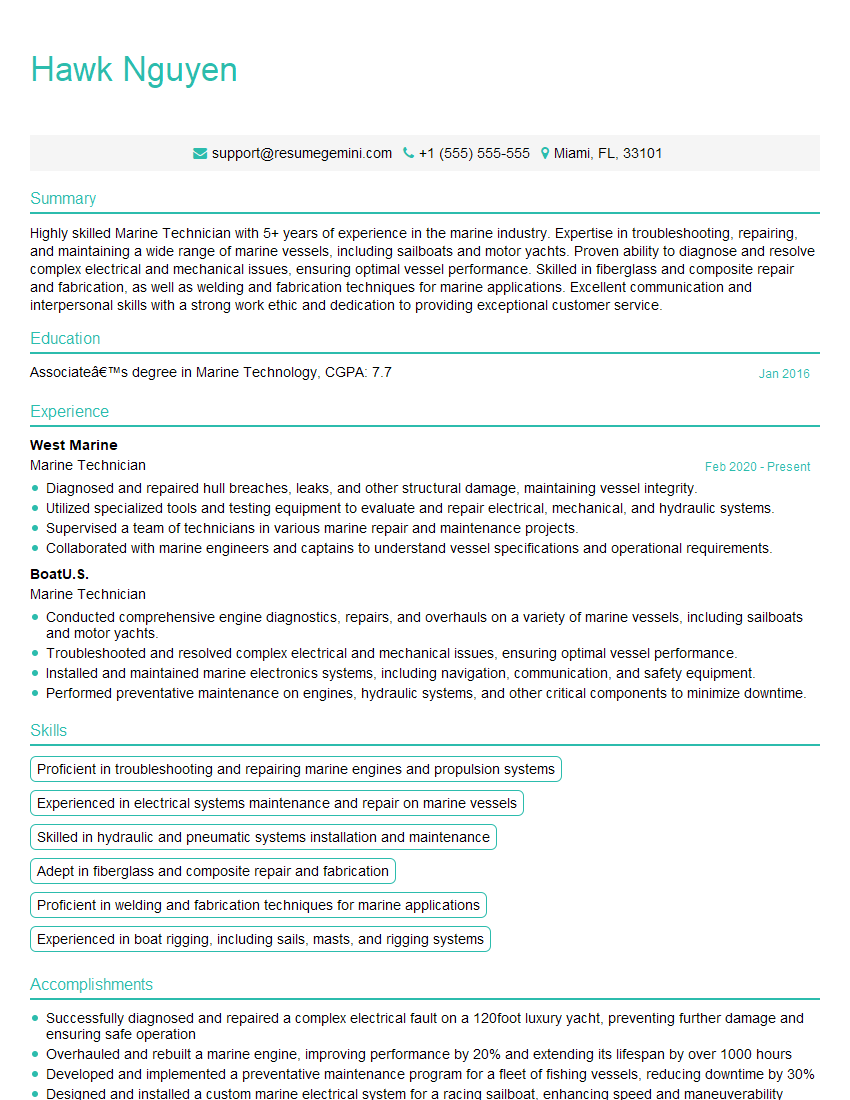
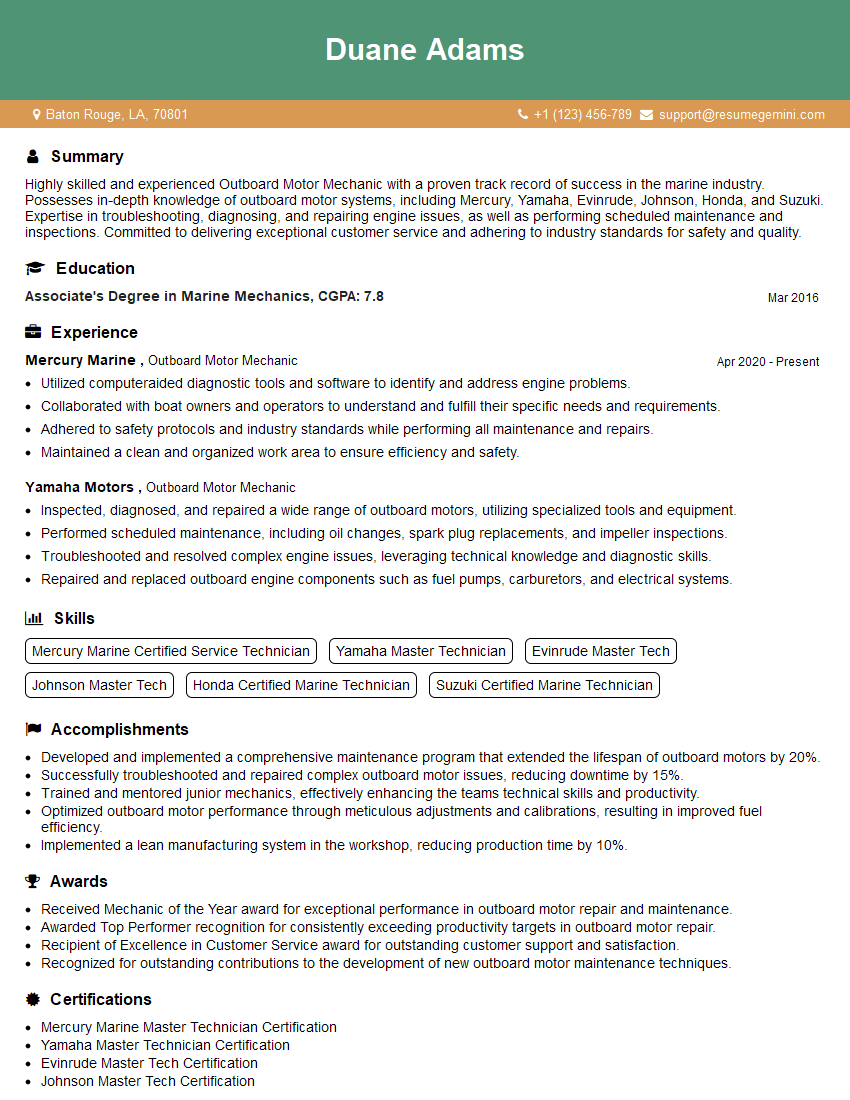
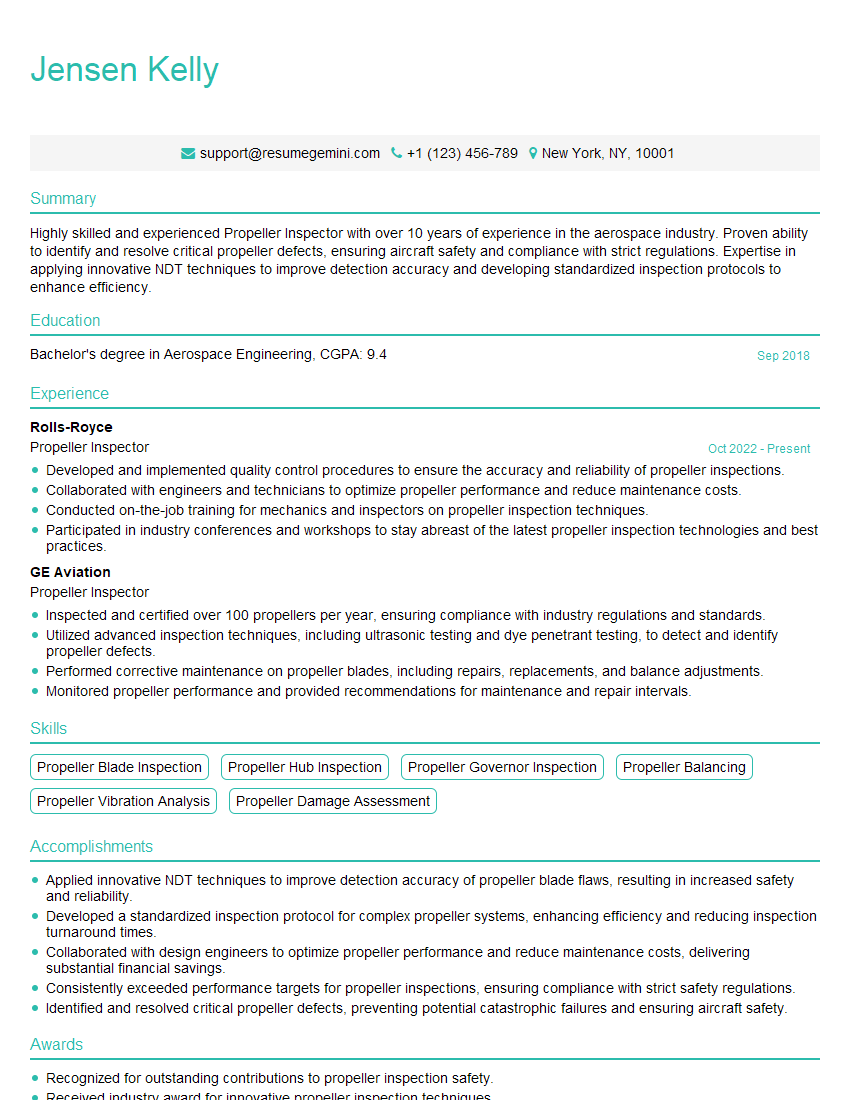
Mastering boat propeller cleaning opens doors to exciting opportunities in the marine industry, offering a path to specialization and career advancement. A strong resume is your key to unlocking these opportunities. Creating an ATS-friendly resume is crucial for getting your application noticed by potential employers. To build a professional and impactful resume, we highly recommend using ResumeGemini. ResumeGemini offers a user-friendly platform and provides examples of resumes tailored to the Boat Propeller Cleaning field, ensuring your qualifications shine.
Explore more articles
Users Rating of Our Blogs
Share Your Experience
We value your feedback! Please rate our content and share your thoughts (optional).
What Readers Say About Our Blog
I Redesigned Spongebob Squarepants and his main characters of my artwork.
https://www.deviantart.com/reimaginesponge/art/Redesigned-Spongebob-characters-1223583608
IT gave me an insight and words to use and be able to think of examples
Hi, I’m Jay, we have a few potential clients that are interested in your services, thought you might be a good fit. I’d love to talk about the details, when do you have time to talk?
Best,
Jay
Founder | CEO