Cracking a skill-specific interview, like one for Budgeting and Debt Management, requires understanding the nuances of the role. In this blog, we present the questions you’re most likely to encounter, along with insights into how to answer them effectively. Let’s ensure you’re ready to make a strong impression.
Questions Asked in Budgeting and Debt Management Interview
Q 1. Explain the difference between a budget and a forecast.
While both budgets and forecasts involve projecting future financial figures, they differ significantly in their purpose and methodology. A budget is a detailed plan for how resources will be allocated over a specific period, often a year. It’s a prescriptive document, outlining intended spending and income. Think of it as a roadmap for your finances. A forecast, conversely, is a predictive estimate of future financial performance based on historical data, market trends, and assumptions. It’s a projection, not a rigid plan, and can be revised as new information becomes available. Imagine a weather forecast – it predicts future conditions, but actual weather may deviate.
For example, a company’s budget might allocate $1 million for marketing in Q1, detailing specific campaign costs. A marketing forecast might predict $1.2 million in revenue from those campaigns, based on past performance and market analysis. The budget dictates spending; the forecast attempts to predict results.
Q 2. Describe your experience with different budgeting methods (e.g., zero-based budgeting, incremental budgeting).
My experience encompasses various budgeting methods, each with its own strengths and weaknesses. Zero-based budgeting starts from scratch each year, requiring every expense to be justified. This approach is particularly effective in identifying unnecessary spending but can be time-consuming. I’ve used this method successfully with startups, where resource optimization is paramount. Incremental budgeting, on the other hand, uses the previous year’s budget as a base, adjusting figures based on anticipated changes. It’s faster and simpler but may perpetuate inefficiencies. This is suitable for stable, predictable organizations. I’ve implemented this in established businesses where minor adjustments were needed year-on-year. I’ve also worked with activity-based budgeting, where costs are allocated based on specific activities, providing better insight into cost drivers. This approach is useful when you need to identify which aspects of the business are costing the most and where efficiency improvements can be made.
Q 3. How would you identify and analyze variances in a budget?
Identifying and analyzing budget variances involves a systematic approach. First, I calculate the difference between actual and budgeted figures: Variance = Actual - Budgeted. Then, I classify variances as either favorable (actual revenue exceeds budget or actual expenses are below budget) or unfavorable (the opposite). This is often shown visually with dashboards.
Next, I investigate the root causes. For example, a favorable sales variance might be due to exceeding sales targets, whereas an unfavorable materials cost variance could stem from supplier price increases or production inefficiencies. Tools like variance analysis reports and trend analysis are crucial here. A deep dive might involve reviewing sales data, production reports, and supplier contracts to pinpoint the cause. Corrective actions might include negotiating better supplier terms, improving production processes, or adjusting sales strategies.
Q 4. What are some key performance indicators (KPIs) you would use to monitor budget performance?
The key performance indicators (KPIs) I use for budget monitoring depend on the context, but some common ones include:
- Budget Variance Percentage:
(Actual - Budgeted) / Budgeted * 100%. This shows the magnitude of the variance. - Revenue Growth Rate: Measures the increase or decrease in revenue over time.
- Cost of Goods Sold (COGS) as a Percentage of Revenue: Highlights efficiency in production or service delivery.
- Return on Investment (ROI): Measures the profitability of specific projects or investments against the budget.
- Net Profit Margin: Shows profitability after all expenses.
Regular monitoring of these KPIs, ideally through dashboards, allows for proactive identification and mitigation of potential budget issues. For example, a consistently high COGS percentage might signal a need for process improvement or supplier negotiation.
Q 5. Explain your experience with debt restructuring or negotiation.
My experience with debt restructuring and negotiation involves working with both individuals and businesses to improve their financial health. This often includes negotiating with creditors to reduce interest rates, extend payment terms, or consolidate debt. For instance, I helped a small business facing financial distress renegotiate its loan terms with its bank, reducing the monthly payments and preventing default. This involved creating a detailed financial plan demonstrating the company’s improved future cash flow and highlighting its long-term viability. For individuals, I’ve helped consolidate high-interest debt into lower-interest loans, significantly reducing their overall interest burden. Success relies on a strong understanding of the borrower’s financial situation, clear communication with creditors, and a well-structured proposal that demonstrates a path to repayment.
Q 6. How do you prioritize debt repayment strategies (e.g., debt avalanche, debt snowball)?
Prioritizing debt repayment strategies depends on the individual’s or business’s goals and risk tolerance. The debt avalanche method focuses on paying off the highest-interest debt first, minimizing the total interest paid over time. It’s mathematically optimal but can be psychologically challenging, as initial progress may seem slow. The debt snowball method prioritizes paying off the smallest debt first, regardless of interest rate. This provides early psychological wins and momentum, motivating continued repayment. I tailor my approach to the client’s personality and circumstances. If the client needs quick wins for motivation, the snowball method is ideal, but if minimizing total interest is paramount, the avalanche method is better.
Q 7. How would you assess the creditworthiness of a borrower or a company?
Assessing creditworthiness involves a thorough review of several factors. For individuals, I look at credit scores, credit reports, debt-to-income ratio (DTI), and employment history. A high credit score and low DTI indicate lower risk. For companies, I analyze financial statements (balance sheet, income statement, cash flow statement), credit ratings, industry benchmarks, and management quality. Key ratios like debt-to-equity ratio, current ratio, and profitability margins provide insights into financial health and risk. I also consider qualitative factors such as the business’s history, management expertise, and market position. A comprehensive analysis combines quantitative data with qualitative insights for a holistic assessment.
Q 8. What are the key factors to consider when developing a debt management plan?
Developing a robust debt management plan requires a holistic approach, considering several key factors. It’s not just about paying down debt; it’s about strategically managing your finances to achieve long-term financial health.
- Income and Expenses: A detailed analysis of your income and expenses is crucial. You need to understand exactly how much money comes in and where it’s going. This forms the basis for determining how much you can realistically allocate towards debt repayment.
- Debt Inventory: List all your debts, including the balance, interest rate, minimum payment, and due date for each. Prioritize debts based on interest rates (highest interest first) or minimum payments (smallest balance first, snowball method). Using a spreadsheet or debt tracker app can be extremely helpful here.
- Debt-to-Income Ratio (DTI): Calculating your DTI is essential. This ratio compares your monthly debt payments to your gross monthly income. A high DTI suggests financial strain, and lowering it should be a priority.
- Emergency Fund: Before aggressively paying down debt, build an emergency fund. Unexpected expenses can derail your progress. Aim for 3-6 months’ worth of living expenses.
- Realistic Goals: Set achievable goals. Overly ambitious targets can lead to discouragement and ultimately failure. Small, consistent progress is more sustainable.
- Professional Guidance: Consider seeking advice from a financial advisor or credit counselor, particularly if you’re facing significant debt challenges. They can provide personalized strategies and help navigate complex financial situations.
Example: Imagine you have credit card debt with a high interest rate and a student loan with a lower interest rate. A debt management plan might prioritize paying off the credit card debt first to reduce the overall interest burden, even if the student loan balance is higher.
Q 9. Describe your experience with financial modeling and forecasting.
My experience with financial modeling and forecasting spans over [Number] years, encompassing various industries. I’m proficient in developing both simple and complex models using tools like Excel, [Mention Specific Software like Power BI or others], and [Mention Statistical Software if any].
I’ve built models to forecast revenue, expenses, cash flow, and debt repayment scenarios. For example, I once developed a model for a [Mention Industry] company to evaluate the financial implications of different investment strategies, factoring in various economic scenarios like interest rate changes and inflation. The model allowed them to make informed decisions about resource allocation and risk management.
My work involves not only building the models but also interpreting the results, presenting them to stakeholders in a clear and understandable manner, and offering actionable insights. This includes sensitivity analysis, scenario planning, and stress testing to ensure robustness and accuracy of the forecasts.
I’m adept at using forecasting techniques like time-series analysis, regression analysis, and Monte Carlo simulations to capture uncertainty and variability. This allows for more realistic and less optimistic predictions compared to purely deterministic models.
Q 10. How would you handle a situation where budget cuts are necessary?
Handling budget cuts requires a systematic and strategic approach. The key is to minimize the negative impact on essential services and operations while ensuring long-term financial sustainability.
- Identify Areas for Reduction: Begin by thoroughly reviewing all expense categories. Identify areas with potential for cost reduction without compromising quality or core services. This involves a detailed analysis of both operational and capital expenditures.
- Prioritize Essential Services: Clearly define essential services and programs that absolutely cannot be cut. These should be protected, even if it means making deeper cuts in other areas.
- Explore Alternative Solutions: Before eliminating programs or services entirely, explore alternative solutions such as negotiating with vendors for better prices, consolidating services, or implementing efficiency improvements.
- Transparency and Communication: Maintain open and transparent communication with all stakeholders throughout the process. Explain the rationale for the cuts and the efforts taken to minimize their impact.
- Phased Approach: Consider a phased approach to budget cuts, implementing them gradually to allow for adjustments and to mitigate any sudden disruptions.
- Monitor and Evaluate: After implementing the cuts, closely monitor their impact and make any necessary adjustments. Regular evaluation ensures the effectiveness of the implemented changes and allows for course correction if necessary.
Example: In a scenario of reduced funding for a non-profit, instead of immediately laying off staff, we might explore options like reducing office space, negotiating lower rates with suppliers, or implementing a temporary hiring freeze.
Q 11. How do you ensure budget accuracy and transparency?
Ensuring budget accuracy and transparency involves a multi-faceted approach that combines strong internal controls, regular monitoring, and clear communication.
- Detailed Budgeting Process: Develop a comprehensive and detailed budget that clearly outlines all income sources and planned expenditures. Use a structured budgeting system that facilitates accurate tracking and analysis.
- Regular Monitoring and Reporting: Implement a system for regular monitoring and reporting of actual expenses against the budget. This allows for timely identification of variances and proactive corrective actions.
- Variance Analysis: Conduct a thorough variance analysis to understand the reasons for any significant deviations from the budget. Investigate whether these are due to unforeseen circumstances or inefficiencies.
- Internal Controls: Establish robust internal controls to prevent fraud and errors. This includes segregation of duties, authorization procedures, and regular audits.
- Transparent Reporting: Prepare clear and concise budget reports that are readily accessible to all relevant stakeholders. Use visuals like charts and graphs to make the information easier to understand.
- Regular Budget Reviews: Conduct regular budget reviews to assess the budget’s effectiveness and make necessary adjustments. This ensures that the budget remains relevant and aligned with the organization’s goals.
Example: Using a budgeting software with built-in features for tracking expenses, generating reports, and flagging potential overspending can greatly enhance accuracy and transparency.
Q 12. What software or tools are you proficient in for budgeting and financial analysis?
I am proficient in a range of software and tools for budgeting and financial analysis. My expertise includes:
- Microsoft Excel: I’m highly skilled in using Excel for budgeting, forecasting, financial modeling, and data analysis. I can create complex spreadsheets with formulas, macros, and pivot tables for efficient data manipulation and reporting.
- [Mention Specific Software like Power BI or Tableau]: I leverage data visualization tools like [Software Name] to create interactive dashboards and reports, making it easier to communicate financial information to stakeholders.
- [Mention Accounting Software like QuickBooks or Xero]: I have experience using accounting software to manage financial data, track transactions, and generate financial statements.
- [Mention Statistical Software if any, like R or Python]: I use statistical software for more advanced data analysis, statistical modeling, and forecasting.
My proficiency in these tools allows me to efficiently analyze large datasets, build accurate financial models, and communicate complex financial information in a clear and concise manner.
Q 13. Explain your understanding of different types of debt (e.g., secured, unsecured).
Understanding different types of debt is fundamental to effective debt management. The key distinction lies in whether the debt is secured or unsecured.
- Secured Debt: This type of debt is backed by collateral, meaning an asset is pledged as security for the loan. If you default on the loan, the lender can seize the collateral to recover their losses. Examples include mortgages (house as collateral), auto loans (car as collateral), and some types of business loans.
- Unsecured Debt: This debt is not backed by any collateral. If you default, the lender can pursue legal action to recover the debt but cannot seize any specific asset. Examples include credit card debt, personal loans, and student loans.
Beyond secured and unsecured, other important debt classifications include:
- Revolving Credit: This type of credit allows you to borrow up to a certain limit, repay some of the balance, and borrow again. Credit cards are a prime example.
- Installment Credit: This involves borrowing a fixed amount of money and repaying it in regular installments over a set period. Auto loans and personal loans are typical examples.
Understanding these distinctions is crucial because they impact the consequences of default and the strategies used for debt management. For example, the loss of collateral in a secured debt default can have severe financial repercussions.
Q 14. How would you explain complex financial concepts to non-financial stakeholders?
Explaining complex financial concepts to non-financial stakeholders requires clear, concise communication, avoiding jargon and using relatable analogies. I employ several techniques:
- Simple Language: Avoid technical terms and financial jargon whenever possible. Use everyday language that everyone can understand. If technical terms are unavoidable, define them clearly and simply.
- Analogies and Examples: Use real-world examples and analogies to illustrate complex concepts. For example, explaining compound interest using the growth of a plant or comparing risk to driving a car.
- Visual Aids: Use charts, graphs, and other visual aids to present information in an easily digestible format. Visuals help simplify complex data and make it more memorable.
- Storytelling: Incorporate storytelling to make the information more engaging and relatable. A story can help illustrate a point more effectively than abstract explanations.
- Interactive Sessions: Encourage questions and discussions to ensure the audience understands the material. Answer questions clearly and patiently, without making assumptions about their prior knowledge.
- Summary and Key Takeaways: Conclude the explanation with a clear summary of the key takeaways, reiterating the most important points in plain language.
Example: Instead of explaining ‘present value’ with a formula, I might explain it as the current worth of future money, illustrating it with an example of investing money today to receive a higher amount later.
Q 15. Describe a time you had to make a difficult financial decision.
One of the most challenging financial decisions I faced involved a significant budget shortfall in a previous role. We were midway through a project with escalating costs and a fixed budget. Simply cutting expenses wasn’t an option; it would compromise project deliverables and potentially jeopardize client relationships. Instead of knee-jerk reactions, I took a systematic approach. I first analyzed every line item, meticulously identifying areas where minor efficiencies could be gained. This involved renegotiating contracts with vendors, optimizing resource allocation, and exploring alternative, cost-effective solutions without impacting quality. Secondly, I presented a transparent and detailed report to senior management, outlining the challenge, the steps already taken, and potential solutions involving slight budget increases for critical areas. We had to justify each expense increase rigorously, ensuring alignment with overall strategic goals. This process involved persuasive communication and data-driven decision-making. Ultimately, we secured a partial budget increase through a compelling proposal, allowing us to complete the project successfully while minimizing financial risk. The key was proactive planning, open communication, and a willingness to explore creative solutions to overcome the constraints.
Career Expert Tips:
- Ace those interviews! Prepare effectively by reviewing the Top 50 Most Common Interview Questions on ResumeGemini.
- Navigate your job search with confidence! Explore a wide range of Career Tips on ResumeGemini. Learn about common challenges and recommendations to overcome them.
- Craft the perfect resume! Master the Art of Resume Writing with ResumeGemini’s guide. Showcase your unique qualifications and achievements effectively.
- Don’t miss out on holiday savings! Build your dream resume with ResumeGemini’s ATS optimized templates.
Q 16. What is your approach to identifying and mitigating financial risks?
My approach to identifying and mitigating financial risks is multifaceted. It begins with proactive risk assessment. This involves regularly reviewing financial statements, market trends, and industry forecasts to identify potential threats, such as economic downturns, changes in regulations, or unexpected expenses. Once potential risks are identified, I employ a combination of qualitative and quantitative methods to assess their likelihood and potential impact. This might involve using scenario planning to model different outcomes under varying conditions, stress testing financial models to assess their resilience to shocks, and sensitivity analysis to determine how changes in key variables could influence the overall financial picture. Mitigation strategies are then developed to reduce the probability or impact of identified risks. This may include diversification of investments, hedging against currency fluctuations, securing insurance coverage, or developing contingency plans. Regular monitoring and review are crucial; this allows for a dynamic response to changing circumstances and ensures that mitigation strategies remain effective.
Q 17. How familiar are you with regulatory compliance in financial reporting?
I am very familiar with regulatory compliance in financial reporting, specifically adhering to Generally Accepted Accounting Principles (GAAP) and other relevant standards depending on the jurisdiction. My understanding covers areas such as revenue recognition, expense classification, asset valuation, and disclosure requirements. I am proficient in utilizing accounting software and systems to ensure compliance. For example, I have experience implementing internal controls to ensure accurate and reliable financial data collection and reporting. I understand the implications of non-compliance, including potential legal penalties, reputational damage, and loss of investor confidence. Staying current with evolving regulations is a continuous process, often involving professional development courses, industry publications, and engagement with regulatory bodies.
Q 18. What are your strengths and weaknesses in budgeting and debt management?
My strengths lie in my analytical skills, strategic thinking, and ability to communicate complex financial information clearly and concisely. I am highly proficient in developing and managing budgets, forecasting financial performance, and analyzing variances. I excel at building strong relationships with stakeholders to understand their needs and ensure alignment with budgetary goals. One area where I continuously strive for improvement is my expertise in advanced financial modeling techniques. While proficient in the basics, I aim to enhance my skills in more sophisticated modeling methods to improve the accuracy and sophistication of financial forecasts and risk assessments. I actively seek opportunities to expand my knowledge in this field through training and mentoring.
Q 19. How do you stay up-to-date with changes in financial regulations and best practices?
Keeping abreast of changes in financial regulations and best practices is an ongoing commitment. I subscribe to relevant professional journals and publications, such as the Journal of Finance and the Harvard Business Review, to stay informed about industry trends and emerging best practices. I actively participate in professional development activities, attending conferences, webinars, and workshops hosted by organizations like the American Institute of CPAs (AICPA). Networking with colleagues and peers through professional organizations is another valuable tool for exchanging insights and learning from experienced professionals. Finally, I regularly monitor government websites and regulatory agency publications for updates on financial regulations and compliance requirements. A combination of these activities ensures my knowledge base remains current and relevant.
Q 20. How would you handle conflicting priorities or resource constraints when managing a budget?
Handling conflicting priorities or resource constraints requires a structured approach, often involving prioritization and trade-off analysis. I begin by clearly defining all competing priorities and their relative importance, considering factors such as strategic goals, deadlines, and potential risks. I then thoroughly assess available resources, including personnel, time, and financial capital. A valuable tool is the use of a prioritization matrix, which helps rank priorities based on their importance and urgency. This matrix enables a clear visual representation of which projects or initiatives should be prioritized, and which may need to be delayed or scaled back. Difficult decisions may involve trade-offs; choosing to invest more in one area often requires reductions in another. Transparency and open communication with stakeholders are crucial throughout the process. Clearly explaining the reasoning behind decisions and the potential impacts helps to build trust and support.
Q 21. Describe your experience with preparing and presenting financial reports.
I have extensive experience in preparing and presenting financial reports, ranging from simple budget summaries to complex financial statements and analytical reports. My reports are meticulously prepared, following generally accepted accounting principles and including clear, concise visualizations that aid understanding. I utilize various software tools, such as Excel and specialized accounting software, to create comprehensive and insightful reports. When presenting these reports, I tailor the content and delivery method to the audience. For instance, a presentation to senior management focuses on high-level summaries and key performance indicators (KPIs), while a presentation to a team might include more granular details. The key is to present information clearly, accurately, and in a way that facilitates informed decision-making. I aim to make my reports easy to understand, even for those with limited financial backgrounds, through the use of visual aids, straightforward language, and a focus on actionable insights.
Q 22. How do you use data analytics to improve budgeting and debt management processes?
Data analytics is transformative in budgeting and debt management. Instead of relying solely on gut feeling, we leverage data to gain actionable insights. This involves collecting financial data from various sources – transaction records, invoices, payment histories, and even market trends – then using analytical tools to identify patterns and anomalies.
- Predictive Modeling: We can build models to forecast future cash flows, helping proactively manage budget shortfalls or surpluses. For instance, analyzing historical sales data can help predict future revenue and adjust budgets accordingly.
- Variance Analysis: By comparing budgeted amounts to actual spending, we identify discrepancies and their root causes. This could reveal inefficiencies, unexpected costs, or areas for improvement. For example, consistently exceeding the marketing budget might indicate a need to re-evaluate the marketing strategy.
- Debt Optimization: Analyzing debt portfolios – interest rates, repayment schedules, and balances – allows us to identify opportunities for refinancing or debt consolidation, leading to potential cost savings. We could find that consolidating high-interest debt into a lower-interest loan significantly reduces overall interest payments.
- Performance Dashboards: Creating visual dashboards to track key performance indicators (KPIs) like debt-to-equity ratio, cash flow, and budget adherence allows for real-time monitoring and proactive intervention. This facilitates quicker decision-making and avoids potentially costly problems.
In essence, data analytics provides a data-driven approach, moving away from reactive problem-solving towards proactive, informed decision-making, leading to improved financial health.
Q 23. What is your experience with cash flow management?
Cash flow management is the lifeblood of any organization. My experience encompasses developing and implementing strategies to ensure sufficient liquidity to meet operational needs and debt obligations. This involves:
- Forecasting: Accurately predicting future cash inflows and outflows using various forecasting methods (e.g., time series analysis, regression analysis).
- Budgeting: Creating detailed cash flow budgets to allocate funds effectively and anticipate potential shortfalls.
- Monitoring: Tracking actual cash flow against the budget, identifying variances, and investigating their causes.
- Improving Collections: Implementing strategies to improve the efficiency and speed of receivables collection.
- Managing Payables: Optimizing payment schedules to vendors to maximize cash on hand.
- Investing Surplus Cash: Strategically investing surplus cash to earn returns while ensuring liquidity.
For example, in a previous role, I implemented a new invoicing system that reduced the days sales outstanding (DSO) by 15%, freeing up significant working capital.
Q 24. How would you identify and resolve budget discrepancies?
Identifying and resolving budget discrepancies requires a systematic approach. The process typically begins with variance analysis, comparing budgeted amounts to actual results. Once discrepancies are identified, a thorough investigation is crucial.
- Identify the Discrepancy: Pinpoint the specific area where the budget is over or under spent.
- Analyze the Root Cause: Investigate the reasons behind the variance. Was it due to unforeseen expenses, inaccurate budgeting, pricing changes, or process inefficiencies?
- Gather Supporting Evidence: Collect relevant documents such as invoices, receipts, and contracts to support the findings.
- Develop Corrective Actions: Based on the root cause, determine appropriate corrective actions. This could involve process improvements, cost-cutting measures, or budget adjustments.
- Implement and Monitor: Implement the corrective actions and closely monitor the budget to ensure the discrepancy is resolved and does not recur.
For example, if marketing spending exceeded the budget, I might investigate whether the increase was due to unexpectedly successful campaigns or overspending on specific activities. This would guide adjustments to future marketing budgets.
Q 25. What is your understanding of working capital management?
Working capital management focuses on efficiently managing a company’s current assets (cash, accounts receivable, inventory) and current liabilities (accounts payable, short-term debt) to ensure smooth operations. Effective working capital management requires a delicate balance: enough liquidity to meet immediate needs, but not excessive tying up of funds that could be used more productively.
- Inventory Management: Optimizing inventory levels to minimize storage costs and avoid stockouts or excess inventory. This often involves implementing Just-in-Time (JIT) inventory systems.
- Accounts Receivable Management: Implementing strategies to ensure timely collection of payments from customers, reducing DSO.
- Accounts Payable Management: Negotiating favorable payment terms with suppliers to extend payment periods and improve cash flow.
- Short-Term Financing: Using short-term financing options such as lines of credit to bridge short-term funding gaps.
Efficient working capital management improves profitability, reduces financial risk, and enhances operational efficiency. A healthy working capital ratio signifies a company’s ability to meet its short-term obligations.
Q 26. How would you develop a long-term financial plan for an organization?
Developing a long-term financial plan is a critical process for any organization. It requires a comprehensive understanding of the organization’s goals, current financial position, and future projections. The process typically includes:
- Define Organizational Goals: Clearly outline the organization’s short-term and long-term goals, including revenue targets, market share, and expansion plans.
- Financial Analysis: Conduct a thorough financial analysis of the organization’s current financial position, including balance sheets, income statements, and cash flow statements.
- Forecasting: Develop detailed financial forecasts for the next 3-5 years (or longer), including revenue projections, expense budgets, and capital expenditures.
- Scenario Planning: Develop multiple scenarios to account for various economic conditions and market changes.
- Funding Strategy: Identify and secure the necessary funding to support the organization’s growth plans. This may include debt financing, equity financing, or internal funding.
- Risk Assessment: Identify and assess potential financial risks, including market risk, credit risk, and operational risk.
- Performance Monitoring: Establish key performance indicators (KPIs) to monitor progress towards the organization’s goals and make adjustments as needed.
A well-structured long-term financial plan provides a roadmap for the organization’s financial success, guiding strategic decisions and ensuring financial stability.
Q 27. Explain your experience with financial audits.
My experience with financial audits involves both internal and external audits. Internal audits focus on evaluating the effectiveness of the organization’s internal controls and risk management processes. External audits are conducted by independent auditors to provide assurance to stakeholders about the accuracy and reliability of the financial statements. My involvement includes:
- Planning and Scoping: Defining the scope of the audit, identifying key areas of risk, and developing an audit plan.
- Testing and Evaluation: Performing various audit procedures, including testing internal controls, reviewing financial records, and analyzing data.
- Documentation: Maintaining detailed audit documentation, including working papers, audit findings, and recommendations.
- Communication: Communicating audit findings to management and other stakeholders.
- Follow-up: Following up on management’s response to audit findings and ensuring that corrective actions are taken.
A strong understanding of accounting standards, internal control frameworks, and audit procedures is essential. Through my work in audits, I’ve gained valuable insights into best practices for financial reporting and risk management, improving the overall financial health of organizations.
Key Topics to Learn for Budgeting and Debt Management Interview
- Budgeting Fundamentals: Understanding budgeting principles, types of budgets (e.g., zero-based, incremental), and budget cycle management. Practical application: Analyzing a sample budget and identifying areas for improvement.
- Debt Analysis & Management: Assessing debt levels, understanding various debt types (e.g., consumer debt, business debt), and exploring debt reduction strategies (e.g., debt consolidation, snowball method). Practical application: Developing a debt repayment plan for a hypothetical scenario.
- Financial Forecasting & Modeling: Building financial models to predict future cash flows and analyze the impact of various financial decisions. Practical application: Creating a simple cash flow projection model.
- Risk Assessment & Mitigation: Identifying and assessing financial risks associated with budgeting and debt management. Practical application: Developing strategies to mitigate potential financial risks within a given budget.
- Regulatory Compliance: Understanding relevant financial regulations and compliance requirements. Practical application: Analyzing a scenario to identify potential regulatory non-compliance issues.
- Financial Reporting & Analysis: Interpreting financial statements and using key financial ratios to analyze the financial health of an organization. Practical application: Analyzing financial statements to evaluate the financial performance of a company.
- Software & Tools: Familiarity with budgeting and financial analysis software (mentioning common software without specifying names). Practical application: Describe your experience using such tools to manage budgets or financial data.
Next Steps
Mastering budgeting and debt management is crucial for career advancement in finance, accounting, and related fields. These skills are highly sought after by employers and demonstrate your ability to make sound financial decisions. To significantly enhance your job prospects, creating a strong, ATS-friendly resume is essential. ResumeGemini is a trusted resource for building professional resumes that highlight your skills and experience effectively. We provide examples of resumes tailored to Budgeting and Debt Management to help you showcase your expertise and secure your dream role.
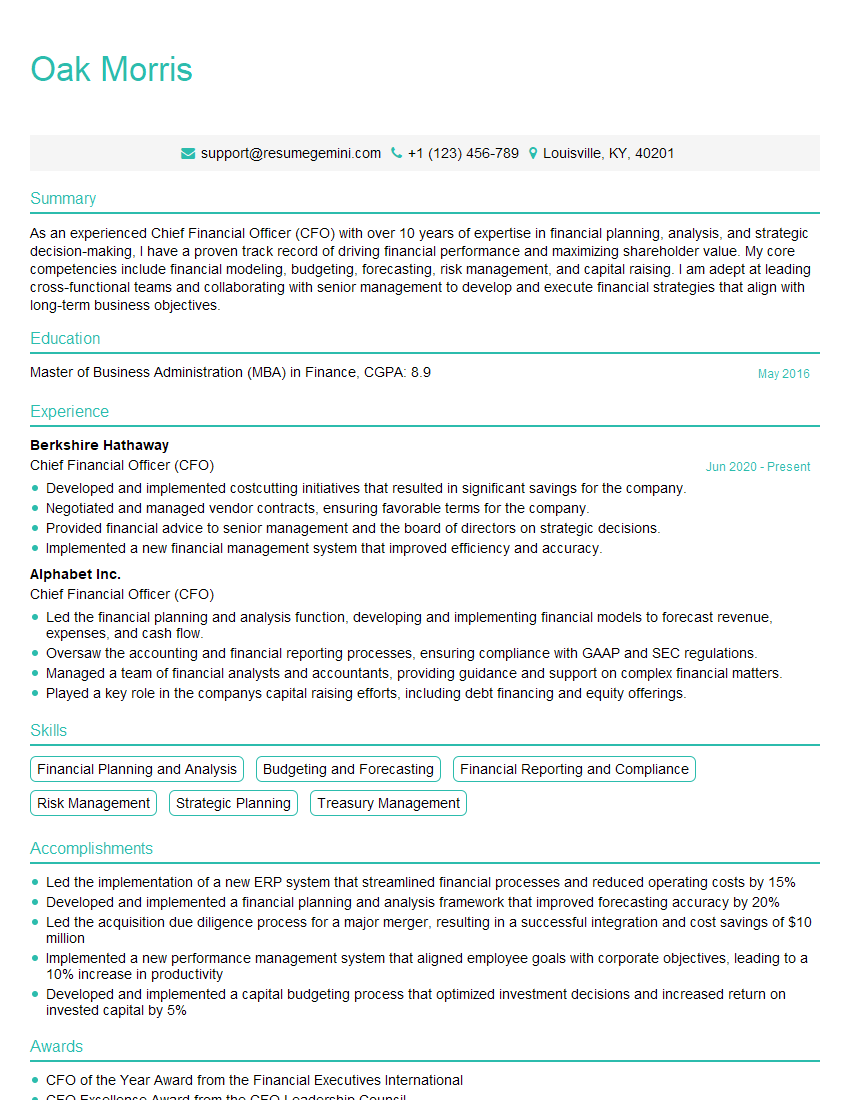
Chief Financial Officer (CFO) Resume Sample
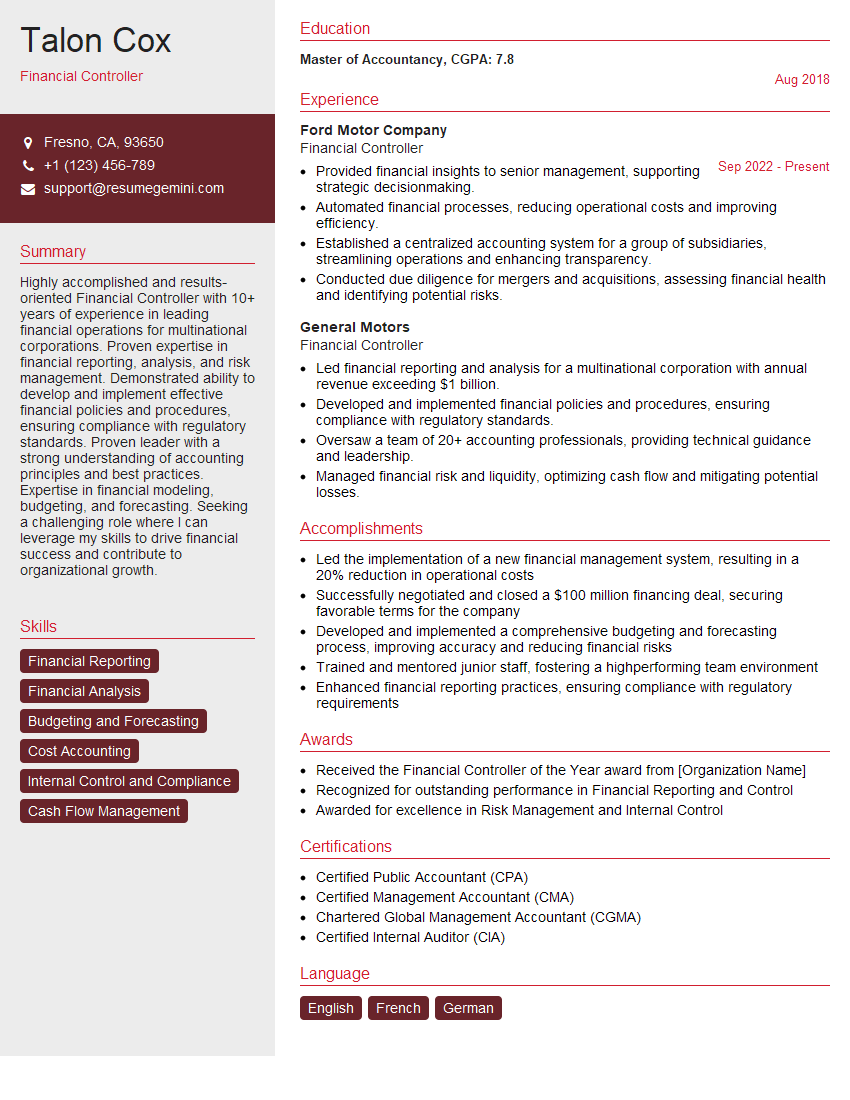
Financial Controller Resume Sample

Budget Manager Resume Sample

Compliance Officer Resume Sample
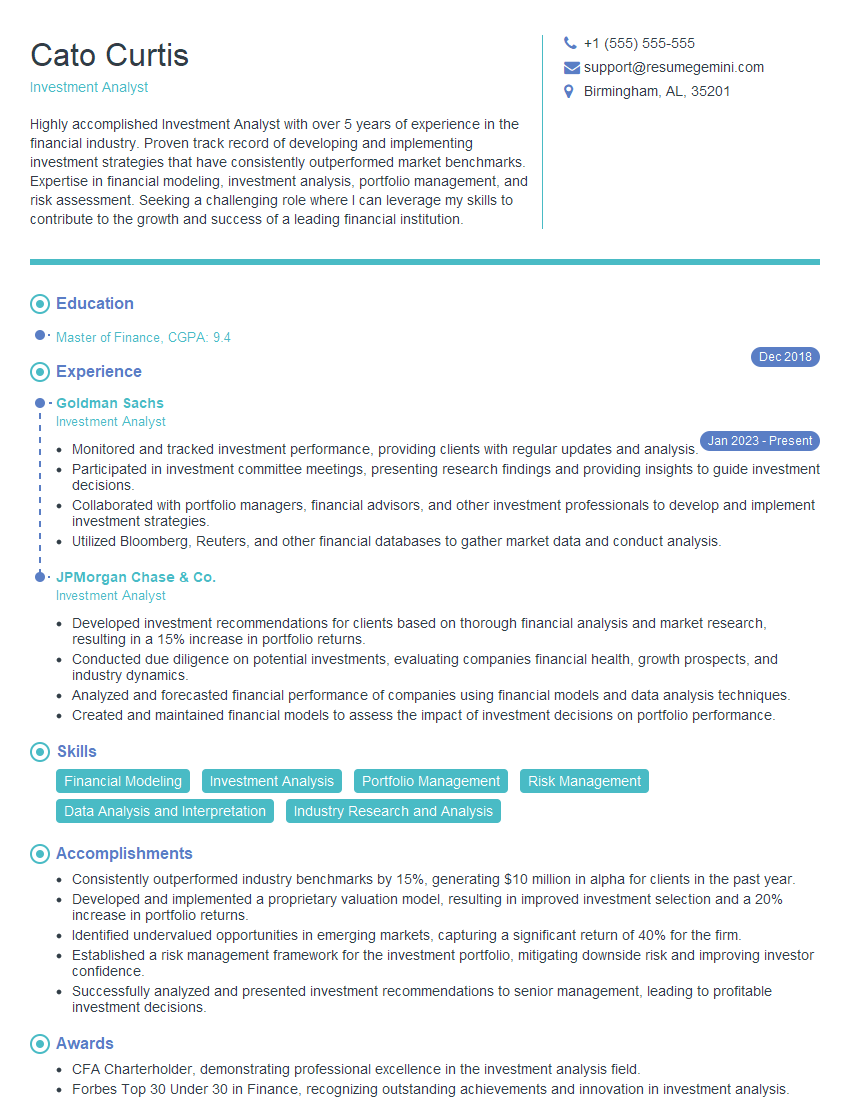
Investment Analyst Resume Sample
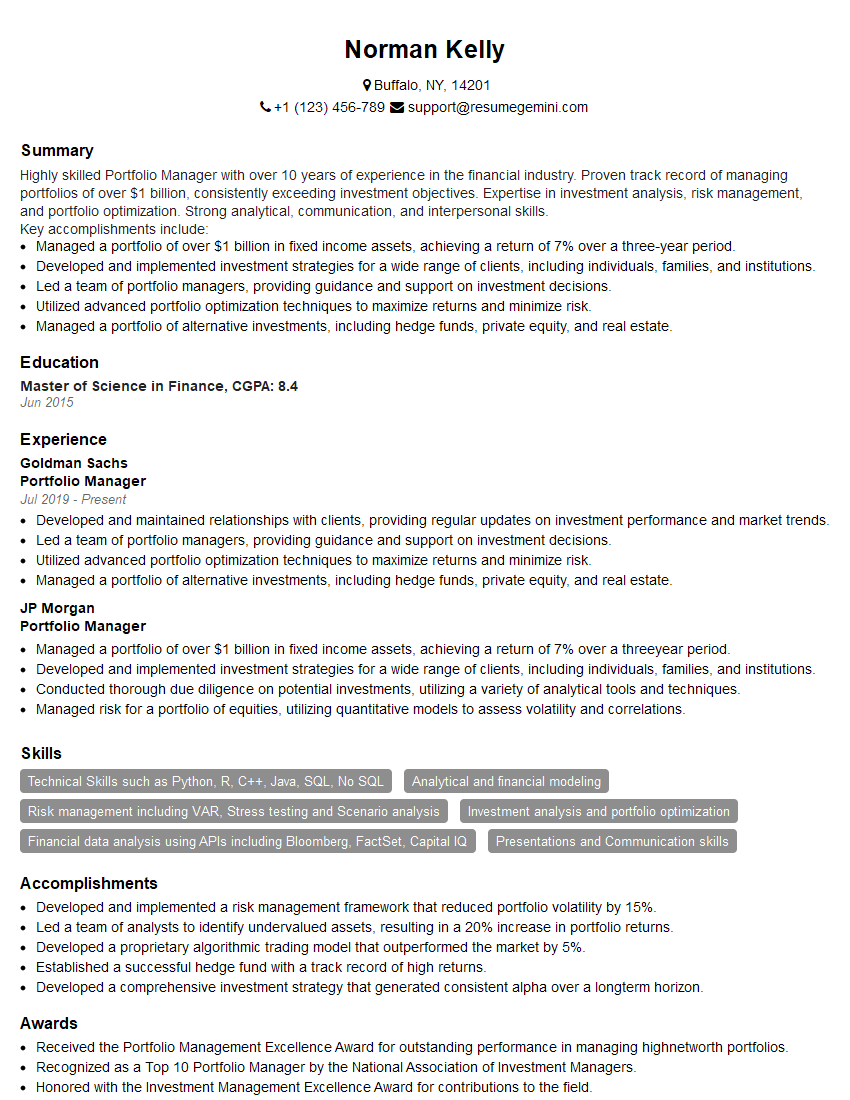
Portfolio Manager Resume Sample
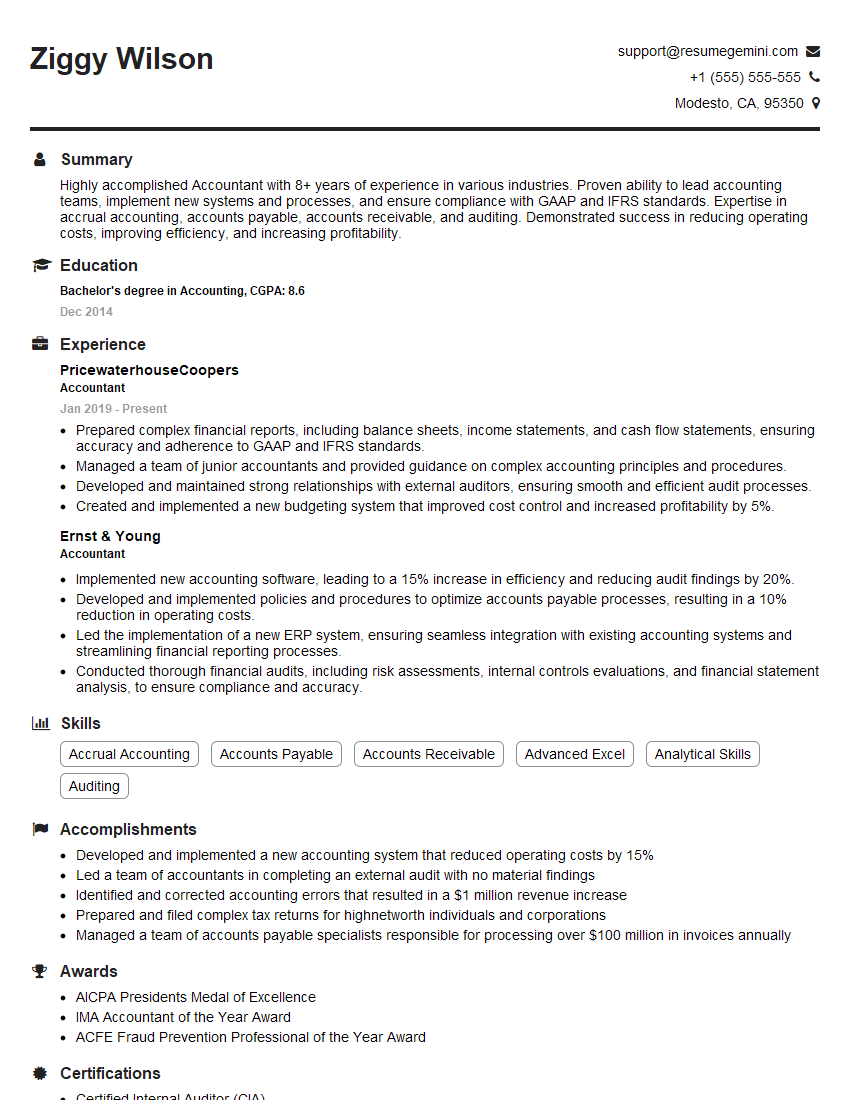
Accountant Resume Sample
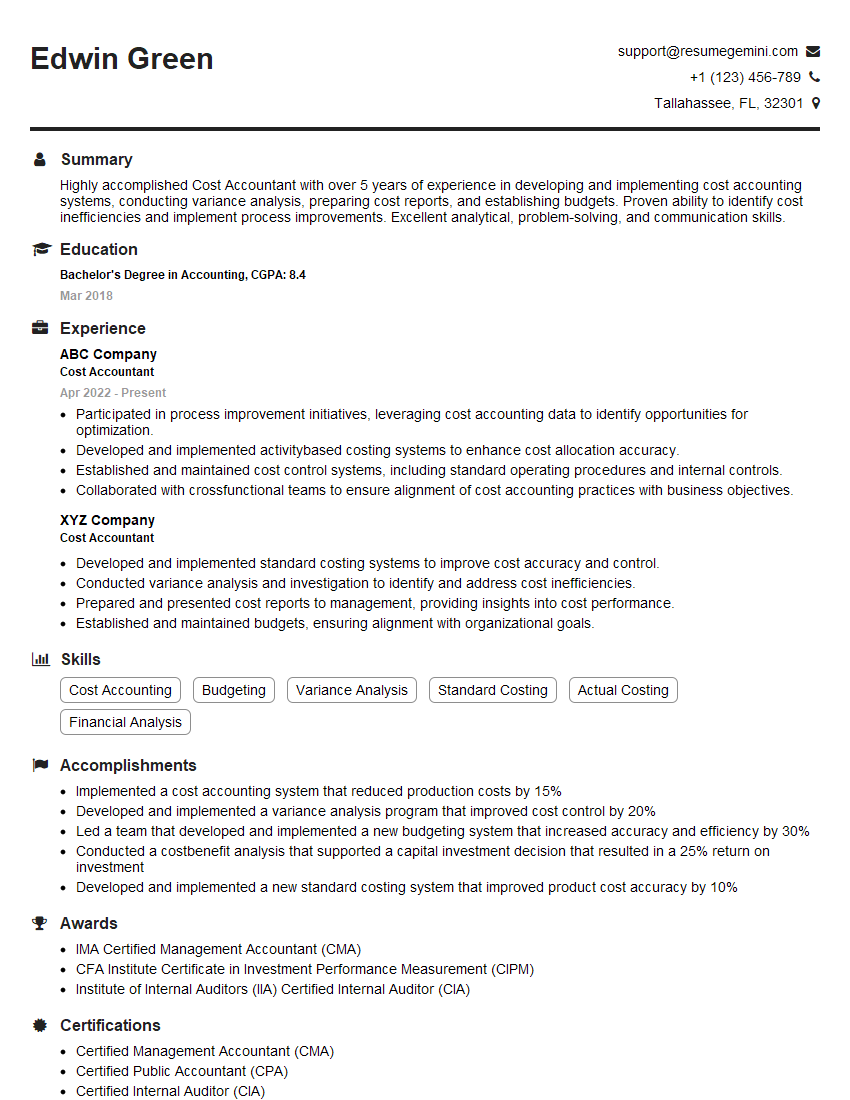
Cost Accountant Resume Sample
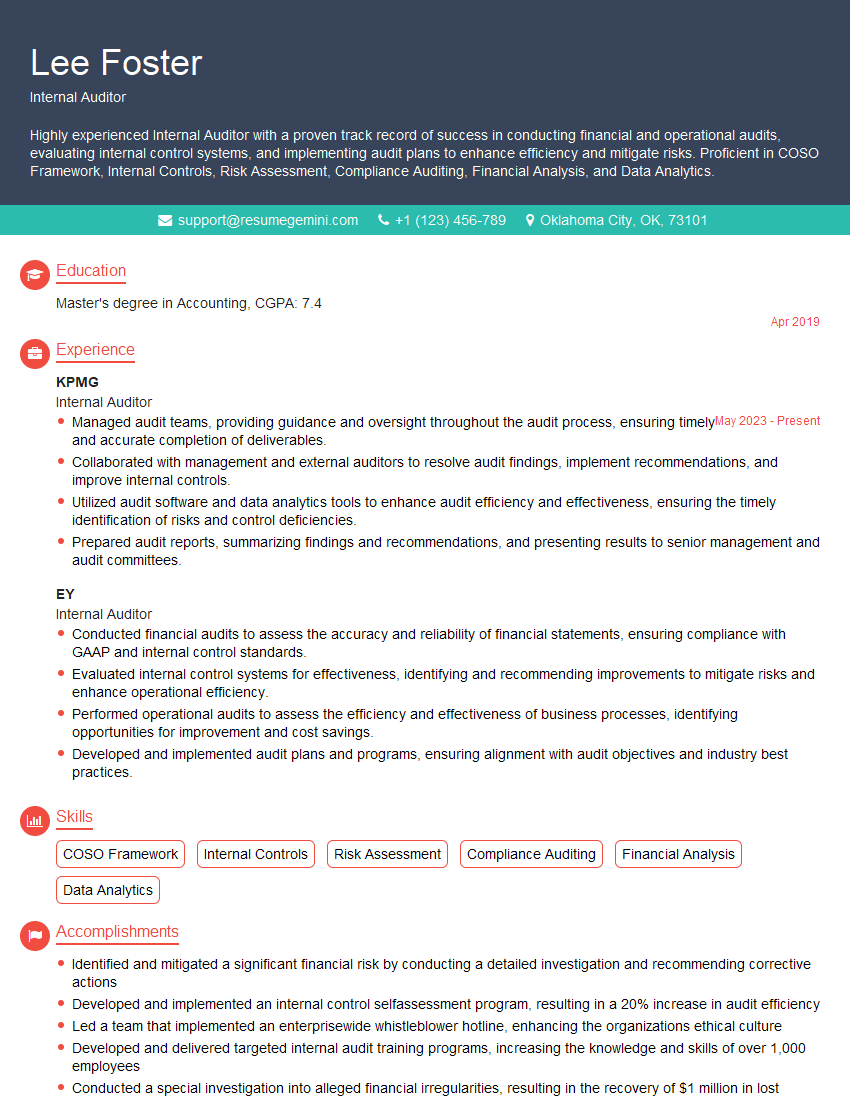
Internal Auditor Resume Sample
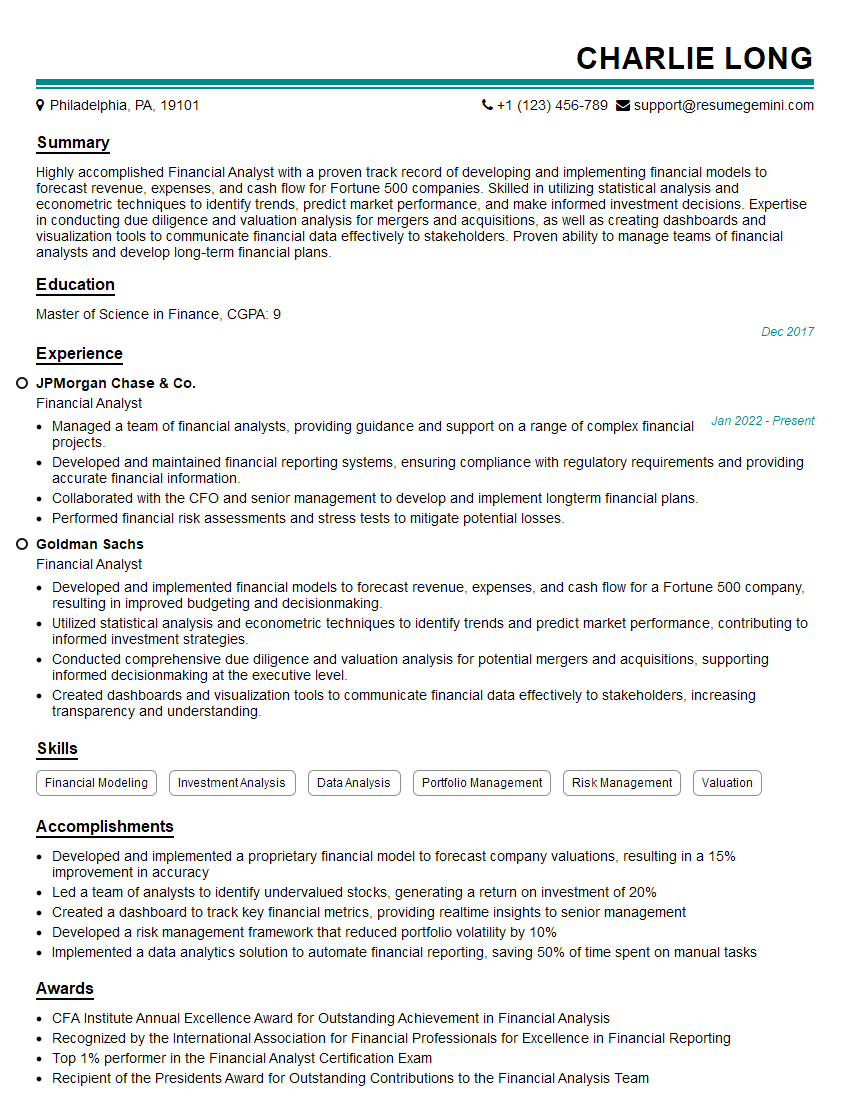
Financial Analyst Resume Sample
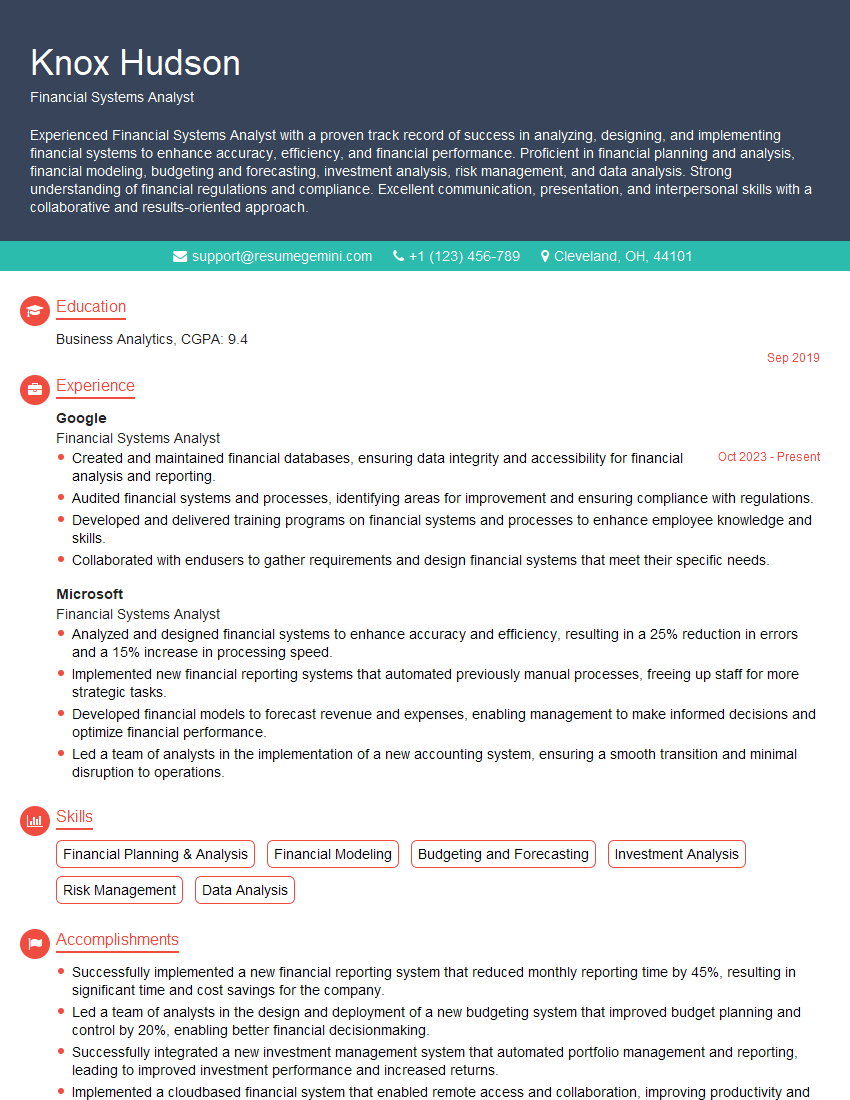
Financial Systems Analyst Resume Sample
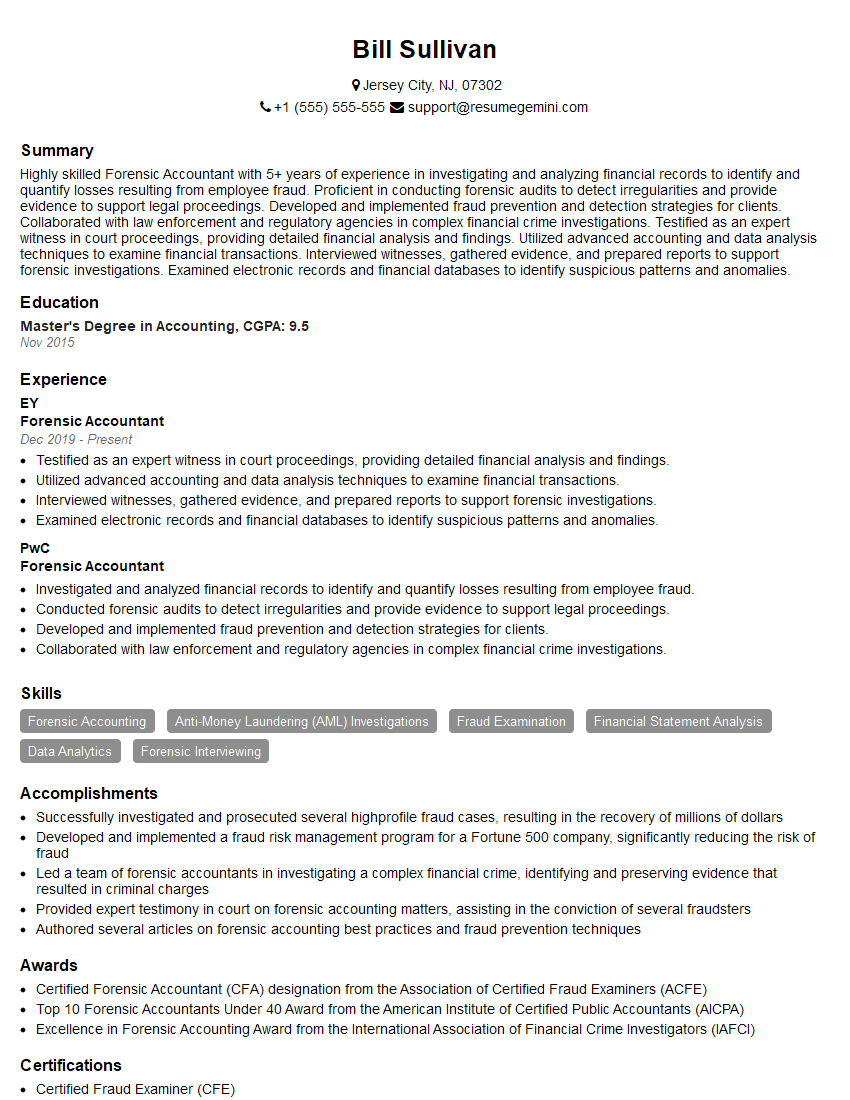
Forensic Accountant Resume Sample
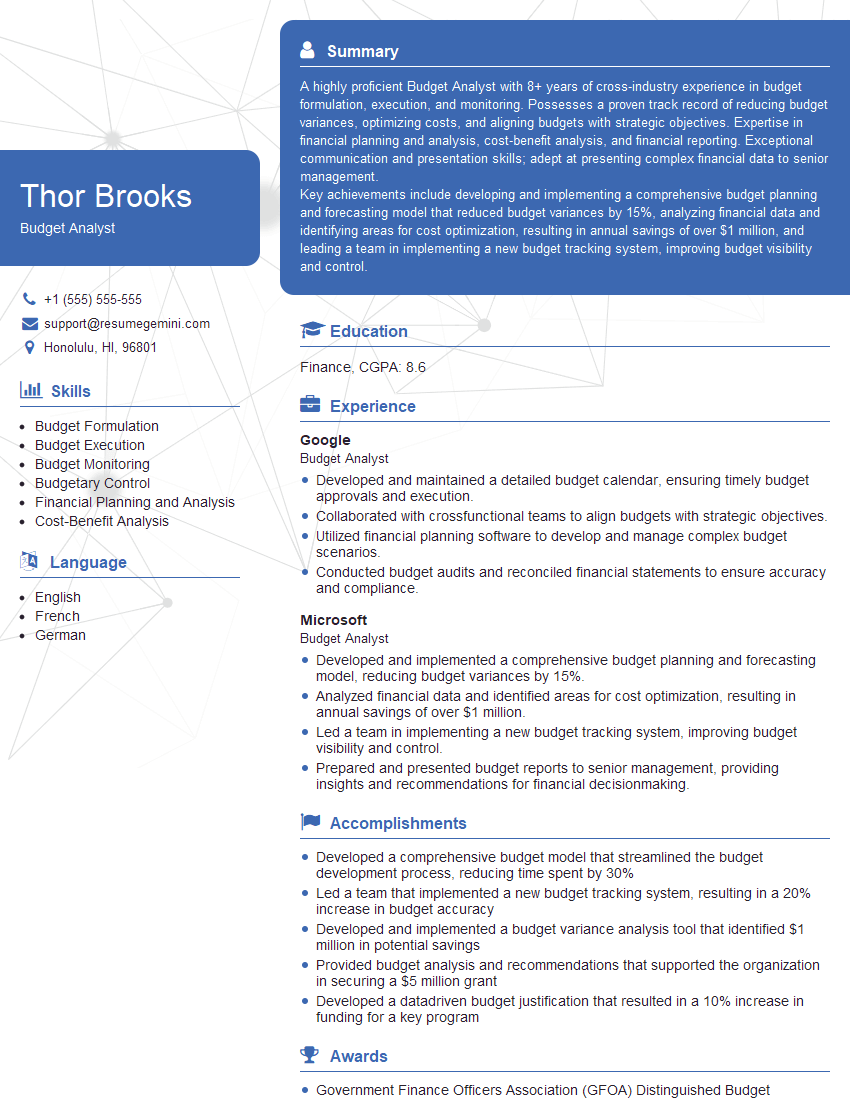
Budget Analyst Resume Sample
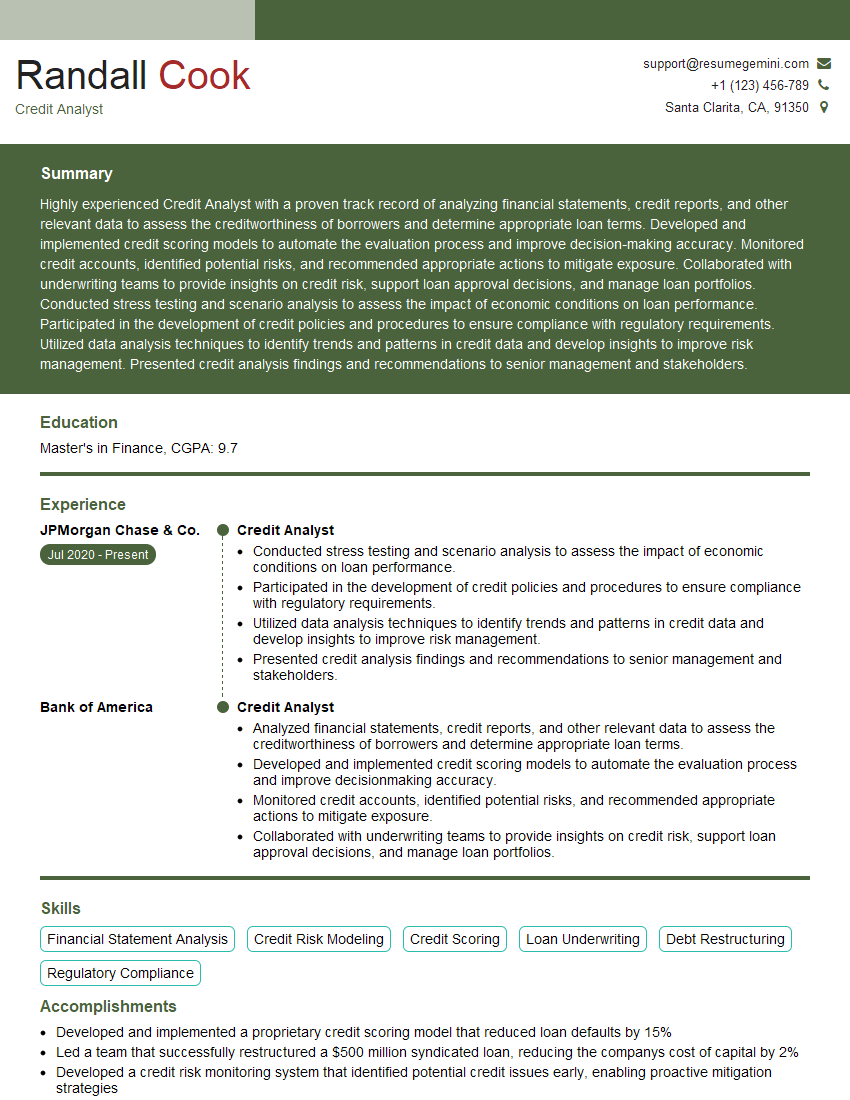
Credit Analyst Resume Sample
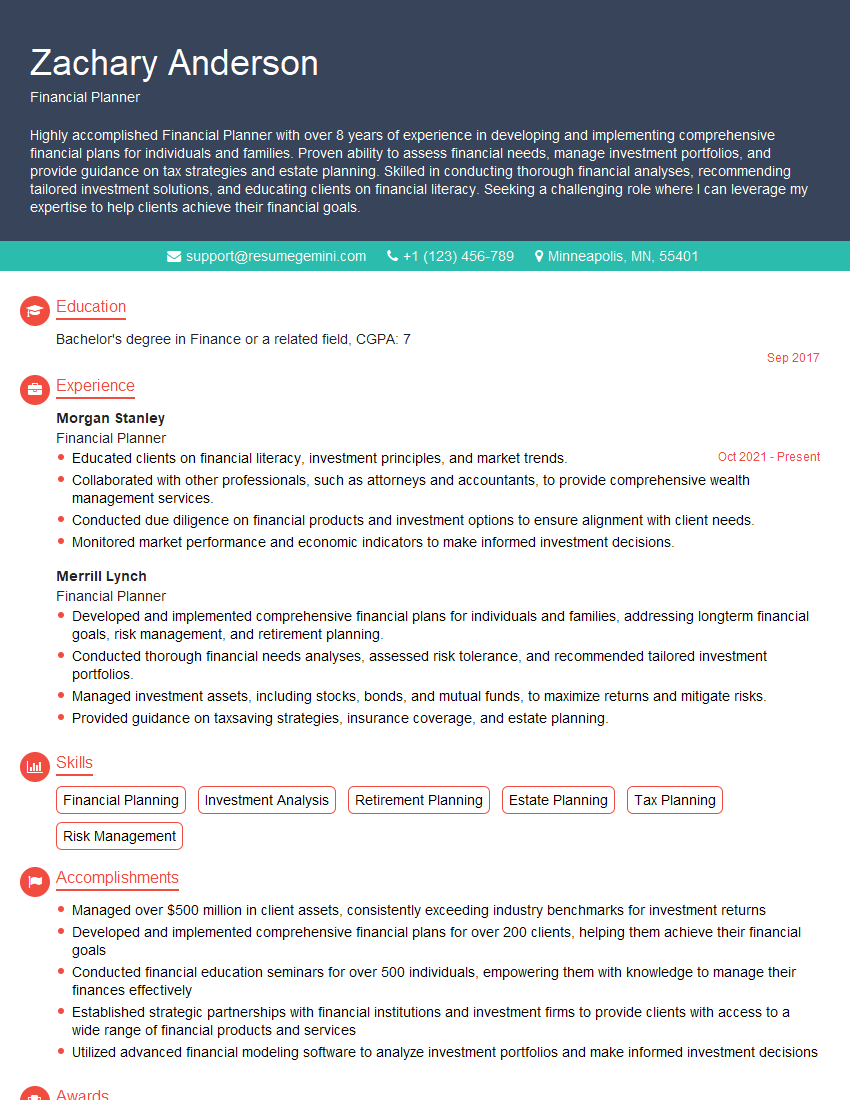
Financial Planner Resume Sample
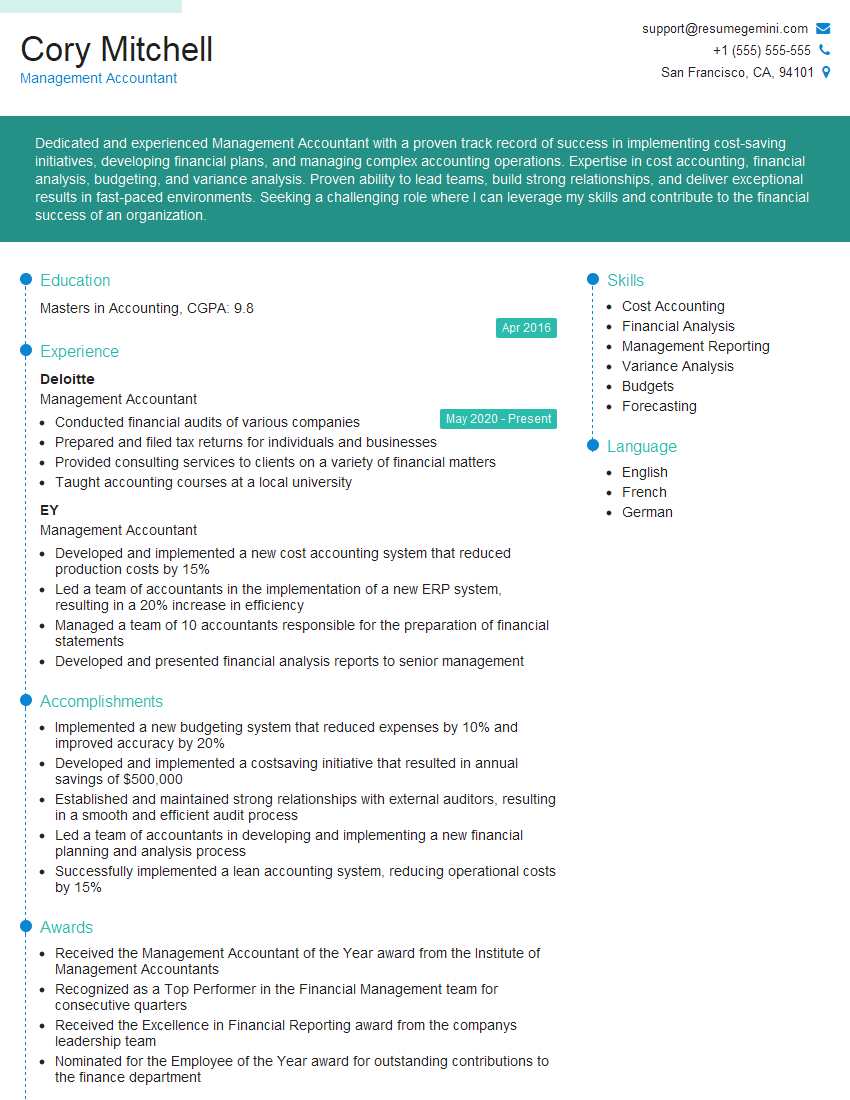
Management Accountant Resume Sample
Explore more articles
Users Rating of Our Blogs
Share Your Experience
We value your feedback! Please rate our content and share your thoughts (optional).
What Readers Say About Our Blog
I Redesigned Spongebob Squarepants and his main characters of my artwork.
https://www.deviantart.com/reimaginesponge/art/Redesigned-Spongebob-characters-1223583608
IT gave me an insight and words to use and be able to think of examples
Hi, I’m Jay, we have a few potential clients that are interested in your services, thought you might be a good fit. I’d love to talk about the details, when do you have time to talk?
Best,
Jay
Founder | CEO