Preparation is the key to success in any interview. In this post, we’ll explore crucial Budgeting and Procurement interview questions and equip you with strategies to craft impactful answers. Whether you’re a beginner or a pro, these tips will elevate your preparation.
Questions Asked in Budgeting and Procurement Interview
Q 1. Explain the difference between a budget and a forecast.
A budget and a forecast are both crucial financial tools, but they serve different purposes. Think of a budget as a detailed plan for how you’ll spend your money over a specific period, like a year. It’s a roadmap, outlining anticipated income and expenses, and is usually formally approved. A forecast, on the other hand, is a prediction of future financial performance. It’s a projection based on various factors, trends, and assumptions, and it can be updated frequently. The key difference lies in their purpose: a budget is a plan for action, while a forecast is a projection of potential outcomes.
For example, a company might have a budget that allocates $100,000 for marketing in Q1. Their forecast, however, might predict that their marketing efforts will generate $200,000 in revenue during the same period. The budget sets the spending limits, while the forecast estimates the potential return on that investment.
Q 2. Describe your experience with different budgeting methods (e.g., zero-based, incremental).
I have extensive experience with several budgeting methods. Incremental budgeting is the most common – it starts with the previous year’s budget and adjusts it based on anticipated changes. This is simple but can lead to inefficient spending if it doesn’t challenge existing allocations. I’ve used this successfully for stable projects with predictable costs. Zero-based budgeting (ZBB), however, requires each budget item to be justified from scratch each year. It’s more time-consuming but promotes efficiency by forcing a thorough review of all expenses. I implemented ZBB for a project with fluctuating resource needs, resulting in significant cost savings. Finally, I’ve worked with activity-based budgeting, which allocates resources based on the activities needed to achieve specific goals. This method improves resource allocation and accountability by directly linking costs to outputs. I successfully utilized this approach during a company restructuring, leading to better resource allocation and improved productivity.
Q 3. How do you identify and mitigate budget risks?
Identifying and mitigating budget risks requires a proactive approach. First, I conduct thorough risk assessments, identifying potential issues like unexpected price increases, project delays, or changes in market conditions. I use tools like sensitivity analysis to determine how vulnerable the budget is to these risks. Then, I develop mitigation strategies. This might include setting aside contingency funds for unexpected expenses, negotiating fixed-price contracts with vendors to protect against cost overruns, or developing alternative plans in case of delays. Regular budget monitoring and reporting are crucial for early detection of potential problems, enabling timely corrective action.
For instance, if a project’s timeline is uncertain, I might build a buffer into the budget to account for potential delays and associated extra costs. If material prices are volatile, I might explore alternative materials or negotiate long-term contracts with suppliers to lock in favorable pricing.
Q 4. What are your preferred procurement methods (e.g., competitive bidding, negotiation)?
My preferred procurement methods depend on the specific circumstances, but I generally favor a combination of approaches. Competitive bidding is excellent for standardized goods and services where price is the primary concern. It ensures fair pricing and transparency. However, it might not be suitable for complex projects needing customization. Negotiation is more appropriate for unique or complex purchases where a close collaborative relationship with the vendor is important. In some instances, reverse auctions can effectively drive down prices, especially for large-volume purchases. A carefully considered approach is always necessary. For example, in a scenario where we needed a unique software solution, negotiation with a trusted vendor who offered tailored services was the optimal approach. For office supplies, competitive bidding proved to be the most efficient way to achieve price optimization.
Q 5. Explain the process of vendor selection and contract negotiation.
Vendor selection begins with defining clear requirements, including technical specifications, quality standards, and delivery timelines. Then, I identify potential vendors through market research, industry directories, and referrals. A thorough evaluation of each vendor is conducted based on their experience, financial stability, reputation, and past performance. This often involves requesting proposals, conducting site visits, and reference checks. Once a shortlist is created, we enter the contract negotiation phase. Here, we carefully review the contract terms and conditions, addressing price, payment terms, liabilities, and intellectual property rights. The goal is to reach a mutually beneficial agreement that protects the organization’s interests while ensuring a strong vendor partnership.
Q 6. How do you manage supplier relationships?
Managing supplier relationships is crucial for long-term success. I establish clear communication channels, regular performance reviews, and collaborative problem-solving sessions. Open communication is key to addressing issues promptly. I also emphasize mutual respect and trust. Performance metrics are used to track vendor performance against agreed-upon standards. Continuous improvement is encouraged through feedback mechanisms and collaborative efforts to optimize processes. Building strong relationships with key suppliers fosters loyalty, innovation, and cost savings in the long run. For example, regularly scheduled meetings with key vendors enable proactive identification and resolution of potential issues, thus minimizing disruptions to project timelines and budgets.
Q 7. Describe your experience with various contract types (e.g., fixed-price, cost-plus).
I have experience with a variety of contract types. Fixed-price contracts are straightforward and offer predictability for both parties. The price is set upfront, minimizing cost uncertainty. However, they can be less flexible if requirements change. Cost-plus contracts are more suitable for complex or uncertain projects where the scope isn’t fully defined upfront. The vendor is reimbursed for their costs plus a predetermined fee or profit margin. This requires meticulous cost tracking and control. I have also worked with time and materials contracts, suitable for projects requiring a flexible approach but which require diligent tracking of hours worked and materials used. The choice of contract type depends on project characteristics, risk tolerance, and the desired level of vendor collaboration.
Q 8. How do you track and manage procurement spending?
Tracking and managing procurement spending requires a robust system combining technology and strong processes. Think of it like managing your personal finances, but on a much larger scale. We need to know where every dollar is going.
Firstly, we utilize a procurement management system (PMS) – software that allows us to track purchase requests, approvals, and payments. This system integrates with our accounting software for real-time visibility into spending against budget allocations. Secondly, we categorize spending according to pre-defined budgets (e.g., IT, marketing, operations). This granular level of tracking allows us to identify spending trends and potential areas of cost optimization. For example, we might notice a particular supplier consistently charges more than others for the same item, prompting us to explore alternative vendors. Finally, regular reporting and analysis (weekly, monthly, quarterly) are crucial. These reports highlight variances from the budget, allowing for proactive intervention and adjustments.
Imagine a scenario where we’re managing a $1 million marketing budget. Our PMS would show us exactly how much has been spent on each campaign, each advertising channel, and each vendor. If we see one campaign significantly exceeding its budget, we can investigate the cause and take corrective actions to prevent further overspending.
Q 9. How do you ensure compliance with procurement regulations?
Ensuring compliance with procurement regulations is paramount, as non-compliance can lead to severe penalties, reputational damage, and legal issues. It’s like following the rules of the road – essential for safe and efficient operation.
Our approach is multi-faceted. First, we establish a comprehensive policy and procedure manual that clearly outlines all relevant regulations and internal controls. This manual is easily accessible to all staff involved in the procurement process. Second, we conduct regular training sessions to keep staff updated on changes in regulations and best practices. Third, we implement strong internal controls, including segregation of duties, to prevent fraud and errors. For example, the person authorizing a purchase shouldn’t also be the one receiving the goods or services. Fourth, we conduct regular audits to verify compliance and identify any weaknesses in our processes. Finally, we maintain a detailed record of all procurement activities, including contracts, invoices, and approvals, for easy traceability and audit purposes.
For instance, if we’re procuring goods from an international supplier, we need to ensure compliance with international trade regulations, including tariffs and sanctions. Regular audits and meticulous record-keeping are crucial to demonstrate our compliance to regulatory bodies.
Q 10. What metrics do you use to measure procurement performance?
Measuring procurement performance is critical for continuous improvement. We use a range of Key Performance Indicators (KPIs) to assess our effectiveness. Think of these as the scoreboard for our procurement team.
- Cost Savings: Percentage reduction in procurement costs compared to previous periods or industry benchmarks.
- Cycle Time: Time taken from purchase requisition to payment – shorter cycle times indicate efficiency.
- Supplier Performance: On-time delivery rates, quality of goods/services, and responsiveness of suppliers.
- Compliance Rate: Percentage of procurement activities conducted in accordance with established policies and regulations.
- Contract Value: Total value of contracts negotiated, indicating purchasing power.
For example, if our cycle time consistently exceeds our target of 10 days, we’d investigate bottlenecks in the process and implement improvements to streamline it. Similarly, consistently low supplier performance scores would prompt us to re-evaluate our supplier relationships and potentially explore alternative options.
Q 11. How do you handle budget overruns or unexpected expenses?
Budget overruns and unexpected expenses are inevitable, so having a robust contingency plan is vital. It’s like having an emergency fund for your personal finances.
Our first step is to understand the cause of the overrun or unexpected expense. Was it due to unforeseen circumstances (e.g., increase in raw material costs), inaccurate budgeting, or project scope creep? Once the cause is identified, we develop a corrective action plan. This might involve negotiating with suppliers for better pricing, re-allocating funds from other less critical areas, or requesting budget adjustments from senior management. We also carefully evaluate the implications of the overrun on the overall project timeline and objectives. Transparent communication with stakeholders is paramount to ensure everyone is informed and aligned on the way forward. In some cases, we may need to prioritize certain expenses and defer or eliminate others to stay within budget.
For example, if a construction project faces unexpected ground conditions that increase costs, we might need to renegotiate with the contractor, seek additional funding, or adjust the project scope to manage the overrun within acceptable limits.
Q 12. Describe your experience with Request for Proposal (RFP) processes.
Request for Proposal (RFP) processes are crucial for selecting the best suppliers for complex goods or services. It’s like a structured competition to find the best fit.
My experience involves developing comprehensive RFP documents that clearly outline project requirements, evaluation criteria, and submission deadlines. We carefully choose the evaluation criteria to ensure we select the best option based on value, not just price. This includes factors such as quality, experience, and technical capabilities. We also manage the RFP process effectively, ensuring fairness and transparency. This includes acknowledging and responding to all queries from potential suppliers and documenting the entire evaluation process. Finally, we negotiate contracts with the selected supplier, ensuring that the agreed-upon terms and conditions align with our organizational needs and comply with relevant regulations.
In a recent project, we used an RFP process to select a software vendor. Our RFP outlined specific functional requirements, technical specifications, and pricing models. We used a weighted scoring system to evaluate proposals, giving more weight to factors like security and scalability. This rigorous approach ensured we selected the vendor that best met our needs.
Q 13. Explain your understanding of Total Cost of Ownership (TCO).
Total Cost of Ownership (TCO) is a holistic approach to evaluating the overall cost of an asset or service over its entire lifecycle. It’s more than just the initial purchase price.
TCO encompasses all direct and indirect costs associated with acquiring, implementing, using, and disposing of an asset. This includes factors like initial purchase price, installation costs, maintenance costs, operating costs, training costs, and disposal costs. Understanding TCO allows us to make informed decisions that minimize the long-term cost of ownership. For example, a lower initial purchase price might seem attractive, but it could be offset by higher maintenance and operating costs over the asset’s lifecycle. By considering TCO, we can choose the option that offers the best overall value.
Imagine choosing between two printers. One has a lower purchase price but requires frequent repairs and uses expensive ink cartridges. The other is more expensive upfront but has lower maintenance and operating costs. A TCO analysis will help us determine which printer is ultimately more cost-effective.
Q 14. How do you utilize technology to improve procurement efficiency?
Technology plays a vital role in improving procurement efficiency. Think of it as using the right tools to do the job efficiently.
We use a range of technologies, including a procurement management system (PMS) for automated purchase requisitions, approvals, and invoice processing. Electronic catalogs provide quick access to supplier information and pricing. E-procurement platforms allow for online bidding and streamlined contract management. Data analytics tools help us identify cost-saving opportunities and improve supplier performance. Finally, robotic process automation (RPA) can automate repetitive tasks, such as invoice processing and data entry, freeing up staff for more strategic activities.
For example, using our PMS, we’ve reduced our procurement cycle time by 30%, saving us significant time and resources. The use of e-procurement platforms has allowed us to improve supplier relationships through greater transparency and collaboration.
Q 15. How do you prioritize procurement projects based on business needs?
Prioritizing procurement projects requires a strategic approach that aligns with overall business objectives. I typically use a multi-criteria decision analysis (MCDA) framework, combining qualitative and quantitative factors.
- Strategic Alignment: Projects directly supporting key strategic initiatives (e.g., launching a new product line, expanding into a new market) are prioritized higher. For example, if the company is focused on sustainability, procuring eco-friendly materials would be a top priority.
- Urgency and Criticality: Projects with immediate needs or critical dependencies (e.g., essential raw materials for ongoing production) take precedence. Imagine a manufacturing plant needing a specific component – delaying procurement would halt production.
- Financial Impact: Projects offering significant cost savings, revenue generation, or improved ROI are favored. A project that promises substantial cost savings through bulk purchasing, for instance, would be given high priority.
- Risk Assessment: Projects with higher risks (e.g., supply chain disruptions, regulatory compliance) are assessed carefully, potentially requiring mitigation strategies and higher prioritization. For example, a project involving procuring materials from a politically unstable region would need careful consideration.
These criteria are often weighted based on the business’s current situation and goals. I use tools like weighted scoring matrices or decision trees to visualize and quantify the prioritization process, ensuring transparency and objectivity.
Career Expert Tips:
- Ace those interviews! Prepare effectively by reviewing the Top 50 Most Common Interview Questions on ResumeGemini.
- Navigate your job search with confidence! Explore a wide range of Career Tips on ResumeGemini. Learn about common challenges and recommendations to overcome them.
- Craft the perfect resume! Master the Art of Resume Writing with ResumeGemini’s guide. Showcase your unique qualifications and achievements effectively.
- Don’t miss out on holiday savings! Build your dream resume with ResumeGemini’s ATS optimized templates.
Q 16. Describe your experience with different types of procurement software.
My experience encompasses various procurement software solutions, ranging from basic e-procurement platforms to sophisticated spend management systems. I’ve worked with:
- e-Procurement systems (e.g., Coupa, SAP Ariba): These streamline the purchase requisition, approval, and order processes, automating tasks and improving efficiency. I’ve used these to manage a wide range of purchases, from office supplies to complex capital equipment.
- Spend analysis tools: These provide insightful data on spending patterns, helping identify areas for cost optimization and negotiating better deals with suppliers. For instance, I used a spend analysis tool to identify inconsistencies in pricing for similar goods from different vendors, resulting in significant savings.
- Supplier relationship management (SRM) systems: These help manage the entire lifecycle of supplier relationships, from onboarding to performance evaluation. This has been particularly helpful in managing complex supplier networks and ensuring compliance.
- Contract management software: This aids in creating, storing, and tracking contracts, ensuring compliance and preventing discrepancies. This system is key to maintaining accurate records and minimizing contractual risks.
My experience extends beyond simple software usage; I understand the importance of integrating different systems to create a holistic procurement solution and maximizing the value extracted from the data they provide.
Q 17. How do you identify and resolve procurement conflicts?
Procurement conflicts can arise from various sources, including disagreements between departments, supplier disputes, or breaches of contract. My approach to conflict resolution focuses on collaboration and communication.
- Identify the root cause: The first step involves thoroughly understanding the conflict’s source. This often includes speaking to all involved parties to gather their perspectives.
- Facilitate open communication: Creating a safe space for all parties to express their concerns and needs is crucial. This might involve mediating discussions or facilitating formal meetings.
- Negotiate a mutually acceptable solution: Collaboration is key here. The goal is to find a solution that addresses the concerns of all parties involved without compromising ethical or legal standards. Compromise may be necessary to reach a resolution.
- Document the agreement: Once a solution is reached, it should be documented formally and signed by all parties to prevent future misunderstandings.
- Monitor and evaluate the outcome: Regular monitoring ensures the chosen solution is effective and addresses the root cause of the conflict. This might include setting key performance indicators (KPIs) to track progress.
For example, I once resolved a conflict between two departments over the allocation of a limited budget by facilitating a joint meeting where both teams clearly articulated their needs, resulting in a compromise that satisfied both parties’ immediate needs while adhering to budget constraints.
Q 18. What is your experience with risk assessment in procurement?
Risk assessment in procurement is a critical process to identify and mitigate potential threats that could impact project timelines, budgets, or quality. I employ a structured approach:
- Identify potential risks: This involves brainstorming potential issues such as supplier financial instability, geopolitical factors, quality defects, or regulatory changes. For instance, relying on a single supplier for a critical component carries a high risk of supply chain disruption.
- Assess the likelihood and impact of each risk: A risk matrix is commonly used, categorizing risks based on their probability of occurrence and their potential negative consequences. For example, a low probability, high impact risk (e.g., natural disaster) might require insurance or alternative sourcing.
- Develop mitigation strategies: This step focuses on developing plans to reduce or eliminate the identified risks. Mitigation strategies might include diversifying suppliers, implementing quality control procedures, or purchasing insurance.
- Monitor and review: Regular monitoring is crucial to ensure the effectiveness of the implemented mitigation strategies and to identify any emerging risks. This is an ongoing process.
Thorough risk assessment, combined with well-defined mitigation strategies, minimizes disruptions and ensures procurement projects are completed successfully and within budget.
Q 19. How do you ensure ethical sourcing practices?
Ethical sourcing is paramount in modern procurement. It ensures fair labor practices, environmental sustainability, and responsible business conduct throughout the supply chain. My approach involves:
- Supplier Code of Conduct: Implementing a robust code of conduct that outlines expectations regarding labor standards, environmental protection, and anti-corruption measures is fundamental. This code is shared with all potential suppliers.
- Due Diligence: Thoroughly vetting potential suppliers to ensure they align with our ethical standards, including audits and on-site visits where necessary. This might involve checking labor practices and environmental certifications.
- Transparency and Traceability: Maintaining transparency throughout the supply chain to track the origin of materials and ensure compliance with ethical standards. This is vital for tracking where materials are sourced and how they are produced.
- Continuous Improvement: Regularly reviewing and updating our ethical sourcing policies and procedures to adapt to evolving best practices and industry standards. This ensures that the policies remain effective and align with the latest standards.
By emphasizing ethical sourcing, we not only uphold our values but also enhance our brand reputation, build strong relationships with stakeholders, and mitigate potential risks associated with unethical practices.
Q 20. What are your strategies for cost reduction in procurement?
Cost reduction in procurement is a continuous effort. My strategies include:
- Negotiation and Strategic Sourcing: Developing strong relationships with suppliers to negotiate favorable pricing and payment terms. Utilizing competitive bidding processes and exploring alternative sourcing options (e.g., different regions or suppliers) can significantly reduce costs. For example, negotiating bulk discounts or longer-term contracts can lower the cost per unit.
- Spend Analysis: Analyzing historical spending data to identify areas of waste and opportunities for cost savings. I leverage data-driven insights to identify areas where we can consolidate spending, standardize procurement processes, and reduce unnecessary expenses.
- Process Improvement: Streamlining procurement processes to reduce administrative costs and improve efficiency. Automating tasks, reducing paperwork, and implementing e-procurement systems can minimize manual effort and related expenses.
- Value Engineering: Collaborating with stakeholders to identify alternative solutions that provide equivalent functionality at a lower cost. Sometimes, a less expensive alternative can suffice without compromising quality or performance.
- Supplier Collaboration: Working closely with suppliers to identify and implement cost-reduction initiatives, such as optimizing packaging, improving logistics, or sharing best practices.
Cost reduction isn’t about compromising quality; it’s about finding smart ways to achieve more with less, benefiting both the organization and its suppliers.
Q 21. Describe your experience with performance management in procurement.
Performance management in procurement involves regularly assessing and improving the effectiveness and efficiency of the procurement function. This involves:
- Defining Key Performance Indicators (KPIs): Establishing clear, measurable KPIs such as cost savings, supplier performance, cycle time, and compliance rates. These KPIs provide objective metrics to assess progress.
- Regular Reporting and Analysis: Developing reports that track KPIs and identify areas for improvement. Regular reviews are critical to monitor the effectiveness of the procurement function.
- Supplier Performance Management: Evaluating supplier performance based on pre-defined criteria, including quality, delivery, and compliance. Feedback mechanisms are vital for improving supplier performance.
- Continuous Improvement Initiatives: Implementing strategies to address identified shortcomings and enhance performance. This involves making changes to processes or technology, as needed.
- Process Automation and Technology: Utilizing technology to streamline processes and improve efficiency, for example implementing automated workflows for purchase orders or using spend analysis software.
Effective performance management helps optimize procurement processes, driving cost savings, enhanced efficiency, and improved overall business outcomes.
Q 22. How do you handle supplier performance issues?
Handling supplier performance issues requires a proactive and systematic approach. It begins with clearly defined service level agreements (SLAs) that outline expectations for quality, delivery, and communication. When issues arise, I follow a structured process:
- Identify and Document: Clearly define the problem, gathering data like delivery delays, quality defects, or communication breakdowns. This involves reviewing invoices, delivery receipts, and communication logs.
- Communicate Directly: Initiate open and honest communication with the supplier, expressing concerns and requesting a detailed explanation for the performance gap. This often involves a collaborative meeting.
- Develop a Corrective Action Plan (CAP): Work collaboratively with the supplier to create a concrete plan to address the root cause of the problem. This might involve process improvements, training, or resource allocation on their end. Key performance indicators (KPIs) should be established to monitor progress.
- Monitor and Evaluate: Regularly track the supplier’s performance against the agreed-upon KPIs. This might involve weekly or monthly performance reviews. If improvement isn’t seen, consider escalating to higher management within the supplier’s organization.
- Consider Alternatives: If the supplier consistently fails to meet expectations despite corrective actions, it’s crucial to explore alternative suppliers or renegotiate the contract. This might include exploring competitive bidding processes.
For example, in a previous role, a key supplier experienced consistent late deliveries. By following this process, we identified a bottleneck in their internal logistics. Through collaborative problem-solving, we implemented a new delivery schedule and streamlined their internal processes, resolving the issue and improving on-time delivery by over 80%.
Q 23. Explain your understanding of supply chain management principles.
Supply chain management (SCM) encompasses the planning and management of all activities involved in sourcing raw materials, transforming them into finished goods, and delivering them to the end customer. It’s a holistic approach that considers the entire flow of goods and information. Key principles include:
- Demand Planning: Accurately forecasting customer demand to optimize inventory levels and production schedules.
- Sourcing and Procurement: Selecting reliable suppliers, negotiating favorable contracts, and managing supplier relationships.
- Inventory Management: Balancing the need to have enough inventory to meet demand with the costs of holding excessive stock. This often involves using techniques like Just-in-Time (JIT) inventory.
- Production and Operations: Managing the manufacturing or production process to ensure efficiency and quality.
- Logistics and Distribution: Effectively transporting and storing goods to meet customer delivery expectations.
- Risk Management: Identifying and mitigating potential disruptions to the supply chain, such as natural disasters, geopolitical events, or supplier failures.
- Collaboration and Communication: Fostering strong relationships and communication across all stages of the supply chain, including suppliers, manufacturers, distributors, and customers.
Effective SCM is vital for maintaining profitability, meeting customer demands, and ensuring business continuity. Think of it like a well-oiled machine: each part needs to work seamlessly to achieve optimal performance.
Q 24. How do you manage inventory effectively?
Effective inventory management requires a balance between meeting customer demand and minimizing storage costs. My approach utilizes a combination of techniques:
- Demand Forecasting: Accurately predicting future demand using historical data, market trends, and sales forecasts. This enables proactive inventory planning.
- Inventory Classification: Categorizing inventory items based on their value and demand (ABC analysis). High-value items receive more attention and tighter control.
- Just-in-Time (JIT) Inventory: Minimizing inventory holding by receiving goods only when needed. This requires close collaboration with suppliers and reliable delivery schedules.
- Economic Order Quantity (EOQ): Calculating the optimal order size to minimize total inventory costs (ordering costs and holding costs).
EOQ = √[(2DS)/H]where D = annual demand, S = ordering cost, and H = holding cost per unit. - Inventory Tracking and Management System: Utilizing software or systems to monitor inventory levels in real-time, track movements, and generate alerts for low stock situations. This ensures accurate inventory data and prevents stockouts.
- Regular Inventory Audits: Conducting periodic physical counts to verify inventory accuracy and identify discrepancies.
For example, in a previous role, we implemented a JIT system for a fast-moving consumable product. This significantly reduced our inventory holding costs while ensuring timely availability to meet customer needs.
Q 25. How do you forecast future procurement needs?
Forecasting future procurement needs is crucial for efficient budget planning and resource allocation. My approach involves combining quantitative and qualitative methods:
- Historical Data Analysis: Examining past procurement data to identify trends and patterns in demand. This includes analyzing consumption rates, seasonality, and historical price fluctuations.
- Sales Forecasts: Utilizing sales projections from the sales and marketing departments to estimate the future demand for materials and goods.
- Market Research and Trend Analysis: Staying updated on industry trends, technological advancements, and potential supply chain disruptions. This can involve reviewing industry publications, attending trade shows, and networking with industry professionals.
- Stakeholder Collaboration: Engaging with various stakeholders, such as production managers, engineering teams, and project managers, to understand their future needs and plans. This ensures that the forecast reflects the overall business strategy.
- Scenario Planning: Developing multiple forecasts based on different scenarios, such as optimistic, pessimistic, and most likely outcomes. This allows for greater flexibility in the event of unexpected changes.
Software tools like forecasting models and inventory management systems can also play a vital role in automating this process and improving forecast accuracy.
Q 26. Describe your experience working with cross-functional teams.
I have extensive experience collaborating with cross-functional teams. Successful collaboration requires strong communication, active listening, and a collaborative mindset. In my previous role, I worked closely with teams from engineering, production, finance, and marketing to develop and implement a new procurement strategy. My role involved coordinating efforts, resolving conflicts, and ensuring alignment on goals and objectives.
I believe in fostering an inclusive and respectful environment where every team member feels valued and empowered to contribute their expertise. Effective communication is critical. I regularly utilize tools such as project management software, regular meetings, and clear documentation to maintain transparency and ensure everyone is on the same page. I am adept at facilitating productive meetings, identifying and addressing conflicting priorities, and driving consensus toward mutually beneficial solutions.
For example, during the implementation of a new enterprise resource planning (ERP) system, I worked closely with IT, finance, and procurement teams to ensure a smooth transition. This involved extensive communication and coordination to resolve technical issues, data migration challenges, and user training requirements.
Q 27. How do you stay updated on industry trends in procurement?
Staying updated on industry trends is crucial in procurement. I utilize a variety of methods:
- Professional Organizations: Active membership in organizations like the Institute for Supply Management (ISM) provides access to industry publications, research, and networking opportunities.
- Industry Publications and Journals: Regularly reading trade publications and journals keeps me informed about new technologies, best practices, and regulatory changes.
- Conferences and Webinars: Attending industry conferences and webinars allows me to learn from experts and network with peers.
- Online Resources: Utilizing online resources such as industry news websites and blogs to access the latest information and insights.
- Networking: Engaging with peers and experts through professional networks and social media platforms.
This continuous learning ensures that my procurement strategies are aligned with the latest industry best practices and technological advancements.
Q 28. What is your approach to continuous improvement in procurement?
Continuous improvement in procurement is essential for optimizing efficiency, reducing costs, and enhancing performance. My approach focuses on data-driven decision making and a cyclical process of improvement:
- Data Analysis: Regularly analyzing procurement data to identify areas for improvement. This includes evaluating supplier performance, cost savings opportunities, and process bottlenecks.
- Process Mapping: Creating detailed maps of procurement processes to identify inefficiencies and potential areas for automation.
- Benchmarking: Comparing procurement performance against industry best practices and other organizations to identify areas for improvement.
- Technology Adoption: Exploring and implementing new technologies such as e-procurement systems, AI-powered tools, and analytics platforms to streamline processes and enhance efficiency.
- Supplier Relationship Management (SRM): Developing strong relationships with key suppliers to foster collaboration, innovation, and cost reduction.
- Regular Process Reviews: Conducting periodic reviews of procurement processes to ensure effectiveness and identify areas for ongoing improvement.
For instance, in a previous role, we implemented an e-procurement system which automated purchase order generation and approval processes, resulting in significant time and cost savings.
Key Topics to Learn for Budgeting and Procurement Interview
- Budgeting Fundamentals: Understanding budgeting processes, types of budgets (e.g., operating, capital), and budget cycle management. Practical application: Analyzing budget variances and proposing corrective actions.
- Procurement Processes: Mastering the entire procurement lifecycle, from needs assessment and vendor selection to contract negotiation and performance monitoring. Practical application: Developing a robust procurement strategy for a specific project.
- Cost Control and Analysis: Developing and implementing cost-saving strategies, performing cost-benefit analyses, and utilizing various cost accounting techniques. Practical application: Identifying areas for cost reduction within a given budget.
- Risk Management in Procurement: Identifying and mitigating potential risks associated with procurement, including supply chain disruptions and contract breaches. Practical application: Developing contingency plans to manage procurement risks.
- Negotiation and Contract Management: Developing strong negotiation skills, understanding different contract types, and managing contract performance effectively. Practical application: Negotiating favorable terms with vendors while adhering to organizational policies.
- Compliance and Ethical Considerations: Understanding relevant regulations and ethical guidelines related to budgeting and procurement. Practical application: Ensuring compliance with all applicable laws and regulations in procurement processes.
- Data Analysis and Reporting: Utilizing data analysis tools to track budget performance, identify trends, and generate insightful reports for stakeholders. Practical application: Creating dashboards to monitor key procurement metrics.
- Technology in Procurement: Familiarity with procurement software and technologies that streamline processes and improve efficiency. Practical application: Implementing e-procurement systems to enhance transparency and accountability.
Next Steps
Mastering budgeting and procurement is crucial for career advancement in finance, operations, and supply chain management, opening doors to leadership roles and significant earning potential. To stand out, create an ATS-friendly resume that highlights your skills and experience effectively. ResumeGemini can significantly enhance your resume-building process, helping you craft a compelling document that showcases your expertise in budgeting and procurement. Examples of resumes tailored to this field are available, providing you with valuable templates and guidance. Invest time in crafting a strong resume – it’s your first impression on potential employers.
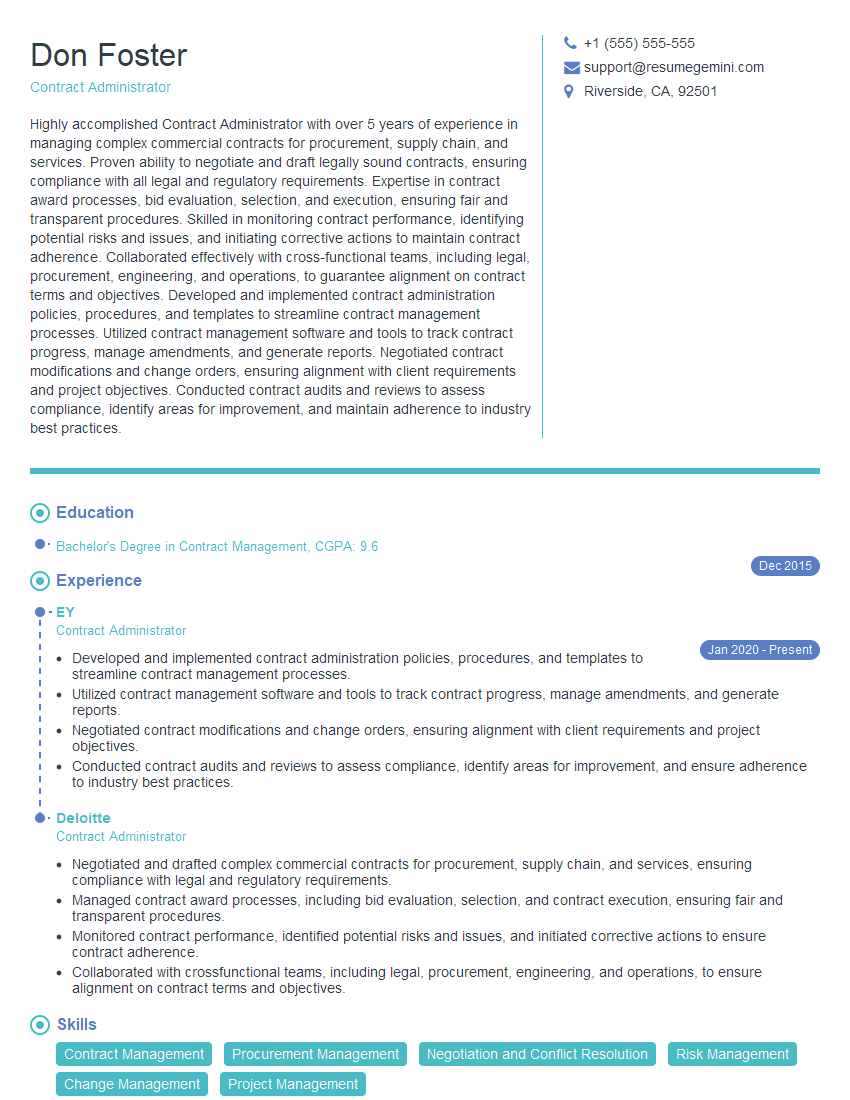
Contract Administrator Resume Sample
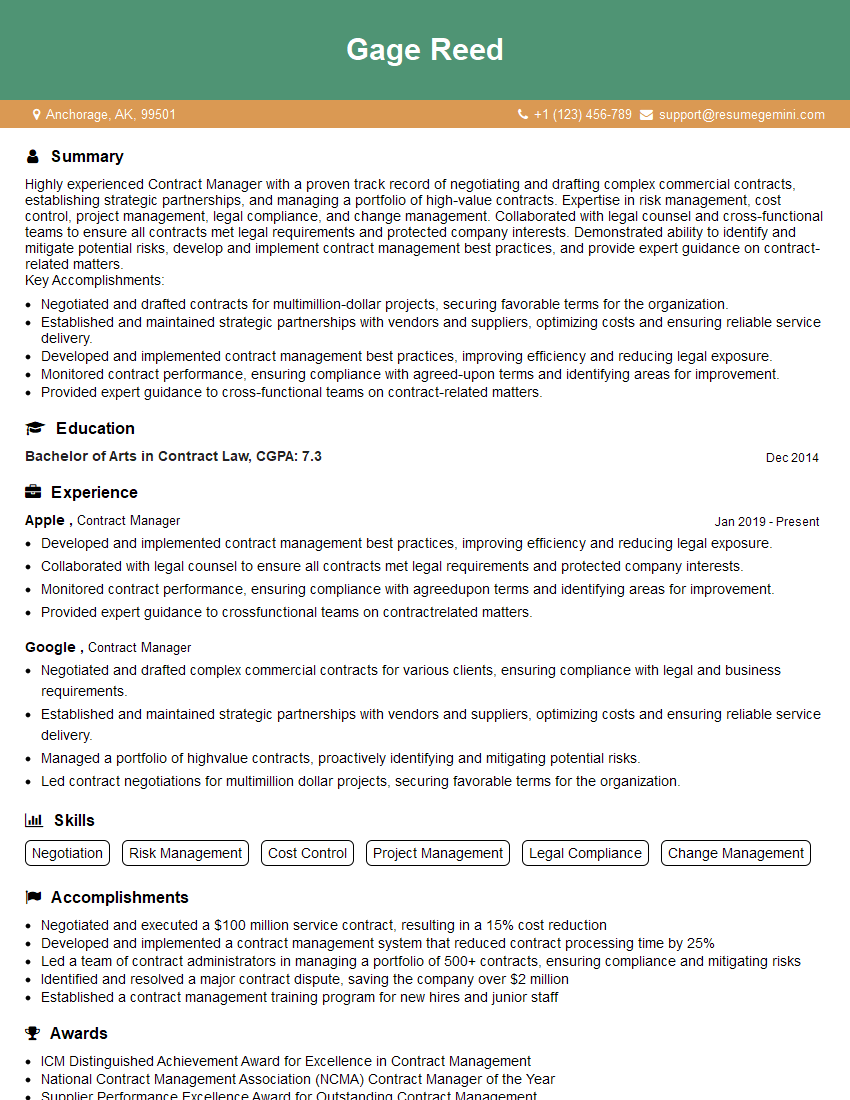
Contract Manager Resume Sample

Procurement Manager Resume Sample
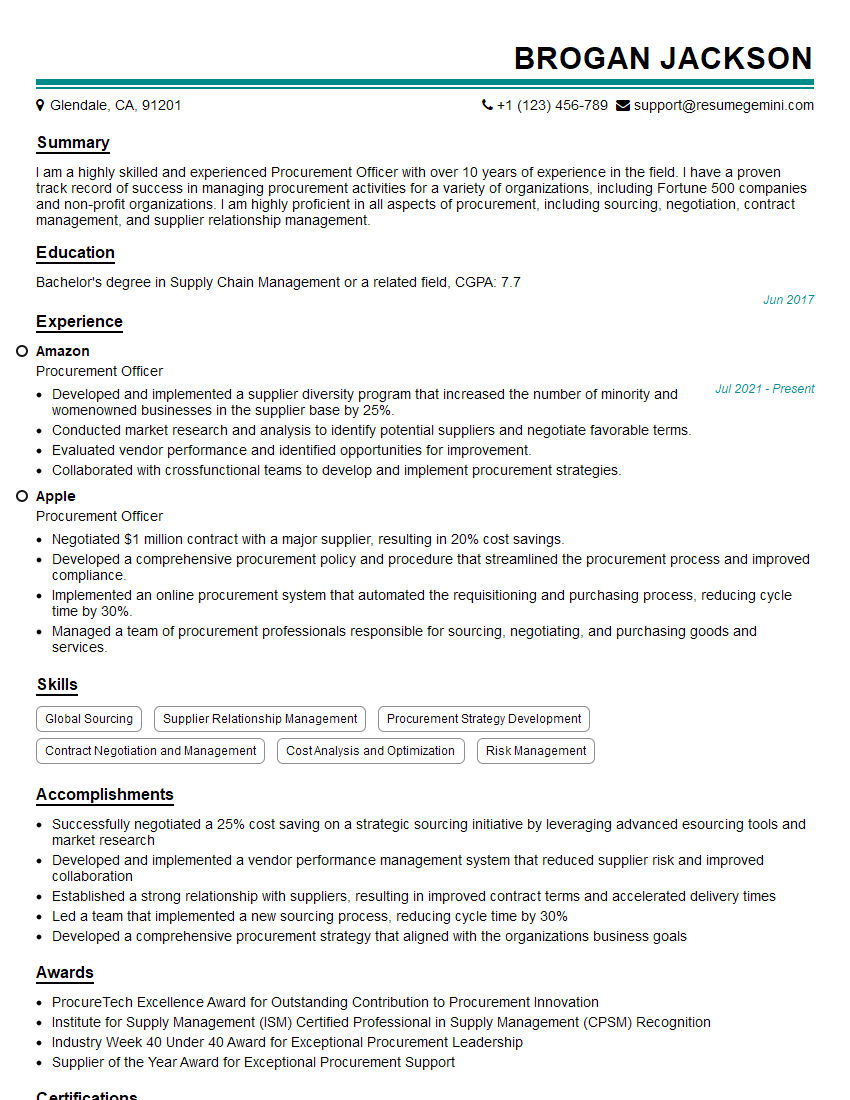
Procurement Officer Resume Sample
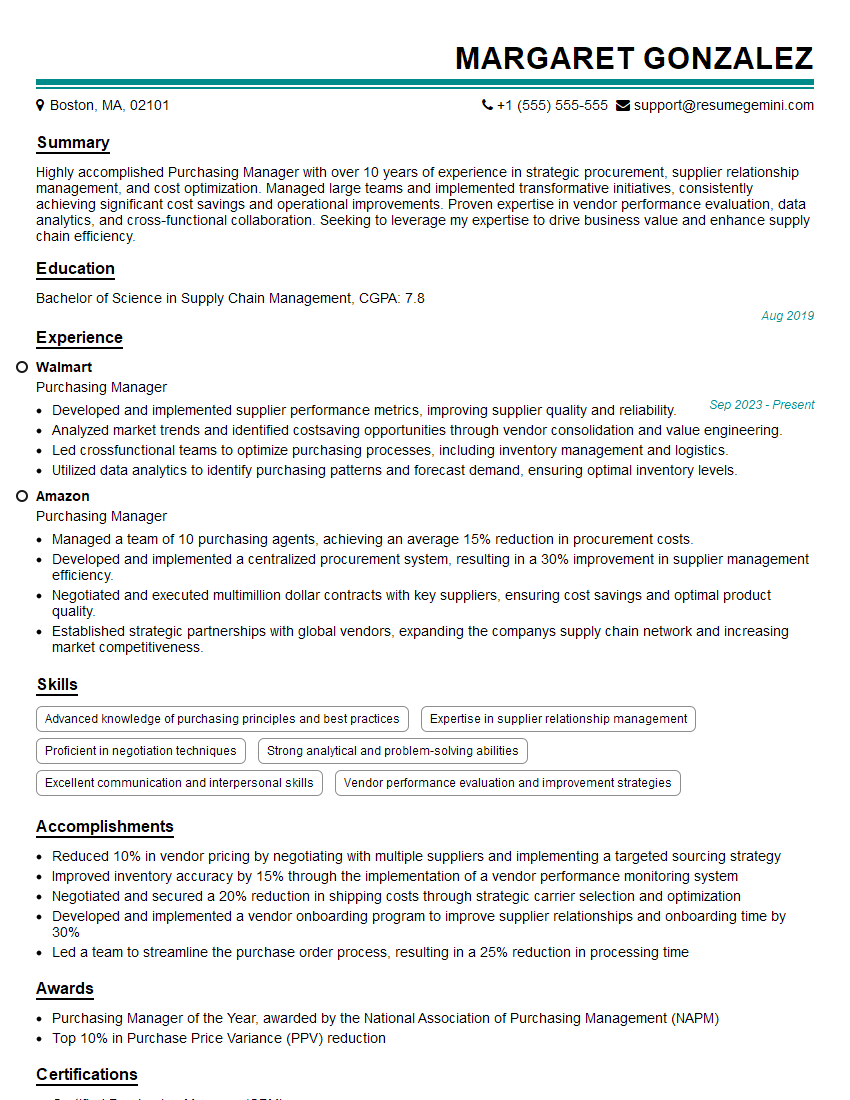
Purchasing Manager Resume Sample

Sourcing Specialist Resume Sample
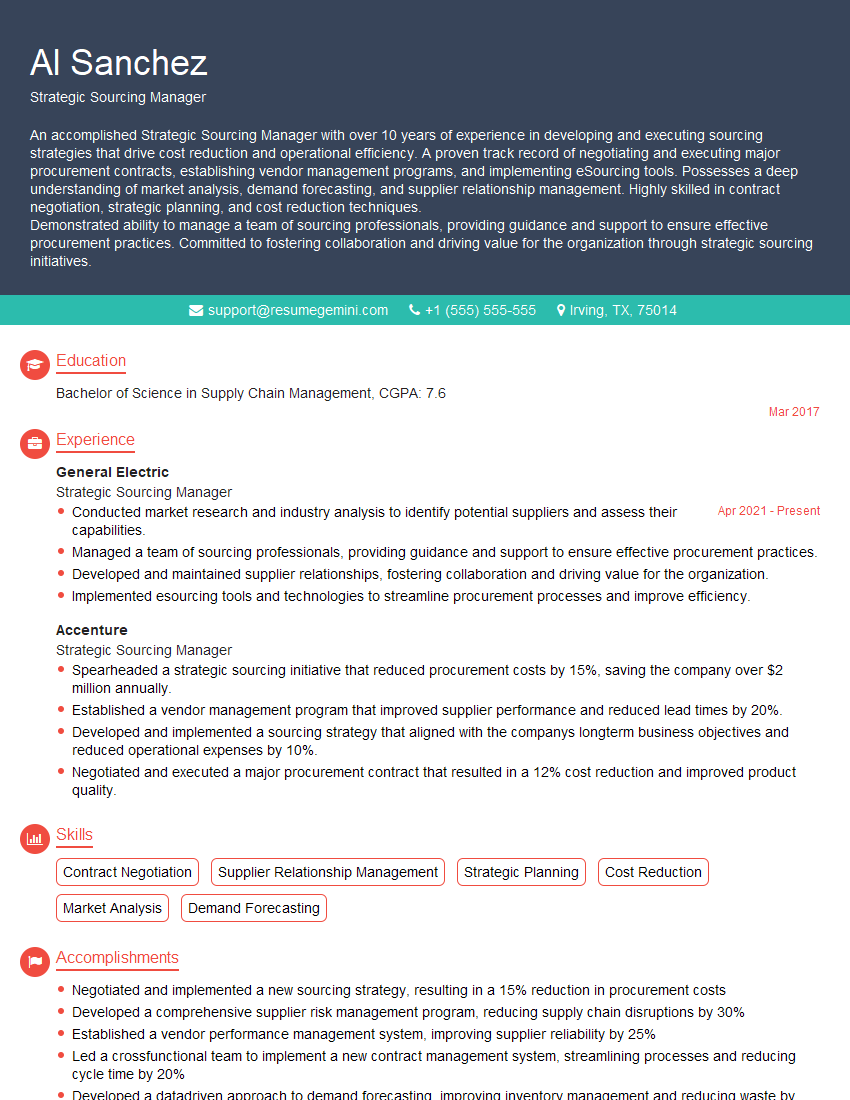
Strategic Sourcing Manager Resume Sample
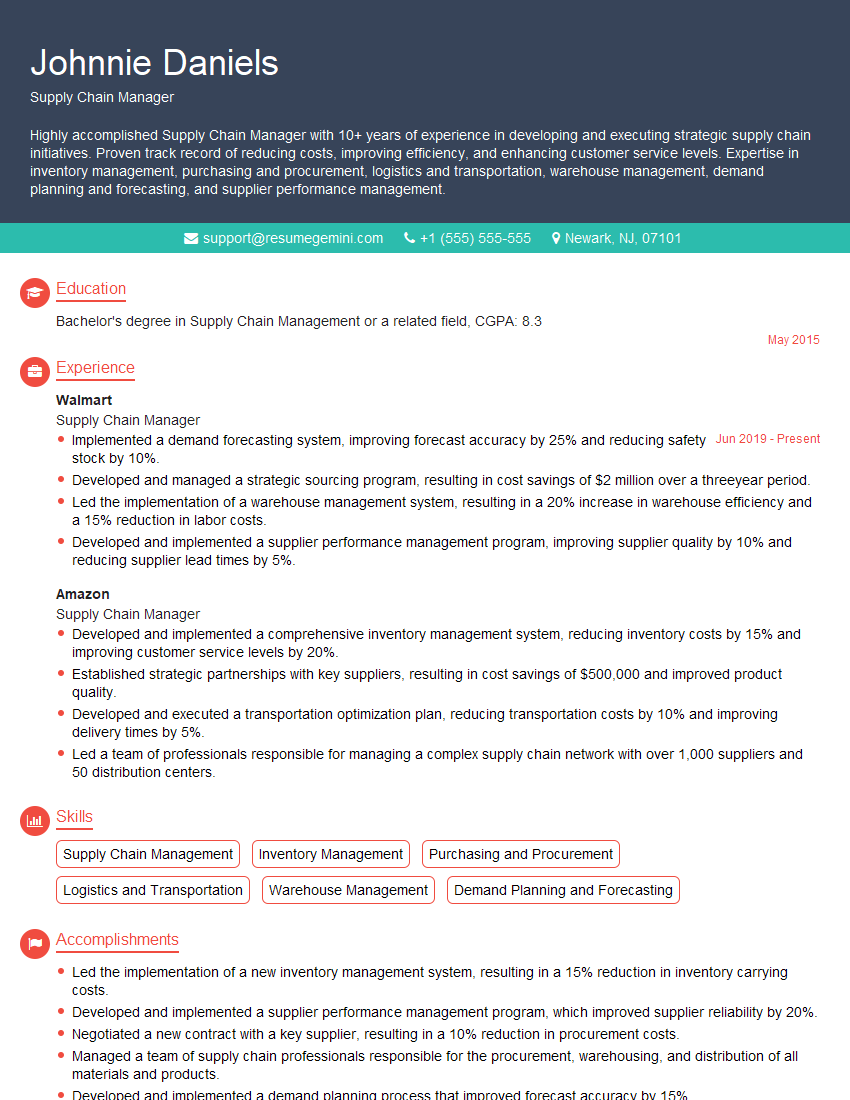
Supply Chain Manager Resume Sample
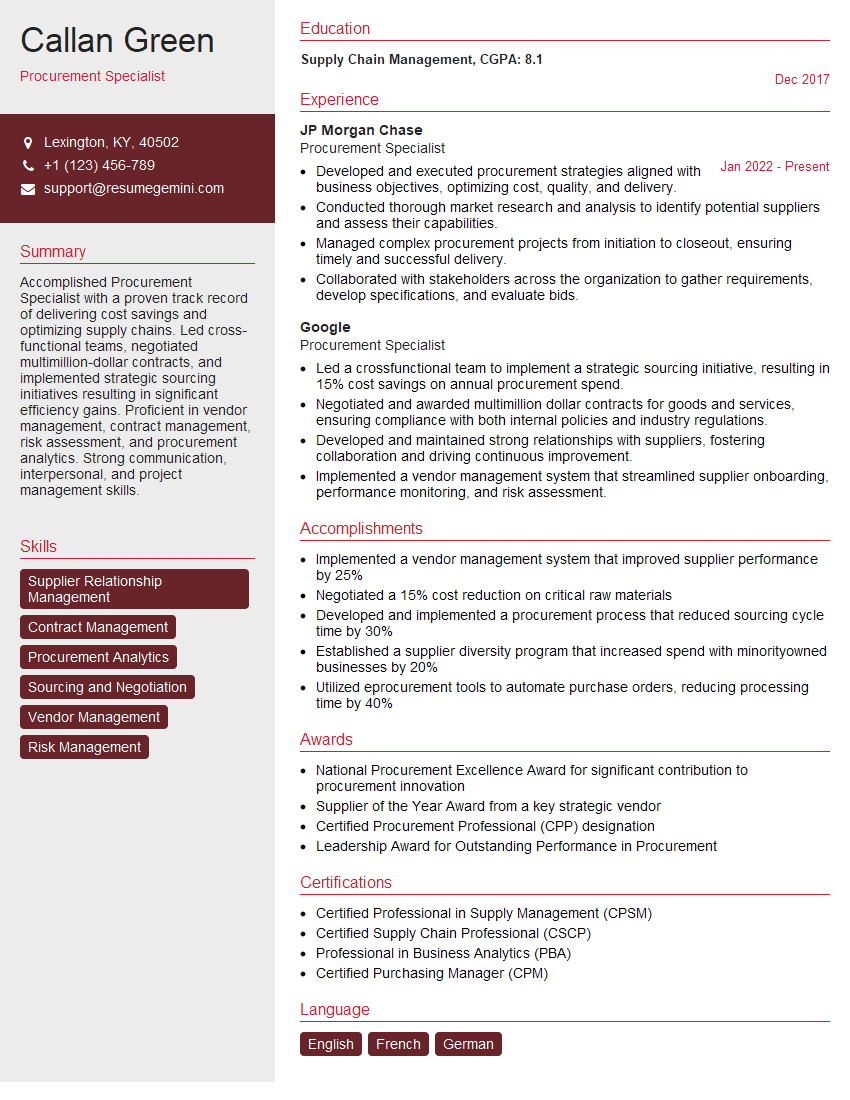
Procurement Specialist Resume Sample
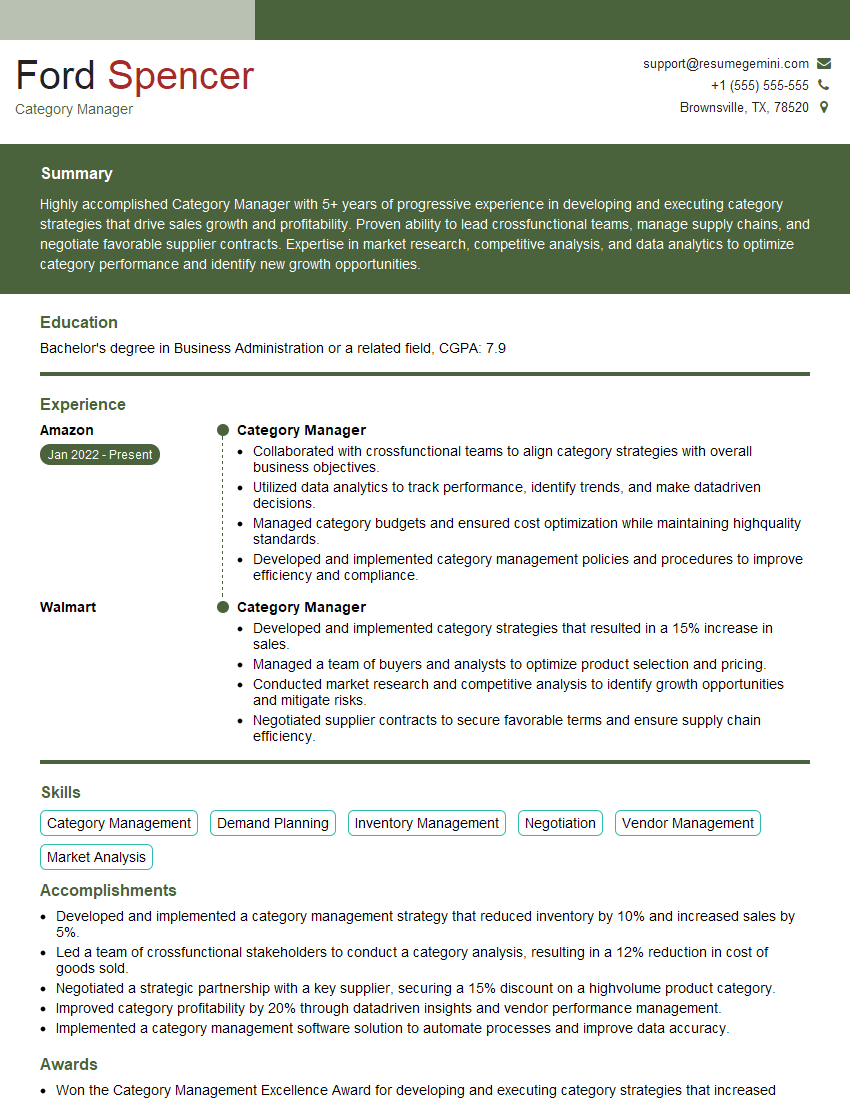
Category Manager Resume Sample
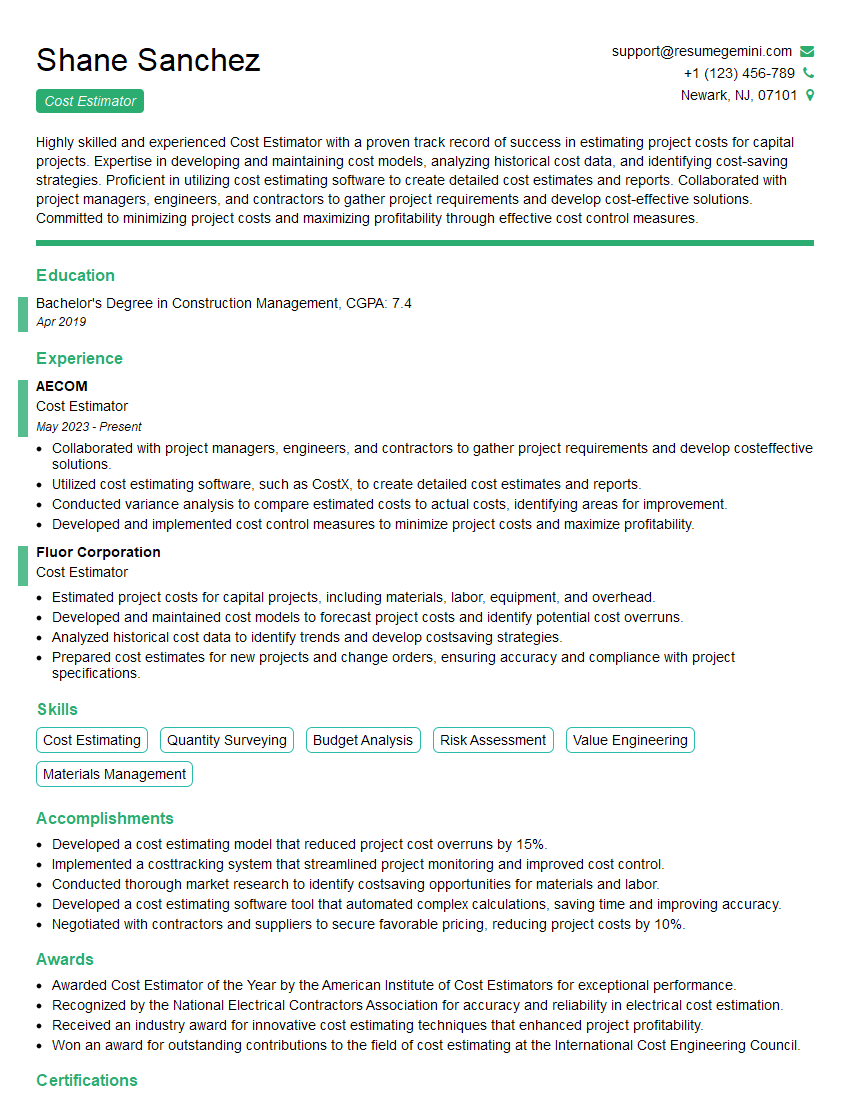
Cost Estimator Resume Sample
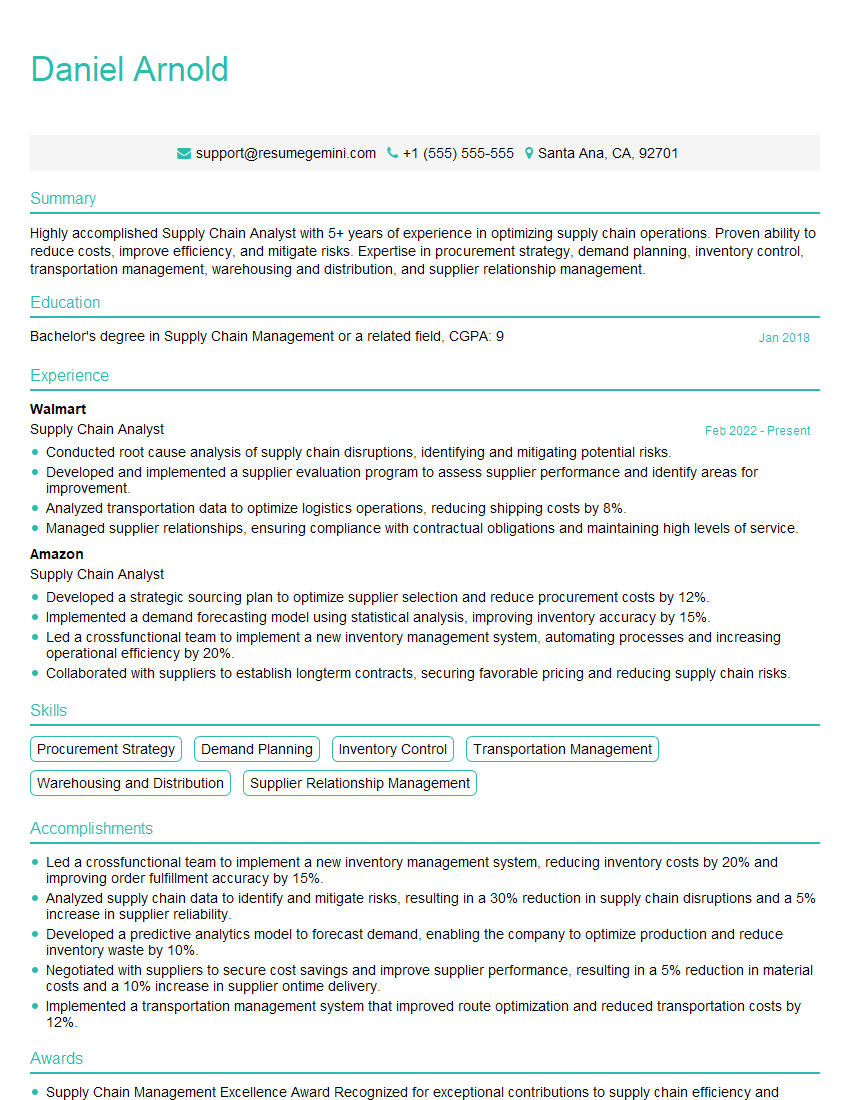
Supply Chain Analyst Resume Sample
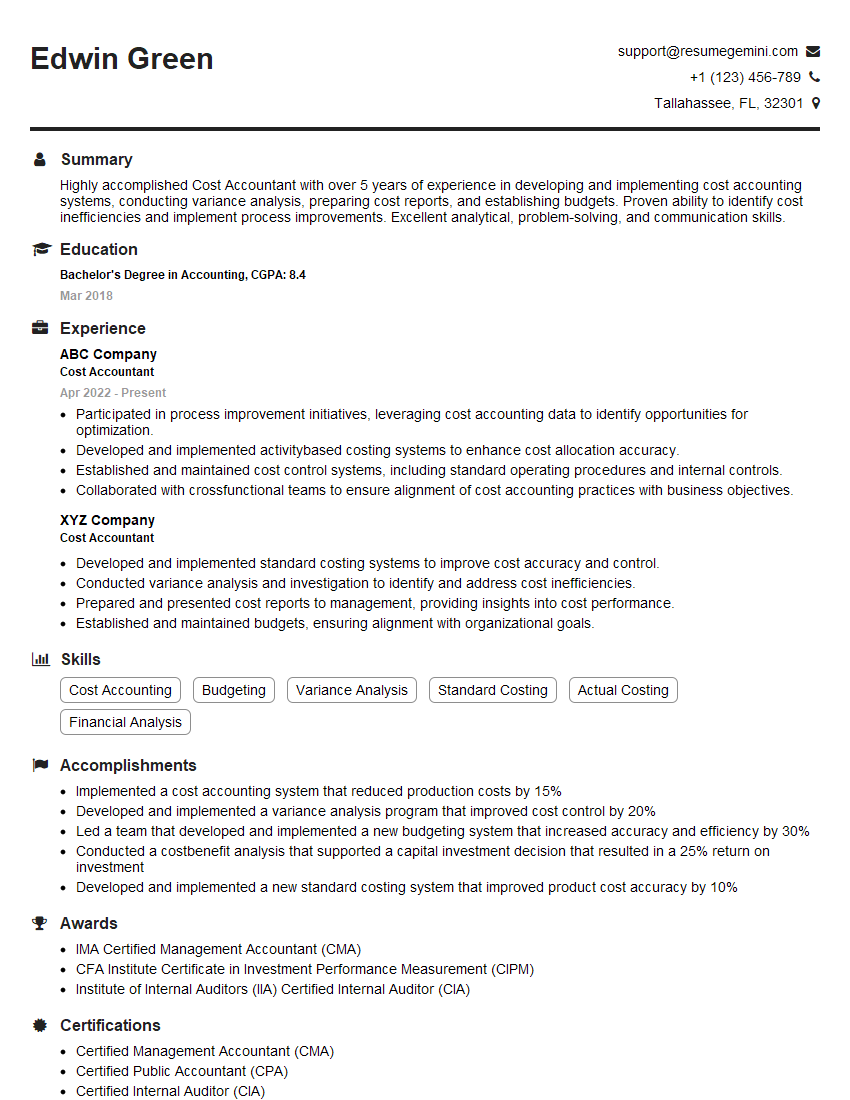
Cost Accountant Resume Sample
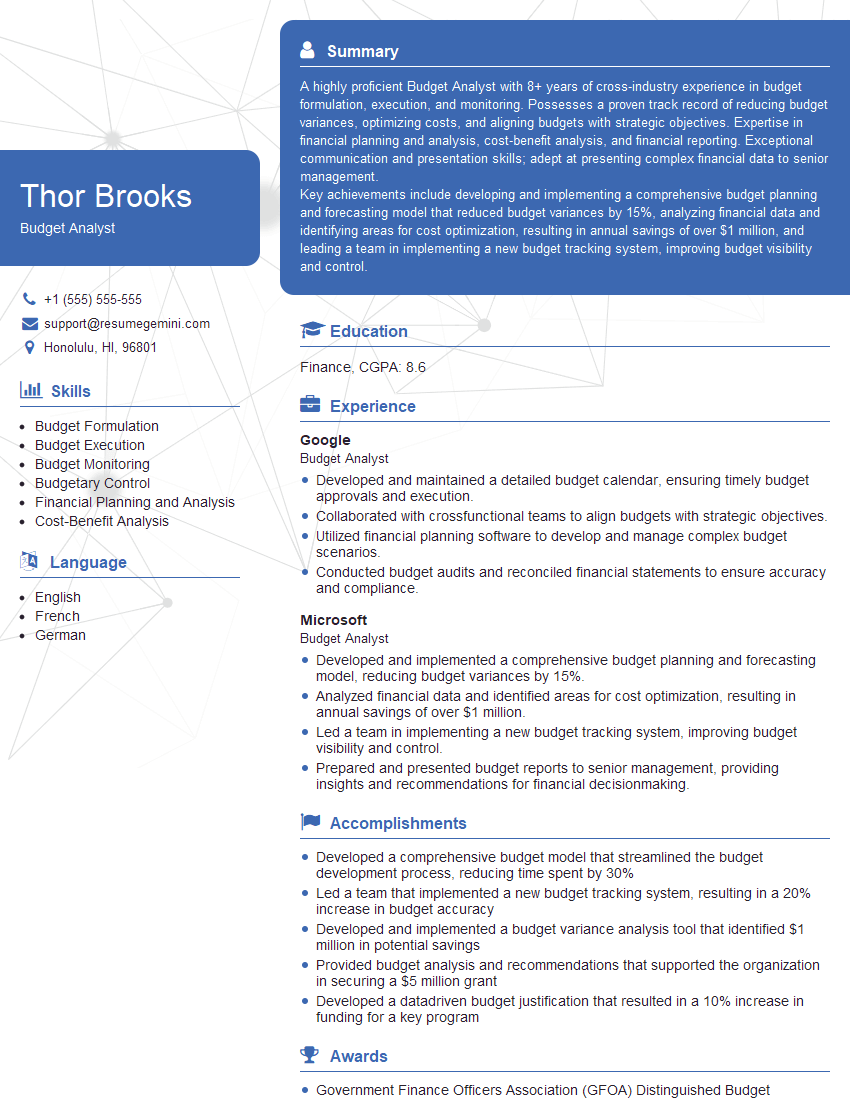
Budget Analyst Resume Sample
Explore more articles
Users Rating of Our Blogs
Share Your Experience
We value your feedback! Please rate our content and share your thoughts (optional).
What Readers Say About Our Blog
I Redesigned Spongebob Squarepants and his main characters of my artwork.
https://www.deviantart.com/reimaginesponge/art/Redesigned-Spongebob-characters-1223583608
IT gave me an insight and words to use and be able to think of examples
Hi, I’m Jay, we have a few potential clients that are interested in your services, thought you might be a good fit. I’d love to talk about the details, when do you have time to talk?
Best,
Jay
Founder | CEO