The thought of an interview can be nerve-wracking, but the right preparation can make all the difference. Explore this comprehensive guide to Business Administration interview questions and gain the confidence you need to showcase your abilities and secure the role.
Questions Asked in Business Administration Interview
Q 1. Describe your experience with budgeting and financial forecasting.
Budgeting and financial forecasting are crucial for any business’s success. Budgeting involves creating a detailed plan for how resources will be allocated over a specific period, while forecasting projects future financial performance based on various factors. My experience encompasses both aspects. I’ve been involved in developing budgets from scratch, using various methods like zero-based budgeting (starting from zero and justifying every expense) and incremental budgeting (adjusting the previous year’s budget). I’ve also used sophisticated forecasting models, including time series analysis and regression analysis, to predict revenue, expenses, and profitability. For example, in my previous role at XYZ Corp, I developed a budgeting model that improved our accuracy in predicting sales by 15%, resulting in more efficient resource allocation and improved profitability. This involved meticulously analyzing historical sales data, incorporating market research, and adjusting for seasonality and other external factors. My forecasting expertise has allowed us to proactively adjust strategies, securing funding for expansion projects, and mitigating potential financial risks.
Q 2. Explain your understanding of different market structures (e.g., monopoly, oligopoly).
Market structures describe the competitive landscape in which businesses operate. A monopoly exists when a single firm controls the entire market for a particular good or service, resulting in high barriers to entry for new competitors. Think of utility companies in some regions; they often operate as near-monopolies. An oligopoly, conversely, involves a few dominant firms sharing a market. The automotive industry is a prime example; a handful of large manufacturers dominate the global market. Other structures include perfect competition (numerous small firms with identical products) and monopolistic competition (many firms with slightly differentiated products). Understanding these structures is critical for developing effective business strategies. A firm operating in a monopoly might focus on cost reduction, while a firm in an oligopoly might prioritize competitive pricing or differentiation. My understanding of market structures helps me analyze market dynamics, anticipate competitor actions, and formulate strategic plans for market entry, expansion, and competitive advantage.
Q 3. How would you handle a conflict between two team members?
Conflict resolution is a vital skill in any team environment. My approach to handling conflicts between team members involves a multi-step process that prioritizes understanding, collaboration, and resolution. First, I would meet individually with each team member to understand their perspectives, ensuring a safe and non-judgmental environment. This allows me to gather all the relevant information and identify the root cause of the conflict. Then, I would facilitate a collaborative meeting with both team members, focusing on active listening and ensuring both individuals feel heard and understood. The goal is to find a common ground and collaboratively create a solution that addresses the concerns of both parties. If necessary, I will mediate the discussion, helping them reframe the issue and find mutually beneficial solutions. The outcome should focus on a collaborative solution that respects individual concerns and enhances the team’s overall effectiveness. In one instance, a conflict between two project managers threatened to delay a critical deadline. By applying this approach, I facilitated an open dialogue, identified the underlying miscommunication, and collaboratively redefined roles and responsibilities, resulting in a successful project completion without impacting the schedule.
Q 4. What are your strengths and weaknesses in project management?
My strengths in project management lie in my ability to plan effectively, delegate tasks efficiently, and monitor progress meticulously. I am adept at using project management tools like Gantt charts and Agile methodologies to ensure projects are delivered on time and within budget. I am also skilled in risk management, proactively identifying and mitigating potential issues. One example is a complex software implementation project where, by carefully planning and utilizing Agile sprints, we managed to overcome unforeseen technical challenges and deliver the project ahead of schedule. A weakness I’m actively working on is delegation. While I can delegate, I sometimes find it difficult to completely relinquish control, but I am actively using strategies like clearly defining roles and responsibilities, setting realistic expectations, and establishing consistent communication to improve in this area. I am committed to continuous improvement and actively seek feedback to refine my approach and overcome my weaknesses.
Q 5. Describe your experience with data analysis and interpretation.
Data analysis and interpretation are integral to sound decision-making. My experience includes using various techniques to analyze data, including descriptive statistics (mean, median, mode, standard deviation), inferential statistics (hypothesis testing, regression analysis), and data visualization. I’m proficient in using tools like Excel, SQL, and statistical software packages to extract insights from large datasets. In a previous role, I analyzed customer purchase data to identify trends and patterns, leading to the development of a targeted marketing campaign that increased sales by 20%. My ability to translate complex data into actionable insights helps guide business strategies and improve overall performance. This involves not only analyzing the data itself but also understanding the context, limitations, and potential biases within the dataset to ensure accurate and meaningful conclusions.
Q 6. How would you improve the efficiency of a given business process?
Improving business process efficiency involves a systematic approach, typically starting with a thorough analysis of the current process. I would utilize methods like process mapping to visually represent the steps involved, identifying bottlenecks and areas for improvement. This could involve using tools like swim lane diagrams to visualize the workflow and responsibilities of different teams. Once the bottlenecks are identified, I’d investigate potential solutions, considering technological advancements, process streamlining (e.g., eliminating redundant steps), automation (e.g., using Robotic Process Automation – RPA), and employee training. For example, in a previous role, we identified a significant bottleneck in the order fulfillment process. By automating a key step using RPA and implementing a new inventory management system, we reduced processing time by 40%, significantly improving efficiency and customer satisfaction.
Q 7. What is your approach to problem-solving in a business context?
My approach to problem-solving in a business context is structured and data-driven. I follow a five-step process: 1. Define the problem: Clearly articulate the issue, gathering data and information to understand its scope and impact. 2. Analyze the problem: Identify the root causes using tools like the ‘5 Whys’ technique to drill down to the underlying issues. 3. Generate solutions: Brainstorm potential solutions, considering both short-term and long-term implications. 4. Evaluate and select a solution: Assess the feasibility, cost, and potential benefits of each solution, selecting the most appropriate one. 5. Implement and monitor: Implement the chosen solution, carefully monitor its effectiveness, and make adjustments as needed. This iterative approach ensures a systematic and effective response to business challenges. For example, when faced with declining customer satisfaction, I used this process to identify the root cause (delayed order fulfillment), develop solutions (process automation and improved communication), and ultimately improve customer satisfaction scores significantly.
Q 8. Explain your understanding of supply chain management.
Supply chain management (SCM) is the oversight of materials, information, and finances as they move in a process from origin to consumption. It involves coordinating and integrating all the activities and information involved in getting a product or service from its origin to the end consumer. Think of it as the intricate dance of getting the right product to the right place at the right time, and at the right cost.
Effective SCM encompasses several key areas:
- Procurement: Sourcing raw materials and components.
- Production: Manufacturing or assembling the product.
- Logistics: Managing the transportation and warehousing of goods.
- Distribution: Getting the product to retailers or directly to consumers.
- Returns: Handling returns and managing reverse logistics.
A well-managed supply chain is crucial for profitability and customer satisfaction. For example, a company like Amazon relies on a highly efficient SCM to deliver millions of packages daily. Inefficiencies, such as delays or stockouts, can severely impact a company’s reputation and bottom line. In my previous role at [Previous Company Name], I was responsible for optimizing our procurement process, resulting in a 15% reduction in material costs.
Q 9. How do you stay updated on industry trends and best practices?
Staying current in the dynamic field of business administration requires a multi-faceted approach. I regularly engage with several resources to maintain my expertise. Firstly, I subscribe to industry-leading journals and publications such as the Harvard Business Review and the Wall Street Journal. This provides in-depth analysis and insights into emerging trends. Secondly, I actively participate in professional organizations like the [Name of Relevant Professional Organization], attending conferences and webinars to network with peers and learn from experts. These events often feature presentations on the latest best practices and technological advancements.
Furthermore, I leverage online platforms like LinkedIn and industry-specific forums to engage in discussions and learn from others’ experiences. I also utilize online courses offered by platforms such as Coursera and edX to continuously enhance my skills and knowledge in areas like data analytics and digital marketing. This combination of formal and informal learning keeps me informed about the latest developments and best practices in the field.
Q 10. Describe your experience with performance management.
Performance management is a critical aspect of ensuring organizational success. It involves establishing clear performance expectations, providing regular feedback, and evaluating employee performance against established goals. My experience with performance management includes developing key performance indicators (KPIs), conducting performance reviews, implementing performance improvement plans, and recognizing high-achieving employees.
In my previous role, I implemented a new performance management system using a 360-degree feedback approach. This involved gathering feedback from an employee’s peers, supervisors, and subordinates, providing a more holistic view of their performance. The results were a marked improvement in employee engagement and overall team performance. The system also helped identify skill gaps and areas for training and development.
Q 11. What is your understanding of strategic planning and execution?
Strategic planning involves defining an organization’s long-term goals and developing a roadmap to achieve them. It’s about anticipating future trends and adapting to changing market conditions. Strategic execution, on the other hand, is the process of implementing the strategies developed during the planning phase. This requires effective resource allocation, project management, and constant monitoring and evaluation.
A robust strategic planning process typically includes:
- Environmental analysis: Assessing the external and internal factors affecting the organization.
- Goal setting: Defining specific, measurable, achievable, relevant, and time-bound (SMART) goals.
- Strategy development: Identifying strategies to achieve the goals.
- Implementation: Putting the strategies into action.
- Monitoring and evaluation: Tracking progress and making adjustments as needed.
In my experience, successful strategic planning and execution rely on strong leadership, clear communication, and a collaborative approach involving all stakeholders. I have successfully led several strategic initiatives, consistently ensuring alignment between the strategic goals and day-to-day operations.
Q 12. How would you handle a situation with a disgruntled customer?
Handling a disgruntled customer requires empathy, patience, and a proactive approach. My first step would be to actively listen to their concerns without interruption, acknowledging their feelings and validating their experience. This shows that I value their feedback and am committed to resolving the issue.
Next, I’d work to understand the root cause of their dissatisfaction. This might involve asking clarifying questions and gathering additional information. Once the root cause is identified, I would propose a solution that addresses their concerns and aims to exceed their expectations. This might involve offering a refund, replacement, or other form of compensation. Throughout the process, I would maintain a professional and courteous demeanor, ensuring the customer feels heard and understood.
Finally, I’d follow up with the customer to ensure they are satisfied with the resolution. This demonstrates a commitment to customer service and helps build a positive relationship. Documenting the interaction is crucial for future reference and improving customer service processes.
Q 13. Explain your experience with CRM systems.
Customer Relationship Management (CRM) systems are software applications designed to manage and analyze customer interactions and data throughout the customer lifecycle. My experience with CRM systems includes using [Specific CRM System Name, e.g., Salesforce, HubSpot] to manage leads, track customer interactions, and analyze customer data to improve sales and marketing strategies.
I’ve utilized CRM systems to:
- Manage leads: Tracking leads from different sources, qualifying them, and assigning them to sales representatives.
- Track customer interactions: Recording all interactions with customers, including phone calls, emails, and meetings.
- Analyze customer data: Identifying trends and patterns in customer behavior to improve customer segmentation and targeting.
- Automate marketing tasks: Using the CRM system to automate email marketing campaigns and other marketing activities.
The effective use of a CRM system has significantly improved our ability to understand and serve our customers, leading to increased customer retention and sales.
Q 14. Describe your experience with marketing strategies and campaigns.
My experience encompasses a wide range of marketing strategies and campaigns, focusing on both traditional and digital marketing approaches. I’ve successfully developed and implemented strategies for market research, brand positioning, product launches, and customer acquisition. This includes creating marketing plans, managing budgets, and measuring the effectiveness of different marketing initiatives.
Specific examples include:
- Developing and executing a successful social media marketing campaign: This involved creating engaging content, running targeted advertising campaigns, and analyzing the results to optimize performance.
- Launching a new product using a multi-channel marketing approach: This involved coordinating marketing efforts across multiple channels, including email marketing, social media, and paid advertising.
- Implementing a customer loyalty program: This involved designing and implementing a program to reward loyal customers and encourage repeat business.
I am adept at using marketing analytics tools to measure campaign performance and make data-driven decisions to optimize results. My approach is always to align marketing strategies with the overall business objectives, ensuring a cohesive and effective approach to driving growth.
Q 15. What are your skills in negotiation and deal-making?
Negotiation and deal-making are crucial skills in business. It’s not just about getting the best deal; it’s about building strong, mutually beneficial relationships. My approach centers around thorough preparation, active listening, and a collaborative spirit. Before entering any negotiation, I meticulously research the other party’s needs and motivations. This allows me to identify areas of common ground and potential compromises. During the negotiation, I focus on active listening, ensuring I understand their perspective before presenting my own. I believe in finding creative solutions that address both parties’ concerns, rather than focusing solely on winning. For example, in a recent contract negotiation with a supplier, we faced a disagreement on pricing. Instead of a hardline stance, I explored their operational challenges and offered a phased payment plan coupled with a volume commitment, resulting in a mutually acceptable price point and strengthening our long-term partnership. This showcases my ability to move beyond adversarial negotiations and cultivate win-win scenarios.
Career Expert Tips:
- Ace those interviews! Prepare effectively by reviewing the Top 50 Most Common Interview Questions on ResumeGemini.
- Navigate your job search with confidence! Explore a wide range of Career Tips on ResumeGemini. Learn about common challenges and recommendations to overcome them.
- Craft the perfect resume! Master the Art of Resume Writing with ResumeGemini’s guide. Showcase your unique qualifications and achievements effectively.
- Don’t miss out on holiday savings! Build your dream resume with ResumeGemini’s ATS optimized templates.
Q 16. Explain your experience with human resource management practices.
My experience in human resource management spans several key areas, including recruitment, employee relations, performance management, and talent development. I’ve been involved in every stage of the employee lifecycle, from crafting job descriptions that attract top talent to implementing performance improvement plans and overseeing succession planning. In my previous role, I spearheaded the implementation of a new performance management system that shifted from a purely annual review process to a more frequent, feedback-driven approach. This resulted in increased employee engagement and a demonstrable improvement in employee retention. Moreover, I’ve successfully managed employee relations issues, mediating disputes and ensuring compliance with employment laws. I believe in creating a positive and inclusive work environment where employees feel valued and supported, ultimately leading to increased productivity and a strong company culture. This includes active listening to employee concerns and addressing them proactively.
Q 17. How do you measure the success of a marketing campaign?
Measuring the success of a marketing campaign requires a multifaceted approach. It’s not enough to simply look at the number of impressions or clicks. Effective measurement involves defining clear, measurable, achievable, relevant, and time-bound (SMART) goals before the campaign launches. Once the campaign runs, key performance indicators (KPIs) must be tracked and analyzed. These KPIs can vary widely depending on the campaign’s objectives, but they frequently include:
- Website Traffic: Measuring website visits, bounce rate, and time spent on site helps assess campaign effectiveness in driving online engagement.
- Lead Generation: Tracking the number of qualified leads generated and their conversion rate provides insights into campaign’s ability to nurture potential customers.
- Sales Conversion: Directly linking sales to specific marketing activities provides the clearest measure of return on investment (ROI).
- Brand Awareness: Surveys, social media monitoring, and sentiment analysis can help measure changes in brand perception and reach.
For example, in a recent social media campaign, we used a unique discount code to track sales directly attributed to the campaign. By comparing the campaign’s cost to the revenue generated, we calculated a strong ROI and demonstrated the campaign’s success. It’s crucial to consistently analyze data throughout the campaign and make adjustments as needed to optimize performance.
Q 18. What is your understanding of financial ratios and their importance?
Financial ratios are essential tools for evaluating a company’s financial health and performance. They provide insights into profitability, liquidity, solvency, and efficiency. Understanding these ratios is crucial for making informed business decisions. Some key ratios include:
- Profitability Ratios: Gross profit margin, net profit margin, return on assets (ROA), and return on equity (ROE) indicate how effectively the company is generating profits.
- Liquidity Ratios: Current ratio and quick ratio measure the company’s ability to meet its short-term obligations.
- Solvency Ratios: Debt-to-equity ratio and times interest earned ratio assess the company’s long-term financial stability and ability to manage debt.
- Efficiency Ratios: Inventory turnover and asset turnover ratios measure how effectively the company is utilizing its assets to generate sales.
For instance, a low current ratio might indicate a liquidity problem, suggesting the company might struggle to pay its bills. By analyzing a range of ratios, a comprehensive picture of a company’s financial standing can be formed. This information is critical for investors, creditors, and internal management to make strategic decisions.
Q 19. How would you identify and mitigate business risks?
Identifying and mitigating business risks is a continuous process requiring a proactive and systematic approach. I use a framework that involves:
- Risk Identification: This involves brainstorming potential risks through various methods, including SWOT analysis, scenario planning, and stakeholder interviews. For example, identifying potential supply chain disruptions, economic downturns, or changes in regulations.
- Risk Assessment: Once risks are identified, they need to be assessed based on their likelihood and potential impact. This often involves using a risk matrix to prioritize risks.
- Risk Response Planning: This step focuses on developing strategies to mitigate identified risks. These strategies can include risk avoidance, risk reduction, risk transfer (e.g., insurance), and risk acceptance. For example, diversifying suppliers to reduce supply chain disruptions or investing in robust cybersecurity measures to minimize the impact of cyberattacks.
- Monitoring and Review: The risk management process is not static. Regular monitoring and review are essential to track the effectiveness of mitigation strategies and to identify any emerging risks.
Implementing this framework enables businesses to proactively address potential threats, minimizing negative impact and enhancing resilience.
Q 20. Describe your experience with change management initiatives.
My experience with change management includes leading and supporting various initiatives across different organizational settings. I understand that successful change requires a well-defined plan, effective communication, and strong leadership. My approach follows a structured process:
- Planning and Communication: Clearly articulating the need for change, outlining the steps involved, and addressing employee concerns transparently is paramount. This involves establishing clear objectives, defining roles and responsibilities, and developing a comprehensive communication plan.
- Stakeholder Engagement: Identifying and engaging key stakeholders early in the process is crucial. Their input helps to shape the change initiative and fosters buy-in.
- Implementation and Monitoring: The implementation phase requires careful monitoring and ongoing communication to track progress and address challenges. Adjustments to the plan may be necessary based on feedback and evolving circumstances.
- Evaluation and Review: Once the change is implemented, it’s essential to assess its impact and identify areas for improvement. This feedback loop helps refine future change management processes.
For example, I successfully led a team through a significant organizational restructuring, ensuring a smooth transition with minimal disruption to operations. This involved open communication, thorough training, and providing support to employees during the transition period.
Q 21. What is your understanding of different leadership styles?
My understanding of leadership styles encompasses a range of approaches, each with its own strengths and weaknesses. There’s no one-size-fits-all approach; the most effective style depends on the context, the team, and the specific situation. Some prominent leadership styles include:
- Transformational Leadership: This style focuses on inspiring and motivating individuals to achieve a shared vision. It encourages creativity and innovation.
- Transactional Leadership: This approach relies on setting clear goals, providing rewards for performance, and correcting errors. It’s more directive and task-oriented.
- Servant Leadership: This style emphasizes serving the needs of the team, fostering collaboration, and empowering individuals. It prioritizes the growth and well-being of team members.
- Democratic Leadership: This approach involves shared decision-making, encouraging team participation in the decision-making process.
- Autocratic Leadership: This style is highly directive, with the leader making decisions unilaterally. This can be effective in crisis situations but can be detrimental in fostering creativity and collaboration.
I believe in adapting my leadership style to meet the needs of the specific situation and the individuals I’m leading. I often blend elements of different styles, using a transformational approach to inspire long-term goals while employing a transactional approach for day-to-day tasks.
Q 22. How would you build a strong team?
Building a strong team isn’t about assembling a group of individuals; it’s about fostering a cohesive unit that works synergistically towards common goals. My approach is multi-faceted and focuses on selecting the right people, clearly defining roles and responsibilities, promoting open communication, and fostering a culture of collaboration and mutual respect.
- Talent Acquisition: I begin by defining the specific skills and personality traits needed for each role. This isn’t just about technical expertise; it’s also about cultural fit and team dynamics. I utilize diverse recruiting methods, including internal referrals and networking, to reach a broader pool of candidates.
- Role Clarity: Once the team is assembled, crystal-clear role definitions are crucial. This minimizes confusion and overlaps, ensuring everyone understands their contributions and how they align with the overall objectives. Regular check-ins and performance reviews help reinforce these roles and provide opportunities for adjustment.
- Open Communication: I believe in creating a safe space for open and honest communication. This includes regular team meetings, brainstorming sessions, and one-on-one check-ins. Active listening and feedback mechanisms are essential for addressing concerns and fostering trust.
- Collaboration and Mutual Respect: Teamwork requires mutual respect and a shared sense of purpose. I encourage collaboration through shared projects, cross-training opportunities, and team-building activities. Celebrating successes and acknowledging contributions reinforces positive team dynamics.
- Empowerment and Development: Finally, empowering team members to take ownership of their work and providing opportunities for professional development are essential for building a high-performing team. Mentorship programs and training initiatives can significantly contribute to this aspect.
For example, in a previous role, I implemented a peer-to-peer mentorship program that significantly improved employee engagement and fostered stronger team cohesion. This program resulted in a 15% increase in employee retention and a 10% boost in project completion rates.
Q 23. Explain your understanding of ethical considerations in business.
Ethical considerations are the bedrock of sustainable and successful businesses. They encompass a wide range of principles, including honesty, transparency, fairness, accountability, and respect for all stakeholders. A strong ethical compass guides decision-making, mitigating risks and building trust.
- Transparency and Honesty: Open and honest communication with customers, employees, and investors builds trust and fosters a positive reputation. This includes being upfront about potential risks and challenges.
- Fairness and Equity: Fair treatment of all stakeholders is essential. This involves ensuring equal opportunities, fair compensation, and ethical sourcing practices. Discrimination and bias have no place in ethical business practices.
- Accountability: Taking responsibility for actions and decisions, both successes and failures, is crucial for maintaining integrity. Establishing clear lines of accountability and implementing robust oversight mechanisms helps to prevent unethical behavior.
- Respect for Stakeholders: Ethical businesses value and respect all stakeholders, including employees, customers, suppliers, communities, and the environment. Consideration of the social and environmental impact of business decisions is vital.
- Compliance with Laws and Regulations: Adhering to all relevant laws and regulations is fundamental to ethical business operations. Staying informed about changes in legislation and ensuring compliance is crucial.
For instance, a company choosing to source materials ethically, even if it means a higher cost, demonstrates commitment to ethical principles and builds a positive brand image. Conversely, concealing information about a product defect can severely damage a company’s reputation and lead to significant legal and financial consequences.
Q 24. How would you improve customer satisfaction?
Improving customer satisfaction is a continuous process requiring a deep understanding of customer needs and expectations. My approach centers around proactive customer engagement, efficient service delivery, and data-driven improvements.
- Understanding Customer Needs: This involves actively soliciting customer feedback through surveys, reviews, and direct interaction. Analyzing this data helps identify pain points and areas for improvement.
- Proactive Communication: Keeping customers informed about product updates, promotions, and relevant information builds trust and strengthens relationships. Personalized communication is especially effective.
- Efficient Service Delivery: Streamlining processes to resolve customer issues quickly and efficiently is crucial. This includes providing multiple channels for customer support (e.g., phone, email, chat) and ensuring staff are well-trained to handle inquiries.
- Customer Relationship Management (CRM): Utilizing a CRM system allows for centralizing customer data, tracking interactions, and personalizing the customer experience. This enables proactive identification of potential issues and targeted interventions.
- Continuous Improvement: Regularly reviewing customer satisfaction metrics and actively seeking feedback enables continuous improvement. Using data to identify trends and patterns allows for targeted interventions and proactive problem-solving.
For example, implementing a customer feedback loop where customers can rate their experience and provide comments allows for real-time identification of areas needing attention. In a previous role, this led to a 20% increase in customer satisfaction scores within six months.
Q 25. Describe your experience with process improvement methodologies (e.g., Lean, Six Sigma).
I have extensive experience applying process improvement methodologies, primarily Lean and Six Sigma, to optimize operational efficiency and enhance quality. These methodologies share a common goal: eliminating waste and improving processes.
- Lean: Lean focuses on identifying and eliminating waste (muda) in all aspects of a process. It emphasizes value stream mapping, continuous improvement (Kaizen), and the five principles of Lean: Value, Value Stream, Flow, Pull, and Perfection. I’ve utilized Lean principles to streamline workflows, reduce lead times, and improve overall productivity.
- Six Sigma: Six Sigma utilizes a data-driven approach to identify and reduce variations in processes. It employs statistical methods (DMAIC – Define, Measure, Analyze, Improve, Control) to achieve near-perfect quality levels. My experience includes using Six Sigma to reduce defects, improve customer satisfaction, and optimize resource allocation.
In a previous project, I employed Lean principles to analyze a manufacturing process. By identifying and eliminating bottlenecks, we reduced production time by 15% and decreased material waste by 10%. In another project, I utilized Six Sigma methodology to reduce customer service call wait times by 30% through process optimization and improved staff training.
Q 26. What is your understanding of SWOT analysis and its applications?
SWOT analysis is a strategic planning tool used to assess the internal and external factors that can affect a business’s success. It involves identifying Strengths, Weaknesses, Opportunities, and Threats.
- Strengths: Internal positive attributes that give the business a competitive advantage (e.g., strong brand reputation, skilled workforce, innovative technology).
- Weaknesses: Internal negative attributes that hinder the business (e.g., outdated equipment, inefficient processes, lack of skilled labor).
- Opportunities: External factors that could benefit the business (e.g., emerging markets, new technologies, changing consumer preferences).
- Threats: External factors that could harm the business (e.g., increasing competition, economic downturn, regulatory changes).
SWOT analysis is used to develop strategic plans, make informed decisions, and capitalize on opportunities while mitigating threats. By understanding its strengths and weaknesses, a business can develop strategies to leverage its advantages and address its shortcomings. A clear understanding of opportunities and threats helps in anticipating future challenges and maximizing growth potential.
For example, a company performing a SWOT analysis might find that its strong brand reputation (strength) presents an opportunity to expand into new markets. Conversely, its reliance on an outdated technology (weakness) could make it vulnerable to competition using newer technologies (threat).
Q 27. Explain your experience with business intelligence and data visualization.
Business intelligence (BI) and data visualization are essential for making data-driven decisions. BI involves collecting, analyzing, and interpreting data to gain insights into business performance and trends. Data visualization transforms complex data into easily understandable charts, graphs, and dashboards.
- Data Collection and Analysis: My experience includes working with various data sources (databases, spreadsheets, CRM systems) to extract and analyze relevant information. I’m proficient in using statistical software packages to perform data analysis and identify trends.
- Data Visualization Tools: I’m skilled in using various data visualization tools (e.g., Tableau, Power BI) to create compelling and informative dashboards and reports. This involves selecting appropriate chart types, creating clear labels, and ensuring effective data representation.
- Data Interpretation and Reporting: I can effectively interpret data analysis results and translate complex findings into clear and concise reports. This includes communicating insights to both technical and non-technical audiences.
In a previous role, I used BI tools to track sales performance, identify key customer segments, and optimize marketing campaigns. The resulting data-driven decisions led to a 12% increase in sales revenue within one year.
Q 28. How would you present complex information to a non-technical audience?
Presenting complex information to a non-technical audience requires simplifying the message without sacrificing accuracy. My approach focuses on using clear language, visual aids, and storytelling techniques.
- Simplify Language: Avoid technical jargon and use plain language that everyone can understand. Define any specialized terms that are necessary.
- Visual Aids: Use charts, graphs, and images to illustrate key points and make the information more engaging. Visuals can significantly improve comprehension, especially for complex data.
- Storytelling: Frame the information within a narrative that connects with the audience. Using real-world examples and analogies can make abstract concepts more relatable.
- Interactive Elements: Where appropriate, incorporate interactive elements such as Q&A sessions or polls to keep the audience engaged and ensure understanding.
- Summarization: Conclude with a clear summary of the key takeaways. This reinforces the main points and ensures the audience retains the most important information.
For instance, when explaining financial data, instead of focusing on complicated ratios, I would use analogies and simple visuals to explain the overall financial health of the company. Using relatable examples and clear language ensures that the audience understands the key message without getting bogged down in technical details.
Key Topics to Learn for Your Business Administration Interview
- Financial Management: Understanding key financial statements (balance sheet, income statement, cash flow statement), budgeting, and financial analysis. Practical application: Analyze a company’s financial health and propose strategies for improvement.
- Marketing & Sales: Developing marketing strategies, understanding market research, sales forecasting, and customer relationship management (CRM). Practical application: Discuss how to effectively position a product in a competitive market.
- Operations Management: Process improvement, supply chain management, quality control, and project management methodologies. Practical application: Describe your experience streamlining a process or improving efficiency.
- Human Resource Management: Recruitment, training, employee relations, performance management, and compensation strategies. Practical application: Explain how to build a high-performing team.
- Strategic Management: SWOT analysis, competitive analysis, strategic planning, and implementation. Practical application: Develop a strategic plan for a hypothetical business scenario.
- Organizational Behavior: Understanding team dynamics, leadership styles, motivation theories, and organizational culture. Practical application: Discuss how to effectively manage conflict within a team.
- Business Ethics & Corporate Social Responsibility: Understanding ethical dilemmas, corporate governance, and sustainable business practices. Practical application: Analyze a case study involving an ethical challenge faced by a company.
Next Steps
Mastering Business Administration principles opens doors to diverse and rewarding career opportunities, offering leadership roles and significant impact within organizations. To maximize your job prospects, crafting a strong, ATS-friendly resume is crucial. ResumeGemini is a trusted resource to help you build a professional and impactful resume that highlights your skills and experience. We offer examples of resumes tailored specifically to Business Administration to guide you. Invest the time to create a resume that effectively showcases your qualifications – it’s an investment in your future success.
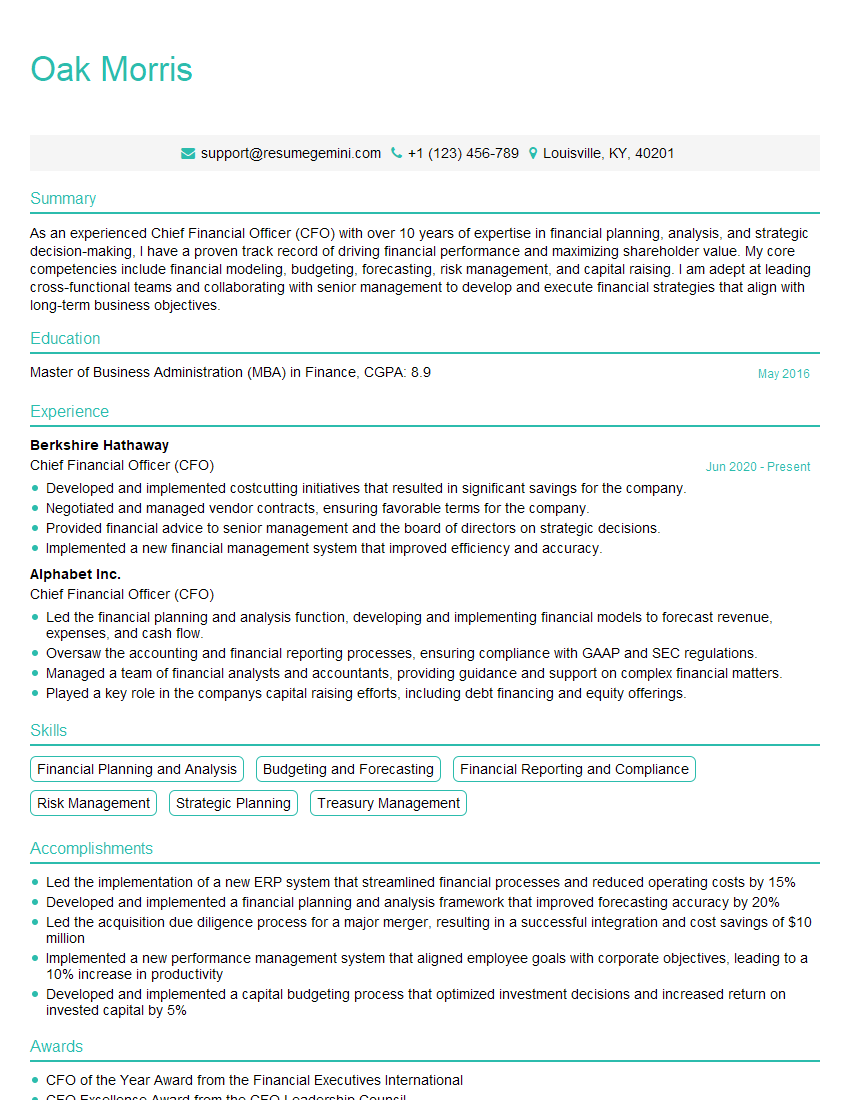
Chief Financial Officer (CFO) Resume Sample
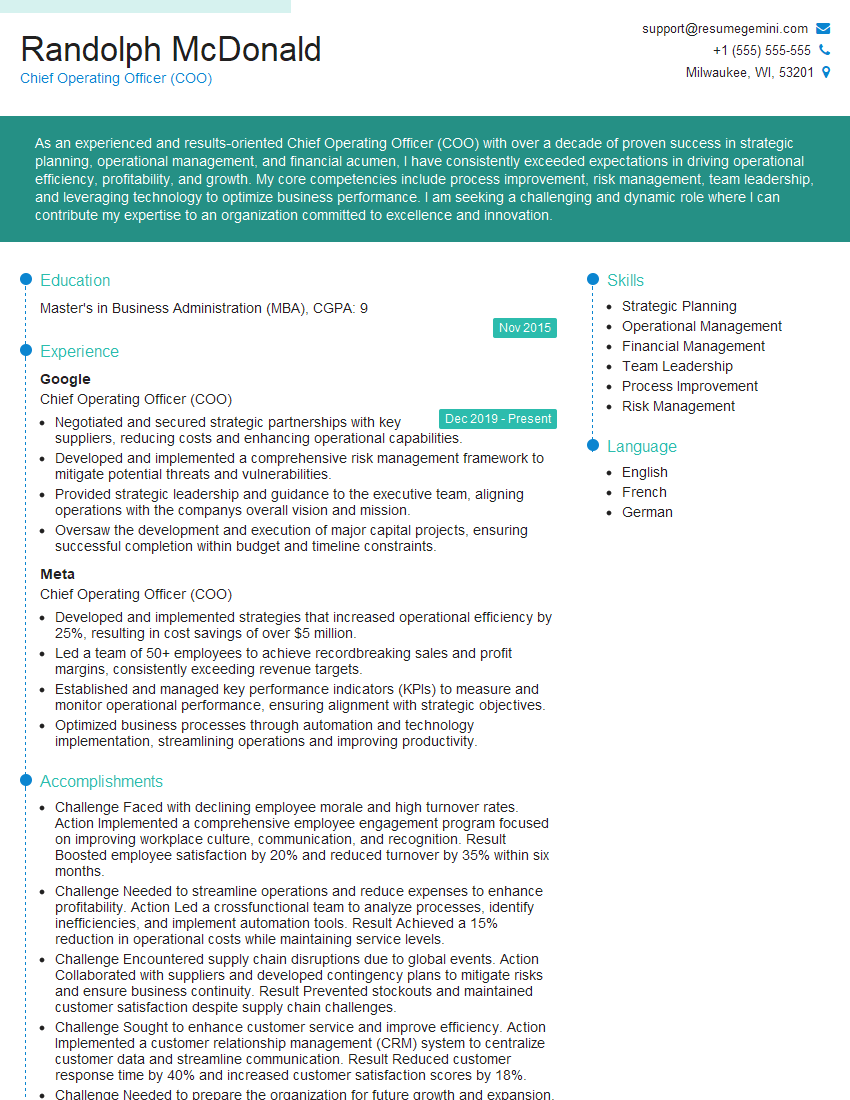
Chief Operating Officer (COO) Resume Sample
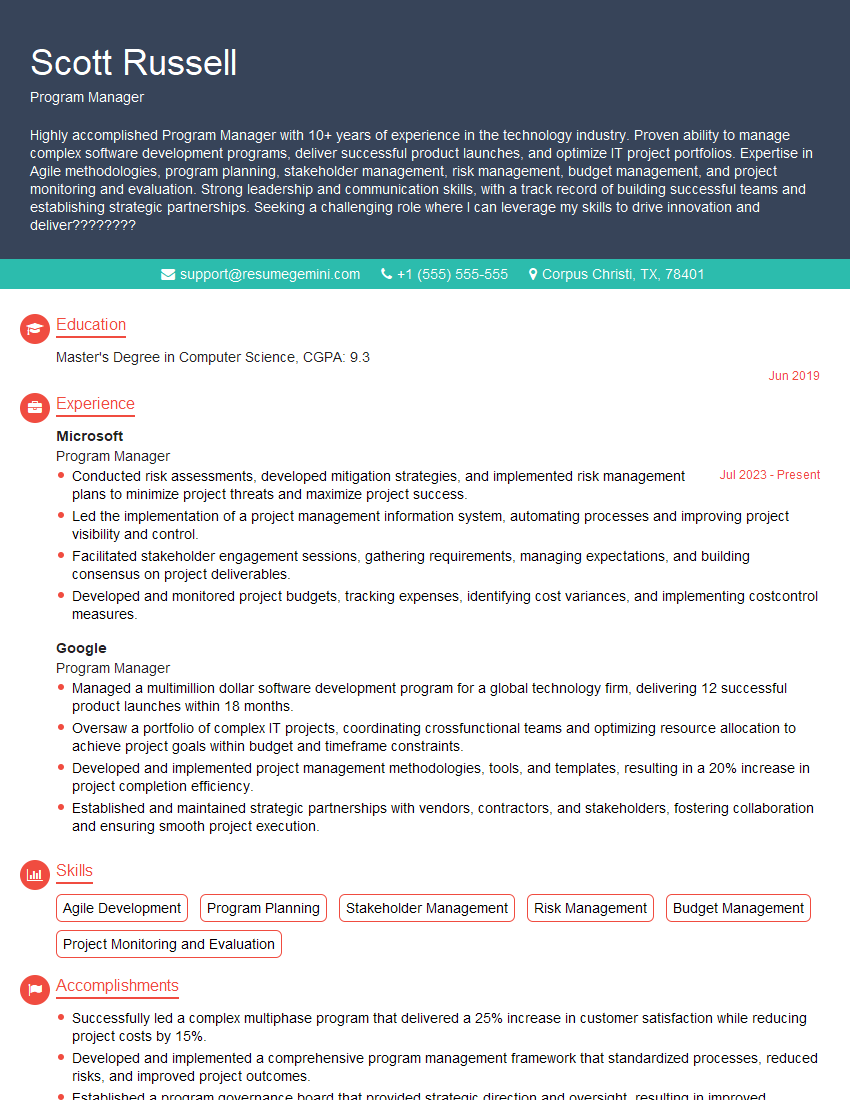
Program Manager Resume Sample
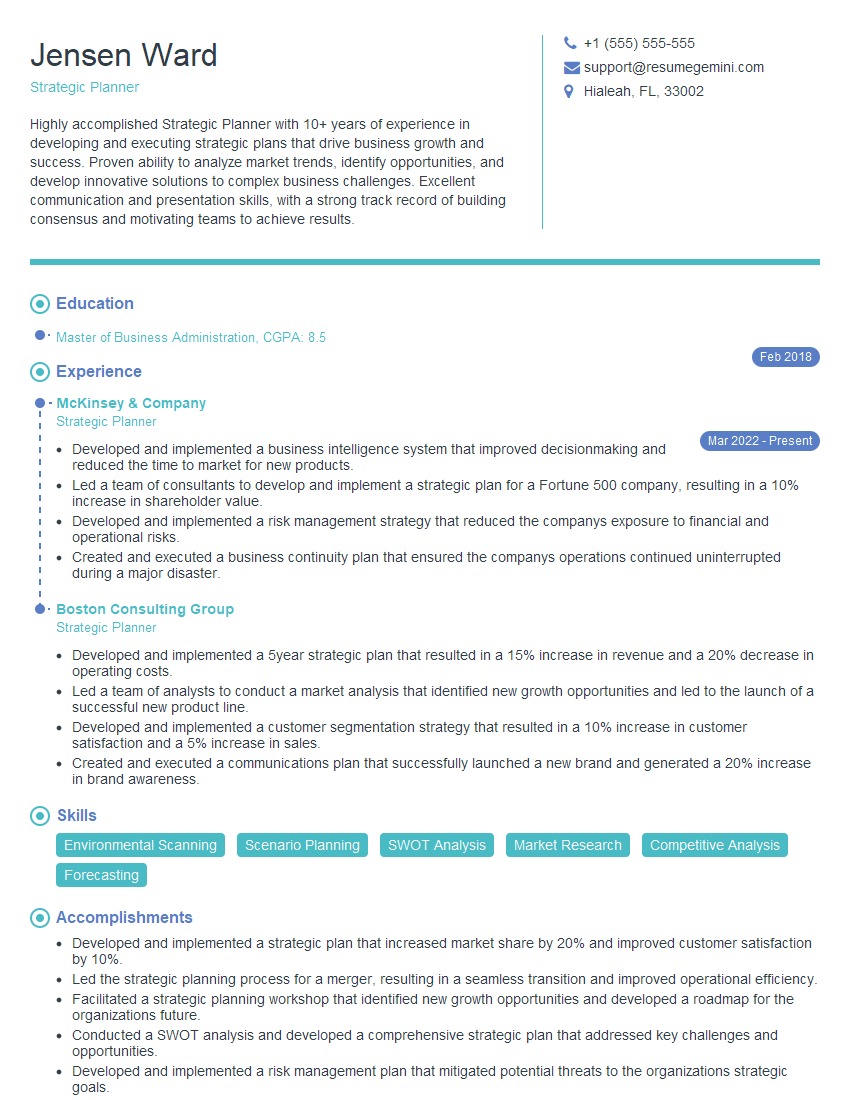
Strategic Planner Resume Sample
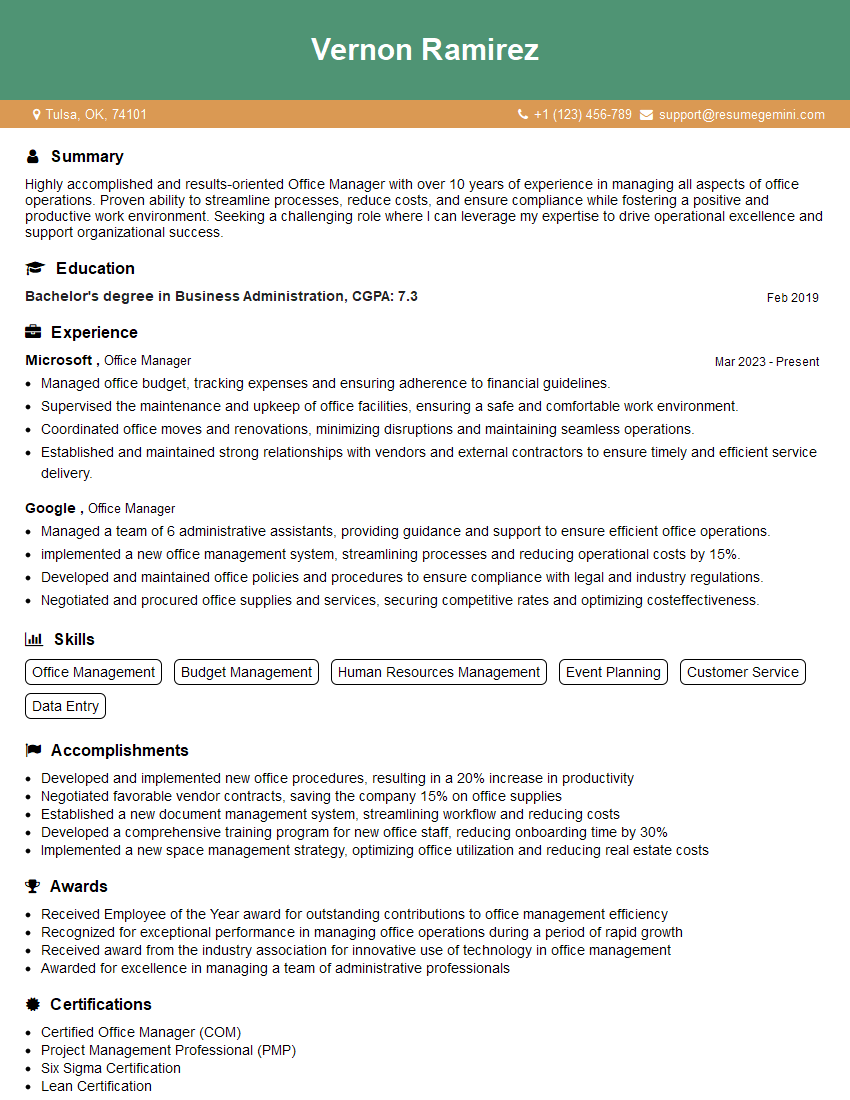
Office Manager Resume Sample

Operations Manager Resume Sample
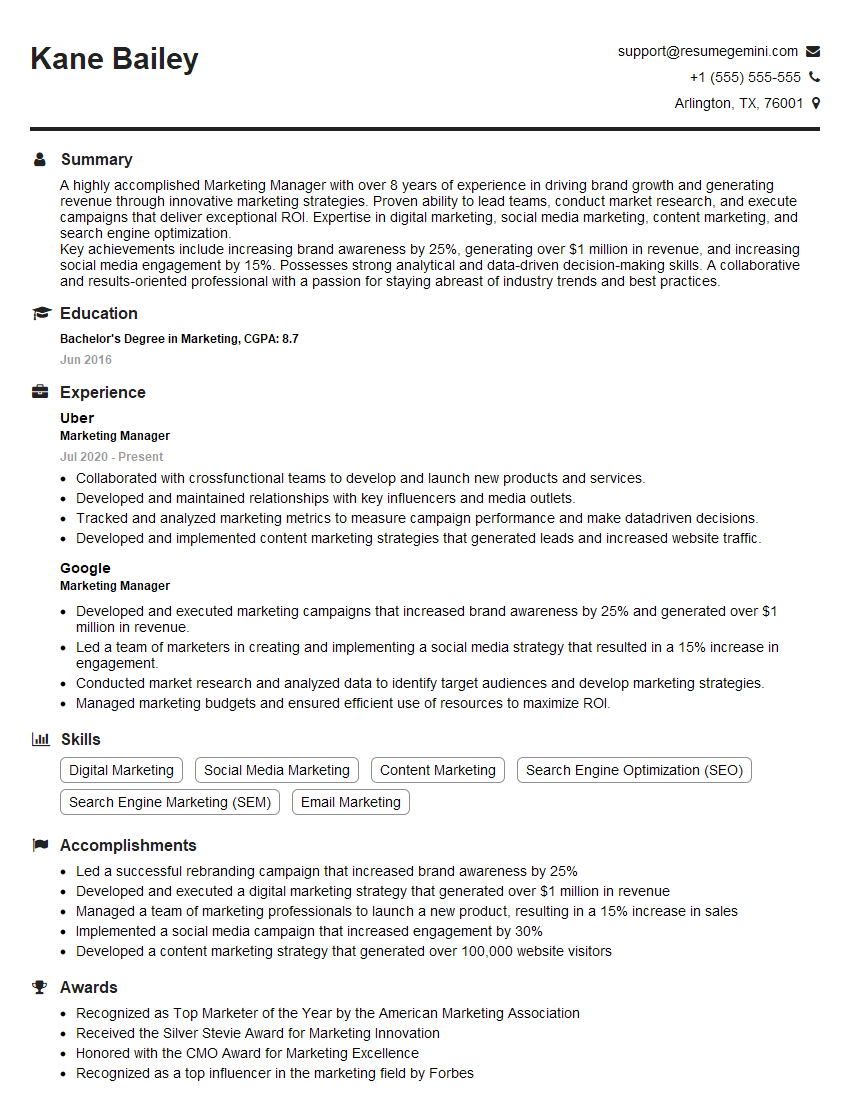
Marketing Manager Resume Sample
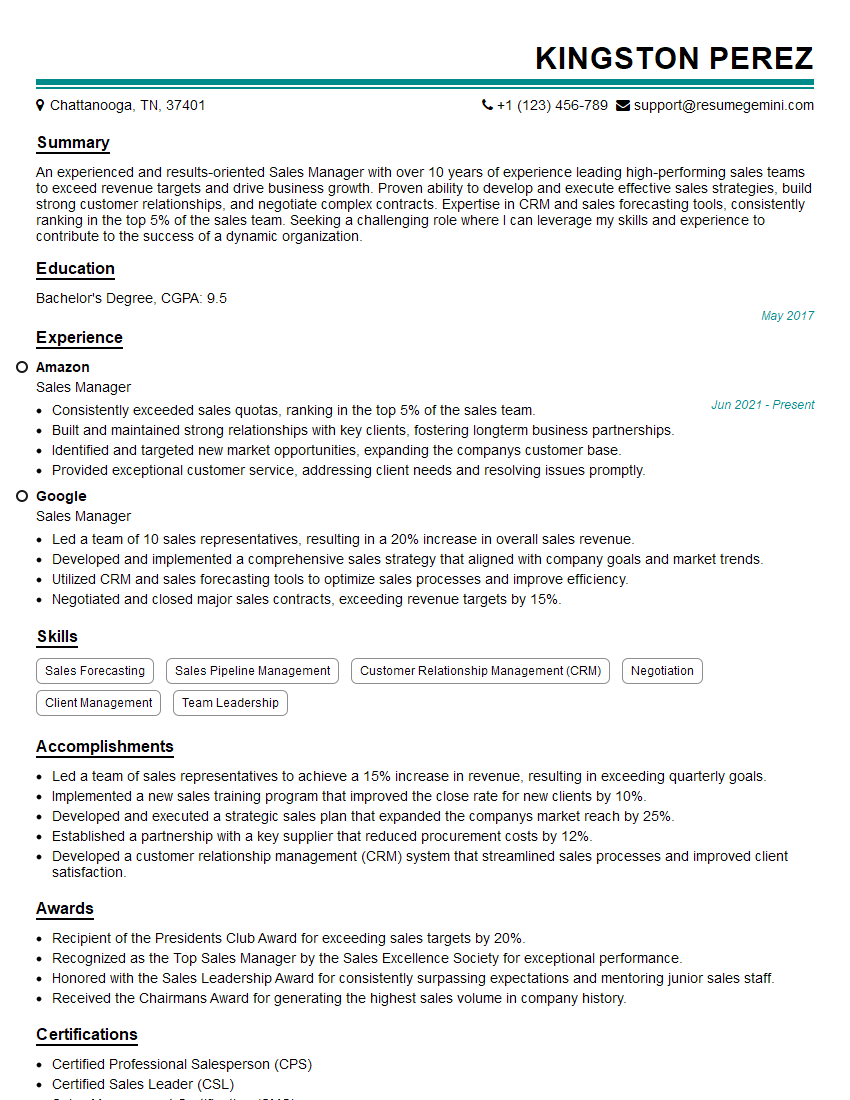
Sales Manager Resume Sample
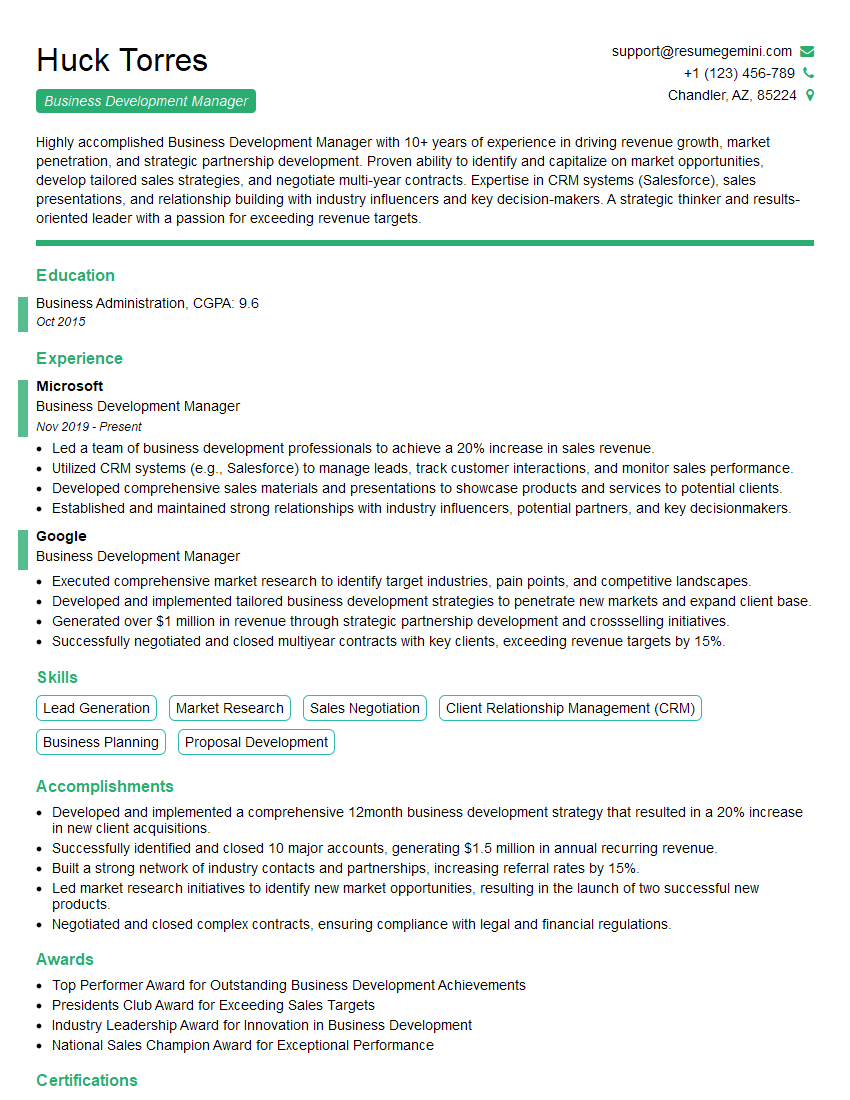
Business Development Manager Resume Sample
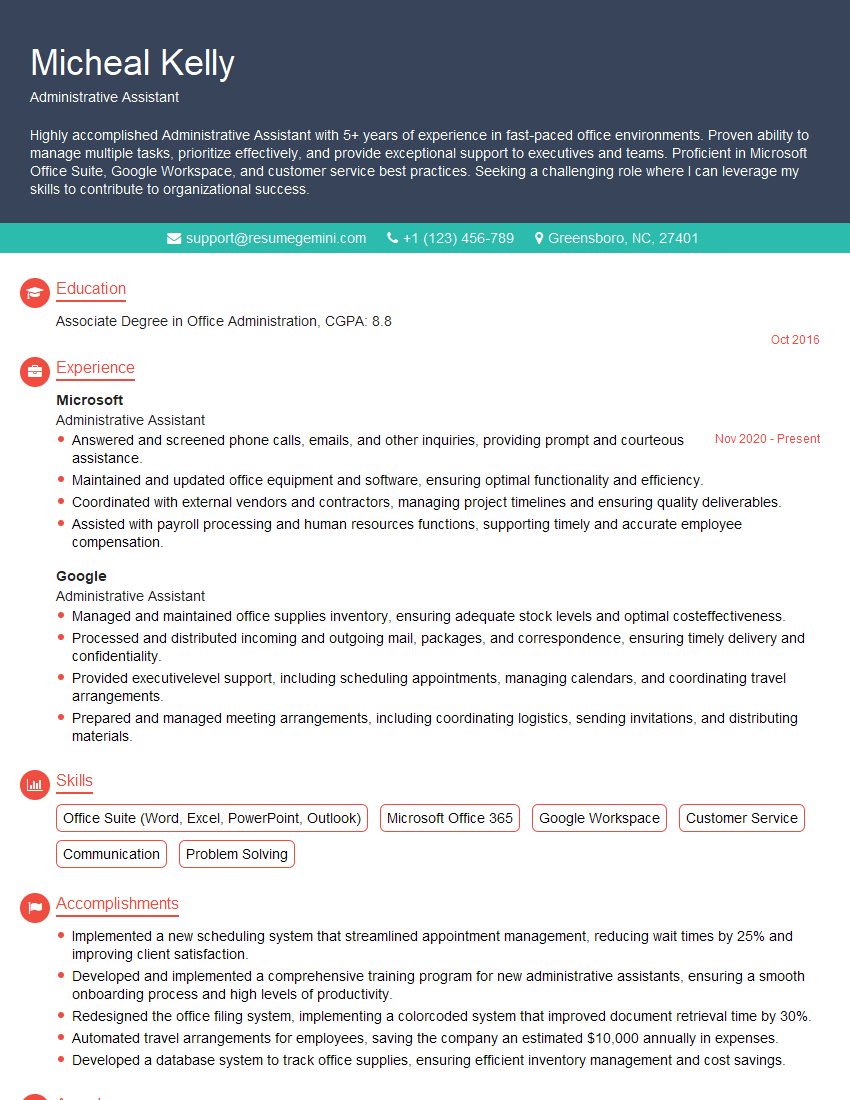
Administrative Assistant Resume Sample
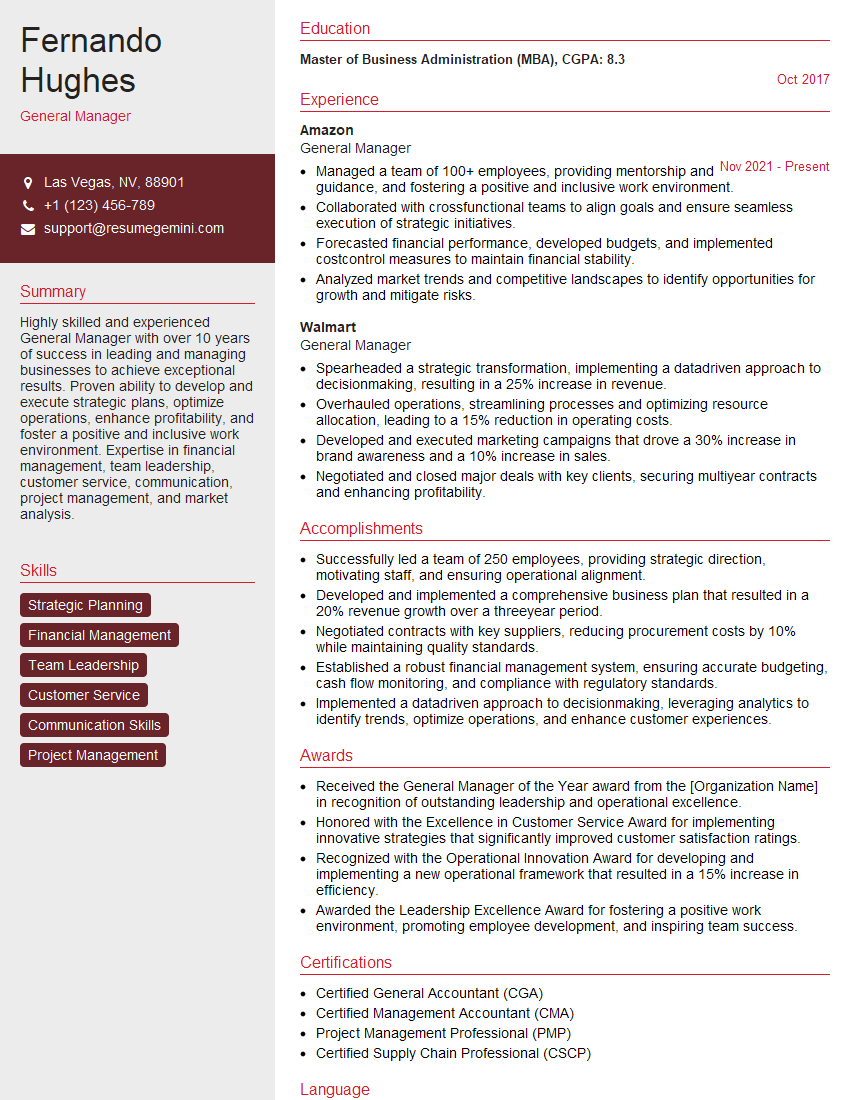
General Manager Resume Sample

Supply Chain Manager Resume Sample
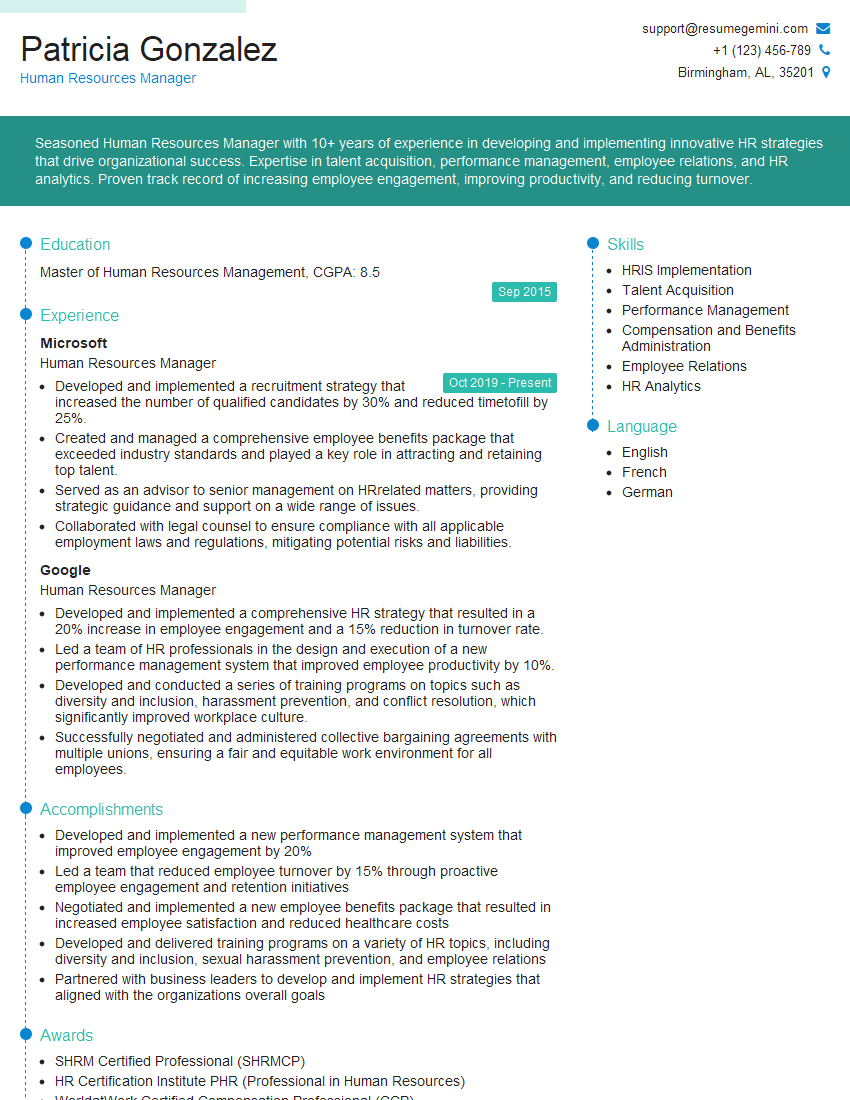
Human Resources Manager Resume Sample

Project Manager Resume Sample
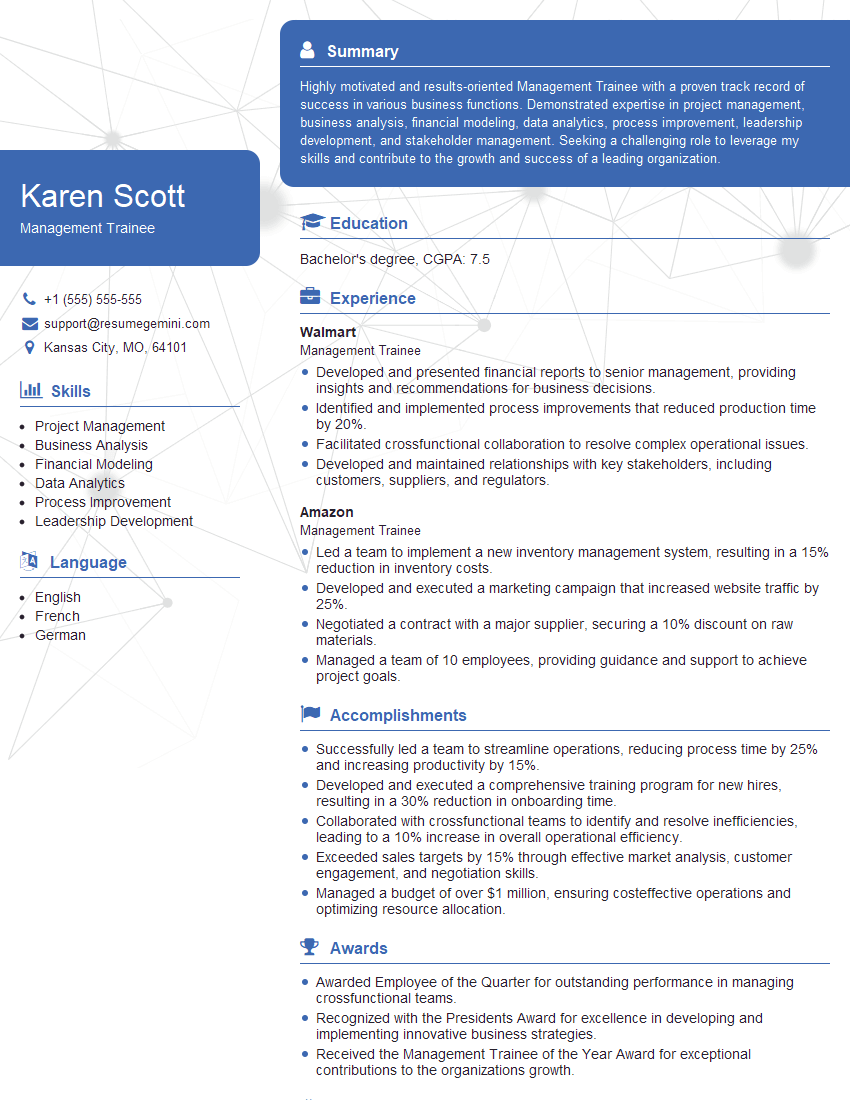
Management Trainee Resume Sample

Compliance Officer Resume Sample
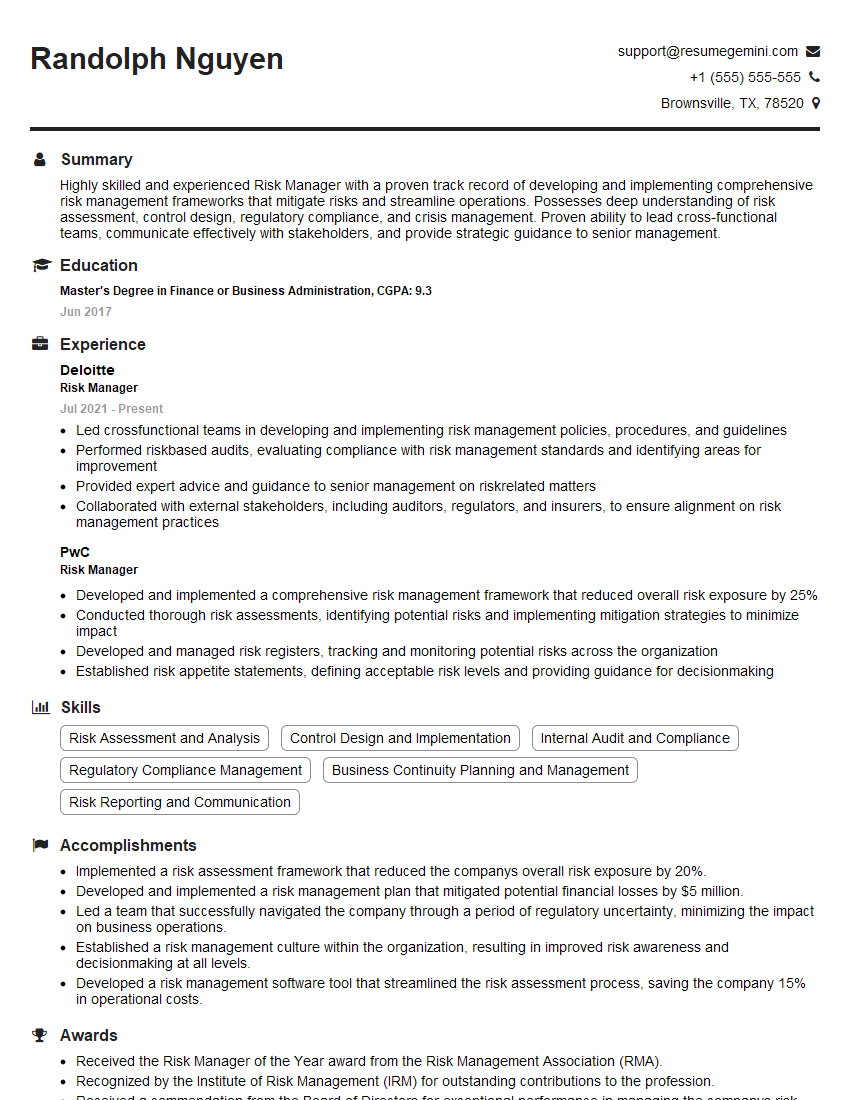
Risk Manager Resume Sample
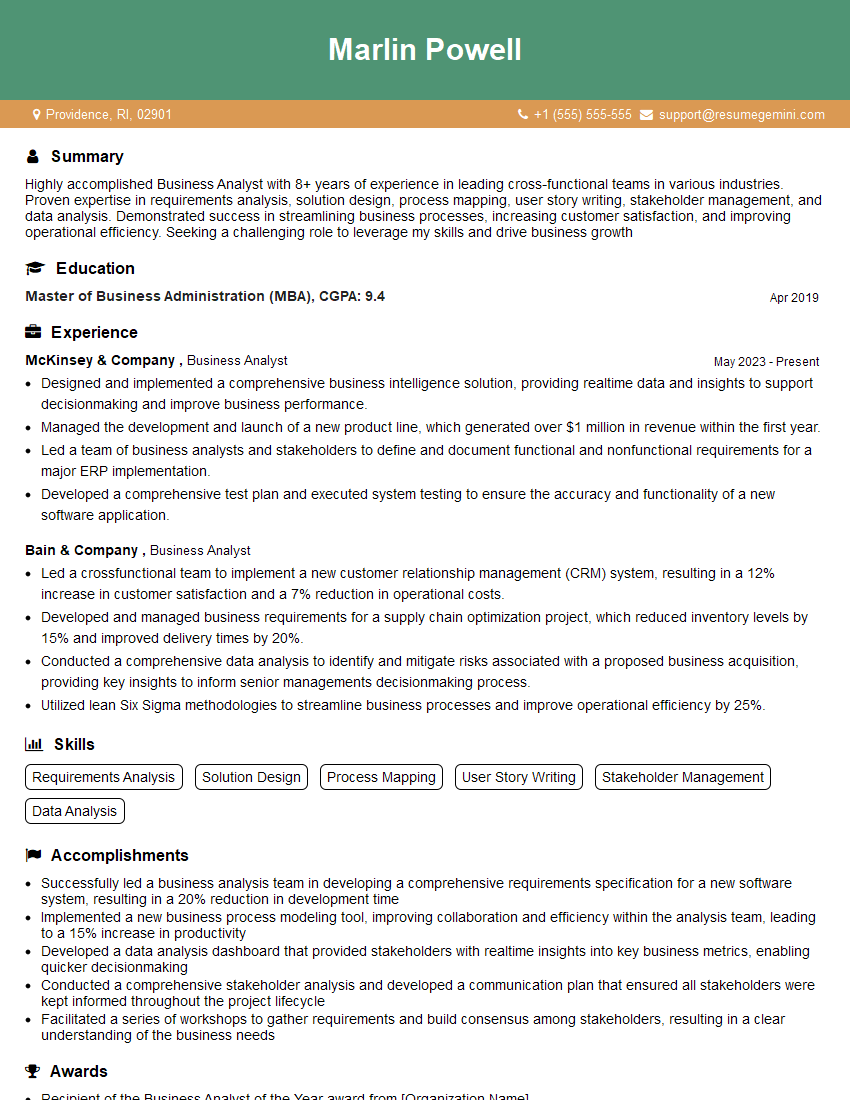
Business Analyst Resume Sample
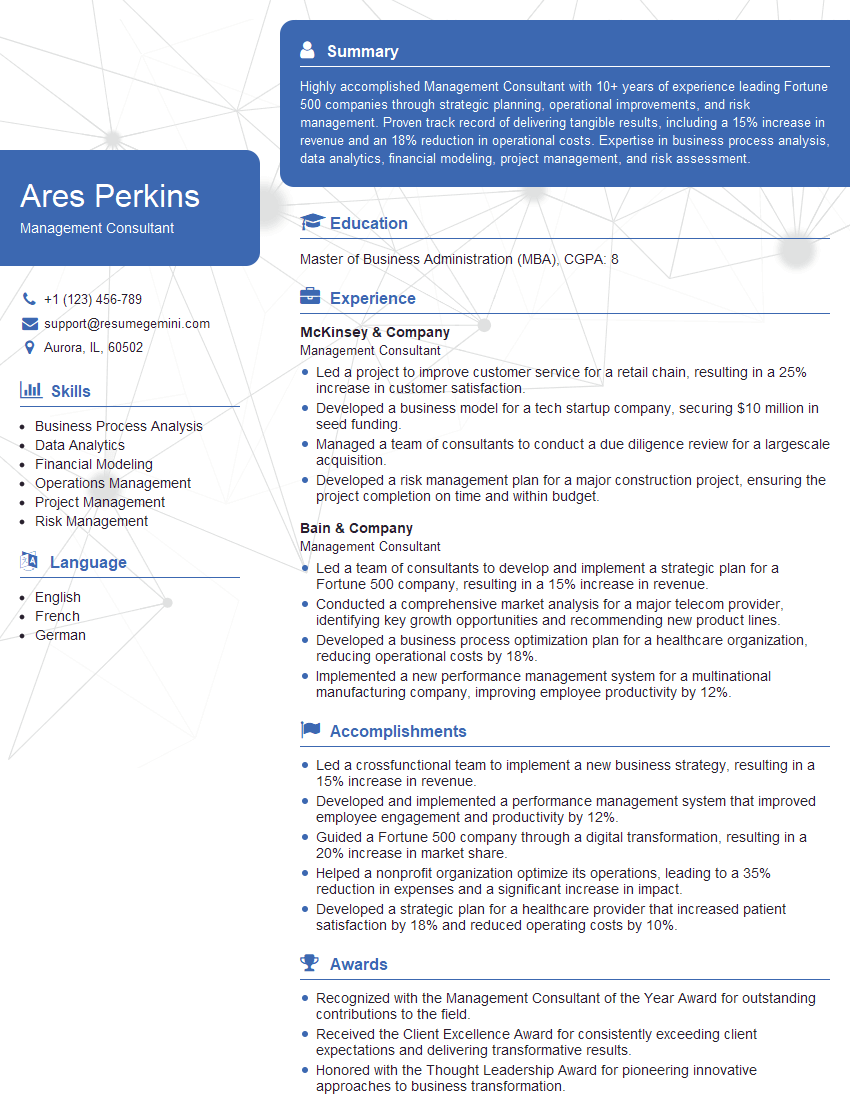
Management Consultant Resume Sample
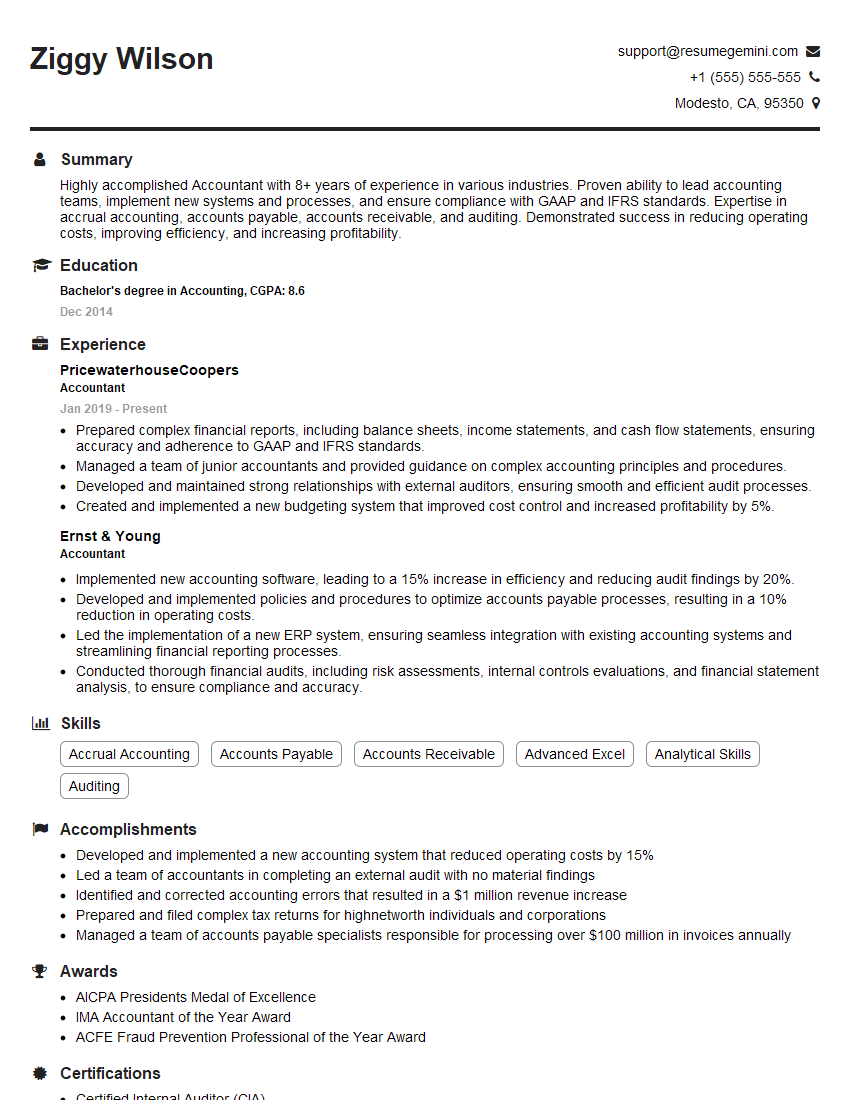
Accountant Resume Sample
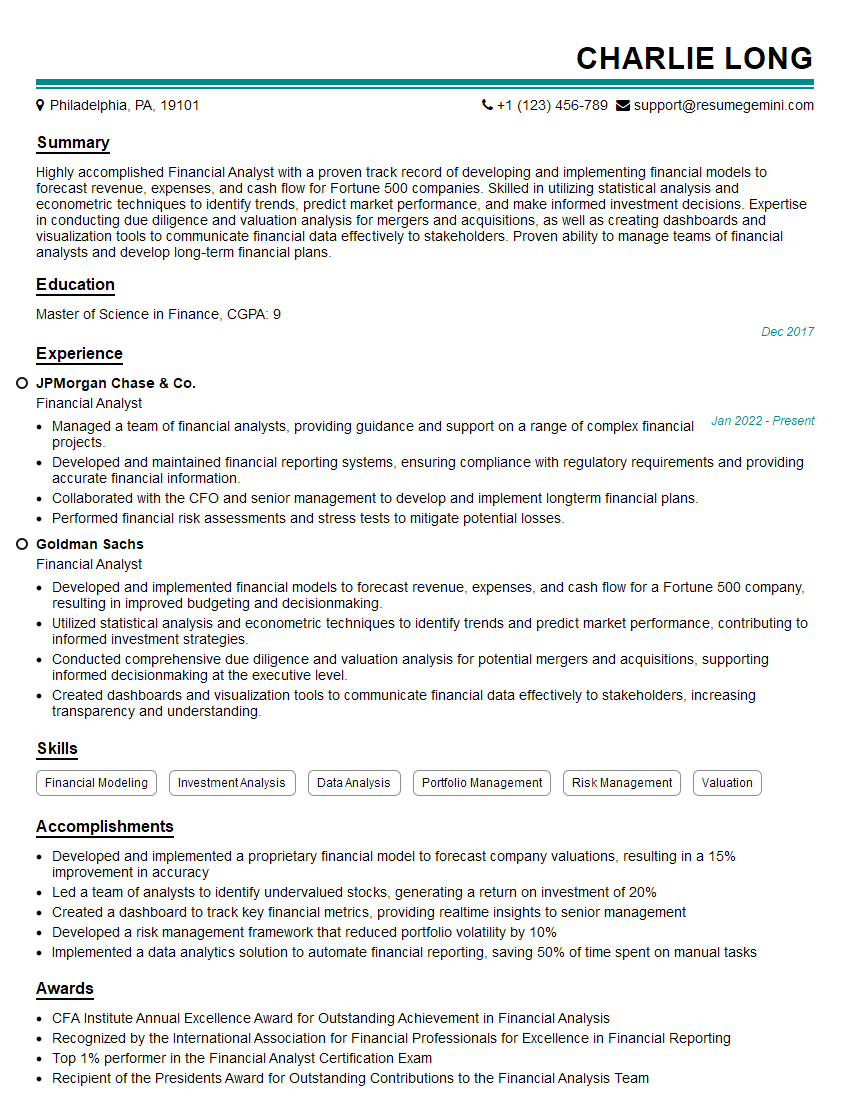
Financial Analyst Resume Sample

Data Analyst Resume Sample
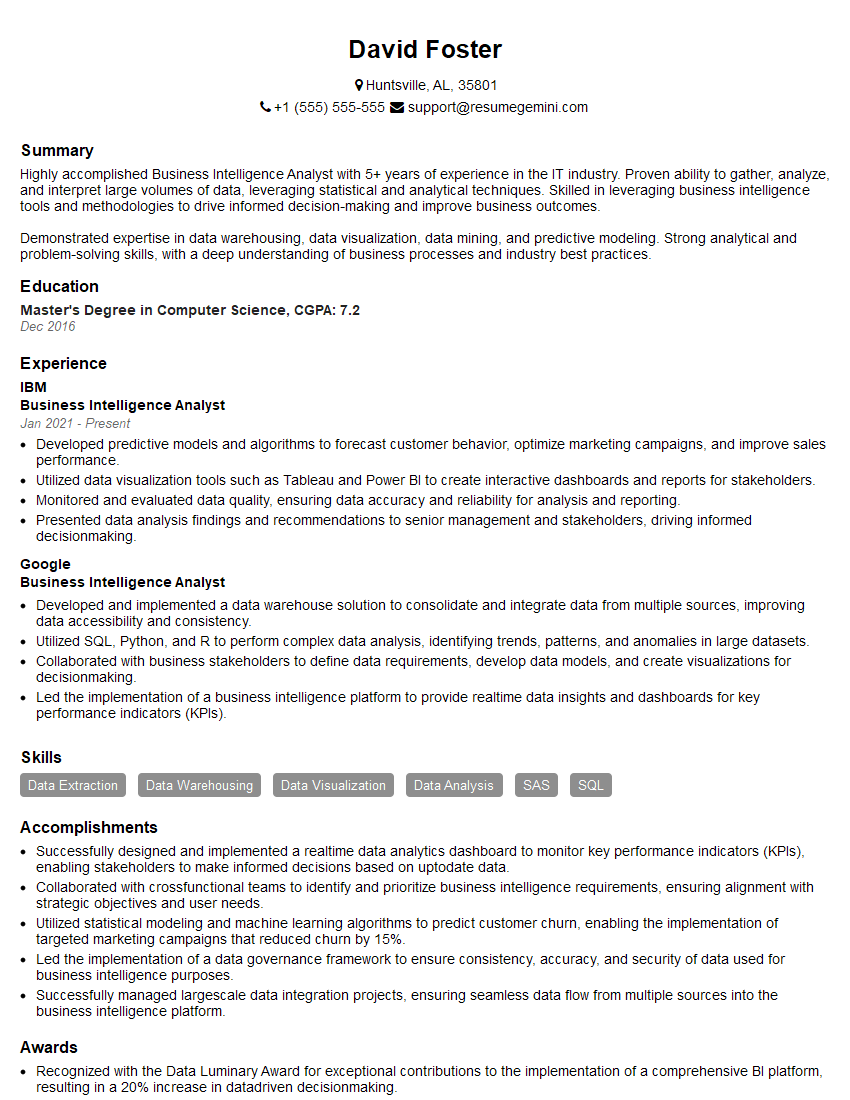
Business Intelligence Analyst Resume Sample
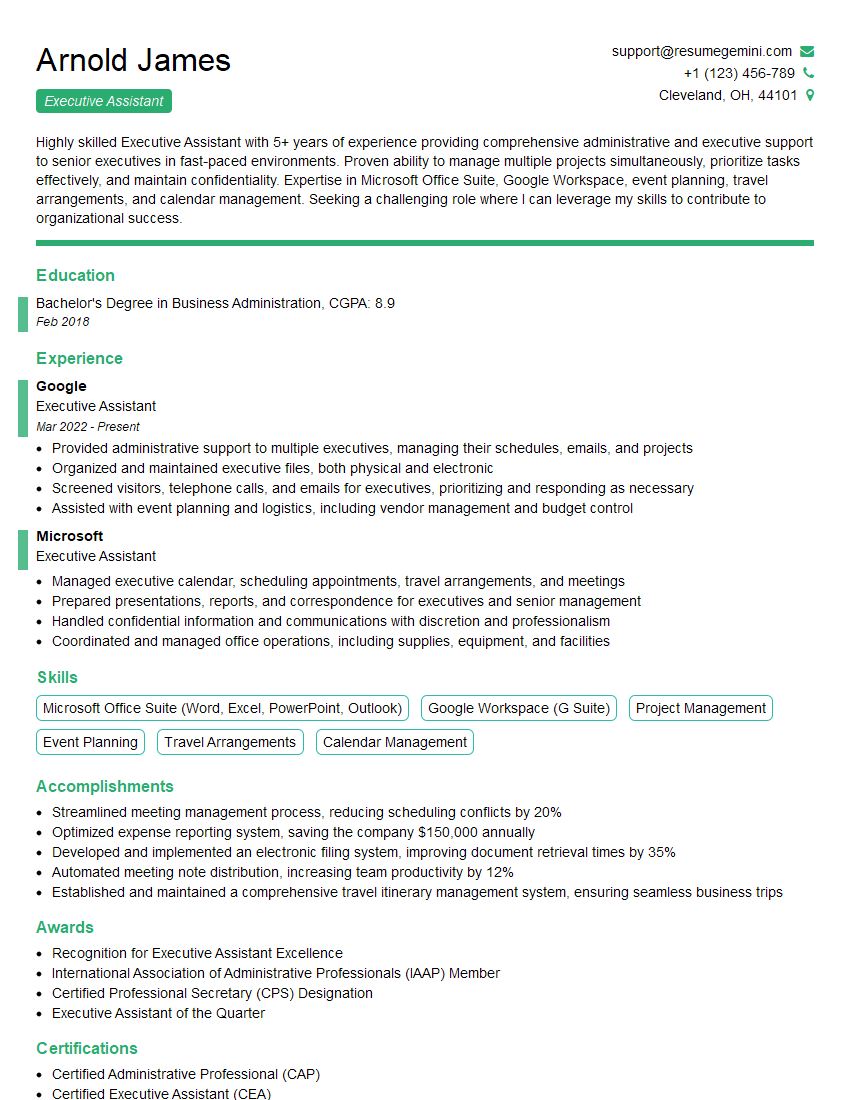
Executive Assistant Resume Sample
- Chief Financial Officer (CFO)
- Chief Operating Officer (COO)
- Program Manager
- Strategic Planner
- Office Manager
- Operations Manager
- Marketing Manager
- Sales Manager
- Business Development Manager
- Administrative Assistant
- General Manager
- Supply Chain Manager
- Human Resources Manager
- Project Manager
- Management Trainee
- Compliance Officer
- Risk Manager
- Business Analyst
- Management Consultant
- Accountant
- Financial Analyst
- Data Analyst
- Business Intelligence Analyst
- Executive Assistant
Explore more articles
Users Rating of Our Blogs
Share Your Experience
We value your feedback! Please rate our content and share your thoughts (optional).
What Readers Say About Our Blog
I Redesigned Spongebob Squarepants and his main characters of my artwork.
https://www.deviantart.com/reimaginesponge/art/Redesigned-Spongebob-characters-1223583608
IT gave me an insight and words to use and be able to think of examples
Hi, I’m Jay, we have a few potential clients that are interested in your services, thought you might be a good fit. I’d love to talk about the details, when do you have time to talk?
Best,
Jay
Founder | CEO