Cracking a skill-specific interview, like one for Cognitive and Social-Emotional Skills, requires understanding the nuances of the role. In this blog, we present the questions you’re most likely to encounter, along with insights into how to answer them effectively. Let’s ensure you’re ready to make a strong impression.
Questions Asked in Cognitive and Social-Emotional Skills Interview
Q 1. Describe your understanding of cognitive empathy.
Cognitive empathy is the ability to understand another person’s perspective, thoughts, and feelings from their point of view, without necessarily sharing those feelings. It’s about stepping into someone else’s shoes mentally and seeing the world from their perspective. It involves intellectual processing and understanding rather than emotional mirroring.
For example, if someone is expressing frustration about missing a deadline, cognitive empathy allows you to understand the reasons behind their frustration – perhaps a lack of resources, unexpected challenges, or a feeling of being overwhelmed. You don’t necessarily feel frustrated yourself, but you understand the logic and reasoning behind their emotions.
In a professional setting, cognitive empathy is crucial for effective communication, conflict resolution, and building strong working relationships. Understanding the perspectives of clients, colleagues, and stakeholders enables you to tailor your communication and approach to be more effective and resonant.
Q 2. Explain the difference between emotional intelligence and social intelligence.
While both emotional intelligence (EQ) and social intelligence (SQ) are crucial for navigating social situations, they focus on different aspects.
- Emotional intelligence refers to the ability to understand and manage your own emotions and the emotions of others. It involves self-awareness, self-regulation, empathy (both cognitive and emotional), and social skills. Think of it as your internal emotional compass.
- Social intelligence is broader and focuses on your ability to navigate and succeed in social situations. While it includes elements of emotional intelligence, it also encompasses other skills such as understanding social norms, building relationships, managing conflicts, and influencing others. It’s about effectively interacting within a social context.
For example, someone with high EQ might excel at understanding and responding to their team’s emotional needs during a stressful project. However, someone with high SQ might be better at networking effectively and building influential relationships across different departments to ensure project success. Ideally, both are crucial for optimal functioning.
Q 3. How do you assess an individual’s social-emotional learning needs?
Assessing an individual’s social-emotional learning (SEL) needs requires a multi-faceted approach. It goes beyond simply observing behavior; it involves gathering data from various sources.
- Observations: Observing the individual in different social contexts, noting their interactions, communication styles, and emotional responses.
- Self-Assessments: Utilizing questionnaires and surveys designed to assess self-awareness, self-management, social awareness, relationship skills, and responsible decision-making. These tools often incorporate scales to quantify responses.
- Teacher/Parent/Peer Reports: Gathering feedback from those who interact with the individual regularly provides additional perspectives on their social-emotional behaviors and skills.
- Performance Data: Examining academic performance, alongside behavioral records, can reveal potential correlations between social-emotional struggles and academic outcomes.
By combining these methods, a holistic profile emerges, allowing for a tailored SEL intervention plan addressing specific needs.
Q 4. What strategies do you employ to build rapport with diverse individuals?
Building rapport with diverse individuals requires a conscious effort to be respectful, understanding, and adaptable. My approach emphasizes:
- Active Listening: Paying close attention to what the individual is saying, both verbally and nonverbally. This shows respect and allows for a deeper understanding of their perspective.
- Empathy and Validation: Acknowledging and validating their feelings and experiences, even if I don’t necessarily agree with them. This creates a safe space for open communication.
- Cultural Sensitivity: Being aware of and respectful of different cultural norms and communication styles. This involves avoiding assumptions and actively seeking clarification when needed.
- Finding Common Ground: Identifying shared interests, experiences, or values to establish connections and build trust.
- Open-mindedness: Approaching interactions with a willingness to learn and understand different viewpoints.
For example, when working with someone from a different cultural background, I might start by asking about their experiences and perspectives before launching into my own ideas. This demonstrates respect and allows for a more meaningful interaction.
Q 5. Describe a situation where you had to manage a conflict effectively. What was your approach?
In a previous team project, a conflict arose between two team members regarding the division of tasks. One member felt overburdened, while the other felt their contributions were undervalued. My approach involved:
- Facilitating Open Communication: Creating a safe space for both individuals to express their concerns without interruption.
- Active Listening and Clarification: Ensuring I understood each person’s perspective fully before attempting to mediate. I asked clarifying questions to fully grasp the root of the issue.
- Identifying Shared Goals: Reminding them of the common objective—the successful completion of the project—to refocus their attention on collaboration.
- Collaborative Problem-Solving: Guiding them toward a mutually agreeable solution, such as redistributing tasks more equitably or establishing clearer communication channels.
- Follow-up: Checking in with both individuals after the conflict resolution to monitor the situation and ensure that the agreement is working effectively.
This approach led to a more equitable distribution of work and improved communication, resulting in a successful project completion.
Q 6. How do you facilitate group discussions and ensure everyone feels heard?
Facilitating effective group discussions requires a combination of strategies that promote participation and respect. My approach includes:
- Setting Clear Ground Rules: Establishing expectations for respectful communication, active listening, and equitable participation from the outset.
- Structuring the Discussion: Using techniques like brainstorming, round-robin sharing, or small group discussions to ensure everyone has an opportunity to contribute.
- Active Listening and Summarizing: Summarizing key points to confirm understanding and guide the conversation.
- Promoting Inclusive Participation: Encouraging quieter members to participate, while gently redirecting dominant voices to maintain balance.
- Managing Conflict Constructively: Addressing disagreements respectfully and guiding the group toward finding common ground.
- Using Visual Aids: Employing whiteboards, mind maps, or other visual tools to clarify ideas and structure the discussion.
For instance, I might use a ‘talking stick’ to ensure that everyone gets a chance to speak before anyone speaks twice. This promotes equity and reduces interruption.
Q 7. Explain your approach to teaching emotional regulation techniques.
Teaching emotional regulation involves equipping individuals with practical strategies to manage their emotions effectively. My approach is multifaceted:
- Mindfulness and Self-Awareness: Teaching techniques like deep breathing, meditation, and body scans to increase awareness of emotional states.
- Cognitive Restructuring: Helping individuals identify and challenge negative thought patterns that contribute to emotional distress.
- Problem-Solving Skills: Developing strategies for identifying and addressing the root causes of emotional challenges.
- Emotional Labeling: Providing a vocabulary for naming emotions, which improves self-awareness and communication.
- Relaxation Techniques: Teaching progressive muscle relaxation, guided imagery, or other relaxation methods to reduce physiological arousal associated with strong emotions.
- Self-Soothing Strategies: Identifying and practicing activities that provide comfort and self-regulation (e.g., listening to music, spending time in nature).
I also emphasize the importance of self-compassion and self-acceptance, recognizing that emotional regulation is an ongoing process that requires practice and patience.
Q 8. How do you handle individuals exhibiting disruptive behavior?
Disruptive behavior stems from unmet needs or a lack of coping mechanisms. My approach is multifaceted and focuses on understanding the root cause before addressing the behavior itself. I start by observing the individual’s behavior in context, noting triggers and patterns. Then, I engage in empathetic communication, seeking to understand their perspective and needs. This might involve active listening, reflecting their feelings, and validating their experiences.
Depending on the severity and nature of the disruption, strategies may include:
- Positive reinforcement: Rewarding positive behaviors and ignoring minor infractions.
- Setting clear expectations and boundaries: Establishing consistent rules and consequences.
- Providing alternative coping mechanisms: Teaching relaxation techniques, problem-solving strategies, or emotional regulation skills.
- Collaborating with others: Working with parents, teachers, or other professionals to create a consistent support system.
- Seeking professional help: Referring the individual to a therapist or counselor if necessary.
For example, I once worked with a student who frequently disrupted class by interrupting. Through observation, we discovered he was seeking attention due to feeling overlooked at home. By providing him with opportunities to participate positively and giving him individual attention when appropriate, his disruptive behavior significantly decreased.
Q 9. Describe your experience in designing and delivering training programs on social-emotional skills.
I have extensive experience designing and delivering training programs focused on social-emotional learning (SEL). My approach is always tailored to the specific audience, their needs, and the desired learning outcomes. I typically employ a blended learning model, combining interactive workshops, practical exercises, and online resources.
For instance, I developed a program for young professionals on emotional intelligence, incorporating role-playing scenarios to enhance empathy and communication skills. Another program I designed focused on conflict resolution for managers. This program leveraged case studies and group discussions to build participants’ ability to effectively address workplace conflicts. The curriculum incorporates various methodologies:
- Experiential learning: Using simulations, role-playing, and group activities to engage participants actively.
- Cognitive behavioral techniques: Introducing strategies for managing thoughts, feelings, and behaviors.
- Mindfulness practices: Incorporating mindfulness exercises to promote self-awareness and emotional regulation.
Post-training evaluations and follow-up sessions ensure sustained learning and the effective implementation of the skills acquired.
Q 10. What assessment tools are you familiar with for measuring cognitive and social-emotional skills?
I’m familiar with a range of assessment tools for measuring cognitive and social-emotional skills. The choice of assessment depends on the specific needs, age, and context of the individual being assessed.
For cognitive skills, I utilize standardized tests such as IQ tests (e.g., Wechsler scales) and neuropsychological assessments to evaluate areas like attention, memory, and executive functions.
For social-emotional skills, assessments are often more nuanced, involving a combination of methods:
- Self-report questionnaires: These tools assess an individual’s self-perception of their social-emotional skills (e.g., the Emotional Quotient Inventory).
- Observer ratings: Parents, teachers, or peers rate the individual’s social-emotional behavior.
- Behavioral observations: Direct observation of behavior in various settings provides valuable data.
- Projective assessments: Tools like the Thematic Apperception Test (TAT) can reveal underlying emotions and motivations.
Choosing the right assessment tools is crucial for accurate and meaningful results. Interpretation of assessment data requires careful consideration of individual factors and contextual information.
Q 11. How do you adapt your communication style to different audiences?
Adapting communication style is paramount for effective interaction. My approach centers on understanding the audience’s background, knowledge level, and preferred communication style. I consider factors like age, cultural background, and learning preferences.
For example, when communicating with children, I use simple language, visual aids, and playful activities. With adults, I maintain a more formal tone, using clear and concise language, and focusing on evidence-based approaches. When working with diverse cultural backgrounds, I’m mindful of potential linguistic and cultural nuances, showing respect for individual differences. I might adjust my communication style to accommodate various learning styles; some prefer visual aids, while others respond better to auditory information or hands-on activities. Ultimately, the goal is to tailor my communication to ensure clarity, engagement, and understanding across all audiences.
Q 12. How do you use cognitive restructuring techniques to help others?
Cognitive restructuring is a powerful technique for challenging and changing negative thought patterns. It involves identifying negative thoughts, examining their validity, and replacing them with more balanced and realistic ones. I guide individuals through a step-by-step process:
- Identify negative thoughts: We work together to identify recurring negative thought patterns. This might involve journaling, identifying triggers, and recognizing emotional responses.
- Challenge the validity of negative thoughts: We question the evidence supporting these thoughts, searching for alternative explanations and perspectives.
- Generate alternative thoughts: We collaboratively develop more balanced and realistic interpretations of events and situations.
- Practice positive self-talk: We encourage replacing negative self-talk with affirmations and positive self-statements.
For example, a client struggling with anxiety after a job interview might have the thought, “I completely bombed that interview; I’ll never get a job.” Through cognitive restructuring, we would explore the evidence supporting this, possibly finding that the client actually answered most questions well. Then, we would formulate alternative thoughts, such as, “I answered most questions confidently, and while I stumbled on one or two, that doesn’t mean I won’t get the job.”
Q 13. Describe a time you had to make a difficult decision based on ethical considerations.
I once faced a challenging ethical dilemma involving a client who disclosed information about potential harm to themselves. Maintaining client confidentiality is paramount, but in this situation, I had a legal and ethical obligation to ensure their safety. I carefully weighed my options, considering the potential risks and benefits of different courses of action.
After careful consideration and consultation with my supervisor, I determined the best course of action was to contact the appropriate authorities while maintaining as much client privacy as possible. This decision was not easy because it involved potentially breaching confidentiality, but I believed it was necessary to protect the client’s well-being, a decision that aligned with ethical guidelines that prioritized safety above confidentiality when serious harm is anticipated.
Q 14. Explain the importance of self-awareness in building strong relationships.
Self-awareness is the cornerstone of strong relationships. It’s the ability to understand one’s own emotions, thoughts, and behaviors and how they impact others. Without self-awareness, it’s difficult to understand our own needs and communicate them effectively, leading to misunderstandings and conflict.
A self-aware individual can:
- Identify and manage emotions effectively: Understanding one’s emotional triggers allows for better regulation and reduces reactivity in interactions.
- Communicate clearly and empathetically: Knowing one’s communication style helps deliver messages effectively and understanding others’ perspectives leads to more empathetic communication.
- Set healthy boundaries: Self-awareness enables clear boundary setting to protect one’s well-being without compromising respect for others.
- Take responsibility for actions: Self-awareness allows for acknowledgment of mistakes and willingness to learn and grow.
For instance, a person with strong self-awareness might recognize that they tend to get defensive when criticized. Understanding this, they can consciously work on their reactions, seeking to understand the criticism without immediately becoming defensive. This increased self-awareness significantly improves their ability to build healthy and respectful relationships.
Q 15. How do you promote a culture of collaboration and teamwork?
Promoting a culture of collaboration and teamwork isn’t about simply telling people to ‘work together’; it’s about fostering an environment where collaboration thrives. This involves a multifaceted approach focusing on communication, shared goals, and mutual respect.
Establish clear shared goals: When everyone understands the common objective, individual efforts naturally align. For example, in a project team, defining a clear project scope and measurable outcomes clarifies everyone’s role and contribution.
Encourage open communication: Regular team meetings, brainstorming sessions, and informal communication channels allow for the free flow of ideas and feedback. Using tools like project management software can also facilitate transparent communication and collaboration.
Foster a culture of trust and respect: Team members must feel comfortable voicing their opinions, taking risks, and acknowledging mistakes without fear of judgment. This requires active listening, empathy, and valuing diverse perspectives.
Provide opportunities for team building: Activities that encourage interaction outside of work projects, such as social events or team-building exercises, can strengthen relationships and enhance collaboration. Even simple activities like starting meetings with a quick team check-in can boost morale and collaboration.
Recognize and reward collaborative efforts: Acknowledging team successes and highlighting individual contributions that supported the collective goal reinforce the importance of teamwork.
Career Expert Tips:
- Ace those interviews! Prepare effectively by reviewing the Top 50 Most Common Interview Questions on ResumeGemini.
- Navigate your job search with confidence! Explore a wide range of Career Tips on ResumeGemini. Learn about common challenges and recommendations to overcome them.
- Craft the perfect resume! Master the Art of Resume Writing with ResumeGemini’s guide. Showcase your unique qualifications and achievements effectively.
- Don’t miss out on holiday savings! Build your dream resume with ResumeGemini’s ATS optimized templates.
Q 16. Describe your approach to providing feedback, both positive and constructive.
Effective feedback is a crucial aspect of personal and professional development. My approach centers around providing both positive reinforcement and constructive criticism in a timely and specific manner. I strive to make feedback a two-way conversation rather than a one-way lecture.
Positive feedback: I focus on specific behaviors or accomplishments, highlighting their impact and expressing sincere appreciation. For example, instead of saying ‘Good job!’, I might say, ‘I really appreciated your proactive approach to solving the client’s issue; your solution was both efficient and effective.’ This specificity makes the praise more meaningful.
Constructive criticism: I use the ‘sandwich method’ – starting with positive feedback, followed by constructive criticism focusing on specific behaviors and their impact, and ending with another positive note or encouragement for improvement. I also focus on providing actionable suggestions for improvement. For example, instead of saying ‘Your presentation was boring,’ I would say, ‘Your presentation contained some excellent data. To enhance its impact, consider incorporating more visuals and practicing your delivery to maintain better engagement with the audience.’
Two-way conversation: I encourage a dialogue, giving the recipient a chance to reflect, ask questions, and share their perspective. Active listening is key here – ensuring I understand their viewpoint before offering suggestions.
Q 17. How do you foster resilience and coping mechanisms in individuals?
Fostering resilience and coping mechanisms involves equipping individuals with the skills and strategies to navigate challenges and bounce back from setbacks. It’s about building their emotional intelligence and self-awareness.
Teaching self-regulation techniques: This includes mindfulness practices, deep breathing exercises, and stress management strategies. Learning to identify and manage one’s emotions is crucial for resilience.
Promoting problem-solving skills: Providing individuals with a structured framework for identifying problems, generating solutions, and evaluating outcomes helps them approach challenges with confidence.
Encouraging positive self-talk: Replacing negative self-criticism with positive affirmations and realistic self-assessment boosts confidence and motivation.
Building social support networks: Connecting individuals with supportive peers, mentors, or family members provides a crucial buffer during difficult times.
Modeling resilience: Sharing personal stories of overcoming challenges demonstrates that setbacks are a normal part of life and that perseverance pays off.
Q 18. What are the key components of effective active listening?
Effective active listening goes beyond simply hearing words; it’s about truly understanding the speaker’s message, both verbally and nonverbally.
Paying attention: This involves focusing on the speaker, minimizing distractions, and making eye contact.
Showing that you’re listening: Using verbal and nonverbal cues such as nodding, summarizing key points, and asking clarifying questions shows engagement.
Providing feedback: Paraphrasing or summarizing the speaker’s message ensures understanding and allows for correction if needed.
Deferring judgment: Withholding judgment until the speaker has finished allows for a full understanding of their perspective.
Responding appropriately: This includes offering empathy, providing support, and taking appropriate action based on the information received.
Q 19. Describe your understanding of different learning styles.
Understanding different learning styles is crucial for effective teaching and training. While the concept of distinct learning styles (visual, auditory, kinesthetic) is debated, acknowledging individual preferences for processing information is beneficial.
Visual learners: These individuals learn best through seeing information, such as diagrams, charts, and videos. Providing visual aids and written materials is crucial.
Auditory learners: These individuals learn best through hearing information, such as lectures, discussions, and audio recordings. Utilizing discussions, lectures, and audio-based learning is key.
Kinesthetic learners: These individuals learn best through hands-on activities, such as experiments, role-playing, and simulations. Incorporating practical applications and active learning is vital.
Multimodal approach: The most effective approach is often a multimodal one, incorporating various methods to cater to different learning preferences. A diverse range of learning activities ensures accessibility for everyone.
Q 20. How do you ensure the inclusivity of individuals from diverse backgrounds?
Ensuring inclusivity requires a proactive and ongoing commitment to creating a welcoming and equitable environment for individuals from all backgrounds. This involves understanding and addressing potential biases, promoting cultural awareness, and adapting practices to meet diverse needs.
Cultural sensitivity training: Educating staff and participants on cultural differences and biases is essential. This includes training on unconscious bias, microaggressions, and inclusive language.
Adapting communication styles: Recognizing that individuals may have different communication styles and preferences is crucial. Clear, concise, and culturally sensitive communication is key.
Accessibility considerations: Ensuring materials and activities are accessible to individuals with disabilities, including providing alternative formats, assistive technologies, and reasonable accommodations.
Creating diverse learning environments: Incorporating diverse perspectives and experiences into curriculum and activities promotes understanding and inclusivity. This may include diverse examples, case studies, and guest speakers.
Open communication channels: Establishing safe and accessible communication channels for individuals to voice concerns and provide feedback allows for continuous improvement and proactive addressing of potential issues.
Q 21. What are the challenges of implementing social-emotional learning programs?
Implementing social-emotional learning (SEL) programs presents several challenges, including resistance to change, lack of resources, and difficulties in measurement.
Resistance to change: Some individuals may be resistant to adopting new approaches to teaching and learning, particularly if they are unfamiliar with SEL concepts.
Lack of resources: Implementing effective SEL programs requires adequate funding, training, and materials, which may not be readily available in all settings.
Difficulties in measurement: Measuring the effectiveness of SEL programs can be challenging, as the outcomes are often intangible and difficult to quantify.
Teacher training and buy-in: Effective implementation requires properly trained teachers who are passionate about and committed to the program. Lack of teacher training or buy-in can hinder success.
Time constraints: Integrating SEL into an already packed curriculum can be difficult, requiring careful planning and prioritization.
Q 22. How do you evaluate the success of social-emotional learning interventions?
Evaluating the success of social-emotional learning (SEL) interventions requires a multifaceted approach that goes beyond simple observation. We need to measure changes in both individual student behaviors and the overall classroom climate.
- Pre- and Post-Assessments: Standardized SEL assessments, like the Social-Emotional Assessment for Early Childhood (SEAEC) or the Social Emotional Learning Inventory (SELI), provide baseline data and track progress on specific skills (self-awareness, self-management, social awareness, relationship skills, responsible decision-making). These should be administered before and after the intervention.
- Behavioral Observations: Teachers and trained observers can use checklists and rating scales to document changes in students’ behavior in various settings (classroom, playground, etc.). This provides valuable qualitative data.
- Teacher and Student Feedback: Gathering feedback through surveys, interviews, or focus groups provides insights into the perceived impact of the intervention from both the student’s and teacher’s perspective. This helps gauge satisfaction and identify areas for improvement.
- Indirect Measures: We can look at improvements in academic performance, reduced disciplinary referrals, and increased positive interactions among students. These are often indicators of successful SEL implementation.
- Data Triangulation: The key is to combine data from multiple sources. For instance, combining quantitative data from standardized tests with qualitative observations from teachers creates a more comprehensive picture of the intervention’s impact.
For example, if an SEL program focused on improving conflict resolution skills, we’d look for a reduction in reported conflicts, improvements in students’ ability to use effective conflict resolution strategies (as observed by teachers), and positive feedback from both students and teachers regarding the program’s effectiveness.
Q 23. How do you address biases in your assessment and intervention strategies?
Addressing biases in assessment and intervention is crucial for ensuring equitable outcomes in SEL. Unconscious biases can creep into our evaluations and affect the support we offer students. Here’s how I address them:
- Cultural Sensitivity: I ensure that assessments and interventions are culturally relevant and sensitive to the diverse backgrounds of the students I work with. This includes using culturally appropriate language and considering cultural norms that may influence behavior.
- Bias Awareness Training: Ongoing professional development helps me recognize my own biases and learn strategies to mitigate their impact. This is particularly relevant to implicit biases that affect how we interpret student behavior.
- Culturally Responsive Assessment: I use assessment tools that are designed to be fair and unbiased, avoiding instruments that inadvertently penalize students from specific cultural or linguistic backgrounds. This may involve employing multiple assessment methods, including observation, interviews, and culturally relevant performance tasks.
- Data Analysis: I examine data carefully to identify any patterns that might suggest bias. For example, are certain groups disproportionately represented in disciplinary actions, even after controlling for other factors? If so, this signals a need for intervention at a systemic level.
- Collaboration: I collaborate with families and community members to gain a richer understanding of each student’s background and context. This helps me tailor interventions to their unique needs and avoid making assumptions based on stereotypes.
For instance, if I notice a disproportionate number of students from a particular ethnic background receiving referrals for disruptive behavior, I’d investigate further – are there cultural misunderstandings at play? Are there systemic factors within the school affecting this group disproportionately? Addressing biases necessitates constant vigilance and a commitment to continuous learning.
Q 24. Explain the impact of trauma on cognitive and social-emotional development.
Trauma significantly impacts both cognitive and social-emotional development. Exposure to adverse childhood experiences (ACEs) can disrupt brain development, leading to challenges in learning, emotional regulation, and social interaction.
- Cognitive Impact: Trauma can affect attention, memory, executive functioning (planning, organization, problem-solving), and learning abilities. Children may struggle to concentrate, recall information, and complete tasks requiring higher-order thinking skills. This can manifest as learning difficulties and academic underachievement.
- Social-Emotional Impact: Trauma often results in heightened anxiety, fear, depression, difficulty regulating emotions, and challenges in forming healthy relationships. Children might exhibit aggression, withdrawal, or hypervigilance. They may struggle to trust others and experience difficulties with emotional expression and empathy.
- Neurobiological Effects: Trauma alters the brain’s stress response system, leading to persistent hyper-arousal or hypo-arousal. This can lead to difficulties in regulating emotions and responding appropriately to social cues.
For example, a child who has experienced significant neglect might struggle with attachment issues, exhibiting difficulty forming trusting relationships with adults or peers. They may also demonstrate difficulties with self-regulation, exhibiting impulsive behaviors or emotional outbursts. Understanding the neurobiological consequences of trauma allows for more effective and compassionate intervention strategies.
Q 25. How do you differentiate between anxiety and depression in children?
Differentiating between anxiety and depression in children can be challenging, as they often co-occur and share some symptoms. However, there are key distinctions:
- Anxiety: Characterized by excessive worry, fear, and nervousness, often focused on specific situations or objects (e.g., social anxiety, separation anxiety, specific phobias). Physical symptoms may include rapid heart rate, sweating, and difficulty sleeping. Children with anxiety tend to be highly self-conscious and preoccupied with potential threats.
- Depression: Involves persistent sadness, loss of interest or pleasure in activities, changes in appetite or sleep, feelings of worthlessness or guilt, and difficulty concentrating. Children may exhibit irritability, fatigue, and social withdrawal. They often have a pervasive sense of hopelessness and despair.
Key Differences: While both can cause sadness, anxiety is more focused on future-oriented worry, while depression is often rooted in a persistent negative mood and sense of hopelessness. Anxiety symptoms tend to be more episodic (with periods of intense anxiety punctuated by calmer periods), whereas depression is characterized by a more pervasive and persistent low mood.
Important Note: A proper diagnosis requires a professional assessment by a qualified mental health professional. Parents or educators noticing symptoms should seek professional help for accurate diagnosis and appropriate intervention.
Q 26. Describe your experience using technology to support social-emotional learning.
Technology offers powerful tools to support social-emotional learning. I’ve used various technologies in my work, focusing on their ability to provide engaging, personalized, and accessible support.
- Educational Apps and Games: Apps like ‘Calm’ or ‘Smiling Mind’ offer guided meditations and mindfulness exercises, which can be incredibly beneficial for self-regulation and stress management. Games designed to promote empathy or collaboration can foster social awareness and relationship skills.
- Virtual Reality (VR): VR can create immersive experiences to simulate social situations, helping children practice social skills in a safe and controlled environment. For example, VR can be used to simulate a social interaction, providing opportunities for practicing assertive communication or managing conflict.
- Online Platforms for SEL Curriculum: Many online platforms deliver structured SEL curricula, providing interactive lessons, videos, and activities that can be accessed by students anytime, anywhere. This is particularly useful for remote learning or supplementing in-class instruction.
- Data-Driven Insights: Technology can track student progress in SEL, providing valuable data to inform instruction and personalize interventions. This helps us adapt teaching strategies to individual student needs.
For example, I’ve used a platform providing gamified SEL activities where students can earn points and badges for demonstrating specific social-emotional skills. The platform also provides data on student participation and performance, helping me identify students who may need additional support.
Q 27. How do you maintain ethical boundaries when working with individuals?
Maintaining ethical boundaries is paramount in my work. I adhere to a strict code of ethics to ensure the well-being and safety of my clients.
- Informed Consent: Before starting any intervention, I obtain informed consent from clients (or their parents/guardians) outlining the nature of services, potential risks and benefits, and confidentiality procedures.
- Confidentiality: I maintain strict confidentiality, sharing information only with those directly involved in the client’s care and when legally required. I clearly explain the limits of confidentiality.
- Dual Relationships: I avoid dual relationships, such as simultaneously serving as a client’s therapist and teacher, to prevent potential conflicts of interest.
- Professional Boundaries: I maintain appropriate professional boundaries in all interactions, avoiding overly casual or personal relationships with clients. This includes setting clear limits on the time and scope of interactions.
- Supervision and Consultation: I regularly engage in supervision and consultation with colleagues to discuss ethical dilemmas and ensure I am providing the best possible care.
- Self-Reflection: I regularly reflect on my practice to identify potential ethical challenges and address any biases or countertransference issues that might influence my interactions with clients.
For instance, if a client shares sensitive information that might indicate a risk to themselves or others, I am obligated to take appropriate action, potentially involving child protective services, while carefully considering the ethical implications of reporting.
Q 28. How do you prioritize self-care to prevent burnout?
Preventing burnout is critical for maintaining effectiveness and compassion in my work. Self-care is not a luxury; it’s a necessity.
- Maintaining Healthy Boundaries: Setting clear boundaries between work and personal life is fundamental. This includes designating specific work hours and disconnecting after work hours to avoid overwork.
- Regular Breaks and Downtime: Incorporating regular breaks during the workday, and ensuring sufficient time off for relaxation and rejuvenation, is vital for preventing exhaustion. This can include short mindfulness exercises throughout the day.
- Physical Activity and Healthy Diet: Regular exercise, a balanced diet, and sufficient sleep profoundly impact both physical and mental well-being. These habits promote stress resilience and reduce burnout risk.
- Mindfulness and Self-Compassion: Engaging in mindfulness practices (meditation, yoga) can help manage stress and build emotional resilience. Practicing self-compassion is also important, acknowledging that it’s okay to feel overwhelmed sometimes and taking steps to support oneself.
- Social Connections: Maintaining healthy social connections outside of work provides crucial emotional support and helps prevent feelings of isolation. It provides a much-needed break from the pressures of the job.
- Seeking Support: Don’t hesitate to seek supervision, consultation, or peer support when needed. Talking to colleagues or a supervisor about challenges can provide valuable perspective and practical coping strategies.
For example, I make a point of taking a 30-minute walk during my lunch break most days, and I prioritize getting 7-8 hours of sleep every night. I also regularly participate in mindfulness meditation, which helps me manage stress and improve my focus.
Key Topics to Learn for Cognitive and Social-Emotional Skills Interview
Preparing for an interview focusing on cognitive and social-emotional skills requires a multifaceted approach. Success hinges on demonstrating a deep understanding of these skills, not just in theory, but also in practical application. This section outlines key areas to focus on:
- Cognitive Skills: Problem-Solving & Critical Thinking: Explore various problem-solving frameworks (e.g., root cause analysis, Six Thinking Hats) and demonstrate your ability to approach complex situations logically and methodically. Practice articulating your thought process clearly and concisely.
- Cognitive Skills: Learning Agility & Adaptability: Showcase examples where you’ve quickly learned new skills or adapted to changing circumstances. Highlight your ability to embrace challenges and see them as opportunities for growth. Consider examples from personal or professional experiences.
- Social-Emotional Skills: Self-Awareness & Emotional Intelligence: Understand how your emotions impact your work and relationships. Practice identifying and managing your emotions effectively. Be prepared to discuss situations where you’ve demonstrated self-awareness and empathy.
- Social-Emotional Skills: Communication & Collaboration: Focus on your ability to communicate effectively, both verbally and in writing, across different audiences. Highlight experiences demonstrating successful teamwork, conflict resolution, and active listening.
- Social-Emotional Skills: Resilience & Stress Management: Discuss strategies you employ to handle stress and bounce back from setbacks. Demonstrate your ability to maintain composure and productivity under pressure. Be ready to share specific examples.
- Practical Application: Case Studies & Examples: Prepare specific, quantifiable examples from your past experiences to illustrate your mastery of these skills. The STAR method (Situation, Task, Action, Result) is a useful framework for structuring your responses.
Next Steps
Mastering cognitive and social-emotional skills is crucial for career advancement. These skills are highly valued by employers as they contribute to increased productivity, improved teamwork, and stronger leadership. To maximize your job prospects, it’s essential to present these skills effectively on your resume. Creating an ATS-friendly resume is vital in ensuring your application gets noticed.
We encourage you to leverage ResumeGemini, a trusted resource for building professional and impactful resumes. ResumeGemini provides tools and examples to help you craft a compelling narrative showcasing your cognitive and social-emotional skills. Examples of resumes tailored to highlight these skills are available within the platform.
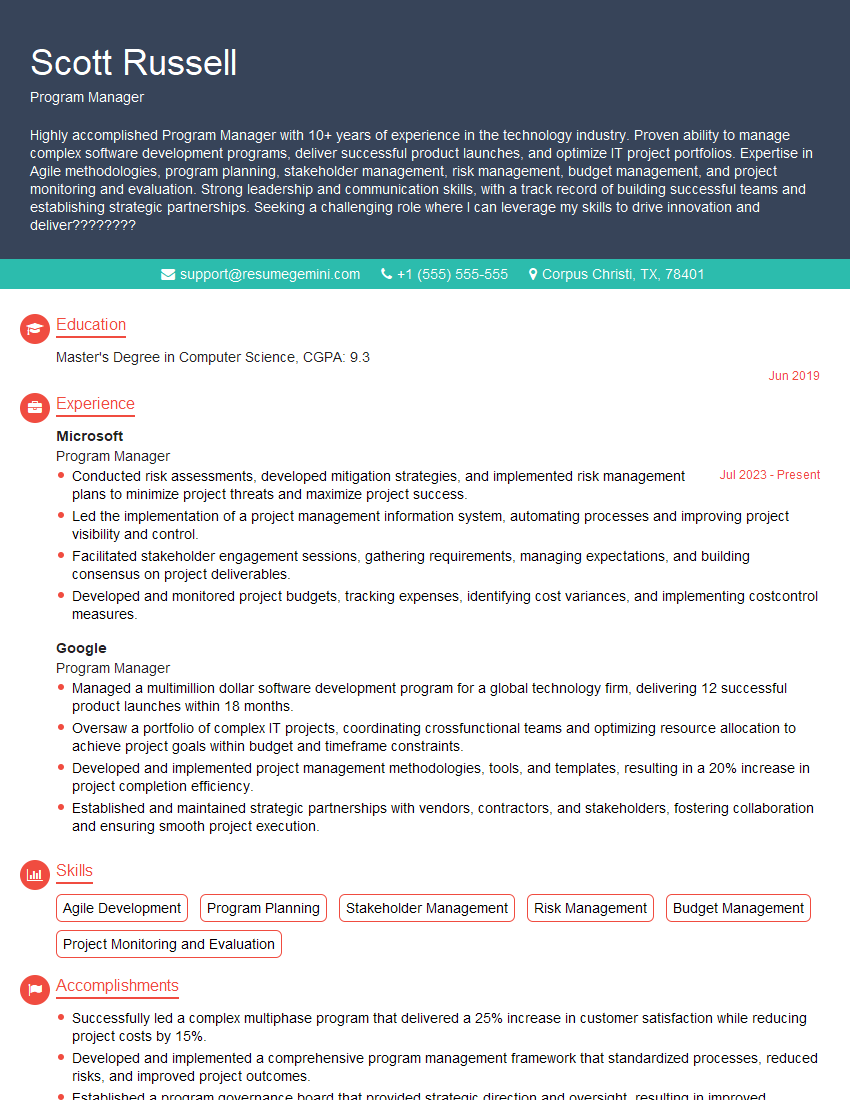
Program Manager Resume Sample
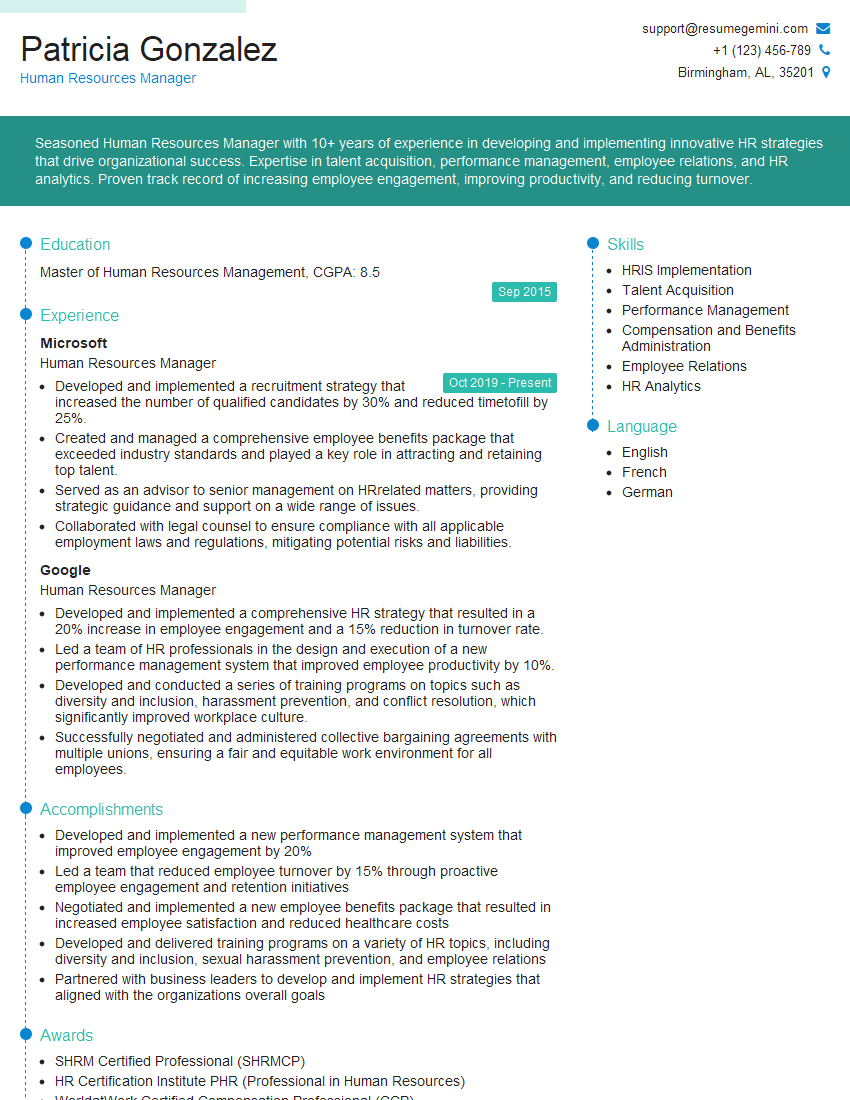
Human Resources Manager Resume Sample
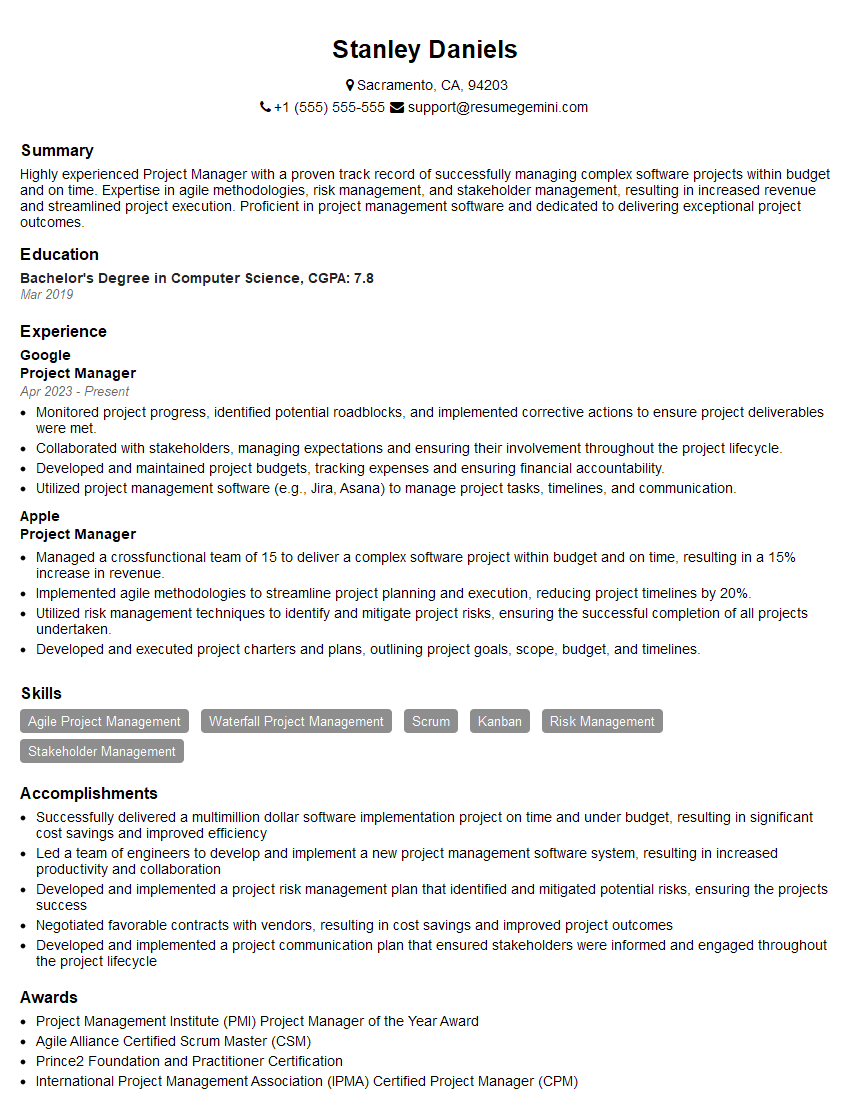
Project Manager Resume Sample
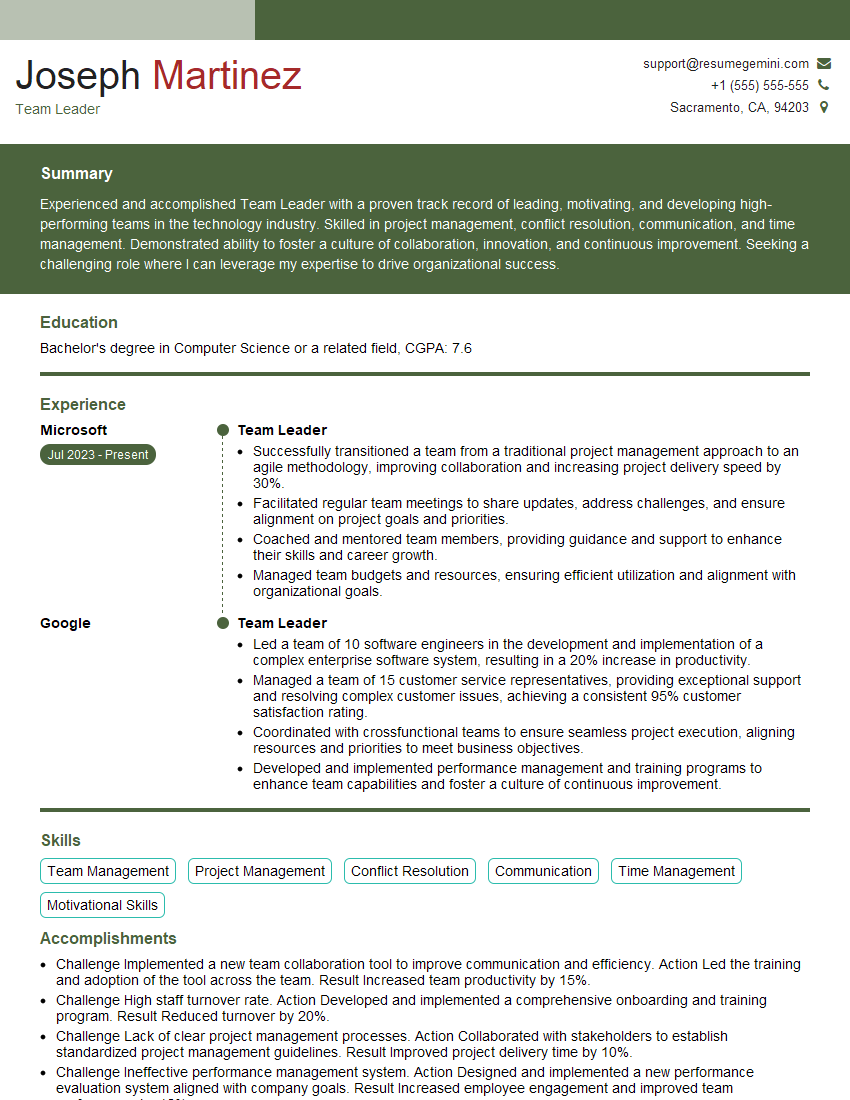
Team Leader Resume Sample
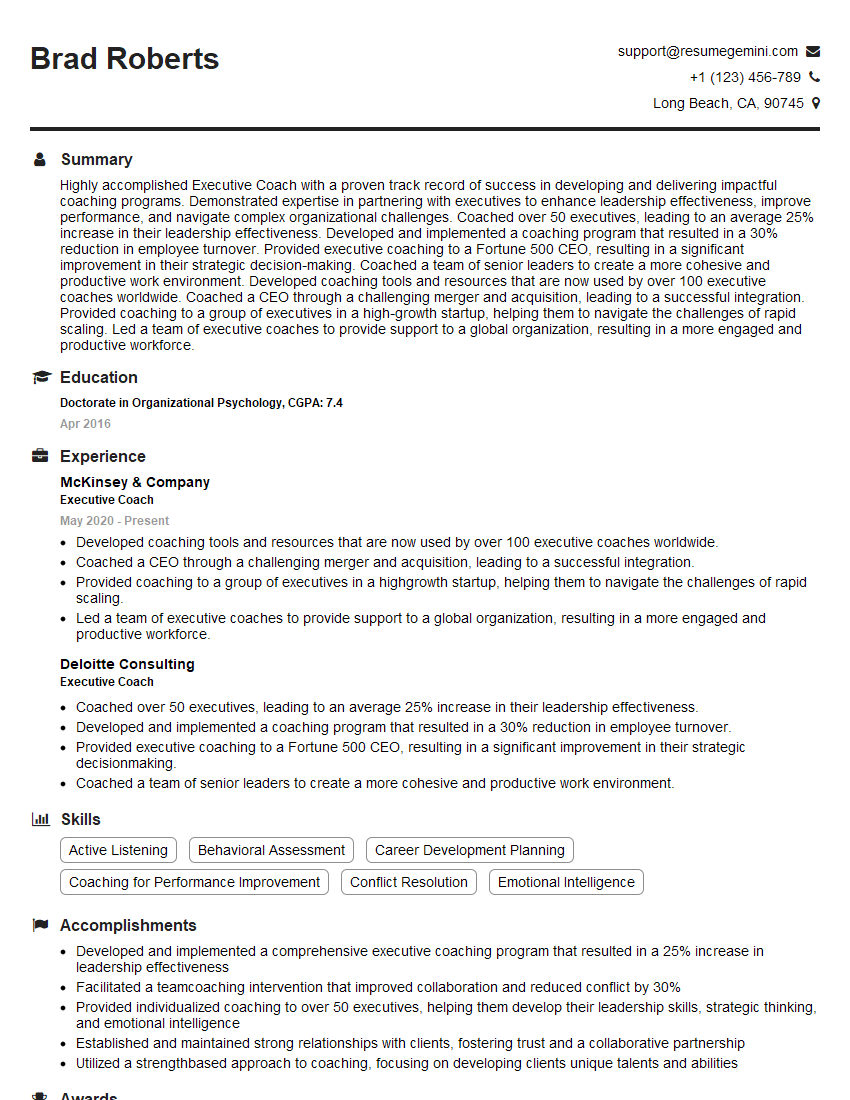
Executive Coach Resume Sample
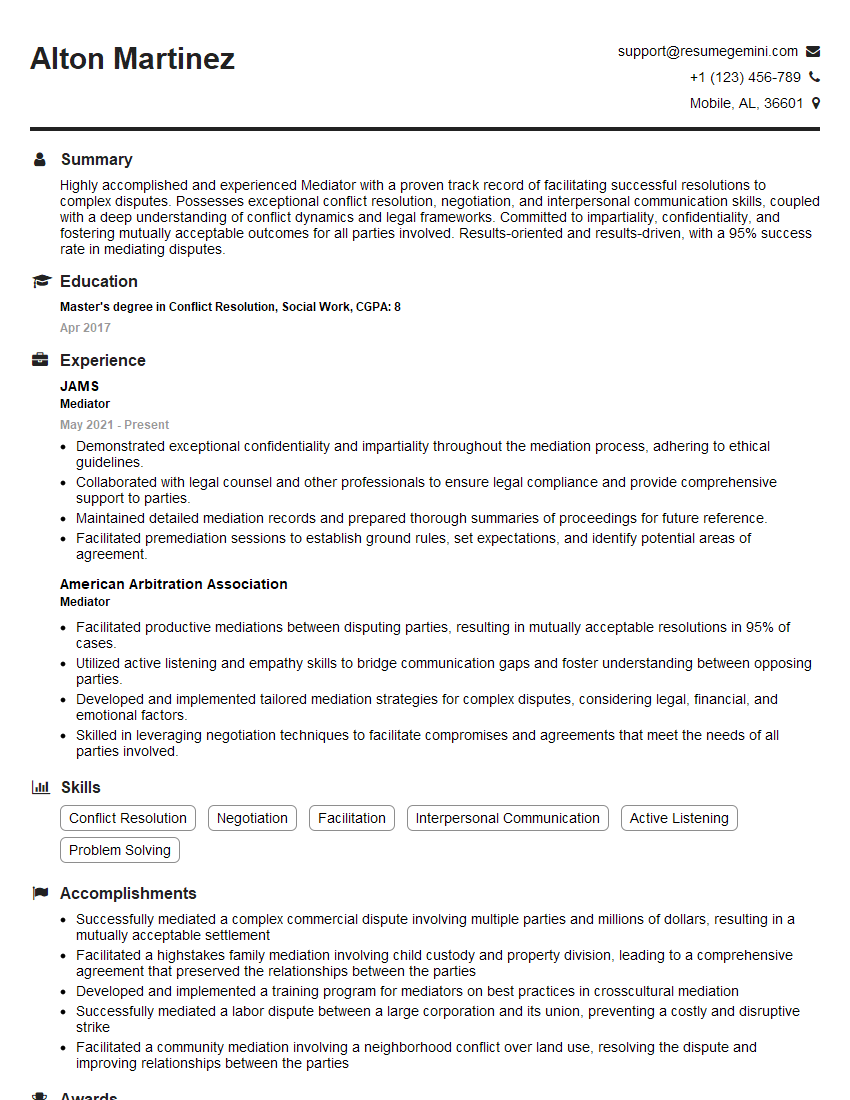
Mediator Resume Sample
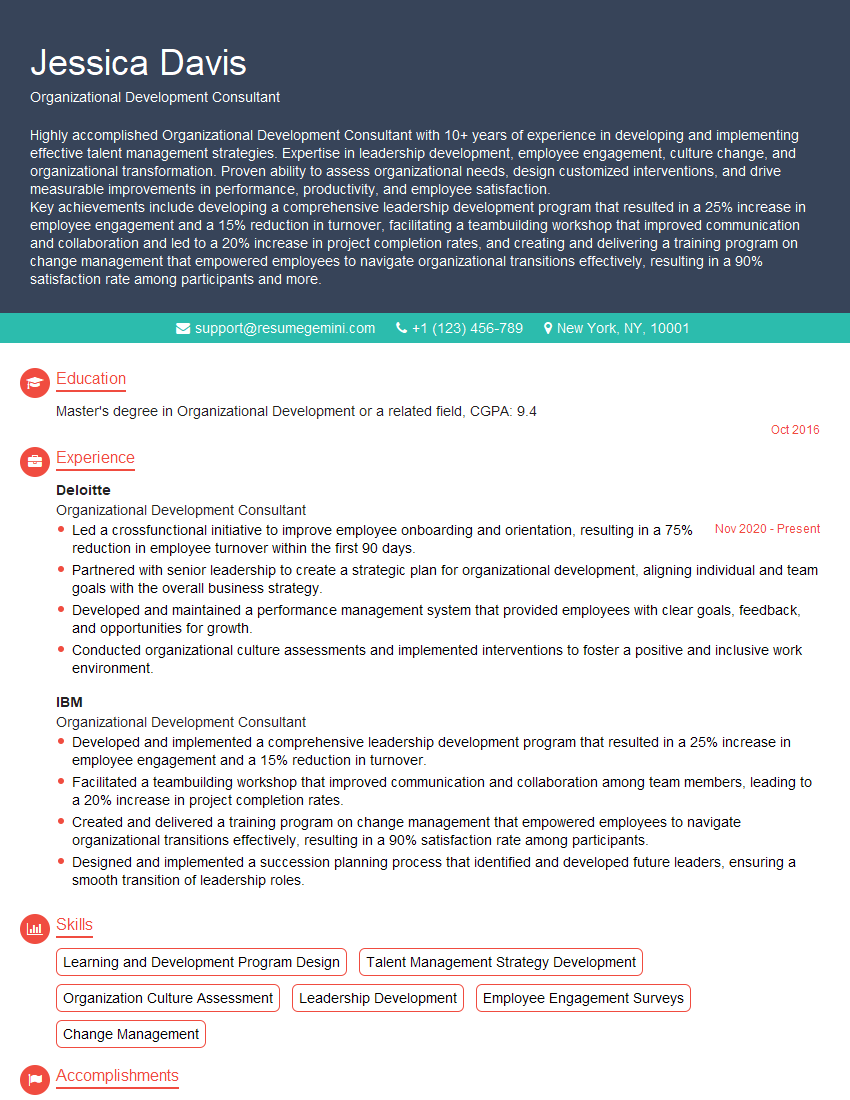
Organizational Development Consultant Resume Sample
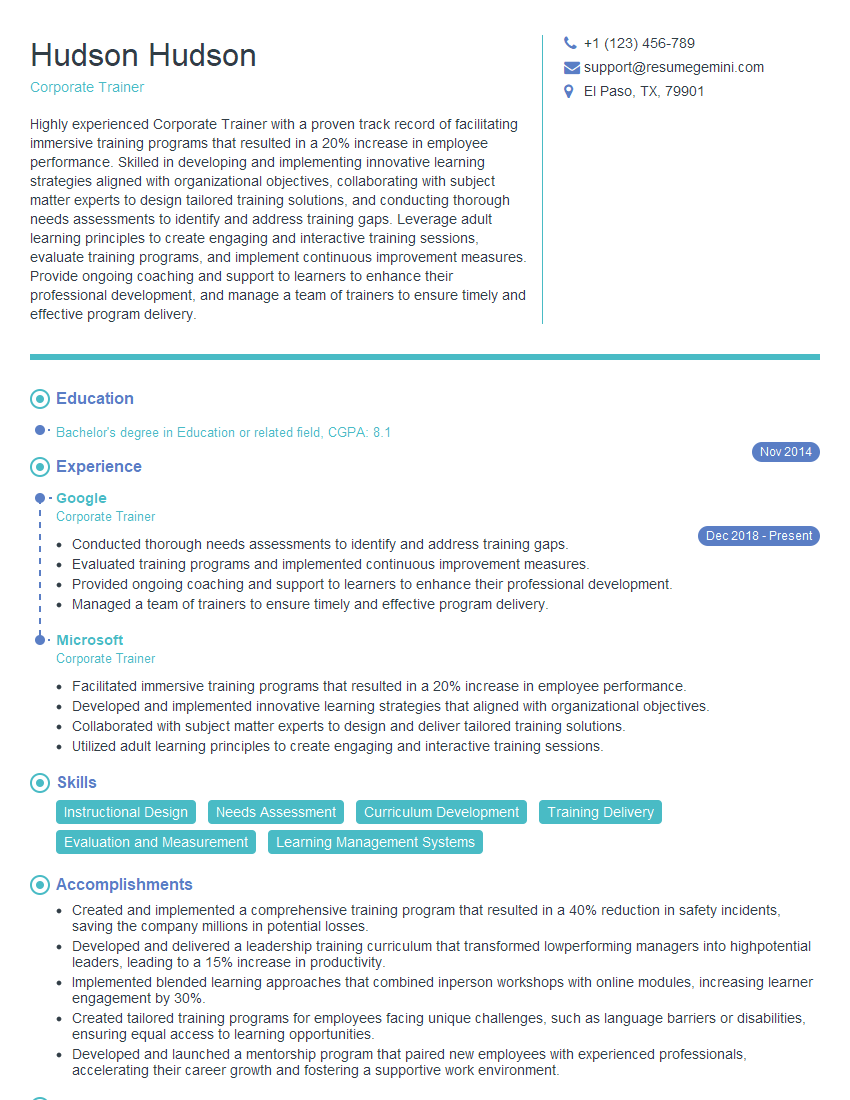
Corporate Trainer Resume Sample

Curriculum Developer Resume Sample
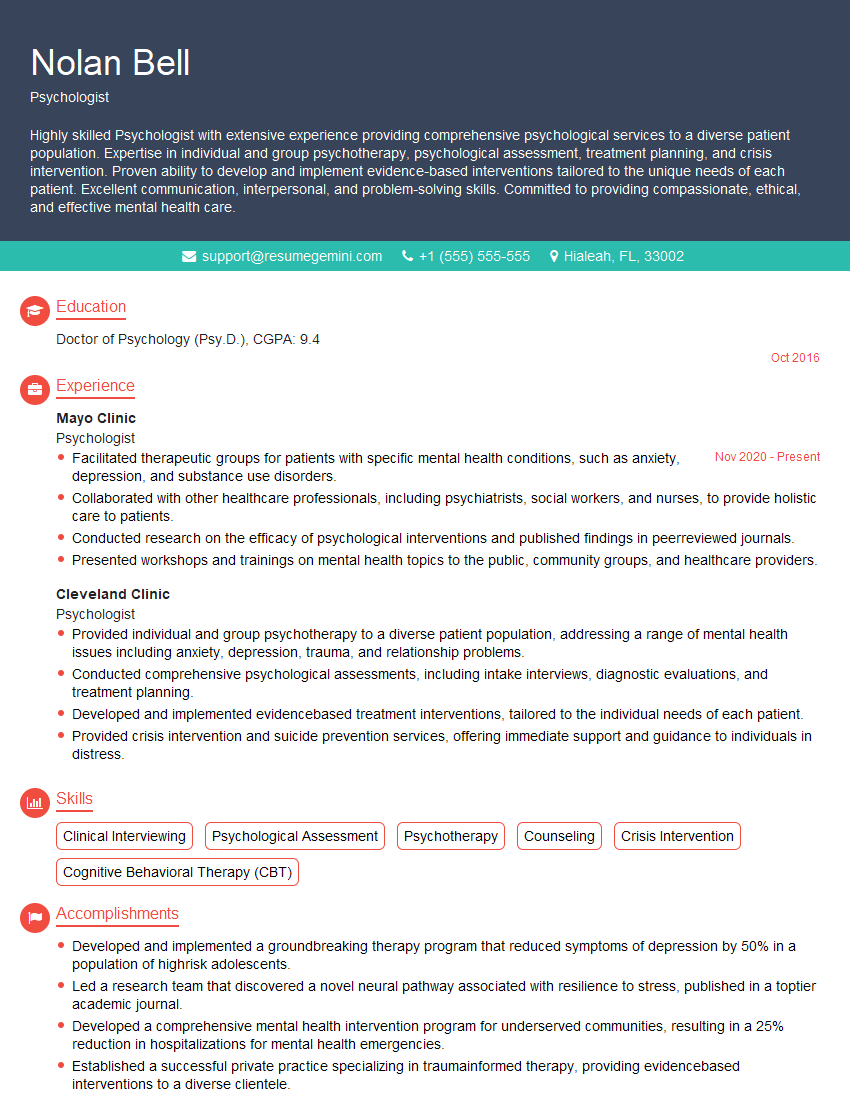
Psychologist Resume Sample
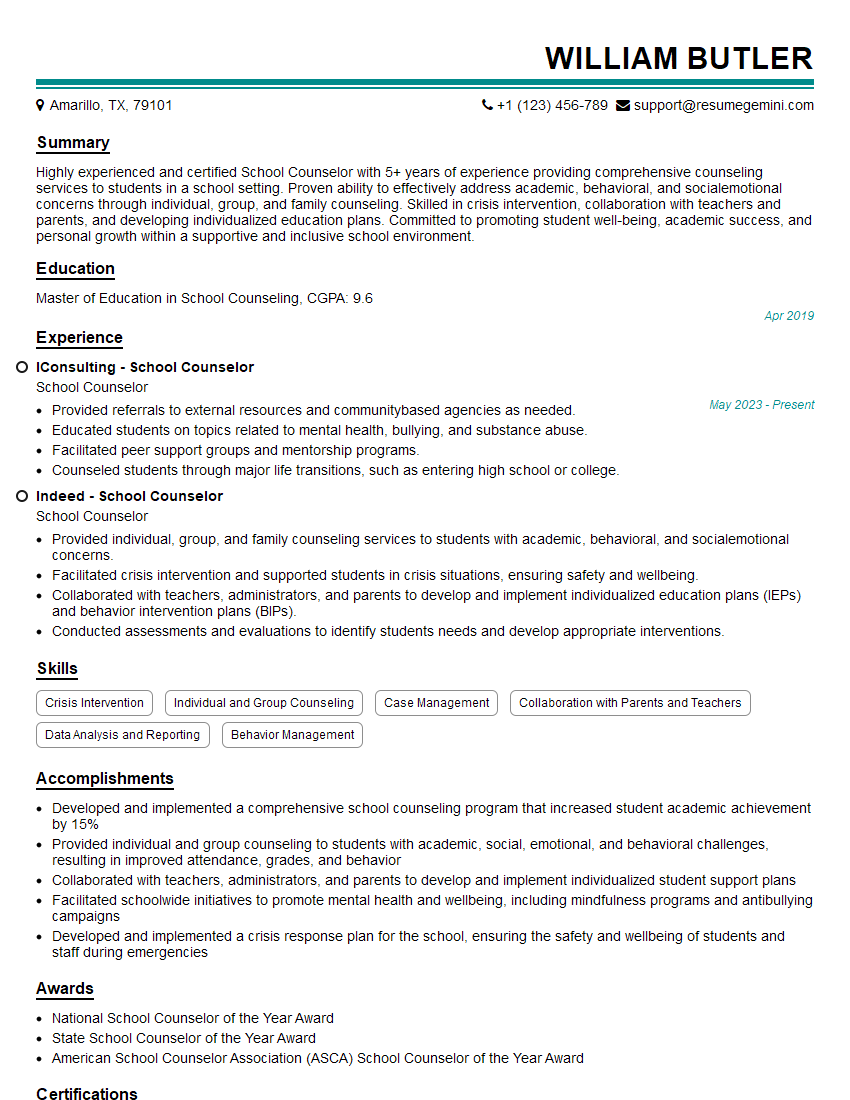
School Counselor Resume Sample

Mental Health Counselor Resume Sample
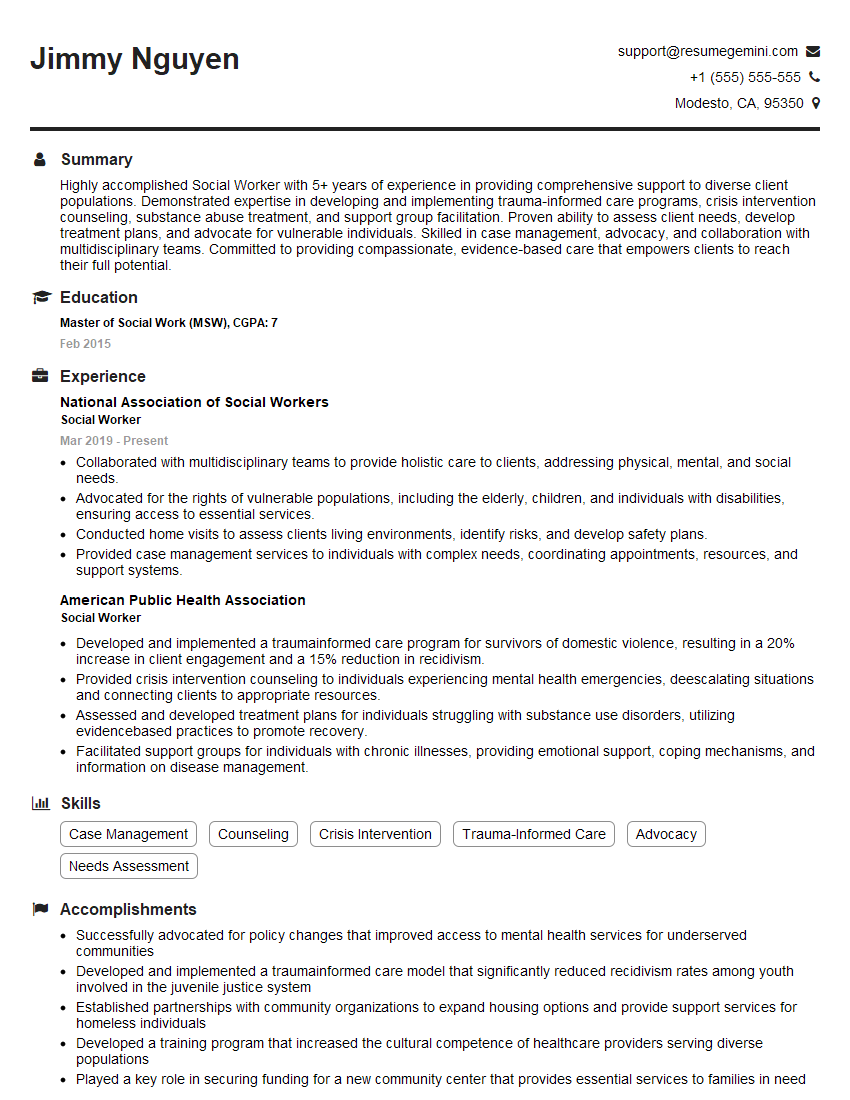
Social Worker Resume Sample
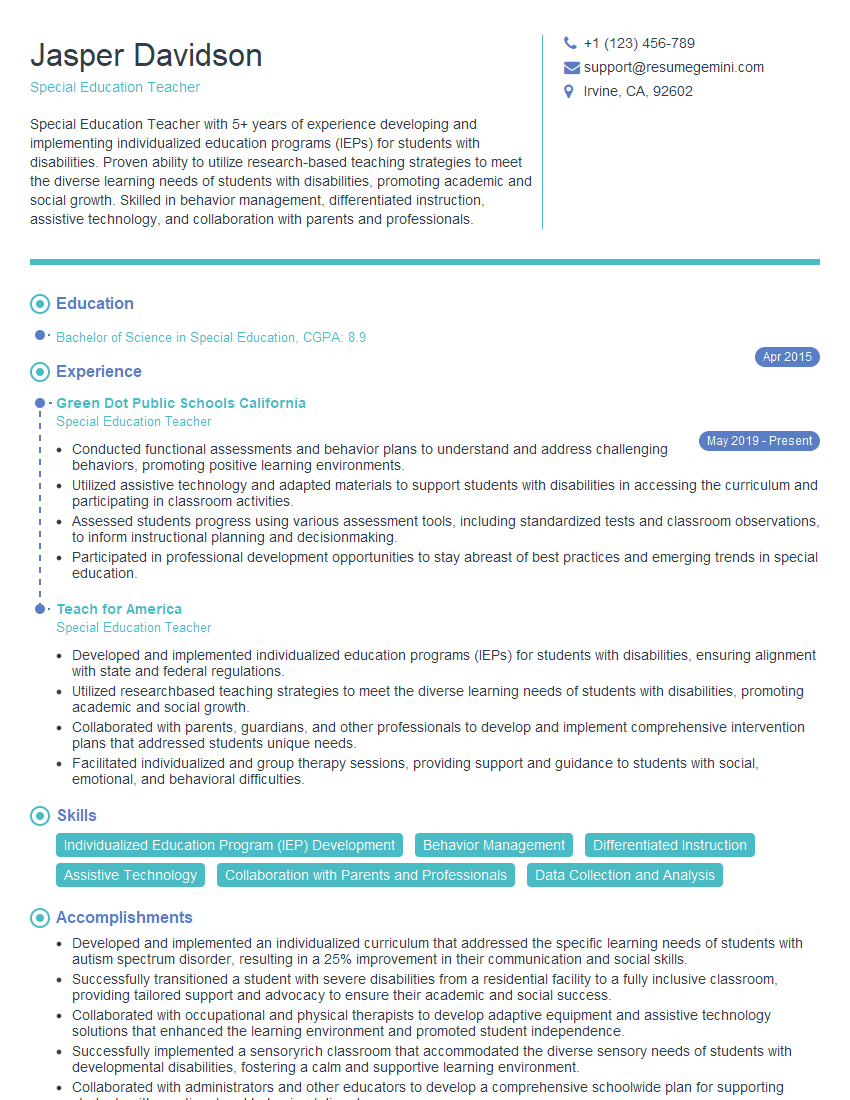
Special Education Teacher Resume Sample
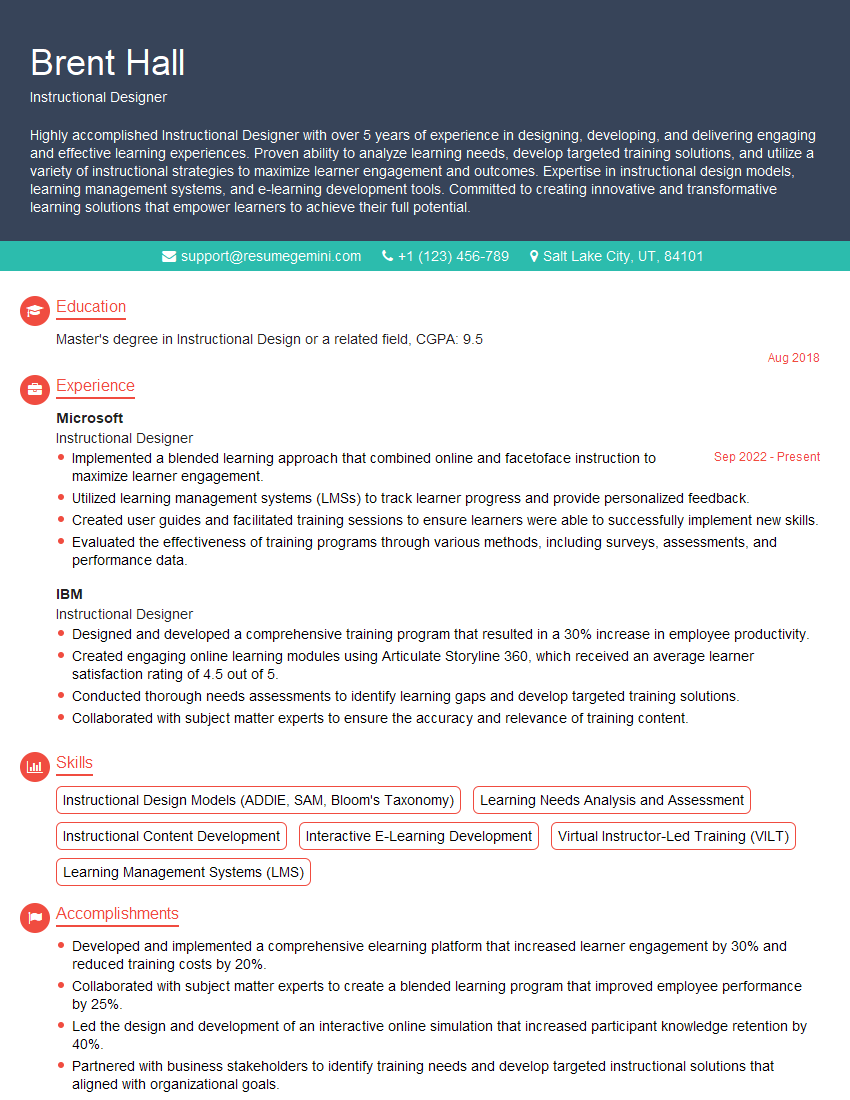
Instructional Designer Resume Sample
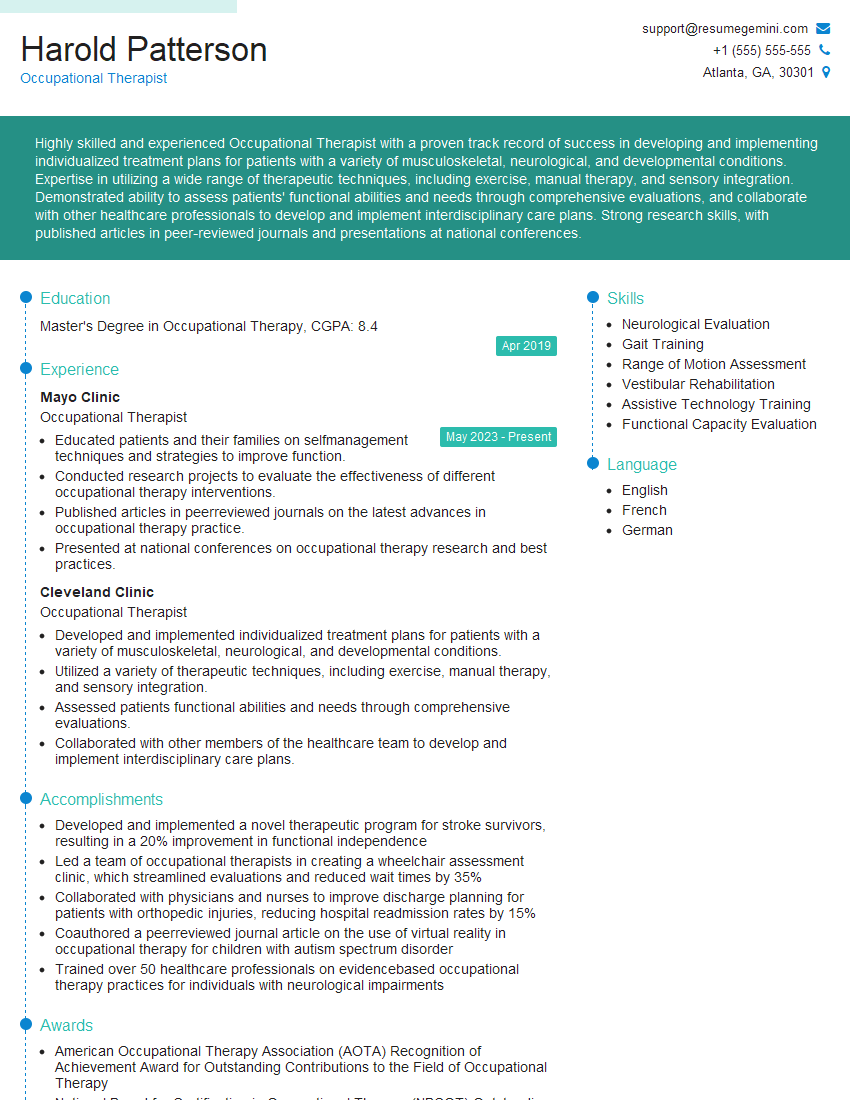
Occupational Therapist Resume Sample
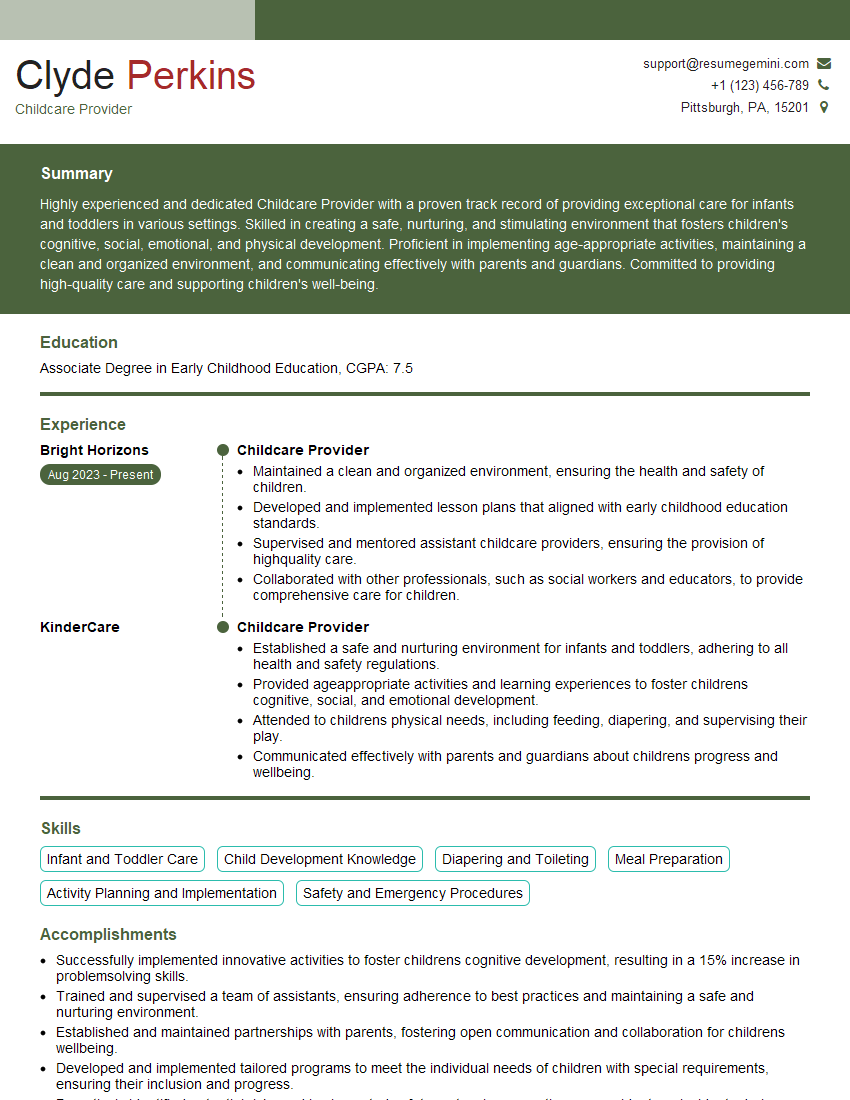
Childcare Provider Resume Sample
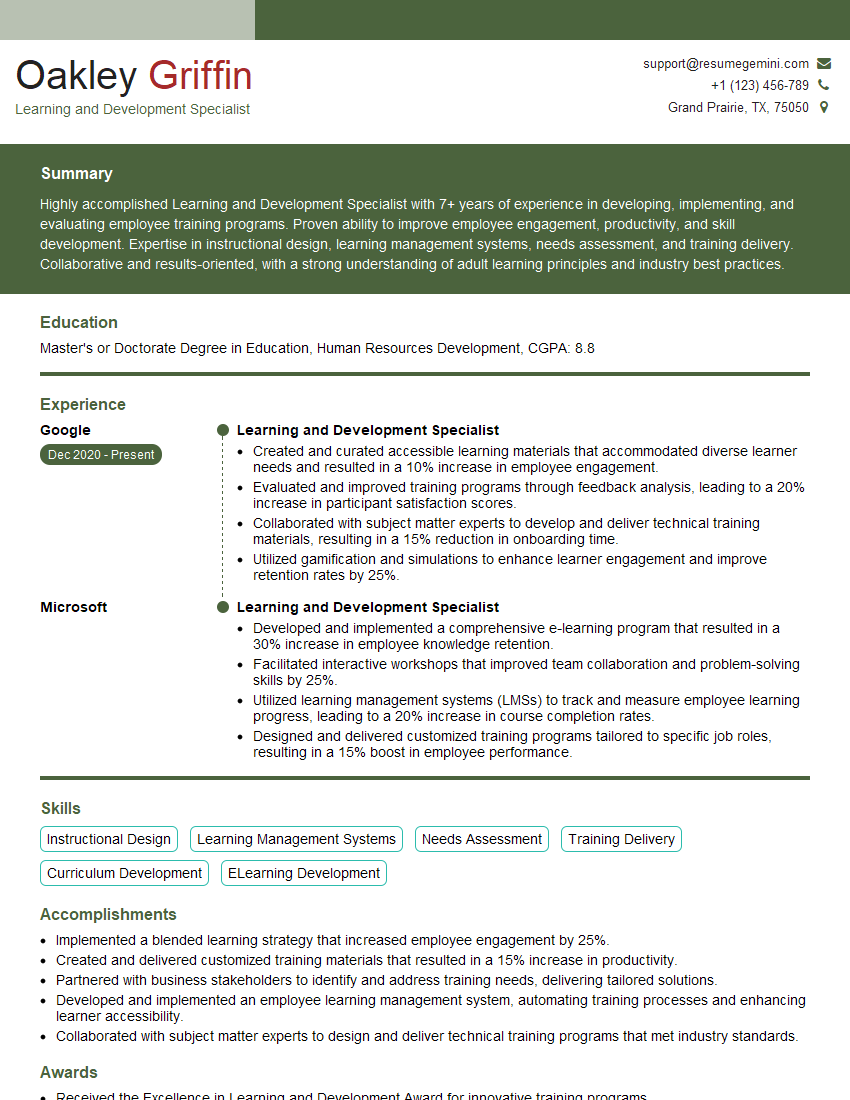
Learning and Development Specialist Resume Sample
- Program Manager
- Human Resources Manager
- Project Manager
- Team Leader
- Executive Coach
- Mediator
- Organizational Development Consultant
- Corporate Trainer
- Curriculum Developer
- Psychologist
- School Counselor
- Mental Health Counselor
- Social Worker
- Special Education Teacher
- Instructional Designer
- Occupational Therapist
- Childcare Provider
- Learning and Development Specialist
Explore more articles
Users Rating of Our Blogs
Share Your Experience
We value your feedback! Please rate our content and share your thoughts (optional).
What Readers Say About Our Blog
I Redesigned Spongebob Squarepants and his main characters of my artwork.
https://www.deviantart.com/reimaginesponge/art/Redesigned-Spongebob-characters-1223583608
IT gave me an insight and words to use and be able to think of examples
Hi, I’m Jay, we have a few potential clients that are interested in your services, thought you might be a good fit. I’d love to talk about the details, when do you have time to talk?
Best,
Jay
Founder | CEO