Are you ready to stand out in your next interview? Understanding and preparing for Collaboration and Team-Building interview questions is a game-changer. In this blog, we’ve compiled key questions and expert advice to help you showcase your skills with confidence and precision. Let’s get started on your journey to acing the interview.
Questions Asked in Collaboration and Team-Building Interview
Q 1. Describe your experience facilitating team meetings.
Facilitating effective team meetings requires a structured approach that balances collaboration and efficiency. My experience involves meticulously planning agendas beforehand, ensuring clarity of purpose and distributing them in advance. During the meeting, I actively manage time, encourage participation from all members, and ensure that discussions remain focused on the agenda items. I utilize various techniques such as brainstorming sessions, round-robin discussions, and visual aids to keep the energy high and the meeting productive. I also prioritize active listening and summarizing key points to ensure everyone is on the same page. Post-meeting, I promptly distribute minutes, outlining key decisions and action items with assigned owners and deadlines. This ensures accountability and follow-through.
For example, in a recent project involving the launch of a new software feature, I structured the meetings around specific milestones, dedicating time for brainstorming potential challenges, outlining solutions, and assigning ownership for different tasks. This resulted in a smoother launch process and significantly improved team morale.
Q 2. How do you handle conflict within a team?
Conflict is inevitable in any team, but it can be a catalyst for growth and innovation if managed effectively. My approach involves first understanding the root cause of the conflict, listening empathetically to each individual’s perspective without judgment. I encourage open communication and create a safe space for expressing feelings and concerns. Once the issues are clear, I facilitate collaborative problem-solving, helping the team brainstorm potential solutions together. This is often done by focusing on shared goals and the overarching project objectives, reminding the team of their mutual interdependence. I emphasize finding solutions that satisfy everyone involved to the best of our ability, focusing on compromise and collaboration, and documenting the agreed-upon resolution.
Q 3. Explain your approach to building consensus among team members.
Building consensus requires a thoughtful and inclusive process. My approach involves starting by clearly defining the problem or decision to be made. Next, I gather input from all team members through diverse methods like surveys, individual discussions, and group brainstorming. I encourage the team to explore various options, focusing on the benefits and drawbacks of each. To navigate differing opinions, I facilitate structured discussions that allow for respectful disagreement and active listening. This often involves summarizing different points of view and highlighting common ground. The goal is to find a solution that accommodates, as much as possible, everyone’s needs and concerns. When consensus isn’t achievable, we proceed with a transparent voting process and accept the outcome while respecting dissenting views.
Q 4. Share an example where you successfully resolved a team conflict.
During a project redesign, two team members clashed over the design direction, leading to unproductive arguments. One preferred a more modern, minimalist approach, while the other favored a traditional, functional design. I scheduled a separate meeting with each individual to understand their perspectives and concerns without judgment. Following that, I facilitated a joint session where each member presented their rationale, focusing on user experience considerations. This allowed each member to see the other’s viewpoint. Through collaborative brainstorming, we identified a hybrid approach that incorporated elements from both designs. The resulting design was superior to the individual proposals, demonstrating the value of resolving conflicts productively. The team’s morale improved significantly, and their subsequent collaboration was greatly enhanced.
Q 5. How do you identify and leverage individual strengths within a team?
Identifying and leveraging individual strengths is crucial for team success. My approach involves conducting individual assessments, either through direct conversation or through personality assessments like StrengthsFinder, to gain a deeper understanding of each team member’s skills, talents, and preferences. This understanding helps in assigning tasks that align with individual strengths, maximizing efficiency and productivity. I also encourage team members to share their expertise and mentor others, fostering a culture of learning and development. The goal is to create a cohesive team where everyone feels valued and contributes their unique abilities to the collective effort.
Q 6. How do you motivate team members to achieve shared goals?
Motivating team members involves creating a supportive environment where individuals feel valued, respected, and engaged. I achieve this by setting clear goals, providing regular feedback and recognition for accomplishments, fostering open communication and collaboration, and creating opportunities for professional growth. I also involve team members in decision-making processes and give them autonomy in their work. Furthermore, celebrating both individual and team successes helps boost morale and encourages continued effort towards shared objectives. Regular team-building activities can also foster camaraderie and strengthen the team spirit.
Q 7. What strategies do you use to improve team communication?
Improving team communication involves employing a multi-faceted approach. I encourage regular and open communication channels, using a variety of tools depending on the context. This can include daily stand-up meetings for project updates, weekly team meetings for strategic discussions, instant messaging platforms for quick questions, and email for formal announcements or detailed information. I also actively promote active listening, clear and concise messaging, and the avoidance of jargon and assumptions. Providing training on effective communication techniques and regularly checking for communication barriers are other important strategies. Finally, establishing clear communication protocols and norms ensure consistency and efficiency in how the team operates.
Q 8. How do you measure the effectiveness of a team?
Measuring team effectiveness goes beyond simply achieving goals; it involves assessing the team’s overall health and potential for future success. I use a multi-faceted approach, focusing on several key areas:
- Output and Results: This is the most straightforward measure – did the team meet its objectives? Quantifiable metrics like project completion rates, sales figures, or customer satisfaction scores are crucial here. For example, if a team aimed to reduce customer support tickets by 15%, measuring the actual reduction against the target provides a clear indicator of success.
- Process Efficiency: How well does the team operate? I analyze factors like workflow efficiency, communication effectiveness, and resource utilization. For example, are meetings productive and focused? Are bottlenecks identified and addressed promptly? A well-functioning team minimizes wasted time and effort.
- Team Dynamics and Morale: This is often overlooked but crucial. High morale and positive team dynamics contribute significantly to success. I use methods such as anonymous surveys, team meetings, and one-on-one conversations to gauge team satisfaction, collaboration levels, and the overall team climate. A strong team spirit fosters creativity and problem-solving abilities.
- Individual Growth and Development: Does the team environment support individual learning and growth? Are team members developing new skills and taking on increased responsibilities? This demonstrates a healthy, dynamic team capable of continuous improvement. Regular performance reviews and feedback sessions provide insights into individual progress.
By combining objective metrics with qualitative assessments, I gain a holistic understanding of a team’s effectiveness and identify areas for improvement.
Q 9. Describe your experience using collaborative software tools (e.g., Slack, Microsoft Teams).
I have extensive experience using collaborative software tools like Slack and Microsoft Teams to enhance communication and workflow efficiency. In previous roles, I’ve utilized these platforms to:
- Facilitate seamless communication: Slack’s channels and direct messaging features allow for quick and easy information sharing, reducing email clutter and improving responsiveness. We used dedicated channels for project-specific discussions, announcements, and informal team interactions.
- Centralize project management: Microsoft Teams’ built-in task management tools helped us track project progress, assign responsibilities, and set deadlines effectively. The ability to integrate with other tools further streamlined workflows.
- Enhance team collaboration: Both platforms enabled real-time collaboration on documents, spreadsheets, and presentations. This promoted a sense of shared ownership and reduced version control issues.
- Improve remote team interactions: These tools were instrumental in maintaining effective communication and collaboration among geographically dispersed team members, fostering a sense of community despite distance.
Beyond just using the features, I’ve actively contributed to establishing clear communication protocols and best practices within our teams, ensuring everyone understands and utilizes the tools effectively. For instance, we established guidelines on channel usage and response times to maintain efficient communication and avoid information overload.
Q 10. How do you manage the workload and responsibilities of team members?
Managing workload and responsibilities requires a strategic approach that balances individual capabilities, project demands, and team capacity. My strategy typically includes:
- Clear Task Assignment: Utilizing project management software, I ensure each task is clearly defined with specific deliverables, deadlines, and assigned individuals. This minimizes ambiguity and fosters accountability.
- Regular Progress Tracking: I conduct regular check-ins to monitor progress, identify potential bottlenecks, and provide support where needed. This proactive approach prevents minor issues from escalating into major problems.
- Skill-Based Delegation: I delegate tasks based on team members’ strengths and skills, ensuring optimal resource utilization and promoting individual growth. This allows team members to work on tasks they excel at, leading to higher quality output and increased job satisfaction.
- Workload Balancing: I actively monitor individual workloads to prevent burnout and ensure a fair distribution of tasks. This involves open communication with team members to understand their capacity and adjust assignments accordingly.
- Prioritization and Time Management: Using techniques like prioritization matrices (e.g., Eisenhower Matrix) and time management methodologies (e.g., Pomodoro Technique), I help the team focus on high-impact tasks and improve efficiency.
For example, in one project, I noticed one team member consistently taking on extra work. Through a one-on-one conversation, I discovered they were afraid to delegate tasks. We worked together to develop their delegation skills, resulting in a more balanced workload and reduced stress.
Q 11. How do you provide constructive feedback to team members?
Constructive feedback is crucial for growth and improvement. My approach emphasizes clarity, specificity, and a focus on behavior rather than personality. I typically follow these steps:
- Specificity: Instead of saying “your work is sloppy,” I’d say “in this report, the data on page 3 is inconsistent with the information presented in the graphs. Could you please review and correct this?”
- Observation-Based: I focus on observable behaviors and their impact rather than making assumptions about intentions or motivations. For instance, “I noticed the deadline was missed for this task. Can we discuss what contributed to this and how we can prevent it in the future?”
- Two-Way Conversation: Feedback is a dialogue, not a monologue. I encourage team members to share their perspective and we discuss possible solutions collaboratively.
- Focus on Solutions: The goal is to identify areas for improvement and develop action plans to address them. Simply pointing out flaws is not helpful without offering guidance on how to improve.
- Positive Framing: I always try to start with positive reinforcement before addressing areas for improvement. This creates a more receptive environment and strengthens the working relationship.
By consistently providing constructive feedback, I help team members improve their performance, strengthen their skills, and gain confidence in their abilities.
Q 12. Describe your experience mentoring or coaching team members.
Mentoring and coaching are essential aspects of my role. My approach is tailored to the individual’s needs and learning style. I focus on:
- Needs Assessment: I start by identifying the individual’s strengths, weaknesses, career goals, and areas where they need support.
- Goal Setting: We work together to set realistic and measurable goals, establishing a clear path for development.
- Skill Development: I provide training, resources, and opportunities for the mentee to develop the skills needed to achieve their goals. This may involve suggesting relevant courses, workshops, or providing on-the-job guidance.
- Regular Check-ins: We schedule regular meetings to discuss progress, address challenges, and adjust the development plan as needed.
- Feedback and Support: I provide consistent feedback, both positive and constructive, to support their growth and help them overcome obstacles.
- Observation and Guidance: I actively observe their work and provide guidance on techniques, best practices, and decision-making processes.
For instance, I once mentored a junior team member who struggled with public speaking. Through practice sessions, constructive feedback, and role-playing exercises, they developed significant confidence and presentation skills, contributing substantially to our team’s success.
Q 13. How do you foster a positive and inclusive team environment?
Fostering a positive and inclusive team environment is paramount. I achieve this through several strategies:
- Open Communication: Creating a culture of open dialogue where everyone feels comfortable expressing their thoughts and ideas is essential. Regular team meetings, informal gatherings, and open-door policies promote this.
- Respect and Empathy: Treating each team member with respect and understanding is fundamental. Active listening and valuing diverse perspectives are vital in building trust and collaboration.
- Recognition and Appreciation: Acknowledging and appreciating team members’ contributions, both big and small, boosts morale and fosters a sense of belonging.
- Diversity and Inclusion Initiatives: Promoting diversity in thoughts, experiences, and backgrounds encourages creativity and innovation. This includes actively seeking diverse perspectives, challenging biases, and creating an inclusive space for all team members.
- Conflict Resolution: Addressing conflicts constructively and promptly is crucial. I facilitate open dialogue, promote active listening, and work towards mutually acceptable solutions.
- Team Building Activities: Engaging in team-building activities that encourage interaction and collaboration outside of work projects can strengthen team bonds and improve relationships.
For example, I once introduced a “spotlight” session during our weekly team meetings where each member could share something they were proud of, both professionally and personally. This simple act fostered a sense of connection and support among team members.
Q 14. Explain your experience working in cross-functional teams.
Working in cross-functional teams requires strong communication, collaboration, and a shared understanding of goals. My experience has taught me the importance of:
- Clear Communication: Establishing clear communication channels and protocols is essential. This includes regular meetings, shared documentation, and the use of collaborative tools to keep everyone informed and aligned.
- Shared Goals and Objectives: Ensuring that all team members understand and share the team’s overall objectives is paramount. This requires clear articulation of the goals and a shared understanding of how each team member contributes to the overall success.
- Respect for Diverse Perspectives: Cross-functional teams bring together individuals with different expertise and backgrounds. Valuing and leveraging these diverse perspectives is crucial for problem-solving and innovation.
- Conflict Resolution: Disagreements are inevitable in cross-functional teams. Having a structured approach to conflict resolution, emphasizing collaboration and compromise, is crucial for maintaining positive team dynamics.
- Shared Responsibility: Success in a cross-functional team requires a shared sense of responsibility and ownership. Clearly defining roles and responsibilities, and fostering mutual accountability, is critical.
In one project, I worked with a team comprising engineers, designers, and marketing professionals. Initially, communication was fragmented. By establishing regular cross-functional meetings, creating a shared project document, and utilizing a project management tool, we streamlined communication, improved collaboration, and successfully launched the product on time and within budget.
Q 15. How do you handle disagreements regarding project priorities?
Disagreements about project priorities are inevitable in collaborative environments. My approach focuses on structured discussion and collaborative decision-making, prioritizing transparency and clear communication. I start by ensuring everyone understands the overall project goals and the constraints we’re working under (budget, timeline, resources). Then, I facilitate a discussion where each team member explains their priority rationale, supported by data or reasoning. We use a prioritization framework, like MoSCoW (Must have, Should have, Could have, Won’t have) or a weighted scoring system, to objectively evaluate the options. This process ensures a fair and transparent evaluation of competing priorities, leading to a mutually agreed-upon plan. If consensus can’t be reached, I will escalate the decision to a higher authority, clearly outlining the competing arguments and the potential impact of each decision.
Example: On a recent web development project, the design team prioritized aesthetic appeal, while the development team focused on functionality. Using the MoSCoW method, we identified core functionalities as ‘Must haves’, allowing us to prioritize development efforts accordingly. Aesthetic enhancements were moved to ‘Should haves’ and tackled after the core functionality was implemented.
Career Expert Tips:
- Ace those interviews! Prepare effectively by reviewing the Top 50 Most Common Interview Questions on ResumeGemini.
- Navigate your job search with confidence! Explore a wide range of Career Tips on ResumeGemini. Learn about common challenges and recommendations to overcome them.
- Craft the perfect resume! Master the Art of Resume Writing with ResumeGemini’s guide. Showcase your unique qualifications and achievements effectively.
- Don’t miss out on holiday savings! Build your dream resume with ResumeGemini’s ATS optimized templates.
Q 16. How do you ensure team members are aligned with project goals?
Aligning a team with project goals requires more than simply stating them; it involves fostering a shared understanding and commitment. This begins with clearly articulating the project’s ‘why’ – the big-picture impact and its connection to the organization’s overall strategic objectives. I utilize various techniques such as:
- Regular communication: Frequent updates, progress reports, and open forums ensure everyone stays informed.
- Visual aids: Project roadmaps, Kanban boards, and progress dashboards provide a clear overview of goals and progress.
- Interactive workshops: Collaboratively defining goals, identifying key performance indicators (KPIs), and establishing success metrics fosters a sense of ownership.
- Individual check-ins: One-on-one meetings allow me to address any concerns, provide support, and ensure individual goals are aligned with the project objectives.
Example: In a previous project, we started with a team kickoff workshop to collectively define the project goals and KPIs. This allowed each team member to understand their contribution and how their work directly contributed to the overall success. Regular progress updates and visual dashboards ensured transparency and kept everyone on track.
Q 17. Describe a time you had to adapt your team’s approach to overcome a challenge.
During a software development project, we faced a critical challenge when a key technology partner delayed their delivery of a crucial API. Our initial plan, relying heavily on this API, was jeopardized. Instead of panicking, I facilitated a brainstorming session with the team. We explored alternative solutions, including using a different API, modifying our approach to use less reliant components, or developing a temporary workaround. This involved breaking down the larger task into smaller, manageable modules and re-allocating tasks based on the team’s individual strengths. Ultimately, we opted for a combination of strategies: a temporary workaround was developed while we concurrently explored integrating a substitute API. This agile approach allowed us to meet the deadline while ensuring long-term sustainability. The team’s adaptability and collaborative problem-solving were crucial to our success. This experience highlighted the importance of flexibility, open communication, and proactive risk management in project management.
Q 18. How do you deal with team members who are underperforming?
Addressing underperformance requires a sensitive yet firm approach. I begin by understanding the root cause. This involves a private conversation to discuss performance metrics, identify any obstacles they might be facing, and offer support. Sometimes, underperformance stems from lack of clarity, inadequate training, or personal issues. If it’s due to lack of clarity, I provide additional training or mentorship. For personal issues, I offer support and resources while setting clear expectations. If the underperformance persists despite support and coaching, more formal measures like performance improvement plans (PIPs) may be necessary. PIPs outline specific expectations, timelines, and the consequences of continued underperformance. This process is documented and ensures fairness and transparency. The goal isn’t punishment but improvement. Regular check-ins are critical throughout this process to monitor progress and provide ongoing support.
Q 19. How do you delegate tasks effectively?
Effective delegation involves more than simply assigning tasks. It requires considering the individual skills, experience, and workload of each team member. I begin by clearly defining the task, including its purpose, desired outcome, and deadlines. Next, I select the most appropriate individual based on their skillset and capacity. I provide the necessary resources, support, and clear communication channels. Regular check-ins allow me to provide guidance, address any challenges, and ensure the task stays on track. It is essential to empower team members with autonomy and trust them to complete their assigned tasks. This approach fosters ownership and develops their capabilities. Finally, recognizing and appreciating their accomplishments reinforces their confidence and strengthens team morale.
Q 20. Describe your experience with remote team management.
My experience with remote team management emphasizes the importance of structured communication and utilizing technology effectively. I’ve successfully managed remote teams using various tools for communication (Slack, Microsoft Teams), project management (Asana, Jira), and video conferencing (Zoom, Google Meet). Establishing clear communication protocols, including regular virtual meetings, daily stand-ups, and asynchronous communication channels, is vital. Building a strong team culture, even remotely, requires creating opportunities for social interaction through virtual team-building activities and informal communication. I prioritize transparent communication regarding expectations, progress, and challenges. Trust and mutual respect are crucial. Measuring performance needs to be adapted for the remote environment, and regular check-ins are essential to address individual needs and ensure progress alignment with project goals.
Q 21. How do you ensure transparency within a team?
Transparency fosters trust and collaboration within a team. I achieve transparency through various strategies: Open and accessible communication channels are crucial; this may include project management tools, regular team meetings, and readily available documentation. I ensure everyone has access to relevant information needed for their work, and I promote a culture of open feedback where team members feel comfortable sharing updates, concerns, and ideas. Regular progress updates, transparent decision-making processes, and readily available information on project status contribute to a climate of trust. Celebrating successes and acknowledging challenges openly builds team unity and resilience. This proactive approach to transparency not only improves collaboration but also reduces misunderstandings and conflicts, leading to a more efficient and productive work environment.
Q 22. How do you use data to track team progress and identify areas for improvement?
Tracking team progress and identifying areas for improvement requires a data-driven approach. We can’t just rely on gut feeling; we need concrete metrics. I utilize various tools and techniques to gather and analyze relevant data. This might include project management software like Jira or Asana to monitor task completion rates, deadlines, and resource allocation. For example, I might track the average time spent on specific tasks to identify bottlenecks or inefficiencies. I also use data visualization tools to create charts and graphs that easily show trends and patterns. Let’s say we’re seeing a consistent delay in the testing phase of a project. By analyzing the data, we might discover that the testing team is consistently overloaded, requiring us to either re-allocate resources or adjust project timelines. Beyond project management software, surveys and feedback sessions provide valuable qualitative data on team morale, collaboration effectiveness, and individual contributions. Combining quantitative (numerical) and qualitative (descriptive) data provides a holistic view of team performance. Finally, regular reporting and data analysis meetings are crucial to ensure everyone understands the progress and identifies areas needing attention.
Q 23. How do you onboard new team members effectively?
Effective onboarding is critical for a new team member’s success and overall team productivity. My approach involves a structured program encompassing pre-boarding, initial training, and ongoing support. Pre-boarding starts before the employee’s first day. This includes sending a welcome package with essential information, setting up their workspace and access to necessary systems, and introducing them to their team members virtually. The initial training phase focuses on the role’s specifics, company culture, and relevant processes. I use a combination of presentations, interactive workshops, and mentoring sessions. I also pair new team members with a buddy or mentor within the team to foster a sense of belonging and provide guidance throughout the onboarding process. Ongoing support involves regular check-ins, performance feedback, and opportunities for professional development. For example, I might assign small, manageable tasks initially to allow for success and build confidence. Regularly reviewing progress, providing constructive feedback, and offering additional training based on their needs ensures they feel supported and quickly become productive members of the team.
Q 24. What are some of your go-to team-building activities?
My go-to team-building activities are diverse and designed to cater to different team dynamics and preferences. I avoid generic activities and instead opt for activities that encourage collaboration, communication, and problem-solving. Some examples include:
- Escape Rooms: These require teamwork and creative thinking to solve puzzles and escape within a time limit.
- Team-Based Problem-Solving Challenges: These can range from building structures with limited materials to solving complex riddles, all while promoting collaboration and communication.
- Volunteer Work: Participating in a community service project fosters camaraderie and strengthens team bonds through shared purpose.
- Improvisation Workshops: These improve communication, adaptability, and trust through playful engagement.
- Potlucks or Team Lunches: Informal gatherings allow for casual interaction and build rapport outside of work tasks.
The key is to select activities that are relevant to the team’s size, personalities, and goals. The post-activity debrief is just as important, providing time for reflection and discussion about team dynamics and collaboration effectiveness.
Q 25. How do you balance individual work with collaborative efforts?
Balancing individual work with collaborative efforts requires careful planning and prioritization. It’s not about choosing one over the other, but effectively integrating both. I encourage my team to utilize time management techniques like time blocking to dedicate specific time slots to independent work and collaborative sessions. Clear communication and shared task management tools like project management software allow for transparency and coordination. For instance, we use Kanban boards to visualize workflow, tasks, and individual responsibilities, thereby maintaining clarity on individual contributions within the larger team objectives. Regular check-ins, both formal and informal, help monitor progress, address challenges, and ensure everyone stays on track. Open communication regarding workload and potential roadblocks allows for proactive adjustments and ensures no one feels overburdened or isolated. Finally, I actively promote a culture of mutual support and understanding where team members can ask for help or assistance when needed. This fosters a collaborative environment where individual contributions are valued and integrated seamlessly within the overall team goals.
Q 26. Describe a time you had to make a difficult decision impacting your team.
In a previous project, we faced significant delays due to a critical software bug discovered late in the development cycle. The decision was whether to release with the bug (risking significant reputational damage and client dissatisfaction) or delay the launch (impacting our project deadlines and potentially upsetting stakeholders). After careful consideration, involving discussions with the team, stakeholders, and technical experts, we decided to delay the launch. This was a difficult decision because it impacted our project timeline and budget, but ultimately it protected our reputation and ensured the delivery of a high-quality product. We communicated the decision transparently to all stakeholders, explaining the reasons and potential ramifications. We then worked collaboratively to develop a revised project plan that mitigated the impact of the delay and kept everyone informed throughout the process. The outcome was positive. Although we faced some initial disappointment, the quality product launch strengthened our credibility and client relationships in the long run.
Q 27. How do you handle pressure and stress when working in a team?
Handling pressure and stress in a team setting is vital for success and well-being. I promote a culture of open communication where team members feel comfortable expressing their concerns and challenges. I encourage proactive stress management techniques, such as regular breaks, mindfulness exercises, and prioritizing tasks effectively. I also implement clear communication channels and processes to prevent misunderstandings and conflicts. When pressure mounts, I focus on providing support and guidance to the team. This can include delegating tasks to ensure an equitable workload, breaking down large tasks into smaller, more manageable ones, and providing access to necessary resources and training. Furthermore, I prioritize work-life balance by encouraging team members to take breaks and utilize their vacation time. A healthy team is a productive team, and this means prioritizing both team performance and individual well-being.
Q 28. What is your preferred style of leadership in a team setting?
My preferred leadership style is a blend of servant leadership and collaborative leadership. Servant leadership prioritizes the needs and growth of the team members. I strive to empower my team members, providing them with the resources and support they need to succeed. I believe in fostering a positive and inclusive environment where everyone feels valued and respected. Collaborative leadership involves actively engaging with the team in decision-making processes. I believe in facilitating open discussions, considering diverse perspectives, and making decisions collectively whenever possible. This approach promotes team ownership and buy-in, leading to higher engagement and better outcomes. Essentially, I aim to create an environment where the team feels empowered, heard, and supported, leading to a highly productive and engaged team that delivers exceptional results.
Key Topics to Learn for Collaboration and Team-Building Interviews
- Understanding Team Dynamics: Explore different team structures (e.g., self-managed, hierarchical), team roles (e.g., leader, follower, innovator), and stages of team development (e.g., forming, storming, norming, performing). Consider how to identify and leverage individual strengths within a team context.
- Communication Strategies: Practice active listening, clear and concise communication (written and verbal), and techniques for giving and receiving constructive feedback. Think about how to adapt your communication style to different personalities and situations within a team.
- Conflict Resolution: Learn effective strategies for identifying and addressing conflict within teams. Explore mediation techniques, negotiation skills, and approaches to fostering a collaborative and respectful environment even during disagreements.
- Collaboration Tools and Technologies: Familiarize yourself with popular project management software (e.g., Trello, Asana, Jira), communication platforms (e.g., Slack, Microsoft Teams), and document sharing tools (e.g., Google Docs). Be prepared to discuss your experience with these tools and how they enhance teamwork.
- Problem-Solving Approaches: Practice collaborative problem-solving techniques, such as brainstorming, SWOT analysis, and root cause analysis. Be prepared to describe your approach to problem-solving in a team environment and how you contribute to finding effective solutions.
- Leadership and Influence: Explore different leadership styles and their effectiveness in team settings. Consider how to influence team members without authority, motivate individuals towards shared goals, and build consensus.
Next Steps
Mastering collaboration and team-building is crucial for career advancement. These skills are highly sought after by employers across various industries, demonstrating your ability to contribute effectively within a team and achieve shared objectives. To significantly increase your job prospects, crafting an ATS-friendly resume is essential. This ensures your application gets noticed and considered by recruiters. We recommend using ResumeGemini to build a professional and impactful resume. ResumeGemini provides valuable tools and resources to help you create a resume that showcases your collaboration and team-building skills effectively. Examples of resumes tailored to highlight these skills are available for your review.
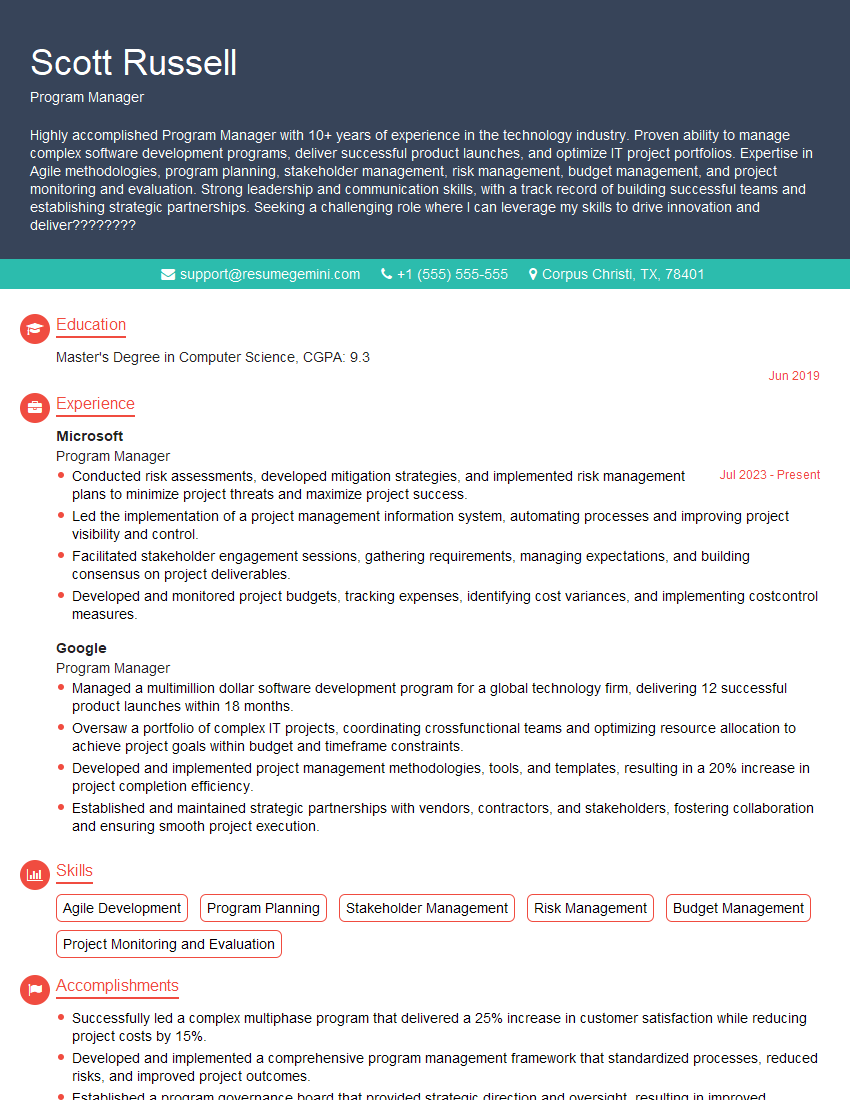
Program Manager Resume Sample

Operations Manager Resume Sample
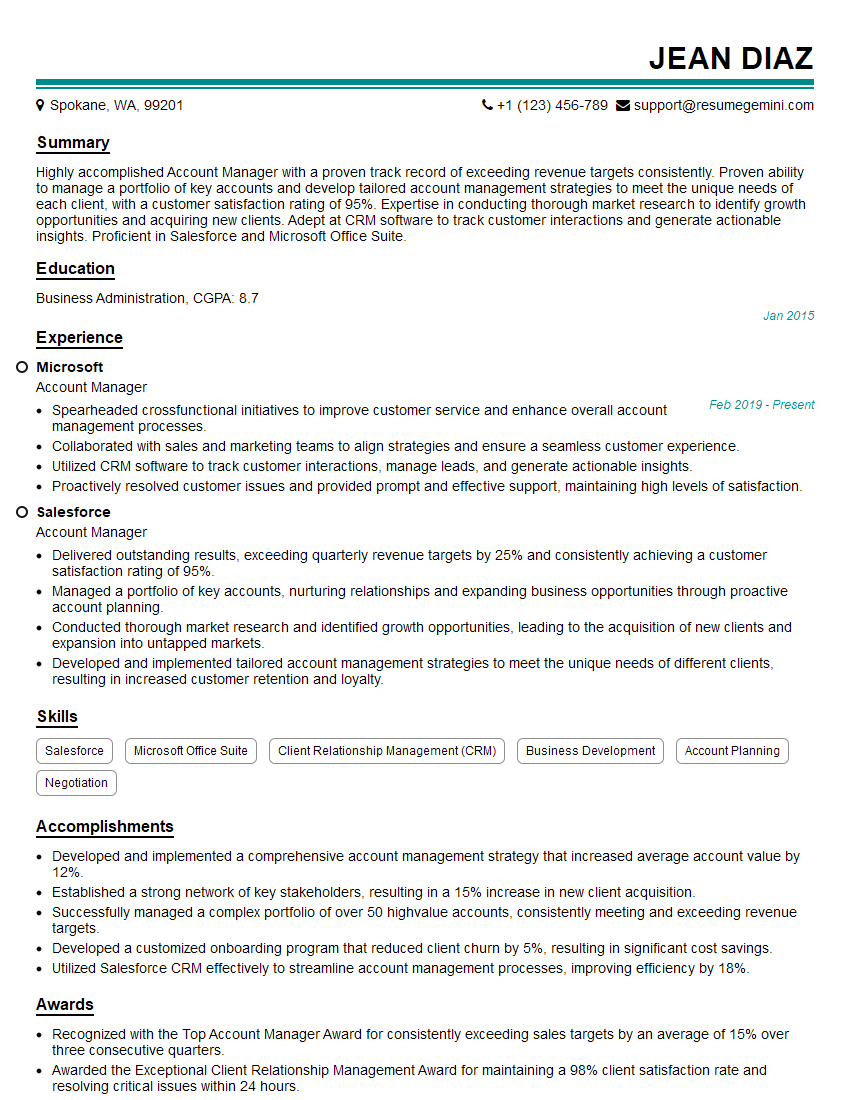
Account Manager Resume Sample
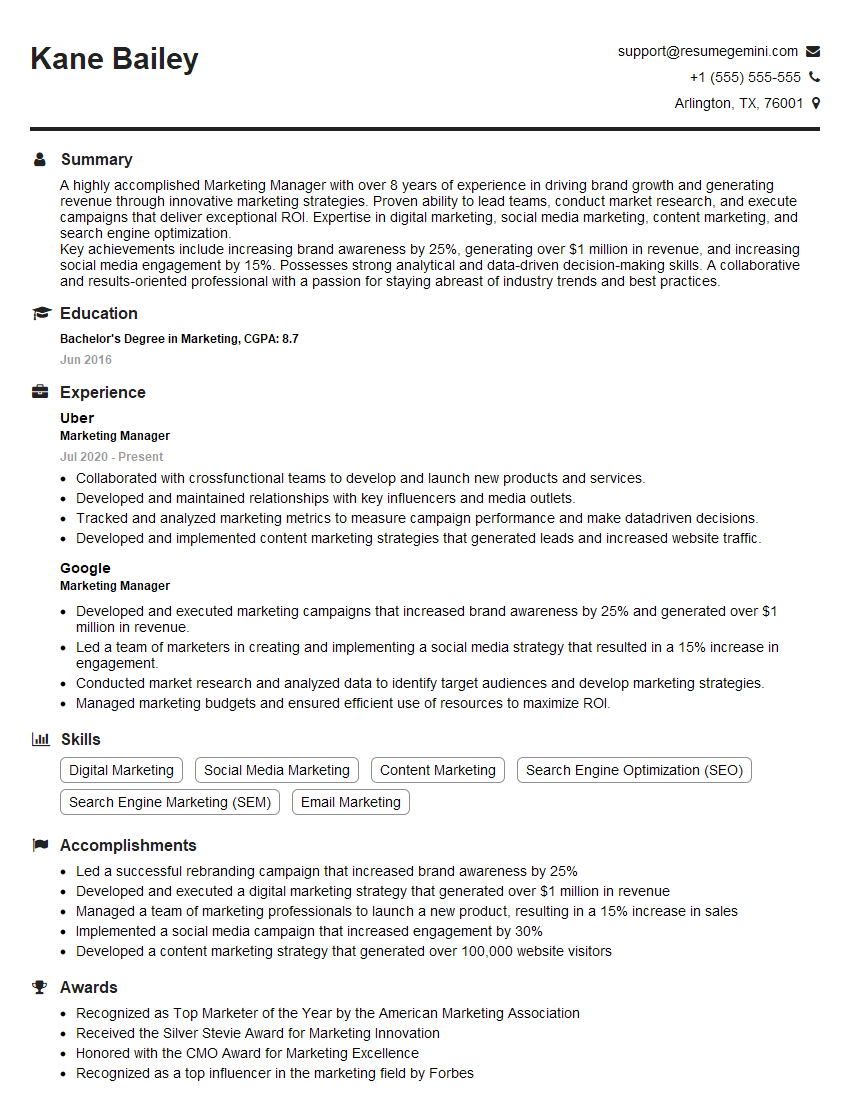
Marketing Manager Resume Sample
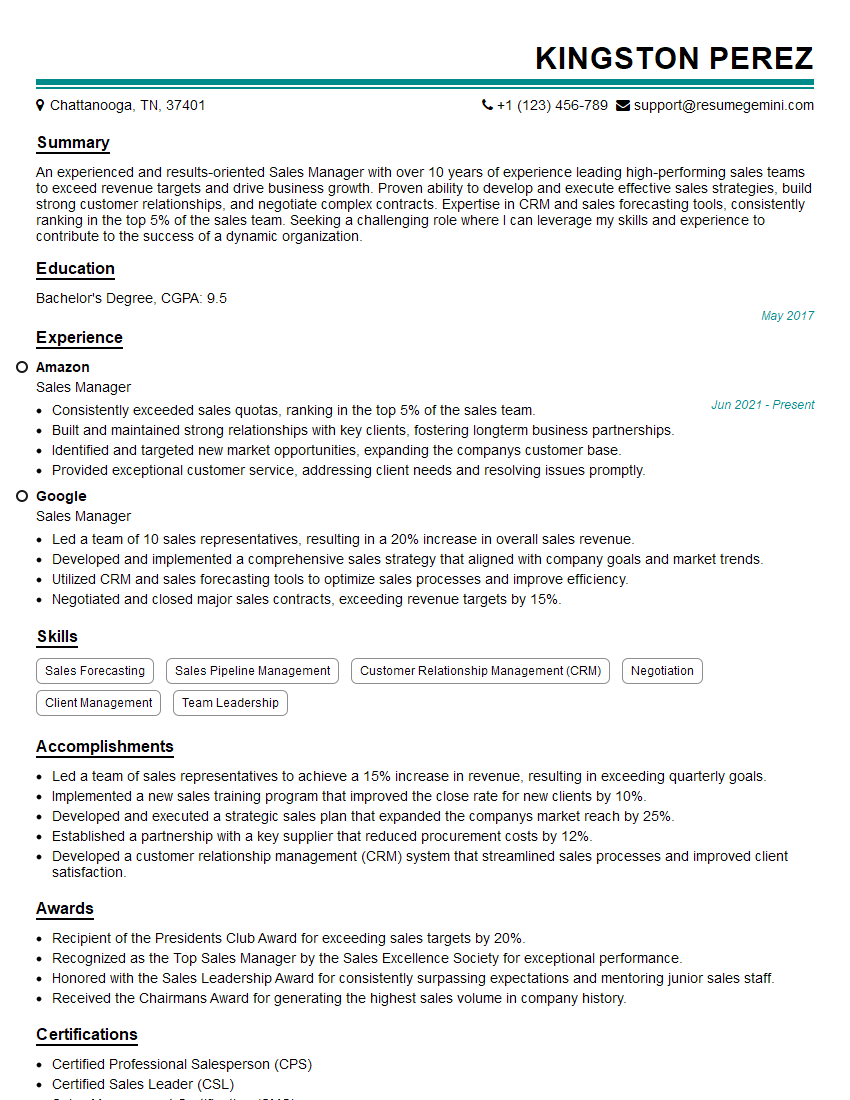
Sales Manager Resume Sample
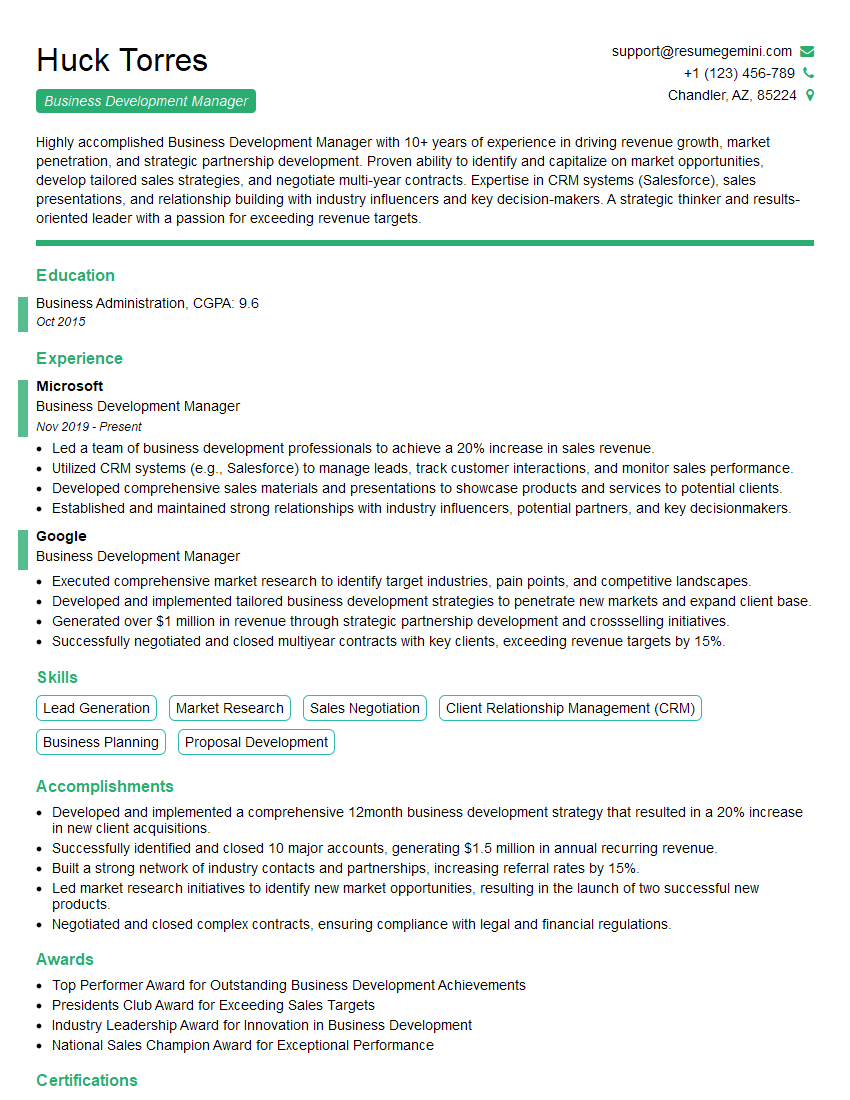
Business Development Manager Resume Sample
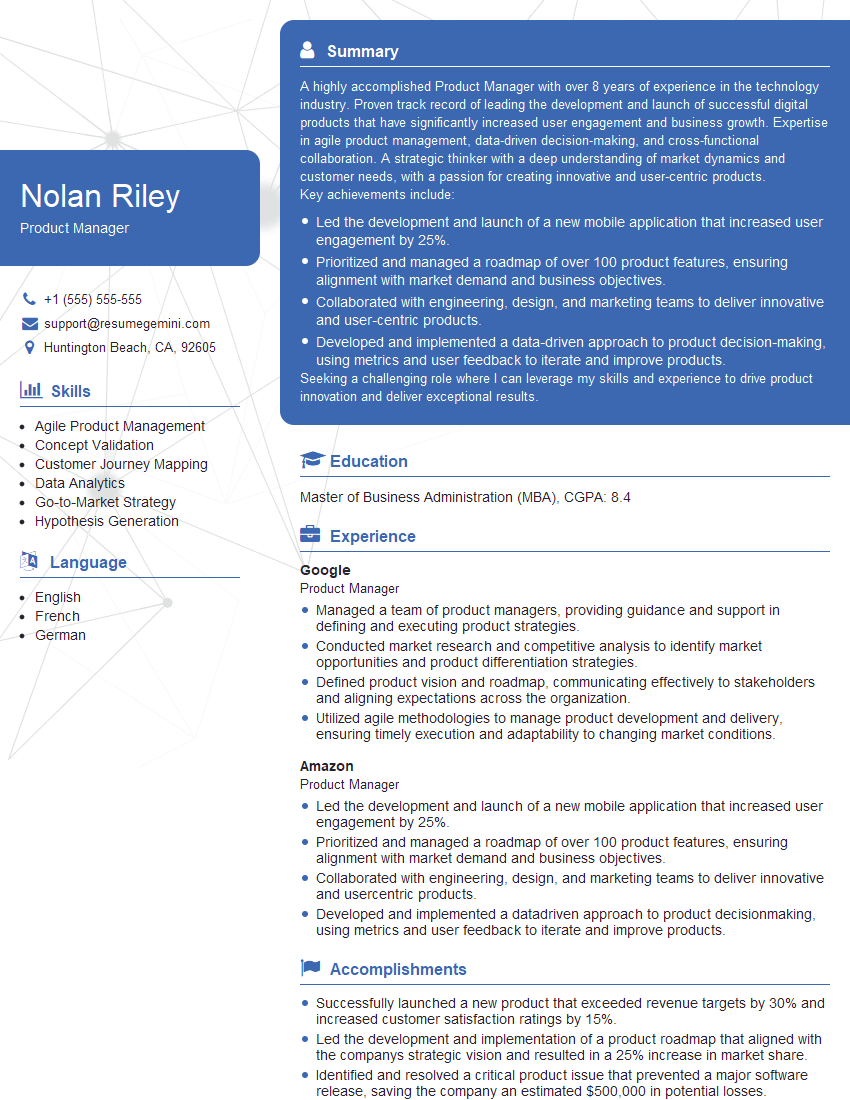
Product Manager Resume Sample
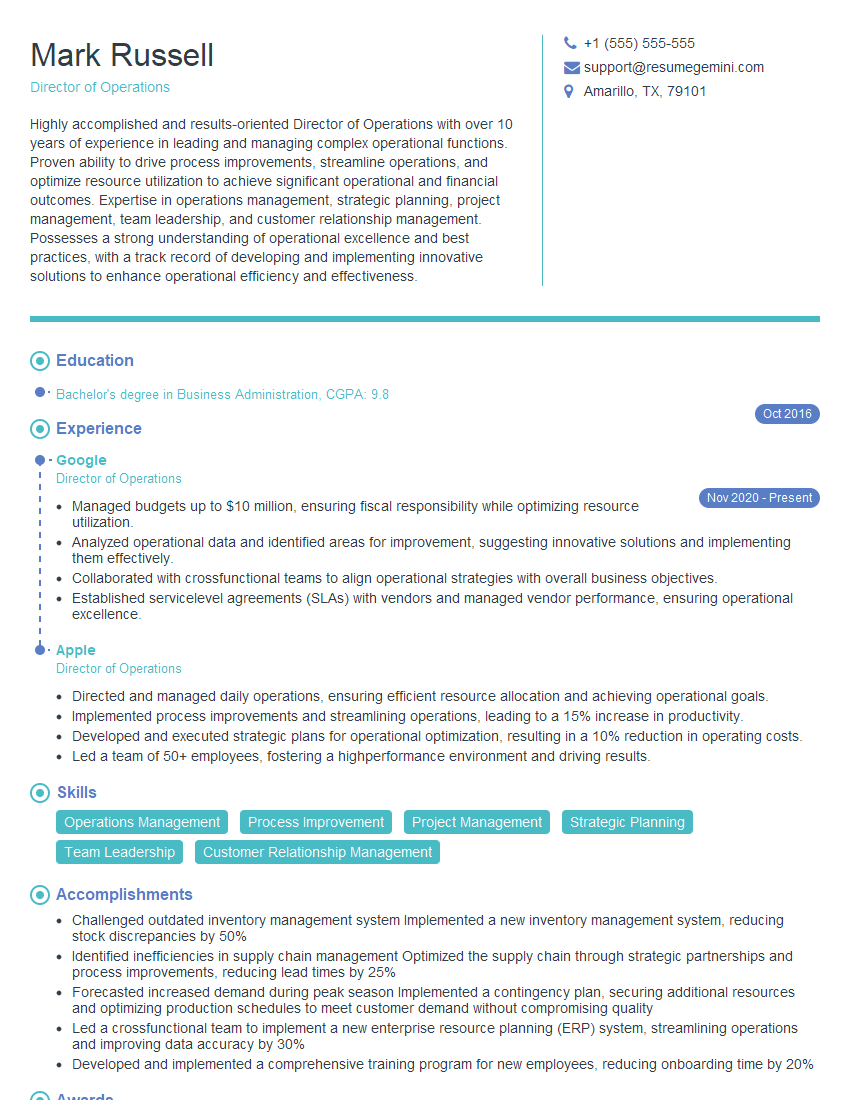
Director of Operations Resume Sample
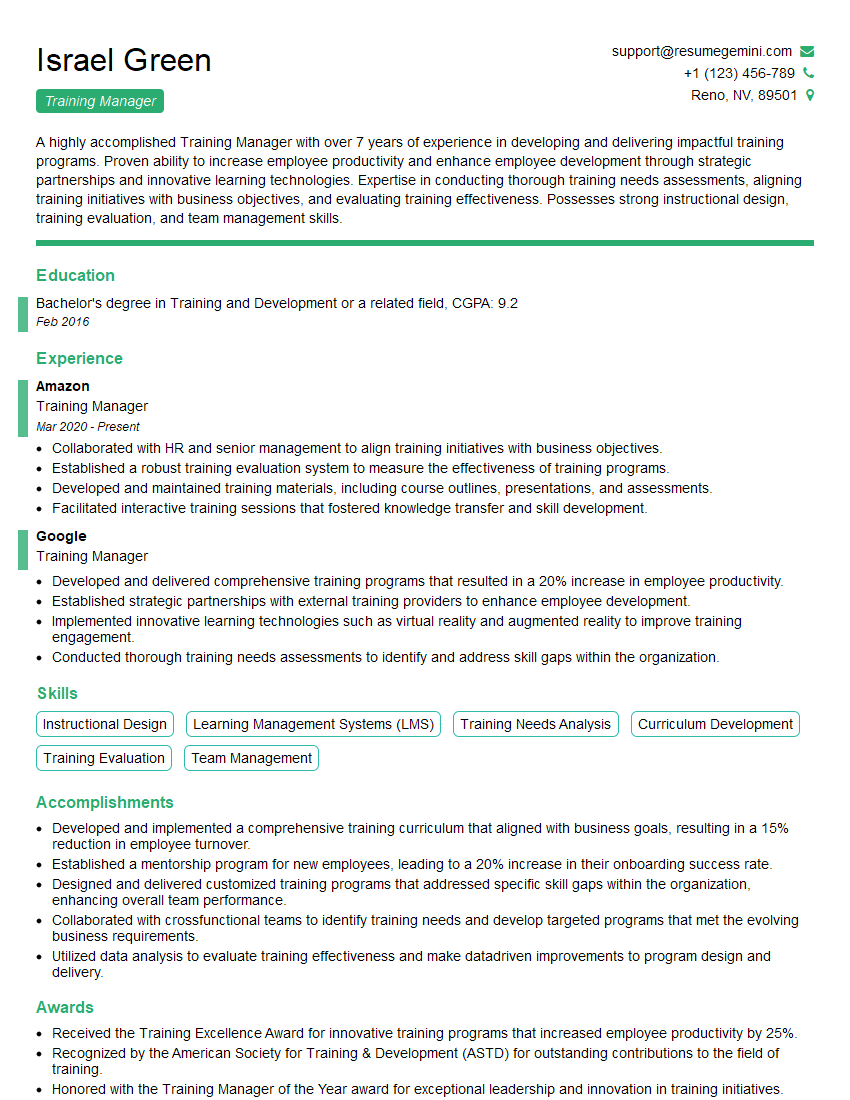
Training Manager Resume Sample

Project Manager Resume Sample
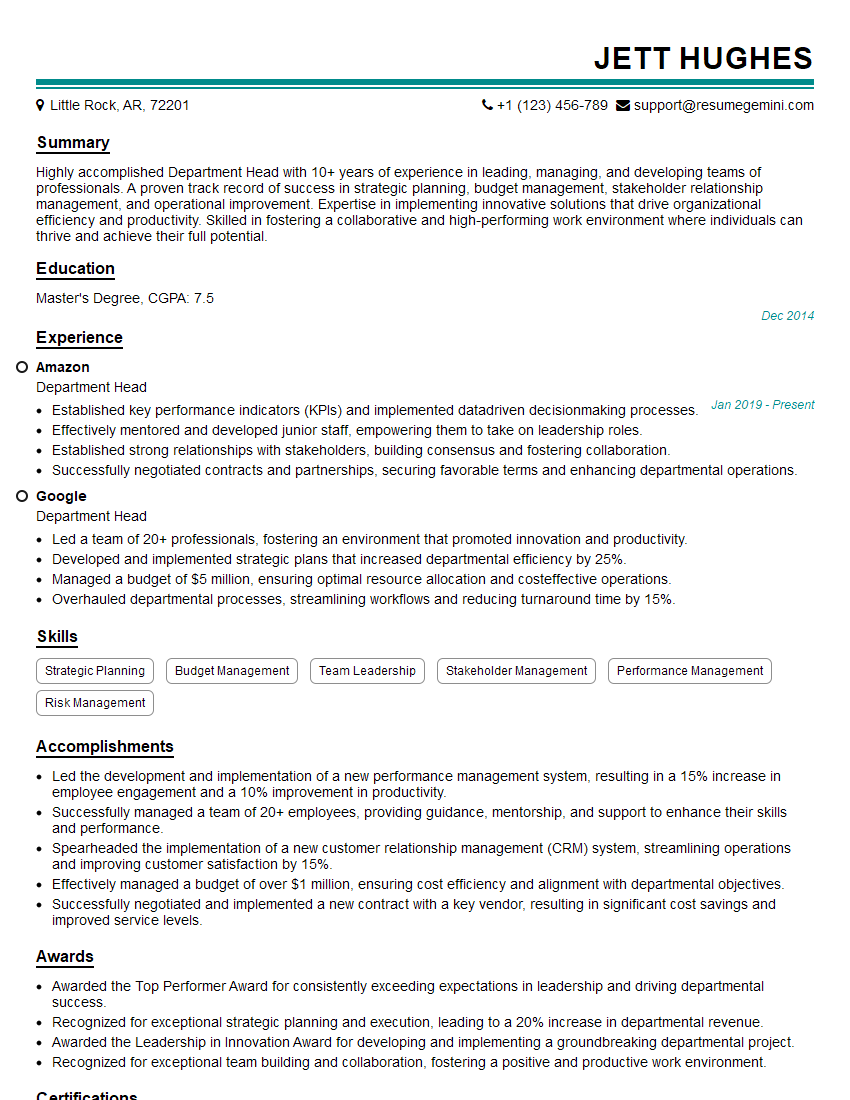
Department Head Resume Sample
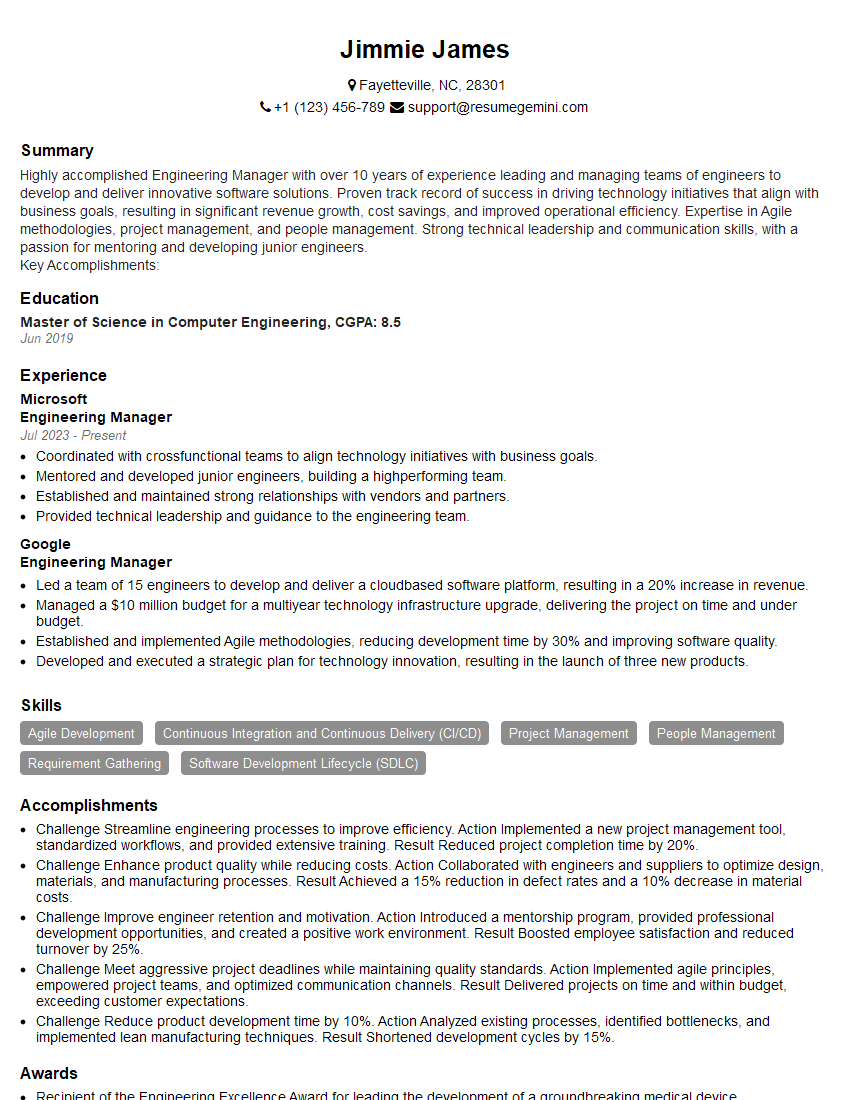
Engineering Manager Resume Sample
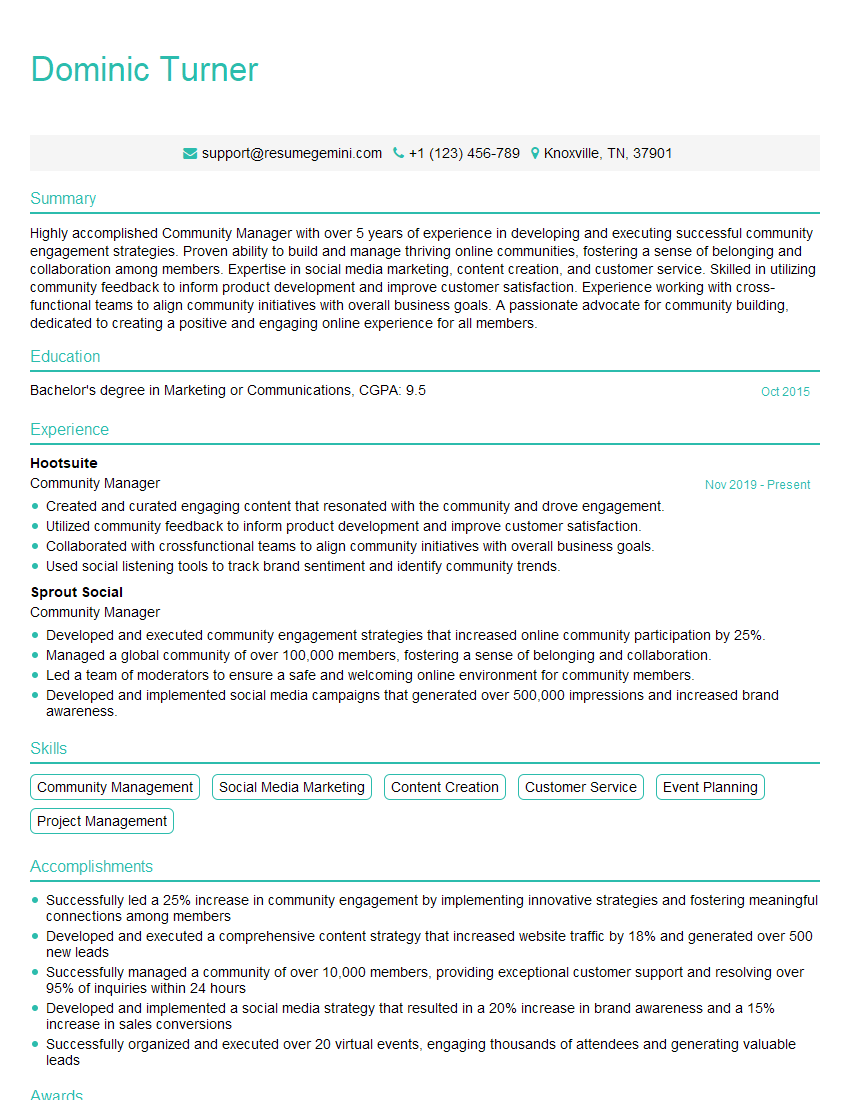
Community Manager Resume Sample
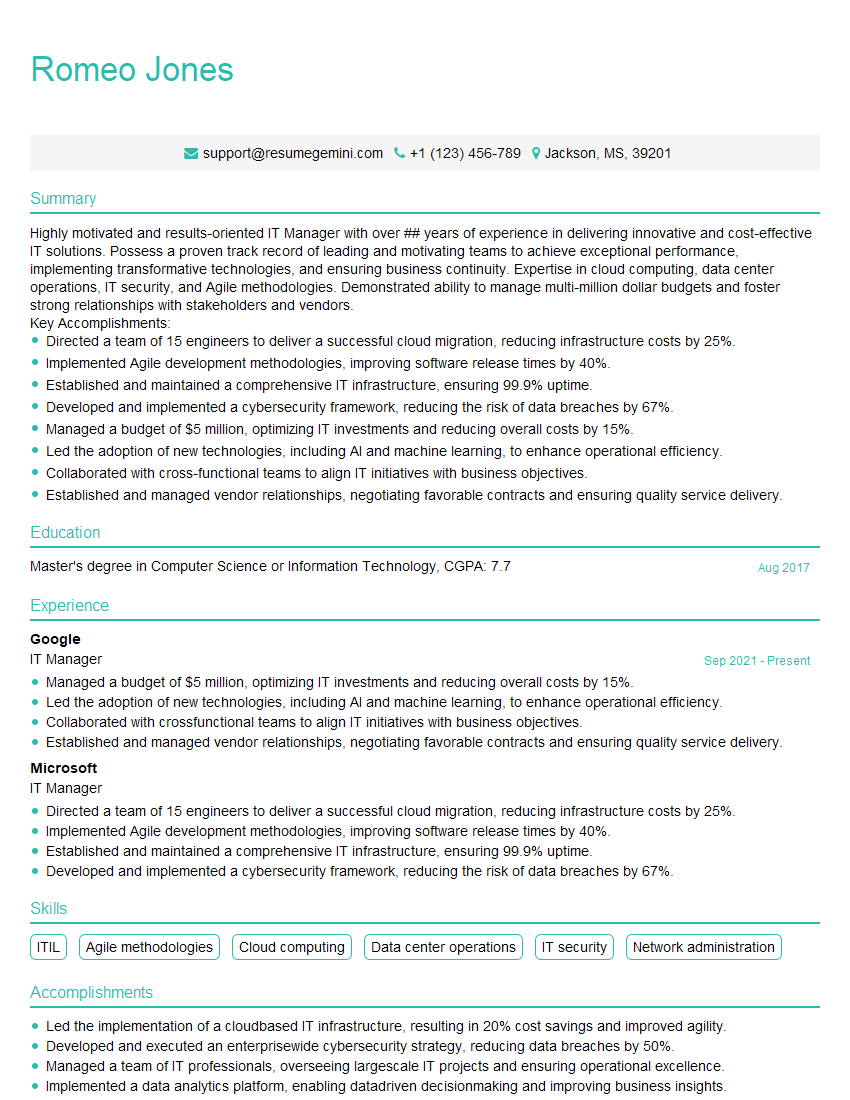
IT Manager Resume Sample
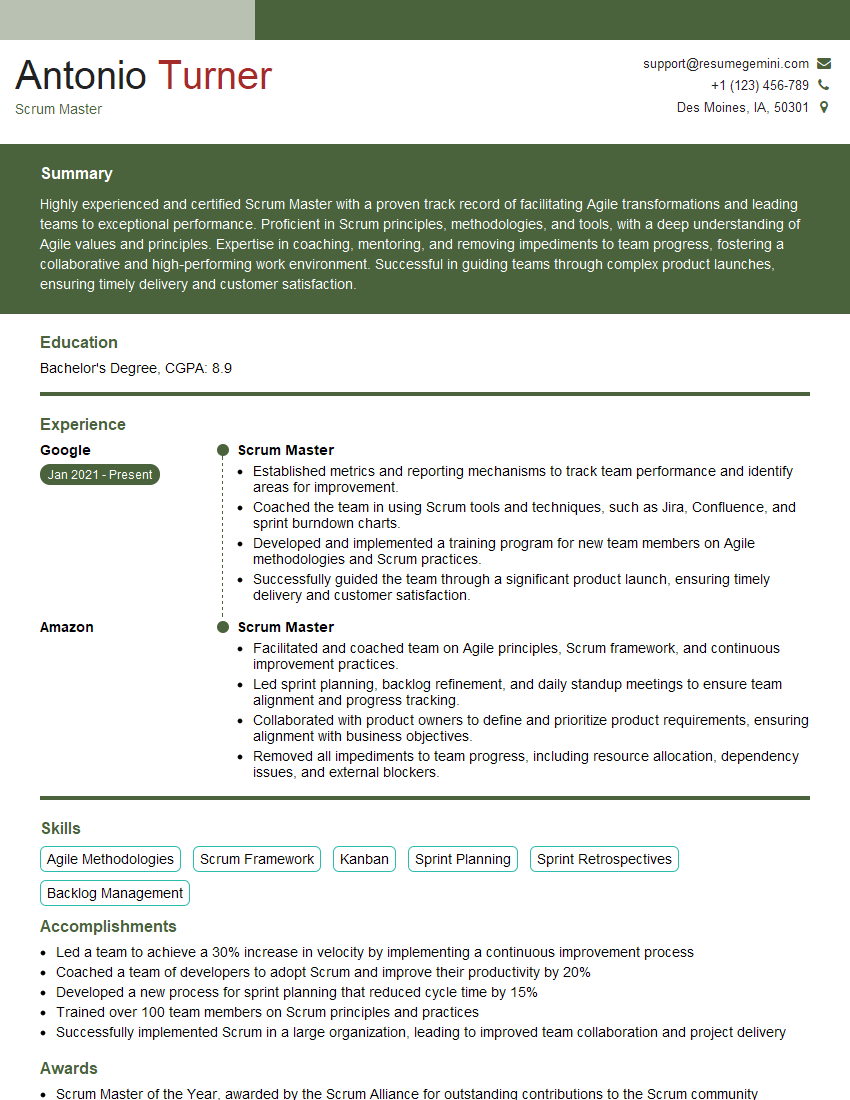
Scrum Master Resume Sample
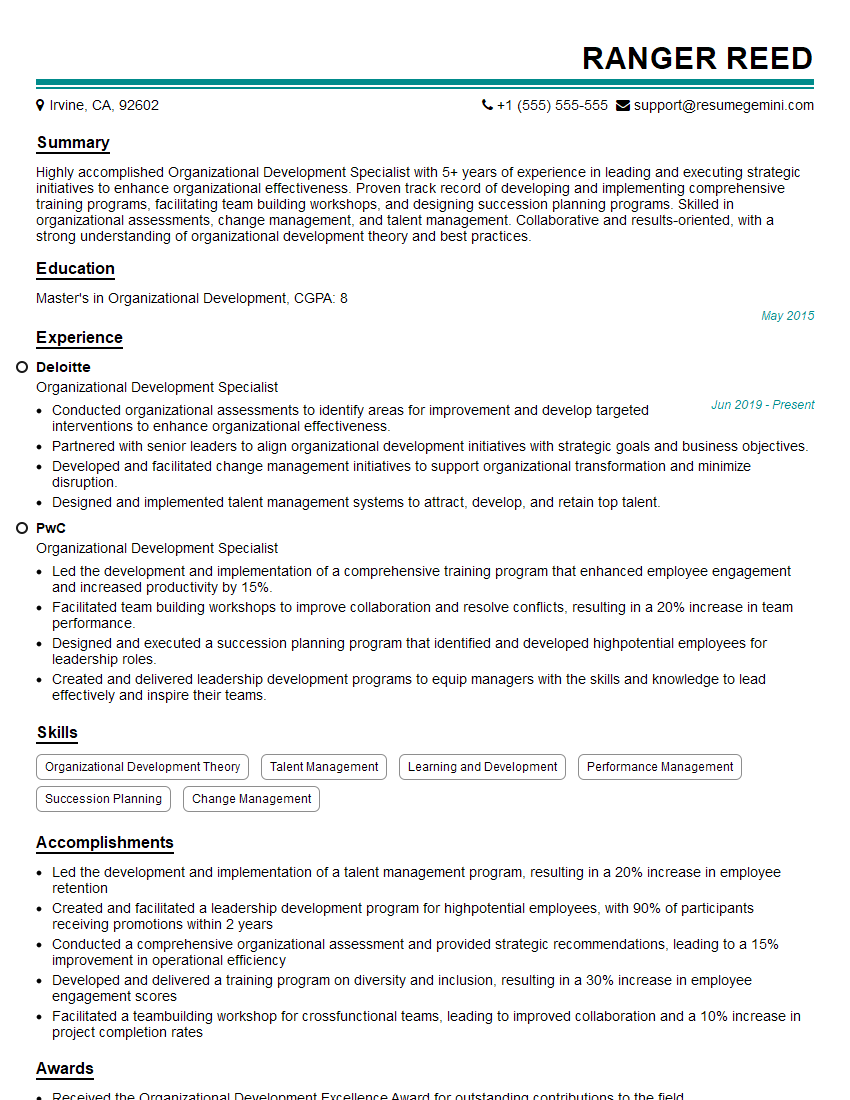
Organizational Development Specialist Resume Sample
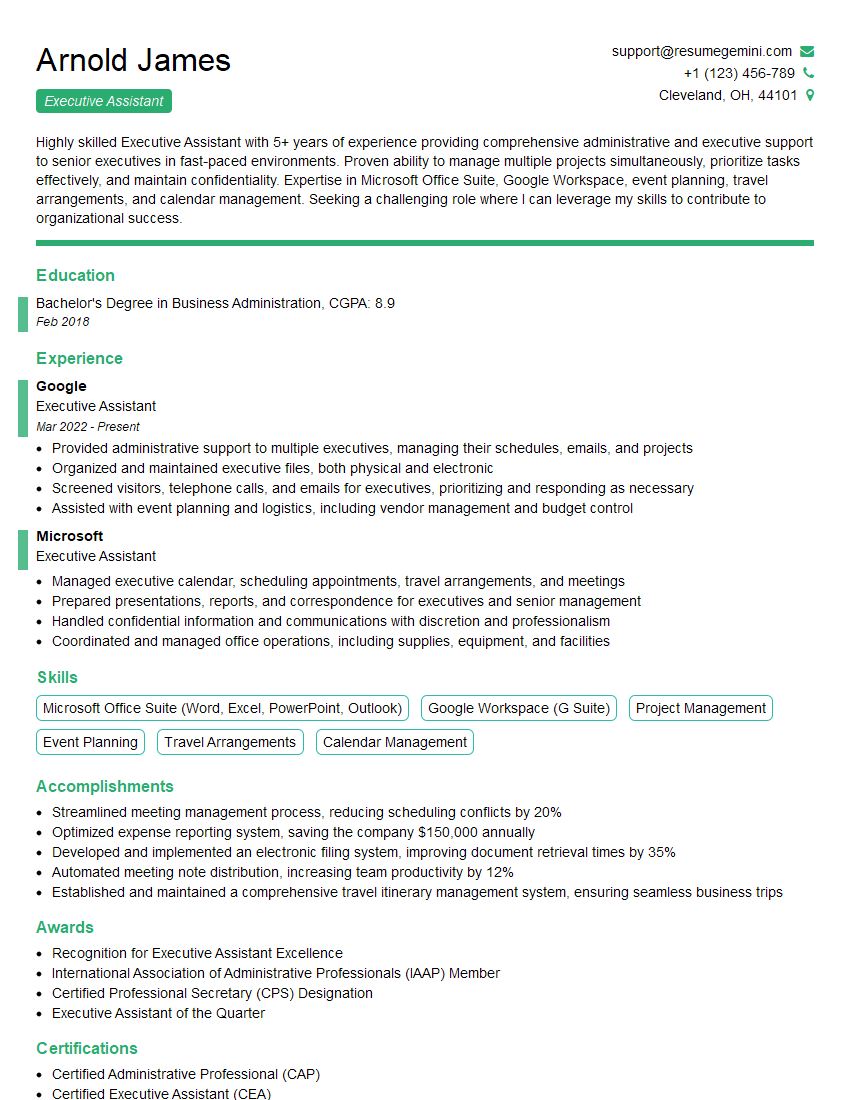
Executive Assistant Resume Sample
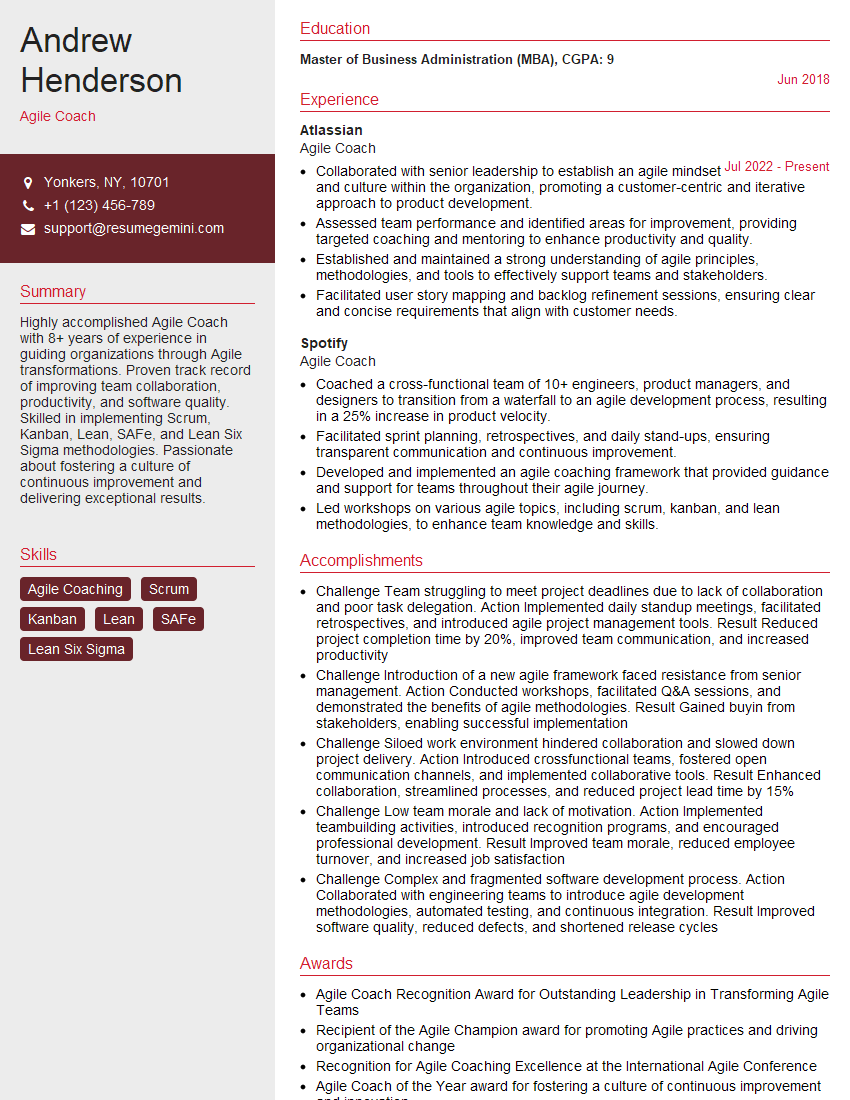
Agile Coach Resume Sample
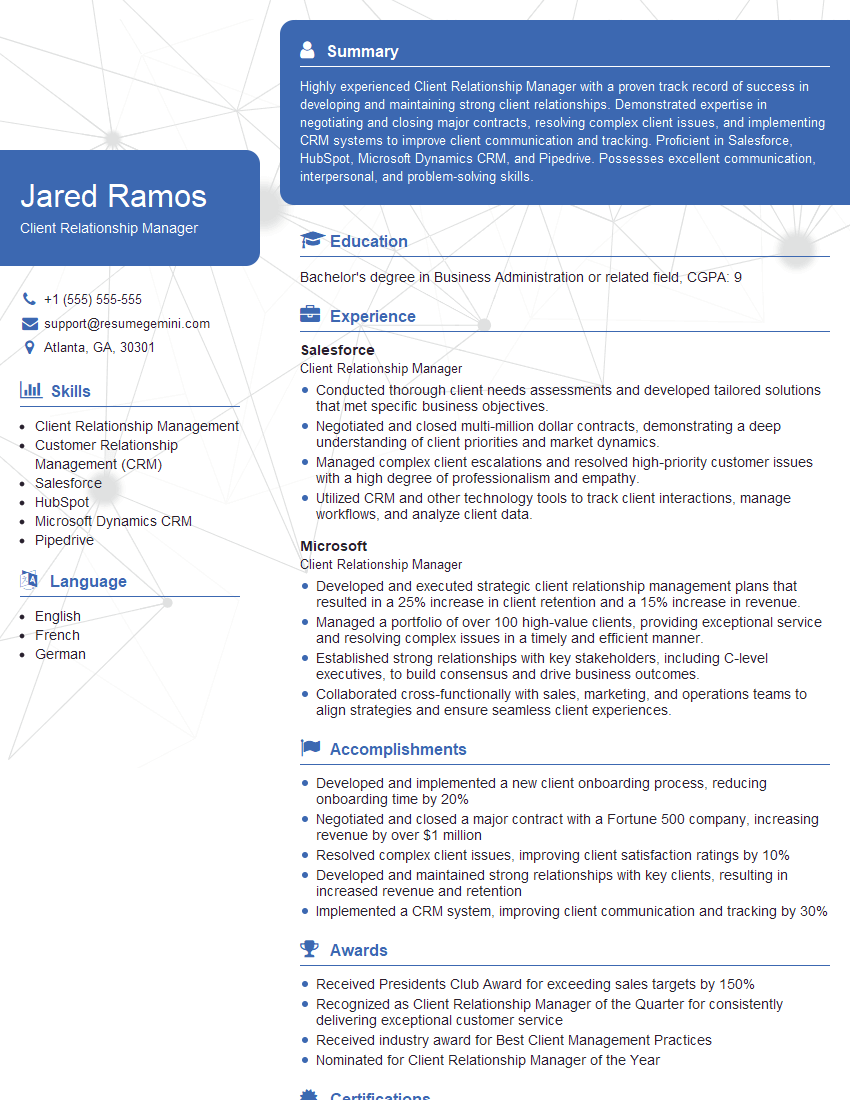
Client Relationship Manager Resume Sample
- Program Manager
- Operations Manager
- Account Manager
- Marketing Manager
- Sales Manager
- Business Development Manager
- Product Manager
- Director of Operations
- Training Manager
- Project Manager
- Department Head
- Engineering Manager
- Community Manager
- IT Manager
- Scrum Master
- Organizational Development Specialist
- Executive Assistant
- Agile Coach
- Client Relationship Manager
Explore more articles
Users Rating of Our Blogs
Share Your Experience
We value your feedback! Please rate our content and share your thoughts (optional).
What Readers Say About Our Blog
I Redesigned Spongebob Squarepants and his main characters of my artwork.
https://www.deviantart.com/reimaginesponge/art/Redesigned-Spongebob-characters-1223583608
IT gave me an insight and words to use and be able to think of examples
Hi, I’m Jay, we have a few potential clients that are interested in your services, thought you might be a good fit. I’d love to talk about the details, when do you have time to talk?
Best,
Jay
Founder | CEO