Feeling uncertain about what to expect in your upcoming interview? We’ve got you covered! This blog highlights the most important Commitment to Lifelong Learning interview questions and provides actionable advice to help you stand out as the ideal candidate. Let’s pave the way for your success.
Questions Asked in Commitment to Lifelong Learning Interview
Q 1. Describe your most recent professional development activity.
My most recent professional development activity involved completing a comprehensive online course on advanced data analysis techniques using Python. This course went beyond the basics, delving into statistical modeling, machine learning algorithms, and data visualization with libraries like Pandas, Scikit-learn, and Seaborn. I chose this course because I recognized a gap in my skills related to handling large datasets and extracting meaningful insights, a critical need in my current role. The course provided structured learning modules, hands-on exercises with real-world datasets, and opportunities to collaborate with other participants, fostering peer learning and problem-solving. The practical application of the learned skills is already visible in my current project, where I’ve successfully streamlined the data analysis process, leading to more accurate and timely reports.
Q 2. What methods do you use to identify your learning needs?
Identifying my learning needs is a continuous process. I employ a multi-pronged approach. Firstly, I regularly solicit feedback from colleagues, supervisors, and clients, seeking constructive criticism on my performance and areas for improvement. Secondly, I conduct self-assessments using tools like SWOT analysis (Strengths, Weaknesses, Opportunities, Threats), identifying skill gaps hindering my progress or preventing me from taking on new challenges. Thirdly, I actively participate in industry events, conferences, and webinars, paying close attention to emerging trends and advancements, comparing them with my current skillset. Finally, I track my performance metrics—for example, the time it takes to complete a task or the quality of my output—and use this data to identify areas where further learning would enhance efficiency and productivity.
Q 3. How do you prioritize learning activities amidst competing demands?
Prioritizing learning activities amidst competing demands requires careful planning and strategic allocation of time. I use a combination of techniques. First, I employ a time management system like Eisenhower Matrix (urgent/important), categorizing learning activities based on their urgency and importance. High-priority items, directly related to critical projects or essential skill development, are scheduled first. I then break down larger learning goals into smaller, manageable tasks, making them less daunting. Setting realistic deadlines for each task and incorporating learning activities into my daily or weekly schedule help maintain consistency. I also utilize techniques like the Pomodoro Technique, focusing intensely for a set period before taking short breaks to prevent burnout and maintain focus. Regular review and adjustment of my learning plan is also crucial to ensure alignment with evolving priorities.
Q 4. What resources do you typically utilize for professional development?
My professional development relies on a diverse range of resources. Online learning platforms such as Coursera, edX, and Udemy provide structured courses on various topics. Industry-specific journals, publications, and blogs offer insights into current trends and best practices. Professional organizations and networks, like those focused on project management or data science, provide webinars, conferences, and networking opportunities for ongoing learning. Books and online documentation are invaluable resources for in-depth knowledge on specific tools and technologies. Finally, I actively seek out mentorship opportunities, learning from experienced professionals in my field. This multi-faceted approach ensures a holistic and well-rounded learning experience.
Q 5. Describe a time you had to learn a new skill quickly for a project.
During a recent project involving the development of a new customer relationship management (CRM) system, I needed to rapidly acquire proficiency in Salesforce’s Apex programming language. The deadline was tight, and my prior experience with object-oriented programming was limited. To learn quickly, I combined multiple learning resources. I started with the Salesforce Trailhead platform, which offers interactive, hands-on modules. Then, I supplemented this with online tutorials and documentation. I also practiced regularly by working on small projects to solidify my understanding. Crucially, I collaborated with a senior developer, asking for guidance and feedback. Through this multi-faceted and intensive approach, I mastered the necessary skills within the project’s timeline. The successful implementation of the CRM system was a direct result of this rapid learning curve.
Q 6. How do you measure the effectiveness of your learning activities?
Measuring the effectiveness of my learning activities involves a combination of methods. Firstly, I assess the immediate impact through self-reflection and feedback from colleagues. Did I successfully apply the learned skills? Did my performance improve? Secondly, I track quantifiable metrics—for example, improved efficiency in task completion, increased accuracy in reporting, or successful implementation of new processes. Thirdly, I look for long-term impact—does the learned knowledge translate to greater responsibility or opportunities for advancement? Formal evaluation methods like post-course assessments or certification exams also provide objective measures of learning. Regular review and evaluation of these measures help me identify successful learning strategies and areas for improvement in my learning approach.
Q 7. How do you stay updated on industry trends and best practices?
Staying updated on industry trends and best practices involves active engagement with various resources. I subscribe to relevant industry newsletters and publications to receive regular updates. I actively participate in online communities, forums, and professional networking groups, engaging in discussions and sharing knowledge with peers. Attending industry conferences and webinars allows me to hear from leading experts and learn about the latest innovations. Following key influencers and thought leaders on social media provides a quick pulse on emerging trends. Finally, I make a conscious effort to review competitor activities and analyze case studies of successful projects to understand best practices and identify areas for improvement within my own field.
Q 8. What is your preferred learning style, and how does this impact your approach to professional development?
My preferred learning style is a blend of kinesthetic and visual learning. I find that actively engaging with the material, whether through hands-on projects or creating visual aids like mind maps, significantly enhances my understanding. This impacts my professional development by prompting me to seek opportunities that involve practical application and visual representation of concepts. For instance, instead of simply reading a research paper on a new software, I’d prefer to install the software and work through tutorials, creating a visual flowchart to map out its functionality. This hands-on approach solidifies my knowledge and helps me retain information more effectively.
Q 9. Describe a situation where you failed to learn something effectively and what you learned from the experience.
Once, I attempted to learn a new programming language solely through online tutorials. I focused heavily on theory and syntax, neglecting the practical application. The result was a superficial understanding; I could understand the concepts in theory but struggled to write functional code. I realized my mistake and corrected it by actively building small projects, focusing on applying the concepts I learned. I also joined an online coding community, where I could interact with other programmers and receive feedback on my code. This collaborative learning experience drastically improved my understanding and ability to use the programming language.
Q 10. How do you adapt your learning strategies based on the complexity of the topic or task?
My learning strategy adapts significantly based on the topic’s complexity. For simpler concepts, I might utilize quick learning methods like reading summaries or watching concise videos. However, complex topics require a more structured approach. I break down the subject into smaller, manageable chunks, creating detailed notes and diagrams. I might also seek mentorship or participate in workshops or courses that provide structured learning environments. For example, learning basic Excel functions might only require a quick online tutorial, but mastering advanced data analysis would involve dedicated coursework and practice exercises.
Q 11. What are some challenges you have faced in pursuing lifelong learning, and how have you overcome them?
One major challenge I’ve faced is balancing lifelong learning with work and personal commitments. Time management has been key. To overcome this, I strategically allocate specific time slots for learning, treating them as important appointments. Another challenge is staying motivated. I combat this by setting realistic learning goals, celebrating small victories, and regularly reflecting on my progress. I also make learning social by joining online communities or attending workshops, which provides external accountability and motivation.
Q 12. How do you incorporate new knowledge and skills into your current role?
I integrate new knowledge and skills into my current role by actively seeking opportunities to apply them. This could involve proposing innovative solutions to existing problems, taking on new responsibilities, or mentoring colleagues. I also document my learning journey and share it with my team. This can involve creating internal training documents, giving presentations or participating in knowledge-sharing sessions. For example, if I learn a new data visualization tool, I might use it to create more impactful reports for my team, sharing my knowledge and best practices in a team meeting.
Q 13. What are some tools or technologies you use to enhance your learning experience?
I utilize a range of tools to enhance my learning. Coursera and edX provide access to high-quality online courses. Notion and Evernote help organize my notes and learning resources. YouTube and Podcasts serve as valuable sources of information on specific topics. I also use Grammarly to improve my writing skills and Quizlet for effective memorization.
Q 14. How do you balance self-directed learning with structured learning opportunities?
Balancing self-directed and structured learning is crucial. I view self-directed learning as exploratory, allowing me to delve deeper into areas that pique my interest. This often complements structured learning, such as formal courses or workshops, which provide a more focused and systematic approach to acquiring knowledge. For example, I might take a structured course on project management, then use self-directed learning to explore specific project management methodologies that interest me. This synergistic approach ensures I develop a well-rounded skill set and maintain a consistent pace of learning.
Q 15. Describe your experience with mentoring or coaching others in their professional development.
Mentoring and coaching others in their professional development is a passion of mine. I believe in fostering a culture of continuous growth, and I approach this by creating personalized learning plans that align with individual goals and career aspirations. I don’t just tell people what to do; I guide them through self-discovery, helping them identify their strengths and weaknesses, and empowering them to find solutions to their own challenges.
For instance, I recently mentored a junior data analyst who struggled with data visualization. Instead of simply showing her how to create charts, I guided her through understanding the various chart types, helping her choose the most appropriate representation for her data. We worked together on selecting the right tools, and I provided constructive feedback throughout the process. This hands-on approach ensured she not only improved her technical skills but also developed a stronger understanding of how to effectively communicate her insights.
Another example involves coaching a team leader who wanted to improve his delegation skills. We used a structured approach, working through scenarios and practicing effective communication techniques. The result was a significant improvement in his team’s productivity and his own work-life balance.
Career Expert Tips:
- Ace those interviews! Prepare effectively by reviewing the Top 50 Most Common Interview Questions on ResumeGemini.
- Navigate your job search with confidence! Explore a wide range of Career Tips on ResumeGemini. Learn about common challenges and recommendations to overcome them.
- Craft the perfect resume! Master the Art of Resume Writing with ResumeGemini’s guide. Showcase your unique qualifications and achievements effectively.
- Don’t miss out on holiday savings! Build your dream resume with ResumeGemini’s ATS optimized templates.
Q 16. How do you evaluate the ROI of your professional development investments?
Evaluating the ROI of professional development investments is crucial. I employ a multi-faceted approach that combines quantitative and qualitative measures. Quantifiable metrics include increased productivity, improved project outcomes, enhanced employee retention rates, and cost savings resulting from improved efficiency. For example, after completing a project management course, a team I lead delivered projects 15% faster and under budget. This directly impacted our company’s bottom line.
However, quantitative measures alone aren’t sufficient. Qualitative data, like employee feedback through surveys and performance reviews, helps gauge softer skills like improved problem-solving, enhanced teamwork, and increased job satisfaction. A successful investment will show improvements across both dimensions. I regularly track these metrics, analyzing the data to demonstrate the value of my chosen learning initiatives and to inform future investment decisions.
Q 17. What are some strategies you use to maintain motivation and stay engaged in continuous learning?
Maintaining motivation in continuous learning requires a proactive and adaptable approach. I avoid getting stuck in routines and actively seek new challenges. This might involve exploring different learning methods – online courses, workshops, conferences, books, mentoring – to keep things interesting and prevent burnout.
- Setting SMART goals: Specific, Measurable, Achievable, Relevant, and Time-bound goals keep me focused and motivated. For example, instead of aiming vaguely to “improve coding skills,” I set a goal to “complete the Udacity Nanodegree in Data Science within six months.”
- Building a learning community: Engaging with colleagues and peers through knowledge-sharing sessions and online forums fosters accountability and mutual support. The collaborative environment makes the learning journey more enjoyable.
- Celebrating milestones: Recognizing and celebrating smaller achievements along the way reinforces positive reinforcement and keeps me motivated to push further.
- Reflecting on progress: Regularly reviewing what I’ve learned and how it has impacted my work helps to solidify my knowledge and identify areas for further improvement. This provides a sense of accomplishment and fuels my desire to learn more.
Q 18. Describe a time you leveraged your learning to solve a problem at work.
During a recent project, our team faced a critical bottleneck in data processing. The existing system was slow and inefficient. My previous experience with cloud computing and parallel processing, gained through an online course, provided the solution. I proposed migrating part of the data processing to a cloud-based platform, utilizing parallel processing techniques to significantly reduce processing time.
This not only resolved the immediate problem but also improved the overall scalability and efficiency of our data pipeline. The improved workflow led to cost savings and faster delivery of project results. This demonstrated the practical application of my newly acquired knowledge and its significant impact on the project’s success.
Q 19. How do you share your knowledge and expertise with your colleagues?
Knowledge sharing is integral to my commitment to lifelong learning. I actively participate in knowledge-sharing initiatives within my team and organization. This includes:
- Leading workshops and training sessions: I regularly conduct workshops on topics relevant to my expertise, helping colleagues improve their skills.
- Presenting at internal conferences or seminars: Sharing my research findings or practical experiences in a broader context benefits the entire organization.
- Mentoring and coaching: I actively mentor and coach colleagues, guiding them on their learning journeys and providing support.
- Contributing to internal wikis and documentation: Creating and updating internal documentation ensures knowledge is readily accessible to everyone. This prevents information silos and fosters a culture of collaborative learning.
Q 20. What are your long-term goals for professional development?
My long-term professional development goals center around becoming a recognized expert in my field and contributing to the advancement of my profession. This involves:
- Deepening my technical expertise: Pursuing advanced certifications and staying abreast of the latest industry trends are essential.
- Developing leadership capabilities: I aim to hone my leadership and mentoring skills to effectively guide and empower teams.
- Contributing to the community: This may include publishing research papers, presenting at international conferences, or contributing to open-source projects.
Continuously upgrading my skills and expertise is not just a professional goal but also a personal aspiration. I want to stay relevant, make a real impact, and continuously challenge myself to grow.
Q 21. What are your strengths and weaknesses in terms of lifelong learning?
My strengths in lifelong learning include a proactive approach, a strong work ethic, and an inherent curiosity that drives me to seek out new knowledge and challenges. I’m also highly adaptable and comfortable embracing new learning methods and technologies.
However, a potential weakness is my tendency to take on too many projects or learning initiatives simultaneously. I am working on improving my time management skills and prioritizing my learning goals to avoid feeling overwhelmed and ensure I dedicate enough time and focus to each project.
Q 22. How do you ensure your learning is relevant to your career aspirations?
Ensuring my learning remains relevant to my career aspirations is a continuous process that involves strategic planning and self-reflection. I begin by clearly defining my long-term career goals. What kind of role do I envision myself in five, ten years from now? What skills and knowledge will be essential for success in that role? This forms the foundation of my learning roadmap.
Next, I regularly research industry trends and emerging technologies. I leverage resources like industry publications, professional networking sites (LinkedIn), and online learning platforms (Coursera, edX) to identify skills gaps and emerging areas of expertise. This allows me to proactively acquire skills that are highly valued and in demand, rather than reactively responding to changes.
Finally, I integrate learning into my daily routine, even if it’s just for 15-30 minutes. I might dedicate time to reading industry articles, listening to podcasts, or taking an online course. This consistent effort ensures my skills stay sharp and relevant to my evolving career path. This proactive approach ensures my learning isn’t just a passive activity, but a strategic investment in my professional future.
Q 23. What are some examples of successful learning projects you have undertaken?
One successful learning project involved mastering Python programming. Recognizing its increasing importance in data analysis, a field I aspired to enter, I dedicated three months to focused learning. I enrolled in an online course, completed numerous coding challenges on platforms like HackerRank and LeetCode, and built several personal projects, including a web scraper and a simple machine learning model. This project not only improved my technical skills, but also demonstrated my commitment to continuous learning to potential employers.
Another example is my work on improving my public speaking skills. While I was comfortable presenting to small groups, I lacked the confidence for larger audiences. To address this, I joined a Toastmasters club, actively participated in their workshops and meetings, and sought feedback on my presentations. This experience significantly enhanced my communication skills, leading to more impactful presentations and increased confidence in professional settings.
Q 24. How do you stay current with technological advancements relevant to your field?
Staying current with technological advancements requires a multi-pronged approach. I subscribe to industry newsletters and journals, follow thought leaders on social media platforms like Twitter, and attend webinars and conferences related to my field. These activities provide me with regular updates on the latest innovations and trends.
Furthermore, I actively participate in online communities and forums where professionals in my field discuss new technologies and share their experiences. This allows me to engage in meaningful discussions, learn from others’ successes and failures, and quickly identify emerging technologies that might be relevant to my work. Finally, I experiment with new tools and technologies on personal projects. This hands-on experience helps solidify my understanding and allows me to assess their practical applicability.
Q 25. Describe a time you had to learn something outside of your comfort zone.
Learning project management was definitely outside my comfort zone. While my background was heavily technical, I realized that effective project leadership was crucial for career advancement. I initially felt overwhelmed by the terminology and processes involved – Gantt charts, Agile methodologies, risk management – all felt foreign. To overcome this, I adopted a structured learning approach. I started with introductory material, then moved on to more advanced concepts, consistently applying what I learned to small projects.
I actively sought feedback from experienced project managers, participating in workshops and online forums. This active engagement, coupled with applying the learned principles to real-world scenarios (even small personal projects), helped me bridge the gap. The initial discomfort transformed into a sense of accomplishment and a valuable new skill set. This project highlighted the importance of embracing challenges and the power of persistent learning to expand my capabilities.
Q 26. How do you deal with information overload when learning new skills?
Information overload is a common challenge in today’s fast-paced world. My strategy involves prioritizing and filtering information. I start by defining specific learning goals. What exactly do I need to learn? Once this is clear, I curate my learning resources carefully, selecting only the most relevant and credible sources. I avoid getting bogged down in less important details.
I also utilize techniques like the Pomodoro Technique to manage my learning time effectively. This involves focused work sessions followed by short breaks, which helps prevent burnout and maintain concentration. Finally, I actively synthesize information, summarizing key concepts and creating personal notes. This process not only helps me retain information but also identifies gaps in my understanding, which I can then address through further research.
Q 27. What strategies do you use to overcome procrastination or resistance to learning?
Procrastination and resistance to learning are often rooted in fear of failure or feeling overwhelmed. My approach focuses on breaking down large learning tasks into smaller, more manageable steps. This makes the process less daunting and provides a sense of accomplishment as each step is completed. I also set realistic goals and celebrate small wins to stay motivated.
Another strategy is to create a supportive learning environment. This could involve finding a learning buddy or joining an online community. Having someone to share my progress with and provide encouragement keeps me accountable. Finally, I practice self-compassion. Learning is a journey, not a race, and setbacks are inevitable. Acknowledging this and allowing myself grace helps me overcome resistance and stay committed to lifelong learning.
Key Topics to Learn for Commitment to Lifelong Learning Interview
- Defining Lifelong Learning: Understanding the philosophy and its practical implications in a professional context. Consider how you’ve demonstrated a proactive approach to learning and development.
- Identifying Learning Needs: Articulate how you assess your own skill gaps and proactively seek opportunities for improvement. Provide examples of how you’ve identified areas needing development and the steps you took to address them.
- Learning Strategies and Methods: Discuss your preferred learning styles and methods (e.g., online courses, workshops, mentorship, independent study). Explain why these methods are effective for you and how you adapt your approach based on the learning objective.
- Practical Application of Learned Skills: Showcase instances where you’ve applied newly acquired knowledge or skills to enhance your performance or contribute to a team’s success. Quantify your achievements whenever possible.
- Obstacles and Solutions: Discuss challenges you’ve faced in pursuing lifelong learning (e.g., time constraints, resource limitations) and how you overcame them. Demonstrating resilience and problem-solving abilities is crucial.
- Future Learning Goals: Articulate your plans for future learning and professional development. Show your commitment to continuous growth and adaptation to evolving industry demands.
- Impact of Lifelong Learning: Describe how your commitment to continuous learning has positively impacted your career trajectory and personal growth.
Next Steps
Mastering the concept of Commitment to Lifelong Learning significantly enhances your career prospects by demonstrating adaptability, proactiveness, and a dedication to continuous improvement – qualities highly valued by employers. To increase your chances of landing your dream job, it’s essential to craft a compelling and ATS-friendly resume that highlights your commitment to learning and development. ResumeGemini is a trusted resource that can help you build a professional and impactful resume tailored to your individual experiences and career goals. Examples of resumes tailored to showcasing a Commitment to Lifelong Learning are available to further guide you.

Knowledge Manager Resume Sample
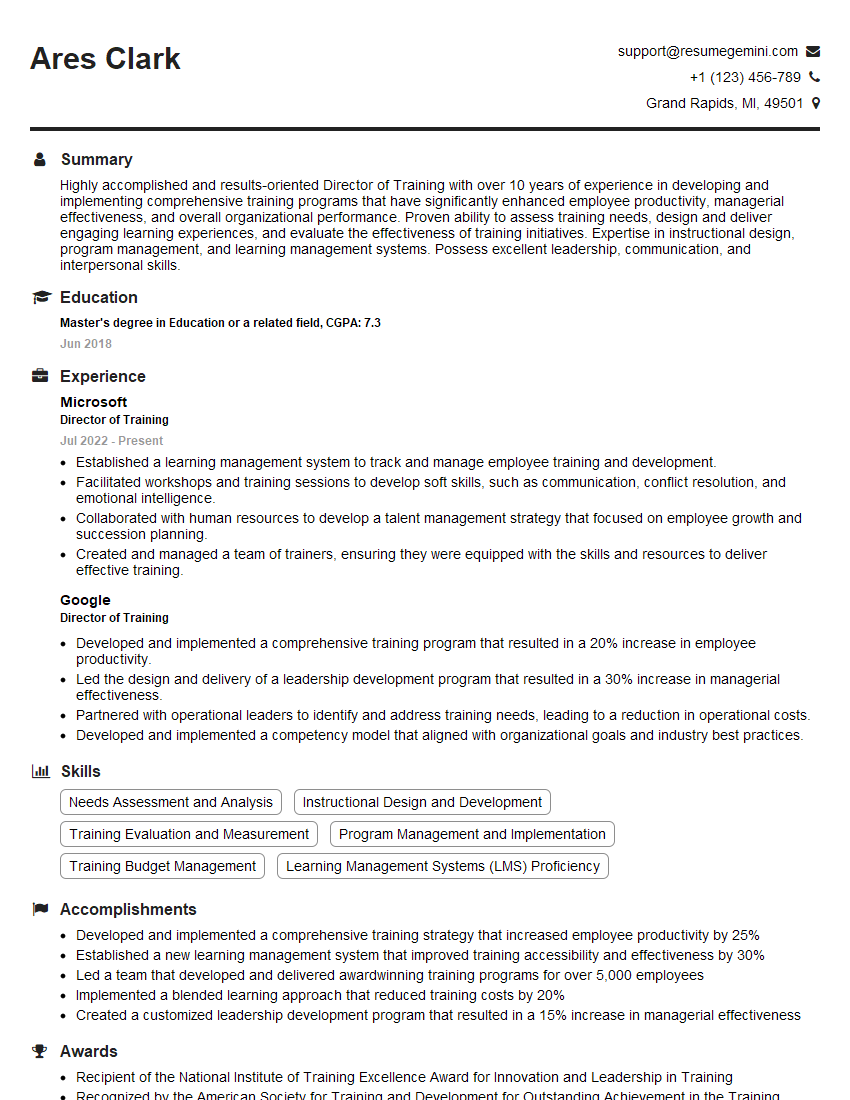
Director of Training Resume Sample
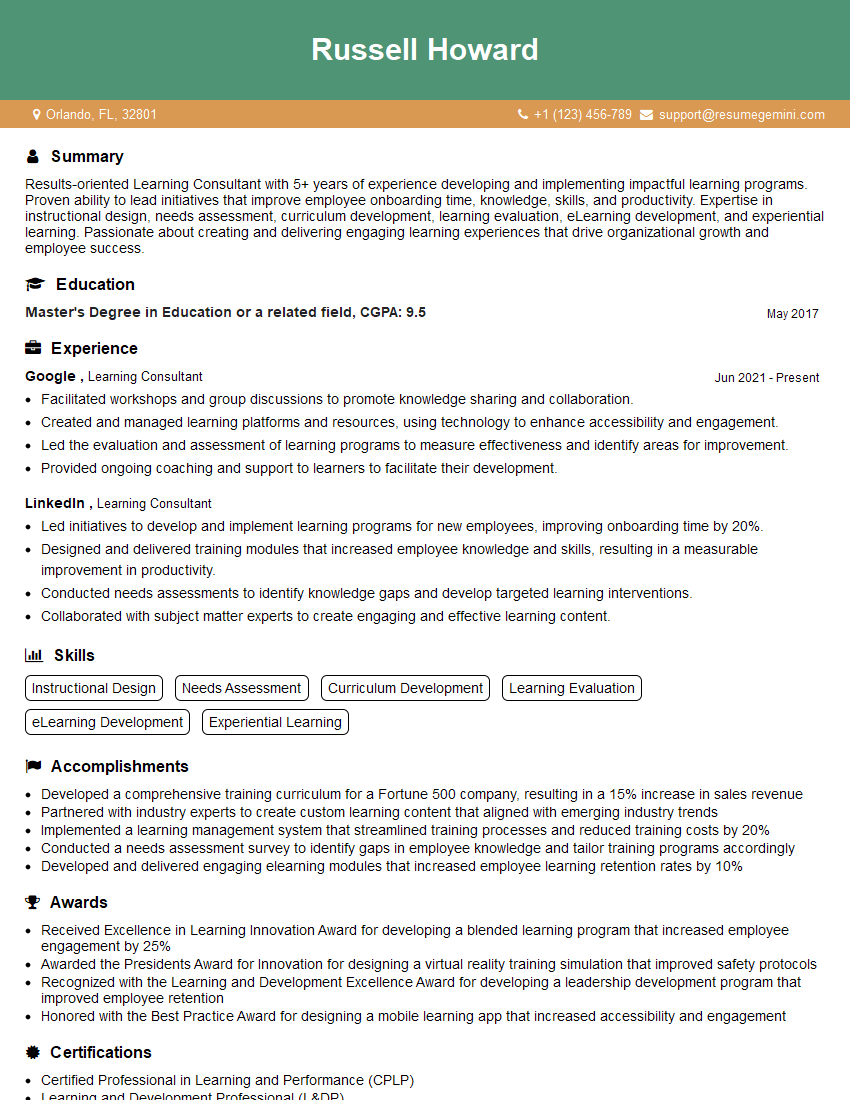
Learning Consultant Resume Sample
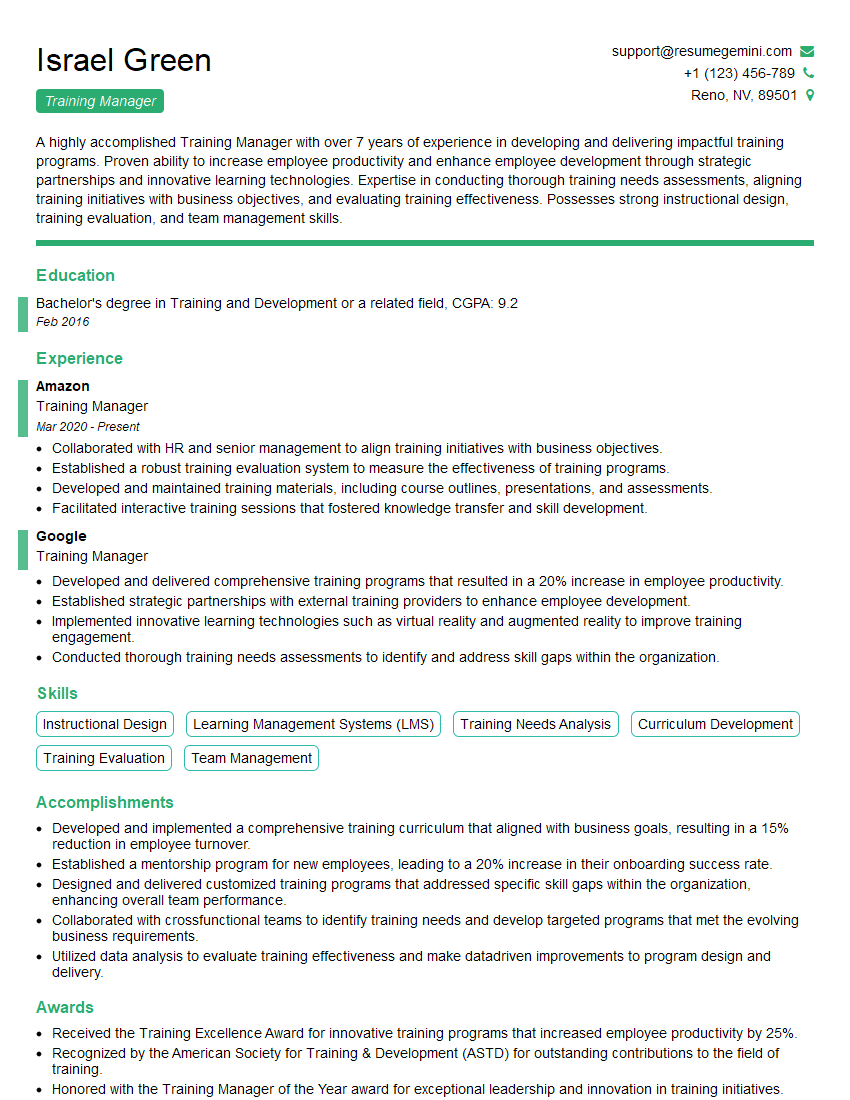
Training Manager Resume Sample
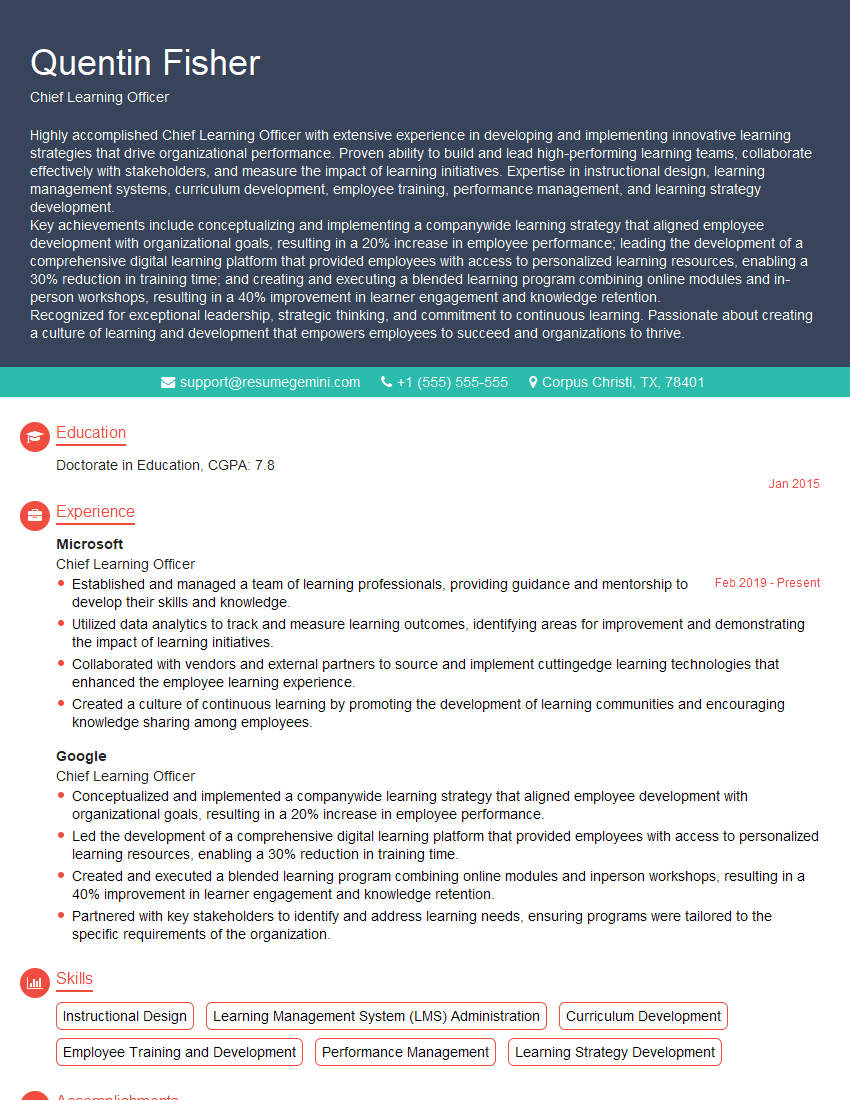
Chief Learning Officer Resume Sample
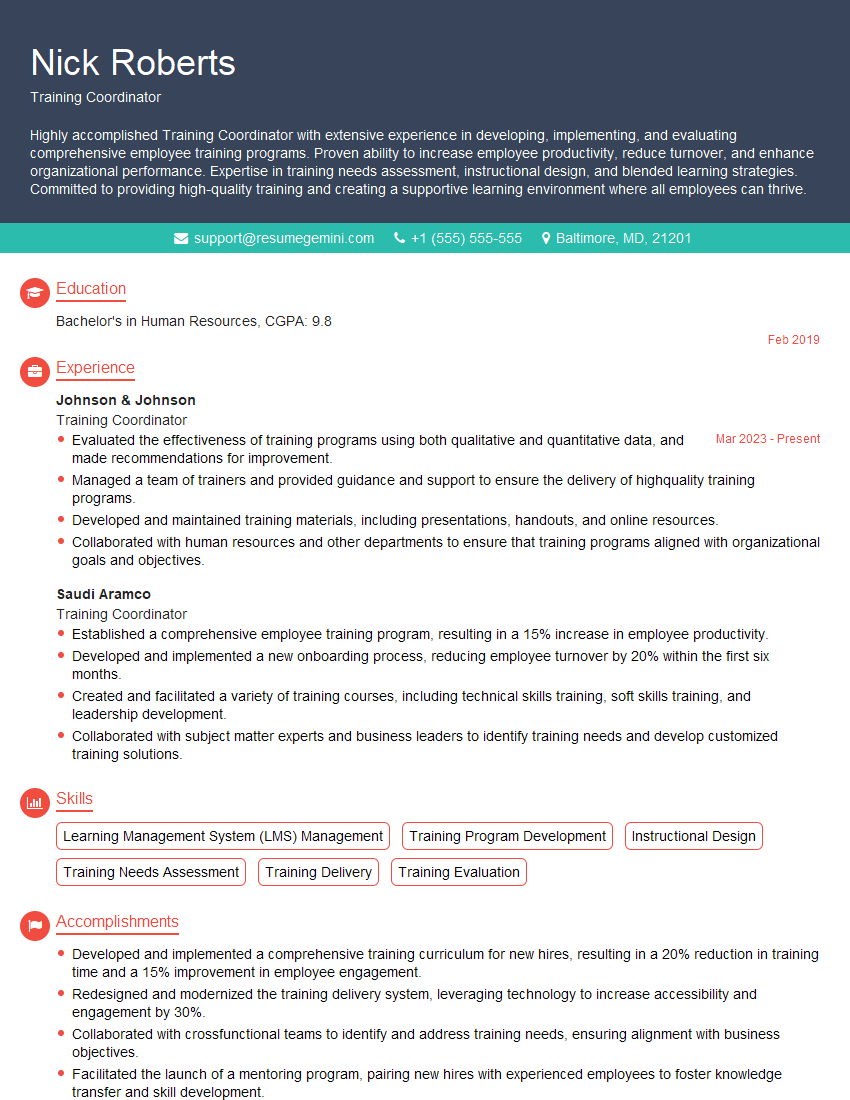
Training Coordinator Resume Sample
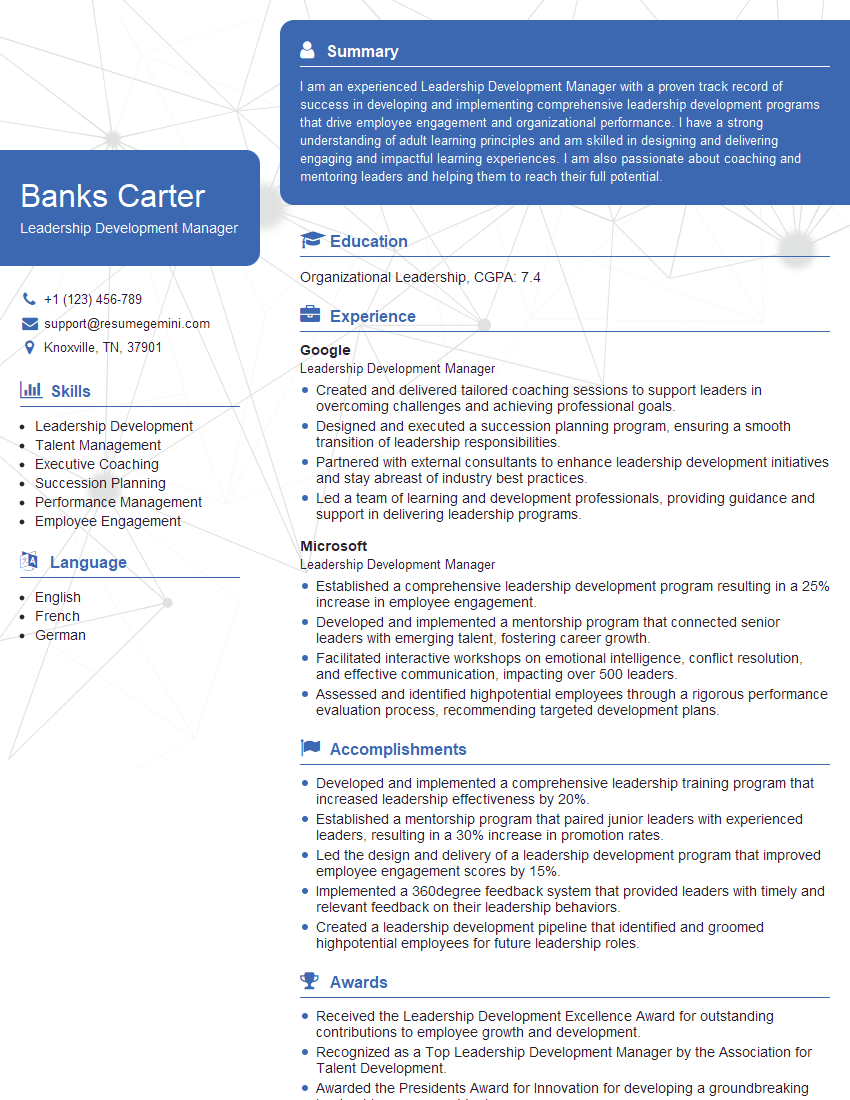
Leadership Development Manager Resume Sample
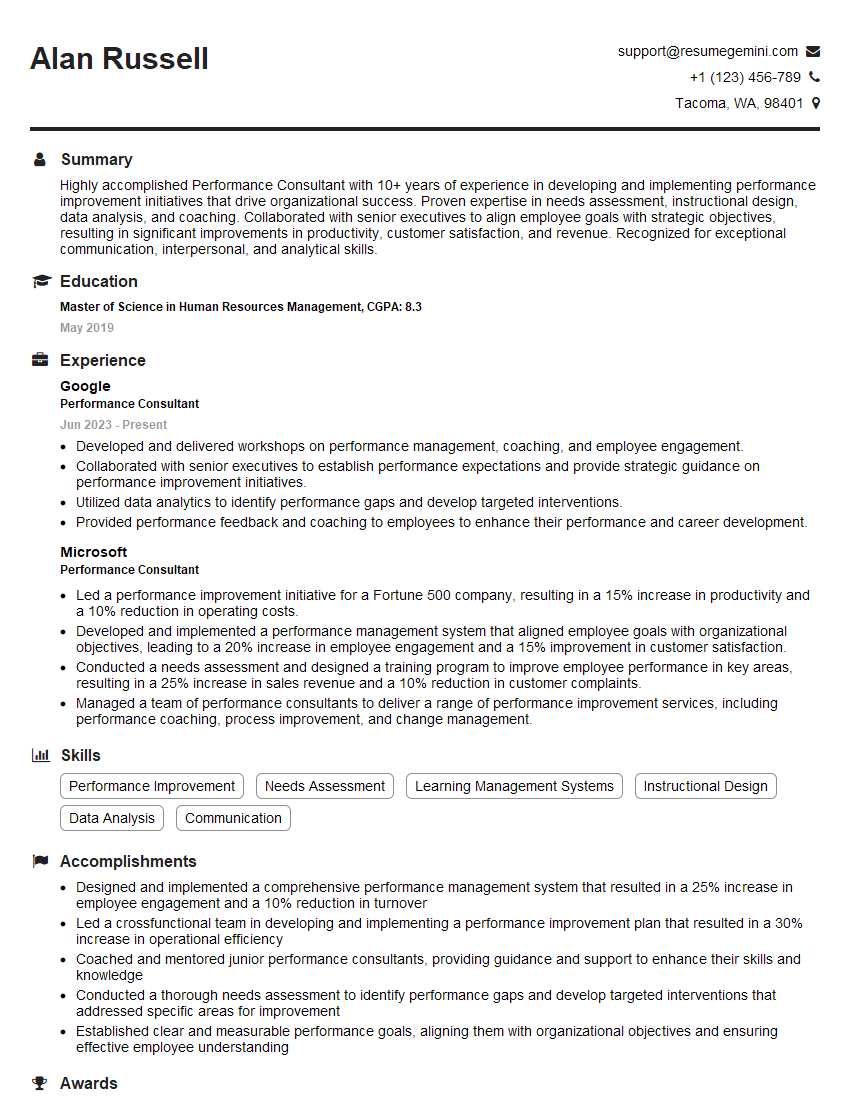
Performance Consultant Resume Sample
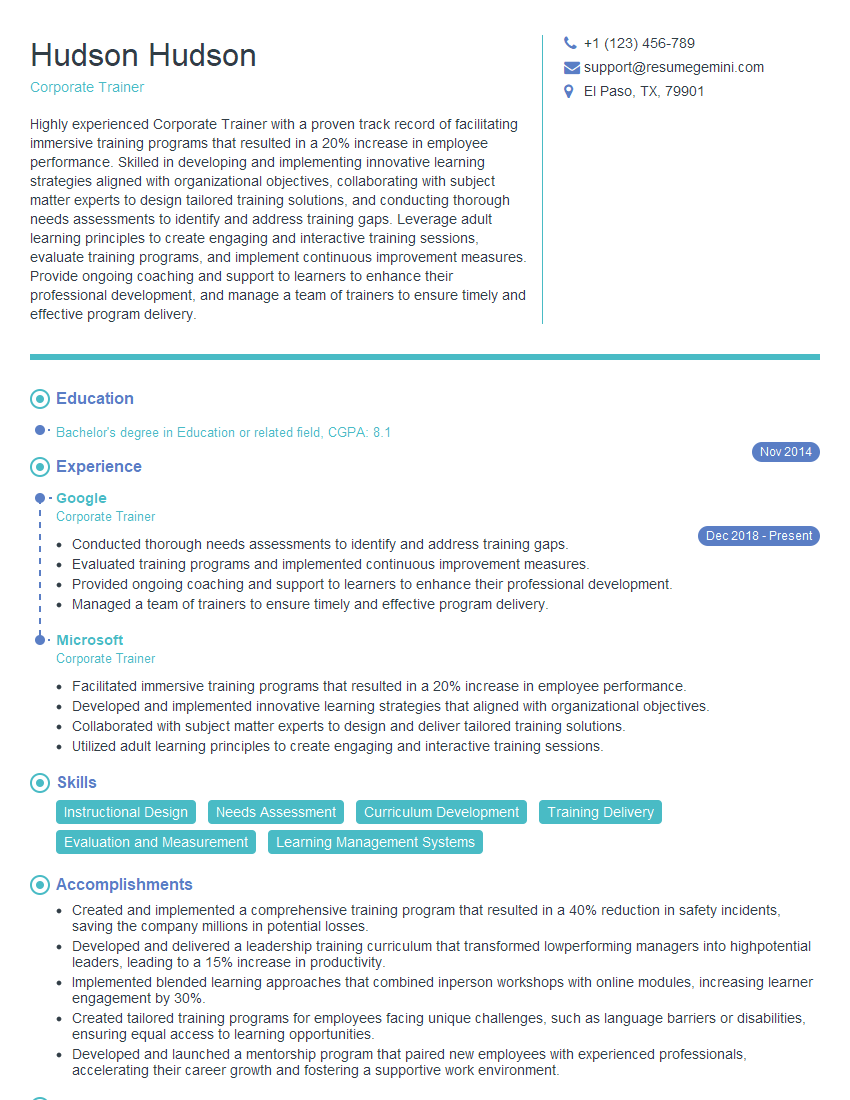
Corporate Trainer Resume Sample

Curriculum Developer Resume Sample
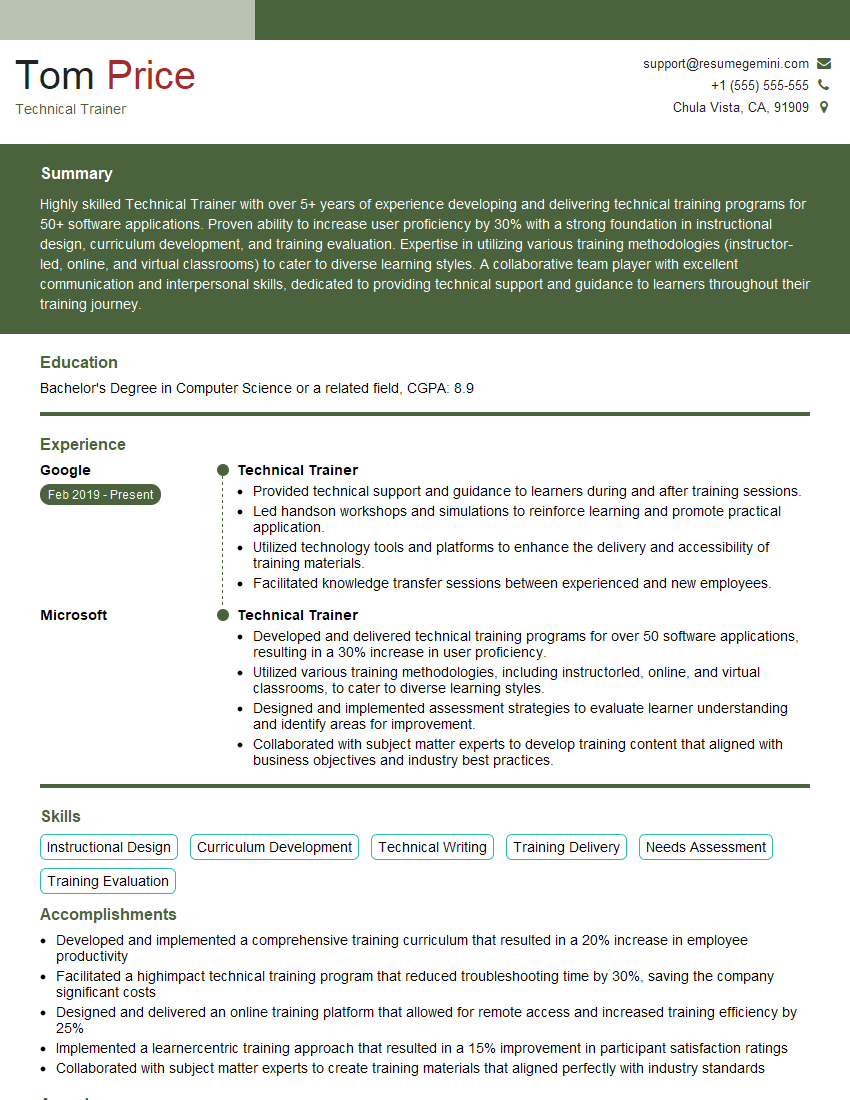
Technical Trainer Resume Sample
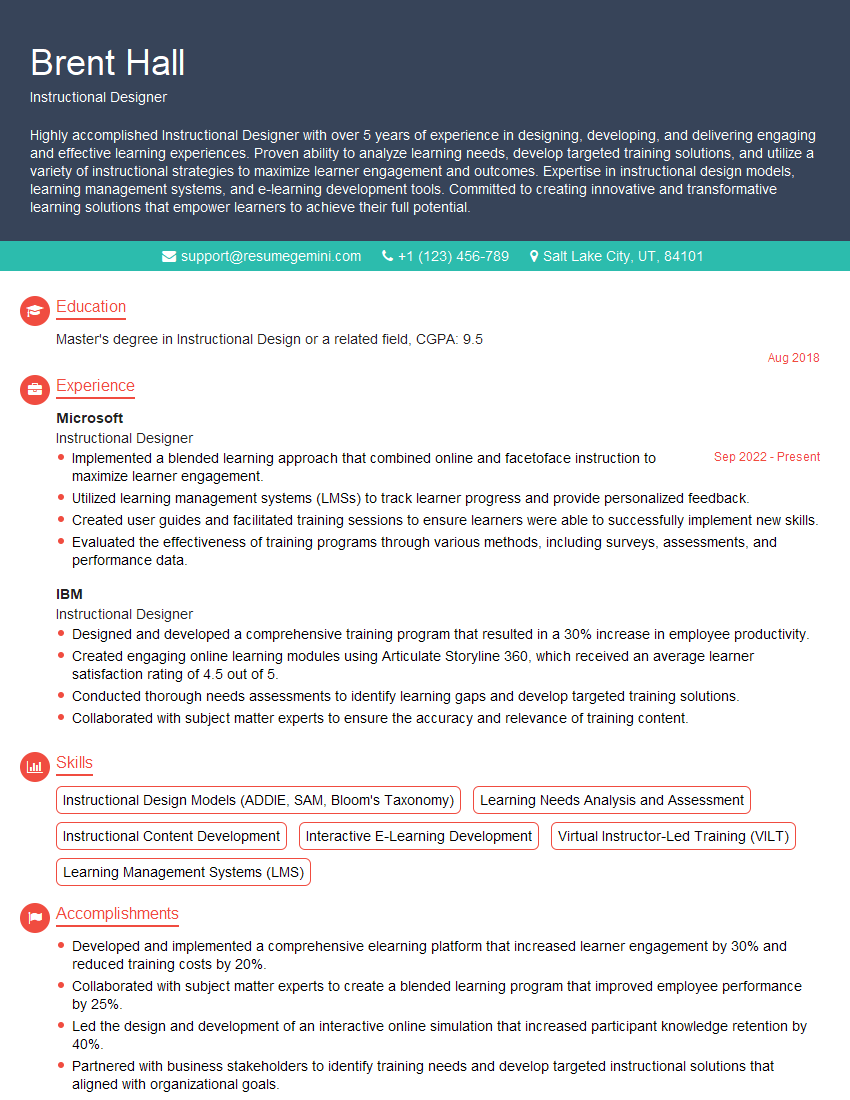
Instructional Designer Resume Sample
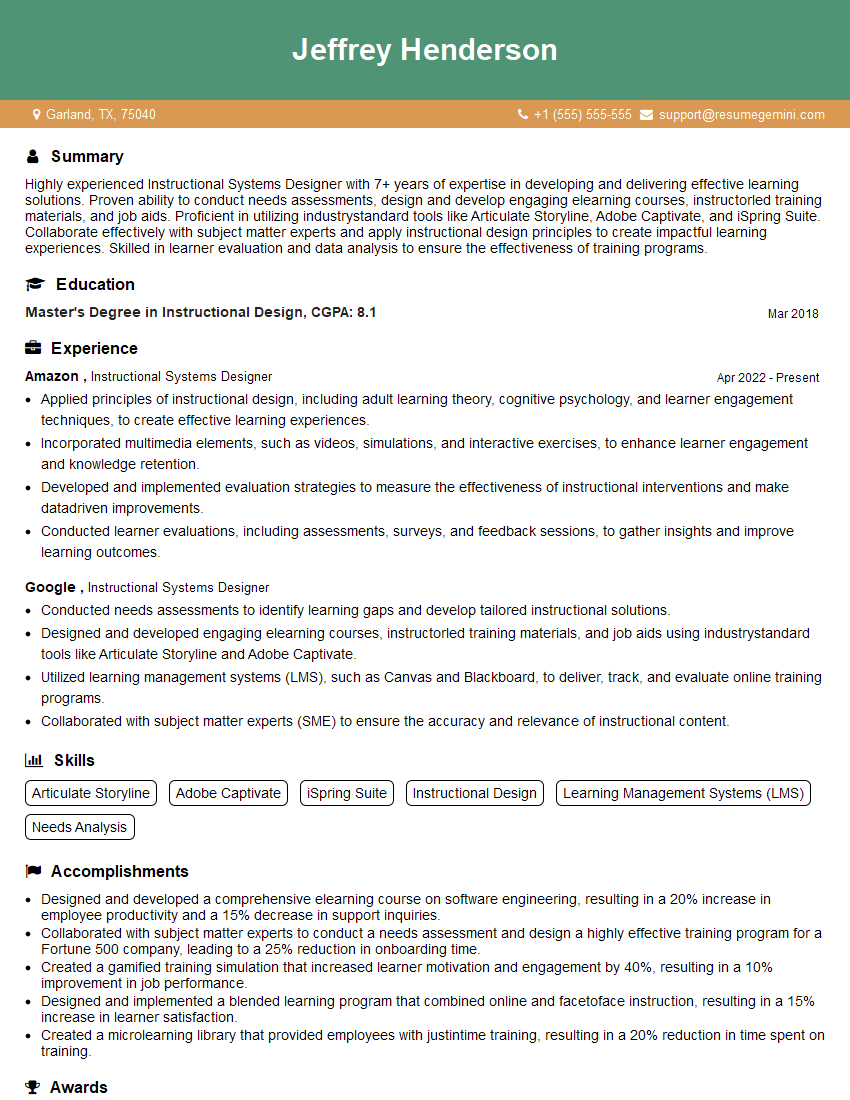
Instructional Systems Designer Resume Sample
Explore more articles
Users Rating of Our Blogs
Share Your Experience
We value your feedback! Please rate our content and share your thoughts (optional).
What Readers Say About Our Blog
I Redesigned Spongebob Squarepants and his main characters of my artwork.
https://www.deviantart.com/reimaginesponge/art/Redesigned-Spongebob-characters-1223583608
IT gave me an insight and words to use and be able to think of examples
Hi, I’m Jay, we have a few potential clients that are interested in your services, thought you might be a good fit. I’d love to talk about the details, when do you have time to talk?
Best,
Jay
Founder | CEO