The right preparation can turn an interview into an opportunity to showcase your expertise. This guide to Commitment to the Education and Well-Being of Deaf and Hard of Hearing Students interview questions is your ultimate resource, providing key insights and tips to help you ace your responses and stand out as a top candidate.
Questions Asked in Commitment to the Education and Well-Being of Deaf and Hard of Hearing Students Interview
Q 1. Describe your experience using various communication methods with Deaf and Hard of Hearing students.
My experience with Deaf and Hard of Hearing (DHH) students encompasses a wide range of communication methods. I’m fluent in American Sign Language (ASL), and I’ve received extensive training in Total Communication, which integrates ASL, speech, lip reading, and written communication. I also utilize assistive listening devices and various visual aids to enhance understanding. For example, with a student who uses ASL primarily, I would incorporate visual aids like pictures and videos into my lesson to support comprehension. With a student who uses a combination of speech and ASL, I might use a combination of spoken words and signed supports. The key is flexibility and adapting to the student’s preferred and most effective communication mode.
I remember one student, Alex, who primarily relied on ASL but had some residual hearing. I adapted my teaching by using a combination of signing and clear speech, ensuring my mouth was visible and my pace was appropriate. This blended approach allowed Alex to access the information through both visual and auditory channels, boosting his comprehension.
Q 2. Explain your understanding of different levels of hearing loss and their impact on learning.
Understanding the different levels of hearing loss is crucial for effective teaching. Hearing loss is categorized by degree (mild, moderate, severe, profound) and by the frequency range affected. Mild hearing loss might require only minor adjustments, while profound hearing loss necessitates significant modifications to instruction. The location of the hearing loss (conductive, sensorineural, or mixed) also impacts the student’s learning needs. Conductive hearing loss involves problems with the outer or middle ear, while sensorineural loss involves damage to the inner ear or auditory nerve. Mixed hearing loss combines both.
For instance, a student with mild hearing loss might struggle in noisy environments, needing preferential seating and possibly amplification. A student with profound hearing loss will likely rely heavily on visual communication methods like ASL or a combination of methods. Understanding these distinctions enables me to tailor my teaching approach to maximize the student’s learning potential and address their specific communication challenges. The impact on learning can range from slightly reduced comprehension to significant challenges in accessing and processing information if not addressed appropriately.
Q 3. How would you adapt your teaching strategies for students with varying levels of auditory and communication skills?
Adapting teaching strategies for DHH students requires a multifaceted approach. I employ differentiated instruction, providing various learning modalities. This could involve visual aids, hands-on activities, written materials, and technology-based support. I incorporate diverse teaching strategies, catering to various learning styles. For example, I might use visual organizers, graphic representations, and real-world examples to supplement auditory information. For students with varying levels of auditory and communication skills, I differentiate the level of support offered. A student with stronger ASL skills might require less visual support than a student who primarily relies on lip-reading.
For example, in a science lesson, instead of solely relying on verbal explanations, I would use demonstrations, diagrams, and videos. For a student with limited auditory skills, I would ensure clear visual cues and written instructions accompanied by demonstrations. Regular progress monitoring and adjustments to the teaching approach based on student feedback and performance are essential for success.
Q 4. What assistive technologies are you familiar with, and how would you integrate them into the classroom?
I am proficient in using a variety of assistive technologies to support DHH students. These include FM systems (frequency modulation systems) that transmit the teacher’s voice directly to the student’s hearing aid or implant, personal amplification devices, and cochlear implant mapping software. I also utilize various software programs that provide closed captioning and transcription services for lectures and videos. Furthermore, visual aids, such as projectors and interactive whiteboards, significantly enhance learning.
Integrating these technologies requires careful planning and training. Before using a new device, I familiarize myself with its features and ensure it’s properly fitted and functioning. I work closely with audiologists and assistive technology specialists to ensure the technology meets the individual student’s needs. For example, before using an FM system, I would collaborate with the audiologist to assess the student’s hearing needs and adjust the device settings appropriately.
Q 5. How do you ensure effective collaboration with interpreters, audiologists, and other professionals?
Effective collaboration is paramount. I maintain regular communication with interpreters, audiologists, and other professionals involved in a DHH student’s education. This collaboration involves pre-planning lessons, discussing student progress, and addressing any challenges encountered. I actively seek input from the interpreter regarding the student’s comprehension and communication needs. I participate in team meetings, sharing observations and insights into the student’s progress and learning style. With audiologists, I discuss the student’s hearing status and any adjustments needed to assistive listening devices. This collaborative approach fosters a comprehensive and supportive learning environment.
For instance, I schedule regular meetings with the interpreter to discuss strategies for improving communication during class. This collaborative approach ensures a consistent and effective delivery of information to the student. Through these collaborative efforts, we ensure that the student receives the best possible educational support.
Q 6. Describe your experience in developing Individualized Education Programs (IEPs) for Deaf and Hard of Hearing students.
Developing Individualized Education Programs (IEPs) for DHH students is a collaborative process involving parents, teachers, administrators, and other professionals. My role involves contributing to the assessment data, outlining specific learning goals, and suggesting appropriate accommodations and modifications. The IEP outlines the student’s present levels of performance, establishes measurable goals, specifies services and supports, and outlines how the student’s progress will be monitored. It’s crucial that the IEP focuses on the student’s strengths and addresses their unique needs within a supportive learning environment.
For example, in developing an IEP, I might include goals related to improving the student’s communication skills, vocabulary, and comprehension, alongside goals in core academic subjects. Accommodations might include providing written instructions, using visual aids, and ensuring the use of qualified interpreters.
Q 7. How do you assess the academic progress of Deaf and Hard of Hearing students?
Assessing the academic progress of DHH students requires a multifaceted approach. I use a variety of assessment methods, including standardized tests adapted for DHH students, informal assessments, and portfolio assessments. Standardized tests might need modifications, such as extending the time limit or providing the test in a different format (e.g., ASL). Informal assessments, such as observation, classroom participation, and assignments, allow me to gather data on the student’s understanding of concepts and skills. Portfolio assessments showcase the student’s work over time, reflecting their progress and achievements. It’s crucial to consider the student’s communication preferences and abilities when selecting assessment methods.
For instance, I might assess a student’s understanding of a science concept by observing their participation in a hands-on experiment and their ability to explain the concept in ASL or writing, rather than solely relying on a written exam. Regular monitoring and assessment help me tailor my instruction and ensure the student is making appropriate progress.
Q 8. How do you incorporate Deaf culture and language into your teaching?
Incorporating Deaf culture and language into my teaching is paramount. It’s not just about teaching academics; it’s about fostering a sense of belonging and celebrating Deaf identity. This involves several key strategies:
Using Sign Language Fluently: I ensure my sign language is clear, accurate, and age-appropriate. I also strive to understand and utilize different signing styles, recognizing regional variations and individual preferences. For example, I’d adapt my signing to a student who uses a more expressive style or one who prefers a more concise approach.
Integrating Deaf Culture into Curriculum: I actively seek out and incorporate Deaf history, literature, art, and contributions into my lesson plans. This allows students to see themselves reflected in the curriculum and fosters pride in their heritage. This could involve studying Deaf role models, exploring Deaf art forms, or discussing significant events in Deaf history.
Creating a Bilingual Environment: Where appropriate, I utilize both spoken language and sign language in the classroom, ensuring that all students have access to information regardless of their communication mode. This creates an inclusive learning environment where both hearing and Deaf students can learn from each other.
Collaborating with Deaf Community Members: I regularly invite guest speakers and Deaf role models into the classroom to share their experiences and perspectives. This provides students with real-world examples of success and achievement.
Q 9. How would you address the social and emotional needs of Deaf and Hard of Hearing students?
Addressing the social and emotional needs of Deaf and Hard of Hearing students is crucial for their academic success and overall well-being. Many face unique challenges related to communication, access, and social integration.
Building Strong Relationships: I prioritize building trust and rapport with each student, understanding their individual needs and communication preferences. This often involves learning about their families, interests, and challenges.
Providing Mentorship and Support: I offer guidance and support to navigate social situations, promoting self-advocacy skills and conflict resolution. This might involve role-playing common social scenarios or providing strategies for communicating needs effectively.
Promoting Self-Esteem: I celebrate their strengths and accomplishments, helping them develop a positive self-image. This involves highlighting their unique talents and encouraging participation in extracurricular activities.
Addressing Bullying and Discrimination: I actively work to create a safe and inclusive learning environment, addressing any instances of bullying or discrimination promptly and effectively. This includes educating classmates about Deaf culture and communication.
Connecting with Support Services: I collaborate with school counselors, psychologists, and other professionals to provide additional support as needed.
Q 10. Explain your understanding of mainstreaming vs. self-contained classrooms for Deaf students.
Mainstreaming and self-contained classrooms represent different approaches to educating Deaf students, each with its own advantages and disadvantages. Mainstreaming involves integrating Deaf students into general education classrooms with hearing peers, while self-contained classrooms are specifically designed for Deaf students with specialized instruction and support.
Mainstreaming: Offers opportunities for social interaction with hearing peers and promotes language acquisition through exposure to spoken language. However, it can be challenging if appropriate accommodations and support aren’t provided.
Self-Contained Classrooms: Provides specialized instruction in sign language and Deaf culture, fostering a strong sense of community among Deaf students. However, it may limit exposure to hearing peers and potentially hinder development of spoken language skills.
The ideal approach often involves a combination of both, utilizing a model of inclusion that considers the individual student’s needs and learning style. For example, a student might receive some instruction in a self-contained classroom while participating in select mainstream classes with appropriate support services.
Q 11. Describe a challenging situation you faced with a Deaf or Hard of Hearing student and how you resolved it.
I once had a student who struggled with frustration and anger management in the classroom, often lashing out when he felt misunderstood. He had difficulty expressing himself due to a combination of his hearing loss and limited communication skills.
My approach involved several steps:
Increased Communication Support: We implemented a combination of visual aids, written communication, and clear signing to ensure he understood instructions and expectations.
Individualized Education Program (IEP) Review: We reviewed his IEP to determine if additional supports or modifications were needed. This included evaluating his communication needs and developing strategies for managing his emotional responses.
Positive Behavior Intervention and Supports (PBIS): We implemented PBIS strategies to identify triggers, teach alternative behaviors, and reinforce positive actions. This involved working closely with the student, his family, and the school’s support team.
Collaboration with a Therapist: We sought additional support from a therapist specializing in working with Deaf students, who helped develop coping mechanisms and strategies for managing anger.
Through patience, consistent support, and collaborative effort, the student’s behavior significantly improved. He learned to express his frustration in more constructive ways and developed stronger communication skills.
Q 12. How would you identify and address potential barriers to learning for Deaf and Hard of Hearing students?
Identifying and addressing potential barriers to learning for Deaf and Hard of Hearing students requires a proactive and comprehensive approach.
Hearing Loss Assessment: A thorough hearing assessment is crucial to understand the nature and degree of hearing loss. This information helps determine appropriate amplification and communication strategies.
Communication Barriers: Assessing the student’s communication skills in both spoken and signed languages is essential. This helps determine the appropriate communication methods to use in the classroom.
Academic Needs: Evaluating their academic strengths and weaknesses helps tailor instruction and provide additional support in areas where needed.
Social and Emotional Factors: Addressing social and emotional needs through counseling, peer support, and mentoring programs creates a supportive learning environment.
Environmental Barriers: Ensuring appropriate classroom acoustics, accessible technology, and adequate lighting minimizes environmental distractions and improves accessibility.
Cultural Factors: Understanding the student’s cultural background and communication preferences is vital for culturally responsive teaching.
Addressing these barriers often involves developing an Individualized Education Program (IEP) which outlines specific goals, accommodations, and support services. Regular monitoring and adjustments are crucial to ensure the IEP remains effective.
Q 13. What are some common misconceptions about Deaf education that you would correct?
Several common misconceptions surround Deaf education that need to be addressed:
Myth: Deaf students cannot learn as effectively as hearing students. Reality: With appropriate support and accommodations, Deaf students can achieve the same academic success as hearing students.
Myth: Oralism (emphasizing spoken language) is the only effective method of educating Deaf students. Reality: Bilingual-bicultural approaches, which incorporate both sign language and the spoken language of the community, are more effective and promote language development and cultural identity.
Myth: All Deaf individuals have the same needs and learning styles. Reality: Deaf individuals are diverse, with varying levels of hearing loss, communication preferences, and learning styles. Individualized instruction is crucial.
Myth: Deafness is a medical problem that needs to be fixed. Reality: Deafness is a cultural and linguistic identity. While medical interventions can be beneficial, they shouldn’t be viewed as a cure.
Q 14. How do you promote inclusion and build a positive learning environment for Deaf and Hard of Hearing students within a mainstream setting?
Promoting inclusion and building a positive learning environment for Deaf and Hard of Hearing students in mainstream settings requires a multifaceted approach.
Teacher Training: Educators need training in Deaf education, sign language, and inclusive teaching practices. This enables them to provide effective instruction and support.
Assistive Technology: Providing assistive listening devices, captioning, and other technologies ensures equitable access to information for all students.
Classroom Accommodations: Making adjustments to the classroom environment, such as seating arrangements, visual aids, and noise reduction, improves accessibility and learning opportunities.
Peer Support: Encouraging peer tutoring and mentoring programs helps integrate Deaf students into the classroom community.
Curriculum Modification: Adapting curriculum materials and instructional strategies to meet the individual needs of Deaf students is crucial.
Communication Strategies: Using multiple communication methods, including sign language interpreters, visual aids, and written materials, ensures that all students can understand the information presented.
Cultural Awareness: Educating all students about Deaf culture and communication fosters understanding and respect.
Creating a welcoming and supportive environment where Deaf students feel valued and respected is critical for their success and well-being. This involves actively involving Deaf students in classroom activities and celebrating their unique contributions.
Q 15. What is your understanding of the different communication modes (oral, manual, total communication)?
Communication modes for Deaf and Hard of Hearing students are crucial for their access to learning and social interaction. We primarily consider three: Oral, Manual, and Total Communication.
- Oral Communication: This approach emphasizes spoken language and lip reading. It relies heavily on auditory skills and often involves auditory-verbal therapy. Think of it like learning a language naturally – through listening and speaking. A successful example would be a student who can participate fully in classroom discussions and understand lectures without visual aids.
- Manual Communication: This uses sign languages like American Sign Language (ASL). It’s a visual language with its own grammar and syntax. Visual communication is paramount. An example is a student using ASL to communicate with a teacher or peers, perhaps in a dedicated Deaf classroom or an inclusive setting with an interpreter.
- Total Communication: This is a philosophy that integrates multiple communication methods. It might combine spoken language, sign language, gestures, writing, and visual aids. It’s a highly flexible approach aiming to meet individual student needs. Imagine a teacher using both spoken words and signs simultaneously while incorporating visual aids to explain a complex concept.
The most effective communication mode varies greatly based on the individual student’s hearing loss, communication preferences, and learning style. A truly individualized approach is key.
Career Expert Tips:
- Ace those interviews! Prepare effectively by reviewing the Top 50 Most Common Interview Questions on ResumeGemini.
- Navigate your job search with confidence! Explore a wide range of Career Tips on ResumeGemini. Learn about common challenges and recommendations to overcome them.
- Craft the perfect resume! Master the Art of Resume Writing with ResumeGemini’s guide. Showcase your unique qualifications and achievements effectively.
- Don’t miss out on holiday savings! Build your dream resume with ResumeGemini’s ATS optimized templates.
Q 16. How familiar are you with auditory-verbal therapy?
Auditory-Verbal Therapy (AVT) is a therapy approach focusing on maximizing the use of residual hearing. It doesn’t aim to ‘cure’ hearing loss but aims to develop listening and spoken language skills to the greatest extent possible.
My familiarity with AVT is extensive. I’ve observed its application with students across various hearing levels, and I understand its core principles, including:
- Early intervention: The earlier AVT begins, the better the outcomes tend to be.
- One-on-one therapy: Individualized instruction is central to AVT’s success.
- Parent involvement: Parents play a vital role in carrying over therapy techniques at home.
- Amplification: Hearing aids or cochlear implants are integral components of most AVT programs.
I’ve worked with students receiving AVT and have found its effectiveness depends significantly on factors like the child’s age at intervention, the degree of hearing loss, and the commitment of both the child and family. I’ve seen AVT successfully empower students to communicate orally, but it’s crucial to understand it’s not a one-size-fits-all solution. A comprehensive assessment of the student’s auditory abilities is crucial before recommending AVT.
Q 17. Describe your experience with co-teaching models in inclusive classrooms for Deaf and Hard of Hearing students.
Co-teaching models in inclusive classrooms for Deaf and Hard of Hearing students are invaluable. I’ve had extensive experience with various models, including:
- One Teach, One Observe: One teacher leads instruction while the other observes student engagement and provides feedback. This allows for targeted adjustments to teaching methods.
- Station Teaching: Students rotate through different learning stations, each led by a different teacher. This caters to diverse learning styles and allows for smaller group instruction.
- Parallel Teaching: Both teachers simultaneously teach the same content to two smaller groups of students. This reduces class size and allows for more individualized attention.
- Alternative Teaching: One teacher works with the larger group while the other teacher pulls out a smaller group for more targeted instruction. This is ideal for differentiated learning or remedial support.
- Team Teaching: Both teachers share responsibility for all aspects of instruction, seamlessly coordinating their efforts. This approach is very effective in highly inclusive classrooms.
Successful co-teaching requires excellent communication and collaboration between teachers. The key is to leverage each teacher’s strengths to maximize the learning experience for all students. For example, in an inclusive classroom, one teacher might focus on linguistic aspects while another addresses academic content. Open communication is key. Regular planning meetings and ongoing reflection are crucial to ensure the success of any co-teaching model.
Q 18. How do you differentiate instruction to meet the diverse learning needs of Deaf and Hard of Hearing students?
Differentiating instruction for Deaf and Hard of Hearing students requires a multifaceted approach that considers their unique strengths and challenges.
Key Strategies:
- Multiple Modalities: Employing visual aids (pictures, videos, diagrams), written materials, and hands-on activities along with auditory input ensures information is accessible through various channels.
- Adjusted Pace: Providing more time for processing information and reducing the amount of information presented at once is often necessary.
- Strategic Seating: Positioning students strategically within the classroom to optimize their access to auditory and visual cues is vital.
- Assistive Technology: Utilizing hearing aids, FM systems, or other assistive devices can enhance auditory access.
- Modified Assessments: Offering alternative assessment methods (oral, written, visual, performance-based) allows for a more accurate representation of student understanding. For instance, a student might demonstrate understanding through a signed presentation instead of a written test.
- Individualized Education Program (IEP): An IEP is vital for creating a tailored learning plan that outlines specific goals and accommodations.
It’s crucial to regularly monitor student progress and adjust instructional strategies as needed. This dynamic, responsive approach ensures that all students receive effective instruction.
Q 19. Explain your understanding of the legal framework surrounding the education of Deaf and Hard of Hearing students (IDEA, etc.).
The Individuals with Disabilities Education Act (IDEA) is the cornerstone of legal protection for students with disabilities, including Deaf and Hard of Hearing students. It mandates:
- Free and Appropriate Public Education (FAPE): Public schools must provide appropriate educational services to all eligible students.
- Individualized Education Program (IEP): An IEP must be developed for each student with a disability, outlining specific goals, accommodations, and support services.
- Least Restrictive Environment (LRE): Students with disabilities must be educated in the setting that is most inclusive and least restrictive of their opportunities.
- Due Process: Parents have the right to participate in decisions about their child’s education and can appeal decisions if they disagree.
IDEA ensures that students with hearing loss have access to appropriate resources, support, and accommodations. Understanding the nuances of IDEA is essential for advocating for the rights of Deaf and Hard of Hearing students. Familiarizing myself with state-specific regulations that complement IDEA is also crucial for effective practice.
Q 20. How do you foster parent and family involvement in the education of Deaf and Hard of Hearing students?
Fostering parent and family involvement is paramount in the education of Deaf and Hard of Hearing students. Their expertise and insights into their child’s unique needs and preferences are invaluable.
Strategies:
- Open Communication: Regularly communicate with parents through phone calls, emails, meetings, or home visits, providing updates on the student’s progress and seeking their input.
- Collaboration: Involve parents actively in the IEP process, ensuring they have a clear understanding of the goals and accommodations.
- Parent Education: Provide workshops or resources to help parents understand their child’s hearing loss, communication methods, and educational strategies.
- Parent-Teacher Conferences: Conduct regular conferences to discuss student progress and address any concerns.
- Translation Services: If needed, provide interpreters or translators to ensure effective communication.
I believe that a strong home-school partnership is crucial for the overall success of a Deaf or Hard of Hearing student. When parents feel empowered and well-informed, their child benefits tremendously.
Q 21. How would you support the transition of Deaf and Hard of Hearing students to post-secondary education or employment?
Supporting the transition of Deaf and Hard of Hearing students to post-secondary education or employment is a crucial aspect of their long-term success. This requires careful planning and collaboration.
Strategies:
- Early Planning: Begin transition planning well in advance (ideally starting in high school), involving the student, parents, educators, and potential post-secondary institutions or employers.
- Self-Advocacy Skills: Empower students to advocate for their needs by teaching them how to communicate their needs and access support effectively.
- Career Exploration: Expose students to various career options that align with their interests and abilities.
- Job Shadowing and Internships: Provide opportunities for students to experience real-world work environments.
- Assistive Technology and Support Services: Ensure access to necessary assistive technologies and support services in post-secondary settings or workplaces.
- Collaboration with Post-Secondary Institutions or Employers: Work closely with institutions or employers to ensure a smooth transition and adequate support systems are in place.
Successful transitions require a proactive approach, strong collaboration, and a commitment to ensuring that Deaf and Hard of Hearing students have equal opportunities to reach their full potential. I’ve successfully guided several students through this process, emphasizing their individual strengths and empowering them to make informed decisions about their futures.
Q 22. Describe your understanding of the social model of disability in relation to Deaf education.
The social model of disability reframes disability not as an individual’s limitation, but as a result of societal barriers. In Deaf education, this means recognizing that deafness itself isn’t a deficit, but societal structures – lack of access to sign language, auditory-centric teaching methods, and inaccessible environments – create challenges for Deaf individuals. Instead of focusing on ‘fixing’ the individual, the social model emphasizes adapting the environment and creating inclusive practices.
For example, instead of trying to force a Deaf student to rely solely on lip-reading, we would provide access to interpreters, captioned materials, and a classroom environment that prioritizes visual communication. We would also ensure that the student has access to Deaf role models and peers, fostering a sense of belonging and identity. This approach recognizes the rich culture and language of the Deaf community and strives to empower Deaf students to thrive within a fully accessible environment.
Q 23. How do you assess a student’s comprehension and understanding in a classroom setting, regardless of their communication method?
Assessing comprehension transcends communication methods. It’s about observing a student’s engagement, responses, and understanding of concepts. For a Deaf student using ASL, I would observe their facial expressions, sign fluency, and accuracy in responding to questions. For a student using written communication, I’d look for clear and relevant answers, thoughtful analysis, and the ability to articulate their understanding.
Regardless of the communication mode, formative assessments like observation, participation in class discussions (with interpreter support as needed), and informal questioning are crucial. Summative assessments might include modified written tests with extended time, visual aids, or the option of responding through signing with an interpreter.
For example, instead of a traditional multiple-choice test on a science concept, I might use visual diagrams and have the student explain their understanding through either signing or writing, allowing for a deeper demonstration of their comprehension than a simple choice of A, B, C, or D.
Q 24. What are some specific strategies you would use to support a Deaf student’s participation in extracurricular activities?
Supporting Deaf students’ participation in extracurriculars requires proactive planning and accommodations. This starts with ensuring communication access. For sports, this might involve having a coach who understands sign language or a communication assistant. For drama or music, employing interpreters who are familiar with the specifics of the activity is vital.
Beyond communication, we need to consider the visual aspects. In team sports, clear visual signals could replace auditory instructions. In clubs, ensuring visual access to materials and instructions is key. For example, providing visual schedules, written instructions supplemented with visuals, or using captioned videos for tutorials would greatly enhance participation.
One example would be a Deaf student wanting to join the school debate team. Providing a qualified interpreter for all practices and competitions is fundamental. Further, materials and rules could be visually presented with clear diagrams and concise summaries, to avoid information overload.
Q 25. How do you ensure your curriculum is accessible to Deaf and Hard of Hearing students?
Curriculum accessibility requires a multi-pronged approach. First, I’d ensure all materials, including textbooks, worksheets, and presentations, are available in accessible formats. This may involve providing digital versions with captioning, sign language interpretations on video, or using visual aids that accompany the written or spoken material.
Secondly, the teaching methodology should be adaptable. This involves incorporating visual learning strategies, using a variety of teaching methods to cater to diverse learning styles, and allowing for flexible assessment options. For example, incorporating videos with sign language interpretation, using manipulatives during math lessons, and providing alternative assessment methods (visual projects, presentations with interpreters) are all beneficial.
Finally, I’d collaborate closely with the student, their family, and support staff to customize the learning experience to meet individual needs. This could involve adjusting pacing, providing additional support, and ensuring the learning environment is supportive and inclusive.
Q 26. How familiar are you with various sign systems (ASL, SEE, etc.)?
I am proficient in American Sign Language (ASL) and have working knowledge of Signed Exact English (SEE) and other signing systems. ASL is a complete and natural language, distinct from English, whereas SEE aims for a more direct translation of English grammar into signs. Understanding these nuances is crucial for effective communication and culturally sensitive teaching.
My experience extends beyond simple comprehension. I can actively participate in conversations, understand nuanced cultural aspects expressed through signing, and adapt my communication style to interact effectively with Deaf individuals using various sign systems.
Knowing the differences is crucial because different Deaf individuals may use varying systems, and a teacher’s competency in multiple systems fosters inclusivity and effective communication.
Q 27. Describe your experience using visual aids and other accommodations to support learning.
My experience with visual aids and accommodations is extensive. I regularly use visual aids like diagrams, charts, videos with captions, and real-life objects to make abstract concepts concrete. I believe in the power of visual learning and actively incorporate it into my teaching practices.
For example, when teaching fractions, I might use colorful fraction circles or visual representations of fraction concepts, rather than simply relying on abstract mathematical notation. Similarly, in history, I might use timelines or maps to illustrate events and processes. For students who need additional support, I might utilize specialized software that produces visual representations from auditory content.
Accommodations also extend to the classroom setting itself. Ensuring clear sightlines, reduced visual clutter, and strategically placed seating help optimize learning for Deaf and Hard of Hearing students.
Q 28. How would you adapt assessments to ensure fair and accurate evaluation of Deaf and Hard of Hearing students?
Adapting assessments for Deaf and Hard of Hearing students is essential for fair and accurate evaluation. This involves creating assessments that do not penalize students for their communication differences. Written tests can be supplemented or replaced by signed or visual assessments, allowing students to demonstrate their understanding in their preferred and most effective communication modality.
Modifications might include providing extended time, allowing the use of an interpreter or note-taker, offering alternative formats (e.g., oral presentations rather than written essays), or using visual cues within assessments. For example, a math test could utilize visual representations of problems rather than relying solely on written numbers and equations.
It’s critical to remember that the goal is to assess the student’s understanding, not their ability to use a specific communication method. Choosing appropriate assessment methods is about fairness and promoting accurate reflection of the student’s knowledge.
Key Topics to Learn for Commitment to the Education and Well-Being of Deaf and Hard of Hearing Students Interview
- Understanding Deaf Culture and Communication: Explore the richness and diversity of Deaf culture, including communication styles (e.g., sign language, lip reading, cued speech), social norms, and identity. Consider the impact of various communication approaches on learning and well-being.
- Individualized Education Program (IEP) Development and Implementation: Learn about the process of creating and implementing effective IEPs tailored to the unique needs of deaf and hard of hearing students. This includes understanding assessment methods, goal setting, and program modifications.
- Assistive Technology and its Applications: Familiarize yourself with a range of assistive technologies used to support deaf and hard of hearing students, such as hearing aids, cochlear implants, FM systems, and captioning software. Understand how to select and effectively utilize these technologies in the classroom.
- Collaboration with Families and Professionals: Examine the importance of building strong relationships with families and other professionals (e.g., audiologists, speech-language pathologists) involved in the student’s educational journey. Discuss effective strategies for communication and collaboration.
- Inclusive Classroom Practices: Explore strategies for creating inclusive learning environments that cater to the diverse needs of all students, including those with hearing impairments. Focus on effective teaching methodologies and classroom adaptations.
- Advocacy and Legal Frameworks: Understand relevant legislation (e.g., IDEA) and policies that protect the rights of deaf and hard of hearing students. Develop your skills in advocating for equitable access to education and resources.
- Addressing Social-Emotional Well-being: Explore the unique social-emotional challenges faced by deaf and hard of hearing students and strategies to support their mental health and overall well-being within the educational setting.
- Early Intervention and Prevention: Discuss the importance of early identification and intervention services for young children with hearing loss. Understand the role of educators in identifying potential hearing impairments and supporting early intervention programs.
Next Steps
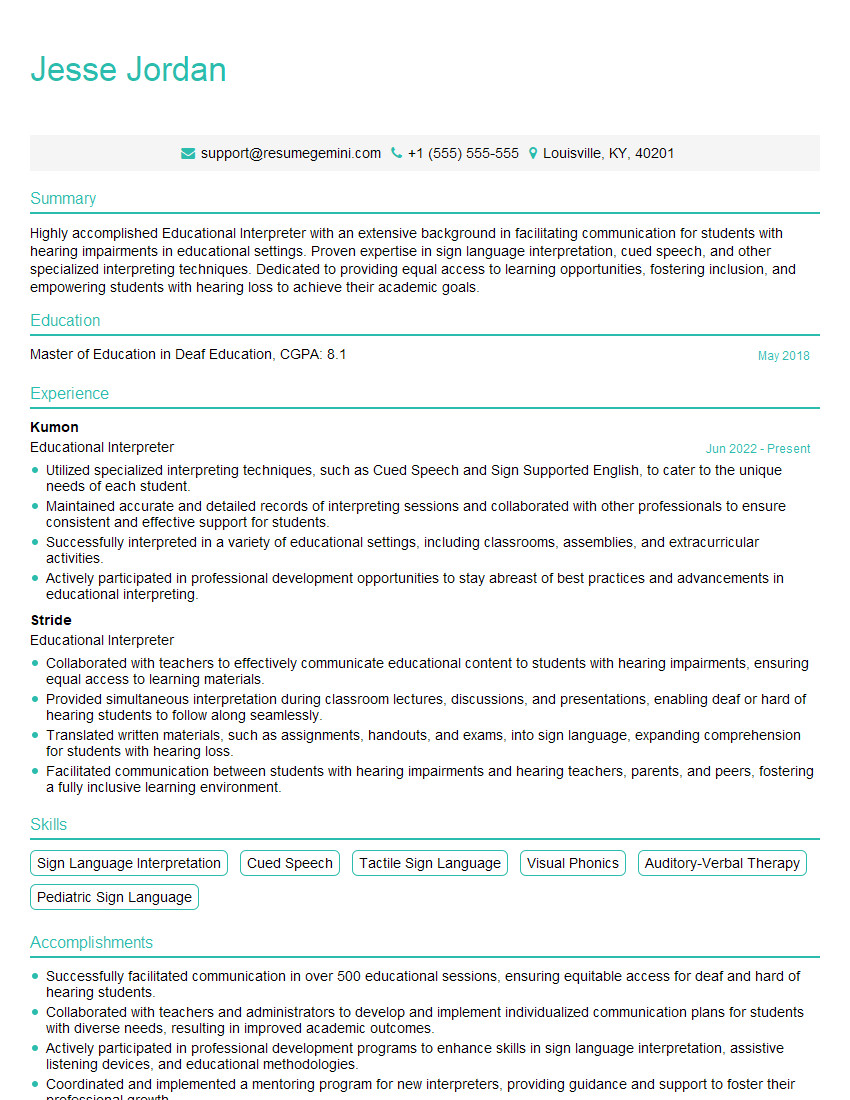
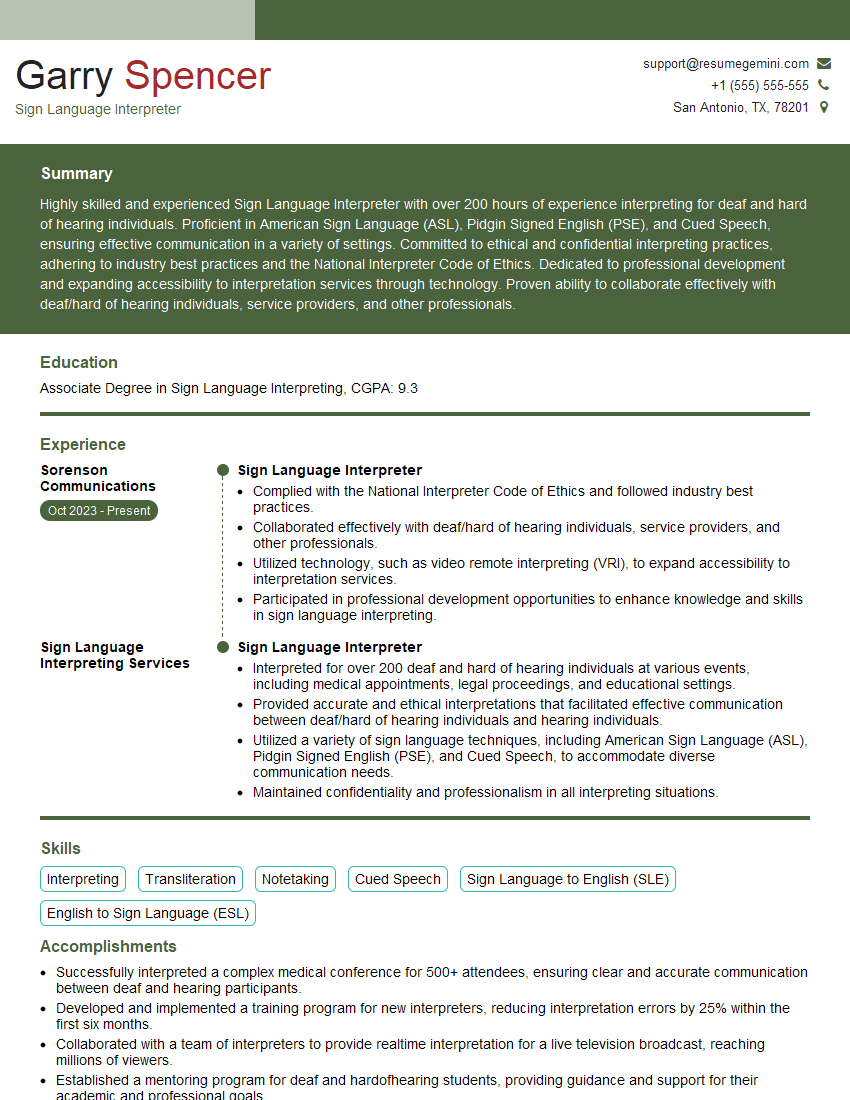
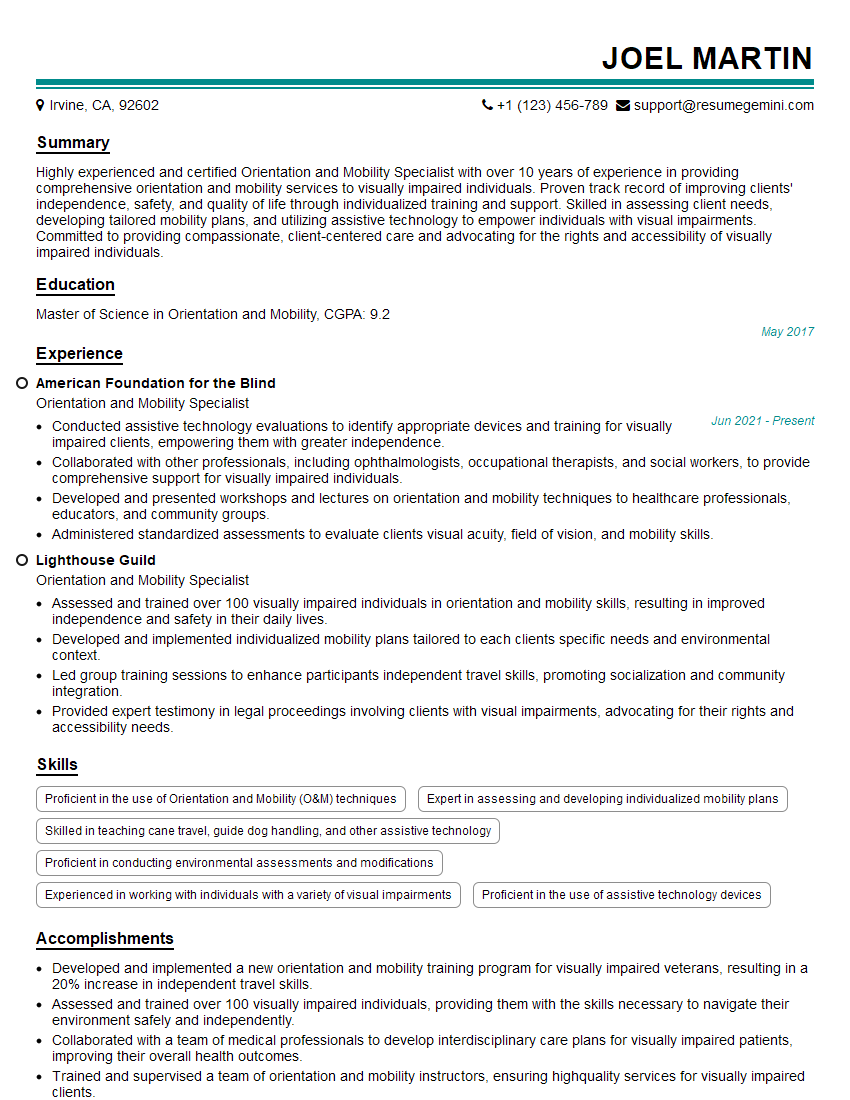
Mastering the complexities of supporting deaf and hard of hearing students significantly enhances your value as an educator and opens doors to fulfilling career opportunities. A well-crafted, ATS-friendly resume is crucial for showcasing your skills and experience effectively. ResumeGemini is a trusted resource that can help you create a compelling resume that highlights your commitment to the education and well-being of these students. We provide examples of resumes tailored to this specific field to help guide you. Take the next step towards a rewarding career – invest time in crafting a strong resume today.
Explore more articles
Users Rating of Our Blogs
Share Your Experience
We value your feedback! Please rate our content and share your thoughts (optional).
What Readers Say About Our Blog
I Redesigned Spongebob Squarepants and his main characters of my artwork.
https://www.deviantart.com/reimaginesponge/art/Redesigned-Spongebob-characters-1223583608
IT gave me an insight and words to use and be able to think of examples
Hi, I’m Jay, we have a few potential clients that are interested in your services, thought you might be a good fit. I’d love to talk about the details, when do you have time to talk?
Best,
Jay
Founder | CEO