Interviews are opportunities to demonstrate your expertise, and this guide is here to help you shine. Explore the essential Communication and Navigation interview questions that employers frequently ask, paired with strategies for crafting responses that set you apart from the competition.
Questions Asked in Communication and Navigation Interview
Q 1. Explain the importance of clear and concise communication in navigation.
Clear and concise communication is paramount in navigation because it directly impacts safety and efficiency. Ambiguity can lead to misinterpretations, resulting in navigational errors with potentially severe consequences. Imagine a pilot receiving unclear instructions about runway approach – the result could be catastrophic. In maritime navigation, a misinterpreted radio message about a nearby vessel could lead to a collision. Therefore, precision in language, the use of standardized terminology, and the avoidance of jargon are crucial for effective navigation.
For example, instead of saying “Turn a bit to the left,” a precise instruction would be “Turn 15 degrees port (left) to heading 090 degrees.”
Q 2. Describe your experience using various communication methods in a navigation context (e.g., radio, satellite, charts).
My experience spans various communication methods. I’ve extensively used VHF radios for short-range communication with other vessels or air traffic control, relaying position reports and requesting assistance. Satellite communication systems, like Inmarsat or Iridium, are essential for long-range communication in remote areas, allowing for position reporting and data exchange even when terrestrial networks are unavailable. Paper charts, though seemingly outdated, remain crucial backups. They provide a visual representation of waterways, showing depth, hazards, and navigational marks. The visual reference helps cross-check data from electronic systems.
In one instance, while navigating a remote region, satellite communication was crucial when our primary GPS system malfunctioned. We were able to relay our position and receive guidance from our support team via satellite phone.
Q 3. How do you ensure accurate interpretation and transmission of navigational information?
Ensuring accurate interpretation and transmission involves several key steps. First, employing standardized communication protocols and terminology is vital. Using internationally recognized abbreviations and units minimizes ambiguity. Second, always verify information received. Repeat back instructions to confirm understanding. Third, utilize multiple sources for verification. Cross-referencing data from different navigational aids reduces the risk of errors. Finally, maintaining meticulous documentation of all communication and navigational decisions allows for a review process and assists in post-incident analysis. For instance, when receiving weather information, I’ll cross-check the report with other sources and log everything in my navigation log.
Q 4. Explain the concept of spatial reasoning and its role in navigation.
Spatial reasoning is the ability to visualize and manipulate objects in three-dimensional space. It’s fundamental to navigation because it allows us to mentally construct our environment, estimate distances, and understand our position relative to landmarks and obstacles. It enables us to interpret charts, follow routes, and anticipate changes in our trajectory. A strong sense of spatial reasoning is crucial for making quick decisions in challenging navigational situations. For example, during mountain navigation, spatial reasoning helps estimate elevation changes, understand terrain features, and avoid potential hazards.
Q 5. Describe different types of navigational aids and their applications.
Navigational aids come in various forms. GPS receivers provide precise position information. Electronic charts display real-time data, including vessel location, depth, and hazards. Gyrocompasses maintain a stable heading reference, compensating for vessel movement. Loran-C (though phasing out) and other radio navigation systems use radio signals to determine position. Traditional paper charts serve as a visual aid and backup. Aids like buoys, lighthouses, and range markers provide visual cues to determine position and help with safe passage. The application of each depends on the context – GPS is common for general navigation, while lighthouses are mainly used for coastal navigation.
Q 6. How do you handle conflicting navigational data or ambiguous instructions?
Conflicting data or ambiguous instructions require a systematic approach. First, I assess the reliability of the sources. Are they reputable? How current is the information? Next, I look for corroborating evidence. Does other data support one source over another? If the discrepancy is significant, I’ll prioritize safety. This might involve slowing down, taking additional bearings, or seeking clarification from other sources. For example, if a GPS signal is weak and conflicting with my chart, I’d rely on the chart and take frequent visual bearings to maintain my position until the GPS signal improves.
Q 7. Explain your process for planning a route, considering factors like terrain, weather, and resources.
Route planning is a multi-stage process. I begin by defining the origin and destination, considering the overall distance and estimated time of travel. Then, I analyze the terrain using charts and other data sources, identifying potential hazards like shallow water, strong currents, or weather patterns. This helps me select the safest and most efficient route. I incorporate weather forecasts into the plan, adjusting the route or travel time to avoid adverse conditions. Finally, I factor in resource availability, including fuel, water, and communication range. For example, on a long sailing voyage, I’d plan for fuel stops based on the vessel’s range, weather conditions along the planned route, and suitable harbors.
Q 8. Describe your experience using GPS and other navigational technologies.
My experience with GPS and other navigational technologies spans over a decade, encompassing both personal and professional applications. I’ve extensively used GPS receivers, ranging from handheld Garmin devices to integrated systems in vehicles and aircraft. Beyond GPS, I’m proficient with inertial navigation systems (INS), which use accelerometers and gyroscopes to track position and orientation, particularly useful in environments where GPS signals are unreliable, like indoors or in dense urban canyons. I’ve also worked with electronic charting systems (ECS) that integrate GPS data with nautical charts for maritime navigation. For example, during a recent project involving drone mapping, I relied heavily on RTK GPS (Real-Time Kinematic GPS) for centimeter-level accuracy, crucial for generating precise 3D models. In another instance, while navigating a remote hiking trail with limited cellular service, a handheld GPS unit with pre-loaded maps proved invaluable in ensuring safe and efficient route planning.
Q 9. How do you maintain situational awareness during navigation?
Maintaining situational awareness during navigation is paramount, and I achieve this through a layered approach. First, I always have a primary navigation source (e.g., GPS), backed up by a secondary system (e.g., paper map and compass). I regularly cross-reference these sources to ensure consistency and detect potential errors. Secondly, I constantly scan my surroundings – visually, auditorily, and even kinesthetically, feeling the terrain underfoot. This helps me anticipate potential hazards or changes in the environment, like unexpected obstacles or shifting weather conditions. Thirdly, I regularly communicate my location and planned route to others, especially in remote or hazardous areas, to ensure a safety net. For instance, in a maritime context, I would utilize VHF radio to report position and planned course to other vessels and shore-based authorities. This multi-faceted approach ensures a comprehensive understanding of the operational environment and allows for rapid adaptation to unexpected events.
Q 10. How do you adapt your communication style to different audiences (e.g., technical vs. non-technical)?
Adapting communication style is crucial for effective information transfer. When communicating with a technical audience, I use precise terminology, detailed explanations, and technical jargon relevant to their expertise. For example, discussing the intricacies of a Kalman filter for GPS signal processing with engineering colleagues would involve technical language and mathematical formulations. However, when addressing a non-technical audience, I simplify technical concepts, using analogies and avoiding jargon. Explaining GPS to a group of hikers, for instance, would involve focusing on the practical aspects, such as how GPS satellites work to provide location information, rather than delving into the details of signal acquisition and processing.
Q 11. How do you handle emergency situations that require quick and effective communication and navigation?
Handling emergencies necessitates a calm, methodical approach. My response focuses on three key areas: immediate action, communication, and assessment. Firstly, I prioritize addressing the immediate danger – securing the scene, providing first aid if necessary, or initiating evacuation procedures. Secondly, I initiate immediate and clear communication. This involves contacting relevant emergency services (e.g., 911, coast guard) providing precise location data using available navigation tools, and relaying situation details accurately and concisely. Thirdly, I conduct a rapid assessment to understand the extent of the emergency and plan the most effective response. For example, if a navigational error resulted in a stranded vessel, I would use VHF radio to call for assistance while simultaneously utilizing the vessel’s charts and other navigational aids to assess available options, potential dangers, and the most suitable rescue strategy. Efficient communication and decisive action are essential in these scenarios.
Q 12. Describe your experience with map reading and interpretation.
My experience with map reading and interpretation is extensive. I’m proficient in reading both topographic and nautical charts, understanding contour lines, symbols, and scales. I can accurately determine location, elevation, and bearing using these maps. For example, I’ve used topographic maps for planning hiking routes, accurately estimating distances and elevation changes. This ensured I could allocate sufficient time and resources, and make informed decisions on suitable alternative routes. My proficiency extends to understanding map projections and their inherent distortions, which is crucial for accurate navigation, especially over large distances.
Q 13. Explain your proficiency in using different types of charts and maps.
I’m proficient in using various types of charts and maps including topographic maps, nautical charts (ENCs, paper charts), aeronautical charts, and digital map formats (e.g., GeoTIFF, shapefiles). Understanding the specific conventions and symbology of each chart type is crucial for safe and effective navigation. Nautical charts, for instance, use a unique system of symbols and notations to represent depths, hazards, aids to navigation, and other crucial maritime information. I’m familiar with using digital chart systems (ECS) which combine electronic navigation data with chart information and provide features such as route planning and collision avoidance.
Q 14. Describe your experience with route optimization techniques.
Route optimization techniques are fundamental to efficient navigation. I utilize various methods depending on the context. In simpler scenarios, I might use shortest-path algorithms or heuristics to identify the optimal route, perhaps using a GPS device’s built-in route planning functionality. However, for complex situations involving multiple constraints (e.g., time windows, fuel efficiency, avoiding hazardous areas), I use more advanced techniques. This might involve employing Dijkstra’s algorithm, A* search, or other optimization algorithms, potentially aided by specialized software. For example, in fleet management, I’ve utilized route optimization software to plan delivery routes minimizing total travel time and fuel consumption, while considering traffic conditions and delivery deadlines. My approach always accounts for real-world factors, balancing optimal routes with safety and practicality.
Q 15. Explain the concept of dead reckoning and its limitations.
Dead reckoning is a method of estimating your current position based on a previously determined position, and advancing that position based on known or estimated speeds, headings, and elapsed time. Think of it like this: you know where you started, you know how fast you’ve been going, and you know which direction you’ve been traveling. By combining these, you can make a reasonable guess about where you are now.
However, dead reckoning is inherently imprecise. Its limitations stem from the accumulation of errors. Even small inaccuracies in speed, heading, or time measurement will compound over distance and time, leading to significant deviations from the true position. For example, a slight crosswind or an improperly calibrated compass could cause a substantial error over a long journey. Other factors like currents (in maritime navigation) or terrain (in land navigation) further complicate the process.
- Error Accumulation: Small errors in speed and direction accumulate over time, leading to large positional errors.
- External Factors: Unaccounted-for factors like wind, currents, or terrain significantly affect accuracy.
- Lack of External Validation: Dead reckoning relies solely on internal calculations and doesn’t incorporate external position fixes from sources like GPS or celestial navigation.
Career Expert Tips:
- Ace those interviews! Prepare effectively by reviewing the Top 50 Most Common Interview Questions on ResumeGemini.
- Navigate your job search with confidence! Explore a wide range of Career Tips on ResumeGemini. Learn about common challenges and recommendations to overcome them.
- Craft the perfect resume! Master the Art of Resume Writing with ResumeGemini’s guide. Showcase your unique qualifications and achievements effectively.
- Don’t miss out on holiday savings! Build your dream resume with ResumeGemini’s ATS optimized templates.
Q 16. How do you account for potential errors in navigational data or calculations?
Accounting for potential errors in navigational data or calculations is crucial for safe and accurate navigation. My approach involves a multi-layered strategy:
- Data Validation: I meticulously check all data sources for consistency and plausibility. This involves comparing readings from multiple sensors or instruments whenever possible. For example, cross-referencing GPS data with compass headings and estimated speed.
- Error Propagation Analysis: I understand how errors in input data affect the final position estimate. I use statistical methods to quantify and minimize the impact of potential errors. This involves understanding the error margins of each instrument or input and using appropriate error propagation formulas to estimate the uncertainty in the final result.
- Redundancy and Cross-checking: I always employ redundant systems and methods. Using multiple independent navigation systems allows for comparison and validation. If discrepancies arise, I investigate the source of the difference and determine the most likely position.
- Regular Calibration and Maintenance: Ensuring instruments are calibrated and well-maintained is paramount. Regular calibration minimizes systematic errors and reduces uncertainties.
- External Validation: Incorporating external position fixes whenever possible. This could involve comparing our estimated position with landmarks, known geographical features, or using external positioning systems such as GPS or satellite navigation.
Q 17. Explain your experience using different navigational software or tools.
I have extensive experience with various navigational software and tools, both specialized and general-purpose. These include:
- GPS Navigation Software: I’m proficient with various GPS receivers and software packages, including those used in maritime, aviation and land-based applications. I understand the intricacies of different coordinate systems and data formats.
- Chartplotters and Electronic Charts: I’m experienced using electronic charting systems, capable of planning routes, plotting positions, and interpreting nautical charts. I’m familiar with the use of various symbols and their significance on these charts.
- Navigation Apps: I’ve utilized various mobile navigation apps for both planning and real-time navigation, understanding their strengths and limitations.
- Specialized Navigation Software (e.g., for aviation): In aviation-related projects, I have used specialized software for flight planning, air traffic management, and performance analysis. This experience encompasses both theoretical calculations and practical application.
My experience includes both independent use and integration of these tools within larger systems, often involving custom software development for specific navigational applications.
Q 18. Describe your experience with data visualization related to navigation.
Data visualization is crucial for effective navigation. I’ve worked extensively with various visualization techniques to represent navigational data clearly and efficiently. This includes:
- Interactive Maps: Creating and using interactive maps that display real-time position, planned routes, obstacles, and other relevant information. I’ve worked with software that allows for layering different datasets onto maps.
- Charts and Graphs: Generating charts and graphs to represent data like speed, heading, altitude, and course over time, helping to identify trends and anomalies in the navigation data.
- 3D Visualization: Utilizing three-dimensional models to visualize complex navigation environments, particularly useful for aerial or underwater navigation where spatial understanding is critical.
- Custom Dashboards: I’ve designed and implemented custom dashboards to integrate various data sources and present crucial information in a clear and accessible manner to the team.
My goal is always to create visualizations that are intuitive and easily understood, even under pressure, facilitating quicker and better decision-making during navigation tasks.
Q 19. How do you manage communication within a team during complex navigation tasks?
Effective communication is paramount during complex navigation tasks. My approach centers around clarity, conciseness, and collaboration:
- Clear Communication Protocols: Establishing standardized communication procedures before the task begins. This includes defining roles, communication channels, and reporting procedures.
- Structured Briefings: Conducting thorough briefings before commencing the navigation task, ensuring every team member understands the objectives, the plan, and their roles. I use visual aids, such as maps and diagrams, to enhance understanding.
- Regular Status Updates: Providing regular updates on the navigation progress, any encountered challenges, and any deviations from the plan. I use a combination of verbal and written communication (e.g., logs, reports).
- Open Communication Channels: Maintaining open communication channels and encouraging team members to report any issues or concerns promptly. I foster an environment where everyone feels comfortable asking questions and raising concerns without fear of reprisal.
- Use of Technology: Leveraging technology to enhance communication, such as using dedicated communication systems or collaborative software to share data and information in real-time.
Q 20. How do you ensure effective communication during times of stress or high pressure?
Maintaining effective communication under stress or high pressure is critical. My strategy focuses on maintaining calm, clear communication and prioritizing essential information:
- Calm and Controlled Demeanor: I strive to remain calm and composed, modeling a reassuring presence to the team. This helps to manage stress and improve overall team performance.
- Prioritize Critical Information: I focus on communicating only the most essential information concisely and clearly, avoiding unnecessary detail or jargon that could lead to confusion.
- Check for Understanding: I regularly check for understanding by asking clarifying questions and encouraging feedback from the team. I use active listening techniques to ensure that everyone is on the same page.
- Utilize Nonverbal Cues: I’m mindful of nonverbal communication and ensure it’s consistent with verbal communication. This helps to build trust and avoid misinterpretations.
- Pre-Planned Contingency Plans: We have pre-established contingency plans to handle potential emergencies, minimizing the need for hurried, stressful decision-making during critical situations.
Q 21. Describe a time you had to overcome a communication or navigation challenge.
During a challenging offshore sailing expedition, we encountered a sudden, severe storm. Our primary communication system (satellite phone) malfunctioned, and our GPS signal was intermittently lost due to heavy cloud cover. We were relying primarily on dead reckoning and paper charts in extremely rough seas. The challenge was not only maintaining course and avoiding hazards but also keeping the crew calm and maintaining morale.
We overcame this by:
- Utilizing Alternative Communication Methods: We used a VHF radio to communicate with other vessels in the area for occasional position updates.
- Teamwork and Collaboration: The team collaborated on manual navigation techniques, using celestial navigation (sextant readings) to supplement our dead reckoning, and continuously cross-checking our data.
- Maintaining Calm and Confidence: I maintained a calm and confident demeanor, keeping the crew focused on the tasks at hand and reassuring them of our ability to navigate the situation.
- Adaptive Problem Solving: We adapted our plan based on the changing weather conditions and the available navigation data, prioritizing safety above all else.
We successfully navigated the storm and reached our destination safely, demonstrating the importance of teamwork, adaptable problem-solving, and maintaining effective communication under extreme pressure.
Q 22. How do you stay updated on the latest advancements in communication and navigation technologies?
Staying current in the rapidly evolving fields of communication and navigation requires a multi-pronged approach. I regularly subscribe to and actively read industry journals like the IEEE Transactions on Communications and Navigation, keeping abreast of the latest research papers and technological breakthroughs. I also attend conferences and workshops, such as those hosted by the Institute of Navigation (ION) and relevant IEEE conferences, to network with peers and learn from leading experts. Furthermore, I actively participate in online communities and forums, engaging in discussions and sharing knowledge. Finally, I monitor the announcements and publications of major players in the communication and navigation industries, such as manufacturers of GNSS receivers and communication equipment.
This combined approach ensures that I am consistently exposed to the newest advancements, enabling me to apply innovative solutions in my work and adapt to the ever-changing landscape of these fields.
Q 23. Describe your understanding of different communication protocols used in navigation.
Navigation relies on a variety of communication protocols, each with its strengths and weaknesses. For instance, GNSS (Global Navigation Satellite Systems), such as GPS, GLONASS, Galileo, and BeiDou, utilize radio signals broadcasting precise timing and positional data. These systems typically operate on L-band frequencies. Understanding the intricacies of signal propagation, atmospheric effects, and multipath interference is crucial for accurate positioning.
VHF (Very High Frequency) radio plays a vital role in short-range communication, commonly used for ship-to-ship and ship-to-shore communications in maritime navigation. Digital Selective Calling (DSC) is a crucial feature, enabling automated distress alerts. The protocols used here are governed by international maritime regulations.
AIS (Automatic Identification System) employs VHF transponders to broadcast a vessel’s identity, position, course, and speed. This allows for collision avoidance and enhances situational awareness. The data is broadcast using a specific communication protocol defined by the International Maritime Organization (IMO).
Satellite communication systems, such as Inmarsat and Iridium, offer global coverage for long-range communication, crucial for navigation in remote areas. These systems employ various modulation and coding schemes for reliable data transmission, often incorporating error correction codes to overcome signal degradation.
Understanding the characteristics and limitations of each protocol is vital for effective navigation, allowing for informed decision-making regarding data reliability and redundancy.
Q 24. Explain the significance of maintaining accurate logs and records during navigation.
Maintaining accurate logs and records during navigation is paramount for safety, legal compliance, and post-event analysis. Imagine a scenario where a navigational error occurs. Comprehensive logs detailing course changes, speed, position fixes (from GNSS or other sources), communication exchanges, weather conditions, and any unusual events provide crucial information for determining the root cause of the incident and preventing future occurrences. These logs are essential for insurance claims, investigations by regulatory bodies, and improving operational procedures.
In addition to navigational information, meticulous recording of communication exchanges is crucial, especially during emergencies. This documentation can be vital in reconstructing events and highlighting the effectiveness (or deficiencies) of communication protocols used. Accurate and detailed records form the foundation for continuous improvement in navigation safety and efficiency. They also serve as invaluable historical data, informing future navigation strategies and risk assessments.
Q 25. How do you prioritize information during navigation and communication in a critical situation?
Prioritizing information during critical situations requires a calm, systematic approach. The criticality of information hinges on its immediate impact on safety and the successful execution of emergency procedures. I follow a simple framework:
- Immediate Safety Threats: Information directly related to imminent danger, such as collision warnings, distress calls, or equipment malfunctions, takes top priority. This requires rapid processing and decisive action.
- Essential Navigation Data: Critical navigational information necessary to avoid hazards or reach a safe location, such as accurate position, bearing, and weather forecasts, follows in priority. This informs crucial decision-making regarding course correction or emergency maneuvers.
- Supporting Information: Relevant but non-critical information, such as updates from secondary communication channels or non-essential operational data, is dealt with after addressing immediate safety concerns and essential navigation needs.
This prioritization framework ensures that resources are allocated efficiently and that attention is focused on the most critical aspects of the situation, enabling swift and effective responses.
Q 26. Describe your experience with risk assessment and mitigation in navigation.
Risk assessment and mitigation are integral components of safe navigation. I employ a structured approach involving identification, analysis, evaluation, and mitigation of potential hazards. This starts with identifying potential risks – equipment failure, adverse weather, human error, or environmental hazards. Then, I evaluate the likelihood and severity of each risk, assigning a risk level based on a combination of these factors. This often involves using established risk matrices or scoring systems.
Mitigation strategies vary depending on the risk level and the specific situation. These could range from preventive measures, such as regular equipment maintenance and crew training, to contingency plans, such as having backup communication systems or emergency procedures in place. I document the risk assessment and mitigation strategies in a formal risk register, regularly reviewing and updating it based on new information and changing conditions. A real-world example could be navigating through a known area of heavy shipping traffic; this demands a heightened awareness, closer monitoring of AIS data, and a pre-defined course plan to minimize collision risks.
Q 27. Explain the importance of teamwork and collaboration in communication and navigation.
Teamwork and collaboration are fundamental to effective communication and navigation, especially in complex or challenging situations. Open communication channels are essential, fostering a culture of information sharing and mutual support. Clear roles and responsibilities are defined to ensure efficient task delegation and prevent confusion. Regular briefings and debriefings allow team members to stay informed, share insights, and identify potential problems proactively.
In a navigation context, effective teamwork translates to swift and coordinated responses to emergencies, accurate interpretation of data from multiple sources, and collective problem-solving. This collaborative approach minimizes errors, enhances situational awareness, and boosts overall safety. I have consistently experienced the benefits of collaboration in various navigation scenarios, resulting in efficient decision-making and successful navigation even under stressful conditions.
Q 28. How do you handle situations where communication systems fail?
Communication system failures demand immediate adaptation and the implementation of backup plans. My approach is based on a layered strategy:
- Redundancy: Utilizing multiple communication channels (VHF, satellite, etc.) reduces reliance on a single system. If one fails, others are immediately available.
- Fallback Options: Having alternative communication methods, such as visual signals, pre-arranged meeting points, or messenger services, ensures that communication can continue even in the event of complete system failure.
- Prioritization: Focusing on critical information, such as distress alerts, navigation updates vital for safety, and minimal essential operational communication ensures that available bandwidth is used effectively.
- Problem Diagnosis: Attempting to troubleshoot the failed system and identify the root cause of the malfunction, if time and safety permit, allows for timely repairs or alerts to support teams.
The key is to remain calm, assess the situation systematically, and utilize available resources to ensure continued safety and operational effectiveness. A practical example is a loss of satellite communication; fallback options might include using VHF to contact nearby vessels or reverting to paper charts and traditional navigational techniques until communication is restored.
Key Topics to Learn for Communication and Navigation Interview
- Effective Communication Strategies: Explore various communication models, active listening techniques, and methods for tailoring messages to different audiences. Consider the impact of nonverbal communication and cultural nuances.
- Navigational Principles & Technologies: Understand fundamental concepts like route planning, map projections, GPS technology, and sensor integration. Explore different navigational systems and their strengths and weaknesses.
- Problem-Solving in Communication & Navigation: Practice analyzing complex scenarios involving communication breakdowns or navigational challenges. Develop skills in troubleshooting, decision-making under pressure, and proposing effective solutions.
- Data Interpretation & Visualization: Learn to effectively interpret and present navigational data, using maps, charts, graphs, and other visual aids to communicate complex information clearly and concisely.
- Human Factors in Navigation: Understand the cognitive and psychological aspects of navigation, including situational awareness, spatial reasoning, and human error prevention. Explore how these factors impact communication effectiveness.
- Teamwork & Collaboration: Discuss strategies for effective teamwork in navigation-related tasks, including clear communication protocols, task delegation, and conflict resolution.
- Ethical Considerations: Explore ethical implications related to data privacy, responsible use of technology, and the impact of navigation systems on society.
Next Steps
Mastering communication and navigation skills is crucial for career advancement in numerous fields, opening doors to exciting opportunities and leadership roles. A well-crafted resume is your first impression – make it count! An ATS-friendly resume increases your chances of getting noticed by recruiters. To create a compelling and effective resume that showcases your skills and experience, we recommend using ResumeGemini. ResumeGemini provides tools and resources to build a professional resume, and we offer examples of resumes tailored to Communication and Navigation roles to help you get started.
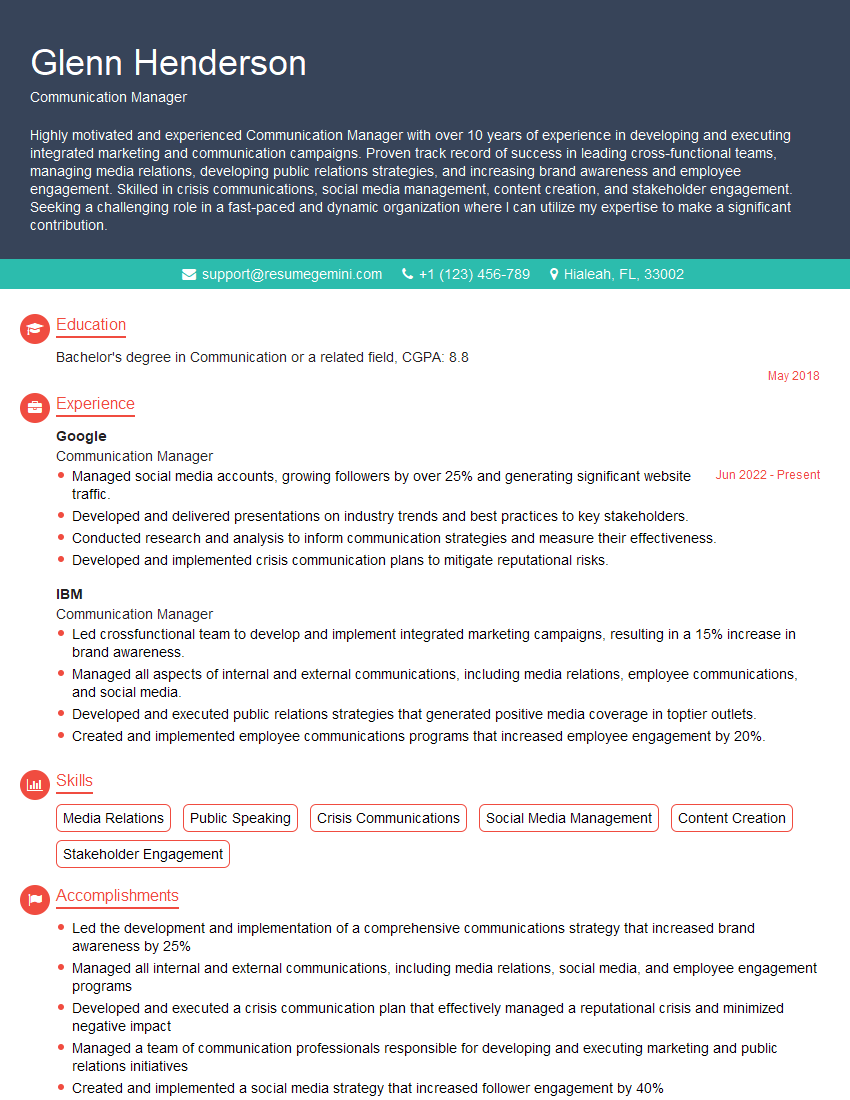
Communication Manager Resume Sample

Communications Director Resume Sample

Marketing Communications Manager Resume Sample
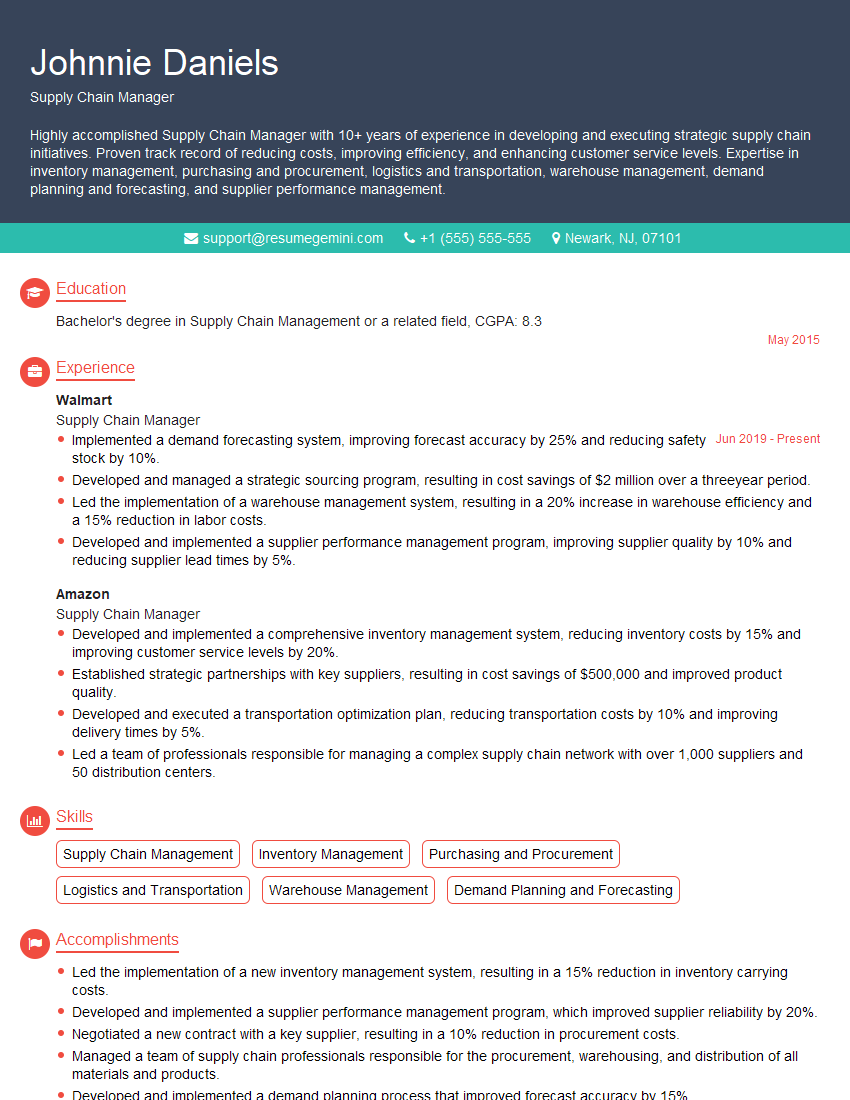
Supply Chain Manager Resume Sample
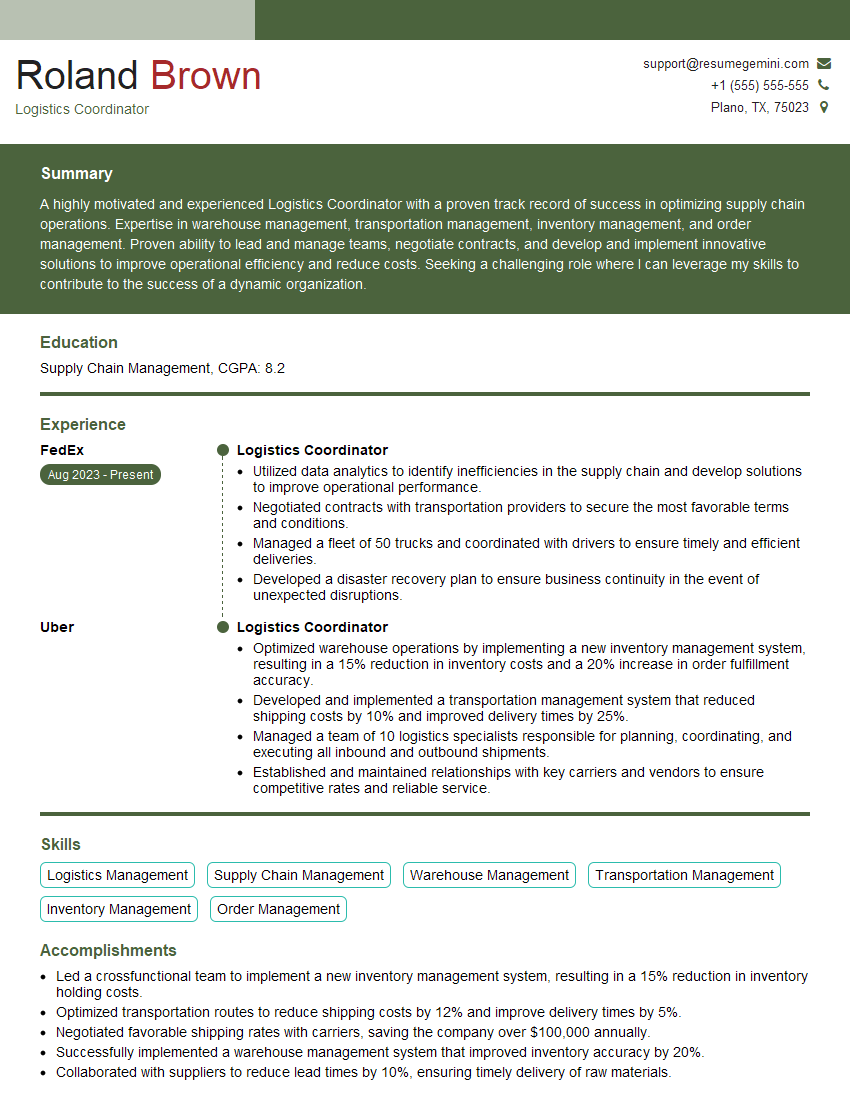
Logistics Coordinator Resume Sample
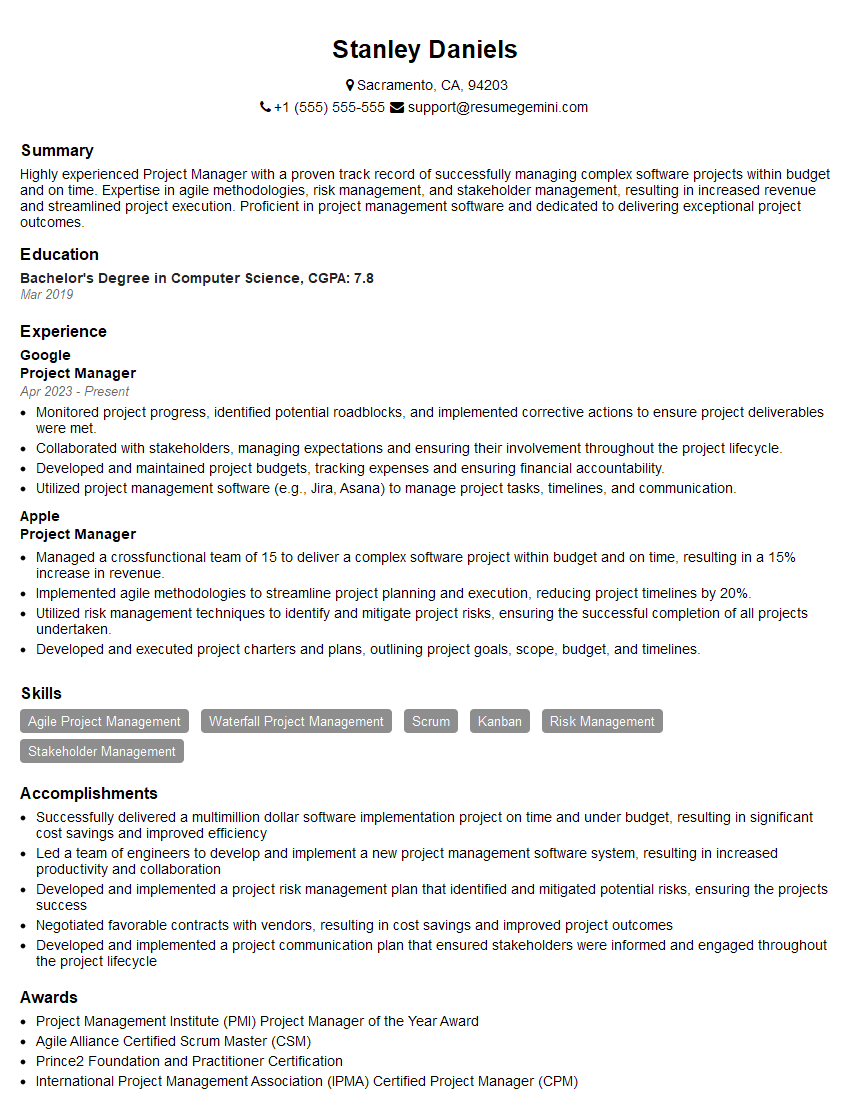
Project Manager Resume Sample
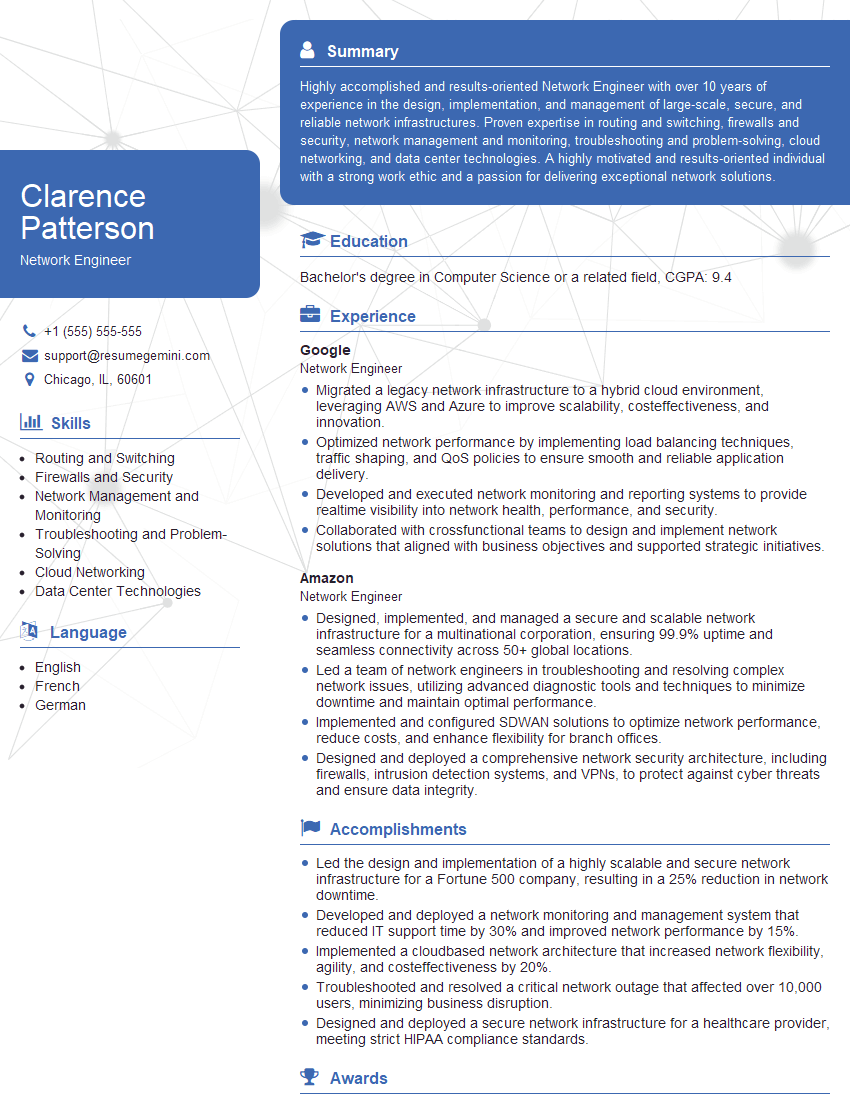
Network Engineer Resume Sample
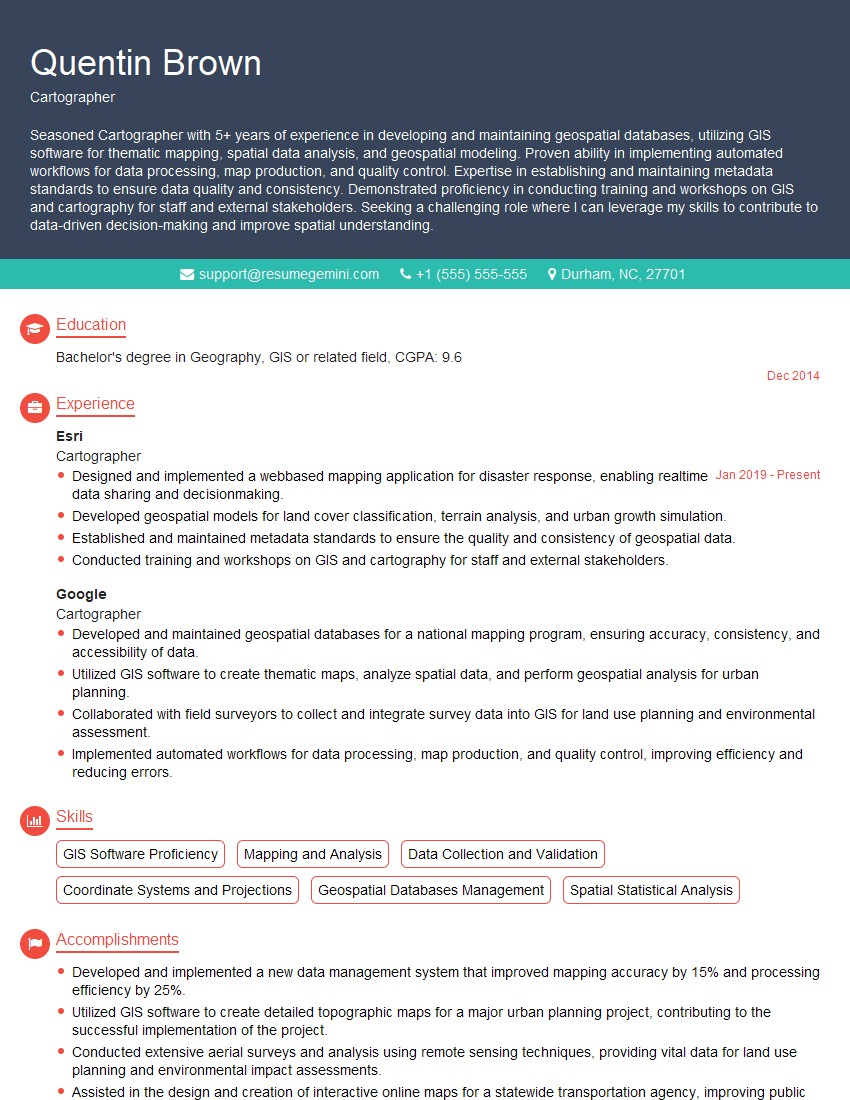
Cartographer Resume Sample
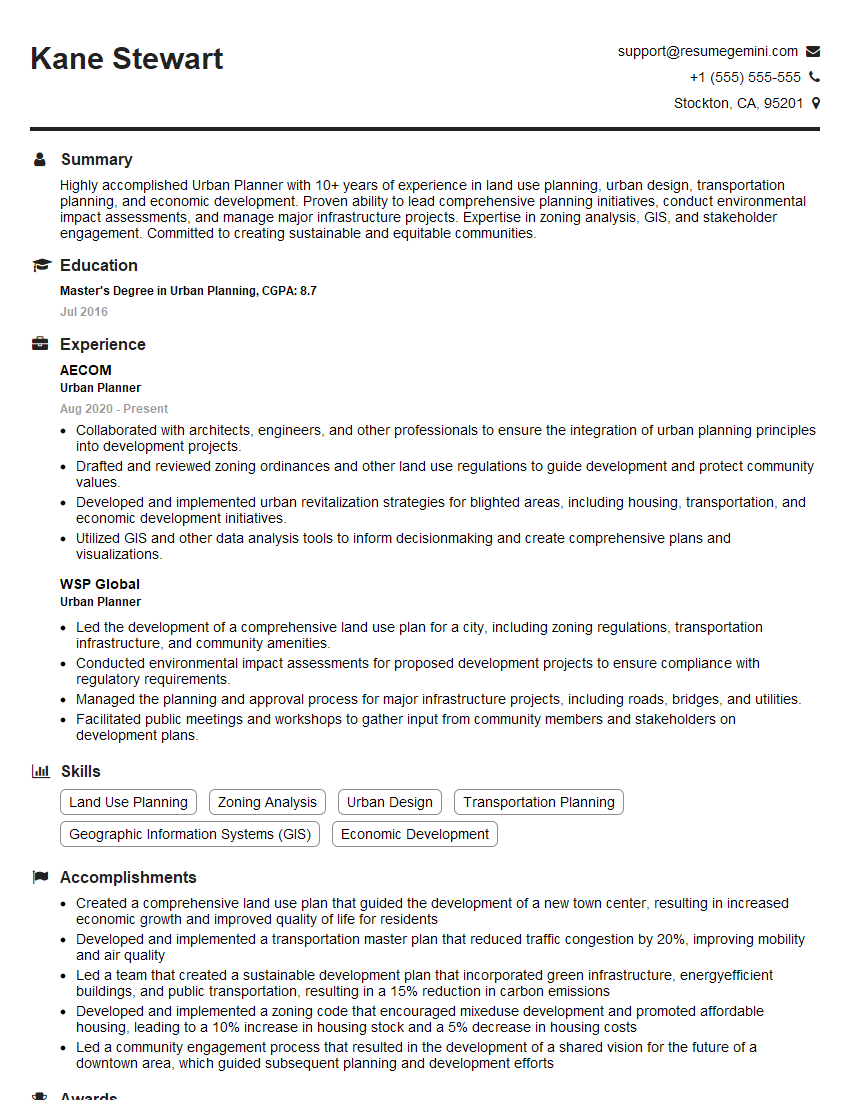
Urban Planner Resume Sample
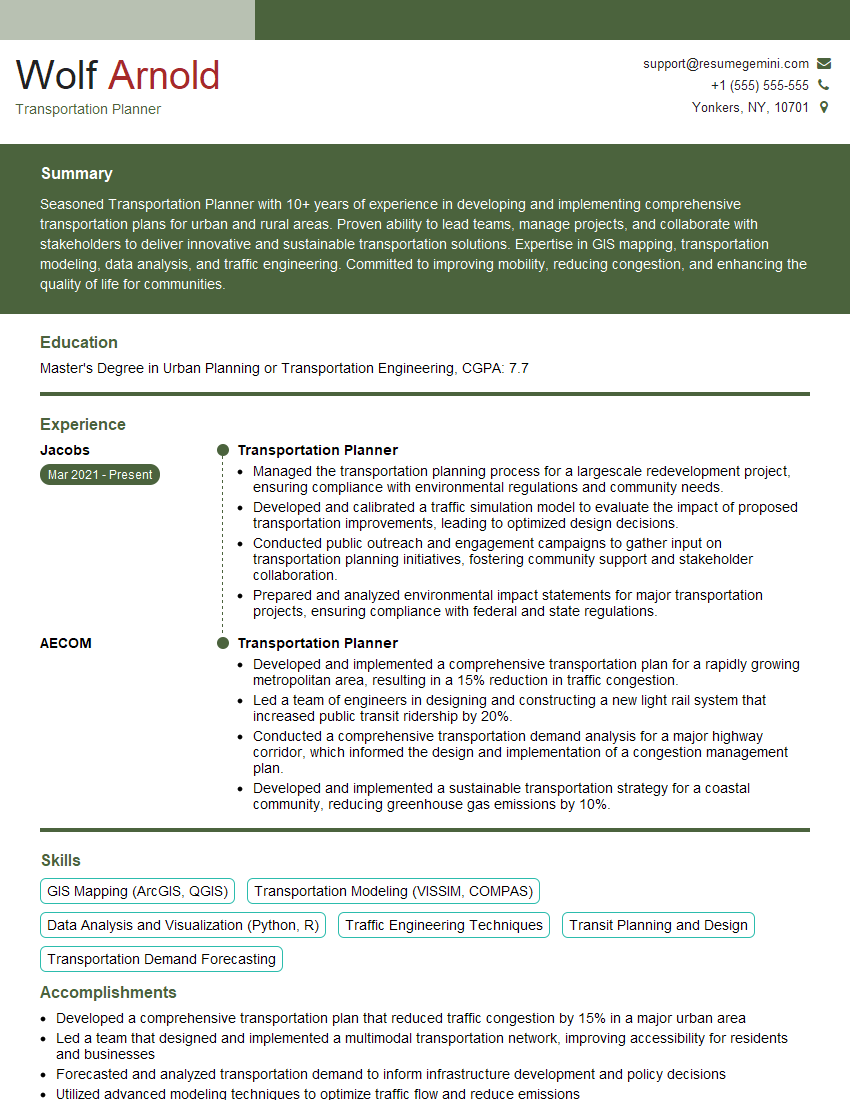
Transportation Planner Resume Sample

Technical Writer Resume Sample
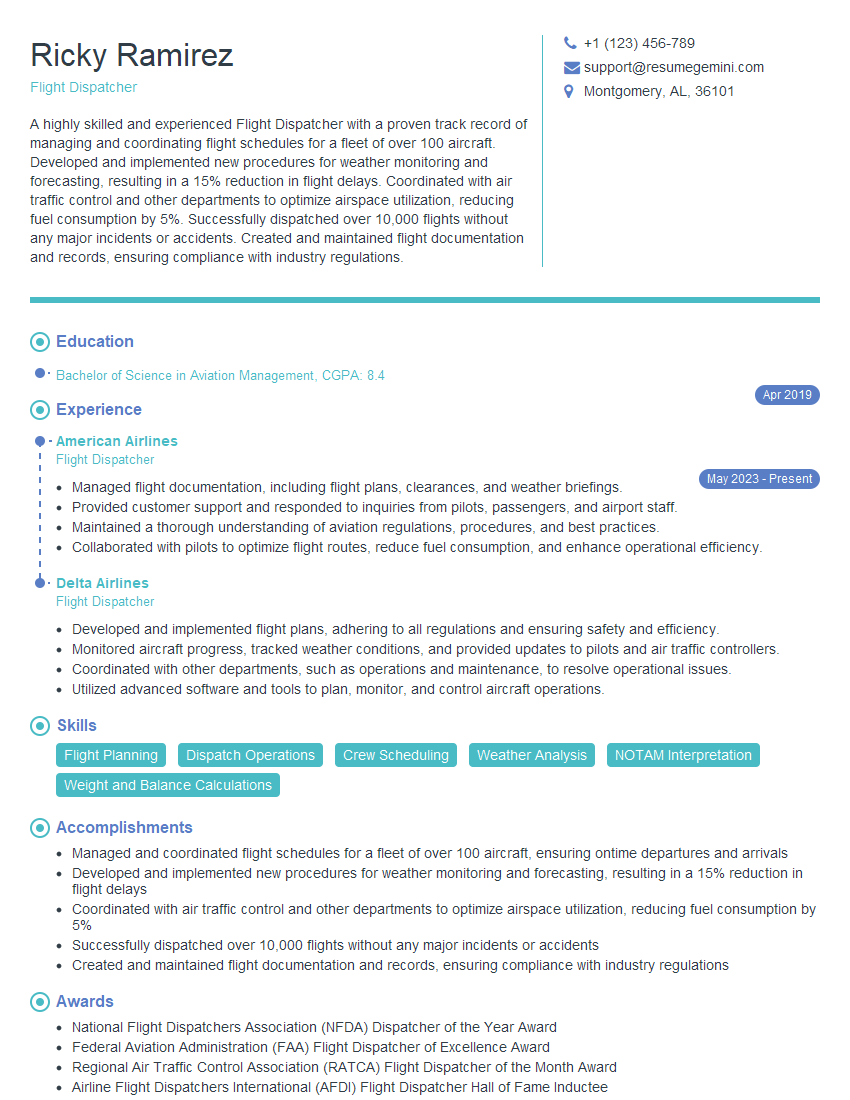
Flight Dispatcher Resume Sample
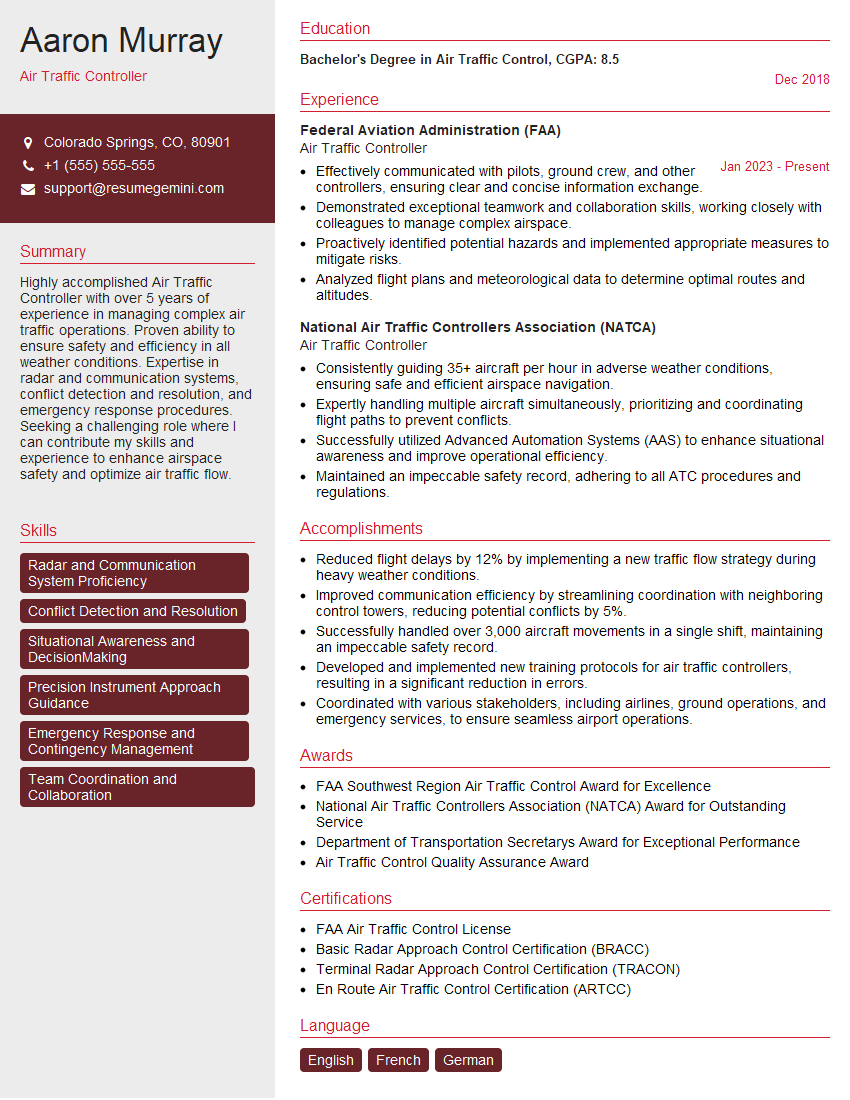
Air Traffic Controller Resume Sample
Explore more articles
Users Rating of Our Blogs
Share Your Experience
We value your feedback! Please rate our content and share your thoughts (optional).
What Readers Say About Our Blog
I Redesigned Spongebob Squarepants and his main characters of my artwork.
https://www.deviantart.com/reimaginesponge/art/Redesigned-Spongebob-characters-1223583608
IT gave me an insight and words to use and be able to think of examples
Hi, I’m Jay, we have a few potential clients that are interested in your services, thought you might be a good fit. I’d love to talk about the details, when do you have time to talk?
Best,
Jay
Founder | CEO