Interviews are opportunities to demonstrate your expertise, and this guide is here to help you shine. Explore the essential Communication Enhancement interview questions that employers frequently ask, paired with strategies for crafting responses that set you apart from the competition.
Questions Asked in Communication Enhancement Interview
Q 1. Explain your understanding of the communication process model.
The communication process model illustrates how information is exchanged between individuals or groups. It typically involves several key components: a sender who encodes a message, a message itself (the information being conveyed), a channel (the medium through which the message travels, such as email, speech, or a presentation), a receiver who decodes the message, and feedback (the receiver’s response indicating understanding or requiring clarification). Noise, which can be physical (background sounds), psychological (preconceived notions), or semantic (misunderstandings of words), can interfere with any stage of the process. Effective communication minimizes noise and ensures clear transmission and reception of the intended message.
For example, imagine a manager (sender) emailing (channel) a project update (message) to their team (receiver). The team responds (feedback) with questions, confirming understanding. If the email was poorly written or contained jargon the team didn’t understand, this represents noise hindering effective communication.
Q 2. Describe a time you had to adapt your communication style to a different audience.
During a project involving a complex software implementation, I had to communicate with both the highly technical development team and the less technical marketing team. With the developers, I used precise technical terminology and detailed explanations. I also shared flowcharts and diagrams to illustrate the system’s architecture. However, when communicating with the marketing team, I focused on the high-level functionality and benefits of the software, using simple language and avoiding technical jargon. I used analogies and real-world examples to make the concepts relatable. For instance, instead of describing complex algorithms, I explained the software’s impact on customer experience, such as faster loading times or improved user interfaces.
Q 3. How do you handle communicating complex information to a non-technical audience?
Communicating complex information to a non-technical audience requires simplifying the message without sacrificing accuracy. I employ several strategies: using analogies and metaphors to relate technical concepts to everyday experiences; breaking down complex information into smaller, digestible chunks; visualizing data using charts, graphs, or infographics; and focusing on the practical implications and benefits for the audience. For example, when explaining a complex data migration project, instead of diving into technical details, I would focus on the improvement in system performance and the resulting benefits for users, such as faster access to information.
Q 4. What strategies do you use to improve clarity and conciseness in written communication?
To improve clarity and conciseness in written communication, I utilize several strategies. First, I plan my message carefully, outlining key points before writing. This ensures a logical flow and avoids unnecessary information. Next, I use active voice, short sentences, and strong verbs, avoiding jargon and passive constructions. I also utilize bullet points and numbered lists to organize information effectively. Finally, I proofread carefully, checking for grammatical errors, typos, and inconsistencies in style and tone. I often use tools like Grammarly to help with this process.
Q 5. Explain your experience with different communication channels (email, presentations, reports).
I have extensive experience using various communication channels. Email is my primary tool for asynchronous communication, ensuring clarity and conciseness, using subject lines that accurately reflect the content. For presentations, I structure my content logically, using visuals to support key points and actively engaging the audience with questions and discussions. In report writing, I maintain a formal tone, using clear headings, subheadings, and data visualization to convey information effectively. I tailor my communication style and the chosen channel to best suit the audience and the message’s purpose.
Q 6. How do you ensure your communication is inclusive and accessible to all?
Inclusive and accessible communication is crucial. I ensure inclusivity by using gender-neutral language, avoiding jargon and overly technical terms, and being mindful of cultural sensitivities. For accessibility, I use plain language, provide alternative text for images in digital communication, and ensure sufficient contrast for readability. When creating presentations, I adhere to accessibility guidelines (e.g., WCAG) and offer transcripts or closed captions. This ensures that everyone, regardless of their background or abilities, can understand and engage with the information I share.
Q 7. Describe your approach to conflict resolution in communication.
My approach to conflict resolution centers on active listening and empathy. I begin by understanding all perspectives involved, seeking clarification on misunderstandings. Then, I collaboratively define the problem, identifying the root cause rather than focusing on blame. I facilitate a discussion to find mutually acceptable solutions, prioritizing open communication and compromise. If the conflict involves sensitive information or escalation is likely, I may involve a mediator to guide the process. The goal is always to reach a resolution that preserves relationships and promotes positive communication moving forward.
Q 8. How do you measure the effectiveness of your communication efforts?
Measuring communication effectiveness isn’t about guesswork; it’s about employing a robust system of metrics and analysis. We need to define clear, measurable objectives before any campaign. For example, if the goal is to increase brand awareness, we might track website traffic, social media engagement (likes, shares, comments), and mentions in relevant publications. If the goal is to drive sales, we would focus on conversion rates, sales figures directly attributable to the campaign, and customer acquisition costs.
Beyond quantitative metrics, qualitative feedback is crucial. Post-campaign surveys, focus groups, and interviews provide invaluable insights into audience perception and understanding. Analyzing sentiment in online discussions and reviews also gives a nuanced understanding of how communication is received. Ultimately, effectiveness is assessed by comparing pre- and post-campaign data against our stated objectives. A successful campaign will demonstrate a statistically significant improvement in the desired metrics, backed up by positive qualitative feedback.
For example, in a recent project to improve internal communication within a large corporation, we measured the effectiveness by tracking employee participation in online forums, the completion rate of training modules related to the new communication strategy, and ultimately, the reduction in reported communication-related errors. The results showed a 30% increase in forum participation, a 15% increase in training completion and a 20% reduction in reported errors, demonstrating the effectiveness of our strategy.
Q 9. What techniques do you use to actively listen and understand others’ perspectives?
Active listening goes beyond simply hearing words; it involves fully understanding the speaker’s message, both verbally and nonverbally. My approach centers around several key techniques. First, I maintain consistent eye contact to show engagement and focus. Second, I employ verbal affirmations like ‘I understand,’ or ‘Tell me more,’ to encourage the speaker and confirm my comprehension. I also paraphrase their points to ensure I’m grasping the meaning correctly and to demonstrate my attentiveness. This is crucial for clarifying ambiguous statements.
Nonverbal cues are also crucial. I pay close attention to body language, facial expressions, and tone of voice – these often convey as much information, if not more, than words alone. I also minimize distractions, put away my phone, and focus entirely on the speaker. Finally, I avoid interrupting or formulating my response before they finish. I strive to create a safe and judgment-free environment where the speaker feels comfortable sharing their thoughts and feelings openly.
For instance, during a team meeting where a colleague was expressing frustration with a project deadline, I used active listening to fully understand their concerns. By paraphrasing their points and asking clarifying questions, I was able to uncover the root cause of their frustration and collaboratively develop a solution, thus fostering a positive and supportive team environment.
Q 10. How would you handle a communication breakdown in a team setting?
Communication breakdowns are inevitable in any team setting. My approach to resolving them is systematic and focuses on identifying the root cause, facilitating open dialogue, and implementing corrective measures. The first step is to acknowledge the breakdown openly and honestly with the team. Avoid placing blame; instead, focus on understanding the problem objectively.
Next, I facilitate a discussion where each team member can share their perspective without interruption. I encourage active listening and empathy, ensuring everyone feels heard. Once everyone’s perspective is understood, we collaboratively identify the source of the misunderstanding—was it a lack of clarity in instructions, differing interpretations of goals, personal conflicts, or something else?
Finally, we collaboratively develop solutions. This might involve clarifying expectations, implementing clearer communication channels (like project management software or regular check-ins), or addressing underlying interpersonal issues through mediation or conflict-resolution techniques. Post-resolution, we establish clear communication protocols to prevent similar breakdowns in the future.
For example, in a previous team project, a communication breakdown occurred when two team members had conflicting interpretations of a task. By facilitating an open discussion and clarifying the original instructions, we were able to resolve the issue and prevent further misunderstandings. We then established a system of daily check-ins and a shared project management tool to avoid such issues in the future.
Q 11. Explain your experience with using data to inform communication strategies.
Data informs every aspect of my communication strategies. I believe that effective communication is not intuitive; it’s evidence-based. Before initiating any communication campaign, I conduct thorough audience research to understand their demographics, preferences, and media consumption habits. This data is crucial for segmenting the audience and tailoring the message for maximum impact. For instance, social media analytics provide insights into audience engagement, allowing us to refine our messaging and content strategy over time.
Website analytics help us understand what content resonates with our audience and what doesn’t. A/B testing different headlines, calls to action, and visual elements allow us to optimize our communication materials for better results. Furthermore, I track key performance indicators (KPIs) throughout a campaign, allowing for real-time adjustments and optimizations. This could involve monitoring open rates for emails, click-through rates on website links, and engagement metrics on social media.
For instance, in a recent marketing campaign, we used A/B testing to compare two different versions of an email subject line. The results showed that one subject line had a significantly higher open rate, allowing us to refine our approach and improve the overall campaign effectiveness.
Q 12. Describe your experience creating compelling narratives and storytelling for communication.
Compelling narratives are the heart of effective communication. Storytelling helps to connect with the audience on an emotional level, making the message more memorable and persuasive. My approach involves structuring the narrative around a clear beginning, middle, and end. I identify a central theme or message that I want the audience to take away, and then I craft a story that illustrates this theme in a relatable and engaging way. This often involves weaving in personal anecdotes, case studies, or metaphorical examples to connect with the audience on a deeper level.
I also consider the audience’s prior knowledge and understanding when constructing my narrative. I tailor the language, tone, and complexity of the story to suit their specific needs and preferences. The goal isn’t simply to inform, but to inspire and motivate. I utilize different narrative structures depending on the goal. Sometimes, a chronological approach is most effective; at other times, a more suspenseful or dramatic structure can be more engaging.
For example, when presenting a complex technical concept to a non-technical audience, I used an analogy to a familiar scenario to illustrate the concept in a simple and understandable way. The result was increased audience engagement and comprehension.
Q 13. How do you identify and address communication barriers?
Identifying and addressing communication barriers is critical for effective communication. These barriers can be categorized broadly into physical, cultural, linguistic, and psychological barriers. Physical barriers might include noise, distance, or technological limitations. Cultural barriers arise from differing values, beliefs, and communication styles. Linguistic barriers occur when there are language differences or jargon use that hinders understanding. Psychological barriers stem from personal biases, emotions, or preconceptions.
My approach to overcoming these barriers involves first identifying the specific barrier. This often requires careful observation and active listening. Once identified, I employ various strategies to address them. For physical barriers, I might switch to a different communication medium or adjust the physical environment. For cultural barriers, I aim to foster understanding and empathy by learning about the audience’s culture and adapting my communication accordingly. For linguistic barriers, I use clear and simple language, avoid jargon, and might even use translation services or visuals.
For psychological barriers, I focus on building rapport and trust, encouraging open dialogue, and creating a safe space for honest communication. Active listening plays a crucial role here. For instance, in a cross-cultural team, I addressed linguistic barriers by using a translation app for meetings and providing all documents in multiple languages, enhancing communication effectiveness and team cohesion.
Q 14. What is your experience with different communication styles (assertive, passive, aggressive)?
Understanding different communication styles is fundamental to effective communication. Assertive communication is direct, honest, and respectful. It involves expressing one’s needs and opinions clearly without being aggressive or passive. Passive communication avoids expressing one’s needs or opinions, often leading to frustration and resentment. Aggressive communication is forceful and disrespectful, often prioritizing one’s needs over others’.
My experience encompasses working with individuals exhibiting all three styles. I encourage assertive communication as the most effective approach because it balances respect for oneself and others. However, I recognize that individuals have their preferred styles, and my approach involves adapting my own communication style to encourage effective interaction. With passive individuals, I might ask open-ended questions to help them express their needs more clearly. With aggressive individuals, I maintain calm and respectful boundaries, using assertive techniques to de-escalate conflict.
I facilitate training sessions for teams to increase self-awareness regarding communication styles, emphasizing the advantages of assertive communication. By promoting understanding and providing strategies for adapting their communication, I aim to improve workplace interactions and foster a healthier team dynamic. For example, I worked with a team member who had a primarily passive communication style. By guiding them towards more assertive expression of their needs and opinions, I helped them improve their professional relationships and increase their confidence within the team.
Q 15. How do you stay updated on communication trends and best practices?
Staying current in the dynamic field of communication requires a multi-pronged approach. I actively engage with several strategies to ensure I’m always abreast of the latest trends and best practices.
- Professional Networking: I regularly attend industry conferences, webinars, and workshops, engaging with experts and peers to exchange insights and learn about new developments. For example, I recently attended a conference on crisis communication which profoundly impacted my understanding of risk mitigation strategies.
- Industry Publications and Research: I subscribe to leading communication journals and publications, such as the Harvard Business Review and Communication World, and regularly read research papers on topics ranging from persuasive communication to effective internal communications.
- Online Resources and Communities: I actively participate in online forums and communities dedicated to communication professionals. This allows for continuous learning through discussions and the sharing of best practices amongst professionals globally.
- Continuous Learning Platforms: I utilize online learning platforms like Coursera and LinkedIn Learning to pursue courses on topics such as digital communication, intercultural communication, and strategic communication planning. These platforms help me stay up-to-date with the latest technological advancements in the field.
Career Expert Tips:
- Ace those interviews! Prepare effectively by reviewing the Top 50 Most Common Interview Questions on ResumeGemini.
- Navigate your job search with confidence! Explore a wide range of Career Tips on ResumeGemini. Learn about common challenges and recommendations to overcome them.
- Craft the perfect resume! Master the Art of Resume Writing with ResumeGemini’s guide. Showcase your unique qualifications and achievements effectively.
- Don’t miss out on holiday savings! Build your dream resume with ResumeGemini’s ATS optimized templates.
Q 16. How do you prioritize different communication tasks and manage your time effectively?
Prioritizing communication tasks and managing time effectively is crucial for success. I utilize several techniques to optimize my workflow and ensure timely completion of tasks.
- Prioritization Matrices: I employ methods like the Eisenhower Matrix (urgent/important) to categorize tasks based on their urgency and importance. This helps me focus on high-impact activities first.
- Time Blocking: I dedicate specific time slots in my day for particular tasks, minimizing distractions and maximizing focus. For instance, I might allocate the mornings to strategic planning and the afternoons to client communication.
- Task Management Tools: I leverage project management software like Asana or Trello to track tasks, deadlines, and progress. These tools provide a visual representation of my workload and allow for better organization.
- Delegation: When possible, I delegate tasks to others, optimizing my time for tasks requiring my specialized expertise. This frees up my time to focus on strategic initiatives and high-value communication efforts.
- Regular Review and Adjustment: I regularly review my schedule and prioritize tasks as needed. Flexibility is key, allowing me to adjust my plan in response to unforeseen events or changing priorities.
Q 17. Describe your experience using communication technology and tools.
My experience encompasses a wide range of communication technologies and tools. I’m proficient in using various platforms to achieve effective communication.
- Social Media Platforms: I have extensive experience managing social media accounts for various clients, creating engaging content, and analyzing performance metrics. This includes platforms like Twitter, LinkedIn, Facebook, and Instagram.
- Email Marketing and CRM Systems: I am adept at using email marketing platforms like Mailchimp and HubSpot to manage email campaigns, segment audiences, and track results. I also have experience with CRM systems like Salesforce to manage customer relationships and track communication efforts.
- Project Management Software: As mentioned before, I use tools like Asana and Trello to collaborate with teams, manage projects, and ensure effective communication within project workflows.
- Video Conferencing and Collaboration Tools: I am proficient in using tools like Zoom, Microsoft Teams, and Google Meet for virtual meetings, webinars, and collaborative projects.
- Content Management Systems (CMS): I have experience working with various CMS platforms like WordPress to create and manage website content, ensuring consistency in branding and messaging.
My understanding of these tools allows me to select the most appropriate technology for a specific communication need, ensuring efficient and effective communication outcomes.
Q 18. How do you ensure consistent messaging across different communication platforms?
Maintaining consistent messaging across different platforms is crucial for building a strong brand identity and avoiding confusion. I employ a few key strategies to achieve this.
- Centralized Messaging Document: I develop a central document that outlines key messages, brand voice, and style guidelines. This document serves as a single source of truth for all communication materials.
- Template Creation: I create templates for different communication platforms (e.g., social media posts, email newsletters, website content) to ensure visual and textual consistency.
- Style Guides and Brand Guidelines: I adhere to and utilize comprehensive style guides and brand guidelines to maintain consistency in tone, voice, and visual elements across all channels.
- Regular Review and Updates: I regularly review all communication materials to ensure consistency and make necessary updates to reflect changes in strategy or branding.
- Collaboration and Training: I collaborate closely with the team to ensure everyone understands and adheres to the established messaging guidelines. Training sessions can be helpful in ensuring consistent implementation.
For example, if we’re launching a new product, the messaging across all platforms—from press releases to social media posts—will be carefully aligned to ensure clarity and impact.
Q 19. How do you handle feedback and criticism regarding your communication?
Feedback and criticism are invaluable opportunities for growth and improvement. I approach feedback with an open mind and a commitment to learning.
- Active Listening: I actively listen to feedback, asking clarifying questions to fully understand the perspective being offered.
- Seeking Specific Examples: I encourage the provision of specific examples to illustrate areas for improvement, helping me understand the context and impact of my communication.
- Self-Reflection: After receiving feedback, I take time for self-reflection, considering the validity of the criticism and identifying areas where I can improve.
- Actionable Steps: I develop actionable steps to address the feedback and implement changes to my communication style or approach.
- Follow-up and Gratitude: I express gratitude for the feedback, demonstrating that I value the input and am committed to continuous improvement. I often follow up to show how I’ve implemented the suggestions.
For instance, if someone criticizes a presentation for being too technical, I would analyze the feedback, perhaps restructuring the presentation with simpler language and more visuals for better understanding.
Q 20. How do you adapt your communication style to different cultural contexts?
Adapting communication style to different cultural contexts is critical for effective global communication. I approach this by considering several factors.
- Cultural Research: Before engaging in cross-cultural communication, I research the cultural norms, values, and communication styles of the target audience. This includes understanding their preferred communication channels, language nuances, and nonverbal cues.
- Language Proficiency: When communicating with individuals from different cultural backgrounds, I prioritize using their native language or working with a translator to avoid misunderstandings. Even small inaccuracies can lead to significant problems.
- Nonverbal Communication Awareness: I pay close attention to nonverbal cues, such as body language, eye contact, and personal space, as these can vary significantly across cultures and misinterpretations can easily occur.
- High-Context vs. Low-Context Cultures: I adapt my communication style based on whether I am interacting with a high-context culture (where implicit communication is common) or a low-context culture (where explicit communication is preferred).
- Respect and Sensitivity: I maintain a respectful and sensitive approach, demonstrating cultural awareness and avoiding potentially offensive language or behavior.
For example, when communicating with a Japanese audience, I would focus on building relationships and using indirect communication, whereas when communicating with a German audience, I would favor direct and concise messaging.
Q 21. Describe your experience in developing communication plans and strategies.
Developing communication plans and strategies is a core competency for me. My approach is systematic and results-oriented.
- Audience Analysis: I begin by conducting a thorough audience analysis to understand their needs, preferences, and communication channels. Understanding *who* I’m communicating with is paramount.
- Goal Setting: I work with stakeholders to define clear, measurable, achievable, relevant, and time-bound (SMART) communication goals. This provides a clear roadmap for the entire process.
- Message Development: I craft compelling and persuasive messages tailored to the target audience, ensuring clarity and consistency across all platforms. This often involves multiple drafts and feedback rounds.
- Channel Selection: I select the optimal communication channels based on the target audience, message, and goals. This is about matching the message to the audience’s preferred mode of reception.
- Budget Allocation: I determine the budget required for implementation, considering costs associated with media, technology, and personnel.
- Measurement and Evaluation: I establish a system for measuring the effectiveness of the communication plan. This may involve tracking website traffic, social media engagement, or conducting surveys to gauge audience perception.
- Contingency Planning: I account for potential challenges and develop contingency plans to address unforeseen circumstances.
I typically document this entire process with a detailed communication plan, which I regularly review and update to ensure alignment with evolving needs and objectives.
Q 22. How do you measure the ROI of communication initiatives?
Measuring the ROI of communication initiatives requires a multifaceted approach, moving beyond simple metrics. Instead of just tracking the number of emails sent, we need to connect communication efforts to tangible business outcomes. This involves defining clear, measurable objectives upfront. For example, if the goal is to increase employee engagement, we wouldn’t just count the number of internal newsletters sent; we’d measure employee satisfaction scores, participation rates in company events, and even productivity metrics before and after implementing the communication strategy.
I typically use a combination of quantitative and qualitative data. Quantitative data includes things like website traffic, social media engagement, survey responses, sales leads generated, and even changes in customer satisfaction scores. Qualitative data comes from focus groups, interviews, and feedback sessions which help understand the *why* behind the numbers. For instance, a successful internal communication campaign might show a 15% increase in employee satisfaction (quantitative) and focus group feedback indicating a heightened sense of belonging and clarity around company goals (qualitative).
A crucial step is attributing the observed changes directly to the communication initiative. This often requires careful comparison with control groups or analysis of trends before and after the campaign’s launch. Finally, calculating the ROI involves comparing the cost of the communication campaign (e.g., personnel, materials, software) against the monetary value of the achieved results. This might involve calculating the increased sales revenue, cost savings due to improved efficiency, or the value of enhanced employee retention.
Q 23. What experience do you have in training others on communication skills?
I have extensive experience designing and delivering communication skills training programs across various organizational levels and industries. My approach is highly interactive and personalized, focusing on practical application and immediate feedback. I’ve trained teams ranging from entry-level employees to senior executives, tailoring the curriculum to their specific needs and communication challenges. For example, I designed a program for a sales team focused on improving their active listening skills and persuasive communication techniques, resulting in a measurable 10% increase in sales conversion rates.
My training methodology incorporates several key components: needs assessment to identify specific skill gaps, interactive workshops with role-playing and simulations, personalized coaching sessions, and post-training follow-up to ensure skills are being implemented effectively. I employ a variety of teaching methods, including lectures, group discussions, case studies, and presentations. I also utilize technology effectively, incorporating online learning platforms, video feedback tools, and other digital resources to enhance the learning experience and ensure accessibility.
I’ve used a variety of assessment tools to evaluate the effectiveness of my training, including pre- and post-training surveys, observation checklists, and 360-degree feedback forms. This approach allows for a comprehensive understanding of the impact and allows for continuous improvement of my training programs.
Q 24. Explain your understanding of nonverbal communication and its impact.
Nonverbal communication encompasses all the unspoken cues we convey—body language, facial expressions, tone of voice, eye contact, and even personal space. It’s incredibly powerful because it often speaks louder than words, influencing how our messages are received and interpreted. For instance, a person might verbally agree to a proposal, but a slouched posture and lack of eye contact could indicate underlying disagreement or reluctance.
The impact of nonverbal communication is significant; it can enhance or undermine verbal messages. Positive nonverbal cues (e.g., a warm smile, open posture) build trust and rapport, while negative cues (e.g., crossed arms, avoiding eye contact) can create barriers and misunderstandings. In negotiations, for example, observing someone’s body language can provide insights into their underlying intentions and help in strategizing effectively. In presentations, strong nonverbal communication can significantly impact audience engagement and message retention.
Understanding and managing nonverbal communication is essential for effective communication. This includes being mindful of our own body language and adapting our communication style to the context and audience. For instance, a formal business meeting requires different nonverbal communication than a casual team brainstorming session. Developing self-awareness through techniques like self-reflection and observation of others is critical in mastering this aspect of communication.
Q 25. How do you leverage communication to drive organizational change?
Effective communication is the cornerstone of successful organizational change. It’s crucial to communicate the ‘why’ behind the change, making it clear, concise, and relevant to each stakeholder group. I usually employ a multi-channel approach to ensure widespread dissemination and understanding. This could include town hall meetings, internal newsletters, emails, intranet updates, and even informal communication channels like team meetings.
Transparency and open communication are essential. This builds trust and minimizes resistance. For instance, during a restructuring, proactive communication about the reasons for the changes, the timeline, and the impact on employees is vital in easing anxieties and managing expectations. I also address concerns and feedback openly, demonstrating a willingness to listen and adapt. Using storytelling and case studies can help illustrate the benefits of the change and make it more relatable.
I also find it helpful to create opportunities for two-way communication, such as focus groups, Q&A sessions, and feedback mechanisms. This allows for gathering valuable insights, understanding concerns, and tailoring the communication strategy accordingly. Regular updates throughout the change process are also critical to keep everyone informed and engaged. Following the change, I would ensure that success is communicated through stories, results, and feedback to reinforce positive outcomes and build momentum for future initiatives.
Q 26. Describe your experience in creating and managing communication budgets.
My experience with communication budgets involves strategic planning, resource allocation, and performance monitoring. This begins with a comprehensive needs assessment to understand the objectives and resources required. I then develop a detailed budget outlining anticipated costs for various activities, such as personnel, materials (printing, design), software subscriptions, external consultants, advertising, and event planning.
I prioritize value for money and always seek cost-effective solutions. For example, I might leverage free or low-cost communication channels like internal newsletters or social media before opting for more expensive options like external advertising or professional video production. I maintain a detailed record of all expenditures, ensuring compliance with organizational policies and procedures.
Regular monitoring and reporting are vital to ensure the budget remains on track and that the allocated resources are yielding the desired outcomes. I use tracking tools and data analysis to assess the effectiveness of each communication activity and make adjustments as needed. This ensures that we’re getting maximum impact from our investment and can justify the communication spend based on quantifiable results.
Q 27. How would you address a sensitive or controversial communication issue?
Addressing sensitive or controversial issues requires a carefully planned approach that prioritizes transparency, empathy, and respect. The first step is to understand the issue thoroughly, gathering all relevant information and considering various perspectives. Then I’d identify the key stakeholders and their concerns.
Next, I’d craft a message that’s factual, clear, and sensitive to the audience’s emotions. Avoiding jargon and using plain language are crucial. I might use storytelling or case studies to illustrate the issue and its impact in a relatable way. Emphasizing empathy and understanding is crucial. It’s important to acknowledge the concerns of affected parties and address them directly.
Choosing the right communication channels is also critical. For highly sensitive issues, a face-to-face meeting or a small group discussion might be preferable to a mass email. Finally, establishing a clear process for feedback and follow-up is essential. This allows for addressing any remaining concerns and ensuring that the communication is well-received. Open communication channels and a clear commitment to transparency are essential in building trust and navigating difficult conversations.
Q 28. How do you use communication to build strong relationships with stakeholders?
Building strong stakeholder relationships through effective communication is a continuous process. I focus on actively listening to understand their needs and perspectives. This includes seeking out their feedback, attending their meetings, and engaging in open dialogue. Regular updates and transparent communication keep them informed and involved.
I tailor my communication style to each stakeholder group, understanding that different audiences have different needs and preferences. For example, a technical report might be appropriate for an engineering team, while a more concise summary would be suitable for senior management.
I actively seek opportunities to collaborate and build trust. This might involve joint projects, working sessions, or even informal networking events. By consistently demonstrating respect, understanding, and a commitment to open communication, I’ve fostered strong and mutually beneficial relationships with various stakeholders, ensuring that communication is a two-way street fostering mutual success.
Key Topics to Learn for Communication Enhancement Interview
- Verbal Communication Strategies: Understanding active listening, effective questioning techniques, and delivering clear and concise messages. Practical application: Preparing for presentations, conducting effective meetings, and providing constructive feedback.
- Nonverbal Communication: Mastering body language, tone of voice, and visual aids to enhance message impact. Practical application: Improving presentation skills, building rapport during client interactions, and understanding cultural nuances in communication.
- Written Communication Skills: Crafting professional emails, reports, and proposals; adapting writing style to different audiences. Practical application: Creating compelling marketing materials, writing clear and concise technical documentation, and developing persuasive grant proposals.
- Interpersonal Communication: Building strong relationships, resolving conflicts effectively, and navigating diverse communication styles. Practical application: Teamwork, collaboration, negotiation, and conflict resolution in professional settings.
- Digital Communication: Utilizing various digital platforms effectively and professionally; maintaining online presence. Practical application: Managing social media accounts, using email and instant messaging professionally, and creating effective online content.
- Communication Theories & Models: Understanding foundational communication theories (e.g., Shannon-Weaver model) and applying them to real-world scenarios. Practical application: Analyzing communication breakdowns and designing effective communication strategies.
- Cross-Cultural Communication: Recognizing and navigating cultural differences in communication styles and practices. Practical application: Working effectively in global teams and adapting communication approaches for diverse audiences.
Next Steps
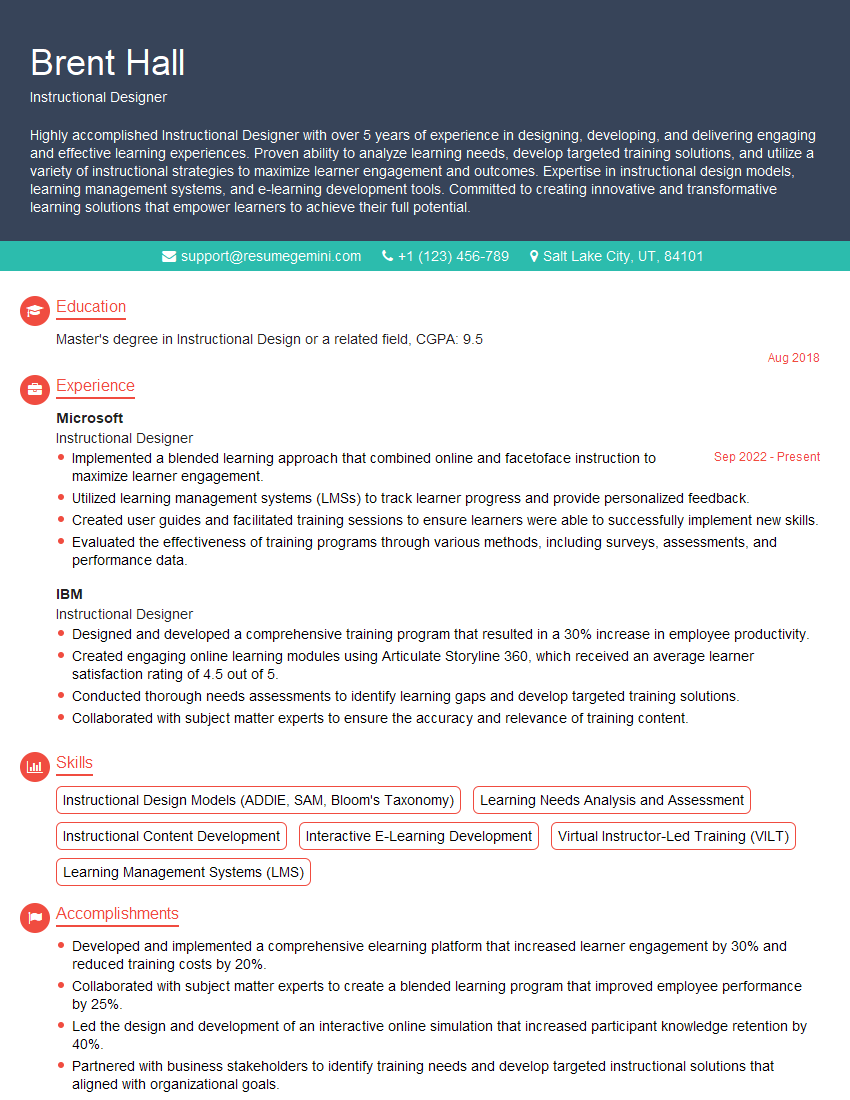
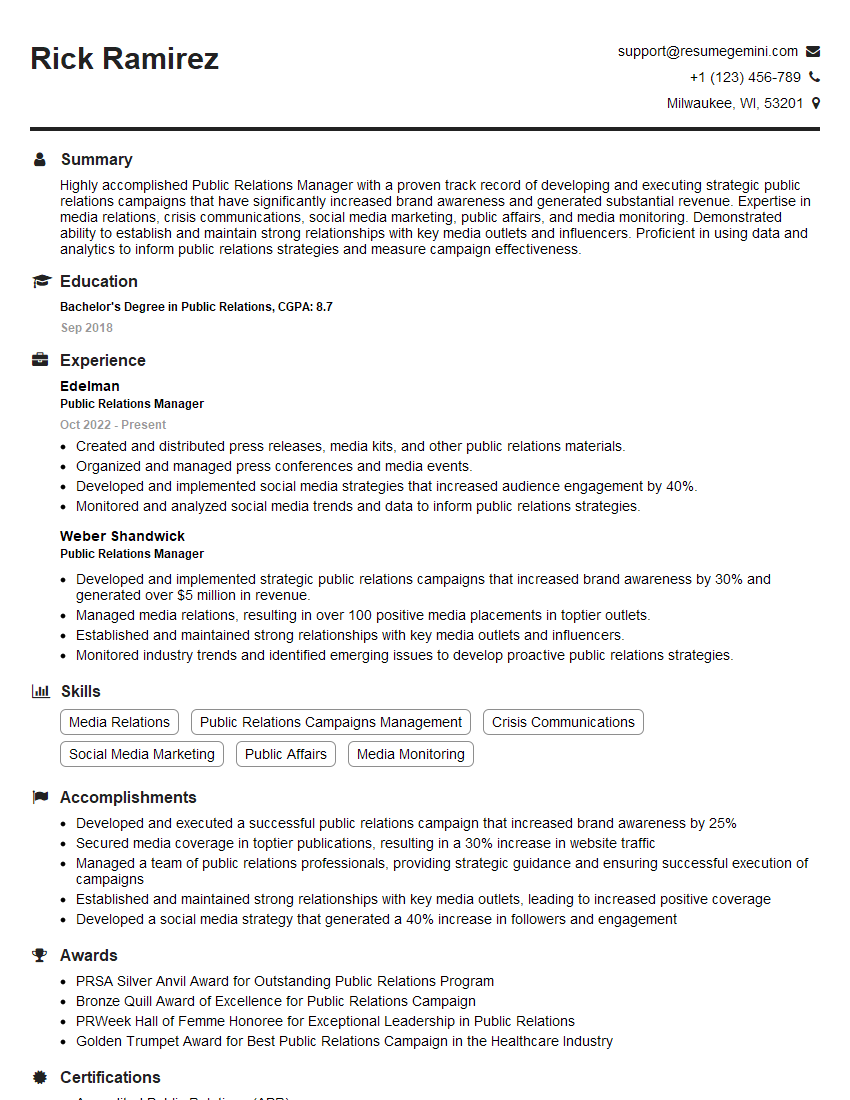
Mastering Communication Enhancement is crucial for career advancement in virtually any field. Strong communication skills are highly sought after by employers and directly impact your ability to collaborate effectively, lead teams, and achieve professional success. To maximize your job prospects, focus on crafting an ATS-friendly resume that highlights your communication skills and accomplishments. ResumeGemini is a trusted resource to help you build a professional and impactful resume that stands out from the competition. Examples of resumes tailored to Communication Enhancement are provided to help you get started.



Explore more articles
Users Rating of Our Blogs
Share Your Experience
We value your feedback! Please rate our content and share your thoughts (optional).
What Readers Say About Our Blog
I Redesigned Spongebob Squarepants and his main characters of my artwork.
https://www.deviantart.com/reimaginesponge/art/Redesigned-Spongebob-characters-1223583608
IT gave me an insight and words to use and be able to think of examples
Hi, I’m Jay, we have a few potential clients that are interested in your services, thought you might be a good fit. I’d love to talk about the details, when do you have time to talk?
Best,
Jay
Founder | CEO