The right preparation can turn an interview into an opportunity to showcase your expertise. This guide to Communication Strategies for Deaf and Hard of Hearing Students interview questions is your ultimate resource, providing key insights and tips to help you ace your responses and stand out as a top candidate.
Questions Asked in Communication Strategies for Deaf and Hard of Hearing Students Interview
Q 1. Explain various communication strategies for students with varying degrees of hearing loss.
Communication strategies for deaf and hard of hearing students are highly individualized, depending on the degree and type of hearing loss, the student’s preferred communication mode, and their overall communication skills. We must consider that ‘deaf’ and ‘hard of hearing’ encompass a wide spectrum of abilities.
Students with mild to moderate hearing loss: These students often benefit from assistive listening devices (ALDs) and strategies that enhance auditory input, such as preferential seating, clear speech, and visual cues. They might also use some lip-reading techniques.
Students with severe to profound hearing loss: These students may primarily rely on sign language (American Sign Language – ASL, or other sign languages), visual aids, or a combination of methods. Total Communication, which integrates sign, speech, and written language, is often used. Some might use cochlear implants or hearing aids, alongside communication support.
Students with fluctuating hearing loss: These students require flexible strategies that adapt to their changing hearing abilities. Regular hearing checks and adjustments to communication approaches are crucial. A multi-sensory approach using visual and tactile cues is very beneficial.
For example, a student with mild hearing loss might benefit from a classroom amplification system, while a student with profound hearing loss might require a skilled interpreter.
Q 2. Describe different assistive listening devices and their applications in the classroom.
Assistive listening devices (ALDs) are crucial for supporting students with hearing loss. The choice depends on the individual’s needs and the classroom environment.
Hearing Aids: Amplify sounds to make them audible. Different types exist (behind-the-ear, in-the-ear, etc.), tailored to the specific type of hearing loss.
Cochlear Implants: Bypass damaged parts of the inner ear to directly stimulate the auditory nerve. This is for individuals with severe to profound hearing loss.
FM Systems (Frequency Modulation): Transmit the teacher’s voice directly to the student’s hearing aid or a receiver. This reduces background noise and improves signal clarity. This is particularly beneficial in noisy classrooms.
Personal FM Systems: Allow individual students to receive a teacher’s voice more clearly by wearing a receiver and microphone.
Loop Systems: Transmit sound through a wire loop embedded in the floor or ceiling. Students with compatible hearing aids can pick up the sound directly.
In a classroom setting, an FM system paired with a microphone for the teacher would allow clearer reception of instruction for students with hearing impairments, minimizing the impact of background noise.
Q 3. How would you adapt your teaching methods to accommodate a student who uses sign language?
Adapting teaching methods for a student who uses sign language requires a multifaceted approach.
Incorporate Visual Aids: Use visual aids such as pictures, diagrams, charts, and videos to supplement auditory information.
Use Clear and Concise Language: Avoid jargon, complex sentence structures, and fast speech.
Facilitate Sign Language Interpretation or Use of Interpreters: If I am not fluent in sign language, I would collaborate with a qualified interpreter to ensure effective communication.
Provide Written Materials: Handouts, notes, and worksheets provide visual reinforcement of the lesson.
Face the Student: Maintain appropriate eye contact and speak clearly to enhance lip-reading if the student utilizes this.
Understand Sign Language Nuances: If working with a student who signs, I would seek training or resources to understand the nuances of the sign language, including cultural aspects.
For instance, I would use a visual timer to manage transitions and activities for students who need clear visual cues for time management.
Q 4. What are the key components of an Individualized Education Program (IEP) for a deaf or hard of hearing student?
An Individualized Education Program (IEP) for a deaf or hard of hearing student is a legally binding document that outlines the student’s specific educational needs, goals, and the services they will receive. Key components include:
Present Levels of Performance (PLP): A detailed description of the student’s current academic, communication, social-emotional, and physical skills.
Goals and Objectives: Measurable, short-term and long-term goals designed to address the student’s needs and improve their skills in areas such as communication, academics, and social-emotional development.
Services and Accommodations: Specifies the type and amount of specialized instruction, support services (e.g., speech therapy, audiology services, interpreting services), and classroom accommodations (e.g., assistive listening devices, preferential seating) the student will receive.
Evaluation Procedures: Describes how the student’s progress towards their goals will be monitored and evaluated.
Parent and Teacher Involvement: The IEP is a collaborative effort among parents, teachers, administrators, related service providers, and the student (when appropriate). Regular meetings are crucial for reviewing and updating the IEP.
The IEP ensures the student receives an appropriate education that meets their unique learning needs.
Q 5. Discuss your experience using various communication modes (e.g., oral, manual, total communication).
My experience encompasses using various communication modes, recognizing their strengths and limitations. Each student’s preferred and most effective mode is paramount.
Oral Communication: I’ve worked with students who use hearing aids and lip-reading, focusing on clear speech and visual cues. This works best for students with milder hearing loss.
Manual Communication (Sign Language): I’ve collaborated with interpreters and learned basic sign language to support students using ASL. This approach requires skilled interpreters and consistent use.
Total Communication: I’ve implemented this in classrooms, combining signs, speech, and written language. It’s a very inclusive strategy but requires expertise in all three.
The most effective approach is often a blend, tailored to the specific student and context. Understanding the student’s strengths and weaknesses in different modes is crucial for choosing the best approach.
Q 6. Explain the importance of collaboration with parents and other professionals when working with deaf and hard of hearing students.
Collaboration is essential for successful intervention with deaf and hard of hearing students. A strong partnership between educators, parents, and other professionals ensures a holistic and supportive learning environment.
Parents: Parents are invaluable sources of information about their child’s communication preferences, strengths, challenges, and family dynamics. Open communication and shared decision-making are key.
Audiologists: They assess hearing loss, recommend and fit hearing aids/cochlear implants, and monitor the student’s hearing health.
Speech-Language Pathologists: They work on speech, language, and communication skills. They might teach sign language, speechreading, and communication strategies.
Interpreters: They facilitate communication between the student and the teacher/peers. Choosing well-trained, qualified interpreters is vital.
For example, regular meetings with parents to discuss their child’s progress and adjust the IEP as needed is critical for a successful educational journey.
Q 7. How would you address communication breakdowns in the classroom?
Communication breakdowns are inevitable, and proactive strategies are crucial to address them effectively.
Identify the Breakdown: First, understand the cause – was it due to unclear instructions, noisy environment, a lack of visual cues, or something else?
Rephrase or Re-explain: Use different wording, visual aids, or signs to clarify the message. Ensure everyone understands.
Check for Understanding: Always ask students to demonstrate their understanding (verbally, in writing, or through actions). Don’t assume understanding.
Provide Multiple Modes of Communication: Offer information in different ways – written, visual, auditory, and through sign language if appropriate.
Use Feedback Mechanisms: Establish clear ways for students to signal confusion. This might be raising their hand, using a visual cue, or other pre-arranged strategies.
Adapt the Environment: Reduce background noise and create a visually supportive learning space. Preferential seating can also be very helpful.
For example, if a student doesn’t understand a math problem, I would use manipulatives, visual diagrams, and simpler language to re-explain the concept.
Q 8. Describe strategies for promoting social and emotional development in deaf and hard of hearing students.
Promoting social and emotional development in deaf and hard of hearing students requires a multifaceted approach that addresses their unique communication needs and fosters a sense of belonging. It’s crucial to remember that social-emotional development isn’t separate from communication; it’s interwoven.
Creating Inclusive Classrooms: A welcoming classroom environment is paramount. This includes visual supports like social stories illustrating appropriate social interactions, incorporating Deaf culture and history into the curriculum, and utilizing collaborative learning activities that encourage peer interaction and communication.
Direct Instruction in Social Skills: Explicitly teach social skills such as turn-taking, active listening (visually), interpreting nonverbal cues, and conflict resolution. Role-playing scenarios can be particularly effective.
Building Self-Esteem: Deaf and hard of hearing students can face challenges related to self-esteem, especially if they feel isolated or misunderstood. Positive reinforcement, celebrating their achievements, and providing opportunities for leadership and mentorship are crucial.
Mental Health Support: Access to mental health professionals who understand the specific challenges faced by deaf and hard of hearing individuals is essential. Early intervention is key to addressing any potential social-emotional difficulties.
Communication Access: Ensure that all communication channels are accessible. This includes the use of interpreters, captioning, and other assistive technology. Clear and consistent communication is vital for building trust and understanding.
For example, I once worked with a student who struggled with social interactions. By using visual aids, role-playing, and regular check-ins, we significantly improved his social skills and confidence.
Q 9. How would you incorporate culturally relevant practices into your communication strategies?
Incorporating culturally relevant practices is crucial for fostering a positive learning environment and respecting the identities of deaf and hard of hearing students. This isn’t simply about ‘adding’ Deaf culture; it’s about integrating it meaningfully into the educational approach.
Understanding Deaf Culture: I begin by immersing myself in Deaf culture, learning about its history, values, and traditions. This includes understanding the diverse experiences within the Deaf community, acknowledging that not all Deaf individuals identify the same way.
Utilizing Sign Language: If students use sign language, I ensure that all communication is accessible. This may involve using interpreters, learning basic sign language myself, or incorporating sign language videos into lessons.
Involving Deaf Role Models: Inviting Deaf professionals or community members to speak to students can provide valuable role models and build a sense of belonging. These interactions can demonstrate the various career paths and successes achieved by Deaf individuals.
Culturally Responsive Curriculum: Integrating Deaf history, literature, and art into the curriculum provides students with positive representations of their culture and identity. This can counter negative stereotypes and promote self-worth.
Parent/Family Involvement: Open communication with families is vital, understanding their cultural values and how they communicate with their child at home. This can help in tailoring strategies to meet the student’s individual needs more effectively.
For instance, I once incorporated a Deaf history unit that included biographies of influential Deaf figures. The students were very engaged and proud to learn about their heritage.
Q 10. What are some common challenges faced by deaf and hard of hearing students in mainstream classrooms, and how would you address them?
Deaf and hard of hearing students in mainstream classrooms often face unique challenges that require proactive and tailored solutions. These challenges can significantly impact their academic progress and social-emotional well-being.
Communication Barriers: The most significant challenge is often the difficulty in accessing and processing auditory information. This can lead to misunderstandings, missed instructions, and difficulty participating in class discussions.
Limited Access to Support Services: Inadequate access to interpreters, assistive technology, and specialized instruction can hinder a student’s ability to keep up with their peers.
Social Isolation: Feeling different or misunderstood can lead to social isolation and low self-esteem. This is especially true if communication barriers prevent them from forming strong relationships with their classmates.
Academic Gaps: Difficulty with auditory processing can create gaps in foundational skills that can be challenging to overcome if not addressed early on.
Addressing these challenges involves:
Individualized Education Programs (IEPs): Developing a comprehensive IEP tailored to the student’s specific needs is crucial. This involves collaborating with parents, educators, and support professionals to determine the best strategies and accommodations.
Assistive Technology: Providing appropriate assistive technology, such as hearing aids, FM systems, or captioning software, can significantly improve access to auditory information.
Early Intervention: Early identification and intervention are essential to prevent academic and social-emotional difficulties from escalating.
Teacher Training: Training teachers on effective communication strategies and strategies to support students with hearing loss is necessary. This includes understanding different communication modes (e.g., sign language, speechreading, etc.).
Q 11. Describe your experience working with interpreters and how to ensure effective communication.
Effective collaboration with interpreters is crucial for ensuring that deaf and hard of hearing students have access to the same educational opportunities as their hearing peers. My experience has shown that a strong working relationship built on mutual respect and clear communication is essential for success.
Pre-Meeting Collaboration: Before every lesson or meeting, I discuss learning objectives, potential challenges, and strategies with the interpreter to ensure a cohesive approach. This proactive communication is key.
Clear Communication: I communicate clearly and concisely, using visual aids and other supplementary materials whenever possible. I also provide the interpreter with any relevant background information or materials in advance.
Professional Development: I stay updated on best practices for interpreter collaboration, participating in professional development opportunities that focus on effective communication strategies with interpreters.
Feedback and Evaluation: Regular feedback sessions with the interpreter are essential. This provides an opportunity to identify areas for improvement and ensure that the interpretation is accurate and accessible to the student.
Interpreter Selection: I actively participate in the selection process to ensure the interpreter has the appropriate skills and experience to meet the student’s specific needs, including language proficiency and cultural understanding.
For example, I once worked with a student who used a sign language interpreter. By regularly discussing the learning objectives and collaborating on strategies, we ensured that the student was fully engaged and understood the material.
Q 12. How would you assess a student’s communication skills and needs?
Assessing a student’s communication skills and needs requires a comprehensive approach that considers their strengths, weaknesses, and communication preferences. A multi-faceted assessment is essential.
Formal Assessments: Standardized tests and assessments can provide objective data on the student’s auditory skills, speech production, and language comprehension. These assessments provide a baseline for comparison and tracking progress.
Informal Assessments: Observation in natural settings, such as the classroom and playground, provides valuable insights into the student’s communication strategies and social interaction skills. Analyzing their communication during daily activities paints a holistic picture.
Parent and Teacher Input: Gathering information from parents and teachers helps to create a comprehensive understanding of the student’s communication skills in various environments. Their unique insights into the student’s behaviour and abilities are invaluable.
Communication Mode Preferences: Determining the student’s preferred communication mode (e.g., sign language, speech, a combination) is crucial for tailoring support and instruction. Respecting their preferences and making them part of the assessment process builds autonomy.
Language Proficiency: Assessing the student’s language proficiency in both their native language (if different from English) and English is essential for designing effective educational interventions.
I once used a combination of formal and informal assessments, including observations in the classroom, parent interviews, and standardized tests, to assess a student’s communication needs. This helped to create a detailed and comprehensive IEP that met their individual needs.
Q 13. What assistive technology are you familiar with, and how have you used it to support deaf/hard of hearing students?
Assistive technology plays a vital role in supporting the communication and academic success of deaf and hard of hearing students. My experience encompasses a variety of technologies, each with its own strengths and applications.
Hearing Aids: These are essential for many students, amplifying sounds to improve auditory access. Different types of hearing aids cater to various degrees of hearing loss and individual needs.
Cochlear Implants: For students with severe to profound hearing loss, cochlear implants can provide a significant improvement in auditory function. Post-implantation therapy and support are crucial.
FM Systems: These systems transmit audio signals directly to a student’s hearing aid or headphones, reducing background noise and improving signal clarity in noisy environments like classrooms.
Captioning and Transcription Software: These technologies provide visual access to spoken information, improving comprehension and participation in lessons and meetings.
Alerting Devices: These devices provide visual or tactile alerts for sounds such as doorbells, smoke alarms, or other important auditory cues.
Speech-to-Text Software: This technology converts spoken words into text, allowing students to follow along with lectures and conversations in real-time.
For instance, I worked with a student who benefited greatly from using an FM system in class. This significantly improved their ability to hear and understand the teacher’s instructions and participate in discussions.
Q 14. What are your strategies for promoting literacy skills in deaf and hard of hearing students?
Promoting literacy skills in deaf and hard of hearing students requires a comprehensive approach that addresses their unique communication needs and learning styles. Early intervention is key to success.
Early Exposure to Language: Early and consistent exposure to language, whether through sign language or spoken language, is foundational for literacy development. This provides the building blocks for reading and writing.
Multi-Sensory Approaches: Using multiple senses—visual, auditory, tactile, and kinesthetic—in literacy instruction can significantly enhance learning. This caters to different learning styles.
Visual Supports: Visual aids, such as pictures, diagrams, and graphic organizers, are essential for supporting comprehension and vocabulary development. Visuals make abstract concepts more accessible.
Explicit Phonics Instruction: Explicit and systematic instruction in phonics, especially for students using spoken language, is crucial for developing reading skills. This builds a strong foundation for decoding and word recognition.
Sign-Supported Speech: For students using sign language, incorporating sign-supported speech can strengthen their connection between spoken and signed language, facilitating reading development.
Rich Literacy Environment: Surrounding students with books, magazines, and other literacy materials promotes a love of reading and expands vocabulary. Creating an engaging environment fosters a positive learning experience.
For example, I once worked with a student who struggled with reading. By using a multi-sensory approach that incorporated visual aids, kinesthetic activities, and explicit phonics instruction, we were able to significantly improve their reading skills.
Q 15. How would you support a student’s access to the general education curriculum?
Supporting a deaf or hard of hearing student’s access to the general education curriculum requires a multi-faceted approach focusing on maximizing their communication access and providing appropriate accommodations. This means ensuring they can fully participate in lessons, understand assignments, and demonstrate their learning in a way that reflects their abilities, not their hearing loss.
- Communication Methods: Providing a variety of communication methods is crucial. This might include sign language interpreters, real-time captioning, assistive listening devices (ALDs), and written materials. The choice depends on the student’s preferred and most effective communication mode.
- Curriculum Adaptations: The curriculum itself may need adjustments. This could involve providing visual aids, simplified instructions, extended time for assignments, or alternative assessment methods. For instance, a student might demonstrate understanding through a visual project instead of a verbal presentation.
- Classroom Environment: The physical classroom environment plays a significant role. Reducing background noise, ensuring optimal seating arrangements for clear visual access (if using sign language or lip reading), and providing appropriate lighting are key.
- Collaboration: Close collaboration with the student, their family, the special education teacher, and the general education teacher is essential to creating an Individualized Education Program (IEP) that effectively addresses the student’s unique needs.
For example, a student who uses sign language might require an interpreter for all classes, while a student with mild hearing loss might benefit primarily from assistive listening devices and preferential seating.
Career Expert Tips:
- Ace those interviews! Prepare effectively by reviewing the Top 50 Most Common Interview Questions on ResumeGemini.
- Navigate your job search with confidence! Explore a wide range of Career Tips on ResumeGemini. Learn about common challenges and recommendations to overcome them.
- Craft the perfect resume! Master the Art of Resume Writing with ResumeGemini’s guide. Showcase your unique qualifications and achievements effectively.
- Don’t miss out on holiday savings! Build your dream resume with ResumeGemini’s ATS optimized templates.
Q 16. Describe your experience writing IEP goals and objectives for communication skills.
Writing IEP goals and objectives for communication skills requires a thorough understanding of the student’s strengths and weaknesses, their preferred communication mode, and their overall academic goals. The goals must be measurable, achievable, and relevant to the student’s educational context. They should also be time-bound, meaning they have specific deadlines.
My experience includes working collaboratively with parents, teachers, and related service providers to establish short-term and long-term objectives focused on improving communication skills. For example, a short-term goal might be to increase the student’s ability to understand spoken language in a classroom setting by 20% within one semester. This would be supported by specific objectives, such as correctly responding to 80% of teacher questions in a one-on-one setting.
Long-term goals might focus on improved academic performance directly linked to improved communication, like improving reading comprehension, or participating actively in class discussions. I ensure the IEP goals are aligned with state standards and the student’s overall educational plan, and use data-driven assessments to monitor progress and make adjustments as needed.
Q 17. How would you differentiate instruction to meet the diverse needs of deaf and hard of hearing students within a classroom?
Differentiated instruction is crucial for meeting the diverse needs of deaf and hard of hearing students. This approach tailors teaching methods and materials to accommodate the individual learning styles and communication preferences of each student. It’s not a ‘one-size-fits-all’ approach.
- Multi-Sensory Approach: Incorporating visual, auditory, and kinesthetic learning strategies ensures information is presented in multiple formats. Visual aids, hands-on activities, and clear demonstrations are crucial.
- Communication Modes: Instruction should be delivered in a way that best suits the student’s communication mode – whether it’s sign language, spoken language, or a combination. This might include using visual supports like pictures or videos along with spoken instruction.
- Technology Integration: Utilizing technology, such as assistive listening devices, FM systems, captioned videos, and real-time captioning software, can significantly enhance access to information.
- Flexible Assessment: Allowing for diverse assessment methods – such as written tests, oral exams (with appropriate accommodations), or portfolio assessments – ensures that students can demonstrate their understanding in a way that best reflects their abilities.
For example, some students might benefit from visual notes while others may need access to a transcript of lectures. Providing choices empowers students and fosters a more inclusive learning environment.
Q 18. Describe your understanding of auditory-verbal therapy and its role in supporting students with hearing loss.
Auditory-verbal therapy (AVT) is an approach that focuses on developing listening and spoken language skills in children with hearing loss. It emphasizes the use of residual hearing, utilizing amplification such as hearing aids or cochlear implants to maximize auditory input. The therapy is intensive and focuses on developing speech and language skills.
The role of AVT in supporting students with hearing loss is significant, as it aims to integrate them fully into the hearing world. By maximizing auditory input and providing intensive training, AVT helps students develop clear speech, improve their receptive language skills, and enhance their overall communication capabilities. However, it’s important to remember that AVT is not universally suitable. The effectiveness of AVT depends on various factors, including the degree and type of hearing loss, the age of intervention, and the child’s overall developmental progress.
It’s important to consider the student’s individual needs and preferences when choosing communication methods, and AVT should always be part of a comprehensive support plan.
Q 19. How would you advocate for the needs of deaf and hard of hearing students within a school setting?
Advocating for deaf and hard of hearing students requires proactive strategies and strong communication skills. This involves understanding the students’ rights, knowing the available resources, and building collaborative relationships with stakeholders.
- Collaboration: Work closely with parents, teachers, administrators, and related service providers to ensure the student’s IEP is implemented effectively and that their needs are met.
- Data Collection: Regularly monitor the student’s progress and collect data to demonstrate the effectiveness (or lack thereof) of current interventions. This data provides compelling evidence for advocating for additional support if needed.
- Communication: Clearly and respectfully communicate the student’s needs to all relevant parties, using data to support your recommendations for adjustments or additional resources.
- Professional Development: Advocate for professional development opportunities for teachers and staff on effective strategies for working with deaf and hard of hearing students.
- Resource Allocation: Advocate for the allocation of resources, including funding for assistive technology, interpreters, and specialized instructional materials.
For example, if a student requires an interpreter but the school cannot provide one, I would present data showing the impact on the student’s academic performance and propose solutions, perhaps involving contacting community organizations or seeking external funding.
Q 20. What are your strategies for involving families and communities in the education of deaf and hard of hearing students?
Involving families and communities is paramount for the successful education of deaf and hard of hearing students. Families are essential partners, and community resources can significantly enhance the student’s learning and development.
- Regular Communication: Maintain open and frequent communication with families through regular meetings, phone calls, emails, and progress reports. Share information about the student’s progress, challenges, and any needed adjustments.
- Family-Centered Approach: Ensure the family’s preferences and cultural values are considered when developing the IEP and selecting communication methods.
- Community Involvement: Connect with local deaf and hard of hearing communities and organizations to access resources, mentorship opportunities, and social support for the student and their family.
- Parent Training and Support: Provide opportunities for families to learn about effective communication strategies, assistive technology, and advocacy techniques.
- Collaboration with Community Professionals: Work collaboratively with audiologists, speech-language pathologists, and other professionals in the community to ensure a coordinated and comprehensive support system.
For instance, connecting a student with a deaf mentor from the local community can provide invaluable role modeling and support. Family involvement in the IEP process ensures buy-in and collaboration towards a common goal.
Q 21. How would you handle a situation where a student’s hearing aid malfunctions during a lesson?
If a student’s hearing aid malfunctions during a lesson, it’s crucial to respond quickly and efficiently to minimize disruption and ensure the student continues to receive instruction.
- Immediate Action: First, check the hearing aid for any obvious issues (e.g., dead battery, loose connection). If possible, troubleshoot the problem. Many hearing aids have simple troubleshooting steps.
- Alternative Communication: If the hearing aid cannot be fixed immediately, immediately switch to the student’s preferred alternative communication method, such as sign language or written notes. This prevents a learning gap from widening.
- Parent/Guardian Contact: Contact the parent or guardian to inform them of the situation and arrange for repair or replacement of the device. The school should have a plan for emergencies like this, which might involve having backup hearing aids or a readily available communication system.
- Documentation: Document the incident, including the time, the nature of the problem, the actions taken, and the outcome. This is important for record-keeping and for future planning.
- Follow-up: Ensure that the student’s hearing aid is functioning correctly as soon as possible. Regular maintenance and checkups are crucial for preventing such disruptions.
Having a pre-established plan with the student and their family for these situations, including having a backup communication plan and contact information readily available, will help ensure a smooth and effective response.
Q 22. Discuss the importance of early intervention for deaf and hard of hearing children.
Early intervention for deaf and hard of hearing children is absolutely crucial for their language development and overall success. Think of it like learning a language as an infant – the earlier you start, the more natural and fluent it becomes. The brain’s plasticity in early childhood allows for optimal language acquisition, whether that’s spoken language with amplification or a signed language.
Delaying intervention can lead to significant gaps in language development, impacting their academic progress, social skills, and emotional well-being. Early intervention programs typically involve a multidisciplinary team – audiologists, speech-language pathologists, educators of the deaf, and family members – working collaboratively to provide individualized support. This might include hearing aids or cochlear implants, speech therapy, sign language instruction, and family support and training.
For example, a child diagnosed with hearing loss at 6 months old and immediately enrolled in an early intervention program is far more likely to develop strong language skills compared to a child who receives intervention at age 3. The earlier the intervention, the better the chance for the child to develop age-appropriate communication and language skills. This sets a strong foundation for their future learning and social interaction.
Q 23. How would you ensure effective communication during emergency situations with deaf or hard of hearing students?
Effective communication during emergencies with deaf or hard of hearing students requires proactive planning and readily available communication methods. A crucial first step is to create a comprehensive emergency communication plan that includes visual alerts and various communication channels. This means going beyond relying on audible alarms alone.
Our plan would incorporate:
- Visual alarms: Flashing lights, vibrating devices, or visual announcements.
- Multiple communication methods: A combination of text messaging, pre-established emergency contact information written in large font and displayed visually, and trained staff proficient in sign language. If the student uses a communication device, ensure it’s working and accessible.
- Designated communication personnel: Specific staff members trained in communication strategies for deaf and hard of hearing individuals should be identified and their roles clearly defined in the emergency plan.
- Regular drills and practice: Regular emergency drills are essential to familiarize students with the emergency procedures and ensure that the communication system works effectively.
For instance, in a fire drill, flashing lights would complement the audible alarm. Staff would guide deaf or hard of hearing students using clear visual cues and sign language, and pre-arranged meeting points should be easily identifiable and accessible.
Q 24. Describe your familiarity with various sign languages (e.g., ASL, SEE).
I am proficient in American Sign Language (ASL) and have a working knowledge of Signed Exact English (SEE). My ASL proficiency is at a level where I can fluently converse and conduct educational instruction. I understand that ASL is a visual language with its own grammar and syntax, distinct from English. SEE, while aiming for a closer word-for-word translation of English, offers a different approach to signing. The understanding of both systems enables me to adapt my communication style to meet the individual needs of each student. I recognize that some students may use other sign systems or a combination of methods, and I am always willing to learn and adapt my approach.
My experience includes working directly with students who use various forms of sign language, leading me to appreciate the nuances and variations within the signing community. This adaptable skill set is critical to building trust and rapport with students and their families.
Q 25. What professional development have you undertaken to enhance your understanding of deaf education?
My professional development in deaf education has been extensive and ongoing. I’ve completed a comprehensive course on ‘Best Practices in Deaf Education,’ focusing on linguistic and cultural understanding of Deaf communities. I’ve also participated in several workshops on assistive listening devices, interpreting and transliterating, and effective classroom strategies for deaf and hard of hearing students. I regularly attend conferences and workshops on current research and best practices in the field, ensuring my knowledge remains up-to-date and informed by current research.
Furthermore, I’ve actively sought out mentorship from experienced educators of the deaf, exchanging knowledge and best practices. I actively seek professional development opportunities that directly address my students’ needs and interests, fostering continued growth in my teaching methodology and ability to provide individualized instruction.
Q 26. How do you stay current on best practices in the field of deaf and hard of hearing education?
Staying current on best practices in deaf and hard of hearing education requires a multifaceted approach. I regularly subscribe to professional journals like the American Annals of the Deaf and participate in online professional learning communities. I also actively seek out webinars and online courses related to emerging technologies and pedagogical advancements. Membership in professional organizations, such as the Council for Exceptional Children (CEC) and the Alexander Graham Bell Association for the Deaf and Hard of Hearing, provides access to resources, research, and networking opportunities. Attending conferences and workshops allow me to engage directly with leading experts and practitioners in the field.
Moreover, I actively engage with research published in peer-reviewed journals, seeking evidence-based practices to inform my instruction. This combination of formal and informal professional development ensures my practices remain aligned with the most current and effective strategies in deaf education.
Q 27. Explain your understanding of the legal rights of deaf and hard of hearing students under the Individuals with Disabilities Education Act (IDEA).
The Individuals with Disabilities Education Act (IDEA) guarantees deaf and hard of hearing students the right to a Free Appropriate Public Education (FAPE) in the Least Restrictive Environment (LRE). This means that students with hearing impairments are entitled to an individualized education program (IEP) tailored to their unique needs and learning styles. The IEP outlines specific goals, objectives, and services designed to help the student achieve their full academic potential.
IDEA mandates that IEPs must include:
- Evaluation: A comprehensive assessment of the student’s hearing loss, educational needs, and communication skills.
- Goals: Measurable goals and objectives for the student’s academic, social, and emotional development.
- Services: Appropriate services and supports, such as assistive technology, sign language interpreters, speech-language therapy, and specialized instruction.
- Placement: Placement in the least restrictive environment possible, meaning that the student should be educated with their hearing peers to the maximum extent appropriate.
- Parent Participation: Active involvement of parents or guardians in the IEP process.
Failing to provide FAPE as defined by IDEA can result in legal action and potentially substantial financial penalties for school districts. Understanding IDEA is not only a legal requirement but is crucial in ensuring that every deaf and hard of hearing student receives the support and education they need to thrive.
Key Topics to Learn for Communication Strategies for Deaf and Hard of Hearing Students Interview
- Communication Modes: Understanding and effectively utilizing various communication methods such as sign language (ASL, SEE), speech, lip-reading, and assistive technology.
- Individualized Education Programs (IEPs): Knowledge of IEP development, implementation, and the role of communication strategies within this framework. Practical application: Analyzing an IEP to identify communication needs and suggest appropriate strategies.
- Assistive Technology: Familiarity with various assistive listening devices, communication software, and apps, and their effective integration into the classroom.
- Classroom Management and Inclusion: Strategies for creating inclusive learning environments that cater to diverse communication needs and promote active participation.
- Interpreting and Transliteration: Understanding the roles of interpreters and transliterators, ethical considerations, and effective collaboration.
- Cultural Competence and Deaf Culture: Demonstrating awareness and sensitivity to Deaf culture, values, and communication preferences.
- Collaboration with Families and Professionals: Effective communication and collaboration with parents, interpreters, audiologists, and other professionals involved in the student’s educational journey. Problem-solving: Developing strategies to address communication barriers arising from differing perspectives.
- Assessment and Intervention Strategies: Understanding different assessment methods to evaluate communication skills and developing tailored intervention plans.
Next Steps
Mastering communication strategies for Deaf and Hard of Hearing students significantly enhances your value as an educator, demonstrating your commitment to inclusive and effective teaching. This specialized skillset opens doors to rewarding career opportunities and positions you as a leader in the field. To maximize your job prospects, it’s crucial to present your expertise effectively. Crafting an ATS-friendly resume is paramount. ResumeGemini is a trusted resource to help you build a professional resume that highlights your skills and experience. We provide examples of resumes tailored specifically to Communication Strategies for Deaf and Hard of Hearing Students, helping you showcase your unique capabilities to potential employers.
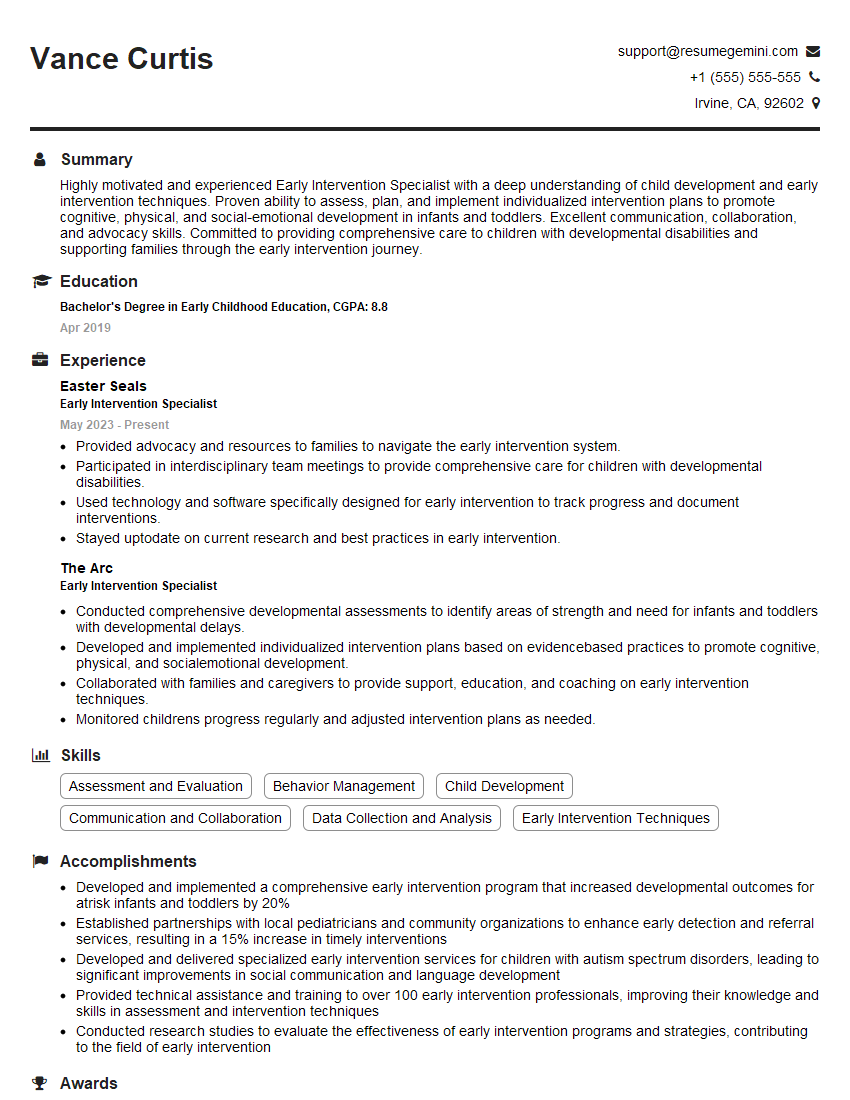
Early Intervention Specialist Resume Sample
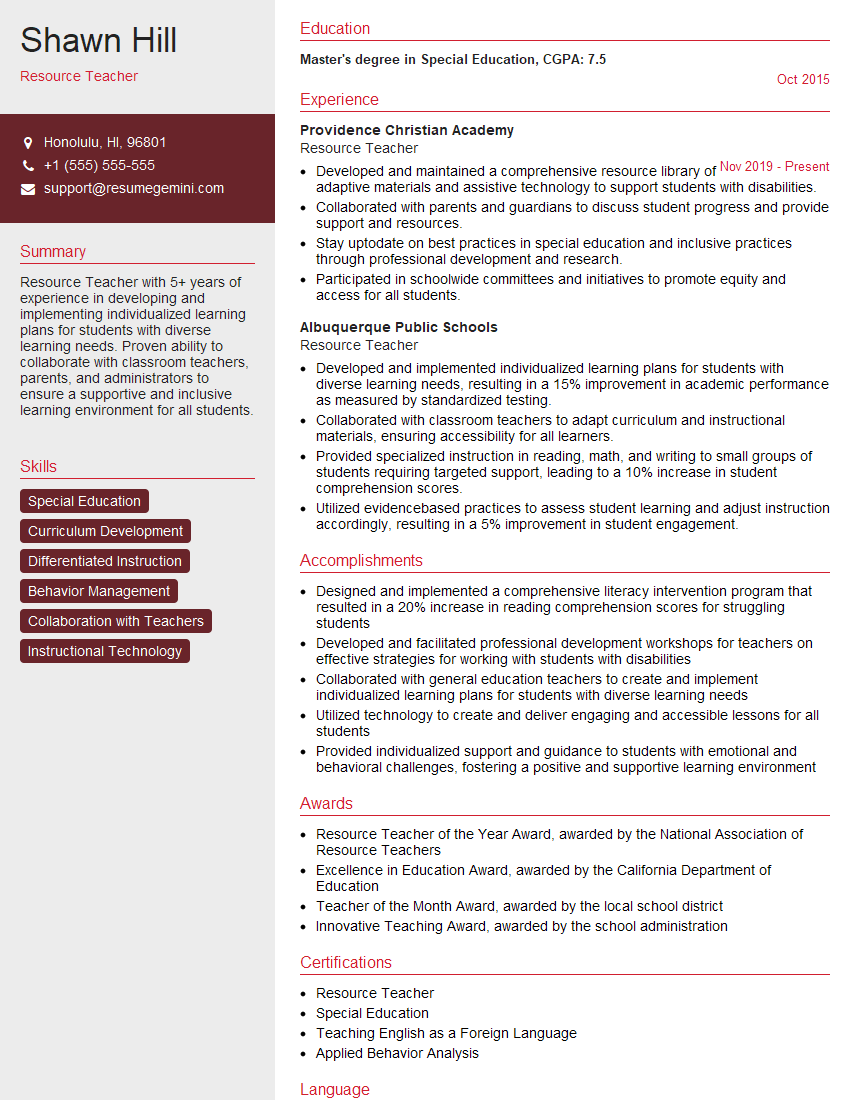
Resource Teacher Resume Sample
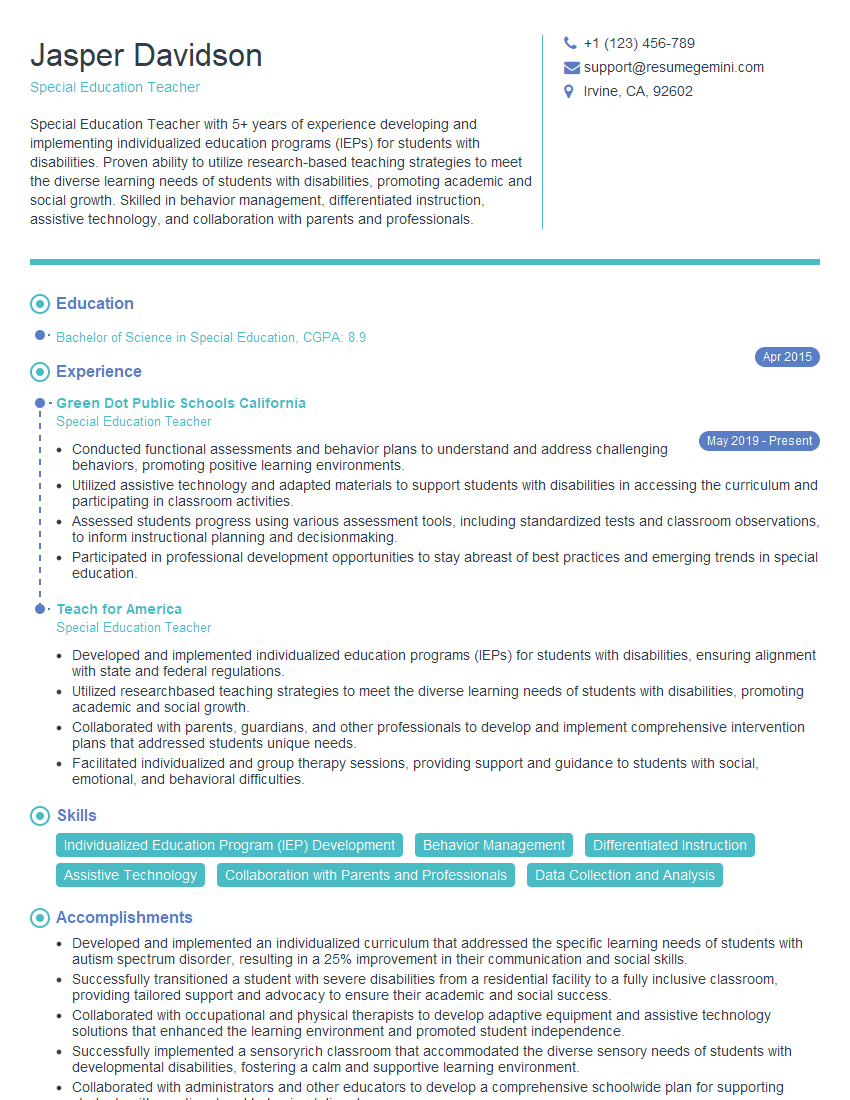
Special Education Teacher Resume Sample
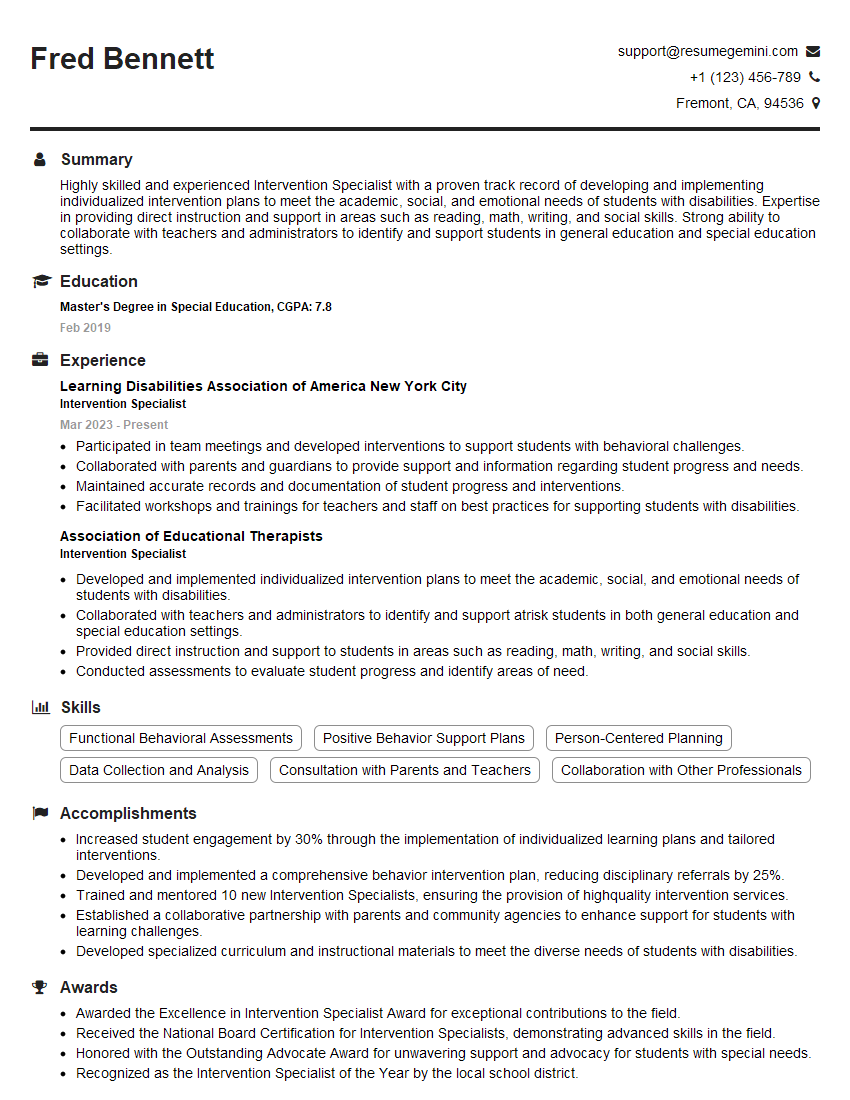
Intervention Specialist Resume Sample
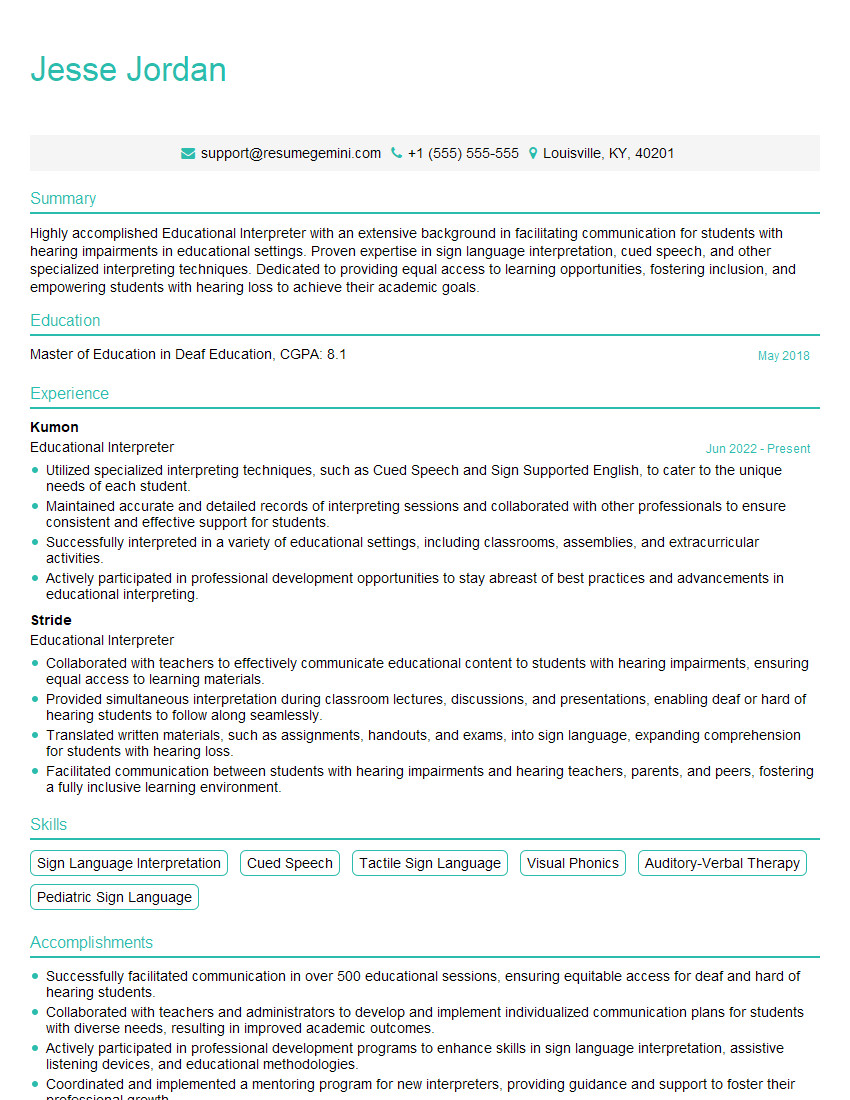
Educational Interpreter Resume Sample
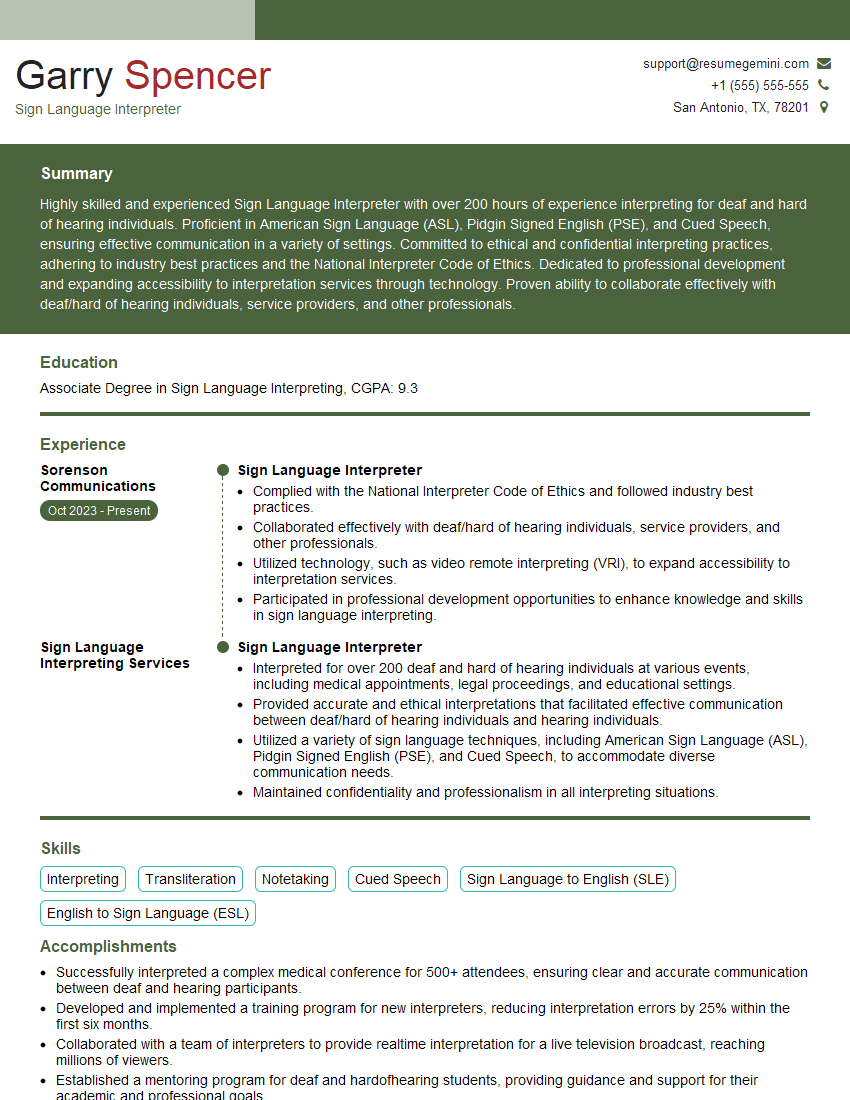
Sign Language Interpreter Resume Sample
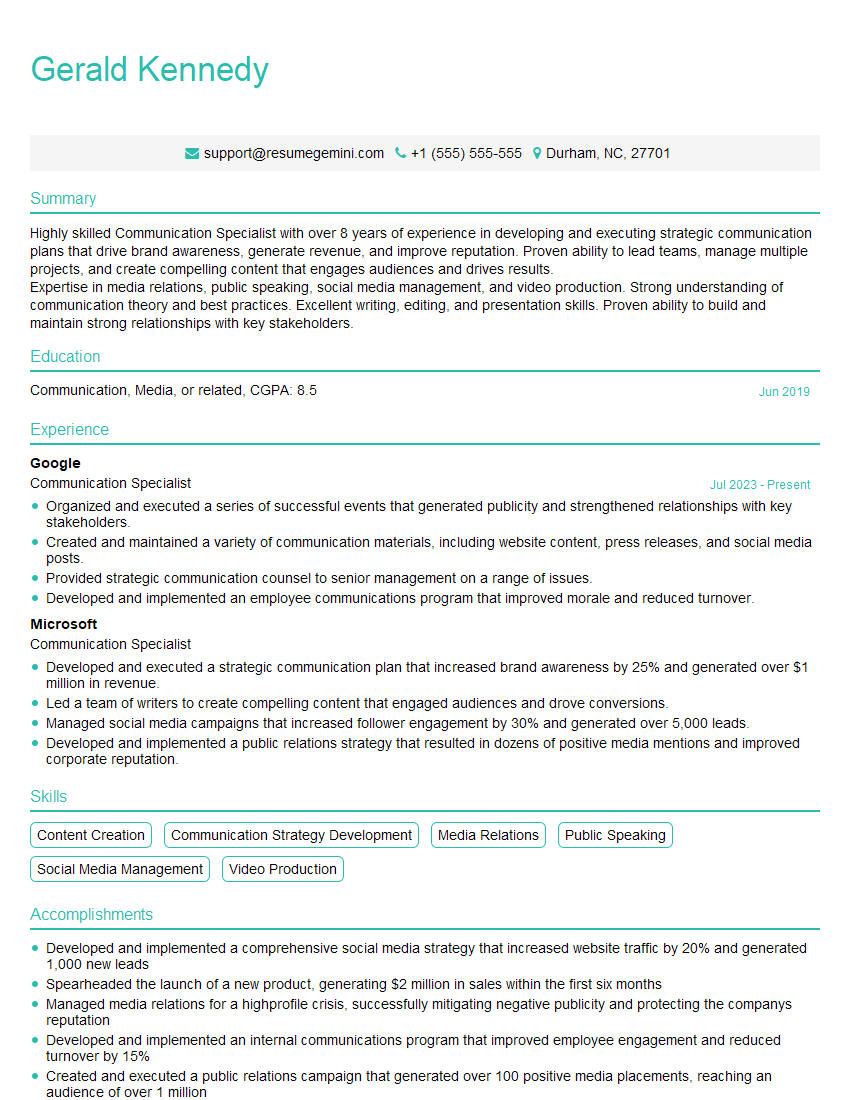
Communication Specialist Resume Sample

Audiologist Resume Sample
Explore more articles
Users Rating of Our Blogs
Share Your Experience
We value your feedback! Please rate our content and share your thoughts (optional).
What Readers Say About Our Blog
I Redesigned Spongebob Squarepants and his main characters of my artwork.
https://www.deviantart.com/reimaginesponge/art/Redesigned-Spongebob-characters-1223583608
IT gave me an insight and words to use and be able to think of examples
Hi, I’m Jay, we have a few potential clients that are interested in your services, thought you might be a good fit. I’d love to talk about the details, when do you have time to talk?
Best,
Jay
Founder | CEO