Every successful interview starts with knowing what to expect. In this blog, we’ll take you through the top Communication Systems (e.g., PECS, AAC) interview questions, breaking them down with expert tips to help you deliver impactful answers. Step into your next interview fully prepared and ready to succeed.
Questions Asked in Communication Systems (e.g., PECS, AAC) Interview
Q 1. Explain the core principles of Picture Exchange Communication System (PECS).
Picture Exchange Communication System (PECS) is an augmentative and alternative communication (AAC) method designed to teach individuals with autism spectrum disorder (ASD) and other communication challenges to initiate communication. It’s based on the simple, yet powerful, principle of exchanging a picture for a desired item or activity. The core idea is to move beyond passive receptive language skills and actively encourage spontaneous communication.
PECS focuses on building functional communication skills by directly linking the picture symbol to the desired outcome. For example, a child wants a cookie. Instead of the adult prompting the child, the child is taught to physically give a picture of a cookie to the adult to request it. This promotes independence and initiative, fundamental to successful communication.
Q 2. Describe the phases of PECS implementation.
PECS implementation is structured in six phases, each building upon the previous one:
- Phase 1: How to Communicate: The child learns to give a picture to a communication partner in exchange for a desired item. This focuses on physical exchange, not necessarily understanding the symbolic value of the picture yet.
- Phase 2: Expanding Spontaneity: The child is prompted less and encouraged to spontaneously initiate communication by requesting different items using the pictures.
- Phase 3: Discriminiation: The child learns to select from an array of pictures to choose their desired item. This strengthens the understanding of the symbolic representation.
- Phase 4: Sentence Structure: The child learns to build simple sentences by adding a picture of the desired item and a picture of the communication partner. For instance, “I want cookie”.
- Phase 5: Answering Questions: The child learns to respond to simple questions like “What do you want?” or “What do you see?”.
- Phase 6: Commenting: The child learns to spontaneously comment about their environment and initiate communication beyond simple requests.
Q 3. What are the limitations of PECS, and how can they be addressed?
While PECS is highly effective for many, it has limitations. One common challenge is its potential dependence on visual cues. Some individuals may struggle to generalize their skills to different environments or communication partners who may not use the same pictures. Furthermore, PECS, in its basic form, may not support the expression of more complex ideas or abstract concepts readily. It also doesn’t naturally lead to spontaneous conversation.
Addressing these limitations involves:
- Generalization Training: Practice using PECS in various settings and with different communication partners.
- Integration with other AAC methods: Combine PECS with other techniques like sign language or speech-generating devices to broaden communication capabilities.
- Focus on functional communication: While pictures are crucial, it’s vital to ensure the child understands the communicative function – that is, the social interaction and getting their needs met, not just exchanging the picture.
- Expanding Symbol Systems: Gradually introduce more sophisticated symbol systems alongside pictures as the child progresses.
Q 4. Compare and contrast PECS with other AAC methods, such as speech-generating devices.
PECS and speech-generating devices (SGDs) both serve as AAC methods but differ significantly in their approach. PECS emphasizes the physical exchange of pictures for direct requests, focusing on building initiation skills. SGDs, on the other hand, offer a more sophisticated system allowing for a wider range of communication, including complex sentences and even narrative skills.
Comparison Table:
| Feature | PECS | Speech-Generating Device |
|---|---|---|
| Communication Mode | Picture Exchange | Synthesized Speech, Text Display |
| Initiation Focus | High | Variable, often relies on selection rather than spontaneous initiation |
| Complexity | Initially Low, can increase with phases | High, can manage complex language |
| Skill Development | Physical motor skills, symbolic representation | Cognitive skills, technological skills |
In essence, PECS might be considered a stepping stone or a complementary tool for individuals who may eventually progress to using SGDs or other more complex AAC systems. The choice often depends on the individual’s needs, cognitive abilities, and communication goals.
Q 5. How do you assess a client’s readiness for PECS?
Assessing readiness for PECS involves observing the individual’s current communication skills and identifying their learning styles. Key factors include:
- Attention Span: Can the individual focus on a task for a short period?
- Behavioral Repertoire: Does the individual exhibit any behaviors that might interfere with learning (e.g., self-stimulatory behaviors)?
- Receptive Language Skills: Can the individual follow simple instructions or respond to visual cues?
- Motivation: Does the individual show interest in interacting with others or obtaining desired items?
- Motor Skills: Does the individual possess the fine motor skills needed to handle pictures and exchange them?
A comprehensive assessment may include observations, interviews with caregivers, and standardized assessments relevant to receptive language, motor skills, and overall functioning. It’s essential to consider the individual’s overall development profile.
Q 6. Describe the process of selecting appropriate communication symbols for a client.
Symbol selection is crucial for successful PECS implementation. The goal is to choose pictures that are highly motivating and easily identifiable by the client. Consider these factors:
- Client’s Interests: Use pictures representing items or activities that are highly motivating for the individual. This is often identified by careful observation and interaction.
- Picture Clarity: Select clear, high-quality pictures with minimal distractions. Consider the client’s visual acuity and preferences.
- Picture Size: Ensure the pictures are large enough for easy handling and recognition.
- Symbol System: Choose a symbol system (e.g., photographs, line drawings) consistent with the client’s cognitive abilities and preferences. Often real photographs are best initially, transitioning to more abstract representations as needed.
- Consistency: Maintain consistency in the use of symbols across different settings and communication partners.
Start with a small set of core pictures and gradually expand the vocabulary as the client progresses. Regularly assess the effectiveness of the chosen symbols and make adjustments as needed. Trial and error are part of the process.
Q 7. How do you teach a client to initiate communication using PECS?
Teaching initiation with PECS involves structured, systematic steps. Remember that the key is to make requesting a desired item intrinsically rewarding, creating a positive association with communication.
- Establishing the Exchange: Begin with a highly preferred item and the picture representing that item. Physically prompt the child to give the picture to the communication partner in exchange for the item. This is a pivotal step involving direct physical guidance.
- Modeling the Behavior: Show the child how to make the exchange – visually demonstrate giving the picture and receiving the reward. It is important to pair it with enthusiasm and excitement.
- Prompting and Fading: Gradually reduce physical prompting. Use verbal prompts, gestures, or other cues to encourage the child to initiate the exchange independently. This process is crucial in establishing self-initiated communication.
- Reinforcement: Consistently provide immediate and positive reinforcement for successful communication attempts. This is where enthusiasm and celebration of their efforts pay off.
- Generalization: Gradually introduce new items and expand the communication contexts.
Remember that patience and consistency are key. Every child learns at a different pace. Celebrating small successes reinforces positive learning. Avoid punishment; focus on positive reinforcement to maintain motivation.
Q 8. How do you address challenging behaviors that may interfere with PECS implementation?
Addressing challenging behaviors during PECS implementation requires a multifaceted approach focusing on understanding the function of the behavior and proactively preventing triggers. We need to remember that challenging behaviors often serve a purpose – perhaps the child is frustrated with communication breakdown, seeking attention, or escaping a difficult task.
- Functional Behavior Assessment (FBA): This is crucial. We conduct a thorough FBA to pinpoint the antecedent (what triggers the behavior), behavior itself, and consequence (what maintains the behavior). For example, if a child screams when asked to put away toys (antecedent), the screaming (behavior) might result in the adult removing the request (consequence).
- Positive Behavior Support (PBS): Instead of punishing the challenging behavior, we focus on teaching replacement behaviors. If the child is frustrated with communication, we work on improving their PECS skills and providing more communication opportunities. We might teach them to use a picture card to signal a break when feeling overwhelmed.
- Environmental Modifications: We alter the environment to minimize triggers. This could involve reducing visual or auditory stimulation, providing a quiet space, or breaking down tasks into smaller, more manageable steps. For instance, if a child gets overwhelmed by a busy classroom, we might create a designated quiet area with their PECS materials.
- Reinforcement Strategies: We reinforce positive communication attempts, even small ones, and gradually fade out attention given to the challenging behavior. This might involve praising the child for using their PECS card appropriately and ignoring the screaming behavior.
It’s vital to work collaboratively with the child’s parents, teachers, and other therapists to ensure consistency across settings and maximize effectiveness. We regularly monitor and adjust our strategies based on ongoing data collection.
Q 9. Explain the importance of data collection in PECS therapy.
Data collection is the cornerstone of successful PECS therapy. It provides objective evidence of the child’s progress, identifies areas needing further attention, and allows us to make data-driven decisions to modify our interventions. Without data, we’re essentially working in the dark.
- Tracking Progress: We monitor the frequency, accuracy, and independence of the child’s PECS use. This might include recording the number of initiations, successful exchanges, and types of pictures used.
- Identifying Challenges: Data helps pinpoint areas where the child is struggling. For instance, if the data reveals that a child consistently fails to initiate communication, we know to focus on enhancing their motivation and providing more opportunities for spontaneous communication.
- Measuring Effectiveness of Interventions: We compare the data before and after implementing changes to our PECS strategy. If a new intervention doesn’t improve the child’s performance, we know to revisit and adjust our approach.
- Demonstrating Outcomes: Data provides tangible evidence of progress to parents, educators, and other professionals, reinforcing the value of the therapy and highlighting achievements.
We use various methods of data collection such as frequency counts, duration recordings, and anecdotal notes. The specific methods used will depend on the individual child’s needs and the specific goals of the therapy.
Q 10. How do you generalize PECS skills to different settings and communication partners?
Generalizing PECS skills means ensuring the child can use their communication skills across various settings and with different communication partners. This is crucial for real-world functionality, and it requires a systematic and planned approach.
- Multiple Settings and Partners: We gradually introduce PECS in different environments, such as the home, school, and community. We also ensure that the child interacts with various communication partners, including parents, teachers, peers, and therapists.
- Stimulus Variation: We vary the materials and activities used during PECS sessions. We progressively introduce new pictures, objects, and contexts to prevent the child from relying on rote responses.
- Naturalistic Teaching: We embed PECS into naturally occurring activities, making communication meaningful and functional. For example, if a child wants a snack, we encourage them to use their PECS card to request it.
- Partner Training: We train parents, teachers, and other relevant individuals on how to use and respond to the child’s PECS attempts. Consistency is key to successful generalization.
- Reinforcement Strategies: We maintain reinforcement strategies across settings to ensure that communication attempts are consistently rewarded.
Generalization requires careful planning, consistent implementation, and ongoing monitoring. A gradual, systematic approach, along with close collaboration with caregivers, is essential for success.
Q 11. What are some common errors in PECS implementation, and how can they be avoided?
Common errors in PECS implementation can hinder a child’s progress. Addressing these errors proactively is essential for success.
- Insufficient Motivation: If the child isn’t motivated to communicate, they won’t use PECS effectively. This is addressed by ensuring highly preferred items are used as reinforcers and by creating opportunities for communication throughout the day.
- Inconsistent Implementation: Lack of consistency across settings and communication partners leads to confusion and slows down progress. This is addressed through comprehensive training for caregivers and consistent use of the system.
- Prompt Dependency: Over-reliance on prompting can prevent spontaneous communication. We systematically fade prompts to encourage independence.
- Failure to Assess and Modify: Not regularly assessing the child’s progress and adapting the intervention to meet their changing needs can lead to stagnation. Regular data collection and flexible adjustments are vital.
- Ignoring Functional Behavior: Not addressing challenging behaviors that interfere with communication can impede progress. Functional Behavior Assessments (FBAs) and Positive Behavior Support (PBS) plans are key here.
By carefully considering these potential pitfalls and employing systematic strategies to prevent them, we greatly improve the chances of successful PECS implementation.
Q 12. How do you adapt PECS for clients with different cognitive abilities and sensory needs?
Adapting PECS for clients with diverse cognitive abilities and sensory needs is paramount for effective communication. It involves modifying materials, strategies, and the overall approach to meet individual needs.
- Cognitive Abilities: For children with lower cognitive abilities, we might start with fewer pictures, larger images, and simpler communication targets. We might use more physical prompting initially and gradually fade these prompts as the child’s skills improve. For children with higher cognitive abilities, we introduce more complex sentence structures and vocabulary.
- Sensory Needs: For children with sensory sensitivities, we might modify the visual presentation of the pictures, using textures or different sizes. We might also adjust the physical interaction, for example, using a different type of material for the picture exchange. We need to ensure that the materials and the communication process are not overwhelming for the child.
- Motor Skills: For children with motor challenges, we might use alternative methods of exchanging pictures, such as using a switch or adapted tools to help with grasping and exchange. We also focus on building the necessary fine motor skills in parallel.
Adapting PECS requires a careful assessment of each client’s individual strengths, challenges, and preferences. The key is flexibility and a willingness to modify our approach as needed to meet the child’s unique needs.
Q 13. Describe different types of AAC systems (e.g., low-tech, mid-tech, high-tech).
Augmentative and Alternative Communication (AAC) systems encompass a broad range of technologies to support individuals who have difficulty with spoken communication. They are broadly categorized into low-tech, mid-tech, and high-tech systems.
- Low-Tech AAC: These systems are simple, inexpensive, and readily available. Examples include picture cards, real objects, sign language, and communication boards. These are often the starting point for many individuals, especially those newly diagnosed.
- Mid-Tech AAC: These systems are more sophisticated than low-tech options, often incorporating electronic components but are generally less expensive and more portable than high-tech systems. Examples include electronic communication boards with limited storage and single-button switches to activate pre-recorded messages.
- High-Tech AAC: These systems offer advanced features such as voice output, text-to-speech, and extensive vocabulary storage. They are typically more expensive and require more training to use. Examples include speech-generating devices (SGDs) with large vocabulary, digitized voice, and customizable features.
The choice of system depends on several factors, including the individual’s cognitive abilities, physical capabilities, communication needs, and the level of support available.
Q 14. What factors influence the selection of an appropriate AAC system for a client?
Selecting the appropriate AAC system is a crucial step that requires a comprehensive assessment of the client’s needs and capabilities. Several factors influence this decision.
- Client’s Communication Needs: What are the client’s functional communication needs? Do they need to request items, express feelings, participate in conversations, or engage in more complex communication?
- Cognitive Abilities: The client’s cognitive abilities will impact the complexity of the system they can effectively manage. A client with limited cognitive skills may benefit from a simple system with fewer options.
- Physical Abilities: The client’s physical capabilities, such as fine motor skills, visual acuity, and range of motion, must be considered. A client with limited motor control might need a system with large buttons or switch access.
- Literacy Skills: The client’s literacy skills will influence the type of system selected. Clients with good literacy skills may benefit from systems with text input and output.
- Environmental Factors: The environments where the client will use the AAC system must be considered. A portable system might be more appropriate for someone who uses AAC in multiple locations.
- Support System: The level of support available from caregivers and professionals is crucial. More complex systems may require more intensive training and support.
- Financial Considerations: Cost is an important factor. Low-tech options are generally more affordable than high-tech systems.
A collaborative approach involving the client, family, therapists, and educators is essential for making an informed decision about the most appropriate AAC system.
Q 15. How do you assess a client’s communication needs and abilities to determine the best AAC system?
Assessing a client’s communication needs for AAC involves a comprehensive evaluation considering various factors. Think of it like building a custom communication tool; we need the right specifications to make it effective.
- Communication Skills Assessment: This involves observing their current communication methods – gestures, vocalizations, eye gaze – and evaluating their understanding of language. We might use standardized tests or informal observations to assess their receptive and expressive language abilities. For example, we could assess their ability to follow simple instructions or point to pictures in response to questions.
- Physical Abilities: We examine their physical capabilities, such as fine motor skills (for using a touch screen), gross motor skills (for activating switches), and visual acuity. A client with limited hand mobility might benefit from a switch-activated system, while someone with good fine motor skills could use a tablet-based system.
- Cognitive Abilities: We assess their cognitive abilities, including attention span, memory, and symbol comprehension. The complexity of the AAC system needs to match their cognitive abilities to avoid frustration. A simple system with limited vocabulary might be suitable for someone with limited cognitive abilities.
- Lifestyle and Environment: The client’s daily routines, social context, and family support are crucial. We consider where and how the AAC system will be used – at home, school, work. For a child, we need to consider classroom integration, while for an adult, we might focus on workplace communication.
- Trial and Error: We often try different systems and strategies to find the best fit. This iterative process allows us to observe the client’s responses and make adjustments as needed. We may start with low-tech options, progressing to higher-tech options if appropriate.
Based on this comprehensive assessment, we select an AAC system (low-tech, mid-tech, or high-tech) that best aligns with the client’s strengths, needs, and environment. The goal is to create a seamless and effective communication pathway.
Career Expert Tips:
- Ace those interviews! Prepare effectively by reviewing the Top 50 Most Common Interview Questions on ResumeGemini.
- Navigate your job search with confidence! Explore a wide range of Career Tips on ResumeGemini. Learn about common challenges and recommendations to overcome them.
- Craft the perfect resume! Master the Art of Resume Writing with ResumeGemini’s guide. Showcase your unique qualifications and achievements effectively.
- Don’t miss out on holiday savings! Build your dream resume with ResumeGemini’s ATS optimized templates.
Q 16. Explain the process of training caregivers and other professionals in the use of an AAC system.
Training caregivers and professionals on AAC system use is critical for its successful integration into a client’s life. Imagine teaching someone to drive – you need to provide clear instructions, hands-on practice, and ongoing support.
- Initial Training: This involves a detailed explanation of the system’s features, how to operate it, and troubleshooting common issues. We’ll demonstrate how to access and navigate the vocabulary, including strategies for expanding vocabulary over time.
- Hands-on Practice: Providing ample opportunity for practice is key. We use role-playing scenarios to simulate real-life communication situations, allowing caregivers and professionals to practice using the system with the client.
- Individualized Support: Training is tailored to the individual needs and learning styles of each caregiver or professional. We address specific questions and concerns to ensure everyone feels confident using the system. Some people learn best visually, others through hands-on practice.
- Ongoing Support and Follow-up: We provide ongoing support through regular check-ins, answering questions, and offering additional training as needed. We also schedule follow-up sessions to assess the effectiveness of the system and make adjustments if necessary.
- Collaboration: Training isn’t just about teaching the mechanics of the AAC system; it’s about fostering a collaborative approach to communication. We teach strategies for building communication partnerships, understanding nonverbal cues, and responding effectively.
Effective training empowers caregivers and professionals to fully utilize the AAC system, ensuring consistent communication support for the client.
Q 17. How do you address communication breakdowns when using an AAC system?
Communication breakdowns using AAC are inevitable. The key is to anticipate them and develop strategies to address them effectively. Think of it as troubleshooting any communication system – sometimes the signal is lost.
- Environmental Factors: Noise levels, distractions, and poor lighting can interfere with communication. We address this by creating a quiet and supportive environment.
- System Issues: The AAC system itself could malfunction (e.g., battery issues, software glitches). Regular maintenance and troubleshooting skills are essential. We should anticipate technical problems and provide solutions or backups.
- Message Construction Issues: The user may struggle to construct their message, requiring assistance in selecting words or formulating sentences. We teach strategies for building messages effectively and offer prompting as needed.
- Listener Comprehension Issues: The listener might misunderstand the message. We teach active listening skills and strategies for clarifying ambiguous messages. We might encourage the listener to ask clarifying questions or repeat the message back to the client.
- Emotional Factors: Frustration or anxiety can hinder communication. We create a supportive environment to address these issues.
By proactively addressing these potential causes, we can minimize communication breakdowns and maximize communication success.
Q 18. How do you integrate AAC into daily routines and activities?
Integrating AAC into daily routines is essential for its successful and consistent use. It’s about making communication a natural part of the day, not an add-on.
- Morning Routine: Use AAC during morning routines like getting dressed or eating breakfast. For example, the client could use the device to request specific clothing items or food.
- School/Work: Use AAC to participate in classroom activities, communicate with teachers or colleagues, or ask questions. The AAC system can become a tool for participating in all aspects of the day.
- Leisure Activities: Use AAC during playtime, social gatherings, or hobbies. This promotes communication in all areas of life, reinforcing its value.
- Mealtimes: Use AAC to communicate preferences and needs during mealtimes.
- Bedtime Routine: AAC can support communication during bedtime routines, expressing desires or needs.
By systematically incorporating AAC into daily routines, we make communication accessible and natural for the client, enhancing their participation in everyday activities.
Q 19. What are some strategies for promoting communication and social interaction with clients using AAC?
Promoting communication and social interaction for clients using AAC requires a multifaceted approach. It’s about fostering genuine connection and engagement.
- Modeling: Caregivers and others should model effective communication strategies, frequently using AAC themselves to show its value and normalcy.
- Social Opportunities: Provide opportunities for social interaction, using the AAC system to facilitate conversations and relationships.
- Communication Partners Training: Train communication partners on how to effectively interact with someone using AAC, encouraging active listening, patience, and appropriate responses.
- Play-Based Activities: Incorporate AAC into play-based activities to make communication fun and engaging.
- Positive Reinforcement: Positive reinforcement for successful communication attempts is crucial to encourage continued use of the system.
Remember, successful social interaction is not just about the technology; it’s about creating a supportive environment that encourages communication and connection.
Q 20. Describe the benefits and limitations of using speech-generating devices.
Speech-generating devices (SGDs), or high-tech AAC systems, offer significant advantages but also have limitations. Think of them as powerful tools with specific applications.
- Benefits: SGDs offer access to a large vocabulary, clear and consistent speech output, and can enhance communication speed and efficiency. They can also provide visual supports, such as pictures or symbols, alongside text-to-speech.
- Limitations: SGDs can be expensive, require technical expertise to operate and maintain, and may be bulky or heavy. Their effectiveness depends on the user’s cognitive abilities, fine motor skills, and ability to access and use the vocabulary effectively. They can also be overly reliant on technology – if the device fails, communication is affected. They may not be suitable for all users or all contexts.
Careful consideration of the client’s needs and capabilities is crucial to determine the suitability of an SGD. The decision should be guided by a thorough assessment and reflect the client’s unique circumstances.
Q 21. How do you address literacy skills with clients who use AAC?
Addressing literacy skills for clients using AAC is an important aspect of their overall communication development. It’s about expanding their communication skills beyond spoken words.
- Incorporate Literacy into AAC: Integrate literacy skills into the AAC system by using words and sentences alongside symbols or pictures. We actively work towards bridging the communication between pictures and words.
- Storytelling and Reading: Engage in storytelling and reading activities using the AAC system to build vocabulary and comprehension. This can be both passive (listening) and active (participation).
- Writing Activities: Use the AAC system to encourage writing activities, even simple things like writing short messages or drawing pictures. This builds spelling and writing skills.
- Adaptive Techniques: Use adaptive techniques and technologies to help the client engage with literacy materials. These could include assistive technology like word prediction software or specialized keyboards.
Integrating literacy into AAC instruction provides a comprehensive approach to communication, fostering both functional and academic success.
Q 22. How do you incorporate AAC into different educational settings?
Incorporating AAC (Augmentative and Alternative Communication) into educational settings requires a multifaceted approach, tailoring the system to the individual student’s needs and the specific environment. It’s not a one-size-fits-all solution.
- Classroom Integration: AAC systems should seamlessly integrate into daily routines. This involves training teachers and classroom staff on how to effectively use and support the student’s chosen AAC system. For example, a student using a speech-generating device (SGD) might need support in navigating the device’s vocabulary during class discussions or to express their needs during transitions. We might model appropriate communication strategies and incorporate visual supports to enhance comprehension.
- Curriculum Adaptation: The curriculum might need adjustments to accommodate the student’s communication method. This could involve providing visual schedules, graphic organizers, and modified assignments to ensure access to learning content. A student with limited fine motor skills may require a larger device and adapted writing tools, or access to assistive technology like word prediction software.
- Social Interaction Support: AAC isn’t just about communication; it’s about fostering social inclusion. Strategies to encourage peer interaction, such as using partner activities and social stories focused on communication, should be employed. We should train peers on how best to communicate with students using AAC, emphasizing patience and collaborative communication strategies.
- Technology Integration: Many schools now use educational technology. Integrating AAC into existing platforms (like classroom response systems) can enhance participation and create a sense of belonging. Integrating AAC with apps on iPads or other tablets can expand communication options, even including the use of apps that allow for social interactions such as video calls or online gaming.
For instance, I worked with a student who used a picture exchange system (PECS) in a preschool setting. We gradually transitioned him to a low-tech AAC device with core vocabulary, then integrated him into classroom discussions by providing him with visual aids and supporting his communication attempts with prompts.
Q 23. What are the ethical considerations related to the use of AAC systems?
Ethical considerations in AAC are paramount. We must ensure the system respects the individual’s autonomy and dignity while promoting effective communication.
- Respect for Choice: Clients have the right to choose their AAC system, even if it’s not the most efficient or technologically advanced. Their preferences and comfort levels should guide the selection process. Forcing a system upon a reluctant user is unethical and counterproductive.
- Privacy and Confidentiality: Information shared through AAC systems must be handled with the same level of privacy and confidentiality as any other form of communication. Data security and responsible use of technology are essential.
- Cultural Competence: AAC systems should respect the client’s cultural background and linguistic preferences. We must ensure that the vocabulary and symbols used are culturally appropriate and relevant.
- Potential for Bias: We must be aware of potential biases inherent in assessment tools and the way AAC systems are designed and implemented. For example, limited vocabulary or lack of representation of diverse communities can create significant barriers.
- Advocacy and Access: Professionals have a responsibility to advocate for their clients’ access to appropriate AAC services and resources, ensuring that socioeconomic status or geographic location doesn’t limit access to technology or therapy.
For example, I once worked with a family who felt their child’s communication was being ‘controlled’ by the therapy team. Addressing their concerns and making them integral partners in the decision-making process was crucial for successful intervention.
Q 24. How do you ensure the ongoing success of AAC intervention?
Sustaining successful AAC intervention requires a long-term commitment, ongoing support, and adaptability.
- Regular Monitoring and Evaluation: We need to regularly assess the effectiveness of the AAC system, making modifications as needed based on the client’s progress and changing needs. This involves consistent data collection and analysis to inform decisions.
- Family and Caregiver Training: Families must be actively involved and empowered to use the AAC system consistently in all environments. Ongoing training and support sessions are essential.
- Collaboration across Settings: Coordination among professionals involved in the client’s life (educators, therapists, medical professionals) is critical for a unified approach. Consistent strategies across environments foster generalization.
- Environmental Modifications: Adjusting the physical environment to better support communication can make a significant difference. For example, creating dedicated communication spaces and utilizing visual supports throughout the day.
- Communication Partner Training: Training communication partners (family, teachers, peers) on effective communication strategies, such as active listening and providing opportunities to communicate, is crucial for successful outcomes.
In one case, I worked with a student who initially struggled with using their AAC device consistently. By engaging the family in regular training sessions and providing them with resources, and by modifying classroom activities to provide more frequent opportunities for communication, we significantly improved their use of the device.
Q 25. Describe your experience with various AAC assessment tools.
My experience encompasses a wide range of AAC assessment tools, both formal and informal.
- Formal Assessments: I’m proficient in using standardized assessments like the Communication Matrix, which provides a comprehensive profile of communication abilities. I also have experience using the Functional Communication Profile to assess the client’s communicative functions and needs.
- Informal Assessments: I utilize various informal assessment methods, including observation in natural settings, play-based assessments, and language sample analysis to evaluate the client’s communication skills in context. I also consider the client’s cognitive abilities, motor skills, and communication preferences.
- Specific Tools: I’m familiar with different assessment tools for various AAC modalities. For example, I use specific checklists and observation tools for assessing PECS usage, or dynamic assessments to evaluate potential for learning new vocabulary with SGDs.
The selection of assessment tools is always client-specific. I adapt my approach to meet the individual needs and developmental level, making sure to utilize a combination of formal and informal methods to gain a thorough understanding of communication strengths and needs.
Q 26. How do you involve families in the AAC intervention process?
Family involvement is pivotal to successful AAC intervention. It’s not just about providing the technology; it’s about building a strong support system that extends beyond therapy sessions.
- Active Participation in Assessment: Families should be actively involved in the assessment process, sharing insights into their child’s strengths, communication attempts, and preferences.
- Collaborative Goal Setting: Goals should be collaboratively established with families, ensuring that they align with the family’s values and expectations.
- Shared Training and Support: Families should receive comprehensive training on how to effectively use and support the AAC system. This includes regular follow-up sessions and access to ongoing support resources.
- Home-Based Practice: AAC use should be encouraged and practiced consistently at home. Families can participate in home-based activities that provide opportunities for communication and reinforcement.
- Open Communication and Collaboration: Maintaining open and honest communication with families is essential. Regular meetings and consistent feedback are vital in addressing concerns and ensuring shared understanding.
I often involve families in creating personalized communication books using photos of their daily routines or significant people in their lives, enhancing the relevance and engagement with the AAC system.
Q 27. How would you handle a situation where a client is resisting using their AAC system?
Resistance to AAC use can stem from various factors, including frustration, lack of understanding, or negative past experiences. Addressing resistance requires patience, understanding, and a collaborative approach.
- Identify the Underlying Cause: Carefully observe the client’s behavior and explore potential reasons for resistance. Is the device difficult to use? Are they experiencing frustration with communication breakdowns? Do they feel the device is socially stigmatizing?
- Collaborate with the Client: Work with the client to address their concerns, allowing them to express their feelings and preferences. Involve them in the process of selecting and modifying the AAC system.
- Positive Reinforcement: Focus on rewarding successes, no matter how small. Celebrate achievements and build confidence through positive feedback and encouragement.
- Environmental Modifications: Adjust the environment to make communication easier and more rewarding. Ensure the client has access to preferred activities and social opportunities.
- Adjust the AAC System: If necessary, modify the AAC system to better suit the client’s needs and preferences. This could involve changing the vocabulary, the device, or the access method.
- Modeling and Prompting: Use modeling techniques to demonstrate the functional use of the AAC system and provide appropriate prompts to support communication attempts.
- Seek Professional Support: If resistance persists, seek guidance from other professionals like a psychologist or psychiatrist to rule out underlying emotional or behavioral issues.
In one instance, a client was resistant to using their SGD due to a fear of making mistakes. By focusing on positive reinforcement, providing opportunities for self-correction, and celebrating their communication successes, we gradually overcame the resistance. Using a peer model, an individual who had successfully used the same device, also proved effective.
Key Topics to Learn for Communication Systems (e.g., PECS, AAC) Interview
Ace your Communication Systems interview by mastering these key areas. Remember, understanding the ‘why’ behind each concept is as important as knowing the ‘what’.
- Theoretical Foundations of Augmentative and Alternative Communication (AAC): Explore the different models and philosophies underpinning AAC, including the social model of disability and person-centered approaches. Understand the history and evolution of AAC systems.
- PECS (Picture Exchange Communication System): Deepen your knowledge of PECS phases, implementation strategies, and the benefits and limitations of this approach. Be prepared to discuss adaptations for diverse learners.
- AAC Device Selection and Assessment: Understand the various types of AAC devices (low-tech, mid-tech, high-tech) and the assessment process used to determine appropriate device selection based on individual needs and abilities. This includes considerations for access methods.
- Communication Partner Training and Support: Discuss strategies for training communication partners (family, educators, therapists) to effectively support individuals using AAC. This includes understanding the importance of modeling and environmental modifications.
- Data Collection and Program Evaluation: Familiarize yourself with methods for collecting data on communication progress, including frequency counts, duration measures, and qualitative observations. Understand how this data informs intervention planning and adjustments.
- Ethical Considerations in AAC: Be prepared to discuss ethical issues relevant to AAC, such as informed consent, privacy, and the potential for bias in assessment and intervention practices.
- Practical Application and Case Studies: Review case studies demonstrating the successful application of AAC strategies in diverse settings (e.g., school, home, community). Consider how you would adapt interventions to different communication needs and contexts.
- Problem-Solving Approaches: Practice analyzing challenging communication scenarios and developing solutions. Consider factors such as motivation, cognitive abilities, and environmental barriers.
Next Steps
Mastering Communication Systems like PECS and AAC significantly enhances your career prospects in fields such as speech-language pathology, special education, and related areas. A strong resume is crucial for showcasing your skills and experience to potential employers. Creating an ATS-friendly resume increases your chances of getting noticed. We highly recommend using ResumeGemini to build a professional and effective resume tailored to your specific skills and experience in Communication Systems. ResumeGemini offers examples of resumes specifically designed for professionals in Communication Systems (e.g., PECS, AAC) to help you craft a compelling application.
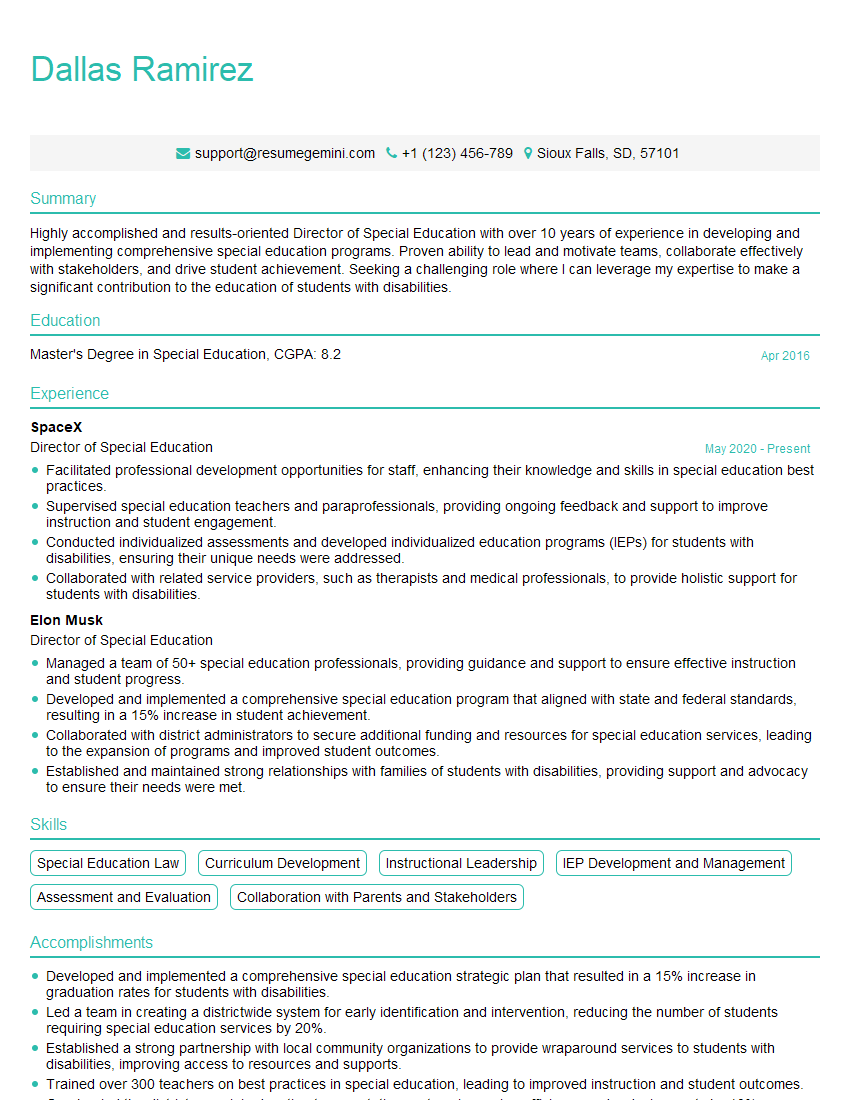
Director of Special Education Resume Sample
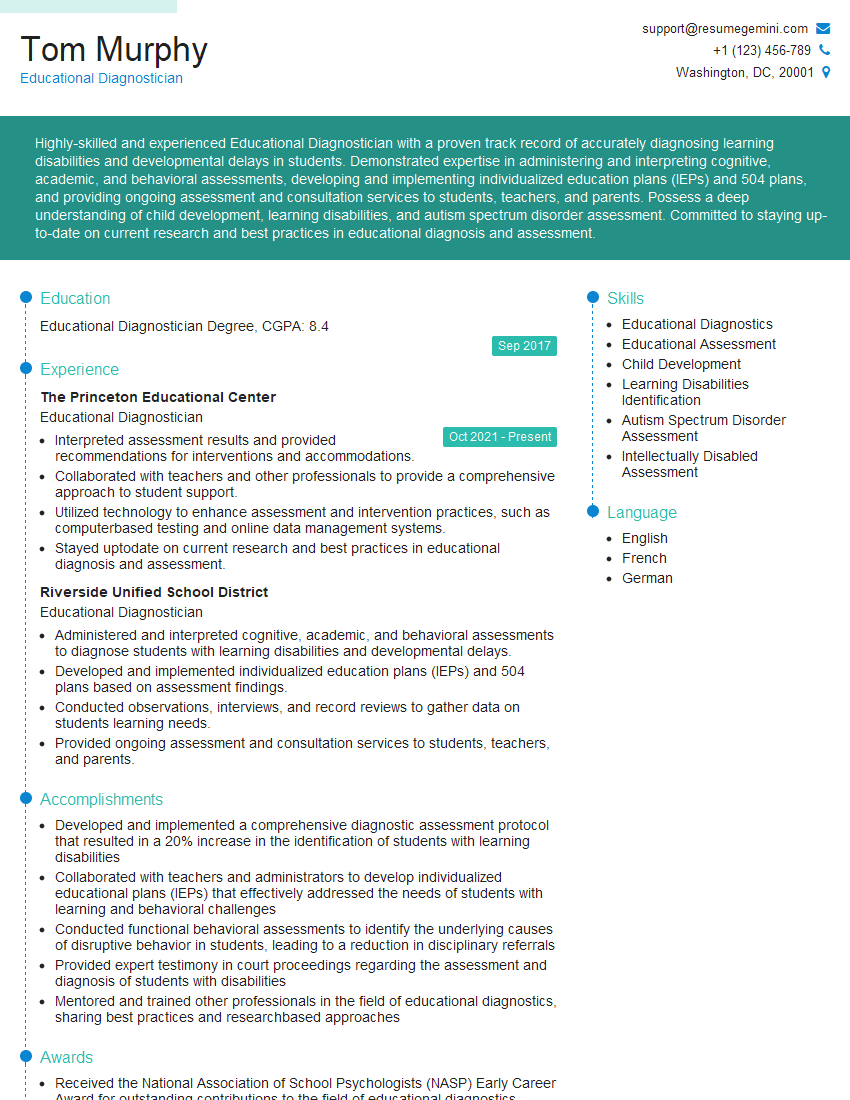
Educational Diagnostician Resume Sample
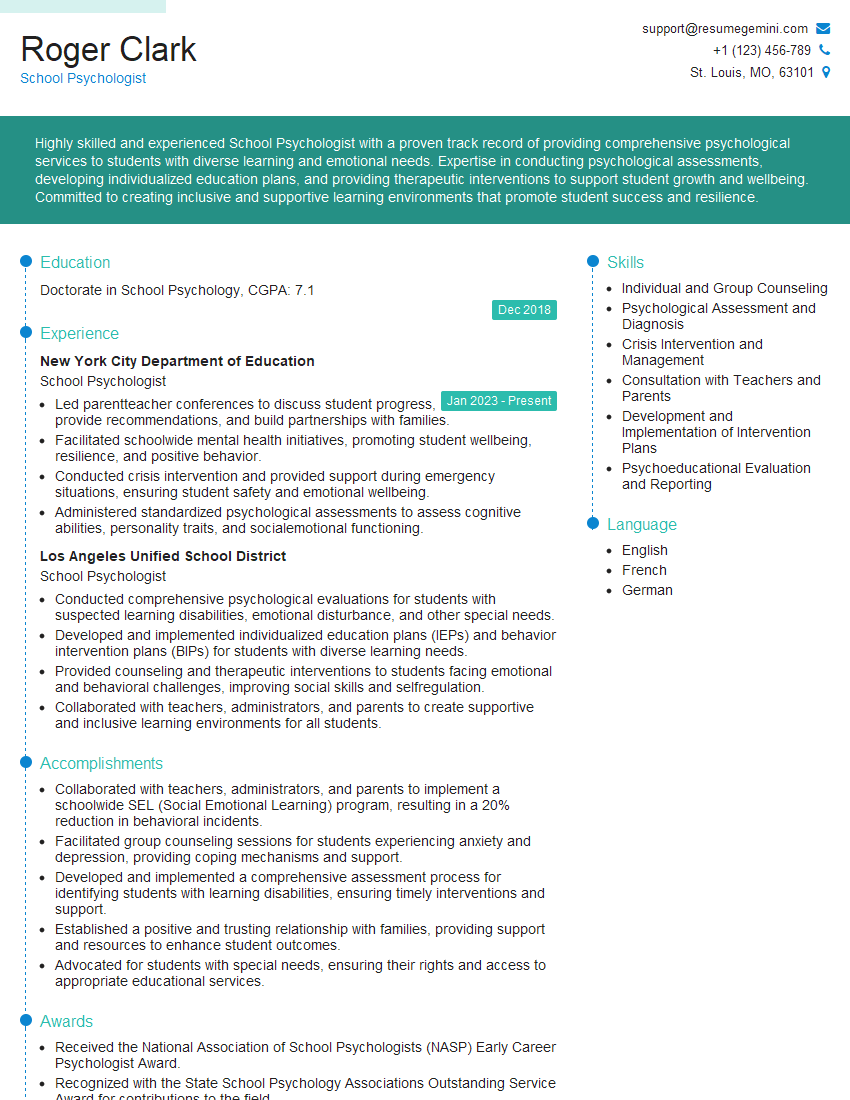
School Psychologist Resume Sample
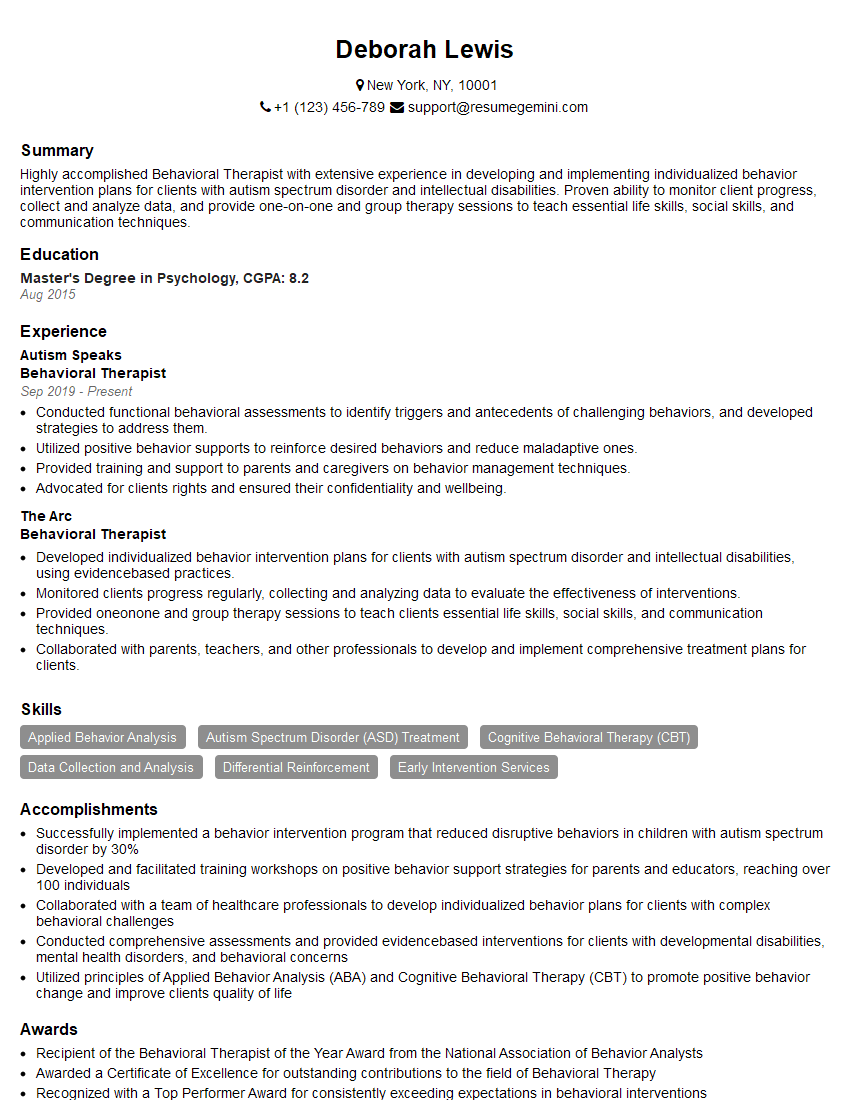
Behavioral Therapist Resume Sample
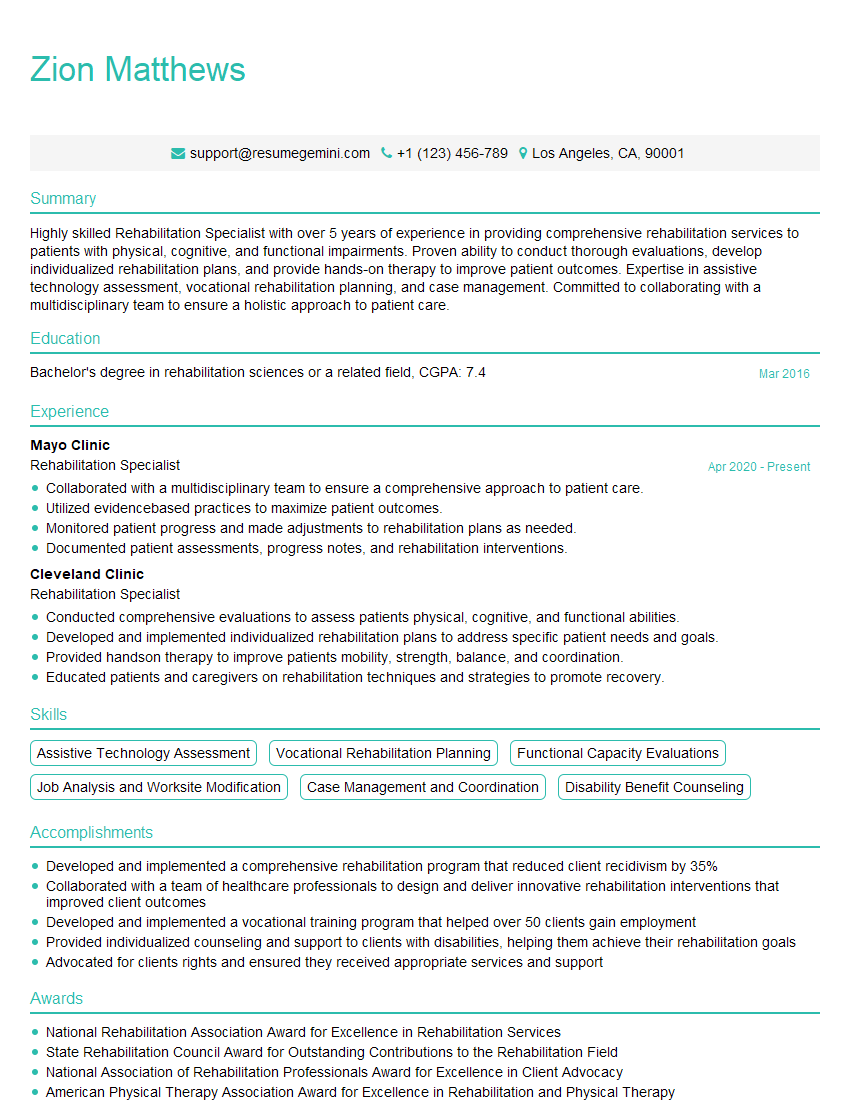
Rehabilitation Specialist Resume Sample
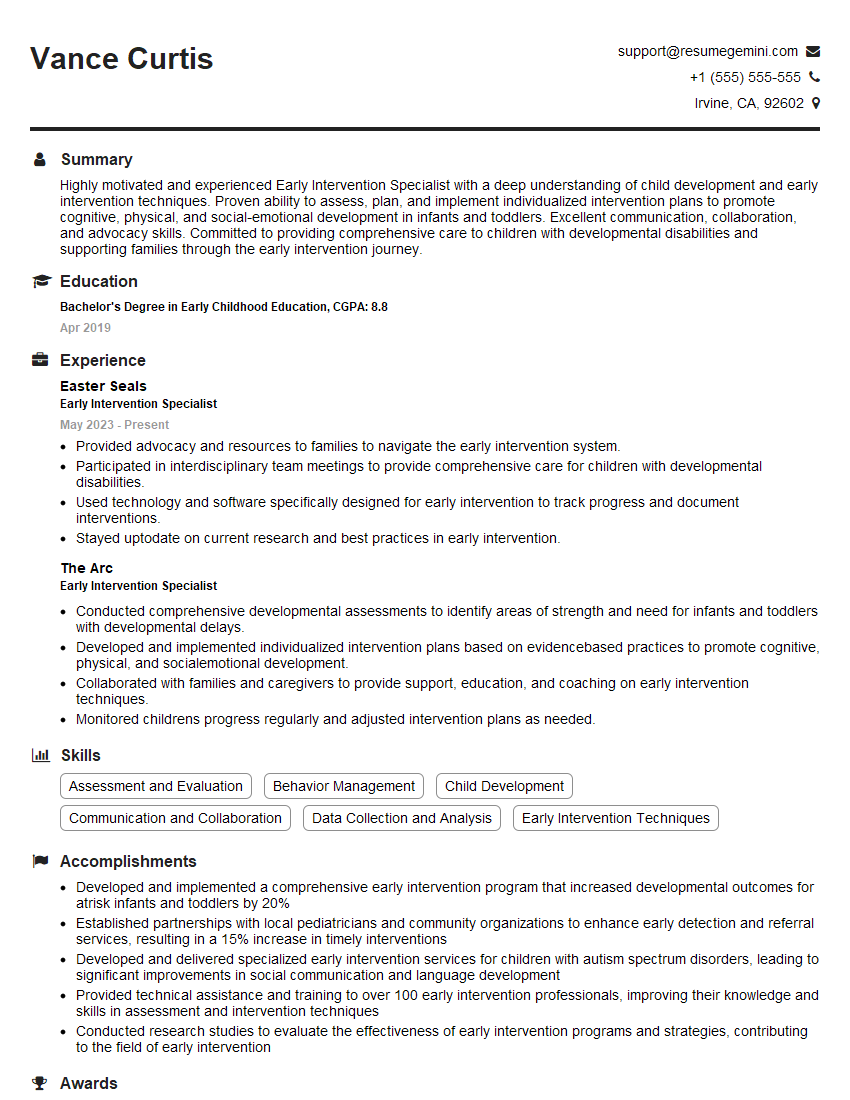
Early Intervention Specialist Resume Sample
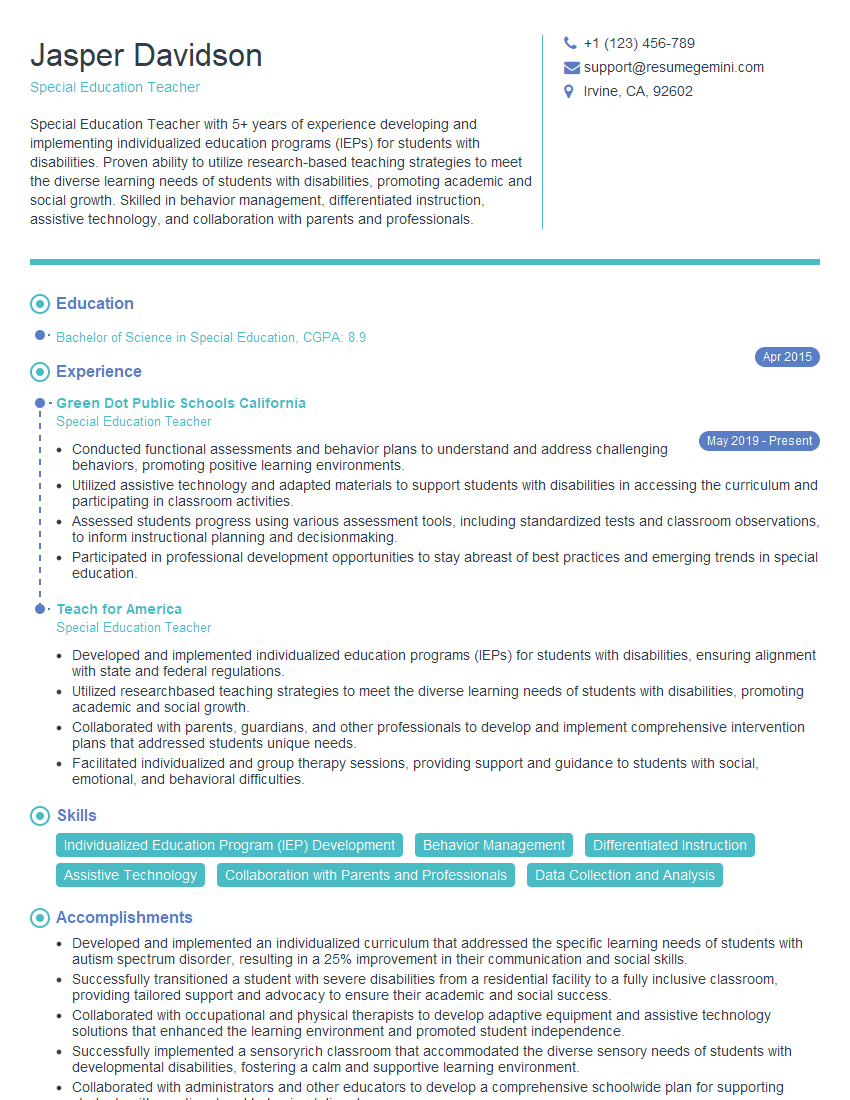
Special Education Teacher Resume Sample
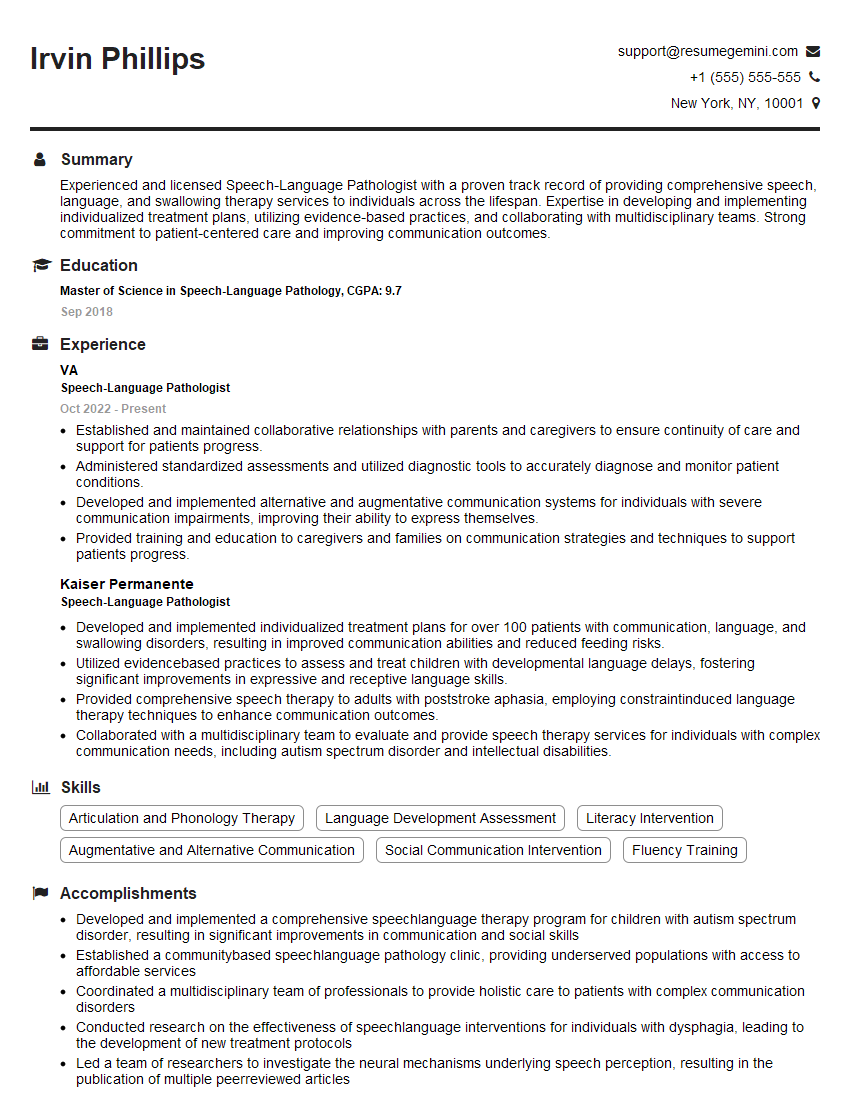
Speech-Language Pathologist Resume Sample
Explore more articles
Users Rating of Our Blogs
Share Your Experience
We value your feedback! Please rate our content and share your thoughts (optional).
What Readers Say About Our Blog
I Redesigned Spongebob Squarepants and his main characters of my artwork.
https://www.deviantart.com/reimaginesponge/art/Redesigned-Spongebob-characters-1223583608
IT gave me an insight and words to use and be able to think of examples
Hi, I’m Jay, we have a few potential clients that are interested in your services, thought you might be a good fit. I’d love to talk about the details, when do you have time to talk?
Best,
Jay
Founder | CEO