Cracking a skill-specific interview, like one for Communication with Drivers and Site Personnel, requires understanding the nuances of the role. In this blog, we present the questions you’re most likely to encounter, along with insights into how to answer them effectively. Let’s ensure you’re ready to make a strong impression.
Questions Asked in Communication with Drivers and Site Personnel Interview
Q 1. Describe your experience communicating safety regulations to drivers.
Communicating safety regulations effectively to drivers requires a multi-pronged approach. It’s not enough to simply hand them a document; you need to ensure understanding and compliance. My approach begins with clear, concise, and visually engaging materials. Instead of dense paragraphs of text, I use bullet points, visuals like diagrams and infographics, and even short videos demonstrating proper procedures. For instance, I’ve created short videos demonstrating the correct way to use forklift safety harnesses and the procedure for entering and exiting high-risk zones on site.
Next, I emphasize interactive training. This might involve quizzes, hands-on demonstrations, or even role-playing scenarios to solidify understanding. For example, I’ve conducted mock emergency drills with drivers, simulating incidents like spills or equipment malfunctions to reinforce their knowledge of emergency procedures. Finally, I follow up with regular refresher courses and incorporate safety into daily communication, using toolbox talks or short email updates to reinforce key safety messages. Open communication channels, where drivers feel comfortable asking questions and reporting concerns without fear of retribution, are absolutely vital for maintaining a safe work environment.
Q 2. How would you handle a conflict between a driver and site personnel?
Conflict resolution between drivers and site personnel requires a calm and impartial approach. My first step is to actively listen to both sides, ensuring each party feels heard and understood. I avoid interrupting or taking sides prematurely. Often, conflicts stem from miscommunication or differing interpretations of procedures. I then facilitate a discussion, focusing on identifying the root cause of the conflict, rather than assigning blame. This may involve asking clarifying questions, such as “Can you describe what happened from your perspective?” and “What were your expectations in this situation?”
Once the root cause is identified, we collaboratively brainstorm solutions. This collaborative approach promotes a sense of ownership and shared responsibility in finding a resolution. If necessary, I may involve supervisors or management to ensure a fair and effective outcome. Documentation of the conflict, the resolution process, and any agreed-upon actions is crucial for future reference and to prevent similar conflicts.
Q 3. Explain your approach to providing clear and concise delivery instructions.
Providing clear and concise delivery instructions is paramount for efficient operations and safety. I use a structured approach, ensuring instructions are simple, unambiguous, and easy to follow, even under pressure. This involves a consistent format for all instructions, starting with a clear and concise summary of the task (e.g., “Deliver 10 pallets of bricks to loading dock 3”).
Next, I include specific details such as delivery address (including building number and any special access instructions), contact information at the site, and a precise timeframe. The use of numbered steps or bullet points further enhances clarity. For example, a delivery instruction might read: “1. Proceed to loading dock 3. 2. Present delivery paperwork to site attendant John Smith (555-1212). 3. Unload pallets according to the stacking instructions on the manifest.” Finally, I utilize visual aids such as maps or photographs whenever possible to eliminate ambiguity. The goal is to make sure a driver, even one unfamiliar with the site, can easily understand and complete the delivery.
Q 4. How do you ensure drivers understand complex routing instructions?
Complex routing instructions can be challenging for drivers, especially in unfamiliar areas. My approach involves a combination of strategies to ensure understanding. First, I use clear and concise language, avoiding jargon and technical terms. Instead of saying “Navigate via the arterial road system and utilize secondary access point B,” I might say, “Take Main Street, then turn left at the traffic light onto Elm Street, and enter the site via the gate on the right.”
Secondly, I provide visual aids like detailed maps with the route clearly marked, ideally using GPS coordinates. I also use technology, such as route optimization software, to suggest the most efficient and safest route, considering traffic conditions and potential road closures. Before dispatch, I always conduct a brief review of the route with the driver, answering any questions and ensuring the driver feels confident in navigating the route. If a route is particularly complex, I will provide multiple communication methods: a hardcopy map, digital map via email or app, and even provide a phone call to walk through the route step by step.
Q 5. What methods do you use to confirm driver receipt of important updates?
Confirming driver receipt of important updates is critical for ensuring compliance and safety. I use multiple methods to ensure confirmation, avoiding reliance on a single communication channel. These may include: email with a request for confirmation, SMS text message, or even a simple phone call.
For important updates concerning safety protocols or urgent changes in delivery schedules, I prefer a combination of methods for extra assurance. For example, I may send an email containing the information and then follow up with a brief phone call to confirm receipt and understanding. If using a dedicated dispatch software, I leverage the system’s built-in features for sending messages and recording delivery confirmations. Using electronic methods allows for a digital audit trail, demonstrating proof of delivery and awareness of critical updates. These logs are essential for operational tracking, addressing complaints, and meeting regulatory requirements.
Q 6. How would you address a driver’s complaint about unclear site directions?
Addressing a driver’s complaint about unclear site directions requires a professional and empathetic approach. My first step involves actively listening to the driver’s concerns without interruption. I would ask clarifying questions to fully understand the issue and what aspects of the directions were unclear. Empathy is critical; phrases such as “I understand your frustration” or “Thank you for bringing this to our attention” go a long way in diffusing the situation.
Next, I would review the provided directions, identifying any areas for improvement. This may involve updating the written instructions, providing more detailed maps, or adding additional visual aids like photos or videos. If necessary, I would conduct a site visit with the driver to personally guide them through the correct route and address any on-site confusion. Finally, I would apologize for any inconvenience caused and thank the driver for their feedback, highlighting the importance of their input in improving our procedures.
Q 7. How do you utilize technology to improve communication with drivers and site personnel?
Technology plays a crucial role in enhancing communication with drivers and site personnel. We utilize a combination of tools to streamline processes and improve efficiency. This includes a dispatch software system that allows for real-time tracking of vehicle locations, delivery updates, and driver communication. The system allows me to send mass updates to multiple drivers simultaneously, enhancing efficiency and ensuring consistency of information. It also automatically generates delivery confirmations and provides a robust audit trail for compliance.
Mobile applications are also critical, providing drivers with access to real-time information such as updated delivery instructions, traffic alerts, and safety procedures, all in one convenient location. Finally, we utilize GPS tracking and route optimization software to enhance delivery efficiency and safety. By leveraging these technologies, we ensure all parties remain informed, enhancing overall safety and operational efficiency.
Q 8. Describe a time you had to de-escalate a tense situation involving a driver.
De-escalating tense situations with drivers requires a calm, empathetic approach focusing on active listening and collaborative problem-solving. Imagine a scenario where a driver is frustrated due to a late delivery caused by unforeseen traffic congestion. Instead of becoming defensive, I’d start by acknowledging their frustration: “I understand your frustration, this delay is certainly unwelcome.” Then, I’d actively listen to their concerns without interruption. Once I fully grasp their perspective, I’d explain the situation transparently, outlining the unexpected circumstances that led to the delay. I would then collaboratively work on a solution, perhaps rerouting the delivery or offering a small compensation for the inconvenience. This collaborative approach transforms the situation from a confrontation into a shared problem to be solved, fostering a more positive relationship.
Crucially, maintaining a calm and respectful tone throughout the interaction is paramount. Using phrases like “I understand” and “Let’s work together to find a solution” can significantly diffuse tension. Offering clear and concise information without making excuses goes a long way in rebuilding trust and maintaining a professional relationship.
Q 9. How would you train new drivers on effective communication protocols?
Training new drivers on effective communication protocols involves a multifaceted approach combining theoretical knowledge with practical application. The training would begin by establishing clear expectations and company policies regarding communication, emphasizing the importance of professionalism, clarity, and responsiveness. This would include guidelines for responding to customer inquiries, reporting incidents, and communicating with dispatchers and site personnel.
- Role-playing exercises: Simulating real-world scenarios, like dealing with irate customers or reporting unexpected delays, allows trainees to practice their communication skills in a safe environment.
- Communication skills workshops: Covering active listening, assertive communication, and conflict resolution techniques equips drivers with the necessary tools to handle challenging situations effectively.
- Technology training: Drivers need training on using company communication systems (e.g., dispatch software, mobile apps) efficiently and effectively. This should include training on proper messaging etiquette and the importance of prompt responses.
- Feedback and coaching: Regular feedback sessions, including performance reviews and coaching, provide opportunities for improvement and reinforcement of best practices.
The ultimate aim is to create a culture of open and effective communication where drivers feel comfortable voicing concerns and providing timely updates.
Q 10. How do you adapt your communication style to different personality types?
Adapting communication style to different personality types is crucial for effective interaction. Think of it like tailoring a garment – you wouldn’t use the same fabric and cut for a winter coat as you would for a summer dress. Similarly, communication needs to be adjusted based on individual preferences and communication styles.
- Direct and Task-Oriented: For those who prefer concise and factual information, I’d stick to straightforward language, avoiding unnecessary pleasantries. For example, “The next delivery is at 10 AM, address is…”
- Friendly and Sociable: For more outgoing individuals, I might add a few pleasantries, making small talk appropriate to the context. For example, “Good morning! Hope you’re having a good day. Your next delivery is at 10 AM…”
- Analytical and Detail-Oriented: For individuals who appreciate precise details, I’d ensure that my communication is highly specific and comprehensive. For example, I’d provide specifics like delivery time, recipient name, special instructions, and alternative contact information.
Observing body language, listening carefully to their responses, and being flexible in my approach allow me to adjust my style accordingly. The key is to be aware of these differences and consciously adapt to build strong working relationships.
Q 11. What strategies do you use to ensure timely and accurate information flow?
Ensuring timely and accurate information flow relies on a combination of robust communication systems and clear protocols. This is vital in logistics where delays can be costly. I utilize several strategies:
- Centralized Communication Platform: Utilizing a single platform, like a dispatch software or messaging app, ensures all information is accessible in one place, eliminating confusion caused by using multiple channels.
- Regular Check-ins: Scheduled check-ins with drivers throughout their shifts keep communication consistent and ensure any issues are addressed promptly. This can be implemented through automated systems or directly through contact.
- Clear Communication Protocols: Establishing standardized procedures for reporting delays, incidents, or changes in plans ensures consistency and clarity, and reduces ambiguity.
- Automated Alerts and Notifications: Systems that send out automatic alerts (e.g., for traffic delays, delivery updates, or system changes) ensure crucial updates reach drivers promptly, even when they aren’t actively checking for messages.
- Confirmation and Acknowledgement: Requiring drivers to acknowledge messages and updates ensures everyone is on the same page and prevents misunderstandings.
These methods help optimize information flow to reduce mistakes and maintain operational efficiency.
Q 12. How do you handle communication challenges related to language barriers?
Handling communication challenges related to language barriers requires a proactive and empathetic approach. The first step involves identifying the language spoken by the driver and finding appropriate resources. This could include using translation apps, hiring interpreters, or providing multilingual communication materials.
- Translation Apps and Software: Real-time translation apps can facilitate immediate communication, though they should be used cautiously, being mindful of potential inaccuracies.
- Visual Aids: Simple diagrams, pictures, or maps can help convey information even when there are language barriers.
- Multilingual Training Materials: Providing key instructions, safety procedures, and company policies in multiple languages ensures that all drivers have access to the necessary information.
- Designated Multilingual Personnel: Having staff members who are fluent in the languages spoken by the drivers can greatly improve communication.
It’s crucial to be patient, respectful, and understanding. Effective communication goes beyond just words; body language, gestures, and facial expressions can also convey meaning. Building trust is key when working through language barriers.
Q 13. How do you ensure all drivers receive crucial updates, even in remote locations?
Reaching drivers in remote locations requires a multi-pronged strategy that leverages technology and reliable communication channels. Simply relying on cell service is not sufficient in many areas.
- Satellite Communication: For areas with limited or no cell service, satellite communication devices can be crucial for ensuring reliable connectivity.
- Two-Way Radios: These provide instant communication and are useful even in areas with weak cell service. The system should allow for group communication and direct access to dispatch.
- Mobile Apps with Offline Capabilities: Apps that allow drivers to access key information, even without an active internet connection, ensure crucial updates are available.
- Text Messaging: While not instant, text messages are often more reliable than phone calls in remote areas. They can also serve as a record of communication.
- Regular Check-in Points: Pre-designated check-in points, either physical locations or scheduled communication times, serve as an additional method to ensure contact and verify that drivers received important information.
Redundancy is key; using a combination of these methods ensures drivers receive crucial updates regardless of location.
Q 14. What are your methods for tracking driver communication and understanding their needs?
Tracking driver communication and understanding their needs involves a system that combines technological tools with proactive management. I utilize several methods:
- Communication Logs: Maintaining a record of all communication – phone calls, emails, messages – provides a historical overview of interactions with each driver. This can reveal patterns, recurring issues, or communication preferences.
- Driver Feedback Surveys: Regular surveys help gather feedback on communication effectiveness, identify areas for improvement, and gauge driver satisfaction with communication processes.
- Performance Metrics: Tracking metrics like response times, on-time delivery rates, and incident reports can highlight potential communication bottlenecks or areas needing attention.
- One-on-One Meetings: Regular check-ins provide opportunities to discuss individual driver concerns, address communication-related challenges, and provide tailored support.
- Driver Communication Portals: Using dedicated portals allows drivers to easily access relevant information, submit questions or concerns, and provide feedback.
By combining these methods, a comprehensive understanding of driver communication needs can be achieved, enabling the development of more effective and efficient communication strategies.
Q 15. How do you measure the effectiveness of your communication strategies?
Measuring the effectiveness of communication strategies requires a multi-faceted approach. We can’t just assume good communication; we need data to back it up. I typically use a combination of methods:
- Driver Surveys: Regular anonymous surveys gauge driver satisfaction with communication clarity, frequency, and channels used. This provides direct feedback on areas needing improvement. For instance, if many drivers report difficulty understanding dispatch instructions, we know to revise our communication protocols.
- Key Performance Indicators (KPIs): Metrics like on-time delivery rates, incident reports (accidents due to miscommunication), and customer complaints directly reflect the effectiveness of communication. A drop in on-time deliveries might indicate a breakdown in route information dissemination.
- Communication Audits: Periodic reviews of communication logs (emails, radio transcripts, etc.) identify recurring issues or areas where communication could be more efficient. This helps pinpoint bottlenecks and improve workflows.
- Focus Groups: These sessions with drivers and site personnel help understand underlying issues not easily captured through surveys or data. For example, we might discover language barriers or technology issues affecting communication.
By analyzing these data points together, we get a comprehensive view of our communication effectiveness, allowing for data-driven improvements.
Career Expert Tips:
- Ace those interviews! Prepare effectively by reviewing the Top 50 Most Common Interview Questions on ResumeGemini.
- Navigate your job search with confidence! Explore a wide range of Career Tips on ResumeGemini. Learn about common challenges and recommendations to overcome them.
- Craft the perfect resume! Master the Art of Resume Writing with ResumeGemini’s guide. Showcase your unique qualifications and achievements effectively.
- Don’t miss out on holiday savings! Build your dream resume with ResumeGemini’s ATS optimized templates.
Q 16. Describe your process for handling emergency communication with drivers.
Emergency communication with drivers is paramount. Our process follows a strict protocol:
- Immediate Alert System: We use a combination of two-way radios and a dedicated mobile app push notification system for immediate alerts about accidents, severe weather, or other critical events. The app allows for location tracking and confirmation of message receipt.
- Clear and Concise Messaging: Emergency messages are short, direct, and actionable, minimizing ambiguity. For example, ‘Immediate detour due to accident at Mile Marker 12. Follow alternate route A.’ avoids jargon and provides clear instructions.
- Confirmation of Receipt: Drivers are required to acknowledge receipt of emergency messages via the app or radio. This ensures everyone is informed and accounts for any communication failures. If no response is received, a follow-up call is immediately made.
- Escalation Protocol: If the situation requires immediate intervention, we escalate to higher management and potentially local emergency services, providing them with driver locations and situation updates. We keep a detailed record of every step taken during an emergency.
- Post-Incident Debrief: After any emergency, a debriefing session with involved drivers and site personnel reviews what worked, what didn’t, and where communication improvements can be made.
Q 17. How do you maintain clear communication during inclement weather conditions?
Maintaining clear communication during inclement weather is crucial for safety and efficiency. Our strategy involves:
- Frequent Weather Updates: We monitor weather forecasts closely and provide regular updates to drivers via the app, text, and radio. This includes warnings about road closures, hazardous conditions, and potential delays.
- Route Adjustments: We proactively adjust routes based on weather conditions, rerouting drivers to avoid dangerous areas. This might involve using GPS tracking data to check drivers’ locations and offer alternative routes.
- Enhanced Communication Frequency: We increase the frequency of check-ins with drivers to ensure their safety and address any concerns. This means more frequent calls to make sure they have reached their destination safely.
- Safety Guidelines Communication: We remind drivers of essential safety procedures in inclement weather, such as reducing speed, increasing following distance, and checking visibility. We also emphasize the importance of taking breaks when needed.
- Alternative Communication Methods: If cell service is disrupted, we rely more heavily on two-way radios, which often have better coverage during severe weather events.
Q 18. Explain your experience with using two-way radios or other communication tools.
I have extensive experience using two-way radios and other communication tools, including mobile apps and satellite communication systems. My experience spans various environments and technologies.
- Two-Way Radios: Proficient in using VHF and UHF radios for real-time communication with drivers, especially in areas with limited cell service. I understand the importance of clear radio etiquette, including using proper call signs and avoiding unnecessary chatter.
- Mobile Apps: I’m experienced with dispatching software and mobile apps that integrate GPS tracking, messaging, and document sharing, allowing for efficient communication and data management.
- Satellite Communication: In remote areas with no cell or radio coverage, I’ve used satellite communication systems to maintain contact with drivers, ensuring safety and operational efficiency. This is particularly important for long-haul transport or remote site operations.
I understand the limitations of each technology and choose the most appropriate method based on the situation. I’m also proficient in troubleshooting technical issues related to these devices.
Q 19. How do you ensure that communication is documented and easily accessible?
Ensuring communication is documented and easily accessible is vital for accountability, compliance, and efficient problem-solving. We use a comprehensive system:
- Centralized Communication Platform: All communication—emails, text messages, radio transcripts, and app logs—are stored in a centralized, secure database accessible to authorized personnel. This database uses a robust search functionality for quick retrieval.
- Version Control: For important documents (delivery instructions, emergency protocols), we use version control to track changes and maintain accountability. This helps identify who made specific changes and when, preventing confusion.
- Clear File Naming Conventions: All files are named consistently using date and relevant keywords, making them easy to locate. This ensures quick retrieval of information when needed.
- Regular Data Backups: The system undergoes regular backups to prevent data loss. This is crucial for maintaining a continuous record of all communication.
This approach ensures that all relevant communication is easily accessible, regardless of the channel used, and that important information is retained for future reference.
Q 20. Describe your proficiency in using various communication channels (email, phone, text).
I’m proficient in using various communication channels, adapting my approach based on the context and urgency of the situation.
- Email: For formal communication, detailed instructions, or sharing documents, email provides a written record. I use clear subject lines, well-structured paragraphs, and appropriate formality to ensure clarity.
- Phone: Ideal for immediate updates, urgent issues, or situations requiring quick clarification. I prioritize active listening and concise communication to avoid misunderstandings. I use a professional and respectful tone of voice, even when handling difficult situations.
- Text Messaging: Useful for short, urgent updates, location sharing, or confirming receipt of information. I always ensure the context is clear, and avoid using text slang to maintain professionalism.
I understand that different channels suit different purposes and tailor my communication accordingly. For instance, I would not send detailed delivery instructions via text, but I might use text to confirm a driver’s arrival.
Q 21. How do you handle situations involving damaged goods and communication with drivers and receivers?
Handling situations involving damaged goods requires careful and efficient communication between drivers, receivers, and internal teams. My process involves:
- Immediate Reporting: Drivers are instructed to report damaged goods immediately using the pre-agreed method, such as reporting via the mobile app or radio. The report includes details of the damage, location, and any potential causes.
- Photography and Documentation: Drivers are trained to take clear photographs of the damaged goods and the surrounding area to document the damage. This is crucial for insurance claims and establishing accountability.
- Contacting the Receiver: We immediately contact the receiver to inform them of the situation and arrange for inspection of the damaged goods. A detailed report is created and shared with the receiver and relevant personnel.
- Internal Investigation: We conduct an internal investigation to determine the cause of the damage. This might involve reviewing delivery logs, GPS data, and speaking with the driver to identify any contributing factors.
- Resolution and Follow-up: We work with the receiver to resolve the issue, which might involve arranging replacements, initiating insurance claims, or offering compensation. Regular communication updates are provided throughout the process.
Open and honest communication throughout the entire process prevents escalation of the situation and protects all parties involved. We maintain a record of all communication and actions taken, as needed for future reference or insurance claims.
Q 22. How do you address concerns about driver fatigue and its impact on communication?
Driver fatigue is a critical safety concern that significantly impacts communication effectiveness. Addressing it requires a multi-pronged approach focusing on prevention, detection, and remediation.
Prevention involves proactive measures like promoting healthy sleep habits through driver education programs and ensuring adequate break times are scheduled and adhered to. We use telematics data to monitor driving patterns and identify potential signs of fatigue, such as erratic driving or extended periods without breaks.
Detection relies on both objective and subjective methods. Objective methods include monitoring driver hours of service using electronic logging devices (ELDs) and analyzing driving behavior through telematics. Subjective methods include regular check-ins with drivers to assess their well-being and alertness. For example, dispatchers might ask drivers about their rest and energy levels before assigning tasks.
Remediation involves immediate action when fatigue is detected. This might include directing a driver to take a mandatory break, changing their route, or assigning the remainder of their tasks to another driver. Clear communication protocols are essential here to ensure the driver understands the situation and the actions taken. If a driver shows persistent signs of fatigue despite these interventions, further investigation, potential retraining, or even a temporary suspension might be necessary. All of this requires open communication and trust between management and drivers.
Q 23. What are your strategies for maintaining positive relationships with drivers?
Maintaining positive relationships with drivers is crucial for effective communication and overall operational success. My strategy involves several key elements:
- Open and respectful communication: I ensure drivers feel heard and valued. I actively listen to their concerns and feedback, fostering a two-way dialogue. This means responding promptly to their calls and messages, and ensuring that concerns are addressed fairly and efficiently.
- Fair and consistent treatment: Applying company policies equitably to all drivers builds trust and reduces conflict. I ensure that all drivers receive clear, consistent instructions and are held to the same standards.
- Recognition and appreciation: Acknowledging drivers’ hard work and dedication boosts morale. Simple gestures, like a thank you for completing a difficult job or recognition for safety records, can go a long way in building a strong rapport. We also might implement driver-of-the-month programs to reward outstanding performance.
- Problem-solving collaboration: When issues arise, I work collaboratively with drivers to find solutions. Instead of assigning blame, we focus on identifying the root cause and developing preventative measures together. This collaborative approach strengthens the driver-management relationship.
For instance, during a recent challenging snowstorm, clear and consistent communication about route changes and safety precautions helped ensure all drivers felt supported and safe. Regular check-ins throughout the storm helped address any concerns in real-time.
Q 24. How do you ensure compliance with all relevant communication regulations?
Compliance with communication regulations is paramount. This involves understanding and adhering to all relevant federal, state, and local laws, as well as company policies.
- Hours of Service (HOS) regulations: We strictly adhere to HOS regulations, using electronic logging devices (ELDs) to monitor driver hours and ensure they are not exceeding permitted limits. Communication regarding HOS is crucial to prevent violations.
- Driver communication protocols: We have established clear protocols for all driver communication, including methods of contact, response times, and documentation requirements. These protocols ensure consistent communication and accountability.
- Emergency communication plans: We have robust emergency communication plans in place, including clear procedures for reporting incidents and notifying relevant parties. These plans are regularly reviewed and updated to meet evolving needs.
- Data privacy and security: We comply with all applicable data privacy and security regulations, ensuring the confidentiality of driver information. This includes secure communication channels and data encryption protocols.
Regular training for both drivers and dispatchers on these regulations is vital. We conduct regular audits to ensure compliance and take prompt corrective action if any non-compliance is identified.
Q 25. Describe your experience with reporting incidents involving communication failures.
Reporting incidents involving communication failures is a crucial aspect of continuous improvement. My approach involves a structured process:
- Immediate action: The primary focus is on addressing the immediate issue and mitigating any potential safety risks. This might involve rerouting drivers, dispatching emergency services, or providing immediate support.
- Incident documentation: A thorough report is created documenting the specifics of the communication failure, including the time, location, individuals involved, and the nature of the breakdown. This includes details on the communication method used (e.g., two-way radio, mobile phone, messaging app), the content of the communication, and any contributing factors (e.g., poor signal, equipment malfunction).
- Root cause analysis: Once the immediate issue is resolved, a root cause analysis is conducted to identify underlying causes of the failure. This might involve reviewing communication logs, interviewing personnel, and assessing equipment functionality.
- Corrective actions: Based on the root cause analysis, corrective actions are implemented to prevent recurrence. This could involve upgrading communication equipment, improving training protocols, or revising communication procedures.
- Reporting and follow-up: The incident report is submitted to the relevant authorities (if required) and used to inform future training and policy improvements. A follow-up review is conducted to confirm the effectiveness of the corrective actions.
For instance, if a communication system malfunction resulted in a delayed delivery, the report would detail the malfunction, its impact, and the steps taken to prevent similar incidents, such as routine equipment maintenance or backup communication systems.
Q 26. How do you manage communication during periods of high workload or operational stress?
Managing communication during high workload or operational stress demands clear prioritization and efficient communication strategies.
- Prioritization of tasks: Tasks are prioritized based on urgency and importance, ensuring critical information is communicated promptly. Clear communication regarding priorities helps to avoid confusion and delays.
- Use of multiple communication channels: Utilizing various channels such as two-way radios, mobile phones, and messaging systems ensures redundancy and allows for immediate communication when one method fails.
- Concise and clear messaging: During periods of stress, it’s crucial to use concise and straightforward language, avoiding jargon or complex explanations that can lead to misinterpretations.
- Regular updates: Keeping all stakeholders informed through regular updates, even if there’s no significant change, reduces uncertainty and helps maintain calm.
- Designated communication lead: In high-pressure situations, having a designated communication lead to coordinate information flow and ensure that all communications are consistent and accurate can drastically improve efficiency and reduce confusion.
For example, during peak delivery seasons, we implement a color-coded system for urgent messages on our internal communication platform, ensuring critical updates reach drivers quickly and efficiently. This is also coupled with regular check-ins using the two-way radios to proactively identify potential issues.
Q 27. What steps do you take to verify that drivers have understood and acknowledged instructions?
Verifying driver understanding is critical for safety and operational efficiency. Several methods are employed:
- Confirmation requests: After providing instructions, we request confirmation from the driver that they have understood. This can be a simple verbal acknowledgment (“Copy that”) or a written response in a messaging system.
- Read-back procedure: For critical instructions, we use a read-back procedure where the driver repeats the instructions verbatim to confirm their understanding. This is particularly crucial in situations where safety is paramount.
- Use of visual aids: When possible, visual aids such as maps or diagrams are used to complement instructions, enhancing understanding. Visual confirmation (e.g., a driver taking a photo to confirm a delivery has been made) can also be very useful.
- Electronic delivery confirmations: Leveraging technology to deliver and receive electronic confirmations of instructions ensures a clear audit trail and provides evidence of understanding. This is very useful for tracking instructions that need documentation for compliance reasons.
For example, before a driver starts a complex multi-stop route, they will confirm receipt and understanding of the route plan by repeating back each destination in the order given. This process ensures everyone is on the same page and reduces potential errors.
Q 28. Explain your experience in using communication tools for scheduling and route optimization.
Experience with communication tools for scheduling and route optimization is extensive. I have worked with various software platforms to optimize delivery routes, manage driver schedules, and improve communication efficiency.
- Route planning software: Software like [mention a specific software – e.g., Route4Me, or similar] allows us to optimize delivery routes based on real-time traffic data, reducing travel times and improving fuel efficiency. The software integrates with our dispatching system, enabling clear communication of routes and schedules to drivers.
- Dispatching systems: Our dispatching systems provide real-time tracking of driver locations, enabling us to monitor progress, respond to incidents promptly, and re-route drivers when necessary. The system allows for direct messaging to drivers and provides a history of communications and updates.
- Mobile apps: Driver mobile applications provide drivers with real-time information about their schedules, routes, and deliveries. This helps them stay informed and reduces reliance on phone calls or radio communications for routine updates. These apps also typically allow for two-way communication with dispatch.
- Data analysis: Analyzing data from these tools helps us identify patterns, bottlenecks, and areas for improvement in scheduling and routing. This data-driven approach ensures our communication systems are continuously optimized for effectiveness.
For example, using GPS tracking and real-time traffic updates, we can dynamically adjust delivery routes during inclement weather or unexpected traffic congestion, keeping drivers informed of changes via in-app messaging, significantly impacting delivery efficiency and driver safety.
Key Topics to Learn for Communication with Drivers and Site Personnel Interview
- Effective Verbal Communication: Mastering clear, concise, and respectful communication techniques in diverse situations, including delivering instructions, providing updates, and handling conflicts.
- Nonverbal Communication Awareness: Recognizing and interpreting body language, facial expressions, and tone of voice to ensure accurate message delivery and understanding. Practical application: Knowing how to adjust your communication style based on individual driver or site personnel preferences.
- Active Listening Skills: Developing the ability to fully concentrate on what is being said, asking clarifying questions, and summarizing key information to confirm understanding. This is crucial for preventing misunderstandings and ensuring smooth operations.
- Conflict Resolution Strategies: Learning how to proactively address and resolve disagreements with drivers and site personnel in a calm and professional manner, using effective negotiation and mediation techniques. Practical application: Handling delivery delays, equipment malfunctions, or safety concerns.
- Written Communication Proficiency: Creating clear and concise written reports, emails, and other documentation, adhering to established communication protocols and ensuring accurate record-keeping.
- Technology Proficiency: Demonstrating familiarity with relevant communication technologies, such as two-way radios, dispatch systems, and mobile communication platforms. Practical application: Using technology effectively to facilitate efficient communication and task management.
- Safety Communication Protocols: Understanding and adhering to safety guidelines for communicating in potentially hazardous environments, ensuring clear and timely alerts and instructions related to safety concerns.
Next Steps
Mastering communication with drivers and site personnel is vital for success in this field, leading to increased efficiency, improved safety, and enhanced team collaboration. This skill directly impacts your ability to manage logistics, resolve issues, and contribute to a positive work environment – all crucial for career advancement. To maximize your job prospects, it’s essential to present your skills effectively. Creating an ATS-friendly resume is key to getting noticed by recruiters. ResumeGemini is a trusted resource that can help you build a professional and impactful resume, tailored to highlight your communication abilities. Examples of resumes tailored to Communication with Drivers and Site Personnel are available to further guide you.
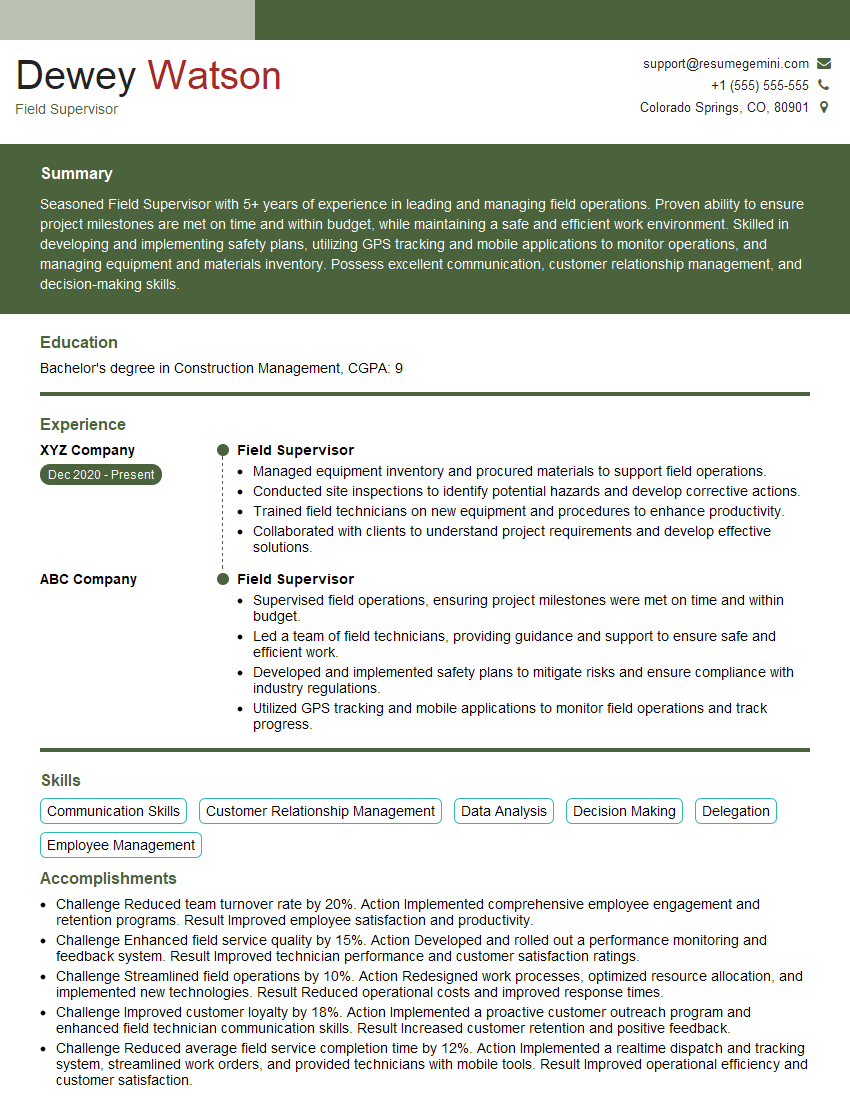
Field Supervisor Resume Sample
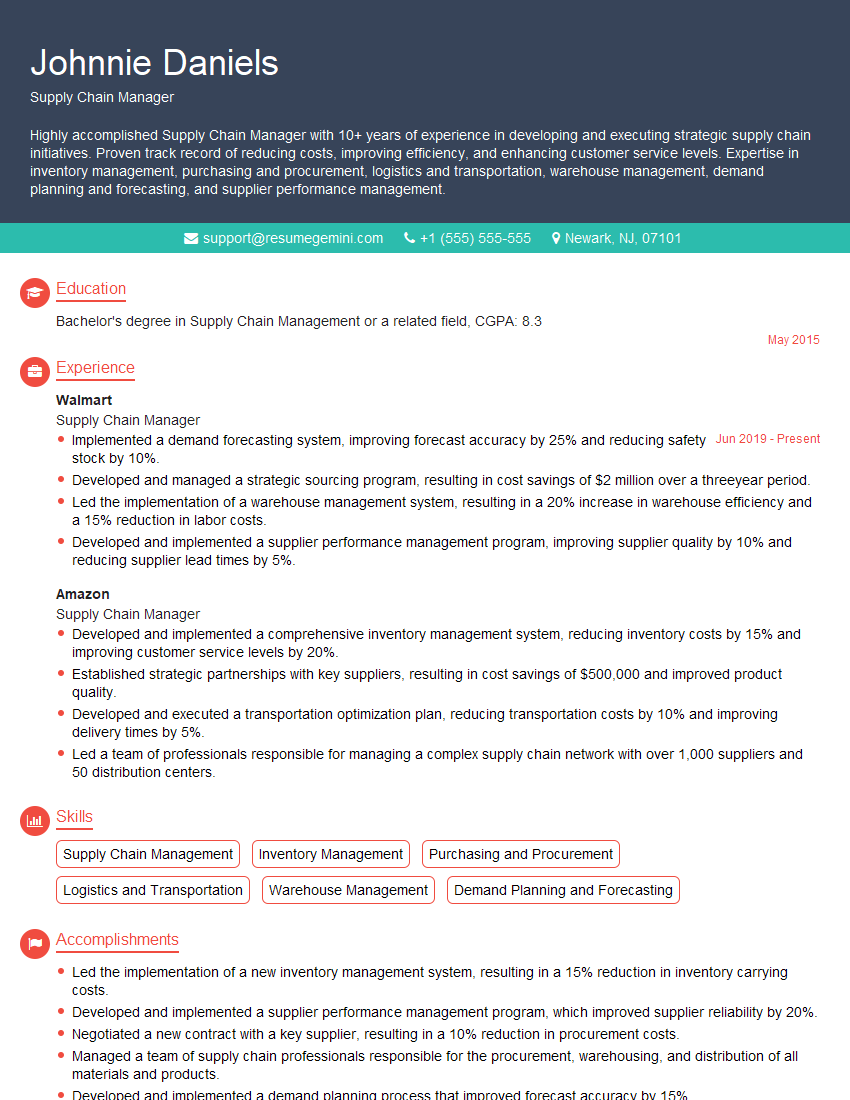
Supply Chain Manager Resume Sample
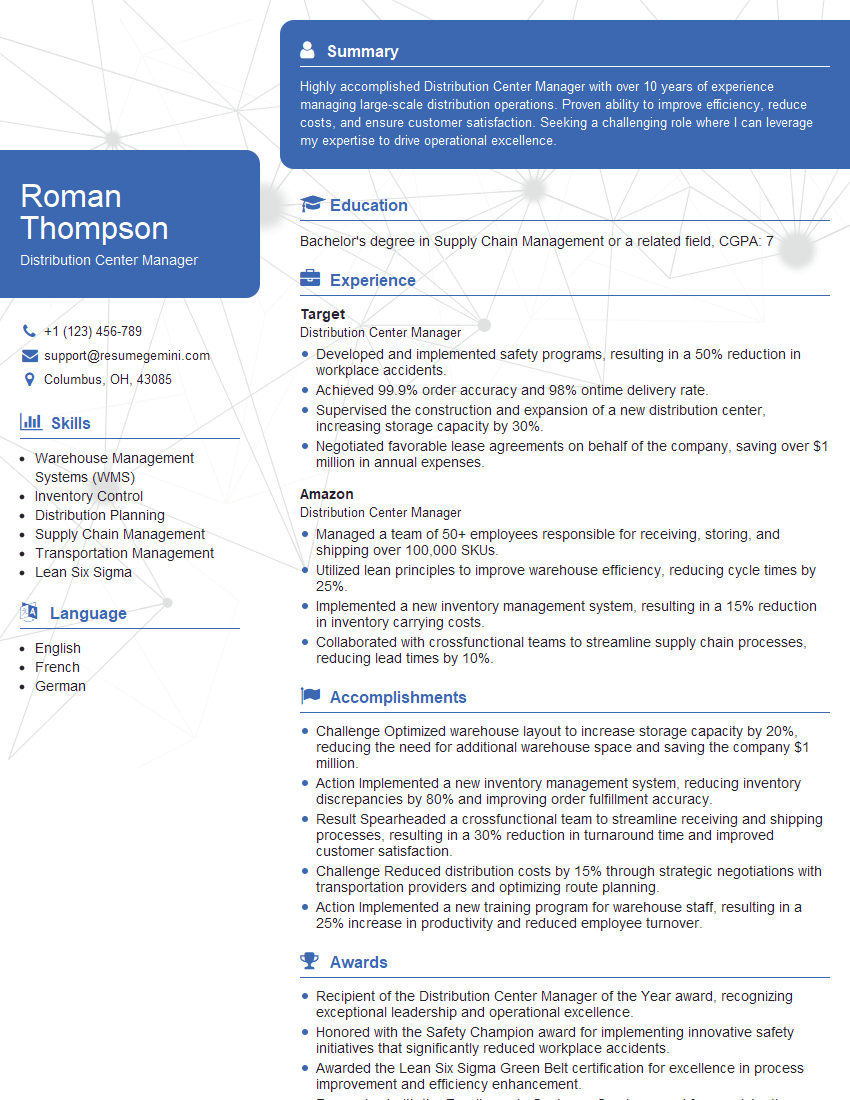
Distribution Center Manager Resume Sample
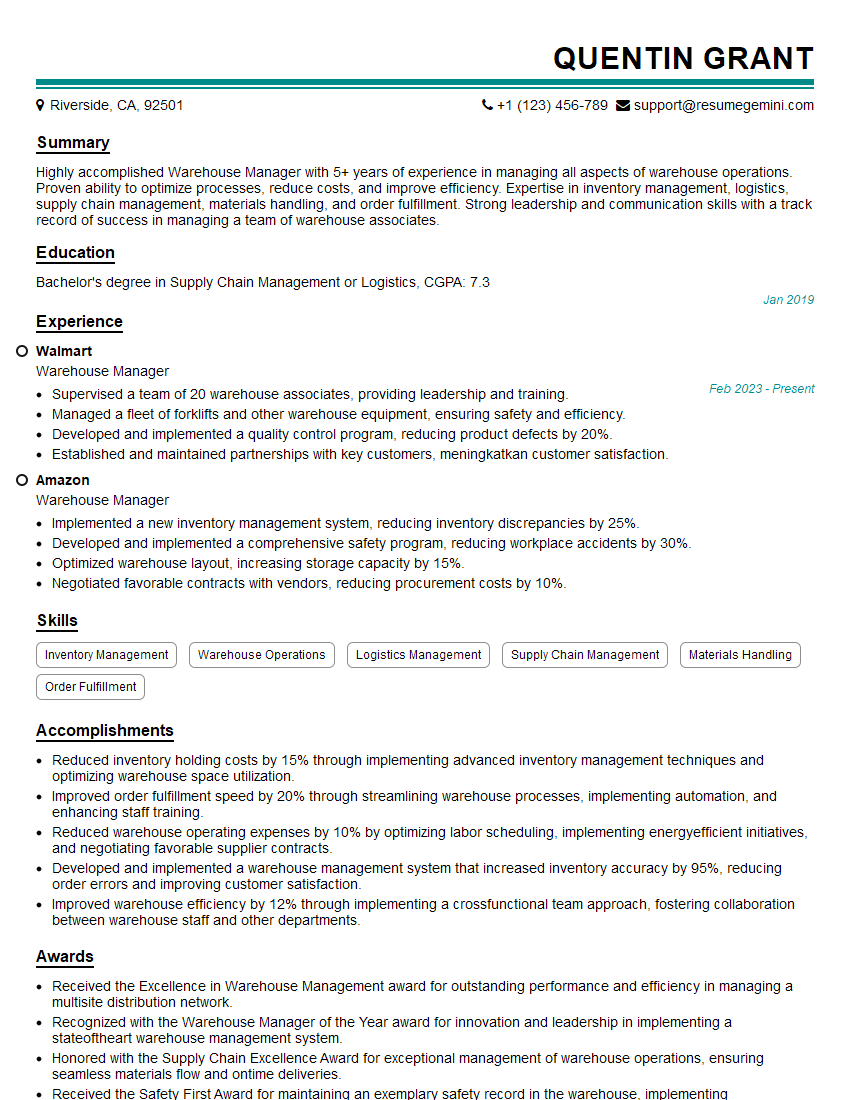
Warehouse Manager Resume Sample
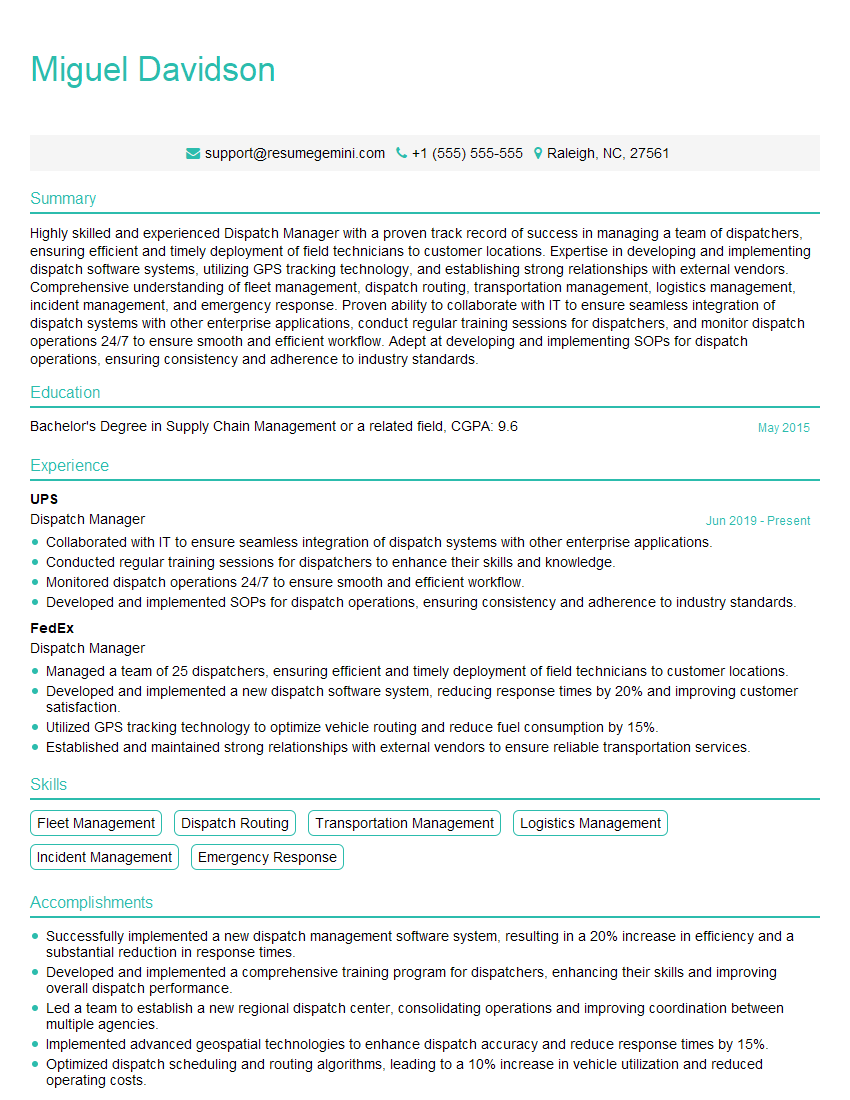
Dispatch Manager Resume Sample
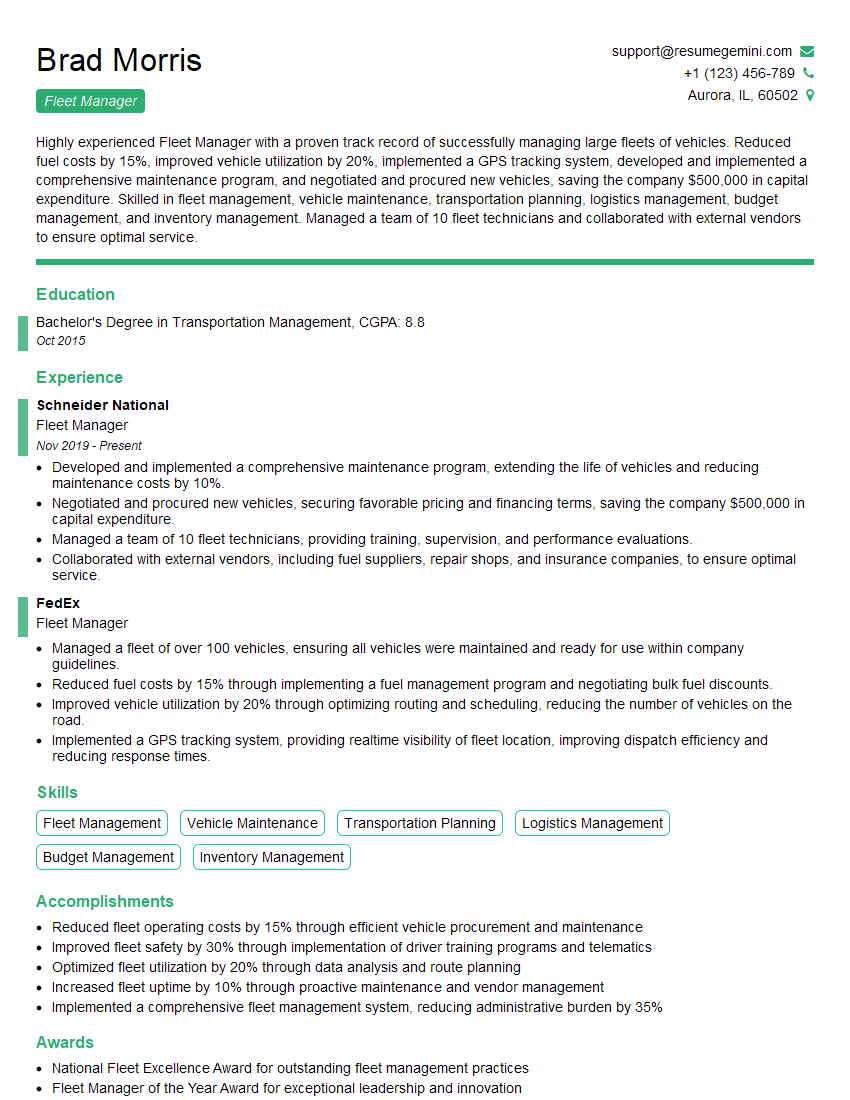
Fleet Manager Resume Sample
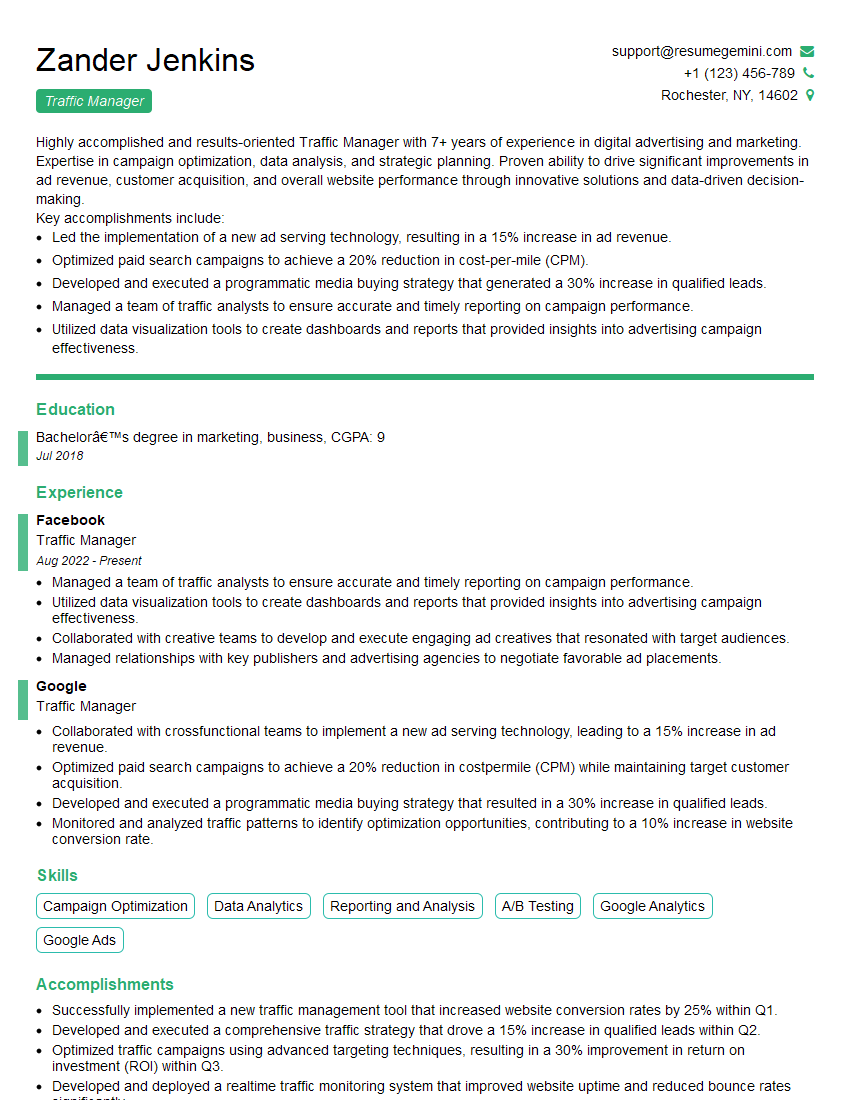
Traffic Manager Resume Sample
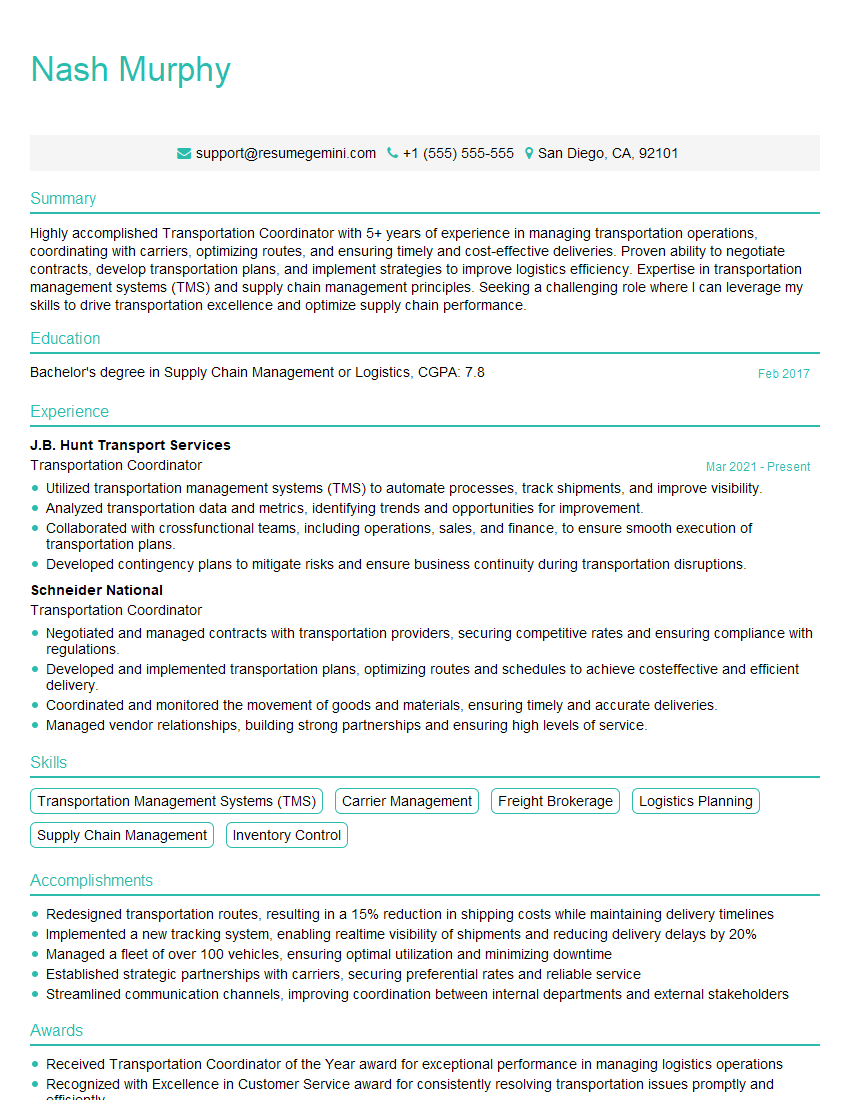
Transportation Coordinator Resume Sample
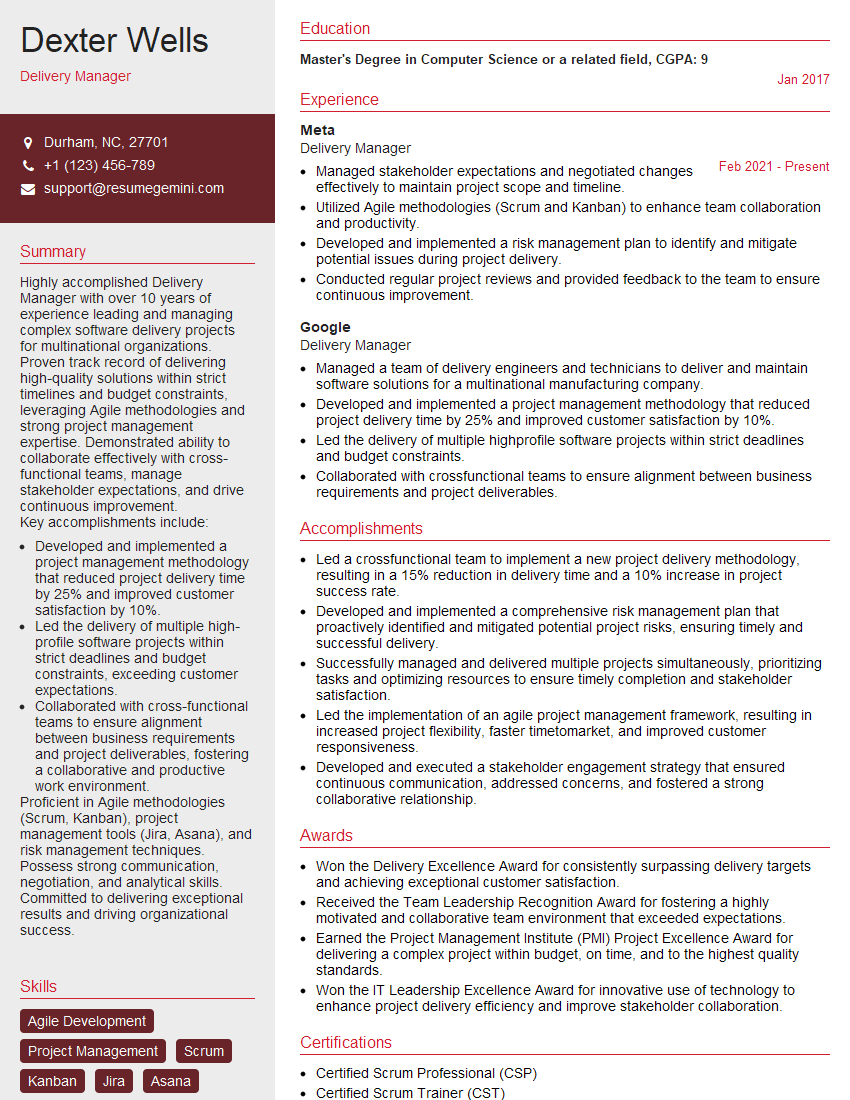
Delivery Manager Resume Sample
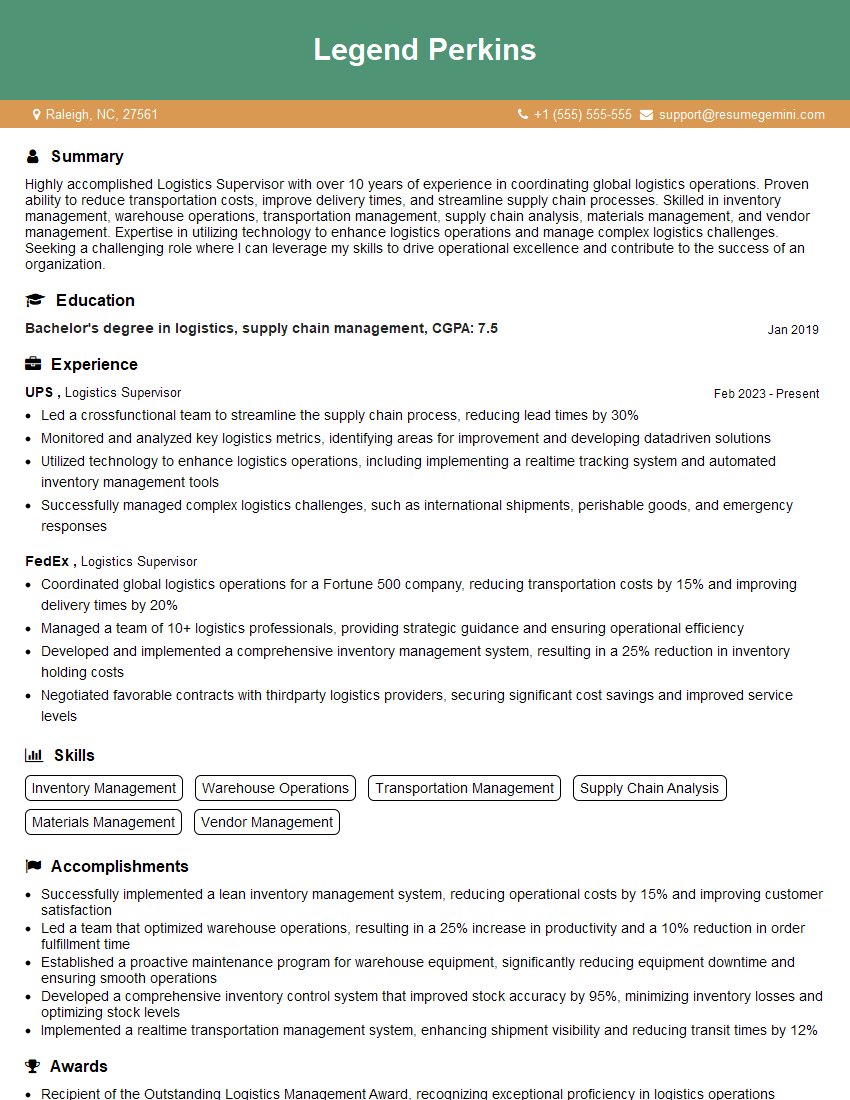
Logistics Supervisor Resume Sample
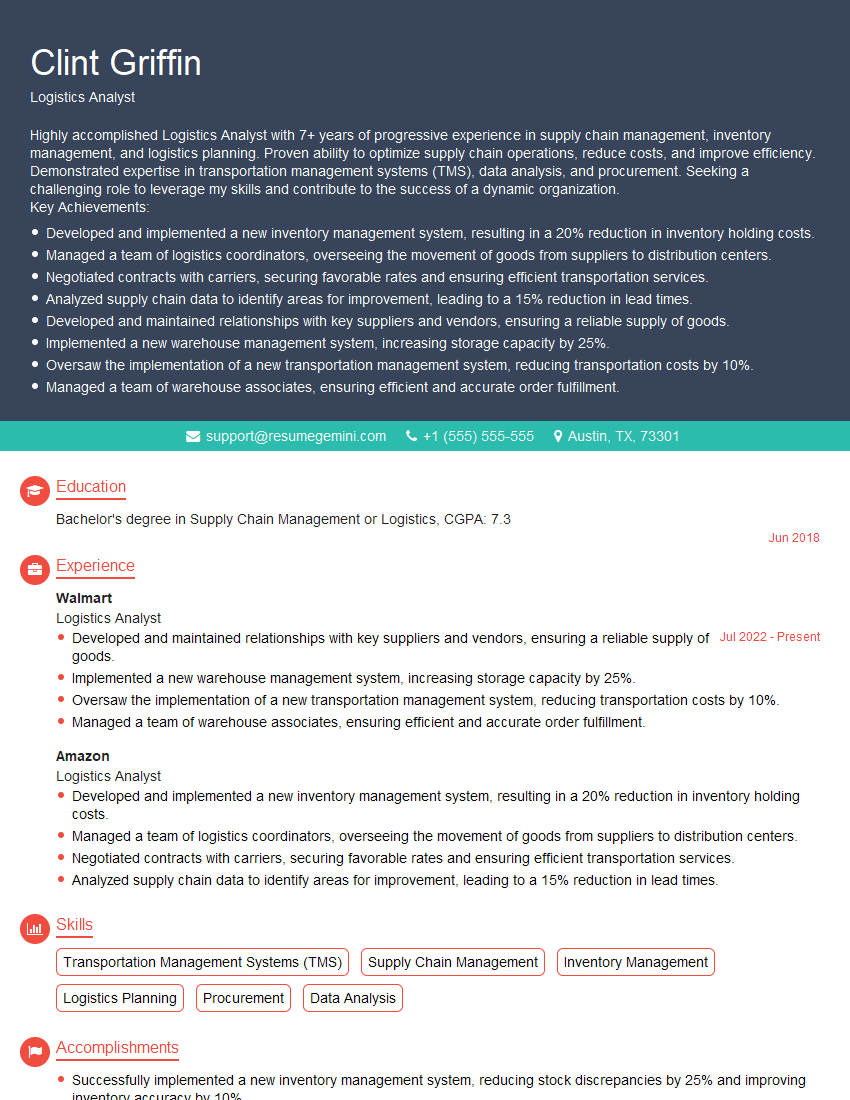
Logistics Analyst Resume Sample
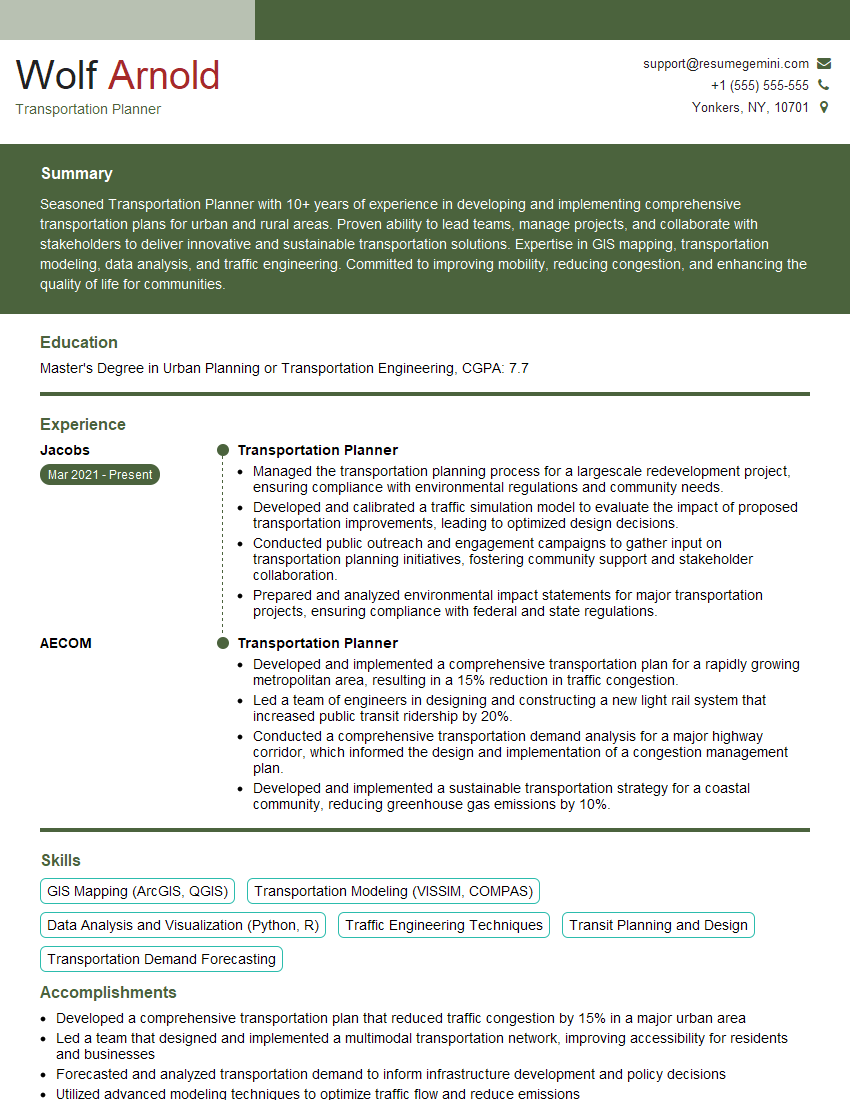
Transportation Planner Resume Sample
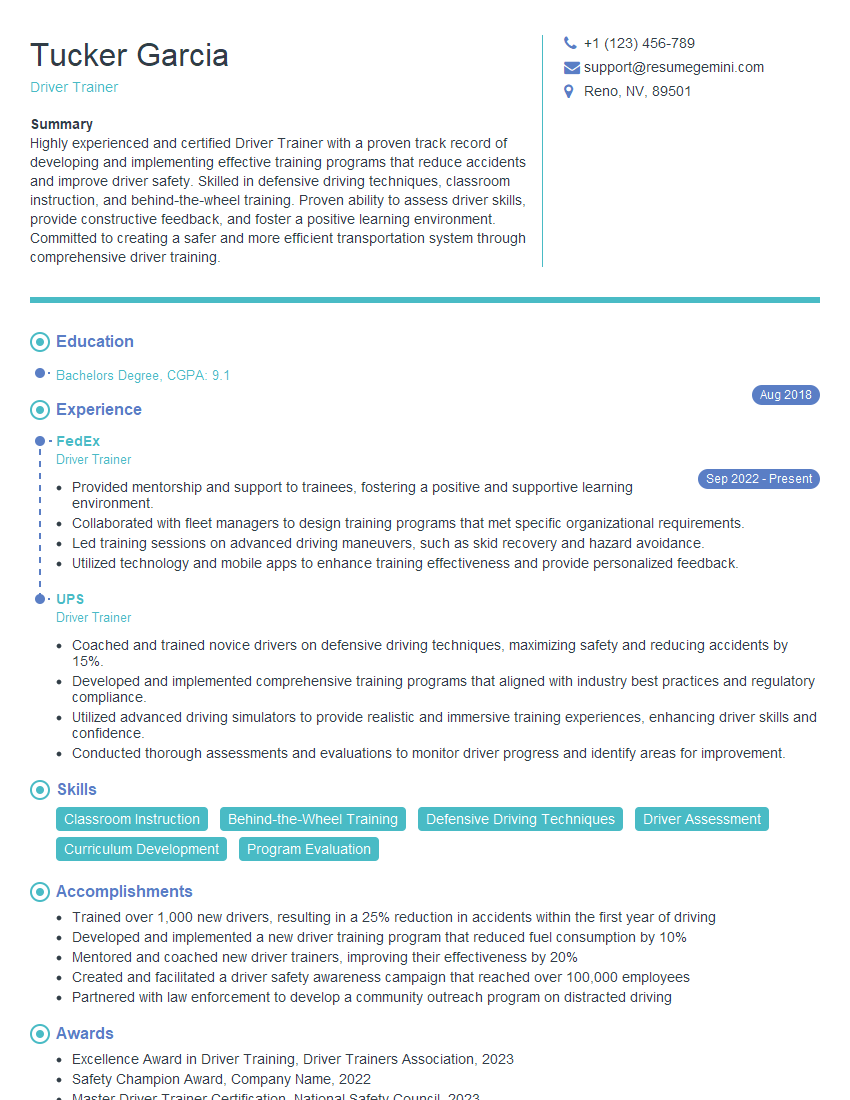
Driver Trainer Resume Sample
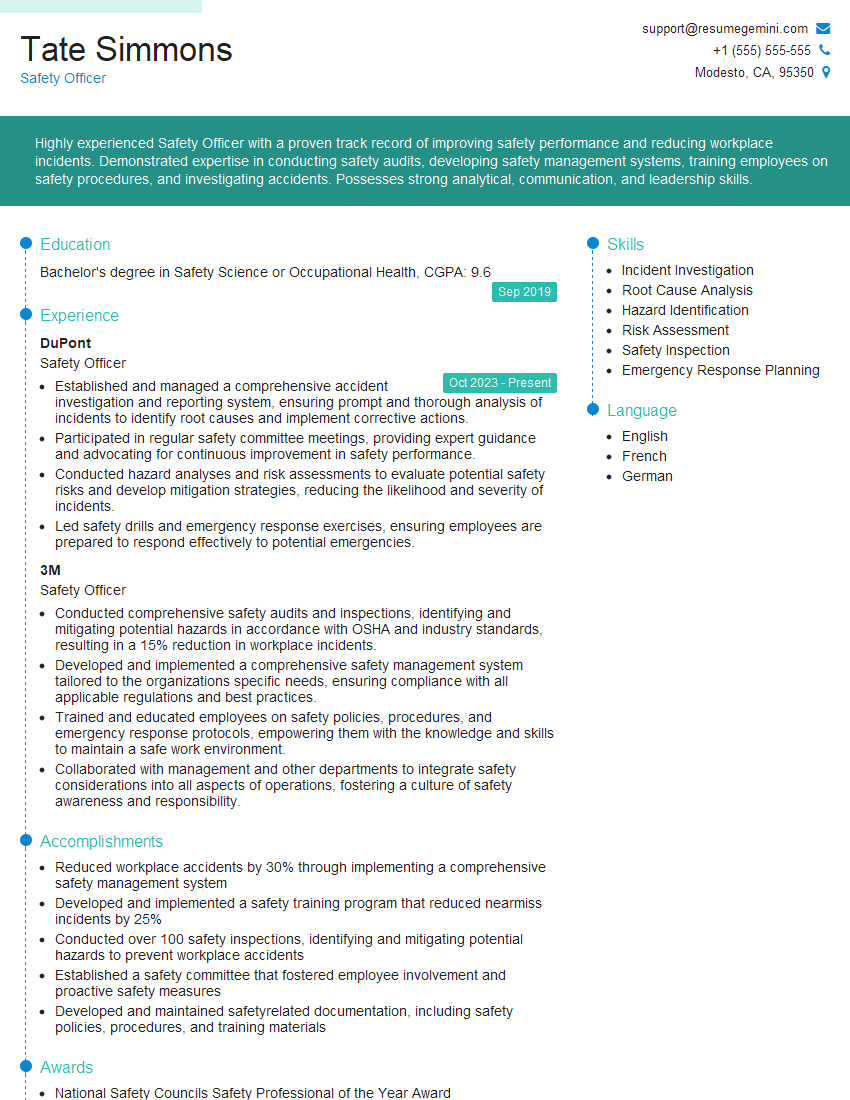
Safety Officer Resume Sample
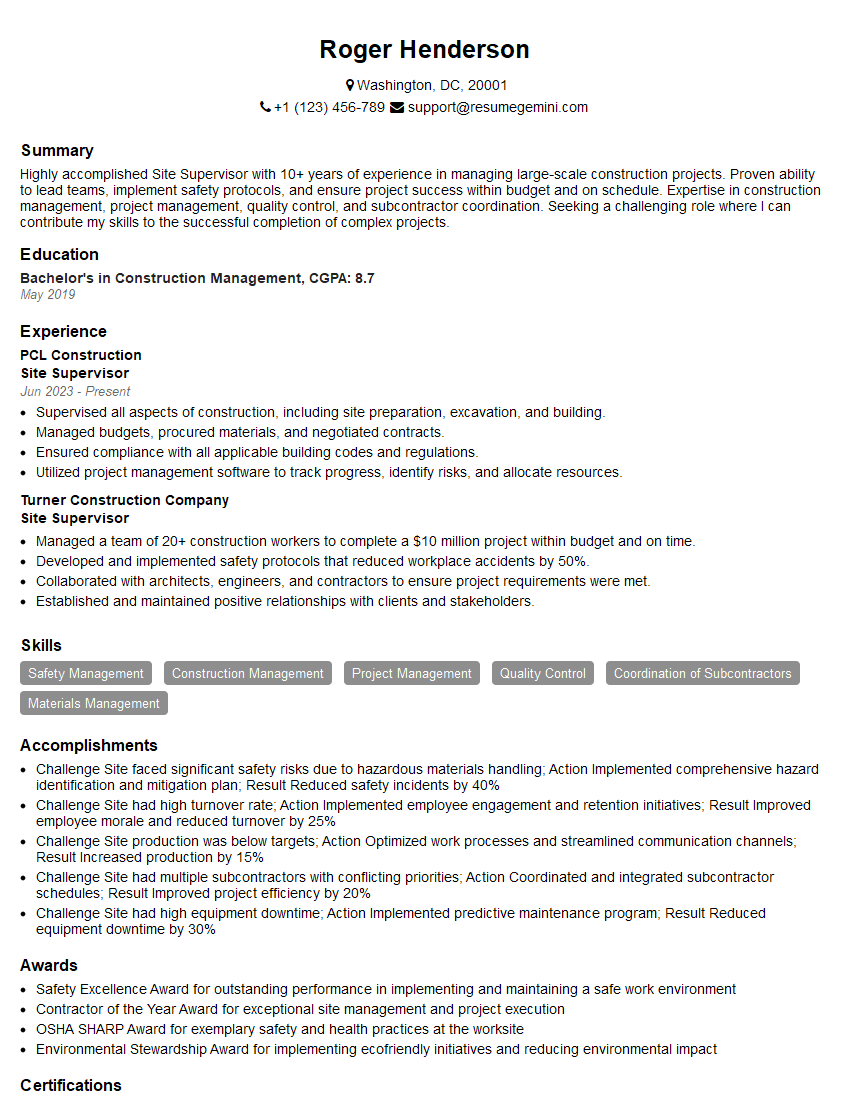
Site Supervisor Resume Sample
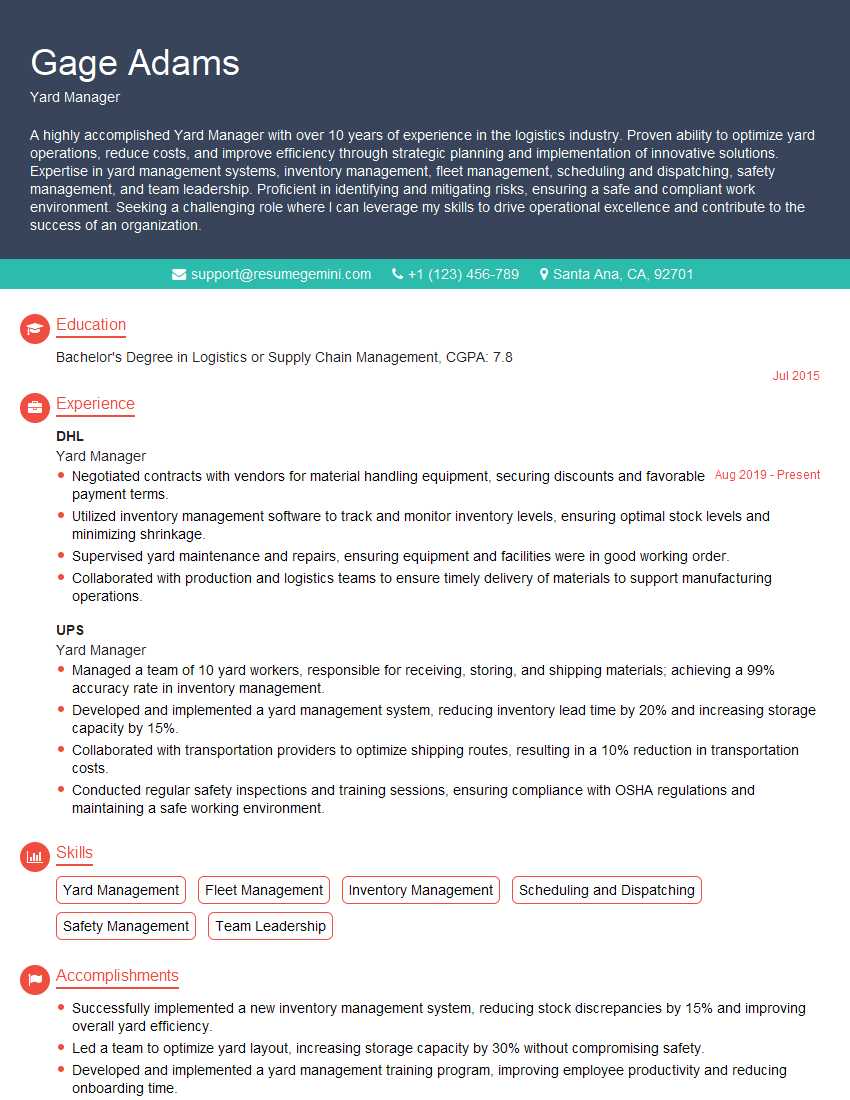
Yard Manager Resume Sample
Explore more articles
Users Rating of Our Blogs
Share Your Experience
We value your feedback! Please rate our content and share your thoughts (optional).
What Readers Say About Our Blog
I Redesigned Spongebob Squarepants and his main characters of my artwork.
https://www.deviantart.com/reimaginesponge/art/Redesigned-Spongebob-characters-1223583608
IT gave me an insight and words to use and be able to think of examples
Hi, I’m Jay, we have a few potential clients that are interested in your services, thought you might be a good fit. I’d love to talk about the details, when do you have time to talk?
Best,
Jay
Founder | CEO