Unlock your full potential by mastering the most common Community-Based Interventions interview questions. This blog offers a deep dive into the critical topics, ensuring you’re not only prepared to answer but to excel. With these insights, you’ll approach your interview with clarity and confidence.
Questions Asked in Community-Based Interventions Interview
Q 1. Describe your experience developing and implementing community-based health programs.
My experience in developing and implementing community-based health programs spans over a decade, encompassing diverse projects focused on health promotion, disease prevention, and chronic disease management. I’ve been involved in every stage, from initial needs assessment and program design to implementation, evaluation, and sustainability planning. For instance, in one project aimed at reducing childhood obesity, we developed a multifaceted program involving school-based nutrition education, community gardening initiatives, and parent workshops on healthy cooking and physical activity. This involved collaborating extensively with schools, local businesses, and community organizations. In another project, we designed and implemented a culturally sensitive diabetes management program for a specific ethnic community, tailoring the intervention to their unique needs and preferences. This highlights my commitment to community engagement and culturally relevant program design.
Q 2. Explain your understanding of the ecological model in relation to community interventions.
The ecological model views health and well-being as influenced by multiple interacting factors at various levels—individual, interpersonal, organizational, community, and societal. Think of it like a set of Russian nesting dolls, each layer affecting the others. In community interventions, this means we can’t just focus on individual behaviors. We must consider the social and environmental contexts that shape those behaviors. For example, if we want to reduce smoking rates, we need to look beyond individual cessation programs. We must also address factors like access to cessation resources, community norms around smoking, policies supporting tobacco control, and marketing strategies used by the tobacco industry. A successful intervention typically targets multiple levels simultaneously to create a comprehensive approach.
Q 3. How do you assess community needs and prioritize interventions?
Assessing community needs and prioritizing interventions is a systematic process. It starts with data collection through various methods: surveys, focus groups, key informant interviews, analysis of existing health data, and community mapping. This helps identify prevalent health issues, vulnerable populations, and existing resources. We then use a prioritization framework, often involving community participation, to select the most pressing needs based on factors like prevalence, severity, and potential for effective intervention. This framework might involve scoring different health issues based on factors such as the number of people affected, the severity of the issue, and the feasibility of implementing a solution. For example, a high prevalence of a preventable disease with readily available interventions would be prioritized over a less prevalent but equally severe disease without readily available solutions.
Q 4. What strategies do you use to engage diverse community members in program participation?
Engaging diverse community members requires culturally sensitive and inclusive strategies. We use community-based participatory research (CBPR) methods that actively involve residents in all stages of the process, from planning to evaluation. This includes employing diverse staff and volunteers who reflect the community’s demographics and using culturally appropriate communication materials. We also tailor program formats and delivery methods to accommodate different preferences, including offering programs in multiple languages, at various times and locations, and through diverse channels (e.g., online platforms, community centers, faith-based organizations). Building trust through consistent engagement and demonstrating respect for diverse perspectives is critical. For example, we might hold separate focus groups for different age groups or ethnic sub-groups to ensure everyone feels comfortable sharing their input.
Q 5. Describe a successful community-based intervention you were involved in and quantify its impact.
One successful intervention involved a community-based program designed to increase physical activity among older adults. Through partnerships with senior centers and community organizations, we implemented a program including tai chi classes, walking groups, and social events that encouraged physical activity. We measured impact by tracking participants’ self-reported physical activity levels and assessing their functional capacity. Over a six-month period, we saw a 30% increase in self-reported moderate-to-vigorous physical activity and a 15% improvement in functional fitness scores. The success of this program can be largely attributed to our community-based participatory approach which created a sense of ownership and sustainability in the community.
Q 6. How do you build and maintain relationships with community stakeholders?
Building and maintaining relationships with community stakeholders is crucial for the success of any intervention. This involves open communication, active listening, mutual respect, transparency, and consistent engagement. We establish strong partnerships through regular meetings, collaborative planning, and shared decision-making. We involve stakeholders in all phases of the program, ensuring they feel valued and heard. Building trust is a continuous process, requiring consistent follow-through, responsiveness to concerns, and celebration of successes together. We utilize regular feedback mechanisms – including surveys, informal conversations, and community meetings – to maintain open lines of communication and adjust our strategies accordingly.
Q 7. How do you address barriers to accessing community-based services?
Addressing barriers to accessing community-based services requires a multifaceted approach. Common barriers include transportation, cost, lack of awareness, language barriers, and cultural factors. To overcome these, we leverage existing resources within the community and forge new partnerships to provide transportation assistance, subsidized services, culturally appropriate materials, and multilingual staff. We conduct outreach activities to improve awareness and educate the community about available services, utilizing various communication channels like local media, community events, and social media. We also actively address systemic barriers by advocating for policy changes to ensure equitable access to services for all community members.
Q 8. What methods do you utilize for community needs assessment?
Community needs assessment is the systematic process of identifying the health and social needs of a population. It’s like taking a community’s ‘vital signs’ to understand its strengths and weaknesses. I utilize a mixed-methods approach, combining quantitative and qualitative data.
Quantitative methods involve surveys, statistical data analysis from public health records, and epidemiological studies to identify prevalence rates of issues.
Qualitative methods include focus groups, key informant interviews (with community leaders, healthcare providers, and residents), and participatory observation to gain deeper insights into the lived experiences and perspectives of community members. For example, I might conduct focus groups with young people to understand their perspectives on access to mental health services.
These methods are used in tandem; quantitative data might highlight a high rate of childhood obesity, while qualitative data from parent interviews would reveal underlying factors such as lack of access to healthy food options and safe recreational spaces.
Q 9. Explain your experience with data collection and analysis in community settings.
My experience with data collection and analysis in community settings is extensive. I’m proficient in designing and administering surveys, conducting interviews, analyzing both quantitative and qualitative data, and ensuring ethical data handling practices.
For instance, in a project addressing substance abuse, we used anonymous surveys to gather data on prevalence rates among different age groups and then conducted in-depth interviews with participants to explore the root causes of addiction and the barriers to accessing treatment services. The quantitative data provided the ‘big picture,’ while the qualitative data added crucial nuance and context. We utilized software like SPSS for statistical analysis and NVivo for qualitative data analysis, ensuring rigor and transparency throughout the process.
Data visualization is also critical. We use charts and graphs to present findings clearly and engagingly to community stakeholders, fostering a sense of ownership and promoting collaborative decision-making.
Q 10. How do you measure the effectiveness of community-based interventions?
Measuring the effectiveness of community-based interventions requires a multi-faceted approach. We don’t just look at whether a program was implemented; we analyze whether it achieved its intended outcomes. This often involves a combination of process and outcome evaluations.
Process evaluation tracks the implementation fidelity—did we do what we planned to do? Did we reach our target population? We use program logs, attendance records, and feedback forms to assess this.
Outcome evaluation assesses the impact of the intervention on the target population. This could involve pre- and post-intervention surveys measuring changes in knowledge, attitudes, behaviors, or health outcomes. For example, in a community health education program aimed at improving diabetes management, we’d track changes in blood sugar levels, medication adherence, and knowledge of diabetes self-management strategies.
We use appropriate statistical tests (like t-tests or ANOVA) to determine if observed changes are statistically significant, and we also consider the context and potential confounding factors when interpreting results.
Q 11. Describe your approach to program evaluation and reporting.
My approach to program evaluation and reporting emphasizes transparency and community engagement. Evaluation is not just an end-of-project activity; it’s an iterative process integrated throughout the program lifecycle. We utilize a logic model to clearly define program activities, expected outcomes, and indicators.
Regular progress reports are shared with stakeholders, incorporating both quantitative and qualitative findings. The final report is comprehensive, detailing the program’s design, implementation, results, conclusions, and recommendations for future improvements. It’s presented in a clear, accessible format, avoiding jargon, and includes visual aids to facilitate understanding. I’ve found that presenting findings through community meetings, presentations, and easily understandable infographics ensures information reaches the intended audience. The community’s input on the evaluation process is critical for sustaining program impact.
Q 12. How do you adapt interventions to meet the specific needs of diverse communities?
Adapting interventions to diverse communities is paramount. A ‘one-size-fits-all’ approach rarely works. Cultural sensitivity and humility are essential.
Before implementing any intervention, we conduct thorough community needs assessments that account for cultural nuances, language barriers, and existing social structures. This might involve using culturally appropriate materials, recruiting bilingual staff, and partnering with community leaders and organizations trusted by the population. For instance, when designing a health promotion campaign targeting a refugee population, we collaborated with local refugee organizations to ensure messages were culturally relevant, translated into appropriate languages, and delivered through trusted channels. The success of any intervention is directly proportional to its acceptance within the community.
Q 13. What are some common challenges in implementing community-based interventions and how have you addressed them?
Implementing community-based interventions presents several challenges. Resource limitations (funding, staffing, time) are common. Gaining community trust and participation can be time-consuming. Political dynamics and competing priorities within a community can also create obstacles.
To address these, I prioritize building strong relationships with community members and stakeholders from the outset. We develop participatory approaches, ensuring community members are involved in all phases of the intervention—from planning and implementation to evaluation. We are also proactive in seeking diverse funding sources and strategically allocating resources to maximize impact. When challenges arise, such as resistance to program participation, we utilize collaborative problem-solving techniques and adapt our strategies to address specific concerns. Strong leadership and effective communication are key to overcoming these obstacles.
Q 14. How do you work effectively in collaborative partnerships with other organizations?
Effective collaborative partnerships are crucial for successful community-based interventions. My approach emphasizes open communication, mutual respect, shared decision-making, and a clear understanding of each partner’s roles and responsibilities.
Before embarking on a collaborative project, we develop a memorandum of understanding (MOU) outlining goals, tasks, timelines, and resource allocation. Regular meetings are essential to track progress, identify challenges, and adjust strategies as needed. We also actively seek feedback from partners and incorporate their perspectives into decision-making processes. By fostering trust and mutual support, collaborative partnerships enhance efficiency, resource utilization, and overall project success. It’s like a team sport—everyone has a role to play and works together to achieve a common goal.
Q 15. Describe your experience with grant writing or fundraising for community-based programs.
Grant writing and fundraising are crucial for the sustainability of community-based programs. My experience encompasses a wide range of activities, from identifying potential funding sources – including government grants, private foundations, and corporate sponsorships – to developing compelling proposals that highlight the program’s impact and align with the funder’s priorities.
For example, in a recent project addressing youth homelessness, I successfully secured a three-year grant from a major foundation by crafting a proposal that emphasized a data-driven approach to measuring program effectiveness, outlining a clear budget, and demonstrating strong community partnerships. This involved meticulous research into the foundation’s funding guidelines, collaboration with the program team to quantify anticipated outcomes, and building a strong narrative around the urgency and impact of the issue.
Beyond grant writing, I have experience in developing fundraising strategies, including organizing community events, cultivating relationships with individual donors, and managing online fundraising campaigns. The key is a multifaceted approach, ensuring diverse funding streams to enhance the program’s resilience.
Career Expert Tips:
- Ace those interviews! Prepare effectively by reviewing the Top 50 Most Common Interview Questions on ResumeGemini.
- Navigate your job search with confidence! Explore a wide range of Career Tips on ResumeGemini. Learn about common challenges and recommendations to overcome them.
- Craft the perfect resume! Master the Art of Resume Writing with ResumeGemini’s guide. Showcase your unique qualifications and achievements effectively.
- Don’t miss out on holiday savings! Build your dream resume with ResumeGemini’s ATS optimized templates.
Q 16. How do you utilize technology to enhance community-based interventions?
Technology plays a vital role in enhancing community-based interventions. I leverage technology in several ways:
- Data Collection and Analysis: Using mobile apps and online surveys to efficiently collect data on program participation, outcomes, and community needs. This allows for real-time monitoring and adjustments to the intervention.
- Communication and Engagement: Utilizing social media platforms, email newsletters, and community forums to disseminate information, engage participants, and build community support. For example, creating a Facebook group for participants to connect and share their experiences.
- Telehealth and Remote Services: Employing video conferencing and online platforms to deliver services, particularly beneficial for reaching individuals in remote areas or those with mobility challenges.
- GIS Mapping and Spatial Analysis: Employing Geographic Information Systems (GIS) to map community resources, identify health disparities, and optimize program delivery based on geographical location.
For instance, during a public health campaign promoting healthy eating habits, we used a mobile app to track participant progress, provide personalized feedback, and facilitate communication with health coaches. The app significantly improved participant engagement and resulted in better health outcomes.
Q 17. How familiar are you with relevant public health policies and regulations?
I am very familiar with relevant public health policies and regulations at the local, state, and federal levels. My understanding extends to areas such as HIPAA (Health Insurance Portability and Accountability Act) regarding data privacy, the Affordable Care Act (ACA) concerning access to healthcare, and specific regulations governing community-based health programs. I regularly stay updated on changes and ensure all our programs are in full compliance. This includes understanding ethical considerations and guidelines for research involving human subjects.
For example, in a project focused on substance abuse prevention, we carefully considered and adhered to all relevant federal and state regulations regarding the handling of sensitive health information. Knowledge of these regulations is not just a legal requirement but is fundamental to building trust within the community and ensuring the ethical and responsible delivery of services.
Q 18. What are your strategies for dealing with conflict and difficult community members?
Conflict resolution is a critical skill in community-based work. My approach is multifaceted and prioritizes de-escalation, active listening, and collaborative problem-solving. I believe in creating a safe space for open dialogue and fostering mutual respect.
- Active Listening: Understanding the perspectives of all parties involved, regardless of their position.
- Mediation: Facilitating dialogue between conflicting parties to reach a mutually acceptable solution.
- Collaboration: Working with community leaders and stakeholders to address underlying issues contributing to conflict.
- Clear Communication: Setting clear boundaries and expectations while maintaining a respectful tone.
In a situation involving a difficult community member, I focus on building rapport, understanding their concerns, and exploring potential solutions collaboratively. Sometimes, involving other trusted community members in the conversation can help de-escalate tension and foster a sense of shared ownership in resolving the issue.
Q 19. Describe your experience using community-based participatory research methods.
Community-Based Participatory Research (CBPR) is a cornerstone of my work. I have extensive experience in designing and implementing research projects that actively involve community members as partners throughout the entire process – from identifying research questions and designing the study to data analysis, interpretation, and dissemination of findings.
For instance, in a study exploring the impact of a community garden program on mental health, we collaborated with local residents from the beginning. They helped shape the research questions, recruited participants, collected data, and contributed to the interpretation of the results. This participatory approach ensured that the research was relevant to the community’s needs and that findings could be directly translated into actionable strategies. CBPR enhances the relevance and sustainability of interventions, as it fosters ownership and empowerment within the community.
Q 20. Explain how you would manage a crisis within a community program.
Managing a crisis within a community program requires a swift, coordinated response. My strategy follows a structured approach:
- Assessment: Immediately assess the situation to understand the nature and extent of the crisis (e.g., a natural disaster, a serious incident, a public health emergency).
- Communication: Establish clear and consistent communication channels with stakeholders – community members, staff, emergency services, and relevant authorities. This is crucial to prevent misinformation and panic.
- Activation of Emergency Plan: Implement a pre-existing crisis management plan, which should include protocols for safety, evacuation, resource allocation, and communication.
- Collaboration: Work closely with community partners and emergency responders to provide support and coordinate resources.
- Post-Crisis Evaluation: After the immediate crisis is over, conduct a thorough evaluation to identify strengths and weaknesses in the response, inform improvements to the crisis management plan, and provide support for those affected.
For example, if a severe weather event impacted a community center where we were running programs, our emergency plan would immediately activate, ensuring the safety of all participants and staff, coordinating with emergency services, and providing temporary shelter and support.
Q 21. How do you ensure cultural sensitivity in designing and implementing interventions?
Cultural sensitivity is paramount in designing and implementing effective interventions. Ignoring cultural nuances can lead to program failure. My approach centers on:
- Community Engagement: Actively engaging community members from diverse backgrounds throughout the program development process. This ensures the intervention is relevant, accessible, and respectful of cultural values and beliefs.
- Culturally Adapted Interventions: Tailoring interventions to fit the specific cultural context. This may involve using culturally appropriate language, employing culturally relevant methods, and partnering with trusted community leaders.
- Cultural Humility: Recognizing the limitations of one’s own cultural understanding and continuously striving to learn and adapt. This involves self-reflection and a willingness to seek feedback and guidance from community members.
- Linguistic Accessibility: Ensuring materials and services are available in the languages spoken by the community.
For example, in a health promotion project targeting a specific immigrant community, we collaborated with community leaders to understand their health beliefs and practices and to develop culturally appropriate messages and materials. This collaborative approach ensured the intervention’s effectiveness and fostered trust and engagement within the community.
Q 22. Describe your understanding of health disparities and health equity.
Health disparities refer to the preventable differences in the burden of disease, injury, violence, or opportunities to achieve optimal health that are experienced by socially disadvantaged populations. These differences are often linked to factors like race, ethnicity, socioeconomic status, geographic location, and other social determinants of health. Health equity, on the other hand, is the absence of avoidable, unfair, or unjust differences in health status experienced by various population groups. It’s about ensuring everyone has a fair and just opportunity to be as healthy as possible.
For example, a health disparity might be observed where a particular racial group has a significantly higher rate of diabetes than others. This disparity may be caused by factors like limited access to healthy food options, lack of healthcare resources, and systemic inequities. Health equity would involve implementing strategies to address these root causes, thus closing the gap in diabetes rates between this group and others.
Q 23. How do you utilize data-driven decision making in community-based practice?
Data-driven decision-making is crucial in community-based interventions. It involves systematically collecting, analyzing, and interpreting data to inform program planning, implementation, and evaluation. This ensures interventions are effective and targeted to the specific needs of the community.
In practice, this might involve using epidemiological data to identify areas with high rates of a particular health problem (e.g., childhood obesity). We might then conduct surveys and focus groups to understand the community’s perspectives and needs. This data helps us develop tailored interventions, such as establishing community gardens or implementing nutrition education programs in schools. We continuously monitor program progress using quantitative and qualitative data (e.g., attendance rates, changes in health behaviors), adjusting our strategies as needed to maximize impact. This iterative process of data collection, analysis, and adjustment ensures our interventions are responsive and effective.
Q 24. Explain your understanding of community capacity building strategies.
Community capacity building focuses on strengthening the assets, resources, and skills within a community to enable it to address its own health and social problems. It’s about empowering communities to take control of their own well-being.
Strategies include:
- Asset mapping: Identifying existing community resources (e.g., local organizations, community leaders, skills of residents).
- Leadership development: Training and mentoring community members to take on leadership roles.
- Collaboration and partnership building: Fostering relationships between community organizations, health providers, and government agencies.
- Skill-building workshops: Providing training in areas such as health education, advocacy, and program planning.
- Empowerment: Creating opportunities for community members to participate in decision-making processes that affect their lives.
For instance, a community might lack access to healthy food. A capacity-building approach would involve training residents to establish a community garden, connecting them with local farmers markets, and empowering them to advocate for policies that support food access.
Q 25. What are some ethical considerations in community-based interventions?
Ethical considerations in community-based interventions are paramount. Key concerns include:
- Informed consent: Ensuring community members understand the intervention’s purpose, procedures, and potential risks before participating. This requires culturally sensitive communication strategies.
- Confidentiality and data security: Protecting the privacy of participants’ information.
- Community ownership and control: Ensuring the intervention is driven by the community’s needs and priorities, not imposed externally.
- Equity and justice: Addressing social determinants of health and avoiding interventions that perpetuate existing inequalities.
- Beneficence and non-maleficence: Ensuring the intervention will benefit the community and avoid causing harm.
For example, an intervention targeting a marginalized community must involve community leaders from the outset to ensure cultural appropriateness and avoid unintentionally causing offense or mistrust.
Q 26. How do you foster sustainability of community-based programs?
Sustainability of community-based programs is critical. Strategies to ensure long-term success include:
- Community ownership: Transferring program ownership and responsibility to community members and organizations.
- Building local capacity: Training community members to manage and implement programs.
- Securing sustainable funding: Diversifying funding sources (e.g., grants, community fundraising, government support).
- Integrating programs into existing systems: Linking programs to existing healthcare or social services systems.
- Advocacy and policy change: Working to create sustainable policy changes that support the program’s goals.
For instance, a successful smoking cessation program might integrate its resources into existing healthcare clinics, train local healthcare workers to deliver the intervention, and lobby for policies that restrict smoking in public places to ensure long-term impact.
Q 27. Describe your experience working within diverse cultural contexts.
Working across diverse cultural contexts requires deep understanding and sensitivity. My experience involves adapting interventions to be culturally appropriate and relevant to specific communities. This involves:
- Cultural humility: Recognizing the limits of one’s own cultural understanding and a willingness to learn from others.
- Community engagement: Working closely with community leaders and members to understand their values, beliefs, and practices.
- Culturally adapted materials: Using language and imagery that resonates with the community.
- Employing community members: Hiring and training individuals from the community to build trust and ensure cultural relevance.
- Community-based participatory research: Conducting research in partnership with the community to ensure that it is relevant and meaningful.
For example, in one project, I adapted health education materials for a refugee population by using visual aids and translating the materials into their native language, ensuring the content accurately reflected their cultural contexts and health beliefs.
Q 28. How do you handle resource constraints in community-based interventions?
Resource constraints are a common challenge in community-based interventions. To address this:
- Prioritization: Focusing on the most critical needs and achievable goals.
- Creative resource acquisition: Exploring diverse funding sources, including grants, in-kind donations, and volunteer support.
- Collaboration and partnerships: Working with other organizations to leverage existing resources.
- Leveraging technology: Using technology to improve efficiency and reduce costs.
- Program evaluation: Regularly evaluating programs to ensure resources are used effectively.
For example, instead of buying expensive equipment, we might partner with a local hospital to borrow equipment or use their facilities. We also actively seek grants and involve community volunteers to reduce costs.
Key Topics to Learn for Community-Based Interventions Interview
- Needs Assessment and Community Analysis: Understanding the process of identifying community needs, utilizing data collection methods (surveys, focus groups, etc.), and analyzing the collected information to inform intervention strategies.
- Program Planning and Design: Developing comprehensive intervention plans, including goals, objectives, activities, timelines, and evaluation strategies. This includes understanding logic models and program theory.
- Community Engagement and Collaboration: Building strong relationships with community stakeholders, fostering participatory approaches, and ensuring community ownership of interventions. This involves navigating diverse perspectives and building consensus.
- Intervention Implementation and Facilitation: Successfully executing planned activities, adapting to unexpected challenges, and managing resources effectively. This includes experience with different intervention modalities (e.g., workshops, group sessions, individual counseling).
- Evaluation and Program Improvement: Employing appropriate evaluation methods (qualitative and quantitative) to assess program effectiveness, identify areas for improvement, and demonstrate impact. This involves data analysis and reporting skills.
- Ethical Considerations in Community-Based Interventions: Understanding principles of cultural competency, community empowerment, informed consent, confidentiality, and potential ethical dilemmas. This requires knowledge of relevant ethical guidelines and best practices.
- Sustainability and Long-Term Impact: Developing strategies to ensure the long-term sustainability of interventions beyond initial funding cycles, building capacity within the community, and fostering self-sufficiency.
Next Steps
Mastering Community-Based Interventions opens doors to rewarding careers with significant societal impact. Your expertise in fostering positive change within communities is highly valuable. To maximize your job prospects, creating a strong, ATS-friendly resume is crucial. ResumeGemini is a trusted resource to help you build a professional resume that effectively showcases your skills and experience. We provide examples of resumes tailored specifically to Community-Based Interventions to help you get started. Invest time in crafting a compelling narrative that highlights your contributions and positions you as a strong candidate. Your dedication and passion for community work are assets – let your resume reflect that!
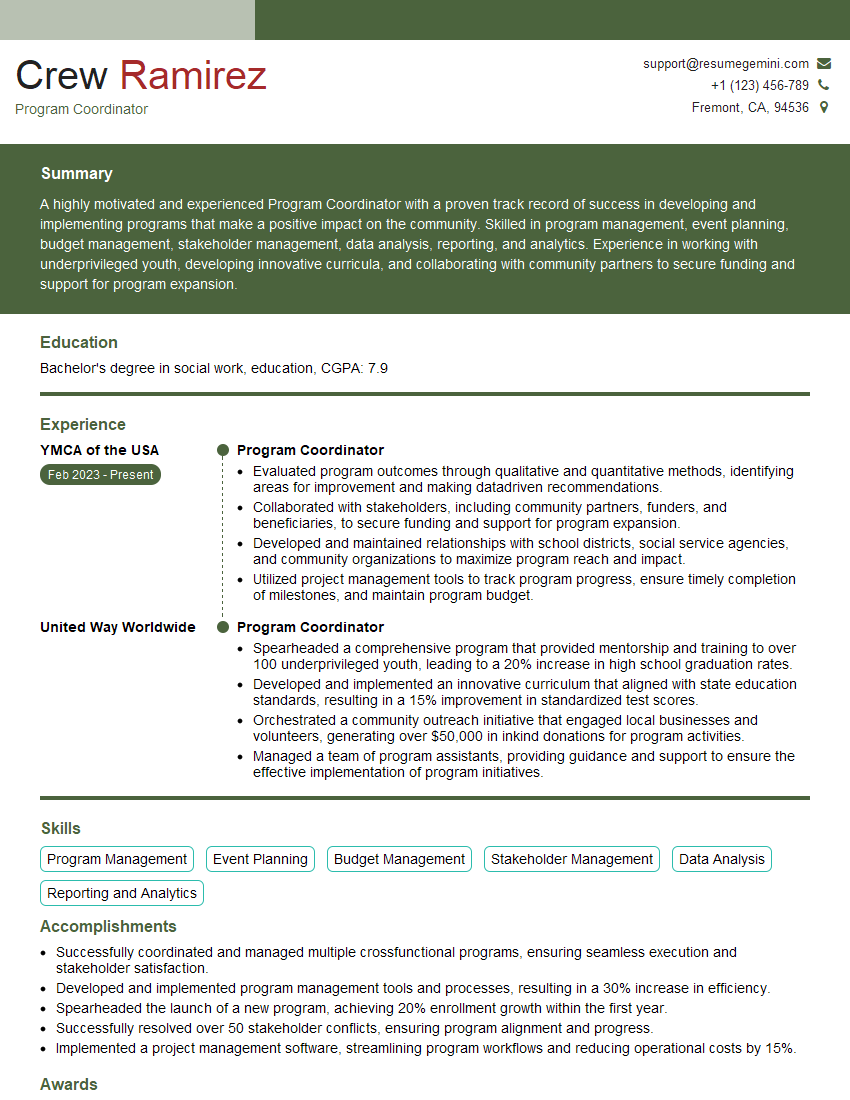
Program Coordinator Resume Sample
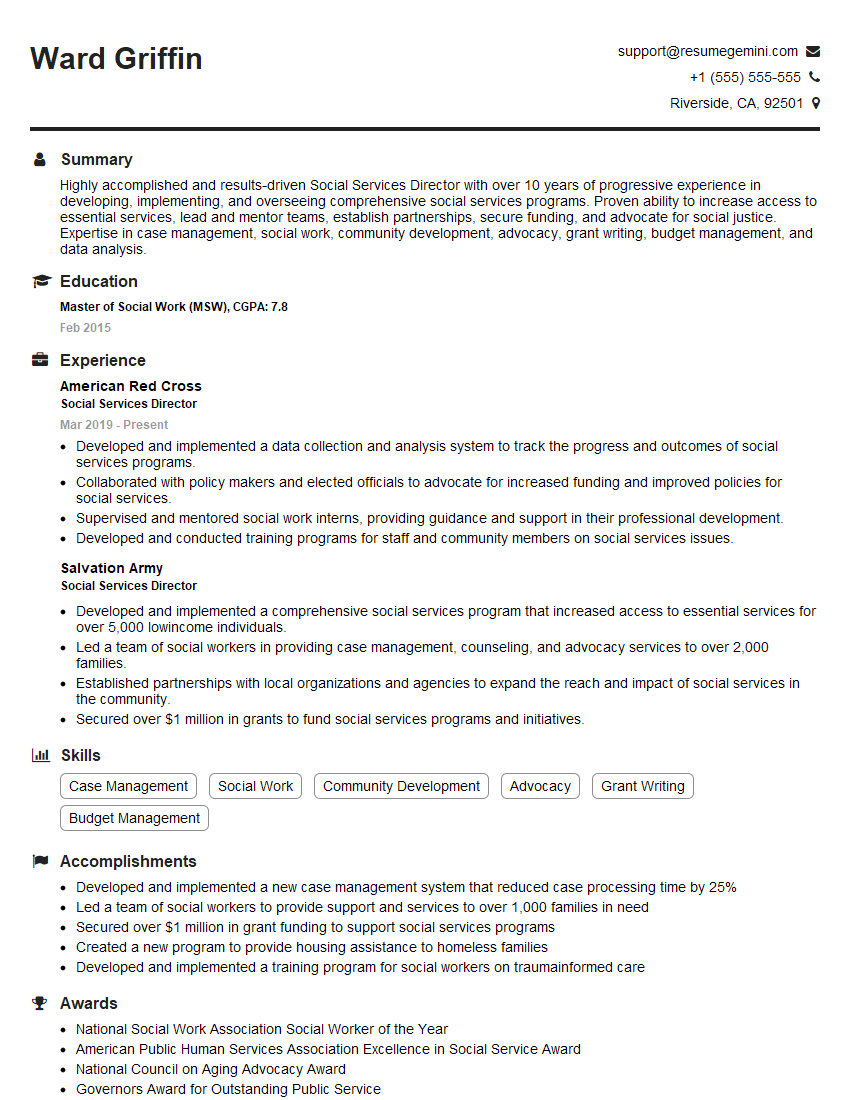
Social Services Director Resume Sample
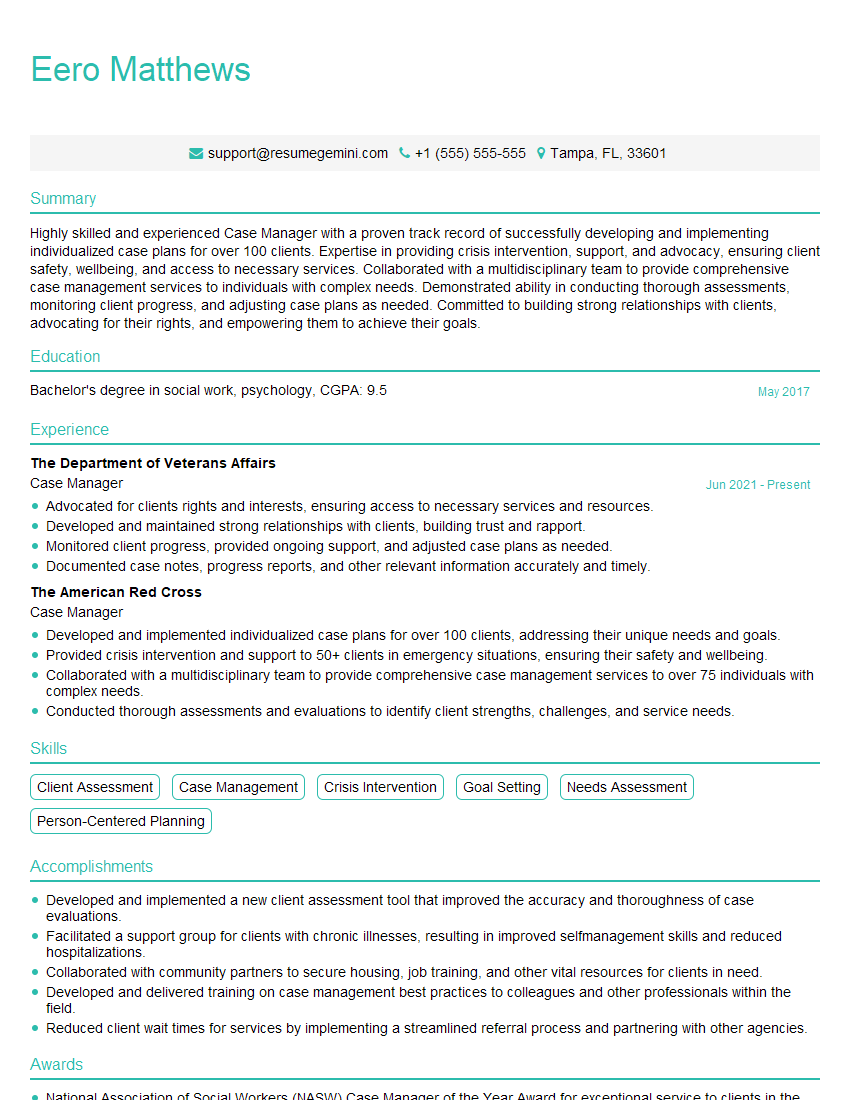
Case Manager Resume Sample

Community Organizer Resume Sample
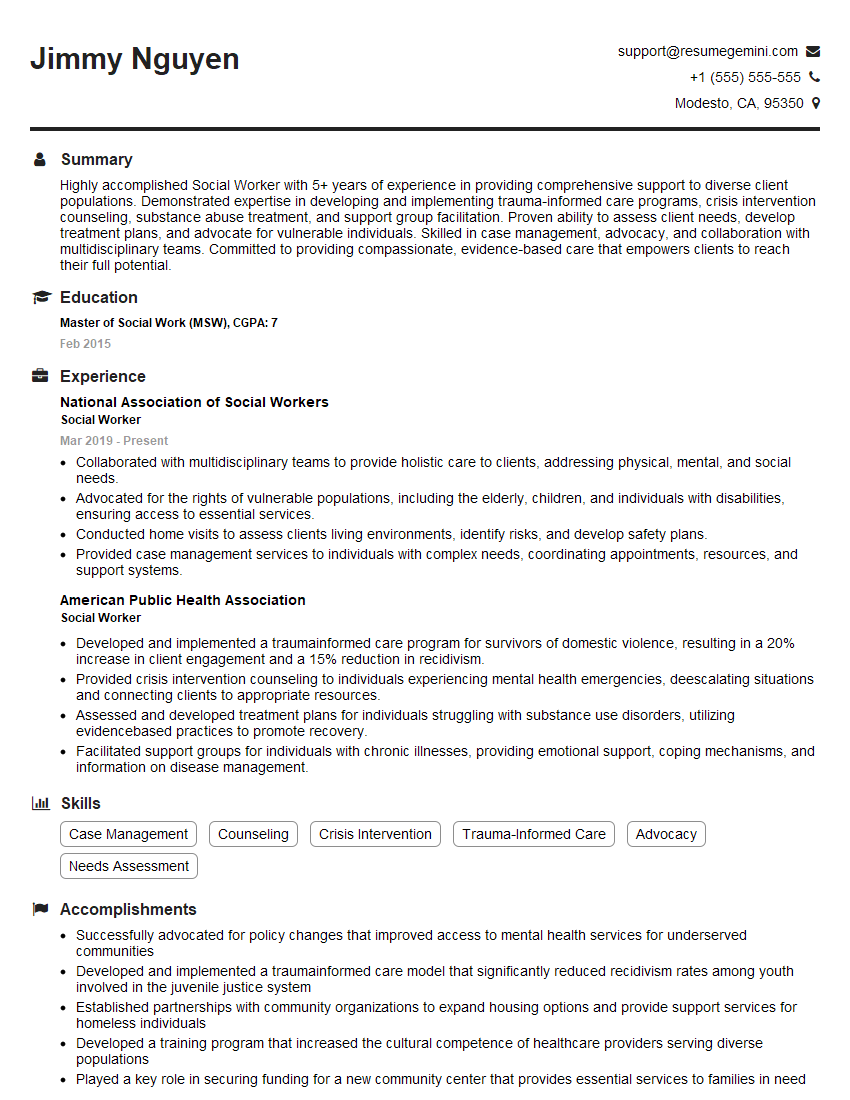
Social Worker Resume Sample

Outreach Specialist Resume Sample
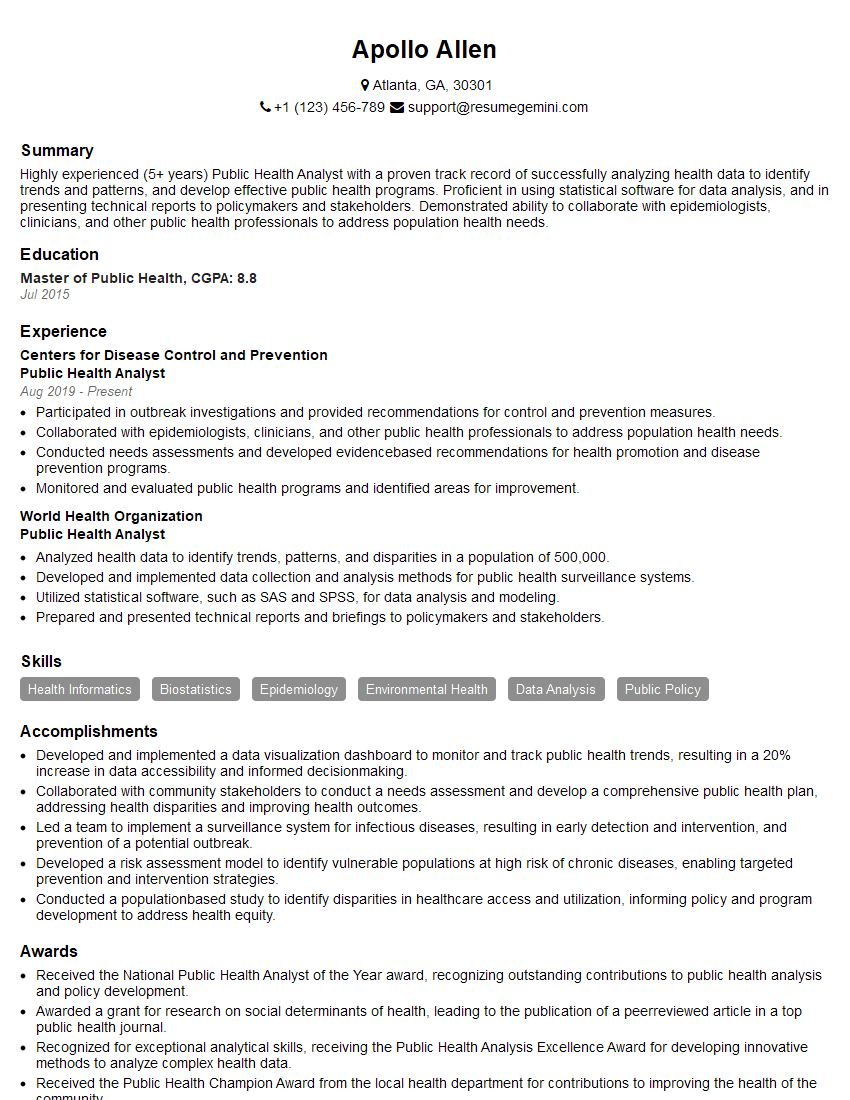
Public Health Analyst Resume Sample
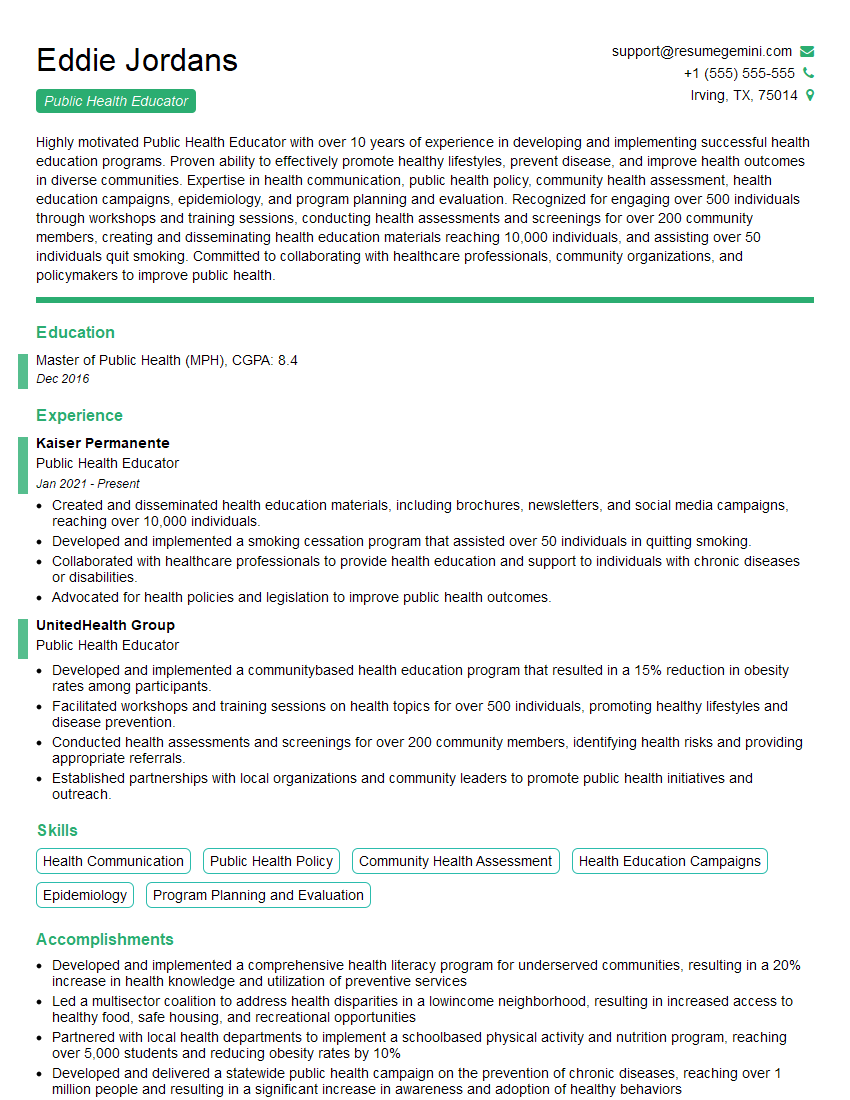
Public Health Educator Resume Sample
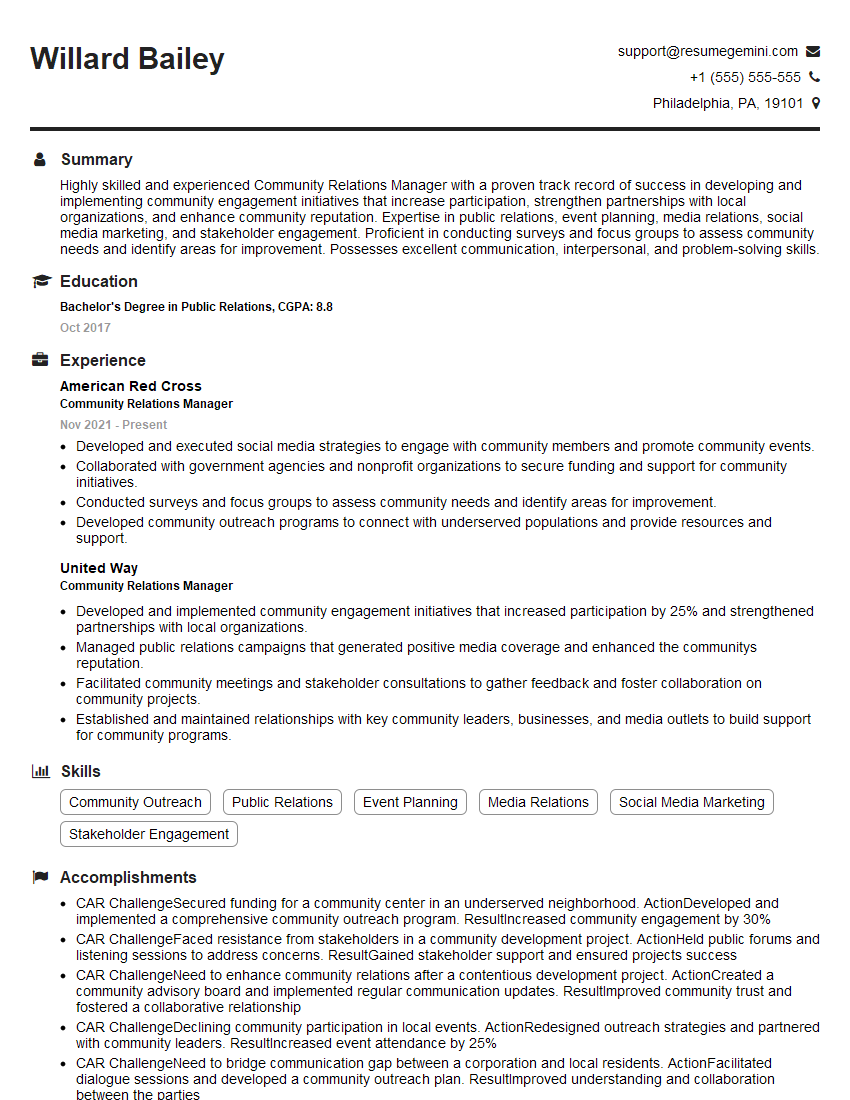
Community Relations Manager Resume Sample
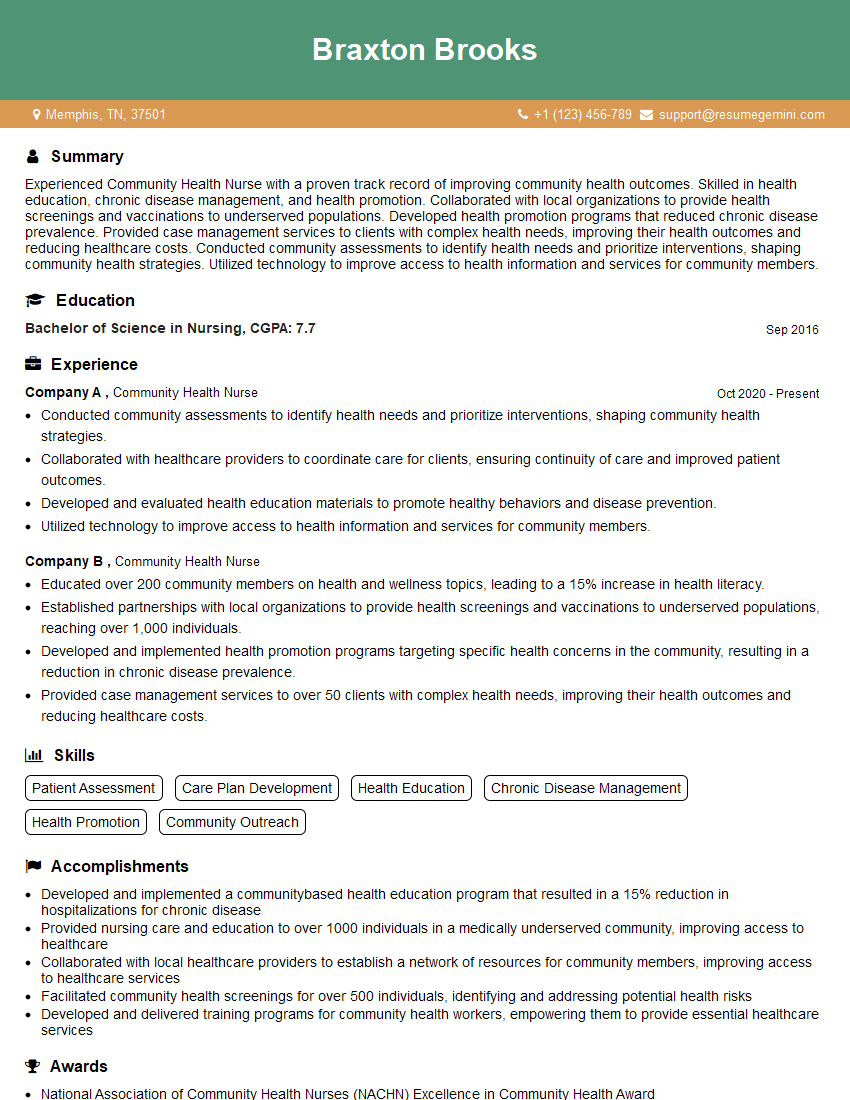
Community Health Nurse Resume Sample
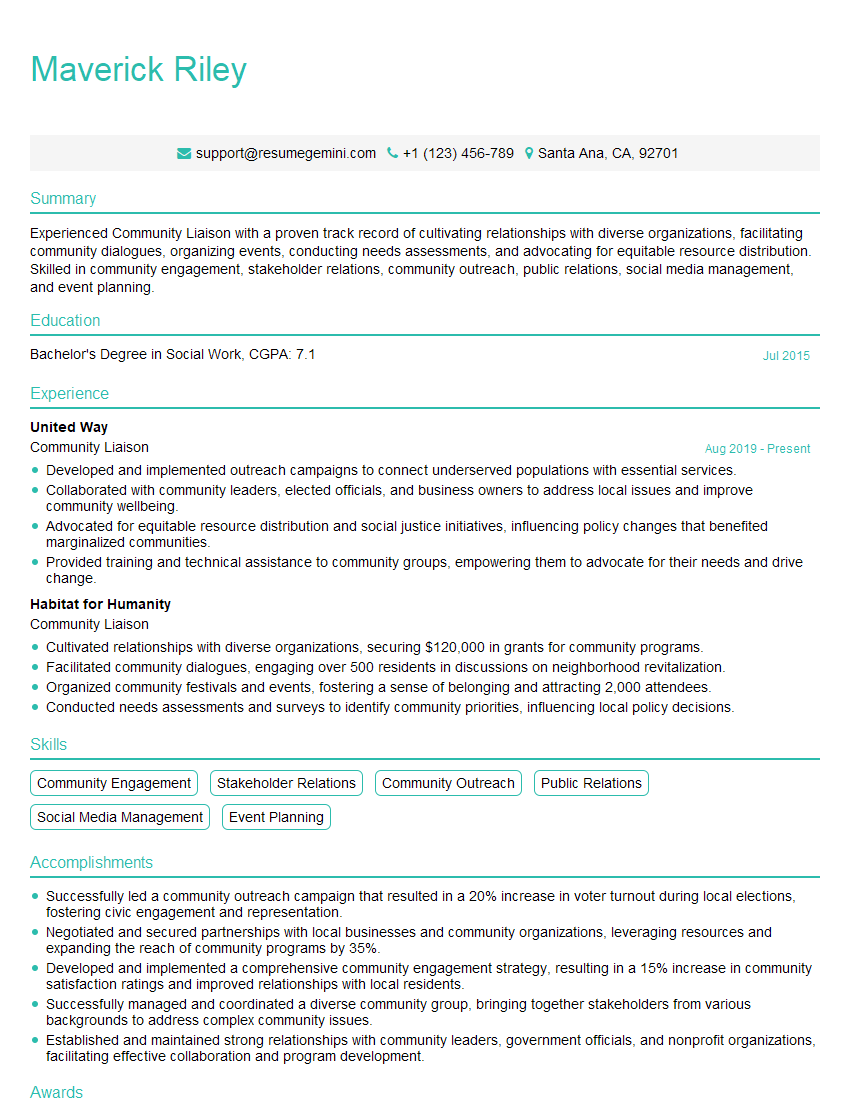
Community Liaison Resume Sample
Explore more articles
Users Rating of Our Blogs
Share Your Experience
We value your feedback! Please rate our content and share your thoughts (optional).
What Readers Say About Our Blog
I Redesigned Spongebob Squarepants and his main characters of my artwork.
https://www.deviantart.com/reimaginesponge/art/Redesigned-Spongebob-characters-1223583608
IT gave me an insight and words to use and be able to think of examples
Hi, I’m Jay, we have a few potential clients that are interested in your services, thought you might be a good fit. I’d love to talk about the details, when do you have time to talk?
Best,
Jay
Founder | CEO