Interviews are more than just a Q&A session—they’re a chance to prove your worth. This blog dives into essential Community Visioning and Strategic Planning interview questions and expert tips to help you align your answers with what hiring managers are looking for. Start preparing to shine!
Questions Asked in Community Visioning and Strategic Planning Interview
Q 1. Describe your experience facilitating community visioning workshops.
Facilitating community visioning workshops requires a blend of skillful communication, active listening, and creative facilitation techniques. My approach centers around creating a safe and inclusive space where all participants feel comfortable sharing their ideas and perspectives. I begin by establishing clear ground rules and expectations, ensuring everyone understands the purpose of the workshop and their role in the process. Then, I employ a variety of methods to gather input, such as brainstorming sessions, world café discussions, and interactive mapping exercises. I’m adept at using visual aids and technology to make the process engaging and accessible to all participants, regardless of their background or technological proficiency. For example, in a recent workshop with a diverse group of residents in a rural community, I used large-scale maps and sticky notes to allow participants to visually represent their ideas about future development. This method fostered a more collaborative and inclusive environment compared to a more traditional discussion-based approach. Following the workshop, I synthesize the gathered information and present a summary of key themes and priorities to the community for feedback and validation. The goal is not simply to collect ideas but to collaboratively construct a shared vision that reflects the community’s collective aspirations.
Q 2. Explain the process of developing a strategic plan, from initial assessment to implementation.
Developing a strategic plan is a multi-stage process that requires careful planning and execution. It begins with a thorough needs assessment, involving data collection (census data, surveys, interviews) to understand the current state of the community and identify key challenges and opportunities. This assessment informs the development of a shared vision, often built upon the outcomes of community visioning workshops. Next, we identify strategic goals – broad, long-term objectives that align with the vision. These goals are then broken down into specific, measurable, achievable, relevant, and time-bound (SMART) objectives. Each objective requires the identification of actionable strategies and responsible parties. A detailed implementation plan, including timelines, budgets, and monitoring mechanisms, is crucial. Finally, regular monitoring and evaluation are necessary to track progress, make adjustments as needed, and ensure the plan remains relevant and effective. Think of it like building a house: the needs assessment is the foundation, the vision is the blueprint, goals are the rooms, objectives are the furniture, and implementation is the construction process, with monitoring being the regular inspections to ensure everything is going according to plan.
Q 3. How do you identify and prioritize stakeholder needs in community planning?
Identifying and prioritizing stakeholder needs requires a multifaceted approach that ensures equitable representation. I begin by identifying all relevant stakeholders – residents, businesses, community organizations, government agencies, etc. – using a combination of data analysis, community mapping, and stakeholder interviews. Then, I use a variety of techniques to collect information on their needs and priorities, including surveys, focus groups, and one-on-one interviews. Prioritization can be achieved using methods like weighted scoring, where stakeholders assign weights to different needs based on their importance. Another approach involves using multi-criteria decision analysis (MCDA), which allows for a more systematic evaluation of various criteria and their trade-offs. Transparency and community participation are crucial at every step, ensuring that the prioritization process is fair and reflects the diverse needs of the community. For instance, in a recent project, we used a participatory budgeting process to allow community members to directly allocate resources based on their prioritized needs.
Q 4. What methods do you use to engage diverse community groups in the planning process?
Engaging diverse community groups requires sensitivity and adaptability. I employ a range of methods to ensure inclusivity, such as providing materials in multiple languages, offering transportation assistance, hosting events at accessible locations, and scheduling meetings at times convenient for diverse schedules. I also utilize culturally appropriate communication styles and actively seek feedback on the accessibility and effectiveness of my engagement strategies. In addition to formal meetings and workshops, I often leverage informal engagement methods such as community events, social media, and targeted outreach to specific groups. Building trust is essential, often requiring ongoing dialogue and demonstrating commitment to addressing community concerns. For example, when working with a community with a large immigrant population, I ensured all materials were translated, and I hired bilingual facilitators to lead workshops.
Q 5. How do you measure the success of a community visioning initiative?
Measuring the success of a community visioning initiative requires establishing clear, measurable indicators aligned with the goals and objectives outlined in the strategic plan. These indicators could be quantitative (e.g., number of residents participating in events, improvements in infrastructure, changes in economic indicators) or qualitative (e.g., community satisfaction surveys, changes in social cohesion, increased community engagement). Data collection methods might include surveys, interviews, observations, and document analysis. Regular monitoring and evaluation are crucial to track progress and identify areas needing improvement. It’s also important to consider the long-term impacts, as some changes may take time to materialize. For instance, success in a revitalization project could be measured not only by the number of new businesses but also by the residents’ satisfaction with the improved quality of life and increased sense of community.
Q 6. Describe a time you had to overcome resistance to a community plan.
In one project, a significant portion of the community resisted a proposed plan for a new park, primarily due to concerns about potential traffic and noise. To overcome this resistance, I organized a series of targeted community meetings, focusing on addressing specific concerns. I used interactive mapping exercises to show how the park’s design could mitigate traffic and noise impacts. I also worked with local residents to establish a community task force responsible for overseeing park construction and ongoing management. By actively listening to their concerns, offering solutions, and involving them in the process, I was able to shift the perception from opposition to collaboration. This demonstrated the importance of transparent communication, active listening, and collaborative problem-solving in addressing community resistance to planning initiatives.
Q 7. How do you balance competing priorities and stakeholder interests in strategic planning?
Balancing competing priorities and stakeholder interests requires a fair and transparent process. I use a multi-criteria decision analysis (MCDA) approach, weighting the various criteria (e.g., environmental impact, economic feasibility, social equity) based on community values and priorities. This structured approach allows for a more objective evaluation of competing interests. Facilitating open dialogue and negotiation among stakeholders is essential. Compromise and collaboration are key, aiming to find solutions that satisfy, to the greatest extent possible, the needs of all involved. It’s crucial to clearly articulate trade-offs and justify decisions based on established criteria. Transparency and community engagement throughout the process are vital to build trust and acceptance of the final plan. In some cases, prioritizing certain objectives may be necessary; however, this decision should be justified and communicated effectively to all stakeholders.
Q 8. What experience do you have with SWOT analysis in the context of community development?
SWOT analysis is a fundamental tool in community development, helping us understand the strengths, weaknesses, opportunities, and threats facing a community. It provides a structured framework for assessing the current state and potential future of a community project or initiative.
In my experience, I’ve used SWOT analysis in numerous community planning projects. For example, in a revitalization project for a historic downtown area, we identified strengths like a unique architectural heritage and a vibrant arts scene. Weaknesses included a lack of parking and aging infrastructure. Opportunities included attracting new businesses and developing tourism. Threats included competition from nearby suburban shopping centers and potential funding shortfalls. This analysis guided our strategic planning, allowing us to leverage strengths, address weaknesses, capitalize on opportunities, and mitigate threats. The SWOT analysis helped us prioritize our actions and create a more impactful plan. We used the data to shape our strategies and build consensus among stakeholders.
Q 9. How familiar are you with different community planning models (e.g., collaborative, participatory)?
I’m highly familiar with various community planning models, understanding their strengths and limitations in different contexts. Collaborative planning emphasizes shared decision-making and consensus building among all stakeholders. It’s like a team effort where everyone has a voice. Participatory planning goes a step further, ensuring that the community actively participates in all stages of the process—from visioning to implementation. Think of it as community ownership of the plan. I’ve successfully implemented both models, tailoring the approach to the specific community’s needs and context. For instance, in a project focusing on improving park accessibility, a participatory model proved essential. Engaging residents directly through surveys, workshops, and public forums allowed us to capture diverse perspectives and ensure the final design met the community’s needs.
Other models include top-down (where decisions are made by authorities) and incremental (where changes happen gradually), but these are less effective for fostering lasting community engagement and buy-in, which are crucial for successful long-term implementation.
Q 10. Describe your experience with data analysis in community planning.
Data analysis plays a critical role in informing effective community planning. It helps us move beyond assumptions and make decisions based on evidence. My experience involves utilizing various data sources – demographic data (census data, population projections), economic data (income levels, unemployment rates), social data (crime rates, health indicators), and environmental data (air quality, water quality). I’m proficient in using statistical software and geographic information systems (GIS) to analyze this data, creating visualizations and reports that are easily understandable for all stakeholders. For example, in a project addressing food insecurity, we used census data to map areas with limited access to grocery stores and combined that with health data to highlight the correlation between food deserts and diet-related illnesses. This analysis helped us target resources effectively and justify funding requests.
Q 11. How do you ensure the long-term sustainability of a community plan?
Ensuring long-term sustainability requires a multi-faceted approach. First, it’s crucial to build broad community ownership. The plan should be developed collaboratively, ensuring all stakeholders feel invested in its success. Second, establishing clear accountability mechanisms is essential. Assigning responsibilities and establishing monitoring systems enables tracking progress and identifying potential issues early on. Third, building in flexibility is vital. Community plans need to adapt to changing circumstances. Finally, securing diverse and sustainable funding sources is critical. This might include grants, public funds, private investments, and community fundraising. In one project, we established a community foundation to manage long-term funding for park maintenance and programming, ensuring the project’s longevity.
Q 12. What are some common challenges faced in community visioning projects?
Community visioning projects often face several challenges. One common challenge is securing buy-in from all stakeholders, as different groups may have conflicting interests or priorities. Another challenge is managing expectations. It’s important to set realistic goals and timelines, avoiding overly ambitious plans that are unlikely to be achieved. Lack of resources, both financial and human, can also hinder progress. Finally, communicating effectively with a diverse community, accounting for language barriers and different communication styles, poses a significant challenge. One instance involved a project where differing opinions on land use planning led to heated debates. Careful facilitation and a commitment to inclusive decision-making ultimately helped bridge the gap.
Q 13. How do you communicate complex information effectively to diverse audiences?
Effective communication is the cornerstone of successful community planning. I use a variety of methods tailored to different audiences. For instance, I might use infographics or short videos to communicate complex data to the general public. For technical audiences, detailed reports and presentations might be more appropriate. Using plain language, avoiding jargon, and actively seeking feedback ensures that the message is clear and understandable. In a project involving a complex environmental remediation plan, we used visual aids, interactive maps, and simplified explanations to engage the public and address their concerns effectively. Translation services and culturally sensitive materials are crucial when working with diverse populations.
Q 14. How do you handle conflict among stakeholders during the planning process?
Conflict is inevitable in community planning, given the diverse interests and perspectives involved. My approach centers on facilitating constructive dialogue and conflict resolution. This involves creating a safe and respectful environment where all voices are heard. Active listening, mediation techniques, and collaborative problem-solving are essential. Identifying shared interests and focusing on common goals helps build consensus. Sometimes, compromise is necessary, and I help stakeholders explore mutually acceptable solutions. In one case, a conflict arose between residents concerned about increased traffic and developers eager to proceed with a new housing project. Through mediation, we found a compromise involving improvements to public transportation and the creation of pedestrian-friendly pathways, addressing the concerns of both parties.
Q 15. What is your experience with grant writing for community development projects?
Grant writing is a crucial skill for securing funding for community development projects. My experience spans over ten years, encompassing various projects from revitalizing downtown areas to establishing community gardens and supporting youth programs. I’ve successfully secured funding from a range of sources including government agencies (e.g., HUD, USDA), private foundations, and corporate sponsors. My approach involves a thorough understanding of the funder’s priorities, crafting compelling narratives that highlight the project’s impact and community need, and meticulously following the grant application guidelines. For example, in one project focused on affordable housing, I crafted a grant proposal emphasizing the project’s alignment with the funder’s mission to reduce homelessness and improve community health outcomes. This resulted in securing a significant grant that allowed us to build 50 units of affordable housing.
Beyond writing the proposal, my expertise extends to budget development, project management, and reporting—all vital aspects of successful grant management. I am adept at creating realistic budgets, tracking expenditures, and preparing compelling final reports that demonstrate the project’s effectiveness and justify future funding requests.
Career Expert Tips:
- Ace those interviews! Prepare effectively by reviewing the Top 50 Most Common Interview Questions on ResumeGemini.
- Navigate your job search with confidence! Explore a wide range of Career Tips on ResumeGemini. Learn about common challenges and recommendations to overcome them.
- Craft the perfect resume! Master the Art of Resume Writing with ResumeGemini’s guide. Showcase your unique qualifications and achievements effectively.
- Don’t miss out on holiday savings! Build your dream resume with ResumeGemini’s ATS optimized templates.
Q 16. Explain your understanding of environmental impact assessments in community planning.
Environmental Impact Assessments (EIAs) are critical for sustainable community planning. They provide a systematic evaluation of the potential environmental consequences of a proposed project or policy. In community planning, this means considering factors like air and water quality, biodiversity, waste management, and climate change resilience. A thorough EIA should identify potential negative impacts, propose mitigation strategies, and evaluate the overall environmental sustainability of the plan. For instance, when developing a new transportation system, an EIA would consider the impact on greenhouse gas emissions, noise pollution, and habitat disruption. The assessment would then inform decisions about route selection, technology choices (e.g., electric buses), and strategies for minimizing environmental harm.
My experience includes collaborating with environmental scientists and community stakeholders to conduct EIAs. We use a participatory approach, ensuring that community voices are heard and incorporated into the assessment process. This approach helps build consensus and ensures the plan is environmentally sound and socially acceptable.
Q 17. How do you incorporate economic development strategies into community visioning?
Economic development is integral to a successful community vision. It’s not simply about attracting businesses; it’s about creating opportunities for residents to thrive. I incorporate economic development strategies into community visioning by engaging in a participatory process that identifies community assets, needs, and aspirations. This includes identifying local businesses, assessing skills and workforce development needs, and exploring opportunities for entrepreneurship and job creation. For example, a community might have a strong agricultural sector but lack adequate processing and marketing infrastructure. The visioning process would identify this gap and lead to strategies for developing a local farmers’ market, supporting value-added agricultural businesses, or establishing a cooperative to improve marketing opportunities.
I use various tools to facilitate this, including SWOT analyses to identify strengths, weaknesses, opportunities, and threats, and economic impact models to assess the potential benefits of different development scenarios. The ultimate goal is to create a plan that improves the economic well-being of the community while respecting its cultural and environmental values.
Q 18. How do you adapt your approach to community engagement based on the specific context?
Adaptability is key in community engagement. My approach is highly context-specific, recognizing that different communities have unique needs, communication styles, and levels of engagement capacity. For example, in a community with limited internet access, online surveys might be ineffective; instead, I’d prioritize in-person meetings, community forums, and door-to-door surveys. Similarly, in communities with diverse linguistic backgrounds, I ensure materials are translated and interpreters are available.
I employ diverse engagement methods including focus groups, public forums, surveys, interviews, and mapping exercises. I use a combination of quantitative and qualitative data to gain a comprehensive understanding of community perspectives and build consensus around a shared vision. A key element is building trust and fostering open communication—creating a safe space for all voices to be heard, especially those of marginalized groups. I always strive for transparency and inclusivity throughout the engagement process.
Q 19. What software and tools are you proficient in for community planning and visualization?
Proficiency in various software and tools is crucial for effective community planning and visualization. I’m highly proficient in Geographic Information Systems (GIS) software such as ArcGIS, which allows for spatial data analysis and mapping of community assets and needs. I also use data visualization tools like Tableau and Power BI to present complex data in an accessible and engaging manner. For community engagement and collaborative planning, I utilize online platforms like Miro and Mural, which facilitate interactive workshops and brainstorming sessions. These tools are instrumental in transforming data into compelling visualizations, such as interactive maps showing community assets, needs, and potential development areas.
Furthermore, I have experience using project management software (e.g., Asana, Trello) to organize and track progress on community planning initiatives. The selection of tools depends on the specific project needs and the community’s technical capacity.
Q 20. Describe your experience with community needs assessments.
Community needs assessments are foundational to effective community planning. They involve a systematic process of identifying the challenges, assets, and priorities of a community. My experience encompasses diverse methods, from conducting surveys and interviews to analyzing secondary data sources (e.g., census data, crime statistics). In one project, I collaborated with local health officials to assess the needs of an aging population, combining quantitative data on demographic trends with qualitative information gathered through focus groups and interviews with older adults. This revealed unmet needs in transportation, access to healthcare, and social isolation.
The assessment’s findings inform the development of targeted strategies and programs to address identified needs. The entire process is participatory, ensuring the community’s voice is central to identifying priorities and shaping solutions.
Q 21. How do you ensure community plans are inclusive and equitable?
Ensuring inclusivity and equity in community plans is paramount. This goes beyond simply inviting diverse voices to the table; it requires actively working to overcome systemic barriers and address historical injustices. I prioritize equitable representation by proactively engaging with marginalized communities, ensuring they have equal access to information and decision-making processes. This includes using accessible communication methods, offering language translation services, and considering the unique needs and perspectives of different groups.
Equitable planning also involves conducting an equity impact assessment – a process of analyzing how proposed plans might differentially affect various population groups. For example, a new transportation plan may disproportionately benefit certain neighborhoods while neglecting others. An equity impact assessment would highlight these disparities and lead to adjustments in the plan to ensure equitable outcomes for all community members. This commitment to equity ensures that community plans genuinely serve the needs of everyone and promote social justice.
Q 22. What are the key performance indicators (KPIs) you’d use to track progress on a strategic plan?
Key Performance Indicators (KPIs) are crucial for tracking progress towards strategic goals. They provide measurable benchmarks to assess the effectiveness of initiatives and inform adjustments as needed. Choosing the right KPIs depends heavily on the specific strategic plan’s objectives, but some common examples across various community development projects include:
Participation Rates: Tracking the number of community members involved in events, surveys, or volunteer programs. For example, measuring the percentage of residents attending community forums or participating in online surveys. This reflects the engagement and buy-in from the community.
Project Completion Rates: Measuring the timely completion of projects outlined in the strategic plan. This could involve tracking the percentage of planned infrastructure improvements completed or the number of businesses supported through economic development programs.
Financial Metrics: Monitoring budget adherence, cost-effectiveness of initiatives, and return on investment. This includes comparing actual expenditures against the budget, assessing the economic impact of new businesses, and analyzing the cost-benefit ratio of specific programs.
Qualitative Feedback: Collecting qualitative data through surveys, focus groups, and interviews to gauge community satisfaction and perception of project outcomes. This helps understand the intangible impact of the initiatives and identifies areas for improvement.
Environmental Impact Metrics: If applicable, tracking changes in environmental indicators like air or water quality, waste reduction, or carbon footprint. This is essential for initiatives focused on sustainability.
Regular monitoring of these KPIs, coupled with data analysis, allows for informed decision-making and ensures the strategic plan remains on track towards achieving its vision.
Q 23. How do you build consensus amongst diverse stakeholders with conflicting priorities?
Building consensus among diverse stakeholders with conflicting priorities requires a collaborative and facilitative approach. It’s less about imposing a solution and more about fostering a shared understanding and common ground. My approach involves:
Active Listening and Empathy: Understanding each stakeholder’s perspective, needs, and concerns is paramount. I create a safe space for open dialogue, actively listening to understand their viewpoints, even if they are seemingly opposed.
Identifying Shared Values and Goals: While priorities may differ, there’s often common ground. I work to identify these shared values and long-term goals to build a foundation for collaboration. For instance, even those with different opinions on development might share a common goal of improving the community’s overall quality of life.
Collaborative Problem-Solving: Rather than presenting pre-determined solutions, I use a participatory approach, involving stakeholders in brainstorming and developing solutions collectively. Techniques like facilitated workshops or structured brainstorming sessions help in this process.
Transparency and Communication: Open and regular communication is essential. I make sure all stakeholders are informed about the progress, challenges, and decisions made throughout the process. This builds trust and prevents misunderstandings.
Negotiation and Compromise: It’s unlikely that everyone will get exactly what they want. I facilitate negotiation and compromise, helping stakeholders find mutually acceptable solutions. This may involve exploring trade-offs and prioritizing initiatives based on feasibility and impact.
Documentation and Agreement: Once a consensus (or at least a workable agreement) is reached, it’s crucial to document it clearly and gain formal agreement from key stakeholders. This provides a clear roadmap for moving forward.
For example, in a project involving revitalizing a downtown area, I’ve successfully mediated between residents concerned about increased traffic and business owners seeking more parking and accessibility. By focusing on shared goals like economic growth and improved community aesthetics, we found solutions that addressed everyone’s concerns, such as creating a pedestrian-friendly zone with improved public transport links.
Q 24. Describe your approach to risk management in community development projects.
Risk management is an integral part of community development. My approach is proactive and systematic, involving these key steps:
Risk Identification: Thoroughly identifying potential risks during the planning phase. This could include financial risks (e.g., funding shortfalls), environmental risks (e.g., natural disasters), social risks (e.g., community resistance), or political risks (e.g., changes in local government policies).
Risk Assessment: Evaluating the likelihood and potential impact of each identified risk. This often involves a qualitative and quantitative analysis, considering factors like probability and severity.
Risk Response Planning: Developing strategies to mitigate or manage identified risks. This might include developing contingency plans, securing insurance, engaging community stakeholders to address concerns, or altering project timelines based on risk analysis.
Monitoring and Evaluation: Continuously monitoring the project for emerging risks and evaluating the effectiveness of the risk management strategies. Regularly reviewing and updating the risk management plan is essential to adapt to changing circumstances.
For instance, in a project focused on building affordable housing, I’d identify potential risks such as rising construction costs, delays in permitting, or community opposition. My response would include building contingency funds into the budget, establishing clear communication channels with local authorities, and proactively engaging with the community to address their concerns.
Q 25. What is your experience with budgeting and resource allocation in community planning?
Budgeting and resource allocation are critical to the success of any community plan. My experience includes:
Needs Assessment: Start with a thorough assessment of the community’s needs and priorities to guide resource allocation. This often includes data analysis, community surveys, and stakeholder consultations.
Budget Development: Creating a realistic and comprehensive budget that aligns with the strategic plan’s goals. This requires identifying revenue sources (e.g., grants, fundraising, local government funding) and allocating funds to different projects based on their priority and impact.
Resource Tracking and Reporting: Implementing robust systems for tracking expenditure and ensuring accountability. Regular reporting on budget performance is crucial for informed decision-making.
Value for Money Analysis: Regularly evaluating the cost-effectiveness of different initiatives and exploring opportunities for optimizing resource use. This involves analyzing the impact of spending against the funds allocated.
Grant Writing and Fundraising: In addition to managing existing resources, my experience includes writing successful grant proposals and developing fundraising strategies to secure additional funding for community projects.
For example, in a project to improve parks and recreation facilities, I developed a budget that prioritized essential repairs to existing facilities, while allocating a smaller portion of funds to new amenities. This ensured efficient resource allocation while still addressing the community’s needs.
Q 26. How do you facilitate the implementation of a community strategic plan?
Facilitating the implementation of a community strategic plan requires a multi-faceted approach focused on action, collaboration, and communication. This includes:
Developing an Implementation Plan: A detailed plan outlining specific actions, timelines, responsible parties, and performance indicators for each initiative within the strategic plan.
Building Partnerships: Creating collaborations with various stakeholders, including government agencies, non-profit organizations, businesses, and community groups, to foster shared responsibility for implementation.
Communication and Engagement: Maintaining ongoing communication with the community to keep them informed of progress, address concerns, and encourage participation.
Capacity Building: Providing training and resources to community members and organizations involved in implementing the plan to enhance their skills and knowledge.
Project Management: Using effective project management techniques to track progress, manage resources, and address challenges that may arise during implementation.
Adaptability and Flexibility: Being prepared to adapt the plan as needed based on unforeseen circumstances, feedback from the community, or changes in the external environment.
For example, in a project focused on economic development, I facilitated the creation of a small business incubator by coordinating with local government, universities, and private sector partners. This involved securing funding, recruiting mentors, and providing training and resources for entrepreneurs.
Q 27. Describe your experience with monitoring and evaluating the outcomes of community initiatives.
Monitoring and evaluating the outcomes of community initiatives is crucial for assessing their impact and making necessary adjustments. My approach integrates both quantitative and qualitative methods:
Defining Indicators: Establishing clear and measurable indicators that align with the strategic plan’s goals. These indicators should reflect both short-term and long-term outcomes.
Data Collection: Implementing a systematic process for collecting data, using various methods such as surveys, interviews, focus groups, observations, and statistical analysis of relevant data sets.
Data Analysis: Analyzing collected data to determine the effectiveness of the initiatives, identify areas of success and areas needing improvement, and measure progress toward the overall strategic goals.
Reporting and Dissemination: Preparing comprehensive reports that communicate findings to stakeholders, highlighting both successes and challenges encountered.
Adaptive Management: Using evaluation findings to make informed decisions about future projects, ensuring that lessons learned are incorporated into future initiatives.
For example, in a project focused on improving public safety, I monitored crime rates, conducted community surveys to gauge residents’ perceptions of safety, and analyzed police data to assess the effectiveness of crime prevention strategies. This allowed for continuous improvement of the initiatives and effective resource allocation.
Q 28. How do you ensure that the community vision is reflected in the strategic plan?
Ensuring the community vision is reflected in the strategic plan is fundamental to its success. My approach involves:
Community Engagement: Prioritizing community engagement throughout the planning process, from initial visioning sessions to feedback gathering on draft plans. This ensures that the plan reflects the aspirations and needs of the community.
Visioning Workshops: Facilitating workshops and other participatory activities to collaboratively define the community’s vision for the future. This ensures buy-in and alignment of the plan with community expectations.
Visual Representations: Using maps, charts, and other visual aids to represent the community vision in a clear and understandable manner. This helps stakeholders easily grasp the long-term goals.
Feedback Mechanisms: Establishing clear mechanisms for community feedback at each stage of the planning process. This involves regular updates, public forums, and online platforms for communication and input.
Iteration and Refinement: Continuously refining the strategic plan based on community feedback and evolving priorities. This iterative process ensures the plan remains relevant and aligned with the community’s evolving needs and aspirations.
For example, in a revitalization project for a neighborhood, we held several community workshops to gather input on the desired future. This included discussions on community spaces, amenities, and improvements that would make it a more desirable place to live, work, and play. The resulting strategic plan clearly reflected those collectively determined priorities.
Key Topics to Learn for Community Visioning and Strategic Planning Interview
- Community Needs Assessment: Understanding techniques for gathering and analyzing data to identify community priorities and challenges. Practical application: Designing surveys, conducting stakeholder interviews, and interpreting data to inform strategic decisions.
- Visioning and Goal Setting: Facilitating participatory processes to develop a shared vision for the future and translating that vision into measurable goals. Practical application: Leading workshops, utilizing collaborative tools, and crafting strategic plans that align with community aspirations.
- Stakeholder Engagement and Collaboration: Building consensus and managing diverse perspectives within a community. Practical application: Developing communication strategies, mediating conflicts, and fostering inclusive participation in planning processes.
- Strategic Planning Frameworks: Applying various models and methodologies for developing comprehensive strategic plans (e.g., SWOT analysis, balanced scorecard). Practical application: Adapting frameworks to specific community contexts and evaluating the effectiveness of strategic initiatives.
- Implementation and Evaluation: Developing action plans, allocating resources, and monitoring progress toward achieving strategic goals. Practical application: Tracking key performance indicators (KPIs), adapting plans as needed, and reporting on outcomes to stakeholders.
- Change Management and Communication: Effectively communicating the strategic plan and managing resistance to change within the community. Practical application: Developing clear communication materials, addressing community concerns, and building support for the implementation of the plan.
Next Steps
Mastering Community Visioning and Strategic Planning opens doors to impactful and rewarding careers in urban planning, non-profit management, and community development. To maximize your job prospects, creating a strong, ATS-friendly resume is crucial. ResumeGemini is a trusted resource that can help you build a compelling and effective resume tailored to highlight your skills and experience in this field. Examples of resumes specifically tailored to Community Visioning and Strategic Planning are available through ResumeGemini to help you showcase your qualifications effectively. Invest time in crafting a professional resume—it’s your first impression with potential employers.
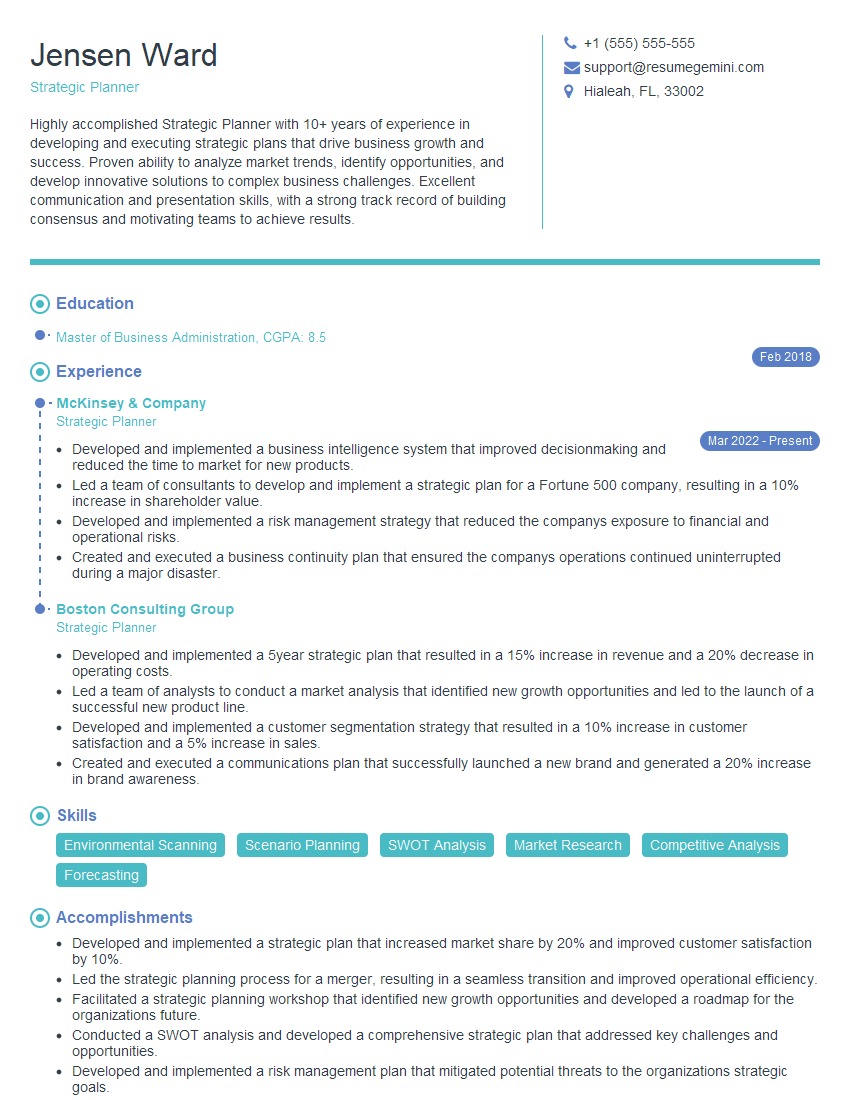
Strategic Planner Resume Sample
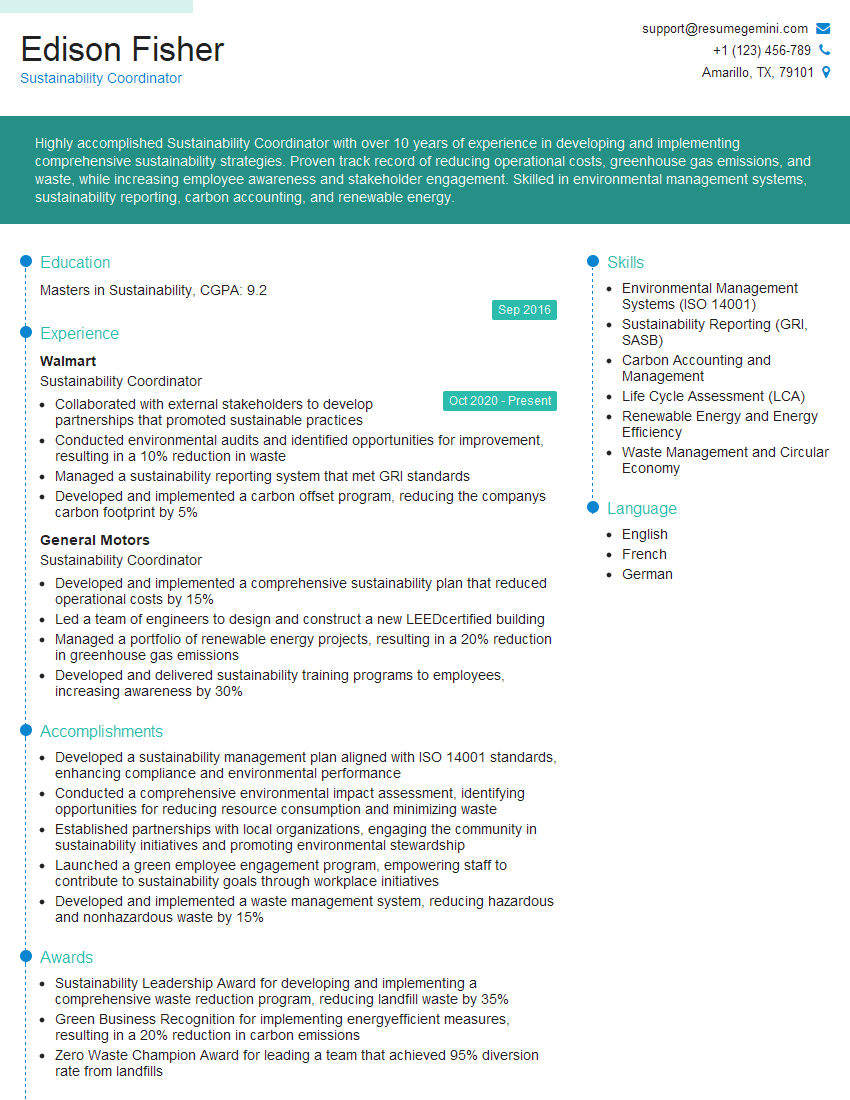
Sustainability Coordinator Resume Sample
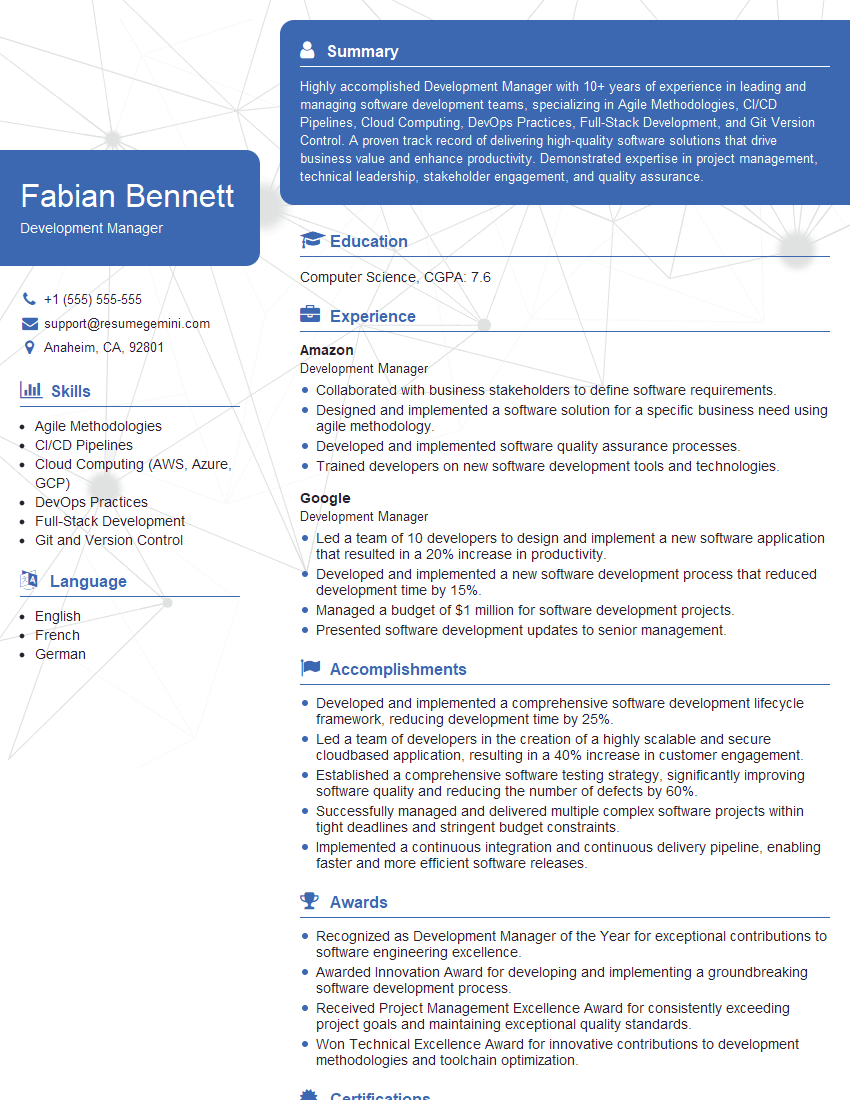
Development Manager Resume Sample
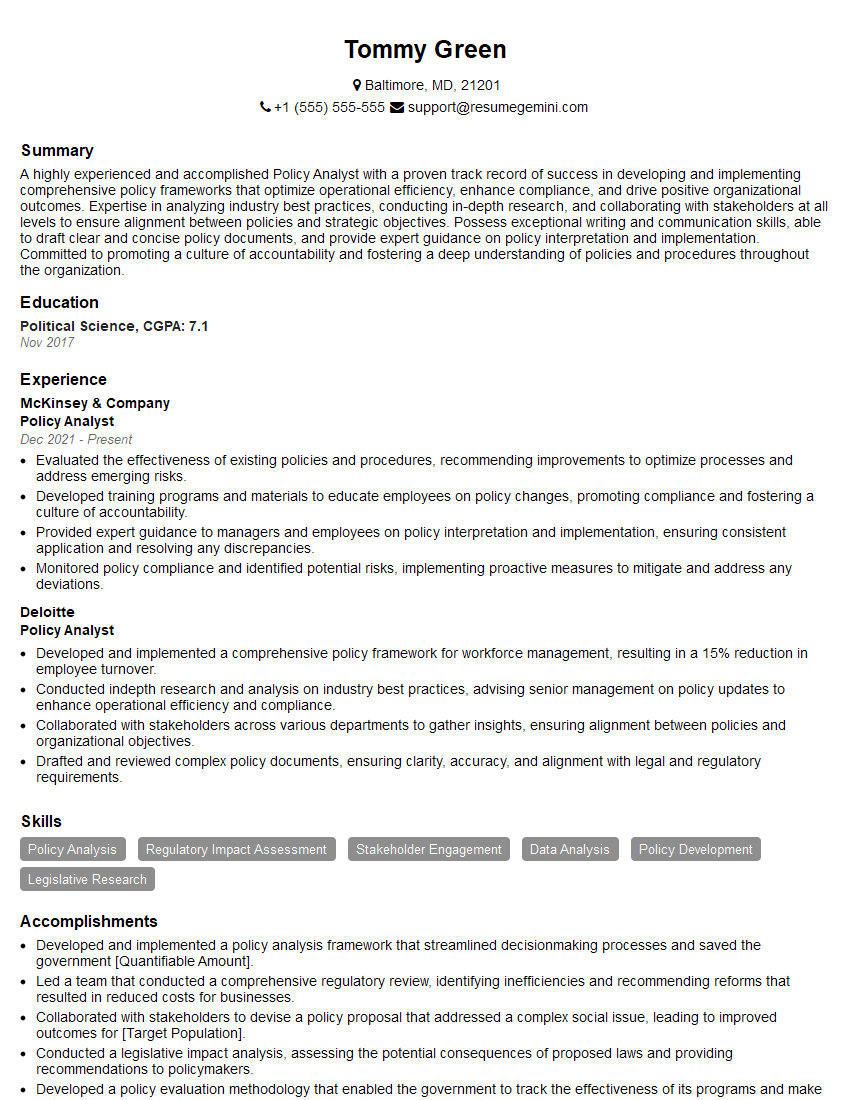
Policy Analyst Resume Sample
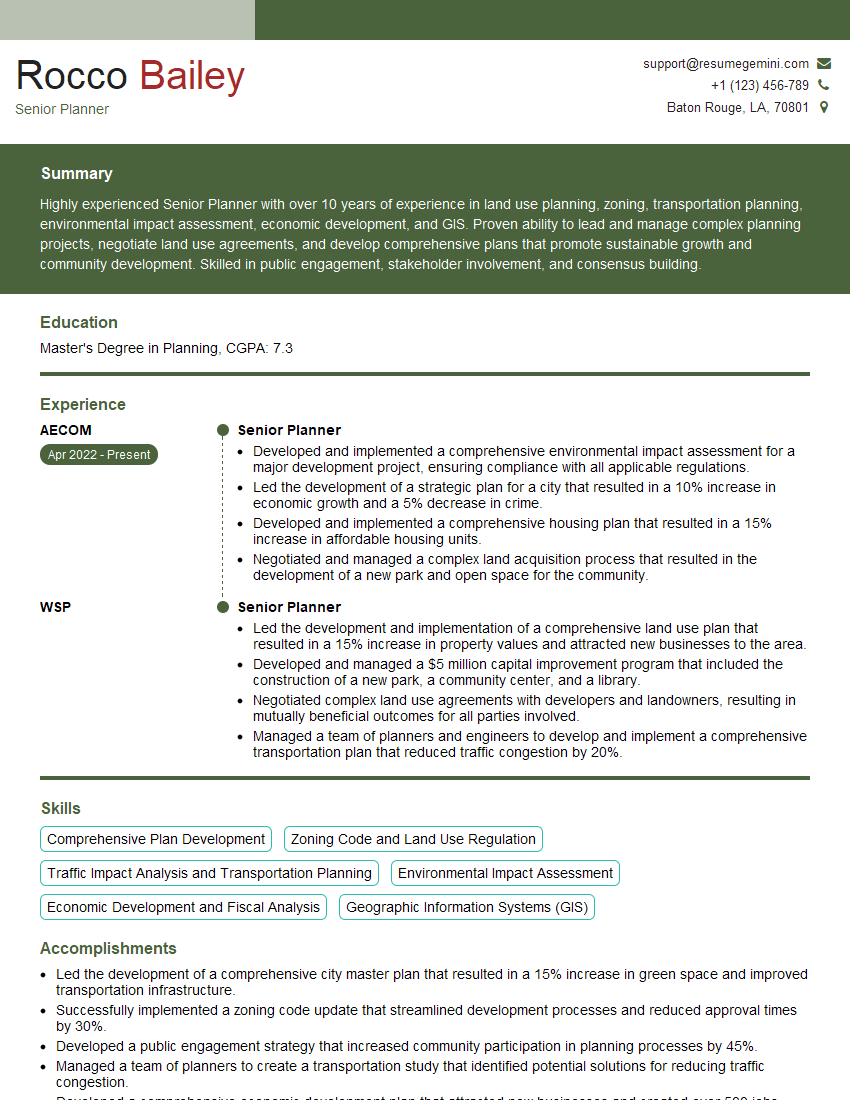
Senior Planner Resume Sample
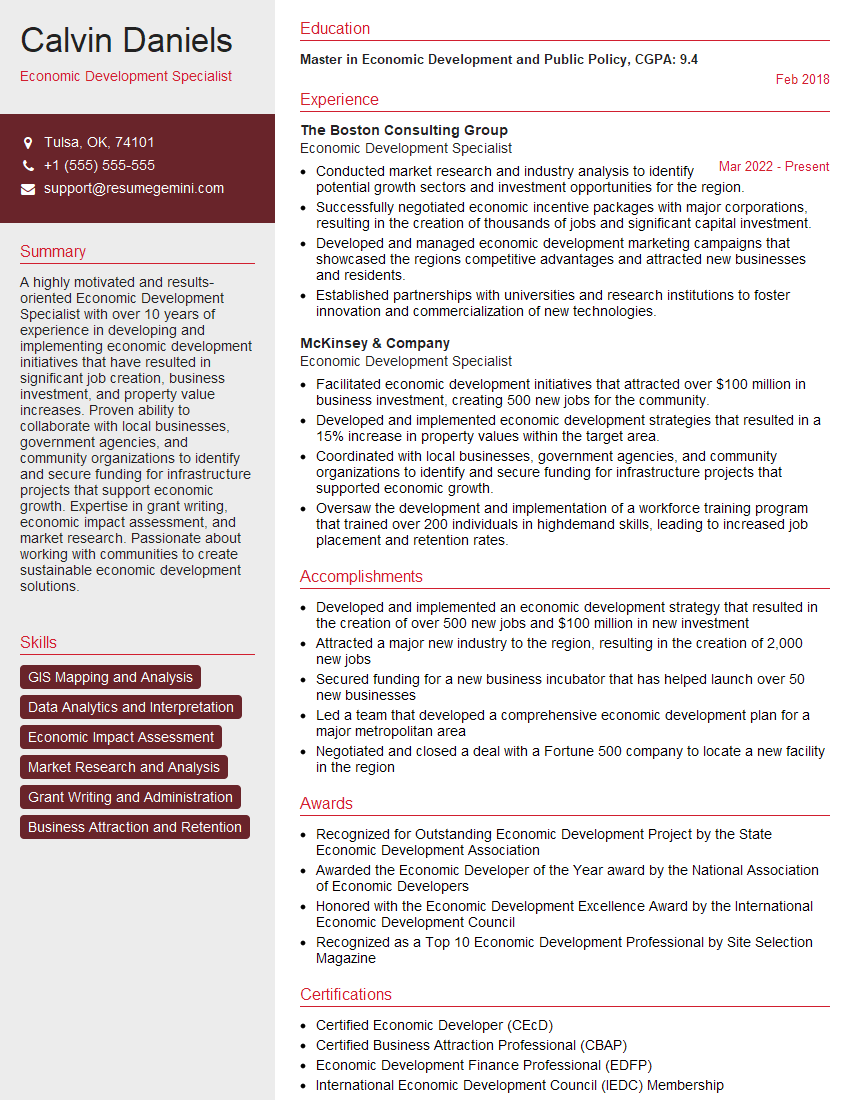
Economic Development Specialist Resume Sample
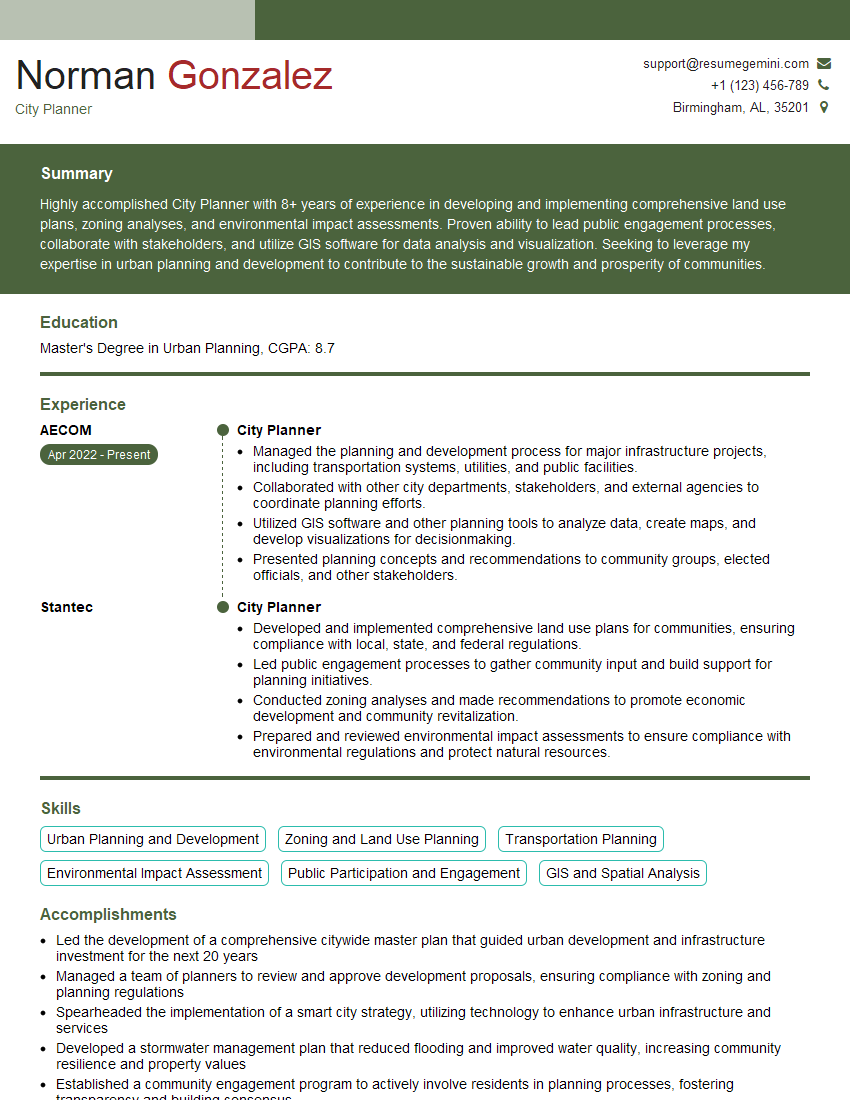
City Planner Resume Sample
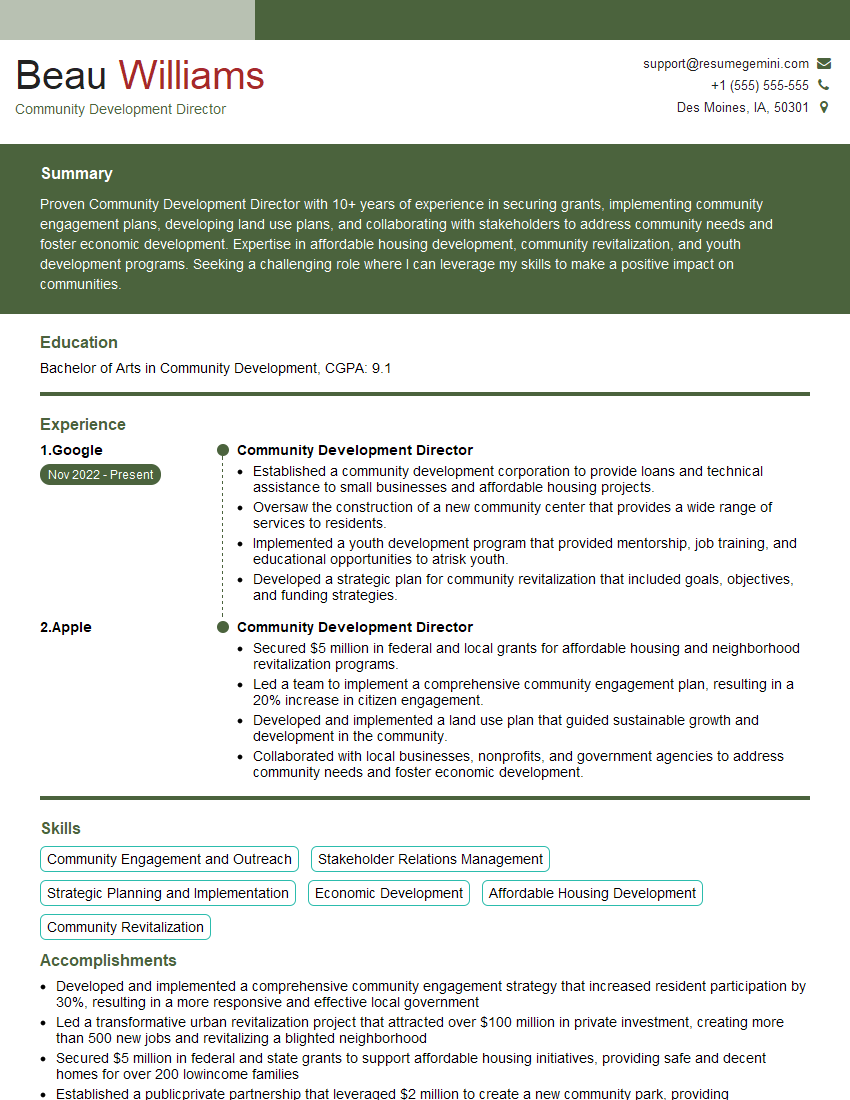
Community Development Director Resume Sample
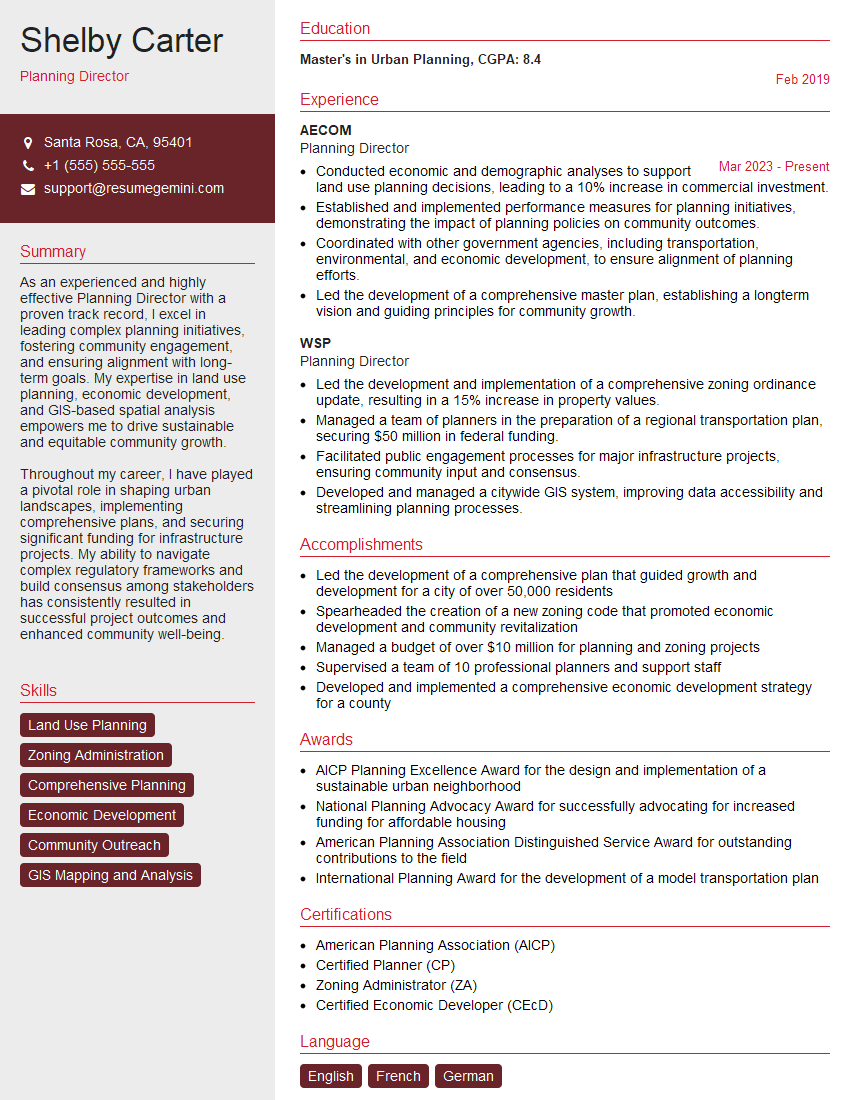
Planning Director Resume Sample
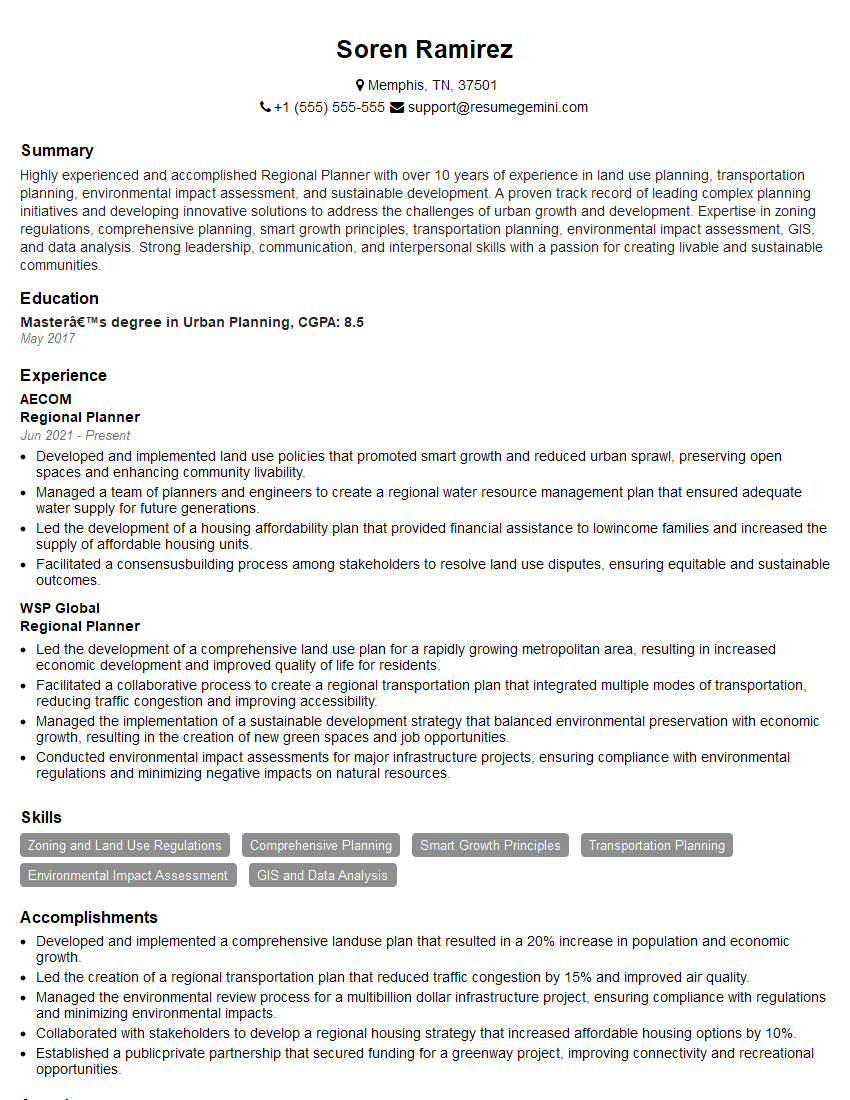
Regional Planner Resume Sample
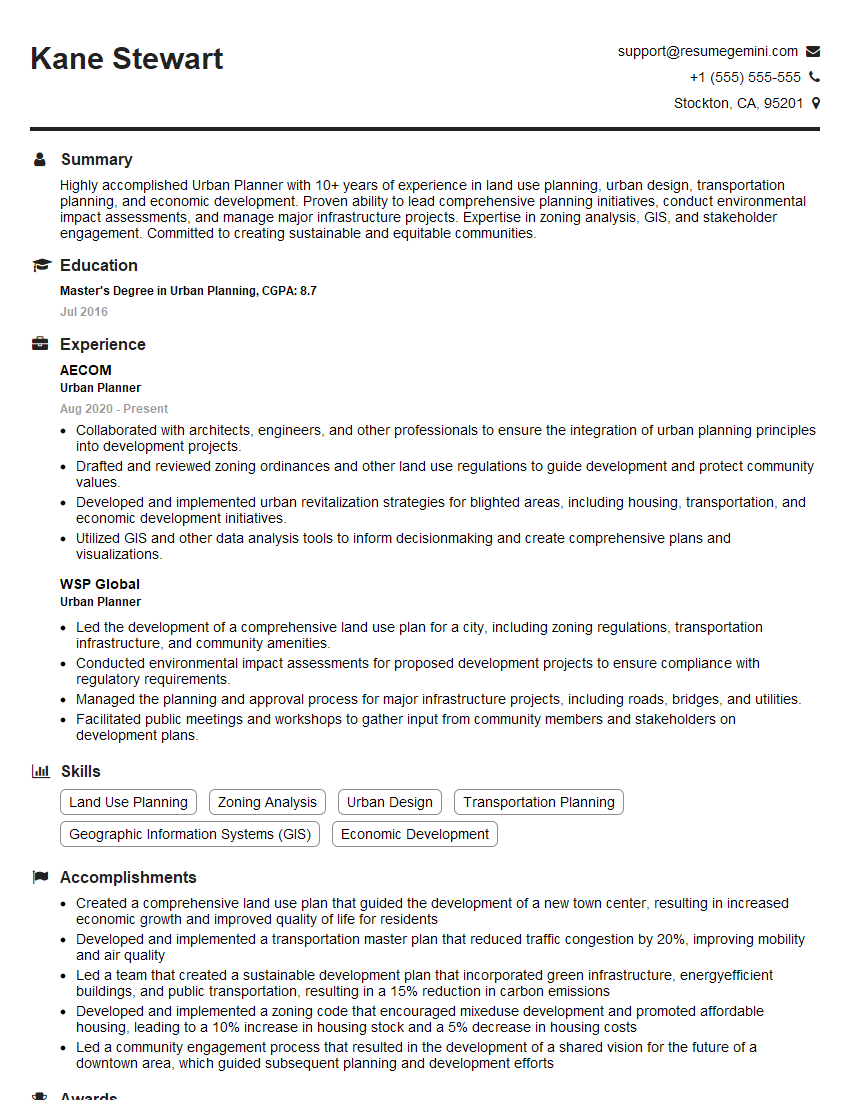
Urban Planner Resume Sample
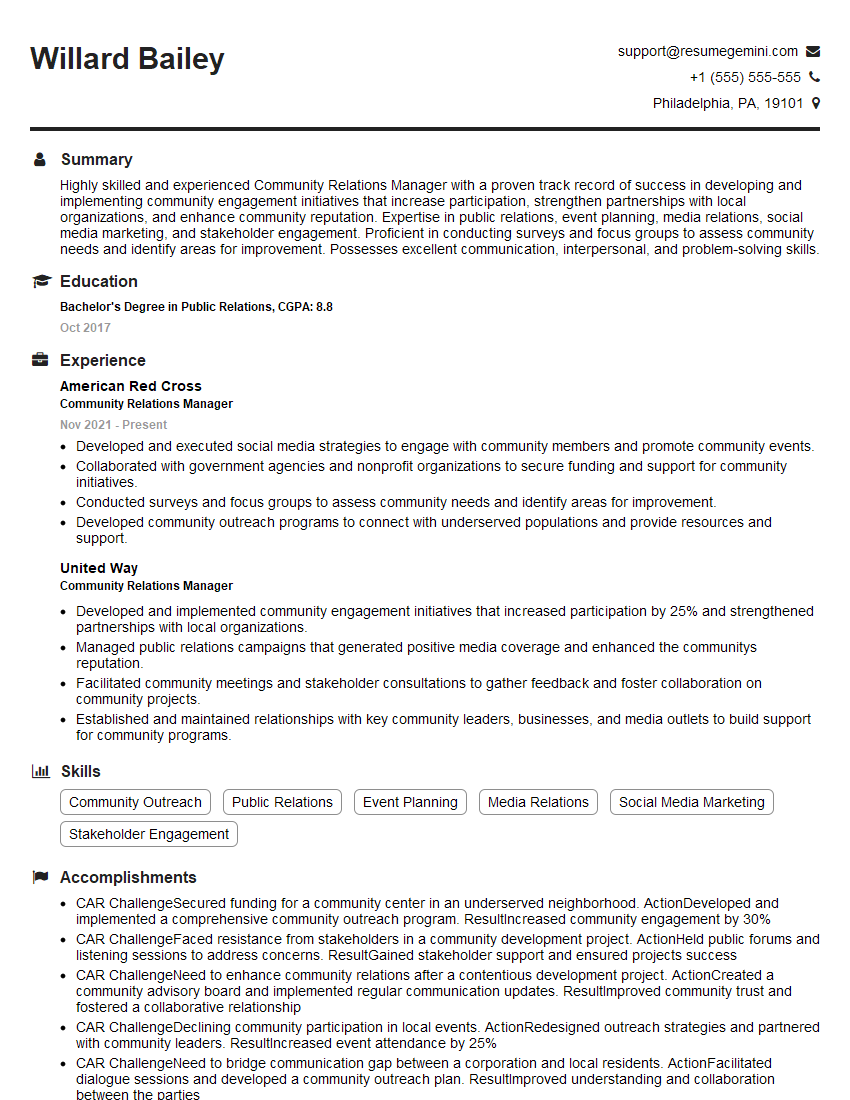
Community Relations Manager Resume Sample
Explore more articles
Users Rating of Our Blogs
Share Your Experience
We value your feedback! Please rate our content and share your thoughts (optional).
What Readers Say About Our Blog
I Redesigned Spongebob Squarepants and his main characters of my artwork.
https://www.deviantart.com/reimaginesponge/art/Redesigned-Spongebob-characters-1223583608
IT gave me an insight and words to use and be able to think of examples
Hi, I’m Jay, we have a few potential clients that are interested in your services, thought you might be a good fit. I’d love to talk about the details, when do you have time to talk?
Best,
Jay
Founder | CEO