Unlock your full potential by mastering the most common Compliance Framework Implementation (e.g., NIST, ISO 27001) interview questions. This blog offers a deep dive into the critical topics, ensuring you’re not only prepared to answer but to excel. With these insights, you’ll approach your interview with clarity and confidence.
Questions Asked in Compliance Framework Implementation (e.g., NIST, ISO 27001) Interview
Q 1. Explain the key differences between NIST CSF and ISO 27001.
NIST Cybersecurity Framework (CSF) and ISO 27001 are both internationally recognized frameworks for information security, but they differ significantly in their approach and application. NIST CSF is a voluntary framework providing a flexible roadmap for improving cybersecurity posture. It focuses on identifying, assessing, and managing cybersecurity risks, using a five-tiered maturity model (Identify, Protect, Detect, Respond, Recover). It’s highly adaptable to various organizations and doesn’t require formal certification.
ISO 27001, on the other hand, is a standard requiring certification. It’s a more prescriptive framework that outlines specific security controls necessary to establish, implement, maintain, and continually improve an Information Security Management System (ISMS). It focuses on risk management as a core process but demands a more structured and documented approach. Compliance is demonstrated through a third-party audit.
In short: NIST CSF is a guidance document encouraging best practices, while ISO 27001 is a certifiable standard with specific requirements.
- NIST CSF: Flexible, adaptable, voluntary, focuses on improving cybersecurity posture.
- ISO 27001: Prescriptive, certifiable, demands documented processes and controls, focuses on establishing and maintaining an ISMS.
Q 2. Describe your experience in conducting a gap analysis for ISO 27001.
Conducting a gap analysis for ISO 27001 is a crucial first step in the implementation process. It involves comparing an organization’s existing security controls with the requirements of ISO 27001 Annex A. My approach typically involves several phases:
- Documentation Review: I thoroughly review existing policies, procedures, and documentation related to information security.
- Interviews and Workshops: I conduct interviews with key personnel across different departments to understand their roles, responsibilities, and the security controls they implement.
- Control Assessment: I map existing controls to the ISO 27001 Annex A controls, identifying gaps and overlaps. This often uses a spreadsheet or specialized software to facilitate the process.
- Gap Analysis Report: A comprehensive report detailing the identified gaps, their potential impact, and recommendations for remediation is generated. This includes prioritizing the gaps based on their risk level.
- Remediation Planning: Collaborating with the organization, I develop a plan to address the identified gaps, outlining timelines, responsibilities, and resource requirements.
For instance, in a recent engagement with a healthcare provider, the gap analysis revealed a deficiency in the secure handling of patient data. This led to the implementation of enhanced access controls and employee training programs, effectively closing the gap and improving compliance.
Q 3. How would you implement a risk assessment process within a NIST CSF framework?
Implementing a risk assessment process within a NIST CSF framework involves aligning the framework’s functions with the risk management lifecycle. The process would typically follow these steps:
- Identify: Identify organizational assets, data flows, and related threats (using NIST SP 800-30 as a guide). This involves cataloging assets and understanding their criticality to the organization.
- Protect: Develop and implement security controls to mitigate identified risks. This may include access controls, encryption, vulnerability management, and security awareness training, drawing from NIST publications relevant to specific controls.
- Assess: Regularly assess the effectiveness of the implemented controls using vulnerability scans, penetration testing, and risk assessments. This helps identify emerging threats and weaknesses.
- Respond: Develop and practice incident response plans. This includes procedures for containment, eradication, recovery, and post-incident activity. NIST SP 800-61 provides guidance.
- Recover: Develop and test recovery plans to ensure business continuity and resilience in the face of incidents. This may include data backup and recovery plans, disaster recovery plans, and business continuity plans.
For example, identifying a vulnerability in a web application (Identify) would lead to implementing a web application firewall (Protect). Regular vulnerability scans (Assess) would then ensure the effectiveness of the firewall. A successful attack (Respond) would trigger the incident response plan, and data recovery procedures (Recover) would return the system to operation.
Q 4. What are the key controls within ISO 27001 Annex A?
ISO 27001 Annex A provides a comprehensive list of security controls, categorized into 14 control domains. It’s not an exhaustive list, but a helpful starting point for building an ISMS. Key controls include:
- Access Control: Managing access to assets based on need-to-know principles.
- Physical Security: Protecting physical assets, such as servers and data centers.
- Security Awareness Training: Educating employees about security risks and best practices.
- Data Encryption: Protecting data confidentiality through encryption at rest and in transit.
- Incident Management: Handling security incidents effectively and efficiently.
- Business Continuity Management: Planning for and recovering from business disruptions.
- Vulnerability Management: Identifying and mitigating vulnerabilities in systems and applications.
- Change Management: Managing changes to systems and applications in a secure manner.
It’s important to remember that these controls must be tailored to the specific risks faced by an organization. A small business will have different needs compared to a large multinational corporation.
Q 5. Explain the importance of risk treatment in a compliance framework.
Risk treatment is the core of any effective compliance framework. It’s the process of selecting and implementing controls to mitigate identified risks. Without proper risk treatment, compliance efforts are largely ineffective. This involves analyzing risks based on likelihood and impact, then choosing appropriate strategies:
- Avoidance: Eliminating the activity or asset that generates the risk.
- Mitigation: Reducing the likelihood or impact of the risk through controls.
- Transfer: Shifting the risk to a third party, such as through insurance.
- Acceptance: Accepting the risk and its potential consequences.
For example, if the risk of a data breach is identified, mitigation strategies could include implementing strong access controls, encrypting data, and conducting regular security awareness training. Transferring the risk might involve purchasing cyber liability insurance.
Q 6. How do you ensure compliance with data privacy regulations (e.g., GDPR, CCPA)?
Ensuring compliance with data privacy regulations like GDPR and CCPA requires a multifaceted approach. Key steps include:
- Data Mapping and Inventory: Identifying all personal data processed, its location, and purpose of processing.
- Data Protection Impact Assessments (DPIAs): Assessing the risks associated with high-risk data processing activities.
- Consent Management: Implementing processes to obtain valid and informed consent for data processing.
- Data Subject Rights: Establishing procedures to handle data subject requests (access, rectification, erasure).
- Data Security Measures: Implementing appropriate technical and organizational measures to protect personal data.
- Incident Response Plan: Developing a plan to address data breaches and other security incidents.
- Vendor Management: Ensuring that third-party vendors comply with data privacy regulations.
- Data Retention Policies: Establishing policies for securely storing and deleting personal data.
A comprehensive data privacy program requires continuous monitoring, adaptation to changing regulations, and employee training. Regular audits and assessments are vital to ensuring ongoing compliance.
Q 7. Describe your experience in developing and implementing a compliance program.
I’ve been involved in developing and implementing several compliance programs, leveraging my expertise in both NIST CSF and ISO 27001. My approach always starts with a thorough understanding of the organization’s context and risk profile. This involves analyzing their business operations, identifying critical assets, and understanding the regulatory landscape.
The development phase typically involves:
- Risk Assessment: Identifying and analyzing risks related to information security, privacy, and compliance.
- Policy Development: Creating comprehensive security policies and procedures aligned with relevant frameworks and regulations.
- Control Implementation: Selecting and implementing appropriate security controls to address identified risks.
- Training and Awareness: Educating employees about security policies, procedures, and best practices.
The implementation phase focuses on deploying the developed policies and controls, integrating them into daily operations, and establishing monitoring and reporting mechanisms. Ongoing monitoring, regular audits, and continuous improvement are vital for maintaining compliance. For example, in a recent project, we successfully implemented an ISO 27001 compliant ISMS for a financial institution, leading to a successful certification audit. This involved close collaboration with all stakeholders and a phased approach to implementation, ensuring minimal disruption to daily operations.
Q 8. How would you handle a non-compliance finding?
Handling a non-compliance finding involves a systematic approach focusing on remediation and prevention. It’s not just about fixing the immediate problem; it’s about understanding the root cause and ensuring it doesn’t recur.
- Identify and Document: First, thoroughly document the non-compliance finding, including the specific control that failed, the evidence demonstrating the failure, and the impact of the non-compliance. This documentation should be clear, concise, and auditable.
- Root Cause Analysis: Conduct a thorough root cause analysis to understand why the non-compliance occurred. Tools like the ‘5 Whys’ can be helpful here. For instance, if a system wasn’t patched, the 5 Whys might reveal a lack of automated patching processes, insufficient staff training, or a flawed change management process.
- Develop a Remediation Plan: Based on the root cause analysis, create a detailed remediation plan outlining the steps needed to address the non-compliance. This plan should include timelines, assigned responsibilities, and measurable objectives.
- Implement the Remediation: Execute the remediation plan promptly and effectively. This might involve updating systems, revising policies, providing training, or implementing new controls.
- Verification and Validation: Once the remediation is complete, verify that the corrective actions have been implemented correctly and that the non-compliance has been resolved. This often involves repeating the assessment that originally identified the non-compliance.
- Preventive Measures: Implement preventive measures to reduce the likelihood of similar non-compliance issues in the future. This could involve process improvements, additional training, or enhanced monitoring activities.
- Reporting and Monitoring: Regularly monitor the effectiveness of the remediation and preventive measures. Report on the status of the remediation to relevant stakeholders.
For example, if a security audit revealed that employee access controls weren’t adequately enforced, a remediation plan might include revising access control policies, retraining employees on proper access procedures, and implementing multi-factor authentication.
Q 9. What are your preferred methods for documenting compliance activities?
My preferred methods for documenting compliance activities emphasize clarity, traceability, and auditability. I utilize a combination of techniques tailored to the specific requirements and context.
- Centralized Document Repository: A secure, version-controlled repository (e.g., a document management system) is essential. This ensures all relevant documentation is easily accessible and avoids inconsistencies across different versions.
- Standard Templates: Utilizing pre-defined templates for risk assessments, audit reports, incident reports, and other compliance-related documents streamlines the documentation process and ensures consistency.
- Automated Tools: Compliance management software can automate many aspects of documentation, including tracking activities, generating reports, and automating workflows. This reduces manual effort and minimizes human error.
- Clear Naming Conventions: Implementing a standardized naming convention for all documents ensures easy searchability and organization.
- Metadata and Version Control: Adding comprehensive metadata to all documents (e.g., author, date created, version number) helps maintain accurate records and track changes over time. Version control is crucial to demonstrate the evolution of processes and responses.
- Audit Trails: Maintaining detailed audit trails for all system modifications, policy changes, and other critical activities provides an immutable record of events.
For instance, a risk register would be maintained within the document repository, documenting identified risks, their likelihood and impact, and the controls implemented to mitigate them. Each entry would have an associated version number, author, and date modified.
Q 10. Explain the importance of regular audits and monitoring in maintaining compliance.
Regular audits and monitoring are the cornerstones of maintaining compliance. They provide a feedback loop, highlighting areas where the compliance program is effective and areas needing improvement. Think of it like a health check for your organization’s compliance posture.
- Identify Gaps and Weaknesses: Audits systematically assess the effectiveness of implemented controls, revealing any gaps or weaknesses that could lead to non-compliance. This proactive approach allows for timely remediation before issues escalate.
- Demonstrate Compliance: Regular audits and monitoring provide objective evidence of compliance, which can be crucial for demonstrating adherence to regulatory requirements and building stakeholder confidence.
- Continuous Improvement: The data gathered from audits and monitoring activities supports continuous improvement of the compliance program. Identified deficiencies can be addressed, resulting in a more robust and effective program over time. This iterative process ensures ongoing effectiveness.
- Early Detection of Threats: Monitoring systems can detect anomalies or suspicious activities that might indicate a security breach or other compliance violation. This early detection enables a prompt response, minimizing the impact of potential incidents.
For example, regular vulnerability scans coupled with penetration testing can identify security weaknesses before they’re exploited. Similarly, reviewing access logs can highlight unauthorized access attempts, enabling security teams to take immediate action.
Q 11. How do you prioritize compliance efforts based on risk levels?
Prioritizing compliance efforts based on risk levels is crucial for efficient resource allocation and focusing on the most critical areas. This involves a structured risk assessment process.
- Risk Assessment: Conduct a comprehensive risk assessment to identify all potential compliance risks, considering their likelihood and potential impact. This can involve quantitative or qualitative risk assessment methodologies.
- Risk Scoring: Assign a risk score to each identified risk based on its likelihood and impact. Several scoring models exist, and the selection depends on the organization’s context and the specific compliance framework in use (e.g., NIST, ISO 27001).
- Risk Prioritization: Prioritize risks based on their risk scores, focusing on the highest-scoring risks first. This ensures that the resources are directed to the most critical areas.
- Mitigation Planning: Develop mitigation plans for the prioritized risks, outlining the steps needed to reduce their likelihood or impact. This planning includes timelines and responsible parties.
- Resource Allocation: Allocate resources (budget, personnel, time) to implement the mitigation plans, focusing on the highest-priority risks first.
- Monitoring and Review: Regularly monitor the effectiveness of the mitigation strategies and review the risk assessments to adapt to changing circumstances.
For example, a high-risk vulnerability in a critical system would receive higher priority than a low-risk vulnerability in a non-critical system, even if the latter requires immediate remediation.
Q 12. Describe your experience with using compliance management software.
My experience with compliance management software involves using several platforms to streamline various aspects of compliance programs. These tools offer a centralized location for managing policies, risks, audits, and remediation activities, greatly enhancing efficiency.
- Policy Management: Software allows for version-controlled storage of policies, ensuring everyone works with the latest versions. It also facilitates policy distribution and acknowledgment.
- Risk Assessment: Many platforms include features for conducting and documenting risk assessments, including risk scoring and prioritization functionalities.
- Audit Management: These tools can automate aspects of audit planning, scheduling, and reporting, making the audit process more efficient and effective.
- Issue Tracking: Software provides the capability to track identified issues (e.g., non-compliance findings) throughout the remediation process, from identification and assignment to resolution and verification.
- Reporting and Dashboards: These tools generate customizable reports and dashboards that provide clear insights into the organization’s compliance posture and the status of remediation activities.
I’ve worked with solutions that integrate with other systems (such as vulnerability scanners and SIEM tools) to automate data ingestion and reporting. This integration helps establish a single source of truth and facilitates data-driven decision making. The specific software used depends on the organizational needs and budget.
Q 13. What are the challenges in implementing and maintaining a compliance program?
Implementing and maintaining a robust compliance program presents several challenges that require careful planning and execution. Some key challenges include:
- Cost: Implementing and maintaining a comprehensive compliance program can be expensive, requiring investments in software, personnel, training, and other resources.
- Resource Constraints: Organizations often face resource constraints, including limited budget, staff, and time, which can hinder the effective implementation and maintenance of compliance programs.
- Evolving Regulations: Compliance landscapes are constantly evolving, with new regulations and standards frequently emerging. Staying up-to-date and adapting to these changes can be challenging.
- Integration Complexity: Integrating compliance requirements into existing business processes and systems can be complex and time-consuming, especially in larger organizations.
- Stakeholder Buy-in: Securing buy-in and support from all stakeholders (management, employees, etc.) is critical for successful implementation. Resistance to change can hinder progress.
- Maintaining Momentum: Sustaining compliance efforts over time requires continuous monitoring, evaluation, and improvement. Maintaining momentum in the face of competing priorities can be a challenge.
For example, implementing new security controls might require significant time and resources for training and configuration. Maintaining ongoing compliance demands consistent monitoring and updates.
Q 14. How do you ensure buy-in and support from stakeholders for compliance initiatives?
Securing buy-in and support for compliance initiatives involves a multifaceted approach that addresses concerns and highlights the benefits.
- Communicate the ‘Why’: Clearly articulate the reasons behind the compliance initiatives. Explain how they protect the organization from risks, enhance its reputation, and contribute to its overall success. Focus on the positive impact, not just the burdens.
- Involve Stakeholders: Engage stakeholders early and often in the process. Solicit feedback, address concerns, and involve them in decision-making. This fosters a sense of ownership and commitment.
- Demonstrate Value: Highlight the value proposition of compliance. Show how it reduces risks, improves efficiency, and protects the organization’s assets. Use data and metrics to support your claims.
- Provide Training and Education: Provide employees with sufficient training and education on the compliance requirements and their responsibilities. This ensures they understand the importance of compliance and how to comply effectively.
- Incentivize Compliance: Consider implementing incentives or recognition programs to encourage compliance. This could include rewards for employees who consistently demonstrate compliance.
- Address Concerns: Actively address any concerns or objections that stakeholders might have. Provide clear and concise explanations, and work collaboratively to find solutions.
For instance, demonstrating how robust data security measures can prevent costly data breaches and legal repercussions is often effective in securing management support. Similarly, highlighting how compliance simplifies operations and increases operational efficiency can encourage employee participation.
Q 15. Explain your understanding of the Plan-Do-Check-Act (PDCA) cycle in relation to compliance.
The Plan-Do-Check-Act (PDCA) cycle is a continuous improvement model crucial for effective compliance framework implementation. Think of it as a circular process, constantly refining your approach to ensure ongoing compliance.
- Plan: This phase involves identifying objectives, understanding applicable regulations (like GDPR, HIPAA, or NIST Cybersecurity Framework), analyzing risks, and defining processes and controls to meet those requirements. For example, if your objective is to ensure data encryption, you’d plan the encryption methods, key management strategy, and employee training.
- Do: This is the implementation phase. You put your plan into action, deploying new controls, training employees, and implementing new technologies. This might involve configuring encryption software, conducting employee training sessions, and implementing monitoring tools.
- Check: Here, you monitor the effectiveness of your implemented controls. This includes regular audits, vulnerability assessments, penetration testing, and reviewing logs. You compare actual performance against planned outcomes. For example, you’d check the encryption logs to verify data is encrypted consistently.
- Act: Based on the ‘Check’ phase, you take corrective or preventive actions. This might involve updating policies, enhancing controls, improving employee training, or adjusting processes. If the encryption logs show inconsistencies, you’d investigate the cause and implement fixes, perhaps tightening access controls or improving monitoring.
The PDCA cycle isn’t a one-time event; it’s iterative. You continuously cycle through these four phases, making improvements based on lessons learned and adapting to changes in regulations or your organization’s needs.
Career Expert Tips:
- Ace those interviews! Prepare effectively by reviewing the Top 50 Most Common Interview Questions on ResumeGemini.
- Navigate your job search with confidence! Explore a wide range of Career Tips on ResumeGemini. Learn about common challenges and recommendations to overcome them.
- Craft the perfect resume! Master the Art of Resume Writing with ResumeGemini’s guide. Showcase your unique qualifications and achievements effectively.
- Don’t miss out on holiday savings! Build your dream resume with ResumeGemini’s ATS optimized templates.
Q 16. What is your experience with using frameworks like COBIT or ITIL?
I have extensive experience with COBIT and ITIL frameworks, having used them in numerous compliance projects. COBIT (Control Objectives for Information and Related Technologies) provides a holistic governance and management framework for enterprise IT, while ITIL (Information Technology Infrastructure Library) focuses on IT service management. I’ve found their synergy valuable.
In one project, we utilized COBIT to align IT goals with business objectives and map controls to regulatory requirements (like ISO 27001). We then leveraged ITIL processes, such as incident, problem, and change management, to ensure that IT operations supported the established controls and minimized risks. For example, COBIT helped us define the security controls required for a specific application, while ITIL ensured that changes to that application were properly managed and didn’t compromise security.
This combined approach allows for a structured and comprehensive approach to risk management and compliance, ensuring alignment between business needs, IT operations, and regulatory requirements.
Q 17. How would you measure the effectiveness of your compliance program?
Measuring the effectiveness of a compliance program requires a multi-faceted approach. It’s not just about meeting requirements but also demonstrating continuous improvement.
- Key Risk Indicators (KRIs): Track metrics that reflect your program’s ability to mitigate risks. Examples include the number of security incidents, successful phishing attempts, or vulnerabilities identified.
- Compliance Metrics: Measure the extent to which controls are implemented and functioning effectively. This could involve audit findings, the percentage of employees completing security training, or the frequency of vulnerability scans.
- Internal Audits: Regularly assess the effectiveness of controls against established standards and identify areas for improvement. These audits should be conducted by independent teams.
- External Audits and Assessments: Engage third-party auditors for independent verification of compliance. This provides an objective view of your program’s strengths and weaknesses.
- Incident Response Effectiveness: Analyze the time taken to identify, contain, and remediate security incidents. A shorter timeframe indicates a more effective program.
By analyzing these metrics over time, you can track improvements, identify trends, and demonstrate the effectiveness of your compliance program to stakeholders. Regular reporting and management review are critical aspects of this process.
Q 18. Describe your experience with incident response and its relation to compliance.
Incident response is intrinsically linked to compliance. A robust incident response plan is essential for mitigating risks and demonstrating compliance with regulations like NIST and ISO 27001, which require organizations to have processes for handling security incidents.
My experience includes developing and implementing incident response plans, conducting incident response exercises, and leading investigations into actual security incidents. This involves coordinating with different teams (IT, legal, PR), containing the incident, performing forensic analysis, identifying root cause, and implementing corrective actions.
A well-executed incident response not only minimizes the impact of a breach but also demonstrates compliance with regulatory requirements by showing that your organization has the processes in place to address and manage security incidents effectively. Documentation is crucial; meticulous record-keeping throughout the incident response process is essential for audits and demonstrating compliance.
Q 19. How do you stay updated on changes in compliance regulations and standards?
Staying updated on compliance changes is crucial. My approach is multi-pronged:
- Subscription to Regulatory Newsletters and Updates: I subscribe to newsletters and alerts from organizations like NIST, ISO, and relevant government agencies.
- Professional Organizations and Conferences: Active participation in industry conferences and professional organizations (like ISACA, SANS) keeps me abreast of current trends and best practices.
- Industry Publications and Journals: I regularly read publications focused on cybersecurity, risk management, and compliance to stay informed about emerging threats and regulatory changes.
- Online Resources and Webinars: I utilize online resources and webinars offered by various organizations to deepen my understanding of specific compliance areas.
- Networking with Peers: Discussing challenges and best practices with colleagues in the field helps me identify potential blind spots and learn from others’ experiences.
This combination ensures I’m consistently up-to-date on evolving compliance landscapes and can effectively advise on best practices.
Q 20. Explain the role of management in establishing and maintaining a compliant environment.
Management plays a pivotal role in establishing and maintaining a compliant environment. Their commitment sets the tone for the entire organization.
- Setting the Vision and Tone: Management must establish a clear commitment to compliance, allocating necessary resources and demonstrating a zero-tolerance approach to non-compliance. This includes defining clear expectations and accountability.
- Resource Allocation: Adequate funding, staffing, and training are essential for effective compliance. Management needs to prioritize these resources.
- Risk Assessment and Management: Management must oversee the identification and assessment of risks and ensure appropriate controls are in place to mitigate those risks. Regular risk reviews are crucial.
- Policy Development and Enforcement: Management is responsible for developing and enforcing clear policies and procedures that align with regulatory requirements. Consistent enforcement is key.
- Monitoring and Reporting: Management needs to monitor the effectiveness of the compliance program, review reports, and take corrective actions as needed. Transparency and accountability are paramount.
Ultimately, a successful compliance program requires strong leadership and commitment from management at all levels.
Q 21. What is your approach to communicating compliance requirements to non-technical stakeholders?
Communicating compliance requirements to non-technical stakeholders requires simplifying complex concepts without sacrificing accuracy. My approach involves:
- Plain Language: Avoid technical jargon. Use clear, concise language that everyone can understand.
- Real-World Examples: Illustrate concepts using relatable examples that demonstrate the potential consequences of non-compliance (e.g., financial penalties, reputational damage).
- Visual Aids: Utilize diagrams, charts, and infographics to present information in an accessible manner.
- Interactive Training: Engage stakeholders through interactive training sessions, workshops, or online modules. This ensures better understanding and knowledge retention.
- Tailored Communication: Adapt the communication style and content to the specific audience. What resonates with senior management might not be effective for frontline employees.
- Regular Communication: Maintain consistent communication, providing updates on progress, addressing concerns, and reinforcing the importance of compliance.
By focusing on clarity, relevance, and engagement, I ensure that non-technical stakeholders understand their roles and responsibilities in maintaining a compliant environment.
Q 22. Describe your experience with conducting compliance training.
Compliance training is crucial for embedding a culture of security and adherence to regulations within an organization. My experience encompasses designing, delivering, and evaluating training programs across various frameworks, including NIST Cybersecurity Framework and ISO 27001. I tailor training to different roles and levels of technical expertise, using a blended learning approach that combines interactive modules, hands-on exercises, and engaging case studies. For example, when training developers on secure coding practices, I would incorporate practical examples of vulnerabilities and demonstrate how to mitigate them. For senior management, I’d focus on their roles and responsibilities in maintaining compliance and the business implications of non-compliance.
I always assess the effectiveness of training through post-training quizzes, knowledge checks, and observations of changed behaviours. I utilize feedback mechanisms to continuously improve the training materials and methods, ensuring that the training remains relevant, engaging, and effective in achieving the desired behavioural changes.
Q 23. How would you address a conflict between business requirements and compliance regulations?
Conflicts between business requirements and compliance regulations are common. My approach involves a collaborative risk-based process. First, I clearly define the business requirement and the specific compliance regulation in conflict. Then, I conduct a thorough risk assessment to understand the potential impact of non-compliance. This involves identifying the likelihood and severity of potential risks, such as data breaches or fines. Next, I explore all possible solutions, prioritizing options that minimize risk while enabling the business to meet its objectives. This often involves finding creative compromises, such as implementing mitigating controls to reduce the risk associated with a less compliant solution.
For instance, if a business requires immediate access to data that conflicts with data retention policies, I might propose implementing robust access controls, encryption, and audit trails to minimize the risk associated with expedited access while still maintaining compliance. Documentation of the risk assessment, proposed solutions, and the chosen approach is crucial for demonstrating due diligence.
Q 24. What are some key metrics you would use to track compliance performance?
Tracking compliance performance requires a robust system of key metrics. I typically focus on a combination of leading and lagging indicators. Leading indicators provide early warning signs of potential compliance issues, while lagging indicators measure the outcome of compliance efforts.
- Leading Indicators: Number of completed security awareness training modules, number of security vulnerabilities identified and remediated within a defined timeframe, percentage of systems with updated security patches.
- Lagging Indicators: Number of security incidents, number of compliance audits conducted and their findings, cost of non-compliance (fines, legal fees, etc.), customer trust metrics (survey data showing customer confidence in data security).
These metrics provide a holistic view of compliance performance, allowing for proactive identification and resolution of issues before they escalate into larger problems. Regular reporting and analysis of these metrics are crucial to ensure continuous improvement in compliance management.
Q 25. Explain the role of automation in improving compliance effectiveness.
Automation plays a vital role in enhancing compliance effectiveness. It significantly improves efficiency, reduces human error, and provides greater visibility into compliance status. For example, automation can be used for tasks like vulnerability scanning, patch management, access control management, and log monitoring. Automated systems can continuously monitor systems and applications for potential vulnerabilities and deviations from security policies, instantly alerting security teams to potential issues.
Consider automated security information and event management (SIEM) systems. These systems collect and analyze security logs from various sources, identifying unusual activities or potential security breaches in real-time. This automated monitoring dramatically speeds up incident response and reduces the time it takes to remediate vulnerabilities. Automated tools also streamline audit processes, making it easier to demonstrate compliance to auditors.
Q 26. How would you handle a situation where a compliance violation is discovered?
Discovering a compliance violation requires a swift and methodical response. My first step is to contain the violation to prevent further damage or exposure. This may involve immediately disabling compromised systems, restricting access to sensitive data, or notifying affected parties depending on the nature of the violation and applicable regulations (e.g., GDPR, HIPAA). Next, a thorough investigation is launched to understand the root cause of the violation, identifying any contributing factors or systemic weaknesses. This involves collecting evidence, interviewing relevant personnel, and analyzing logs and system records.
Following the investigation, a remediation plan is developed, outlining the specific steps needed to address the violation and prevent its recurrence. This plan is implemented and its effectiveness is monitored. Depending on the severity of the violation and relevant regulations, I would also report the incident to appropriate authorities and stakeholders. Post-incident reviews are essential to learn from mistakes and improve future preventative measures.
Q 27. Describe your experience with remediation and corrective actions related to compliance.
Remediation and corrective actions are critical components of a robust compliance program. My experience spans a wide range of scenarios, from simple configuration errors to complex security breaches. The process begins with a detailed root cause analysis, which pinpoints the underlying reasons for the compliance gap. For instance, a failure to update software might be due to a lack of automated patching processes or insufficient resources allocated to system maintenance. Understanding the root cause is vital to developing effective and lasting solutions.
Once the root cause is identified, I develop a remediation plan with specific actions, assigned responsibilities, deadlines, and measurable outcomes. For example, a plan to address a vulnerability might involve implementing a patch, configuring firewalls, or updating security policies. Throughout the remediation process, I monitor progress, make adjustments as needed, and ensure that the corrective action effectively addresses the root cause. Finally, I document the entire process, including the root cause analysis, remediation steps, and validation of the solution, to demonstrate compliance and prevent future incidents.
Key Topics to Learn for Compliance Framework Implementation (e.g., NIST, ISO 27001) Interview
- Understanding the chosen framework: Deep dive into the specific requirements and principles of NIST Cybersecurity Framework or ISO 27001, including its core components and objectives.
- Risk Assessment and Management: Learn how to conduct thorough risk assessments, identify vulnerabilities, and develop effective mitigation strategies within the framework’s guidelines.
- Policy and Procedure Development: Understand the process of creating and implementing policies and procedures that align with the chosen framework’s requirements. Practice explaining how to ensure compliance with these documents.
- Implementation and Monitoring: Describe practical steps for implementing the framework, including selecting appropriate tools and technologies. Explain how to monitor effectiveness and address any deviations.
- Auditing and Compliance Reporting: Familiarize yourself with the audit process, including common audit methodologies and the generation of compliance reports demonstrating adherence to the framework.
- Gap Analysis and Remediation: Understand how to perform a gap analysis to identify areas where the organization falls short of the framework’s requirements and develop remediation plans.
- Incident Response and Management: Explain how the chosen framework guides incident response planning, investigation, and recovery processes.
- Continuous Improvement: Discuss the importance of ongoing monitoring, evaluation, and improvement of the compliance program to maintain effectiveness.
- Relevant Legal and Regulatory Compliance: Explore how the chosen framework interacts with and supports broader legal and regulatory compliance obligations.
Next Steps
Mastering Compliance Framework Implementation (e.g., NIST, ISO 27001) significantly boosts your career prospects in cybersecurity and IT governance. It showcases a crucial skillset highly sought after by organizations prioritizing data security and regulatory compliance. To stand out, crafting a strong, ATS-friendly resume is vital. ResumeGemini is a trusted resource to help you build a professional and impactful resume that highlights your expertise. We provide examples of resumes tailored to Compliance Framework Implementation (e.g., NIST, ISO 27001) to guide you. Invest in your future – build a resume that reflects your skills and experience accurately and effectively.
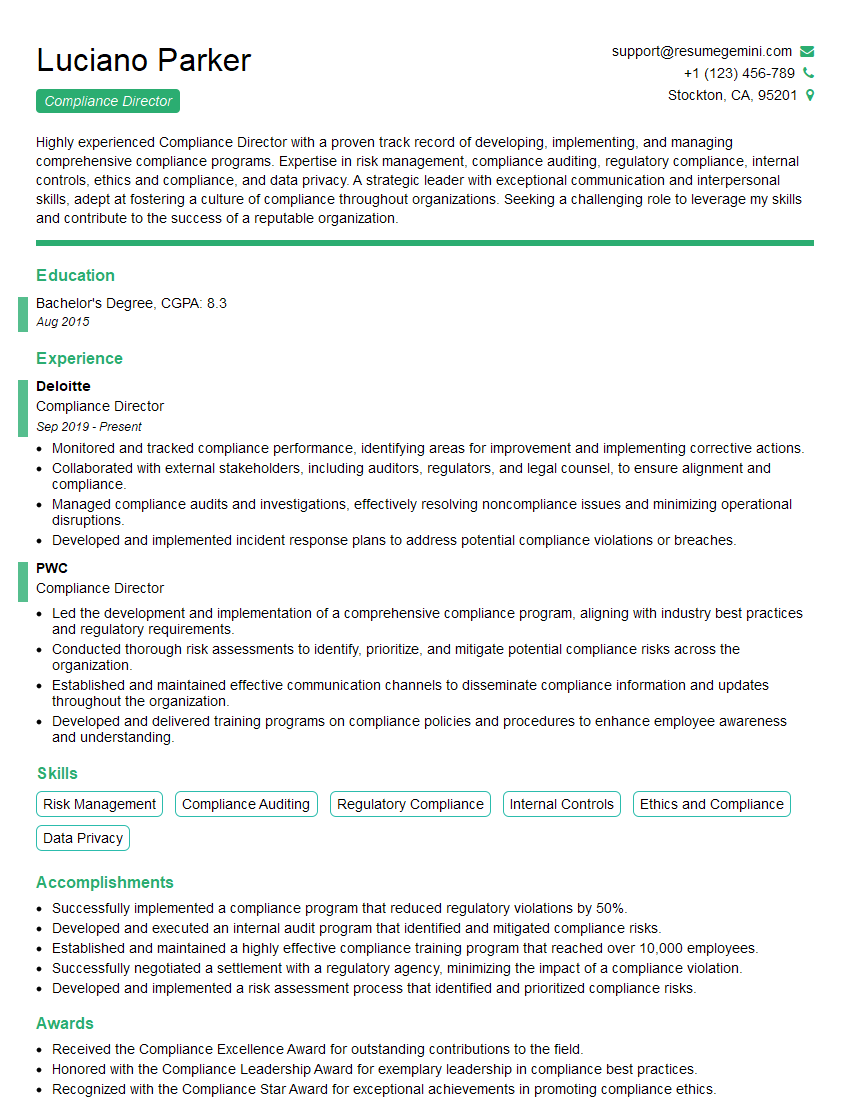
Compliance Director Resume Sample
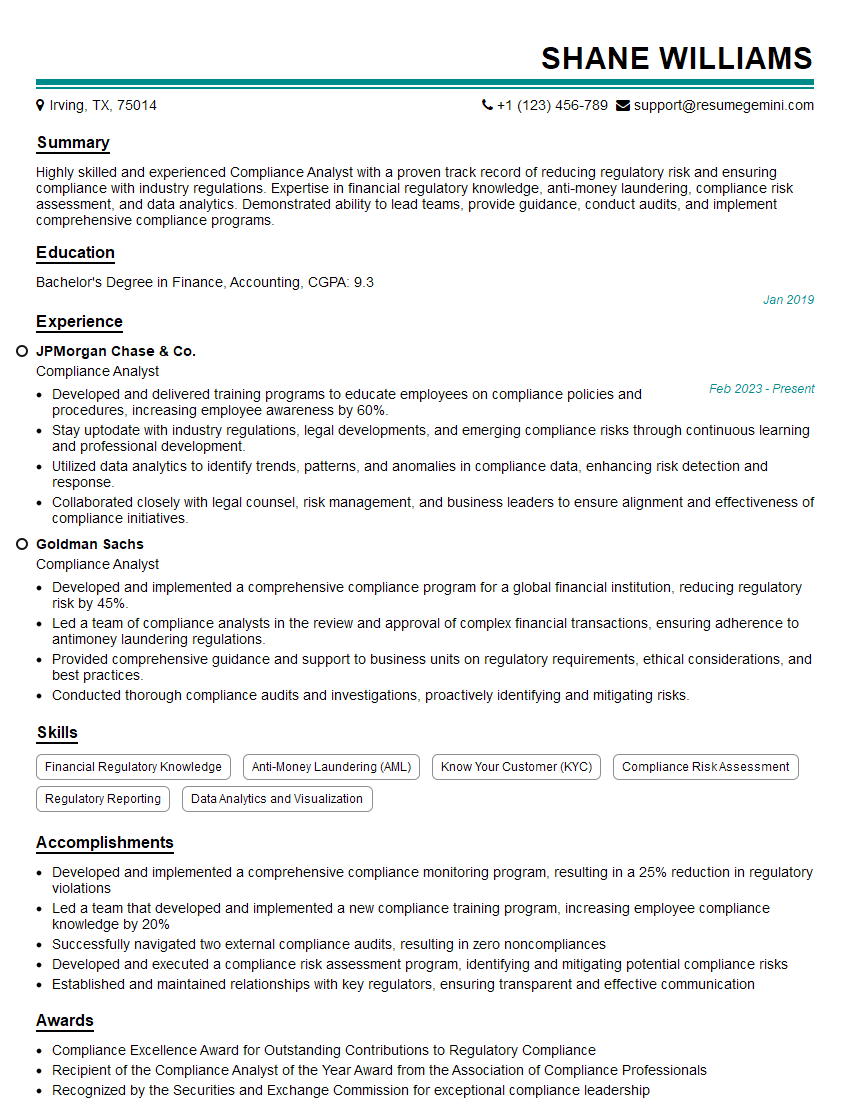
Compliance Analyst Resume Sample
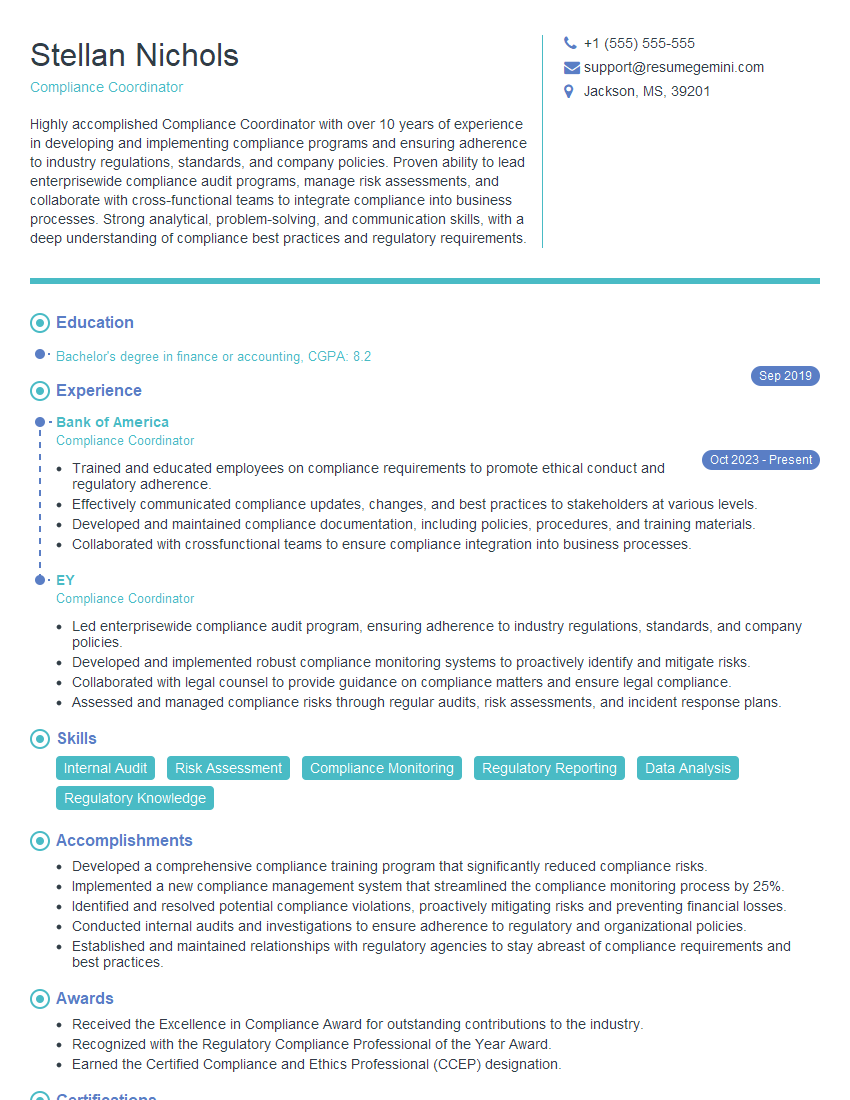
Compliance Coordinator Resume Sample
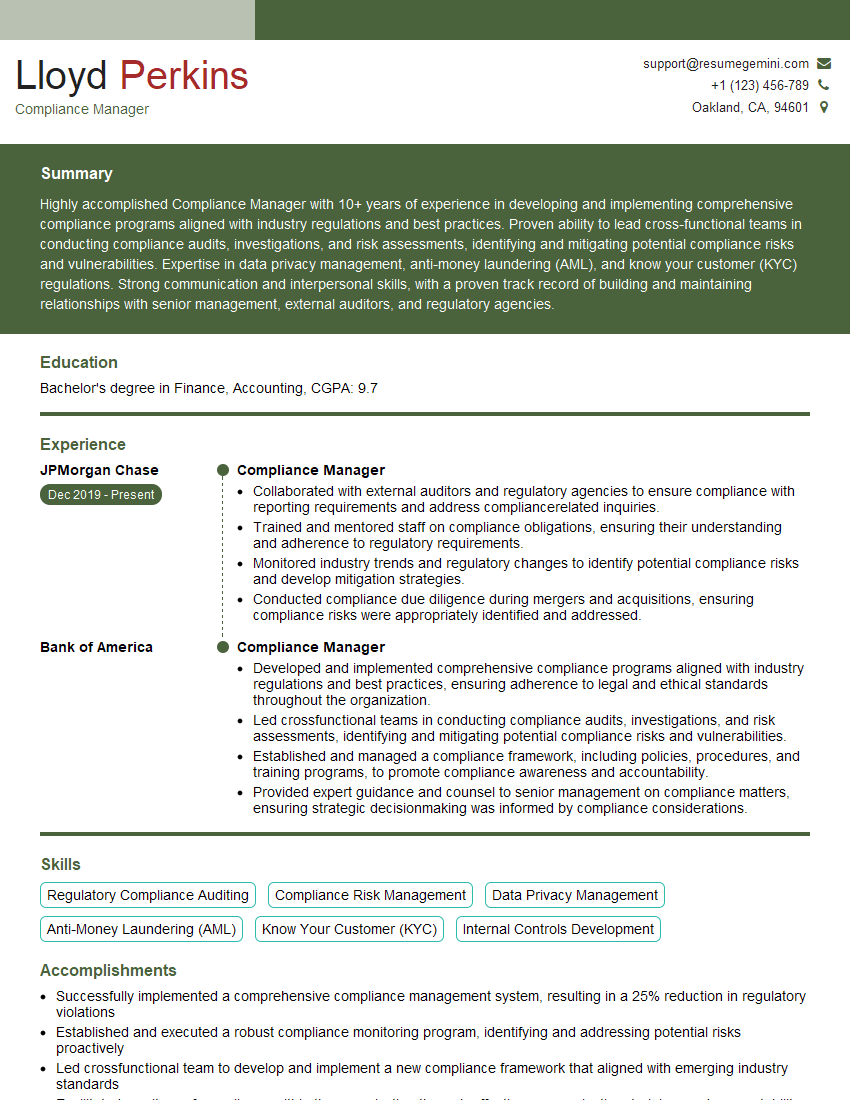
Compliance Manager Resume Sample
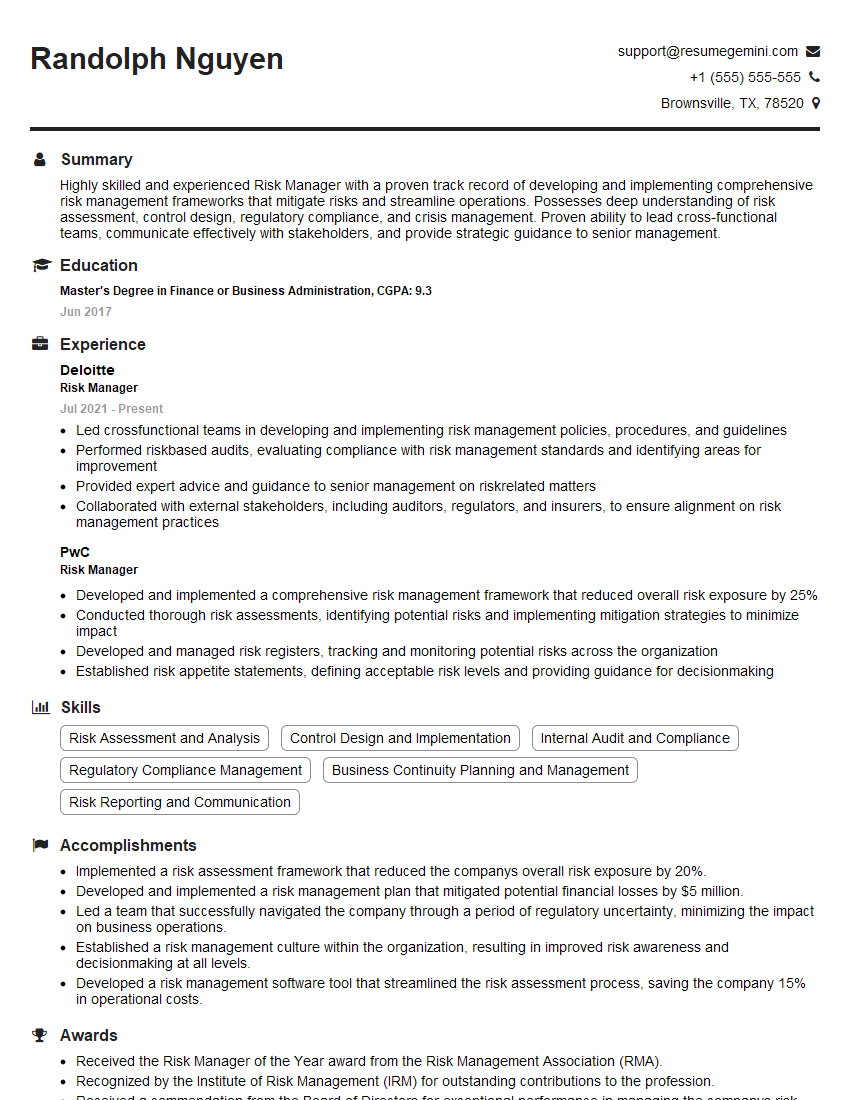
Risk Manager Resume Sample
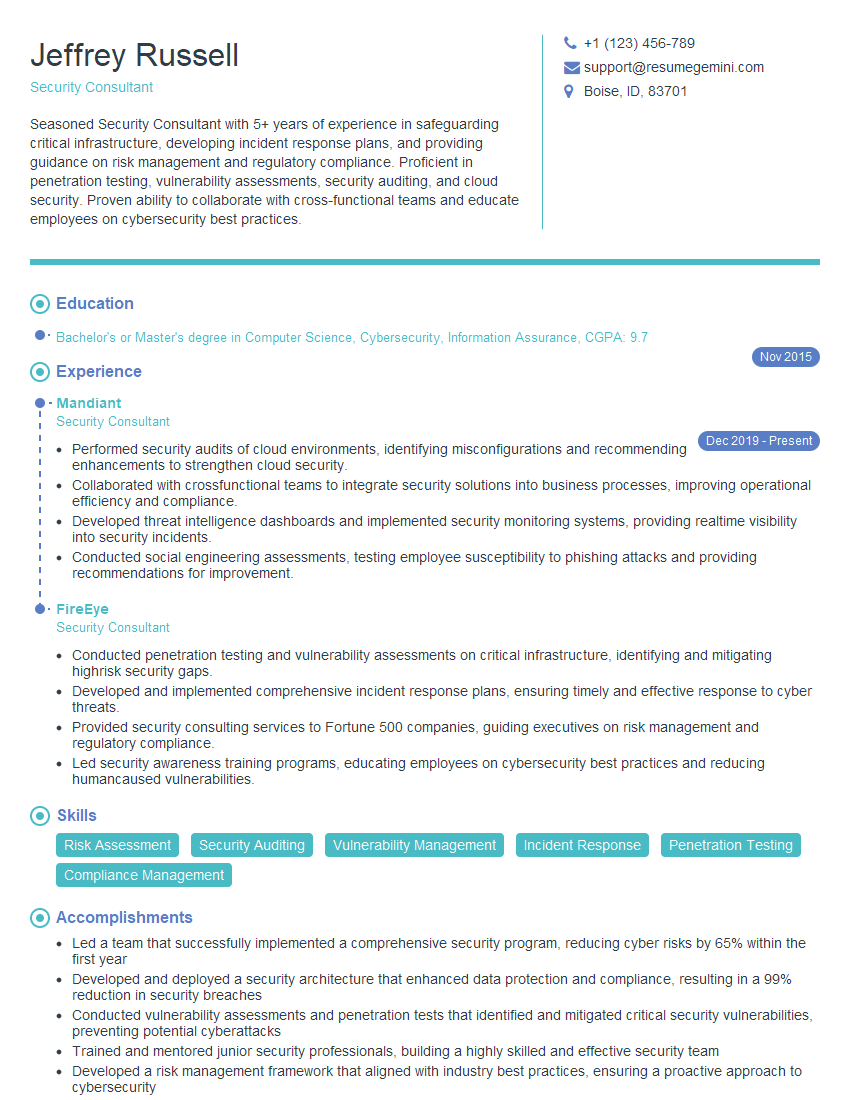
Security Consultant Resume Sample
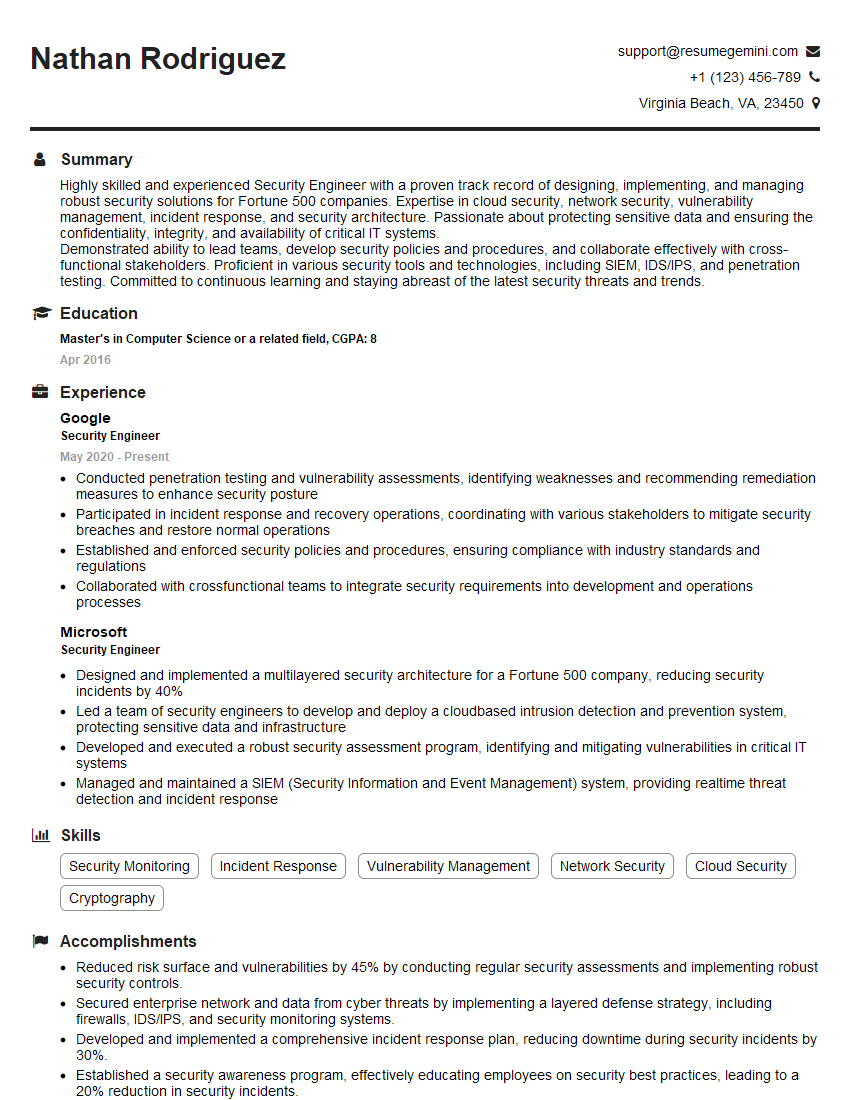
Security Engineer Resume Sample
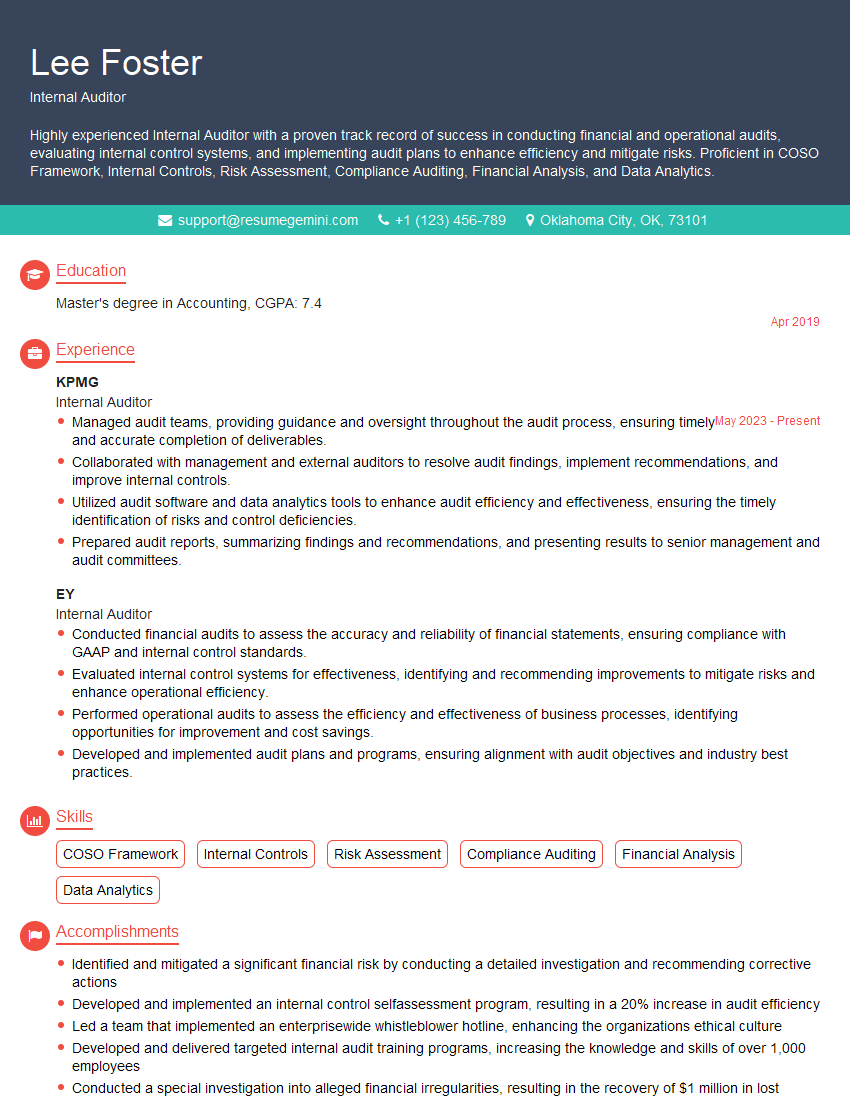
Internal Auditor Resume Sample
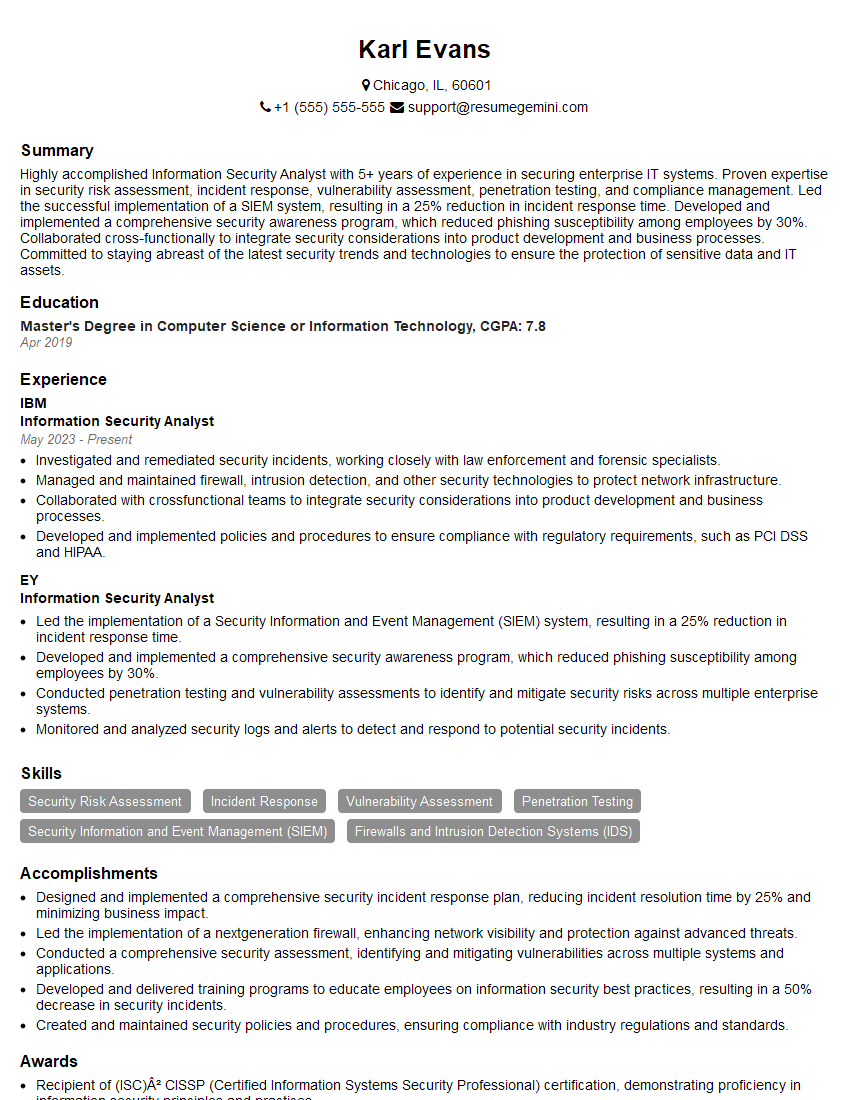
Information Security Analyst Resume Sample
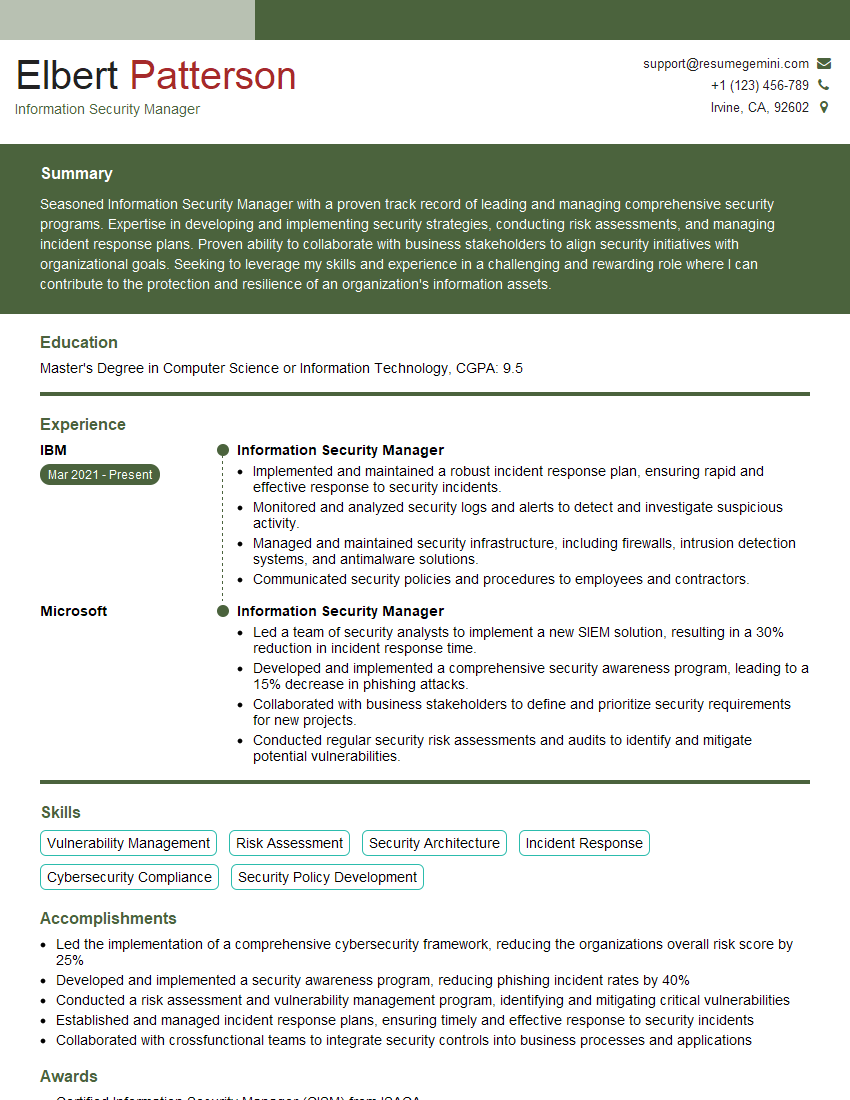
Information Security Manager Resume Sample
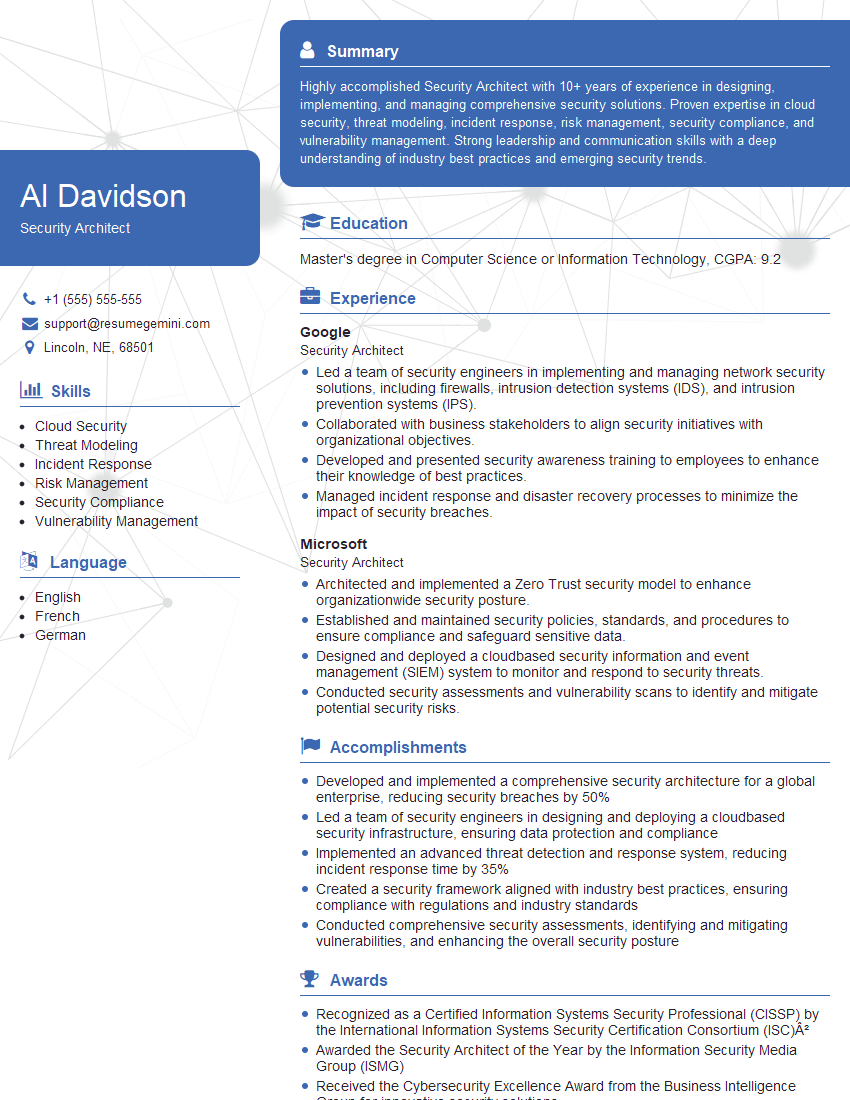
Security Architect Resume Sample
Explore more articles
Users Rating of Our Blogs
Share Your Experience
We value your feedback! Please rate our content and share your thoughts (optional).
What Readers Say About Our Blog
I Redesigned Spongebob Squarepants and his main characters of my artwork.
https://www.deviantart.com/reimaginesponge/art/Redesigned-Spongebob-characters-1223583608
IT gave me an insight and words to use and be able to think of examples
Hi, I’m Jay, we have a few potential clients that are interested in your services, thought you might be a good fit. I’d love to talk about the details, when do you have time to talk?
Best,
Jay
Founder | CEO