The right preparation can turn an interview into an opportunity to showcase your expertise. This guide to Cooperative Education Supervision interview questions is your ultimate resource, providing key insights and tips to help you ace your responses and stand out as a top candidate.
Questions Asked in Cooperative Education Supervision Interview
Q 1. Describe your experience managing student placements in cooperative education programs.
Managing student placements in cooperative education involves a multifaceted approach that begins long before the student even starts their placement. It’s a continuous cycle of preparation, monitoring, and evaluation.
Firstly, I meticulously match students’ skills and career goals with suitable employer opportunities. This involves thoroughly reviewing student resumes, portfolios, and conducting in-depth interviews to understand their strengths and areas for development. On the employer side, I build strong relationships to understand their needs and expectations for interns. For example, I recently placed a marketing student with a tech startup who specifically needed help with social media marketing—a skill the student excelled in.
Secondly, I provide ongoing support throughout the placement. This includes regular site visits to observe the student’s progress, facilitate communication between the student and employer, and address any challenges promptly. I consider these visits crucial for early problem identification and intervention. One time, I noticed a student struggling with a specific software during a site visit, enabling me to connect them with relevant training resources.
Finally, I conduct thorough performance evaluations, providing feedback to both the student and the employer. This three-way communication is pivotal to ensure everyone is on the same page and any improvements can be implemented in real time. This structured approach ensures successful placements and valuable learning experiences for the students.
Q 2. How do you ensure compliance with regulatory requirements in cooperative education?
Ensuring compliance in cooperative education necessitates a keen awareness and adherence to both institutional policies and relevant federal and state regulations. This means understanding requirements related to workplace safety, insurance coverage, student worker rights, and the overall educational experience’s alignment with the program’s stated objectives.
We use a robust system of documentation, including clear learning agreements that outline expectations for both students and employers. These agreements define roles, responsibilities, learning objectives, and timelines, safeguarding against potential discrepancies. Regularly updated policies and procedures, distributed to all stakeholders, are vital to ensure continuous compliance. For instance, we maintain meticulous records of student insurance coverage, employer safety protocols, and ensure our program consistently meets accreditation standards.
Moreover, we provide regular training to our staff on the ever-evolving regulatory landscape to ensure everyone stays up-to-date. Proactive compliance is key. We anticipate potential issues and address them before they escalate, using regular audits and reviews to ensure everything remains compliant and our students’ safety and well-being are prioritized.
Q 3. What strategies do you use to build and maintain strong relationships with employers?
Building and maintaining strong employer relationships is the lifeblood of a successful cooperative education program. It’s a process built on mutual trust and respect, where both the university and the employer benefit from the partnership.
I prioritize proactive communication, providing regular updates on program developments, student performance, and any challenges that may arise. I foster genuine relationships, understanding each employer’s unique needs and expectations. For example, I frequently meet with employers for informal consultations, learning about their projects and identifying how our students can contribute effectively. This helps me tailor placements to create win-win scenarios.
Networking events, workshops, and personalized communication—such as phone calls or emails—further solidify these relationships. Providing feedback to employers on their previous interns and showcasing the value of our program also plays a significant role. I always follow up after placements to gather feedback, strengthening the partnership and ensuring ongoing collaboration. This systematic approach helps create a network of reliable and engaged employers who consistently support our students.
Q 4. Explain your process for evaluating student performance in cooperative education placements.
Evaluating student performance in cooperative education placements requires a holistic approach, using a variety of assessment methods to gain a complete understanding of the student’s progress.
My process typically involves multiple data points: regular check-ins with the student and employer, student self-reflection reports, supervisor evaluations, and project reviews. I utilize a structured evaluation form to gather consistent and comparable data across all placements. This form usually includes sections for rating skills like communication, teamwork, problem-solving, and technical proficiency. We also incorporate qualitative data—comments from both the student and supervisor—to gain a rich understanding of the student’s overall performance.
A critical component is ensuring feedback is timely and constructive. I aim to provide both formative feedback—during the placement—and summative feedback at the end, ensuring both areas for improvement and accomplishments are highlighted. This continuous feedback loop helps students learn and develop throughout their placement.
Q 5. How do you address conflicts between students and employers during placements?
Conflicts between students and employers are inevitable, but addressing them proactively is crucial to mitigate negative consequences. My approach focuses on open communication, active listening, and collaborative problem-solving.
The first step involves gathering information from both parties to understand the situation completely. I facilitate a meeting with the student and employer, creating a safe space for them to express their concerns and perspectives without judgment. It’s important to remain neutral and help them identify the root cause of the conflict.
Next, we collaboratively work toward a solution, exploring various options and considering the needs and interests of all involved. Depending on the situation, this may involve adjusting responsibilities, providing additional training or mentoring, or even mediating a compromise. For example, a conflict about a project deadline was resolved by rescheduling the deadline and providing additional support to the student. Documentation of the conflict and its resolution is also crucial for future reference.
Q 6. Describe your experience developing and implementing cooperative education program curriculum.
Developing and implementing a cooperative education program curriculum requires careful planning and collaboration with faculty, employers, and students. It’s a dynamic process, constantly evolving to reflect industry trends and student needs.
The curriculum must clearly define learning outcomes, ensuring that students acquire the knowledge, skills, and professional attributes relevant to their chosen fields. This involves identifying essential competencies and aligning them with suitable learning activities and assessment methods. I engage stakeholders—employers and faculty—in curriculum design, using surveys and focus groups to identify skill gaps and incorporate employer feedback directly into the program.
The program’s structure is critical. It usually involves a combination of classroom learning, professional development workshops, mentoring sessions, and the placement itself. A continuous review and improvement cycle are fundamental; we regularly analyze feedback from employers and students, making necessary adjustments to maintain program relevance and effectiveness. For instance, we recently incorporated project management training into our curriculum following feedback from employers who cited this as a necessary skill for interns.
Q 7. What methods do you use to assess the effectiveness of your cooperative education program?
Assessing the effectiveness of a cooperative education program involves a comprehensive approach that utilizes both quantitative and qualitative data. It’s not merely about numbers; it’s about understanding the impact on students’ careers and the overall contribution of the program to the university and its stakeholders.
Quantitative data includes measures such as student placement rates, employer satisfaction ratings, graduate employment rates, and salary data. We regularly track these metrics to monitor program trends and identify potential areas for improvement. For example, tracking graduate salaries shows the tangible return on investment of this program.
Equally important is qualitative data. This comes from student and employer feedback through surveys, interviews, and focus groups. We use this data to understand students’ learning experiences, identify areas for improvement, and demonstrate the program’s value proposition. Combining both quantitative and qualitative data provides a holistic understanding of the program’s effectiveness, enabling data-driven decision-making and continuous improvement.
Q 8. How do you support students in their career development during cooperative education placements?
Supporting students in their career development during co-op placements is a multifaceted process that begins long before the placement itself. It involves a proactive approach combining mentorship, skill-building workshops, and ongoing communication.
- Pre-Placement Mentoring: We conduct thorough career counseling sessions to help students identify their career goals and match them with suitable placements. This includes resume and cover letter reviews, interview practice, and salary negotiation guidance.
- Skill Development Workshops: We offer workshops focusing on professional communication, networking, time management, and problem-solving – all essential skills for success in a professional environment. We even incorporate soft skills training focusing on teamwork, conflict resolution, and ethical decision-making.
- Ongoing Support and Check-ins: Regular check-ins with both students and employers are crucial. These provide opportunities to address challenges, track progress, and provide timely feedback. We use a combination of scheduled meetings, email communication, and online progress tracking systems.
- Post-Placement Reflection: Following the placement, we facilitate reflective discussions and require students to submit formal reports detailing their experiences, learnings, and achievements. This process helps them articulate their skills and experiences for future job applications.
For example, one student initially struggled with public speaking during a presentation at their co-op placement. Through targeted coaching and practice sessions, they gained confidence and delivered a successful presentation, showcasing the effectiveness of our support system.
Q 9. What strategies do you employ to increase student participation in cooperative education?
Increasing student participation in cooperative education requires a multi-pronged approach focusing on awareness, accessibility, and demonstrable value.
- Promoting the benefits: We actively showcase co-op success stories through student testimonials, employer feedback, and showcasing career advancement opportunities achieved through co-op experiences. We emphasize the practical experience, networking opportunities, and improved career prospects it offers.
- Streamlining the application process: A user-friendly online application system and clear guidelines simplify the process, making it accessible to all students, regardless of their background or experience.
- Expanding placement options: We consistently cultivate relationships with diverse employers across various industries to offer a wide range of placement options that cater to different student interests and career goals.
- Offering financial incentives and scholarships: Recognizing that financial constraints can be a barrier, we explore funding opportunities and scholarships specifically for co-op students facing financial hardship.
- Early engagement: We start introducing co-op opportunities to students from their first year, fostering early awareness and interest.
For instance, we implemented a mentorship program pairing upper-year co-op students with first-year students to share their positive experiences and address any concerns. This significantly boosted first-year student participation.
Q 10. Explain your process for selecting and onboarding new employer partners.
Selecting and onboarding new employer partners is a rigorous process that ensures a positive experience for both the employer and the student.
- Employer identification and outreach: We actively seek out employers through networking events, industry contacts, and online platforms. We target companies with a strong reputation and a commitment to student development.
- Needs assessment and matching: We understand both the employer’s requirements for interns/co-ops and the student’s skills and interests to create a successful match. This includes clearly defined roles, responsibilities, learning objectives, and supervision structure.
- Agreement and contract: We develop a formal agreement outlining the responsibilities of all parties involved, including learning objectives, supervision arrangements, and safety protocols. This ensures clarity and mutual understanding.
- Onboarding and training: We conduct training sessions for employers on effective supervision, mentoring, and providing constructive feedback to students.
- Ongoing communication and support: We maintain open communication channels with employers to address any concerns or challenges that may arise throughout the co-op placement.
For example, we recently partnered with a tech startup. Before finalizing the agreement, we visited their office, met their team, and assessed their suitability for our students. This ensured a mutually beneficial relationship.
Q 11. How do you track and analyze key performance indicators (KPIs) related to cooperative education?
Tracking and analyzing KPIs is crucial to evaluate the effectiveness of our co-op program and make data-driven improvements.
- Placement rate: The percentage of students who secure co-op placements is a key indicator of program success.
- Student satisfaction: We use surveys and feedback sessions to gauge student satisfaction with their co-op experiences.
- Employer satisfaction: We gather feedback from employers on the performance and contributions of their co-op students.
- Job placement after graduation: We track the employment rate of co-op graduates to assess the program’s long-term impact on career outcomes.
- Average salary offered: Monitoring the average salary offered to co-op students provides insights into the value of the co-op experience.
We utilize a dedicated database to collect and analyze this data, generating reports that help us identify areas for improvement and demonstrate the program’s impact to stakeholders.
Q 12. Describe your experience with budget management in a cooperative education program.
Budget management in a co-op program involves careful planning, allocation, and tracking of resources to ensure program sustainability and effectiveness.
- Budget planning and forecasting: We develop a detailed budget that outlines all anticipated expenses, including staffing, software, training, and travel. This is based on historical data and projected student enrollment.
- Resource allocation: We carefully allocate funds across different program activities, prioritizing those with the greatest impact on student success and employer partnerships.
- Expense tracking and monitoring: We maintain meticulous records of all income and expenditures, ensuring that the program remains within its allocated budget.
- Seeking external funding: We actively seek grants and external funding opportunities to supplement our internal budget and expand program capacity.
- Regular budget reviews and adjustments: We conduct periodic reviews of the budget to assess progress and make any necessary adjustments to align with actual expenses and evolving needs.
For instance, we successfully secured a grant to fund a new software system, enhancing our ability to manage co-op placements and track student progress more efficiently.
Q 13. How do you ensure the safety and well-being of students during their cooperative education placements?
Ensuring student safety and well-being is paramount in a co-op program. This requires proactive measures and a robust support system.
- Risk assessment and mitigation: We conduct thorough risk assessments of potential hazards related to co-op placements, considering factors like the work environment, job responsibilities, and location.
- Safety training and orientation: Students receive comprehensive safety training before starting their placements, covering topics such as workplace safety, emergency procedures, and ethical conduct.
- Regular communication and monitoring: We maintain regular contact with students and employers to monitor their well-being and address any safety concerns that may arise.
- Incident reporting and response: We have a clear process for reporting and responding to any incidents or accidents during co-op placements, ensuring prompt investigation and appropriate action.
- Access to support services: Students are provided with access to university counseling services, health services, and other support resources as needed.
For example, we require all employers to provide a safe and compliant work environment and we mandate regular check-ins with students to address any potential issues or concerns.
Q 14. What technology or software do you use to manage cooperative education programs?
Effective technology is essential for managing a co-op program. We utilize a combination of software and systems to streamline processes and enhance efficiency.
- CRM (Customer Relationship Management) System: We use a CRM to manage employer relationships, track communications, and store important documents related to partnerships.
- Student Information System (SIS): Our SIS is integrated with the co-op program, providing access to student data, academic records, and progress reports.
- Online Application Portal: A user-friendly online portal simplifies the application process for students and facilitates efficient placement matching.
- Project Management Software: This tool helps us track co-op projects, deadlines, and student progress, enabling better oversight and support.
- Communication Platforms: We use various communication platforms (email, instant messaging, video conferencing) to facilitate communication between students, employers, and the co-op office.
Example: Our CRM system allows us to generate automated reminders for check-ins, simplifying communication and reducing administrative workload.
Q 15. How do you handle situations where a student’s performance is unsatisfactory?
Addressing unsatisfactory student performance in cooperative education requires a proactive and supportive approach. It’s crucial to move beyond simply identifying the problem and delve into understanding its root cause. This involves open communication with both the student and their employer.
My initial step involves a meeting with the student to understand their perspective. We discuss their challenges, explore potential contributing factors (lack of training, unclear expectations, personal issues), and collaboratively develop a performance improvement plan. This plan outlines specific, measurable, achievable, relevant, and time-bound (SMART) goals. For example, if the student is struggling with a specific software, the plan might include dedicated training sessions or mentoring from a more experienced colleague at the placement.
Simultaneously, I contact the employer to gather their feedback and ensure alignment on expectations. Open communication helps clarify any misunderstandings and allows us to address workplace challenges collaboratively. This might involve adjusting the student’s tasks to better align with their skillset or providing additional training resources from the university. Regular check-ins are vital to monitor progress and provide ongoing support. If, despite these efforts, performance remains unsatisfactory, we explore alternative solutions, which may include adjusting the placement or, as a last resort, terminating the co-op experience.
Career Expert Tips:
- Ace those interviews! Prepare effectively by reviewing the Top 50 Most Common Interview Questions on ResumeGemini.
- Navigate your job search with confidence! Explore a wide range of Career Tips on ResumeGemini. Learn about common challenges and recommendations to overcome them.
- Craft the perfect resume! Master the Art of Resume Writing with ResumeGemini’s guide. Showcase your unique qualifications and achievements effectively.
- Don’t miss out on holiday savings! Build your dream resume with ResumeGemini’s ATS optimized templates.
Q 16. Describe your experience mentoring or advising students in cooperative education.
My experience mentoring and advising students in cooperative education spans over [Number] years, encompassing diverse industries and roles. I’ve worked with students from various academic backgrounds, each with unique career aspirations and challenges. Mentoring goes beyond academic guidance; it’s about fostering professional growth and personal development.
I typically start by helping students define their career goals and identify suitable co-op placements. This involves reviewing resumes and cover letters, conducting mock interviews, and providing feedback on their communication skills. Once placed, I provide ongoing support through regular meetings, addressing concerns, and offering guidance on navigating workplace dynamics. I’ve helped students develop essential professional skills, such as networking, conflict resolution, and time management. For instance, one student struggled with communicating technical information to non-technical colleagues. We worked together to develop clear and concise communication strategies, leading to significant improvement in their performance and team collaboration.
Beyond the practical aspects of job performance, I also focus on the students’ overall well-being and professional development. This includes discussing work-life balance, ethical considerations, and career planning. I view my role as an advocate for the student, ensuring they have a positive and enriching co-op experience.
Q 17. How do you promote diversity and inclusion within your cooperative education program?
Promoting diversity and inclusion is paramount in our co-op program. We actively strive to create a welcoming and equitable environment for all students, regardless of their background. Our approach is multifaceted.
- Targeted Outreach: We partner with organizations dedicated to supporting underrepresented groups to promote co-op opportunities and provide access to resources. This includes reaching out to community colleges and universities with diverse student populations.
- Employer Partnerships: We collaborate with employers committed to diversity and inclusion, encouraging them to create inclusive workplace cultures and provide equitable opportunities to all co-op students. We actively seek out companies with robust diversity, equity, and inclusion (DE&I) initiatives.
- Curriculum Development: We incorporate diversity and inclusion training into our co-op program’s curriculum, ensuring students understand and embrace the importance of these principles in the workplace.
- Bias Awareness Training: We provide training to both students and employers on recognizing and mitigating biases to create a more fair and equitable co-op experience for everyone.
We monitor the demographics of our student placements and employer partnerships to track our progress and identify areas needing improvement. Our ultimate goal is to create a cooperative education program that reflects and celebrates the richness of diversity.
Q 18. What is your approach to resolving challenges related to student attendance or punctuality in placements?
Addressing attendance and punctuality issues requires a structured approach that prioritizes open communication and support. My first step is to understand the root cause. This involves a conversation with the student to explore any underlying personal or professional challenges.
Sometimes, unexpected circumstances, such as family emergencies or transportation issues, may be to blame. In such cases, I work with the student to find solutions, perhaps connecting them with university resources or exploring flexible work arrangements with the employer. However, if the issues stem from a lack of professionalism or time management, I adopt a more formal approach. This may involve providing coaching on time management strategies, reinforcing the importance of punctuality and professional conduct, and outlining the consequences of repeated absences. I also collaborate with the employer to ensure the student understands the workplace’s expectations. A formal warning may be issued if the behavior continues. In severe cases, this could result in placement termination, although this is a last resort.
Documentation is key throughout this process. I keep detailed records of all communication, agreed-upon plans, and progress made. This ensures transparency and accountability.
Q 19. Explain your experience with developing and delivering training materials for cooperative education stakeholders.
Developing and delivering training materials for cooperative education stakeholders is a crucial aspect of my role. These materials are designed to be engaging, informative, and readily accessible to all stakeholders, including students, employers, and faculty.
My approach involves a needs assessment to identify the key knowledge and skills gaps. I then design training materials that address these gaps using diverse methods such as workshops, online modules, and webinars. For example, for students, training materials might cover resume writing, interview skills, professional etiquette, and workplace safety. For employers, training might focus on co-op supervision best practices, legal requirements, and how to effectively mentor students.
I leverage various media formats, including videos, interactive exercises, and case studies, to enhance engagement and knowledge retention. Feedback is regularly solicited and incorporated to continually refine the training materials and ensure they remain relevant and effective. Accessibility is also a priority; we ensure that all materials are compliant with accessibility standards and available in multiple formats to cater to diverse learning styles.
Q 20. How do you ensure that cooperative education placements align with student learning objectives?
Ensuring alignment between co-op placements and student learning objectives is fundamental to a successful co-op experience. This process begins long before the placement. We collaborate closely with students to identify their academic and career goals, outlining specific learning objectives within their chosen field. These objectives are then incorporated into the learning agreement, a formal document outlining the expectations of both the student and the employer.
Careful selection of placements is critical. We review job descriptions to assess the extent to which they meet the student’s learning objectives. We also conduct thorough site visits to employers to confirm the placement’s suitability and discuss the student’s learning opportunities. Regular communication with the student and employer throughout the placement helps maintain alignment. This involves reviewing the student’s progress, assessing whether they are meeting their objectives, and making any necessary adjustments to their tasks or responsibilities. The final evaluation of the co-op experience directly assesses how well the student achieved their predetermined learning objectives.
This proactive and collaborative approach ensures the co-op experience is relevant, challenging, and contributes directly to the student’s academic and professional development.
Q 21. How do you handle situations where an employer breaches the terms of a cooperative education agreement?
Addressing employer breaches of the cooperative education agreement requires a firm but fair approach, prioritizing both the student’s well-being and the integrity of the program. My initial response involves a thorough investigation, gathering information from the student, the employer, and any available documentation. This might include reviewing emails, performance evaluations, and the original learning agreement.
Depending on the nature of the breach, my response varies. Minor breaches, such as a slight deviation from the agreed-upon schedule, might be resolved through communication and negotiation. However, more significant breaches, such as failure to provide adequate supervision, unsafe working conditions, or non-payment of wages, require a more decisive approach. I may contact the employer directly to address the concerns and seek a resolution. If the breach is severe or unresolvable, I may consider several actions, including mediating between the student and employer, adjusting the placement, or even terminating the agreement. In extreme cases, I may need to refer the matter to the university’s legal department or regulatory bodies. Student safety and welfare are always my top priority. Open communication with the student is vital throughout the entire process, ensuring they feel supported and informed of the steps being taken.
Q 22. Describe your experience with assessing the learning outcomes of cooperative education placements.
Assessing learning outcomes in cooperative education requires a multifaceted approach that goes beyond simply checking off boxes. It involves a continuous process of monitoring, evaluating, and providing feedback throughout the student’s placement.
I utilize a blended approach combining employer evaluations, student self-assessments, and my own observations during site visits. Employer evaluations typically focus on the student’s workplace skills and contributions, while student self-assessments capture their learning experiences, challenges overcome, and skills developed. My site visits allow for direct observation of the student in action and provide opportunities for informal feedback and mentorship.
For example, I recently worked with a student in a software development internship. The employer’s evaluation highlighted the student’s proficiency in coding and problem-solving but noted a need for improvement in teamwork. The student’s self-assessment mirrored this, adding valuable insights into the specific challenges faced in a collaborative environment. My observations during a site visit confirmed these points and provided the context needed for constructive feedback and a tailored development plan. Ultimately, this three-pronged approach creates a holistic picture of student learning and allows for accurate and effective assessment.
Q 23. How do you effectively communicate program information and updates to students and employers?
Effective communication is the cornerstone of a successful cooperative education program. I employ a multi-channel approach to keep students and employers informed.
For students, I utilize a combination of regular email updates, a dedicated online learning management system (LMS) for announcements and resource sharing, and scheduled group meetings to address common concerns and provide valuable program information. For example, the LMS hosts all relevant program documents, including the internship agreement, placement guidelines, and learning outcome assessments. Group meetings foster a sense of community and provide opportunities for students to share their experiences and receive peer support.
Communication with employers is equally vital. I maintain regular contact with supervisors through phone calls, emails, and scheduled site visits to monitor the progress of the student. I also provide detailed reports summarizing the student’s performance and contributions, aligning with the objectives initially agreed upon. This transparent communication ensures the employer feels valued and informed, leading to stronger partnerships and more meaningful learning experiences for the students.
Q 24. What strategies do you use to foster a positive and supportive learning environment for students during their placements?
Creating a positive and supportive learning environment is crucial for student success in cooperative education. This involves proactive measures to foster a sense of community, provide ongoing support, and address potential challenges.
I start by building strong relationships with both students and employers. Regular check-ins with students during their placements allow me to address concerns promptly. I also arrange networking opportunities, bringing students together to share experiences, learn from each other, and build a support system. I further encourage open communication between the student, employer, and myself, facilitating regular feedback loops and problem-solving sessions. This collaborative approach ensures that any challenges are identified and addressed effectively, minimizing stress and maximizing learning. For instance, if a student faces a conflict with their supervisor, I work with both parties to find a mutually agreeable solution.
In addition, I emphasize the importance of self-care and work-life balance. I provide students with resources and guidance to help manage stress and maintain a healthy work-life balance, recognizing the pressures associated with balancing work and academic responsibilities.
Q 25. Describe your experience with crisis management in the context of cooperative education.
Crisis management in cooperative education requires preparedness and a clear protocol. While I strive for preventative measures, having a well-defined plan to address unexpected situations is critical.
My approach involves establishing clear communication channels with students and employers. This includes regular contact to monitor student well-being and identify potential problems early on. In the event of a crisis, such as a workplace injury or a conflict with a supervisor, I follow a structured protocol that prioritizes student safety and well-being. This protocol entails immediate contact with all relevant parties, conducting a thorough investigation, and taking appropriate action, potentially including mediating the conflict, re-assigning the student to a different placement, or implementing other necessary interventions.
For example, I once had a student experience a sudden family emergency that necessitated an immediate return home from their placement. My established communication protocol allowed me to act swiftly, connecting the student with university support services and working with the employer to manage the impact on the placement. This rapid response minimized disruption to the student’s academic progress and overall well-being.
Q 26. How do you ensure the confidentiality of student and employer data within cooperative education programs?
Confidentiality is paramount in cooperative education. I adhere strictly to privacy policies and data protection regulations. Student and employer information is treated with the utmost care and discretion.
All data, including student records, employer contact information, and performance evaluations, is stored securely using password-protected systems and encrypted files. Access to sensitive information is limited to authorized personnel only. I ensure that all individuals involved in the cooperative education program receive thorough training on data privacy and confidentiality best practices.
Furthermore, I obtain explicit consent from students and employers before sharing any information. All communication adheres to established guidelines to ensure data protection. Regular reviews of data security measures are conducted to identify and address any potential vulnerabilities. My commitment to confidentiality fosters trust and supports the integrity of the program.
Q 27. How do you adapt your supervision strategies to accommodate students with diverse learning needs?
Adapting supervision strategies to accommodate diverse learning needs is a cornerstone of effective cooperative education. I recognize that students learn at different paces and possess unique strengths and weaknesses.
My approach involves working closely with students to understand their individual learning styles, needs, and preferences. This often includes discussions with students regarding their learning goals, strengths, and areas where they require additional support. I then tailor my supervision strategies to meet these individual requirements. For example, a student with a visual learning style might benefit from visual aids and diagrams during site visits and feedback sessions. For a student with a learning disability, I would work closely with the university’s disability services to ensure appropriate accommodations are in place.
Furthermore, I collaborate with employers to ensure the workplace environment is inclusive and supportive of the student’s needs. This may involve providing the employer with necessary information about the student’s learning needs and suggesting adjustments to their work assignments or environment to maximize the learning experience.
Q 28. Describe your experience with using data to inform decision-making related to program improvement in cooperative education.
Data-driven decision-making is crucial for continuous improvement in cooperative education. I utilize data from various sources to inform program development and enhance student outcomes.
I regularly analyze data from employer evaluations, student self-assessments, and program participation rates. This data helps identify trends and patterns, such as areas where students excel or struggle. For example, if data reveals that students consistently struggle with a particular skill set, we can revise the curriculum or training modules to provide more focused support in that area. Additionally, participation rates help identify program strengths and areas for improvement in terms of outreach and student recruitment.
This data-informed approach ensures that the program remains relevant, responsive to student needs, and aligned with industry demands. The insights gained through data analysis drive improvements in curriculum design, student support services, and employer partnerships. This cyclical process of data collection, analysis, and implementation allows for continuous improvement of the program and ultimately leads to better student outcomes.
Key Topics to Learn for Cooperative Education Supervision Interview
- Student Development & Mentoring: Understanding student learning styles, providing effective feedback, and fostering a supportive learning environment. Practical application: Developing strategies to address student challenges and promote their professional growth.
- Curriculum Integration & Alignment: Ensuring cooperative education experiences align with academic curriculum and career goals. Practical application: Collaborating with faculty to design relevant and impactful learning opportunities.
- Employer Relations & Partnerships: Building and maintaining strong relationships with employers, securing high-quality placements, and managing employer expectations. Practical application: Negotiating internship agreements and resolving workplace conflicts.
- Assessment & Evaluation: Developing robust assessment methods to evaluate student performance and program effectiveness. Practical application: Designing evaluation rubrics and providing constructive feedback to students and employers.
- Legal & Ethical Considerations: Understanding relevant employment laws, ethical responsibilities, and risk management strategies. Practical application: Ensuring compliance with regulations and addressing potential ethical dilemmas.
- Program Administration & Logistics: Managing program resources, scheduling, student records, and reporting. Practical application: Streamlining program operations and ensuring efficient workflow.
- Technology & Communication: Utilizing technology effectively for communication, record-keeping, and program management. Practical application: Employing learning management systems and other digital tools to enhance program efficiency.
Next Steps
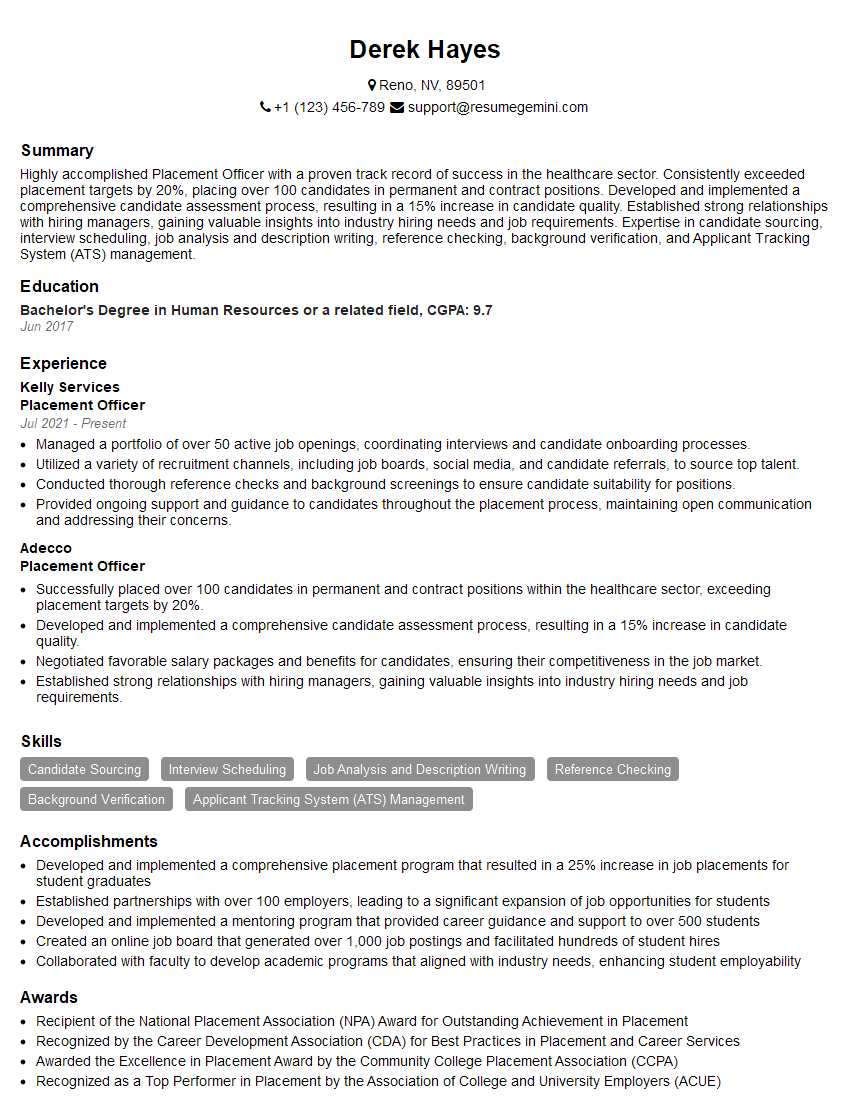
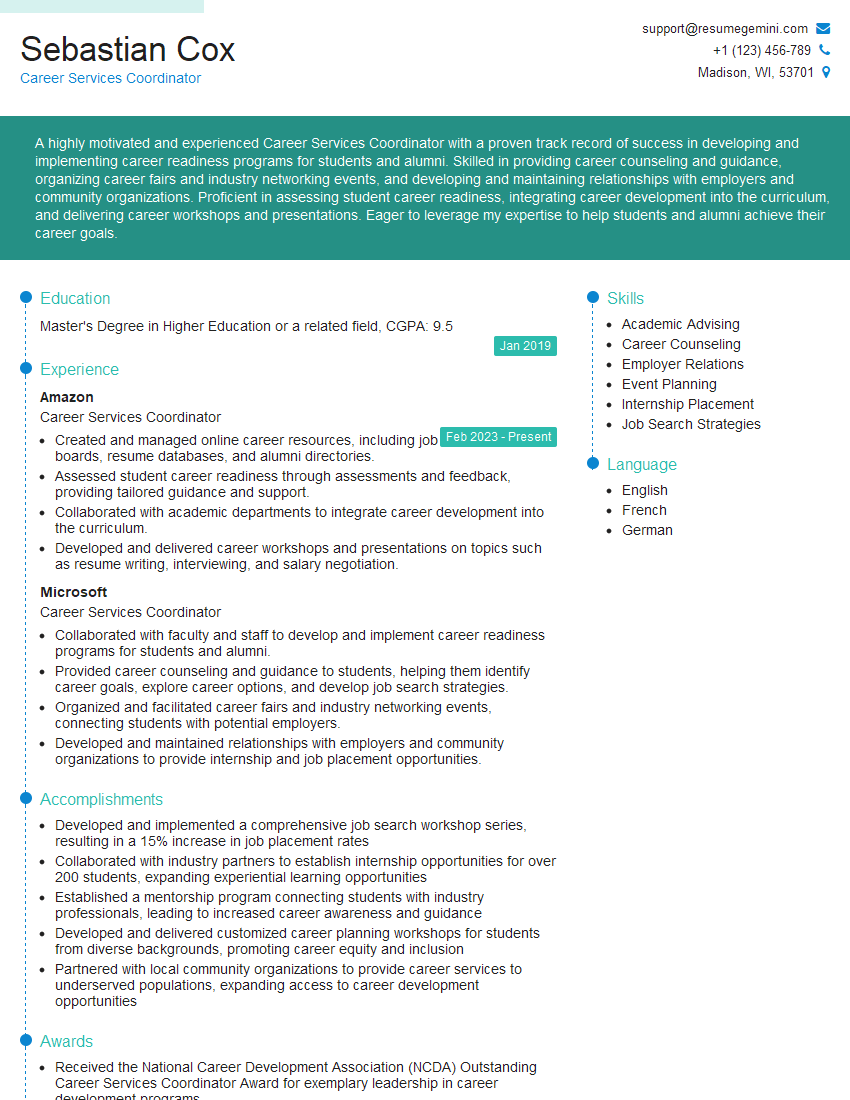
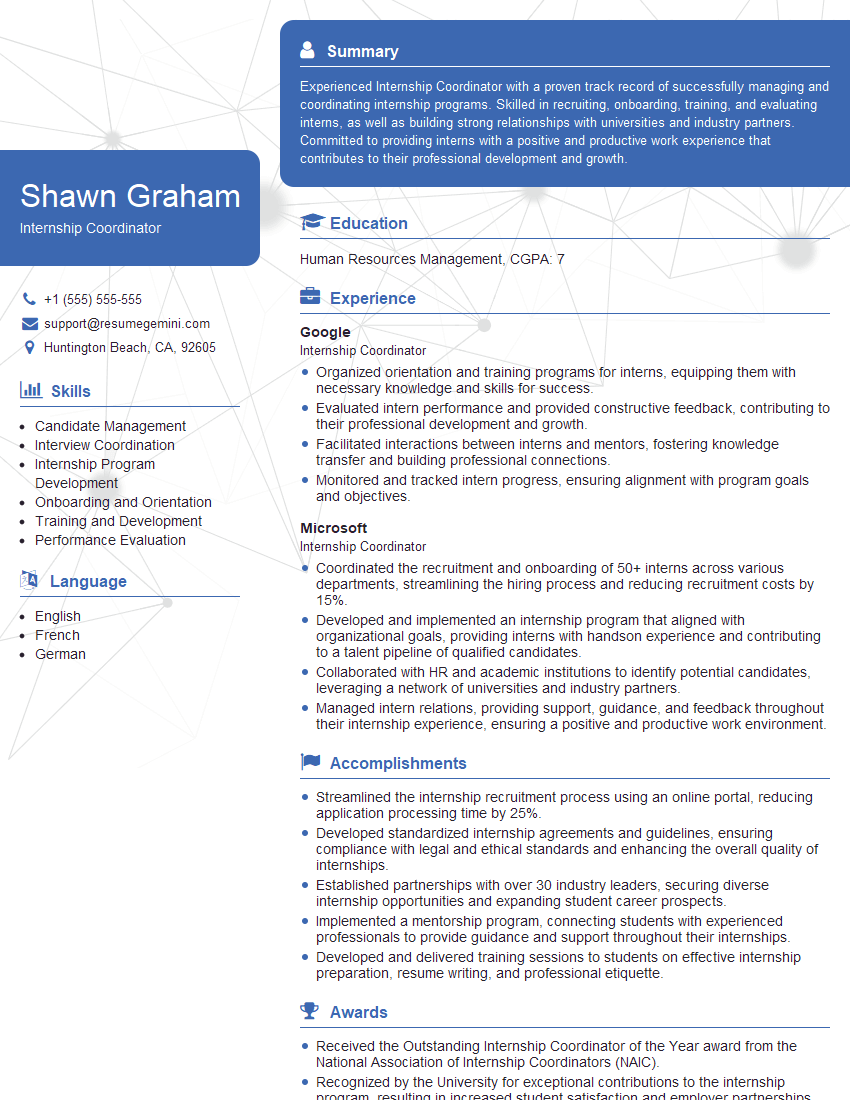
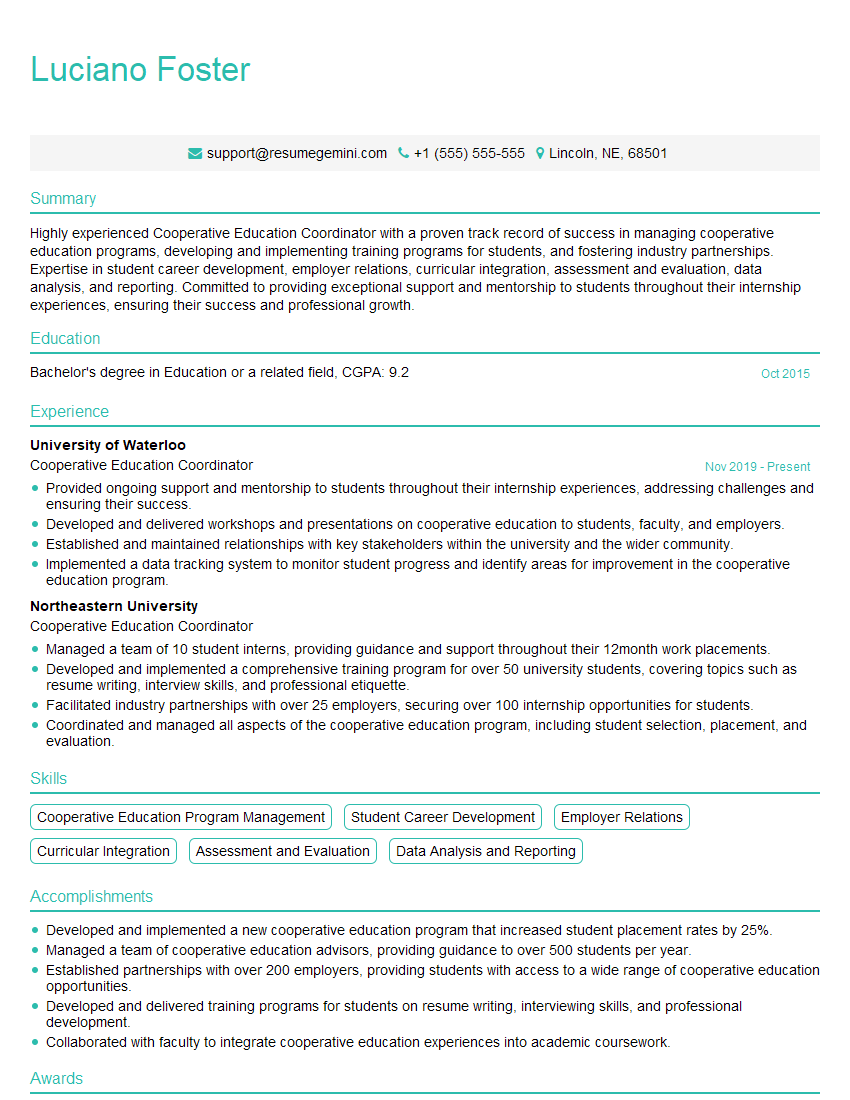
Mastering Cooperative Education Supervision opens doors to rewarding career opportunities in higher education and workforce development, offering significant growth potential and the chance to make a real impact on students’ lives. To significantly boost your job prospects, creating an ATS-friendly resume is crucial. ResumeGemini is a trusted resource that can help you build a professional resume tailored to highlight your skills and experiences. We provide examples of resumes specifically tailored to Cooperative Education Supervision to guide you. Invest the time in crafting a compelling resume – it’s your first impression!
Explore more articles
Users Rating of Our Blogs
Share Your Experience
We value your feedback! Please rate our content and share your thoughts (optional).
What Readers Say About Our Blog
I Redesigned Spongebob Squarepants and his main characters of my artwork.
https://www.deviantart.com/reimaginesponge/art/Redesigned-Spongebob-characters-1223583608
IT gave me an insight and words to use and be able to think of examples
Hi, I’m Jay, we have a few potential clients that are interested in your services, thought you might be a good fit. I’d love to talk about the details, when do you have time to talk?
Best,
Jay
Founder | CEO