Interviews are opportunities to demonstrate your expertise, and this guide is here to help you shine. Explore the essential Costume Design for Opera interview questions that employers frequently ask, paired with strategies for crafting responses that set you apart from the competition.
Questions Asked in Costume Design for Opera Interview
Q 1. Describe your experience working with historical costume styles in an opera production.
Working with historical costume styles in opera demands meticulous research and a deep understanding of the historical period’s fashion, social conventions, and technological capabilities. It’s not just about replicating a look; it’s about understanding the why behind the clothing choices. For example, in a production of Don Giovanni, the costumes might reflect late 18th-century aristocratic fashion in Spain. This means studying portraiture, fabric swatches from the period, and even surviving garments to accurately recreate the silhouettes, embellishments, and textures. I often begin by creating detailed mood boards, compiling images and textual information, which inform my initial sketches. I then research appropriate fabrics – for example, using hand-woven silks to emulate the richness of the era, or heavier, more structured fabrics for the men’s clothing. The challenge lies in translating historical accuracy into something that’s both believable on stage and functional for the performers. In one production of Iolanta, we aimed for a richly detailed late 19th-century Russian aesthetic, requiring extensive research into the subtle differences in military uniforms and court dress. We consulted museum archives and historical texts to ensure accuracy in details, like the braidwork on military jackets and the placement of specific embroidery on women’s gowns.
Q 2. How do you manage the budget for a large-scale opera costume production?
Budget management for opera costume productions is a critical skill. It requires a multifaceted approach that begins long before the first stitch is sewn. The process starts with a thorough analysis of the production’s budget allocation for costumes. Then, I create a detailed breakdown of anticipated costs, factoring in everything from fabric and trims to labor, rentals, and alterations. This involves generating preliminary sketches and sourcing fabrics to get accurate costing information. I often explore cost-effective solutions, like repurposing existing stock or partnering with costume houses for rentals whenever possible. For example, for a smaller role, renting a costume might be more economically sound than commissioning a new one. This careful planning and budgeting allow for flexibility during the design process. I may even propose different design choices based on available resources and keep the director informed of potential cost implications of each creative direction. In one production of La Bohème, we achieved a realistic, period-appropriate look by combining custom-made elements with cleverly sourced vintage clothing, minimizing expenses while preserving artistic integrity.
Q 3. Explain your process for translating a director’s vision into a cohesive costume design.
Translating a director’s vision into a cohesive costume design is a collaborative process involving close communication and mutual understanding. It begins with an in-depth discussion with the director to fully grasp their artistic intent and the overall concept of the production. Are we aiming for a realistic setting, a stylized interpretation, or an abstract representation? This initial meeting is crucial for clarifying the director’s ideas regarding character development, thematic elements, and the overall tone of the opera. I then develop several concept sketches, incorporating color palettes, silhouettes, and fabric choices that reflect the director’s vision. These sketches might showcase several potential design directions, which we discuss collaboratively before finalizing a design. The process also involves considering practical matters: the lighting design, set design, and the needs of the singers. For instance, in a production of Carmen, the director wanted to emphasize the fiery passion of the character through bold colors and dramatic silhouettes. This meant working closely with the lighting designer to ensure the costumes would be highlighted effectively on stage. The collaboration continued throughout the entire process, with regular meetings to review progress and address any issues that may arise.
Q 4. How do you ensure the costumes are functional for singers and performers?
Functionality is paramount when designing opera costumes. Singers need costumes that allow for free movement, breathing, and vocal projection. This means selecting comfortable fabrics that are breathable, lightweight, and avoid restricting movement. I avoid using excessively heavy or stiff materials. When designing for large, flowing gowns or intricate embellishments, I account for the physical demands of singing and acting. This includes incorporating hidden fastenings for ease of use, ensuring that costumes are well-constructed to withstand the physical strain of performance. I frequently collaborate with the performers during fittings to make necessary adjustments and incorporate their feedback, especially regarding comfort and mobility. In Tosca, for example, the female lead’s costume needed to allow for dramatic gestures and intense movement without hindering her singing. We used lightweight silks and strategically placed seams to achieve both visual impact and comfort.
Q 5. What software or tools do you use for creating costume designs and patterns?
My design process incorporates a range of software and tools. I primarily use Adobe Photoshop for creating digital sketches and color palettes, exploring different fabric textures and visual effects. This allows me to create realistic representations of the finished costumes, which I can share with the director and other collaborators. For pattern making and drafting, I typically utilize industry-standard CAD software, such as Lectra Modaris or similar programs, allowing for precise pattern creation and grading for multiple sizes. These tools are crucial for ensuring a perfect fit for the performers, especially since alterations can be quite costly and time-consuming to make during production. In addition to the digital tools, I also utilize traditional methods like hand-sketching, watercolor renderings, and fabric swatches to effectively communicate my design concepts. The combination of digital and traditional techniques provides a comprehensive approach to design and production.
Q 6. Describe your experience collaborating with other departments, such as set design and lighting.
Collaboration with other departments is essential for a successful opera production. The costume designs must complement the set design, lighting design, and even the overall production concept. I engage in regular meetings with the set designer to ensure that the costumes seamlessly integrate with the stage environment. For example, the color palette of the costumes should harmonize with the set’s colors to create a unified aesthetic. Similarly, I work with the lighting designer to ensure that the costumes are visible and highlighted effectively on stage. Lighting can dramatically impact the appearance of the costumes; therefore, close communication is crucial to achieve the desired visual impact. The costume designs should also be compatible with the overall stage movement and choreography; thus, I work with the stage director and choreographer to address any potential conflicts between costume design and movement. In a recent production of Aida, I worked closely with the set and lighting designers to ensure that the costumes, inspired by ancient Egyptian styles, would be dramatically lit to create a sense of grandeur and visual spectacle. The collaborative nature of these discussions was vital to the production’s success.
Q 7. How do you handle unexpected issues or alterations during a production run?
Unexpected issues during a production run are inevitable. Having a proactive approach to problem-solving is key. This includes maintaining a detailed inventory of costumes and materials, anticipating potential problems, and having contingency plans in place. If a costume is damaged, we have backup costumes or the ability to make quick repairs. If a performer needs an alteration, our skilled seamstresses are adept at making swift adjustments. We also maintain close communication with the entire production team – stage management, performers, and technical crew – to address problems efficiently. For example, a last-minute wardrobe malfunction might be resolved by employing a quick-fix repair or a cleverly devised alternative. Flexibility and resourcefulness are crucial skills in navigating these unforeseen challenges. In one production, a last-minute tear in a leading actor’s costume was resolved with a combination of fabric patching and clever stage lighting that cleverly concealed the repair. The swift and efficient problem-solving prevented any interruption to the performance.
Q 8. Explain your process for sourcing fabrics and other materials.
Sourcing fabrics and materials for opera costumes is a meticulous process demanding both artistic vision and practical considerations. It begins with a deep understanding of the opera’s design concept, period, and characters. I start by researching the appropriate fabrics – considering their texture, drape, color, and historical accuracy. For example, for a Baroque opera, I might seek out luxurious silks, velvets, and brocades in period-appropriate colors and patterns. For a modern opera, I might explore contemporary textiles with innovative textures and finishes.
My search involves multiple avenues: visiting specialized fabric houses known for their historical reproductions or contemporary designs, exploring online resources specializing in theatrical fabrics, and attending industry trade shows. I also collaborate closely with textile suppliers to custom-dye or print fabrics to achieve the precise shade or pattern required. I always maintain detailed records of all materials, suppliers, and costs for future reference and potential replacements. The sustainability of the materials is also a major consideration, and I actively seek out eco-friendly options wherever possible.
- Fabric houses: Establish relationships with reputable suppliers specializing in theatrical fabrics.
- Online resources: Explore online retailers and marketplaces dedicated to fabrics and trims.
- Trade shows: Attend industry events to discover new materials and connect with suppliers.
- Custom Dyeing/Printing: Utilize this process for precise color matching and unique designs.
Q 9. How do you manage a team of costume makers and technicians?
Managing a team of costume makers and technicians requires strong leadership, clear communication, and meticulous organization. I employ a collaborative approach, fostering a supportive environment where everyone feels valued and their expertise is respected. Before production begins, I conduct thorough briefings, providing detailed information on design specifications, materials, and deadlines. I utilize project management software to track progress, assign tasks, and manage inventory. Regular check-ins and meetings are crucial to address any challenges or modifications promptly.
I delegate responsibilities based on individual skills and experience, ensuring each team member has a well-defined role. I actively participate in the production process, providing guidance and offering hands-on assistance when needed. I believe in open communication, encouraging feedback and addressing concerns promptly. Effective conflict resolution is also vital in maintaining team cohesion and productivity. For example, in a recent production, a conflict arose concerning a specific embellishment technique. By facilitating a discussion between the involved technicians, we found a mutually agreeable solution that enhanced the final outcome.
Q 10. How do you ensure the costumes are historically accurate when required?
Historical accuracy is paramount in many opera productions. My approach involves extensive research using primary and secondary sources, including historical paintings, fashion plates, and scholarly articles. I study the specific period, location, and social class of the characters to understand their clothing conventions. For instance, designing costumes for a production of Mozart’s The Marriage of Figaro necessitates meticulous research into late 18th-century French fashion. I meticulously examine details such as fabric choices, silhouettes, accessories, and hairstyles. I might consult with historians specializing in the relevant era to ensure authenticity.
I often work with pattern makers who have experience in historical reproduction techniques. We may utilize original patterns or create accurate replicas based on our research. The process extends to sourcing period-appropriate materials and employing traditional construction methods to ensure fidelity to the period. This attention to detail elevates the production’s artistic value and helps immerse the audience in the historical context of the story.
Q 11. Describe your experience with creating special effects for costumes.
Creating special effects for costumes involves a blend of artistry and technical expertise. I have experience integrating various effects, from subtle aging techniques to elaborate illusions. For example, in a production of Wagner’s Der Ring des Nibelungen, I incorporated techniques to create the illusion of shimmering armor using metallic fabrics and strategically placed lighting. Another example involved creating a costume that appeared to transform during a scene using hidden mechanisms and cleverly designed fabric layers.
The process typically begins with a thorough understanding of the director’s vision and the specific effect desired. I then research and experiment with various materials and techniques to achieve the desired outcome. This might involve working with technicians skilled in lighting, pyrotechnics, or robotics. Safety is a primary concern, and all special effects must adhere to strict safety regulations. Thorough testing and rehearsals are crucial to ensure seamless execution during the performance.
Q 12. How do you address the unique challenges of creating costumes for opera singers?
Opera singers have unique physical demands and comfort requirements that must be addressed in costume design. The costumes must allow for freedom of movement, breathing, and vocal projection without restricting the performer. This often means using lightweight, breathable fabrics and avoiding restrictive elements like tight bodices or heavy embellishments. I collaborate closely with the singers throughout the fitting process, taking into account their individual body shapes and comfort levels.
I often incorporate design elements that enhance vocal performance, such as strategically placed boning or structured supports that maintain the shape of the costume without hindering movement or breathing. Careful consideration is given to the weight and placement of accessories. For example, heavy headpieces or elaborate jewelry might need to be adjusted or lightened to avoid discomfort and fatigue. Open communication and empathy are key to creating costumes that are both visually stunning and comfortable for the singers.
Q 13. How do you maintain the integrity and quality of costumes throughout a long run?
Maintaining the integrity and quality of costumes throughout a long run requires meticulous care and proactive maintenance. Before each performance, costumes are inspected for any damage or wear and tear. A detailed log is kept for each costume, noting any repairs or alterations required. A dedicated team is responsible for cleaning, pressing, and repairing costumes after each performance. We utilize specialized cleaning methods tailored to the specific fabric and embellishments of each costume, ensuring the longevity of the garments.
We also keep a supply of spare parts and materials to quickly address any unexpected damage. For example, we might keep extra buttons, zippers, or fabric swatches on hand to make prompt repairs. Regular preventative maintenance, such as reinforcing seams or replacing worn-out components, helps prevent major problems. This proactive approach ensures that the costumes remain in excellent condition and maintain their aesthetic appeal throughout the run, even with frequent use.
Q 14. Explain your process for fitting and altering costumes on performers.
Fitting and altering costumes on performers is an iterative process requiring patience, precision, and a keen eye for detail. It typically begins with a preliminary fitting, where basic measurements are taken and initial adjustments are made. Subsequent fittings allow for fine-tuning, ensuring a perfect fit that complements the performer’s body shape and movement. I use a combination of technical skills (e.g., pattern making, draping, and sewing) and artistic sensitivity to address each individual’s needs.
I pay attention to both the aesthetic and functional aspects of the fit, ensuring that the costume drapes well, fits comfortably, and allows for uninhibited movement. Open communication with the performer is essential; their feedback on comfort and movement is invaluable. Alterations are made as needed, often involving adjustments to seams, darts, or waistlines. Detailed notes are kept on each fitting to ensure consistency across multiple rehearsals and performances. The goal is to create costumes that not only look beautiful but also empower the performer to deliver a compelling performance.
Q 15. How do you incorporate sustainable and ethical practices into your costume design?
Sustainability and ethical practices are paramount in my costume design process. It’s not just about creating beautiful garments; it’s about minimizing environmental impact and ensuring fair labor practices. My approach involves several key strategies:
- Sourcing sustainable fabrics: I prioritize using organic cotton, recycled materials (like upcycled vintage textiles or repurposed industrial fabrics), and innovative plant-based alternatives like Tencel or hemp. For example, in a recent production of La Bohème, I sourced organic cotton for the simpler peasant costumes, drastically reducing the carbon footprint compared to conventional cotton.
- Minimizing waste: I meticulously plan fabric layouts to reduce cutting waste, and I often repurpose fabric scraps for smaller details or accessories. Detailed pattern-making is crucial here.
- Collaborating with ethical manufacturers: I work with workshops and suppliers committed to fair wages, safe working conditions, and environmentally responsible manufacturing processes. Transparency is key, and I always thoroughly research potential partners before committing.
- Costume longevity: I design costumes to be durable and adaptable, so they can be used in multiple productions with minimal alterations. For instance, a simple, well-constructed gown can be repurposed with different accessories or alterations for various roles.
- Costumes as a system: I consider the entire lifecycle of the costume – from sourcing materials to eventual disposal or repurposing – to ensure minimal environmental impact.
Career Expert Tips:
- Ace those interviews! Prepare effectively by reviewing the Top 50 Most Common Interview Questions on ResumeGemini.
- Navigate your job search with confidence! Explore a wide range of Career Tips on ResumeGemini. Learn about common challenges and recommendations to overcome them.
- Craft the perfect resume! Master the Art of Resume Writing with ResumeGemini’s guide. Showcase your unique qualifications and achievements effectively.
- Don’t miss out on holiday savings! Build your dream resume with ResumeGemini’s ATS optimized templates.
Q 16. Describe your experience with different fabrication techniques (e.g., hand-stitching, machine sewing).
My experience encompasses a broad range of fabrication techniques, reflecting the diverse needs of opera costume design. I’m proficient in both hand-stitching and machine sewing, and I choose the method best suited to the specific garment and its required finish.
- Hand-stitching: I use hand-stitching for intricate details, delicate embellishments (like beading or embroidery), and achieving specific textural effects. For example, hand-sewing allows for precise placement of sequins on a 1920s flapper dress, giving a much more authentic and refined look than machine stitching could achieve.
- Machine sewing: Machine sewing is essential for constructing the main body of garments, particularly those with numerous seams or requiring a sturdy finish. I utilize various sewing machines, including those equipped for specialized tasks like serging (for clean seam finishes) and embroidery.
- Other techniques: My skills extend beyond basic sewing, including pattern drafting, draping (creating garments directly on the mannequin), dyeing, and working with various embellishment techniques like appliqué and smocking.
The balance between hand and machine techniques is crucial. Hand-stitching adds unique character and artistry, while machine sewing provides efficiency and precision.
Q 17. How do you manage time constraints and deadlines in a fast-paced opera production environment?
Opera productions are notoriously demanding, with incredibly tight deadlines. Effective time management is crucial. My approach involves a multi-stage strategy:
- Detailed planning and scheduling: I create a comprehensive schedule from the initial design phase to the final fitting, breaking down each task into smaller, manageable units. This allows for efficient tracking of progress and identification of potential bottlenecks.
- Prioritization: I prioritize tasks based on their urgency and importance, ensuring that critical elements are completed on time. This often involves using project management tools or simply a well-organized spreadsheet.
- Efficient workflow: I optimize my workflow by streamlining processes, delegating tasks where appropriate, and utilizing efficient techniques in the workshop. This includes pre-cutting fabrics in bulk and using assembly-line methods when feasible.
- Communication: I maintain constant communication with the director, other designers, and the costume shop to address any unforeseen issues or delays proactively.
- Contingency planning: Recognizing the unpredictability of opera productions, I always build in buffer time to account for potential problems or unexpected delays.
For instance, during a recent production, a key actor unexpectedly gained weight a week before the premiere. My pre-planning allowed us to quickly adjust the costumes, and the built-in buffer time meant that despite the setback we met the deadline.
Q 18. What is your approach to problem-solving when faced with unexpected material shortages?
Material shortages are a common challenge in costume design, and my approach is multifaceted:
- Creative substitution: If a specific fabric is unavailable, I explore alternative materials with similar characteristics. For example, if a silk is unavailable, I might substitute with a high-quality synthetic alternative that replicates the drape and sheen.
- Resourcefulness: I utilize existing materials in the costume shop or explore local fabric stores and vintage shops for alternative options. This also reduces our dependence on new materials.
- Design adaptation: If a direct substitute is impossible, I might adapt the design to utilize a different fabric altogether. This might involve simplifying details or modifying the silhouette to work with the available materials.
- Prioritization: If shortages affect less prominent costumes, I may prioritize using the scarce material for the most visible ones. Sometimes, a minor adjustment to less noticeable parts is less impactful than delaying a key costume.
- Communication: I openly communicate material shortages to the production team early to allow for collaborative solutions. Often, a creative compromise can be found in discussions with the director or other designers.
In one instance, a crucial dye was unavailable for a specific shade of blue. Instead of delaying the production, we used a different dye and subtly adjusted the lighting design to compensate, maintaining the desired visual effect.
Q 19. Explain your experience creating costumes for different body types and sizes.
Creating costumes for diverse body types and sizes is a fundamental aspect of ethical and inclusive costume design. My approach focuses on inclusivity and body positivity.
- Body-positive pattern-making: I use flexible pattern-making techniques that accommodate a wide range of body shapes and sizes. This involves creating patterns with ample ease and using adjustable features like darts and closures.
- Drape-fitting: I frequently utilize draping techniques, which allow me to create custom garments directly on the performer’s body, ensuring a perfect fit regardless of size.
- Collaboration: I work closely with the performers to ensure a comfortable and flattering fit. This includes discussions about their preferences, comfort levels, and any potential movement restrictions. Open communication is key.
- Understanding fabric drape: I utilize knowledge of fabric drape and weight to create flattering silhouettes that accommodate varied body shapes.
- Inclusive design aesthetic: My design choices reflect a commitment to body inclusivity, avoiding styles that might be restrictive or unflattering for certain body types.
I believe every performer should feel confident and comfortable in their costume, and inclusive design is crucial for achieving this goal. I view size diversity as a creative opportunity to showcase the beauty of different body shapes and sizes.
Q 20. How do you balance artistic vision with practical considerations in costume design?
Balancing artistic vision with practical considerations is a constant challenge in costume design, but it’s essential for creating successful costumes. It’s about finding the sweet spot between artistic ambition and the realities of production.
- Prioritizing function: I start with a clear understanding of the practical needs of the production, such as the movement required by the performers, the setting, and the budget constraints. Artistic ideas must align with these necessities.
- Material selection: Fabric choices must be both visually appealing and practical. A beautiful but fragile fabric might be impractical for a demanding scene involving vigorous movement.
- Construction techniques: Construction methods should be chosen to ensure durability and ease of wear, even if they require some creative compromise on the initial artistic vision.
- Cost-effective solutions: Artistic ideas must be realistic within budget limitations. I often explore less expensive alternatives while maintaining the integrity of the design.
- Iterative design process: I approach the design process iteratively, constantly refining and adjusting the initial artistic vision based on practical feedback.
For example, the original design for a costume might feature intricate embroidery that proved too time-consuming and expensive. Through iterative design, we simplified the embroidery while maintaining the overall aesthetic, creating a cost-effective yet visually stunning costume.
Q 21. Describe your experience with managing costume rentals and returns.
Managing costume rentals and returns requires meticulous organization and communication. My approach involves several key steps:
- Detailed inventory: I maintain a thorough inventory of all rented costumes, including photographs, detailed descriptions, and measurements. This is essential for efficient tracking and return verification.
- Clear rental agreements: I develop clear and comprehensive rental agreements that outline the terms and conditions, including fees, due dates, and responsibilities for damage or loss. This ensures clear expectations for both parties.
- Pre-rental inspections: I perform a thorough inspection of each costume before it’s rented out, documenting any pre-existing damage. This protects against potential disputes over existing wear and tear.
- Post-rental inspections: After each rental, I conduct another inspection, noting any new damage or missing parts. This allows for accurate assessment of cleaning and repair costs.
- Organized storage and cleaning: I utilize appropriate storage techniques and cleaning methods for each costume to preserve its quality and extend its lifespan. Clear labelling is also crucial for quick identification.
- Communication: Consistent communication with rental clients is key, from initial inquiry to return processing. This fosters mutual trust and ensures a smooth experience.
Effective rental management ensures costumes remain in good condition, minimizing repair costs and extending their usability across multiple productions. A well-maintained system also ensures prompt resolution of any issues that might arise.
Q 22. How do you create a mood board or design concept for an opera production?
Creating a mood board for an opera is like painting a visual story before I even touch a needle and thread. It’s the foundation upon which the entire costume design rests. I begin by deeply immersing myself in the opera’s libretto (the text) and score, paying close attention to the themes, emotions, and overall atmosphere. Then, I start gathering visual references. This could include anything from historical paintings and photographs to contemporary fashion imagery, fabric swatches, and even architectural sketches—anything that captures the essence of the opera. For example, for a production of Verdi’s Rigoletto, my mood board might include images of Renaissance-era Italian clothing, alongside more modern interpretations of the same styles, to reflect the time period but also allow for creative interpretation. I organize these elements on a large board, digitally or physically, to establish a visual narrative. This allows me to identify a cohesive color palette, a general style, and a visual language for the characters and their relationships.
This process is iterative. I might initially gravitate towards one specific style, but as the mood board evolves, I might find myself shifting focus based on the overall aesthetic coherence and how well it represents the story. For instance, I might initially favor a highly realistic approach to Renaissance costume, but realizing the director wants a more stylized interpretation, I’d adapt my board accordingly. It’s a dynamic process of visual exploration and refinement that helps me solidify the design concept.
Q 23. What are your preferred methods for communicating your designs to other team members?
Effective communication is critical in opera costume design, as it’s a collaborative effort. I use a multi-pronged approach. Firstly, detailed sketches are essential. I create comprehensive drawings of each costume, including front, back, and side views, with notes on fabric type, color, embellishments, and construction techniques. I accompany these with written specifications that include precise measurements and material requirements. I find that using digital platforms, like Adobe Photoshop and Illustrator, greatly enhance this process, as I can share files easily with the team.
Beyond sketches, I use mood boards as visual aids during meetings with the director, stage manager, and other designers to discuss my vision and ensure alignment. Fabric swatches are also crucial to show the actual textures and colors that I envision. For complex details or specific tailoring techniques, I might create small-scale prototypes or ‘toiles’ (rough versions of garments) to illustrate the design in three dimensions. For example, a particularly intricate headdress might require a 3D model to showcase its structural integrity and visual impact before investing time in the final product. Finally, open communication and regular feedback sessions are essential for ensuring that everyone is on the same page and that potential problems are addressed proactively.
Q 24. How do you ensure the safety and comfort of performers in their costumes?
The safety and comfort of the performers are paramount. I collaborate closely with the performers themselves throughout the design process. This includes taking their measurements carefully and making sure the costumes fit comfortably without restricting their movement. I use breathable fabrics, avoiding anything that could cause overheating or irritation. For example, I might choose natural fibers like cotton or linen for undergarments worn under heavier costumes. I prioritize quick-release fasteners instead of complicated lacing or difficult closures, particularly for quick changes during the performance. I also consider the staging requirements: if a performer needs to run, climb, or perform other strenuous activities, the costume must be designed to accommodate these movements safely.
For example, if a costume involves a long train, I would ensure it has adequate support to prevent tripping or tangling. If the opera involves a lot of sword fighting, I would work with the fight choreographer to ensure that costumes are appropriately structured to protect the performers from injury. Regular fittings are crucial, allowing adjustments to be made to ensure optimal comfort and fit before the show opens. Communication with the performers, tailoring expertise, and careful consideration of safety and functionality are key ingredients in ensuring comfortable and safe costumes.
Q 25. What are your preferred sources for researching historical costumes and fashion?
Researching historical costumes is a crucial part of my work. My go-to resources include museum archives and online databases featuring high-resolution images and detailed descriptions of historical garments. The Metropolitan Museum of Art, the Victoria and Albert Museum, and the Musée Galliera are invaluable resources. I also rely heavily on books specializing in costume history and fashion design, often focusing on specific periods or cultures relevant to the opera. For example, for a production set in the 18th century, I would consult books on Rococo fashion and illustrations from that era.
Beyond museum collections, I also explore primary sources such as historical paintings, portraits, and even written accounts describing the garments of the time. This allows me to get a feel for the craftsmanship, detailing, and fabric choices of the time. Digital archives and online repositories of historical photographs also provide valuable insights, especially when dealing with lesser-known periods or cultures. Cross-referencing information from multiple sources is key to achieving accuracy and ensuring that the costumes are historically informed while remaining theatrically compelling. This layered approach creates a richer and more authentic visual experience.
Q 26. Describe your approach to creating unique and memorable costumes.
Creating memorable costumes involves a blend of historical accuracy, artistic interpretation, and a deep understanding of the characters. I always start by thoroughly analyzing the character’s personality, their social standing, and their role in the opera’s narrative. I then translate these insights into visual elements through the choice of silhouette, fabrics, colors, and accessories. Uniqueness isn’t just about novelty; it’s about creating costumes that genuinely express the character’s essence. For example, rather than simply replicating a generic historical garment, I’d modify it to subtly reflect the character’s internal conflicts or personality traits.
This might involve incorporating unconventional color combinations, adding unexpected details, or employing innovative construction techniques. I might also use fabric manipulation, embroidery, or other decorative elements to add depth and intrigue. The challenge is to strike a balance between creating visually stunning costumes and ensuring they are practical for the performers to wear and the stage to handle. For instance, using unusual techniques to create an impressive visual effect for a queen’s robe while making sure it doesn’t restrict movement and can hold up under the stage lighting.
Q 27. How do you incorporate the themes and story of the opera into the costumes?
The costumes must directly reflect the opera’s themes and story. I begin by identifying the key symbolic elements within the opera—the central conflicts, the emotional arcs of the characters, and the overall mood. The costumes become a visual language that translates these elements to the audience. For example, if the opera explores themes of betrayal and deception, I might use costumes that play on the contrast between appearance and reality—opulent yet fragile fabrics, hidden details that reveal a darker side, or garments that undergo a dramatic transformation during the course of the opera.
Color plays a crucial role. Colors have symbolic meanings that can enhance the narrative. A character’s costume might evolve throughout the opera to mirror their emotional journey. A character initially clad in bright, cheerful colors might transition to darker, more subdued tones as their circumstances worsen. The costumes, therefore, aren’t simply decorative; they become active participants in the storytelling. This is an intricate interplay between my design vision, the director’s vision and understanding the dramatic arc of the opera and the characters.
Q 28. How do you maintain professionalism and organization in a high-pressure environment?
Opera productions are notoriously high-pressure environments. Maintaining professionalism and organization requires meticulous planning and a proactive approach. I start by creating a detailed schedule that outlines every step of the design process, from initial research to final fittings. This schedule factors in deadlines, potential delays, and contingencies. I use project management tools to track progress, manage resources, and ensure that everything stays on track. This might include digital calendars, spreadsheets, and shared online documents to facilitate clear communication with the team.
Delegation is essential; I cannot do everything myself. I build strong relationships with skilled artisans, pattern makers, and seamstresses, ensuring clear communication and collaborative problem-solving. Maintaining open communication channels, providing regular updates, and promptly addressing any arising challenges are key to minimizing stress and maintaining a positive working atmosphere. A calm, organized approach, coupled with effective communication and a flexible mindset, is crucial for navigating the demanding nature of opera costume design. Ultimately, thorough preparation and a well-structured approach are the best tools for maintaining professionalism and composure under pressure.
Key Topics to Learn for Your Costume Design for Opera Interview
- Understanding the Operatic Narrative: Analyze librettos and scores to grasp the emotional arc and dramatic intent of the production. How will costumes contribute to storytelling?
- Character Development through Costume: Explore the use of silhouette, color, texture, and historical accuracy to define and reveal each character’s personality, social standing, and journey.
- Collaboration and Communication: Discuss your experience collaborating with directors, set designers, and other members of the creative team. How do you effectively communicate your design vision and address feedback?
- Practical Considerations: Detail your understanding of fabric selection, sourcing, construction techniques, and budgeting for operatic costumes. How do you manage the challenges of movement and performance within your designs?
- Historical Research and Period Accuracy: Demonstrate your knowledge of researching and accurately depicting specific historical periods, styles, and cultural contexts within your designs. How do you ensure authenticity while maintaining artistic license?
- Problem-Solving and Adaptability: Describe instances where you’ve faced design challenges (e.g., budget limitations, time constraints, material availability) and how you creatively solved them.
- Sustainability and Ethical Sourcing: Discuss your approach to sustainable practices and ethical sourcing of materials in costume design. What are your considerations for minimizing the environmental impact of your work?
Next Steps
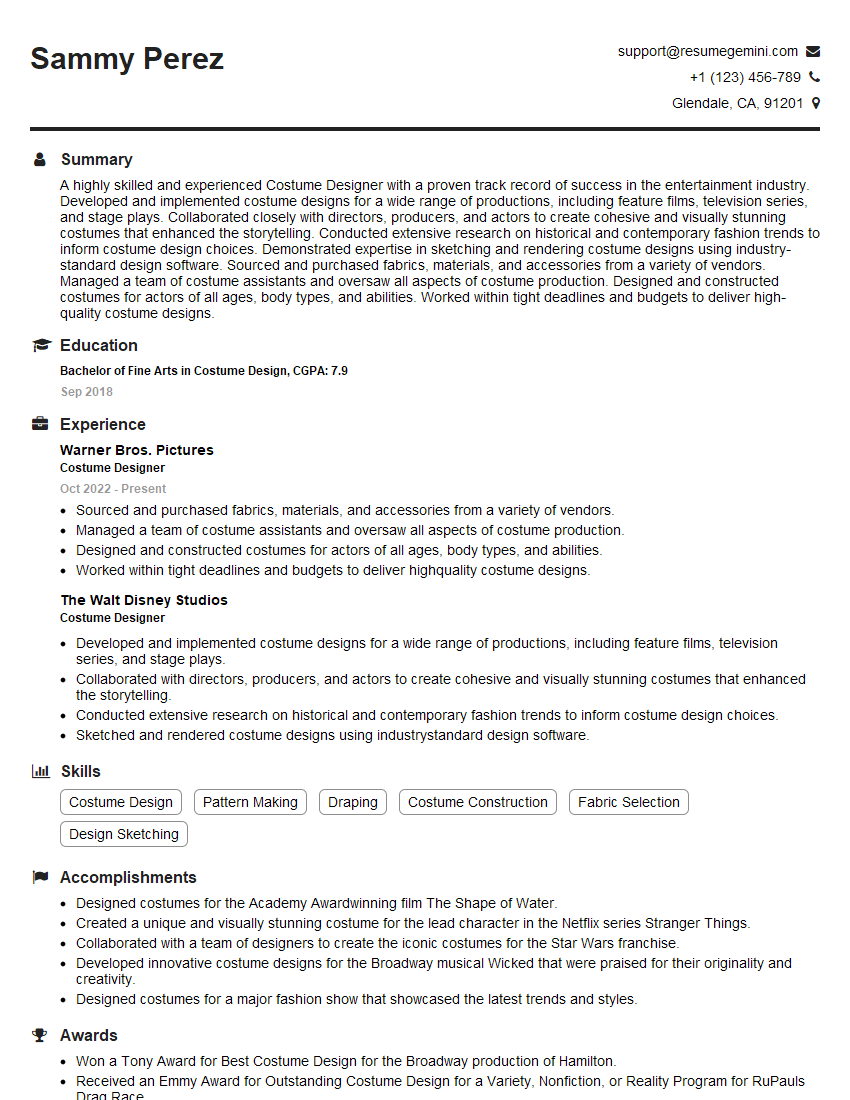
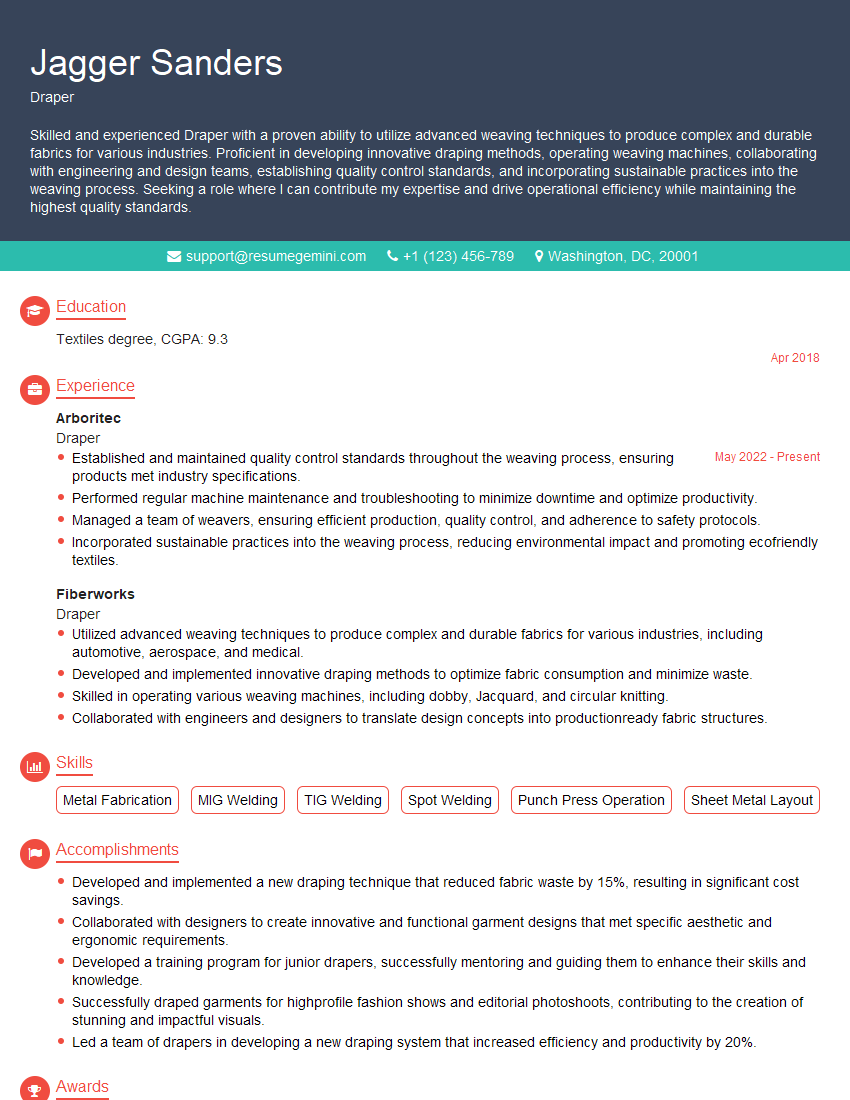
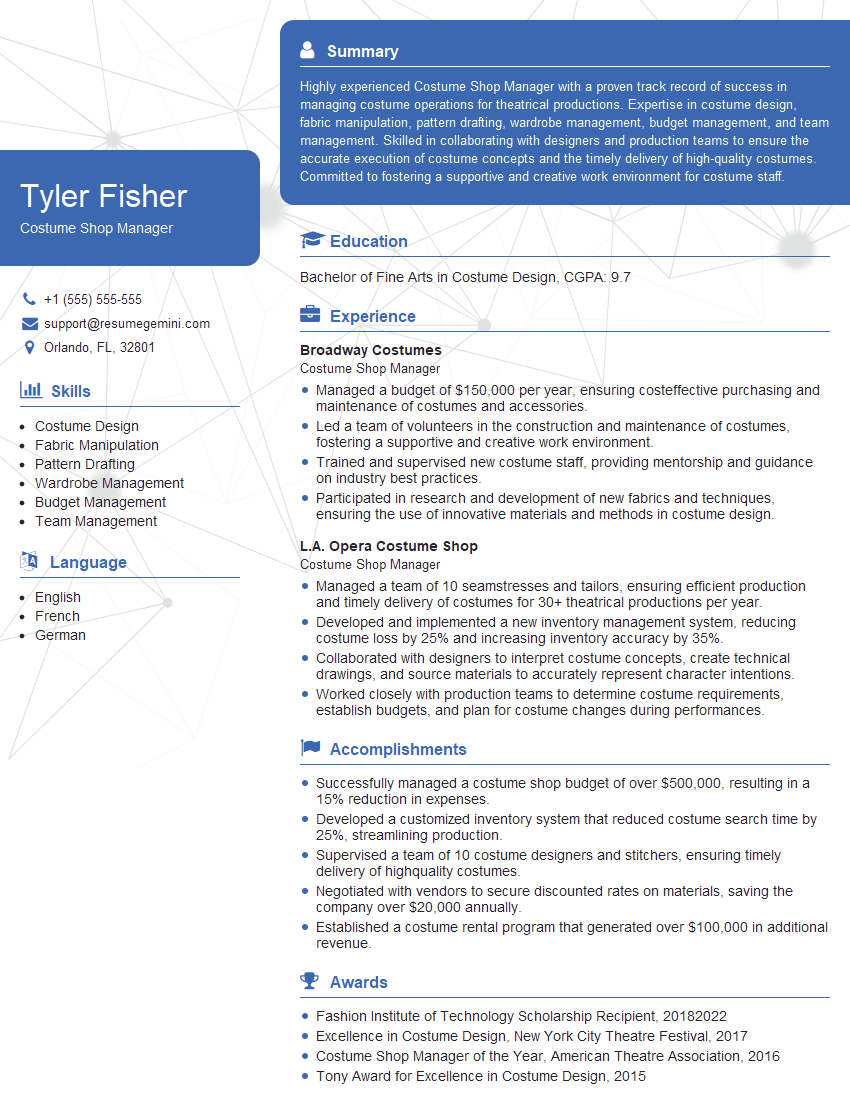
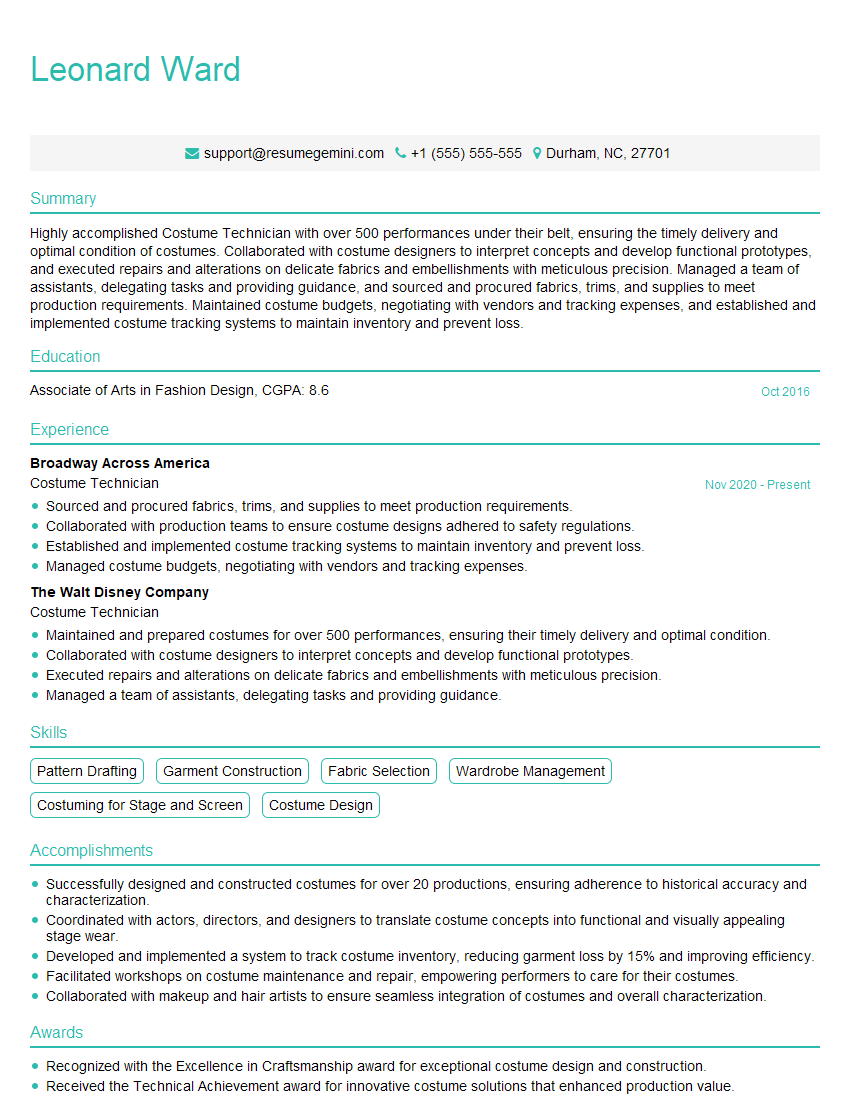
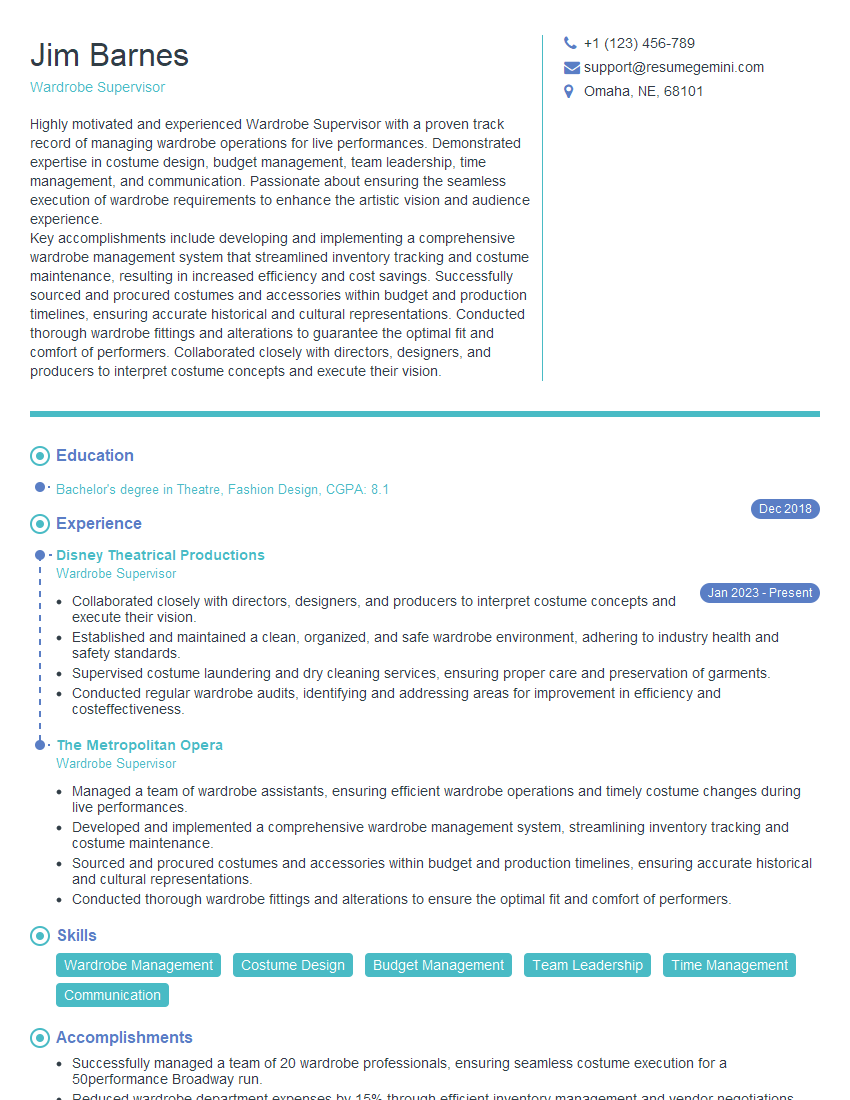
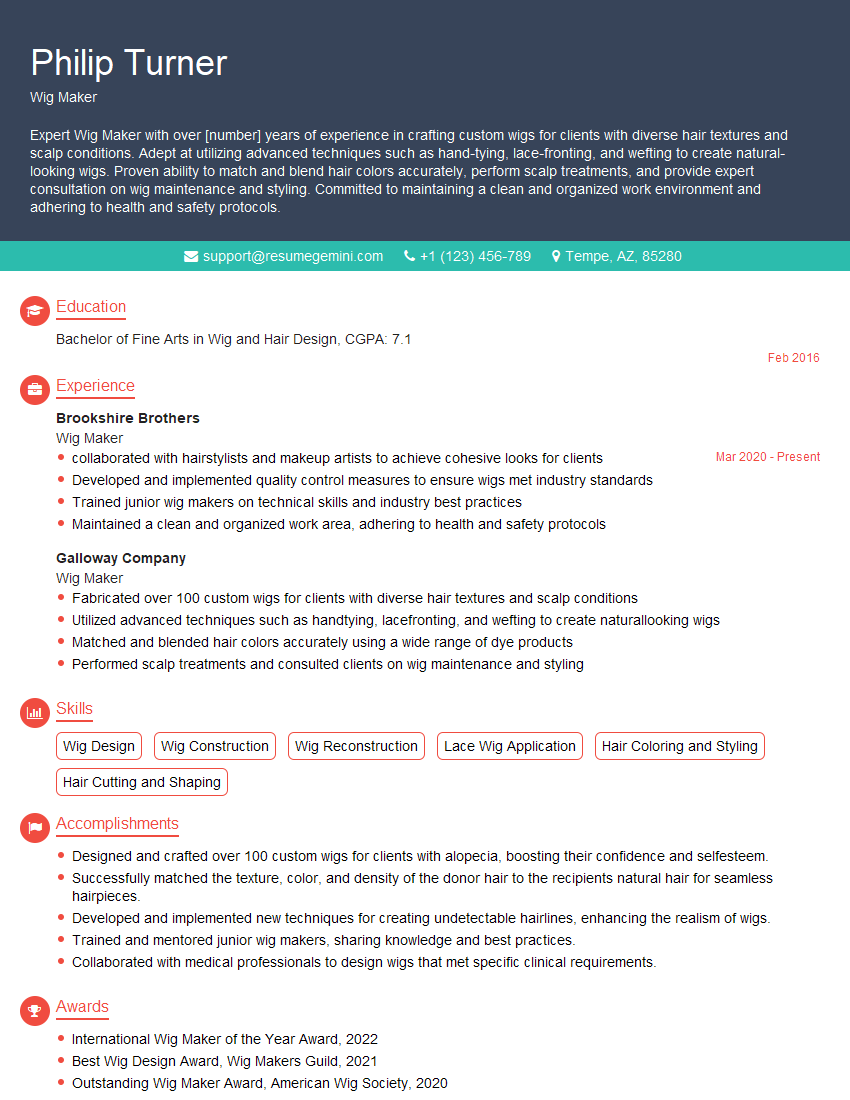
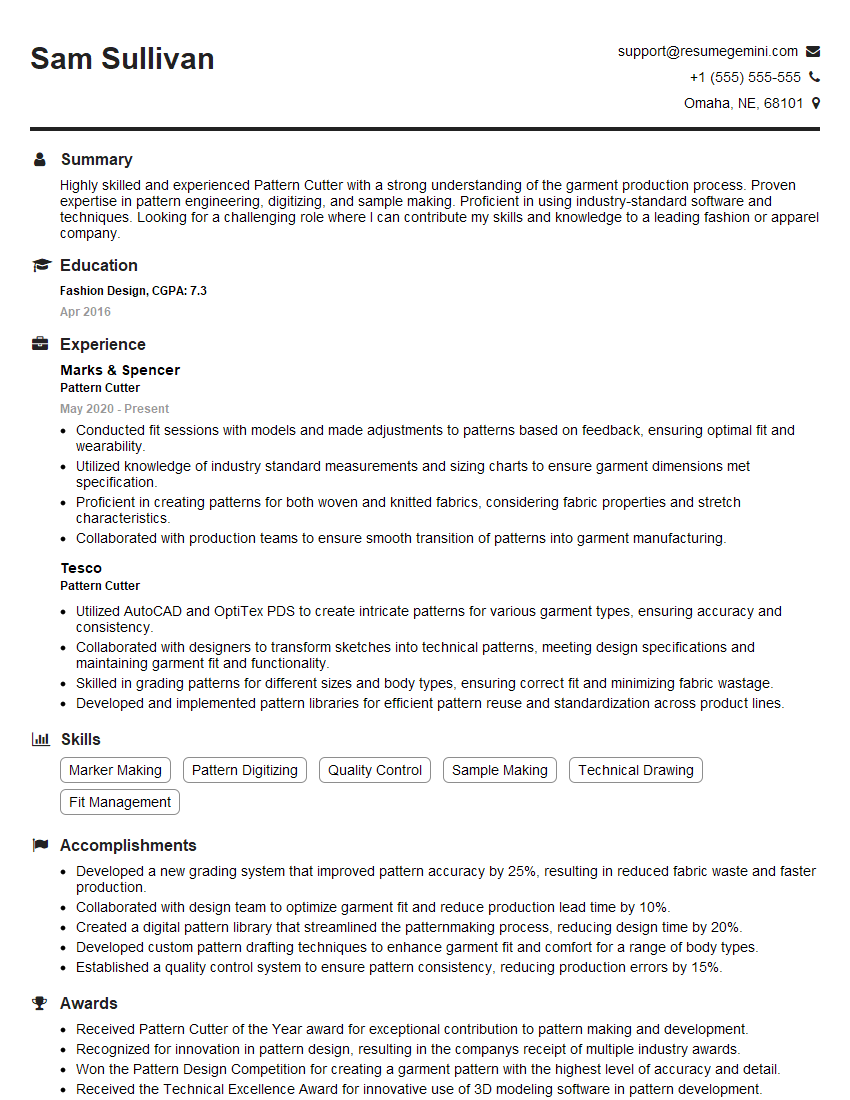
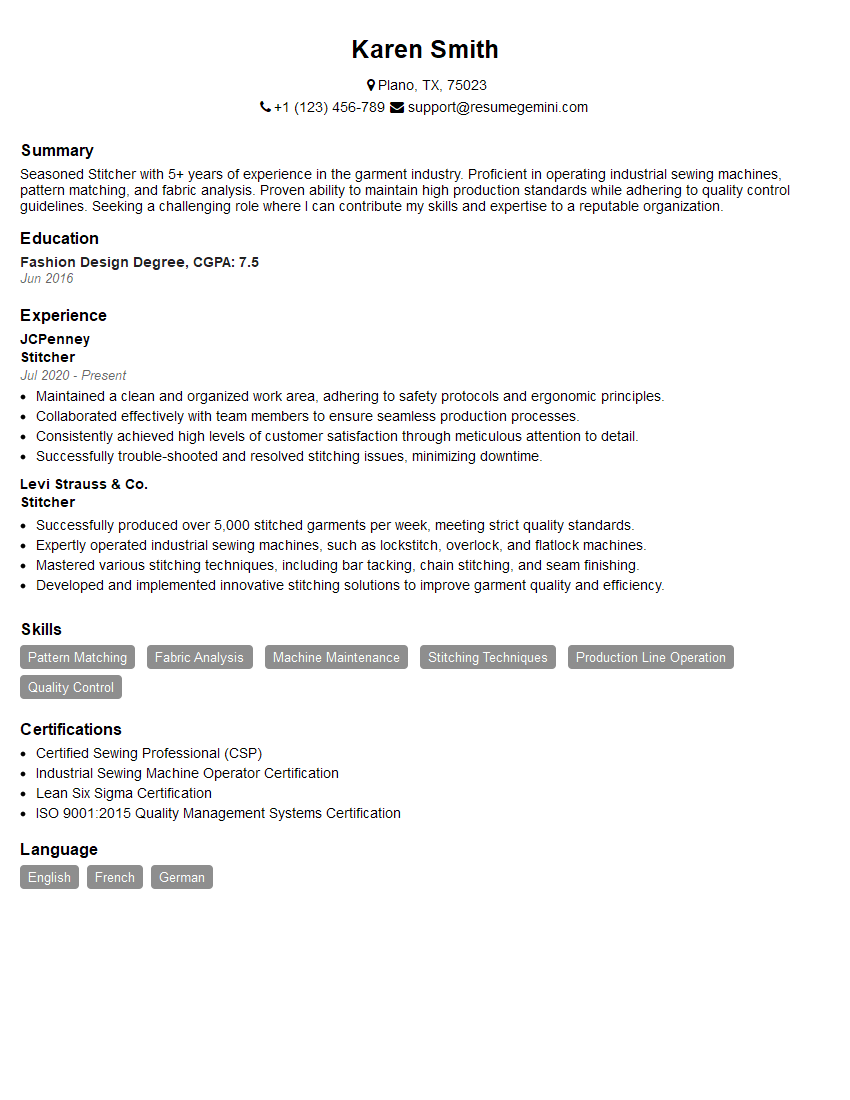
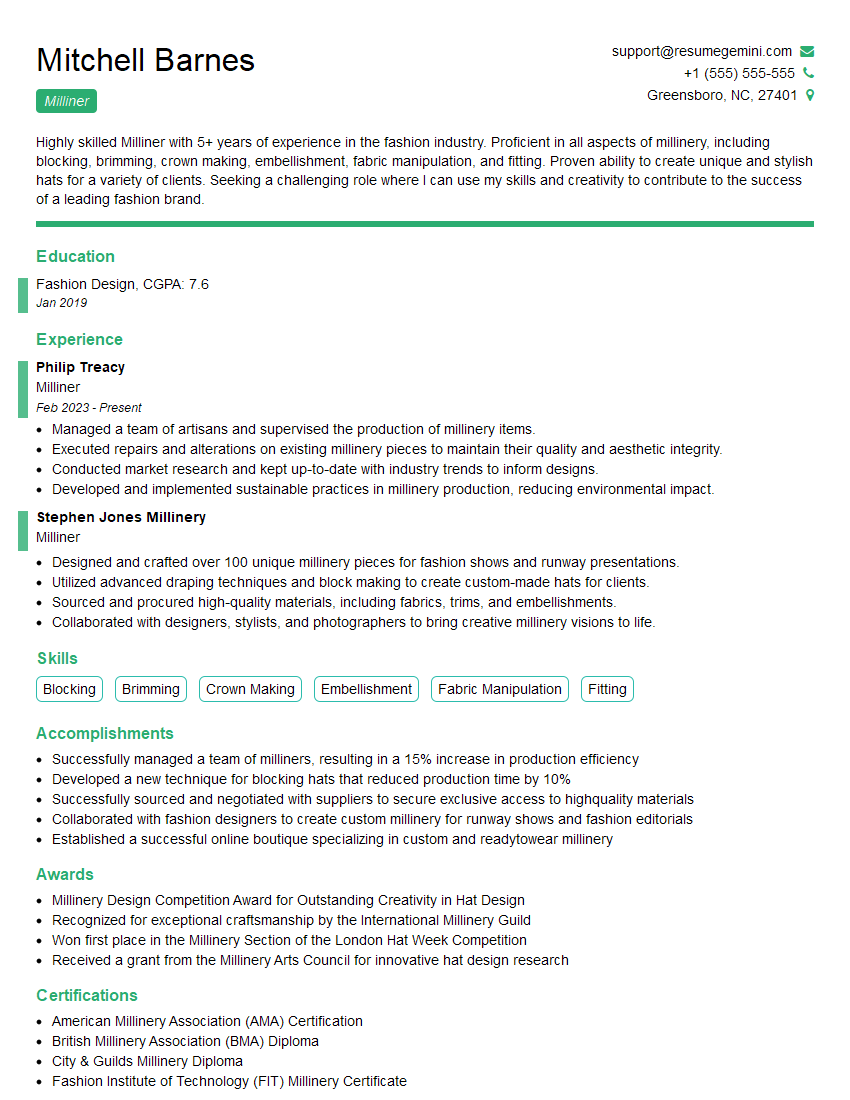
Mastering Costume Design for Opera opens doors to exciting and fulfilling careers in a dynamic artistic field. Building a strong professional presence is crucial for success. Creating an ATS-friendly resume is essential for getting your application noticed by potential employers. ResumeGemini is a trusted resource that can help you craft a compelling resume that showcases your skills and experience effectively. We offer examples of resumes tailored specifically to Costume Design for Opera to help you get started. Take the next step towards your dream career today!
Explore more articles
Users Rating of Our Blogs
Share Your Experience
We value your feedback! Please rate our content and share your thoughts (optional).
What Readers Say About Our Blog
I Redesigned Spongebob Squarepants and his main characters of my artwork.
https://www.deviantart.com/reimaginesponge/art/Redesigned-Spongebob-characters-1223583608
IT gave me an insight and words to use and be able to think of examples
Hi, I’m Jay, we have a few potential clients that are interested in your services, thought you might be a good fit. I’d love to talk about the details, when do you have time to talk?
Best,
Jay
Founder | CEO