Preparation is the key to success in any interview. In this post, we’ll explore crucial Cow Evaluation and Selection interview questions and equip you with strategies to craft impactful answers. Whether you’re a beginner or a pro, these tips will elevate your preparation.
Questions Asked in Cow Evaluation and Selection Interview
Q 1. Describe the different methods used for evaluating cow milk production.
Evaluating cow milk production involves several methods, all aiming to quantify and qualify the milk yield. This is crucial for profitability and breeding decisions.
Weight Measurement: The most basic method involves regularly weighing the milk produced by each cow. This provides a direct measure of milk yield, usually expressed in kilograms or pounds per day or lactation period. For example, a high-producing Holstein might yield 40kg of milk daily.
Milk Recording Schemes: Many dairy farms participate in organized milk recording programs. These programs provide standardized procedures, ensuring data consistency across farms. They often include not only weight but also components like fat and protein content, offering a more comprehensive picture of milk quality.
Automated Milking Systems: Modern dairy farms frequently utilize automated milking systems (AMS). These systems automatically record individual cow milk yield and often provide additional data, such as milking duration and flow rate. This automation minimizes human error and increases data accuracy.
Milk Composition Analysis: Analyzing the milk’s composition, including fat, protein, lactose, and solids-not-fat (SNF), is crucial. These components influence the milk’s value and reflect the cow’s overall health and nutritional status. For example, higher fat and protein percentages translate to higher milk revenue.
Q 2. Explain the importance of genetic evaluation in dairy cattle selection.
Genetic evaluation is paramount in dairy cattle selection because it allows us to predict the future performance of animals based on their genetic makeup. It moves beyond simply observing an individual’s production to understanding the heritable components of their traits.
By analyzing the performance of an animal and its relatives (parents, siblings, offspring), we can estimate breeding values for key traits. These breeding values are essentially predictions of how much better or worse than average an animal’s offspring are likely to perform. A higher breeding value for milk yield, for instance, suggests the animal is likely to produce offspring with higher milk production.
This information is crucial for making informed breeding decisions, enabling us to select sires and dams with superior genetics and thereby improve the overall herd productivity and profitability across generations. Think of it like carefully choosing seeds for your crop; genetic evaluation is the tool that helps you identify the superior seeds.
Q 3. What are the key traits you consider when selecting replacement heifers?
Selecting replacement heifers requires a holistic approach, focusing on several crucial traits. We’re looking for animals that will become productive and healthy members of the milking herd.
Genetic Merit: This is paramount, incorporating breeding values for milk production, milk components (fat and protein), longevity, udder conformation, and disease resistance. We want heifers with superior genetics.
Body Condition Score (BCS): A healthy BCS reflects adequate nutrition and overall health. Heifers that are too thin or too fat may have fertility or health issues.
Udder Conformation: A well-formed udder is essential for efficient milking and longevity. We look for traits like proper attachment, teat placement, and udder depth.
Structural Soundness: Strong legs and feet are crucial for longevity. Problems like crooked legs can lead to lameness and reduced productivity.
Temperament: A docile temperament makes handling easier and safer for both the animal and the farmer.
Health Status: Heifers should be free from disease and have strong immunity.
Q 4. How do you assess the udder conformation of a cow?
Assessing udder conformation involves a systematic visual examination, often using a scoring system. We evaluate several key aspects:
Attachment: How well the udder is attached to the body. A high attachment is generally preferred for better support and reduced stress on the udder.
Udder Depth: The distance from the floor to the bottom of the udder. A deep udder usually indicates high capacity.
Teat Placement: The position, length, and evenness of the teats. Ideally, teats should be evenly spaced, of a medium length, and pointing downwards for easier milking.
Udder Texture: The feel of the udder tissue. A soft, pliable udder is generally preferred, suggesting good health.
Udder Capacity: The overall size and apparent capacity of the udder.
These traits are scored using a linear type classification system, assigning numerical scores to each characteristic. For example, an excellent udder might receive a score of 90 or higher.
Q 5. Discuss the impact of somatic cell count on milk quality and cow health.
Somatic cell count (SCC) refers to the number of white blood cells in a milk sample. A high SCC indicates an udder infection, primarily mastitis. Mastitis has a significant negative impact on both milk quality and cow health.
Impact on Milk Quality: High SCC leads to reduced milk quality in several ways. Infected milk may contain harmful bacteria, affecting its taste, aroma, and shelf life. The milk may also have altered composition, with lower protein and fat content. This reduces the milk’s marketability and economic value. Processors often reject milk with excessively high SCCs.
Impact on Cow Health: Mastitis causes pain, discomfort, and reduced milk production in the affected cow. In severe cases, it can lead to chronic udder infections, requiring treatment and potentially culling the animal. Repeated mastitis episodes can significantly reduce the cow’s lifetime productivity.
Q 6. Explain the principles of linear type classification in dairy cattle.
Linear type classification is a standardized system used to objectively evaluate dairy cows based on their physical conformation. It provides a numerical score for various traits, contributing to a holistic assessment of the animal.
The system uses a detailed scoring scale (typically 1-9 or 1-50 depending on the system) for each trait, allowing for a precise and comparable evaluation across different farms and cows. These traits cover the entire cow, from frame size and legs to udder conformation and dairy character. Examples of traits include stature, rump angle, foot angle, udder depth, teat placement, and overall body structure.
The scores for each trait are combined to produce a composite score, providing a comprehensive picture of the animal’s type. This standardized evaluation helps breeders select animals with desirable traits that are associated with production efficiency, longevity, and health.
Linear type classification is an important tool for breeding decisions, providing detailed information that complements other selection criteria like milk production records and genetic evaluations.
Q 7. What are the advantages and disadvantages of using genomic selection?
Genomic selection uses DNA markers to predict the genetic merit of an animal, offering advantages and disadvantages compared to traditional methods.
Advantages:
Early Selection: Genomic selection allows for selection of young animals, even before they begin producing milk, saving time and resources.
Increased Accuracy: Genomic predictions can be more accurate than traditional methods, especially for traits with low heritability.
Improved Genetic Gain: By selecting animals based on genomic information, we can make faster genetic progress in dairy herds.
Disadvantages:
Cost: Genomic testing can be expensive, adding a cost to the selection process.
Accuracy Depends on Reference Population: The accuracy of genomic predictions depends heavily on the size and quality of the reference population used to train the prediction models. A poorly constructed reference population can lead to inaccurate predictions.
Complexity: Interpreting genomic data requires specialized expertise, which may not be accessible to all breeders.
Q 8. How do you interpret Estimated Breeding Values (EBVs)?
Estimated Breeding Values (EBVs) are predictions of an animal’s genetic merit for a particular trait. Think of it like a genetic scorecard. A higher EBV indicates that an animal is genetically superior for that trait, meaning its offspring are likely to inherit those desirable genes. EBVs are expressed in units specific to each trait (e.g., kilograms of milk for milk yield, days for calving interval). They are not absolute values but rather comparisons to a base population. For example, an EBV of +100kg for milk yield means the cow is predicted to produce 100kg more milk than the average cow in the base population. A negative EBV suggests the animal is below average genetically for that trait. It’s crucial to consider the accuracy of the EBV; a highly accurate EBV (indicated by an accuracy percentage) provides a more reliable prediction. Farmers use EBVs to make informed decisions about which animals to breed, cull, and select for future generations, aiming to improve the overall herd’s genetic merit.
Q 9. Describe different reproductive management strategies to optimize cow fertility.
Optimizing cow fertility requires a multifaceted approach focusing on several key areas. Effective reproductive management strategies include:
- Heat Detection: Accurate and timely heat detection is paramount. Methods range from visual observation to technology like activity monitors that detect changes in cow behavior indicating estrus (heat). Early detection allows for timely insemination.
- Synchronization Programs: These programs use hormones to synchronize estrus cycles in a group of cows, making breeding more efficient and improving conception rates. Different protocols exist depending on the herd’s specific needs and reproductive history.
- Nutrition Management: Proper nutrition is vital for optimal reproductive function. Cows need adequate energy, protein, and essential minerals. Body condition scoring helps assess nutritional status, ensuring cows are neither too thin nor too fat, which can negatively impact fertility.
- Breeding Techniques: Choosing the right breeding technique (artificial insemination, natural service) depends on factors such as herd size, bull availability, and desired genetic improvements. Proper insemination techniques are vital for successful pregnancy.
- Health Management: Addressing underlying health issues like infections (metritis, endometritis) is crucial. Regular health checks and prompt treatment of infections are necessary to maintain reproductive health.
- Culling Strategy: Culling persistently infertile cows can improve the overall herd reproductive performance, preventing further resource wastage on unproductive animals.
Consider a dairy farm struggling with low pregnancy rates. Implementing a heat detection program combined with a synchronization protocol, along with improvements in nutrition, might significantly boost their fertility rate, leading to greater profitability.
Q 10. Explain the role of nutrition in maximizing milk production and cow health.
Nutrition is the cornerstone of both milk production and cow health. Think of it as the fuel that powers the cow’s engine. A balanced diet ensures the cow has the necessary nutrients to produce milk efficiently and maintain its immune system. Key nutritional considerations include:
- Energy: Sufficient energy is crucial for milk synthesis and overall bodily functions. Insufficient energy leads to reduced milk yield and potential health problems.
- Protein: High-quality protein is essential for milk protein production and tissue repair. Deficiencies can impact milk production and immune function.
- Minerals and Vitamins: Essential minerals like calcium, phosphorus, magnesium, and trace minerals (copper, zinc) are crucial for various physiological processes, including milk production, bone health, and reproduction. Vitamins support immune function and overall health.
- Fiber: Adequate fiber promotes healthy rumen function, which is essential for efficient digestion and nutrient absorption.
For instance, a dairy farmer might notice a drop in milk production. By analyzing feed rations and performing blood tests, they might discover a calcium deficiency. Adjusting the ration to provide sufficient calcium will restore milk production and prevent potential health problems like milk fever.
Q 11. How would you manage a herd with a high incidence of mastitis?
Managing a herd with high mastitis incidence requires a multi-pronged approach focusing on prevention and treatment. Mastitis, an inflammation of the udder, is a significant economic concern in dairy farming. Here’s a strategy:
- Improved Hygiene Practices: Strict adherence to hygiene protocols during milking is essential. This includes proper pre- and post-milking teat disinfection, thorough cleaning of milking equipment, and ensuring a clean and dry environment.
- Early Detection: Regular monitoring of the udder for abnormalities (e.g., swelling, heat, changes in milk) allows for early detection and intervention. This can include using milk meters to detect changes in milk composition.
- Antibiotic Treatment: Antibiotic therapy should be based on culture and sensitivity testing to ensure effective treatment against the causative bacteria. Strict adherence to withdrawal periods is crucial to prevent antibiotic residues in milk.
- Dry Cow Therapy: Implementing appropriate dry cow therapy using intramammary antibiotics can prevent new infections during the dry period.
- Culling Strategy: Persistently infected cows may need to be culled to prevent further spread of infection and reduce economic losses.
- Cow Comfort: Ensuring comfortable housing and minimizing stress factors contributes to overall cow health and resistance to infection. Good bedding, appropriate ventilation, and minimizing overcrowding are important.
Imagine a dairy facing a significant mastitis outbreak. A comprehensive plan involving stricter hygiene protocols, early detection using milk meters, targeted antibiotic treatment, and dry cow therapy could significantly reduce the incidence of mastitis, improving herd health and productivity.
Q 12. What are the key indicators of a healthy cow?
Several key indicators point toward a healthy cow. Regular monitoring of these parameters enables early detection of potential health problems:
- Normal Body Temperature: A normal rectal temperature indicates the cow’s overall health. Elevated temperatures often signal infection or inflammation.
- Healthy Appetite and Rumen Function: A healthy cow displays normal eating behavior and shows active rumen contractions, indicating efficient digestion.
- Normal Fecal Consistency: Observations of normal, well-formed feces indicate healthy gut function.
- Normal Milk Production and Composition: Consistent milk production and milk composition free of abnormalities are positive indicators.
- Alertness and Normal Behavior: Healthy cows appear alert, responsive, and exhibit normal movement patterns. Lethargy or unusual behavior can signify illness.
- Healthy Udder and Teats: The udder should be free of swelling, heat, or other abnormalities. Teats should be intact and free of injuries.
- Normal Respiration Rate: Monitoring respiration rate can help identify respiratory problems.
A farmer noticing a cow with reduced appetite, exhibiting lethargy, and having a fever should suspect an underlying health problem and consult a veterinarian immediately.
Q 13. Discuss the use of technology in dairy cattle management (e.g., sensors, data analysis).
Technology plays an increasingly important role in modern dairy cattle management. Various technological advancements improve efficiency and data-driven decision-making:
- Sensors and Monitoring Devices: Activity monitors, pedometers, and rumination sensors help track various aspects of cow behavior, providing insights into health, fertility, and overall well-being. Milk meters measure milk yield and composition, identifying potential health problems.
- Data Analysis and Management Software: Specialized software programs collect, analyze, and interpret data from various sources, providing valuable information for managing the herd. This allows for early detection of potential problems, optimized resource allocation, and better decision-making.
- Automated Milking Systems: Automated milking systems improve efficiency, reduce labor costs, and enhance udder hygiene. They can also collect data on milk yield and individual cow performance.
- Precision Feeding Systems: Automated feeding systems allow for precise control of feed rations based on individual cow needs and production levels. This improves feed efficiency and reduces feed costs.
- Robotics and Automation: Robots are increasingly used for various tasks, such as sorting cows, assisting with insemination, and managing manure.
A dairy farm might use activity monitors to detect cows in heat, improving timely insemination. Data analysis software would then track pregnancy rates and identify cows with low fertility, allowing targeted management strategies.
Q 14. How do you calculate the net merit of a cow based on various traits?
Net merit is a single-number index that combines several economically important traits to give a holistic assessment of a cow’s overall value. The specific formula varies depending on the breeding organization and the economic weights assigned to different traits. However, the general principle is to weight each trait by its economic importance and then sum these weighted values. For example:
Net Merit = (WeightMilk Yield * EBVMilk Yield) + (WeightFat % * EBVFat %) + (WeightProtein % * EBVProtein %) + (WeightLongevity * EBVLongevity) + (WeightSomatic Cell Score * EBVSomatic Cell Score) + ...
The weights (WeightTrait) represent the relative economic importance of each trait. Traits like milk yield, fat and protein percentage, longevity (productive lifespan), and somatic cell score (mastitis resistance) are commonly included. The EBVs (EBVTrait) are the estimated breeding values for each trait. A higher net merit indicates a genetically superior animal with higher overall economic value. The specific weights given to each trait will depend on the economic priorities of the dairy farmer, the costs of production, the market price of milk components, and other factors.
For instance, a farmer might prioritize milk yield and mastitis resistance. The calculation of net merit will reflect this by assigning higher weights to these traits in the formula. This allows farmers to efficiently compare cows and select for those animals that are likely to generate higher profits.
Q 15. Explain the concept of inbreeding depression and its implications for breeding programs.
Inbreeding depression is the reduction in fitness of a population due to increased homozygosity. Essentially, when closely related animals mate, there’s a higher chance of inheriting two copies of the same deleterious recessive genes. This can lead to a decline in various traits, including reduced fertility, lower milk production, increased susceptibility to diseases, and decreased overall vigor. Imagine it like this: if a family has a hidden genetic predisposition to a particular health problem, the more closely related members mate, the greater the likelihood that this problem will manifest in their offspring.
In breeding programs, inbreeding depression is a major concern. Breeders carefully manage inbreeding levels using pedigree analysis and mating strategies to avoid its negative consequences. Strategies to mitigate inbreeding depression include crossbreeding with unrelated animals, selecting for superior individuals even if they slightly increase inbreeding, and using genomic selection to predict and avoid deleterious recessive genes. Ignoring inbreeding depression can severely impact the profitability and sustainability of a dairy operation.
Career Expert Tips:
- Ace those interviews! Prepare effectively by reviewing the Top 50 Most Common Interview Questions on ResumeGemini.
- Navigate your job search with confidence! Explore a wide range of Career Tips on ResumeGemini. Learn about common challenges and recommendations to overcome them.
- Craft the perfect resume! Master the Art of Resume Writing with ResumeGemini’s guide. Showcase your unique qualifications and achievements effectively.
- Don’t miss out on holiday savings! Build your dream resume with ResumeGemini’s ATS optimized templates.
Q 16. Describe different methods of artificial insemination in dairy cattle.
Artificial insemination (AI) is a cornerstone of modern dairy cattle breeding. Several methods exist, each with its own advantages and disadvantages:
- Conventional AI: This is the most common method, involving the deposition of semen (using a specialized insemination gun) directly into the uterus. It’s relatively simple, cost-effective, and allows for widespread use of superior sires.
- Frozen Semen AI: Semen is frozen and stored in liquid nitrogen for later use. This significantly extends the lifespan of the semen and allows for the distribution of genetics across vast distances, facilitating the use of genetically superior sires.
- Sexed Semen AI: This technology allows farmers to choose the sex of the calf by sorting sperm cells based on their X or Y chromosome. Selecting for female calves can be very beneficial for herd expansion, since heifers become milk-producing cows.
- In vivo AI: The female is artificially inseminated, but the semen is processed and inseminated close to the time of ovulation, increasing fertility rates.
The choice of method depends on factors such as cost, access to technology, herd size, and breeding goals.
Q 17. How do you identify and manage cows with lameness issues?
Lameness is a significant welfare and economic concern in dairy herds. Effective identification and management are crucial.
Identification: Regular visual observation during milking and pasture time is crucial. Look for signs like limping, reluctance to move, uneven weight bearing, changes in posture, or swelling in the legs and feet. Regular lameness scoring systems, using standardized scales, can help to objectively assess the severity. Automated systems using sensors can monitor locomotion patterns in real time.
Management: Early identification and treatment are key. Treatment options vary depending on the cause, and can range from trimming overgrown hooves to administering antibiotics for infections. Prevention is equally important. This involves providing clean, comfortable housing, maintaining good foot hygiene, and implementing appropriate nutrition and management strategies, such as regular hoof trimming and providing good quality flooring.
Q 18. What are the common causes of fertility problems in dairy cows?
Infertility significantly impacts dairy farm profitability. Several factors can contribute to fertility problems:
- Metabolic disorders: Conditions like ketosis and fatty liver disease can disrupt the cow’s reproductive cycle.
- Endocrine imbalances: Hormonal irregularities can prevent ovulation or cause pregnancy loss.
- Infectious diseases: Diseases like bovine viral diarrhea (BVD) and leptospirosis can negatively impact fertility.
- Reproductive tract infections: Metritis (uterine infection) and endometritis are common causes of infertility.
- Nutritional deficiencies: Lack of essential nutrients can affect reproductive function.
- Genetic factors: Some genetic lines might have inherent lower fertility rates.
- Heat stress: High ambient temperatures can negatively impact reproductive performance.
Diagnosing the underlying cause of infertility requires thorough veterinary examination, including blood tests, rectal palpation, and potentially ultrasonography.
Q 19. Discuss different strategies for controlling diseases in dairy herds.
Disease control is paramount in dairy herd management. Effective strategies involve a multi-pronged approach:
- Biosecurity: Implementing strict protocols to prevent the introduction of new pathogens, such as limiting farm visitors, disinfecting equipment, and isolating sick animals.
- Vaccination programs: Vaccinating cows against common diseases like leptospirosis, BVD, and others reduces morbidity and mortality.
- Parasite control: Regularly deworming animals controls internal and external parasites.
- Hygiene and sanitation: Maintaining clean housing and equipment helps to reduce the spread of infectious agents.
- Early disease detection: Regular health checks and monitoring of animals identify diseases early, enabling prompt treatment.
- Disease surveillance: Tracking disease incidence helps identify trends and implement targeted control measures.
- Appropriate use of antibiotics: Antibiotics should be used judiciously under veterinary guidance to reduce the risk of antibiotic resistance.
A well-structured herd health plan, developed in consultation with a veterinarian, is essential for effective disease control.
Q 20. Explain the concept of sire selection and its influence on herd improvement.
Sire selection is the process of choosing the best bulls to breed cows. It’s a critical aspect of genetic improvement in dairy herds. The chosen sires heavily influence the genetic makeup of future generations, impacting key traits like milk yield, milk composition, fertility, and disease resistance.
Effective sire selection relies on utilizing genetic evaluations from breeding organizations. These evaluations use sophisticated statistical methods to estimate the breeding values of bulls based on the performance of their offspring. Breeders consider factors such as predicted transmitting abilities (PTAs) for milk production, components, type traits, and health traits. They also incorporate information about the bull’s pedigree and progeny testing data to minimize the risk of transmitting undesirable traits. The goal is to select sires that will improve the overall genetic merit of the herd and increase its profitability.
Q 21. How do you use pedigree information in cow evaluation and selection?
Pedigree information is a powerful tool in cow evaluation and selection. It provides a detailed record of an animal’s ancestry, showing the relationships between individuals in a herd and across generations. This information is invaluable for:
- Identifying superior genetics: By tracing back an animal’s lineage, breeders can identify individuals with excellent performance records in key traits, such as high milk production or exceptional health. Animals with a history of superior performance in their family tree are more likely to inherit these desirable traits.
- Managing inbreeding: Pedigree analysis helps assess the level of inbreeding in the herd and identify potential mating combinations that minimize inbreeding depression. By avoiding matings of closely related animals, breeders can reduce the likelihood of recessive genetic defects and maintain herd health and vigor.
- Improving genetic prediction: Pedigree data is incorporated into genetic evaluation models, alongside performance data, to enhance the accuracy of breeding value estimates. This improved accuracy allows for better selection decisions and accelerates genetic improvement.
- Tracing disease susceptibility: By analyzing pedigrees, breeders can identify lines of cows that are more susceptible to particular diseases. This information can help develop effective prevention and control strategies.
Modern software packages and databases streamline the analysis of pedigree information, enabling breeders to easily manage and utilize this valuable resource.
Q 22. What are the ethical considerations in dairy cattle breeding?
Ethical considerations in dairy cattle breeding are paramount, focusing on animal welfare and sustainability. We must balance the drive for genetic improvement with the ethical responsibility to ensure the cows’ well-being. This involves avoiding practices that cause unnecessary suffering, such as extreme selective breeding leading to health problems, or overly harsh culling practices. For example, selecting solely for high milk production without considering the physical strain on the animal can lead to lameness and other health issues. Ethical breeding programs incorporate measures to monitor and improve animal health and well-being alongside productivity. They involve careful consideration of the genetic diversity within the herd to prevent inbreeding and maintain a healthy gene pool. Transparency and traceability throughout the breeding and production process are also key aspects of ethical breeding, allowing consumers and stakeholders to understand the origin and treatment of the animals.
Q 23. Describe different strategies for maintaining cow welfare.
Maintaining cow welfare is crucial for both ethical and economic reasons. A healthy, comfortable cow produces more milk and is less prone to disease. Strategies include providing adequate space and comfortable housing, ensuring proper ventilation and temperature control to mitigate heat stress (more on that later), and access to clean, fresh water at all times. Good nutrition is paramount – feeding balanced rations tailored to each cow’s needs, considering age, lactation stage, and health status. Regular hoof trimming and veterinary care are essential for preventing lameness and other health problems. Finally, the farmer’s approach to handling and management is crucial. Gentle handling, minimizing stress during milking and other procedures, and allowing for sufficient rest are all important factors promoting overall welfare. Think of it like this: a happy cow is a productive cow.
Q 24. How do you manage heat stress in dairy cows?
Heat stress in dairy cows significantly reduces milk production, reproductive performance, and overall health. Management strategies focus on mitigating the effects of high temperatures and humidity. This includes providing shade, ensuring good ventilation in barns, using evaporative cooling systems like sprinklers or fans, and adjusting feeding schedules to avoid peak heat periods. Modifying the diet can also help – providing higher energy diets during cooler periods and increasing the proportion of forage in the diet during hot weather. Regular monitoring of cow body temperature and behavior is critical for early detection of heat stress. Strategic management, such as adjusting the milking schedule to cooler times of the day, is also beneficial. Early identification and appropriate measures can prevent serious health consequences and economic losses.
Q 25. What is your experience with dairy herd improvement programs?
My experience with Dairy Herd Improvement (DHI) programs is extensive. I’ve worked with various DHI programs, utilizing their data for genetic evaluations, performance analysis, and herd management. DHI data provides comprehensive information on milk production, somatic cell count (indicative of mastitis), and other key performance indicators. This data is essential for making informed decisions about breeding, culling, and feeding strategies. For example, using DHI data, I’ve helped farmers identify cows with consistently low milk production or high somatic cell counts, leading to timely interventions and improving herd health and productivity. Furthermore, the genetic evaluations derived from DHI data allow for the selection of superior breeding sires and cows, driving genetic progress within the herd. Integrating DHI data with other farm records provides a holistic view of the herd’s performance, leading to more effective and efficient management.
Q 26. Discuss the economic aspects of cow selection and its impact on farm profitability.
Cow selection significantly impacts farm profitability. Selecting cows with high milk production, good udder conformation, and excellent health is paramount. Genetic merit, as assessed through breeding values derived from DHI data and pedigree information, is a cornerstone of effective selection. Selecting for disease resistance reduces veterinary costs and improves overall herd health. Udder conformation influences ease of milking and reduces the risk of mastitis. Longevity and reproductive performance are equally vital, ensuring a long productive lifespan and minimizing replacement costs. A well-structured selection program considers these factors simultaneously, optimizing the genetic makeup of the herd for maximum profitability. The cost of replacing low-producing or unhealthy cows is substantial, emphasizing the financial importance of careful cow selection. For example, a single high-producing cow can significantly increase overall milk yield compared to several lower-producing ones.
Q 27. How do you integrate data from various sources (e.g., production records, health records) to make informed decisions about cow management?
Integrating data from various sources is crucial for informed decision-making. I typically use a combination of software and analytical techniques. Data sources include DHI records, health records (veterinary visits, treatment records), reproductive records (breeding dates, calving dates), and feeding records. This data is often stored in various databases or spreadsheets, requiring data cleaning, standardization, and integration. Using software packages, I analyze this integrated data to identify trends, correlations, and patterns. For example, I might correlate milk production with somatic cell counts to detect subclinical mastitis early or link reproductive performance with body condition score to optimize breeding strategies. Data visualization techniques, such as graphs and charts, are crucial for readily understanding complex datasets and communicating insights effectively. This integrated approach allows for more precise and effective decision-making concerning cow management and resource allocation.
Q 28. Describe a situation where you had to troubleshoot a problem related to cow health or production.
On one farm, we experienced a sudden increase in lameness cases. Initially, we considered nutritional deficiencies or infectious causes. However, after analyzing the data from various sources – lameness records, hoof trimming records, and activity monitors – we discovered a correlation between lameness and a recent change in flooring material in the barn. The new material proved to be too slippery, increasing the risk of slips and falls. The solution involved replacing the flooring with a more appropriate material with better traction. Regular monitoring and review of data are essential to detect potential problems early and to prevent widespread impacts. This case highlighted the importance of comprehensive data analysis and a systematic approach to problem-solving, emphasizing the interconnectedness of various factors affecting cow health and productivity.
Key Topics to Learn for Cow Evaluation and Selection Interview
- Conformation and Body Structure: Understanding ideal cow conformation, including udder, feet & legs, and body capacity. Practical application: Analyzing cow conformation to predict milk yield and longevity.
- Milk Production and Quality: Evaluating milk yield, composition (fat, protein, somatic cell count), and lactation curves. Practical application: Interpreting Dairy Herd Improvement (DHI) records and predicting future milk production.
- Reproductive Efficiency: Assessing reproductive performance, including calving interval, conception rate, and days open. Practical application: Identifying and managing cows with reproductive challenges.
- Health and Management: Recognizing signs of disease, understanding preventative health measures, and evaluating overall cow health and well-being. Practical application: Implementing effective herd health management strategies.
- Genetic Evaluation and Selection: Utilizing genomic data, pedigree analysis, and progeny testing to select superior breeding animals. Practical application: Applying genetic selection indices to improve herd genetics for key traits.
- Economic Considerations: Evaluating the cost of production, profitability of individual cows, and the economic impact of selection decisions. Practical application: Developing sound selection strategies that maximize economic returns.
- Data Analysis and Interpretation: Mastering the use of spreadsheets, databases, and statistical software to analyze herd data and make informed decisions. Practical application: Utilizing data to identify trends and make data-driven selection decisions.
Next Steps
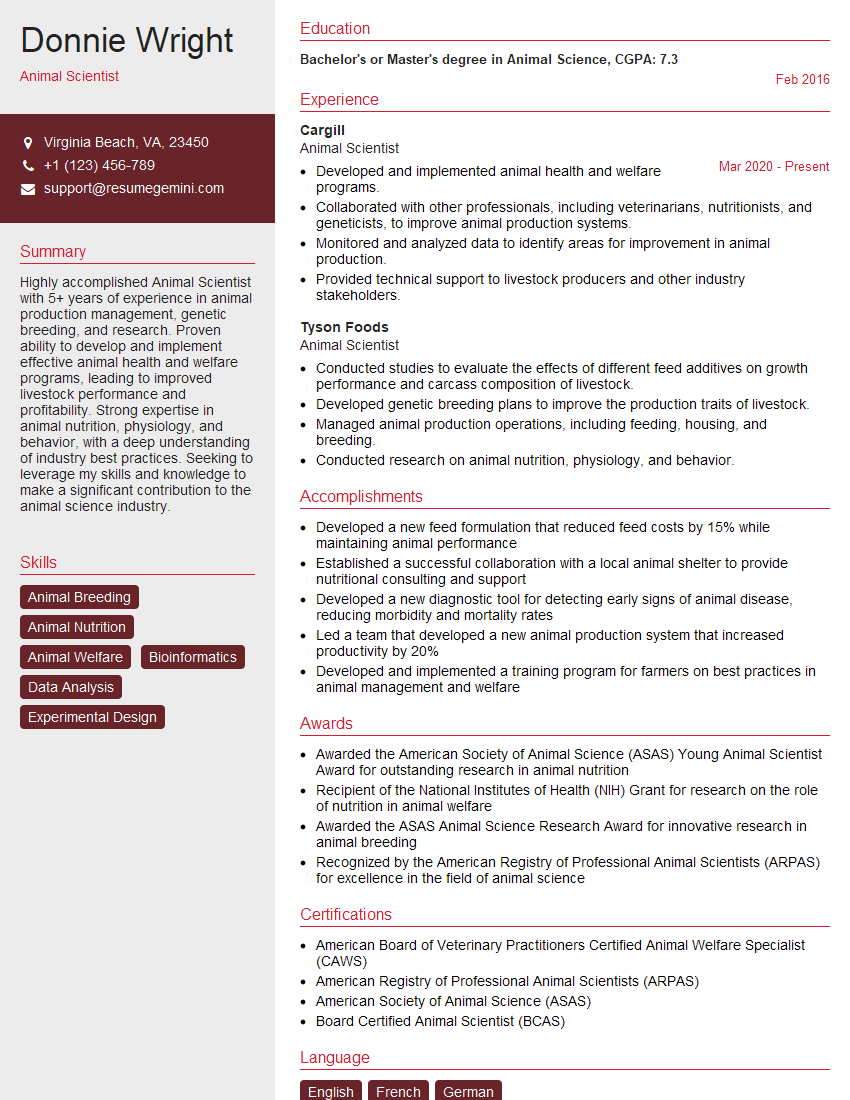
Mastering Cow Evaluation and Selection is crucial for career advancement in the dairy industry, opening doors to roles with increased responsibility and earning potential. A strong, ATS-friendly resume is essential for showcasing your skills and experience to potential employers. To create a compelling resume that highlights your expertise in Cow Evaluation and Selection, leverage the power of ResumeGemini. ResumeGemini provides a user-friendly platform and valuable tools to help you build a professional and effective resume. Examples of resumes tailored specifically to Cow Evaluation and Selection are available within ResumeGemini to guide your creation.
Explore more articles
Users Rating of Our Blogs
Share Your Experience
We value your feedback! Please rate our content and share your thoughts (optional).
What Readers Say About Our Blog
I Redesigned Spongebob Squarepants and his main characters of my artwork.
https://www.deviantart.com/reimaginesponge/art/Redesigned-Spongebob-characters-1223583608
IT gave me an insight and words to use and be able to think of examples
Hi, I’m Jay, we have a few potential clients that are interested in your services, thought you might be a good fit. I’d love to talk about the details, when do you have time to talk?
Best,
Jay
Founder | CEO