Cracking a skill-specific interview, like one for Crisis Intervention and De-escalation Techniques, requires understanding the nuances of the role. In this blog, we present the questions you’re most likely to encounter, along with insights into how to answer them effectively. Let’s ensure you’re ready to make a strong impression.
Questions Asked in Crisis Intervention and De-escalation Techniques Interview
Q 1. Describe your experience using active listening techniques during a crisis.
Active listening in a crisis isn’t just about hearing words; it’s about understanding the person’s emotional state and perspective. It involves fully concentrating on what the individual is communicating, both verbally and nonverbally. I utilize techniques such as paraphrasing (‘So, if I understand correctly, you feel…’) and reflecting feelings (‘It sounds like you’re feeling very frustrated right now’). This demonstrates empathy and validates their experience, which can significantly de-escalate tension. For instance, I once worked with a young man experiencing a severe panic attack. Instead of offering immediate solutions, I focused on active listening, reflecting his fear and anxiety back to him. This helped him feel heard and understood, eventually calming him down enough to engage in problem-solving.
I also employ minimal encouragers like ‘uh-huh,’ ‘go on,’ or nodding to show engagement and encourage continued communication. Silence, when used appropriately, can also be a powerful active listening tool, providing space for the individual to process their emotions and gather their thoughts. It’s crucial to avoid interrupting or offering advice prematurely; the focus is on understanding before attempting to resolve.
Q 2. Explain your understanding of different de-escalation strategies.
De-escalation strategies are multifaceted and tailored to the specific situation and individual. They fall broadly into categories:
- Verbal De-escalation: This involves using calm, respectful language, speaking slowly and clearly, employing empathy and validation, actively listening, and offering choices rather than commands. For example, instead of saying ‘Sit down,’ I might say, ‘Would you be comfortable sitting down for a few minutes?’
- Environmental De-escalation: This involves manipulating the environment to reduce stimulation and increase safety. Examples include moving to a quieter location, reducing the number of people present, removing potential weapons, and ensuring adequate personal space.
- Nonverbal De-escalation: This focuses on body language; maintaining a calm and open posture, avoiding aggressive or defensive stances, maintaining appropriate eye contact (but not staring), and using slow, deliberate movements.
- Emotional De-escalation: This involves understanding and addressing the underlying emotions driving the crisis. Empathy and validation are critical here. I might say something like, ‘I understand you’re feeling overwhelmed right now, and that’s completely understandable given the circumstances.’ This approach acknowledges the person’s feelings without judgment.
Often, a combination of these strategies is employed. The key is to remain flexible and adapt to the individual’s changing needs.
Q 3. How do you identify triggers and potential escalation points in a crisis situation?
Identifying triggers and potential escalation points requires keen observation and awareness. It involves understanding the individual’s history, current stressors, and potential vulnerabilities. This often includes gathering information from others involved, if possible and appropriate.
Triggers can be anything from specific words or phrases to environmental factors like noise or crowds, or even internal factors like hunger or lack of sleep. Potential escalation points are behaviors or verbal cues indicating increasing distress, such as increased volume of voice, clenched fists, pacing, or increasingly agitated body language. For example, a person with a history of PTSD might be triggered by loud noises reminiscent of past trauma, leading to a rapid escalation. Recognizing these patterns allows for proactive intervention and prevents the situation from spiraling out of control.
Risk assessment is crucial here. This involves evaluating the person’s potential for violence towards self or others. A careful assessment helps determine the appropriate level of intervention and resources required.
Q 4. What are some nonverbal cues indicating escalating tension?
Nonverbal cues signaling escalating tension can be subtle or overt. Some common indicators include:
- Increased muscle tension: Clenched fists, jaw, or shoulders.
- Rapid breathing or changes in respiration: Short, shallow breaths or hyperventilation.
- Rapid or erratic movements: Pacing, fidgeting, or abrupt changes in posture.
- Changes in eye contact: Staring intensely, avoiding eye contact completely, or darting eyes.
- Facial expressions: Furrowing brows, reddening of the face, or a strained expression.
- Changes in proximity: Getting closer or moving away suddenly.
- Aggressive posturing: Standing tall, chest puffed out, or leaning forward in a threatening manner.
Recognizing these cues allows for early intervention and can prevent a situation from escalating to physical aggression. The key is to observe the overall pattern of nonverbal cues and not to rely on a single indicator.
Q 5. How would you handle a situation involving a verbally abusive individual?
Handling a verbally abusive individual requires a calm and assertive approach. It’s crucial to set clear boundaries while maintaining a non-confrontational stance. I would:
- Remain calm and avoid mirroring their aggression: Responding with anger only escalates the situation. I’d use a calm, controlled tone of voice.
- Acknowledge their feelings without validating their behavior: For example, ‘I understand you’re angry, but it’s not acceptable to speak to me this way.’
- Set clear limits: ‘If you continue to speak to me this way, I will have to end this conversation (or call for assistance).’
- Offer alternative ways of expressing their anger: ‘Can we take a break and talk when you’ve calmed down?’
- Document the interaction: In a professional setting, this is crucial for safety and liability.
My goal is to de-escalate the situation and ensure the safety of myself and others. If the abuse continues despite my efforts, I would seek assistance from colleagues or security personnel.
Q 6. Describe your approach to managing a situation with a physically aggressive person.
Managing a physically aggressive person is a high-risk situation requiring careful consideration of safety. My approach would prioritize:
- Prioritizing my safety and the safety of others: This might involve creating distance, seeking help from colleagues or security personnel, or evacuating the area if possible.
- Avoiding physical confrontation unless absolutely necessary: My training emphasizes de-escalation; physical intervention is a last resort.
- Giving the individual space: If safe to do so, I would slowly back away, allowing them to calm down.
- Using clear, concise commands: If needed, I would give instructions in a firm but calm tone, such as ‘Please lower your hands.’
- Calling for assistance immediately: This is crucial in managing a physically aggressive situation.
It is crucial to remember that physical intervention should only be undertaken by trained professionals with appropriate self-defense skills and only if absolutely necessary to prevent harm. After the situation is resolved, appropriate post-incident procedures and follow-up should be followed to assess the individual’s needs and ensure future safety.
Q 7. How do you prioritize safety for both yourself and the person in crisis?
Prioritizing safety for both myself and the person in crisis is paramount. It begins with a thorough risk assessment, evaluating the individual’s behavior, history, and potential for violence. I’d then use the following strategies:
- Maintain a safe distance: I’d ensure enough personal space to avoid being within striking distance.
- Awareness of my surroundings: I’d be mindful of exits and potential weapons in the environment.
- Employ de-escalation techniques: Active listening, empathy, and clear communication are crucial in creating a safe atmosphere.
- Seek assistance when necessary: I would never hesitate to call for backup if I felt unsafe.
- Document the situation: Accurate documentation provides crucial information for future safety planning.
- Consider the use of additional resources: Depending on the situation, this may involve involving law enforcement, mental health professionals, or other relevant services.
Safety is a continuous process. It’s not just about reacting to immediate threats; it’s also about proactively mitigating risks and ensuring appropriate support systems are in place both during and after the crisis.
Q 8. What is your understanding of trauma-informed care?
Trauma-informed care is a framework that recognizes the widespread impact of trauma and understands potential paths for recovery. It shifts from a ‘what’s wrong with you?’ approach to a ‘what happened to you?’ approach. It prioritizes safety, trustworthiness, choice, collaboration, and empowerment.
In practice, this means actively avoiding re-traumatization. For example, instead of demanding immediate compliance from someone who may be experiencing a flashback, we’d strive to create a safe and predictable environment, providing choices whenever possible to restore a sense of control. This could involve offering different seating options, allowing them to choose their own pace during a conversation, or giving them the opportunity to take breaks. We’d also focus on building rapport and trust before asking for information, recognizing that past experiences might make them hesitant or guarded.
Consider a situation with a domestic violence survivor. A trauma-informed approach would avoid pressuring them to disclose details before trust has been established, respecting their pace and choices in how and when to share their experiences. The focus would be on their needs and empowering them to regain control of their life.
Q 9. How do you maintain composure and professionalism during a high-pressure crisis?
Maintaining composure and professionalism during a crisis is paramount. It’s about self-regulation, not suppressing emotions. My approach involves deep breathing techniques, mindfulness practices, and a conscious effort to maintain a calm and reassuring tone of voice and body language. I actively listen and focus on the individual’s needs, minimizing distractions.
For instance, if someone is verbally aggressive, I would use active listening and validation, such as ‘I can see you’re very upset right now,’ to acknowledge their feelings without escalating the situation. I employ de-escalation techniques like paraphrasing to show I understand and offering choices to regain their sense of control. Regular self-care, including sufficient sleep and stress-management techniques, are crucial to my ability to handle high-pressure situations consistently.
Q 10. Explain your approach to collaborating with law enforcement or other agencies.
Collaboration with law enforcement and other agencies is critical. It’s a matter of shared responsibility to ensure the safety and well-being of the individual in crisis. I advocate for clear communication channels and a joint approach. My role involves providing information about the individual’s mental state, identifying potential risks, and suggesting de-escalation strategies.
For instance, if there’s a potential for violence, I’d communicate this clearly to law enforcement, specifying the individual’s triggers and potential reactions. Conversely, if the individual requires medical attention, I’d coordinate with emergency medical services, providing relevant information to ensure a smooth and safe transfer. Regular meetings and shared case reviews help build strong working relationships and optimize outcomes.
Q 11. What resources are available to you for crisis intervention?
My access to resources is extensive. This includes a network of mental health professionals, emergency services (EMS), mobile crisis teams, and hospital-based crisis units. I also have access to community resources such as shelters, support groups, and substance abuse treatment centers. The specific resources I utilize depend heavily on the individual’s unique needs and the nature of the crisis.
For example, if someone is experiencing suicidal ideation, I would immediately contact the mobile crisis team or the suicide hotline for immediate intervention and potential hospitalization. If the individual lacks stable housing, I would work with social services to find appropriate shelter or housing options.
Q 12. How do you assess the individual’s immediate needs during a crisis?
Assessing immediate needs involves a holistic approach. It starts with ensuring the individual’s safety and stability. I’d observe their behavior, verbalizations, and physical state. I use a combination of structured and open-ended questions to gather information on their immediate needs: are they hungry, thirsty, tired, in pain, or are they feeling overwhelmed and needing support?
For example, if someone is experiencing a panic attack, immediate needs would focus on providing a safe, quiet environment, encouraging slow deep breathing, and offering reassurance. If they are in danger of harming themselves or others, safety would be the top priority, which might involve contacting law enforcement or other emergency services.
Q 13. Describe your experience working with individuals experiencing different mental health conditions.
My experience spans a wide range of mental health conditions. I’ve worked with individuals experiencing depression, anxiety, psychosis, bipolar disorder, PTSD, and substance use disorders. The approach varies depending on the specific condition, but the core principles of empathy, respect, and a person-centered approach remain constant.
For someone with schizophrenia, for instance, I might need to focus on de-escalating delusions or hallucinations before addressing other needs. With someone experiencing PTSD, creating a safe space and fostering trust are essential before exploring traumatic memories. A key element is always adapting my approach to the individual’s specific needs and symptoms.
Q 14. How do you manage your own stress and burnout from working in crisis situations?
Managing stress and burnout is crucial for sustainability in this field. I prioritize self-care, which includes regular exercise, healthy diet, sufficient sleep, and mindfulness practices. I also utilize supervision and peer support. Regular debriefing sessions with colleagues help process difficult experiences and learn from them collectively.
Establishing clear boundaries between work and personal life is vital. I avoid taking work home and engage in hobbies and activities that bring me joy. Recognizing my limits and seeking professional help if needed are essential components of my well-being and ability to continue delivering effective care.
Q 15. How would you document a crisis intervention incident accurately and thoroughly?
Accurate and thorough documentation in crisis intervention is crucial for legal, ethical, and professional reasons. It ensures accountability, aids in future interventions, and helps identify patterns or areas for improvement. My approach involves a structured format encompassing several key elements.
- Client Information: This includes identifying information (name, date of birth, contact details, etc.), but ensuring client confidentiality and adhering to HIPAA or relevant data protection regulations is paramount.
- Date and Time: Precise timestamps of the incident’s beginning and end are essential for chronological accuracy.
- Incident Description: A clear and objective narrative describing the events leading up to the crisis, the individual’s behavior, and the intervention strategies employed. I avoid subjective interpretations or biased language, sticking to factual details.
- Interventions Used: This section meticulously outlines the specific de-escalation techniques utilized, their effectiveness, and the client’s response to each. For instance, ‘Empathetic listening was employed; the client responded by lowering their voice.’
- Outcome: A summary of the intervention’s result, such as whether the crisis was successfully de-escalated, the individual’s emotional state at the conclusion, and any referrals or follow-up plans made.
- Signatures and Verification: Signatures from both myself and any witnesses corroborate the report’s accuracy. If the individual is unable to sign, this should be explicitly noted.
For example, imagine a situation where an individual is experiencing a severe panic attack. My documentation would detail the triggering event (if known), the individual’s physiological symptoms (e.g., rapid heart rate, hyperventilation), the de-escalation techniques used (e.g., deep breathing exercises, validation of their feelings), and their eventual calmer state. This detailed record ensures continuity of care and helps future professionals understand the individual’s needs better.
Career Expert Tips:
- Ace those interviews! Prepare effectively by reviewing the Top 50 Most Common Interview Questions on ResumeGemini.
- Navigate your job search with confidence! Explore a wide range of Career Tips on ResumeGemini. Learn about common challenges and recommendations to overcome them.
- Craft the perfect resume! Master the Art of Resume Writing with ResumeGemini’s guide. Showcase your unique qualifications and achievements effectively.
- Don’t miss out on holiday savings! Build your dream resume with ResumeGemini’s ATS optimized templates.
Q 16. What ethical considerations guide your approach to crisis intervention?
Ethical considerations form the bedrock of my crisis intervention approach. My actions are guided by principles of:
- Confidentiality: Protecting the client’s privacy is paramount, releasing information only with their consent or when legally mandated.
- Informed Consent: Clients need to understand the intervention process and have the autonomy to participate or decline. This especially applies to any assessments or treatments.
- Beneficence and Non-maleficence: My actions must aim to benefit the client and avoid causing harm. This requires careful assessment and a tailored response to each individual’s needs.
- Justice and Fairness: Providing equitable access to crisis intervention services, regardless of the individual’s background or circumstances, is vital. I am committed to avoiding biases that could negatively affect the outcome.
- Autonomy and Self-Determination: Individuals should be empowered to make their own choices, even when those choices might not be what I deem best. I will however actively guide to ensure safer choices are made.
For instance, a client who is experiencing a mental health crisis must be offered choices regarding their care; forcing them into an unwanted treatment would breach ethical standards. Maintaining a focus on empathy and genuine respect ensures ethical practice is upheld at every stage of crisis intervention. This approach also minimizes potential legal issues.
Q 17. How would you respond to a suicidal individual?
Responding to a suicidal individual requires immediate action and a calm, empathetic approach. My priority is to ensure their safety and connect them with appropriate resources.
- Assess the Immediate Risk: The first step is to assess the immediacy and lethality of the suicidal thoughts. This includes asking direct questions about their plans and means. A clear understanding of the risk level is crucial to determining the next steps.
- Establish Rapport and Build Trust: Creating a safe space through active listening, validating their feelings, and showing genuine empathy is paramount. I use open-ended questions to encourage them to share their thoughts and feelings without judgment.
- Remove Access to Lethal Means: If there are immediate concerns about self-harm, my goal is to safely remove any access to lethal means. This might involve securing weapons or medications. However, doing so requires sensitivity and careful considerations.
- Connect with Resources: This is crucial; contacting emergency services (911 or the local equivalent), a mobile crisis team, or a suicide hotline is vital. I would inform the individual of what is happening and why.
- Develop a Safety Plan: Working collaboratively with the individual to create a personalized safety plan is an important step. This plan outlines coping mechanisms, crisis contacts, and strategies for managing future suicidal thoughts.
- Follow Up: Regular follow-up is essential to support the individual’s recovery and ensure ongoing safety. This could involve referrals to mental health professionals, support groups, or therapy.
It’s important to remember that each individual is unique; I would adjust my approach based on their specific circumstances and needs. My role is not to solve their problems, but to provide support, guide them toward help, and work towards their safety and stabilization.
Q 18. Explain your understanding of boundaries in crisis intervention.
Boundaries in crisis intervention are essential for both the professional’s well-being and the client’s safety and autonomy. They define the limits of the professional relationship and protect against professional burnout or exploitation.
- Professional vs. Personal: Maintaining a clear distinction between the professional and personal spheres is crucial. I avoid self-disclosure that is unrelated to the intervention and refrain from establishing close friendships.
- Time and Availability: Establishing clear limitations on the time commitment is necessary. I set boundaries around my availability and ensure that my own needs are met outside the work context.
- Physical Touch: Physical touch, unless medically necessary or with explicit consent, should be avoided. It can be misinterpreted or trigger unwanted feelings.
- Confidentiality: I strictly adhere to client confidentiality rules, only sharing information with relevant parties with informed consent or when legally required.
- Dual Relationships: I avoid engaging in dual relationships with clients, avoiding situations where personal or professional interests overlap.
For example, I might work with a client who reminds me of someone in my own life; however, it is vital to maintain strict professional boundaries. If I find myself emotionally overwhelmed or feeling compromised, I would seek supervision or support to maintain a healthy professional distance.
Q 19. Describe a situation where a de-escalation technique failed, and what you learned from it.
In one instance, I attempted to de-escalate a situation involving a client who was experiencing intense anger and frustration due to a recent job loss. I employed empathetic listening and validation techniques, but the client became increasingly agitated. My attempt to use a problem-solving approach was unsuccessful as the client was not receptive to logical reasoning due to their emotional state.
The de-escalation technique failed because I focused too much on the problem and not enough on validating his feelings. The experience highlighted the importance of accurately assessing the individual’s emotional state before applying a specific technique. I learned that sometimes, simply allowing the individual to express their anger and frustration without interruption can be a more effective de-escalation strategy initially, creating a safe space before introducing problem-solving elements. It’s crucial to recognize that logical reasoning is ineffective when emotional overwhelm dominates the client’s experience. Subsequently, I refined my skills in emotional regulation and focused on employing a variety of strategies suited to different client needs.
Q 20. How do you adapt your approach to different cultural backgrounds or communication styles?
Adapting my approach to different cultural backgrounds and communication styles is crucial for effective crisis intervention. Cultural sensitivity involves understanding that verbal and nonverbal communication can vary significantly across cultures.
- Cultural Awareness: I strive to develop cultural awareness and understanding through ongoing learning and training. This involves understanding various cultural norms, values, and beliefs that could influence a client’s response during a crisis.
- Nonverbal Cues: I am attentive to nonverbal cues, as these can differ significantly across cultures. What might be considered respectful in one culture could be interpreted as disrespectful in another.
- Language Barriers: When dealing with language barriers, I utilize interpreters or translation services to ensure clear communication. It’s crucial to avoid using jargon or overly formal language, as this can cause confusion.
- Communication Styles: Some cultures favor direct communication, while others prefer indirect or more nuanced forms of expression. I adapt my communication style accordingly, understanding that a direct approach might be seen as confrontational in certain cultures.
- Family and Community Involvement: In some cultures, family and community members play a significant role in decision-making. I involve them in the intervention process where appropriate, ensuring it respects the client’s autonomy.
For instance, working with an individual from a collectivist culture might require incorporating family members into the intervention plan, recognizing that family support is critical. Adaptability in language, non-verbal interactions, and consideration of cultural dynamics ensures a culturally sensitive and effective intervention.
Q 21. How do you handle situations involving substance abuse?
Handling situations involving substance abuse requires a careful and nuanced approach. The individual’s intoxication level, the type of substance used, and their overall health status must all be considered.
- Safety First: My priority is always the safety of the individual and those around them. If there’s immediate danger, I involve emergency services.
- Assess Intoxication Level: Determining the level of intoxication is important to adjust the intervention strategies accordingly. Highly intoxicated individuals might require different approaches than those experiencing mild intoxication.
- Avoid Confrontation: Confrontational strategies are generally ineffective and can escalate the situation. A calm and supportive approach is essential.
- Medical Evaluation: If there are concerns about overdose or other medical complications, seeking medical attention is necessary. This ensures the individual receives appropriate medical care and helps mitigate any risks.
- Referral to Treatment: Substance abuse often requires specialized treatment. I would provide referrals to detoxification facilities, rehabilitation centers, or support groups. Working collaboratively with their healthcare providers or addiction specialists is crucial to develop long-term treatment plans.
It’s important to remember that substance abuse is often a symptom of underlying issues, such as mental health conditions or trauma. A holistic approach, addressing both the substance abuse and any underlying issues, is usually the most effective long-term strategy.
Q 22. What is your understanding of the difference between empathy and sympathy in crisis situations?
In crisis situations, the difference between empathy and sympathy is crucial. Empathy is the ability to understand and share the feelings of another person. It’s about stepping into their shoes and experiencing the world from their perspective, without necessarily agreeing with their actions or beliefs. Sympathy, on the other hand, is feeling pity or sorrow for someone else’s misfortune. It’s more of an external observation and feeling sorry *for* them, rather than feeling *with* them.
In crisis intervention, empathy is far more effective. Imagine a distraught individual whose child has been injured. Showing sympathy might involve saying, “I’m so sorry that happened; that’s terrible.” While this is kind, it doesn’t connect deeply. Empathy would involve saying something like, “That sounds incredibly frightening and upsetting. I can only imagine how overwhelmed you must be right now.” This acknowledges their feelings and validates their experience. The empathetic approach builds rapport and trust, making it easier to de-escalate the situation.
Q 23. How do you ensure client confidentiality while also ensuring safety?
Maintaining client confidentiality while ensuring safety is a delicate balance, governed by ethical codes and legal mandates like HIPAA (in the US). The core principle is to share only the minimum necessary information with the appropriate parties.
For example, if a client reveals a plan to harm themselves or others, confidentiality must be breached to protect life. This involves reporting the threat to the appropriate authorities – law enforcement or mental health professionals – while documenting the disclosure and the reasons for breaching confidentiality. I would always strive to inform the client of my intention to breach confidentiality, explaining the necessity of such action to protect them or others. In all other situations, information remains strictly confidential, unless legally required to be disclosed. This also involves securing client files and electronic records appropriately.
Q 24. How do you utilize validation techniques during a crisis?
Validation techniques are essential for de-escalation. They involve acknowledging and affirming the client’s feelings, even if you don’t necessarily agree with their behavior or perspective. It’s about letting them know that their emotions are understandable and valid in the context of their experience.
For instance, if someone is expressing intense anger due to a recent job loss, simple validation might sound like: “Losing your job is incredibly stressful and frustrating. It’s completely understandable that you’re feeling angry right now.” This doesn’t excuse the anger, but it helps the individual feel heard and understood, making them more receptive to de-escalation strategies. Active listening, reflecting their emotions back to them (“So, it sounds like you’re feeling overwhelmed and hopeless…”), and using nonverbal cues like maintaining eye contact and nodding all contribute to creating a validating environment.
Q 25. What are the limits of your role in a crisis intervention situation?
My role in crisis intervention is to provide immediate support, assess the situation, and connect the individual with appropriate resources. I am not a medical doctor, psychiatrist, or law enforcement officer. I cannot provide medical treatment, make diagnoses, or arrest individuals.
My limits involve recognizing my scope of practice and referring clients to the appropriate professionals when necessary. If someone is experiencing a medical emergency, I would call emergency services. If a crime has been committed, I would contact law enforcement. If ongoing mental health support is needed, I would assist in connecting them with therapists or psychiatrists. Understanding these limitations protects both the client and myself, ensuring that individuals receive the most appropriate care.
Q 26. How do you recognize signs of secondary trauma in yourself or colleagues?
Secondary trauma, or vicarious trauma, is the emotional distress that results from exposure to the traumatic experiences of others. It’s common among crisis intervention workers. Recognizing signs is crucial for self-care and maintaining professional effectiveness.
Signs can include emotional numbness, anxiety, difficulty sleeping, intrusive thoughts about clients’ experiences, increased irritability, cynicism, and a sense of helplessness. In colleagues, I might observe decreased empathy, increased burnout, withdrawal from social interaction, or changes in their work performance. Regular self-reflection, supervision, and participation in peer support groups are vital strategies for early detection and intervention. It’s essential to prioritize self-care and seek professional support if needed.
Q 27. How do you plan for and handle crisis situations involving multiple individuals?
Crisis situations involving multiple individuals require a systematic and organized approach. My first priority is ensuring the safety of everyone involved. This includes assessing the immediate threat, separating individuals if necessary to prevent escalation, and establishing a safe perimeter if possible.
Next, I would attempt to identify the primary instigator or individuals driving the conflict. I would then utilize de-escalation techniques tailored to the specific dynamics of the group, focusing on active listening, empathy, and validation for each person’s concerns. If the situation remains volatile, I would immediately call for law enforcement or other emergency services. After the immediate crisis is resolved, I would facilitate communication among the involved parties and explore avenues for conflict resolution or restorative justice, as appropriate. A collaborative and structured approach is key in such scenarios.
Key Topics to Learn for Crisis Intervention and De-escalation Techniques Interview
- Understanding Crisis: Defining different types of crises, recognizing triggers and warning signs, and differentiating between various levels of severity.
- Active Listening and Empathy: Mastering techniques for active listening, demonstrating empathy, and building rapport with individuals in crisis.
- Communication Skills: Utilizing verbal and nonverbal communication strategies to de-escalate tense situations, including using clear, concise language and maintaining a calm demeanor.
- De-escalation Strategies: Applying proven de-escalation techniques, such as validating emotions, setting boundaries, offering choices, and utilizing conflict resolution strategies.
- Safety and Self-Preservation: Prioritizing personal safety and the safety of others, understanding risk assessment, and knowing when to seek additional support.
- Ethical Considerations: Navigating ethical dilemmas, adhering to professional boundaries, and understanding legal implications within crisis intervention.
- Cultural Sensitivity: Recognizing and respecting cultural differences and adapting de-escalation techniques to diverse populations.
- Trauma-Informed Approach: Understanding the impact of trauma and integrating trauma-informed principles into crisis intervention strategies.
- Post-Intervention Follow-up: The importance of documenting interventions, conducting post-incident reviews, and accessing available support services.
- Collaboration and Teamwork: Effectively working with multidisciplinary teams, including law enforcement, medical professionals, and social workers.
Next Steps
Mastering Crisis Intervention and De-escalation Techniques is crucial for a successful and impactful career in this field. Your expertise in these areas will significantly enhance your ability to provide crucial support to individuals experiencing distress, ultimately leading to improved outcomes and career advancement. To increase your chances of landing your dream role, focus on crafting a compelling and ATS-friendly resume that showcases your skills and experience effectively. ResumeGemini is a trusted resource for building professional resumes that stand out. They provide examples of resumes tailored to Crisis Intervention and De-escalation Techniques, ensuring your application reflects your capabilities accurately and professionally. Take the next step towards your career goals today!
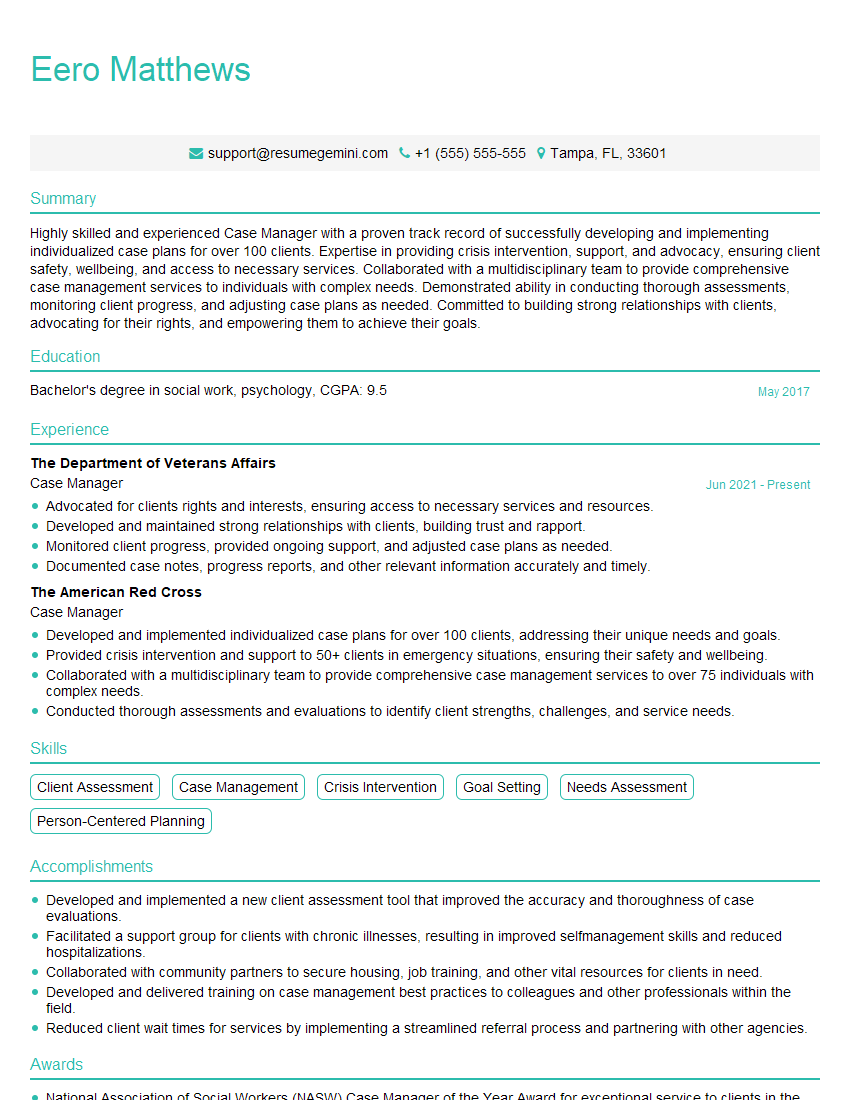
Case Manager Resume Sample
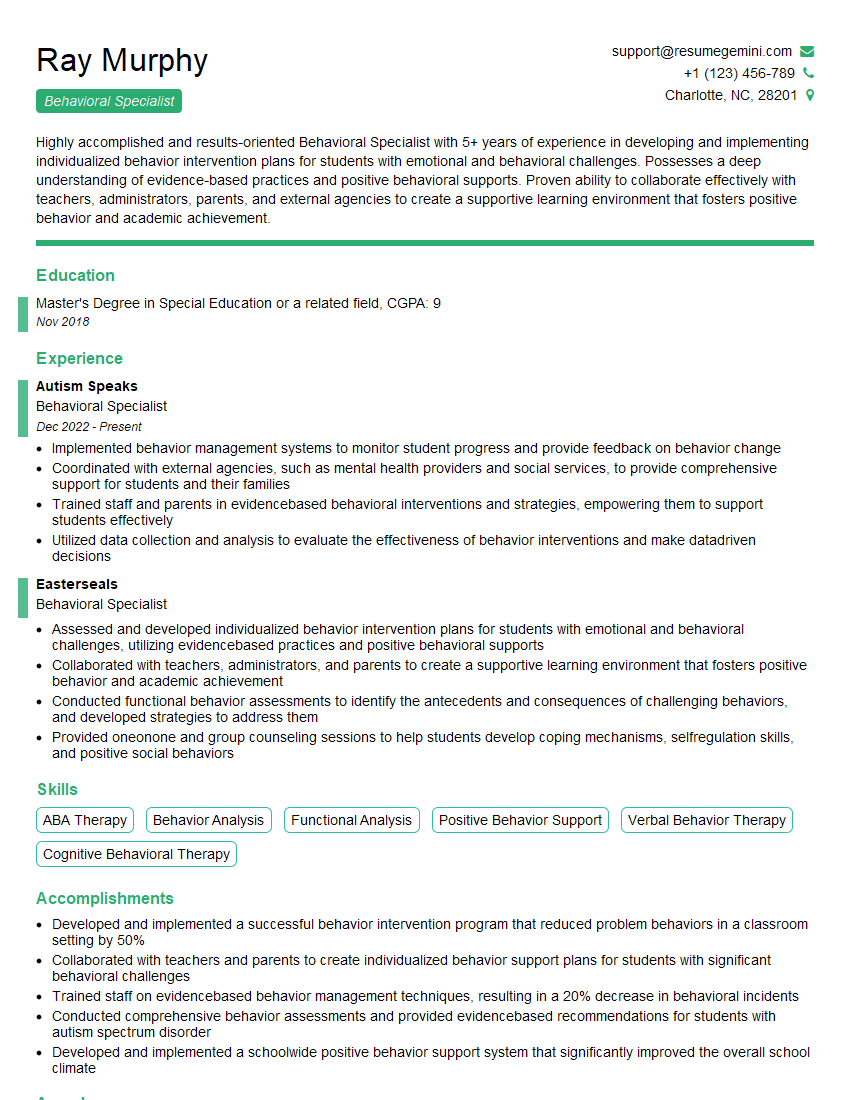
Behavioral Specialist Resume Sample
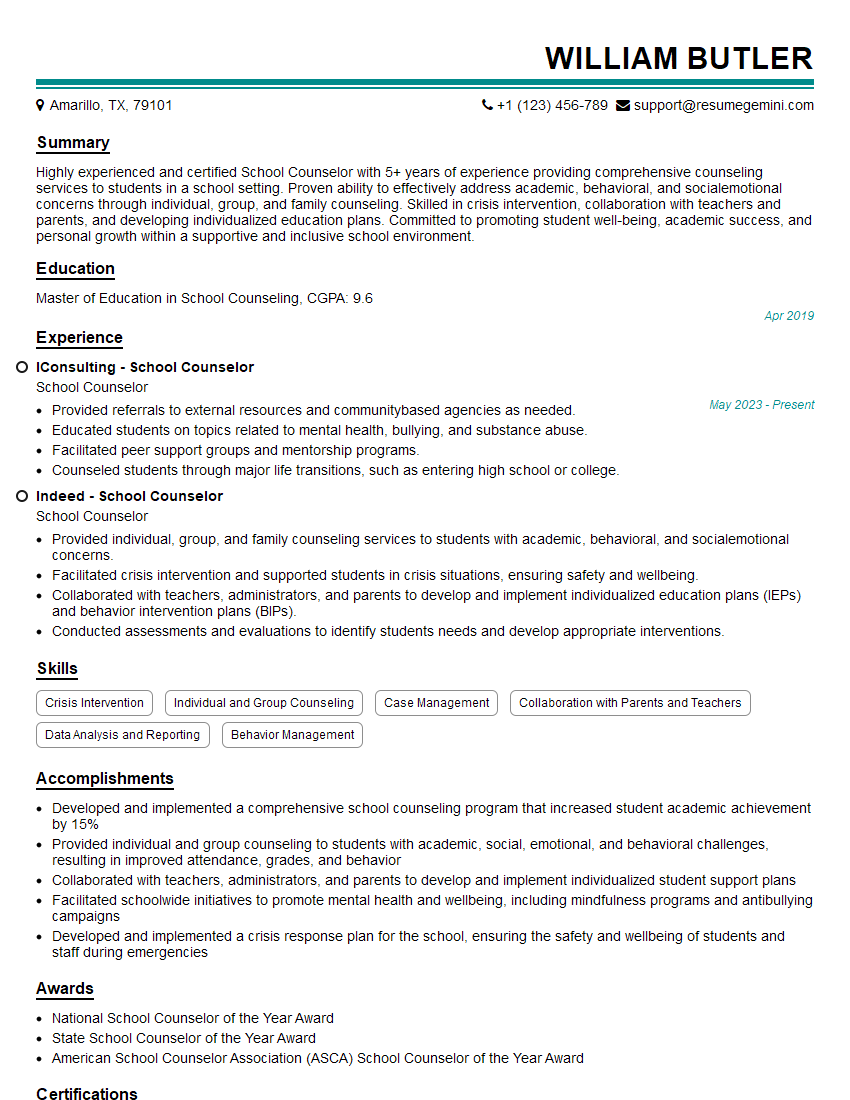
School Counselor Resume Sample
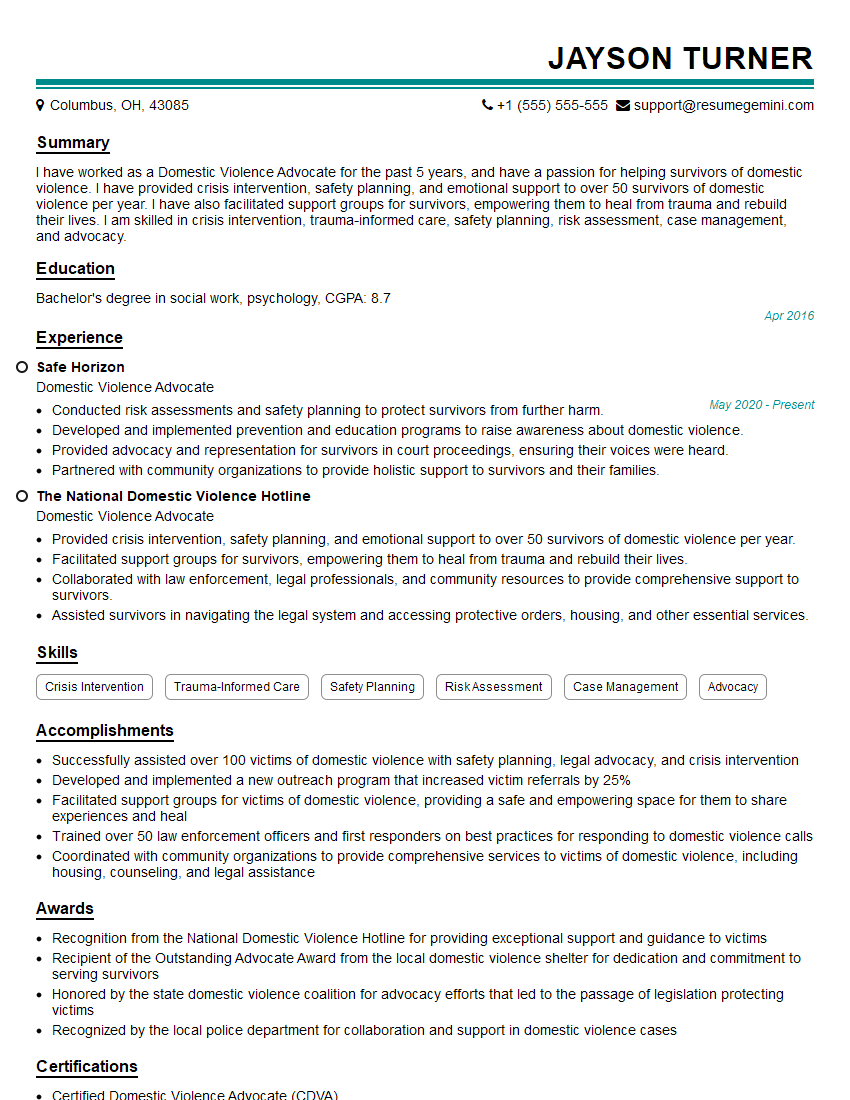
Domestic Violence Advocate Resume Sample

Mental Health Counselor Resume Sample
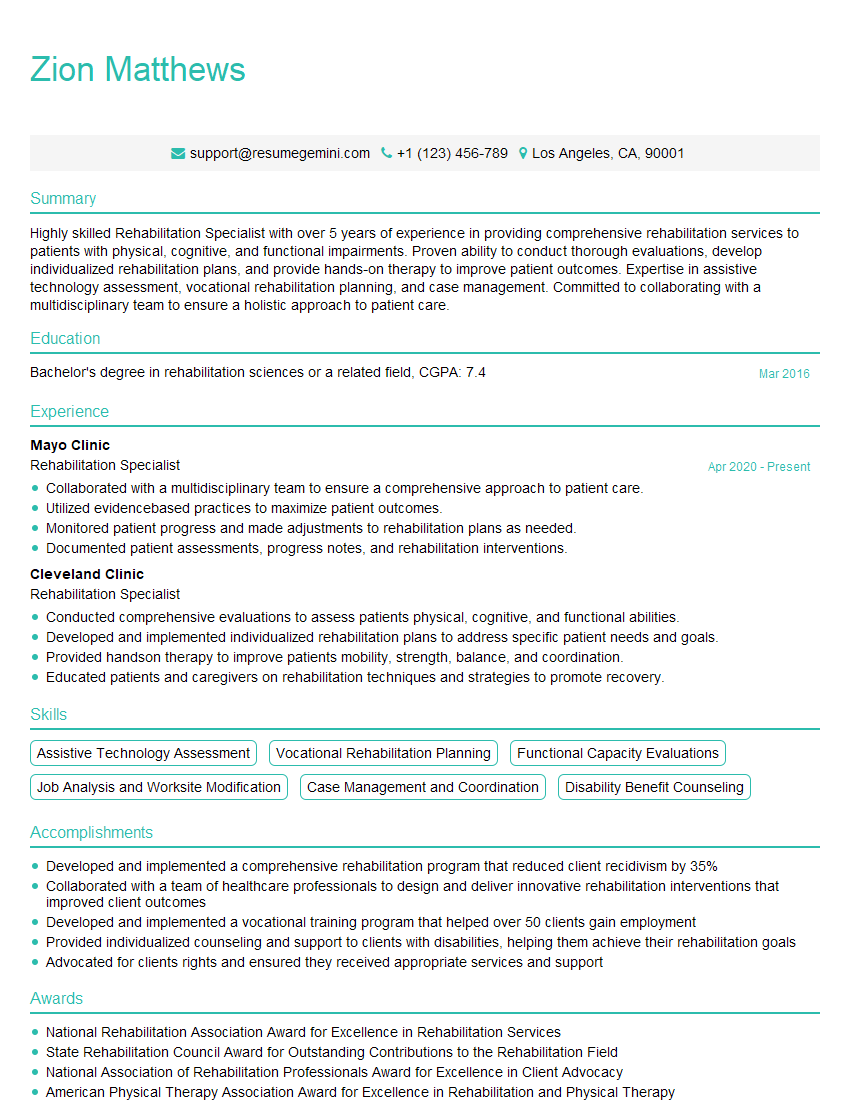
Rehabilitation Specialist Resume Sample
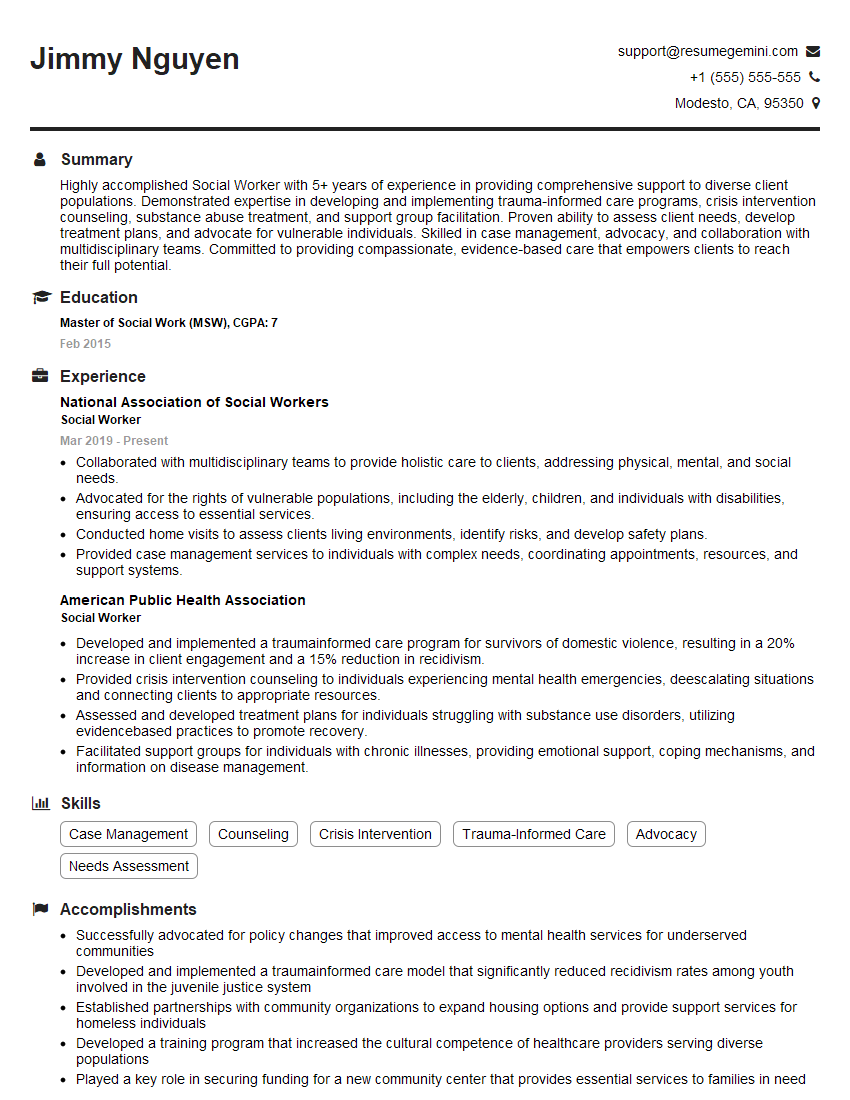
Social Worker Resume Sample

Crisis Intervention Specialist Resume Sample
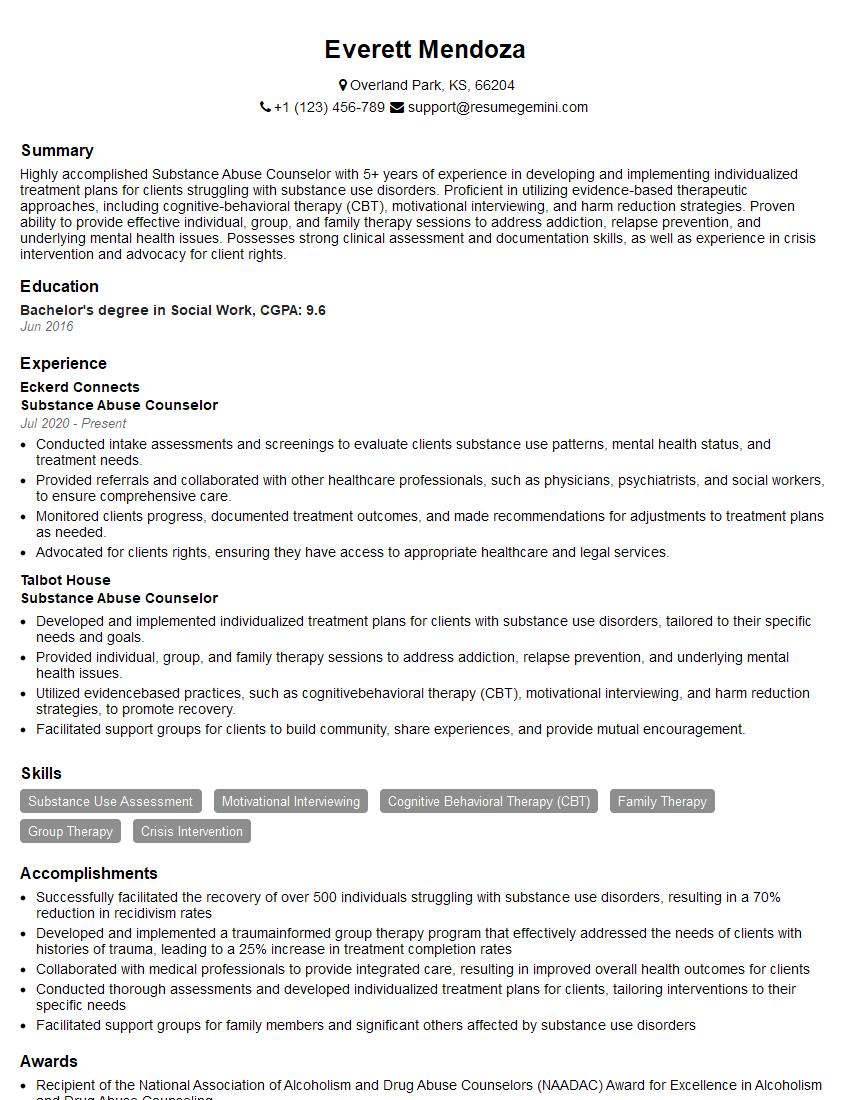
Substance Abuse Counselor Resume Sample
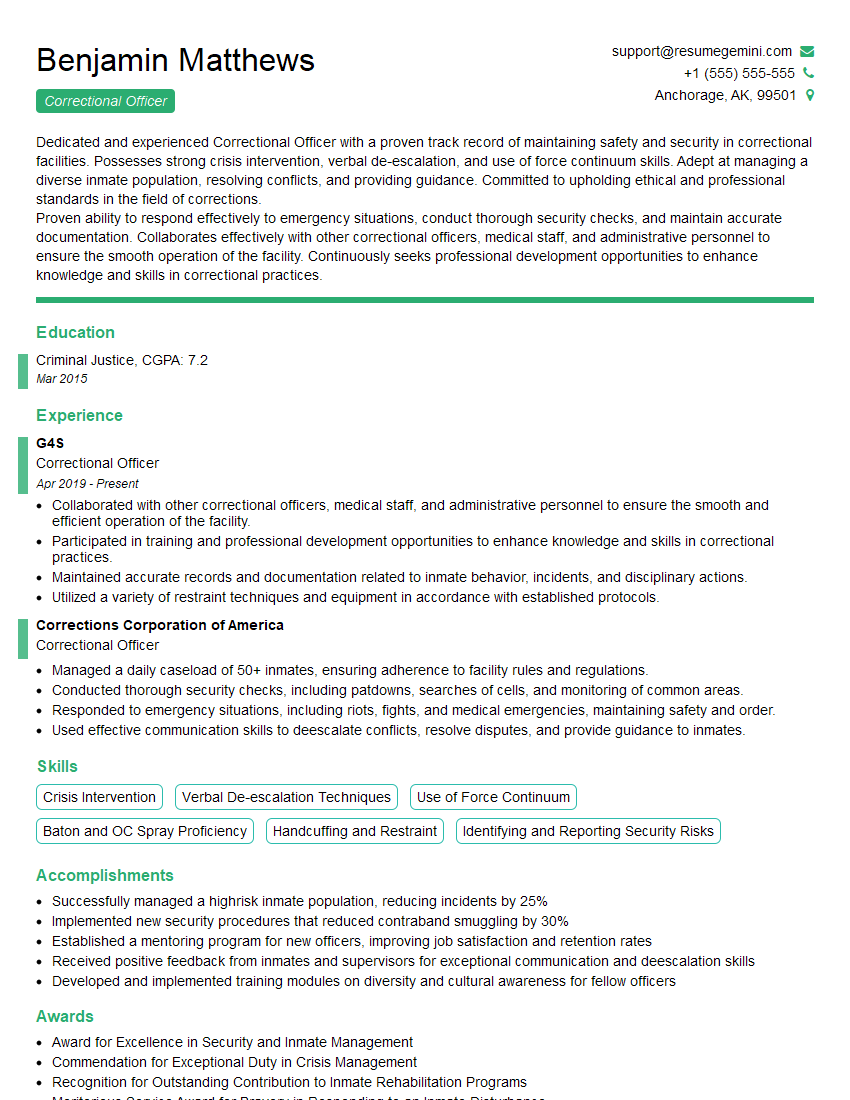
Correctional Officer Resume Sample
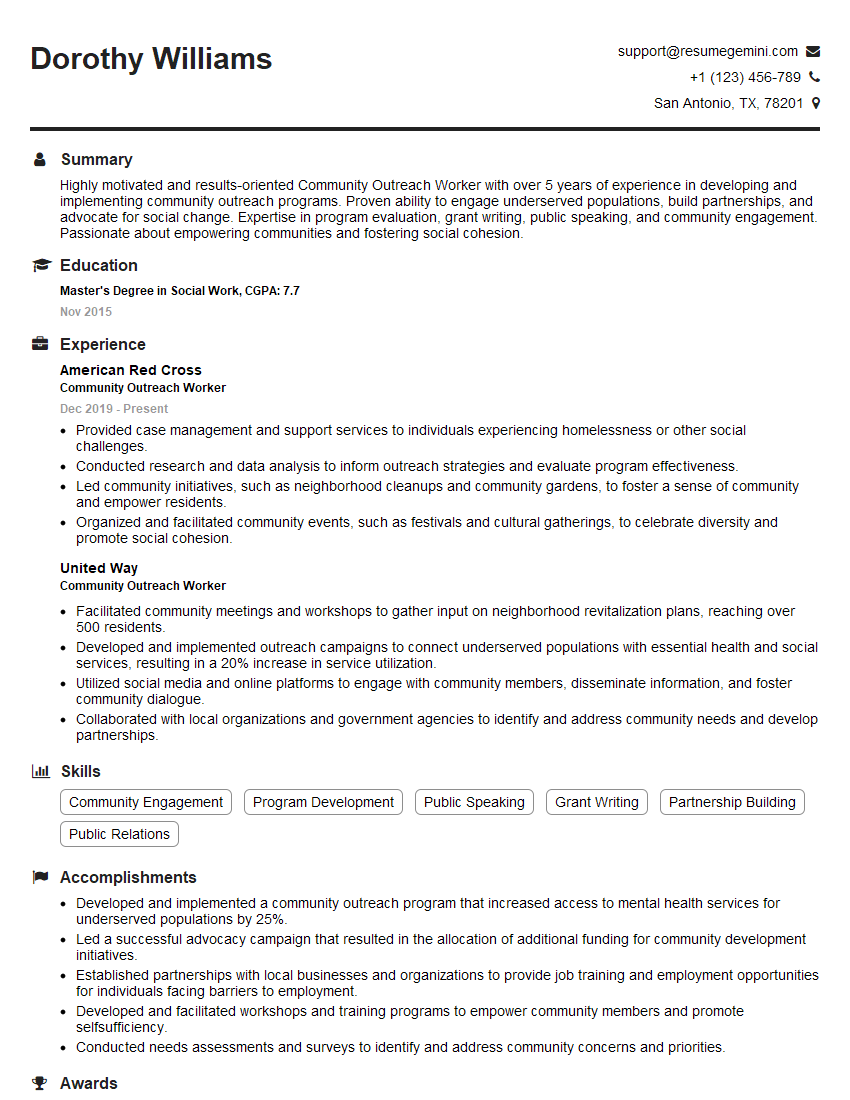
Community Outreach Worker Resume Sample
Explore more articles
Users Rating of Our Blogs
Share Your Experience
We value your feedback! Please rate our content and share your thoughts (optional).
What Readers Say About Our Blog
I Redesigned Spongebob Squarepants and his main characters of my artwork.
https://www.deviantart.com/reimaginesponge/art/Redesigned-Spongebob-characters-1223583608
IT gave me an insight and words to use and be able to think of examples
Hi, I’m Jay, we have a few potential clients that are interested in your services, thought you might be a good fit. I’d love to talk about the details, when do you have time to talk?
Best,
Jay
Founder | CEO