Are you ready to stand out in your next interview? Understanding and preparing for Crisis Management Skills interview questions is a game-changer. In this blog, we’ve compiled key questions and expert advice to help you showcase your skills with confidence and precision. Let’s get started on your journey to acing the interview.
Questions Asked in Crisis Management Skills Interview
Q 1. Describe your experience developing and implementing a crisis communication plan.
Developing and implementing a crisis communication plan is a crucial aspect of proactive risk management. It involves a structured approach, starting with identifying potential crises, defining communication channels, designating roles and responsibilities, and establishing key messages. The plan should then be tested and regularly updated.
In a previous role at a large manufacturing company, I led the development of a comprehensive crisis communication plan. This involved extensive stakeholder engagement – interviewing employees at all levels, gathering input from legal, PR, and operations teams, and conducting tabletop exercises simulating various scenarios like product recalls, natural disasters, and industrial accidents. The final plan detailed specific procedures for each crisis type, including pre-approved press releases, social media guidelines, and internal communication protocols. We used a tiered communication approach, prioritizing information dissemination to those most directly impacted first, then expanding outward in a controlled manner.
The plan’s effectiveness was significantly enhanced by including a robust training component. All key personnel received training on their specific roles, the communication plan, and how to handle media inquiries. We also established a dedicated crisis communication team with clearly defined roles and responsibilities, ensuring a smooth and efficient response in the event of a crisis.
Q 2. Explain your process for identifying and assessing potential crises within an organization.
Identifying and assessing potential crises requires a systematic approach. This process begins with brainstorming sessions involving various departments to uncover potential vulnerabilities. We utilize SWOT analysis (Strengths, Weaknesses, Opportunities, Threats) to identify internal and external factors that could lead to a crisis. Further, we conduct thorough risk assessments, considering factors like likelihood and impact, to prioritize potential threats.
For example, at my previous company, we considered potential supply chain disruptions, cybersecurity breaches, negative publicity following a product defect, and natural disasters. We used a combination of qualitative and quantitative methods; qualitative included interviews and surveys to gather employee and customer perspectives, while quantitative methods involved analyzing historical data to identify trends and predict probabilities.
The assessment process culminates in a prioritized list of potential crises, each with a detailed description, potential impact, and mitigation strategies. This list informs the crisis communication plan and allows for proactive measures to minimize risk.
Q 3. How do you prioritize tasks and allocate resources during a crisis?
Prioritizing tasks and allocating resources during a crisis requires a clear understanding of the situation’s urgency and impact. I use a decision-making framework that prioritizes actions based on their impact on lives, reputation, and operational continuity. This often involves utilizing a matrix that plots the urgency of tasks against their importance.
Resource allocation follows a similar logic. Essential resources – personnel, financial support, communication channels – are directed towards immediate needs, with less critical tasks addressed subsequently. Clear communication amongst the crisis management team is vital during this phase. We frequently use visual aids like Kanban boards to track tasks, resource allocation, and progress.
For instance, during a product recall, we prioritized addressing immediate customer concerns, followed by coordinating the recall itself, and then working on damage control and communication strategies. Resource allocation reflected this prioritization, ensuring the recall was executed smoothly and communication was effective.
Q 4. What metrics do you use to measure the effectiveness of your crisis response?
Measuring the effectiveness of a crisis response involves evaluating several key metrics across various aspects of the situation. These metrics can be grouped into three categories: speed, accuracy, and impact.
- Speed: This measures the timeliness of our response, considering factors like how quickly we identified the crisis, initiated communication, and provided updates. We often track the time elapsed between the crisis onset and the implementation of specific mitigation strategies.
- Accuracy: This assesses the correctness and consistency of the information disseminated. We evaluate the accuracy of initial reports and subsequent updates, including feedback analysis from stakeholders to identify inconsistencies.
- Impact: This evaluates the effectiveness of our response in mitigating the crisis’s effect on our reputation, stakeholders, and operations. Metrics include changes in brand sentiment, customer satisfaction scores, sales figures, and employee morale.
By tracking these metrics, we can gain valuable insights to refine our crisis communication plan and improve future responses.
Q 5. Describe a time you had to make a difficult decision under pressure during a crisis.
During a major cybersecurity breach at a previous organization, I had to make the difficult decision of publicly disclosing the incident before we had fully contained the breach. This was a calculated risk, as delayed disclosure could have resulted in greater damage to our reputation. However, early disclosure allowed us to be transparent with our customers and stakeholders, which helped build trust and mitigate reputational damage. While the situation was exceptionally stressful, the decision was made after careful consideration of all available information and consultations with legal and PR counsel.
This experience highlighted the critical balance between protecting sensitive information and maintaining transparency during a crisis. The strategic communication approach helped to significantly reduce the long-term negative impacts of the breach. This situation underscored the importance of decisive leadership and the ability to navigate ambiguous situations under extreme pressure.
Q 6. How do you handle conflicting priorities during a crisis situation?
Handling conflicting priorities during a crisis requires a structured approach, using prioritization frameworks. We utilize a clear decision-making process, often involving a scoring system that considers the impact, urgency, and feasibility of each task. This transparent approach ensures that all stakeholders understand the rationale behind the prioritization decisions. Open communication is paramount, allowing for collaborative problem-solving and the identification of alternative solutions.
Sometimes, difficult decisions need to be made, such as choosing between two equally important tasks. In such cases, prioritizing based on short-term and long-term impacts is crucial. We may involve mediation or conflict-resolution techniques to ensure all viewpoints are heard and a consensus decision is reached. This process is always documented to maintain transparency and accountability.
Q 7. What is your experience with crisis communication across various media platforms?
My experience with crisis communication spans various media platforms, including traditional media (press releases, interviews), social media (Twitter, Facebook, LinkedIn), company websites, internal communication systems (email, intranet), and even direct outreach to key stakeholders via phone calls and personal letters. The choice of media depends on the specific crisis, the target audience, and the urgency of the situation. Each platform requires a different communication style and message tailoring.
For example, during a product recall, a press release was critical for broad dissemination to media outlets. Simultaneously, we used social media to directly engage with customers who had purchased the affected product, offering clear instructions and reassurance. We ensured consistent messaging across all platforms to prevent confusion and maintain credibility. The goal is always to be proactive and get the correct information to the right people as quickly as possible.
Q 8. How do you manage stakeholder expectations during a crisis?
Managing stakeholder expectations during a crisis is paramount. It involves proactive communication, transparency, and empathy. Think of it like this: stakeholders are passengers on a ship that’s hit a storm. They need to know you’re in control, understand the situation, and have a plan.
- Proactive Communication: Before a crisis hits, establish clear communication channels and protocols. Define who receives what information, when, and how. This prevents information silos and misinformation.
- Transparency: Be honest about what you know and don’t know. Avoid speculation and misinformation. Acknowledge the severity of the situation, but also emphasize your commitment to resolving it.
- Empathy: Understand stakeholders’ concerns and address them directly. Listen actively and show compassion. A simple ‘We understand this is difficult, and we are working tirelessly to resolve it’ can go a long way.
- Regular Updates: Provide frequent updates – even if there’s no significant change – to keep stakeholders informed and engaged. This keeps anxiety levels down and demonstrates your commitment.
- Designated Spokesperson: Have one or two designated spokespersons to maintain a consistent message and control the narrative.
For example, during a product recall, regular updates to customers on the recall process, affected products, and remediation steps would be crucial. Transparency regarding the root cause and steps to prevent future occurrences builds trust.
Q 9. Explain your approach to risk assessment and mitigation.
My approach to risk assessment and mitigation is a systematic process involving identification, analysis, evaluation, treatment, and monitoring. It’s like building a house: you wouldn’t start constructing without a solid blueprint.
- Identification: We systematically identify potential crises across all aspects of the organization, including operational, financial, reputational, and legal risks. Brainstorming sessions, SWOT analysis, and hazard and operability studies are some methods used.
- Analysis: We analyze the likelihood and potential impact of each identified risk. This might involve using qualitative methods (e.g., scoring risks based on likelihood and impact) or quantitative methods (e.g., using historical data to predict the probability of certain events).
- Evaluation: We evaluate the overall risk based on the analysis, prioritizing the most critical risks that need immediate attention.
- Treatment: We develop strategies to mitigate or eliminate identified risks. This may involve risk avoidance (eliminating the activity), risk reduction (implementing controls to lessen the likelihood or impact), risk transfer (insurance), or risk acceptance (acknowledging and monitoring the risk).
- Monitoring: We continuously monitor and review the effectiveness of mitigation strategies. This often includes regular reviews, audits, and updates to the risk register as circumstances change.
For example, in a hospital, identifying risks like power outages, equipment failure, or infectious disease outbreaks would be key. Mitigation strategies might include backup generators, regular equipment maintenance, and infection control protocols.
Q 10. How do you ensure that your team is adequately trained to respond to crises?
Adequate crisis response training is vital for effective crisis management. It’s like fire drills – you hope you never need them, but being prepared is crucial. My approach involves a multi-faceted training program.
- Scenario-Based Training: We use realistic simulations and tabletop exercises to replicate various crisis scenarios. This allows team members to practice their roles, communication, and decision-making under pressure.
- Role-Playing: We conduct role-playing exercises to improve communication skills, particularly during high-stress situations. This helps build confidence and coordination.
- Regular Drills: We conduct regular drills and rehearsals to ensure preparedness and refine our crisis response plan.
- Documentation and Communication Training: We emphasize clear communication protocols and documentation procedures during a crisis to ensure accountability and transparency.
- Technology Proficiency: We ensure team members are proficient in using relevant crisis management software and communication tools.
For example, a simulated cyberattack scenario would allow the IT team and communications team to practice their coordinated response, enhancing their efficiency and reducing reaction time in a real-world event.
Q 11. Describe a crisis you successfully managed and the lessons you learned.
During my time at [Previous Company Name], we faced a significant product defect that threatened our reputation and market share. The defect caused malfunction in a key feature of our software, impacting a large number of our clients.
- Immediate Response: We immediately established a crisis management team, prioritizing transparency and communication. We acknowledged the problem, provided immediate workarounds, and communicated regularly with affected customers.
- Root Cause Analysis: We conducted a thorough root cause analysis to understand the defect and prevent its recurrence. This involved analyzing code, user reports, and system logs.
- Resolution and Remediation: We developed and deployed a software patch to fix the defect and launched a customer support initiative to address individual concerns.
- Lessons Learned: We conducted a post-incident review to identify areas for improvement. This included enhancing our testing protocols, strengthening communication channels, and revising our crisis management plan to better handle future incidents.
This experience taught me the importance of decisive leadership, swift action, transparent communication, and thorough post-incident analysis in managing crises effectively. It highlighted the need for constant vigilance and continuous improvement in our processes.
Q 12. How do you maintain composure and make sound judgments under stress?
Maintaining composure and sound judgment under stress is a skill honed through experience and deliberate practice. It’s like a muscle that strengthens over time. My approach involves several key strategies.
- Preparation: Thorough planning and preparedness reduce uncertainty and anxiety. Knowing what to expect helps me react calmly and efficiently.
- Mindfulness Techniques: Practicing mindfulness and deep breathing exercises helps me regulate my emotions and focus on the task at hand. It allows me to separate immediate reactions from calculated actions.
- Decision-Making Framework: I use a structured decision-making framework to analyze information, weigh options, and choose the best course of action, even under pressure. This helps avoid impulsive decisions based on emotional responses.
- Self-Care: Prioritizing adequate sleep, nutrition, and physical activity reduces stress levels and enhances resilience.
- Delegation and Teamwork: Effectively delegating tasks and relying on my team’s expertise alleviates stress and ensures tasks are handled efficiently.
In high-pressure situations, I deliberately slow down my thinking, prioritize tasks, and focus on factual information, rather than letting emotions dictate my response.
Q 13. What is your experience with business continuity planning?
Business continuity planning (BCP) is crucial for organizational resilience. It’s a roadmap for navigating disruptions and ensuring continued operations. My experience encompasses developing and implementing BCPs across various sectors.
- Risk Assessment: I have extensive experience in conducting comprehensive risk assessments to identify potential threats to business operations, including natural disasters, cyberattacks, pandemics, and supply chain disruptions.
- Plan Development: I have developed detailed BCPs, including strategies for minimizing disruptions, restoring operations, and maintaining critical business functions. This includes defining roles, responsibilities, and communication protocols.
- Testing and Review: I have led and participated in numerous BCP testing and review exercises, ensuring plans are up-to-date and effectively address potential threats. This includes tabletop exercises, simulations, and drills.
- Technology Integration: I am proficient in integrating technology into BCPs, including cloud computing, data backup and recovery, and disaster recovery solutions.
- Stakeholder Engagement: I have worked closely with stakeholders across all levels of an organization, ensuring that BCP plans are aligned with organizational goals and effectively communicate to employees and other relevant parties.
For example, I led the development of a BCP for a financial institution that included detailed procedures for managing cyberattacks, ensuring data security, and maintaining operational continuity during a major outage.
Q 14. How do you utilize data analytics to inform crisis response strategies?
Data analytics is a powerful tool for informing crisis response strategies. It helps move from reactive responses to proactive strategies. Think of it as having a crystal ball, but instead of predictions, you get data-driven insights.
- Predictive Analytics: Analyzing historical data, including past crisis events, can help predict the likelihood and potential impact of future crises. This enables proactive mitigation strategies.
- Social Media Monitoring: Tracking social media sentiment can provide early warnings of potential crises and help assess public perception during an ongoing event.
- Real-Time Data Analysis: Analyzing real-time data, such as website traffic, call center volumes, and social media trends, allows for agile crisis response and resource allocation.
- Impact Assessment: Analyzing the impact of a crisis on various stakeholders, including customers, employees, and investors, helps prioritize response efforts and tailor communication strategies.
- Post-Incident Analysis: Data analysis can provide valuable insights after a crisis, helping identify areas for improvement and refining future crisis management plans.
For example, analyzing website traffic during a product recall can help understand the scale of the problem and identify areas of customer concern, allowing for more targeted communication efforts and resources allocation. Analyzing social media trends can provide valuable insight into emerging concerns, potential misinformation and allows for proactive countermeasures.
Q 15. Describe your approach to post-crisis review and improvement.
Post-crisis review is crucial for learning and improvement. My approach is a structured, multi-phased process, starting with a thorough fact-finding phase. This involves gathering data from various sources – incident reports, communication logs, stakeholder interviews, and media coverage. I then conduct a detailed analysis, identifying both successes and failures. This analysis uses a root cause analysis technique to understand the underlying causes of the crisis, not just the symptoms. For instance, if a product recall led to a crisis, we’d examine not only the defective product but also the quality control processes, supplier relationships, and communication protocols. Finally, we develop actionable recommendations and implement them, creating a plan for improved procedures, training programs, and communication strategies. We also establish a system for monitoring the effectiveness of these improvements over time. A crucial element is documenting the entire process, creating a living document that evolves with each crisis and serves as a valuable repository of lessons learned.
For example, during a cybersecurity breach at a previous organization, our post-crisis review revealed weaknesses in our employee training program regarding phishing scams. This led to the implementation of updated training modules, phishing simulation exercises, and improved incident response protocols. This systematic approach ensured that future crises of a similar nature could be handled more effectively.
Career Expert Tips:
- Ace those interviews! Prepare effectively by reviewing the Top 50 Most Common Interview Questions on ResumeGemini.
- Navigate your job search with confidence! Explore a wide range of Career Tips on ResumeGemini. Learn about common challenges and recommendations to overcome them.
- Craft the perfect resume! Master the Art of Resume Writing with ResumeGemini’s guide. Showcase your unique qualifications and achievements effectively.
- Don’t miss out on holiday savings! Build your dream resume with ResumeGemini’s ATS optimized templates.
Q 16. How do you collaborate with external stakeholders during a crisis?
Collaboration with external stakeholders is paramount during a crisis. My approach prioritizes open and transparent communication from the outset. This includes establishing clear communication channels and regularly updating stakeholders – such as government agencies, media outlets, and community representatives – on the situation’s progress. I leverage various tools for effective communication, including dedicated crisis communication portals, press releases, and social media updates. It’s essential to build trust and maintain credibility by being honest, even when delivering difficult news. Active listening and empathy are also key; understanding their concerns and addressing them directly helps to mitigate misinformation and build strong relationships.
In one instance, during a public health crisis involving a contaminated food product, we established a dedicated communication team that worked directly with health authorities and media outlets, ensuring consistent messaging and prompt responses to public inquiries. This transparent and proactive approach significantly helped in managing public anxiety and prevented the situation from escalating.
Q 17. How do you ensure effective information sharing during a crisis?
Effective information sharing is the backbone of successful crisis management. My approach centers on establishing a central information hub, accessible to all relevant personnel. This could be a dedicated online platform or a physical command center, depending on the crisis’s nature and scale. We utilize clear and consistent communication protocols, ensuring that information is relayed accurately and promptly. This includes designating specific roles for information dissemination, maintaining a detailed communication log, and using multiple communication channels for redundancy. A crucial aspect is tailoring the information to the specific needs of each stakeholder group, ensuring that messages are easily understandable and relevant to their concerns.
For instance, during a major transportation disruption, we established a centralized website that provided real-time updates, FAQs, and contact information for affected passengers. We also utilized social media channels to reach out to individuals and addressed concerns directly, preventing misinformation from spreading.
Q 18. What is your experience with crisis simulations and exercises?
I have extensive experience with crisis simulations and exercises, recognizing their invaluable role in preparing for unforeseen events. These exercises are not just theoretical; they are opportunities to test plans, procedures, and communication strategies in a controlled environment. I’ve facilitated numerous simulations covering various scenarios, including natural disasters, cybersecurity breaches, and product recalls. These exercises often involve multi-disciplinary teams, mirroring the complexity of real-world crisis response. The feedback received during and after the exercises is crucial in identifying gaps in preparedness, refining protocols, and improving team coordination.
In my previous role, we conducted an annual crisis simulation focused on a major facility fire. Each simulation identified areas for improvement in our evacuation procedures, emergency response plans, and communication protocols. These iterative exercises dramatically improved our readiness and response capabilities.
Q 19. Describe your understanding of legal and regulatory requirements relevant to crisis management.
A strong understanding of legal and regulatory requirements is essential for effective crisis management. My expertise encompasses various legal frameworks, including data privacy regulations (like GDPR and CCPA), environmental regulations, and industry-specific compliance standards. Knowing these requirements helps us to anticipate legal repercussions and proactively mitigate risks. During a crisis, legal considerations are paramount, impacting decisions about information disclosure, communication strategies, and resource allocation. We work closely with legal counsel to ensure our actions comply with all applicable laws and regulations.
For example, during a data breach incident, a thorough understanding of GDPR ensured that we complied with notification requirements, minimized potential fines, and protected the privacy of our customers’ data.
Q 20. How do you handle misinformation and rumors during a crisis?
Misinformation and rumors can significantly escalate a crisis. My strategy involves proactively countering these by establishing credible communication channels, disseminating accurate information swiftly, and refuting false claims decisively. This involves identifying the source of misinformation, understanding its potential impact, and developing a targeted communication plan to address it. This may involve working with fact-checkers, utilizing social media monitoring tools, and partnering with trusted influencers to spread accurate information. Transparency and open communication are key in building trust and reducing the spread of misinformation.
During a previous crisis involving a false report about a product defect, we immediately released a public statement correcting the misinformation, providing evidence to support our claim, and directing individuals to authoritative sources of information. This proactive response helped prevent the rumor from gaining traction and significantly mitigated potential damage.
Q 21. What is your experience with crisis leadership and decision-making?
Crisis leadership requires decisive action, clear communication, and the ability to remain calm under pressure. My experience includes leading teams through various high-stakes situations, making critical decisions in dynamic environments. I foster a culture of collaboration and empowerment, ensuring that the right people are involved in the decision-making process. This involves leveraging the expertise of various team members, actively seeking diverse perspectives, and making timely and informed decisions based on available data. Regular review and adjustment are crucial; the ability to adapt to evolving circumstances and learn from mistakes is vital to effective crisis leadership.
For instance, during a severe weather event impacting our operations, I led the team in coordinating evacuation plans, resource allocation, and communication with affected personnel and stakeholders. Our ability to adapt our strategies as the weather conditions changed ensured the safety and well-being of our team and the swift resumption of operations once the storm had passed.
Q 22. How do you manage team morale and well-being during a prolonged crisis?
Maintaining team morale and well-being during a prolonged crisis is paramount. It’s not just about productivity; it’s about preventing burnout and ensuring the team’s long-term health. My approach is multifaceted and focuses on:
- Open and Honest Communication: Regular, transparent updates are crucial. This involves sharing what we know, what we don’t know, and what the plan is. I encourage two-way communication, allowing team members to voice concerns and anxieties.
- Prioritization and workload management: Prolonged crises can lead to overwhelming workloads. Clear prioritization, delegation, and even temporary reduction of non-essential tasks are necessary. This might involve implementing flexible work arrangements.
- Providing Support and Resources: Access to mental health resources, Employee Assistance Programs (EAPs), and stress management techniques should be readily available and actively promoted. This might include workshops, mindfulness sessions, or access to counseling.
- Recognizing and Celebrating Achievements: Even small victories should be acknowledged. Celebrating milestones, however small, boosts morale and reminds the team of their collective progress.
- Team Building and Social Interaction: Virtual or in-person team-building activities can help foster a sense of camaraderie and connection. These activities can be informal and focused on relaxation and building rapport.
For example, during a major data breach incident, I implemented daily ‘check-in’ meetings, focusing less on tasks and more on team members’ well-being. We also organized virtual team lunches and provided access to online mindfulness sessions to help cope with the stress.
Q 23. Describe your experience using crisis management software or tools.
I have extensive experience using a variety of crisis management software and tools, including those focused on communication, collaboration, and data security. For instance, I’ve utilized platforms like [mention a specific platform, e.g., CrisisGo] for real-time communication and task management during a product recall crisis. This allowed for efficient dissemination of information to various stakeholders, including internal teams, customers, and regulatory bodies. The platform’s features, such as integrated communication channels (SMS, email, social media), streamlined the process significantly. Additionally, I’ve used collaboration tools like [mention a platform, e.g., Slack] for internal team communication and coordination, enabling rapid response to evolving situations.
My experience extends to using specialized software for incident tracking and analysis, allowing for detailed documentation of events, resource allocation, and post-incident review. This contributes significantly to post-crisis analysis and continuous improvement of our crisis management strategies.
Q 24. How do you adapt your crisis management strategies to different types of crises?
Adaptability is key in crisis management. My strategies differ depending on the nature and scale of the crisis. For example:
- Natural Disasters: Focus shifts to employee safety, business continuity plans, and communication with affected communities. This might involve securing facilities, coordinating evacuation procedures, and establishing temporary operations.
- Cybersecurity incidents: Prioritization is on containment, damage control, communication with affected parties, and legal compliance. This necessitates quick response teams, robust incident response plans, and close collaboration with cybersecurity experts.
- Reputational crises: Strategic communication is critical. This involves crafting consistent messaging, managing public perception, and addressing misinformation. I utilize reputation management tools and techniques to mitigate damage to the organization’s image.
- Product recalls: Focus is on swift and transparent communication to customers, efficient product retrieval, and compliance with relevant regulations. This involves close coordination with supply chain partners and regulatory bodies.
A flexible framework, adaptable to the unique characteristics of each crisis, is crucial for effective response and mitigation.
Q 25. How do you ensure the security of sensitive information during a crisis?
Protecting sensitive information during a crisis is paramount. My approach involves a multi-layered strategy:
- Access Control: Implementing strict access control measures, limiting access to sensitive data to only authorized personnel, using strong passwords and multi-factor authentication.
- Data Encryption: Encrypting sensitive data both in transit and at rest to protect it from unauthorized access, even if a breach occurs.
- Incident Response Plan: Having a well-defined incident response plan that outlines procedures for handling data breaches, including data recovery and notification protocols.
- Regular Security Audits: Conducting regular security assessments and penetration testing to identify and address vulnerabilities proactively.
- Employee Training: Providing employees with regular training on data security best practices, including phishing awareness and secure communication protocols.
Furthermore, I adhere to all relevant data privacy regulations (e.g., GDPR, CCPA) and work closely with legal counsel to ensure compliance and minimize liability.
Q 26. What is your experience with crisis prevention and preparedness?
Crisis prevention and preparedness are just as important as crisis response. My experience includes:
- Risk Assessment: Conducting thorough risk assessments to identify potential crises and vulnerabilities. This involves analyzing various scenarios and estimating their likelihood and impact.
- Developing Crisis Management Plans: Creating comprehensive crisis management plans, including communication protocols, escalation procedures, and response teams. These plans are regularly reviewed and updated.
- Training and Exercises: Conducting regular training and simulations to prepare teams for various crisis scenarios. This ensures that everyone understands their roles and responsibilities.
- Building strong relationships with stakeholders: Establishing positive relationships with key stakeholders (e.g., government agencies, media, community leaders) to facilitate effective communication and collaboration during a crisis.
- Continuously monitoring the environment: Staying abreast of industry trends, emerging threats, and potential risks to proactively identify and mitigate potential crises.
For example, I developed a comprehensive crisis management plan for a manufacturing company that included procedures for product recalls, natural disasters, and cybersecurity incidents. We conducted regular tabletop exercises to test the plan’s effectiveness and refine our response strategies.
Q 27. How do you measure the long-term impact of a crisis on the organization?
Measuring the long-term impact of a crisis requires a comprehensive approach. This goes beyond immediate financial losses and includes:
- Financial Performance: Analyzing the impact on revenue, profitability, and market share in the months and years following the crisis.
- Reputational Damage: Assessing changes in brand perception, customer loyalty, and media coverage. This might involve surveys, social media monitoring, and sentiment analysis.
- Operational Efficiency: Evaluating the impact on productivity, operational processes, and supply chain resilience.
- Employee Morale: Monitoring employee satisfaction, turnover rates, and overall well-being after the crisis.
- Lessons Learned: Conducting a thorough post-incident review to identify areas for improvement in crisis management strategies and preparedness.
By tracking these metrics over time, we can gain insights into the lasting effects of the crisis and identify any lingering issues that require attention.
Q 28. What are your salary expectations for this role?
My salary expectations for this role are in the range of $[Lower Bound] to $[Upper Bound] annually, commensurate with my experience and the responsibilities of the position. This range reflects my expertise in crisis management, my proven track record of success, and the value I bring to an organization in mitigating risk and ensuring business continuity.
However, I am open to discussing this further and am flexible depending on the comprehensive compensation package offered, including benefits and opportunities for professional development.
Key Topics to Learn for Crisis Management Skills Interview
- Crisis Assessment and Planning: Understanding the process of identifying potential crises, assessing their impact, and developing proactive mitigation strategies. This includes risk assessment methodologies and scenario planning.
- Communication and Stakeholder Management: Mastering effective communication techniques during a crisis, including internal and external messaging, media relations, and managing stakeholder expectations. Practical application includes crafting clear, concise, and empathetic communication during high-pressure situations.
- Decision-Making Under Pressure: Developing the ability to make quick, informed decisions in ambiguous and stressful environments. This involves utilizing decision-making frameworks and considering ethical implications.
- Team Leadership and Collaboration: Effectively leading and coordinating teams during a crisis, fostering collaboration, and delegating tasks efficiently. This includes conflict resolution and team motivation strategies.
- Problem-Solving and Root Cause Analysis: Identifying the root cause of a crisis and implementing effective solutions to prevent recurrence. This involves using various problem-solving methodologies and conducting thorough post-incident analyses.
- Crisis Response and Recovery: Developing and implementing effective crisis response plans, including immediate actions, containment strategies, and long-term recovery efforts. This includes understanding the importance of incident command systems and post-crisis communication.
- Legal and Ethical Considerations: Understanding the legal and ethical implications of crisis management decisions, including privacy concerns, liability, and regulatory compliance.
Next Steps
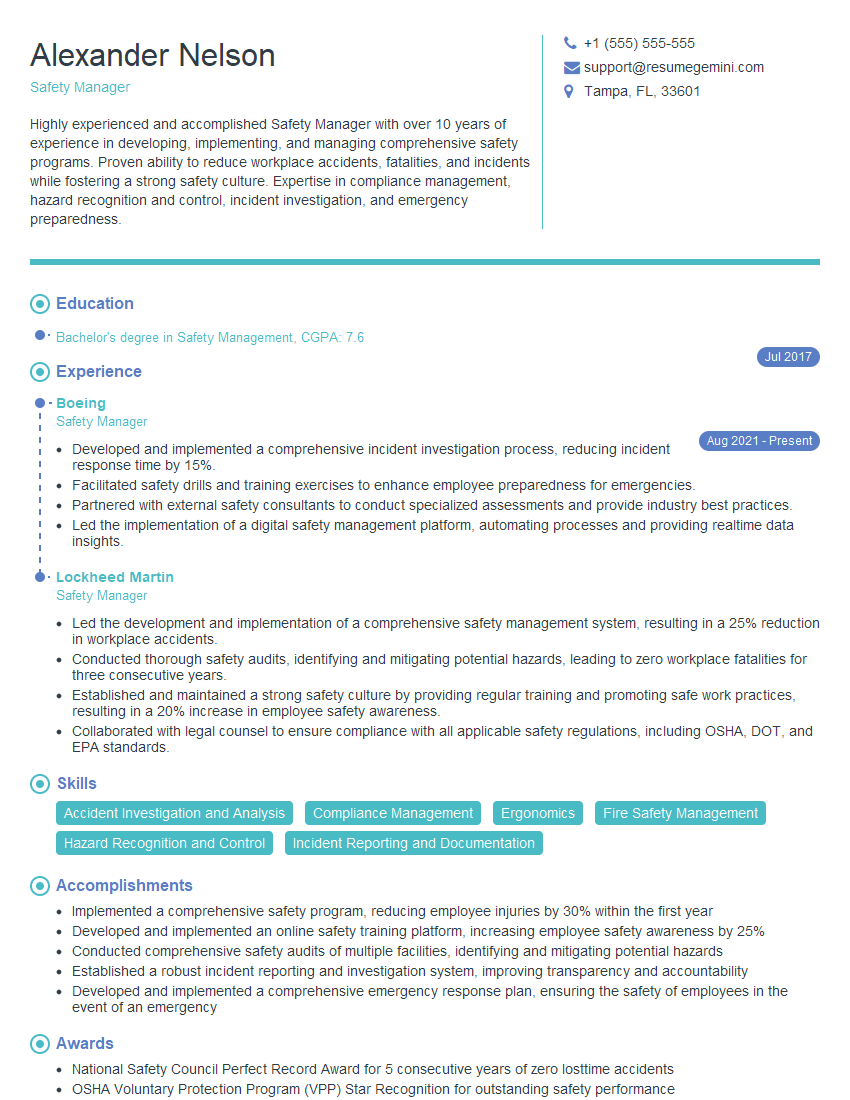
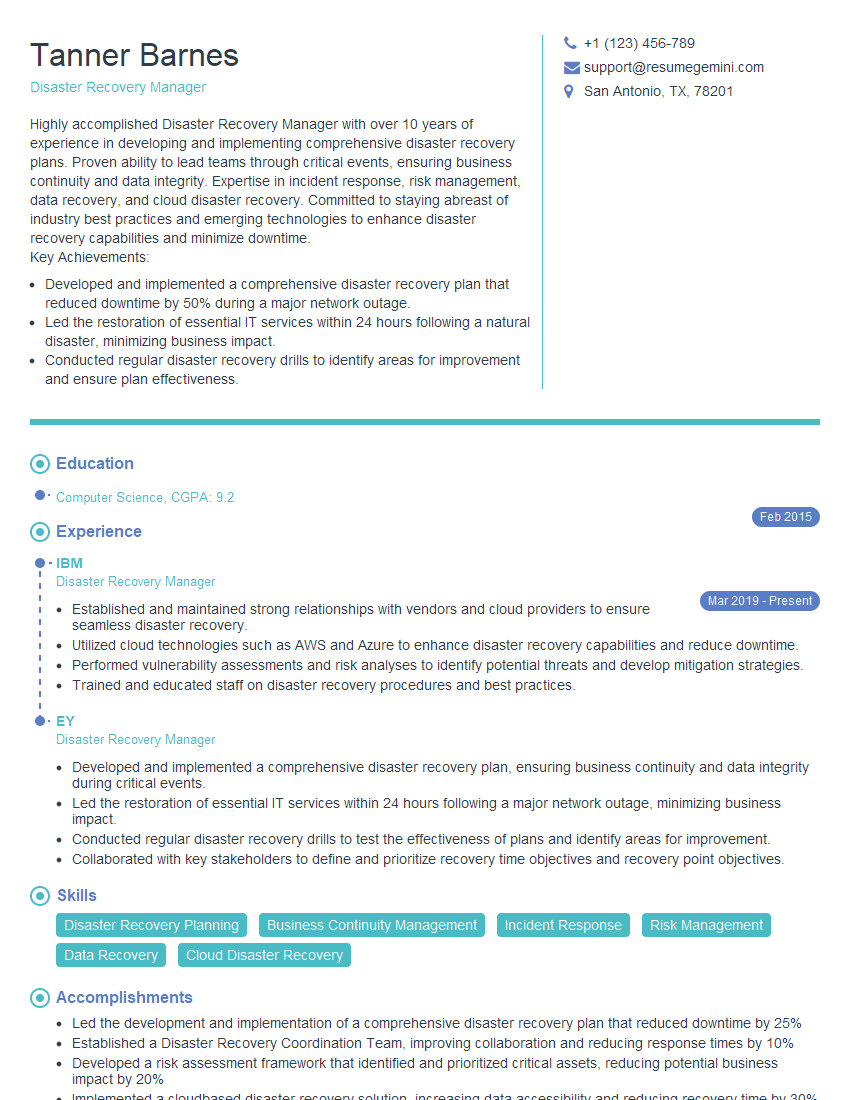
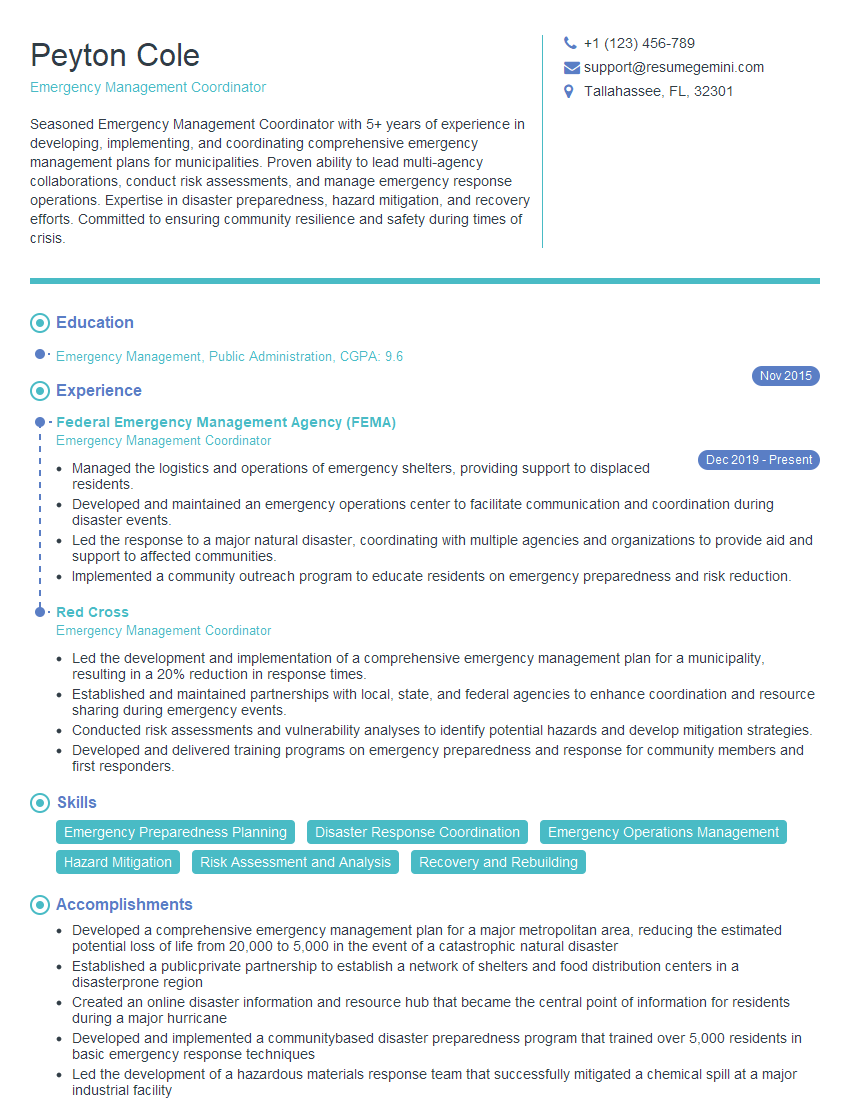
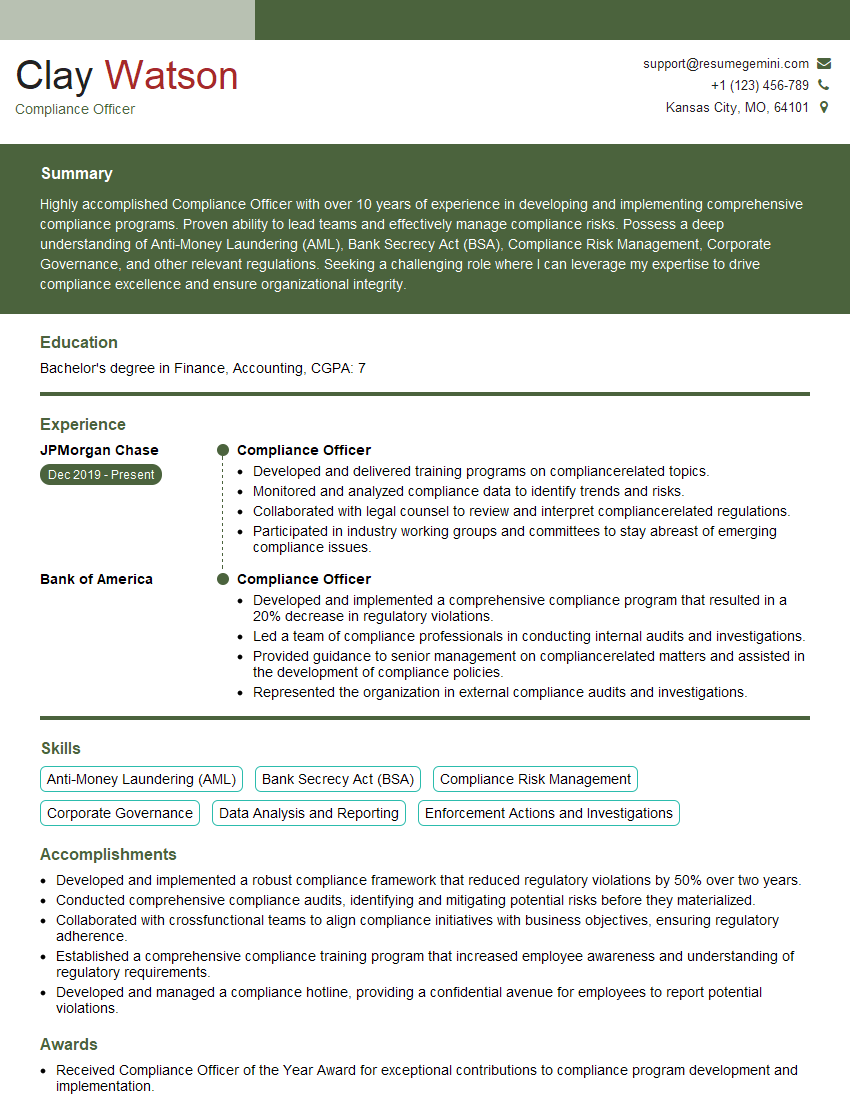
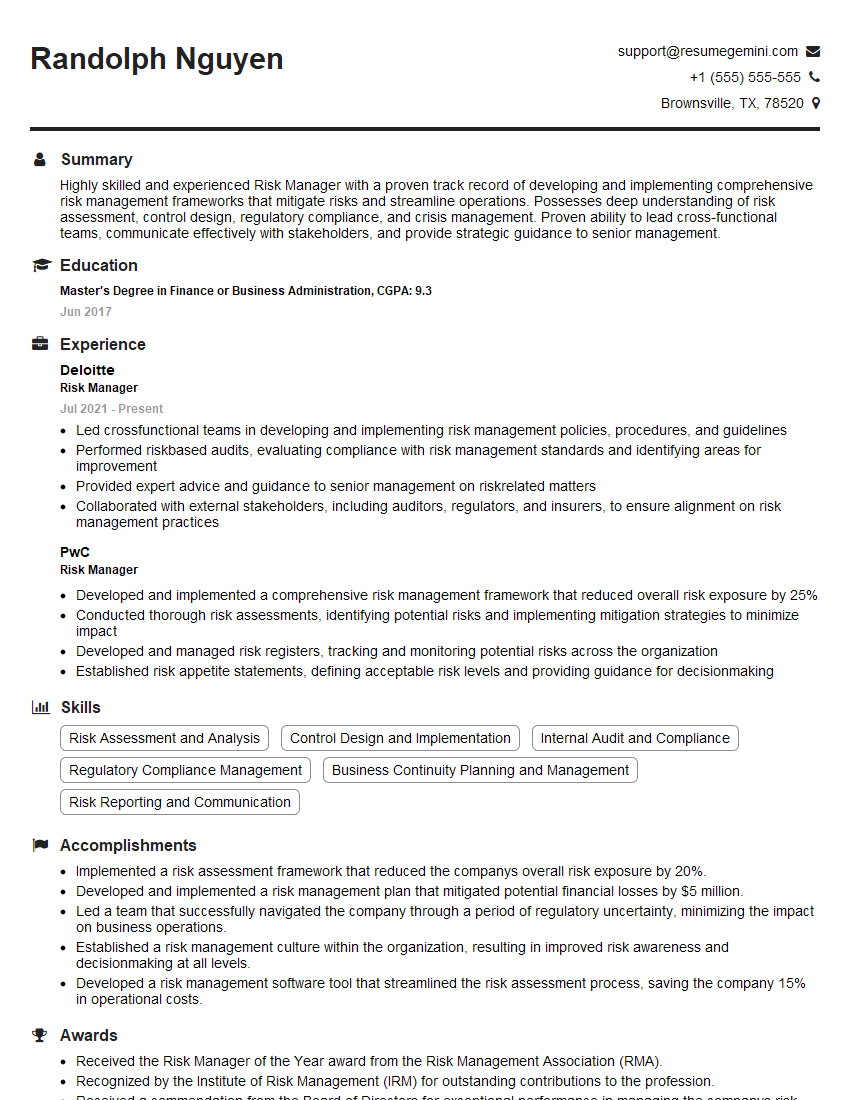
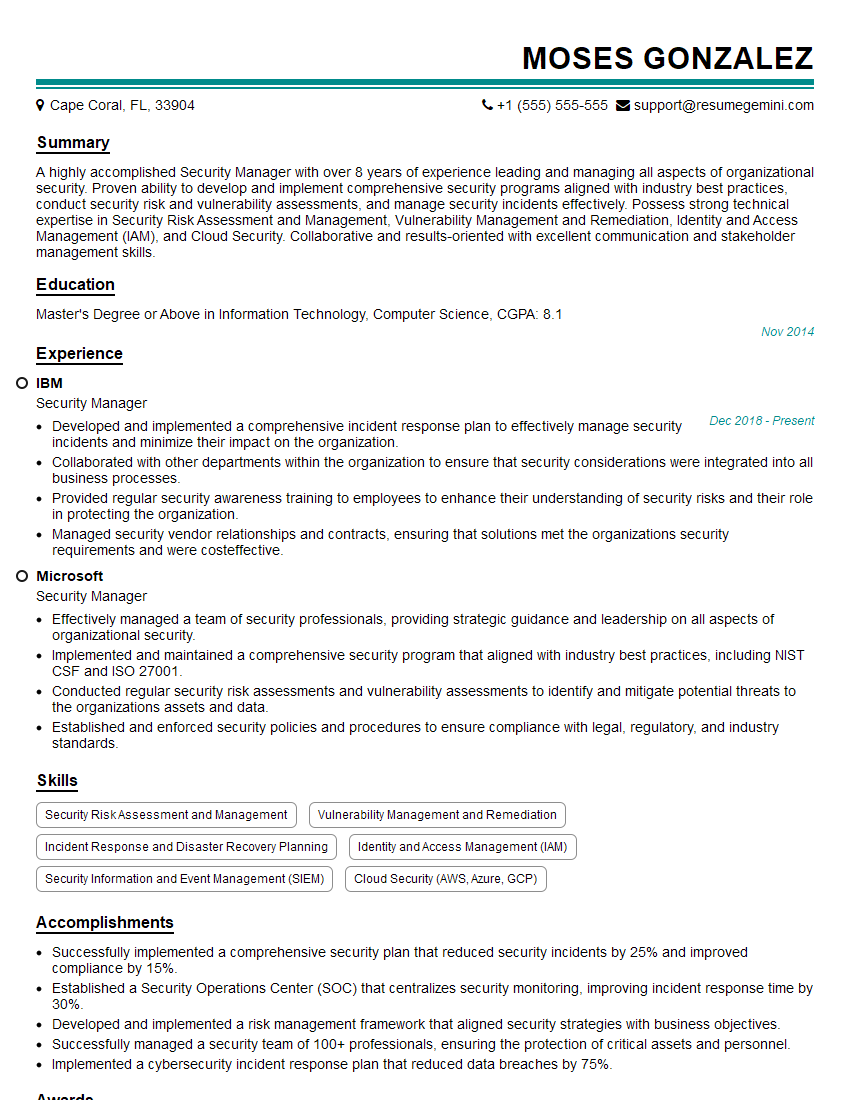
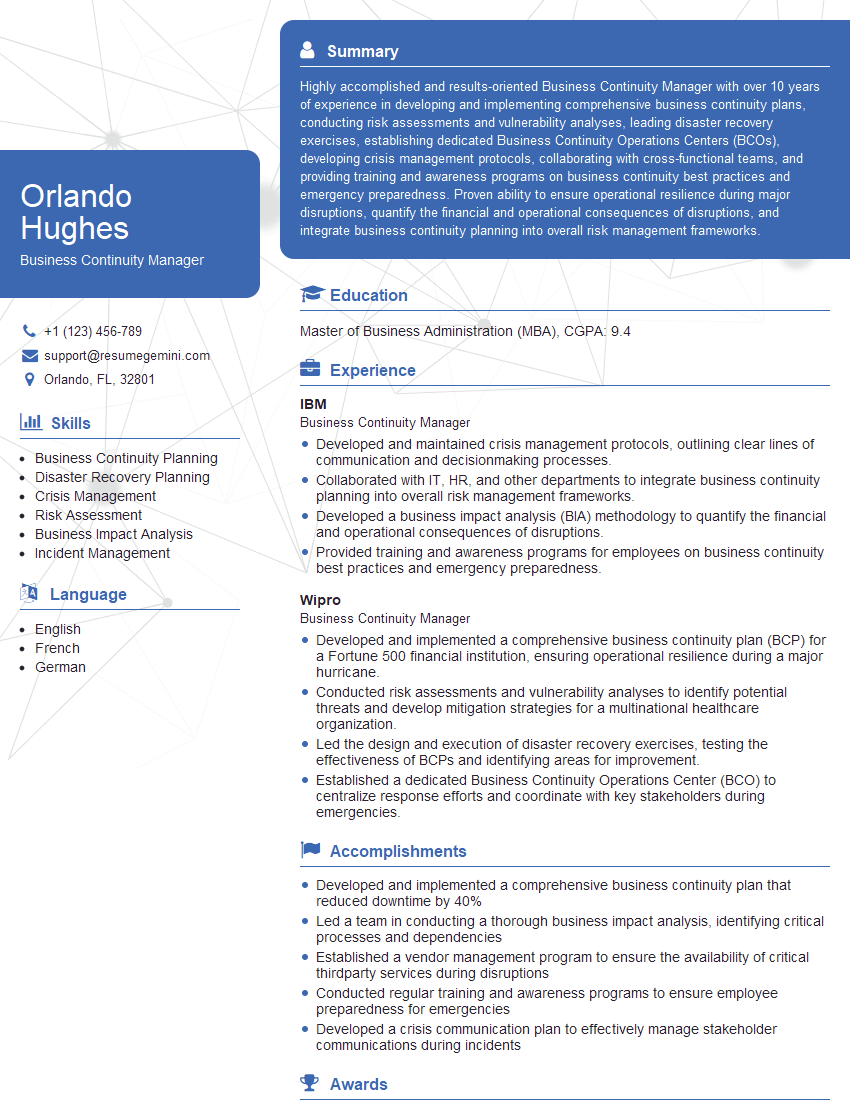
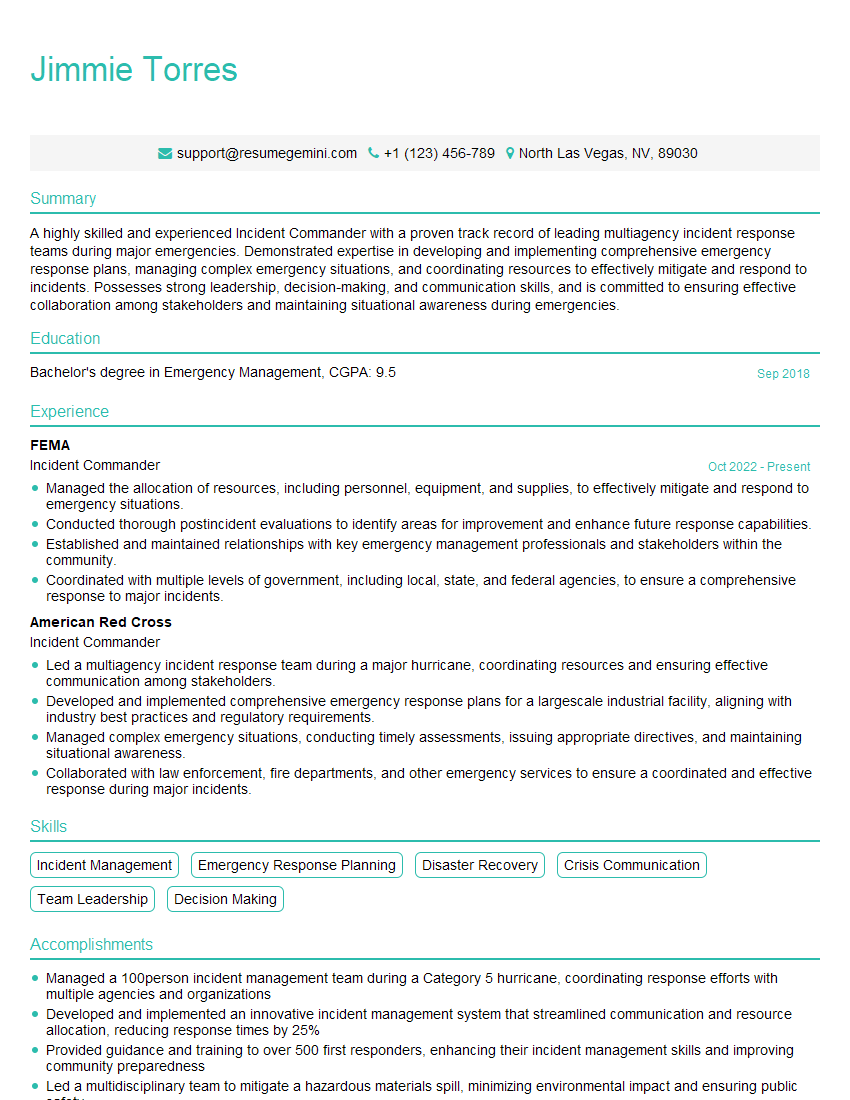
Mastering Crisis Management Skills is crucial for career advancement across numerous industries. These skills demonstrate your ability to handle pressure, lead effectively, and make sound judgments – highly valued attributes in any professional setting. To significantly enhance your job prospects, crafting an ATS-friendly resume is essential. ResumeGemini is a trusted resource to help you build a compelling and effective resume that highlights your crisis management expertise. Examples of resumes tailored to showcase Crisis Management Skills are available on ResumeGemini to provide you with further guidance and inspiration.
Explore more articles
Users Rating of Our Blogs
Share Your Experience
We value your feedback! Please rate our content and share your thoughts (optional).
What Readers Say About Our Blog
I Redesigned Spongebob Squarepants and his main characters of my artwork.
https://www.deviantart.com/reimaginesponge/art/Redesigned-Spongebob-characters-1223583608
IT gave me an insight and words to use and be able to think of examples
Hi, I’m Jay, we have a few potential clients that are interested in your services, thought you might be a good fit. I’d love to talk about the details, when do you have time to talk?
Best,
Jay
Founder | CEO