The thought of an interview can be nerve-wracking, but the right preparation can make all the difference. Explore this comprehensive guide to Critical Information Literacy interview questions and gain the confidence you need to showcase your abilities and secure the role.
Questions Asked in Critical Information Literacy Interview
Q 1. Explain the difference between information and misinformation.
The difference between information and misinformation hinges on accuracy and intent. Information is simply data or facts, regardless of their truthfulness. Misinformation, on the other hand, is false or inaccurate information that is presented as true. The key distinction lies in the deliberate or unintentional nature of the falsehood. While misinformation can be unintentional – perhaps due to a mistake or misunderstanding – disinformation is intentionally false information spread to deceive or mislead. Imagine a news report stating that the Earth is flat. This is misinformation, regardless of whether the reporter believes it to be true or not. Conversely, a fabricated story about a politician’s illicit activities, created and spread to damage their reputation, is disinformation.
Q 2. Describe the CRAAP test and how you apply it to evaluate online sources.
The CRAAP test is a simple yet effective heuristic for evaluating the reliability of information sources. It stands for Currency, Relevance, Authority, Accuracy, and Purpose. Let’s break down how I apply it:
- Currency: How recent is the information? Is it up-to-date, especially for fast-moving fields like science or technology? Outdated information can be misleading.
- Relevance: Does the information address my specific research question or need? Does it relate to my topic and audience?
- Authority: Who is the author or publisher? Are they credible experts in the field? What are their credentials? Be wary of anonymous sources or websites with unclear authorship.
- Accuracy: Is the information supported by evidence? Are there sources cited? Can I verify the claims with other reliable sources? Look for factual errors or inconsistencies.
- Purpose: What is the purpose of the information? Is it to inform, persuade, or sell? Understanding the purpose helps identify potential biases or agendas.
For example, if I’m researching the effects of climate change, I’d prioritize peer-reviewed scientific articles published recently by reputable organizations over blog posts or opinion pieces. I would check the authors’ credentials, examine the cited sources, and assess whether the information aligns with established scientific consensus.
Q 3. How do you identify bias in a news article or research study?
Identifying bias requires a critical eye and understanding of different types of bias. Bias can manifest in various ways:
- Omission of facts: Key details might be left out that could alter the reader’s understanding.
- Selection of sources: The article may only quote individuals or organizations that support a particular viewpoint, ignoring opposing perspectives.
- Loaded language: Words with strong emotional connotations might be used to sway the reader’s opinion.
- Placement of information: Important facts may be buried deep within the article, while less significant information is prominently displayed.
- Visual bias: Images and graphics might be selectively chosen to reinforce a particular message.
For instance, a news article about a political protest might focus heavily on negative aspects of the event while downplaying positive ones if it has a bias against the protestors. Similarly, a research study might use a specific methodology that favors a particular outcome. To identify bias, I analyze the source’s credibility, examine the language used, check for a balanced presentation of perspectives, and consider the overall context.
Q 4. What strategies do you use to verify information from multiple sources?
Verifying information from multiple sources is crucial. My strategy involves:
- Cross-referencing: I compare information from several sources to identify commonalities and discrepancies. Agreement across multiple reliable sources strengthens the credibility of the information.
- Source evaluation: I assess the credibility of each source using the CRAAP test and other criteria.
- Seeking diverse perspectives: I consult sources with different viewpoints to gain a comprehensive understanding of the topic.
- Fact-checking websites: I utilize established fact-checking websites to verify questionable information.
- Consulting experts: If the information is complex or controversial, I may consult with experts in the field.
For example, if I find a claim about a new medical treatment, I wouldn’t solely rely on a single website. I would check reputable medical journals, government health organizations, and news outlets to confirm the claim. Disagreements would prompt me to investigate further to understand the reasons for the conflicting reports.
Q 5. Explain the concept of source credibility and how you assess it.
Source credibility refers to the trustworthiness and reliability of the source of information. I assess source credibility based on several factors:
- Author’s expertise: What are the author’s credentials? Are they an expert in the field?
- Reputation of the publisher: Is the source published by a reputable organization or institution known for its accuracy and objectivity?
- Evidence and methodology: Does the source provide evidence to support its claims? Is the methodology used rigorous and transparent?
- Potential biases: Does the source demonstrate any overt biases or hidden agendas?
- Peer review (for academic sources): Has the source undergone peer review, a process where other experts assess its validity?
A scholarly article published in a peer-reviewed journal from a respected university would generally hold higher credibility than a blog post from an anonymous author. I always scrutinize sources, considering their reputation, biases, and the overall quality of the information presented.
Q 6. How do you identify and avoid confirmation bias in your research?
Confirmation bias is the tendency to seek out and interpret information that confirms pre-existing beliefs. To avoid it, I employ these strategies:
- Actively seek out opposing viewpoints: I make a conscious effort to find and critically evaluate information that challenges my own perspectives.
- Consider alternative explanations: I explore multiple explanations for a given phenomenon, rather than latching onto the first explanation that aligns with my beliefs.
- Reflect on my assumptions: I regularly assess my own biases and assumptions, acknowledging the possibility that I might be wrong.
- Use structured research methods: Employing systematic research methods helps to minimize the influence of personal biases.
- Engage in critical self-reflection: I periodically review my research process to check if my choices have been influenced by confirmation bias.
For example, if researching a controversial topic, I deliberately seek out sources that present opposing arguments and actively try to understand their reasoning, even if I disagree. This ensures a more balanced and objective understanding.
Q 7. Describe a time you had to evaluate conflicting information. What approach did you take?
During a research project on the impact of social media on political polarization, I encountered conflicting studies. Some suggested a strong correlation, while others showed a weaker or even negligible effect. My approach involved:
- Analyzing methodologies: I carefully examined the research methodologies employed in each study, looking for potential flaws or biases that could explain the discrepancies.
- Evaluating data sources: I assessed the quality and reliability of the data used in each study, considering sample size, data collection methods, and potential confounding factors.
- Identifying potential biases: I considered potential biases in the research design, data analysis, and interpretation of findings.
- Synthesizing findings: Instead of dismissing one set of findings, I attempted to synthesize the information from all studies to form a more nuanced understanding. I recognized that the relationship may be complex and vary depending on various factors.
- Seeking expert opinions: I consulted with experts in the field to get their perspective on the conflicting findings.
This systematic approach allowed me to develop a more comprehensive and balanced understanding of the topic, acknowledging the limitations and uncertainties inherent in the research. I concluded that while a correlation exists, its strength and precise nature require further investigation.
Q 8. How do you determine the authority and expertise of an information source?
Determining the authority and expertise of an information source requires a multi-faceted approach. It’s not enough to simply look at the source’s name; we must critically examine its credentials and context. Think of it like this: you wouldn’t trust a plumber to perform brain surgery, right? Similarly, you shouldn’t trust every website or article to provide accurate information.
- Author Expertise: Who wrote or created this information? What are their qualifications? Do they have relevant experience, education, or publications in the field? Look for author bios, affiliations, and evidence of peer review.
- Source Reputation: What is the reputation of the website or publication? Is it known for accuracy and objectivity? Look for established organizations with a history of credible reporting, and be wary of sites with a clear bias or agenda.
- Publication Date: When was the information published or last updated? Information, particularly in rapidly evolving fields like science and technology, can quickly become outdated. Look for recent updates.
- Evidence and Sources: Does the source cite its own sources and evidence? Can these sources be verified? Reputable sources support their claims with evidence, allowing readers to follow the trail of information.
- Website Design and Structure: While not a foolproof indicator, look at the website’s overall design and professionalism. Poorly designed, unprofessional-looking sites are more likely to contain unreliable information.
For example, an article on climate change published in a peer-reviewed scientific journal by a climate scientist would generally be considered more authoritative than a blog post on the same topic by an anonymous author.
Q 9. How do you differentiate between fact, opinion, and propaganda?
Differentiating fact, opinion, and propaganda requires careful analysis. Facts are verifiable statements that can be proven true or false. Opinions are subjective judgments or beliefs that cannot be definitively proven. Propaganda is the dissemination of information with the intention to manipulate or influence.
- Fact: ‘The Earth is round.’ This is a verifiable fact supported by overwhelming scientific evidence.
- Opinion: ‘Pineapple belongs on pizza.’ This is a matter of personal preference and cannot be proven or disproven.
- Propaganda: A news article that selectively presents information to create a negative perception of a political opponent, without presenting counterarguments or providing verifiable sources, is an example of propaganda.
Key indicators of propaganda include emotional appeals, oversimplification, use of stereotypes, and repetition of biased information. Always look for multiple perspectives and corroborating evidence to avoid being swayed by propaganda.
Q 10. What are the ethical implications of disseminating information?
The ethical implications of disseminating information are profound. Spreading misinformation can have severe consequences, from influencing public opinion incorrectly to causing real-world harm. Ethical information dissemination requires responsibility, accuracy, and transparency.
- Accuracy: Ensuring information is factual and free from bias. This involves fact-checking, referencing reliable sources, and avoiding sensationalism.
- Context: Presenting information within its proper context to avoid misinterpretation. Omitting crucial details or presenting information out of context can be deceptive.
- Transparency: Being open about sources and potential biases. Readers deserve to know where the information comes from and if there are any conflicts of interest.
- Harm Minimization: Considering the potential impact of the information shared. Spreading information that could incite violence, discrimination, or panic is unethical.
For instance, sharing a viral video without verifying its authenticity or context can spread misinformation and harm individuals or groups. Ethical information sharing demands a commitment to truth and a mindful consideration of potential consequences.
Q 11. How do you handle situations where information is incomplete or ambiguous?
Handling incomplete or ambiguous information requires a systematic approach that emphasizes careful analysis and acknowledgment of limitations. Don’t jump to conclusions based on limited data.
- Identify the Gaps: Clearly articulate what information is missing or unclear. What specific details are needed to make a more informed judgment?
- Seek Additional Sources: Consult diverse sources to find additional information or perspectives that may help clarify the ambiguities.
- Acknowledge Uncertainty: Be transparent about the limitations of the available information. Avoid making definitive statements when there is significant uncertainty.
- Consider Alternative Explanations: Explore different interpretations of the available information. Are there other plausible explanations for the observed facts?
- Qualitative Analysis: If quantitative data is scarce, carefully analyze available qualitative data to understand the context and nuances.
For example, if a news report only presents one side of a complex issue, actively seek out other sources that offer different perspectives. Acknowledging that the picture is incomplete helps you avoid drawing premature conclusions.
Q 12. Explain the concept of information literacy and its practical applications.
Information literacy is the ability to find, evaluate, and use information effectively. It’s not just about finding information, but also about critically analyzing its credibility, relevance, and potential biases. It’s crucial for informed decision-making in all aspects of life.
- Finding Information: Using appropriate search strategies, databases, and libraries to locate relevant information.
- Evaluating Information: Assessing the credibility, accuracy, bias, and relevance of information sources.
- Using Information: Applying information appropriately to solve problems, make decisions, and create new knowledge.
- Accessing Information: Understanding copyright and intellectual property to ensure ethical use of information.
Practical applications include researching for a project, making informed healthcare decisions, navigating news and social media, and engaging in effective online learning. Without information literacy, individuals are vulnerable to misinformation and poor decision-making.
Q 13. How do you use Boolean operators to effectively search for information?
Boolean operators (AND, OR, NOT) are powerful tools for refining searches. They allow you to combine keywords to narrow or broaden your results. Think of them as logical instructions for your search engine.
- AND: Narrows your search. Only results containing *all* specified keywords are returned.
Example: climate change AND mitigation - OR: Broadens your search. Results containing *any* of the specified keywords are returned.
Example: renewable energy OR solar power - NOT: Excludes results containing a specific keyword.
Example: election results NOT fake news
By effectively combining these operators, you can significantly improve the precision and relevance of your search results. For instance, searching for “artificial intelligence” AND “ethics” NOT “science fiction” would yield results specifically about the ethical implications of artificial intelligence, excluding fictional works.
Q 14. What are some common fallacies in reasoning, and how do you identify them?
Fallacies in reasoning are flaws in logic that can undermine the validity of an argument. Recognizing these fallacies is crucial for critical thinking.
- Ad Hominem: Attacking the person making the argument instead of the argument itself.
Example: Ignoring a scientist's climate change data by calling them a 'radical environmentalist.' - Straw Man: Misrepresenting someone’s argument to make it easier to attack.
Example: Saying someone who supports gun control wants to take away everyone's guns. - Appeal to Authority: Accepting a claim as true simply because an authority figure said it, without further evidence.
Example: Believing a claim because a celebrity endorsed it. - False Dilemma/Either-Or: Presenting only two options when more exist.
Example: 'You're either with us or against us.' - Bandwagon Fallacy: Assuming something is true because it’s popular.
Example: Believing something is good because everyone else believes it.
Identifying fallacies requires careful attention to the structure and content of an argument. Always examine the evidence, reasoning, and underlying assumptions to detect flaws in logic.
Q 15. How do you synthesize information from diverse sources to form a comprehensive understanding?
Synthesizing information from diverse sources requires a systematic approach that goes beyond simply compiling facts. It involves critically evaluating each source, identifying common themes and discrepancies, and constructing a coherent narrative that reflects a comprehensive understanding. Think of it like a detective piecing together clues to solve a mystery. Each source is a clue, and the synthesis is the solution.
- Critical Evaluation: I begin by assessing the credibility of each source, considering factors such as author expertise, publication bias, and potential conflicts of interest. I also look for supporting evidence and contradictory information.
- Identifying Common Themes: Once I’ve evaluated the sources, I look for recurring patterns, ideas, or arguments that emerge across multiple sources. This helps to identify the core concepts and build a strong foundation for understanding.
- Reconciling Discrepancies: Often, sources present conflicting information. I address these discrepancies by analyzing the reasons for the disagreement (e.g., differing methodologies, outdated information, biased perspectives) and determine which source provides the most credible information based on my critical evaluation.
- Constructing a Coherent Narrative: Finally, I synthesize the information into a cohesive whole, creating a narrative that explains the key findings and highlights the significance of the synthesized information. This involves organizing the information logically, using clear language, and supporting claims with evidence.
For example, when researching the impact of social media on political polarization, I might consult academic studies, news articles, and social media data. I’d compare their findings, assess their methodologies and biases, and weave together a comprehensive understanding of the issue, addressing any inconsistencies and highlighting the most reliable conclusions.
Career Expert Tips:
- Ace those interviews! Prepare effectively by reviewing the Top 50 Most Common Interview Questions on ResumeGemini.
- Navigate your job search with confidence! Explore a wide range of Career Tips on ResumeGemini. Learn about common challenges and recommendations to overcome them.
- Craft the perfect resume! Master the Art of Resume Writing with ResumeGemini’s guide. Showcase your unique qualifications and achievements effectively.
- Don’t miss out on holiday savings! Build your dream resume with ResumeGemini’s ATS optimized templates.
Q 16. Describe your experience using database systems to locate and manage information.
My experience with database systems is extensive. I’m proficient in using various databases, including academic databases like JSTOR, Web of Science, and Scopus, as well as government databases and specialized industry databases. I’m familiar with Boolean search operators (AND, OR, NOT), wildcard characters, and advanced search techniques to refine my searches and retrieve relevant information efficiently.
I utilize database systems to locate, manage, and organize information for research projects. This includes tasks such as:
- Keyword Searching: Identifying relevant keywords to find articles, reports, and other documents.
- Filtering and Sorting: Refining search results based on specific criteria (e.g., publication date, author, language).
- Citation Management: Utilizing citation management tools like Zotero or Mendeley to organize and track the sources I use.
- Data Extraction: Extracting relevant data from databases to support my research findings.
For example, when researching the effectiveness of a particular educational intervention, I used Scopus to locate relevant peer-reviewed studies. I used Boolean operators and filters to refine my search, focusing on articles published within the past ten years and related to specific methodologies. I then utilized Zotero to manage my citations and build a comprehensive bibliography.
Q 17. What are the key elements of a well-structured research report or presentation?
A well-structured research report or presentation should follow a logical flow that guides the audience from the introduction to the conclusion. It’s crucial to establish a clear narrative and support all claims with evidence. Here are the key elements:
- Introduction: Provides context, states the research question or objective, and outlines the scope and methodology.
- Literature Review: Summarizes existing research relevant to the topic, highlighting key findings and identifying gaps in knowledge.
- Methodology: Describes the research methods used (e.g., data collection, analysis techniques) in sufficient detail to allow replication.
- Results: Presents the findings of the research in a clear and concise manner, using tables, graphs, and other visuals where appropriate.
- Discussion: Interprets the findings, relates them to existing research, and discusses limitations of the study.
- Conclusion: Summarizes the key findings and their implications, and suggests directions for future research.
- References/Bibliography: Provides a complete list of all sources cited in the report or presentation.
A strong visual presentation also enhances understanding. Using clear visuals, concise bullet points, and a consistent design greatly improves audience engagement and comprehension.
Q 18. How do you ensure the accuracy and integrity of information you present?
Ensuring the accuracy and integrity of information is paramount in any research or presentation. I employ a multi-pronged approach:
- Source Verification: I critically evaluate the credibility of all sources, checking for author expertise, potential biases, publication reputation, and evidence of fact-checking. I prefer peer-reviewed academic journals and reputable news organizations.
- Triangulation: I corroborate information from multiple independent sources to verify its accuracy. If multiple sources confirm the same information, it strengthens its reliability. Discrepancies demand further investigation.
- Data Validation: For quantitative research, I carefully review the methodology and statistical analysis to ensure the data is accurate and the conclusions are justified. This includes checking for potential errors in data collection, processing, and analysis.
- Transparency: I clearly cite all sources used, allowing readers to verify my findings. This includes providing complete bibliographic information and clearly indicating any limitations or potential biases in the data or methods.
- Fact-Checking: I utilize fact-checking websites and resources to verify specific facts and figures presented in my work.
For instance, if I’m citing a statistic, I’ll trace it back to its original source to verify its accuracy and context. If the original source is questionable, I’ll look for additional supporting evidence before including it in my work.
Q 19. How familiar are you with various information formats, such as images, audio, and video?
I am highly familiar with various information formats, understanding that information can be presented in diverse ways. My experience includes:
- Images: I can critically analyze images for bias, manipulation, and authenticity. I understand image metadata and can use image analysis tools to verify authenticity where necessary.
- Audio: I can evaluate the credibility of audio sources, considering potential editing or manipulation. I understand how audio can be used to create persuasive arguments and how to identify potential misrepresentations.
- Video: Similar to audio, I can analyze video for authenticity and potential manipulation. I understand the importance of considering the context, editing techniques, and potential biases present in video content.
Each format has its strengths and weaknesses, and I’m adept at understanding these nuances and making critical judgements about information presented in these different forms. For example, a video might seem compelling, but a close examination of the editing techniques or the speaker’s credibility may reveal bias or inaccuracy.
Q 20. Describe your experience conducting research using scholarly databases.
My research experience with scholarly databases is substantial. I’m proficient in using various databases like JSTOR, PubMed, Scopus, Web of Science, and EBSCOhost, each suited for different disciplines and research methodologies. My approach is systematic and strategic:
- Developing Search Strategies: I develop comprehensive search strategies using keywords, Boolean operators, and subject headings to find relevant scholarly articles and books. This requires adapting my search strategy depending on the specific database.
- Refining Search Results: I refine my search results using filters and advanced search options to narrow down my results and focus on relevant information. This may involve limiting my search by date, language, publication type, or other criteria.
- Evaluating Source Credibility: I critically evaluate the credibility of the sources identified, considering the journal’s impact factor, the authors’ expertise, and potential biases.
- Managing Citations: I use citation management tools (Zotero, Mendeley) to organize and manage my citations throughout the research process.
For instance, in a study on climate change, I used Web of Science to identify peer-reviewed articles related to climate modeling and impact assessments. I utilized advanced search filters to narrow down the results to articles published within the last decade and written in English.
Q 21. Explain the role of metadata in information retrieval and management.
Metadata plays a crucial role in information retrieval and management. It’s essentially descriptive information about data, acting like an index or a label that helps us find, organize, and understand information more effectively. Think of it like a library catalog; the metadata is what allows you to locate specific books.
In the context of information retrieval, metadata allows search engines and database systems to quickly identify and retrieve relevant information. Different types of metadata are used, including:
- Descriptive Metadata: This includes basic information about the data, such as title, author, date, and subject keywords. It helps users quickly identify potentially relevant documents.
- Structural Metadata: This describes the organization and structure of the data, such as how different parts of a document relate to each other (e.g., chapters, sections, headings).
- Administrative Metadata: This covers information about the management of the data, such as file format, creation date, access rights, and version history. This helps to track and control the data throughout its lifecycle.
Effective metadata improves the efficiency and accuracy of information retrieval. Well-structured metadata enables users to find what they need quickly, and to efficiently manage and organize large amounts of information. Poorly designed metadata, on the other hand, can lead to frustration and wasted time.
Q 22. How do you deal with issues of copyright and intellectual property in information management?
Copyright and intellectual property are crucial in information management. It’s about respecting the rights of creators and ensuring legal use of information. Dealing with these issues involves understanding different licenses (like Creative Commons), properly citing sources, and obtaining necessary permissions before using copyrighted material. For example, using an image from a website without permission is copyright infringement, even if you only use a small portion. We need to be diligent in checking licenses and attributing sources correctly in all our work to avoid legal issues and maintain ethical standards. In a professional setting, this could involve implementing a system to track the licensing of all assets used in a project, from images and videos to software and written content. Ignoring these aspects can lead to legal repercussions and damage professional reputation.
- Always check the license: Websites like Creative Commons provide resources to easily find content with specific licenses.
- Cite sources meticulously: Proper citation gives credit to creators and avoids plagiarism.
- Seek permission when in doubt: It’s always better to ask for permission than to risk infringement.
Q 23. What strategies do you employ to combat the spread of disinformation?
Combating disinformation is a multifaceted challenge requiring a multi-pronged approach. It starts with critical thinking and source verification. We must evaluate information’s source, credibility, and potential biases. For example, a news article from a known partisan source might be presenting a biased viewpoint rather than objective truth. We must also be aware of common disinformation tactics like satire or misinformation disguised as news. Beyond individual evaluation, we need to leverage fact-checking websites, media literacy programs and promote media diversity. In the digital realm, reporting false content to platforms and supporting fact-checking initiatives are also essential. This is like being a detective – carefully examining evidence to verify claims. Instead of accepting information at face value, we must cross-reference multiple reliable sources and scrutinize the context.
- Evaluate the source: Who is sharing the information and what are their motivations?
- Check for bias: Is the information presented objectively, or is it skewed to promote a particular viewpoint?
- Cross-reference information: Does the information align with what other credible sources are reporting?
- Look for red flags: Are there any signs of manipulation, such as emotional appeals or misleading headlines?
Q 24. How do you identify and evaluate the quality of visual information?
Evaluating visual information requires a keen eye and critical thinking. We need to look beyond the immediate impact of an image or video and analyze its context, potential manipulation, and source. This involves assessing several aspects, from image quality and metadata to the potential for manipulation using editing software. Consider a photo depicting a crowded scene: Is it a genuinely representative image, or has it been cropped to emphasize a specific element, potentially misleading viewers? We might ask: Where was this image taken? When? Who created it? Has it been altered? Similar questions apply to videos. The process is about assessing the intent and authenticity of visual media.
- Source analysis: Determine the origin and credibility of the visual.
- Contextual examination: Analyze surrounding text and overall presentation.
- Technical analysis: Look for signs of manipulation (pixelation, inconsistencies, etc.).
- Cross-referencing: Check if other reliable sources use or mention the visual.
Q 25. Explain the importance of information security and privacy.
Information security and privacy are paramount in today’s digital world. Information security refers to protecting information from unauthorized access, use, disclosure, disruption, modification, or destruction. Privacy, on the other hand, relates to controlling who has access to your personal information. These two concepts are deeply interconnected. A breach of information security can lead to a privacy violation, causing significant harm. Think about a data breach exposing customer’s personal information; this is both a security failure and a serious privacy violation. We must ensure that information is handled responsibly and securely throughout its lifecycle, using appropriate security measures like encryption, access controls, and robust data backup systems. In a professional setting, adhering to data protection regulations like GDPR and CCPA is essential.
- Data encryption: Protecting data through secure coding practices and encryption protocols.
- Access control: Limiting access to sensitive information based on need-to-know.
- Regular security audits: Identifying vulnerabilities and weaknesses in security systems.
- Employee training: Educating staff on security best practices and responsible data handling.
Q 26. Describe your understanding of information architecture principles.
Information architecture (IA) is the structural design of shared information environments. It’s about organizing and labeling information in a way that’s easy for users to find, understand, and use. This applies to websites, apps, databases, and even physical spaces like libraries. Good IA relies on understanding user needs, creating clear navigation, and using consistent terminology. Imagine a website with confusing menus and inconsistent labeling – that’s poor IA. Conversely, a website with a logical structure and intuitive navigation provides a positive user experience. The principles of IA involve organization schemes (hierarchical, faceted, etc.), metadata schemas, and effective labeling and navigation to ensure users can easily find what they need.
- User-centered design: Understanding user needs and behavior when designing information structures.
- Clear labeling and navigation: Using consistent and intuitive labels for navigation elements.
- Logical organization: Structuring information in a way that is easy to understand and navigate.
- Metadata implementation: Using descriptive metadata to improve searchability and discoverability.
Q 27. How do you adapt your information literacy skills to different contexts and audiences?
Adapting information literacy skills to different contexts and audiences is crucial. What works for a technical audience won’t necessarily work for a general audience. For example, when explaining a complex scientific concept, you’d tailor your language and approach based on the audience’s background. For scientists, you might use technical terminology; for the general public, you’d need simpler language and perhaps visuals to explain the concept. The same principle applies to different media: a presentation will use different structures and techniques than a written report. Understanding the audience’s prior knowledge, information needs, and preferred communication styles is key to effective communication. This requires flexibility, empathy, and strong communication skills.
- Audience analysis: Understanding the audience’s knowledge level, interests, and needs.
- Media selection: Choosing the most appropriate medium for the message (e.g., infographic, report, presentation).
- Language adaptation: Adjusting language complexity and style to match the audience.
- Contextualization: Presenting information in a way that is relevant and meaningful to the specific context.
Key Topics to Learn for Critical Information Literacy Interview
- Information Evaluation: Understanding credibility, bias, and the information lifecycle. Learn to critically assess sources for accuracy, authority, and purpose.
- Source Verification & Fact-Checking: Applying techniques to verify information from multiple reputable sources and identify misinformation or disinformation campaigns. Practical application includes evaluating news articles, social media posts, and online research findings.
- Argumentation & Reasoning: Analyzing arguments, identifying fallacies, and constructing well-supported claims. This includes understanding different types of reasoning and evaluating the strength of evidence.
- Digital Literacy & Media Fluency: Understanding the impact of digital media on information consumption and dissemination. This includes navigating online information environments and understanding different media formats and their biases.
- Information Privacy & Security: Recognizing ethical considerations and security risks associated with information sharing and consumption. Practical application includes understanding data privacy laws and best practices for online safety.
- Copyright & Intellectual Property: Understanding the legal and ethical implications of using and sharing information, including copyright law and fair use principles.
- Problem-Solving & Critical Thinking: Applying critical information literacy skills to solve complex problems by systematically analyzing information and evaluating potential solutions. This involves demonstrating a structured approach to problem-solving using evidence-based reasoning.
Next Steps
Mastering Critical Information Literacy is crucial for career advancement in today’s information-saturated world. Employers highly value individuals who can effectively navigate complex information landscapes, make informed decisions, and communicate effectively. Building a strong, ATS-friendly resume is key to showcasing these skills to potential employers. To create a resume that highlights your expertise and gets noticed, we encourage you to leverage ResumeGemini. ResumeGemini provides a user-friendly platform to build professional resumes, and we offer examples of resumes tailored specifically to Critical Information Literacy roles to help you get started.

Communications Manager Resume Sample

Knowledge Manager Resume Sample
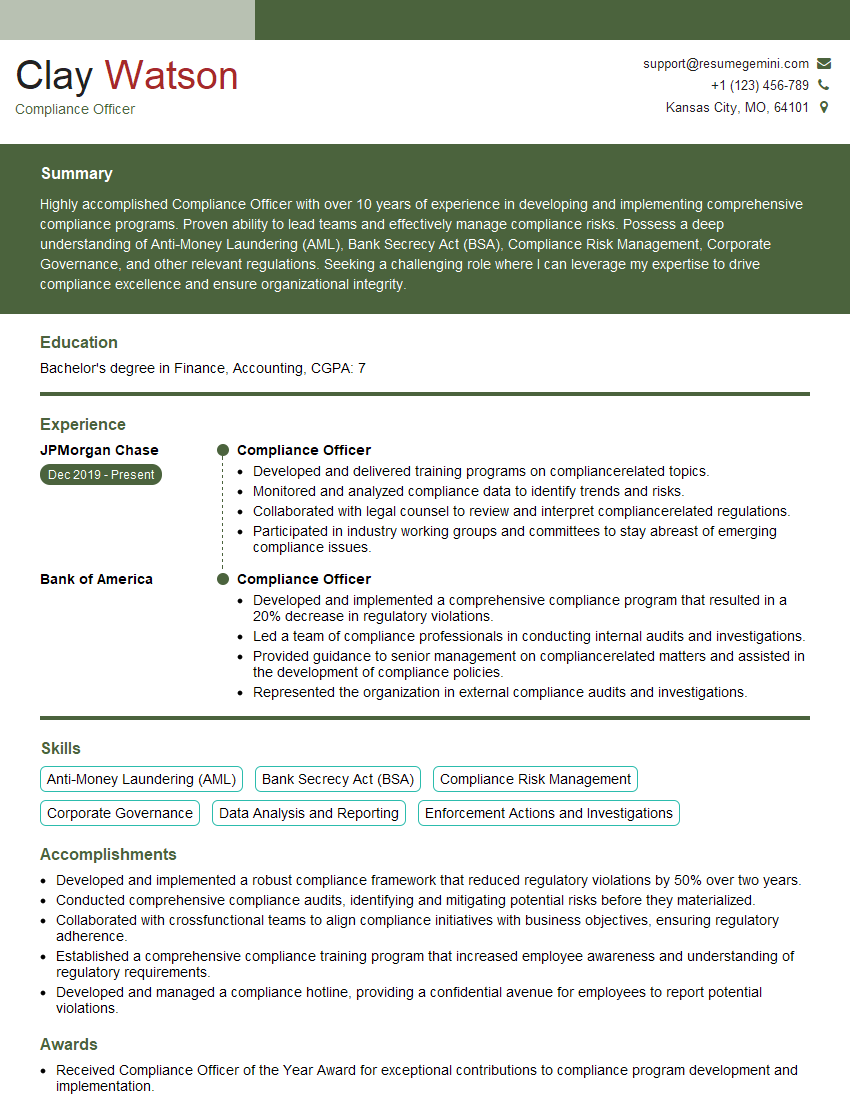
Compliance Officer Resume Sample

Curriculum Developer Resume Sample
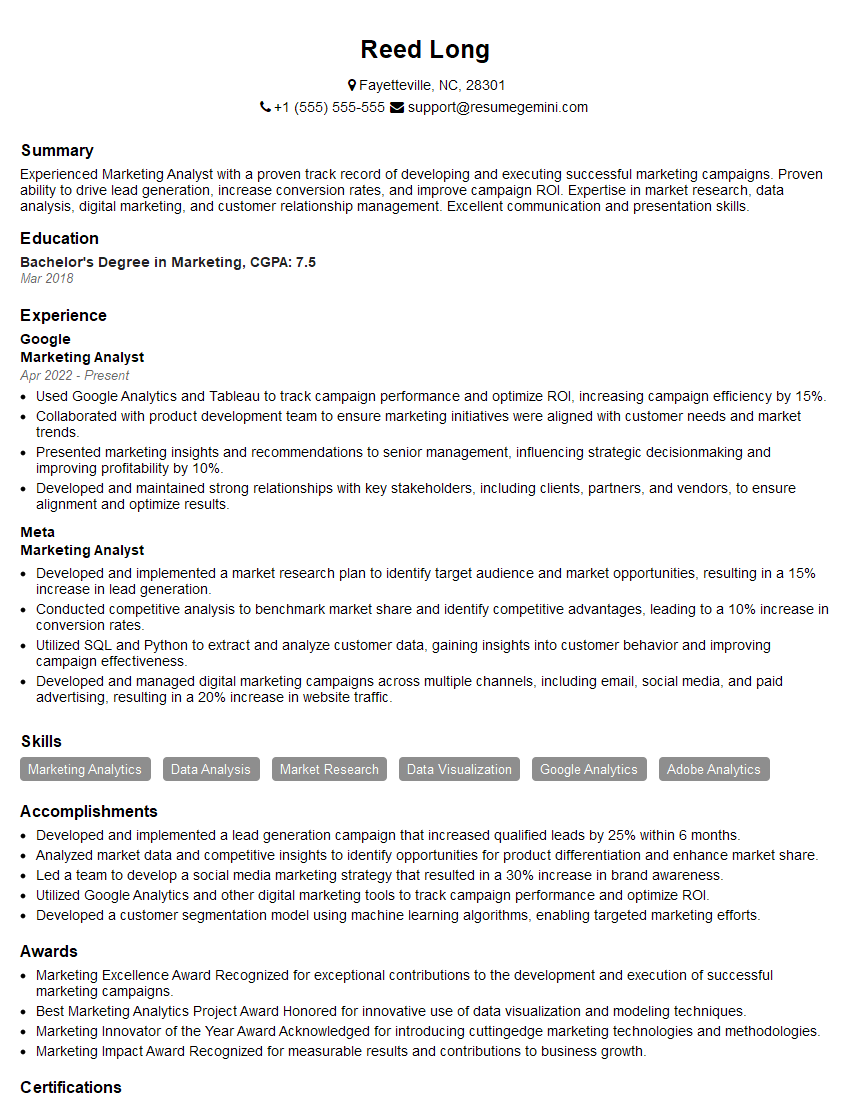
Marketing Analyst Resume Sample

Social Media Manager Resume Sample
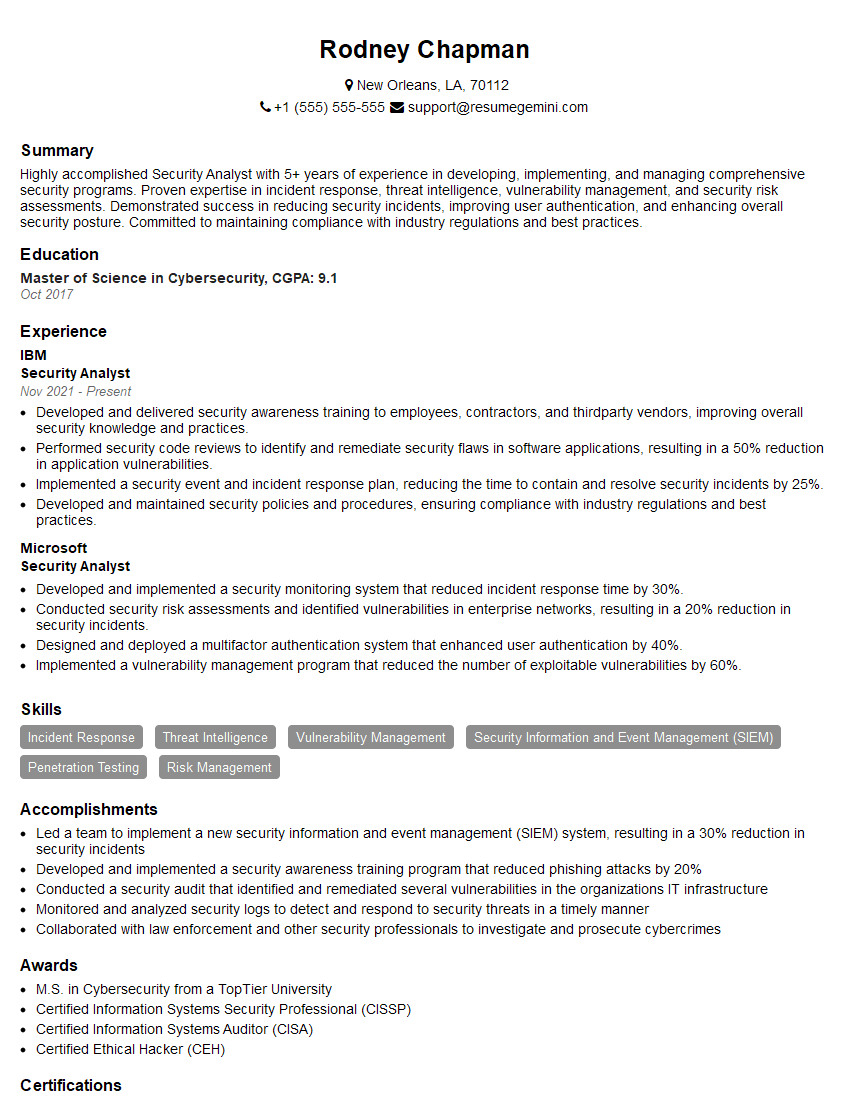
Security Analyst Resume Sample
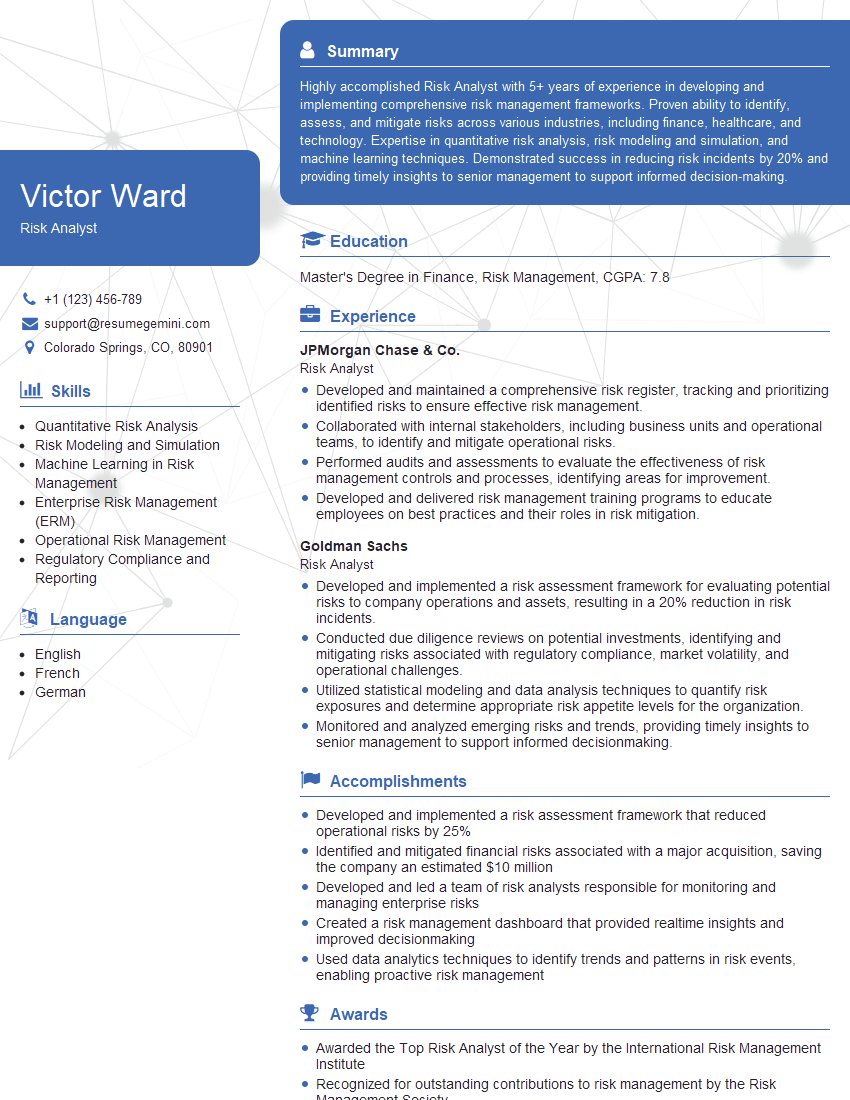
Risk Analyst Resume Sample
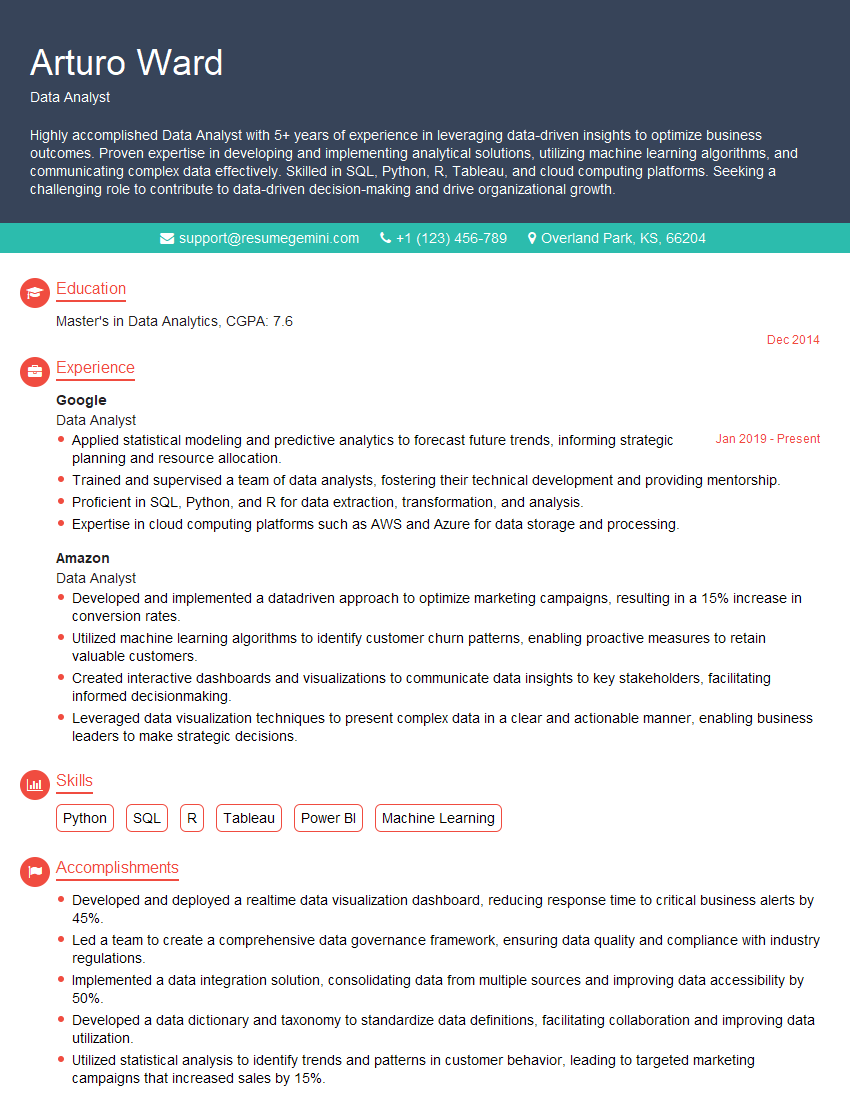
Data Analyst Resume Sample
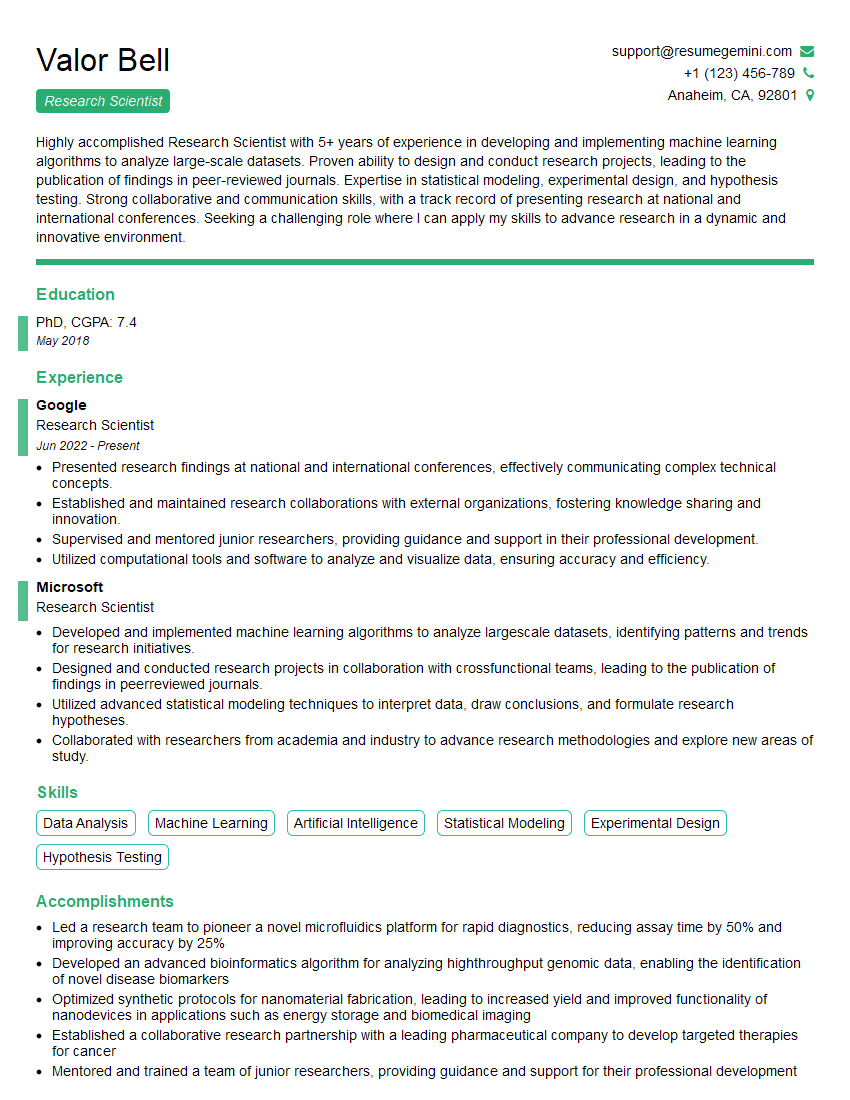
Research Scientist Resume Sample

Information Architect Resume Sample
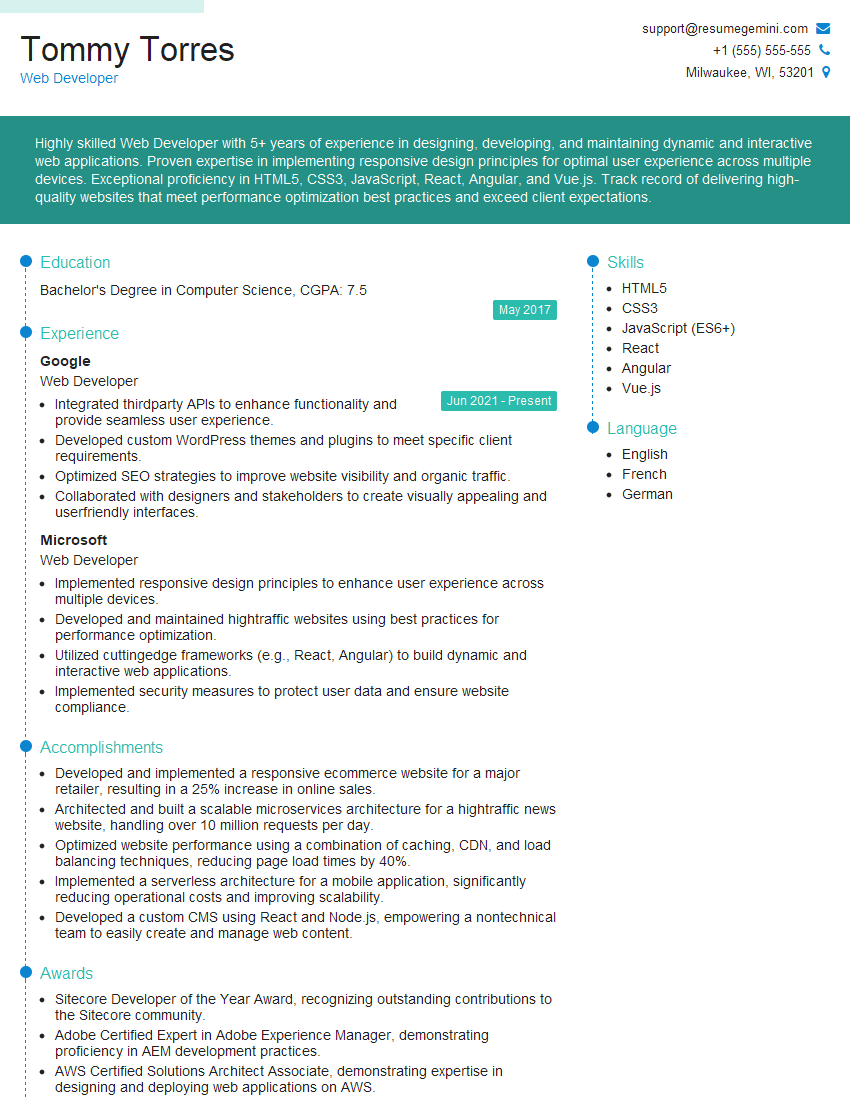
Web Developer Resume Sample
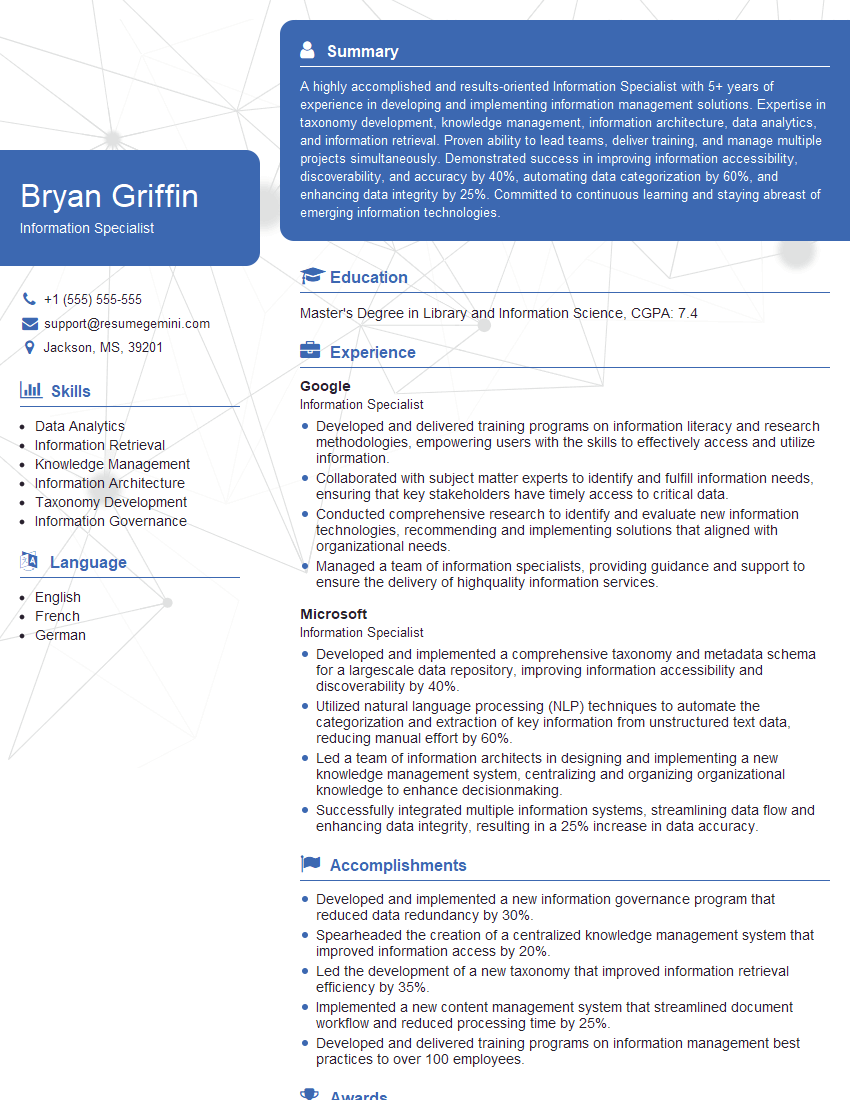
Information Specialist Resume Sample
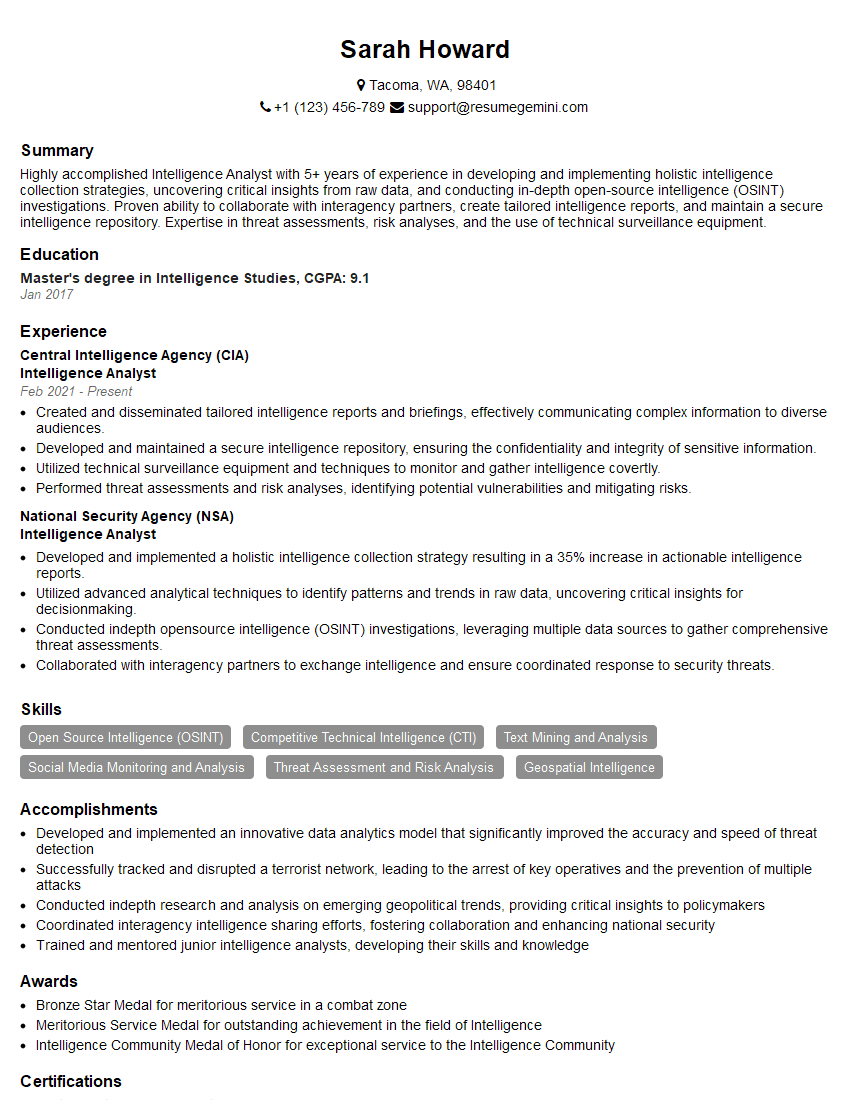
Intelligence Analyst Resume Sample

Content Strategist Resume Sample
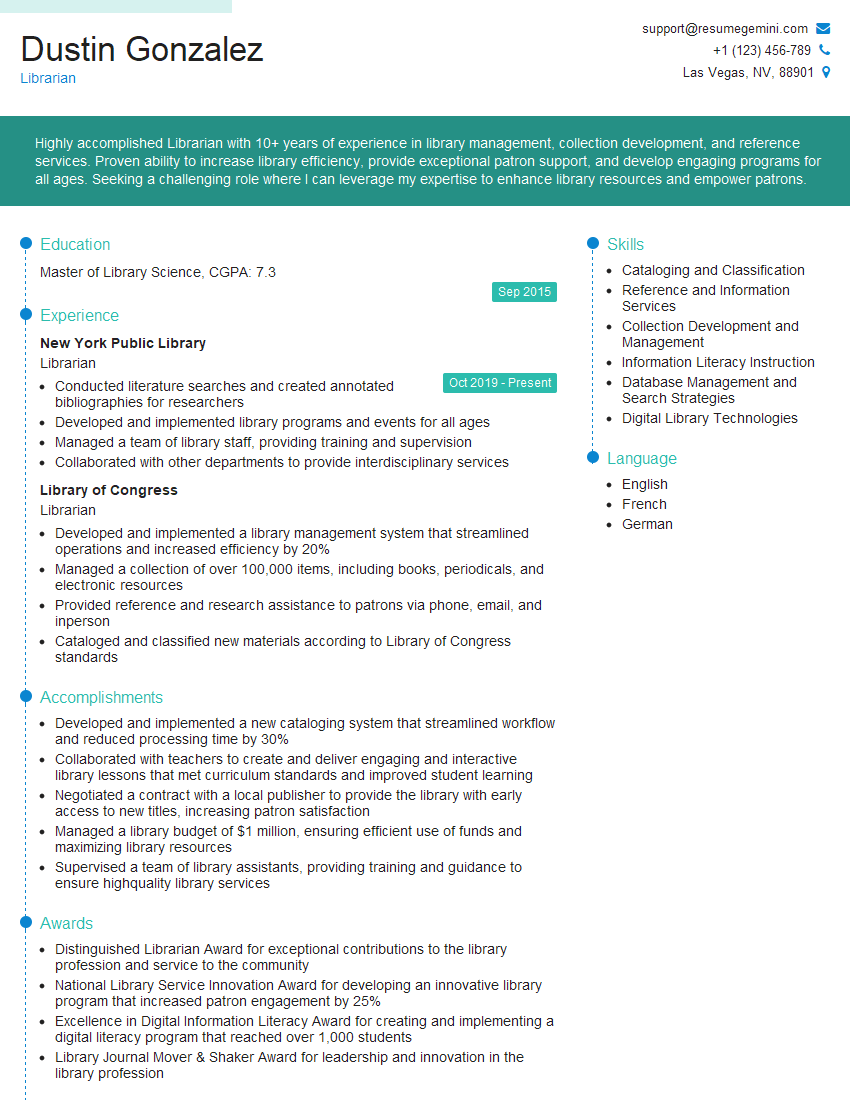
Librarian Resume Sample
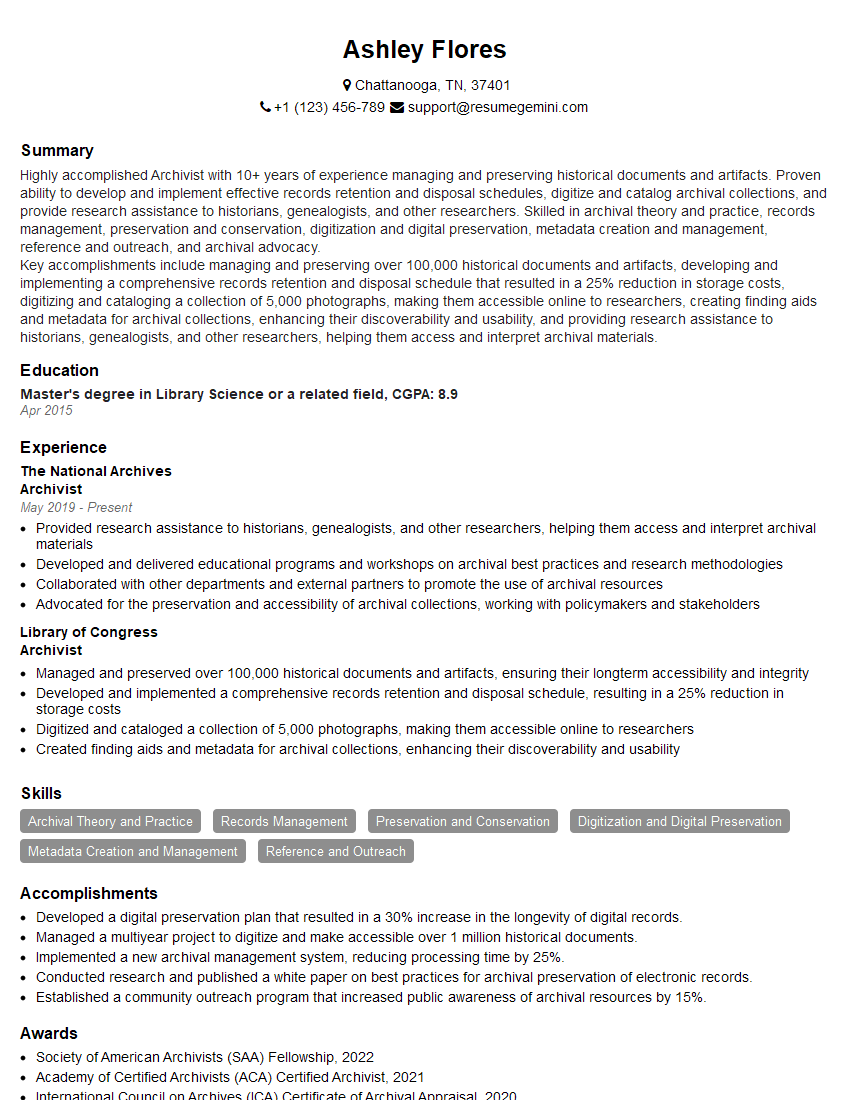
Archivist Resume Sample
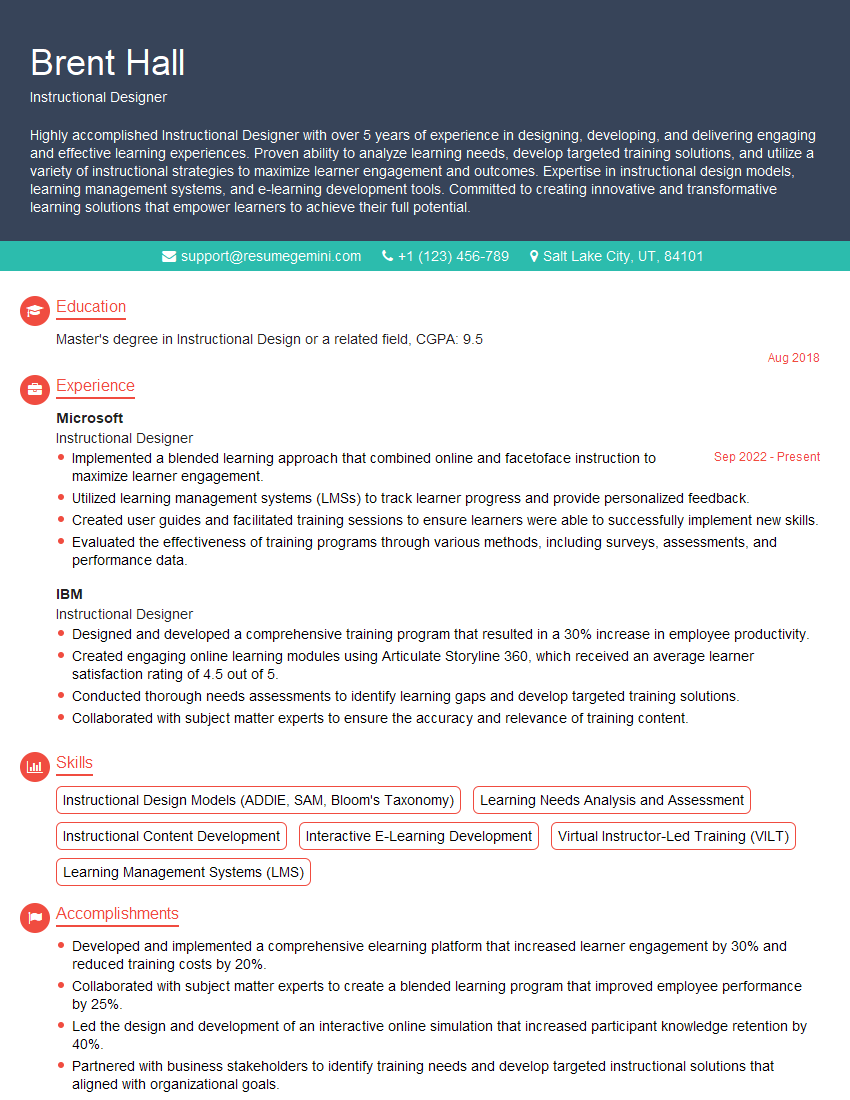
Instructional Designer Resume Sample
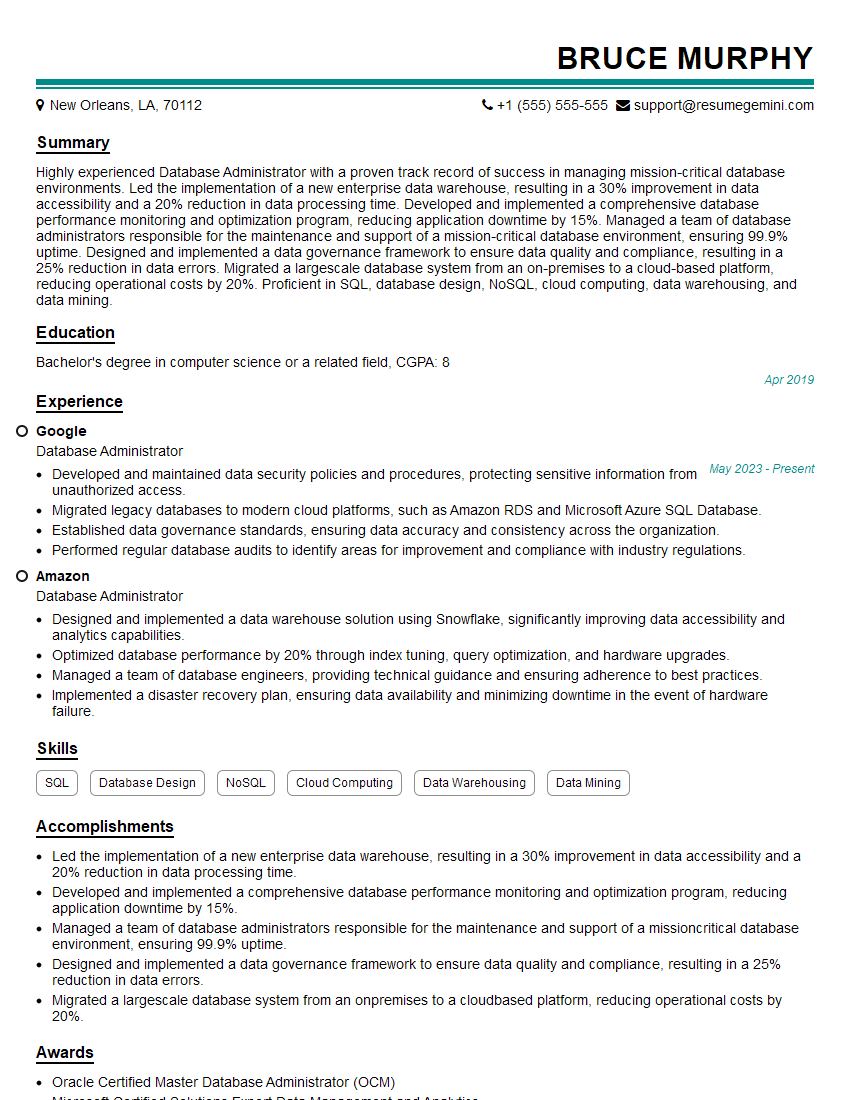
Database Administrator Resume Sample
- Communications Manager
- Knowledge Manager
- Compliance Officer
- Curriculum Developer
- Marketing Analyst
- Social Media Manager
- Security Analyst
- Risk Analyst
- Data Analyst
- Research Scientist
- Information Architect
- Web Developer
- Information Specialist
- Intelligence Analyst
- Content Strategist
- Librarian
- Archivist
- Instructional Designer
- Database Administrator
Explore more articles
Users Rating of Our Blogs
Share Your Experience
We value your feedback! Please rate our content and share your thoughts (optional).
What Readers Say About Our Blog
I Redesigned Spongebob Squarepants and his main characters of my artwork.
https://www.deviantart.com/reimaginesponge/art/Redesigned-Spongebob-characters-1223583608
IT gave me an insight and words to use and be able to think of examples
Hi, I’m Jay, we have a few potential clients that are interested in your services, thought you might be a good fit. I’d love to talk about the details, when do you have time to talk?
Best,
Jay
Founder | CEO