Interviews are opportunities to demonstrate your expertise, and this guide is here to help you shine. Explore the essential Current and Waterway Monitoring interview questions that employers frequently ask, paired with strategies for crafting responses that set you apart from the competition.
Questions Asked in Current and Waterway Monitoring Interview
Q 1. Explain the different types of current meters and their applications.
Current meters are essential tools for measuring water velocity and flow in various aquatic environments. Several types exist, each suited to different applications. Think of them as specialized speedometers for water!
- Acoustic Doppler Current Profilers (ADCPs): These are sophisticated instruments that use sound waves to measure water velocity at multiple depths simultaneously. They’re ideal for large rivers, oceans, and estuaries where detailed velocity profiles are needed. Imagine them as underwater sonar, but instead of mapping the seafloor, they map water movement.
- Electromagnetic Current Meters (EMCs): These meters measure water velocity based on the principles of electromagnetic induction. They are generally more compact and portable than ADCPs, suitable for smaller streams and canals. They’re like a tiny, highly sensitive electric field detector for water flow.
- Propeller Current Meters: These classic devices have a propeller that spins at a rate proportional to water velocity. They are relatively simple and inexpensive but require direct contact with the water. Think of them as old-fashioned, yet reliable, water speedometers.
- Price Current Meter: A robust and versatile option designed for both surface and subsurface measurements. It’s frequently employed in various settings due to its simple mechanism and user-friendliness.
The choice of current meter depends on factors like the size of the waterway, the desired accuracy, the depth of measurement, and the budget. For instance, an ADCP would be preferred for a large river study requiring a detailed velocity profile, whereas a propeller current meter might suffice for a smaller stream assessment.
Q 2. Describe the process of conducting a water quality survey.
Conducting a comprehensive water quality survey involves a systematic approach that ensures accurate and reliable data collection. It’s like giving a waterway a thorough health check-up.
- Planning and Site Selection: Define the objectives of the survey, identify the specific locations for sampling, and consider factors like accessibility and potential hazards.
- Sample Collection: Collect water samples at various depths and locations using appropriate sampling techniques. The type of container and preservation method depend on the parameters being measured. Think of this as carefully taking a blood sample for a complete checkup.
- In-situ Measurements: Measure parameters like temperature, pH, dissolved oxygen, and conductivity directly in the water using portable meters. These are like taking a patient’s vital signs.
- Laboratory Analysis: Transport collected samples to a laboratory for further analysis of nutrients (nitrates, phosphates), heavy metals, pathogens, and other pollutants. This is like performing detailed blood tests in a lab.
- Data Analysis and Reporting: Analyze the collected data, interpret the results, and prepare a comprehensive report summarizing the water quality status and any potential concerns. This is the doctor’s report providing the diagnosis and recommended treatment.
Throughout the process, careful documentation, quality control measures, and adherence to standard protocols are crucial to ensure data accuracy and reliability.
Q 3. What are the key parameters measured in waterway monitoring?
Waterway monitoring focuses on a range of key parameters to assess its overall health and ecological integrity. These parameters offer insights into various aspects, like pollution levels and ecosystem health.
- Physical Parameters: Water temperature, turbidity (cloudiness), dissolved oxygen, conductivity, and pH. These tell us about the basic physical characteristics of the water.
- Chemical Parameters: Nutrient levels (nitrogen, phosphorus), heavy metals (lead, mercury), pesticides, and other pollutants. These highlight potential contamination sources.
- Biological Parameters: Presence and abundance of various aquatic organisms (algae, zooplankton, fish). This offers an indication of the ecosystem’s health and biodiversity.
- Hydrological Parameters: Water flow, velocity, depth, and water levels. This helps assess the physical characteristics of the waterway itself.
The specific parameters measured will depend on the objectives of the monitoring program and the potential stressors affecting the waterway. For instance, a waterway near an industrial site may require more detailed heavy metal analysis, while one impacted by agriculture might focus on nutrient levels.
Q 4. How do you ensure accurate data collection in current and waterway monitoring?
Ensuring accurate data collection in current and waterway monitoring requires meticulous attention to detail and the implementation of robust quality control measures. It’s like being a meticulous detective, ensuring every piece of evidence is reliable.
- Calibration and Maintenance of Equipment: Regularly calibrate all instruments before and after each use to ensure accurate readings. Proper equipment maintenance is equally vital.
- Appropriate Sampling Techniques: Follow established protocols for sample collection, ensuring representative samples are obtained. This includes proper depth and location choices.
- Chain of Custody: Maintain a detailed record of sample handling, transport, and analysis to ensure data integrity. This is like meticulous evidence tracking in a forensic investigation.
- Quality Control Samples: Include blank, duplicate, and spiked samples during analysis to verify the accuracy and precision of the methods. These samples act as internal checks for error detection.
- Data Validation: Employ rigorous data validation techniques to identify and correct errors or inconsistencies. This might involve using statistical methods or visual inspection of data.
By implementing these measures, we can greatly improve the reliability and credibility of our data, allowing for more informed management decisions.
Q 5. Explain the significance of using GIS in waterway monitoring.
Geographic Information Systems (GIS) play a crucial role in waterway monitoring by providing a powerful platform for visualizing, analyzing, and managing spatial data. Think of GIS as a sophisticated map that comes alive with data.
- Spatial Data Management: GIS allows for efficient storage, retrieval, and analysis of location-specific data such as water quality measurements, flow rates, and habitat characteristics. This allows efficient organization of data collected at various locations.
- Data Visualization: GIS creates maps and visualizations that clearly communicate patterns and trends in water quality, flow, and other parameters. This helps to easily identify areas with potential problems.
- Modeling and Prediction: GIS can be used to create models to predict the behavior of waterways under various scenarios (e.g., changes in rainfall, pollution events). These models help anticipate and mitigate potential problems.
- Integration with Other Data Sources: GIS integrates seamlessly with other data sources such as remote sensing data (satellite imagery) and hydrological models, providing a more comprehensive understanding of the waterway system.
In essence, GIS transforms raw data into insightful information, empowering decision-makers to effectively manage and protect our valuable water resources.
Q 6. How do you handle data outliers in your measurements?
Handling data outliers in waterway monitoring requires careful consideration and a systematic approach. Outliers, those extreme values that don’t fit the pattern, can skew the results and lead to inaccurate interpretations. Think of them as anomalies needing investigation.
- Identify and Investigate: First, visually inspect the data using graphs and charts to identify potential outliers. Then investigate the cause. Was there an equipment malfunction? A data entry error? Or is the outlier actually a real, albeit unusual event?
- Data Validation: Review the data collection process to ensure there were no errors in sampling, analysis, or data entry. This can often resolve the issues.
- Statistical Methods: If the outlier isn’t due to an error, consider using robust statistical methods that are less sensitive to outliers. For example, median instead of mean might be appropriate.
- Contextual Analysis: Consider the contextual factors. Sometimes outliers represent real phenomena (like a sudden pollution event) and removing them would be misleading.
- Documentation: Document the decision-making process. Note how each outlier was handled and the rationale behind it.
The approach to handling outliers should be transparent and justified. Removing them without careful consideration can lead to inaccurate conclusions. It’s crucial to ensure you’re not masking a significant event but rather correcting errors.
Q 7. Describe your experience with different water quality analysis techniques.
My experience encompasses a wide range of water quality analysis techniques, both in the field and in the laboratory. It’s like having a toolbox full of different analytical tools to assess different aspects of water quality.
- Spectrophotometry: Used to measure the absorbance or transmission of light through a water sample, enabling the quantification of various substances like nutrients and pollutants. It’s like using a special type of light sensor to see what’s in the water.
- Chromatography (GC/HPLC): These techniques separate and identify individual components within a complex mixture, such as pesticides or organic pollutants. Think of it as separating the different ingredients of a mixture.
- Titration: This classical method involves reacting a known volume of a substance with a water sample to determine the concentration of a specific analyte. It’s a tried-and-true method for precise measurements.
- Electrochemical Methods: Techniques like ion-selective electrodes (ISEs) measure the concentration of specific ions (e.g., nitrates, chlorides) in the water. These provide rapid measurements of important parameters.
- Microscopic Analysis: Used to identify and quantify microscopic organisms such as algae and zooplankton, providing valuable insight into the biological health of a waterway.
The choice of technique depends on the specific parameters of interest and the required level of accuracy and sensitivity. I have experience applying these techniques to a diverse range of projects, from assessing the impact of industrial discharge on river systems to characterizing the water quality of lakes and reservoirs.
Q 8. What are the common challenges faced in current and waterway monitoring?
Current and waterway monitoring presents numerous challenges, often intertwined and context-dependent. These can be broadly categorized into logistical, technical, and environmental hurdles.
- Logistical Challenges: Accessing remote or challenging terrain, securing necessary permits, coordinating fieldwork across multiple agencies or teams, and managing equipment in harsh conditions (extreme temperatures, flooding, etc.) are common logistical nightmares. For example, monitoring a remote river in a mountainous region requires careful planning for transportation, safety, and potential weather delays.
- Technical Challenges: Data acquisition can be fraught with difficulties. Sensor malfunctions, data transmission issues, and the need for calibration and maintenance of sophisticated equipment are ongoing concerns. Furthermore, accurately measuring highly variable parameters like water velocity and turbidity in turbulent flows requires specialized techniques and robust instrumentation. Imagine the challenges of deploying and retrieving a flow meter in a rapidly flowing, debris-laden river.
- Environmental Challenges: The natural environment itself presents challenges. High sediment loads can clog sensors, aquatic life can interfere with measurements, and variable weather conditions can affect data quality. For instance, heavy rainfall can drastically alter flow rates and turbidity, impacting the reliability of collected data. In addition, the sheer scale and variability of waterways make comprehensive monitoring a significant undertaking.
Overcoming these challenges often requires a multi-faceted approach involving robust planning, advanced technologies, and experienced personnel.
Q 9. How do you interpret hydrological data to assess water flow patterns?
Interpreting hydrological data to assess water flow patterns involves a systematic approach. It begins with data collection from various sources – gauging stations, rain gauges, satellite imagery, and hydrological models. The analysis then involves several key steps:
- Data Cleaning and Validation: This crucial first step involves identifying and addressing outliers, errors, and inconsistencies in the data. We use quality control checks and statistical methods to ensure data reliability.
- Hydrograph Analysis: Examining hydrographs (graphs showing changes in water level over time) reveals trends like peak flows, base flows, and recession rates. This helps to understand the response of the waterway to rainfall events and other factors.
- Flow Duration Curves: These curves show the percentage of time a given flow is exceeded. They provide valuable insights into the long-term flow regime and its variability. This is useful for designing infrastructure and managing water resources.
- Statistical Analysis: Statistical methods are employed to quantify flow characteristics, such as mean flow, standard deviation, and flow variability. This helps us understand the typical flow regime and its potential extremes.
- Spatial Analysis: When using multiple gauging stations, spatial analysis techniques can help reveal regional patterns and variations in flow across a river network.
For example, a sudden increase in peak flows followed by rapid recession might indicate a flash flood event, while a consistently low base flow might suggest a period of drought. By integrating data from various sources and applying appropriate analytical methods, we gain a comprehensive picture of the water flow patterns.
Q 10. Explain your experience with hydrological modeling software.
My experience with hydrological modeling software spans several years and encompasses various packages including HEC-RAS (Hydrologic Engineering Center’s River Analysis System), MIKE 11, and SWAT (Soil and Water Assessment Tool). I’ve used these tools extensively for a range of applications:
- Flood Forecasting and Risk Assessment: I have built and calibrated hydrological models to simulate flood events, providing valuable insights for emergency management and infrastructure planning. This involved inputting data on rainfall, topography, and river channel geometry into the models and then analyzing the resulting simulated flood inundation areas.
- Water Resource Management: I’ve used models to assess the impact of water withdrawals on downstream flow regimes, helping in the development of sustainable water management strategies. This often involves scenario modeling, exploring different water allocation scenarios to optimize water use.
- Environmental Impact Assessment: I’ve utilized models to predict the effects of land-use changes on water quality and quantity, ensuring projects consider potential environmental consequences. This could include simulating the impact of a new dam or a large-scale development project.
My expertise extends beyond model application to model calibration and validation. I am proficient in using observed data to refine model parameters, ensuring the model accurately reflects the real-world system. I also understand the limitations of hydrological models and the importance of interpreting results cautiously.
Q 11. Describe your experience with remote sensing techniques for water monitoring.
Remote sensing techniques have revolutionized water monitoring, providing a synoptic view of large areas that is often impossible with traditional ground-based methods. My experience includes utilizing:
- Satellite Imagery: I’ve used Landsat, Sentinel, and MODIS imagery to map water extent, assess water quality (turbidity, chlorophyll-a), and monitor changes in water levels over time. This is particularly useful for large-scale monitoring, where ground-based measurements would be impractical.
- Aerial Photography: I’ve worked with high-resolution aerial photography to create detailed maps of river channels, identify erosion and sedimentation patterns, and assess the condition of riparian zones. This offers high spatial resolution, providing very detailed information.
- Unmanned Aerial Vehicles (UAVs): I have experience using drones equipped with multispectral and hyperspectral cameras to acquire high-resolution imagery of smaller areas, offering flexibility and targeted data collection. This is useful for detailed assessments of specific locations.
Data processing for remote sensing involves image processing software and specialized algorithms to extract meaningful information from the imagery. I’m skilled in using software such as ArcGIS and ENVI to process and analyze remotely sensed data. For instance, I’ve used Normalized Difference Water Index (NDWI) to automatically delineate water bodies from satellite imagery.
Q 12. How do you ensure the safety of yourself and your team during fieldwork?
Ensuring the safety of myself and my team during fieldwork is paramount. Our safety protocols are rigorous and adhere to industry best practices. This includes:
- Risk Assessment: Before each fieldwork event, a detailed risk assessment is conducted, identifying potential hazards (e.g., hazardous materials, unstable terrain, wildlife, weather conditions) and establishing appropriate mitigation strategies.
- Personal Protective Equipment (PPE): Appropriate PPE is provided and used consistently, including life jackets, high-visibility clothing, safety helmets, and appropriate footwear. The type of PPE varies depending on the specific task and location.
- Emergency Preparedness: We carry first-aid kits, communication devices (sat phones, radios), and emergency contact information. Team members receive training in basic first aid and emergency response procedures. We also have established emergency protocols to be followed in various situations.
- Weather Monitoring: We closely monitor weather forecasts and adjust our fieldwork schedule accordingly. Work is suspended if conditions become unsafe.
- Site-Specific Training: Team members receive site-specific training before commencing work, covering potential hazards and safety procedures applicable to the specific location and tasks.
Safety is not just a matter of following procedures, it’s a culture embedded in our team. Everyone is responsible for their own safety and the safety of their colleagues. We actively promote a culture of open communication, where safety concerns are raised and addressed promptly.
Q 13. What are the legal and regulatory requirements for waterway monitoring in your region?
The legal and regulatory requirements for waterway monitoring in my region (please specify your region for a precise answer) are complex and vary depending on the specific activity, the type of waterway, and the nature of the data being collected. Generally, these requirements fall under several categories:
- Environmental Protection Laws: Regulations related to water quality standards, pollution control, and the protection of aquatic ecosystems are crucial and impact data collection and reporting obligations.
- Water Rights and Allocation: Laws governing water usage and allocation often require monitoring to ensure compliance. This may involve monitoring flow rates, water levels, and water quality parameters.
- Navigation and Transportation Regulations: Regulations related to navigation safety and the operation of vessels on waterways frequently mandate data collection for navigational charting and safety assessments.
- Permits and Licenses: Obtaining permits and licenses for conducting fieldwork, particularly in protected areas or near sensitive ecosystems, is often a legal prerequisite. These permits may specify data collection requirements and reporting protocols.
- Data Sharing and Access: Regulations may govern the access and sharing of collected data, emphasizing transparency and public access. This often includes requirements for data storage, data management and reporting.
Staying compliant requires thorough knowledge of relevant legislation, proactive engagement with regulatory bodies, and meticulous documentation of all fieldwork activities and data collection processes. Non-compliance can lead to significant penalties.
Q 14. How do you ensure data quality and integrity in your reports?
Ensuring data quality and integrity is essential for the credibility and usefulness of our reports. We employ a multi-pronged approach:
- Quality Control Procedures: We implement rigorous quality control checks at every stage of the process, from data acquisition to data analysis and reporting. This includes regular calibration and maintenance of equipment, cross-checking data from multiple sources, and applying statistical methods to identify and address outliers.
- Data Validation: Data validation involves comparing collected data against established norms and expectations. This helps identify potential errors or inconsistencies that may need further investigation.
- Chain of Custody: A clear chain of custody is maintained for all samples and data, ensuring traceability and accountability. This includes detailed documentation of sample collection, handling, analysis, and storage.
- Data Management System: We utilize a robust data management system to store, manage, and archive data securely. The system incorporates metadata to provide context and facilitate data interpretation.
- Peer Review: Before finalizing reports, we conduct internal peer review to ensure the accuracy, completeness, and clarity of data analysis and interpretation.
- Transparency and Traceability: Our reports are transparent and traceable, clearly documenting data sources, methods, and any limitations. Raw data, along with processed data and analysis, are often made available to support verification.
By implementing these procedures, we strive for the highest level of data quality and integrity, ensuring our reports are reliable and support informed decision-making.
Q 15. Explain your experience with data analysis and interpretation techniques.
Data analysis and interpretation are the cornerstones of my work. I’m proficient in various techniques, ranging from descriptive statistics to advanced modeling. For instance, I routinely use exploratory data analysis (EDA) to visualize trends and patterns in water quality parameters like dissolved oxygen, turbidity, and nutrient levels. This often involves creating histograms, scatter plots, and box plots to identify outliers and potential correlations. Beyond visualization, I employ statistical tests like ANOVA and t-tests to determine if differences between groups (e.g., upstream vs. downstream locations) are statistically significant. Furthermore, I have extensive experience with time series analysis techniques, using methods like ARIMA modeling to predict future water levels or pollutant concentrations, a critical aspect of flood forecasting and pollution management. Finally, I use multivariate statistical techniques such as Principal Component Analysis (PCA) to reduce the dimensionality of large datasets and identify key underlying factors influencing water quality.
For example, during a recent project investigating the impact of agricultural runoff on a river system, I used EDA to reveal a strong positive correlation between rainfall intensity and nitrate concentrations. Further analysis with ANOVA confirmed the statistical significance of this relationship, informing targeted interventions to reduce agricultural runoff.
Career Expert Tips:
- Ace those interviews! Prepare effectively by reviewing the Top 50 Most Common Interview Questions on ResumeGemini.
- Navigate your job search with confidence! Explore a wide range of Career Tips on ResumeGemini. Learn about common challenges and recommendations to overcome them.
- Craft the perfect resume! Master the Art of Resume Writing with ResumeGemini’s guide. Showcase your unique qualifications and achievements effectively.
- Don’t miss out on holiday savings! Build your dream resume with ResumeGemini’s ATS optimized templates.
Q 16. Describe your experience with different types of water sampling methods.
My experience encompasses a broad range of water sampling methods, each chosen strategically depending on the objective and the specific characteristics of the waterway. For surface water, I utilize techniques like grab sampling (for spot checks) and integrated sampling (for a more representative sample across the water column). For groundwater, I’m skilled in installing and monitoring wells, employing appropriate pumping and purging techniques to obtain representative samples. I’m also experienced with specialized sampling methods such as using peristaltic pumps for continuous monitoring, and deploying automated samplers to collect samples at pre-defined intervals. Beyond the collection itself, proper sample preservation and handling are crucial. This includes immediately placing samples in appropriate containers, adding preservatives where necessary to maintain the integrity of the analytes, and adhering to stringent chain-of-custody protocols to ensure sample traceability and reliability.
For instance, while monitoring a lake for cyanobacteria blooms, we used a vertical profile sampling technique to ascertain the depth distribution of the bloom, revealing that the highest concentrations were in the surface layer. This targeted sampling improved the accuracy of our assessment.
Q 17. How do you identify and mitigate potential sources of error in your measurements?
Identifying and mitigating errors is paramount. I follow a multi-pronged approach beginning with careful planning and meticulous execution of sampling and analytical procedures. Calibration of instruments is a key step, conducted regularly using certified reference materials. This ensures the accuracy and precision of measurements. We also use blanks and duplicates to detect contamination during the sampling and laboratory analysis stages. Furthermore, rigorous quality control/quality assurance (QA/QC) procedures are implemented throughout the entire process, encompassing all steps from sample collection to data analysis. Potential sources of errors like instrument drift, human error, and contamination are addressed using established protocols and statistical methods. For instance, outlier detection techniques help to identify and manage data points that deviate significantly from the expected range. Any identified errors are documented, investigated, and addressed to ensure data integrity.
In one instance, we discovered a systematic bias in our turbidity readings due to instrument drift. By recalibrating the instrument and correcting the affected data points, we were able to eliminate this source of error and maintain the reliability of our results.
Q 18. Explain your understanding of different hydrological processes.
My understanding of hydrological processes is comprehensive and spans various aspects of the water cycle. I’m familiar with surface water hydrology, encompassing processes like rainfall-runoff, infiltration, evapotranspiration, and streamflow dynamics. I understand the influence of factors like topography, soil type, and land use on these processes. Groundwater hydrology is another area of expertise, including groundwater recharge, discharge, flow paths, and the interaction between groundwater and surface water. I also understand sediment transport processes, including erosion, deposition, and the movement of sediment particles within waterways. Furthermore, I have knowledge of watershed management principles, including the impact of human activities on hydrological processes and the importance of integrated watershed management strategies.
For example, I’ve worked on projects assessing the impact of deforestation on streamflow regimes, demonstrating a decrease in baseflow and an increase in peak flows during storm events.
Q 19. Describe your experience with using statistical methods in data analysis.
Statistical methods are crucial for extracting meaningful insights from hydrological data. I routinely use descriptive statistics to summarize and present data, including measures of central tendency (mean, median, mode) and dispersion (standard deviation, variance). Inferential statistics, such as hypothesis testing (t-tests, ANOVA), are applied to compare different groups or assess the significance of relationships between variables. Regression analysis is employed to model relationships between hydrological variables and to make predictions. Time series analysis techniques, including ARIMA modeling and spectral analysis, are used to understand temporal patterns in hydrological data. Finally, multivariate statistical methods such as PCA and factor analysis are used for dimensionality reduction and identifying underlying factors influencing water quality or quantity.
For instance, in a study of water level fluctuations in a reservoir, I used time series analysis to identify seasonal patterns and predict future water levels, supporting effective reservoir management.
Q 20. How do you communicate complex hydrological information to non-technical audiences?
Communicating complex hydrological information to non-technical audiences requires a tailored approach. I use clear and concise language, avoiding jargon as much as possible. Visual aids like graphs, maps, and charts are invaluable tools. Analogies and real-world examples are used to make abstract concepts relatable. For instance, explaining groundwater flow using the analogy of water percolating through a sponge helps build intuitive understanding. I strive to focus on the key takeaways and implications of the findings, rather than overwhelming the audience with technical details. Interactive presentations and storytelling techniques can enhance engagement and knowledge retention. Tailoring the communication style to the specific audience – whether it’s community members, policymakers, or stakeholders – is also crucial to ensure the message is effective and impactful.
In a recent community meeting, I used a simple map to show the areas most vulnerable to flooding and explained the risks in clear, non-technical terms, ensuring the community understood the importance of proposed mitigation measures.
Q 21. What software and tools are you proficient in for hydrological data analysis?
I’m proficient in several software packages and tools for hydrological data analysis. My expertise includes using statistical software such as R and Python (with libraries like Pandas, NumPy, and SciPy), which are invaluable for data manipulation, statistical modeling, and visualization. I also use GIS software like ArcGIS for spatial data analysis and mapping. Furthermore, I’m familiar with hydrological modeling software packages such as HEC-HMS and MIKE SHE, which allow for simulating hydrological processes at various scales. Finally, I’m experienced with database management systems like SQL for storing and managing large hydrological datasets. My proficiency in these tools allows me to conduct comprehensive analyses, create informative visualizations, and develop robust hydrological models.
For example, I used R to conduct a time series analysis of streamflow data, generating predictions used in water resource management planning.
Q 22. How do you calibrate and maintain current meters and other monitoring equipment?
Calibrating and maintaining current meters and other waterway monitoring equipment is crucial for ensuring data accuracy and reliability. This involves a multi-step process that depends on the specific instrument. For example, with acoustic Doppler current profilers (ADCPs), calibration often involves checking the instrument’s internal sensors against known standards in a controlled environment, such as a flume (a water channel with controlled flow). This might involve comparing the ADCP’s velocity measurements to those from a precisely calibrated propeller current meter. We also verify the ADCP’s acoustic beam alignment and check for any signs of wear or damage.
Regular maintenance includes cleaning the sensors, checking the battery life, and reviewing the data logs for any anomalies. For other instruments like water quality sondes, calibration typically involves comparing readings against known concentrations of specific parameters (e.g., using certified standards for conductivity, pH, and dissolved oxygen). A detailed calibration log is meticulously maintained for each instrument, recording the date, time, calibration procedures, and results. Proper maintenance prevents inaccuracies and extends the lifespan of the equipment, saving both time and resources in the long run.
Think of it like regularly servicing your car – preventative maintenance prevents larger, more costly issues down the line. In our field, this ensures the data collected is trustworthy and supports informed decision-making.
Q 23. Explain your experience with developing and implementing monitoring plans.
Developing and implementing monitoring plans requires a systematic approach. I begin by defining the study objectives, identifying the key parameters to be measured (water velocity, temperature, turbidity, nutrient levels, etc.), and selecting appropriate sampling locations based on factors such as hydrological characteristics, land use, and potential pollution sources. This often involves reviewing existing literature, maps, and previous monitoring data to guide the spatial design.
The next step is choosing suitable monitoring equipment and techniques, considering factors like budget, accessibility, and the desired level of detail. For example, we might use ADCPs for high-resolution velocity profiles, water quality sondes for continuous monitoring, and discrete water samples for laboratory analysis. The sampling frequency and duration are then determined based on the research question and the temporal variability of the parameters being studied – some parameters (e.g., temperature) fluctuate more rapidly than others (e.g., sediment concentration).
Finally, a data management plan is crucial, outlining how data will be collected, stored, analyzed, and reported. This often involves using specialized software and databases, adhering to established quality control procedures, and ensuring data security. I have led multiple projects in which we have successfully implemented this approach, resulting in robust, high-quality datasets that inform water resource management decisions.
Q 24. Describe a situation where you had to troubleshoot a problem during fieldwork.
During a recent field study involving water level measurements in a remote area, our automated water level sensor malfunctioned unexpectedly. The data logger showed erratic readings. Our initial troubleshooting steps included checking the power supply, the sensor’s connections, and inspecting the sensor for any physical damage. We found that the problem wasn’t with the sensor itself, but rather the data logger’s internal memory card, which had become corrupted. We didn’t have a spare card on hand, so we had to quickly adapt.
To rectify the situation, we used a backup sensor, but this one recorded data only at hourly intervals compared to the higher resolution of our automated system. To compensate, we manually collected water level readings at more frequent intervals using a simple, hand-held water level gauge, ensuring that we would still collect enough data to meet our project’s objectives. We later replaced the data logger memory card and meticulously checked that the data collected using the backup system was consistent with our manual measurements. This experience highlighted the importance of having backup systems and equipment, and the value of adaptability in the field.
Q 25. How do you ensure the long-term sustainability of waterway monitoring programs?
Ensuring the long-term sustainability of waterway monitoring programs requires careful planning and consideration of several factors. Firstly, establishing clear, long-term objectives is essential. The monitoring program should be designed to support a broader water management strategy, with well-defined goals and metrics that can be tracked over time. This provides a compelling rationale for continued funding and support.
Secondly, building strong institutional partnerships and stakeholder engagement is vital. This involves collaborating with government agencies, research institutions, and community groups to secure financial and technical support. Training local personnel to operate and maintain monitoring equipment ensures continuity and empowers local communities to become active participants in the process. Lastly, robust data management strategies, including data archiving, accessibility, and quality control procedures, are crucial for ensuring the long-term usability and value of the collected data. Utilizing open-source software and developing standardized data formats can facilitate data sharing and collaboration.
Q 26. What are the ethical considerations in conducting waterway monitoring?
Ethical considerations in waterway monitoring are paramount. Data integrity is central; we must ensure that our methods are rigorous, our data is accurately recorded and analyzed, and our findings are honestly and transparently reported. This avoids bias, ensures reliability and builds trust in the scientific process. We must also consider the potential impacts of our monitoring activities on the ecosystem. Minimizing disturbance to aquatic life and habitats is crucial, particularly when it comes to the placement of equipment or the collection of samples.
Further ethical considerations include responsible data access and use. Data should be shared transparently and only used for the purposes outlined in the study’s objectives, respecting any privacy concerns or sensitive information. It is important to also acknowledge indigenous knowledge and perspectives. Involving local communities and acknowledging their traditional ecological knowledge throughout the monitoring process is essential. This contributes to a more holistic understanding of the waterway and fosters greater respect and cooperation.
Q 27. Describe your experience with working collaboratively with other professionals in a water resource management team.
I’ve had extensive experience collaborating with diverse professionals in water resource management teams. Effective collaboration is essential for successful waterway monitoring. This includes hydrologists, ecologists, engineers, and social scientists. My approach emphasizes clear communication, shared goals, and mutual respect. I believe in fostering a collaborative environment where everyone’s expertise is valued.
For instance, in one project involving the assessment of a river’s ecological health, I worked closely with an ecologist to determine suitable biological indicators. With engineers, we discussed the optimal placement of monitoring equipment and the feasibility of implementing remote sensing technologies. Collaboration with social scientists allowed us to effectively integrate stakeholder perspectives and incorporate these into the monitoring plan and its interpretation. In such projects, open communication, regular meetings, and the utilization of shared platforms for data management are crucial for ensuring the project is on track and everyone is informed.
Q 28. How do you stay current with advancements in current and waterway monitoring techniques?
Staying current with advancements in current and waterway monitoring techniques requires continuous professional development. I regularly attend conferences, workshops, and webinars related to hydrology, water quality, and environmental monitoring. This allows me to learn about new technologies and methods from experts in the field. I also actively participate in professional organizations, such as the American Geophysical Union (AGU) and the International Association for Hydro-environment Engineering and Research (IAHR), which offer numerous opportunities for networking and learning.
Furthermore, I regularly review relevant scientific literature, including peer-reviewed journals and technical reports. This keeps me updated on the latest research findings and technological developments. I also engage in online courses and training programs to acquire new skills and knowledge. In my practice, I’m committed to adopting new methodologies and technologies where they enhance the accuracy, efficiency, and sustainability of our monitoring programs. For example, the increasing use of remote sensing and drones for large-scale monitoring is something I’m actively exploring.
Key Topics to Learn for Current and Waterway Monitoring Interview
- Hydrological Processes: Understanding river flow dynamics, including factors influencing velocity, discharge, and sediment transport. This includes theoretical concepts like the Manning equation and practical applications like using flow meters and analyzing hydrological data.
- Water Quality Parameters: Familiarize yourself with key water quality indicators (e.g., temperature, dissolved oxygen, pH, turbidity, nutrient levels) and their significance in assessing waterway health. Practical applications include understanding sampling techniques and interpreting water quality data using statistical methods.
- Monitoring Technologies and Instrumentation: Gain proficiency in various monitoring techniques and instrumentation, such as ADCPs (Acoustic Doppler Current Profilers), water level sensors, and automated sampling systems. Understand their limitations and appropriate applications.
- Data Analysis and Interpretation: Master the skills to analyze collected data, identify trends, and draw meaningful conclusions. This includes proficiency in statistical software packages and the ability to visualize data effectively to communicate findings.
- Regulatory Compliance and Reporting: Understand relevant environmental regulations and reporting requirements related to waterway monitoring. This includes familiarizing yourself with standard operating procedures and data management protocols.
- Problem-Solving and Troubleshooting: Develop your ability to identify and troubleshoot issues related to equipment malfunctions, data inconsistencies, and unexpected results during monitoring activities.
- Modeling and Simulation: Understanding the application of hydrological and water quality models for prediction and management purposes. This includes both theoretical understanding of model structures and practical application of model outputs.
Next Steps
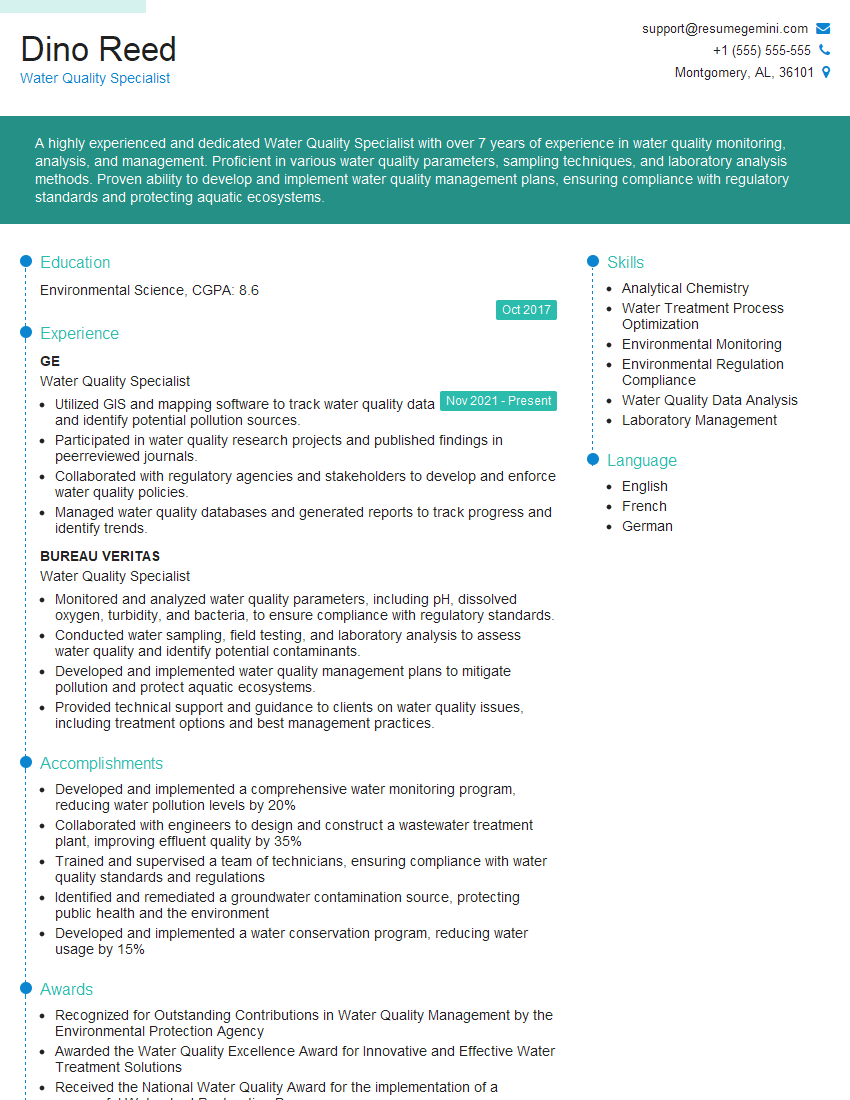
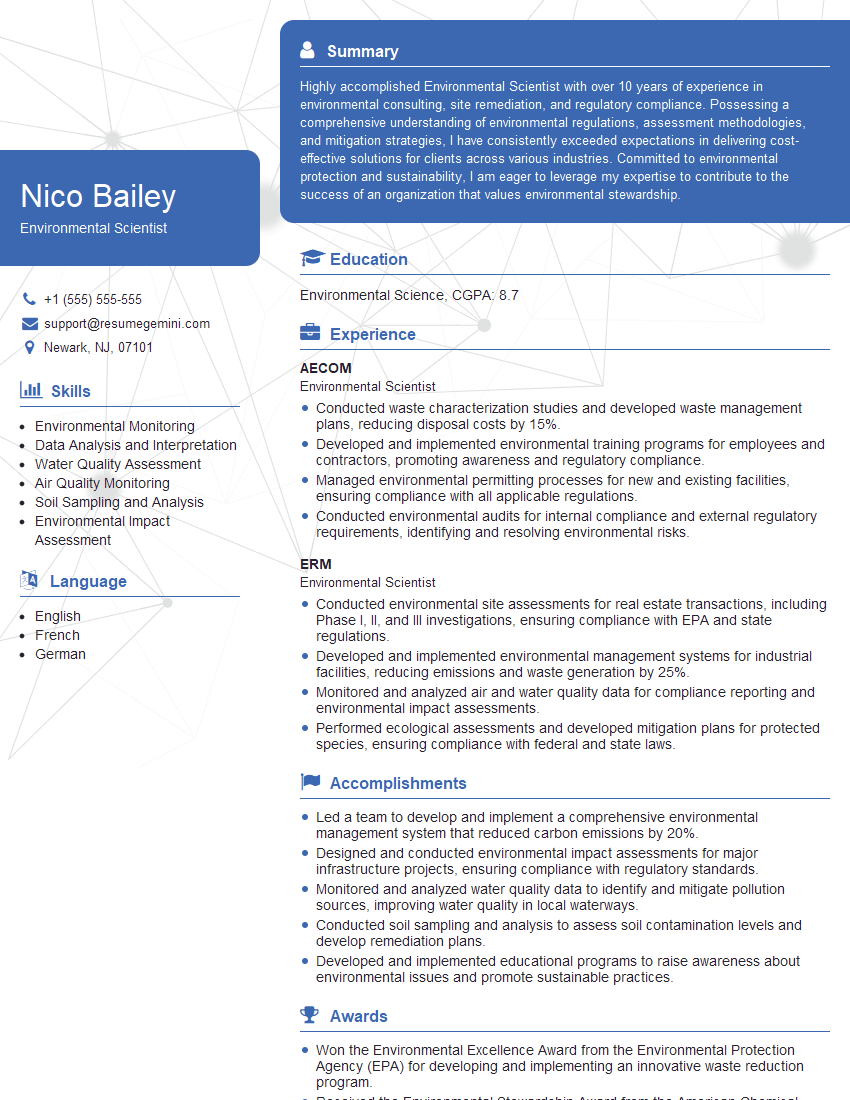
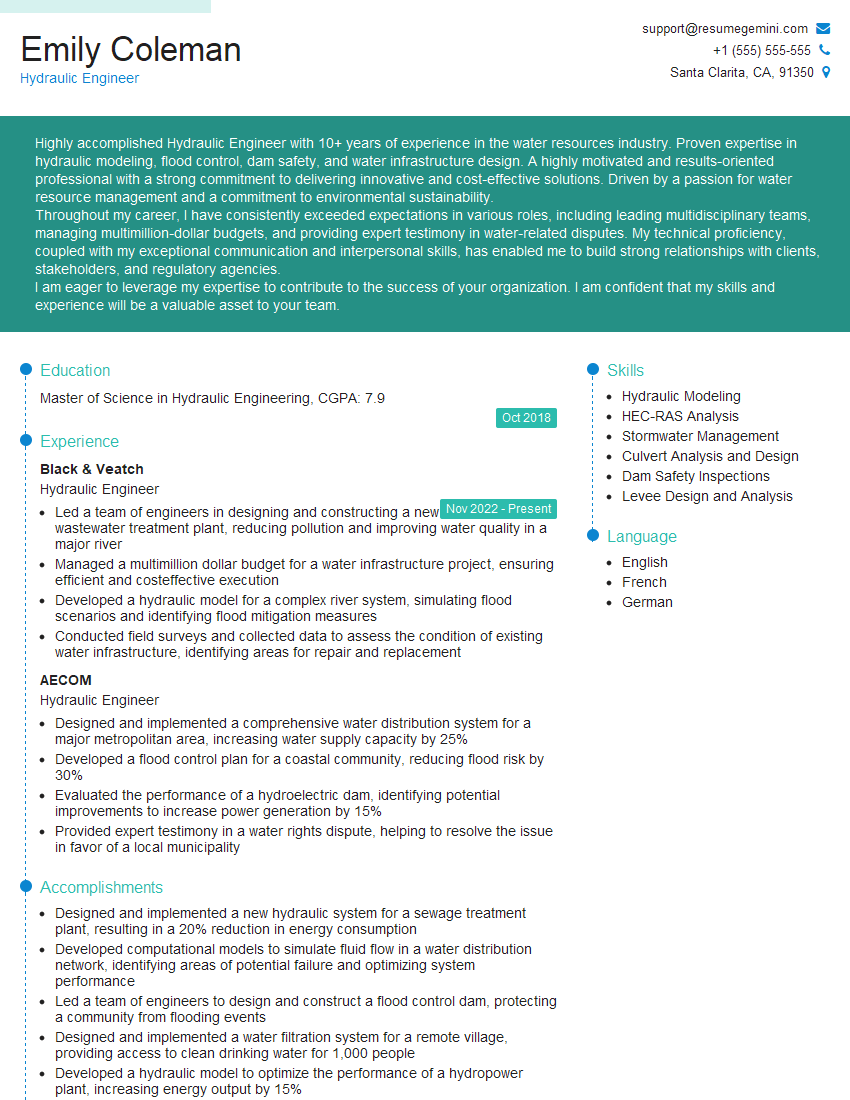
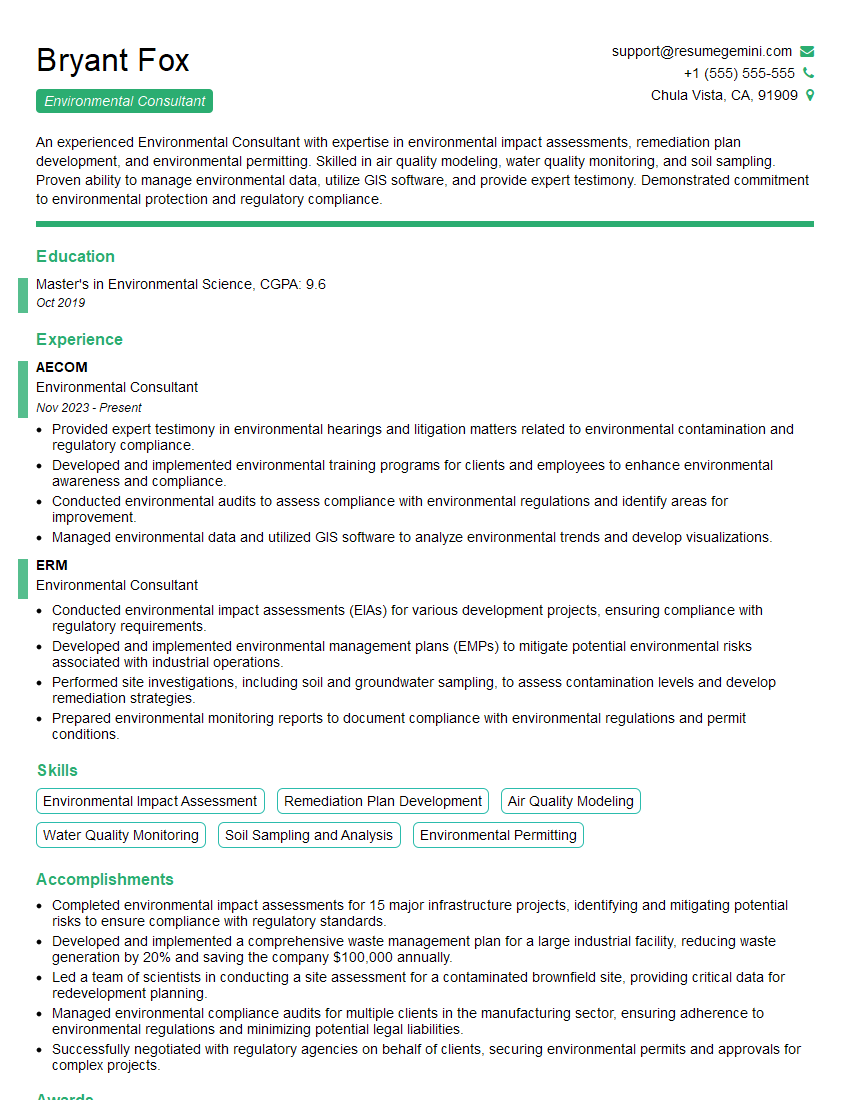
Mastering Current and Waterway Monitoring is crucial for a successful career in environmental science, engineering, and resource management. These skills are highly sought after, opening doors to diverse and impactful roles. To maximize your job prospects, creating an ATS-friendly resume is essential. ResumeGemini is a trusted resource that can help you build a professional and effective resume that highlights your skills and experience. ResumeGemini provides examples of resumes tailored to Current and Waterway Monitoring, ensuring your application stands out.
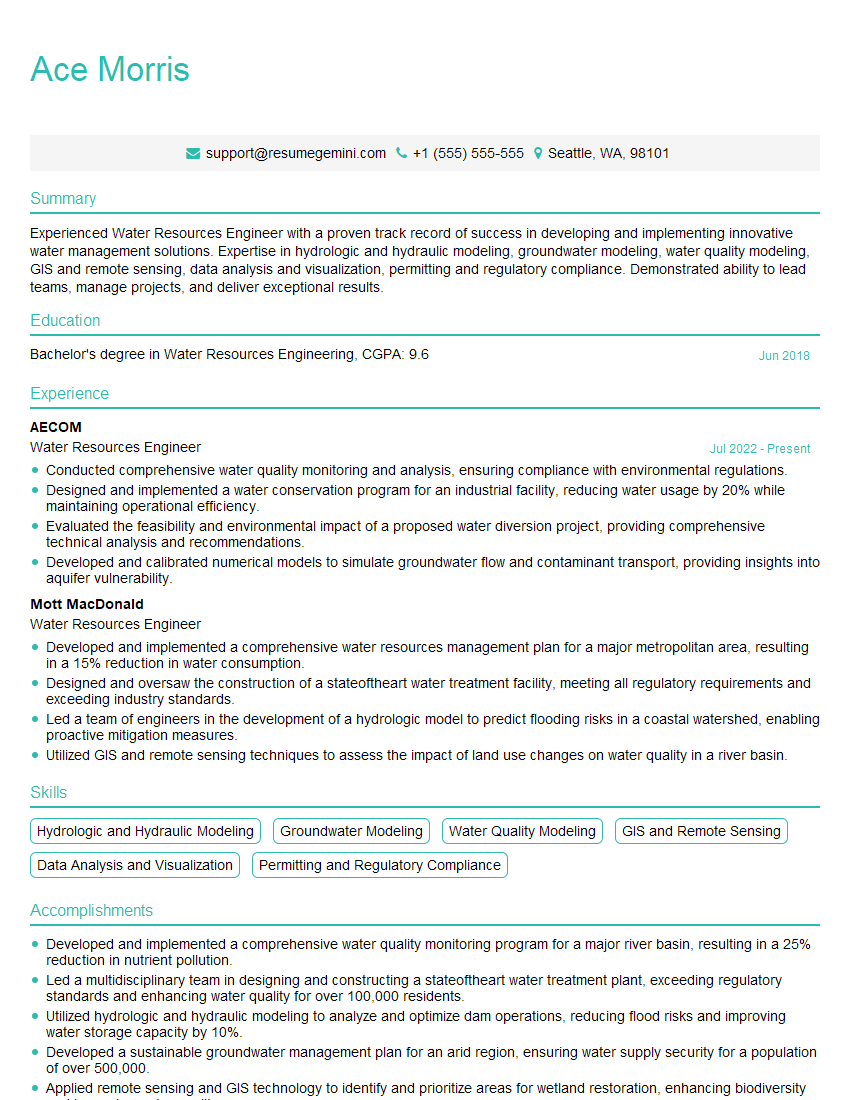
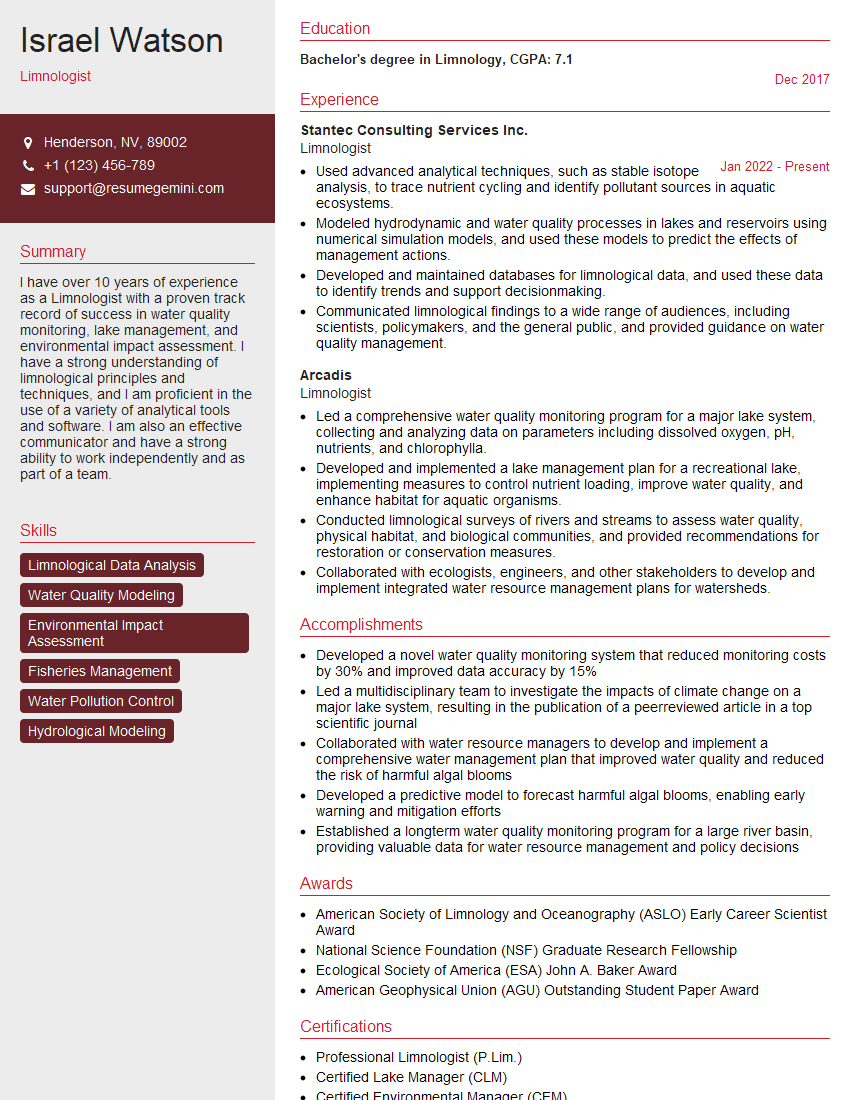
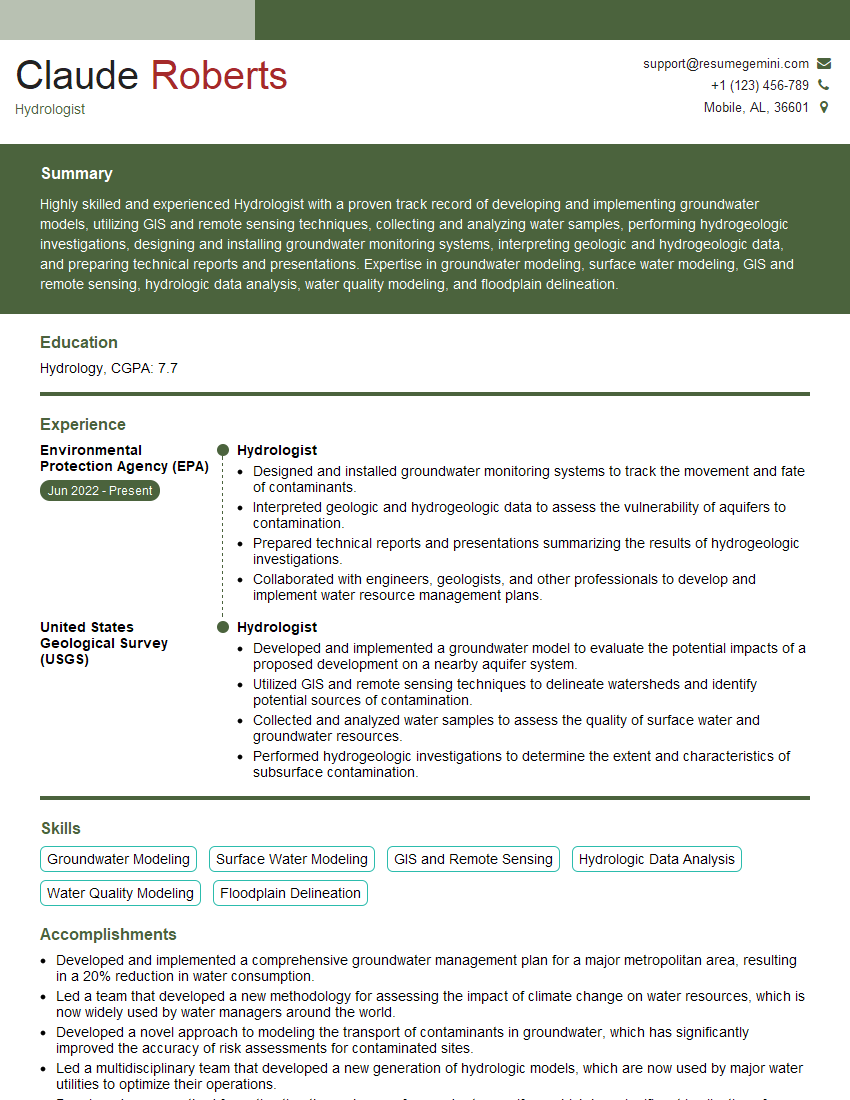
Explore more articles
Users Rating of Our Blogs
Share Your Experience
We value your feedback! Please rate our content and share your thoughts (optional).
What Readers Say About Our Blog
I Redesigned Spongebob Squarepants and his main characters of my artwork.
https://www.deviantart.com/reimaginesponge/art/Redesigned-Spongebob-characters-1223583608
IT gave me an insight and words to use and be able to think of examples
Hi, I’m Jay, we have a few potential clients that are interested in your services, thought you might be a good fit. I’d love to talk about the details, when do you have time to talk?
Best,
Jay
Founder | CEO