The thought of an interview can be nerve-wracking, but the right preparation can make all the difference. Explore this comprehensive guide to Customer Relations and Complaint Resolution interview questions and gain the confidence you need to showcase your abilities and secure the role.
Questions Asked in Customer Relations and Complaint Resolution Interview
Q 1. Describe your experience handling high-pressure customer situations.
Handling high-pressure customer situations requires a blend of composure, empathy, and efficient problem-solving. My experience involves prioritizing immediate needs while maintaining a professional demeanor, even when faced with aggressive or emotionally charged interactions. I’ve managed situations involving irate customers demanding refunds, technical malfunctions causing significant inconvenience, and complex billing discrepancies.
For example, during a particularly busy holiday season, a customer became extremely agitated due to a significant delay in their order delivery, threatening to cancel all future business. I remained calm, actively listened to their concerns, acknowledged their frustration, and immediately investigated the delay. I found that a logistical error was responsible and, by providing a revised delivery estimate and offering a substantial discount on their next order, I not only resolved the immediate issue but also retained the customer’s loyalty. I’ve consistently found that patience, clear communication, and a genuine desire to help are crucial for navigating such situations successfully.
Q 2. Explain your approach to de-escalating angry or frustrated customers.
My approach to de-escalating angry or frustrated customers is based on the principles of active listening, empathy, and validation. I start by letting the customer vent without interruption, allowing them to express their feelings fully. This demonstrates respect and helps them feel heard. Once they’ve had their say, I paraphrase their concerns to confirm my understanding, showing I’m actively engaged. I then validate their feelings, acknowledging the legitimacy of their frustration without necessarily agreeing with their accusations.
Next, I focus on finding a solution. I clearly outline the steps I’ll take to address their complaint, setting realistic expectations about the timeline. I might offer a small gesture of goodwill, such as a discount or expedited service, to further ease their frustration. Throughout this process, maintaining a calm and respectful tone is vital. It helps convey professionalism and builds rapport, which is crucial in turning a negative experience into a positive one. This approach, I’ve found, not only resolves the immediate issue but also builds trust and fosters long-term customer relationships.
Q 3. How do you prioritize multiple customer complaints simultaneously?
Prioritizing multiple customer complaints requires a structured approach. I typically use a combination of urgency and impact to determine the order of resolution. I employ a triage system, assessing each complaint based on its severity and potential consequences. Complaints that threaten significant financial loss, reputational damage, or customer safety are always prioritized. I also consider the customer’s history with the company and the potential for escalation. For example, a long-standing, high-value customer’s complaint would typically be prioritized over a new customer’s less severe issue.
I use a ticketing system or CRM software to log and track each complaint, assigning priorities and deadlines. This ensures transparency and accountability. Regularly reviewing and updating the list allows me to stay on top of the workload and proactively manage expectations. Furthermore, I strive to communicate clearly with customers about anticipated response times, ensuring they understand the process and the priority of their issue. This open communication helps manage expectations and minimizes further frustration.
Q 4. What metrics do you use to measure the success of your customer relations efforts?
Measuring the success of customer relations efforts involves tracking several key metrics. Customer Satisfaction (CSAT) scores, gathered through surveys or feedback forms, provide a direct measure of customer happiness. Net Promoter Score (NPS) indicates customer loyalty and likelihood to recommend our services. First Contact Resolution (FCR) rate assesses our efficiency in resolving issues on the first attempt. Average Handling Time (AHT) measures the average time spent resolving each issue, indicating our efficiency and effectiveness.
Beyond these standard metrics, I also monitor complaint volume and trends, identifying recurring issues that may require systemic improvements. Analyzing customer feedback helps us understand what aspects of our service need refinement. I utilize data analytics dashboards to visualize and interpret this data, identifying areas of success and areas requiring improvement. By continuously monitoring these metrics, we can identify strengths, weakness, and opportunities for improvement in our customer relations strategy.
Q 5. How do you identify the root cause of recurring customer complaints?
Identifying the root cause of recurring customer complaints involves a systematic approach using data analysis and process improvement techniques. I begin by analyzing the nature and frequency of similar complaints, identifying common threads or patterns. This often involves reviewing customer feedback forms, support tickets, and internal reports. I may also consult with other departments, such as product development or operations, to gain a broader understanding of the issue.
Once patterns emerge, I use root cause analysis tools, such as the ‘5 Whys’ technique, to drill down to the fundamental cause. For example, repeated complaints about a specific product feature might lead to a thorough investigation into the design, development, or documentation of that feature. I then collaborate with relevant teams to implement corrective actions, whether it’s redesigning a product, improving training materials, or modifying internal processes. Finally, I track metrics related to these complaints to ensure the implemented changes are effective and that the issue doesn’t resurface.
Q 6. Describe a time you had to deal with a difficult or unreasonable customer. What was the outcome?
I once encountered a customer who was incredibly unreasonable and demanding, despite our best efforts to resolve their issue. They had damaged a product due to misuse and then demanded a full replacement without any cost. Despite explaining our warranty policy and the clear evidence of misuse, they refused to accept responsibility and became increasingly aggressive. I remained calm, re-iterating our policy respectfully but firmly while documenting every interaction meticulously.
Instead of escalating the conflict, I offered a compromise, a partial refund to compensate for their inconvenience. This wasn’t covered under our policy, but I felt it was the best way to de-escalate the situation while upholding company policy. The customer ultimately accepted this solution, and the incident closed without further conflict. Although this outcome was slightly outside company policy, it proved to be a cost-effective method to resolve a difficult situation and preserve our company’s reputation. The key takeaway was the importance of maintaining a calm and professional demeanor even in the face of unreasonable demands and to prioritize a win-win outcome where possible.
Q 7. What is your process for documenting customer complaints and resolutions?
My process for documenting customer complaints and resolutions is highly structured and compliant with data privacy regulations. All interactions, whether by phone, email, or chat, are meticulously documented in a centralized CRM system. This system allows for easy retrieval of past interactions, ensuring consistent service and minimizing repeated explanations. Each complaint includes detailed information, such as customer identification, the nature of the complaint, steps taken to address it, the resolution reached, and the date and time of each interaction.
The documentation includes both objective facts and subjective notes regarding the customer’s emotional state and communication style. This information is crucial for identifying patterns, trends, and potential areas for process improvement. Furthermore, our CRM system has audit trails, ensuring accountability and facilitating future reviews or investigations. This structured approach to documentation provides a comprehensive record of customer interactions, enabling us to continuously improve our customer service strategies and ensure compliance with regulatory requirements.
Q 8. How do you handle situations where you cannot immediately resolve a customer’s issue?
When I can’t immediately resolve a customer’s issue, my priority is to manage expectations and keep them informed. This involves a multi-step process. First, I actively listen to understand the problem fully, acknowledging their frustration and validating their feelings. Then, I clearly explain what steps I’ll take to investigate the issue. This might involve checking with other departments, escalating the problem to a supervisor, or researching the appropriate solution.
I provide a realistic timeframe for resolution and keep the customer updated throughout the process. This might involve regular phone calls, email updates, or even a simple text message update. For example, if a customer is waiting for a replacement part, I’ll provide tracking information and let them know when they can expect delivery. The key is transparent communication; it builds trust and reduces anxiety even if the resolution takes time. I always aim to end each interaction with a clear next step and contact information so they can easily reach me if they have more questions.
Finally, I always express my sincere apologies for the inconvenience, regardless of who is at fault. It’s crucial to show empathy and treat the customer as a valued individual, even when dealing with a complex or challenging situation. This approach transforms a frustrating experience into a more positive interaction, enhancing customer loyalty even during setbacks.
Q 9. How familiar are you with different customer service methodologies (e.g., CRM software)?
I’m very familiar with various customer service methodologies and technologies. My experience includes extensive use of CRM software like Salesforce and Zendesk. I understand the importance of these systems in tracking customer interactions, managing cases, and analyzing trends. Beyond CRM, I’m also proficient in utilizing ticketing systems, knowledge bases, and other collaborative tools that streamline communication and improve efficiency. I also have experience with methodologies like Lean Customer Service, which focuses on optimizing processes to reduce wait times and improve resolution rates. I also understand the principles of customer journey mapping, which helps to visualize the customer experience and identify pain points to address proactively. Ultimately, the selection of the correct methodology and technology depends on the specific needs of the company and the nature of the customer interactions.
Q 10. Describe your experience with conflict resolution techniques.
My approach to conflict resolution is built on active listening, empathy, and clear communication. I start by allowing the customer to express their concerns without interruption, showing that I truly understand their perspective. I use reflective listening techniques, paraphrasing their concerns to ensure understanding and demonstrate empathy. I then identify the root cause of the conflict. This might involve asking clarifying questions or gathering additional information. Once the core issue is identified, I work collaboratively with the customer to find a mutually acceptable solution. This often involves exploring several options and weighing the pros and cons of each.
For example, I once handled a situation with a customer who was irate about a delayed order. Instead of getting defensive, I validated their frustration, apologized for the delay, and offered a partial refund and expedited shipping for their replacement order. This demonstrated my commitment to finding a solution that satisfied their needs and restored their trust. I often use a collaborative problem-solving framework where both sides work together to find the optimal solution. The goal is not just to resolve the immediate conflict but to also build a stronger and more positive relationship with the customer for the long term. If a negotiation fails, I escalate the issue to the appropriate team, ensuring I keep the customer informed throughout the escalation process.
Q 11. How do you ensure customer satisfaction and loyalty?
Ensuring customer satisfaction and loyalty is a multifaceted process. It begins with exceeding expectations in every interaction. This includes providing prompt, accurate, and helpful service. I focus on personalization, making sure that the customer feels valued and heard. This might involve remembering details from past interactions or tailoring my communication style to match their preferences.
Proactive communication is vital. Regularly informing customers of updates, offering helpful tips, or proactively addressing potential problems goes a long way. For example, I might follow up after an issue is resolved to make sure the customer is satisfied. Building a strong relationship based on trust and understanding is also key. This means being honest and transparent, even when dealing with difficult situations. Finally, a well-designed loyalty program, exclusive offers or early access to new products/services, can reinforce customer engagement and build loyalty further.
Regularly seeking feedback through surveys and reviews provides valuable insights that guide improvements in our service and processes. This shows that I value customer input and am dedicated to continuously enhancing the customer experience.
Q 12. What is your approach to building rapport with customers?
Building rapport with customers involves creating a genuine connection based on trust and understanding. I start by actively listening to their concerns and showing empathy for their situation. I use their name frequently and speak in a friendly, approachable tone. I make an effort to understand their individual needs and preferences, and tailor my communication style accordingly. It’s about making them feel heard, understood, and respected. Small gestures like acknowledging their time or expressing appreciation for their patience can go a long way. Humor is often an effective tool, but I use it cautiously and only if it feels appropriate for the specific situation and the customer’s personality.
For example, if a customer is feeling frustrated, I might start by saying something like, “I understand this is frustrating, and I’m here to help you resolve this.” This shows empathy and a willingness to assist. I avoid using jargon or technical terms that they might not understand. Keeping it simple and clear builds confidence and understanding. The key is genuine interaction. Being authentic and genuinely interested in helping the customer will foster positive rapport much more effectively than any technique alone.
Q 13. How do you measure customer satisfaction (CSAT) and Net Promoter Score (NPS)?
Customer Satisfaction (CSAT) and Net Promoter Score (NPS) are two key metrics used to gauge customer happiness and loyalty. CSAT is typically measured through surveys sent after a specific interaction, asking customers to rate their satisfaction on a scale (e.g., 1-5 or a simple thumbs up/down). The questions focus on aspects of the interaction – speed, ease of resolution, agent helpfulness. Analyzing CSAT data can highlight specific areas needing improvement. NPS, on the other hand, assesses customer loyalty by asking a single question: “On a scale of 0 to 10, how likely are you to recommend [company/product] to a friend or colleague?” Responses are categorized:
- Promoters (9-10): Highly satisfied and likely to recommend.
- Passives (7-8): Satisfied but not enthusiastic.
- Detractors (0-6): Dissatisfied and unlikely to recommend.
NPS is calculated by subtracting the percentage of detractors from the percentage of promoters. It provides a single number reflecting overall customer loyalty. Both CSAT and NPS are valuable tools, but they offer different perspectives. CSAT focuses on immediate satisfaction with a particular interaction, while NPS assesses overall customer loyalty and advocacy. Using both metrics together provides a more complete picture of customer sentiment.
Q 14. Describe your experience using customer relationship management (CRM) systems.
My experience with CRM systems is extensive. I’ve worked with several platforms, including Salesforce and Zendesk, managing customer data, tracking interactions, and resolving issues efficiently. I’m proficient in using these systems to create and manage customer accounts, track interactions (calls, emails, chats), and document resolutions. I understand how to leverage the reporting and analytics capabilities to identify trends, improve processes, and personalize customer service strategies. For example, I’ve used Salesforce to create custom reports to track customer retention rates, identify at-risk customers, and analyze the effectiveness of different customer service approaches. Understanding customer data within the CRM is crucial for efficient case management and proactive customer service.
In addition to data entry and retrieval, I’m skilled at using CRM features to segment customers, automate workflows, and integrate with other business systems. This integration allows for better communication and more efficient workflow throughout the organization. I can also leverage the CRM to personalize communication and proactively reach out to customers based on their needs and history, significantly improving the overall customer experience.
Q 15. How do you communicate effectively with customers from diverse backgrounds?
Effective communication with diverse customers hinges on cultural sensitivity and adaptability. It’s not just about speaking different languages, but understanding nuanced communication styles. I approach this by actively listening, showing empathy, and adapting my language and tone to match the individual’s preference. For instance, in some cultures, directness is highly valued, while in others, indirect communication is preferred. I ensure I’m aware of these differences. I also leverage translation tools when needed, but always prioritize human interaction for richer understanding. If I encounter difficulties understanding a customer’s meaning, I clearly restate my understanding to confirm before proceeding. This iterative process ensures we’re both on the same page.
- Example 1: When working with a customer whose primary language isn’t English, I might use simple language and avoid jargon. I would also confirm their understanding frequently, even using visual aids if necessary.
- Example 2: Recognizing that non-verbal communication varies widely across cultures, I pay close attention to body language and adjust my own accordingly. For example, direct eye contact might be considered respectful in some cultures, but rude in others.
Career Expert Tips:
- Ace those interviews! Prepare effectively by reviewing the Top 50 Most Common Interview Questions on ResumeGemini.
- Navigate your job search with confidence! Explore a wide range of Career Tips on ResumeGemini. Learn about common challenges and recommendations to overcome them.
- Craft the perfect resume! Master the Art of Resume Writing with ResumeGemini’s guide. Showcase your unique qualifications and achievements effectively.
- Don’t miss out on holiday savings! Build your dream resume with ResumeGemini’s ATS optimized templates.
Q 16. What are your strategies for improving customer service processes?
Improving customer service processes requires a systematic approach focusing on efficiency, effectiveness, and customer satisfaction. My strategies involve streamlining workflows, leveraging technology, and empowering employees. I begin by analyzing current processes to identify bottlenecks and areas for improvement using data analysis (which I’ll detail later). Then, I implement solutions such as:
- Workflow Optimization: Identifying and eliminating redundant steps, automating repetitive tasks, and improving the flow of information between departments.
- Technology Integration: Utilizing CRM systems for efficient data management, implementing self-service options (like FAQs and online chatbots), and employing call-tracking software to monitor agent performance and identify areas needing improvement.
- Employee Empowerment: Providing employees with the training, tools, and autonomy they need to resolve customer issues effectively. This includes establishing clear escalation paths and empowering frontline agents to make decisions within defined parameters.
- Proactive Communication: Implementing systems to proactively address potential issues. For instance, sending automated updates or reminders to customers regarding their orders or inquiries.
Continuous monitoring and adjustment are crucial to ensure the effectiveness of these improvements.
Q 17. How do you handle sensitive customer information?
Handling sensitive customer information requires strict adherence to privacy policies and regulations (like GDPR and CCPA). I prioritize data security by following these key principles:
- Data Minimization: Only collecting the necessary data and disposing of it securely once it’s no longer needed.
- Access Control: Implementing strict access controls to limit access to sensitive data to authorized personnel only.
- Data Encryption: Encrypting sensitive data both in transit and at rest to prevent unauthorized access.
- Secure Storage: Utilizing secure storage solutions that comply with industry best practices and regulations.
- Employee Training: Regularly training employees on data security protocols and best practices.
Any breach or suspected breach is immediately reported to the appropriate authorities and stakeholders. I strictly maintain confidentiality and follow all internal procedures to safeguard customer information.
Q 18. How do you identify and address systemic issues contributing to customer complaints?
Identifying and addressing systemic issues that lead to customer complaints requires a proactive and data-driven approach. I typically use a combination of methods:
- Complaint Analysis: I systematically analyze customer complaints to identify recurring themes and patterns. This might involve categorizing complaints, identifying root causes, and using data visualization techniques to highlight trends.
- Feedback Surveys: Regularly collecting customer feedback through surveys helps identify areas of dissatisfaction before they escalate into major issues. This could be through email, post-interaction surveys or through feedback forms.
- Focus Groups: Conducting focus groups with customers allows for deeper exploration of their experiences and helps to understand their needs and frustrations more thoroughly.
- Process Audits: Regularly reviewing processes to identify inefficiencies and potential points of failure.
Once systemic issues are identified, I collaborate with relevant teams to implement solutions, which may involve process improvements, technology upgrades, or changes to policies. The effectiveness of the solutions is then monitored to ensure a reduction in complaints related to those identified issues. This is a continuous improvement cycle.
Q 19. Describe your experience with different communication channels (email, phone, chat).
My experience spans various communication channels, each with its own strengths and challenges:
- Email: Ideal for documented communication and complex issues requiring detailed explanations. I aim for clear, concise, and professional emails, using subject lines that accurately reflect the content. I always acknowledge receipt promptly and maintain a professional tone.
- Phone: Best for immediate interaction and resolving urgent issues. I strive to provide friendly and efficient service, actively listening to the customer and confirming my understanding. I also make sure to explain my actions and keep the customer informed.
- Chat: Effective for quick questions and providing real-time assistance. I utilize chat features to offer immediate support, keeping responses concise and informative, utilizing appropriate tone and emojis to convey empathy and urgency as needed. I’m mindful of maintaining a professional demeanor even in the casual setting of a chat.
Regardless of the channel, I ensure consistency in my professionalism and strive to provide exceptional customer service.
Q 20. How do you stay up-to-date on best practices in customer relations?
Staying current with best practices in customer relations requires continuous learning. I achieve this through several strategies:
- Industry Publications and Blogs: I regularly read industry publications, blogs, and articles to stay informed about the latest trends and best practices.
- Conferences and Webinars: Attending conferences and webinars allows me to network with other professionals and learn from experts in the field.
- Professional Organizations: Membership in relevant professional organizations provides access to resources, training, and networking opportunities.
- Online Courses and Certifications: Completing online courses and certifications demonstrates commitment to professional development and enhances my skills.
I actively seek out opportunities to expand my knowledge and refine my approach to customer relations, ensuring I’m providing the highest quality service.
Q 21. How do you use data analytics to inform customer service strategies?
Data analytics plays a crucial role in informing customer service strategies. I use data to gain insights into customer behavior, identify areas for improvement, and measure the effectiveness of interventions. For example:
- Customer Satisfaction (CSAT) scores: Analyzing CSAT data helps identify trends in customer satisfaction and pinpoint areas requiring attention.
- Net Promoter Score (NPS): NPS data provides insights into customer loyalty and identifies potential advocates or detractors.
- First Call Resolution (FCR) rates: Tracking FCR rates helps measure efficiency and identify areas for process improvement.
- Average Handle Time (AHT): Analyzing AHT helps identify opportunities to streamline processes and improve agent efficiency.
- Complaint analysis: As mentioned earlier, analyzing the types and frequency of complaints helps identify recurring issues and trends.
By analyzing this data, I can develop targeted strategies to improve customer satisfaction, resolve issues more efficiently, and ultimately enhance the overall customer experience. This might involve adjusting workflows, enhancing training materials, or implementing new technologies.
Q 22. Describe a time you exceeded customer expectations.
Exceeding customer expectations is about going above and beyond the standard service to create a truly positive and memorable experience. It’s about anticipating needs and solving problems proactively, rather than simply reacting to complaints.
For example, I once worked with a client whose order was delayed due to unforeseen circumstances with our shipping partner. While I offered a sincere apology and a full refund as promised, I also proactively contacted them daily with updates and arranged for a rush delivery from a different provider at no extra cost. They were so impressed by the effort and commitment to resolving their issue swiftly and effectively that they not only continued to be a loyal customer but also referred several colleagues to our business.
Another instance involved a frustrated customer who had difficulty navigating our online platform. Instead of simply providing basic troubleshooting, I scheduled a virtual one-on-one session to guide them through the process. This personalized approach not only resolved their immediate issue but also fostered a sense of trust and loyalty.
Q 23. How do you balance the needs of the customer with the needs of the business?
Balancing customer needs with business needs is a crucial aspect of customer relations. It’s about finding a win-win solution that satisfies the customer while also ensuring the sustainability and profitability of the business. This often requires skillful negotiation and a deep understanding of both parties’ perspectives.
For instance, if a customer requests a significant price reduction that would be financially detrimental to the company, instead of immediately rejecting their request, I would explore alternative solutions such as offering a complimentary service, extending the warranty period, or providing a discount on future purchases. This approach demonstrates empathy and a willingness to collaborate while protecting the business’s interests.
Effective communication is vital. Clearly explaining the business constraints while emphasizing the value proposition and demonstrating a commitment to finding a mutually agreeable solution are key to navigating these delicate situations. It’s about building trust and rapport, so the customer feels heard and valued even when their initial request can’t be fully accommodated.
Q 24. What are your salary expectations?
My salary expectations are commensurate with my experience and the responsibilities of this role. I am open to discussing a competitive salary range based on the details of the compensation package, including benefits and potential for growth. I’ve researched the industry standard for similar positions and would be happy to provide a specific figure after learning more about the full scope of this opportunity.
Q 25. What are your career goals in customer relations?
My career goals in customer relations center around developing and implementing strategies that enhance customer satisfaction and loyalty. I aspire to take on leadership roles where I can mentor and train others, driving a culture of exceptional customer service. I’m particularly interested in exploring advanced technologies and data analytics to personalize customer interactions and improve service efficiency.
Long-term, I envision myself in a senior management position, spearheading customer-centric initiatives that positively impact the bottom line and the company’s reputation. I believe my skills in conflict resolution, problem-solving and empathy, coupled with a data-driven approach, will enable me to achieve these goals.
Q 26. Why are you interested in this specific role?
I’m interested in this specific role due to [Company Name]’s reputation for exceptional customer service and its commitment to [mention specific company values or initiatives that resonate with you]. The opportunity to contribute to a company with such a strong customer-focused culture is particularly appealing to me. Furthermore, the [mention specific aspects of the job description, like responsibilities, team dynamics, or technologies used] align perfectly with my skills and experience, and I believe I can make a significant contribution to your team.
Q 27. What are your strengths and weaknesses in customer relations?
One of my greatest strengths is my ability to empathize with customers and understand their perspectives. I am adept at active listening, which helps me identify the root cause of their concerns and tailor solutions to their specific needs. My experience in conflict resolution is another key asset, allowing me to effectively de-escalate tense situations and find mutually acceptable solutions.
While I excel at building rapport and resolving conflicts, one area for improvement is time management, particularly when dealing with a high volume of inquiries. I am proactively working on improving my prioritization skills and utilizing time-management techniques to ensure that all customers receive timely and efficient service. I am also actively pursuing professional development opportunities to enhance my proficiency in this area.
Key Topics to Learn for Customer Relations and Complaint Resolution Interview
- Active Listening and Empathy: Mastering the art of truly understanding the customer’s perspective and conveying empathy in your responses. Practical application: Role-playing scenarios to practice active listening techniques and formulating empathetic responses.
- Communication Skills (Verbal & Written): Clearly and concisely conveying information, adapting your communication style to different customer personalities, and professionally documenting interactions. Practical application: Preparing examples demonstrating your ability to de-escalate tense situations through effective communication.
- Problem-Solving and Conflict Resolution: Identifying the root cause of customer complaints, developing effective solutions, and implementing strategies to prevent future issues. Practical application: Analyzing case studies of customer complaints and proposing solutions.
- De-escalation Techniques: Learning strategies to calm agitated customers and navigate challenging conversations, turning negative experiences into positive outcomes. Practical application: Practicing techniques to remain calm and professional under pressure.
- Customer Relationship Management (CRM) Systems: Familiarity with CRM software and its application in managing customer interactions, tracking complaints, and analyzing data to improve service. Practical application: Research common CRM systems and their key features.
- Company Policies and Procedures: Thorough understanding of your company’s policies related to customer service, complaint handling, and data privacy. Practical application: Review your target company’s customer service policies and procedures.
- Professionalism and Etiquette: Maintaining a professional demeanor in all interactions, regardless of the customer’s behavior. Practical application: Practice handling difficult customers while maintaining composure and professionalism.
Next Steps
Mastering Customer Relations and Complaint Resolution is vital for career advancement. These skills are highly sought after, demonstrating your ability to build strong customer relationships and contribute to a positive brand image. To significantly increase your job prospects, crafting an ATS-friendly resume is essential. ResumeGemini is a trusted resource that can help you build a professional resume that highlights your key skills and experience. Examples of resumes tailored to Customer Relations and Complaint Resolution are available to guide you. Take the next step towards your dream career today!
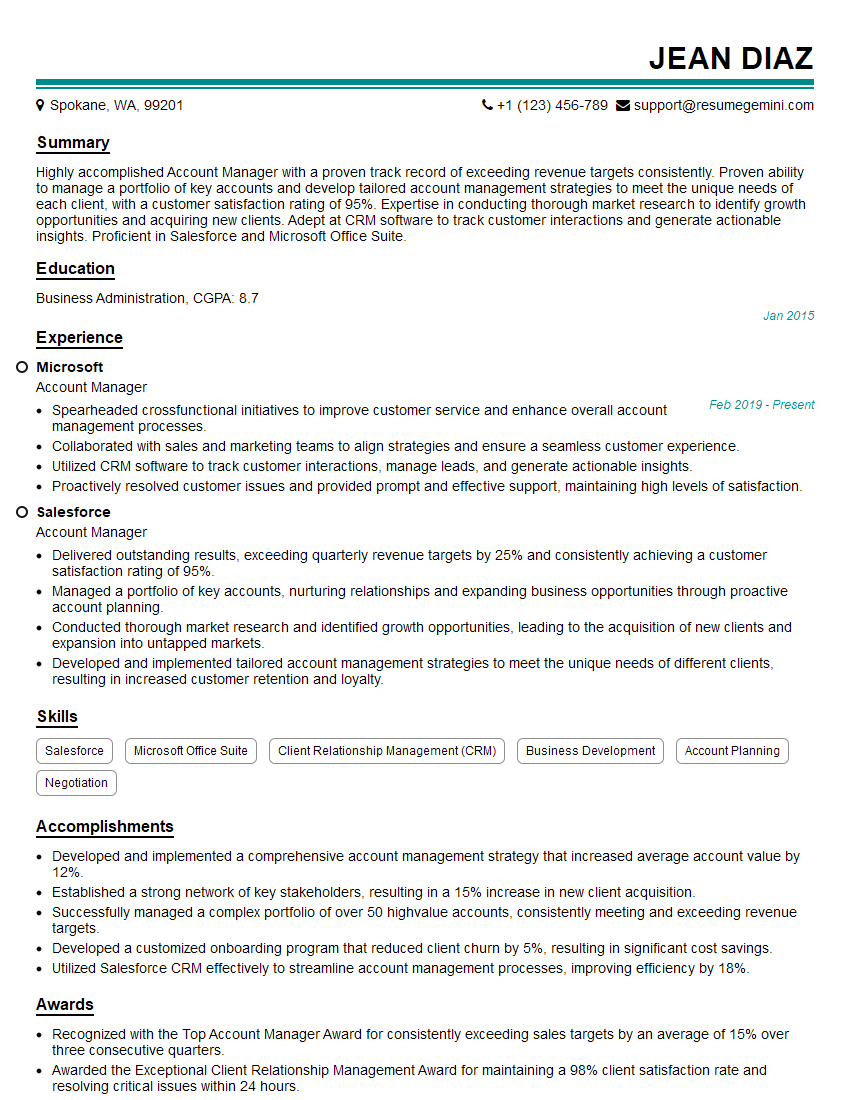
Account Manager Resume Sample

Customer Service Manager Resume Sample
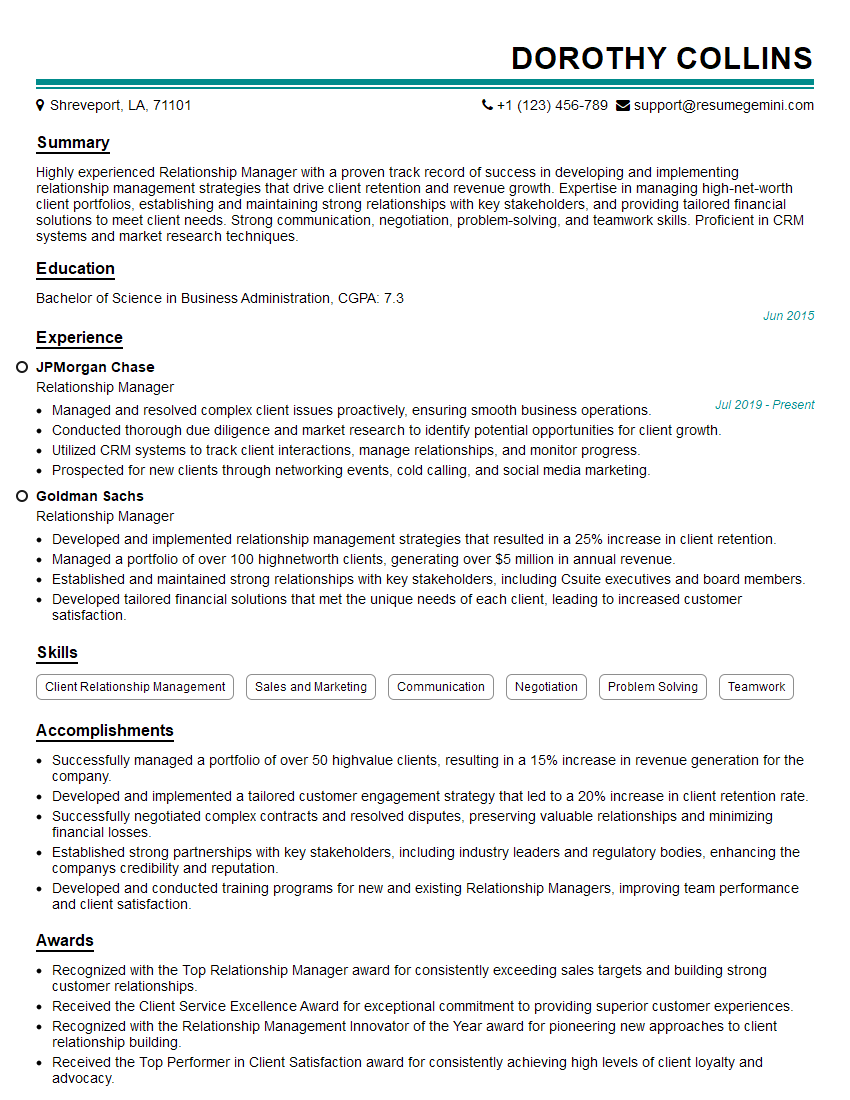
Relationship Manager Resume Sample
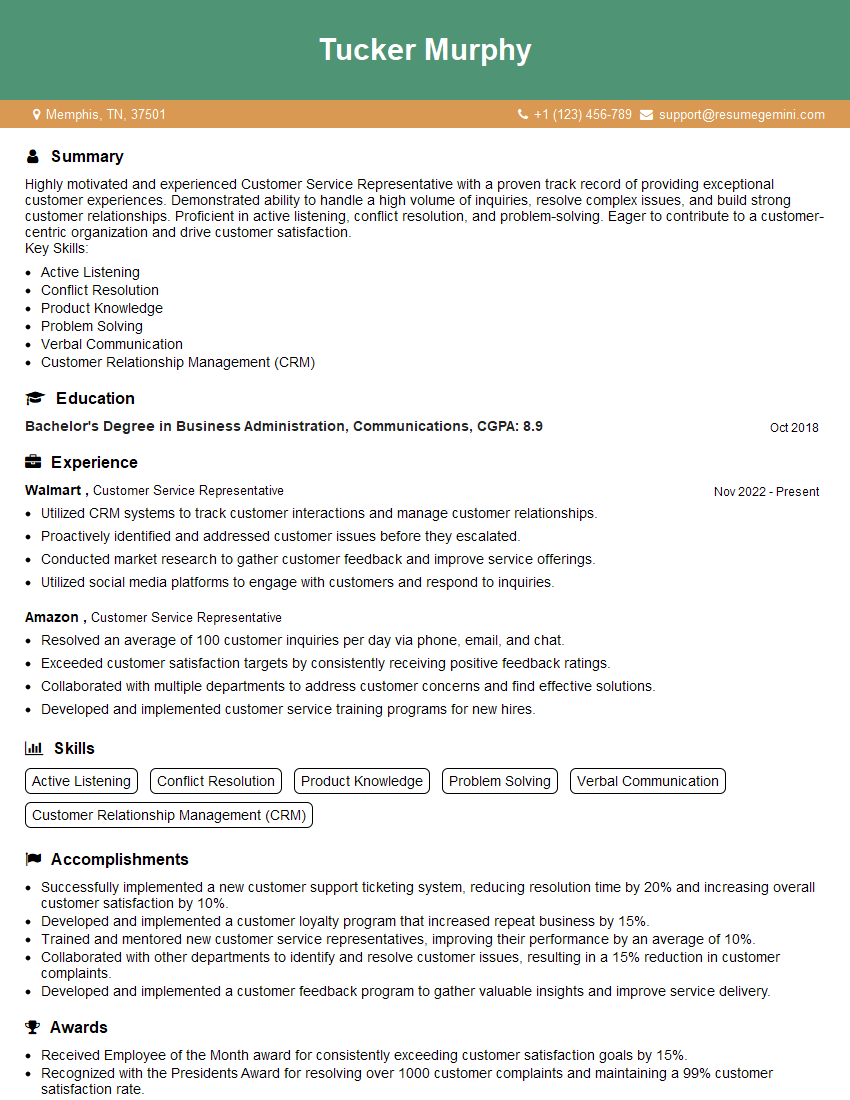
Customer Service Representative Resume Sample
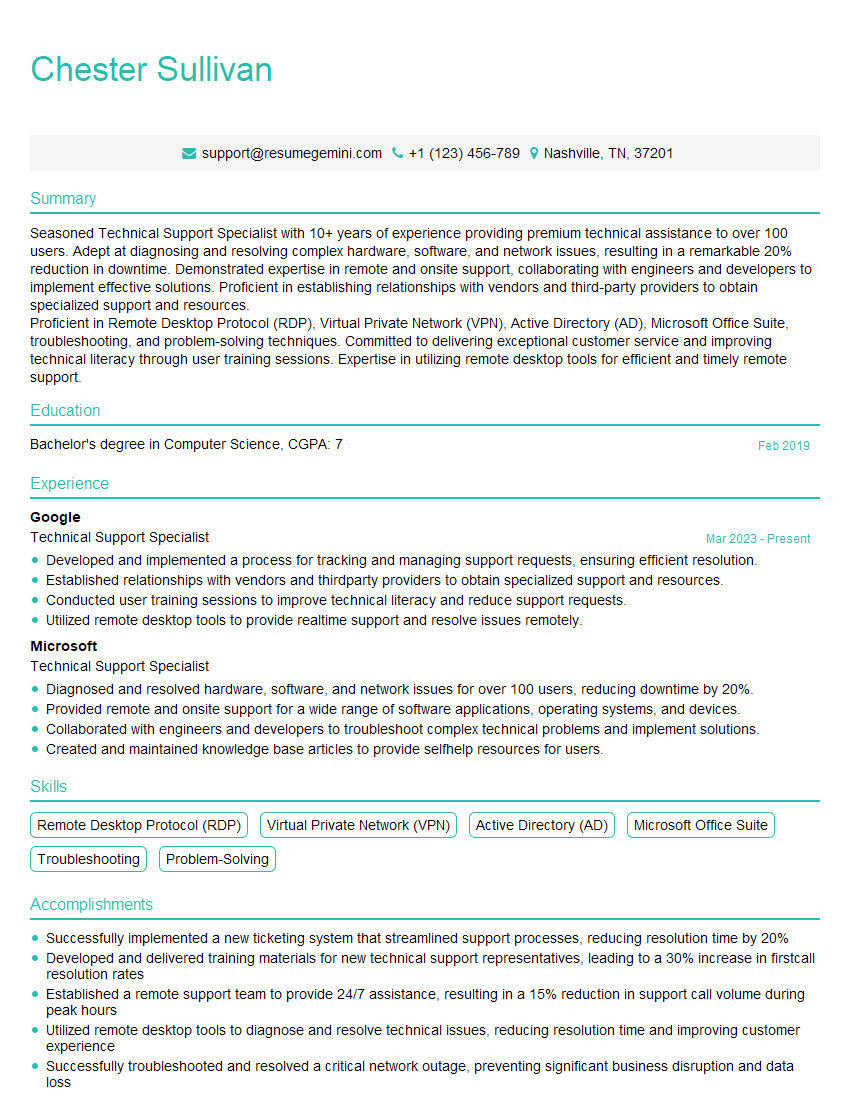
Technical Support Specialist Resume Sample
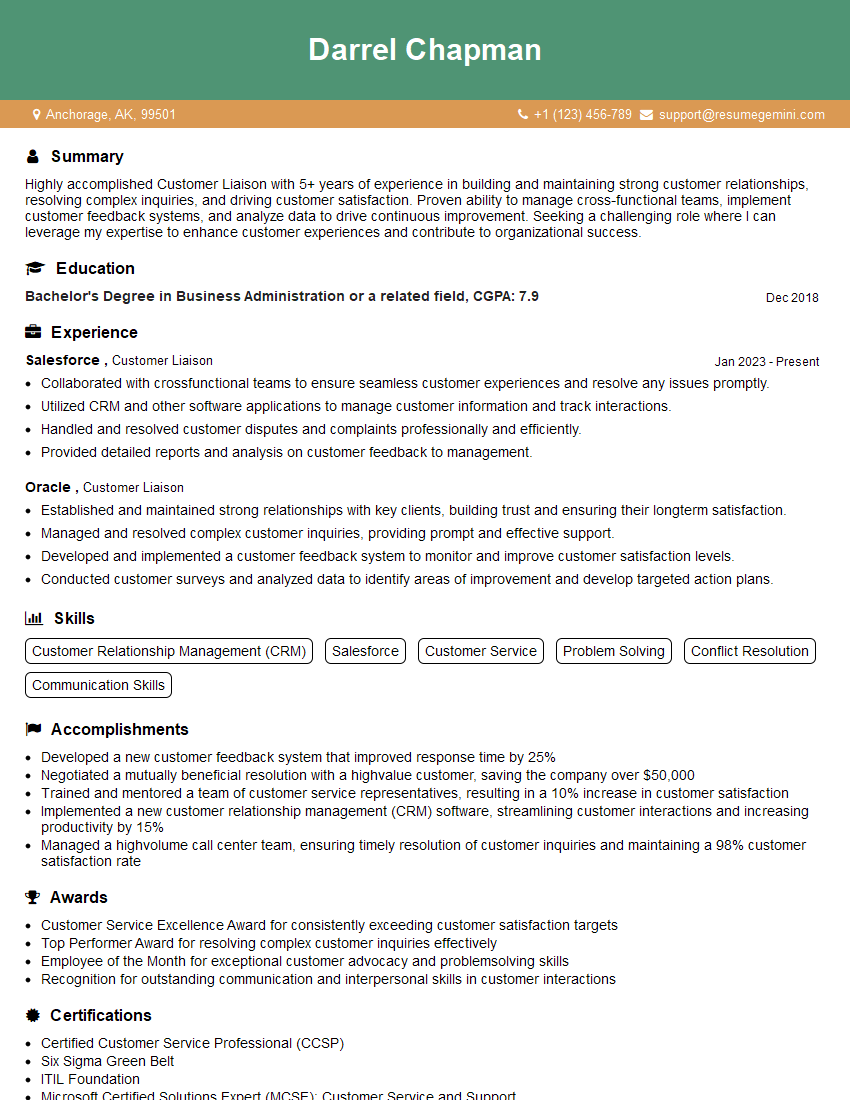
Customer Liaison Resume Sample
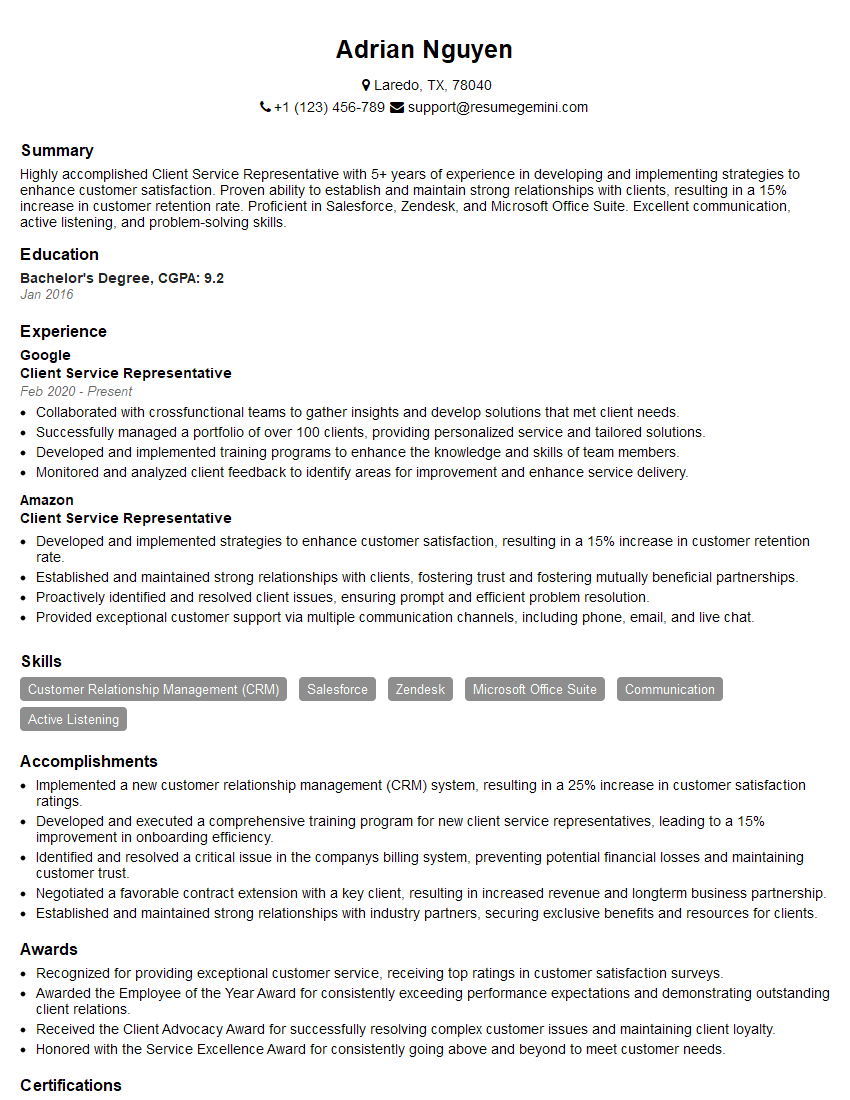
Client Service Representative Resume Sample
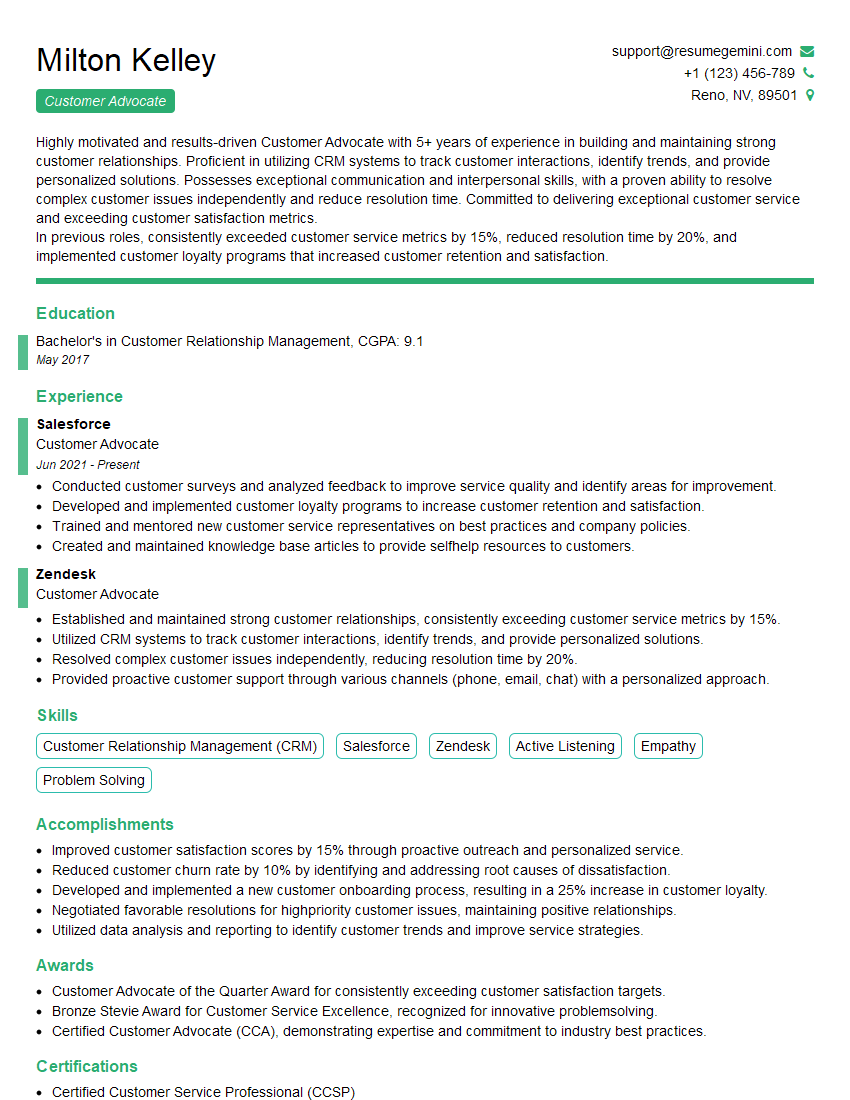
Customer Advocate Resume Sample
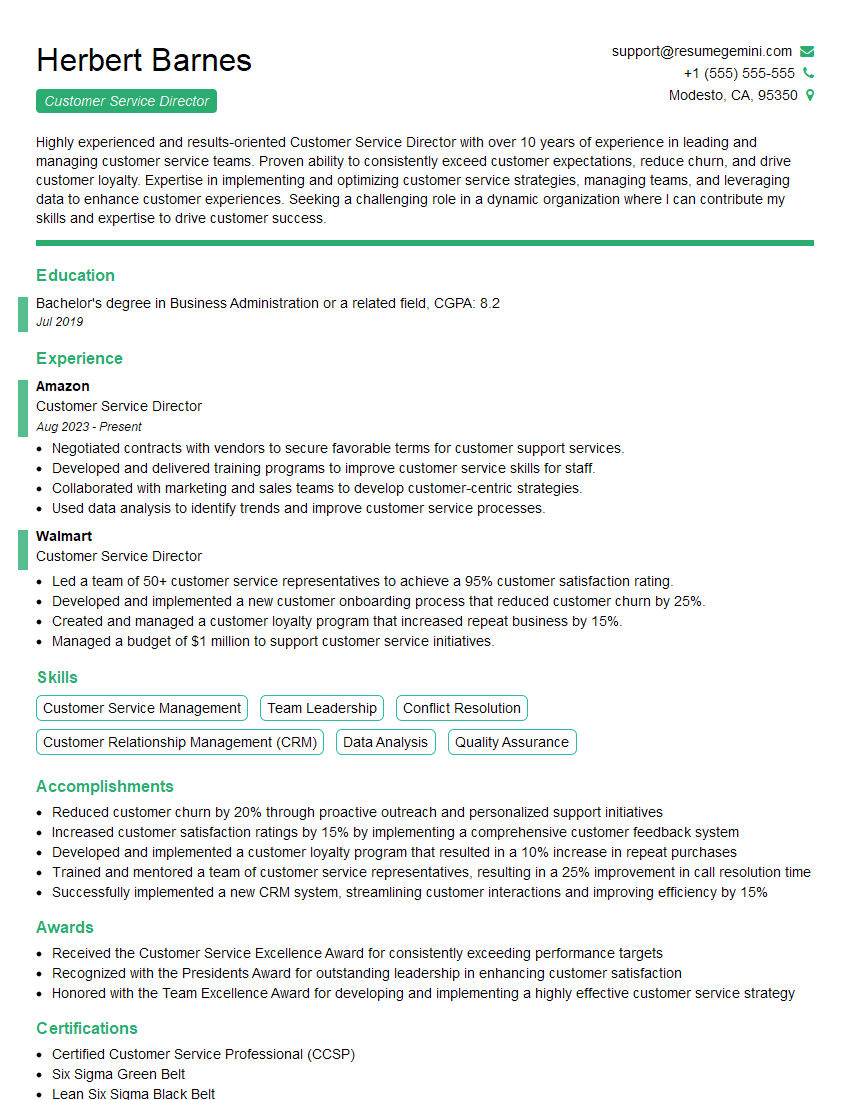
Customer Service Director Resume Sample
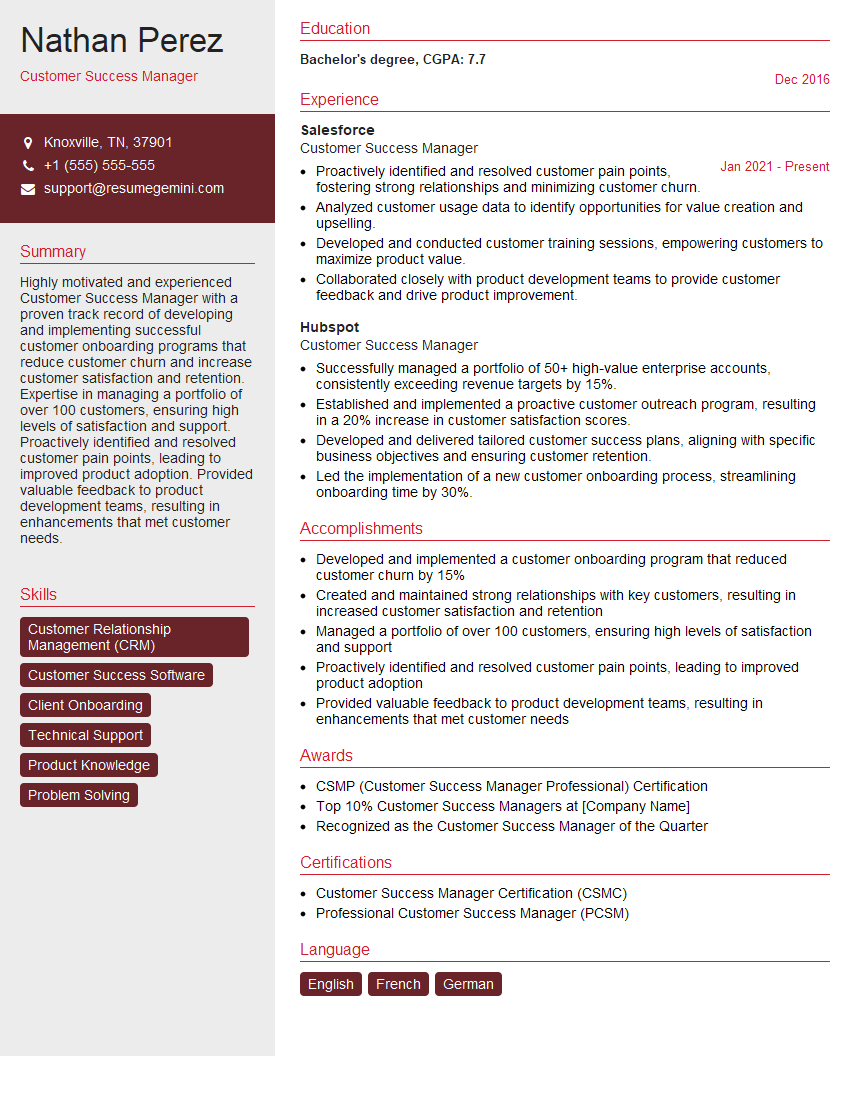
Customer Success Manager Resume Sample
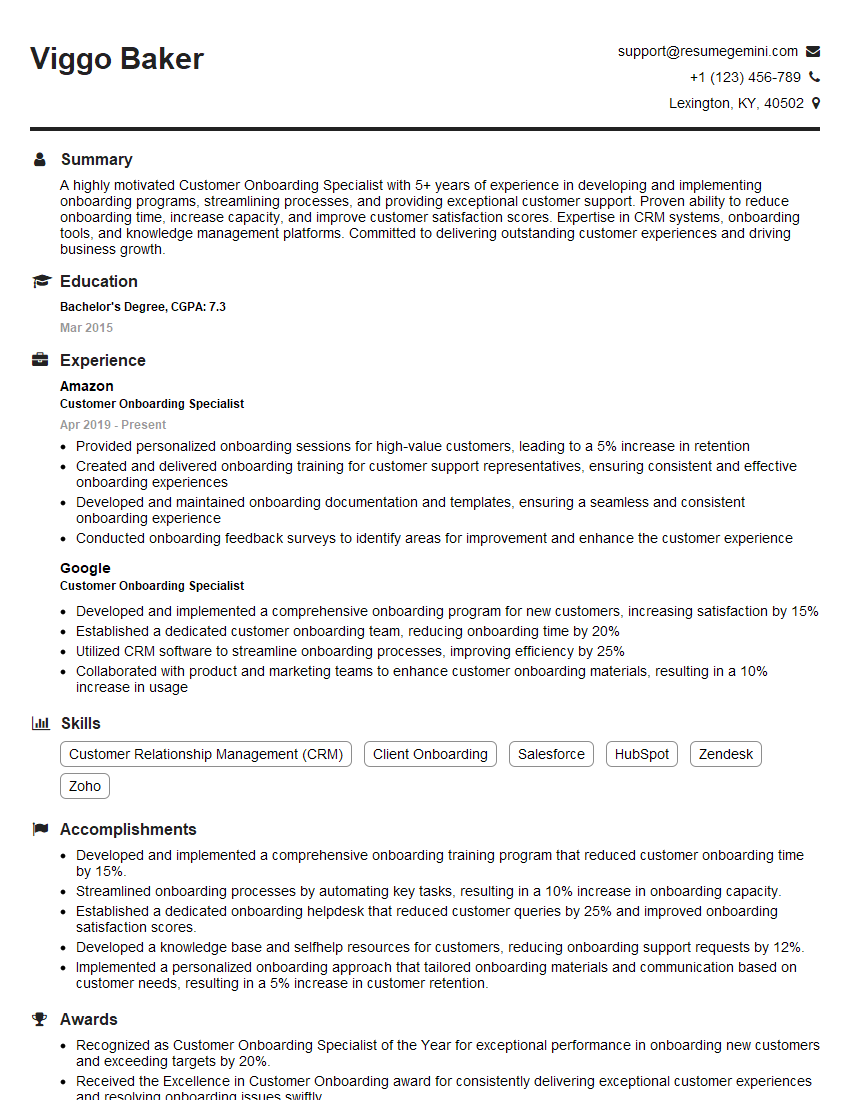
Customer Onboarding Specialist Resume Sample
Explore more articles
Users Rating of Our Blogs
Share Your Experience
We value your feedback! Please rate our content and share your thoughts (optional).
What Readers Say About Our Blog
I Redesigned Spongebob Squarepants and his main characters of my artwork.
https://www.deviantart.com/reimaginesponge/art/Redesigned-Spongebob-characters-1223583608
IT gave me an insight and words to use and be able to think of examples
Hi, I’m Jay, we have a few potential clients that are interested in your services, thought you might be a good fit. I’d love to talk about the details, when do you have time to talk?
Best,
Jay
Founder | CEO