The thought of an interview can be nerve-wracking, but the right preparation can make all the difference. Explore this comprehensive guide to Customer Relationship Management (CRM) in Telecommunications interview questions and gain the confidence you need to showcase your abilities and secure the role.
Questions Asked in Customer Relationship Management (CRM) in Telecommunications Interview
Q 1. Explain your experience with CRM systems in the telecommunications industry.
My experience with CRM systems in telecommunications spans over eight years, encompassing various roles from CRM Analyst to CRM Manager. I’ve worked with several major telecom providers, handling everything from initial CRM implementation and configuration to ongoing optimization and integration with other business systems. My focus has always been on leveraging CRM to improve customer experience, streamline operations, and drive revenue growth. I’ve directly contributed to projects involving customer onboarding, churn reduction strategies, and targeted marketing campaigns, all powered by CRM data and insights.
For example, at my previous role, I led the implementation of a new CRM system that integrated our billing, technical support, and marketing departments. This resulted in a 15% reduction in customer service call handling time and a 10% increase in successful upselling opportunities. I’ve also been involved in migrating legacy systems to cloud-based solutions, significantly improving data accessibility and scalability.
Q 2. Describe your experience with Salesforce, ServiceNow, or other relevant CRM platforms.
My most extensive experience is with Salesforce Sales Cloud and Service Cloud. I’m proficient in configuring custom objects, workflows, and reports, as well as integrating Salesforce with other systems via APIs. I’ve also worked with ServiceNow for ticketing and incident management, specifically integrating it with our Salesforce CRM to provide a holistic view of customer interactions. This integrated approach allows for efficient tracking of customer issues from initial contact to resolution, providing valuable data for continuous improvement. I understand the strengths and weaknesses of different platforms and can tailor my approach based on the specific needs of the organization. For instance, I know when a more specialized solution, like a niche telecommunications-focused CRM, may be beneficial.
Q 3. How do you manage customer data within a CRM system, ensuring data integrity and compliance?
Managing customer data integrity and compliance within a CRM is paramount. It involves several key steps. First, we establish strict data governance policies, clearly defining data ownership, access rights, and data quality standards. This includes regular data cleansing and validation processes to identify and correct inconsistencies or inaccuracies. We utilize data masking and encryption techniques to protect sensitive customer information, ensuring compliance with regulations like GDPR and CCPA. Second, we implement robust data validation rules within the CRM itself, preventing incorrect data entry. For instance, we might use field validation to ensure phone numbers follow the correct format. Third, we train our staff on proper data handling procedures. Finally, regular audits are conducted to monitor data quality and compliance. Think of it like maintaining a meticulously organized library – each book (data point) has its designated place, and regular checks ensure everything is in order.
Q 4. How would you handle a scenario where customer data is compromised within the CRM system?
A data breach scenario requires immediate and decisive action. My first step would be to contain the breach by restricting access to the affected data. Then, I would initiate a thorough investigation to determine the extent of the breach, identifying the compromised data and the potential impact on customers. We would collaborate with IT security and legal teams to implement appropriate remediation measures. This includes notifying affected customers in accordance with relevant regulations. We would also conduct a post-incident review to identify vulnerabilities and implement preventative measures to avoid future breaches. Finally, the incident would be documented thoroughly for reporting and auditing purposes. This process is crucial not only for legal compliance but also for maintaining customer trust and preventing reputational damage. It’s like responding to a fire – quick action is essential to minimize the impact.
Q 5. What metrics do you track to measure the effectiveness of a CRM system in a telecommunications environment?
In a telecommunications environment, we track several key metrics to gauge CRM effectiveness. These include:
- Customer Acquisition Cost (CAC): Measures the cost of acquiring a new customer.
- Customer Lifetime Value (CLTV): Predicts the total revenue a customer will generate throughout their relationship with the company.
- Churn Rate: Indicates the percentage of customers who discontinue their service within a given period.
- Customer Satisfaction (CSAT) Score: Measures customer happiness with products and services.
- Average Handle Time (AHT): Measures the average duration of customer service interactions.
- Sales Conversion Rate: Tracks the percentage of leads that convert into paying customers.
- Marketing ROI: Measures the return on investment for marketing campaigns.
By monitoring these metrics, we can identify areas for improvement and optimize our CRM strategies to enhance customer engagement and revenue generation.
Q 6. Describe your experience with CRM reporting and analytics.
I have extensive experience in CRM reporting and analytics, utilizing both standard reporting tools and advanced analytical techniques. I’m proficient in creating custom reports and dashboards to visualize key performance indicators (KPIs). I’ve used tools like Tableau and Power BI to develop interactive dashboards that provide real-time insights into customer behavior, sales performance, and operational efficiency. For example, I created a dashboard that tracked customer churn in real-time, allowing us to proactively intervene and reduce customer losses. My analytical skills extend to predictive modeling, using historical CRM data to forecast future trends and support strategic decision-making, such as predicting customer churn risk or identifying potential upselling opportunities. This is where data transforms into actionable intelligence.
Q 7. How do you identify and segment customers within a CRM system for targeted marketing campaigns?
Customer segmentation is crucial for targeted marketing. Within the CRM, we leverage various data points to identify distinct customer segments. This includes demographic data (age, location, income), behavioral data (usage patterns, purchase history, customer service interactions), and psychographic data (lifestyle, interests, values). We utilize CRM functionalities like list building and filtering to create targeted segments. For instance, we might segment customers based on their data usage to target high-value users with premium plans or segment customers based on churn risk to offer targeted retention campaigns. This allows for personalized marketing messages and offers that resonate with specific customer groups, ultimately improving campaign effectiveness and customer loyalty. It’s like tailoring a suit – a one-size-fits-all approach just won’t work.
Q 8. What are the key challenges in implementing a new CRM system in a telecommunications company?
Implementing a new CRM system in a telecommunications company presents several unique challenges. It’s not just about installing software; it’s about transforming how the entire organization interacts with customers. One major hurdle is data migration. Telecom companies possess vast amounts of customer data spread across legacy systems, databases, and spreadsheets. Consolidating this data into a single, accurate CRM database requires careful planning, robust data cleansing, and validation processes. A common issue is user adoption; employees accustomed to old workflows may resist the change. Comprehensive training and clear communication are essential to overcoming this resistance.
Another challenge is integration complexity. A CRM needs to seamlessly integrate with billing systems, order management systems, network management tools, and other critical applications. This integration can be technically challenging and requires specialized expertise. Finally, security and compliance are paramount in the telecom industry due to stringent regulations concerning customer data privacy. The new CRM must adhere to all relevant regulations, and robust security measures must be in place to prevent data breaches.
Q 9. How do you ensure data accuracy and consistency across multiple CRM data sources?
Data accuracy and consistency across multiple CRM data sources is crucial for making informed business decisions and delivering excellent customer service. My approach is multifaceted. Firstly, I implement data standardization procedures, ensuring all data conforms to a pre-defined format and structure. This includes defining clear data definitions, data types, and validation rules. Secondly, I leverage data cleansing techniques to identify and correct inaccurate, incomplete, or duplicate data. This often involves using ETL (Extract, Transform, Load) processes to automatically cleanse data during migration and ongoing updates.
Thirdly, I implement master data management (MDM) solutions, creating a single source of truth for critical customer information. This ensures that all systems access and update the same core data, minimizing inconsistencies. Finally, robust data validation and monitoring are implemented using real-time data quality checks, automated alerts, and regular data audits to identify and address any discrepancies promptly. For example, we might implement rules to prevent duplicate entries based on phone number or account ID.
Q 10. Describe your experience with CRM integration with other business systems (e.g., billing, order management).
I have extensive experience integrating CRM systems with various business systems within the telecommunications sector. For example, in a previous project, I integrated Salesforce with a billing system to allow customer service representatives to access real-time billing information and manage payments directly from within the CRM. This improved efficiency and reduced customer wait times significantly. Another project involved integrating a CRM with an order management system to automate order tracking and status updates. This enhanced customer transparency and provided valuable insights into order fulfillment processes.
The integration process typically involves using APIs (Application Programming Interfaces) to exchange data between systems. This often requires expertise in data mapping, data transformation, and error handling. I often use middleware solutions to simplify the integration process and manage data flow between disparate systems. For example, using an ESB (Enterprise Service Bus) to orchestrate message routing between the CRM and other applications can significantly simplify a complex integration project. Successful integration requires meticulous planning, robust testing, and ongoing monitoring to ensure data accuracy and system stability.
Q 11. How would you train and support users on a new CRM system?
Training and support are crucial for successful CRM adoption. My approach combines various methods. I begin with a needs assessment to identify user skill levels and specific training requirements. Then, I develop a comprehensive training program that includes both instructor-led and self-paced modules. The training utilizes a mix of presentations, hands-on exercises, and real-world scenarios to ensure users understand the system’s functionalities and apply them effectively. Role-based training tailored to different user groups (e.g., sales, customer service, marketing) ensures that users receive only the training relevant to their job functions.
Post-implementation support is equally crucial. I establish a support desk with various channels (e.g., phone, email, online portal) and create comprehensive documentation, including user manuals and FAQs. Regular follow-up sessions, user feedback mechanisms, and ongoing training updates are crucial to keep users engaged and informed. Furthermore, I might utilize ‘super-users’ within each department to provide peer-to-peer support and act as internal resources.
Q 12. How do you handle customer complaints and feedback within a CRM system?
Customer complaints and feedback are invaluable sources of information for improvement. Within the CRM, we utilize a dedicated case management system to track complaints, assigning them to appropriate personnel and ensuring timely resolution. This system allows for the recording of all communication, actions taken, and resolution outcomes. Customer feedback surveys and sentiment analysis are integrated to gain a deeper understanding of customer satisfaction levels and identify recurring issues. This feedback is then used to improve processes, products, and customer service strategies.
For example, if a significant number of complaints relate to billing errors, this data can highlight a weakness in the billing process that needs addressing. Regular reporting and dashboards provide an overview of complaint trends, enabling proactive interventions and continuous improvement efforts. In addition, closing the loop with customers after resolving their complaints – for instance, by sending follow-up thank-you emails or conducting satisfaction surveys – shows that their feedback is valued.
Q 13. How do you use CRM data to improve customer retention?
CRM data is a powerful tool for enhancing customer retention. By analyzing customer data, we can identify at-risk customers – those showing signs of churn, such as reduced usage, missed payments, or negative feedback. Predictive analytics can help forecast churn probability, allowing us to proactively engage with at-risk customers before they leave. This might involve offering personalized promotions, discounts, or improved service to incentivize retention.
Customer segmentation based on demographics, usage patterns, and service preferences allows targeted marketing campaigns and personalized communication. For example, loyal customers might be rewarded with exclusive offers, while customers with low usage might receive targeted communication highlighting the benefits of increased usage. Analyzing customer lifetime value (CLTV) allows prioritizing efforts on customers with high potential value, maximizing return on investment (ROI).
Q 14. What is your experience with CRM customization and configuration?
I have extensive experience with CRM customization and configuration, primarily using Salesforce and other leading platforms. This includes modifying existing functionalities, developing custom workflows, creating custom objects and fields, and integrating third-party applications. For instance, in one project, we developed a custom object in Salesforce to track customer interactions with our technical support team, allowing detailed analysis of support call resolution times and identifying areas for process improvement.
Customization is crucial for aligning the CRM with specific business needs and maximizing its effectiveness. However, it’s essential to balance customization with standardization to avoid creating a highly complex and difficult-to-maintain system. My approach is to thoroughly assess the requirements, prioritize functionalities, and follow a phased implementation approach to ensure controlled customization and minimize disruption. Careful testing and validation are essential at each stage of the customization process to prevent errors and ensure stability. We meticulously document any customization to facilitate future maintenance and upgrades.
Q 15. How do you prioritize tasks and manage your time effectively when using a CRM system?
Prioritizing tasks and managing time effectively within a CRM system is crucial for maximizing productivity. I approach this using a combination of techniques. First, I leverage the CRM’s built-in features like task management and calendar integrations. This allows me to schedule tasks, set deadlines, and receive reminders, ensuring nothing slips through the cracks. I categorize tasks based on urgency and importance using methods like the Eisenhower Matrix (Urgent/Important), allowing me to focus on high-impact activities first.
Secondly, I utilize the CRM’s reporting and analytics capabilities to identify trends and patterns in customer interactions. This data-driven approach allows me to proactively address potential issues and prioritize tasks that will have the biggest positive impact on customer satisfaction and business outcomes. For example, if I notice a surge in complaints regarding a specific product feature, I’ll prioritize tasks related to addressing that issue.
Finally, I actively manage my time by allocating specific blocks for different task types. This might involve dedicating mornings to responding to urgent customer inquiries, afternoons to proactive outreach, and evenings to analyzing data and planning for the next day. Regular review of my schedule and task list is essential to stay on track and adapt to changing priorities.
Career Expert Tips:
- Ace those interviews! Prepare effectively by reviewing the Top 50 Most Common Interview Questions on ResumeGemini.
- Navigate your job search with confidence! Explore a wide range of Career Tips on ResumeGemini. Learn about common challenges and recommendations to overcome them.
- Craft the perfect resume! Master the Art of Resume Writing with ResumeGemini’s guide. Showcase your unique qualifications and achievements effectively.
- Don’t miss out on holiday savings! Build your dream resume with ResumeGemini’s ATS optimized templates.
Q 16. Describe your experience with workflow automation within a CRM system.
My experience with workflow automation in CRM systems is extensive. I’ve worked with several platforms, including Salesforce, Microsoft Dynamics 365, and others, to automate various processes. For example, I’ve configured automated email sequences for lead nurturing, automatically assigning leads to sales representatives based on geographic location or product expertise, and setting up automated reminders for follow-up calls or emails after a customer interaction.
One specific example involved automating the process of onboarding new customers. Previously, this was a manual process, involving multiple steps and different teams. By using the CRM’s workflow automation capabilities, we automated tasks such as sending welcome emails, scheduling initial consultations, and collecting necessary documentation. This significantly reduced processing time and improved customer onboarding experience. Workflow automation also minimizes human error, ensuring consistency and accuracy across all customer interactions.
Furthermore, I have experience integrating CRM workflows with other business systems, such as ticketing systems and marketing automation platforms, creating a seamless flow of information and reducing data silos. This holistic approach enhances efficiency and provides a more comprehensive view of the customer journey.
Q 17. How do you measure the ROI of a CRM system implementation?
Measuring the ROI of a CRM implementation requires a multifaceted approach. It’s not just about looking at immediate cost savings, but also considering the long-term impact on various key performance indicators (KPIs).
Firstly, we need to define specific, measurable, achievable, relevant, and time-bound (SMART) goals before implementation. This might include improved customer retention rates, increased sales conversion rates, shortened sales cycles, or reduced customer support costs. After implementation, we track these KPIs to see how they’ve changed compared to pre-implementation metrics.
Secondly, we analyze qualitative data like customer satisfaction scores (CSAT), Net Promoter Score (NPS), and employee feedback. A CRM should not only improve efficiency but also enhance the overall customer and employee experience. For example, a reduction in customer churn due to improved service can be a significant ROI driver.
Finally, we calculate the return on investment using a cost-benefit analysis. This includes factoring in the initial investment costs (software, implementation, training), ongoing maintenance costs, and the financial benefits realized through the improvements in the KPIs we’ve tracked. A comprehensive ROI calculation provides a clear picture of the value the CRM system has delivered.
Q 18. How familiar are you with telecommunications industry regulations concerning customer data privacy?
I’m very familiar with telecommunications industry regulations concerning customer data privacy, particularly GDPR (General Data Protection Regulation) in Europe and CCPA (California Consumer Privacy Act) in the US, as well as other regional and national regulations. These regulations emphasize the importance of data minimization, consent management, data security, and the right to be forgotten. In my experience, a key aspect is ensuring that CRM systems are configured and utilized in compliance with these regulations.
This includes implementing robust security measures to protect customer data from unauthorized access, implementing processes for obtaining explicit consent for data collection and processing, providing customers with transparency about how their data is being used, and ensuring data is only retained for as long as necessary. Regular audits and training are critical to maintain compliance. Failure to comply with these regulations can result in significant penalties and damage to a company’s reputation. Staying up-to-date with the evolving regulatory landscape is an ongoing priority.
Q 19. How do you handle conflict resolution with customers via CRM interaction?
Handling conflict resolution with customers via CRM interaction requires empathy, active listening, and a systematic approach. The CRM itself provides a valuable tool for tracking the issue, recording solutions, and monitoring the resolution’s effectiveness.
My approach involves first actively listening to the customer’s complaint, acknowledging their feelings, and summarizing their concerns to ensure mutual understanding. I use the CRM’s notes section to record detailed information about the interaction, including specific issues, customer sentiment, and any solutions offered. I then follow established protocols for resolving the issue, which may involve escalating the problem to a supervisor or specialist if necessary. The CRM allows for seamless transfer of information, ensuring that the customer’s issue is handled consistently and efficiently, regardless of who they are interacting with.
Throughout the process, I maintain a professional and empathetic demeanor, aiming to reach a mutually satisfactory resolution. After resolving the issue, I follow up with the customer to ensure their satisfaction and use the CRM to document the final outcome. This information is valuable for identifying recurring issues and improving customer service processes.
Q 20. How do you identify opportunities for improvement in customer service processes using CRM data?
CRM data is a goldmine for identifying opportunities to improve customer service processes. I utilize various techniques to analyze this data and uncover areas for improvement.
Firstly, I focus on analyzing customer interaction data, such as call durations, resolution times, and customer satisfaction scores (CSAT). Long call durations or low CSAT scores might highlight specific pain points in the process. For example, if a large percentage of customers are calling to ask about the same issue, this points to a potential knowledge gap or a need for improved self-service options.
Secondly, I analyze trends and patterns in customer feedback. This might involve reviewing customer surveys, social media comments, or other feedback channels. Identifying recurring complaints or areas of dissatisfaction helps pinpoint areas that need improvement. CRM reporting and analytics tools are invaluable in this process, allowing me to segment customers and identify specific trends within various customer segments.
Thirdly, I look at agent performance data, such as average handling time, resolution rates, and customer feedback scores. This helps identify areas where training or process improvements might be needed. This data-driven approach helps to create a more effective, efficient, and customer-centric service operation.
Q 21. Describe your experience with using CRM systems for sales forecasting and lead management.
My experience with CRM systems for sales forecasting and lead management is extensive. I’ve used CRM data to develop accurate sales forecasts, identify high-potential leads, and optimize sales processes.
For sales forecasting, I utilize the CRM’s reporting and analytics capabilities to analyze historical sales data, current pipeline, and market trends. I use various forecasting models, including moving averages and regression analysis, to predict future sales. The CRM’s ability to segment customers and track various sales metrics is crucial for this process. This data-driven approach improves accuracy and allows for proactive adjustments to sales strategies.
For lead management, I leverage the CRM’s functionalities for lead scoring and lead nurturing. Lead scoring helps prioritize high-potential leads based on various factors such as engagement level, demographics, and purchase history. Lead nurturing involves using automated email campaigns and other communication channels to engage with leads and move them through the sales funnel. The CRM allows me to track the effectiveness of these campaigns and optimize them for better conversion rates. By effectively utilizing the CRM’s features, we can greatly improve sales productivity and efficiency.
Q 22. Explain your understanding of different CRM deployment models (cloud, on-premise).
CRM deployment models determine where your CRM system resides and how it’s accessed. The two main models are cloud-based and on-premise.
- Cloud-based CRM (SaaS): This model hosts the CRM software on the vendor’s servers, accessible via the internet. Think of it like using Gmail – you access it through a web browser from anywhere. Examples include Salesforce Sales Cloud, Microsoft Dynamics 365, and Oracle Siebel Cloud. Benefits include scalability, cost-effectiveness (no upfront hardware investment), and easy maintenance as updates are handled by the vendor. However, reliance on internet connectivity and potential vendor lock-in are drawbacks.
- On-premise CRM: This model involves installing and managing the CRM software on your company’s own servers. It’s like having your own private email server. This offers greater control and customization, potentially better security if managed correctly, and no dependency on internet service providers. However, it demands significant upfront investment in hardware, software licenses, and IT personnel for maintenance and upgrades. It also lacks the scalability of cloud solutions.
In the telecommunications industry, the choice often depends on factors like budget, company size, data sensitivity, and the need for customization. Larger enterprises with high security requirements might opt for on-premise, while smaller companies or those prioritizing agility might choose cloud-based solutions.
Q 23. How do you ensure data security and compliance when using a CRM system?
Data security and compliance are paramount in CRM, especially in the telecommunications sector dealing with sensitive customer information. My approach focuses on a multi-layered strategy:
- Access Control: Implementing role-based access control (RBAC) to limit access to sensitive data based on user roles and responsibilities. Only authorized personnel should have access to specific customer records or functionalities.
- Data Encryption: Both data at rest (stored on servers) and data in transit (during transmission) must be encrypted using robust encryption protocols like AES-256. This ensures data confidentiality even if intercepted.
- Regular Audits and Monitoring: Conducting regular security audits and system monitoring to detect and prevent unauthorized access attempts or data breaches. Log analysis and intrusion detection systems are essential.
- Compliance Adherence: Ensuring compliance with relevant regulations like GDPR, CCPA, and industry-specific standards. This includes data subject rights, data retention policies, and breach notification procedures.
- Vendor Due Diligence: If using a cloud-based CRM, thoroughly vetting the vendor’s security practices and certifications (e.g., ISO 27001, SOC 2). Requesting and reviewing their security documentation is crucial.
For example, in a previous role, we implemented multi-factor authentication (MFA) and regularly tested our systems’ vulnerability using penetration testing to proactively identify and address security weaknesses. This proactive approach minimized risks associated with data breaches and ensured customer data privacy.
Q 24. What is your experience with CRM system upgrades and maintenance?
CRM system upgrades and maintenance are crucial for optimal performance, security, and feature enhancement. My experience covers all phases of this process:
- Planning and Assessment: Thoroughly assessing the need for an upgrade, identifying potential impacts on existing processes, and developing a detailed implementation plan with timelines and responsibilities.
- Testing and Validation: Conducting comprehensive testing in a sandbox environment to identify and resolve potential issues before deploying the upgrade to the production system. This minimizes disruption to ongoing operations.
- Data Migration: Carefully planning and executing data migration strategies to ensure data integrity and minimize downtime during the upgrade process. This may involve data cleansing, transformation, and validation.
- Training and Support: Providing comprehensive training to users on new features and functionalities introduced by the upgrade. Establishing robust support channels to address user queries and resolve any post-upgrade issues.
- Post-Implementation Review: Conducting a post-implementation review to assess the success of the upgrade and identify areas for improvement in future upgrade cycles.
In one project, we migrated a legacy on-premise CRM to a cloud-based system. We followed a phased rollout, starting with a small pilot group to test the system before full deployment, which significantly reduced the risk and improved user acceptance.
Q 25. How do you leverage CRM data to personalize customer interactions?
Personalizing customer interactions is key to improving customer satisfaction and loyalty. CRM data provides valuable insights to achieve this:
- Segmentation: Grouping customers based on demographics, purchase history, engagement level, and other relevant factors. This allows tailoring communication and offers to specific segments.
- Targeted Marketing: Using CRM data to create targeted marketing campaigns, including personalized emails, SMS messages, or in-app notifications.
- Personalized Recommendations: Recommending products or services based on past purchases, browsing history, and customer preferences. This improves conversion rates.
- Proactive Customer Service: Identifying customers who might need assistance and proactively reaching out to them. For example, if a customer has been experiencing network issues, proactively contacting them offers a personalized solution.
- Omnichannel Integration: Integrating CRM data across multiple communication channels to ensure a consistent and personalized experience across all touchpoints.
For instance, in a telecommunications company, using CRM data to identify high-value customers facing billing issues allowed us to proactively resolve their concerns, preventing churn and enhancing customer loyalty.
Q 26. Explain your experience with A/B testing and optimization within a CRM system.
A/B testing and optimization within a CRM system is crucial for improving campaign effectiveness and user experience. My approach involves:
- Hypothesis Definition: Clearly defining the hypothesis to be tested, such as whether a specific email subject line or call-to-action improves click-through rates.
- Test Design: Designing the A/B test, ensuring that the only variable changed is the element being tested. This involves careful selection of control and variant groups.
- Data Collection and Analysis: Collecting data on key metrics, such as open rates, click-through rates, conversion rates, and customer engagement. Analyzing the data to determine which variation performs better.
- Iteration and Optimization: Based on the results, iteratively improving the campaign or process. This continuous optimization cycle leads to improved results over time.
- Reporting and Tracking: Regularly reporting on the results of A/B tests and tracking overall campaign performance. This provides valuable insights into campaign effectiveness and areas for further optimization.
In one instance, we A/B tested different email subject lines for a promotional campaign. The test revealed that a more personalized subject line significantly improved open and click-through rates, demonstrating the power of personalized messaging.
Q 27. Describe a situation where you had to troubleshoot a CRM issue.
I once encountered an issue where a significant number of customer records were unexpectedly duplicated in our CRM system. This resulted in inaccurate reporting and potential confusion for customer service representatives.
My troubleshooting involved the following steps:
- Identifying the root cause: I first investigated the CRM logs and databases to pinpoint when the duplication started and the potential cause. It turned out a faulty data import process was creating duplicates.
- Implementing a temporary fix: To prevent further duplication, I temporarily disabled the faulty import process.
- Developing a permanent solution: I worked with the IT team to identify and correct the error in the data import script. This involved debugging the script and updating the data validation processes.
- Data cleansing: After fixing the root cause, we developed and implemented a data cleansing script to identify and merge duplicate records. This restored data integrity.
- Monitoring and Prevention: After resolving the issue, we implemented monitoring mechanisms to prevent similar occurrences in the future, including regular checks on the data import process and enhanced logging.
This experience highlighted the importance of robust data management procedures and meticulous error handling in the CRM system.
Q 28. What are your salary expectations for this role?
My salary expectations are in the range of $120,000 to $150,000 per year, depending on the specifics of the role, benefits package, and company performance. This range reflects my extensive experience in CRM management within the telecommunications sector and my proven ability to deliver significant improvements in customer satisfaction, operational efficiency, and revenue generation.
Key Topics to Learn for Customer Relationship Management (CRM) in Telecommunications Interviews
- Understanding Telecommunications Customer Journeys: Analyze the typical customer lifecycle in the telecommunications industry, from initial contact to ongoing service and potential churn. Consider different customer segments and their unique needs.
- CRM Software Applications in Telecom: Explore popular CRM platforms used in the telecommunications sector and their functionalities. Understand how these tools support customer interaction, data management, and sales processes. Practical application: Describe how you would use a CRM to manage customer complaints effectively and track resolution times.
- Data Analysis and Reporting: Learn how to extract meaningful insights from CRM data. Focus on key performance indicators (KPIs) relevant to customer retention, sales conversion, and overall customer satisfaction. Practical application: Explain how you would use CRM data to identify trends in customer churn and propose strategies for mitigation.
- Customer Segmentation and Targeting: Understand how to segment customers based on demographics, behavior, and needs. Learn how to tailor communication and service offerings to specific customer groups. Practical application: Describe a scenario where you would use customer segmentation to improve marketing campaign effectiveness.
- Sales and Marketing Integration with CRM: Explore the synergy between CRM and sales and marketing activities. Understand how CRM data can inform marketing strategies and improve sales conversion rates. Practical application: Explain how you would use CRM data to personalize marketing emails and improve customer engagement.
- CRM and Customer Service Excellence: Understand how CRM systems enhance customer service interactions and contribute to building strong customer relationships. Practical application: Describe a situation where you used a CRM system to resolve a complex customer issue effectively.
- Telecommunications Specific Challenges: Consider unique challenges in managing customer relationships in the telecommunications industry, such as technical issues, billing disputes, and service interruptions. Develop strategies for addressing these challenges effectively within a CRM framework.
Next Steps
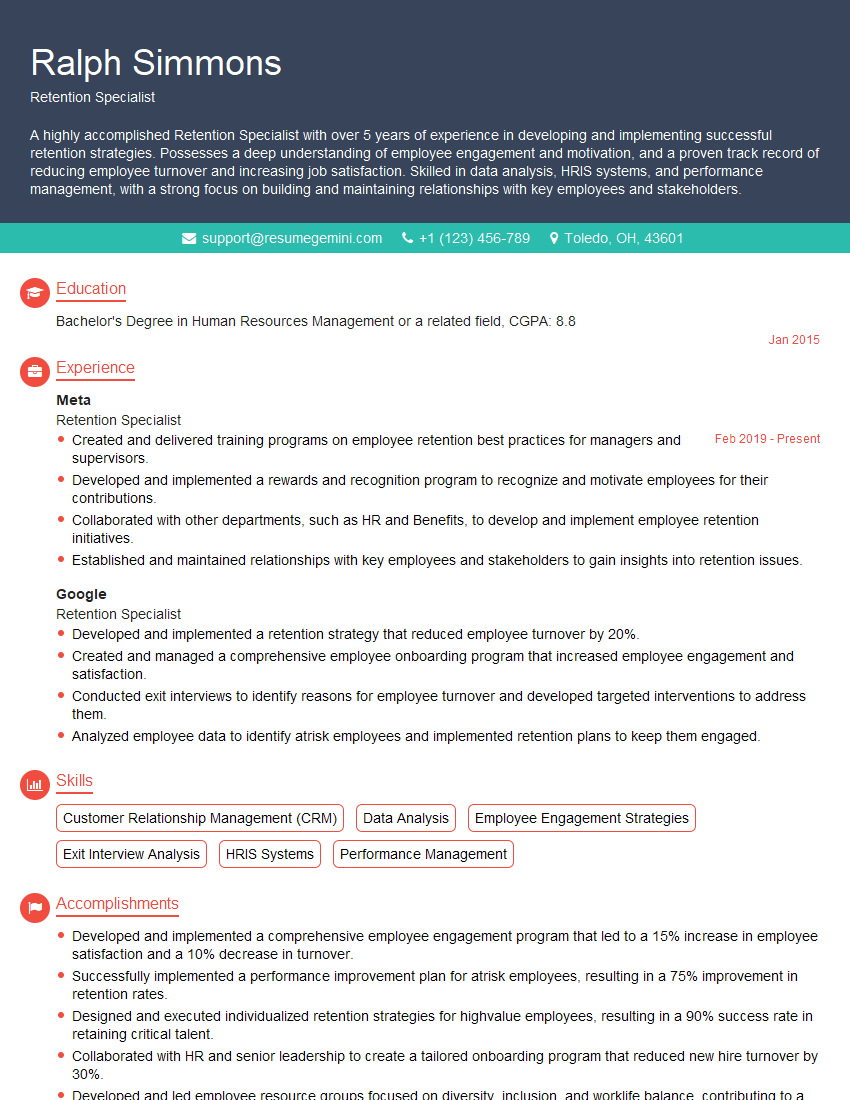
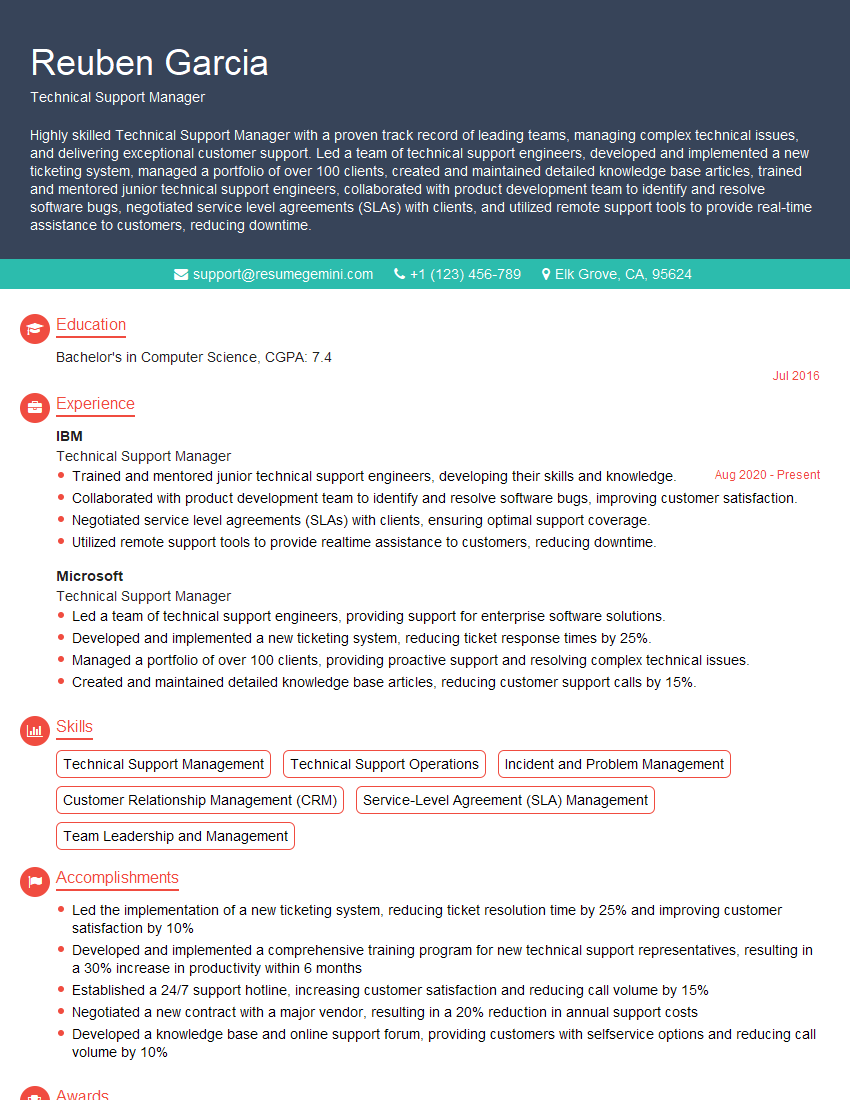
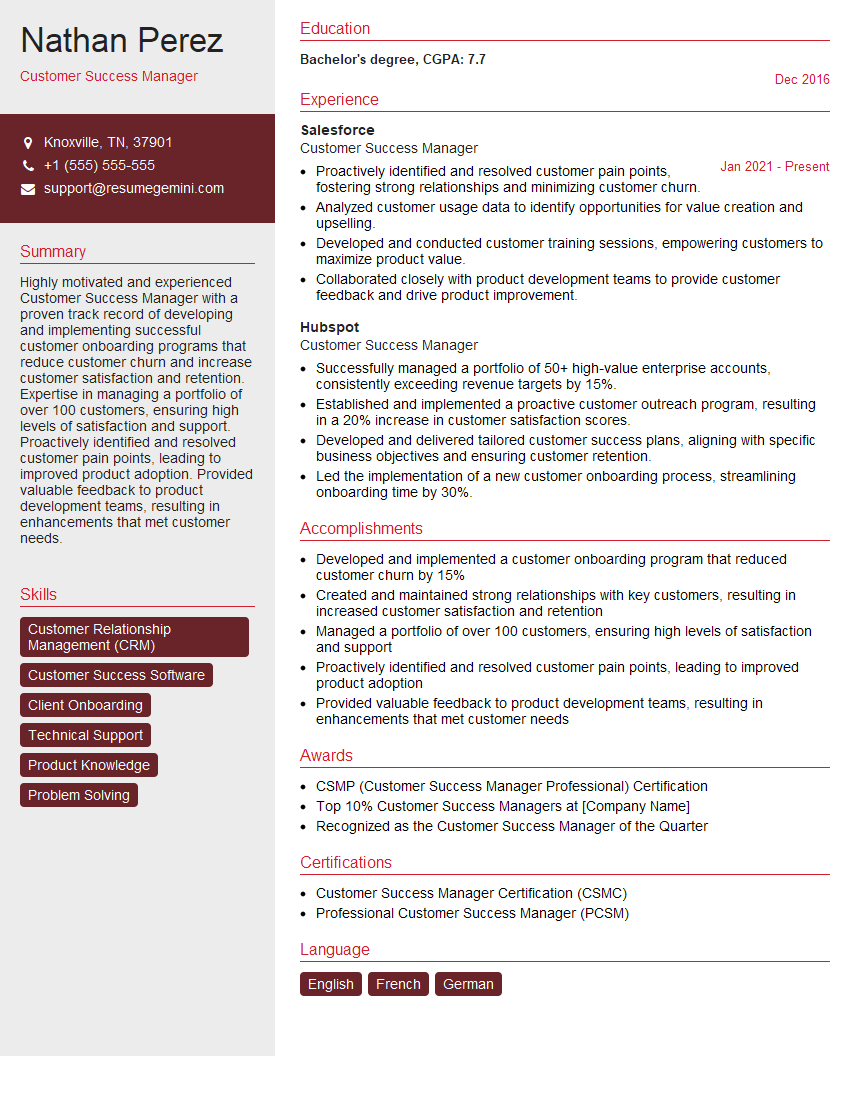
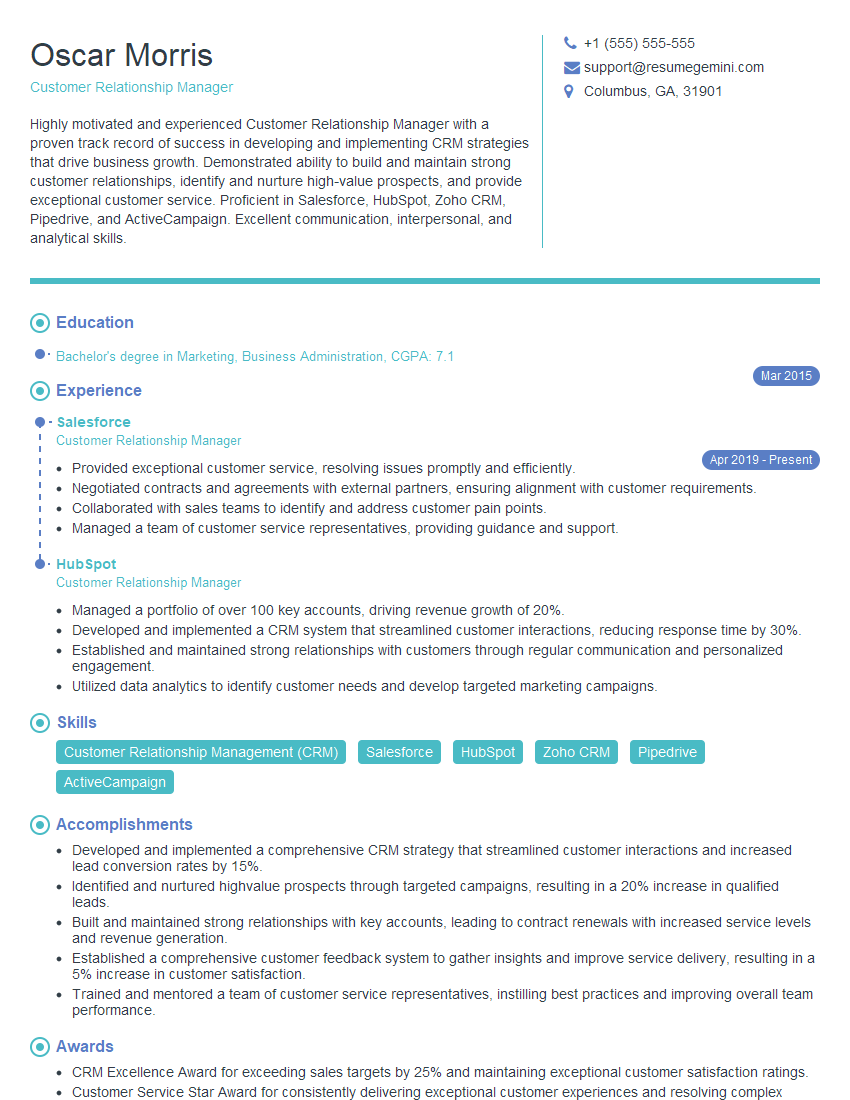
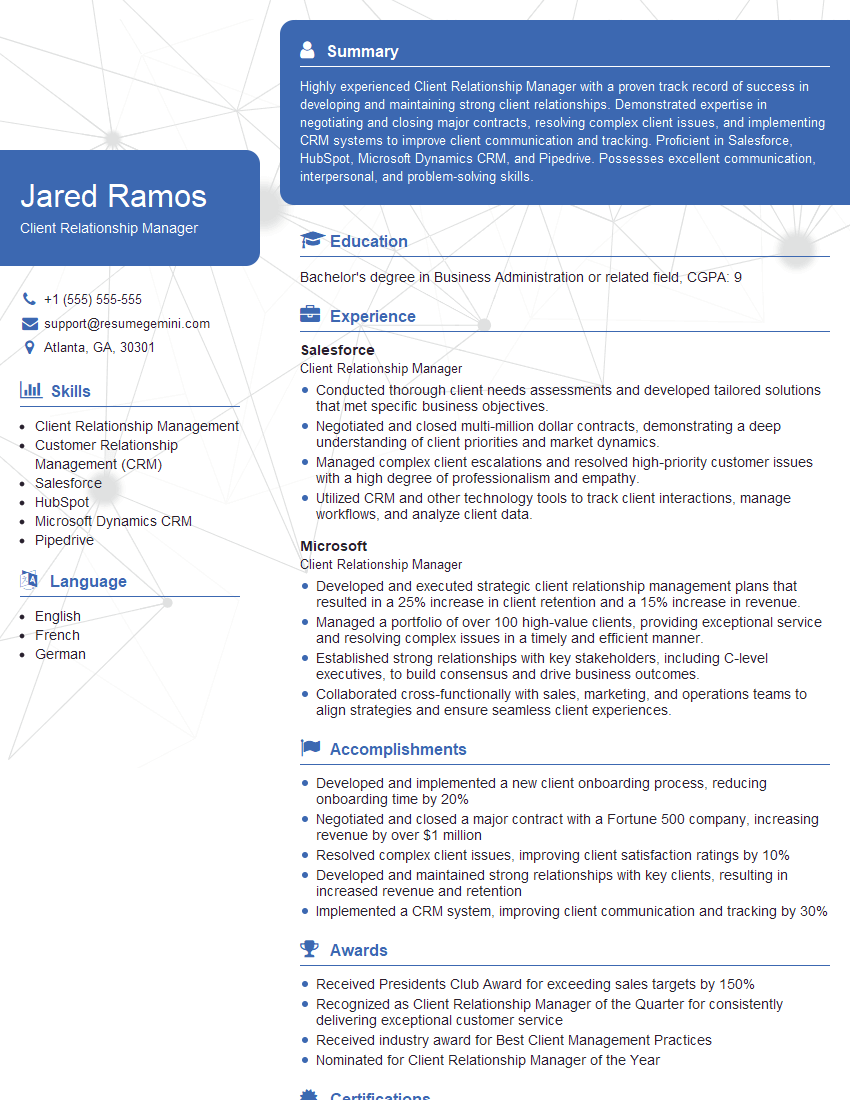
Mastering Customer Relationship Management (CRM) in Telecommunications is crucial for career advancement in this dynamic industry. A strong understanding of CRM principles and practical applications will significantly enhance your job prospects and enable you to contribute effectively to a telecommunications organization. To maximize your chances of securing your dream role, creating an ATS-friendly resume is paramount. ResumeGemini is a trusted resource that can help you build a professional and impactful resume that highlights your CRM skills and experience. We provide examples of resumes tailored to Customer Relationship Management (CRM) in Telecommunications to guide you in showcasing your qualifications effectively.

Explore more articles
Users Rating of Our Blogs
Share Your Experience
We value your feedback! Please rate our content and share your thoughts (optional).
What Readers Say About Our Blog
I Redesigned Spongebob Squarepants and his main characters of my artwork.
https://www.deviantart.com/reimaginesponge/art/Redesigned-Spongebob-characters-1223583608
IT gave me an insight and words to use and be able to think of examples
Hi, I’m Jay, we have a few potential clients that are interested in your services, thought you might be a good fit. I’d love to talk about the details, when do you have time to talk?
Best,
Jay
Founder | CEO