The right preparation can turn an interview into an opportunity to showcase your expertise. This guide to Delegating interview questions is your ultimate resource, providing key insights and tips to help you ace your responses and stand out as a top candidate.
Questions Asked in Delegating Interview
Q 1. Describe your process for identifying tasks suitable for delegation.
Identifying tasks suitable for delegation involves a careful assessment of several factors. It’s not just about offloading work; it’s about strategically assigning tasks to maximize team efficiency and individual growth.
- Task Complexity: I look for tasks that are well-defined, have clear objectives, and don’t require highly specialized expertise only I possess. For example, data entry or basic report generation are often good candidates, whereas developing a complex algorithm might not be.
- Team Member Skills and Capacity: I consider each team member’s skills, experience level, and current workload. Delegating a task that’s slightly challenging but within their capabilities fosters growth. Overloading someone or assigning something beyond their skill set is counterproductive.
- Urgency and Importance: While important tasks are sometimes suitable for delegation (with close oversight), highly urgent tasks usually require my direct attention to ensure timely completion.
- Delegation Potential: Some tasks simply aren’t suitable for delegation due to their sensitive nature, requiring my personal judgement or expertise.
Essentially, I use a process of elimination, filtering tasks based on these criteria to identify those with the highest potential for successful delegation.
Q 2. How do you determine the appropriate level of authority to delegate?
Determining the appropriate level of authority involves a balance between trust, accountability, and risk mitigation. It depends on the task’s complexity, the team member’s experience, and potential impact.
- Limited Authority: For simpler tasks, I might provide clear instructions and expect regular updates. The team member has limited decision-making power and relies on my guidance.
- Moderate Authority: For more complex tasks, I may grant the team member more autonomy in decision-making, but within defined parameters. This requires more trust and confidence in their abilities.
- Full Authority: For tasks where the team member is an expert, I might delegate with full authority, trusting them to manage the task independently. Regular check-ins may still be needed.
For instance, a junior team member might receive limited authority for proofreading a document, while a senior team member might have full authority for managing a specific project within a budget.
Q 3. What metrics do you use to measure the success of delegated tasks?
Measuring the success of delegated tasks goes beyond simply checking if it’s completed. I use a combination of quantitative and qualitative metrics:
- Timeliness: Was the task completed within the agreed-upon timeframe?
- Quality: Does the completed task meet the specified standards and expectations? This may involve feedback from stakeholders or quality assurance processes.
- Efficiency: Was the task completed efficiently, in terms of resource usage and time management?
- Impact: Did the completed task contribute to the overall goals of the project or team?
- Team Member Growth: Did the team member gain new skills or experience through undertaking the task? This is a crucial, often overlooked aspect.
For example, for a marketing campaign delegated to a team member, I’d measure the success based on metrics like engagement, lead generation, and ROI, as well as assessing their learning and growth throughout the project.
Q 4. How do you handle situations where a delegated task is not completed on time or to standard?
When a delegated task isn’t completed on time or to standard, my approach involves understanding the reasons behind it before addressing the issue. It’s about problem-solving, not blame.
- Investigate: I initiate a conversation to understand the reasons for the delay or substandard work. Were there unforeseen obstacles? Did the team member require additional support or resources? This often reveals issues with the initial delegation process itself.
- Collaborate: I work with the team member to develop a plan to rectify the situation. This may involve adjusting deadlines, providing additional support, or re-allocating resources.
- Re-evaluate: I analyze the process to identify any weaknesses in delegation, communication, or training. This is crucial for preventing future similar situations.
- Document and Learn: I document the situation and its resolution, learning from it to improve future delegation practices.
It’s crucial to remember to focus on solutions and support, not solely on disciplinary actions. A supportive approach often yields better results in the long run.
Q 5. Explain your approach to providing feedback on delegated work.
Providing feedback on delegated work is crucial for both performance improvement and building a strong team dynamic. My approach is constructive, timely, and specific.
- Timely Feedback: I provide feedback as soon as possible after the task is completed, ensuring the details are fresh in both our minds.
- Specific Examples: I avoid vague statements and focus on concrete examples of what worked well and areas for improvement. Instead of saying “good job,” I might say, “The data visualization in your report was particularly effective; it clearly highlighted the key findings.”
- Balanced Approach: I offer both positive reinforcement and constructive criticism, focusing on behavior and performance, not personality traits.
- Actionable Suggestions: I provide suggestions for improvement that are specific and actionable, rather than simply pointing out errors.
- Two-Way Conversation: I encourage a two-way conversation where the team member can share their perspective and ask questions.
This approach ensures that feedback is not just a judgment but a tool for growth and improved performance. A consistent approach builds trust and fosters a culture of continuous improvement.
Q 6. How do you ensure accountability when delegating tasks?
Ensuring accountability when delegating tasks is critical for achieving desired outcomes. It’s not about micromanagement; it’s about establishing clear expectations and monitoring progress.
- Clear Expectations: Before delegating, I ensure the task is clearly defined, with specific objectives, deadlines, and deliverables. I might use a project management tool to further define responsibilities and timelines.
- Regular Check-ins: I schedule regular check-ins to monitor progress, discuss challenges, and provide support. The frequency depends on the task’s complexity and the team member’s experience.
- Defined Roles and Responsibilities: I clearly define the roles and responsibilities of all individuals involved in the task, ensuring everyone understands their contribution and accountability.
- Open Communication: I encourage open communication and create a safe space for team members to raise concerns or challenges without fear of retribution.
- Performance Reviews: Delegated tasks are incorporated into performance reviews, providing an opportunity for formal feedback and assessment of accountability.
By establishing clear expectations, providing support, and monitoring progress, I ensure everyone is accountable for their part in the successful completion of the task.
Q 7. What strategies do you use to empower and motivate team members to whom you delegate?
Empowering and motivating team members is essential for successful delegation. It’s about fostering ownership and enabling them to excel.
- Trust and Autonomy: I demonstrate trust by giving them autonomy and ownership over the delegated task. This fosters a sense of responsibility and pride.
- Recognition and Appreciation: I publicly acknowledge and appreciate their contributions and successes, fostering a positive work environment and encouraging future engagement.
- Growth Opportunities: I view delegation as an opportunity for professional growth, providing challenging yet attainable tasks that stretch their capabilities.
- Mentorship and Guidance: I provide guidance and support when needed, but without micromanaging. I act as a mentor, offering advice and feedback to help them succeed.
- Resource Allocation: I ensure they have access to the resources and support they need to complete the task effectively.
By creating a supportive and empowering environment, I motivate team members to take ownership of their work and contribute to the team’s overall success.
Q 8. Describe a time you successfully delegated a complex task. What was the outcome?
Successfully delegating complex tasks hinges on clear communication, trust, and monitoring. In my previous role, we were launching a new product, and I was responsible for the entire marketing campaign. This was exceptionally complex, involving multiple teams (design, content, social media, advertising), tight deadlines, and a sizable budget. Instead of micromanaging, I identified key individuals within each team who possessed the relevant skills and experience. For instance, I delegated the social media strategy to Sarah, who had proven success in previous campaigns, and the design aspects to Mark, a seasoned graphic designer known for his creativity and efficiency. I provided each of them with clear objectives, defined success metrics (e.g., engagement rates, lead generation), and allocated appropriate resources. We held regular check-in meetings to discuss progress, address challenges, and maintain alignment. The outcome was a highly successful launch exceeding all expectations; we saw a significant increase in brand awareness and lead generation, proving the efficacy of strategic delegation.
Q 9. How do you handle disagreements or conflicts related to delegated work?
Disagreements regarding delegated work are inevitable. My approach focuses on open communication and collaborative problem-solving. First, I create a safe space for team members to voice their concerns without fear of retribution. I actively listen to understand the root cause of the disagreement. Is it a misunderstanding of the task, conflicting priorities, or resource constraints? Once the issue is identified, I work collaboratively with the individuals involved to find mutually acceptable solutions. This might involve adjusting deadlines, reallocating resources, or clarifying expectations. If necessary, I will mediate the discussion to ensure a fair and productive resolution. The goal is not to impose a solution but to find a way forward that works for everyone involved, fostering a collaborative and respectful work environment.
Q 10. How do you adapt your delegation style to different personalities and skill sets?
Adapting my delegation style is crucial for effective teamwork. I employ a situational leadership approach, adjusting my level of guidance and support based on the individual’s skills, experience, and personality. For instance, a highly experienced team member might only need high-level direction and autonomy, whereas a newer team member might require more detailed instructions and regular check-ins. I also consider personality styles. For instance, individuals who thrive on autonomy will be given more freedom, whereas those who prefer more structure might benefit from a more directive approach. Regular feedback and open communication are key to understanding individual needs and adjusting my approach accordingly. It’s about understanding what motivates each person and tailoring the delegation strategy to optimize their performance.
Q 11. What steps do you take to prevent over-delegation or under-delegation?
Preventing over-delegation or under-delegation requires careful task analysis and self-awareness. To avoid over-delegation, I assess my own workload and capacity realistically. I prioritize tasks based on urgency and importance, focusing on those requiring my unique expertise. I then delegate tasks that can be effectively handled by others. To avoid under-delegation, I create a detailed task list, breaking down large projects into smaller, manageable components. This helps identify tasks suitable for delegation and assigns them to the appropriate individuals. Regularly reviewing my workload and seeking feedback from my team ensures I am delegating appropriately and efficiently. The key is finding the right balance – leveraging the strengths of my team while retaining ownership of tasks requiring my specialized skills.
Q 12. How do you prioritize tasks before delegating them?
Prioritizing tasks before delegation involves a structured approach. I utilize methods like the Eisenhower Matrix (urgent/important), prioritizing based on deadlines, strategic importance, and impact on overall goals. Tasks are evaluated considering their complexity, the skills required, and the potential impact of a successful or unsuccessful outcome. For instance, tasks with tight deadlines and high strategic importance will be prioritized over those with less urgency and impact. Clear prioritization ensures the right tasks are delegated to the most appropriate individuals, maximizing efficiency and effectiveness. This helps to prevent bottlenecks and maintain project momentum.
Q 13. How do you ensure that all necessary resources are available to the person to whom you are delegating?
Ensuring resource availability is paramount. Before delegating, I meticulously identify all necessary resources, including tools, software, data, budget, and information. I then ensure that the individual receiving the task has clear access to these resources. This may involve providing direct access to systems, training on specific software, or allocating a dedicated budget. If resources are unavailable or require procurement, I address this proactively before delegating. This preemptive approach eliminates potential delays and empowers the individual to complete the task efficiently and effectively. Proactive resource management is key to successful delegation.
Q 14. Describe your process for training and supporting team members in completing delegated tasks.
My training and support process is multi-faceted. It begins with clear instructions and explanations of the task, including expectations, deadlines, and success metrics. I provide necessary training and resources, potentially including hands-on demonstrations or mentoring. Throughout the process, I maintain open communication channels, offering regular check-ins and support to address any questions or challenges. I encourage feedback and actively listen to concerns. Post-completion, I provide constructive feedback to help team members learn and improve their skills. This comprehensive approach fosters a culture of learning and growth, enabling team members to excel in their delegated tasks and develop their capabilities.
Q 15. How do you build trust and rapport with your team members to foster effective delegation?
Building trust and rapport is the cornerstone of effective delegation. It’s not just about assigning tasks; it’s about fostering a collaborative environment where team members feel empowered and supported. I achieve this through several key strategies:
- Open Communication: I maintain consistent, transparent communication, keeping my team informed about project goals, timelines, and my expectations. This builds confidence and reduces ambiguity.
- Active Listening and Empathy: I actively listen to my team members’ concerns, ideas, and perspectives. Showing empathy and understanding their individual strengths and weaknesses is crucial for building trust.
- Providing Opportunities for Growth: I deliberately assign tasks that challenge individuals while remaining within their capabilities. This allows them to develop new skills and gain confidence in their abilities. Delegation becomes a learning opportunity.
- Recognition and Appreciation: I consistently acknowledge and appreciate the contributions of my team members. Positive reinforcement strengthens our working relationship and reinforces trust.
- Leading by Example: I ensure my actions reflect the values and expectations I set for the team. If I am consistently reliable and accountable, it builds credibility and trust.
For instance, in a previous role, I noticed a team member who was hesitant to take on more responsibility. By having regular one-on-one meetings, actively listening to their concerns about handling a new project and providing support and guidance, I was able to successfully delegate a significant portion of the work, which boosted their confidence and performance. They delivered excellent results, and it significantly strengthened our working relationship.
Career Expert Tips:
- Ace those interviews! Prepare effectively by reviewing the Top 50 Most Common Interview Questions on ResumeGemini.
- Navigate your job search with confidence! Explore a wide range of Career Tips on ResumeGemini. Learn about common challenges and recommendations to overcome them.
- Craft the perfect resume! Master the Art of Resume Writing with ResumeGemini’s guide. Showcase your unique qualifications and achievements effectively.
- Don’t miss out on holiday savings! Build your dream resume with ResumeGemini’s ATS optimized templates.
Q 16. How do you handle situations where you need to re-delegate a task?
Re-delegation can happen, and it’s important to handle it professionally and constructively. It’s rarely a reflection of the individual’s capabilities, but often a result of unforeseen circumstances, shifting priorities, or an initial misjudgment in task allocation. My approach involves:
- Honest and Open Communication: I have a frank discussion with the original delegatee explaining the need for re-delegation. I explain the reasons clearly and avoid blaming anyone.
- Finding the Right Fit: I identify the most suitable person to take over the task, considering their skills, workload, and availability. This is done with careful consideration, ensuring that the new individual has the capacity to handle the task.
- Knowledge Transfer: A thorough knowledge transfer is essential. I ensure the new delegatee fully understands the context, progress made, remaining challenges, and expectations.
- Support and Guidance: I provide ongoing support and guidance to the new delegatee, ensuring they have the resources and support needed to succeed.
- Addressing Underlying Issues: If re-delegation is a recurring issue, I examine the root cause. This might involve providing additional training, refining delegation processes, or adjusting task assignments.
For example, if a project manager was initially assigned a task, but their workload increased significantly, I would explain the need to re-delegate and find a suitable replacement. This ensures no negative impact on deadlines or project quality.
Q 17. What are the key characteristics of a task well-suited for delegation?
Not all tasks are suitable for delegation. Identifying tasks well-suited for delegation requires careful consideration. The key characteristics include:
- Clearly Defined Outcomes: The task should have specific, measurable, achievable, relevant, and time-bound (SMART) goals.
- Sufficient Authority: The delegatee needs the necessary authority to complete the task. This includes access to resources, information, and decision-making power.
- Defined Scope: The boundaries of the task should be clearly defined to prevent scope creep.
- Appropriate Skill Set: The delegatee should possess or be able to acquire the skills needed to complete the task effectively.
- Measurable Progress: Progress should be easily trackable to allow for timely intervention if needed.
For instance, a task like 'Improve website user experience' is too broad. A better task would be 'Conduct user testing and create a report of user experience issues on the website' which is specific and measurable.
Q 18. How do you monitor the progress of delegated tasks without micromanaging?
Monitoring progress without micromanaging requires a delicate balance. My approach focuses on establishing clear expectations and effective communication channels:
- Regular Check-ins: I schedule regular, brief check-in meetings to discuss progress, address any roadblocks, and provide support without excessive intervention. These aren’t about questioning every detail but about offering assistance.
- Progress Reports: I request regular progress reports in a format that suits the task and the delegatee. These might be simple email updates, brief meetings, or more formal reports, depending on complexity.
- Open Communication Channels: I encourage open communication, ensuring the delegatee feels comfortable reaching out for help or clarification at any time. I ensure my communication channels are readily available.
- Focus on Outcomes, Not Methods: I primarily focus on reviewing the outcomes and results rather than the process itself. This empowers the delegatee to find their own solutions.
- Trust and Empowerment: My monitoring style is built on trust and empowerment. I believe in my team’s abilities and avoid excessive scrutiny.
Instead of constantly checking in on every step, I might schedule a weekly 15-minute meeting to review progress, discuss any challenges encountered, and ensure alignment with the overall project goals.
Q 19. How do you balance delegation with maintaining control and oversight?
Balancing delegation with control and oversight requires a strategic approach. It’s not about relinquishing control entirely, but about effectively managing risk and ensuring accountability. This involves:
- Clear Expectations and Accountability: I establish clear expectations upfront, including deliverables, timelines, and performance standards. Accountability is built into the process, ensuring clarity on who is responsible for what.
- Appropriate Levels of Authority: I delegate with the appropriate level of authority, granting the delegatee the necessary power to make decisions and take action. However, high-risk decisions are often reserved for myself or more senior colleagues.
- Regular Monitoring: As previously mentioned, regular but non-intrusive monitoring helps keep track of progress without stifling independence.
- Defined Decision Points: I identify specific points where decisions need to be made or reviewed collectively, ensuring alignment and reducing potential problems.
- Contingency Planning: I plan for potential problems by considering what could go wrong and developing solutions in advance.
For instance, delegating a marketing campaign requires clear KPIs (Key Performance Indicators), assigned budget, and defined approval processes for significant decisions, but allows the team to decide on the creative assets and implementation strategies within the defined parameters.
Q 20. Describe a time you failed to delegate effectively. What did you learn?
In a previous project, I failed to delegate effectively by assigning a complex task to a team member without providing sufficient training or support. The result was missed deadlines, low quality output, and increased stress for both the delegatee and myself. The task was to develop a new software module, but I underestimated the complexity and didn’t foresee the challenges the team member would face.
My key learning from this experience was the importance of:
- Thorough needs analysis: Before delegating, I need to conduct a thorough analysis of the task and the skills required to ensure a good fit between the task and the individual.
- Adequate training and support: Providing sufficient training and ongoing support is critical for successful delegation, including access to necessary resources and guidance when needed.
- Realistic expectations: Setting realistic expectations and timelines, considering potential challenges and the time required for proper training and completion.
- Regular check-ins: Implementing a system for regular check-ins and open communication to address problems proactively.
This experience significantly improved my approach to delegation. I now place greater emphasis on upfront planning, training, and support to ensure my team has the necessary tools to succeed.
Q 21. How do you ensure that delegated tasks align with overall team and organizational goals?
Aligning delegated tasks with overall team and organizational goals is paramount. It ensures everyone is working towards a common objective and prevents wasted effort. My approach involves:
- Clear Communication of Goals: I explicitly communicate the team and organizational goals to ensure everyone understands the broader context of their work.
- Task Alignment: I carefully design tasks to directly contribute to these goals. I explain how the delegated task fits into the bigger picture.
- Regular Review and Adjustment: I regularly review the progress of delegated tasks to check for any misalignment and adjust the tasks if necessary to keep them on track with goals.
- Collaborative Goal Setting: Involving team members in the goal-setting process fosters a sense of ownership and commitment to the shared objectives.
- Performance Metrics: I use performance metrics aligned with organizational goals to track the success of delegated tasks. This provides a clear picture of how well the tasks contribute to broader objectives.
For example, if a company’s goal is to increase customer satisfaction, I would ensure that any delegated tasks, such as improving customer service response times or enhancing the user experience on a website, directly contribute to achieving this overall goal.
Q 22. How do you handle delegation when working with remote or geographically dispersed teams?
Effective delegation with remote teams requires a proactive and structured approach. It’s not just about assigning tasks; it’s about building trust and fostering open communication. I prioritize clear, upfront communication using multiple channels. For instance, I might use project management software like Asana or Monday.com to assign tasks, set deadlines, and track progress. This offers a centralized platform for everyone to access information. Beyond the software, regular check-ins via video conferencing are crucial, not just for updates, but also for building rapport and addressing any challenges early on. I also emphasize the importance of asynchronous communication, using tools like Slack for quick questions and updates, enabling team members to work flexibly regardless of time zones. A key strategy is setting clear expectations for response times and communication styles to manage expectations and prevent misunderstandings. Think of it like a well-oiled machine – each part needs to know its function and how it interacts with others for the entire system to run smoothly.
Q 23. What techniques do you use to provide clear and concise instructions for delegated tasks?
Providing clear and concise instructions is paramount to successful delegation. My approach involves the SMART method: Specific, Measurable, Achievable, Relevant, and Time-bound. I break down complex tasks into smaller, manageable sub-tasks, ensuring each step is clearly defined. For example, instead of saying “Improve website performance,” I’d say, “Reduce website load time by 20% within two weeks by optimizing images and compressing CSS and JS files. Use Google PageSpeed Insights to track progress and provide before-and-after reports.” I use visual aids such as flowcharts or diagrams whenever appropriate to clarify the workflow. I also prioritize open communication; I encourage the delegatee to ask clarifying questions. I believe a well-defined task doesn’t leave room for ambiguity, reducing the likelihood of errors or misunderstandings.
Q 24. How do you establish clear deadlines and expectations for delegated work?
Establishing clear deadlines and expectations is vital for project success. I collaboratively set deadlines with the team member, taking into account their workload and the task’s complexity. This ensures realistic targets are set and fosters a sense of ownership. I use project management tools to set deadlines and milestones, providing visual reminders. Along with the deadlines, I specify the deliverables required. For example, for a marketing campaign, I’d specify the number of social media posts, the type of content, the target audience metrics, and the required reporting format. This upfront clarity minimizes any potential conflicts or misunderstandings down the line. Regular check-ins help monitor progress and make adjustments where necessary, ensuring we stay on track. This approach fosters accountability and enables proactive problem-solving.
Q 25. How do you address performance issues related to delegated tasks?
Addressing performance issues requires a supportive yet firm approach. I start by having an open and honest conversation with the individual, focusing on the specific issue and providing constructive feedback. I avoid making accusations and instead focus on the objective data and any discrepancies between the expected and actual outcome. I ask open-ended questions to understand the root cause of the problem – whether it’s a lack of understanding, insufficient resources, or other factors. Together, we develop an action plan to address the issue, potentially involving additional training, resources, or adjusted timelines. The focus is always on finding solutions and helping the individual succeed. Documenting the conversation and the action plan ensures accountability and provides a record of progress. This approach helps turn a setback into a learning opportunity.
Q 26. How do you recognize and reward successful delegation and completion of tasks?
Recognizing and rewarding successful delegation and task completion is crucial for motivation and team morale. I use a multi-faceted approach. Public acknowledgment during team meetings highlights achievements and inspires others. I also provide individual feedback, expressing appreciation for their hard work and highlighting their contributions. Depending on company policy and the context, this could range from a simple ‘thank you’ and praise for specific skills displayed to formal recognition programs, bonuses, or promotions. I believe showing sincere appreciation is invaluable for fostering a positive and productive work environment. Celebrating successes, both big and small, helps create a culture of recognition and motivates the team to deliver consistently high-quality work.
Q 27. How do you utilize technology or tools to support effective delegation?
Technology plays a critical role in supporting effective delegation. I leverage project management tools like Asana, Trello, or Jira to assign tasks, track progress, manage deadlines, and facilitate communication. These tools provide a centralized platform for all relevant information, ensuring transparency and accountability. Video conferencing tools like Zoom or Google Meet are essential for remote teams, allowing for regular check-ins and face-to-face interactions. Communication platforms like Slack or Microsoft Teams facilitate quick questions and updates, promoting efficient collaboration. Cloud-based storage services allow for easy sharing and access to documents and resources. By selecting and effectively using the right tools, I streamline workflows, improve communication, and foster a more collaborative and efficient work environment.
Q 28. Describe your experience delegating tasks to individuals with varying levels of experience.
My experience delegating tasks to individuals with varying levels of experience has reinforced the importance of tailoring my approach. With less experienced team members, I provide more detailed instructions, offer more frequent check-ins, and provide more guidance and support. I might pair them with more experienced colleagues for mentorship and knowledge sharing. For more experienced individuals, I can delegate more complex tasks with greater autonomy. I offer less frequent check-ins and focus more on reviewing the outcome. The key is to match the task complexity and level of support to the individual’s skill set and experience, fostering their growth and maximizing their potential. This approach ensures everyone feels challenged and supported, contributing to a highly productive and engaged team. I treat delegation as an opportunity for both the delegator and delegatee to learn and grow.
Key Topics to Learn for Delegating Interview
- Understanding Delegation Principles: Defining delegation, its benefits, and when it’s most effective. Explore different delegation styles and their impact.
- Selecting the Right Tasks for Delegation: Identifying tasks suitable for delegation based on complexity, urgency, and team member skills. Practice analyzing workflows to pinpoint delegation opportunities.
- Effective Communication & Instruction: Mastering clear communication techniques to ensure delegated tasks are understood correctly. This includes setting expectations, providing necessary resources, and establishing clear deadlines.
- Monitoring Progress & Providing Feedback: Developing strategies for tracking progress without micromanaging. Learn to offer constructive feedback and address challenges proactively.
- Building Trust & Empowering Teams: Cultivating a culture of trust and empowering team members to take ownership. Explore techniques for fostering responsibility and accountability.
- Addressing Challenges in Delegation: Identifying and resolving common issues such as resistance to delegation, unclear expectations, or inadequate skill sets within the team. Develop problem-solving approaches for these scenarios.
- Measuring the Success of Delegation: Establishing metrics to evaluate the effectiveness of delegation strategies and identifying areas for improvement. Explore different methods for assessing team performance and individual contributions.
Next Steps
Mastering delegation is crucial for career advancement. Effective delegation demonstrates leadership skills, improves team productivity, and allows you to focus on higher-level strategic tasks. To enhance your job prospects, focus on creating an ATS-friendly resume that highlights your delegation abilities and accomplishments. ResumeGemini is a trusted resource that can help you build a professional and impactful resume. We provide examples of resumes tailored to showcasing experience in delegation, helping you present yourself effectively to potential employers.
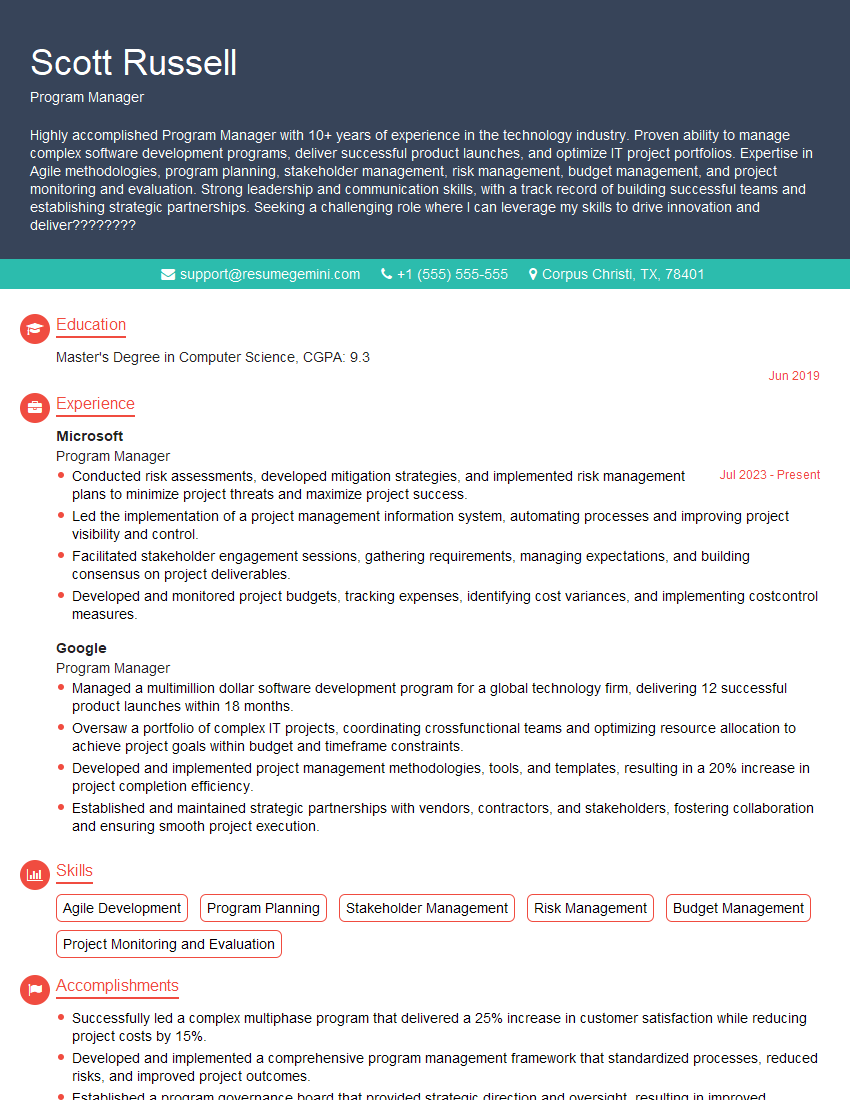
Program Manager Resume Sample
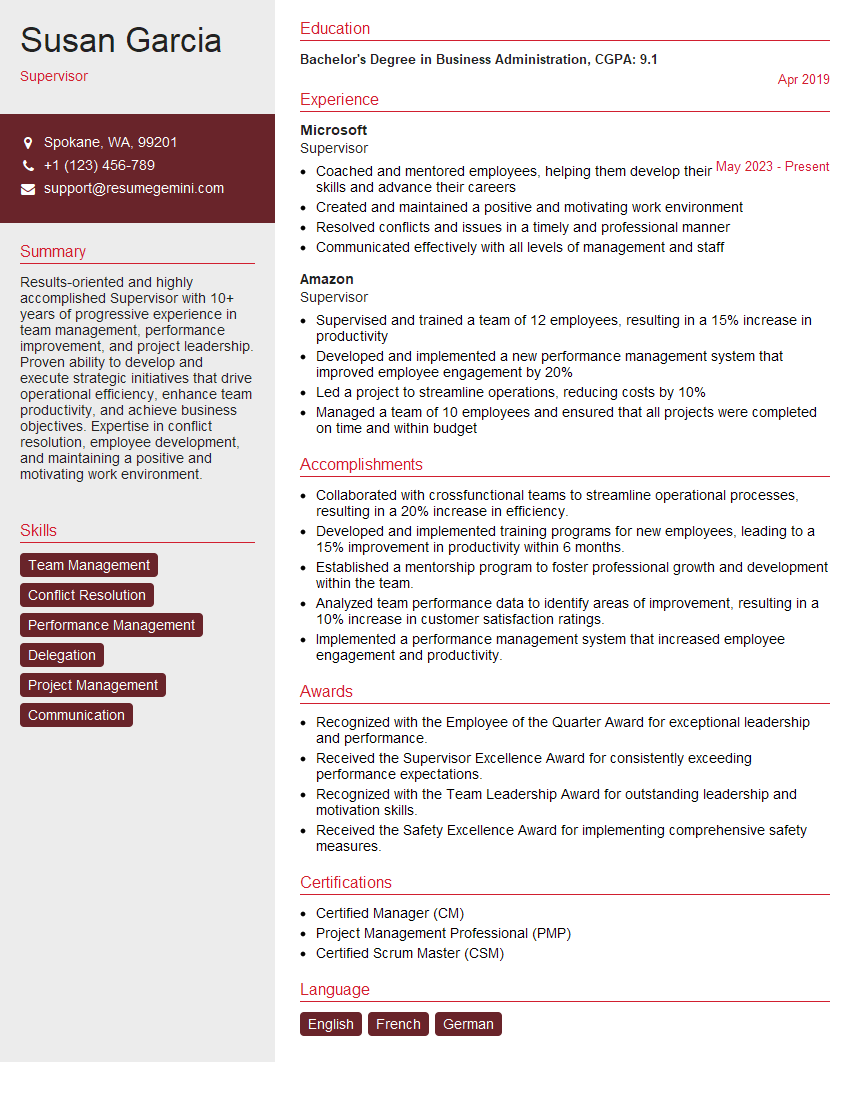
Supervisor Resume Sample

Operations Manager Resume Sample
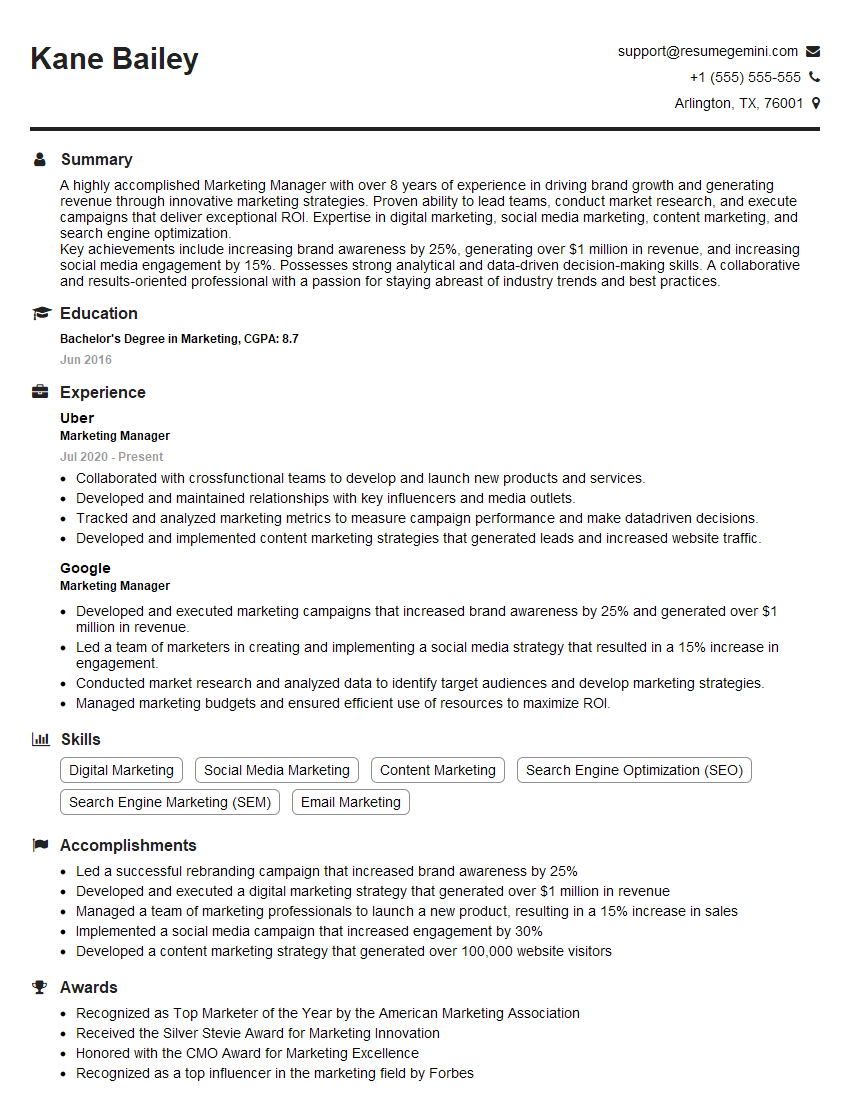
Marketing Manager Resume Sample
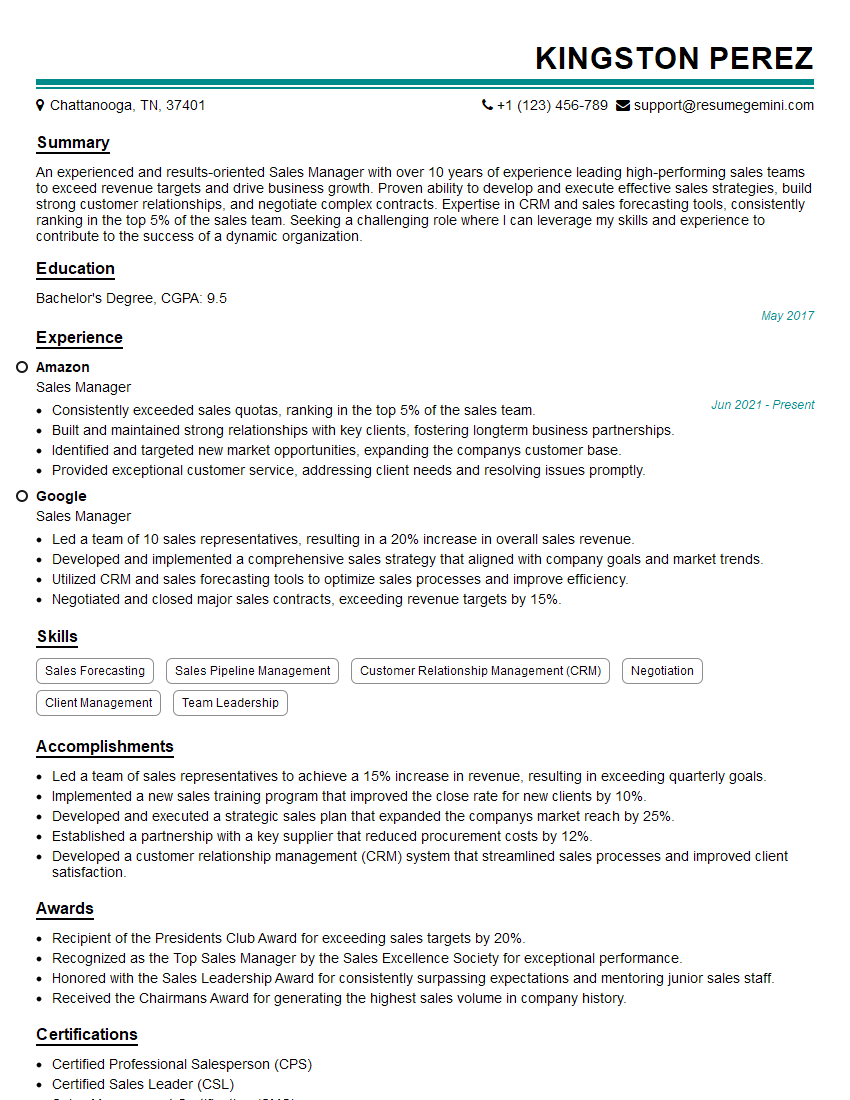
Sales Manager Resume Sample
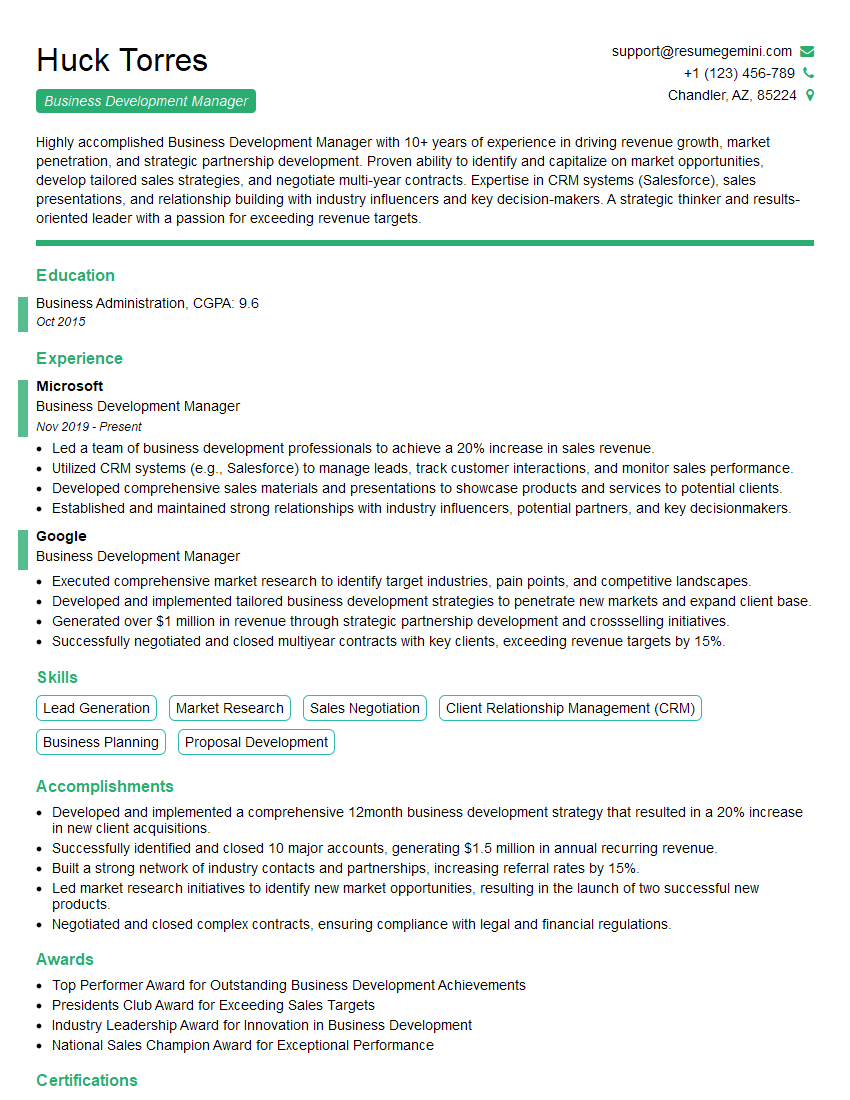
Business Development Manager Resume Sample
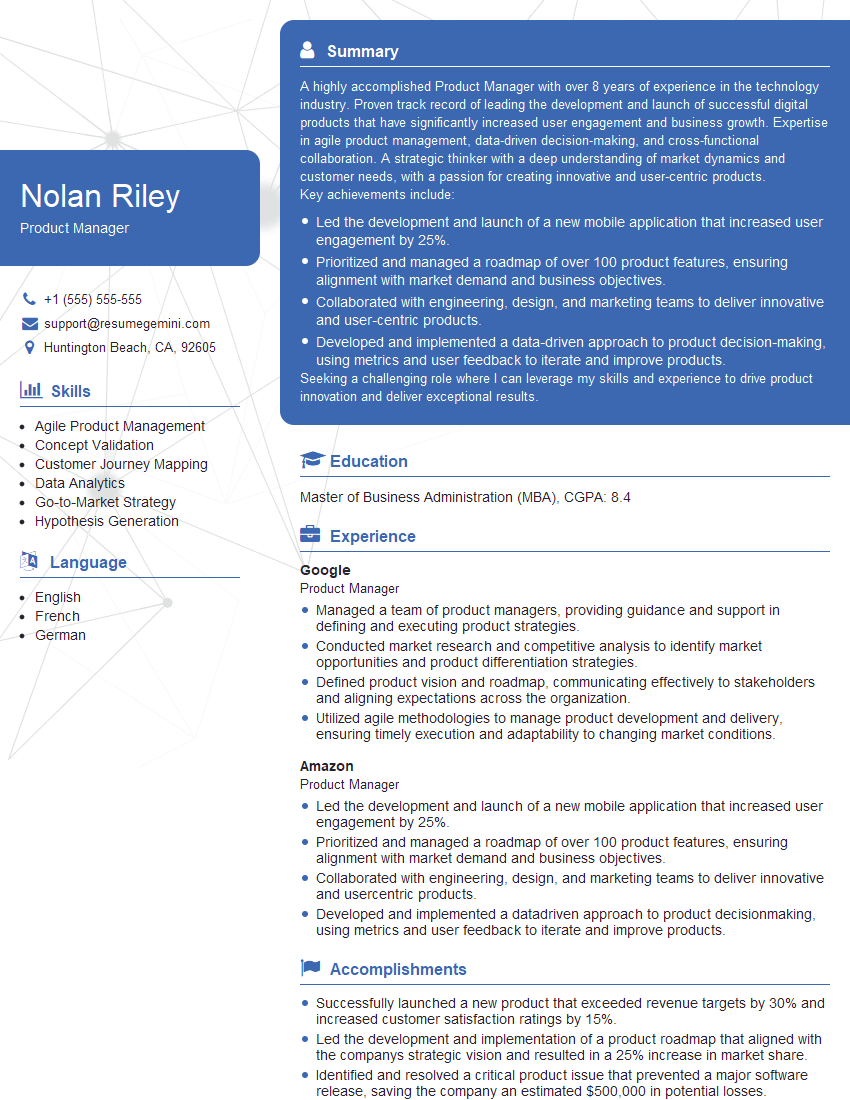
Product Manager Resume Sample
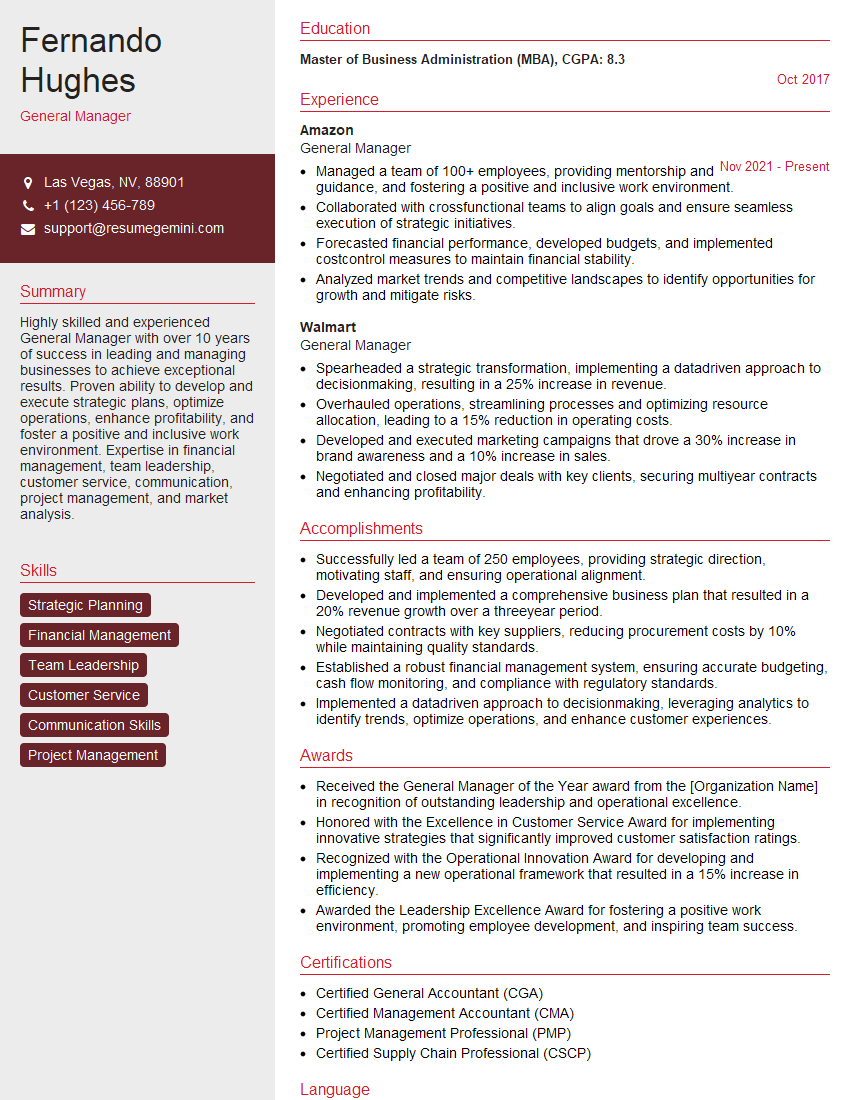
General Manager Resume Sample
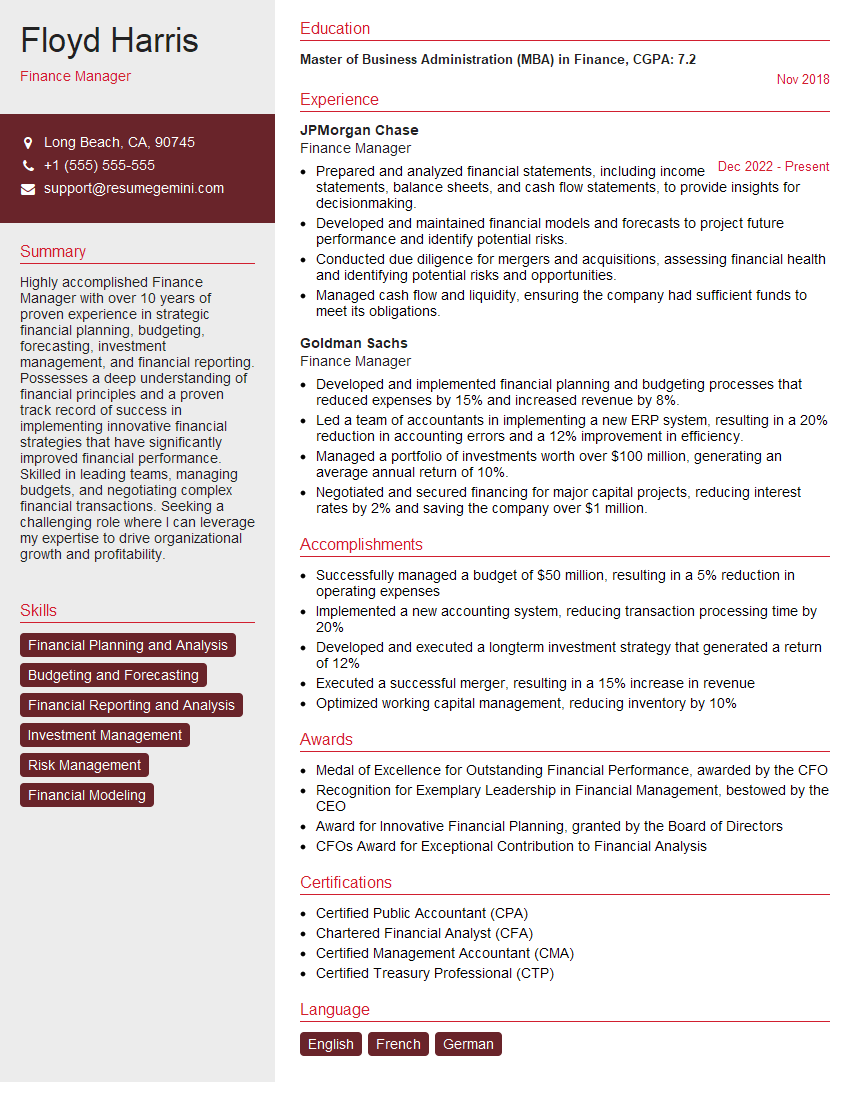
Finance Manager Resume Sample
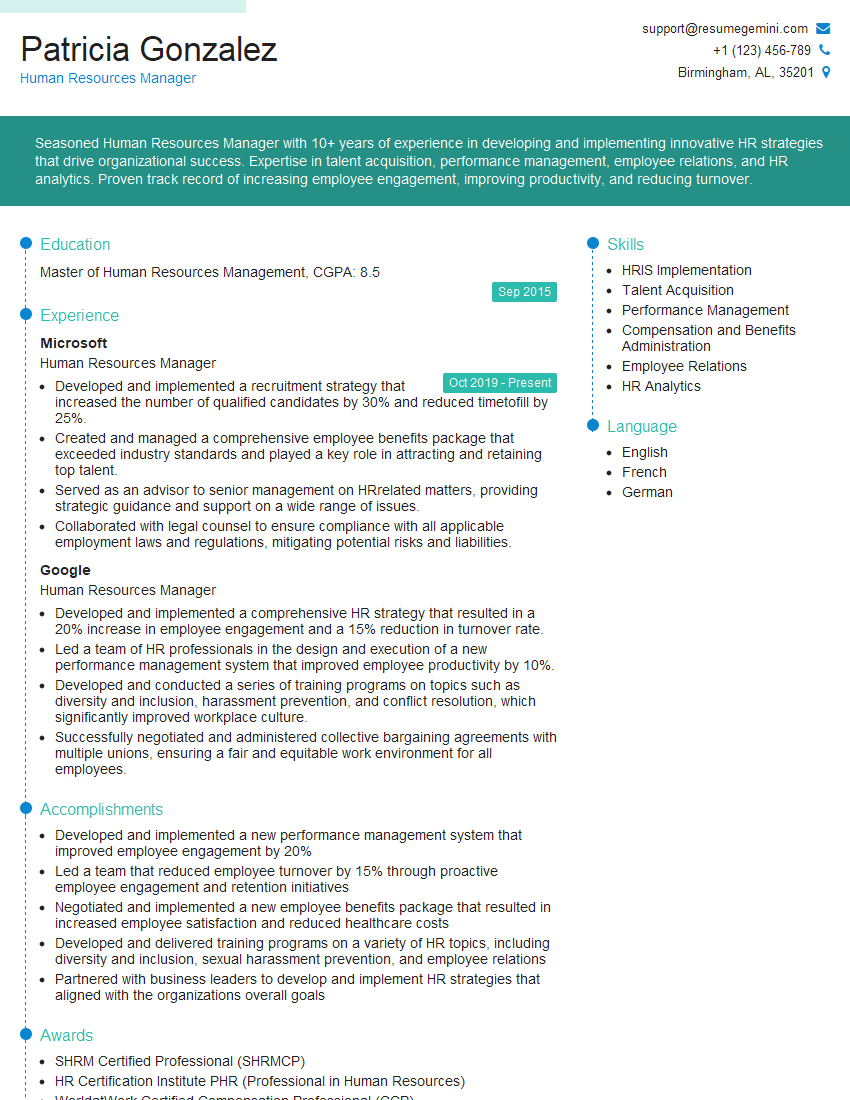
Human Resources Manager Resume Sample
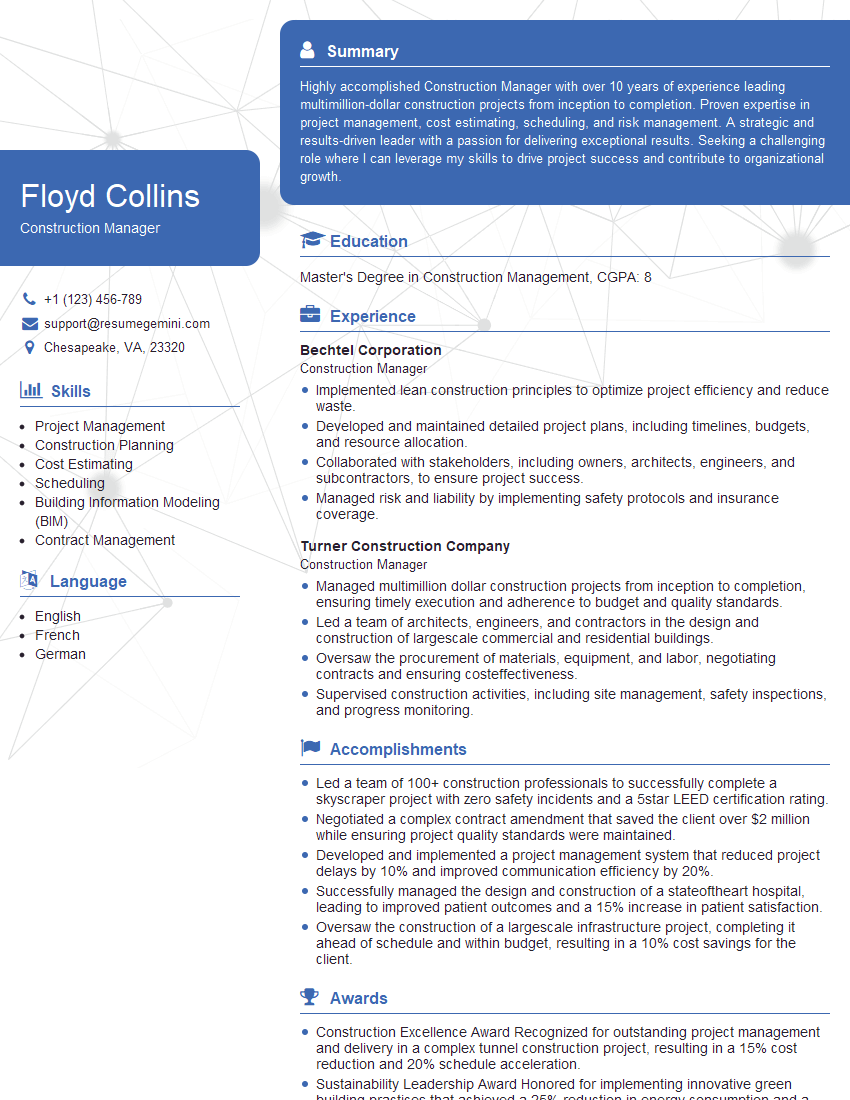
Construction Manager Resume Sample
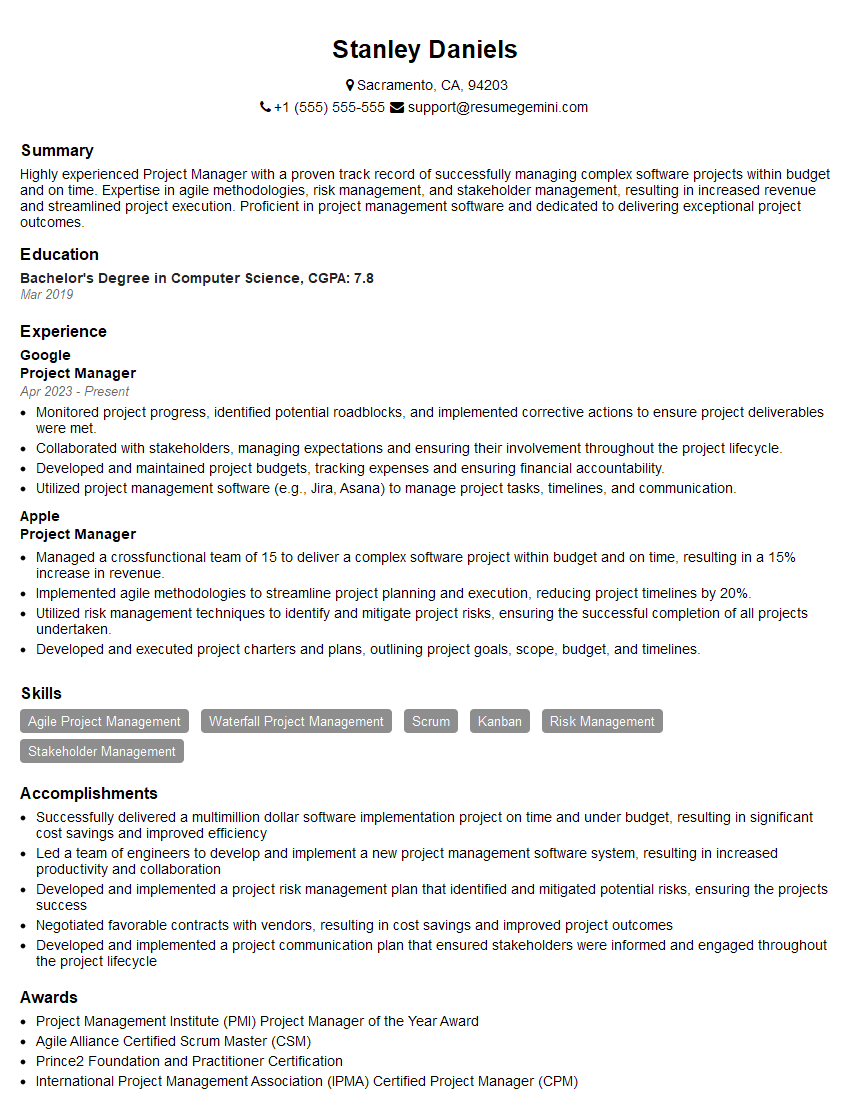
Project Manager Resume Sample
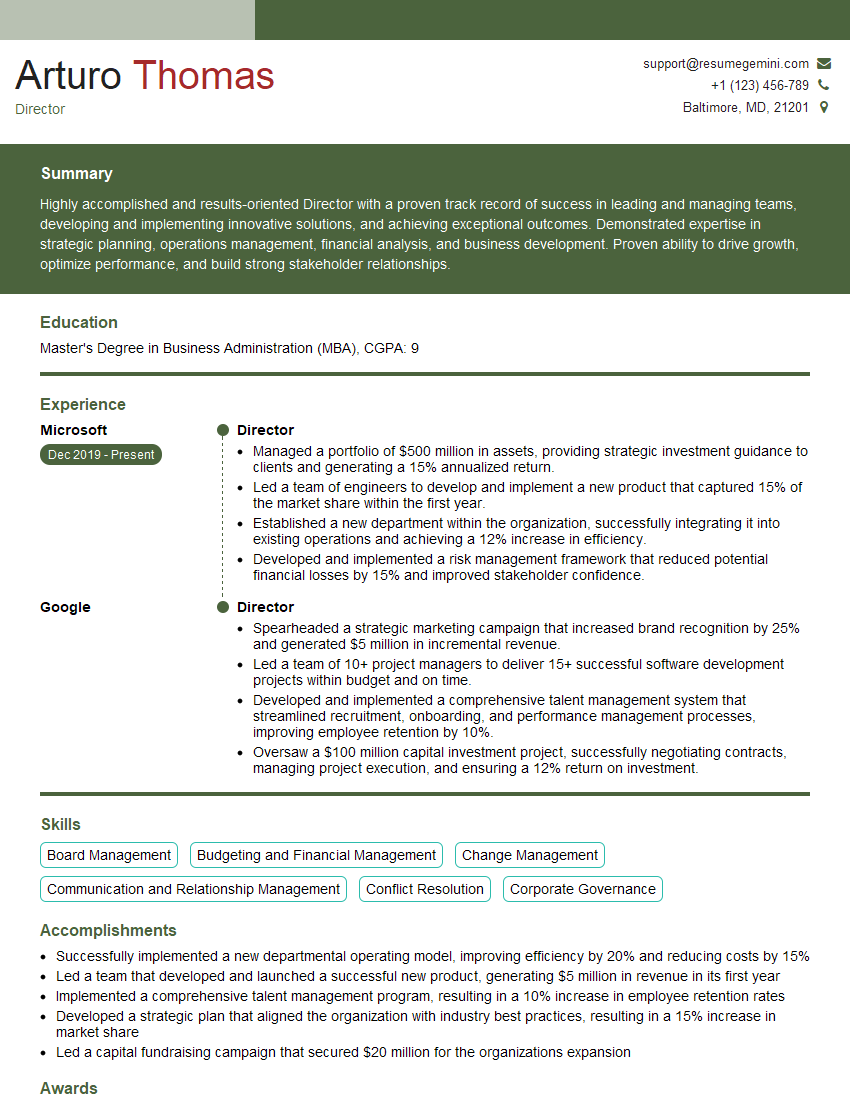
Director Resume Sample
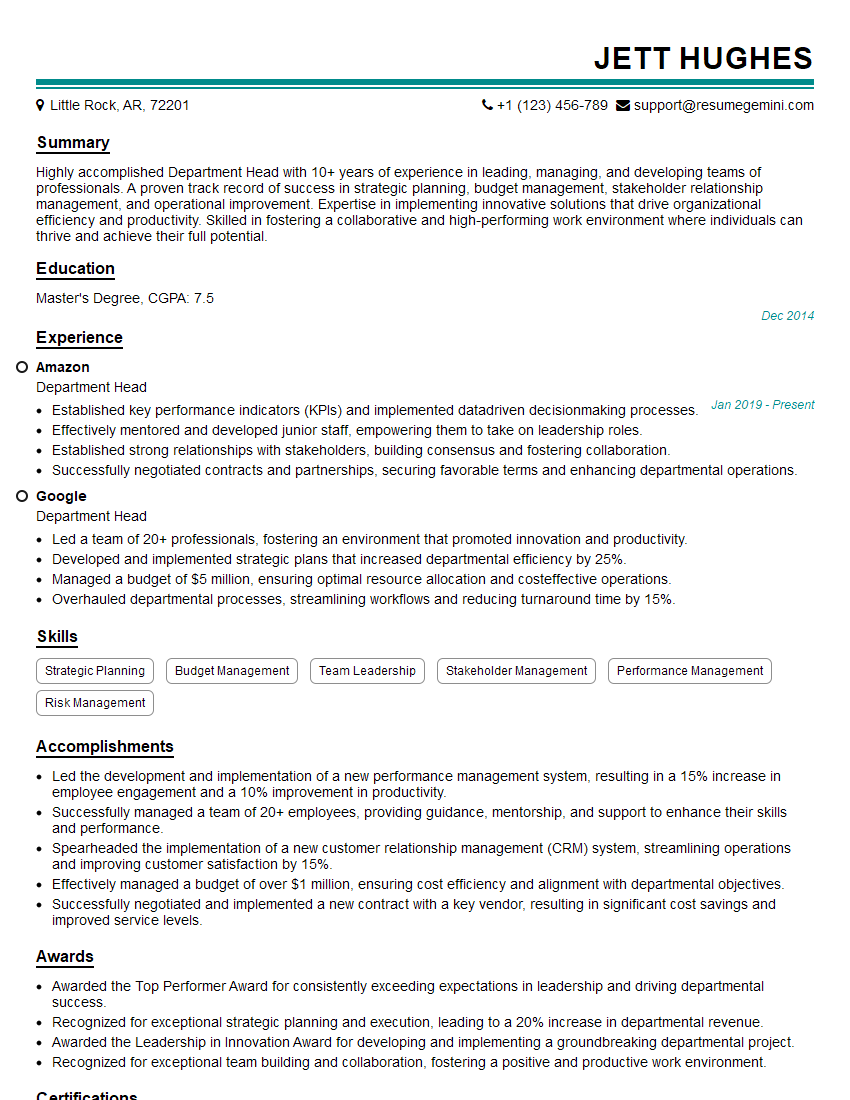
Department Head Resume Sample
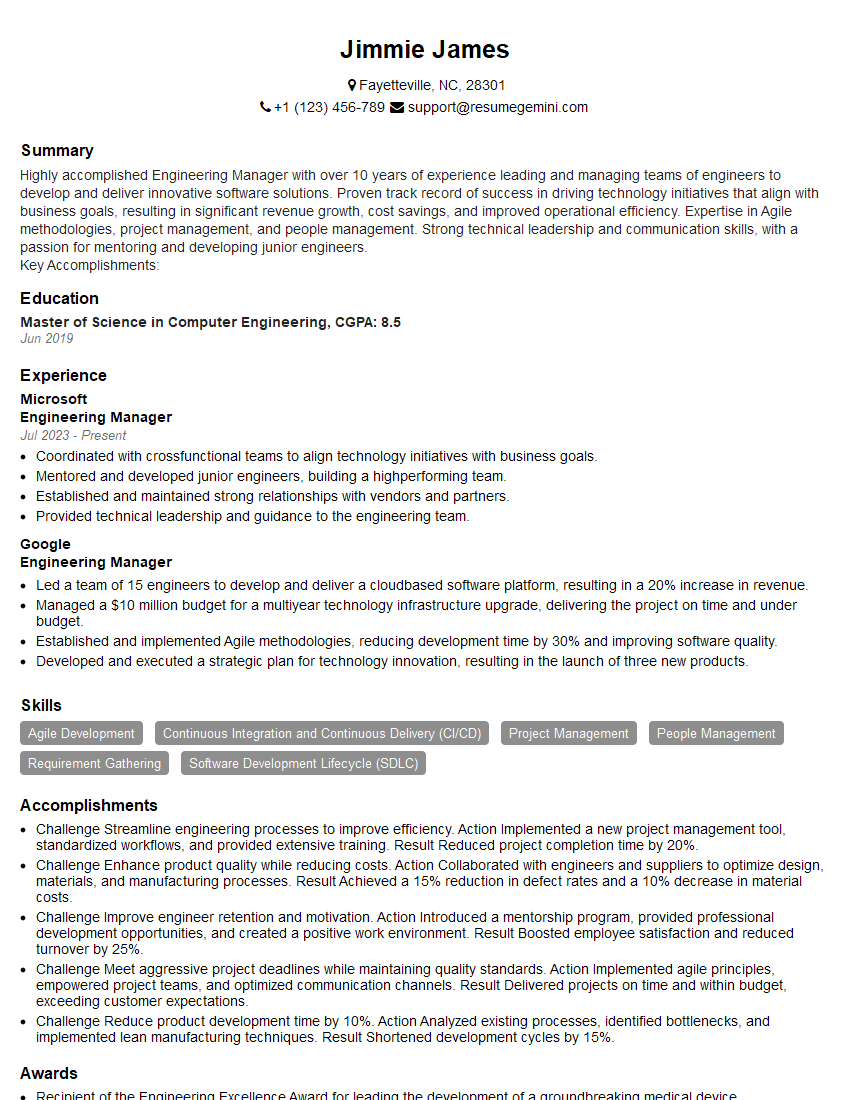
Engineering Manager Resume Sample
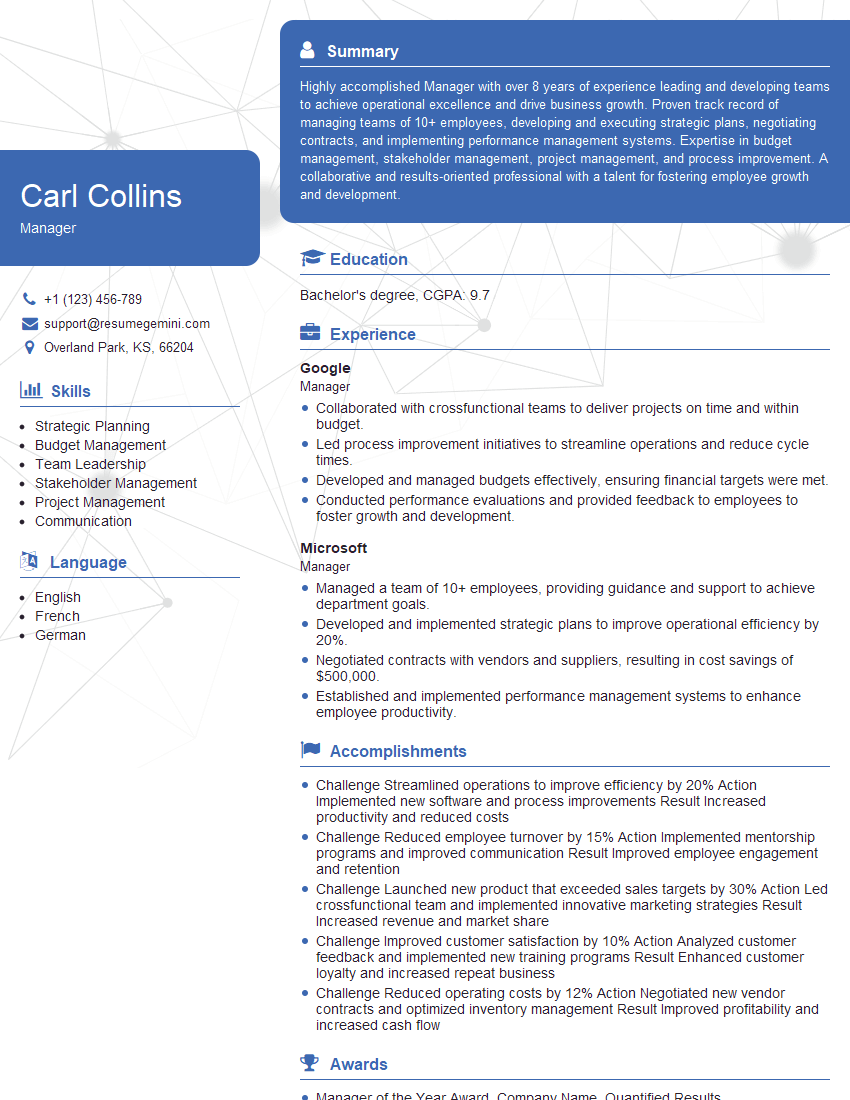
Manager Resume Sample
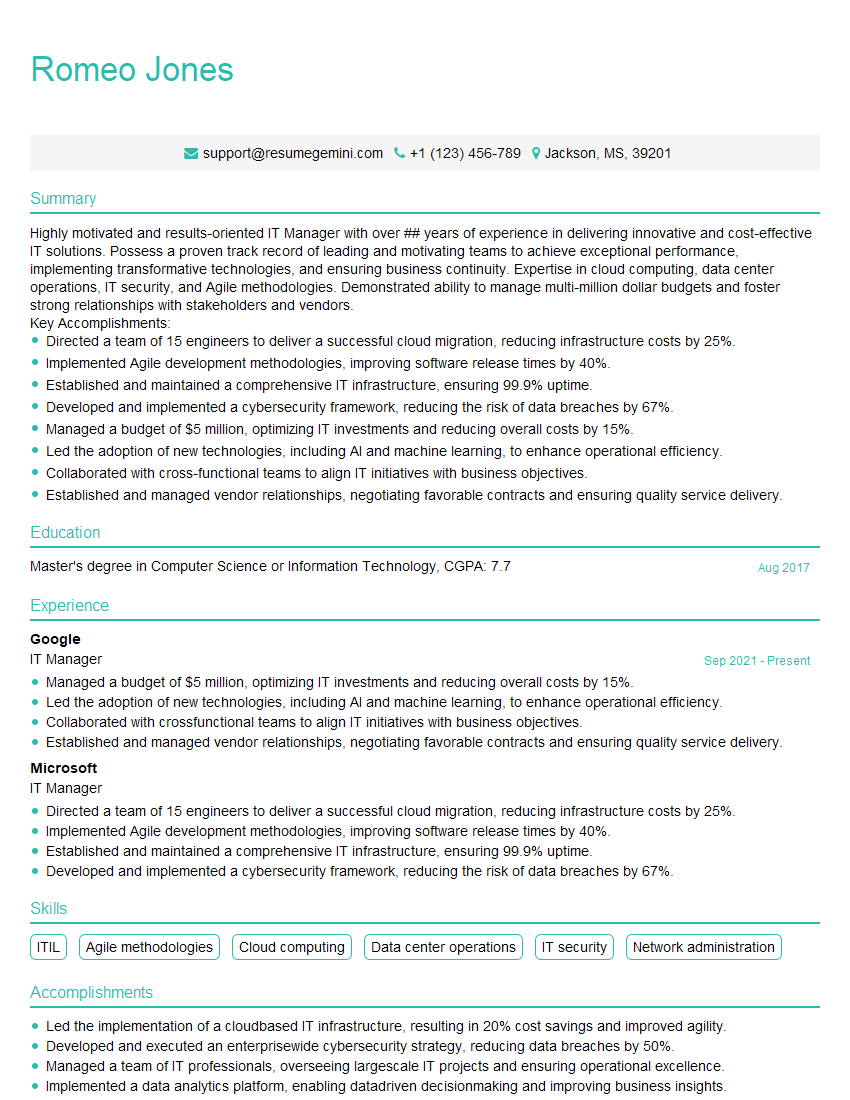
IT Manager Resume Sample
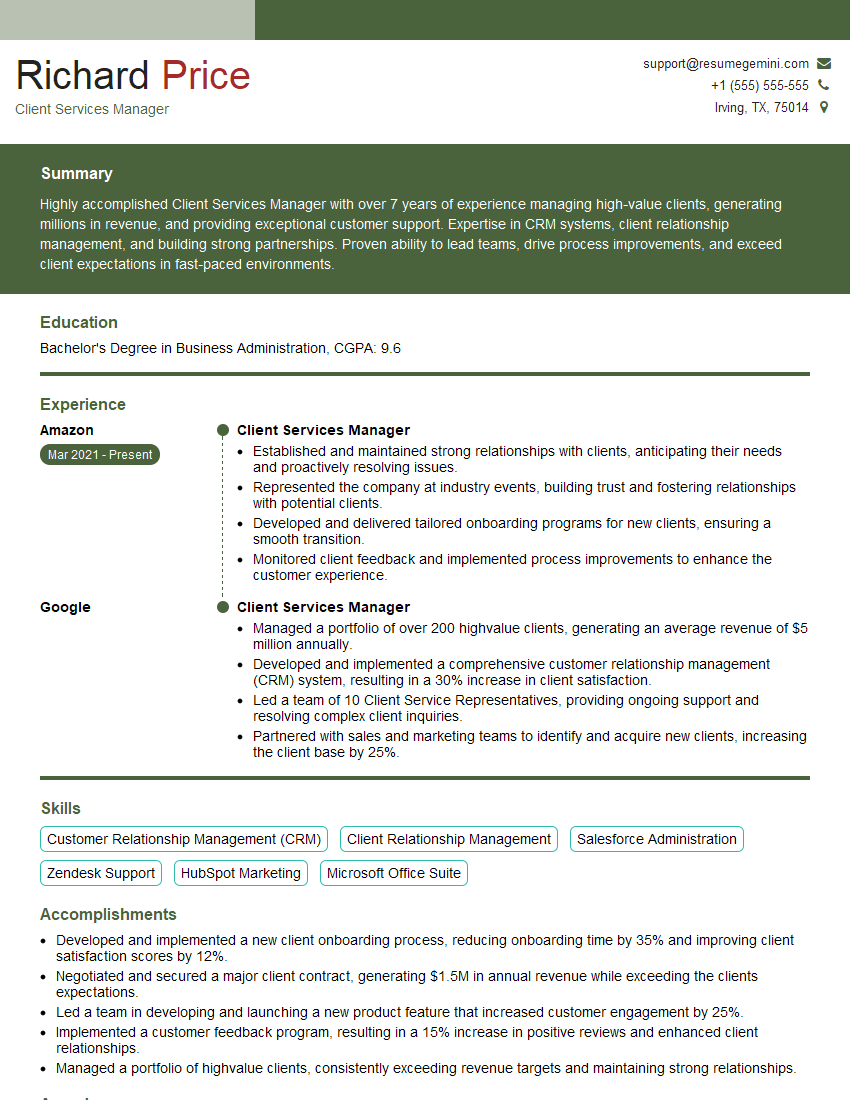
Client Services Manager Resume Sample
- Program Manager
- Supervisor
- Operations Manager
- Marketing Manager
- Sales Manager
- Business Development Manager
- Product Manager
- General Manager
- Finance Manager
- Human Resources Manager
- Construction Manager
- Project Manager
- Director
- Department Head
- Engineering Manager
- Manager
- IT Manager
- Client Services Manager
Explore more articles
Users Rating of Our Blogs
Share Your Experience
We value your feedback! Please rate our content and share your thoughts (optional).
What Readers Say About Our Blog
I Redesigned Spongebob Squarepants and his main characters of my artwork.
https://www.deviantart.com/reimaginesponge/art/Redesigned-Spongebob-characters-1223583608
IT gave me an insight and words to use and be able to think of examples
Hi, I’m Jay, we have a few potential clients that are interested in your services, thought you might be a good fit. I’d love to talk about the details, when do you have time to talk?
Best,
Jay
Founder | CEO