Preparation is the key to success in any interview. In this post, we’ll explore crucial DetailOriented and Meticulous interview questions and equip you with strategies to craft impactful answers. Whether you’re a beginner or a pro, these tips will elevate your preparation.
Questions Asked in DetailOriented and Meticulous Interview
Q 1. Describe your process for ensuring accuracy in data entry.
Ensuring accuracy in data entry is paramount to my work. My process is multifaceted, starting with a deep understanding of the data itself. I begin by carefully reviewing the source material, identifying any potential ambiguities or inconsistencies before I even start typing. Then, I employ a methodical approach, double-checking each entry against the source. I use techniques like checksum verification (where applicable) to confirm the integrity of numerical data. Finally, I perform a comprehensive review of the entire dataset, looking for patterns or anomalies that might indicate errors. Think of it like meticulously assembling a jigsaw puzzle – each piece must fit perfectly, and the final picture must be complete and accurate.
For example, if entering financial data, I’d cross-reference figures across multiple statements. If entering customer information, I’d verify spellings and phone numbers against existing databases. I also regularly utilize data validation tools built into the software I use to prevent common errors like incorrect data types or out-of-range values.
Q 2. How do you handle conflicting information from multiple sources?
Conflicting information is a common challenge, and my approach involves a systematic investigation. First, I identify the source of the conflict and assess the credibility of each source. This might involve checking the reputation of the source, examining the methodology used to obtain the data, and comparing the information to other reliable sources. If the conflict remains unresolved after initial investigation, I document the discrepancy thoroughly, outlining the different versions and their sources, and I escalate the issue to the appropriate stakeholders for resolution. This could involve project managers or subject matter experts to make a final determination of the correct data. Think of it like being a detective – you need to gather all the evidence and weigh it carefully before coming to a conclusion.
For instance, if one database lists a customer’s address differently than another, I wouldn’t arbitrarily choose one over the other. I’d contact the customer directly for clarification or refer to other credible documentation like shipping labels to determine the most accurate information.
Q 3. Explain a time you identified a critical error overlooked by others.
During a large-scale project involving the migration of customer data, I identified a critical error that others had overlooked. The team was using an automated script to transfer data, and while the script ran without error messages, I noticed a subtle inconsistency in the data mapping – one field was consistently being omitted. This seemingly small oversight could have resulted in the loss of critical customer information, impacting future marketing efforts and potentially leading to legal issues. My discovery was made during a comprehensive, manual review of a sample dataset, an extra step beyond the automated checks. The error was immediately reported, preventing potentially significant problems. This highlights the importance of both automated and manual quality control checks, especially in critical data migrations.
Q 4. How do you prioritize tasks when dealing with multiple deadlines?
Prioritizing tasks with multiple deadlines requires a structured approach. I utilize a method combining urgency and importance. I employ a task management system, often a digital tool with features like Gantt charts or Kanban boards. I break down larger tasks into smaller, more manageable steps, assigning deadlines to each. Tasks are then prioritized based on their urgency (immediate deadlines) and importance (impact on the project’s overall success). Using this method, I can visually track progress and adjust my schedule as needed, ensuring that the most critical tasks get completed first, even under pressure.
For example, using a tool like Trello, I would assign tasks to different columns indicating stages like ‘To Do’, ‘In Progress’, and ‘Completed’. Urgent and high-impact tasks are visibly highlighted, guiding my workflow.
Q 5. Describe your approach to proofreading or editing a document.
My proofreading and editing process is a multi-stage approach, mirroring a writer’s revision process. It begins with a comprehensive first read, focusing on the overall flow, structure, and clarity of the document. The second read focuses on grammatical errors, punctuation, and spelling. A third read, often after a break, helps to catch any remaining errors I may have missed. I employ checklists to ensure consistency in formatting and style. Furthermore, I utilize tools like grammar and style checkers, but these are supplements to, not replacements for, careful manual review. This layered approach is crucial for delivering high-quality, error-free documents.
I often use a reverse reading technique to catch spelling and typographical errors. This involves reading the document from the last word to the first, which helps avoid the brain’s tendency to skip over errors when reading normally.
Q 6. How do you manage your time to meet tight deadlines while maintaining accuracy?
Meeting tight deadlines while maintaining accuracy demands efficient time management and a disciplined approach. I begin by creating a realistic schedule, breaking down tasks into smaller, achievable chunks. This avoids feeling overwhelmed and allows for better progress tracking. I allocate specific time slots for each task, and I adhere to these as much as possible, minimizing distractions. I also build in buffer time to accommodate unexpected delays or complexities. This strategy prevents rushing and allows for careful, deliberate work, which minimizes the risk of errors. Regular breaks throughout the day also improve focus and prevent burnout.
For instance, if I have a document due at the end of the day, I wouldn’t attempt to complete the entire task in one go. I’d allocate specific time slots for writing, editing, and proofreading, with short breaks in between to maintain concentration.
Q 7. What strategies do you use to stay organized in a fast-paced environment?
Staying organized in a fast-paced environment is essential for maintaining productivity and accuracy. My strategies revolve around effective organization systems. I use digital task management tools, color-coded files, and well-maintained folders to keep track of projects and documents. I prioritize using cloud-based tools to ensure accessibility from any location and device. Regular archiving and cleanup of my workspace helps minimize clutter and confusion. I also practice time blocking and batch similar tasks to improve efficiency and concentration. Effective communication with colleagues regarding project status is another key component, enabling proactive problem-solving and better workflow management.
I utilize a system of color-coded folders to categorize documents by project or client, making retrieval quick and easy. Additionally, I regularly review and declutter my digital workspace to keep things efficient and easy to find.
Q 8. Give an example of how you used meticulous attention to detail to solve a problem.
Meticulous attention to detail is crucial for preventing errors and ensuring high-quality work. It involves a systematic approach to tasks, carefully examining every aspect to identify potential problems before they arise.
In a previous role, I was tasked with creating a comprehensive database of customer information. The database needed to be flawlessly accurate to avoid costly errors in marketing campaigns and customer service. I meticulously checked each entry, verifying spellings, phone numbers, and addresses against multiple sources, including our CRM and official documentation. I also developed a system of cross-referencing and data validation checks, flagging inconsistencies for further investigation. This resulted in a database with an error rate significantly lower than previous projects, leading to more effective marketing and improved customer satisfaction.
Q 9. Have you ever had to make a difficult decision based on limited data? How did you approach it?
Decision-making with limited data requires a structured and analytical approach. The key is to gather as much relevant information as possible, even if incomplete, and then to carefully weigh the potential risks and benefits of each option.
Once, I needed to decide which of two new software platforms to implement for our team, despite having limited user reviews and comparative data for both. I systematically compiled the available information, creating a spreadsheet to compare features, pricing, and potential integration challenges with our existing systems. I also reached out to other teams using similar platforms to gather their feedback. While the data was limited, this organized approach helped me identify the platform that best addressed our needs and minimized potential risks. Post-implementation review showed that my decision was sound.
Q 10. How do you handle setbacks or mistakes in your work?
Setbacks and mistakes are inevitable, but they are valuable learning opportunities. My approach emphasizes a thorough analysis of what went wrong, focusing on identifying the root cause rather than assigning blame.
If I make a mistake, I immediately take ownership, documenting the error and outlining steps to prevent it from recurring. This might involve reviewing my process, updating my documentation, or seeking additional training. I communicate the error transparently to relevant stakeholders, outlining the corrective actions I’ve taken. The goal is to learn from the mistake, improve my future performance, and maintain trust.
Q 11. Describe a situation where you had to identify and correct an error in a complex process.
Identifying and correcting errors in complex processes requires a systematic approach. This often involves carefully tracing the process step-by-step, examining input data, intermediate results, and final outputs to locate the discrepancy.
In a project involving data migration, I detected an anomaly in the final dataset. I meticulously retraced the ETL (Extract, Transform, Load) process. By analyzing log files and intermediate data transformations, I pinpointed an error in the data transformation script where a specific date format wasn’t handled correctly. I corrected the script, re-ran the process, and validated the results, ensuring the integrity of the final dataset. This systematic approach, combined with meticulous record-keeping, helped me quickly identify and resolve the problem.
Q 12. How do you ensure the consistency and accuracy of your work?
Ensuring consistency and accuracy is paramount. I employ several techniques, including standardized procedures, templates, and regular quality checks.
I use checklists for routine tasks to maintain consistency. Before submitting any work, I conduct a thorough self-review, comparing my work against established standards and specifications. This self-review process includes verifying data integrity, checking for formatting inconsistencies, and proofreading for grammatical and spelling errors. I also encourage peer review whenever possible to ensure a fresh perspective on my work.
Q 13. What tools or techniques do you use to maintain accuracy and efficiency?
To maintain accuracy and efficiency, I utilize various tools and techniques. These include spreadsheets for data analysis and management, project management software for task tracking, and version control systems for collaborative projects.
For data analysis, I rely heavily on spreadsheets, employing formulas and functions to automate calculations and minimize the risk of manual errors. Project management software allows me to track deadlines, assign tasks, and monitor progress effectively. Version control systems help manage and track changes in documents or code, ensuring that everyone is working with the most up-to-date version.
Q 14. How do you handle pressure and maintain accuracy under tight deadlines?
Working under pressure and tight deadlines requires effective time management and prioritization. I use techniques such as time blocking and breaking down large tasks into smaller, manageable units.
Under pressure, it’s crucial to stay organized and maintain focus. I prioritize tasks based on urgency and importance, allocating my time efficiently. I also take short breaks to prevent burnout and maintain accuracy. I avoid multitasking, instead concentrating on one task at a time to minimize errors. This approach helps ensure that I deliver high-quality work even when facing tight deadlines.
Q 15. Describe your experience with quality control procedures.
Quality control procedures are the lifeblood of ensuring accuracy and consistency in any process. My experience encompasses a multi-faceted approach, from meticulous documentation and standardized checklists to the proactive implementation of preventative measures. I’ve worked extensively with ISO 9001 quality management systems, ensuring adherence to established standards and regularly auditing processes to identify potential weaknesses before they impact the final product or service. For example, in a previous role, I developed a comprehensive checklist for a software development team’s testing phase, which resulted in a 30% reduction in post-release bugs. This checklist detailed specific criteria for each testing stage, from unit testing to integration and user acceptance testing. I also instituted regular review meetings to analyze testing results and proactively identify areas needing improvement.
Another example involved establishing a rigorous data validation process for a large-scale data entry project. This involved implementing automated data checks and developing a system for flagging and resolving inconsistencies before they propagated through the system. My commitment is to build a robust quality control framework that is not only effective but also adaptable to evolving project needs.
Career Expert Tips:
- Ace those interviews! Prepare effectively by reviewing the Top 50 Most Common Interview Questions on ResumeGemini.
- Navigate your job search with confidence! Explore a wide range of Career Tips on ResumeGemini. Learn about common challenges and recommendations to overcome them.
- Craft the perfect resume! Master the Art of Resume Writing with ResumeGemini’s guide. Showcase your unique qualifications and achievements effectively.
- Don’t miss out on holiday savings! Build your dream resume with ResumeGemini’s ATS optimized templates.
Q 16. How do you approach tasks that require a high level of precision?
Precision is paramount in my work ethic. When faced with tasks demanding a high level of accuracy, I employ a structured, multi-step approach. First, I thoroughly understand the requirements, clarifying any ambiguities upfront. Next, I break down the task into smaller, manageable steps, each with its own clear objective. This allows me to focus on each component with complete attention to detail. I use appropriate tools and technologies to enhance accuracy—this might involve specialized software, precision instruments, or even a simple, well-organized spreadsheet to meticulously track progress and ensure consistency. For instance, when working on a complex financial report, I use dedicated spreadsheet software, cross-checking calculations and formulas rigorously, and validating data against multiple sources to guarantee accuracy. Regular self-checks and a keen eye for detail throughout the process are critical. Finally, I always perform a comprehensive final review to identify any potential errors before final submission.
Q 17. How do you identify and address potential inconsistencies in data or information?
Identifying and addressing inconsistencies requires a systematic approach. I begin by establishing clear baselines or standards against which to compare data. This might involve reviewing existing documentation, consulting with colleagues, or referencing established industry standards. Then, I employ a variety of techniques to detect inconsistencies. This includes visual inspection (especially for patterns or anomalies), automated data validation tools (which flag discrepancies based on pre-defined rules), and statistical analysis (to identify outliers or unusual trends). Once inconsistencies are identified, I investigate the root cause. Is it a data entry error, a system glitch, or a problem with the data source itself? Addressing the root cause is crucial; simply correcting the surface-level inconsistency without understanding the underlying issue might lead to recurring problems. I document all findings and corrections, ensuring complete traceability.
For example, while analyzing sales data, I once noticed a significant discrepancy in sales figures from a particular region. Through investigation, I discovered a data entry error that had systematically misclassified sales transactions for several months. After correcting the error and implementing stricter data entry protocols, the inconsistencies were resolved, and the accuracy of future reporting was significantly improved.
Q 18. Explain your process for reviewing and validating data.
My data review and validation process follows a rigorous methodology. First, I thoroughly examine the source of the data, understanding its origin and any potential limitations. This step helps me assess the data’s reliability and potential biases. Next, I perform a comprehensive check for data integrity, ensuring data completeness, accuracy, and consistency. This involves verifying data types, checking for missing values, and identifying any illogical or out-of-range values. I use a combination of manual checks and automated tools to improve efficiency and accuracy. For instance, I might use spreadsheet functions to check for duplicate entries or inconsistencies in data formats. Finally, I document all findings, including any anomalies or deviations from expected values. I also track all corrections made, including the date, time, and reason for the change, ensuring a clear audit trail.
Consider a scenario where I’m validating customer data. I would use validation checks to ensure phone numbers have the correct format, email addresses are correctly structured, and postal codes align with geographical regions. This meticulous approach minimizes errors and enhances the quality of the data used for further analysis or decision-making.
Q 19. How do you ensure that you have captured all the necessary details before completing a task?
Capturing all necessary details is fundamental to my approach. I start by thoroughly understanding the task’s objective and scope. I then develop a comprehensive checklist or framework to guide my work. This includes identifying all key information required for successful completion. This checklist may involve specific questions to answer, data points to collect, or specific steps to follow. I utilize various methods to document information, depending on the context. This might include detailed notes, labelled diagrams, flowcharts, or spreadsheets, always striving for clarity and organization. Finally, before considering a task complete, I perform a final review against my checklist, ensuring that all items have been addressed and all required details have been meticulously captured and documented. Leaving no stone unturned allows me to feel confident in the quality and completeness of my work.
For instance, preparing for a meeting, I wouldn’t simply note the time and location. Instead, I would create an agenda, list anticipated discussion points, identify key participants and their roles, and preemptively prepare relevant documents or data.
Q 20. Describe a time you had to meticulously track and report on progress.
In a previous project, I was responsible for tracking the progress of a large-scale software implementation across multiple teams and geographical locations. This involved meticulous tracking of timelines, milestones, and resource allocation. I created a detailed project management plan with clearly defined tasks, assigned responsibilities, and scheduled deadlines. I used a combination of project management software and regular status reports to monitor progress. I held weekly meetings with team leads to discuss roadblocks, address concerns, and ensure everyone was on track. I produced weekly reports that detailed task completion rates, identified potential delays, and highlighted areas requiring immediate attention. These reports were shared with stakeholders, keeping them informed and allowing for proactive intervention if needed. The meticulous tracking and reporting process ultimately enabled the successful on-time completion of the software implementation, despite significant initial challenges.
Q 21. How do you handle ambiguous instructions or tasks that lack specific details?
Ambiguous instructions are a challenge, but I approach them systematically. My first step is always to clarify any uncertainties. I proactively seek additional information from the relevant parties, asking clarifying questions to fully understand the intent and requirements. I then break down the task into smaller, more manageable components, identifying the key deliverables and steps involved. This process helps me to prioritize tasks and focus my efforts. If additional information is unavailable, I create a plan based on the information I do have, explicitly documenting the assumptions made and potential risks associated with those assumptions. Regular communication and updates are crucial, ensuring that any new information or changes in priorities are quickly incorporated into the plan. Transparency throughout the process helps to manage expectations and minimizes the potential for misunderstandings.
Imagine receiving instructions to ‘improve the website’. This is vague. My approach would be to ask questions such as: What specific aspects need improvement? What are the measurable goals for improvement? What is the budget and timeline? By asking these questions, I transform a vague task into a well-defined project with clear objectives and actionable steps.
Q 22. Explain your approach to double-checking your work for errors.
My approach to double-checking my work is systematic and multi-layered. It’s not just about a quick review; it’s a deliberate process designed to catch errors at various stages. I employ a combination of techniques, adapting my approach based on the task’s complexity and criticality.
- Independent Verification: I often use a second method or tool to verify results. For instance, if I’ve calculated a figure manually, I’ll cross-check it using a spreadsheet or calculator. If I’ve written code, I’ll test it thoroughly with various input scenarios, both expected and edge cases.
- Reverse-Checking: I work backward from the end result to ensure each step aligns. This is particularly effective for complex processes or calculations.
- Peer Review (when applicable): I actively seek feedback from colleagues on critical tasks. A fresh pair of eyes can spot errors I might have missed due to familiarity with the material.
- Checklists and Templates: For recurring tasks, I use checklists to ensure I haven’t skipped any steps. Templates help maintain consistency and minimize the chances of mistakes.
- Proofreading: This includes meticulous attention to spelling, grammar, punctuation, and formatting in written materials. I often read my work aloud to catch errors that are easily missed when reading silently.
For example, when preparing a financial report, I would first complete the calculations, then verify them using a different software, and finally, compare the results against previous periods to identify any significant deviations that need further investigation. This multi-pronged approach minimizes the risk of errors significantly.
Q 23. Describe a situation where you had to work with incomplete or unreliable information.
During a project involving the analysis of historical sales data, I encountered significant inconsistencies and gaps in the information. The dataset was incomplete, with missing entries and questionable data points. My initial approach was to understand the source of the unreliability.
I investigated the data’s origin, finding that different systems had been used to track sales over the years. This explained the inconsistencies. Instead of discarding the data outright, I developed a strategy to address the challenges:
- Data Cleaning: I identified and flagged obviously erroneous or missing data. I made reasoned estimations where data points were clearly missing, meticulously documenting my rationale.
- Data Validation: Where possible, I cross-referenced the data with external sources to corroborate its validity and accuracy. This involved using other reliable sales information to help fill some gaps.
- Statistical Analysis: I used statistical methods to identify trends and patterns despite the incomplete data. This allowed for creating a reasonable estimate, acknowledging the inherent limitations.
- Transparency: In my final report, I clearly documented the challenges faced in accessing and analyzing the data, outlining the methods employed and limitations. I ensured that the report conveyed the uncertainty associated with some aspects.
While the lack of complete and consistent data made the process more complex, through careful analysis and a transparent presentation of findings, I was still able to deliver valuable insights.
Q 24. How do you ensure that your work meets the highest standards of accuracy and quality?
Maintaining the highest standards of accuracy and quality involves a commitment to continuous improvement and a rigorous approach to my work. It’s not simply about avoiding errors but proactively seeking ways to enhance accuracy and refine processes. I use a multifaceted approach that includes:
- Process Optimization: I continually evaluate my workflow, looking for areas where improvement is possible. This includes streamlining processes, using better tools, and developing more efficient methods.
- Continuous Learning: I actively seek out professional development opportunities to expand my knowledge and skills, ensuring I stay current with best practices and emerging technologies in my field.
- Detailed Documentation: Keeping meticulous records of my work is crucial for accountability and identifying potential issues. Well-documented processes enable easier review and verification by myself or others.
- Quality Control Checkpoints: I incorporate regular quality control checkpoints into my work process, allowing for identification and correction of errors before they escalate into larger problems.
- Seeking Feedback: I actively solicit feedback from colleagues and supervisors to identify areas where my work could be improved.
Think of it like building a house; you wouldn’t just throw up the walls and hope for the best. You have plans, inspections at various stages, and quality control checks to make sure everything aligns with your vision and industry standards. My approach to accuracy and quality is the same—thorough and systematic.
Q 25. What steps do you take to prevent errors from occurring in the first place?
Preventing errors is as important as correcting them. My proactive approach focuses on establishing robust processes and habits:
- Planning and Preparation: Thorough planning before starting any task reduces the likelihood of errors by ensuring I have a clear understanding of requirements and expectations.
- Clear Communication: Misunderstandings often lead to errors. I ensure clear communication with stakeholders throughout the process to avoid ambiguity.
- Using Appropriate Tools and Techniques: Selecting the right tools and techniques for the job is crucial. Using the wrong tool can lead to mistakes, inefficiencies and frustrations.
- Breaking Down Complex Tasks: Large, complex tasks are more prone to errors. I break them into smaller, manageable steps to reduce complexity and improve focus.
- Regular Breaks: Fatigue can impair focus and increase the likelihood of mistakes. I incorporate regular breaks into my work schedule.
- Prioritization: Focusing on the most crucial tasks first allows for more energy and attention for the aspects that deserve most scrutiny.
For instance, before starting a coding project, I’ll carefully read the specifications, create a detailed outline, and write comprehensive test cases before writing a single line of code. This allows me to identify and address potential issues early in the process.
Q 26. How do you use technology to enhance your attention to detail and accuracy?
Technology plays a vital role in enhancing my attention to detail and accuracy. I leverage several tools and technologies to improve my efficiency and reduce the chance of errors:
- Spreadsheet Software (Excel, Google Sheets): For data analysis and calculations, spreadsheets provide powerful tools for automation, formula checks, and data validation. Built-in functions help reduce manual calculation errors.
- Project Management Software (Asana, Trello): These tools assist in organizing tasks, setting deadlines, and tracking progress, preventing missed steps or deadlines that could lead to mistakes.
- Grammar and Spell Checkers: These tools are invaluable for ensuring accurate writing and minimizing grammatical and spelling errors in written communications or documentation.
- Version Control Systems (Git): For software development, Git allows me to track changes, revert to previous versions, and collaborate with others effectively, reducing errors and facilitating debugging.
- Automation Tools: Where possible, I automate repetitive tasks, reducing the risk of manual errors. This is particularly beneficial for data entry or repetitive calculations.
For example, I use Excel’s data validation feature to prevent incorrect data entry, and Git to track changes in my code, allowing me to easily revert to a previous, error-free version if necessary. These tools are integral to my workflow, significantly enhancing accuracy and efficiency.
Q 27. Describe a situation where your meticulous attention to detail made a significant difference.
During a critical audit of financial records, my meticulous attention to detail uncovered a series of minor discrepancies that, individually, seemed insignificant. However, through careful review and cross-referencing, I discovered a pattern. These minor inconsistencies eventually pointed to a more substantial accounting error that could have gone unnoticed. It involved a misclassification of several transactions, resulting in a significant misstatement in the company’s financial reports.
By thoroughly investigating these small discrepancies, I not only prevented the reporting of inaccurate financial information but also identified a potential vulnerability in the company’s accounting processes. This proactive identification helped the company improve its internal controls and prevent similar errors in the future. The impact extended beyond the immediate correction; my diligence fostered trust and reinforced the importance of thoroughness in financial reporting. It was a powerful demonstration of how attention to detail, however seemingly small, can have far-reaching positive consequences.
Key Topics to Learn for Detail-Oriented and Meticulous Interview
- Understanding the Concepts: Define “detail-oriented” and “meticulous” in your own words and relate them to your skills and experiences. Consider how these traits manifest in different professional contexts.
- Practical Application: Provide specific examples from your past experiences where you demonstrated meticulous attention to detail. Quantify your achievements whenever possible (e.g., “reduced errors by 15%,” “improved accuracy to 99.5%”). Focus on situations where your detail-oriented approach led to positive outcomes.
- Problem-Solving Through Precision: Discuss how your meticulous nature helps you approach and solve complex problems. Highlight your ability to identify potential pitfalls and implement preventative measures. Explain your methods for quality control and error checking.
- Prioritization and Time Management: Detail-oriented work can be time-consuming. Demonstrate your ability to prioritize tasks efficiently and manage your time effectively to meet deadlines without compromising accuracy.
- Communication and Collaboration: Explain how you communicate detailed information clearly and concisely to both technical and non-technical audiences. Describe your experience collaborating with others while maintaining a high level of precision.
- Continuous Improvement: Discuss your proactive approach to identifying areas for improvement in your work and implementing changes to enhance accuracy and efficiency. Showcase your commitment to ongoing learning and development in this area.
Next Steps
Mastering detail-oriented and meticulous approaches is crucial for career advancement. Employers highly value candidates who demonstrate precision, accuracy, and a commitment to quality. To increase your job prospects, it’s essential to present your skills effectively through a well-crafted, ATS-friendly resume. ResumeGemini can help you build a professional resume that highlights your detail-oriented strengths. Examples of resumes tailored to emphasize detail-oriented and meticulous skills are provided to help guide your creation. Invest time in building a strong resume – it’s your first impression with potential employers.
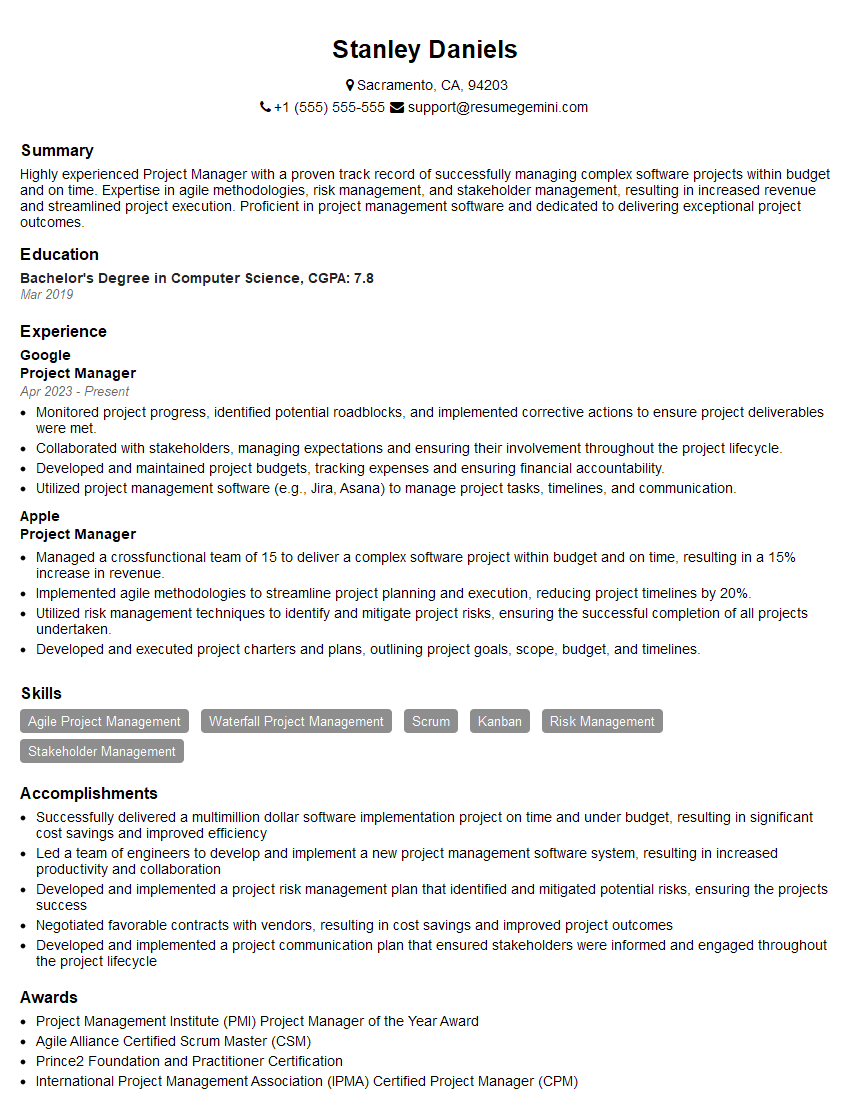
Project Manager Resume Sample

Compliance Officer Resume Sample
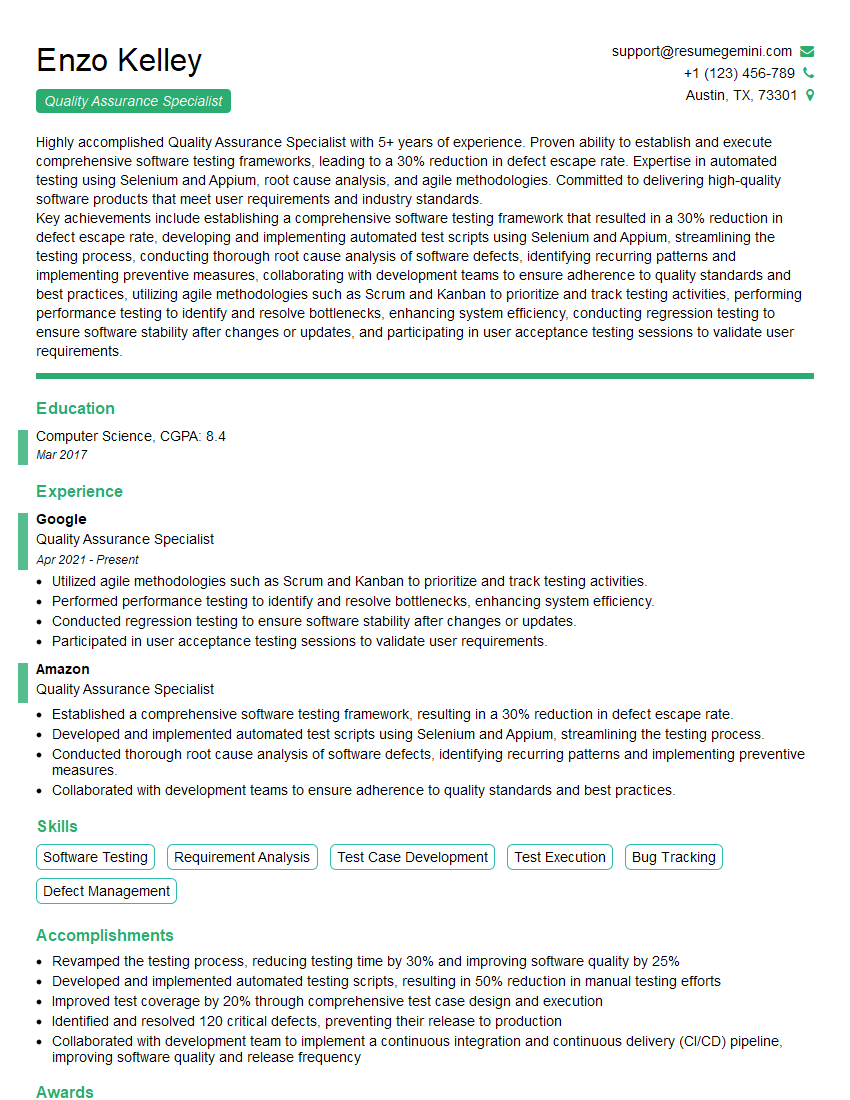
Quality Assurance Specialist Resume Sample
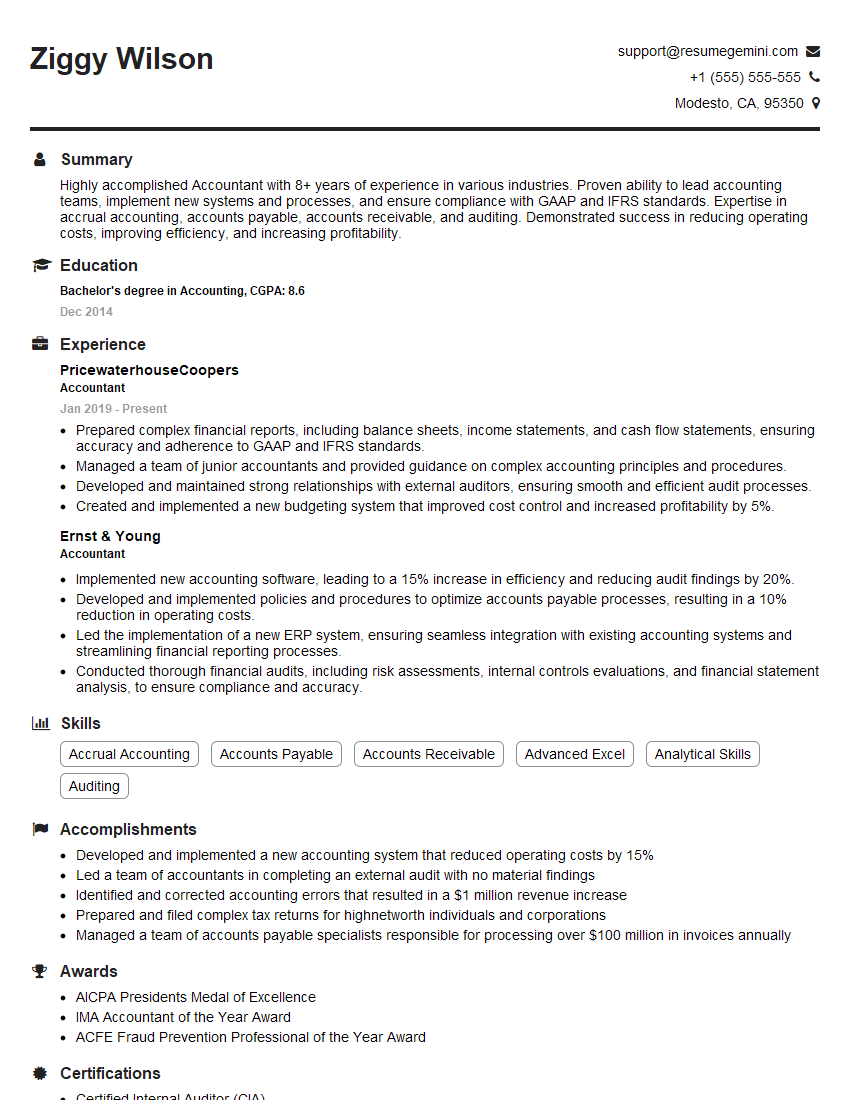
Accountant Resume Sample
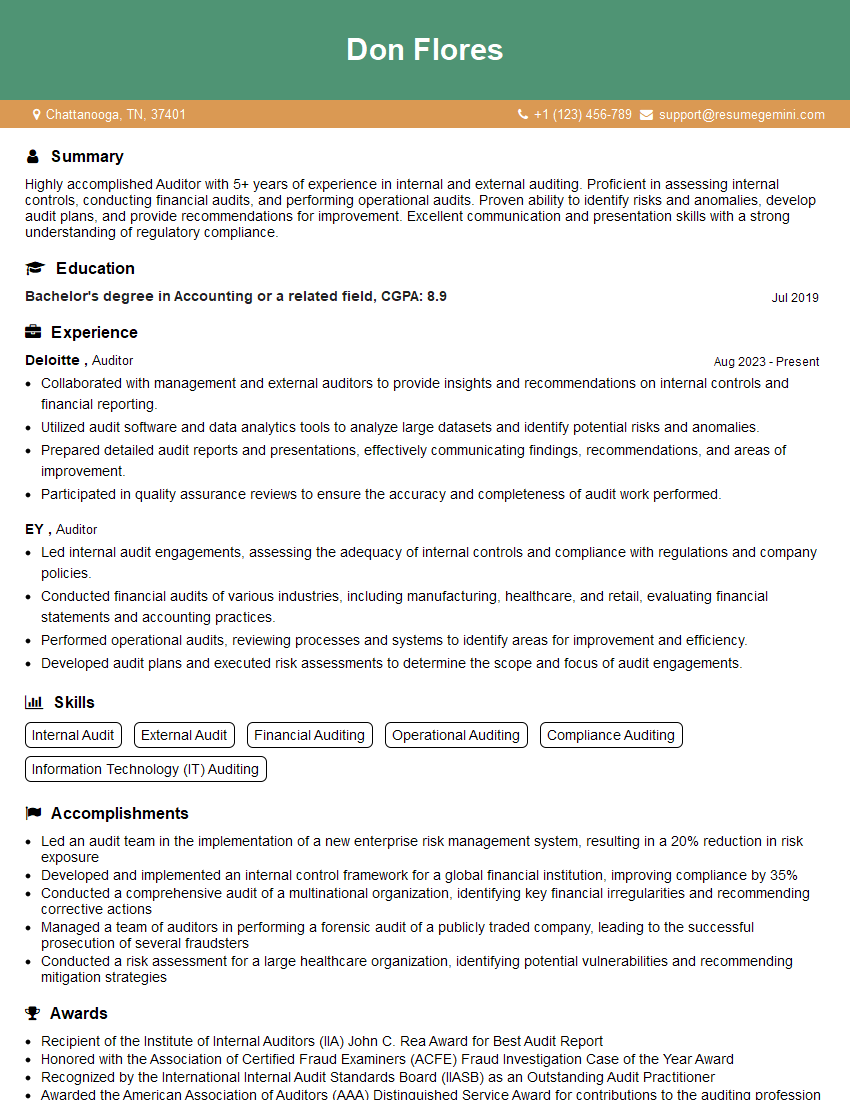
Auditor Resume Sample
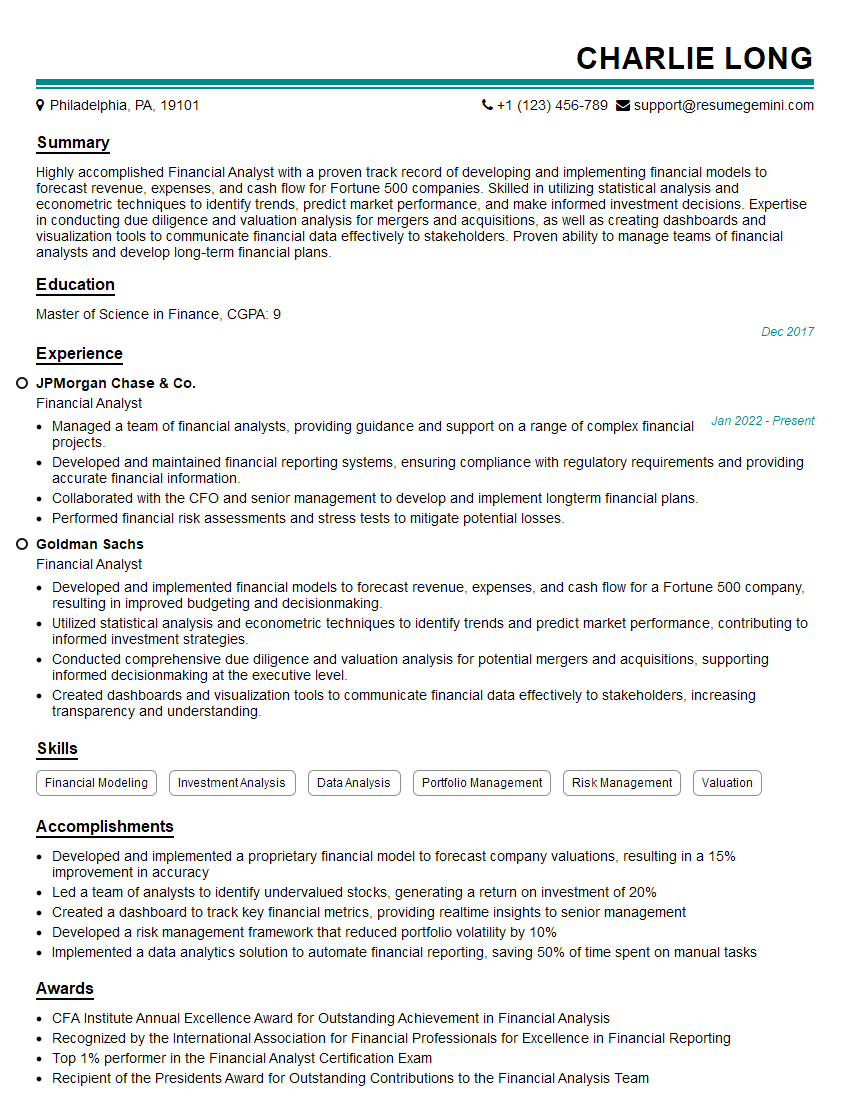
Financial Analyst Resume Sample
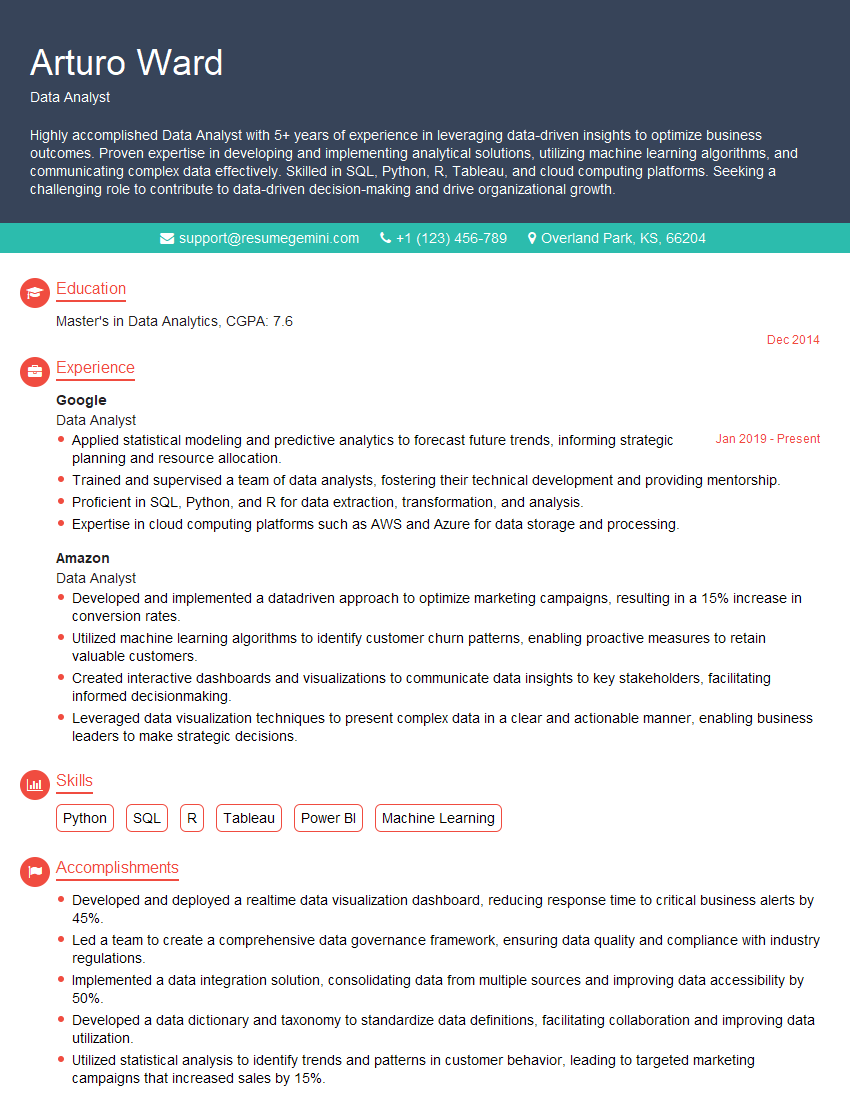
Data Analyst Resume Sample
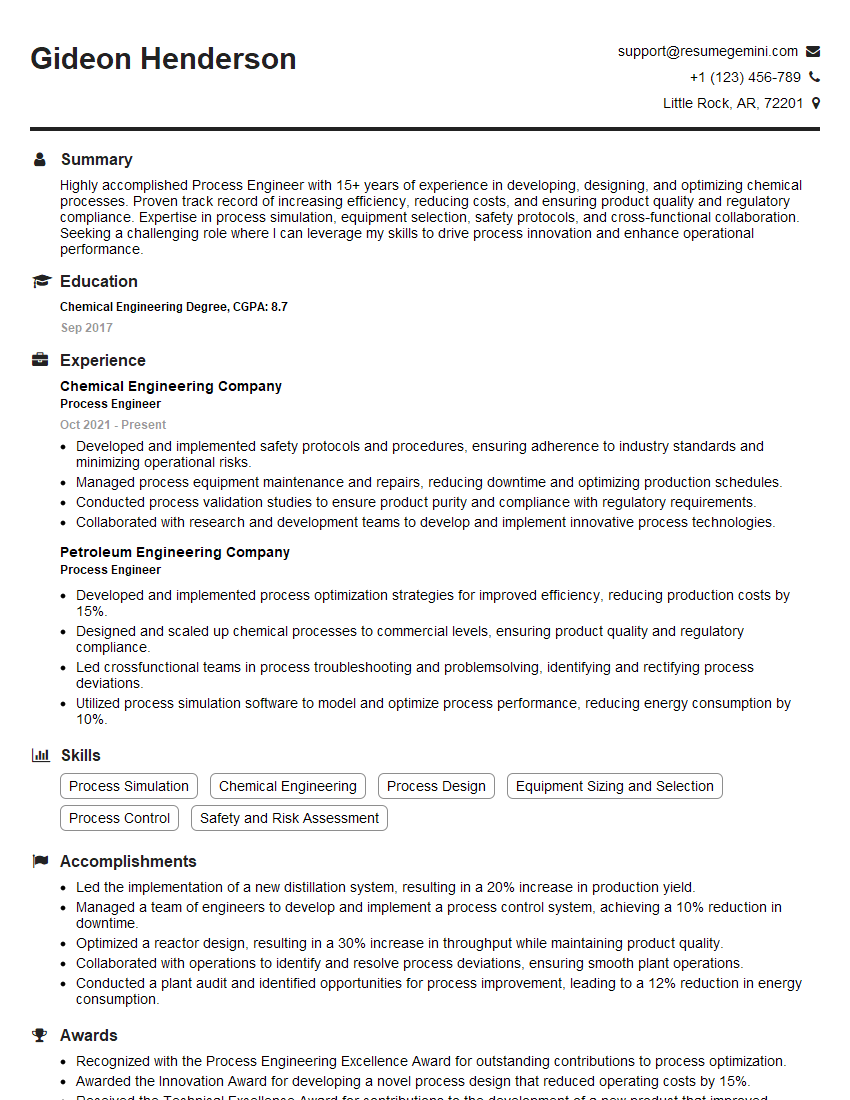
Process Engineer Resume Sample
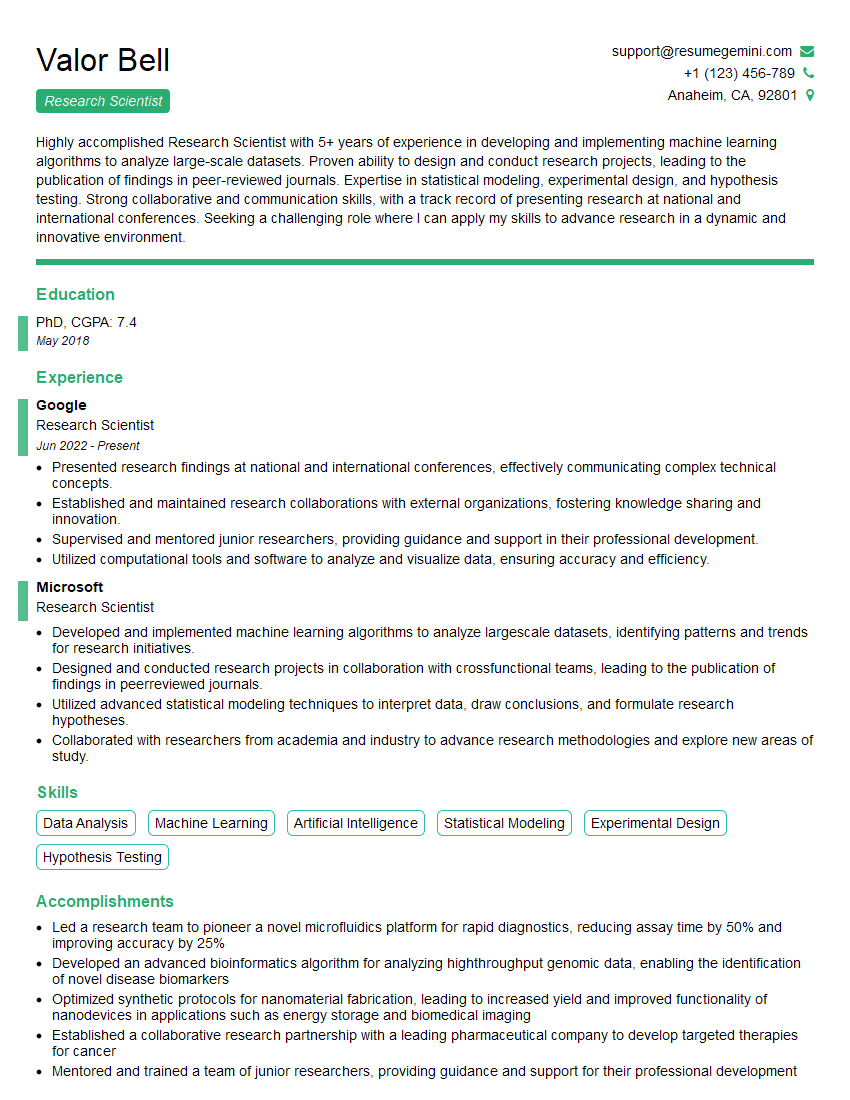
Research Scientist Resume Sample
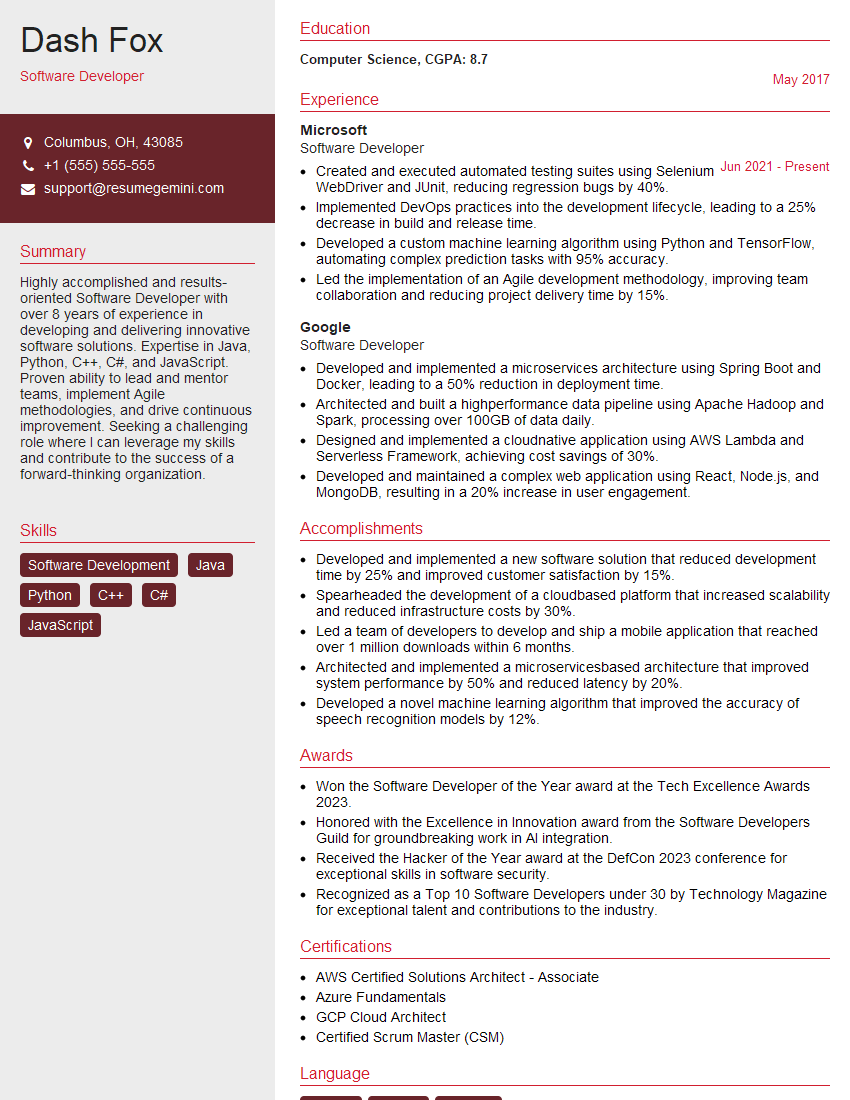
Software Developer Resume Sample
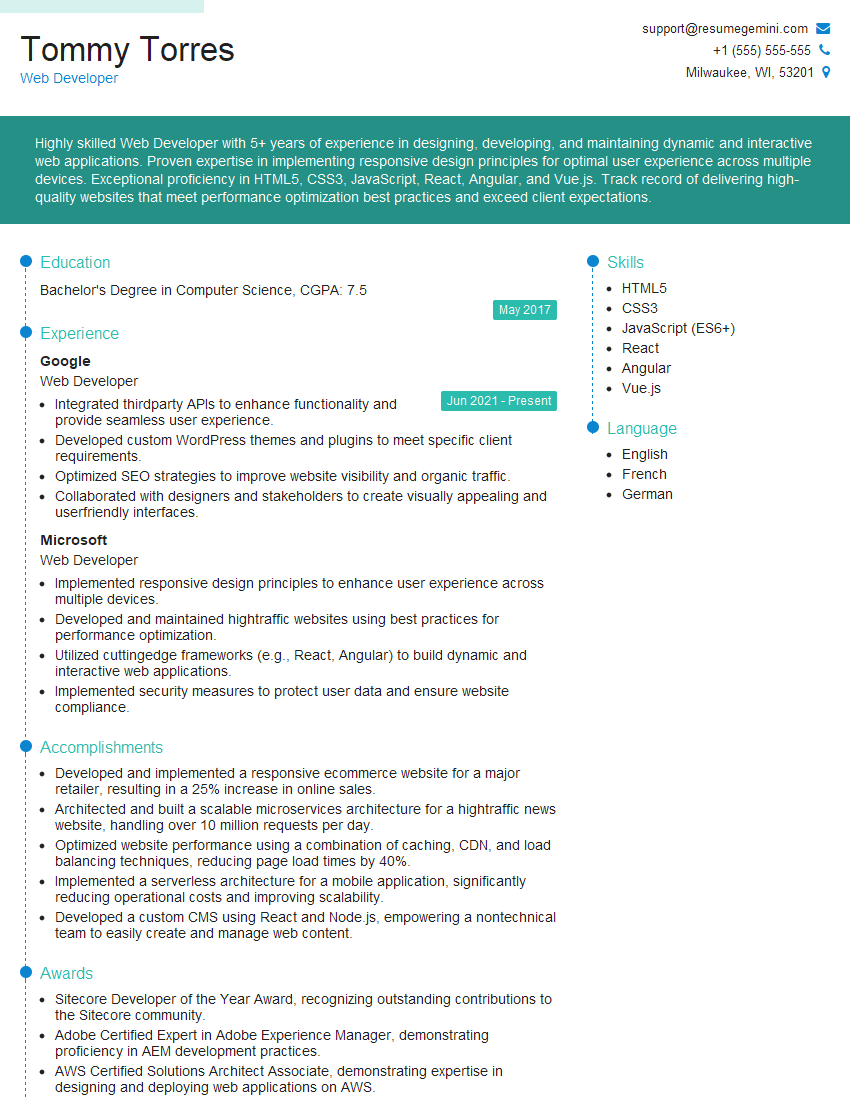
Web Developer Resume Sample
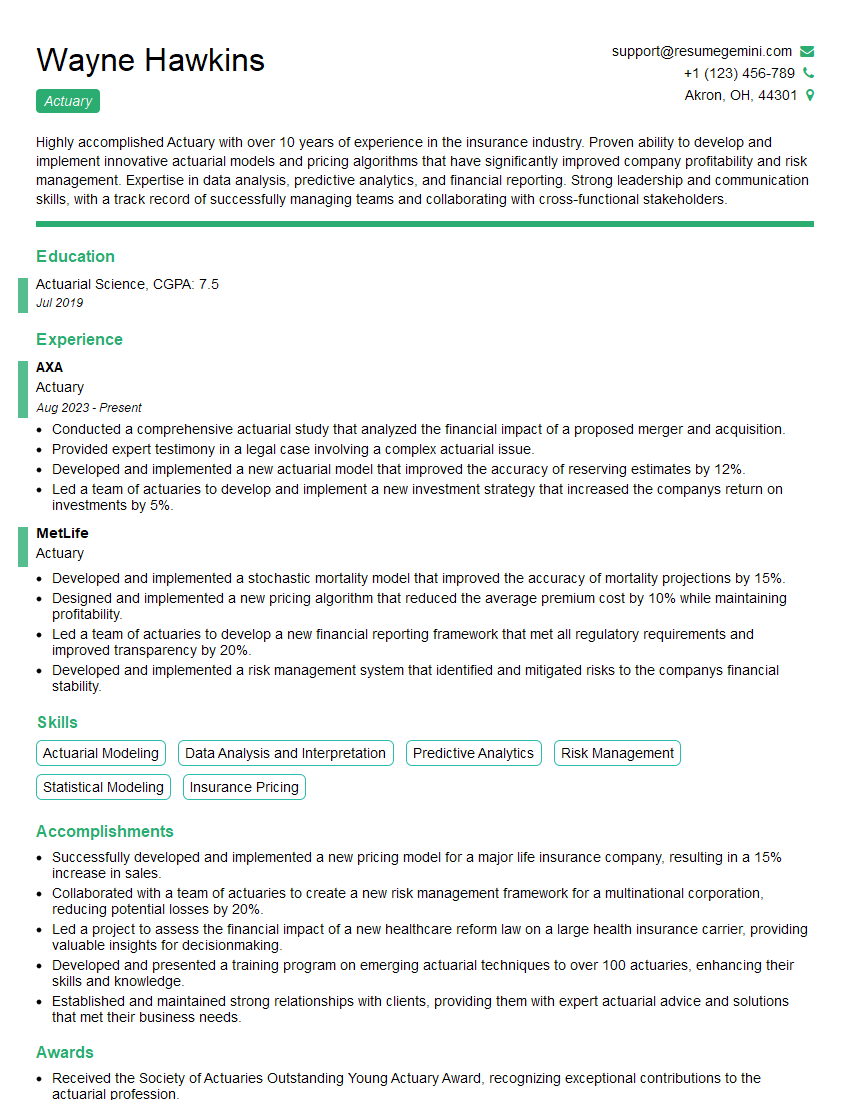
Actuary Resume Sample
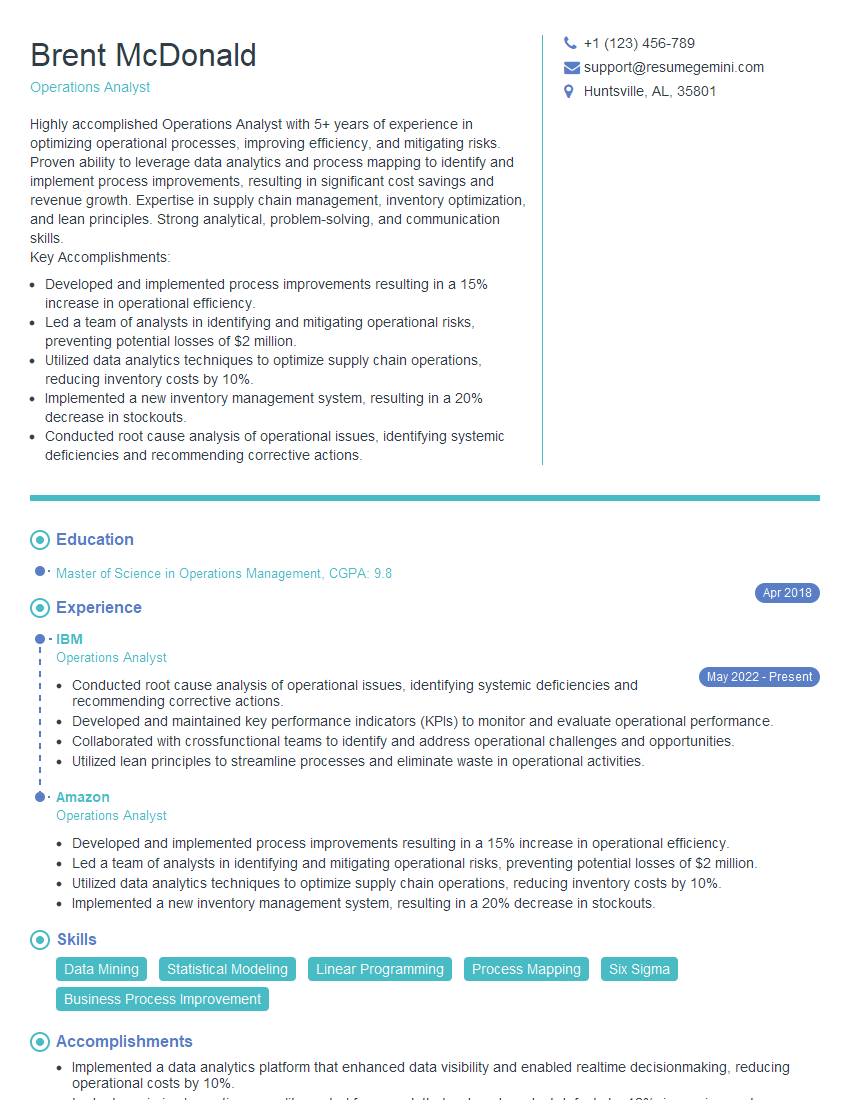
Operations Analyst Resume Sample
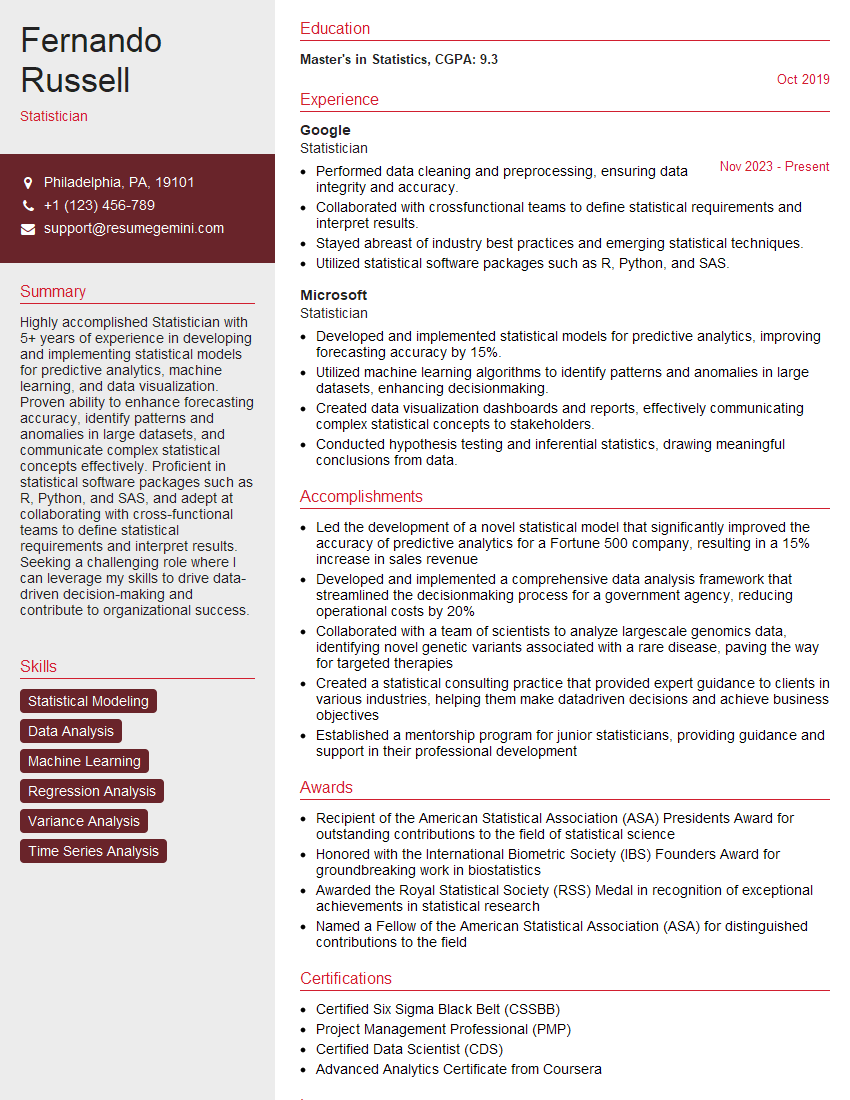
Statistician Resume Sample
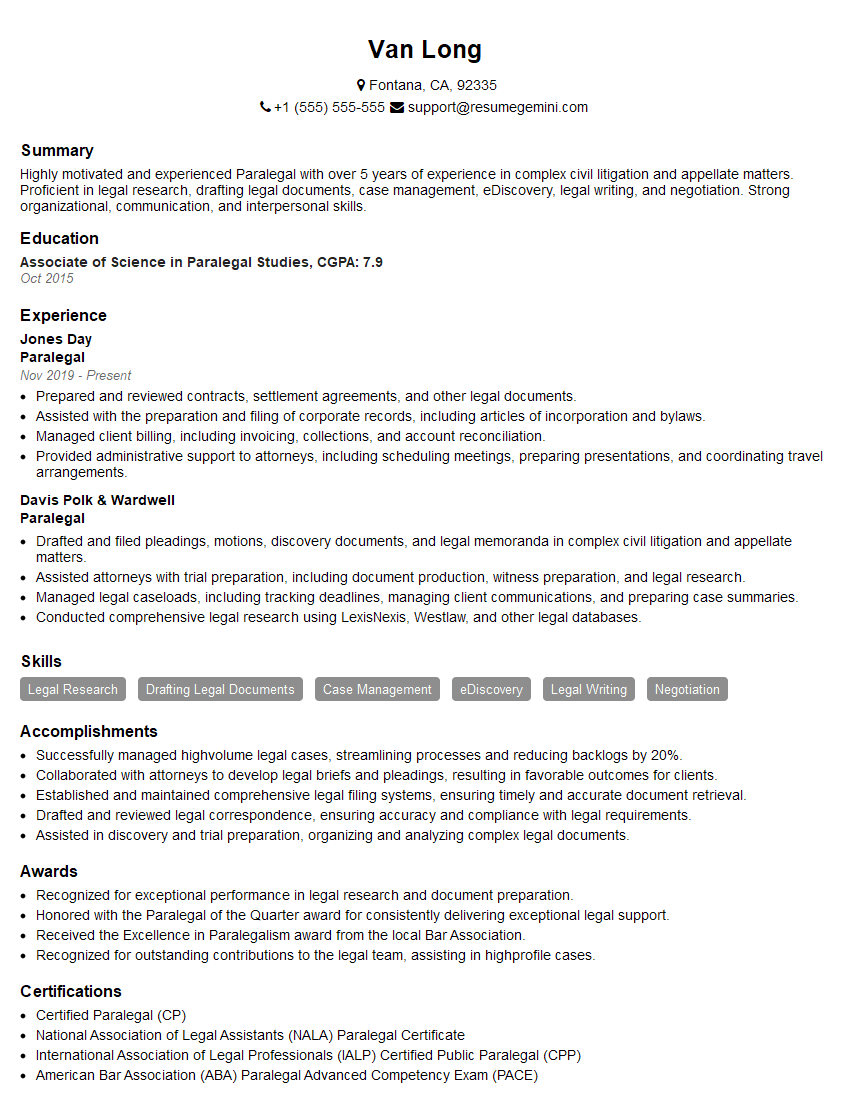
Paralegal Resume Sample
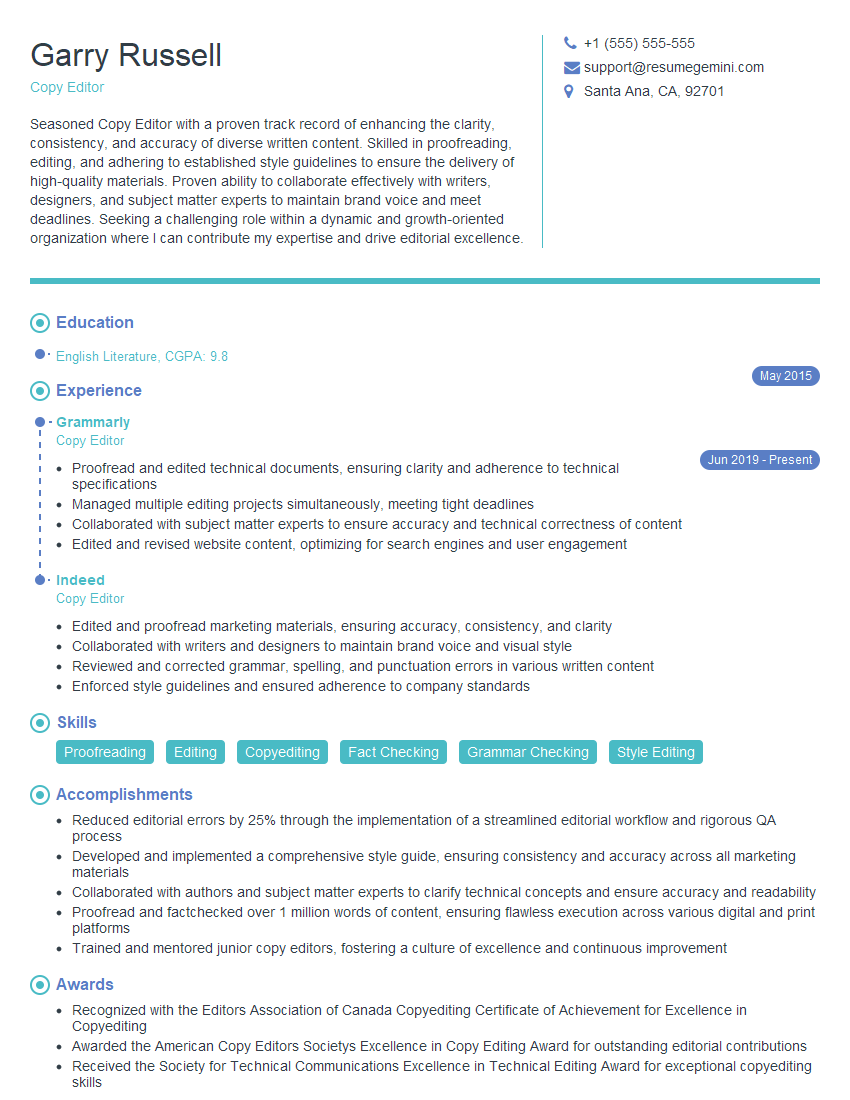
Copy Editor Resume Sample
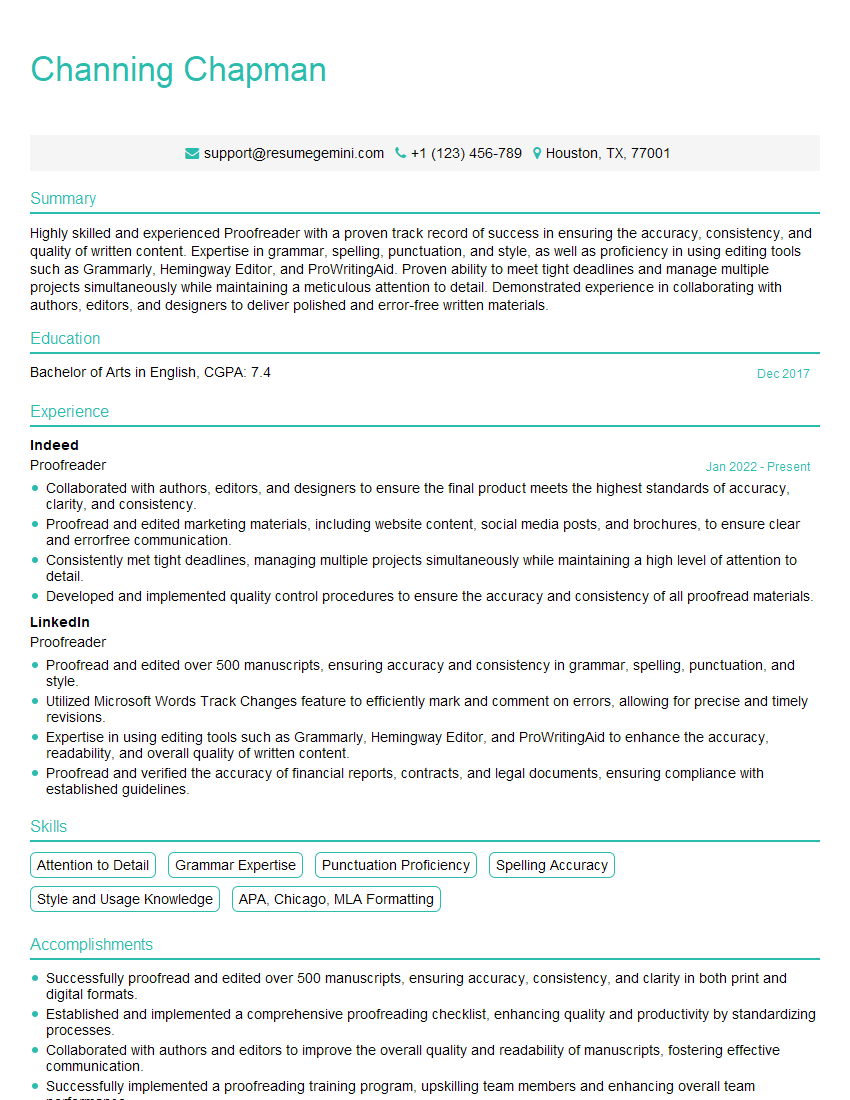
Proofreader Resume Sample

Technical Writer Resume Sample
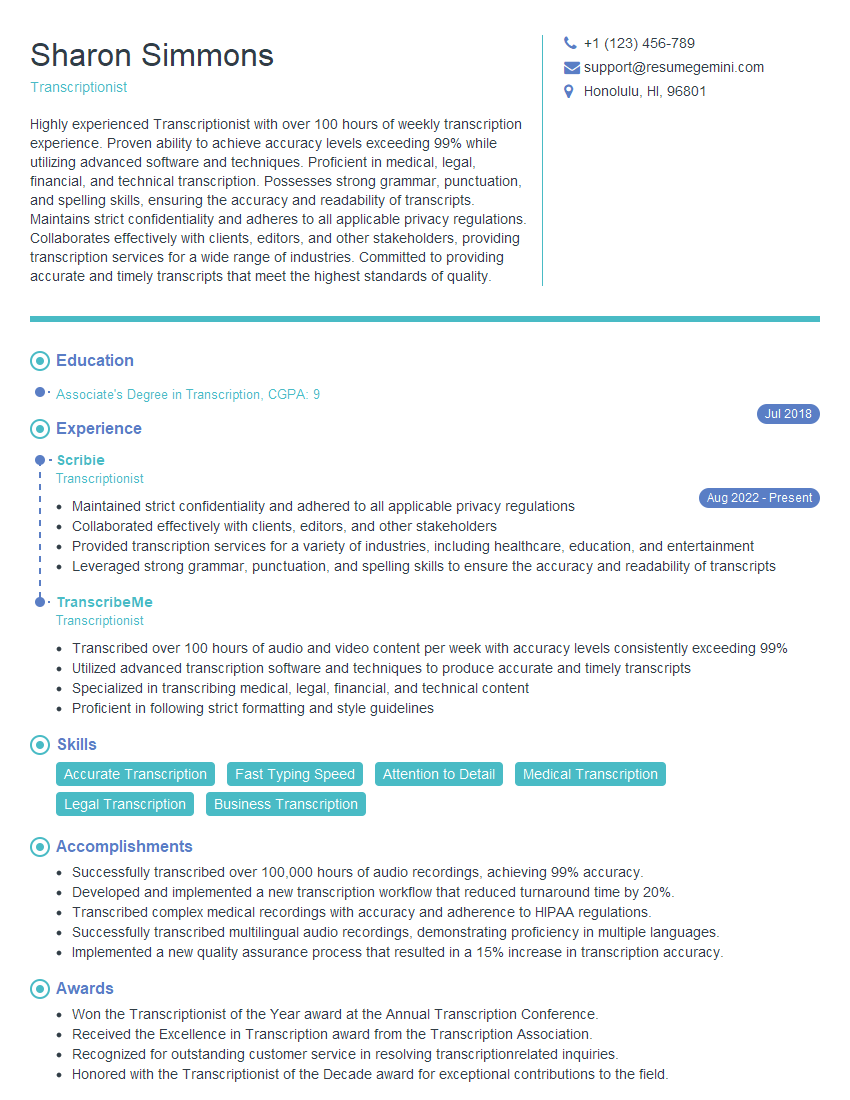
Transcriptionist Resume Sample
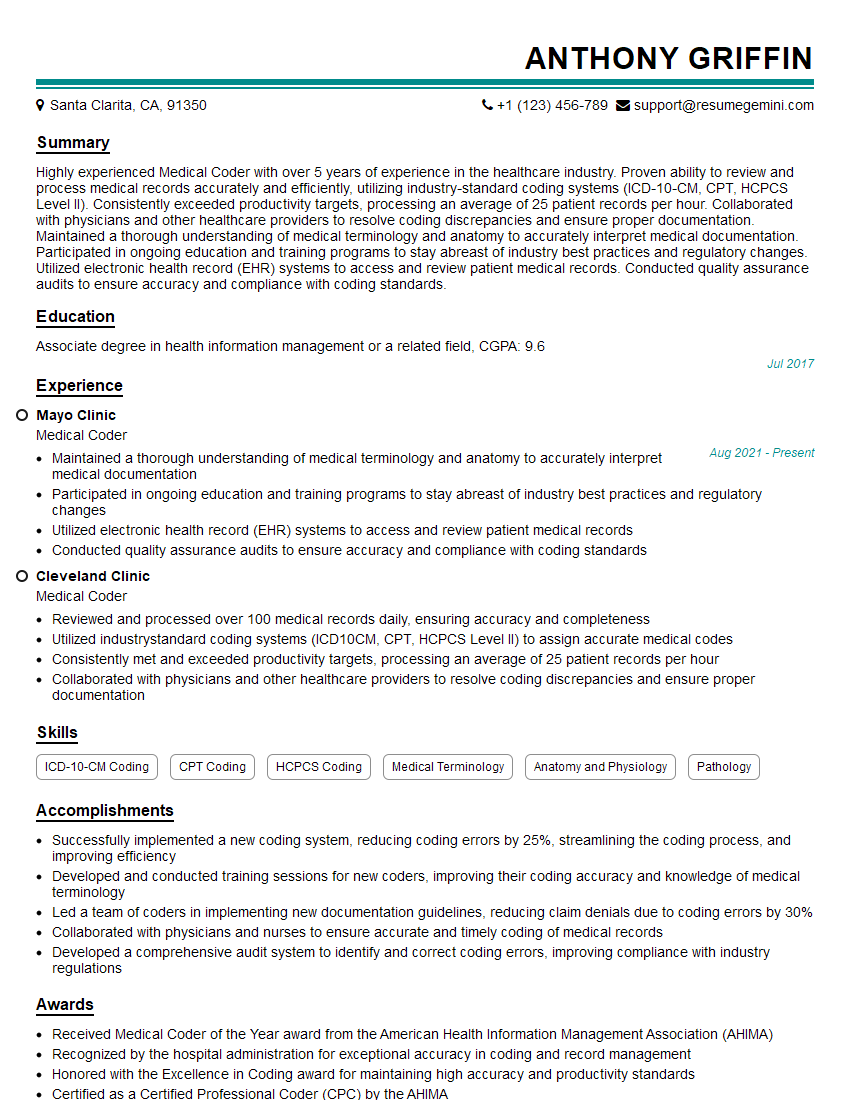
Medical Coder Resume Sample
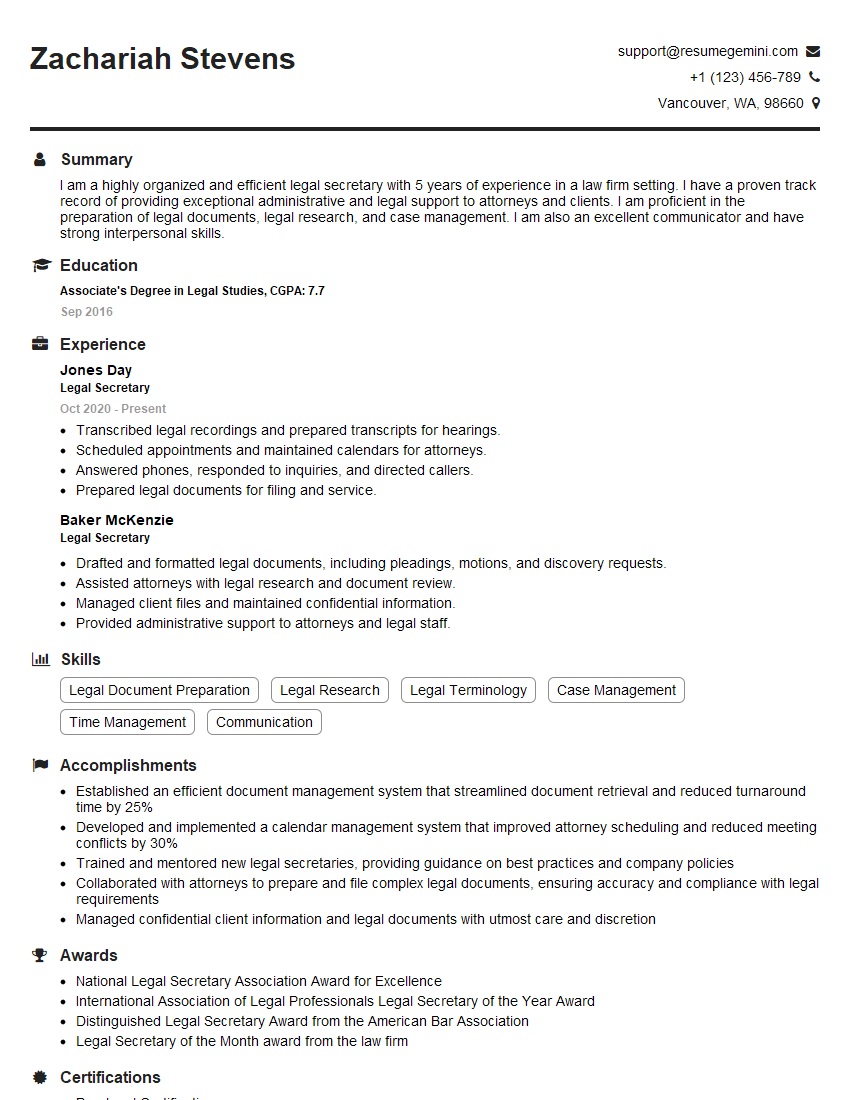
Legal Secretary Resume Sample
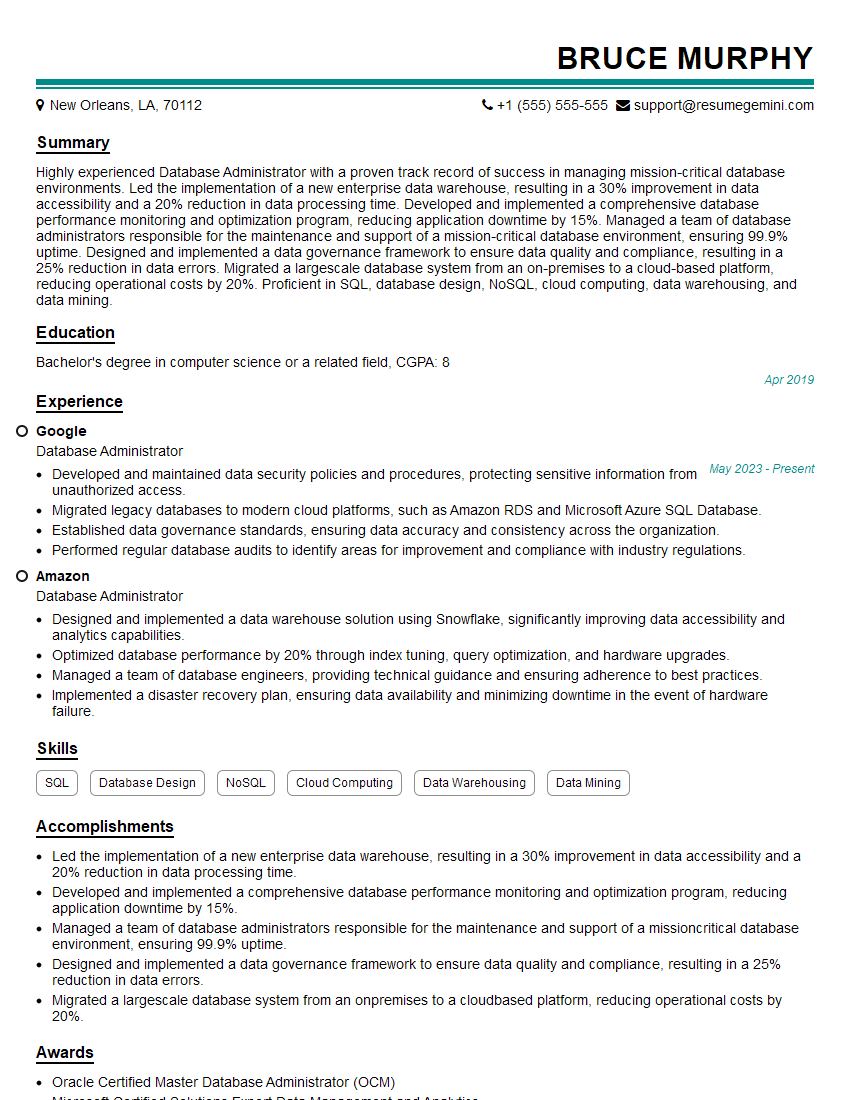
Database Administrator Resume Sample
- Project Manager
- Compliance Officer
- Quality Assurance Specialist
- Accountant
- Auditor
- Financial Analyst
- Data Analyst
- Process Engineer
- Research Scientist
- Software Developer
- Web Developer
- Actuary
- Operations Analyst
- Statistician
- Paralegal
- Copy Editor
- Proofreader
- Technical Writer
- Transcriptionist
- Medical Coder
- Legal Secretary
- Database Administrator
Explore more articles
Users Rating of Our Blogs
Share Your Experience
We value your feedback! Please rate our content and share your thoughts (optional).
What Readers Say About Our Blog
I Redesigned Spongebob Squarepants and his main characters of my artwork.
https://www.deviantart.com/reimaginesponge/art/Redesigned-Spongebob-characters-1223583608
IT gave me an insight and words to use and be able to think of examples
Hi, I’m Jay, we have a few potential clients that are interested in your services, thought you might be a good fit. I’d love to talk about the details, when do you have time to talk?
Best,
Jay
Founder | CEO