The thought of an interview can be nerve-wracking, but the right preparation can make all the difference. Explore this comprehensive guide to Document and Title Review interview questions and gain the confidence you need to showcase your abilities and secure the role.
Questions Asked in Document and Title Review Interview
Q 1. Explain the difference between Linear and Predictive Coding in document review.
Linear review is the traditional method of document review, where documents are reviewed sequentially by a team of reviewers. Think of it like reading a book from cover to cover. Predictive coding, on the other hand, leverages machine learning algorithms to identify relevant documents. It’s like having a highly trained search dog sniffing out the key information. The system learns from reviewer decisions, becoming increasingly accurate over time. The crucial difference lies in efficiency and scalability. Linear review is slow and costly for large datasets, while predictive coding automates much of the process, significantly reducing time and expense.
Example: Imagine reviewing 100,000 documents related to a merger. Linear review would require manually reviewing each document. Predictive coding, after initial training by reviewers, could identify and prioritize the most relevant subset, saving considerable time and resources.
Q 2. Describe your experience with Relativity or other eDiscovery platforms.
I have extensive experience with Relativity, having used it across numerous projects of varying sizes and complexities. My expertise includes setting up and managing Relativity workspaces, designing and implementing efficient review workflows, using advanced features like analytics and predictive coding, and producing comprehensive review reports. I’m proficient in utilizing Relativity’s various tools, including its powerful search functionality and automated quality control features. In one project, I successfully streamlined the review process for a large-scale antitrust case, resulting in a significant reduction in review time and cost by leveraging Relativity’s analytics dashboards to track reviewer productivity and identify areas for improvement. My experience also extends to other platforms such as Everlaw and Disco, allowing me to adapt quickly to different environments and technologies.
Q 3. How do you handle privileged documents during the review process?
Handling privileged documents is critical for maintaining ethical standards and legal compliance. We use a multi-layered approach. First, we establish a robust protocol for identifying potentially privileged documents, typically involving keyword searches and careful review of metadata. Second, a dedicated team of experienced reviewers—often including attorneys—carefully screens these documents, applying appropriate privilege logs. Third, we utilize Relativity’s robust privilege logging features to securely track and manage all privileged information. Finally, we implement strict access controls to ensure only authorized personnel can view sensitive materials. A detailed chain of custody is maintained throughout the process. In essence, it’s a system of checks and balances to ensure confidentiality and protect against inadvertent disclosure.
Q 4. What are the key steps involved in a typical document review project?
A typical document review project involves several key steps:
- Planning & Project Scoping: Defining the objectives, identifying key players, and outlining the review strategy.
- Data Collection & Processing: Gathering data from various sources, performing data processing tasks (e.g., OCR, deduplication).
- Custodian Identification & Data Preservation: Identifying individuals relevant to the case and securing their data.
- Review Strategy Development: Designing the review workflow, including search terms, coding protocols, and quality control measures.
- Document Review & Coding: The core process of reviewing and tagging documents according to predefined criteria.
- Quality Control & Auditing: Regularly monitoring the review process to ensure accuracy and consistency.
- Production & Reporting: Preparing and delivering the final set of documents to opposing counsel, along with supporting documentation.
Each step is crucial to ensuring a successful and efficient review.
Q 5. Explain your understanding of TAR (Technology Assisted Review).
Technology Assisted Review (TAR) employs machine learning to streamline the document review process. Unlike linear review, TAR uses algorithms to learn from reviewers’ decisions and predict the relevance of remaining documents. This significantly improves efficiency, especially in large datasets. There are different types of TAR, including active learning and predictive coding. Active learning presents the most uncertain documents for review first, while predictive coding ranks documents by predicted relevance. TAR requires careful planning and execution, including robust training sets and meticulous quality control, but it substantially reduces review time and costs compared to traditional methods.
Example: In a complex litigation involving millions of documents, TAR can help focus the review on the most relevant subset, saving substantial time and reducing overall costs. It’s not a replacement for human judgment, but a powerful tool to augment and improve the efficiency of human reviewers.
Q 6. How do you ensure the quality and accuracy of your document review work?
Ensuring quality and accuracy is paramount. We use a multi-faceted approach. This includes:
- Rigorous Training: Reviewers undergo thorough training on the specific case facts, legal issues, and coding protocols.
- Standardized Procedures: Clear guidelines and standardized procedures are established and consistently followed.
- Quality Control Measures: Regular random sampling and peer review are conducted to monitor accuracy and consistency.
- Statistical Analysis: Metrics such as inter-rater reliability are used to assess reviewer performance.
- Technology-Assisted Review: Leveraging TAR significantly enhances accuracy and consistency.
- Regular Feedback Loops: Regular feedback sessions are provided to reviewers to improve performance and address inconsistencies.
This holistic approach minimizes errors and maintains a high standard of accuracy throughout the review process.
Q 7. Describe a time you had to manage conflicting priorities during a document review.
In one project, we faced a tight deadline for producing documents for a court hearing while simultaneously dealing with an unexpected surge in data volume. To manage the conflicting priorities, I immediately held a meeting with the project team and reviewed the existing workflow. We prioritized tasks based on their urgency and impact on the court deadline. This involved implementing a more efficient coding protocol and delegating tasks effectively. I also negotiated an extension on certain less critical aspects of the review with the client. By utilizing TAR and optimizing the team’s workflow, we successfully met the court deadline while also managing the unexpected increase in data volume. Effective communication and prioritization were essential in navigating this challenging situation.
Q 8. What are some common challenges in document review, and how have you overcome them?
Document review, while crucial for legal proceedings, presents several challenges. One major hurdle is the sheer volume of data involved. Imagine sifting through terabytes of emails, documents, and databases – it’s a daunting task! Another common problem is the ambiguity of keywords. A simple search for “contract” might return thousands of irrelevant documents containing the word in a non-pertinent context. Finally, inconsistent data formats and the presence of privileged information add significant complexity.
To overcome these, I employ a multi-pronged approach. First, I leverage technology like predictive coding and technology-assisted review (TAR) to drastically reduce the review set size. For example, using TAR, we can train a machine learning model to identify relevant documents with high accuracy, significantly cutting down manual review time. Second, I utilize advanced search techniques such as Boolean searches (e.g., ("contract" AND "negotiation") NOT "internal") and concept searching to refine results and minimize false positives. Finally, robust quality control measures, including regular reviews of the reviewer’s work and clear guidelines on privilege handling, ensure accuracy and compliance.
Q 9. Explain your experience with different search techniques used in eDiscovery.
My experience with eDiscovery search techniques is extensive. I’m proficient in using various search methodologies tailored to the specifics of each case. This begins with understanding the client’s objectives and identifying key concepts. Then, I craft precise search queries using a combination of Boolean operators, proximity searches (finding terms near each other), wildcard characters (* for partial matches), and regular expressions (for more complex pattern matching).
For instance, if searching for documents related to a specific project, a Boolean query like ("Project X" AND ("budget" OR "cost")) will be significantly more efficient than a simple keyword search for “Project X.” I also have experience with more advanced techniques like fuzzy searching (finding terms with minor spelling variations) and concept searching, which utilizes machine learning to identify documents conceptually related to specific terms, even if those precise terms aren’t explicitly present.
Q 10. How do you prioritize documents for review when faced with a large volume?
Prioritizing documents in large-volume reviews is crucial for efficiency. My approach involves a layered strategy. Firstly, I implement advanced search techniques and technology-assisted review (TAR) to cull irrelevant documents. This significantly reduces the initial volume. Secondly, I utilize a combination of data analytics and case-specific criteria. For example, I might prioritize documents based on metadata like date, sender, recipient, or file type. Documents involving key individuals or related to critical events would also be prioritized.
Furthermore, I employ a tiered review system. Experienced reviewers tackle the high-priority documents first, focusing on potentially crucial information. Less experienced reviewers can then review the remaining documents. This not only saves time but also ensures consistent quality across the entire review.
Q 11. What is your experience with redaction techniques and software?
Redaction is a critical component of eDiscovery, protecting sensitive information while still allowing for the review of relevant documents. My experience encompasses both manual and automated redaction techniques. I’m proficient in using various software tools, including Relativity, Everlaw, and Disco, each offering different functionalities for redaction.
Manual redaction involves using the software’s tools to selectively black out or redact specific portions of a document. Automated redaction leverages advanced features like regular expressions and keyword-based redaction to efficiently remove sensitive data. For instance, I might automatically redact all social security numbers using a regular expression pattern. Regardless of the method, I rigorously check all redactions to ensure accuracy and compliance with legal and ethical requirements. Maintaining an audit trail for all redactions is crucial for transparency and accountability.
Q 12. Explain your understanding of the Federal Rules of Civil Procedure (FRCP) as they relate to eDiscovery.
The Federal Rules of Civil Procedure (FRCP), specifically Rule 26(b), significantly impacts eDiscovery. It governs the scope of discovery, outlining what information is discoverable and how it should be handled. Key aspects include proportionality—the discovery process must be proportionate to the needs of the case—and preservation—parties must take reasonable steps to preserve electronically stored information (ESI) that is reasonably anticipated to be discoverable.
Understanding these rules is paramount. It guides our strategy in identifying, preserving, collecting, processing, reviewing, and producing ESI. For instance, Rule 26(f) mandates early meet-and-confer sessions with opposing counsel to develop a discovery plan, which helps streamline the process and avoid unnecessary disputes. Non-compliance with FRCP can lead to sanctions, underscoring the importance of a thorough understanding and diligent application of these rules.
Q 13. How do you handle duplicate documents during the review process?
Duplicate documents can significantly inflate the review workload and storage requirements. My approach involves a multi-step process starting with the identification phase, where we use sophisticated deduplication techniques (both near-duplicate and exact-duplicate detection) to identify and group similar or identical documents. This often involves hashing algorithms to compare file content efficiently.
Once duplicates are identified, we typically select a representative document from each group for review. However, the choice of which document to keep can be nuanced and depends on several factors, including the metadata associated with each duplicate. For example, we might prioritize the most recent version or the document with the most complete information. Careful documentation of the deduplication process and the selection criteria is essential to maintain transparency and defensibility.
Q 14. What metrics do you use to track the efficiency and effectiveness of a document review?
Tracking the efficiency and effectiveness of a document review requires a robust set of metrics. Key metrics include the number of documents reviewed per hour (productivity), the accuracy of the review (measured through quality control checks), the number of documents identified as relevant or privileged (relevance rate and privilege hit rate), and the overall cost of the review (cost per document).
Additionally, I monitor key performance indicators (KPIs) such as the time spent on specific tasks, the turnaround time for producing documents, and the overall project timeline adherence. This data provides insights into the process, helping to identify areas for improvement. Regularly analyzing these metrics allows for adjustments to the review strategy and resource allocation, improving both efficiency and accuracy.
Q 15. Describe your experience with data mapping and culling.
Data mapping and culling are crucial steps in the eDiscovery process. Data mapping involves identifying and cataloging all relevant data sources, understanding their structure, and creating a comprehensive inventory. Think of it like creating a detailed map of a treasure hunt – you need to know where all the potential clues (data) are located before you start searching. Culling, on the other hand, is the process of removing irrelevant or duplicate data to reduce the volume for review. This is like narrowing down your treasure hunt to only the most promising locations.
In my experience, I’ve used various tools and techniques for both processes. For data mapping, I’ve utilized Relativity’s data processing capabilities and created detailed spreadsheets that include information such as data source, file type, volume, and custodians. For culling, I’ve implemented both automated and manual processes, leveraging keyword searches, date ranges, and deduplication techniques within review platforms to effectively reduce the data set. For example, in a recent case involving a large email dataset, I used predictive coding to identify and cull irrelevant emails, significantly reducing the review time and cost.
Career Expert Tips:
- Ace those interviews! Prepare effectively by reviewing the Top 50 Most Common Interview Questions on ResumeGemini.
- Navigate your job search with confidence! Explore a wide range of Career Tips on ResumeGemini. Learn about common challenges and recommendations to overcome them.
- Craft the perfect resume! Master the Art of Resume Writing with ResumeGemini’s guide. Showcase your unique qualifications and achievements effectively.
- Don’t miss out on holiday savings! Build your dream resume with ResumeGemini’s ATS optimized templates.
Q 16. How do you communicate effectively with legal teams and clients during a review?
Effective communication with legal teams and clients is paramount to a successful review. I believe in proactive, transparent communication. This involves regular updates on the progress of the review, highlighting key findings, and proactively addressing any concerns or questions. I always aim for clear, concise language, avoiding legal jargon whenever possible.
For instance, instead of saying ‘we’ve completed the first iteration of the technology-assisted review,’ I would say ‘we’ve finished the first phase of our automated search and are now reviewing the results.’ This ensures everyone understands the progress. I also utilize visual aids like charts and graphs to present complex data in an easily digestible manner. Regular meetings and written reports are vital for keeping everyone informed and aligned.
Q 17. What is your experience with different types of document formats (e.g., PDFs, Word, emails)?
I have extensive experience working with a wide variety of document formats, including PDFs, Microsoft Word documents (.doc, .docx), emails (PST, EML), spreadsheets (xls, xlsx), and various image formats (TIFF, JPEG). My experience encompasses handling both native and processed formats. Native formats preserve the original formatting and metadata, while processed formats, like load files, are often used for efficient searching and review within a review platform.
Understanding the nuances of each format is crucial. For example, extracting data from a heavily redacted PDF might require special techniques, while PST files may contain hidden metadata that is essential to the case. My expertise lies not only in handling these formats but also in identifying potential challenges associated with each, such as corruption, password protection, or OCR (Optical Character Recognition) requirements.
Q 18. Describe your process for identifying and handling metadata.
Metadata, or data about data, is often crucial in eDiscovery. It can reveal information such as creation date, author, file path, and other details that can help in identifying relevant documents and understanding their context. My process for identifying and handling metadata begins with the data collection stage. I ensure that metadata is preserved during the collection and processing phases.
I utilize various tools and techniques to extract and analyze metadata. This often involves using forensic software, review platform features, and custom scripts to extract and analyze different metadata fields. Once extracted, I analyze the metadata to identify patterns or trends that may indicate relevant or privileged information. For example, identifying documents created after a specific date or authored by a key individual can significantly narrow the scope of review. I carefully document all metadata handling procedures to maintain chain of custody and transparency.
Q 19. Explain your understanding of chain of custody in the context of eDiscovery.
Chain of custody in eDiscovery refers to the documented and unbroken trail showing the handling and control of electronic data from collection to production. Maintaining chain of custody is essential to ensure the integrity and authenticity of the evidence. This is vital to prevent claims of data tampering or alteration. Think of it as a detailed receipt showing exactly who touched the evidence and when.
My approach to maintaining chain of custody involves meticulously documenting every step of the process. This includes logging all data collection activities, processing steps, review actions, and any data transfers. I utilize secure systems and protocols to transfer and store data, ensuring its integrity and preventing unauthorized access. Using version control systems and audit trails within the review platform is vital. This thorough documentation allows for full transparency and traceability throughout the entire eDiscovery lifecycle.
Q 20. How do you ensure data security and confidentiality during the review process?
Data security and confidentiality are paramount. I adhere to strict protocols to protect sensitive data throughout the review process. This begins with secure data collection methods that utilize encryption and other security measures. During the review process, access to data is strictly controlled and limited to authorized personnel only.
We use secure review platforms with robust access controls and encryption features. Data is stored on secure servers with appropriate physical and logical security measures in place. We also comply with all relevant data privacy regulations, such as GDPR and CCPA. Furthermore, all personnel involved in the review process are trained on data security best practices and confidentiality protocols. Regular security audits are conducted to ensure ongoing compliance and identify potential vulnerabilities.
Q 21. What is your experience with different review methodologies (e.g., linear, topical)?
I am proficient in various review methodologies. Linear review involves reviewing documents sequentially, while topical review organizes documents by subject matter. Other methodologies include technology-assisted review (TAR), which uses technology such as predictive coding to identify relevant documents, and hybrid approaches combining multiple techniques. The best methodology depends on the specific needs of the case, data volume, and budget.
In a smaller case with a well-defined scope, a linear review might suffice. However, for larger cases with extensive datasets, a technology-assisted review (TAR) approach, coupled with a topical organization of documents, is typically more efficient and cost-effective. For example, in a large antitrust case, I successfully employed TAR and topical review to significantly reduce the review time and improve the accuracy of the results compared to a purely linear approach.
Q 22. How familiar are you with various types of title insurance?
Title insurance protects buyers and lenders against financial losses due to defects in a property’s title. There are primarily two main types:
- Lender’s Title Insurance: This protects the lender (the bank or mortgage company) against financial losses if there’s a problem with the title, such as an undisclosed lien or ownership dispute. It covers the lender’s financial interest in the property up to the loan amount.
- Owner’s Title Insurance: This protects the property owner against financial losses from title defects that existed before they purchased the property. Unlike lender’s insurance, which expires when the loan is paid off, owner’s insurance generally remains in effect for as long as the owner or their heirs own the property.
There are also various endorsements, or add-ons, available to both lender’s and owner’s policies which can extend coverage to specific situations. For example, an easement endorsement might address potential issues related to rights of way or access across the property.
Q 23. Explain the process of title examination and curative actions.
Title examination is a meticulous process of searching public records to establish clear ownership of a property. This involves reviewing documents like deeds, mortgages, liens, court records, and surveys to uncover any potential defects or clouds on the title. It’s like conducting a thorough background check for a piece of land.
Curative actions are the steps taken to resolve title defects identified during the examination. These actions might include obtaining releases of liens, correcting errors in recorded documents, or obtaining affidavits from involved parties to clear up ambiguities. For instance, if an old, unsatisfied mortgage is found on the title, curative action could involve contacting the lender to obtain a release or satisfaction of that mortgage.
The process generally follows these steps:
- Search of Public Records: A comprehensive search is performed in relevant county offices.
- Title Report Generation: A preliminary report outlining the identified title issues is prepared.
- Curative Actions: Necessary steps are taken to address the identified defects.
- Final Title Commitment: Once the defects are resolved, a commitment is issued indicating that title insurance can be issued.
Q 24. Describe your experience working with title commitments and policies.
I have extensive experience working with title commitments and policies. A title commitment is a document issued by a title insurance company that outlines the condition of a property’s title before closing. It details what the title company will insure, and any exceptions or potential problems. Think of it as a preliminary report card on the property’s title.
After the curative actions (if any) are completed, the title policy is issued. The title policy is the actual insurance contract that protects the buyer or lender against future title issues. I’m proficient in reviewing both commitments and policies, identifying potential risks, and ensuring they accurately reflect the condition of the title. I’ve been involved in numerous transactions, ranging from simple residential purchases to complex commercial deals involving multiple parties and intricate title histories. One specific example involved a commercial property with a complicated history of ownership and easements; I carefully reviewed the commitment, identified several potential issues, and coordinated with the seller to resolve them before the policy was issued, preventing a potentially costly dispute down the line.
Q 25. How do you identify and resolve title defects or exceptions?
Identifying and resolving title defects requires a systematic approach. It begins with carefully examining the title commitment and any accompanying documents. Common defects include:
- Liens: Unpaid taxes, mortgages, or judgments against the property.
- Encroachments: Structures or improvements that extend onto neighboring property.
- Easement Issues: Disputes regarding rights of way or access across the property.
- Boundary Disputes: Uncertainty about the exact location of property lines.
Resolving these defects usually involves:
- Document Review: Thoroughly examining relevant documents to determine the nature and extent of the defect.
- Communication: Contacting relevant parties (e.g., lien holders, adjacent landowners) to obtain releases or necessary documentation.
- Legal Counsel: Consulting with attorneys when complex legal issues arise.
- Negotiation: Negotiating agreements to resolve disputes.
I approach each defect with a solution-oriented mindset, always aiming for the most efficient and cost-effective resolution.
Q 26. What are the key legal principles surrounding title ownership?
The key legal principles surrounding title ownership are rooted in the concept of fee simple absolute, which represents the most complete form of ownership. This means the owner has the broadest possible rights to the property, including the right to possess, use, and dispose of it as they see fit, subject only to governmental regulations.
Other important principles include:
- Chain of Title: The unbroken sequence of conveyances (transfers of ownership) from the original owner to the current owner. A complete and unbroken chain is crucial for establishing clear title.
- Recording Statutes: Laws requiring documents affecting title to be recorded in public records to provide notice to the world of ownership claims. This protects against fraudulent transfers.
- Adverse Possession: The legal principle that allows someone who openly, notoriously, and continuously occupies a property for a specific period to claim ownership, even if they don’t have legal title. This is an exception to the usual rules of title ownership.
- Priority of Liens: Generally, liens are prioritized according to when they were recorded. The first lien recorded usually has priority in case of foreclosure.
Understanding these principles is fundamental to conducting thorough title searches and resolving title issues.
Q 27. How do you manage complex title searches with multiple parties involved?
Managing complex title searches involving multiple parties requires a structured and organized approach. This includes:
- Detailed Project Plan: Defining the scope of the search, identifying all parties involved, and outlining the steps required. This might include creating a timeline and assigning responsibilities.
- Effective Communication: Maintaining consistent and clear communication with all stakeholders, including attorneys, clients, other title professionals and opposing counsel.
- Centralized Database: Employing a system to track all documents, communications, and deadlines. This could be a shared online platform or a robust file management system.
- Collaboration Tools: Utilizing collaborative technologies to share information and ensure everyone is on the same page. Regular meetings might be necessary.
- Contingency Planning: Addressing potential delays or conflicts proactively. A well-developed plan should anticipate potential problems and include fallback options.
For example, in a multi-family development project, I’ve worked with teams to ensure all individual lot title searches were completed simultaneously and efficiently and any conflicting interests were identified and addressed early in the process, saving considerable time and potential legal fees.
Q 28. Explain your understanding of different title insurance endorsements.
Title insurance endorsements are add-ons to the standard title policy that expand coverage to specific situations or risks not covered under the base policy. They act like supplemental insurance for unique circumstances. Examples include:
- ALTA Owner’s Policy Endorsement: This broadens the coverage of the standard owner’s policy, offering additional protection against certain title defects.
- Easement Endorsement: Covers potential problems related to easements, such as access rights or utility lines.
- Survey Endorsement: Covers inaccuracies in the property survey.
- Environmental Endorsement: Addresses potential environmental hazards on the property.
The need for endorsements depends on the specific circumstances of the transaction and the risks involved. I have experience identifying relevant endorsements and ensuring they are appropriately included in the title policy to provide complete protection for the client. Understanding the different types of endorsements is critical for providing appropriate risk management solutions.
Key Topics to Learn for Document and Title Review Interview
- Understanding Due Diligence: Grasp the fundamental principles of due diligence in the context of document and title review, including its purpose and importance in various transactions.
- Document Analysis Techniques: Learn to efficiently review large volumes of documents, identifying key clauses, potential risks, and inconsistencies. Practice techniques like keyword searching and summarization.
- Title Examination Principles: Understand the legal aspects of title examination, including chain of title, encumbrances, and exceptions. Practice analyzing title reports and identifying potential title defects.
- Legal Research and Interpretation: Develop strong legal research skills to independently verify information and understand relevant legal precedents impacting document and title review.
- Risk Assessment and Mitigation: Learn to identify and assess potential risks associated with discrepancies or issues found during document and title review, and propose effective mitigation strategies.
- Technology and Tools: Familiarize yourself with commonly used software and technologies for document review, such as e-discovery platforms and document management systems.
- Communication and Collaboration: Understand the importance of clear and concise communication with colleagues, clients, and other stakeholders. Practice explaining complex legal issues in a simple and understandable manner.
- Problem-Solving and Critical Thinking: Develop your ability to analyze complex information, identify discrepancies, and propose solutions to address potential problems encountered during the review process.
Next Steps
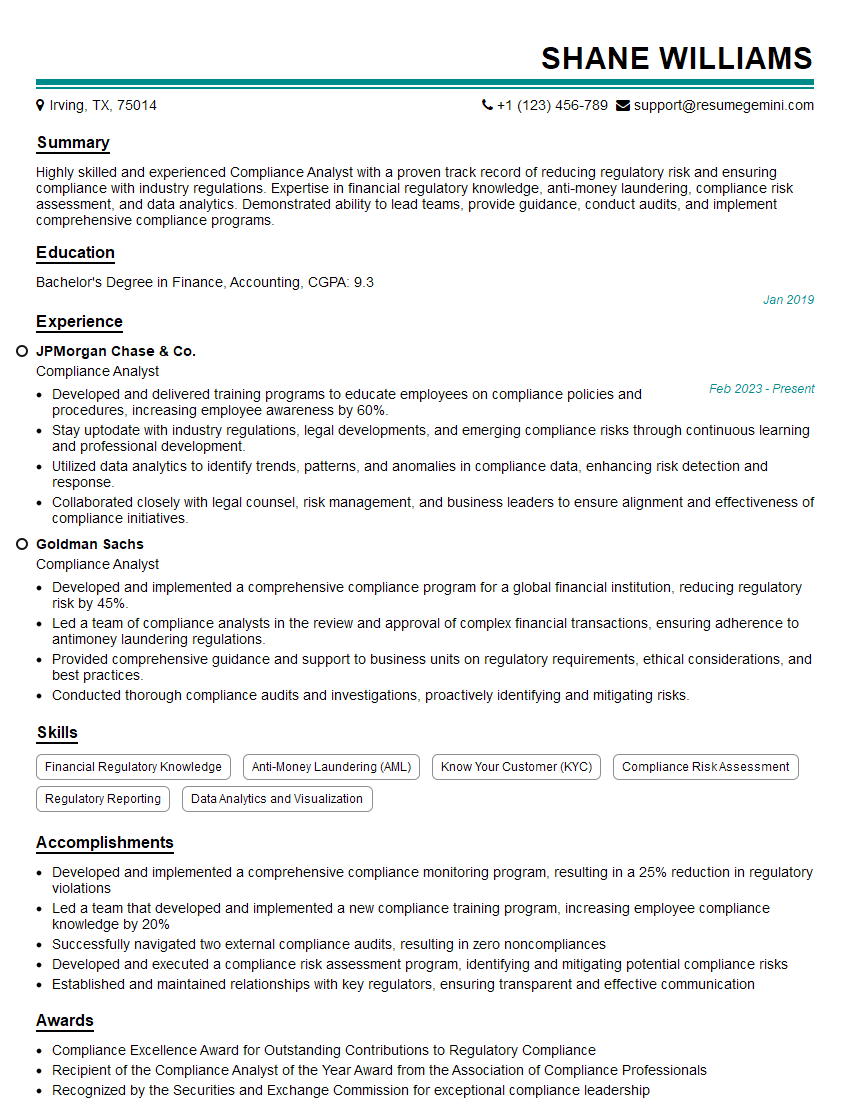
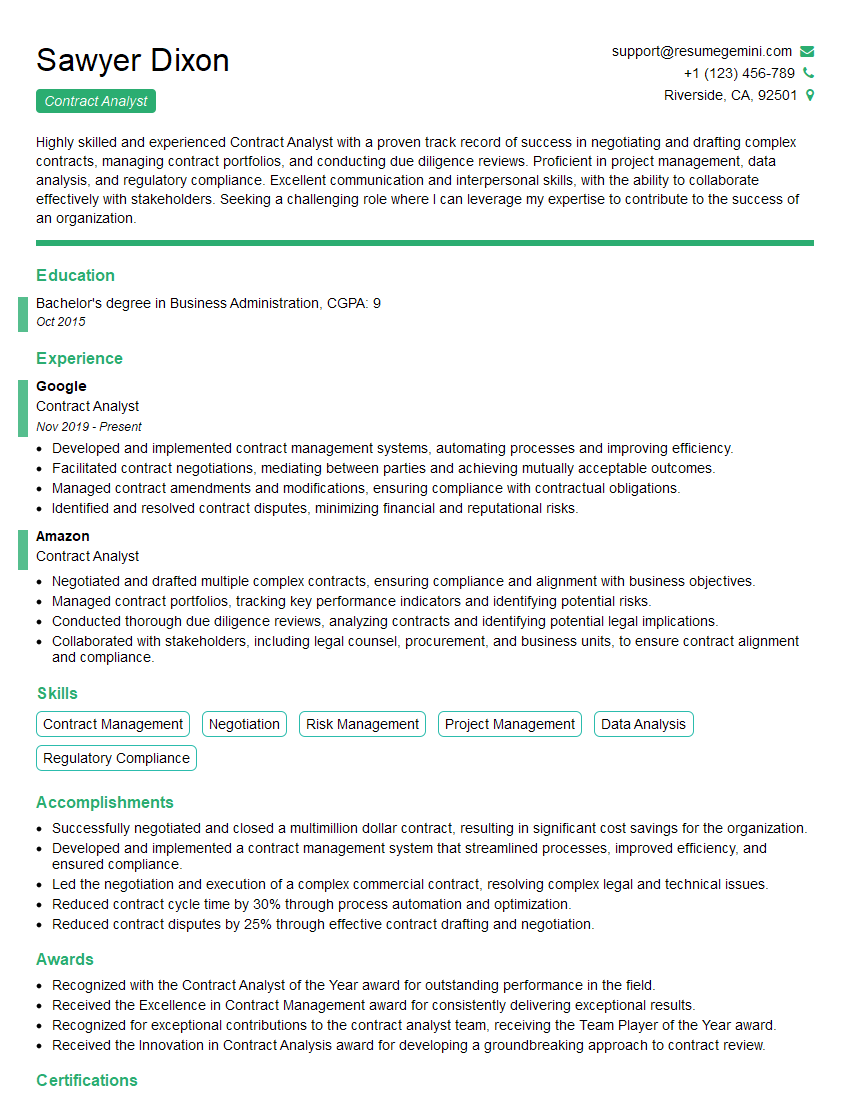
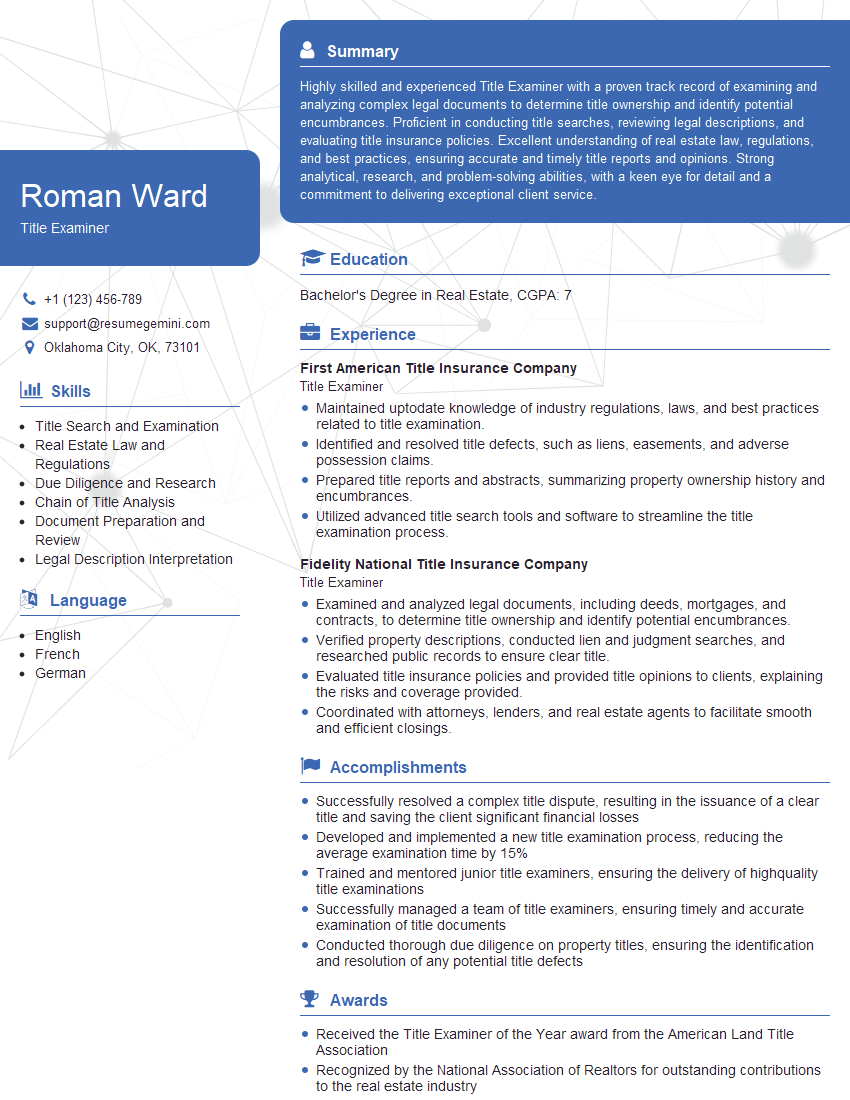
Mastering Document and Title Review opens doors to exciting career opportunities in legal, financial, and real estate sectors, offering significant growth potential and competitive salaries. To maximize your chances of landing your dream role, crafting a compelling and ATS-friendly resume is crucial. ResumeGemini can significantly enhance your resume-building experience, helping you create a professional document that showcases your skills and experience effectively. We provide examples of resumes tailored to Document and Title Review to help you get started. Invest time in crafting a strong resume – it’s your first impression!
Explore more articles
Users Rating of Our Blogs
Share Your Experience
We value your feedback! Please rate our content and share your thoughts (optional).
What Readers Say About Our Blog
I Redesigned Spongebob Squarepants and his main characters of my artwork.
https://www.deviantart.com/reimaginesponge/art/Redesigned-Spongebob-characters-1223583608
IT gave me an insight and words to use and be able to think of examples
Hi, I’m Jay, we have a few potential clients that are interested in your services, thought you might be a good fit. I’d love to talk about the details, when do you have time to talk?
Best,
Jay
Founder | CEO