Are you ready to stand out in your next interview? Understanding and preparing for DOT Brake Safety Inspection Certification interview questions is a game-changer. In this blog, we’ve compiled key questions and expert advice to help you showcase your skills with confidence and precision. Let’s get started on your journey to acing the interview.
Questions Asked in DOT Brake Safety Inspection Certification Interview
Q 1. Explain the different components of a typical air brake system.
A typical air brake system consists of several key components working together to safely stop a vehicle. Think of it like a sophisticated plumbing system, but for stopping power.
- Air Compressor: This is the heart of the system, generating compressed air. Imagine it as the water pump in your plumbing analogy.
- Air Reservoirs: These tanks store the compressed air, providing a reserve in case of compressor failure. These are like the water tower in your city’s water system, providing a buffer.
- Air Lines and Fittings: These tubes and connections distribute the air throughout the system. These are the pipes of your system, carrying the compressed air.
- Governor: This regulates the air pressure within the system, preventing over-pressurization. It acts like a pressure relief valve in a water system.
- Control Valves (e.g., Service Brakes, Parking Brake): These valves control the release and application of air pressure to the brakes. These are the faucets or valves controlling the flow of air to the brakes.
- Brake Chambers: These convert air pressure into mechanical force to activate the brakes. They’re the pistons that directly apply force to the brakes.
- Brake Actuators (e.g., S-cam, Wedge): These are the mechanical components that physically apply the brakes to the wheels. These are what squeeze the brake shoes against the drums or pads against the rotors.
- Low Air Pressure Warning System: This alerts the driver when the air pressure drops below a safe level. This is like a low-water alarm in a water tank.
Each component plays a vital role in ensuring safe braking. A failure in any part can compromise the entire system.
Q 2. Describe the procedure for inspecting an S-cam brake.
Inspecting an S-cam brake involves a thorough examination of its components and functionality. An S-cam brake is a type of brake actuator commonly found on trailer brakes.
- Visual Inspection: Check for any damage, cracks, or excessive wear on the S-cam, levers, and linkage components. Look for signs of rust or corrosion.
- Push Rod Travel: Measure the push rod travel to ensure it’s within the manufacturer’s specifications. This indicates how far the push rod can move, directly affecting braking power. Insufficient travel points to a need for adjustment.
- Lever Movement: Observe the movement of the brake levers as you apply and release the brakes. The levers should move smoothly and freely. Binding or stiffness suggests problems within the brake mechanism.
- Brake Shoe Clearance: Verify the clearance between the brake shoes and the drum. Too little clearance indicates over-adjustment, and excessive clearance signifies insufficient braking power.
- Free Travel: Check the free travel, the distance the slack adjuster travels before the brakes engage. This needs to be within the manufacturer’s specifications. This determines how much the slack adjuster has to move before it starts applying the brakes.
Remember to always consult the manufacturer’s specifications for exact tolerances and adjustment procedures. Ignoring these critical steps can lead to brake failure and serious accidents.
Q 3. How do you check for air leaks in an air brake system?
Detecting air leaks is crucial for brake system safety. Even small leaks can significantly reduce braking effectiveness.
- Listen for Hisses: Carefully listen for hissing sounds near air lines, fittings, and brake chambers. A hissing sound indicates escaping compressed air.
- Soap Solution Test: Apply a soapy water solution to all connections and air lines. Bubbles indicate a leak. This is a highly effective and common method.
- Pressure Check: With the system charged, monitor the air pressure gauge. A slow drop in pressure even when the system is not engaged points towards a leak. Make sure the compressor is off during this check.
- Inspect Brake Chambers: Check brake chambers for leaks around their seals and diaphragm. This often requires checking for cracks in the diaphram itself.
Locating and repairing leaks promptly is vital to maintain proper braking performance and safety. Ignoring even a minor leak can compromise your braking capability.
Q 4. What are the critical adjustments for drum brakes?
Critical drum brake adjustments focus on maintaining proper clearance between the brake shoes and the drum. Incorrect adjustment can result in poor braking or excessive wear. The most important adjustment is the brake shoe-to-drum clearance.
- Brake Shoe to Drum Clearance: This is the distance between the brake shoes and the drum when the brakes are released. The goal is to have the proper amount of clearance so the brakes do not drag but engage fully when applied. This clearance is usually specified by the vehicle manufacturer. Too little clearance leads to dragging brakes, excessive wear, and overheating; too much clearance results in reduced braking effectiveness.
- Slack Adjuster Adjustment: The slack adjuster is used to compensate for wear on the brake linings. Correct adjustment ensures proper brake shoe-to-drum clearance is maintained. This ensures consistent brake performance over time.
Improper adjustments can result in unsafe braking conditions, and therefore, always refer to the manufacturer’s specifications and use proper tools when making adjustments.
Q 5. What are the tolerances for brake adjustment on different vehicle types?
Brake adjustment tolerances vary significantly depending on the vehicle type (e.g., truck, trailer, bus) and brake system design. There is no single universal tolerance. Always refer to the manufacturer’s specifications for exact values. These tolerances are critical for safe operation.
Example: A heavy-duty truck might have different tolerances for brake shoe-to-drum clearance compared to a light-duty truck or a trailer. These differences are due to factors such as weight, braking force requirements, and brake design.
Failure to adhere to these manufacturer-specified tolerances can result in substandard braking performance, potentially leading to accidents. Always consult the relevant service manual for your specific vehicle.
Q 6. How do you inspect brake linings for wear and tear?
Inspecting brake linings for wear involves a visual examination and sometimes measurement. The goal is to identify worn-out linings that need replacement before they become unsafe.
- Visual Inspection: Look for signs of excessive wear, cracks, glazing (shiny, smooth surface), scoring (grooves), or missing material. Worn-out brake shoes or pads are a safety hazard.
- Thickness Measurement: Use a brake lining thickness gauge to measure the remaining lining material. Compare this measurement to the manufacturer’s minimum thickness specifications. If the measurement is below the minimum, the linings must be replaced.
- Uniformity: Check if the wear is uniform across the entire lining surface. Uneven wear might indicate a problem with the brake system needing attention.
Remember that worn brake linings significantly reduce braking effectiveness and pose a serious safety risk. Regularly inspecting and replacing brake linings as needed is crucial for safe operation.
Q 7. Explain the difference between a push rod and a slack adjuster.
Both push rods and slack adjusters are crucial components in the brake system, but they serve different functions.
- Push Rod: This is a short, rigid rod that transmits force from the brake chamber to the brake actuator (e.g., S-cam). Think of it as the direct link between the air pressure and the brake mechanism itself. It doesn’t adjust for wear.
- Slack Adjuster: This is a mechanism that automatically adjusts the length of the push rod to compensate for wear on the brake linings. As the brake linings wear, the slack adjuster automatically extends to maintain the proper clearance between the shoes and the drum. It ensures consistent braking effectiveness even as the linings wear down.
In essence, the push rod is the direct force transmitter, while the slack adjuster automatically compensates for wear in the system, thereby maintaining consistent brake performance.
Q 8. Describe the proper way to inspect a brake chamber.
Inspecting a brake chamber involves a visual check and a functionality test. Visually, you’ll look for leaks, damage to the diaphragm or pushrod, and corrosion. A leaky chamber is a serious safety hazard, as it will lead to inconsistent braking. Damage to the diaphragm can compromise its ability to create the necessary pressure for braking, while corrosion can weaken the chamber’s structural integrity. For the functionality test, you’ll typically use an air pressure gauge to check for proper pressure buildup and retention within the chamber when the brakes are applied. This ensures the chamber is correctly receiving and maintaining air pressure to actuate the brakes.
For example, imagine you’re inspecting a truck’s brake chamber and notice a significant amount of rust around the pushrod’s connection point. This indicates potential corrosion weakening the chamber and compromising its ability to apply sufficient pressure. Or, if the chamber is leaking air, you’ll clearly observe escaping air. A drop in air pressure after the initial charge, whilst the brakes are applied, indicates a leak. These visual checks, coupled with the pressure test, paint a clear picture of the brake chamber’s condition and its ability to reliably function.
Q 9. What are the common causes of brake fade?
Brake fade, the reduction in braking effectiveness over time, usually stems from overheating. This can occur due to several factors:
- Overheating of brake components: Prolonged or heavy braking, particularly during downhill driving or emergency stops, generates significant heat. This heat can cause the brake pads or linings to lose their friction material, reducing their effectiveness.
- Brake fluid boiling: Extreme heat can cause brake fluid to boil, creating vapor bubbles that reduce hydraulic pressure and braking power. This is especially critical in high-performance vehicles or during situations with prolonged, intense braking.
- Contamination of brake components: Oil, grease, or other contaminants can coat brake components, reducing friction and contributing to fade. This can stem from leaks or improper maintenance.
- Worn or damaged brake components: Worn brake pads, rotors, or drums will have reduced friction and thus contribute to brake fade. Similarly, damaged brake components can compromise their ability to generate or maintain friction.
Think of it like this: imagine trying to stop a bike by rubbing the tires on the ground. If you do this repeatedly without pause, the tires will heat up, and the friction will decrease, reducing your braking power. That’s essentially brake fade in action.
Q 10. How do you test the parking brake system?
Testing the parking brake system depends on the vehicle’s type and design. Generally, you’ll start with a visual inspection for damage or corrosion of cables, linkages, and the parking brake mechanism itself. Then, you will engage the parking brake fully, and ensure it securely holds the vehicle on a slight incline or flat surface. You should observe that the vehicle is firmly held in place and doesn’t roll. Any rolling indicates a fault in the parking brake system.
You may need to use additional equipment such as a brake-testing device in commercial vehicles to assess the holding capacity quantitatively (how much force it takes to overcome the parking brake). Some modern systems might require a diagnostic scan tool to check for electronic control issues. Remember to always follow the manufacturer’s instructions.
For example, a visual inspection might reveal a severely corroded parking brake cable, signaling a potential safety issue. Or, if a truck doesn’t hold on a slight incline after fully engaging the parking brake, this is a clear indication that the system is defective and requires immediate attention.
Q 11. What are the requirements for brake fluid levels and condition?
Brake fluid is crucial for the hydraulic braking system. The level should always be within the minimum and maximum marks on the reservoir. Low fluid indicates a leak somewhere in the system that needs immediate attention. The condition of the fluid is equally important; it should be clean and free of contaminants. Dirty or old fluid can lead to corrosion and damage within the system, ultimately compromising the brakes. Fluid should be changed according to manufacturer’s recommendations to prevent this.
Think of it like the blood in your body; if you have too little or if it’s contaminated, your body won’t function properly. Similarly, contaminated or low brake fluid can severely compromise the braking system’s ability to effectively slow or stop your vehicle.
Q 12. Describe the inspection process for ABS systems.
Inspecting an Anti-lock Braking System (ABS) involves several steps, most of which require specialized equipment. A visual inspection checks for any obvious damage to the ABS sensors, wiring, and the ABS control module. More significantly, you will need a diagnostic scan tool capable of communicating with the ABS module. This tool will allow retrieval of Diagnostic Trouble Codes (DTCs) that pinpoint potential issues. Further testing might include checking the ABS sensor signals using an oscilloscope (to ensure that the signal being received matches the wheel speed), verifying the integrity of the ABS hydraulic unit’s function, and checking the proper functioning of the ABS warning light.
For example, a DTC might indicate a faulty wheel speed sensor. This would mean one of the ABS sensors isn’t providing the correct information to the system, impacting the functionality of the ABS. Using the diagnostic scanner is essential for accurate problem diagnosis, as the symptoms can be ambiguous without this data.
Q 13. Explain the importance of brake drum runout.
Brake drum runout refers to the amount of radial movement, or wobble, of a brake drum when it rotates. Excessive runout creates uneven braking surface contact and results in pulsation or vibration in the brake pedal when braking. It may even cause premature wear of brake pads or shoes. Ideally, a brake drum needs to be true and round in rotation to provide a smooth, even braking surface.
You can measure runout using a dial indicator. Excessive runout indicates the need for machining or replacement of the drum. The acceptable range of runout is specified by the manufacturer. Think of it like a wobbly bicycle wheel; the more it wobbles, the more unpredictable and less effective your braking becomes.
Q 14. How do you identify and report brake system violations?
Identifying and reporting brake system violations requires thorough documentation. This should include the specific violation, location of the violation, and supporting evidence such as photographs or measurements. For instance, a leak in the brake line, worn brake pads beyond the limit, and non-functional ABS systems should be noted accurately. The report should also include the vehicle identification number (VIN) and the date of inspection. The severity of the violation, a potential safety risk, must also be highlighted. Depending on the jurisdiction, a standardized reporting form might be required. Remember, failing to report critical brake violations can have severe legal and safety consequences.
For example, if during an inspection, you discover a cracked brake line, you must immediately report it and take the vehicle out of service until repaired; this is a critical safety violation that could lead to complete brake failure.
Q 15. What are the consequences of failing a DOT brake inspection?
Failing a DOT brake inspection can have serious consequences, impacting both the driver and the company. The most immediate consequence is being placed out of service until the necessary repairs are made. This means the vehicle cannot be operated until it passes a reinspection. For the driver, this can lead to lost wages and potential delays in deliveries. For the company, it can result in significant operational disruptions, lost revenue, and potential fines. Repeated failures can lead to more severe penalties, including suspension or revocation of operating authority. Think of it like this: a faulty brake system is like a faulty engine – it severely compromises safety and functionality, and the consequences will be felt across the board.
- Immediate consequence: Out-of-service order
- Driver impact: Lost wages, delays
- Company impact: Operational disruptions, lost revenue, fines
- Severe consequence: Suspension or revocation of operating authority
Career Expert Tips:
- Ace those interviews! Prepare effectively by reviewing the Top 50 Most Common Interview Questions on ResumeGemini.
- Navigate your job search with confidence! Explore a wide range of Career Tips on ResumeGemini. Learn about common challenges and recommendations to overcome them.
- Craft the perfect resume! Master the Art of Resume Writing with ResumeGemini’s guide. Showcase your unique qualifications and achievements effectively.
- Don’t miss out on holiday savings! Build your dream resume with ResumeGemini’s ATS optimized templates.
Q 16. What is the role of the slack adjuster in brake operation?
The slack adjuster is a crucial component in a commercial vehicle’s braking system. It automatically takes up slack in the brake pushrods or other linkages, ensuring that the brakes engage properly regardless of wear on the brake shoes or drums. Imagine trying to stop a heavy truck without a slack adjuster; the brakes would feel spongy and inefficient, making it difficult to stop effectively. The slack adjuster compensates for the wear and tear on your brake linings by constantly maintaining the right amount of tension on the brake mechanism. Without it, you would frequently have to adjust the brakes manually which is time consuming and inefficient.
Without a properly functioning slack adjuster, the brakes may not engage effectively, leading to increased stopping distances and potentially dangerous situations. Regular inspection and maintenance of slack adjusters are essential to ensure brake system efficiency and safety.
Q 17. How do you inspect brake hoses and lines for damage?
Inspecting brake hoses and lines is vital for preventing brake failure. You should thoroughly examine them for any signs of damage, including:
- Leaks: Look for any fluid leaks or wet spots. Even a small leak can significantly compromise braking performance.
- Cracks or cuts: Check for cracks, cuts, or abrasions in the hoses and lines. These can lead to leaks or complete hose failure.
- Chafing or rubbing: Look for areas where the hoses and lines are rubbing against other parts of the vehicle. This can cause wear and tear and lead to leaks.
- Kinks or bends: Sharp kinks or bends in the hoses and lines can restrict fluid flow and affect braking performance.
- Corrosion: Check for any signs of rust or corrosion, particularly in older vehicles. Corrosion weakens the hoses and lines, making them more prone to failure.
Remember to carefully examine the entire length of each hose and line, paying close attention to the fittings and connections. Any sign of damage warrants immediate repair or replacement.
Q 18. What are the different types of brake systems used in commercial vehicles?
Commercial vehicles utilize several types of brake systems to ensure safe operation. The most common are:
- Hydraulic Brake Systems: These are the most prevalent type. They use hydraulic pressure, generated by the driver’s pedal, to actuate the brakes. They’re reliable and relatively straightforward to maintain.
- Air Brake Systems: Essential for heavier vehicles, air brakes use compressed air to power the brakes. They provide greater stopping power than hydraulic systems for larger loads.
- Anti-lock Braking Systems (ABS): ABS is now standard equipment in many commercial vehicles. It prevents the wheels from locking up during hard braking, maintaining steering control.
- Electronic Braking Systems (EBS): EBS integrates various braking functions, such as ABS and automatic slack adjusters, into a single electronic system. It enhances braking efficiency and safety.
The specific type of brake system will vary depending on the vehicle’s size, weight, and intended use. Each type has its own unique maintenance requirements and inspection procedures.
Q 19. Describe the procedure for conducting a leak-down test.
A leak-down test is used to check for leaks in the air brake system. It’s a crucial part of a DOT brake inspection. Here’s how it’s done:
- Isolate the system: Disconnect the air supply to the brake system.
- Charge the system: Charge the air brake system to maximum pressure.
- Close the shut-off valve: Close the emergency shut-off valve to isolate the tanks.
- Monitor pressure: Observe the air pressure gauge for a period of time, typically one minute. Any significant drop in pressure indicates a leak somewhere in the system.
- Locate the leak: Use appropriate leak detection methods, such as listening for air escaping or using soapy water to find the location of the leak.
Accurate leak detection requires a keen ear and a methodical approach. A small leak can be ignored, but a rapid pressure drop indicates serious issues that need immediate attention.
Q 20. How do you check for brake pedal travel?
Checking brake pedal travel involves measuring the distance the brake pedal moves from the point where you first feel resistance to the point where it reaches the floor. This indicates the health of your braking system. It should fall within the manufacturer’s specified range; excessive travel suggests problems like air in the system or low brake fluid. Too little travel might mean brake components are wearing out, or there might be an issue in the hydraulic system.
To check it, pump the brake pedal firmly several times. Then, slowly press the pedal and measure the distance using a ruler or tape measure. Comparing this with the manufacturer’s recommendations is key to judging the health of your brakes.
Q 21. Explain the importance of proper brake maintenance.
Proper brake maintenance is paramount for safety. Neglecting brake maintenance is akin to driving without seatbelts – it significantly increases the risk of an accident. Regular maintenance prevents catastrophic failure and ensures the brakes function optimally, providing adequate stopping power in all conditions. Preventive maintenance involves:
- Regular inspections: Conduct visual inspections of all brake components for wear and tear, leaks, and damage.
- Fluid changes: Brake fluid absorbs moisture over time, reducing its effectiveness. Regular fluid changes are essential to maintain optimal braking performance.
- Component replacement: Replace worn-out brake pads, shoes, rotors, and drums as needed.
- Adjustments: Adjust slack adjusters and other components as needed to maintain proper brake function.
By diligently following a brake maintenance schedule, you minimize the risk of brake failure, ensuring the safety of yourself, other drivers, and pedestrians. Regular maintenance is considerably less expensive than replacing a brake system after a complete failure.
Q 22. What is the role of the spring brake system?
The spring brake system is a crucial safety feature in commercial vehicles, acting as a fail-safe mechanism. It’s designed to automatically engage the brakes if the service brake system fails – think of it as a backup system to prevent runaway vehicles. This system uses powerful springs to apply the brakes, and air pressure is used to *release* the brakes. Without air pressure, the springs automatically engage, bringing the vehicle to a stop. Imagine it like a tightly wound spring holding a door closed; air pressure acts like the handle, releasing the door (brakes). If the air pressure is lost, the spring takes over and closes the door (applies the brakes).
Q 23. Describe the process for adjusting brake pushrods.
Adjusting brake pushrods is a critical part of maintaining proper brake function. Improper adjustment can lead to uneven braking or brake failure. The process typically involves:
- Visual Inspection: First, thoroughly inspect the pushrod for any signs of damage, such as bending or corrosion. Replace any damaged pushrods.
- Measurement: Use a pushrod adjustment tool (often a special measuring device) to precisely determine the correct pushrod length. This length ensures proper brake shoe-to-drum clearance. The exact measurement will vary depending on the vehicle and brake system manufacturer’s specifications – always consult your vehicle’s service manual.
- Adjustment: Carefully adjust the pushrod length using the appropriate tool, following the manufacturer’s instructions. This usually involves turning a nut or adjusting a threaded rod. Be extremely careful not to over-tighten, which could damage the pushrod or brake components.
- Verification: After adjustment, verify the brake travel and ensure even braking on all wheels. Test the brakes carefully in a safe controlled area to confirm they function correctly.
Remember, incorrect adjustment can lead to ineffective braking and safety hazards, so it’s essential to follow the manufacturer’s instructions and/or utilize a qualified mechanic.
Q 24. How do you inspect for cracked or damaged brake components?
Inspecting for cracked or damaged brake components is a crucial aspect of a thorough brake safety inspection. You should visually examine all brake components for cracks, corrosion, and damage. This includes:
- Brake shoes/pads: Look for cracks, excessive wear, glazing, or any signs of oil contamination.
- Brake drums/rotors: Inspect for cracks, scoring, excessive wear, or heat discoloration. Listen for unusual noises during inspection.
- Brake lines and hoses: Check for leaks, bulges, kinks, or corrosion. Pay close attention to areas where lines connect to fittings.
- Brake calipers and wheel cylinders: Look for leaks, damage, or signs of seizing.
- Air brake components (if applicable): Inspect air lines, valves, and chambers for leaks, damage, and proper operation.
Remember to use appropriate tools and safety measures during this inspection. If any cracks or damage are found, the component must be replaced immediately.
Q 25. What are the visual inspection requirements for brake drums and rotors?
Visual inspection of brake drums and rotors is paramount for safety. You should look for:
- Cracks: Any cracks, however small, indicate a weakened structure and potential failure. These should be carefully examined.
- Scoring: Deep grooves or scoring indicates excessive wear and friction, suggesting potential brake issues.
- Excessive wear: Brake drums and rotors must meet minimum thickness requirements; excessive wear beyond these limits requires replacement.
- Heat discoloration: Extreme heat discoloration (blueing or other color changes) often indicates overheating due to brake fade or other issues that may require attention.
- Corrosion: Rust and corrosion can weaken the metal structure, compromising brake performance and safety.
Measuring the thickness of drums and rotors using a caliper is also necessary to confirm they are within the manufacturer’s specifications.
Q 26. How do you determine if brake shoes are worn beyond acceptable limits?
Brake shoe wear is determined by measuring the remaining lining thickness. The acceptable limit is specified by the manufacturer. If the lining is worn below the minimum thickness, the brake shoes must be replaced. You can use a brake shoe wear gauge (a simple measuring tool) to determine the remaining lining thickness. Often, there are wear indicators molded into the brake shoe that visually alert you to low thickness. Compare the measured thickness with the manufacturer’s specifications for your particular brake system. If the lining is worn below the minimum, immediate replacement is crucial for safety.
Q 27. What are the requirements for documenting brake inspection findings?
Documentation of brake inspection findings is crucial for legal compliance and maintaining accurate records. The documentation should include:
- Vehicle identification number (VIN): Uniquely identifies the inspected vehicle.
- Date and time of inspection: Provides context for the findings.
- Inspector’s name and certification number: Confirms qualifications and accountability.
- Detailed description of findings: Clear and concise descriptions of any issues or problems found, including part numbers where appropriate.
- Corrective actions taken (if any): A record of repairs or adjustments made.
- Signature and certification of completion: Verifies that the inspection and corrective actions were completed.
This information should be recorded in a logbook or electronic system that meets regulatory requirements. Proper documentation protects both the driver and the company.
Q 28. Explain the regulatory requirements for brake inspections of different vehicle classes.
Regulatory requirements for brake inspections vary depending on the vehicle class and jurisdiction. However, generally, more frequent and stringent inspections are required for heavier vehicles and those involved in commercial operations due to their increased weight and potential risks. For instance, heavier commercial vehicles often have more frequent inspection schedules compared to smaller passenger vehicles. These regulations frequently address aspects like:
- Frequency of inspections: How often brakes must be inspected (e.g., daily, monthly, annually).
- Specific inspection requirements: Detailed procedures for checking various brake components and systems.
- Documentation requirements: Record-keeping standards and requirements for inspection reports.
- Out-of-service criteria: Conditions under which a vehicle’s brakes are deemed unsafe and must be taken out of service until repairs are completed.
It’s crucial for inspectors to stay updated on all applicable regulations and guidelines specific to the jurisdiction and vehicle class they are working with to ensure compliance.
Key Topics to Learn for DOT Brake Safety Inspection Certification Interview
- Brake System Components: Thoroughly understand the function and inspection procedures for all major brake system components, including air compressors, air tanks, brake chambers, valves, and lines. Be prepared to discuss potential failure points and their implications.
- Air Brake System Diagnosis: Practice diagnosing common air brake system malfunctions. This includes identifying leaks, low air pressure, and malfunctioning components through both visual inspection and diagnostic tools. Be ready to explain your troubleshooting methodology.
- ABS Systems: Demonstrate a strong understanding of Anti-lock Braking Systems (ABS) functionality, testing procedures, and common problems. Know how to identify malfunctioning ABS components and interpret diagnostic trouble codes (DTCs).
- Federal Regulations (FMCSRs): Familiarize yourself with the relevant Federal Motor Carrier Safety Regulations (FMCSRs) pertaining to brake systems and inspections. Understanding these regulations is crucial for safe and compliant operations.
- Practical Application: Be prepared to describe your experience performing brake inspections, including documenting findings and completing necessary paperwork. Highlight your ability to effectively communicate inspection results.
- Safety Procedures and Best Practices: Emphasize your understanding of safety protocols when conducting brake inspections, including proper use of tools and equipment, as well as personal safety measures.
- Problem-Solving and Critical Thinking: Develop your ability to approach complex brake system issues systematically and logically. Practice diagnosing problems and devising solutions under pressure.
Next Steps
Mastering DOT Brake Safety Inspection Certification significantly enhances your career prospects, opening doors to higher-paying roles and increased responsibility within the transportation industry. To maximize your job search success, it’s crucial to present your skills and experience effectively through a well-crafted, ATS-friendly resume. ResumeGemini is a trusted resource that can help you create a professional and impactful resume tailored to the specific demands of the DOT Brake Safety Inspection Certification field. ResumeGemini provides examples of resumes specifically designed for this certification, offering valuable insights and templates to help you stand out from the competition.
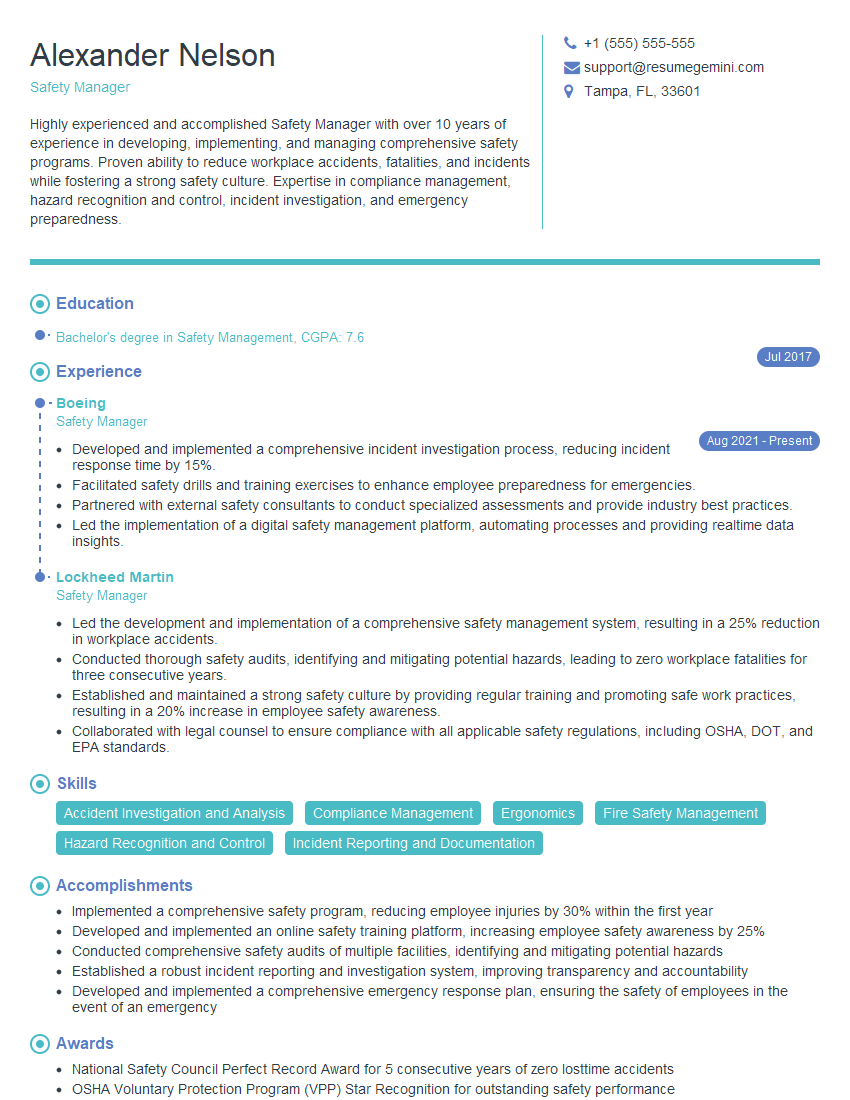
Safety Manager Resume Sample
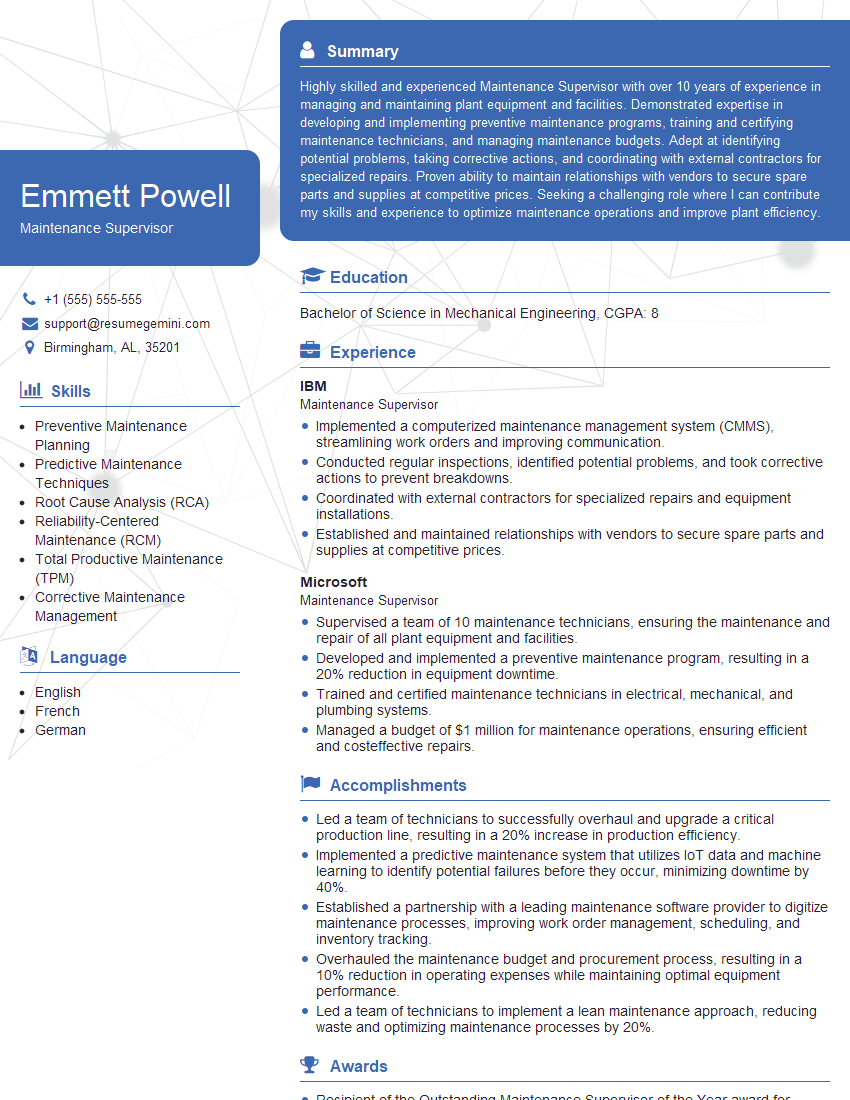
Maintenance Supervisor Resume Sample
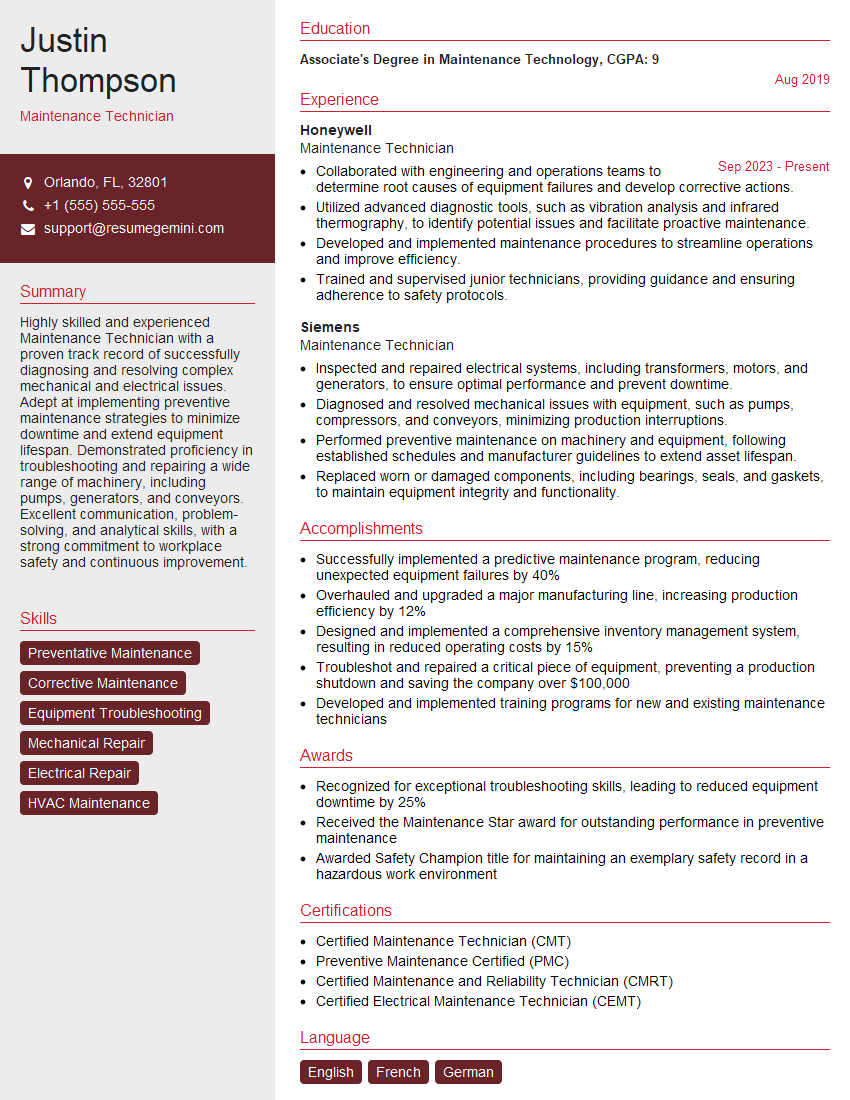
Maintenance Technician Resume Sample
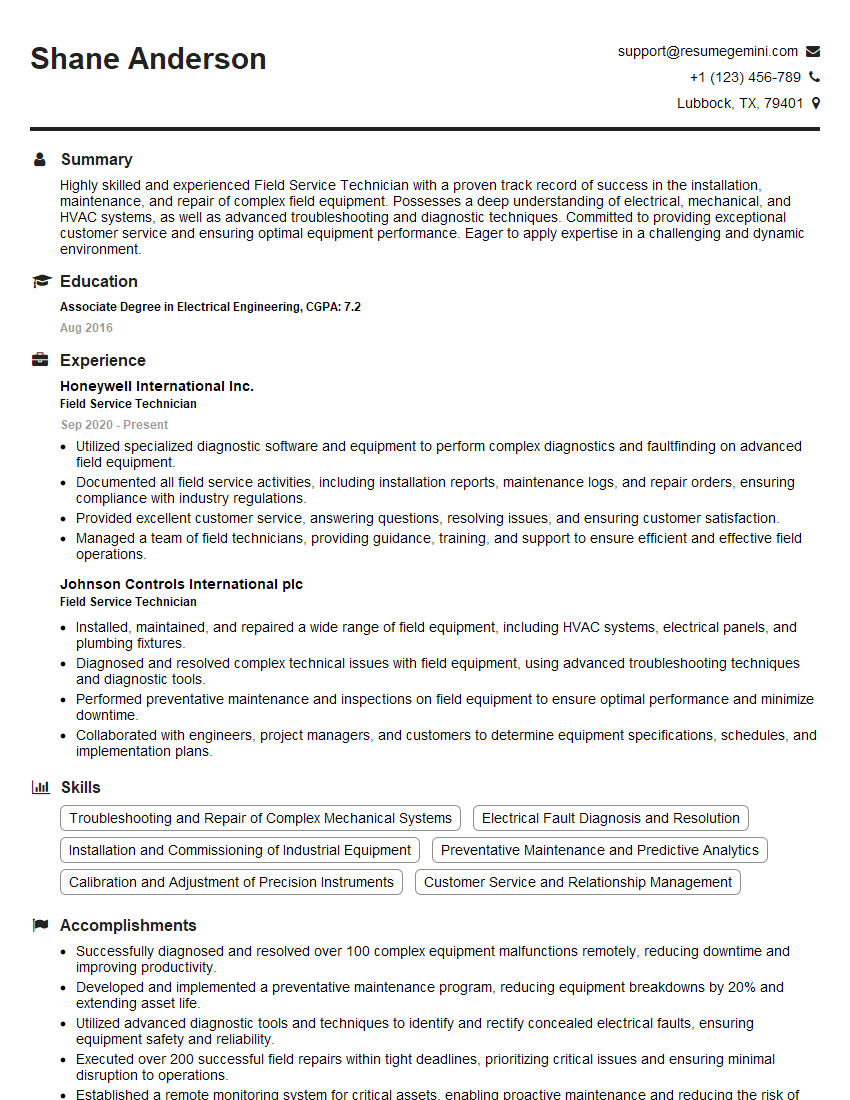
Field Service Technician Resume Sample

Automotive Service Manager Resume Sample
Lead Mechanic Resume Sample
Shop Foreman Resume Sample
Bus Mechanic Resume Sample
Trailer Mechanic Resume Sample
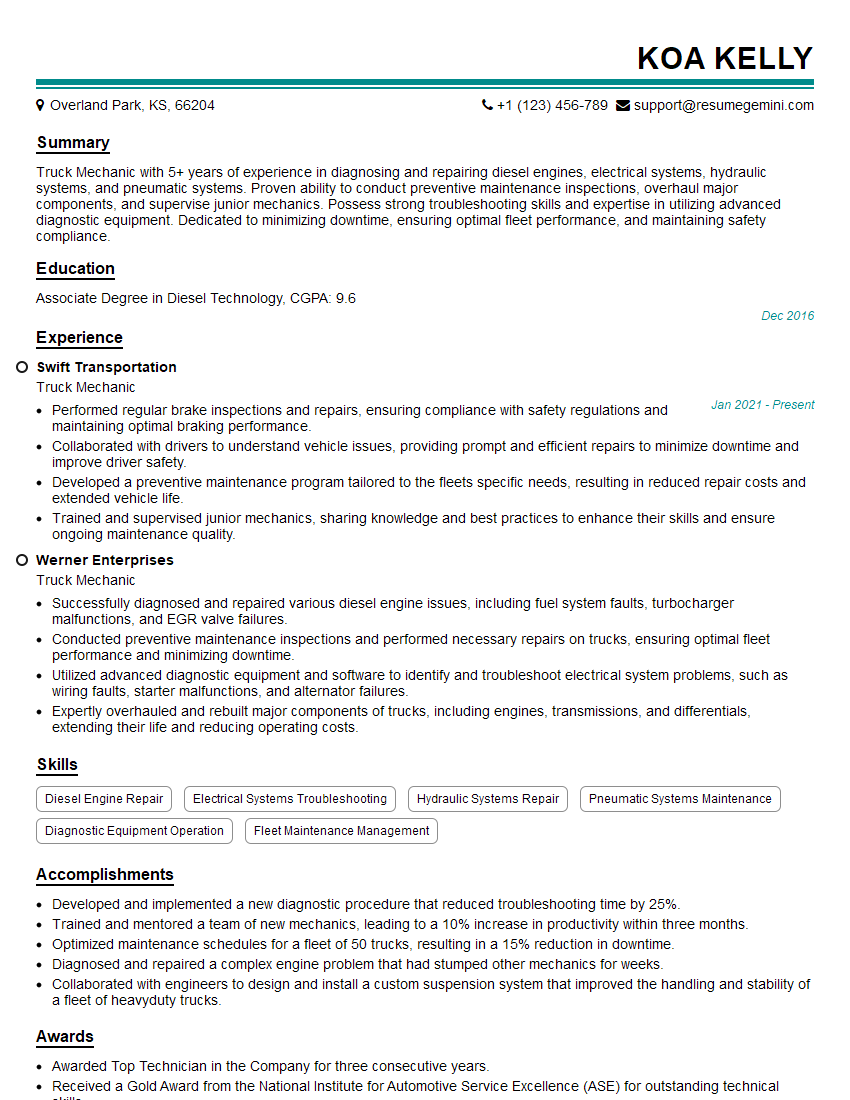
Truck Mechanic Resume Sample
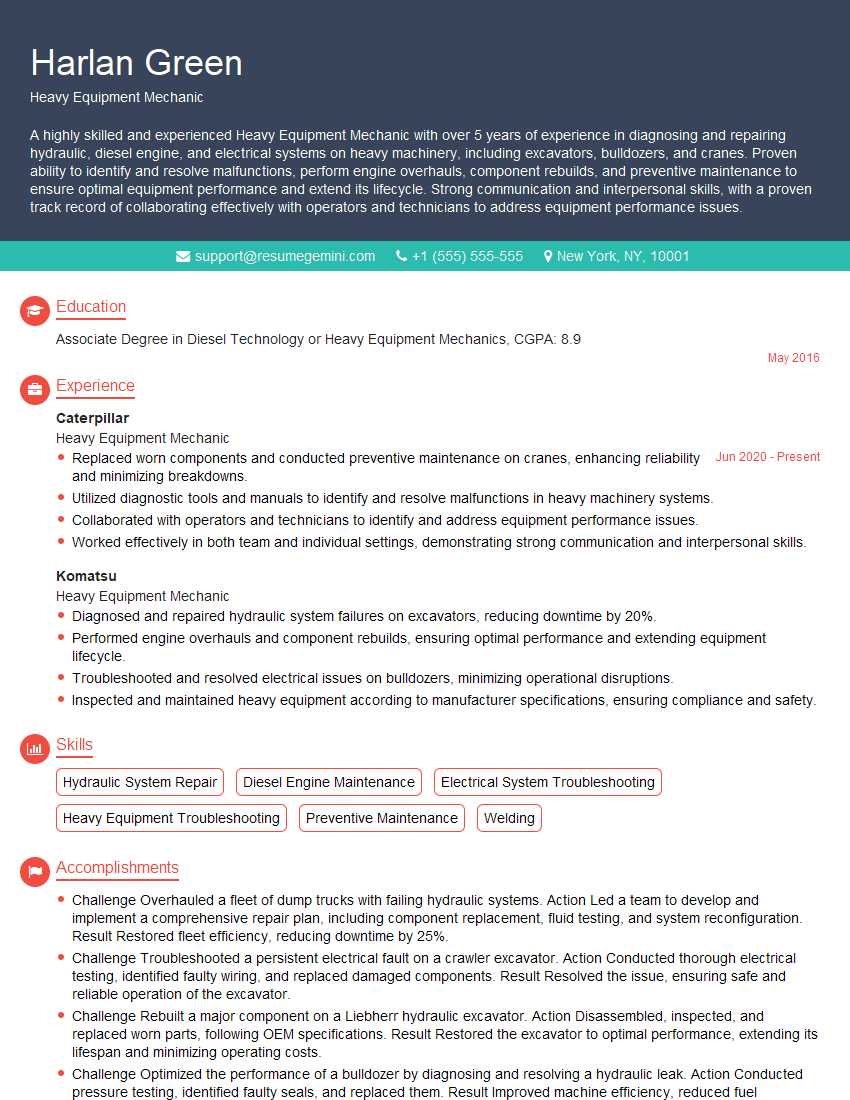
Heavy Equipment Mechanic Resume Sample
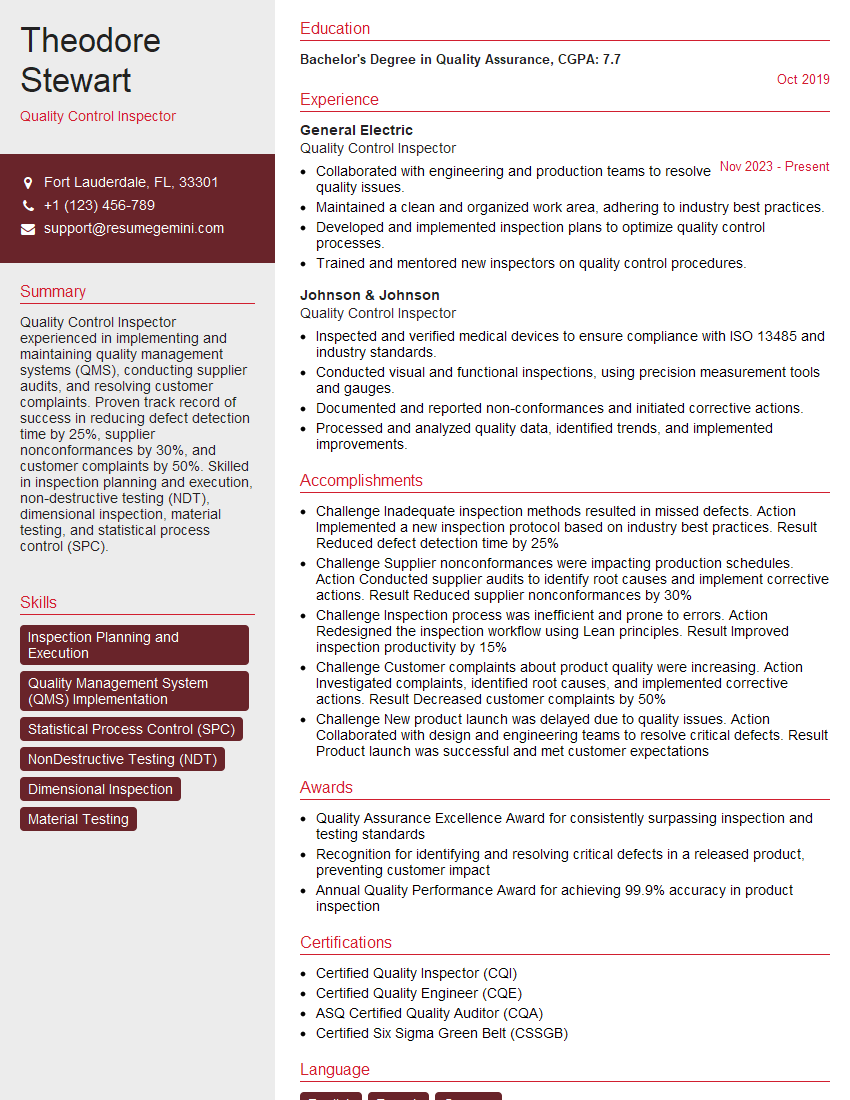
Quality Control Inspector Resume Sample
Explore more articles
Users Rating of Our Blogs
Share Your Experience
We value your feedback! Please rate our content and share your thoughts (optional).
What Readers Say About Our Blog
I Redesigned Spongebob Squarepants and his main characters of my artwork.
https://www.deviantart.com/reimaginesponge/art/Redesigned-Spongebob-characters-1223583608
IT gave me an insight and words to use and be able to think of examples
Hi, I’m Jay, we have a few potential clients that are interested in your services, thought you might be a good fit. I’d love to talk about the details, when do you have time to talk?
Best,
Jay
Founder | CEO