Interviews are opportunities to demonstrate your expertise, and this guide is here to help you shine. Explore the essential Drought Management Strategies interview questions that employers frequently ask, paired with strategies for crafting responses that set you apart from the competition.
Questions Asked in Drought Management Strategies Interview
Q 1. Explain the different stages of drought development.
Drought development isn’t a sudden event but a gradual process. Think of it like a slow leak in a reservoir – the impact becomes more severe over time. We typically categorize drought development into stages, though the specific names and thresholds can vary based on region and the type of drought being considered.
- Initial Stage: This is characterized by below-average precipitation, but the impact is minimal. Water reservoirs might be slightly lower than usual, but no significant consequences are felt yet. It’s like a small crack in the reservoir – barely noticeable.
- Moderate Stage: Below-average rainfall continues, and water supplies begin to dwindle. Some agricultural impacts start to appear, and water restrictions might be implemented. This is when the crack starts to widen, causing a slow but noticeable leak.
- Severe Stage: Prolonged dryness leads to significant water shortages. Reservoirs are critically low, impacting water supply for households and industries. Agriculture faces severe setbacks, with crop failures and livestock losses becoming increasingly common. The crack has become a sizeable hole, and the water loss is considerable.
- Extreme Stage: Water resources are severely depleted, leading to widespread impacts on the environment, economy, and society. Widespread wildfires, significant economic losses, and potential for social unrest can occur. This is a catastrophic breach of the reservoir, causing devastating damage.
- Exceptional Stage: This is the most severe stage, marked by unprecedented water shortages and catastrophic consequences. The social and economic impacts are far-reaching and long-lasting. Imagine the reservoir being completely empty.
It’s crucial to remember that these stages are not always linear. Drought conditions can intensify rapidly or even recede temporarily before worsening again.
Q 2. Describe various drought monitoring techniques and their limitations.
Drought monitoring relies on a combination of techniques, each with its strengths and limitations. Think of them as different lenses through which we view the drought’s severity.
- Meteorological Drought Monitoring: Uses precipitation data (rain gauges, satellite data) to track rainfall deficits. Limitation: Doesn’t directly reflect impacts on water resources or ecosystems; rainfall can be spatially variable.
- Agricultural Drought Monitoring: Assesses the impact of water stress on crops and livestock. Techniques include crop yield analysis, soil moisture measurements, and vegetation indices (NDVI from satellite imagery). Limitation: Data collection can be challenging, particularly in remote areas, and crop responses vary depending on factors beyond drought.
- Hydrological Drought Monitoring: Focuses on the availability of surface and groundwater. Data sources include river flow measurements, reservoir levels, and groundwater well levels. Limitation: Data collection may be limited in certain areas, and groundwater responses to drought are often delayed.
- Socioeconomic Drought Monitoring: Analyzes the economic and social impacts of drought, such as livestock losses, business closures, and unemployment. Limitation: Data collection relies heavily on surveys and reporting, which may not always be reliable or comprehensive.
The most effective monitoring strategy involves integrating data from multiple sources to provide a comprehensive understanding of the drought’s severity and impact.
Q 3. What are the key indicators used to assess drought severity?
Assessing drought severity requires considering several interconnected indicators. Imagine assessing patient health – you wouldn’t rely on just one symptom!
- Palmer Drought Severity Index (PDSI): A widely used index that considers precipitation, temperature, and soil moisture to estimate drought severity over various time scales.
- Standardized Precipitation Index (SPI): Focuses solely on precipitation departures from long-term averages, making it useful for various time scales (short-term to long-term droughts).
- Soil Moisture: Indicates the amount of water available to plants. Measured using various techniques, including in-situ probes and remote sensing.
- Streamflow: Measures the amount of water flowing in rivers and streams. Low streamflow indicates hydrological drought.
- Reservoir Levels: Provides information on the water stored in artificial reservoirs, indicating water availability for various purposes.
- Groundwater Levels: Measures the level of water in underground aquifers, indicating long-term water availability.
- Vegetation Indices (NDVI): Derived from satellite imagery, reflecting plant health and vigor and is a key indicator of agricultural drought.
The selection of indicators depends on the type of drought being assessed and the specific goals of the assessment.
Q 4. How do you differentiate between meteorological, agricultural, and hydrological droughts?
These three types of droughts represent different facets of the same problem – water scarcity – but manifest at different stages in the hydrological cycle. Imagine a bathtub slowly draining:
- Meteorological Drought: This is the initial trigger, characterized by a prolonged period of below-average precipitation. It’s like the faucet being turned off, reducing water inflow into the system.
- Agricultural Drought: This occurs when lack of rainfall leads to soil moisture deficits, negatively impacting crop yields and livestock. This is when the water level in the tub starts to visibly decrease and impact the plants (crops) within the tub.
- Hydrological Drought: This is manifested as reduced surface and groundwater supplies, affecting river flows, reservoir levels, and groundwater availability. This is when the water level in the tub gets critically low, potentially leading to a shortage for all uses.
It’s important to note that these drought types are often interconnected. A meteorological drought can lead to agricultural and hydrological droughts, highlighting the importance of integrated drought monitoring and management.
Q 5. Explain the concept of drought forecasting and its role in mitigation.
Drought forecasting, much like weather forecasting, uses climate models and historical data to predict the likelihood and severity of future droughts. It’s like trying to predict how fast the bathtub will drain based on the size of the hole and the initial water level.
Role in Mitigation:
- Early Warning Systems: Enables proactive drought management strategies, giving communities time to prepare and reduce the impact of drought.
- Resource Allocation: Helps in efficient allocation of water resources, ensuring sufficient water for critical needs during drought periods.
- Infrastructure Planning: Supports the planning and development of drought-resistant infrastructure, such as water storage facilities and efficient irrigation systems.
- Policy Development: Informs the development of effective drought policies and regulations.
The accuracy of drought forecasts varies depending on the forecasting lead time and the complexity of the climate system. However, even probabilistic forecasts can be valuable tools for decision-making.
Q 6. Describe different drought management strategies at the local, regional, and national levels.
Drought management strategies must be tailored to the specific context, encompassing local, regional, and national levels. Think of it as a layered approach to dealing with the problem.
- Local Level: Focuses on community-level preparedness and response. Strategies include water conservation programs, community-based early warning systems, and development of drought-resistant crops.
- Regional Level: Coordinates water management across multiple jurisdictions. Strategies include inter-basin water transfers, regional water conservation plans, and joint drought monitoring efforts.
- National Level: Develops national drought policies, regulations, and funding mechanisms. Strategies include national drought monitoring programs, development of drought preparedness plans, and support for research and innovation in drought management.
Effective drought management requires a multi-level, integrated approach that involves all stakeholders, including governments, communities, and individuals.
Q 7. What are the primary water conservation techniques applicable during drought conditions?
Water conservation during drought conditions is crucial. These techniques are essential for minimizing the impact of water scarcity. Think of these strategies as tightening your belt.
- Water-Efficient Irrigation: Using techniques like drip irrigation and micro-sprinklers minimizes water loss and enhances efficient water use.
- Rainwater Harvesting: Collecting rainwater for later use in gardening, household chores, or irrigation purposes.
- Improved Agricultural Practices: Implementing drought-resistant crops, crop rotation, and conservation tillage practices.
- Leak Detection and Repair: Regularly checking for and repairing leaks in water distribution systems.
- Public Awareness Campaigns: Educating the public about water conservation measures and encouraging responsible water use.
- Water Recycling and Reuse: Utilizing treated wastewater for non-potable purposes like irrigation or industrial cooling.
- Water Pricing Mechanisms: Implementing pricing policies that incentivize water conservation.
The specific techniques implemented will depend on the local context, available technology, and economic conditions.
Q 8. How can remote sensing technologies be used in drought monitoring and assessment?
Remote sensing technologies are invaluable for drought monitoring and assessment because they provide a synoptic view of large areas, overcoming the limitations of ground-based measurements. Essentially, satellites and aircraft equipped with sensors collect data about Earth’s surface, which can then be analyzed to understand drought conditions.
- Satellite Imagery: Satellites capture images in various spectral bands (visible, near-infrared, thermal infrared). These bands reveal information about vegetation health (Normalized Difference Vegetation Index or NDVI), soil moisture, and land surface temperature. Lower NDVI values, for example, indicate stressed vegetation, a key drought indicator. A decrease in soil moisture and an increase in land surface temperature further confirm drought severity.
- Remotely Sensed Data Analysis: Sophisticated software processes this raw data to create maps and indices that quantify drought severity and extent. For instance, the Standardized Precipitation Index (SPI) can be estimated using rainfall data derived from remotely sensed data. This allows for timely identification of drought-affected regions and the assessment of its intensity.
- Real-time Monitoring: Many satellites provide near real-time data, enabling rapid responses to developing drought conditions. This allows for quicker implementation of mitigation strategies, saving lives and resources.
For example, during the 2012 US drought, satellite imagery helped pinpoint areas experiencing severe crop losses, enabling targeted aid distribution and informing agricultural policy changes.
Q 9. Discuss the role of GIS in drought management planning and response.
Geographic Information Systems (GIS) are crucial for drought management, acting as a central platform for integrating, analyzing, and visualizing diverse spatial data related to drought. Think of it as a powerful map-making tool specialized for drought management.
- Data Integration: GIS combines various datasets including rainfall data, soil type maps, elevation models, population density, and infrastructure details. This integration allows for a comprehensive understanding of drought vulnerability and impact.
- Risk Assessment and Mapping: GIS creates maps depicting drought risk zones, enabling proactive planning and targeted interventions. This helps prioritize resources to the areas most at risk.
- Monitoring and Evaluation: GIS tracks the progression of droughts, evaluates the effectiveness of implemented strategies, and allows adjustments to be made as needed. For instance, you could visualize the effectiveness of water conservation measures by comparing before-and-after imagery.
- Decision Support: GIS provides valuable information to support decision-making regarding water allocation, disaster response, and the development of drought mitigation policies. This ensures that responses are informed and efficient.
Imagine a scenario where a region experiences prolonged drought. GIS can overlay rainfall data with population density to identify communities most vulnerable to water shortages. This allows for the targeted deployment of water tankers and the prioritization of relief efforts.
Q 10. What are the economic impacts of drought, and how can they be mitigated?
Droughts have significant economic repercussions across various sectors. The impacts are far-reaching and can last for years, even decades after the drought itself has ended.
- Agriculture: Reduced crop yields and livestock losses lead to substantial income losses for farmers. Food prices also rise, impacting consumers and the overall economy.
- Water Resources: Reduced water availability for irrigation, industrial use, and domestic consumption can disrupt economic activities in multiple industries and municipalities.
- Tourism: Droughts negatively impact tourism, especially in areas relying on water-based activities, such as recreation and water sports. This causes lost revenue for businesses dependent on the tourism sector.
- Energy Sector: Hydropower generation decreases significantly, affecting electricity production and supply. Reduced water availability can also hamper the cooling processes in thermal power plants.
Mitigation strategies can include:
- Investing in drought-resistant crops and improved irrigation techniques: This makes agriculture more resilient to drought.
- Implementing water conservation measures across sectors: Reducing water use in industries and municipalities protects water resources.
- Developing drought insurance programs: These financial instruments help farmers and businesses recover from drought-related losses.
- Diversifying the economy: Reducing reliance on drought-sensitive sectors can help cushion the economic impact.
For example, the 2011-2012 drought in East Africa resulted in massive agricultural losses, widespread food insecurity, and severe economic disruption. Implementing drought-resistant crops and improving water management would have significantly mitigated these effects.
Q 11. How can effective communication strategies improve public awareness and response during droughts?
Effective communication is paramount during droughts to ensure public awareness and appropriate responses. It’s about translating complex scientific information into easily understandable messages that motivate action.
- Early Warning Systems: Timely and accurate information on drought conditions is crucial. This involves establishing and maintaining robust early warning systems that reach vulnerable populations.
- Multi-channel Communication: Utilizing diverse channels like radio, television, social media, community meetings, and mobile alerts ensures that messages reach a wide audience, particularly those in remote or marginalized communities.
- Plain Language and Visual Aids: Communication materials should use plain language and avoid technical jargon. Incorporating visuals like maps, charts, and infographics enhances understanding and engagement.
- Community Engagement: Engaging local leaders and community organizations helps ensure that information is effectively disseminated and interpreted within local contexts.
- Tailored Messaging: Messages need to be tailored to specific audiences, taking into account their level of understanding and their needs. For example, farmers need information on drought-resistant crops, while urban dwellers need information on water conservation.
Consider a scenario where a drought is developing. Effective communication could involve issuing timely warnings about water restrictions, providing information about water conservation tips, and informing the public about where to access emergency water supplies. This proactive approach reduces panic and ensures a coordinated response.
Q 12. Explain the importance of water allocation policies during drought periods.
Water allocation policies during droughts are vital for ensuring equitable distribution of scarce water resources and preventing conflict. These policies determine how water is prioritized amongst different users.
- Prioritization of Essential Uses: Policies typically prioritize water for human consumption (drinking water and sanitation) and essential services such as healthcare, before allocating water for agriculture or industry.
- Water Rights and Allocation Mechanisms: Existing water rights and allocation mechanisms may need to be temporarily adjusted during drought to ensure fair distribution and prevent inequitable impacts.
- Water Conservation Incentives: Policies can incentivize water conservation through pricing mechanisms, subsidies for water-efficient technologies, and penalties for excessive water use. This encourages responsible water management.
- Inter-sectoral Coordination: Effective water allocation necessitates close coordination between various sectors (agriculture, industry, municipalities). This helps manage water resources effectively and prevent conflict.
- Transparency and Accountability: Clear communication of water allocation decisions and their rationale builds trust and fosters public acceptance.
For instance, a region facing severe drought might implement temporary restrictions on agricultural water use to ensure sufficient water for human consumption. Such a policy, while impacting farmers, prevents potential public health crises and ensures equitable access to essential resources. Transparent and clearly communicated policies are critical for acceptance and cooperation.
Q 13. Describe various strategies for managing agricultural water use during droughts.
Managing agricultural water use during droughts requires a multifaceted approach focusing on efficiency, conservation, and alternative water sources.
- Improved Irrigation Techniques: Switching from flood irrigation to more efficient methods like drip or sprinkler irrigation significantly reduces water waste. These techniques deliver water directly to plant roots, minimizing evaporation and runoff.
- Water Harvesting and Storage: Collecting rainwater and storing it in reservoirs or tanks provides a supplementary water source during drought. This reduces reliance on dwindling surface water sources.
- Drought-resistant Crops: Planting crops that require less water reduces water demands and ensures higher yields under drought conditions. This requires careful selection based on local climate and soil conditions.
- Crop Rotation and Cover Cropping: Rotating crops can improve soil health and water retention capacity. Cover crops can help prevent soil erosion and conserve moisture.
- Precision Agriculture: Using sensors and data analytics to monitor soil moisture and plant water stress allows for precise irrigation scheduling, minimizing water waste and optimizing water use.
For example, a farmer in a drought-prone region could adopt drip irrigation, plant drought-resistant sorghum instead of water-intensive rice, and implement rainwater harvesting to supplement irrigation water. This integrated approach helps ensure sustainable agricultural production even during dry periods.
Q 14. What are the challenges in implementing drought-resistant crops?
Developing and implementing drought-resistant crops presents several challenges:
- Genetic Limitations: Finding genes that confer drought tolerance in major crops can be challenging. Breeding programs require extensive research and time to develop suitable varieties.
- Yield Trade-offs: Drought-resistant varieties often have lower yields under optimal water conditions. Farmers might hesitate to adopt them unless the yield advantage under drought conditions outweighs the potential yield loss under normal conditions.
- Adaptation to Diverse Environments: Drought tolerance mechanisms vary depending on environmental factors like soil type, temperature, and salinity. Developing drought-resistant varieties adaptable across diverse environments is complex.
- Cost and Access: Developing and distributing drought-resistant seeds can be expensive, making them inaccessible to many smallholder farmers in developing countries.
- Farmer Adoption: Farmers may be hesitant to adopt new varieties due to lack of awareness, trust issues, or perceived risks. Extending training and promoting the benefits of using these crops is crucial for successful adoption.
For example, while significant progress has been made in developing drought-tolerant maize varieties, these varieties may not perform well in all environments, and their adoption can be hampered by factors such as cost and farmer resistance to change. This highlights the need for integrated approaches that include not just crop improvement but also extension services and supportive policies.
Q 15. How can infrastructure investments improve drought resilience?
Strategic infrastructure investments are crucial for building drought resilience. Think of it like building a stronger immune system for a region facing water scarcity. Instead of simply reacting to drought, we proactively strengthen our ability to withstand and recover from it.
Water Storage and Conveyance: Expanding reservoir capacity, constructing new dams (carefully considering environmental impacts), and improving water conveyance systems (pipelines, canals) allow for better water capture and distribution during wet periods to buffer against dry periods. For example, the Three Gorges Dam in China, while controversial, significantly improves water availability in downstream regions.
Water Treatment and Reuse: Investing in advanced water treatment technologies enables the reuse of treated wastewater for agricultural irrigation or industrial processes, reducing reliance on freshwater sources during drought. Singapore, for instance, has become a world leader in water recycling.
Improved Irrigation Infrastructure: Shifting from inefficient flood irrigation to drip or sprinkler irrigation systems drastically reduces water consumption in agriculture, the largest water user in many regions. This technology maximizes water efficiency by precisely targeting plants’ root zones, minimizing evaporation losses.
Groundwater Management: Implementing better monitoring systems for groundwater levels and developing sustainable groundwater extraction practices prevents over-exploitation and ensures a reliable source during droughts. Sustainable practices include implementing recharge basins to replenish groundwater reserves.
Career Expert Tips:
- Ace those interviews! Prepare effectively by reviewing the Top 50 Most Common Interview Questions on ResumeGemini.
- Navigate your job search with confidence! Explore a wide range of Career Tips on ResumeGemini. Learn about common challenges and recommendations to overcome them.
- Craft the perfect resume! Master the Art of Resume Writing with ResumeGemini’s guide. Showcase your unique qualifications and achievements effectively.
- Don’t miss out on holiday savings! Build your dream resume with ResumeGemini’s ATS optimized templates.
Q 16. Discuss the role of early warning systems in drought management.
Early warning systems are the sentinels of drought management. They provide the crucial advance notice needed to prepare for and mitigate the impacts of drought. Imagine them as an advanced weather forecast, but for water scarcity.
These systems utilize a combination of data sources, including rainfall measurements, soil moisture data, streamflow monitoring, and remote sensing technologies (satellite imagery). This data is analyzed using sophisticated models to predict drought onset, severity, and duration. This prediction allows for timely interventions.
Mitigation Actions: Early warnings allow for proactive measures like implementing water restrictions, preparing for livestock feed shortages, and initiating emergency water supplies.
Resource Allocation: Governments and agencies can allocate resources more effectively, focusing aid where it’s most needed.
Public Awareness: Timely warnings educate and empower communities to take preventive actions, minimizing the impact of drought on their livelihoods.
Effective early warning systems require robust data infrastructure, reliable communication channels, and a strong capacity for analysis and dissemination of information. For instance, countries regularly using the Standardized Precipitation Index (SPI) can efficiently monitor drought conditions and issue warnings.
Q 17. Explain the importance of integrated water resource management during drought.
Integrated water resource management (IWRM) is a holistic approach to managing water resources, crucial during drought. It moves beyond managing individual water sources (rivers, lakes, groundwater) in isolation to consider the entire system and its interconnectedness. Think of it like orchestrating a symphony – all the instruments (water sources, users) must work together harmoniously.
During drought, IWRM ensures that water is allocated fairly and efficiently across competing demands (agriculture, industry, domestic use, environment). This involves:
Water Allocation Planning: Developing strategies for equitable water distribution based on needs and priorities.
Demand Management: Implementing measures to reduce water demand through conservation and efficiency improvements.
Inter-sectoral Collaboration: Fostering collaboration between different water users (farmers, industries, municipalities) to address water scarcity collectively.
Environmental Flow Considerations: Ensuring sufficient water flows are maintained in rivers and streams to protect aquatic ecosystems.
A successful example is the Murray-Darling Basin Plan in Australia, which seeks to manage water resources across a vast and complex river system, though challenges in implementation continue.
Q 18. Describe different approaches to drought risk assessment and planning.
Drought risk assessment and planning involve systematically evaluating the likelihood and potential impacts of drought. It’s like performing a risk assessment on your home – identifying potential threats (drought) and developing strategies to mitigate those threats.
Hazard Assessment: This analyzes historical drought data, climate projections, and hydrological modeling to determine the probability and severity of future droughts.
Vulnerability Assessment: This identifies the sectors and communities most vulnerable to drought impacts (e.g., agriculture, tourism, water-stressed communities).
Impact Assessment: This evaluates the potential economic, social, and environmental consequences of drought.
Risk Mapping: This visualizes drought risk across a geographic area, identifying high-risk zones that require targeted interventions.
Planning approaches typically involve developing drought preparedness plans, contingency plans for emergency situations, and drought mitigation strategies. These plans may include water conservation measures, early warning systems, financial assistance programs, and drought-resistant crop varieties. California’s extensive drought planning, incorporating both risk assessments and mitigation strategies, serves as a relevant example (though challenges remain).
Q 19. What are the ethical considerations in water resource management during drought?
Ethical considerations in water resource management during drought are paramount. They involve ensuring fairness, equity, and sustainability in water allocation and use. It’s about making choices that consider everyone and the planet’s well-being.
Equitable Water Allocation: This addresses the challenge of distributing limited water resources fairly among different user groups and communities, avoiding situations where some benefit disproportionately at the expense of others.
Environmental Protection: It involves balancing human needs with environmental protection, recognizing the intrinsic value of ecosystems and the importance of maintaining minimum environmental flows.
Intergenerational Equity: This requires managing water resources sustainably to ensure future generations have access to adequate water supplies, considering long-term consequences of current decisions.
Transparency and Accountability: Openness and accountability in decision-making processes build public trust, ensuring that water management actions are justified and consistent with ethical principles.
For instance, prioritizing essential human needs (drinking water) over non-essential uses (e.g., golf courses) during severe drought is an ethical decision that often faces practical challenges.
Q 20. How can community engagement contribute to effective drought management?
Community engagement is the cornerstone of effective drought management. It involves actively involving local communities in all aspects of drought planning, response, and recovery. Think of it as a collaborative effort, where everyone’s voice is heard and their knowledge utilized.
Effective community engagement involves:
Participatory Planning: Involving communities in the development of drought plans and strategies ensures that plans are realistic, locally relevant, and supported by the community.
Information Sharing: Providing communities with timely and accessible information about drought conditions, impacts, and response measures promotes understanding and preparedness.
Capacity Building: Empowering communities with knowledge and skills to effectively manage drought at the local level ensures long-term sustainability.
Conflict Resolution: Facilitating dialogue and negotiation among different stakeholders to address competing demands for water and resolve potential conflicts.
For example, involving farmers in the design and implementation of water conservation programs can lead to higher adoption rates and better outcomes compared to top-down approaches.
Q 21. Describe the role of government agencies in drought response and recovery.
Government agencies play a critical role in coordinating and implementing drought response and recovery efforts. They provide the leadership, resources, and regulations necessary for effective drought management. Think of them as the orchestra conductor, ensuring all parts of the system work together.
Their roles include:
Drought Monitoring and Forecasting: Collecting and analyzing data to monitor drought conditions and issue early warnings.
Policy Development and Implementation: Developing and enforcing drought policies, regulations, and guidelines.
Resource Allocation and Funding: Providing financial and technical assistance to communities and sectors affected by drought.
Emergency Response: Coordinating emergency response efforts during severe drought situations.
Research and Development: Investing in research to improve drought monitoring, prediction, and management techniques.
The effectiveness of government agencies hinges on their capacity for inter-agency coordination, transparency, responsiveness, and collaboration with other stakeholders. The success of drought management is often directly tied to the efficiency and effectiveness of these agencies.
Q 22. Explain different financial mechanisms for drought mitigation and adaptation.
Financial mechanisms for drought mitigation and adaptation are crucial for building resilience. They range from direct government spending to market-based incentives and insurance schemes.
Government Subsidies and Grants: Direct financial support for drought-resistant crops, water-efficient irrigation technologies, and infrastructure development like reservoirs and pipelines. For example, the US government offers various farm subsidies to help farmers cope with drought.
Drought Insurance: Farmers and ranchers can purchase insurance policies that provide financial compensation for losses incurred due to drought. This helps them manage risk and avoid financial ruin during dry periods. A good example is the US’s Federal Crop Insurance program.
Water Banking and Trading: These market-based approaches allow water users to store water during wet periods and sell or trade it during drought. This creates a more efficient and flexible water allocation system. California’s water banking system is a prime example.
Microfinance and Credit Facilities: Providing access to affordable credit for drought-affected communities helps them invest in mitigation and adaptation measures. This can include loans for drought-resistant livestock breeds or water harvesting techniques.
Disaster Relief Funds: Governments allocate funds specifically for emergency relief during severe droughts, providing financial assistance for food aid, livestock support, and infrastructure repairs.
Q 23. How can international cooperation support drought-affected regions?
International cooperation is vital for effective drought management, especially in regions with limited resources. This collaboration can take many forms:
Sharing of Knowledge and Best Practices: Developed nations can share their expertise and technological advancements in drought monitoring, forecasting, and mitigation with developing countries. This includes sharing data from advanced weather satellites and disseminating information on successful drought management strategies.
Financial Assistance: Developed countries and international organizations can provide financial aid to drought-affected regions through grants, loans, and debt relief. This support can fund drought preparedness programs and post-drought recovery efforts.
Technological Transfer: Transferring technologies like drought-resistant crop varieties, efficient irrigation systems, and water harvesting techniques can significantly improve the resilience of drought-prone areas. This involves collaboration between research institutions and local communities to ensure technology appropriateness.
Capacity Building: Training local professionals in drought monitoring, forecasting, and management techniques is essential for long-term sustainability. This involves providing education and workshops on drought preparedness, response, and recovery.
Joint Research Initiatives: Collaborative research projects can help to better understand the causes and impacts of drought, leading to the development of more effective mitigation and adaptation strategies. This is especially crucial for understanding the role of climate change in intensifying drought events.
Q 24. Discuss the impact of climate change on drought frequency and severity.
Climate change is significantly altering drought patterns, making them more frequent, severe, and prolonged in many regions. This is due to changes in temperature, precipitation patterns, and evapotranspiration rates.
Increased Temperatures: Higher temperatures lead to increased evaporation, drying out soils and reducing water availability. This exacerbates existing drought conditions and can lead to more frequent and intense wildfires.
Altered Precipitation Patterns: Climate change is disrupting rainfall patterns, resulting in more erratic and intense rainfall events interspersed with longer periods of drought. This makes it difficult to manage water resources effectively.
Changes in Snowpack: Reduced snowpack in mountainous regions, due to warmer temperatures, leads to diminished water supplies during the crucial spring melt season. This impacts water availability for agriculture, hydropower generation, and other sectors.
Increased Evapotranspiration: Higher temperatures increase the rate of evapotranspiration (water loss from soil and plants), further reducing water availability and exacerbating drought conditions.
The combined effect of these changes is a greater vulnerability to drought, requiring a significant shift in drought management strategies.
Q 25. What are the key performance indicators (KPIs) for evaluating drought management programs?
Key Performance Indicators (KPIs) for evaluating drought management programs are crucial for assessing their effectiveness. They should encompass a range of factors, including:
Drought Severity and Duration: Monitoring the intensity and length of drought events to assess the effectiveness of early warning systems and mitigation efforts.
Water Availability: Measuring changes in groundwater levels, reservoir storage, and river flows to track the impact of management programs on water resources.
Agricultural Productivity: Assessing crop yields, livestock production, and overall agricultural output to determine the success of drought mitigation strategies in protecting the agricultural sector.
Economic Impacts: Evaluating the economic costs of drought, including losses in agriculture, industry, and tourism, to assess the effectiveness of economic mitigation measures.
Social Impacts: Monitoring impacts on livelihoods, health, and displacement of populations to evaluate the programs’ societal impacts.
Community Resilience: Assessing the capacity of communities to adapt to and recover from drought, including their access to resources and information.
Compliance with Regulations: Measuring adherence to water use restrictions and other drought management regulations.
These KPIs should be tracked over time and compared to baseline data to evaluate the long-term effectiveness of the programs.
Q 26. Describe your experience developing and implementing a drought management plan.
In my previous role with the [Organization Name], I led the development and implementation of a comprehensive drought management plan for the [Region Name] region. The plan incorporated several key elements:
Drought Monitoring and Forecasting: Establishing a robust system for monitoring rainfall, soil moisture, and other drought indicators, integrating data from various sources, including weather stations, satellite imagery, and hydrological models. This allowed for early warning of impending drought events.
Water Resource Management: Implementing water allocation strategies, such as prioritizing water for essential uses (e.g., drinking water) and encouraging water conservation measures across sectors. This included promoting water-efficient irrigation techniques and educating the public on water-saving practices.
Agricultural Drought Mitigation: Developing strategies to support the agricultural sector during drought, including providing drought-resistant crop varieties, promoting crop diversification, and offering financial assistance to farmers.
Community Engagement and Education: Developing and implementing educational campaigns to raise awareness about drought risks, promote water conservation practices, and empower communities to participate in drought management.
Emergency Response Planning: Developing emergency response plans to manage severe drought scenarios, including mechanisms for delivering aid and assistance to vulnerable communities.
The plan was implemented in phases, with regular monitoring and evaluation to assess effectiveness and make necessary adjustments. The outcome was a significant improvement in community resilience to drought and reduced economic losses during drought events.
Q 27. How would you handle a situation where water resources are severely depleted?
Severe depletion of water resources necessitates a multi-pronged approach prioritizing immediate action and long-term solutions. The strategy would include:
Declare a Water Emergency: Implementing stringent water use restrictions, including mandatory rationing and potential bans on non-essential water uses. This requires clear communication with the public to ensure compliance and understanding.
Prioritize Essential Water Uses: Ensuring that water is available for critical needs, such as drinking water, sanitation, and healthcare, before allocating water to other uses like agriculture or industry.
Explore Emergency Water Sources: Investigating alternative water sources, such as desalination plants, groundwater extraction (carefully managed to avoid over-extraction), and water trucking to augment supplies.
Enhance Water Conservation Efforts: Implementing intensive water conservation campaigns, promoting water-efficient technologies, and providing incentives to reduce water consumption in all sectors.
Implement Strict Enforcement: Enforcing water use restrictions and regulations to ensure compliance and prevent illegal water extraction.
Long-Term Planning: Investing in long-term infrastructure development, such as expanding water storage capacity, improving water infrastructure, and diversifying water sources to prepare for future drought events. This includes exploring water reuse and recycling technologies.
It’s crucial to maintain open communication throughout the emergency, working collaboratively with all stakeholders, including the community, government agencies, and industries.
Q 28. What are some innovative approaches to drought management that you are aware of?
Several innovative approaches are transforming drought management:
Precision Irrigation Technologies: Utilizing sensors, drones, and data analytics to monitor soil moisture and apply water only where and when needed, significantly reducing water waste in agriculture.
Cloud Seeding: While controversial, cloud seeding techniques aim to enhance precipitation in drought-affected regions by introducing materials into clouds to stimulate rainfall. However, its effectiveness is debated and requires careful evaluation.
Water Harvesting and Reuse: Implementing systems to collect and store rainwater, and reusing treated wastewater for non-potable purposes such as irrigation, reducing reliance on dwindling freshwater supplies.
Drought-Resistant Crops: Developing and promoting drought-tolerant crop varieties that can survive and produce yields in drier conditions, enhancing agricultural resilience.
AI and Machine Learning in Drought Prediction: Utilizing advanced data analytics and artificial intelligence to improve drought forecasting accuracy, allowing for better planning and mitigation efforts. These models integrate climate data, soil conditions, and historical drought patterns.
These innovative technologies are crucial for improving efficiency, building resilience, and addressing the challenges posed by increasingly frequent and severe droughts.
Key Topics to Learn for Drought Management Strategies Interview
- Drought Monitoring and Prediction: Understanding various drought indices (e.g., Palmer Drought Severity Index), remote sensing techniques, and forecasting models to anticipate drought events.
- Water Conservation and Efficiency: Exploring practical applications like rainwater harvesting, drip irrigation, efficient irrigation scheduling, and water-wise landscaping.
- Drought-Resistant Crops and Agricultural Practices: Investigating drought-tolerant crop varieties, dryland farming techniques, and soil moisture management strategies.
- Water Allocation and Management: Analyzing water rights, allocation policies, and the development of effective water management plans during drought conditions.
- Economic Impacts of Drought and Mitigation Strategies: Examining the economic consequences of drought on various sectors and exploring financial assistance programs and risk management techniques.
- Community Engagement and Education: Understanding the importance of public awareness campaigns and community-based drought preparedness strategies.
- Policy and Legislation: Familiarizing yourself with relevant national and international policies and regulations related to drought management.
- Climate Change Adaptation and Drought Resilience: Exploring the relationship between climate change and drought frequency/severity and strategies for building long-term drought resilience.
- Technological Solutions for Drought Management: Investigating the role of technology, such as smart irrigation systems and water-efficient technologies, in mitigating drought impacts.
- Case Studies and Best Practices: Analyzing successful drought management strategies implemented in different regions and contexts.
Next Steps
Mastering drought management strategies is crucial for a successful career in environmental science, agriculture, water resources management, and related fields. A strong understanding of these concepts significantly enhances your job prospects and allows you to contribute meaningfully to addressing this global challenge. To maximize your chances of landing your dream role, create an ATS-friendly resume that highlights your relevant skills and experience. ResumeGemini is a trusted resource that can help you build a professional and impactful resume. They offer examples of resumes tailored specifically to Drought Management Strategies to guide you through the process. Invest time in crafting a compelling resume – it’s your first impression on potential employers.
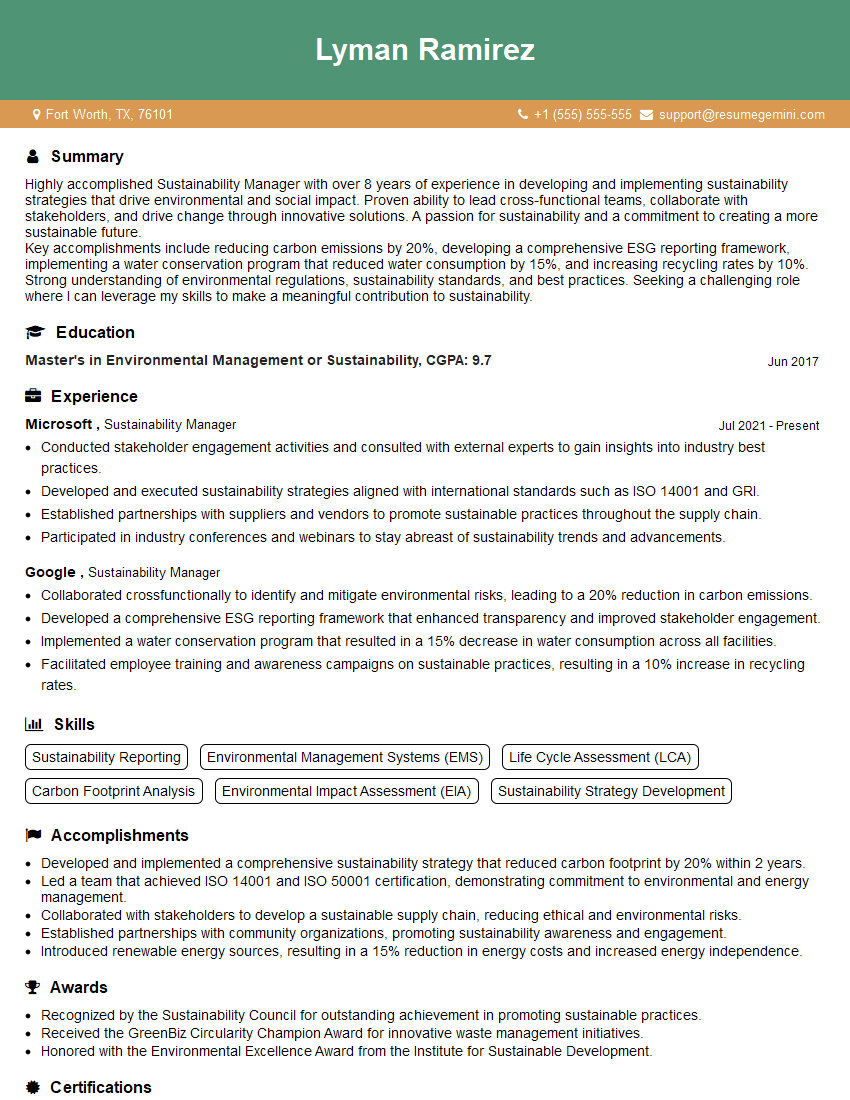
Sustainability Manager Resume Sample
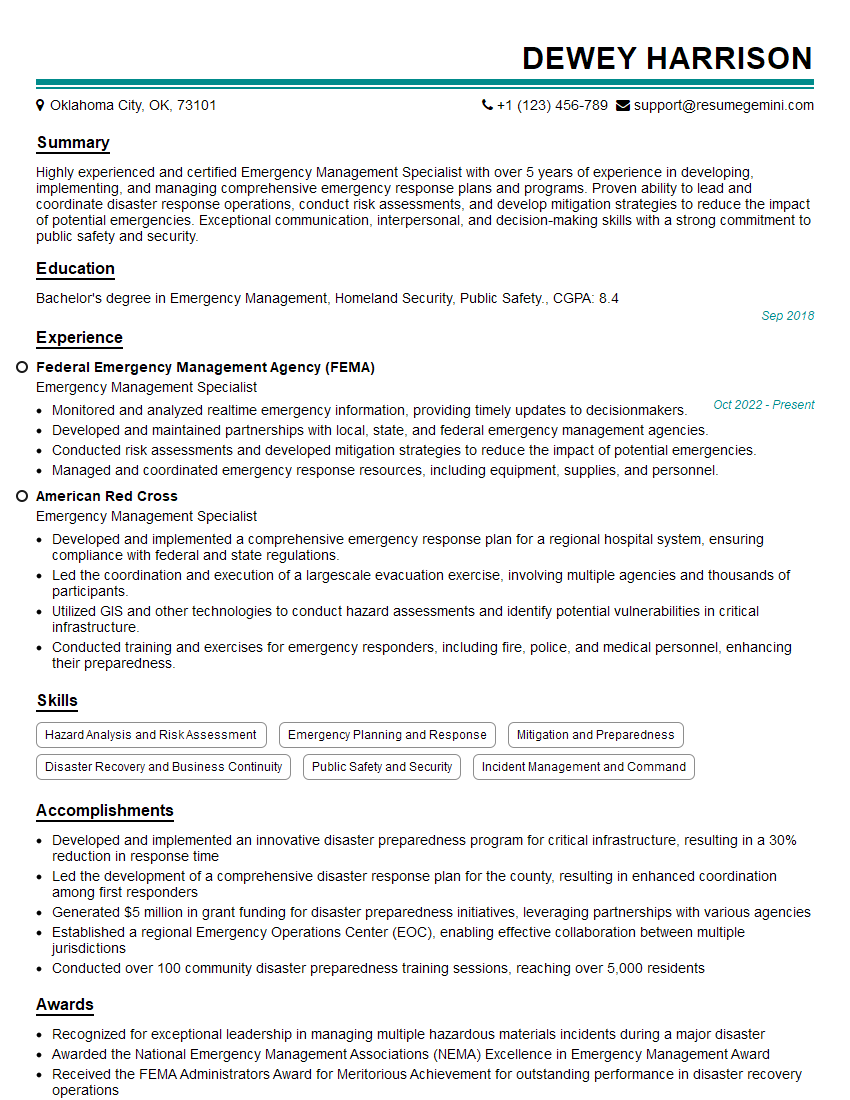
Emergency Management Specialist Resume Sample

Sustainability Consultant Resume Sample
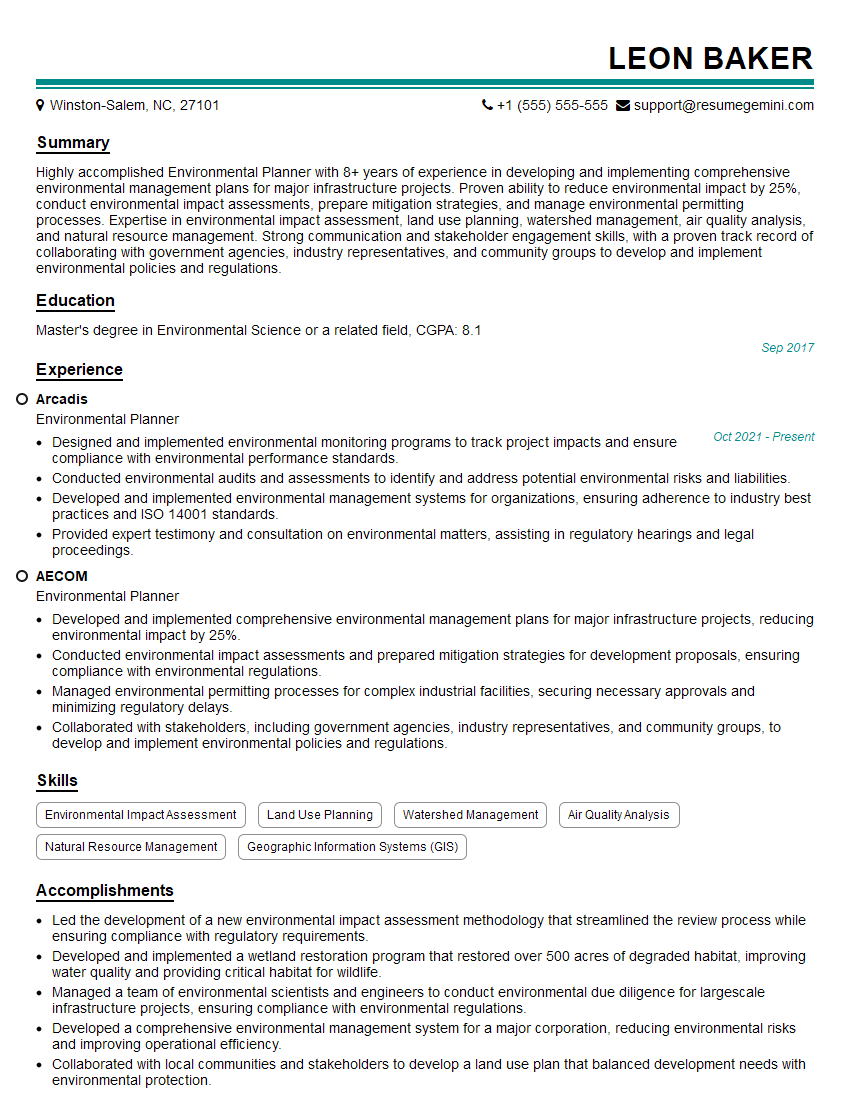
Environmental Planner Resume Sample
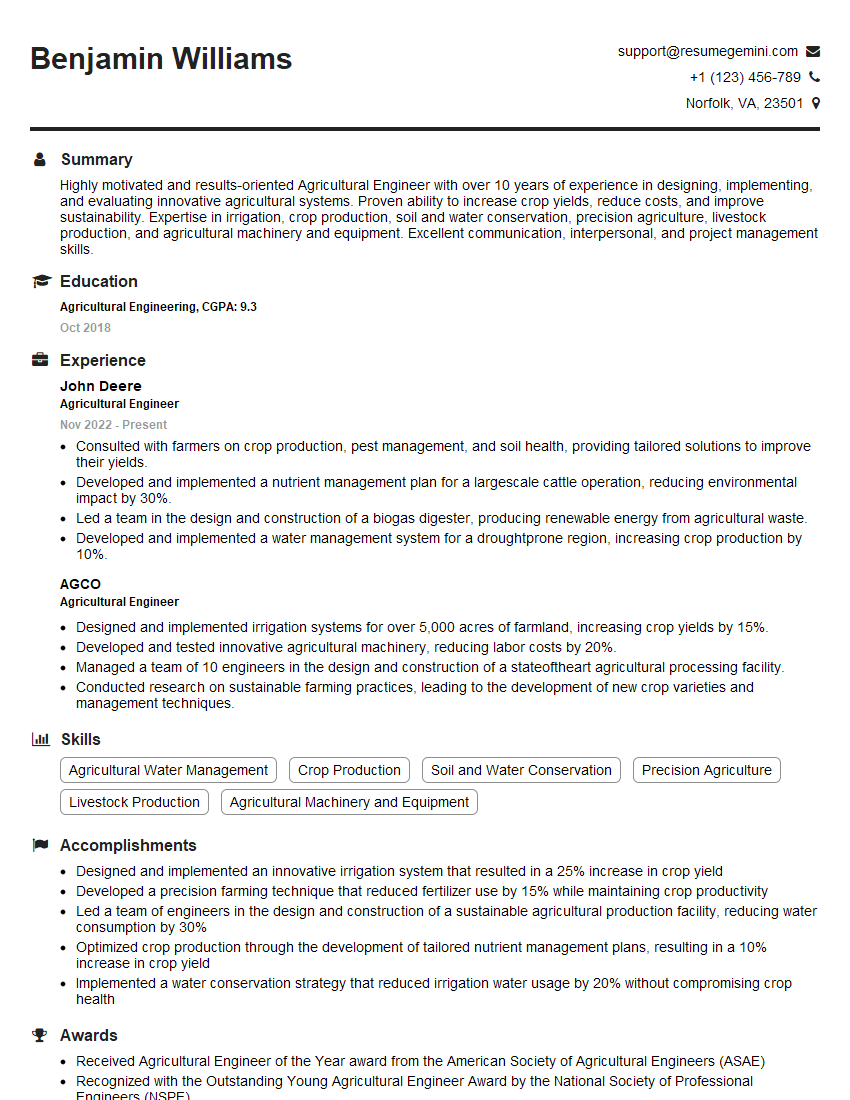
Agricultural Engineer Resume Sample
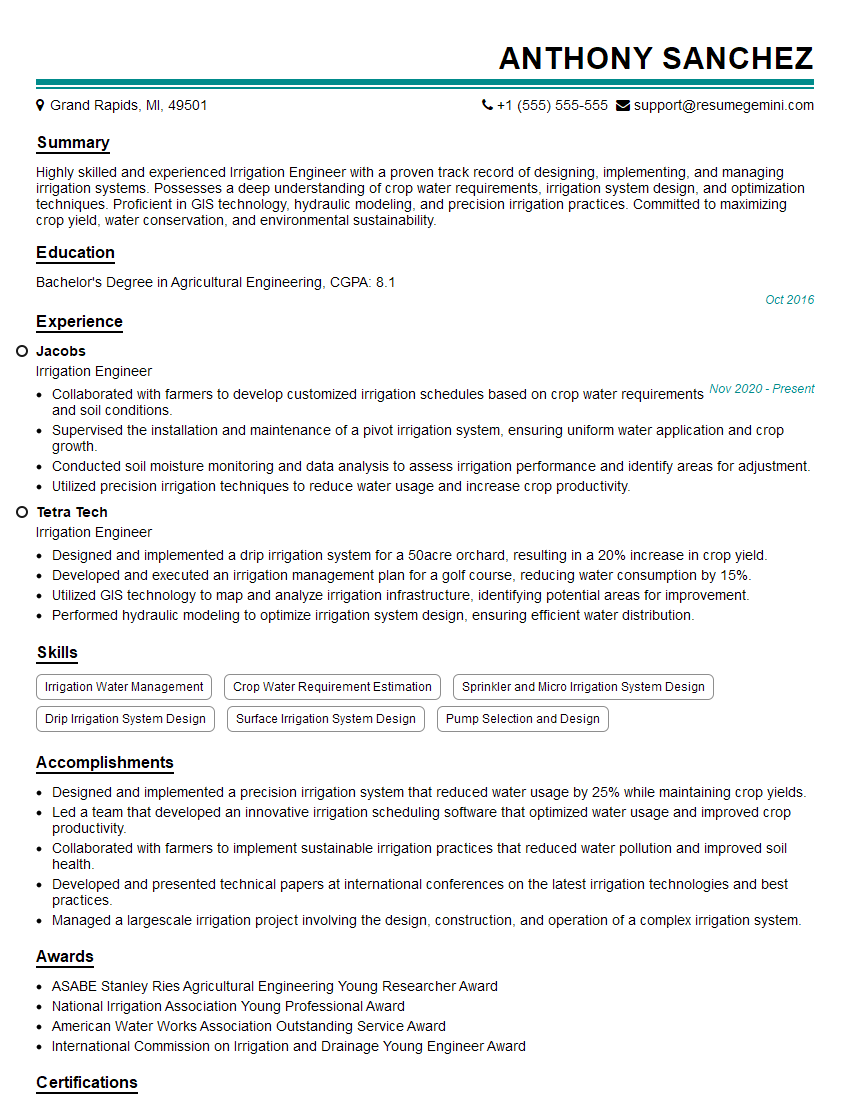
Irrigation Engineer Resume Sample

Soil Scientist Resume Sample
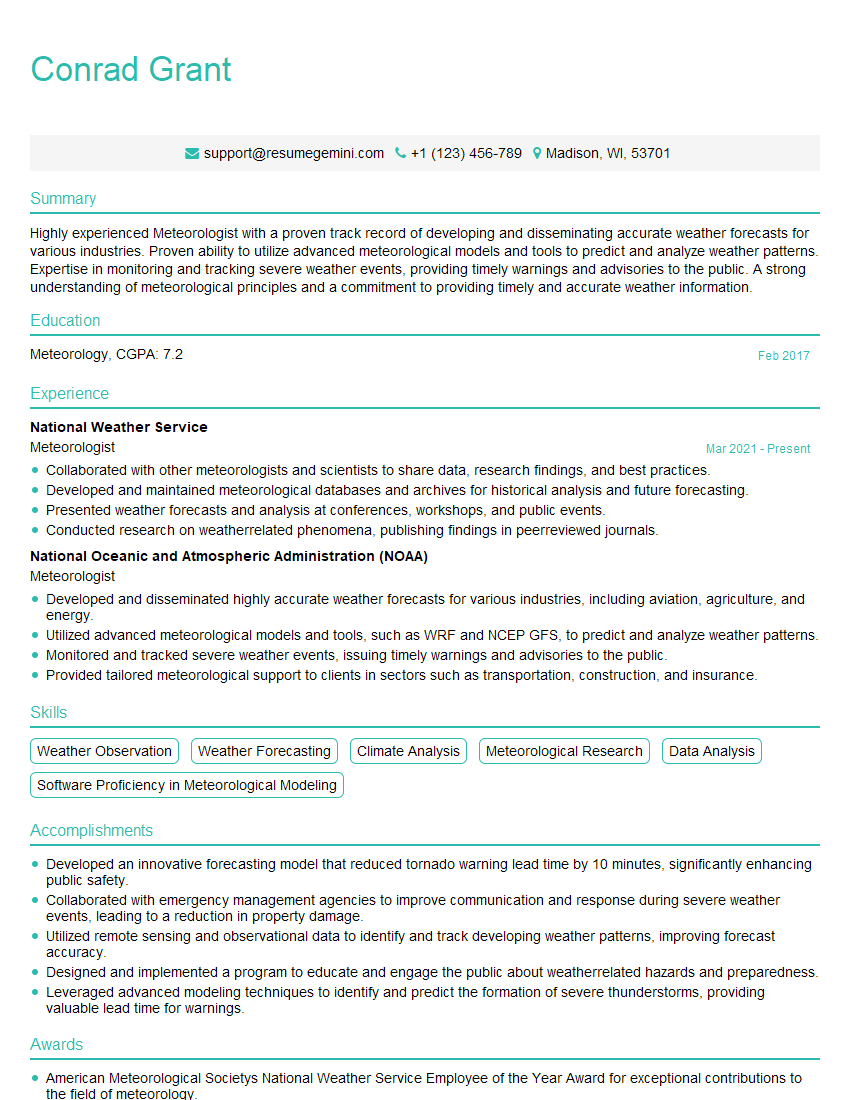
Meteorologist Resume Sample
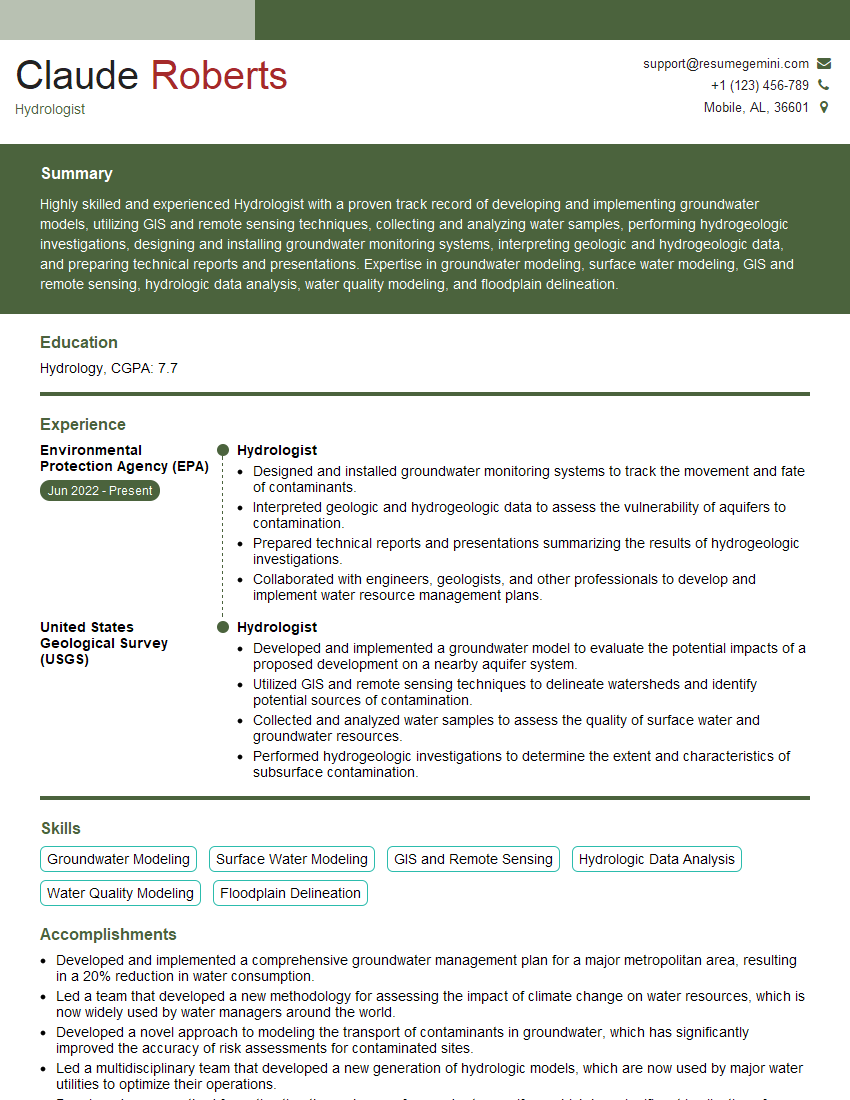
Hydrologist Resume Sample
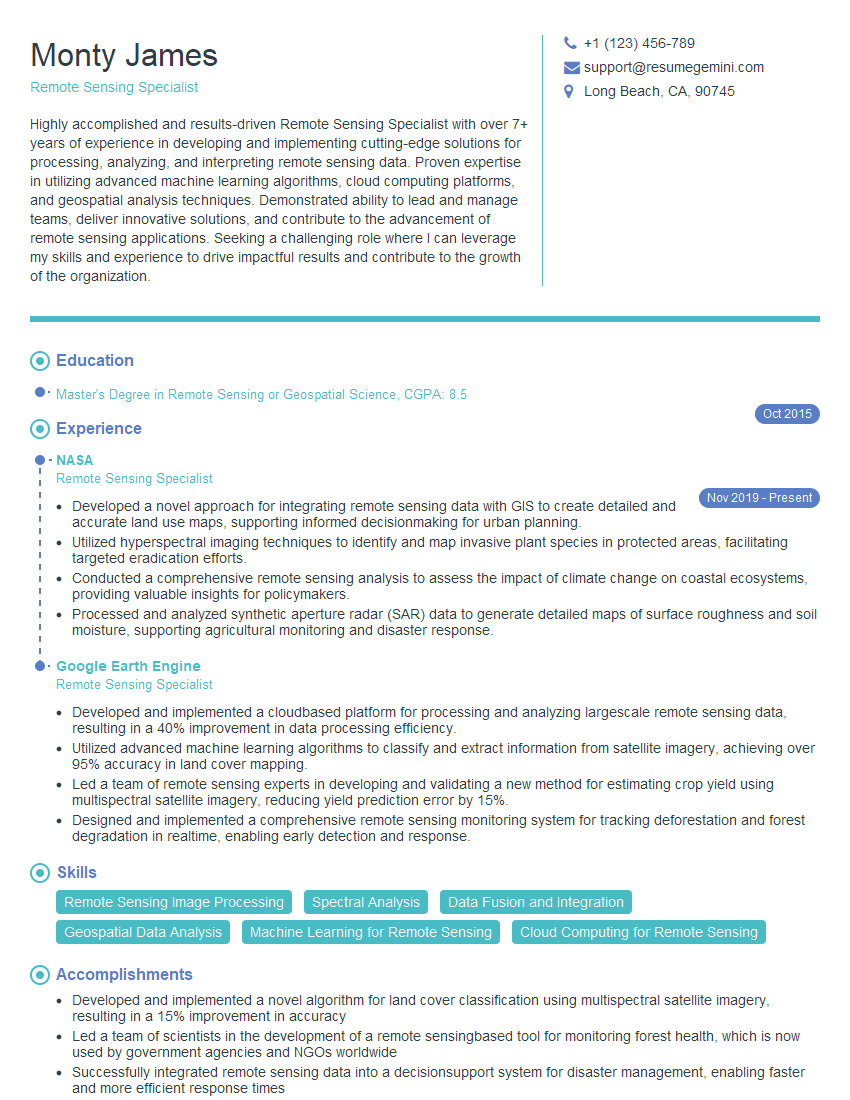
Remote Sensing Specialist Resume Sample
Explore more articles
Users Rating of Our Blogs
Share Your Experience
We value your feedback! Please rate our content and share your thoughts (optional).
What Readers Say About Our Blog
I Redesigned Spongebob Squarepants and his main characters of my artwork.
https://www.deviantart.com/reimaginesponge/art/Redesigned-Spongebob-characters-1223583608
IT gave me an insight and words to use and be able to think of examples
Hi, I’m Jay, we have a few potential clients that are interested in your services, thought you might be a good fit. I’d love to talk about the details, when do you have time to talk?
Best,
Jay
Founder | CEO