Unlock your full potential by mastering the most common Dyscalculia interview questions. This blog offers a deep dive into the critical topics, ensuring you’re not only prepared to answer but to excel. With these insights, you’ll approach your interview with clarity and confidence.
Questions Asked in Dyscalculia Interview
Q 1. Describe the core characteristics of Dyscalculia.
Dyscalculia is a learning disability that affects an individual’s ability to understand and work with numbers. It’s not about intelligence; rather, it’s a neurological difference impacting how the brain processes numerical information. Core characteristics include persistent difficulties with number sense, memorization of arithmetic facts, calculation, and mathematical reasoning. This can manifest in various ways, from struggling to grasp basic concepts like place value to encountering significant challenges in more advanced mathematical operations. It’s important to note that the severity of dyscalculia varies greatly among individuals.
Imagine trying to read a sentence where the letters are all jumbled up – that’s similar to the experience of someone with dyscalculia trying to understand numbers. They may see numbers, but their brain doesn’t easily process them in a meaningful way.
Q 2. What are the common difficulties faced by individuals with Dyscalculia in math?
Individuals with dyscalculia face a wide range of difficulties in math. These often include:
- Number sense difficulties: Struggling to understand the magnitude of numbers, comparing numbers, or estimating quantities.
- Memory problems: Difficulty memorizing basic math facts (like multiplication tables) or recalling mathematical procedures.
- Calculation problems: Challenges with performing addition, subtraction, multiplication, and division, often making mistakes even with simple calculations.
- Spatial reasoning issues: Difficulties visualizing mathematical concepts or understanding spatial relationships, impacting geometry and measurement.
- Problem-solving difficulties: Struggling to translate word problems into mathematical equations or apply mathematical concepts to real-world situations.
- Telling time and handling money: These everyday tasks often pose significant challenges for individuals with dyscalculia.
For example, a student might struggle to understand that 25 is greater than 15, even if they can count to both numbers. Another might consistently get the order of operations wrong in equations, despite understanding each individual operation.
Q 3. Explain different assessment methods used to diagnose Dyscalculia.
Diagnosing dyscalculia involves a multi-faceted approach combining various assessment methods. There isn’t one single test, but rather a comprehensive evaluation considers several factors:
- Standardized Tests: These tests measure mathematical skills and compare a child’s performance to their peers. Examples include the Wechsler Intelligence Scale for Children (WISC) and the KeyMath-3 Diagnostic Assessment.
- Clinical Interviews: These interviews with the child and their parents help gather information about their mathematical history, learning challenges, and everyday struggles.
- Observation in Educational Settings: Teachers’ observations of the child’s performance in math classes provide valuable insights into their learning patterns and difficulties.
- Informal Assessments: These might include tasks designed to assess specific mathematical skills, such as number sense or calculation, tailored to the individual’s needs.
The results from these different assessments are then considered together to arrive at a diagnosis. It’s crucial to rule out other factors that might be contributing to the mathematical difficulties before confirming a dyscalculia diagnosis.
Q 4. How do you differentiate Dyscalculia from other learning disabilities?
Differentiating dyscalculia from other learning disabilities requires careful observation and assessment. While it often co-occurs with other conditions like dyslexia (reading difficulties) or ADHD (attention deficit hyperactivity disorder), it has unique characteristics:
- Dyslexia: Primarily affects reading and spelling, whereas dyscalculia specifically impacts mathematical abilities. A student might have difficulties reading math word problems in dyslexia, while a student with dyscalculia might struggle to understand the mathematical concepts even if they can read the problems.
- ADHD: While inattention and impulsivity can impact math performance, dyscalculia involves a specific deficit in numerical processing and mathematical reasoning, not just a lack of focus. A student with ADHD might make careless mistakes in math, while a student with dyscalculia may struggle with the core concepts regardless of focus.
- Non-verbal Learning Disabilities (NVLD): NVLD can impact spatial reasoning and mathematical visualization, overlapping with some aspects of dyscalculia. However, dyscalculia is more specifically focused on numerical understanding and calculation.
A comprehensive assessment by a qualified professional is essential to distinguish between these conditions and determine the appropriate support strategies.
Q 5. What are some effective teaching strategies for students with Dyscalculia?
Effective teaching strategies for students with dyscalculia require a multi-sensory, individualized approach:
- Manipulatives: Using concrete objects (like blocks or counters) to represent numbers and mathematical operations helps students visualize and understand concepts.
- Visual Aids: Diagrams, charts, and other visual aids can clarify abstract mathematical concepts.
- Real-World Applications: Connecting mathematical concepts to real-life situations makes learning more engaging and meaningful.
- Explicit Instruction: Clear, step-by-step instruction breaks down complex tasks into smaller, manageable steps.
- Repetition and Practice: Regular practice helps reinforce learning and improve skills.
- Positive Reinforcement: Encouraging and celebrating successes builds confidence and motivation.
- Adaptive Assessments: Allowing for more time, providing alternative formats for assessments, or breaking down tasks into smaller sections.
For instance, instead of just explaining fractions abstractly, use pizza slices to visually demonstrate what fractions represent. Breaking down a multiplication problem into smaller addition problems can also greatly help.
Q 6. Describe various assistive technologies beneficial for individuals with Dyscalculia.
Assistive technologies can significantly improve the learning experience for students with dyscalculia. These tools can assist with various aspects of mathematical learning:
- Calculators: Standard or specialized calculators can help with calculations, allowing students to focus on understanding concepts rather than getting bogged down in computation.
- Number Lines and Charts: Visual representations of numbers help students visualize quantities and relationships.
- Software Programs: Educational software programs (like those designed for math facts practice) can provide customized learning experiences tailored to individual needs.
- Graphic Organizers: These visual aids help students organize information and solve problems systematically.
- Text-to-speech and Speech-to-text software: These tools can facilitate access to mathematical information for students with reading challenges.
For example, a student might use a calculator to check their work or a number line to help them visualize the addition of numbers. Software that provides personalized feedback can help a student master basic facts more efficiently.
Q 7. How can you adapt math instruction to accommodate students with Dyscalculia?
Adapting math instruction for students with dyscalculia involves creating a supportive and flexible learning environment:
- Break Down Tasks: Divide complex problems into smaller, more manageable steps.
- Provide Multiple Representations: Use visual aids, manipulatives, and verbal explanations to present information in multiple ways.
- Use Real-World Examples: Connect mathematical concepts to real-life situations to increase engagement and understanding.
- Allow Extra Time: Give students more time to complete assignments and assessments.
- Offer Alternative Assessment Methods: Allow students to demonstrate their understanding in various ways, such as oral explanations or visual representations.
- Focus on Conceptual Understanding: Prioritize understanding of mathematical concepts over rote memorization.
- Provide Positive Feedback: Encourage students and celebrate their successes to build confidence.
Imagine teaching multiplication: instead of just memorizing times tables, start with repeated addition using manipulatives, then gradually introduce the multiplication symbol. This makes the concept more accessible and understandable.
Q 8. Explain the role of working memory in mathematical learning for students with Dyscalculia.
Working memory plays a crucial role in mathematical learning for all students, but its impact is magnified for those with dyscalculia. Working memory is essentially the mental workspace where we hold and manipulate information. In math, this means holding numbers in mind while performing calculations, remembering steps in a multi-step problem, or visualizing geometric shapes.
Students with dyscalculia often have limitations in their working memory capacity. This makes it challenging for them to manage the multiple pieces of information necessary for even simple arithmetic. For example, while a student without dyscalculia might easily solve 23 + 15 by holding both numbers and intermediate steps in mind, a student with dyscalculia might struggle to retain both numbers simultaneously, leading to errors. This difficulty extends to more complex mathematical operations and problem-solving. Therefore, supporting working memory becomes critical, often involving strategies like breaking down problems into smaller, more manageable steps, using visual aids, and providing opportunities for practice with smaller sets of numbers.
Q 9. Discuss the impact of Dyscalculia on daily life beyond academics.
Dyscalculia’s impact extends far beyond the academic realm. It can significantly affect daily life in numerous ways. Simple tasks like managing money, telling time, understanding maps, or following recipes can become significant challenges. This can lead to difficulties in budgeting, navigating unfamiliar places, following instructions, and even independent living.
In the workplace, difficulties with numerical reasoning and data interpretation can limit career choices. Individuals might struggle with tasks involving calculations, scheduling, or data analysis. Social situations can also be impacted, particularly if mathematical skills are involved in games or activities. The frustration and anxiety resulting from these everyday difficulties can contribute to lower self-esteem and confidence.
For example, someone with dyscalculia might struggle to estimate the cost of groceries, leading to unexpected financial strain. Similarly, understanding a bus schedule or navigating using a map can become a source of stress and anxiety. Early identification and appropriate support are crucial to mitigate these difficulties and foster independence and success.
Q 10. What are the signs of Dyscalculia in early childhood?
Recognizing dyscalculia in early childhood is important for early intervention. While definitive diagnosis usually happens later, certain signs can indicate potential difficulties. These signs often appear before formal math instruction begins.
- Difficulty with number recognition and sequencing: Young children may struggle to recognize numerals or put them in order. They might not understand the concept of ‘more’ or ‘less’.
- Problems with counting: They might skip numbers, count incorrectly, or have trouble understanding the one-to-one correspondence between objects and numbers.
- Challenges with spatial reasoning: Difficulties with puzzles, building blocks, or understanding shapes could be indicative.
- Problems with time telling: Struggling to understand the concept of time or relate it to clocks and calendars.
- Poor estimation skills: Inability to judge quantities or sizes accurately.
It’s crucial to remember that exhibiting some of these signs doesn’t automatically mean a child has dyscalculia. However, if multiple signs are present and persistent, it warrants further assessment by a specialist.
Q 11. How do you create a supportive classroom environment for students with Dyscalculia?
Creating a supportive classroom environment for students with dyscalculia involves several key strategies:
- Multi-sensory learning: Incorporate visual, auditory, and kinesthetic activities. Use manipulatives, real-world objects, and technology to make learning more engaging and accessible.
- Structured teaching: Break down complex tasks into smaller, manageable steps. Provide clear instructions and visual aids to support understanding.
- Differentiated instruction: Adapt teaching methods and materials to meet individual needs. Allow students to use assistive technology like calculators or number lines.
- Positive and encouraging environment: Focus on effort and progress rather than solely on grades. Celebrate achievements and foster a sense of self-belief.
- Collaboration with specialists: Work closely with educational psychologists and other professionals to develop individualized learning plans.
- Use of assistive technology: Explore tools such as number lines, calculators, graphic organizers, and specialized software to help overcome challenges.
For example, instead of relying solely on abstract symbols, teachers can use colorful blocks to represent numbers or use games to make learning math more engaging.
Q 12. What are some common misconceptions about Dyscalculia?
Several common misconceptions surround dyscalculia:
- Dyscalculia is just being bad at math: Dyscalculia is a neurological condition, not simply a lack of effort or ability. It involves specific difficulties with number processing and mathematical concepts.
- It’s rare: Dyscalculia is relatively prevalent, affecting a significant portion of the population, similar to dyslexia.
- It only affects arithmetic: Dyscalculia can impact various aspects of mathematics, including algebra, geometry, and problem-solving.
- It’s easily fixed with extra practice: While practice is important, it’s not a cure-all. Specific strategies and accommodations are necessary to address the underlying difficulties.
- Students with dyscalculia are not intelligent: Dyscalculia doesn’t reflect overall intelligence; it’s a specific learning difficulty that can coexist with other strengths.
Understanding these misconceptions is key to providing appropriate support and creating a more inclusive learning environment.
Q 13. Explain the importance of multi-sensory learning approaches for students with Dyscalculia.
Multi-sensory learning is essential for students with dyscalculia because it leverages different learning pathways to bypass the challenges they face in processing numerical information. Many students with dyscalculia struggle with abstract concepts; multi-sensory approaches make these concepts more concrete and accessible.
Visual learning might involve using color-coded number lines, visual diagrams, or manipulatives. Auditory learning could include using rhymes, songs, or verbal explanations to reinforce concepts. Kinesthetic learning incorporates hands-on activities, like using blocks to represent numbers or drawing shapes. By engaging multiple senses, teachers can help students build a deeper and more holistic understanding of mathematical concepts. This can lead to improved retention and application of knowledge. For example, a student might grasp the concept of fractions more easily by physically dividing a pie into equal pieces than by looking at abstract fractions on a worksheet.
Q 14. Describe your experience collaborating with parents and educators regarding Dyscalculia.
Collaboration with parents and educators is fundamental to effective support for students with dyscalculia. My experience involves building strong communication channels, sharing assessment findings and individualized education plans (IEPs) with parents and teachers, and working together to develop consistent strategies both at home and at school. This includes providing training to teachers on effective teaching strategies for dyscalculia and offering support and guidance to parents on how to best support their child at home.
I often find that open communication and a shared understanding of the student’s strengths and challenges are crucial for success. For example, I’ve worked with parents to adapt homework assignments, making them more manageable and less overwhelming. I’ve also collaborated with teachers to implement strategies such as using visual aids, providing extra time for tests, or allowing the use of calculators in appropriate situations. Open dialogue and a collaborative approach are vital to ensure that the student receives consistent and comprehensive support across all learning environments. The ultimate goal is to empower the student and foster their confidence and self-efficacy.
Q 15. How do you assess a student’s strengths and weaknesses in relation to Dyscalculia?
Assessing a student for dyscalculia involves a multifaceted approach, going beyond simply looking at their math grades. We need to understand their specific strengths and weaknesses in various mathematical domains.
My assessment process typically includes:
- Standardized Tests: These provide a baseline understanding of the student’s mathematical abilities compared to their peers. Examples include the KeyMath-3 or the Test of Early Mathematics Ability (TEMA).
- Curriculum-Based Measurement (CBM): This involves regularly assessing the student’s performance on tasks directly related to their current math curriculum. This allows for tracking progress over time.
- Qualitative Observations: I closely observe the student during math lessons, noting their problem-solving strategies, their understanding of number concepts, and their ability to apply mathematical procedures. Do they struggle with specific types of problems or concepts? How do they approach word problems?
- Interviews: Talking to the student and their parents helps gain insights into their learning experiences, their struggles, and their strengths outside of formal testing. This offers a more holistic view.
- Informal Assessments: These are tailored to the student’s individual needs, designed to explore specific areas of difficulty in more detail. For instance, I might use manipulatives or visual aids to assess their understanding of number concepts.
By combining these methods, I build a comprehensive profile of the student’s mathematical abilities, identifying specific areas of strength and weakness to inform targeted interventions.
Career Expert Tips:
- Ace those interviews! Prepare effectively by reviewing the Top 50 Most Common Interview Questions on ResumeGemini.
- Navigate your job search with confidence! Explore a wide range of Career Tips on ResumeGemini. Learn about common challenges and recommendations to overcome them.
- Craft the perfect resume! Master the Art of Resume Writing with ResumeGemini’s guide. Showcase your unique qualifications and achievements effectively.
- Don’t miss out on holiday savings! Build your dream resume with ResumeGemini’s ATS optimized templates.
Q 16. What are some evidence-based interventions for Dyscalculia?
Evidence-based interventions for dyscalculia focus on building foundational skills and providing students with multiple ways to access and process mathematical information. These interventions are often multi-sensory and tailored to the individual needs of the student.
- Explicit and Systematic Instruction: Breaking down complex mathematical concepts into smaller, manageable steps. Each step is taught explicitly, with lots of repetition and practice.
- Number Sense Interventions: Activities focusing on number relationships, magnitude, and estimation are crucial. This might involve using manipulatives, number lines, or games to build a strong understanding of numbers.
- Multisensory Techniques: Engaging multiple senses simultaneously (visual, auditory, kinesthetic) helps improve learning and retention. For example, using blocks to represent numbers while saying the numbers aloud.
- Cognitive Strategy Instruction: Teaching students specific strategies for approaching mathematical problems, such as breaking down word problems into smaller parts or using visual diagrams.
- Technology-Assisted Interventions: Utilizing educational software or apps designed to support students with dyscalculia. These can provide targeted practice, immediate feedback, and adaptive learning.
- Adaptive Teaching Strategies: Flexible teaching that accommodates diverse learning styles and paces. Examples include providing extra time, allowing the use of calculators for certain tasks, or offering alternative assessment methods.
The key is to make math engaging and accessible for the student. It’s not about ‘fixing’ the dyscalculia, but rather about providing support that enables the student to access and succeed in mathematics.
Q 17. Describe your experience developing and implementing Individualized Education Programs (IEPs) for students with Dyscalculia.
Developing and implementing Individualized Education Programs (IEPs) for students with dyscalculia is a collaborative process involving parents, teachers, specialists, and the student. I’ve been involved in many such IEPs, and the process generally follows these steps:
- Assessment: Thoroughly assessing the student’s mathematical strengths and weaknesses using the methods described earlier.
- Goal Setting: Collaboratively establishing specific, measurable, achievable, relevant, and time-bound (SMART) goals. These goals are tailored to the student’s individual needs and abilities.
- Intervention Strategies: Identifying and implementing evidence-based interventions designed to address the student’s identified weaknesses and build upon their strengths. This might include specific teaching methods, assistive technologies, or modifications to classroom assignments.
- Monitoring Progress: Regularly tracking the student’s progress towards their goals using CBM and other informal assessments. This allows for adjustments to the IEP as needed.
- Parent and Teacher Collaboration: Maintaining open communication with parents and teachers to ensure consistency in the implementation of the IEP and provide ongoing support.
- Annual Review: Reviewing the student’s progress, goals, and IEP annually to adjust the plan based on their ongoing needs.
For example, I worked with a student who struggled with multiplication facts. Their IEP included specific goals for memorizing multiplication facts, using multisensory techniques like flashcards and kinesthetic activities, and utilizing a multiplication chart as an assistive tool. Through consistent effort, the student made significant progress.
Q 18. How do you measure the effectiveness of interventions for Dyscalculia?
Measuring the effectiveness of interventions for dyscalculia requires a multi-pronged approach.
- CBM Data: Regularly monitoring the student’s performance on CBM probes shows improvement in specific skills over time.
- Standardized Test Scores: Comparing pre- and post-intervention scores on standardized math tests helps assess overall progress.
- Qualitative Observations: Observing the student’s problem-solving approaches, their confidence, and their engagement in math activities provides valuable insights.
- Student Self-Reports: Gathering feedback from the student about their experiences and perceptions of their learning helps understand their perspective.
- Teacher Feedback: Teachers’ insights on the student’s progress, their understanding of concepts, and their participation in class are valuable data points.
It’s important to remember that progress may not always be linear. Setbacks can occur, and adjustments to the intervention plan may be necessary. The goal is to see consistent improvement over time, not necessarily immediate mastery.
Q 19. Discuss the role of number sense in mathematical development for those with Dyscalculia.
Number sense is the intuitive understanding of numbers and their relationships. It’s the foundation upon which all mathematical skills are built. For students with dyscalculia, a weak number sense often underlies their difficulties with math.
Students with dyscalculia may struggle with:
- Number Magnitude: Understanding the relative size of numbers (e.g., knowing that 25 is larger than 12).
- Number Relationships: Recognizing patterns and relationships between numbers (e.g., understanding that 5 + 5 = 10 and 10 – 5 = 5).
- Subitizing: Instantly recognizing the number of objects in a small group without counting.
- Estimation: Approximating quantities or answers without performing precise calculations.
Without a strong number sense, even basic mathematical operations become challenging. Building a strong number sense is therefore crucial for students with dyscalculia to improve their overall mathematical abilities. It’s like building a house on a weak foundation – the structure is unstable and prone to collapse.
Q 20. What are some strategies for improving number sense in students with Dyscalculia?
Improving number sense in students with dyscalculia requires a multi-sensory and engaging approach. Here are some strategies:
- Manipulatives: Using concrete objects like counters, blocks, or base-ten blocks helps students visualize number concepts.
- Number Lines: Using number lines to represent numbers visually helps students understand number relationships and magnitude.
- Games and Activities: Engaging in games and activities that involve numbers, such as board games, card games, or number puzzles, makes learning fun and promotes engagement.
- Real-World Connections: Connecting number concepts to real-world situations helps students see the relevance of math in their daily lives.
- Estimation Activities: Providing opportunities for students to estimate quantities and compare estimations to actual values helps develop their number sense.
- Visual Representations: Using visual aids like number charts, ten frames, or diagrams to illustrate number concepts enhances understanding.
For example, using a number line to show the relationship between addition and subtraction can significantly help a child understand these operations more clearly. Similarly, using blocks to build numbers helps a student visualize what the numbers truly represent.
Q 21. Explain how you would differentiate instruction for students with varying levels of Dyscalculia severity.
Differentiating instruction for students with varying levels of dyscalculia severity involves tailoring the support provided to meet their individual needs. This isn’t a one-size-fits-all approach.
Students with mild dyscalculia may benefit from:
- Targeted support in specific areas: Focusing on areas where they struggle, such as multiplication facts or fractions, while providing enrichment in their areas of strength.
- Modifications to assignments: Allowing extra time, reducing the number of problems on assignments, or providing alternative assessment formats.
Students with moderate to severe dyscalculia may require:
- More intensive interventions: Implementing more structured and explicit instruction, utilizing multiple teaching strategies, and providing more frequent feedback.
- Assistive technologies: Using calculators, software programs, or other tools to support their mathematical work.
- Specialized instruction: Working with a specialist who has expertise in dyscalculia to develop individualized strategies.
- Modifications to the curriculum: Adapting the curriculum to meet the student’s individual needs and capabilities.
The key is to provide individualized support that meets the student where they are, acknowledging the severity of their difficulties without limiting their potential for growth. Consistent monitoring and regular adjustments to the support provided are critical for success.
Q 22. How do you address the emotional and social challenges faced by students with Dyscalculia?
Addressing the emotional and social challenges faced by students with dyscalculia is crucial for their overall well-being and academic success. Dyscalculia can lead to feelings of frustration, anxiety, and low self-esteem, as students struggle with tasks their peers find easy. Socially, they might experience teasing or exclusion due to their difficulties with math.
My approach involves a multifaceted strategy:
- Building Self-Esteem: I focus on celebrating small victories and highlighting their strengths outside of mathematics. Positive reinforcement and a growth mindset approach are essential. For instance, if a student successfully completes a simpler version of a problem, I explicitly praise their effort and problem-solving skills.
- Collaborative Learning: Group work, where students can support each other, can foster a sense of belonging and reduce the pressure of individual performance. I carefully structure these groups, ensuring students with dyscalculia are paired with supportive peers.
- Open Communication: Creating a safe and supportive classroom environment where students feel comfortable discussing their challenges is vital. Regular check-ins and one-on-one conversations allow me to address any anxieties or frustrations they may be experiencing.
- Advocacy and Collaboration: I work closely with parents, counselors, and other professionals to create a cohesive support system. This ensures consistency in approach and provides a wider network of support for the student.
- Addressing Math Anxiety: I incorporate relaxation techniques and mindfulness exercises into the learning process to help manage math-related anxiety. This might include short breathing exercises or mindful moments before tackling challenging problems.
Ultimately, fostering a positive and accepting environment is key to helping students with dyscalculia overcome their emotional and social challenges and thrive academically.
Q 23. Describe your experience using specific assessment tools for Dyscalculia (e.g., Wechsler Intelligence Scale for Children – WISC).
Assessment is crucial in identifying and understanding dyscalculia. While the WISC isn’t solely a dyscalculia assessment tool, it provides valuable information. The WISC’s processing speed and working memory indices are often indicative of underlying cognitive challenges associated with dyscalculia. For example, a low score on processing speed might reflect difficulty with rapid numerical processing, a hallmark of the condition.
Beyond the WISC, I regularly utilize more specific dyscalculia assessments:
- The Dyscalculia Screener: This quick and easy tool helps identify potential dyscalculia and can guide further assessment.
- The Test of Early Mathematics Ability (TEMA): This provides a comprehensive assessment of early math skills, highlighting specific areas of strength and weakness.
- Number Sense Assessment: This focuses on the foundational aspects of number sense, providing insights into the underlying cognitive deficits.
I always integrate information from multiple sources. For instance, classroom observations, teacher input, and parent interviews provide a rich contextual understanding that complements standardized testing. This holistic approach allows me to create a tailored intervention plan that addresses the specific needs of each student.
Q 24. What are the latest research findings on the causes and treatments of Dyscalculia?
Research on dyscalculia is ongoing, with significant advancements in understanding its causes and treatments. While a single cause hasn’t been identified, it’s believed to stem from a combination of genetic and environmental factors.
Causes:
- Genetic predisposition: Studies indicate a hereditary component, suggesting a genetic link.
- Neurological factors: Brain imaging studies reveal differences in brain activity and structure in individuals with dyscalculia, particularly in areas related to numerical processing.
- Environmental influences: Early childhood experiences, including exposure to mathematical concepts and teaching methods, can also play a role.
Treatments:
- Targeted interventions: These interventions focus on building foundational number sense, improving working memory, and enhancing specific mathematical skills. This may involve structured one-on-one tutoring or small group sessions.
- Technology-assisted learning: Educational software and apps offer engaging and adaptive learning experiences, providing individualized support.
- Multisensory approaches: Engaging multiple senses (visual, auditory, kinesthetic) can significantly improve learning and retention.
- Cognitive training: Exercises designed to improve working memory, attention, and processing speed have shown positive effects.
Recent research emphasizes the importance of early intervention and personalized learning approaches. Early identification and intervention are critical to maximizing positive outcomes.
Q 25. How would you adapt a math problem for a student with Dyscalculia to ensure accessibility?
Adapting math problems for students with dyscalculia involves focusing on accessibility and breaking down complex tasks into smaller, manageable steps. The goal is to avoid overwhelming the student and allow them to demonstrate their understanding.
Example: Instead of presenting a word problem like:
"John has 32 apples, he gives away 15 to Mary and 8 to Susan. How many apples does John have left?"
I would adapt it as follows:
- Visual representation: Use drawings or manipulatives (like counters) to represent the apples.
- Break it down: Separate the problem into smaller, sequential steps:
Step 1: How many apples did John give away in total (15 + 8 = 23)?Step 2: Start with the total number of apples (32)Step 3: Subtract the total number given away (32 - 23 = ?)- Alternative formats: Consider using a number line or other visual aids to facilitate calculation.
- Reduce working memory load: Provide a written framework or checklist for students to follow. This helps them focus on each step without needing to hold all information in working memory at once.
These modifications make the problem more accessible, allowing the student to focus on the underlying mathematical concepts rather than struggling with the complexity of the presentation.
Q 26. Describe a time you had to adjust your teaching strategies to better meet the needs of a student with Dyscalculia.
I recall a student, Sarah, who struggled immensely with multiplication tables. She’d become visibly frustrated and anxious whenever multiplication was involved. My initial approach involved rote memorization, which proved ineffective and counterproductive, increasing her anxiety.
I realized I needed to shift my strategy. I started by focusing on building her understanding of the underlying concepts. We used manipulatives, like counters and blocks, to visually represent multiplication as repeated addition. We also explored real-world examples – arranging cookies on a plate, for instance – to make the concepts more concrete and relatable. This multisensory approach helped Sarah build a strong foundation in multiplication. We then gradually transitioned to using visual aids, like multiplication charts, before eventually attempting rote memorization of the facts. This approach emphasized conceptual understanding and gradually built confidence, significantly reducing her anxiety.
The key lesson was the importance of understanding the ‘why’ before mastering the ‘how.’ Rote memorization, without a strong conceptual foundation, simply didn’t work for Sarah, highlighting the need for personalized and flexible teaching strategies when working with students with dyscalculia.
Q 27. How would you explain Dyscalculia to parents who are newly diagnosed?
Explaining dyscalculia to parents after a diagnosis requires sensitivity and clear communication. It’s vital to emphasize that dyscalculia is a specific learning difference, not a reflection of intelligence or effort.
I would begin by explaining that dyscalculia affects how the brain processes numerical information. It’s not about laziness or lack of ability; it’s a neurological difference that makes learning math more challenging. I’d use simple analogies, like comparing it to dyslexia, which affects reading.
I would also highlight that:
- Early intervention is crucial: The sooner appropriate support is provided, the better the outcomes.
- It’s not a hopeless situation: With the right strategies and support, children with dyscalculia can learn math and succeed.
- Collaboration is key: Working together – parents, teachers, and specialists – is essential for developing an effective learning plan.
- Focus on strengths: It’s important to celebrate their strengths and help them build confidence in areas outside of math.
I’d provide concrete examples of how dyscalculia might manifest (e.g., difficulty with number recognition, telling time, understanding money), and offer resources and support to help the parents navigate this new information. The goal is to empower parents to advocate for their child and collaborate in developing a positive and supportive learning environment.
Q 28. What professional development activities have you undertaken to enhance your knowledge of Dyscalculia?
My professional development in dyscalculia has been ongoing and multifaceted:
- Workshops and conferences: I regularly attend workshops and conferences specifically focused on dyscalculia, learning about the latest research, assessment techniques, and intervention strategies.
- Online courses: I’ve completed several online courses from reputable organizations on topics such as the neurobiology of dyscalculia, effective teaching methods, and utilizing assistive technologies.
- Mentorship and collaboration: I actively seek mentorship from experienced professionals in the field and collaborate with colleagues to share best practices and discuss challenging cases.
- Reading professional literature: I stay current with the latest research by reading peer-reviewed articles and journals focusing on dyscalculia.
- Networking with other professionals: I engage with online communities and professional organizations dedicated to supporting individuals with dyscalculia.
This continuous professional development ensures I stay abreast of current best practices and can effectively support students with dyscalculia.
Key Topics to Learn for Dyscalculia Interview
- Understanding Dyscalculia: Defining Dyscalculia, its subtypes, and the diverse ways it manifests in individuals. Explore the neurological underpinnings and cognitive processes affected.
- Diagnostic Assessment Methods: Familiarize yourself with various assessment tools and techniques used to identify and diagnose Dyscalculia in children and adults. Understand the strengths and limitations of different approaches.
- Impact on Learning and Daily Life: Analyze the practical challenges faced by individuals with Dyscalculia in areas like mathematics, time management, and financial literacy. Discuss the impact on academic performance and social interactions.
- Educational Strategies and Interventions: Research and understand effective teaching methods and support strategies tailored to the specific needs of individuals with Dyscalculia. This includes assistive technologies and compensatory strategies.
- Accommodations and Support Systems: Become familiar with the range of accommodations and support systems available in educational and workplace settings to help individuals with Dyscalculia succeed. Discuss legal frameworks and ethical considerations.
- Research and Current Trends: Explore current research in the field of Dyscalculia, including advancements in understanding its causes, diagnosis, and treatment. This shows your commitment to professional development.
- Problem-solving approaches: Understand how to adapt problem-solving strategies and utilize assistive technologies to help individuals with dyscalculia overcome numerical challenges.
Next Steps
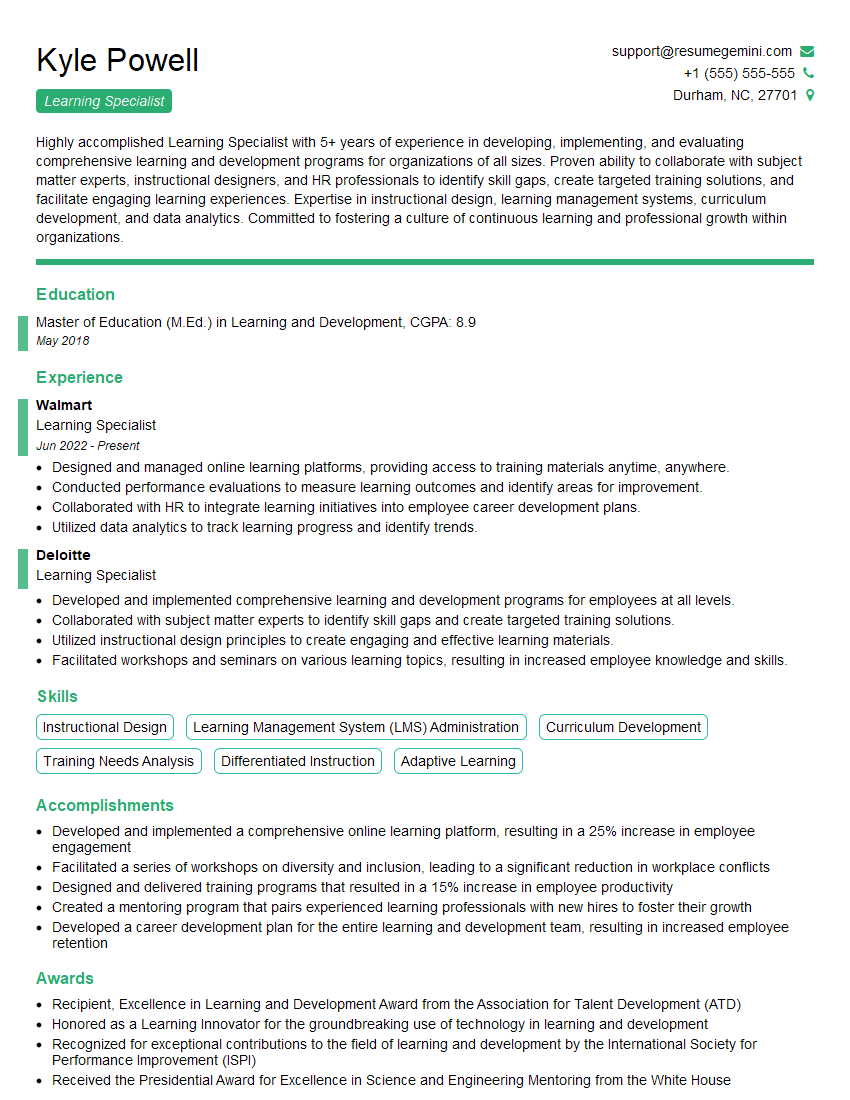
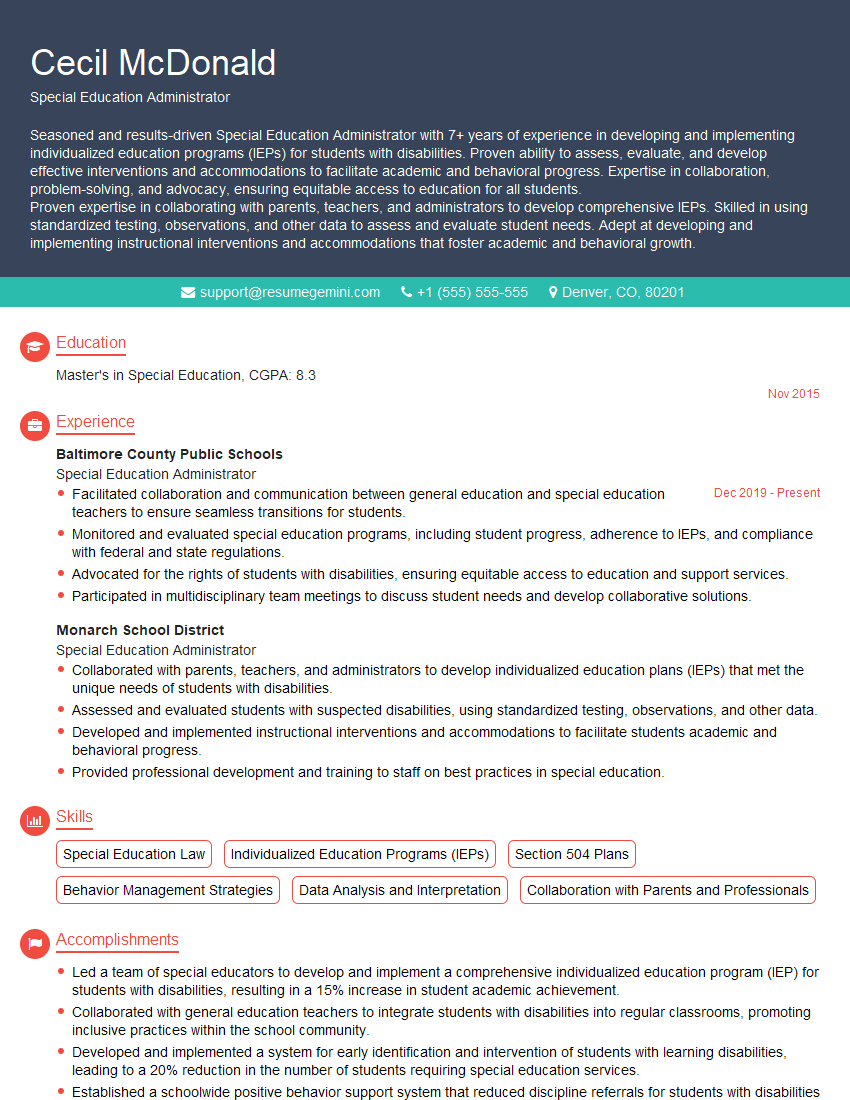
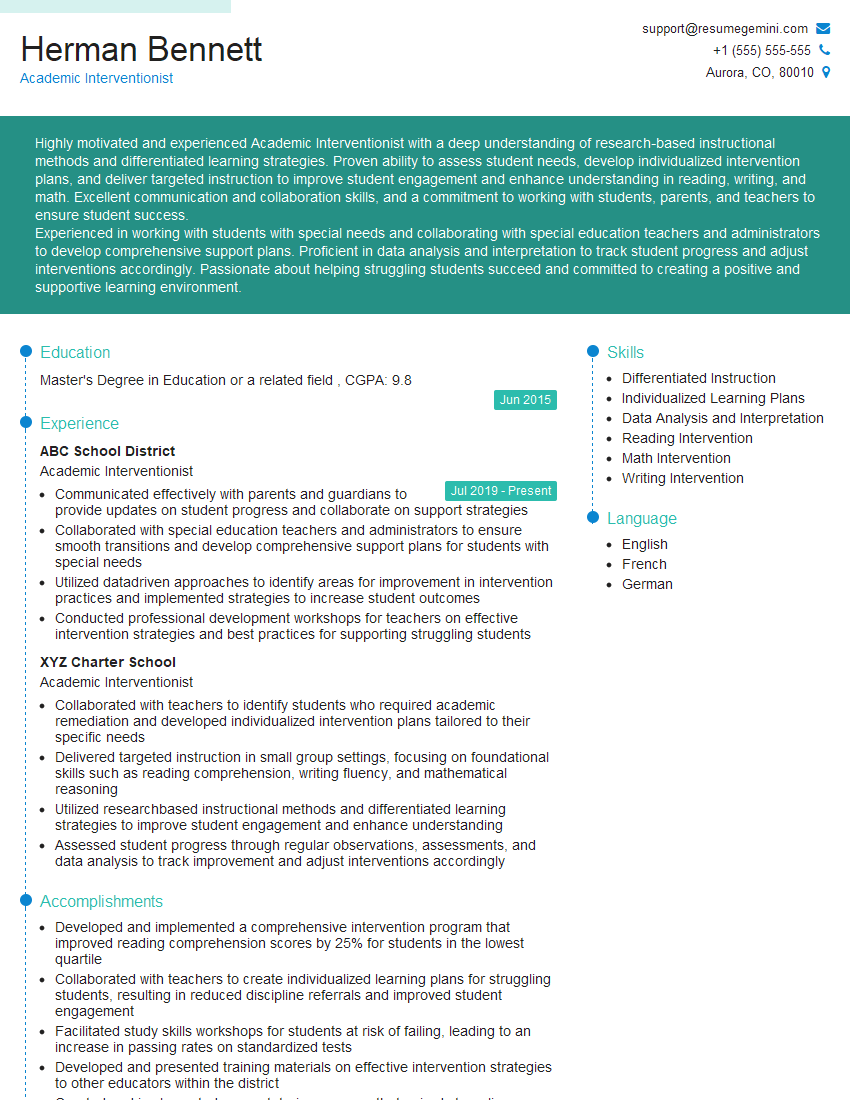
Mastering your understanding of Dyscalculia opens doors to rewarding careers in education, special education, psychology, and related fields. A strong understanding of this learning difference demonstrates empathy, expertise, and a commitment to inclusive practices – highly valued qualities in today’s job market. To maximize your job prospects, create an ATS-friendly resume that highlights your relevant skills and experience effectively. ResumeGemini is a trusted resource that can help you build a professional resume that showcases your abilities. Examples of resumes tailored to highlight experience with Dyscalculia are provided to guide you. Take the next step towards your dream career today!
Explore more articles
Users Rating of Our Blogs
Share Your Experience
We value your feedback! Please rate our content and share your thoughts (optional).
What Readers Say About Our Blog
I Redesigned Spongebob Squarepants and his main characters of my artwork.
https://www.deviantart.com/reimaginesponge/art/Redesigned-Spongebob-characters-1223583608
IT gave me an insight and words to use and be able to think of examples
Hi, I’m Jay, we have a few potential clients that are interested in your services, thought you might be a good fit. I’d love to talk about the details, when do you have time to talk?
Best,
Jay
Founder | CEO