Cracking a skill-specific interview, like one for EPA (Environmental Protection Agency) Regulations, requires understanding the nuances of the role. In this blog, we present the questions you’re most likely to encounter, along with insights into how to answer them effectively. Let’s ensure you’re ready to make a strong impression.
Questions Asked in EPA (Environmental Protection Agency) Regulations Interview
Q 1. Explain the Clean Air Act and its key amendments.
The Clean Air Act (CAA) is a comprehensive federal law that regulates air emissions from stationary and mobile sources. Its primary goal is to protect public health and the environment from air pollution. Think of it as the nation’s air quality rulebook.
Key amendments have significantly broadened its scope and strengthened its enforcement over the years. Some major ones include:
- 1977 Amendments: These amendments introduced stricter emission standards, particularly for new sources, and established Prevention of Significant Deterioration (PSD) programs to protect areas with cleaner air. Imagine a factory wanting to build in a pristine national park – PSD would ensure it doesn’t significantly worsen air quality.
- 1990 Amendments: This marked a major overhaul, adding provisions addressing acid rain, ozone depletion, and toxic air pollutants. These amendments significantly expanded the CAA’s reach, targeting specific pollutants like sulfur dioxide (a major contributor to acid rain) and requiring reductions through a cap-and-trade system.
These amendments, along with numerous subsequent updates and regulations, reflect the ongoing evolution of our understanding of air pollution and its impacts on human health and the environment. For instance, the ongoing effort to manage ground-level ozone, a major component of smog, is a testament to the CAA’s adaptive nature.
Q 2. Describe the permitting process under the Clean Water Act.
The Clean Water Act (CWA) regulates the discharge of pollutants into the nation’s waters. To control this, it establishes a permitting system, essentially a process to get permission to discharge.
The permitting process under the CWA, primarily managed by the EPA and state agencies, typically involves:
- Determining Applicability: First, you need to determine if your discharge requires a permit. This depends on the type of discharge, its volume, and the receiving water body. Think of a factory releasing wastewater versus a homeowner washing their car – the rules differ significantly.
- Permit Application: If a permit is needed, you file an application with the relevant agency, detailing your discharge characteristics, proposed treatment methods, and monitoring plans. This is like submitting a detailed plan showing how you’ll ensure your discharge remains within acceptable limits.
- Review and Issuance: The agency reviews your application, potentially requesting additional information or conducting site inspections. If everything checks out, they’ll issue a permit, essentially giving you legal permission to discharge under specific conditions.
- Monitoring and Reporting: Once permitted, you are required to conduct regular monitoring, collecting data on your discharge and reporting to the agency. This ensures compliance and helps track the effectiveness of pollution controls.
- Enforcement: Non-compliance can result in penalties, including fines and even permit revocation. This is the stick that ensures everyone plays by the rules.
The specific requirements can vary based on the type of discharge and the water body involved, ensuring targeted protection for sensitive ecosystems.
Q 3. What are the different types of hazardous waste under RCRA?
The Resource Conservation and Recovery Act (RCRA) categorizes hazardous waste based on its characteristics and properties. Think of it as a detailed classification system for dangerous trash.
The main categories of hazardous waste under RCRA include:
- Listed Wastes: These are specific wastes identified by the EPA as inherently hazardous due to their composition or manufacturing process. Examples include solvents, pesticides, and certain industrial byproducts. These are pre-defined on a list, simplifying identification.
- Characteristic Wastes: These wastes exhibit certain hazardous characteristics, regardless of their composition. These characteristics include:
- Ignitability: Able to easily catch fire.
- Corrosivity: Able to corrode metals.
- Reactivity: Unstable and prone to violent chemical reactions.
- Toxicity: Capable of causing harm through various exposure routes.
A waste might fall under this category even if it’s not on the listed waste list, depending on its properties. Imagine a waste that leaches toxic metals into the groundwater; that would be classified as toxic.
Understanding these categories is crucial for proper waste management and disposal, preventing contamination and protecting human health and the environment. Improper handling of hazardous waste can lead to significant environmental damage and human health risks.
Q 4. How does CERCLA address Superfund sites?
The Comprehensive Environmental Response, Compensation, and Liability Act (CERCLA), also known as Superfund, addresses pollution from hazardous waste sites, often referred to as Superfund sites. These are locations contaminated with hazardous substances posing a threat to human health or the environment. Imagine a derelict factory leaking toxic chemicals into the ground.
CERCLA’s approach is multifaceted:
- Identifying and Assessing Sites: The EPA identifies potentially contaminated sites through various methods, including site inspections and community reports. This process involves determining the extent and severity of contamination.
- Cleaning Up Sites: The EPA prioritizes sites based on their risk to human health and the environment, then works to clean them up using various remediation techniques. This can involve excavating contaminated soil, treating contaminated groundwater, or capping contaminated areas.
- Liability and Recovery: CERCLA establishes a system for holding potentially responsible parties (PRPs) accountable for the cleanup costs. This often involves legal actions to recover the expenses from companies or individuals responsible for the contamination. Think of a factory owner whose actions decades ago led to a contaminated site; CERCLA might hold them responsible for remediation.
The Superfund program is a significant undertaking, requiring considerable resources and expertise to address complex environmental problems and protect communities from hazardous waste.
Q 5. Explain the National Environmental Policy Act (NEPA) and its requirements.
The National Environmental Policy Act (NEPA) is a foundational environmental law in the US. It requires federal agencies to assess the environmental impacts of their actions before making decisions. It’s essentially a built-in environmental checklist for government projects.
NEPA’s key requirements include:
- Environmental Impact Statements (EIS): For major federal actions significantly affecting the environment, agencies must prepare a detailed EIS. This document analyzes the potential environmental impacts, both positive and negative, and considers alternatives. This is like a comprehensive environmental report card for a project.
- Environmental Assessments (EA): For smaller actions, an EA may suffice. This is a less detailed assessment that helps determine if an EIS is necessary.
- Public Participation: NEPA emphasizes public involvement in the decision-making process, allowing public comment on proposed actions and their environmental impacts. This ensures that the public’s concerns are considered.
NEPA’s goal is to promote informed decision-making by considering environmental consequences. It’s a vital process for ensuring environmentally sound practices in federal projects, ranging from highway construction to military base operations.
Q 6. What are the key provisions of the Resource Conservation and Recovery Act (RCRA)?
The Resource Conservation and Recovery Act (RCRA) is the primary federal law governing the management of hazardous and non-hazardous solid waste. It’s about handling waste responsibly from cradle to grave.
Key provisions include:
- Hazardous Waste Management: RCRA establishes a comprehensive framework for managing hazardous waste, from its generation and transportation to its treatment, storage, and disposal. This includes requirements for generators, transporters, and treatment, storage, and disposal facilities (TSDFs).
- Underground Storage Tanks (UST): RCRA regulates underground storage tanks, which are common sources of groundwater contamination. This ensures that they are properly installed, monitored, and maintained.
- Non-Hazardous Waste Management: While focused on hazardous waste, RCRA also addresses non-hazardous solid waste, promoting waste reduction, recycling, and proper disposal practices. This includes the management of municipal solid waste.
- Permitting: TSDFs are required to obtain permits, demonstrating their ability to manage hazardous waste safely. This ensures that only facilities meeting specific standards handle hazardous materials.
RCRA aims to prevent environmental contamination and protect human health through responsible waste management practices. It’s a cornerstone of environmental protection, ensuring that waste is handled in an environmentally sound manner.
Q 7. Describe your experience with environmental impact assessments.
Throughout my career, I’ve been extensively involved in environmental impact assessments (EIAs), working on projects ranging from infrastructure development to industrial facility expansions. My experience encompasses all phases, from scoping studies to report preparation and stakeholder engagement.
For example, I led the EIA for a proposed wind farm project. This involved:
- Scoping: Identifying the potential environmental impacts, including impacts on bird and bat populations, noise pollution, and visual impacts.
- Data Collection and Analysis: Conducting field surveys, analyzing existing data, and using modeling tools to predict the project’s environmental effects.
- Mitigation Planning: Developing strategies to minimize negative impacts, such as adjusting turbine placement to avoid sensitive bird habitats or implementing noise reduction measures.
- Report Preparation: Compiling the findings into a comprehensive EIA report, outlining the project’s potential impacts and mitigation measures.
- Stakeholder Engagement: Facilitating discussions with community members, government agencies, and other stakeholders to address their concerns and incorporate their feedback into the project design.
My experience ensures that projects are developed in an environmentally responsible manner, complying with all relevant regulations and minimizing their ecological footprint. EIAs are vital for balancing development needs with environmental protection.
Q 8. How do you ensure compliance with EPA regulations in a manufacturing setting?
Ensuring EPA compliance in manufacturing starts with a comprehensive understanding of the applicable regulations. This involves identifying all relevant permits (like NPDES for wastewater discharge or air permits for emissions), thoroughly reviewing the regulations, and implementing a robust environmental management system (EMS).
This system should integrate all aspects of environmental performance, from raw material sourcing to waste disposal. Key steps include:
- Regular Self-Audits: Conducting periodic internal audits to identify potential non-compliance areas and weaknesses in the EMS.
- Employee Training: Ensuring all relevant personnel are adequately trained on EPA regulations and their responsibilities in maintaining compliance.
- Record Keeping: Meticulous record-keeping of all environmental data, including monitoring results, maintenance logs, and training records, is critical for demonstrating compliance to regulators.
- Pollution Prevention: Proactive measures to minimize waste generation and pollution at the source are vital, reducing environmental impact and the risk of violations. This includes implementing cleaner production technologies.
- Emergency Response Plan: A detailed plan is crucial to handle environmental emergencies effectively, minimizing environmental damage and ensuring employee safety.
For instance, a manufacturing plant producing chemicals might need to regularly monitor and report air emissions according to its air permit, and conduct wastewater testing to comply with its NPDES permit. Failure to do so can result in significant fines and legal repercussions.
Q 9. What are your strategies for managing environmental risk?
Managing environmental risk involves a proactive and multi-faceted approach. Think of it like building a strong defense against potential environmental damage. My strategy centers around:
- Risk Assessment: Identifying potential environmental hazards associated with the manufacturing processes. This could involve evaluating the use of hazardous materials, potential for spills, or the generation of air and water pollutants.
- Risk Reduction: Implementing control measures to minimize identified risks. This might include investing in pollution control equipment, implementing stricter operating procedures, or switching to less hazardous materials.
- Emergency Preparedness: Developing and regularly testing emergency response plans to handle accidental releases of pollutants or other environmental emergencies. This ensures quick and effective responses that limit environmental damage.
- Compliance Monitoring: Continuously monitoring environmental performance against established standards and regulations. This involves regular sampling, data analysis, and reporting.
- Continuous Improvement: Regularly reviewing and updating the environmental management system based on performance data and new technologies to improve performance and reduce risks over time.
For example, a food processing facility might implement a spill prevention control and countermeasure (SPCC) plan to minimize the risk of oil spills, and conduct regular inspections to maintain its effectiveness.
Q 10. Explain the difference between NPDES and SPCC permits.
Both NPDES and SPCC permits are crucial for preventing water pollution, but they address different types of pollution.
NPDES (National Pollutant Discharge Elimination System) permits regulate the discharge of pollutants from point sources into waters of the United States. Think of a pipe discharging wastewater into a river—that’s regulated by NPDES. These permits specify the types and quantities of pollutants allowed in the discharge and require regular monitoring and reporting. They cover a broad range of pollutants, including heavy metals, organic chemicals, and suspended solids.
SPCC (Spill Prevention, Control, and Countermeasure) plans are for facilities that store certain amounts of oil. They’re designed to prevent oil spills and ensure quick and effective cleanup in case a spill occurs. SPCC plans detail procedures for preventing spills, controlling them if they happen, and cleaning them up. These are focused solely on oil and related substances.
In short, NPDES manages ongoing discharges of various pollutants into water bodies, while SPCC focuses on preventing and responding to accidental oil spills.
Q 11. Describe your understanding of environmental auditing procedures.
Environmental auditing is a systematic, independent examination of an organization’s environmental performance against established standards and regulations. It’s like a health checkup for a company’s environmental practices.
A typical environmental audit involves:
- Planning and Scoping: Defining the scope and objectives of the audit, identifying the relevant regulations and standards.
- Data Collection: Gathering information through document review, interviews, site inspections, and sampling.
- Assessment: Evaluating the gathered information against established criteria to identify areas of compliance and non-compliance.
- Reporting: Documenting the audit findings, including observations, conclusions, and recommendations for improvement.
- Follow-up: Monitoring the implementation of corrective actions to ensure compliance and prevent future issues.
Different types of audits exist, including internal audits (conducted by the company itself) and external audits (conducted by independent third parties). The goal is to identify risks, improve environmental performance, and ensure compliance with environmental regulations.
Q 12. How would you address a violation of EPA regulations?
Addressing an EPA violation requires a prompt, thorough, and cooperative approach. The first step is to immediately cease the activity causing the violation. Then:
- Identify the Violation: Pinpoint the specific regulation violated and the extent of the non-compliance.
- Internal Investigation: Conduct a thorough internal investigation to determine the root cause(s) of the violation.
- Corrective Actions: Implement immediate corrective actions to bring the facility into compliance. This could involve repairing equipment, modifying processes, or enhancing employee training.
- Reporting: Report the violation to the appropriate EPA office, providing details of the violation, the corrective actions taken, and plans to prevent future occurrences.
- Cooperation with EPA: Fully cooperate with the EPA investigation and any enforcement actions. This includes providing all requested information and documentation.
- Develop Preventive Measures: Implement preventative measures to ensure the violation does not recur. This might include improved monitoring, updated procedures, or additional employee training.
Transparency and cooperation with the EPA are crucial in minimizing penalties and rebuilding trust. Delaying or hindering the process only exacerbates the situation.
Q 13. What are the key components of an environmental management system (EMS)?
An Environmental Management System (EMS) is a framework that helps organizations systematically manage their environmental aspects and impacts. It’s like a roadmap for improving environmental performance.
Key components of an effective EMS include:
- Environmental Policy: A formal statement outlining the organization’s commitment to environmental protection.
- Planning: Identifying environmental aspects, determining legal and other requirements, setting environmental objectives, and developing programs to achieve them.
- Implementation and Operation: Putting the EMS into practice through training, communication, resource allocation, and documentation.
- Checking and Corrective Action: Monitoring environmental performance, identifying non-conformances, and implementing corrective actions.
- Management Review: Regularly reviewing the EMS’s effectiveness and making necessary improvements. This is crucial for continuous improvement.
Many organizations follow internationally recognized standards like ISO 14001 to structure their EMS. A well-designed EMS helps organizations minimize their environmental footprint, reduce risks, and improve their overall sustainability.
Q 14. Describe your experience with environmental monitoring and reporting.
My experience with environmental monitoring and reporting includes designing and implementing monitoring programs, collecting and analyzing data, and preparing reports for regulatory agencies. This involves:
- Sampling and Analysis: Selecting appropriate sampling methods and locations, collecting samples, and analyzing them for various pollutants according to established methods.
- Data Management: Organizing and managing the collected data using appropriate software and databases.
- Report Preparation: Preparing detailed reports summarizing monitoring results, assessing compliance with permits and regulations, and identifying any potential environmental issues.
- Regulatory Reporting: Submitting reports to regulatory agencies in accordance with permit requirements and deadlines. This requires a deep understanding of reporting formats and requirements.
- Data Interpretation: Analyzing data trends to identify areas for improvement and support decision-making related to pollution prevention and compliance.
For example, I’ve been involved in projects monitoring wastewater discharge from industrial facilities, analyzing air emissions from power plants, and assessing soil contamination at industrial sites. Accurate and timely reporting is essential for demonstrating compliance and preventing potential environmental problems.
Q 15. Explain your knowledge of environmental regulations related to air emissions.
My understanding of air emission regulations is extensive, encompassing the Clean Air Act (CAA) and its various amendments. The CAA establishes National Ambient Air Quality Standards (NAAQS) for criteria pollutants like ozone, particulate matter, carbon monoxide, sulfur dioxide, nitrogen dioxide, and lead. These standards define the acceptable levels of these pollutants in the ambient air. I’m familiar with the permitting processes under Title V of the CAA for major sources of air pollution, including the development and implementation of Prevention of Significant Deterioration (PSD) permits and Title I permits for smaller sources. I also understand the complexities of emissions monitoring, reporting, and compliance requirements, including the use of continuous emission monitoring systems (CEMS) and emission factors. For example, I’ve worked on projects involving the calculation of emission rates for various industrial processes and assessing the need for pollution control equipment upgrades to ensure compliance with applicable emission limits. This includes experience with Maximum Achievable Control Technology (MACT) standards, which set performance-based requirements for hazardous air pollutants (HAPs).
- NAAQS Compliance: I can assist in developing and implementing strategies to meet NAAQS, such as optimizing processes to reduce emissions or installing emission control technologies.
- Permitting: I’m proficient in preparing and submitting permit applications, responding to agency comments, and ensuring compliance with all permit conditions.
- Emission Inventory Development: I’ve worked on multiple projects involving developing comprehensive emissions inventories for various facilities, using EPA approved methods.
Career Expert Tips:
- Ace those interviews! Prepare effectively by reviewing the Top 50 Most Common Interview Questions on ResumeGemini.
- Navigate your job search with confidence! Explore a wide range of Career Tips on ResumeGemini. Learn about common challenges and recommendations to overcome them.
- Craft the perfect resume! Master the Art of Resume Writing with ResumeGemini’s guide. Showcase your unique qualifications and achievements effectively.
- Don’t miss out on holiday savings! Build your dream resume with ResumeGemini’s ATS optimized templates.
Q 16. How familiar are you with the Toxic Substances Control Act (TSCA)?
The Toxic Substances Control Act (TSCA) is a cornerstone of environmental law, giving the EPA the authority to regulate the manufacture, processing, distribution, use, and disposal of chemical substances. My familiarity with TSCA is comprehensive, encompassing pre-manufacture notification (PMN) requirements for new chemicals, risk assessments, and the EPA’s ongoing efforts to evaluate existing chemicals. I understand the complexities of TSCA’s chemical safety assessments, which involve evaluating a chemical’s potential risks to human health and the environment. This includes understanding the various testing requirements and data submission protocols. I have experience working with TSCA Section 5 reporting requirements, requiring companies to submit data on the manufacture, import and use of specific chemicals. Imagine a scenario where a new chemical is being introduced to the market – my experience helps ensure it undergoes the proper TSCA review before widespread use to prevent potential environmental harm. I can also help companies navigate the complexities of complying with TSCA’s requirements for existing chemicals, including potential restrictions or phase-outs of hazardous substances.
Q 17. Describe your experience with environmental remediation projects.
I have extensive experience with environmental remediation projects, ranging from small-scale soil contamination to large-scale industrial cleanup efforts. My expertise includes site assessments (Phase I, II, and III Environmental Site Assessments), remedial investigation/feasibility studies (RI/FS), and the implementation of remedial actions. I’m familiar with various remediation technologies, such as excavation and disposal, soil vapor extraction, bioremediation, and pump-and-treat systems. For example, I successfully managed a project involving the remediation of a former manufacturing facility contaminated with volatile organic compounds (VOCs). This involved coordinating with regulatory agencies, selecting the appropriate remediation technology, overseeing the implementation of the work, and ensuring compliance with all applicable environmental regulations. This includes experience in preparing regulatory reports to demonstrate compliance and successful completion of remediation efforts. Understanding the complexities of regulatory compliance, cost-effective remediation strategies, and risk management is critical in these projects.
Q 18. How do you stay updated on changes in EPA regulations?
Staying current with EPA regulations is a critical aspect of my work. I utilize several methods to maintain my knowledge: I regularly review the EPA’s website for updates, new rules, and guidance documents. I subscribe to environmental law newsletters and journals, which provide summaries and analyses of recent regulatory changes. I actively participate in professional organizations, such as the Association of Environmental Professionals (AEP), which offer continuing education opportunities and networking events to stay informed about the latest developments. Attending conferences and workshops related to environmental regulations allows me to learn from experts and discuss emerging trends. Finally, I maintain a close professional network with other environmental professionals and regulatory agency staff which helps maintain informed perspectives.
Q 19. What are your methods for conducting environmental due diligence?
My approach to environmental due diligence involves a phased process, starting with a Phase I Environmental Site Assessment, focusing on historical records review to identify potential environmental contamination. This is followed by a Phase II assessment, if necessary, which involves environmental sampling and testing to verify the presence and extent of contamination. A Phase III ESA follows if contamination is confirmed, detailing the scope of the problem and proposing remediation solutions. Throughout the process, I maintain close communication with the client, and regulatory agencies. A key component is understanding the specific environmental regulations applicable to the property in question, including state and local regulations which can often vary from federal EPA regulations. Using my knowledge of applicable regulations and site-specific circumstances, I develop cost-effective strategies to mitigate risks. For example, in a recent transaction, my thorough due diligence uncovered previously unknown soil contamination, which allowed my client to successfully negotiate a lower purchase price or avoid the purchase altogether, avoiding substantial future remediation costs.
Q 20. Explain the role of the EPA in enforcing environmental laws.
The EPA plays a crucial role in enforcing environmental laws through a multi-pronged approach. This includes establishing environmental standards (like NAAQS), issuing permits (such as NPDES permits for wastewater discharge), conducting inspections and investigations to ensure compliance, and taking enforcement actions against violators. Enforcement actions can range from issuing warning letters and administrative penalties to filing civil or criminal lawsuits. The EPA works collaboratively with other federal, state, and local agencies to ensure effective enforcement across the nation. They utilize a variety of methods, including data analysis, environmental monitoring, and citizen complaints, to identify potential violations. Think of the EPA as the watchdog of environmental protection, ensuring that businesses and industries adhere to the regulations designed to safeguard our air, water, and land. This includes both proactive monitoring of facilities and reactive responses to reported violations or environmental incidents.
Q 21. Describe your experience with environmental permitting applications.
My experience with environmental permitting applications is extensive. I have prepared and submitted numerous applications for various permits, including air permits, water discharge permits (NPDES permits), and hazardous waste permits (RCRA permits). I understand the requirements for each permit type, including data gathering, technical analysis, and the preparation of detailed applications that meet the specific requirements of the permitting authority. I’m proficient in navigating the permitting process, including responding to agency comments and addressing any deficiencies in the application. I also have experience with permit renewals and modifications, understanding the complexities of maintaining compliance throughout the permit lifecycle. For instance, I successfully helped a manufacturing plant obtain a new air permit by developing a comprehensive emissions reduction plan, working directly with permitting officials to resolve technical issues, ultimately ensuring the smooth operation of the facility in compliance with all regulations. This also includes ensuring that all the information submitted is accurate, comprehensive, and presented in a clear and concise format.
Q 22. How do you handle conflicts between environmental regulations and business objectives?
Balancing environmental regulations and business objectives requires a strategic approach that recognizes both are crucial for long-term success. It’s not a zero-sum game; rather, it’s about finding innovative solutions that minimize environmental impact while maintaining profitability. This involves a thorough understanding of the specific regulations, a proactive risk assessment, and a commitment to continuous improvement.
- Understanding Regulations: First, precisely identify the applicable EPA regulations. For example, the Clean Air Act, Clean Water Act, or Resource Conservation and Recovery Act (RCRA), depending on the industry and activities. Then, translate these regulations into practical, actionable steps for the business.
- Risk Assessment and Prioritization: Conduct a comprehensive environmental risk assessment to pinpoint areas of highest risk and prioritize compliance efforts. This may involve identifying potential violations, calculating associated penalties, and determining the likelihood of occurrence. A cost-benefit analysis helps justify the investment in compliance measures.
- Innovative Solutions and Technologies: Explore and implement environmentally friendly technologies and practices. For instance, a manufacturing plant might invest in pollution control equipment to reduce emissions, exceeding minimum regulatory requirements. This demonstrates environmental stewardship while also potentially improving efficiency and reducing long-term costs.
- Collaboration and Communication: Open communication and collaboration are essential. Engage with regulatory agencies proactively, demonstrating a commitment to compliance. This builds trust and can lead to more flexible and cooperative solutions. Internal communication ensures all employees understand and adhere to environmental policies.
- Continuous Improvement: Environmental compliance is an ongoing process. Regularly review and update environmental management systems to stay ahead of changes in regulations and industry best practices. Investing in employee training keeps everyone informed.
For example, a company facing stringent water discharge limits under the Clean Water Act might invest in a new wastewater treatment system. Although this is an upfront cost, it avoids potential fines and damage to the company’s reputation, making it a financially sound decision in the long run.
Q 23. What software or tools are you familiar with for managing environmental data?
I’m proficient in several software and tools for managing environmental data, each suited for different applications. My experience includes:
- Environmental Information Management Systems (EIMS): These are specialized software platforms designed to track, manage, and analyze environmental data. I have experience with systems like EnviroInformatics and similar solutions. These systems are critical for organizing data from various sources—compliance reports, sampling results, emissions monitoring data—into a centralized, searchable database.
- Geographic Information Systems (GIS): GIS software, such as ArcGIS, is invaluable for visualizing and analyzing spatial data related to environmental issues. I use this to map pollution sources, monitor contamination plumes, and assess environmental risks across geographic areas.
- Spreadsheet Software (Excel): While not strictly an environmental management tool, Excel is essential for basic data entry, analysis, and reporting. I utilize advanced features like pivot tables and macros to enhance efficiency and data visualization.
- Statistical Software (R, SPSS): For more complex data analysis, including statistical modeling of environmental data, I utilize statistical packages such as R and SPSS.
- Data Management Platforms: In some projects, I’ve integrated environmental data with larger organizational data management platforms which allow for better tracking of business metrics and overall environmental performance.
The choice of software depends on the specific needs of the project. A small business might use primarily spreadsheets and a simple EIMS, while a large industrial facility would likely utilize a more sophisticated EIMS integrated with GIS and statistical analysis tools.
Q 24. Explain your experience with environmental inspections and audits.
My experience encompasses a broad range of environmental inspections and audits, both internal and external. I’ve participated in numerous audits, ensuring compliance with federal, state, and local environmental regulations.
- Internal Audits: I’ve conducted internal audits to identify potential compliance gaps and implement corrective actions. This often includes reviewing operating procedures, inspecting facilities, sampling environmental media (air, water, soil), and evaluating environmental management systems. The goal is to prevent violations and improve overall environmental performance.
- External Audits: I’ve worked with regulatory agencies during external audits. This requires meticulous record-keeping, demonstrating compliance through documentation, and addressing any findings in a timely and effective manner. These interactions build rapport and enhance understanding of regulatory expectations.
- Sampling and Analysis: My experience involves collecting environmental samples (e.g., water, soil, air) following established protocols, and reviewing laboratory analytical results. This ensures data integrity and informs decision-making.
- Reporting and Corrective Actions: Following inspections and audits, I compile detailed reports, outlining findings, recommending corrective actions, and tracking progress on implementation. This is crucial for continuous improvement and demonstrates accountability.
For example, during a recent audit of a manufacturing facility, we discovered a leak in an underground storage tank. This was addressed immediately through prompt remediation, and a comprehensive report documenting the issue, corrective actions, and future prevention measures was submitted to the regulatory agency.
Q 25. Describe your understanding of environmental justice principles.
Environmental justice is the fair treatment and meaningful involvement of all people regardless of race, color, national origin, or income, with respect to the development, implementation, and enforcement of environmental laws, regulations, and policies.
It recognizes that disadvantaged communities often bear a disproportionate burden of environmental hazards, such as pollution from industrial facilities, landfills, or transportation corridors. This is often due to historical discriminatory practices and socioeconomic factors.
- Equitable Distribution of Environmental Benefits and Burdens: The principle of environmental justice strives for an equitable distribution of environmental benefits (e.g., clean air and water, access to parks) and burdens (e.g., pollution, waste disposal facilities) across all communities. This necessitates proactive measures to avoid disproportionately impacting vulnerable populations.
- Meaningful Community Participation: Meaningful community participation in environmental decision-making is paramount. This means actively involving affected communities in the planning and implementation of environmental projects. It’s not just about informing them, but truly listening to and incorporating their concerns and perspectives.
- Addressing Systemic Inequalities: Addressing the systemic inequalities that contribute to environmental injustice requires a multi-faceted approach. This involves policies that promote economic development in disadvantaged communities, improve access to environmental resources, and enforce environmental laws equitably.
For example, the siting of a new landfill should not be located solely based on economic considerations but also on a thorough evaluation of its impact on surrounding communities, particularly those already burdened by environmental hazards. The process should actively involve community members to ensure their concerns are heard and addressed.
Q 26. How would you implement a pollution prevention program?
Implementing a successful pollution prevention program requires a systematic approach focused on reducing waste and pollution at the source, rather than relying solely on end-of-pipe treatment. It’s a proactive strategy, prioritizing prevention over cleanup.
- Waste Audits and Material Flow Analysis: Begin with a thorough assessment of the organization’s operations to identify sources of pollution and waste generation. This involves tracking materials used, wastes produced, and energy consumed.
- Source Reduction: Implement strategies to reduce pollution at the source. This might involve using less hazardous materials, improving process efficiency, redesigning products, or modifying operations to minimize waste. Examples include using water-based paints instead of solvent-based paints or implementing a closed-loop system for recycling materials.
- Recycling and Reuse: Establish comprehensive recycling and reuse programs for materials and wastes. This might involve partnerships with waste management facilities and employee education programs.
- Treatment and Disposal: For wastes that cannot be reduced, reused, or recycled, ensure proper treatment and disposal in accordance with all applicable regulations. This often involves utilizing licensed waste haulers and disposal facilities.
- Employee Training and Awareness: Educate all employees on the importance of pollution prevention and their role in the program. Regular training and awareness campaigns are crucial for long-term success.
- Monitoring and Evaluation: Regularly monitor and evaluate the effectiveness of the program. Track key indicators, such as waste generation, pollution levels, and regulatory compliance. This data helps inform continuous improvement and demonstrates the program’s overall success.
For example, a manufacturing plant might implement a closed-loop system for its wastewater, recycling the water for use in the production process, thereby reducing water consumption and preventing water pollution.
Q 27. Explain your knowledge of environmental liability and insurance.
Environmental liability refers to the legal responsibility for environmental damage or contamination. This can result from various activities, including spills, improper waste disposal, or violations of environmental regulations. Understanding this liability is crucial for businesses.
Environmental insurance is designed to protect businesses from the financial risks associated with environmental liabilities. Different types of policies cover various risks, depending on the nature of the business.
- Types of Environmental Liability: Liability can stem from many sources, including past actions (legacy contamination), current operations, and even third-party activities on a company’s property. The severity depends on the extent of damage, the affected environment, and the applicable regulations.
- Types of Environmental Insurance: Common types include general liability insurance with pollution endorsements, specific pollution liability insurance (often covering sudden and accidental events), and professional liability insurance for environmental consultants.
- Importance of Risk Assessment: A comprehensive environmental risk assessment is vital for determining appropriate liability coverage. This helps determine the potential liabilities and the necessary insurance coverage amounts.
- Policy Selection: Policy selection needs careful consideration of the specific risks faced by the business. Factors like the nature of operations, location, and potential for contamination should guide the decision.
- Regulatory Compliance: Maintaining regulatory compliance minimizes environmental liabilities. A strong environmental management system, regular audits, and a commitment to pollution prevention are key aspects.
For example, a company operating a chemical plant would need comprehensive pollution liability insurance to cover potential accidental spills or releases of hazardous substances. This protection is vital to mitigate the significant financial risks associated with such incidents.
Key Topics to Learn for EPA (Environmental Protection Agency) Regulations Interview
- Clean Air Act (CAA): Understanding the National Ambient Air Quality Standards (NAAQS), permitting processes, and enforcement mechanisms. Consider practical applications like evaluating compliance with emission limits or analyzing air quality data.
- Clean Water Act (CWA): Focus on the National Pollutant Discharge Elimination System (NPDES) permits, water quality standards, and wastewater treatment technologies. Think about how you would assess a company’s compliance with discharge limits or design a remediation plan for contaminated water.
- Resource Conservation and Recovery Act (RCRA): Learn about hazardous waste management, cradle-to-grave tracking, and remediation of contaminated sites. Explore case studies demonstrating your ability to apply RCRA regulations to real-world scenarios.
- Comprehensive Environmental Response, Compensation, and Liability Act (CERCLA) (Superfund): Grasp the principles of liability, site assessment, and remediation under Superfund. Consider how you would prioritize sites for cleanup or develop a remediation strategy.
- Endangered Species Act (ESA): Familiarize yourself with habitat conservation plans, critical habitat designations, and the process of evaluating potential impacts on listed species. Think about practical applications, like assessing the environmental impact of a proposed project.
- Environmental Impact Assessment (EIA): Understand the process of conducting EIAs, including scoping, data collection, analysis, and mitigation planning. Consider how you would evaluate the potential environmental impacts of a project and recommend appropriate mitigation measures.
- Environmental Auditing and Compliance: Develop a strong understanding of conducting environmental audits, identifying non-compliance issues, and developing corrective action plans. This includes familiarity with various audit methodologies and reporting requirements.
Next Steps
Mastering EPA regulations is crucial for career advancement in environmental science, engineering, and policy. A strong understanding of these regulations demonstrates your commitment to environmental protection and opens doors to exciting opportunities. To maximize your job prospects, create an ATS-friendly resume that highlights your relevant skills and experience. ResumeGemini is a trusted resource for building professional, impactful resumes that get noticed. We provide examples of resumes tailored to EPA regulations to help you craft a compelling application. Use our tools to showcase your expertise and land your dream job!
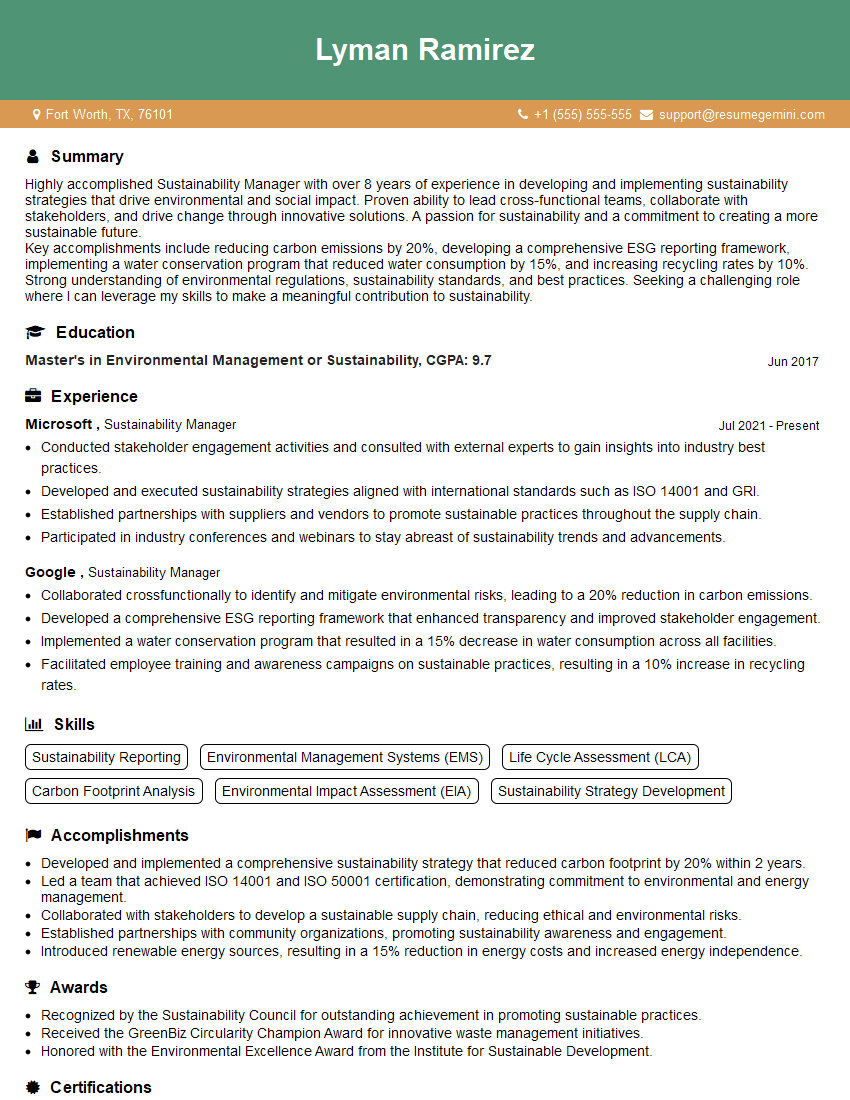
Sustainability Manager Resume Sample
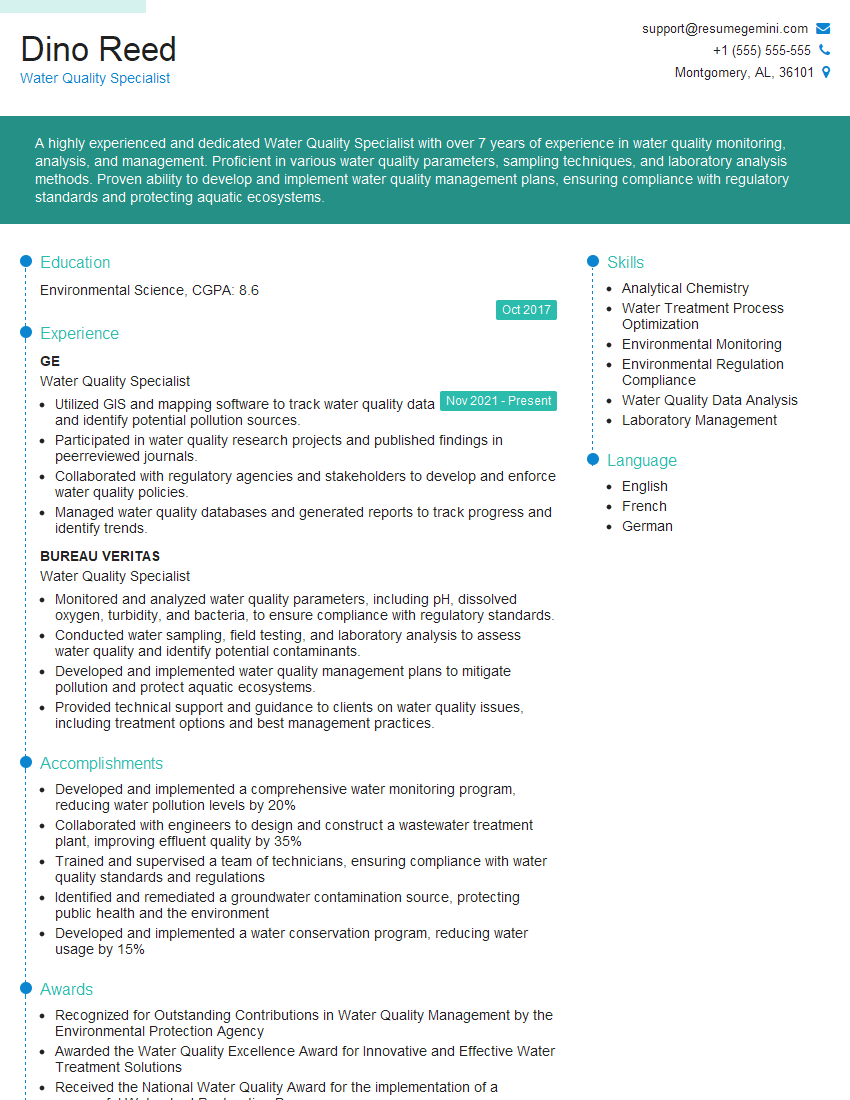
Water Quality Specialist Resume Sample
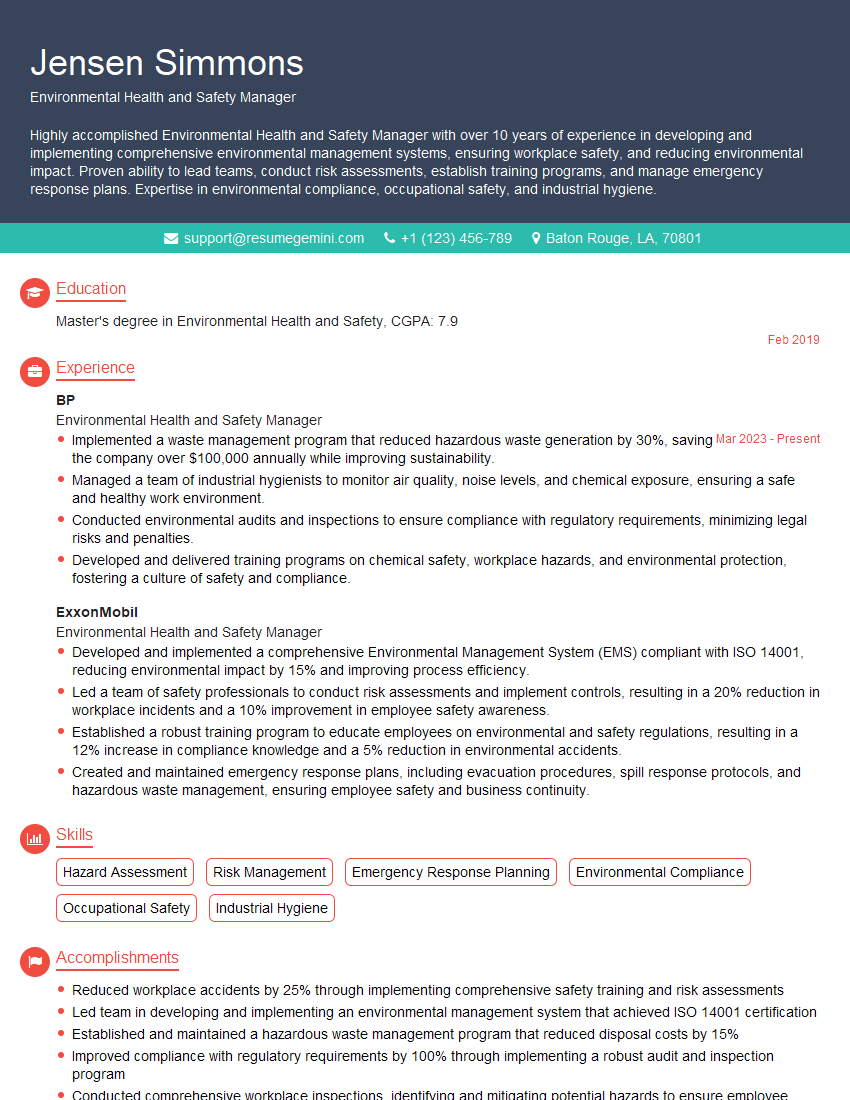
Environmental Health and Safety Manager Resume Sample
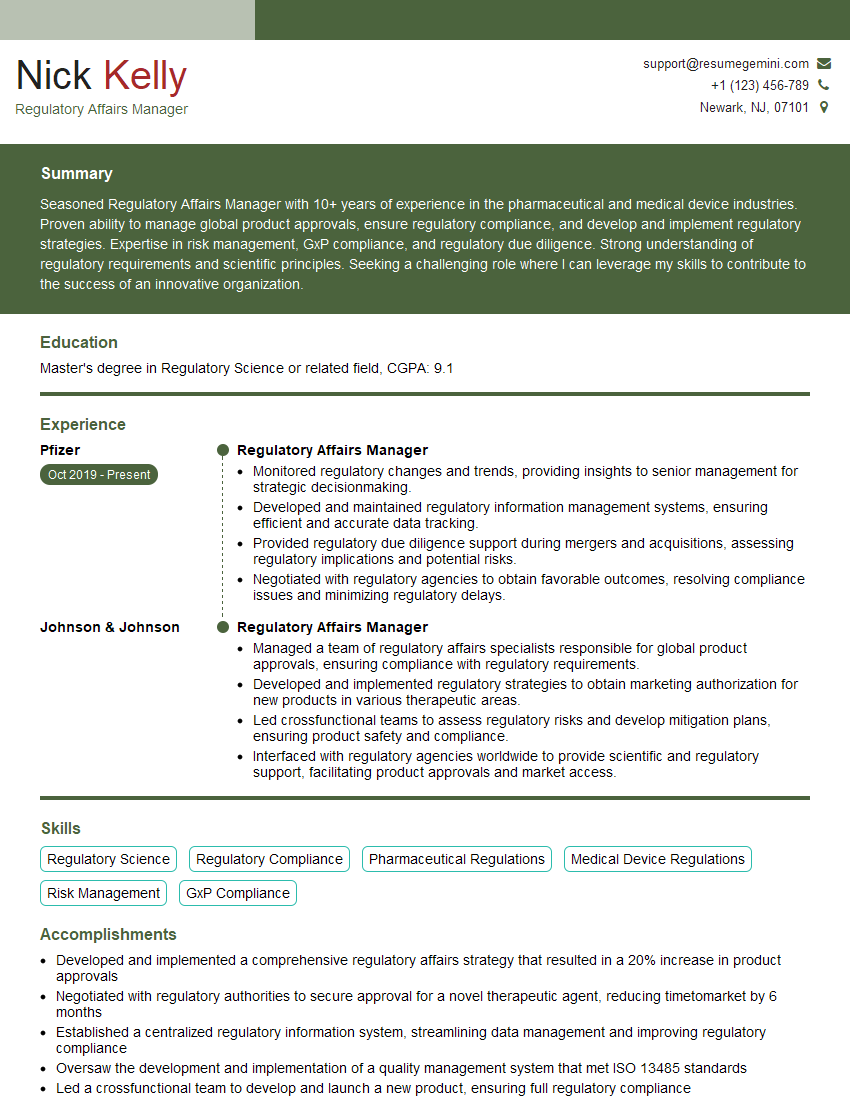
Regulatory Affairs Manager Resume Sample
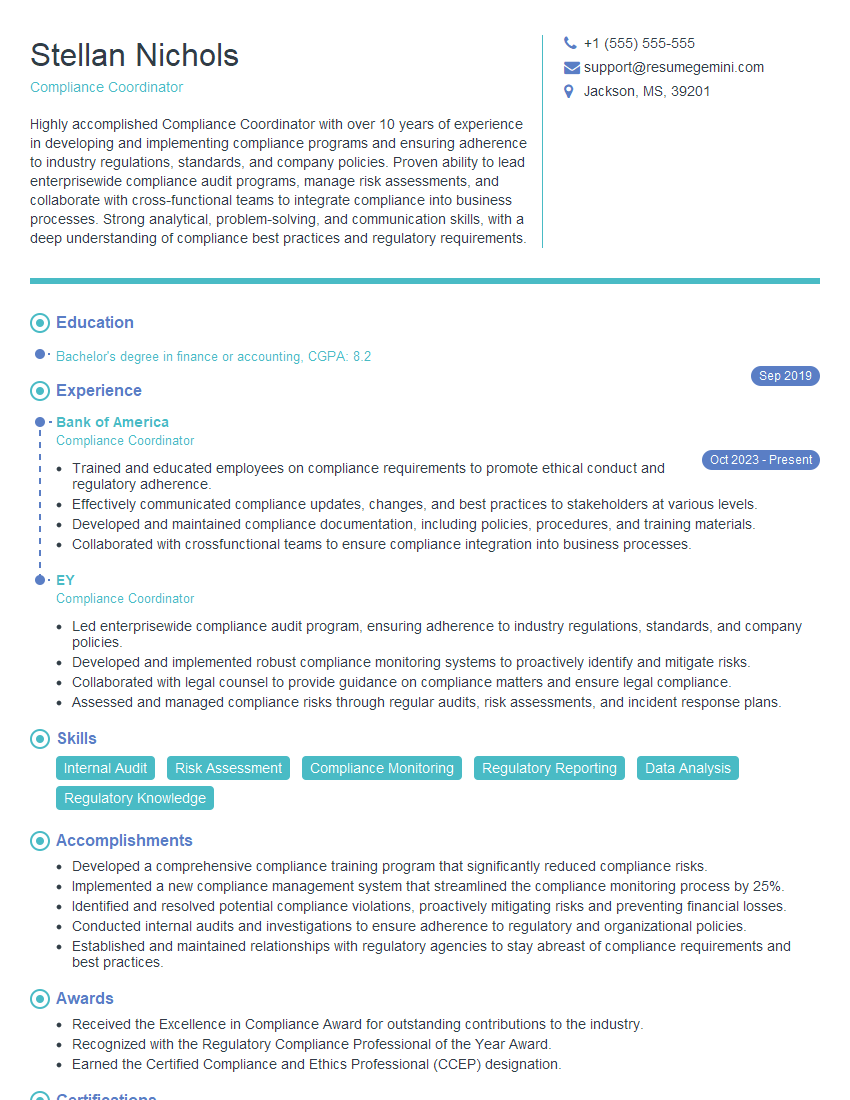
Compliance Coordinator Resume Sample
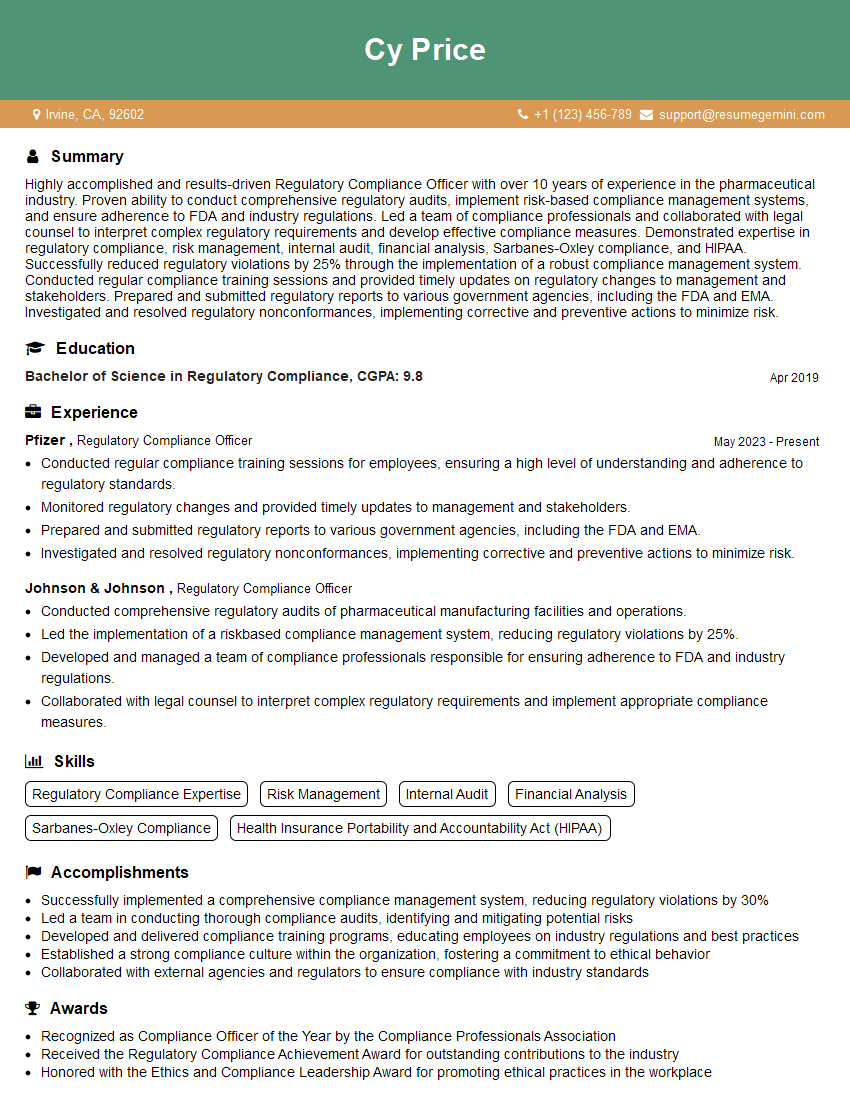
Regulatory Compliance Officer Resume Sample
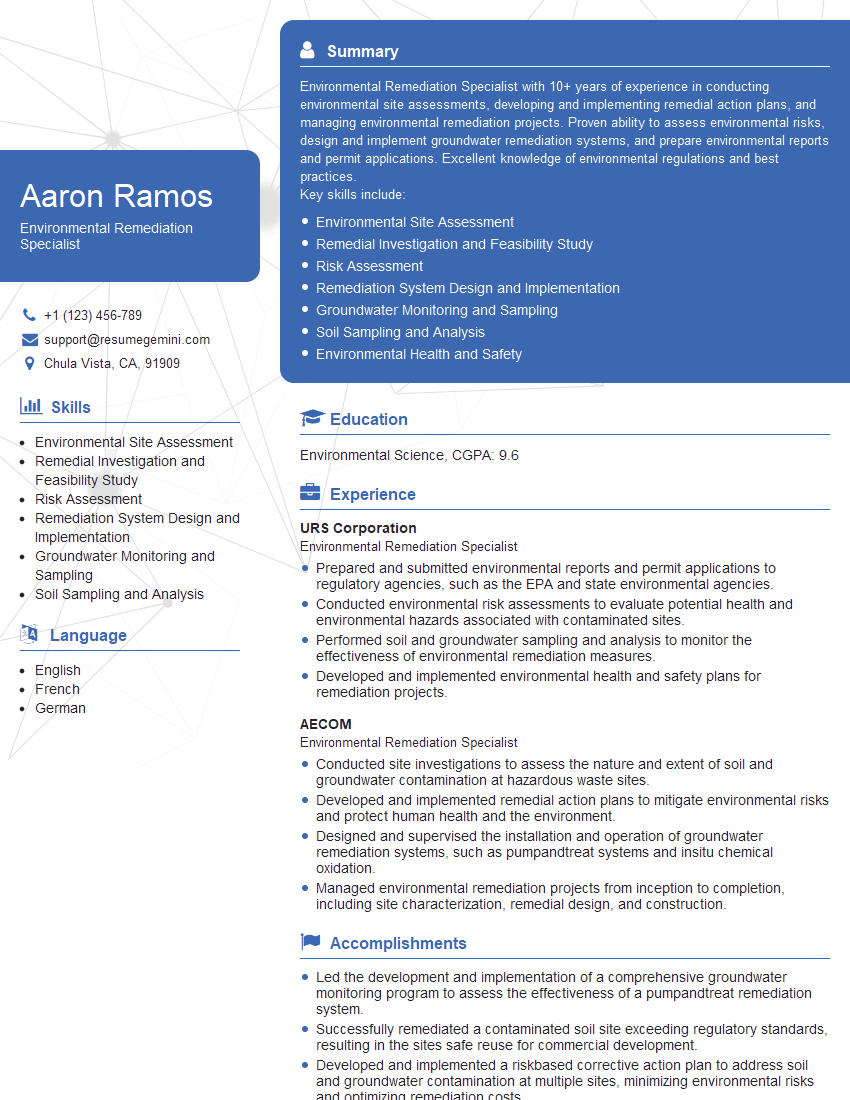
Environmental Remediation Specialist Resume Sample
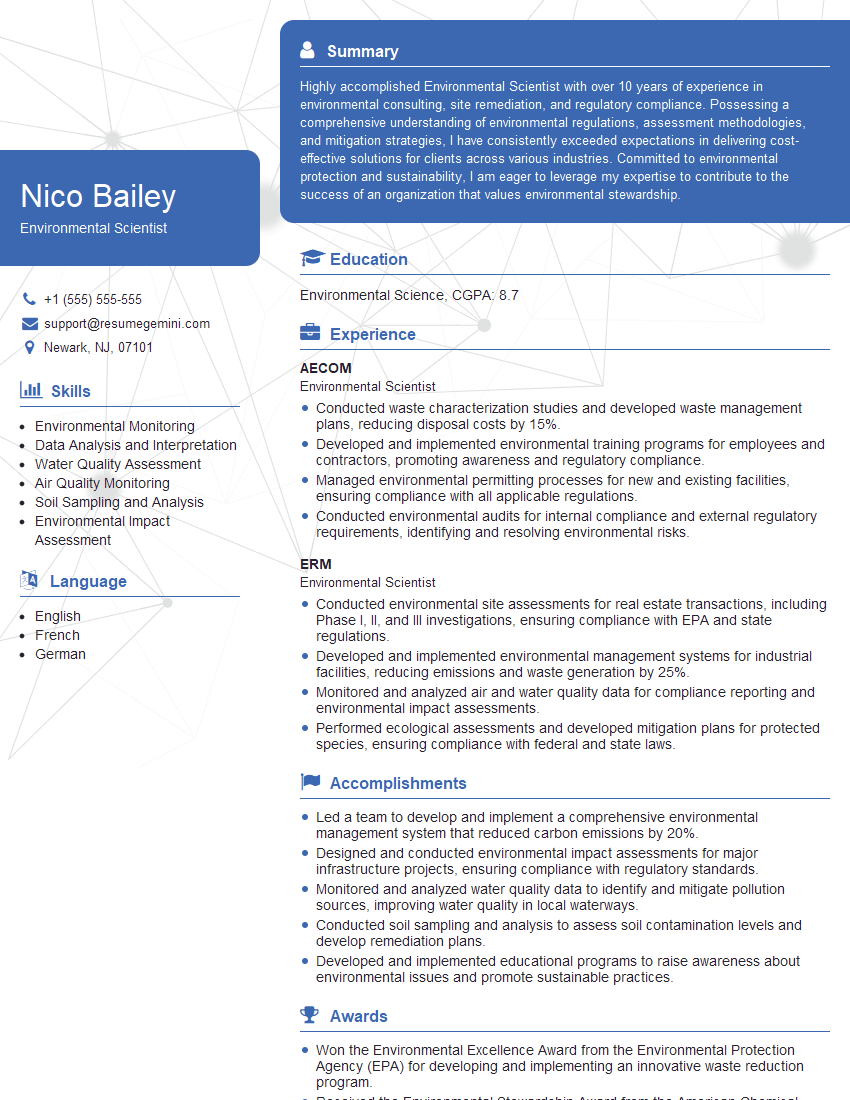
Environmental Scientist Resume Sample
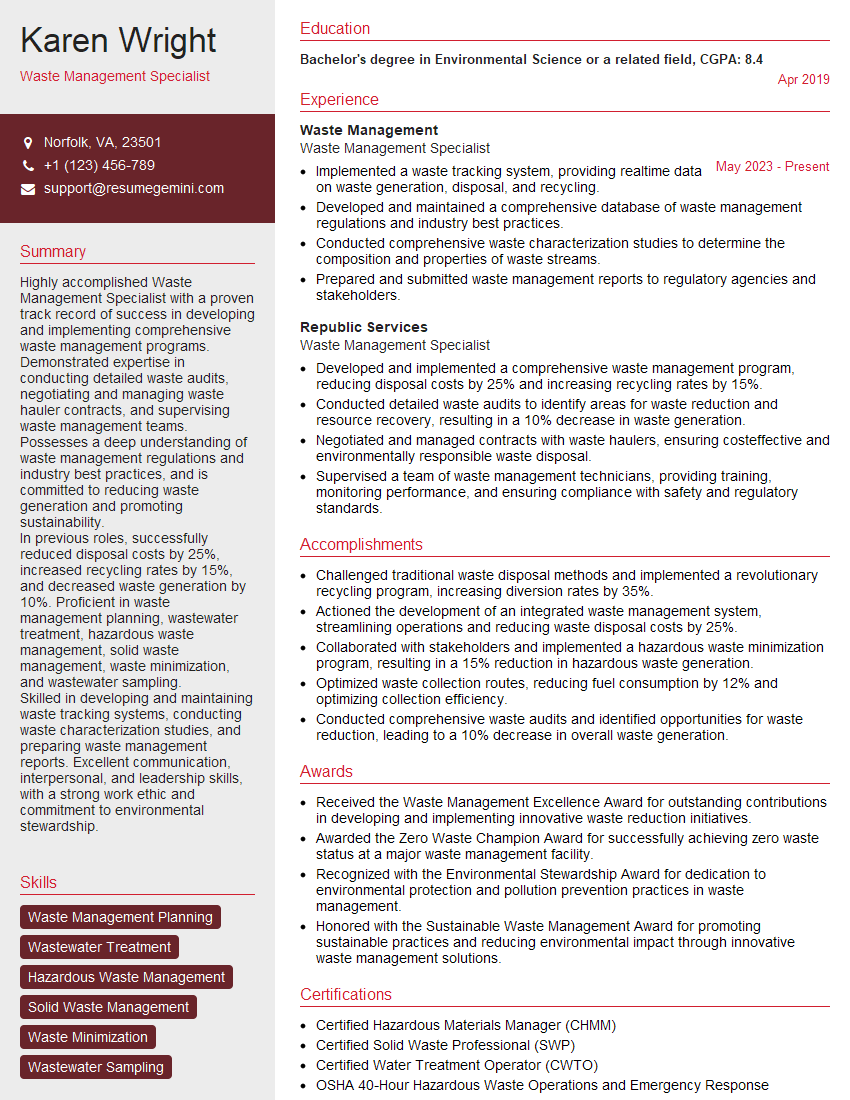
Waste Management Specialist Resume Sample

Sustainability Consultant Resume Sample
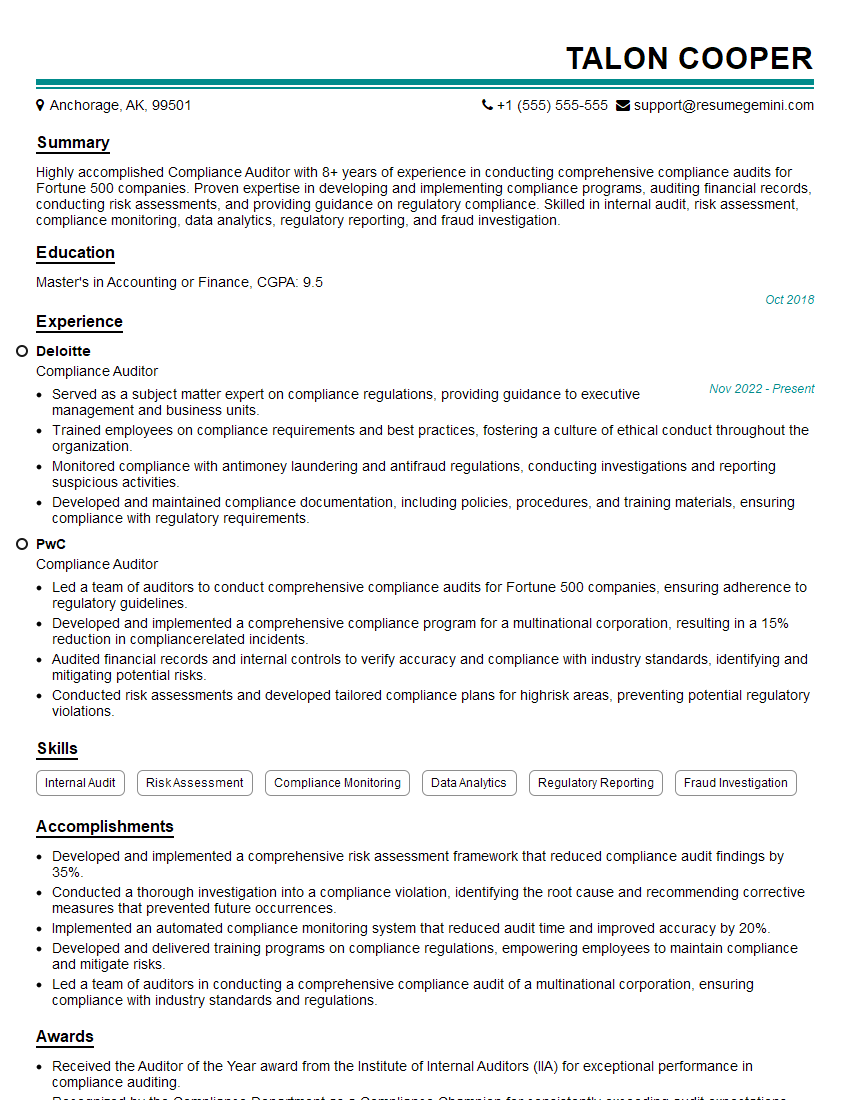
Compliance Auditor Resume Sample
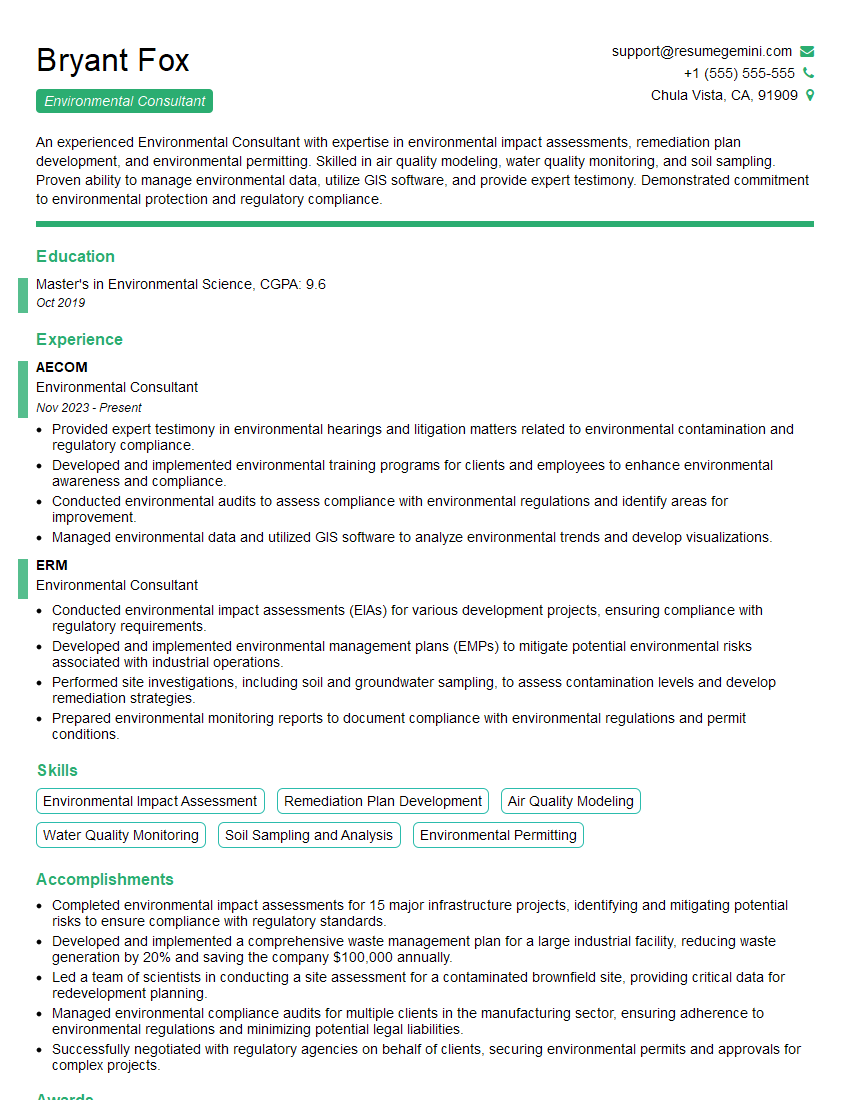
Environmental Consultant Resume Sample
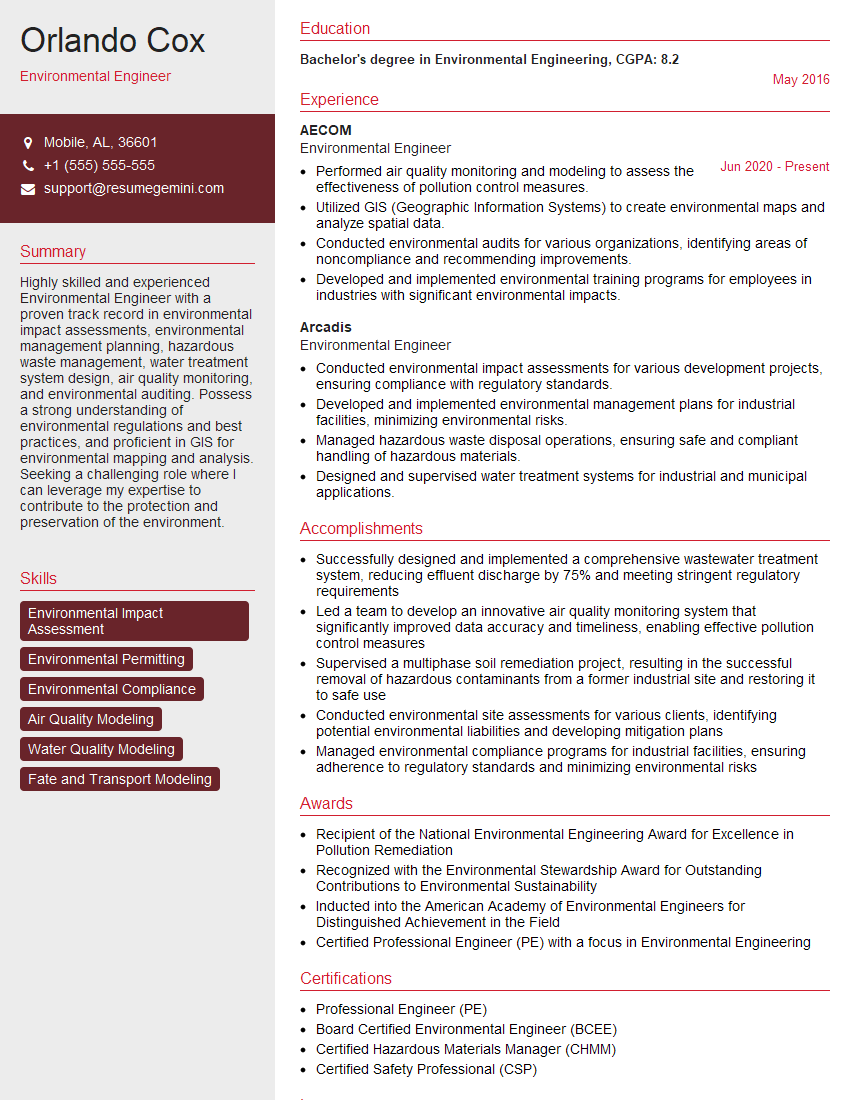
Environmental Engineer Resume Sample
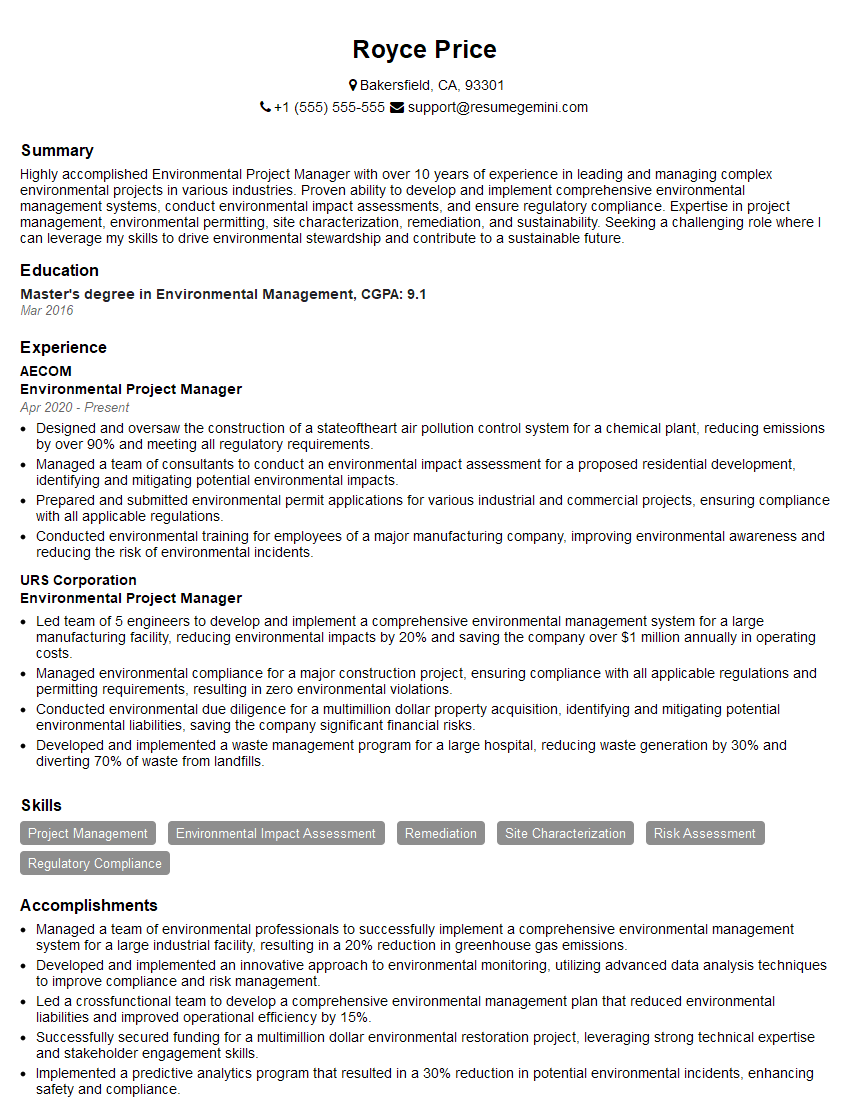
Environmental Project Manager Resume Sample
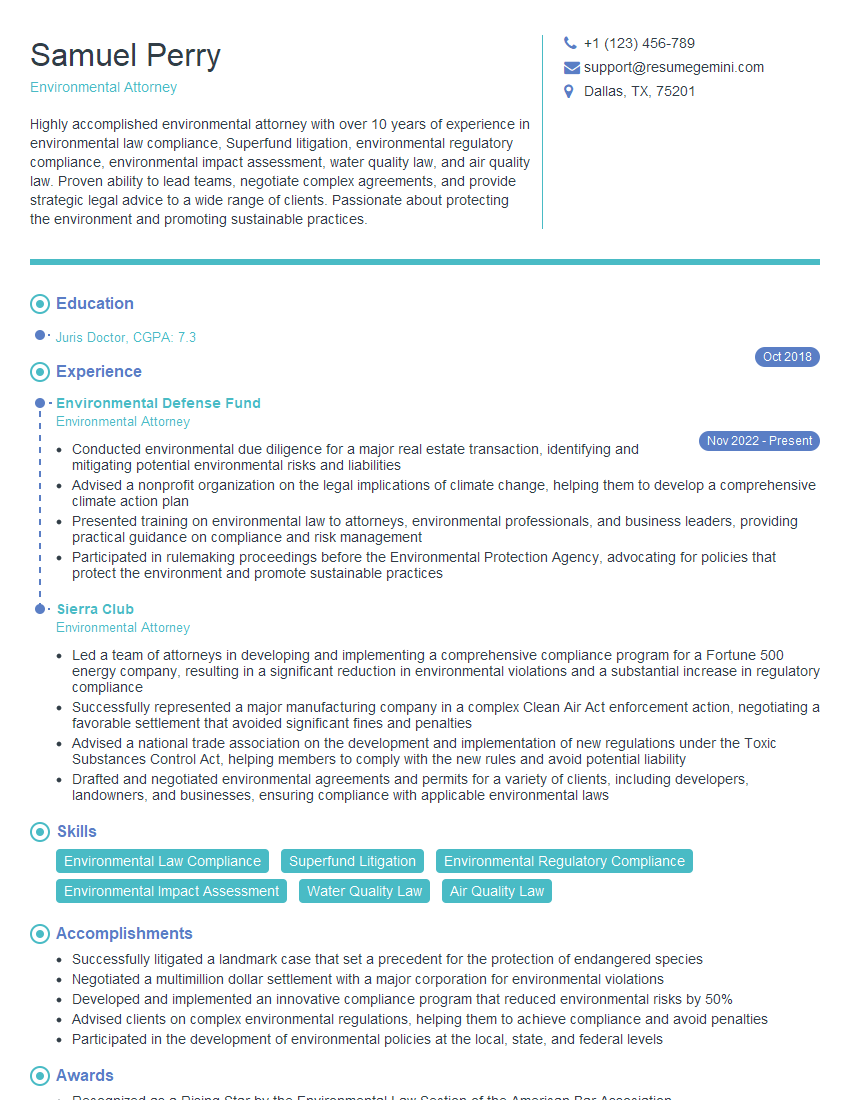
Environmental Attorney Resume Sample
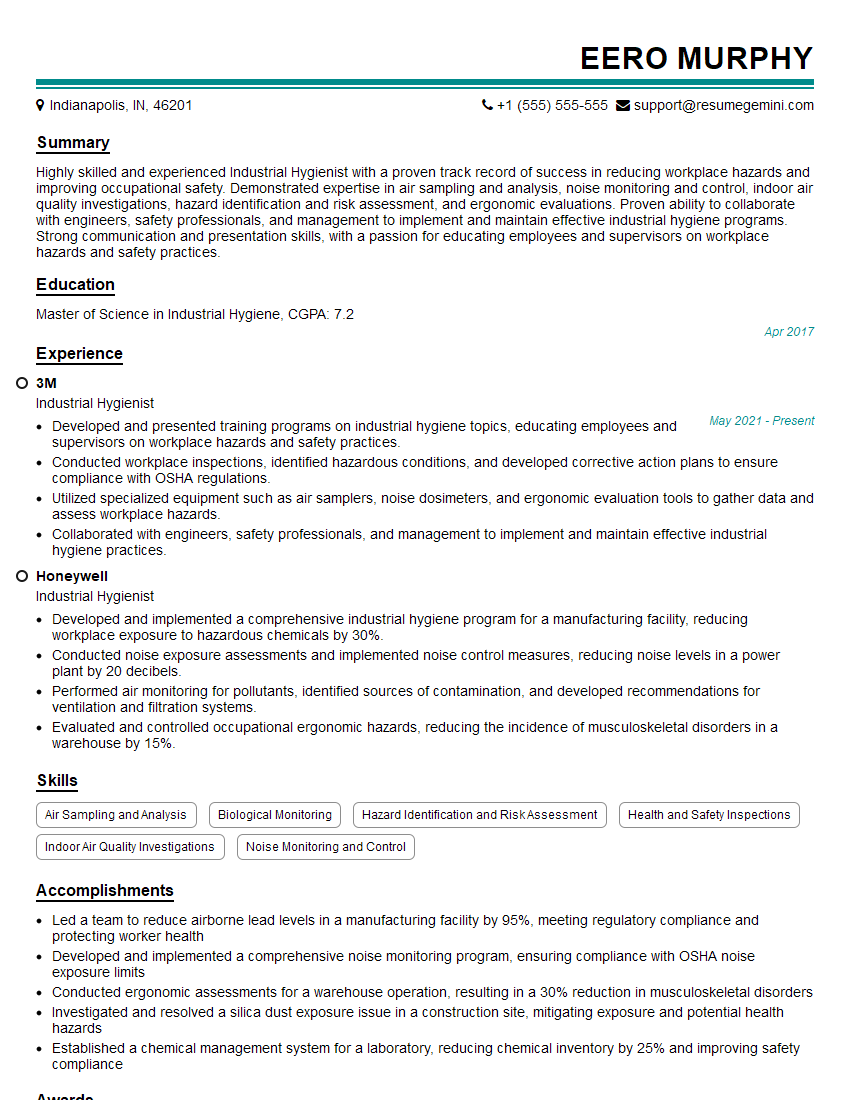
Industrial Hygienist Resume Sample
- Sustainability Manager
- Water Quality Specialist
- Environmental Health and Safety Manager
- Regulatory Affairs Manager
- Compliance Coordinator
- Regulatory Compliance Officer
- Environmental Remediation Specialist
- Environmental Scientist
- Waste Management Specialist
- Sustainability Consultant
- Compliance Auditor
- Environmental Consultant
- Environmental Engineer
- Environmental Project Manager
- Environmental Attorney
- Industrial Hygienist
Explore more articles
Users Rating of Our Blogs
Share Your Experience
We value your feedback! Please rate our content and share your thoughts (optional).
What Readers Say About Our Blog
I Redesigned Spongebob Squarepants and his main characters of my artwork.
https://www.deviantart.com/reimaginesponge/art/Redesigned-Spongebob-characters-1223583608
IT gave me an insight and words to use and be able to think of examples
Hi, I’m Jay, we have a few potential clients that are interested in your services, thought you might be a good fit. I’d love to talk about the details, when do you have time to talk?
Best,
Jay
Founder | CEO