Preparation is the key to success in any interview. In this post, we’ll explore crucial Excellent customer service skills and a commitment to building long-term relationships interview questions and equip you with strategies to craft impactful answers. Whether you’re a beginner or a pro, these tips will elevate your preparation.
Questions Asked in Excellent customer service skills and a commitment to building long-term relationships Interview
Q 1. Describe your approach to handling a highly dissatisfied customer.
My approach to handling a highly dissatisfied customer centers around empathy, active listening, and a commitment to finding a resolution. I begin by letting the customer fully express their concerns without interruption, demonstrating genuine understanding through active listening techniques like mirroring and summarizing their points. This acknowledges their frustration and shows I value their feedback. Once I fully grasp the situation, I apologize sincerely, even if I’m not personally at fault – the focus is on acknowledging their negative experience. Then, I collaboratively work with the customer to find a solution that meets their needs and expectations, offering options and explaining the rationale behind my suggestions. I document the entire interaction, including the resolution and follow-up actions. Finally, I follow up to ensure their satisfaction and address any lingering concerns. Think of it like this: it’s less about ‘fixing the problem’ and more about ‘repairing the relationship’.
For example, if a customer received a damaged product, I wouldn’t simply offer a replacement; I’d express my sincere apologies for the inconvenience, immediately process a replacement shipment with expedited delivery, offer a discount on their next purchase, and possibly a small gift as a token of goodwill to demonstrate my commitment to regaining their trust.
Q 2. How do you prioritize competing customer needs?
Prioritizing competing customer needs requires a structured approach. I use a system that considers urgency, impact, and long-term relationship value. Urgency refers to time-sensitive issues requiring immediate attention (e.g., a critical system failure). Impact assesses the potential consequences of not addressing a need promptly (e.g., a significant financial loss for the customer). Long-term relationship value considers the customer’s history, potential future business, and overall importance to the company. I use a matrix to visually prioritize these factors, ensuring that critical needs are addressed first, while still acknowledging and planning for less urgent, but still important, requests. Transparent communication with all involved parties is key. Customers should understand the prioritization process and the reasons behind any delays.
For instance, if I have a critical technical issue impacting a major client and a minor billing query from another client, I’d focus on resolving the technical issue immediately due to its high urgency and impact. I would then schedule a time to address the billing query, keeping the client informed of the process and anticipated resolution time.
Q 3. Explain your method for building rapport with new clients.
Building rapport with new clients involves creating a genuine connection based on trust and understanding. I start by actively listening to their needs and concerns, asking clarifying questions to ensure I fully grasp their requirements. I then demonstrate my expertise and knowledge by providing tailored solutions and addressing their questions thoroughly and patiently. I strive to be approachable and friendly, using their preferred communication methods, and adapting my communication style to match their personality. Building trust comes from delivering on promises, consistently providing value, and maintaining open and honest communication. Sharing relevant industry insights or case studies can also build confidence in my capabilities. A personalized welcome package or a follow-up call after the initial interaction can further reinforce the relationship.
For example, when onboarding a new client, I might send a welcome email personalized with details specific to their industry, followed by a introductory phone call to review their objectives and answer any questions. This personalized touch differentiates me and ensures a smoother onboarding experience.
Q 4. How do you measure the success of a customer relationship?
Measuring the success of a customer relationship goes beyond simply looking at sales figures. I assess success across several key indicators: customer satisfaction (measured through surveys and feedback), customer lifetime value (the total revenue generated by a customer over their relationship with the company), customer retention rate (the percentage of customers who continue their business with the company), and Net Promoter Score (NPS), a metric that measures customer loyalty and willingness to recommend the company. Regular communication and feedback loops are essential for continuous improvement. Analyzing these metrics allows me to identify areas for improvement and tailor strategies to enhance the overall customer experience. The goal is to build long-term, mutually beneficial relationships that lead to sustained growth and advocacy.
Q 5. How do you identify and address customer pain points?
Identifying and addressing customer pain points starts with active listening and observation. I pay close attention to customer feedback, both verbal and non-verbal, during interactions. Analyzing customer support tickets, surveys, and reviews also provides valuable insights. I look for recurring themes or complaints, which often point to underlying issues or systemic problems. Once a pain point is identified, I work to understand the root cause and develop a solution. This might involve process improvements, product enhancements, or personalized support. Open communication with the customer throughout the process is crucial. Transparency builds trust and demonstrates a commitment to resolving their issues.
For example, if numerous customers complain about a complicated online ordering process, I’d work with the development team to streamline the process, making it more user-friendly and intuitive. This proactive approach not only addresses the pain point but also prevents future issues.
Q 6. Describe a time you went above and beyond for a customer.
During a major system outage, a key client was facing significant production delays. While our technical team worked tirelessly to restore service, I understood the critical impact on the client’s business. I went beyond my typical role to personally coordinate alternative solutions, including finding a temporary workaround using a competitor’s system, ensuring they could continue operating with minimal disruption. I personally stayed in contact with the client throughout the night, providing regular updates and offering support. This proactive effort, even though outside my core responsibilities, solidified our relationship and fostered their trust and loyalty. It showed that we cared about their business success beyond simply resolving the technical problem.
Q 7. How do you handle difficult or confrontational customers?
Handling difficult or confrontational customers requires patience, empathy, and a de-escalation strategy. I begin by actively listening to their concerns without interrupting, demonstrating empathy and understanding. I use calming and reassuring language, focusing on validating their feelings before addressing the issue at hand. I avoid getting defensive and instead focus on finding a mutually acceptable solution. If the conversation becomes excessively aggressive or abusive, I clearly communicate my boundaries while remaining respectful. If necessary, I might involve a supervisor or manager to assist in de-escalating the situation. Documenting the interaction is crucial for future reference and to identify any recurring patterns. The ultimate goal is to de-escalate the situation, find a resolution, and preserve the relationship whenever possible. Remember, even in difficult situations, the customer deserves respect and consideration.
Q 8. What strategies do you use to retain clients long-term?
Client retention is the cornerstone of any successful business. It’s far more cost-effective to retain existing clients than to constantly acquire new ones. My strategy focuses on building genuine, long-term relationships based on trust and mutual value. This involves:
Proactive Communication: Regularly checking in with clients, not just when there’s a problem, but to offer updates, share relevant information, or simply to maintain contact. For example, I might send a quarterly newsletter highlighting new features or successful case studies.
Personalized Service: Understanding each client’s individual needs and preferences allows me to tailor my approach. Remembering details like their preferred communication method or project priorities shows I value their business.
Feedback Mechanisms: Actively soliciting feedback through surveys, reviews, or direct conversations helps me identify areas for improvement and demonstrate that their opinions matter. I use this feedback to adapt my service and ensure continued satisfaction.
Loyalty Programs and Incentives: Rewarding long-term clients with discounts, exclusive offers, or early access to new products or services strengthens their commitment and shows appreciation for their loyalty.
Exceptional Problem Resolution: Addressing concerns promptly and effectively, going the extra mile to ensure their satisfaction, is crucial. This builds trust and reinforces their confidence in my services.
Q 9. How do you use technology to enhance customer service?
Technology is an indispensable tool for enhancing customer service. I leverage various technologies to streamline processes, improve communication, and personalize interactions. This includes:
CRM Software: For managing customer interactions, tracking communication history, and personalizing communications (more detail below).
Live Chat and Messaging Platforms: Providing immediate support and resolving issues in real-time. This improves response times and increases customer satisfaction.
Email Automation: Automating responses to frequently asked questions, scheduling follow-up emails, and sending personalized reminders improves efficiency and ensures timely communication.
Knowledge Base and Self-Service Portals: Empowering clients to find answers independently through FAQs, tutorials, and troubleshooting guides reduces the workload and enhances client independence.
Social Media Monitoring: Tracking social media mentions and comments allows me to proactively address concerns and build relationships with clients on their preferred platforms.
Q 10. How do you proactively identify potential customer issues?
Proactive identification of potential customer issues is key to preventing problems before they escalate. My approach includes:
Regular Monitoring: Closely monitoring key performance indicators (KPIs), such as customer satisfaction scores, website analytics, and support ticket volumes, helps identify trends and potential trouble spots.
Data Analysis: Analyzing customer data to identify patterns in complaints or issues. For example, if several customers report a problem with a specific feature, this indicates a need for immediate attention.
Feedback Analysis: Thoroughly reviewing customer feedback from surveys, reviews, and direct conversations to pinpoint areas needing improvement or potential problems.
Communication with Internal Teams: Staying in close communication with other teams (e.g., product development, engineering) to anticipate potential problems before they impact customers.
Predictive Modeling (where applicable): Utilizing predictive analytics to identify customers at risk of churning or experiencing problems based on their behavior or demographics.
Q 11. How do you personalize the customer experience?
Personalization is about making each customer feel valued and understood. I achieve this by:
Using Customer Names: A simple yet effective way to personalize interactions. Addressing customers by their name creates a more personal and welcoming atmosphere.
Remembering Preferences: Note down customer preferences, such as their preferred communication method or product choices, and tailor communications accordingly.
Tailoring Communication Style: Adapting my communication style to match the customer’s personality and preferences. Some clients prefer formal communication, while others prefer a more informal, friendly approach.
Offering Customized Solutions: Understanding individual needs and providing tailored solutions rather than a one-size-fits-all approach. For example, I might offer different support options based on a client’s technical expertise.
Proactive Recommendations: Suggesting products or services that align with the client’s past purchases or expressed interests. This shows that I understand their needs and am committed to helping them succeed.
Q 12. Describe your experience with CRM software.
I have extensive experience working with CRM software, most recently with Salesforce. I utilize it to:
Manage Customer Data: Centralize and organize all customer information, including contact details, communication history, and purchase history.
Track Interactions: Maintain a detailed record of all interactions with customers, ensuring continuity of service and facilitating seamless handoffs between team members.
Automate Tasks: Automate routine tasks, such as sending follow-up emails or generating reports, freeing up time for more complex tasks.
Segment Customers: Group customers based on demographics, purchase history, or other criteria to tailor marketing efforts and provide more personalized service.
Generate Reports: Create reports to analyze customer behavior, track key metrics, and identify areas for improvement.
For example, using Salesforce’s workflow automation, I can automatically send a personalized welcome email to new clients, and then schedule follow-up emails based on pre-defined triggers, such as completing a trial or making a purchase.
Q 13. How do you handle customer complaints effectively?
Handling customer complaints effectively is crucial for maintaining positive relationships and brand reputation. My approach involves:
Active Listening: Allowing the customer to fully explain their complaint without interruption, showing empathy and understanding.
Empathetic Response: Acknowledging the customer’s frustration and validating their feelings. Phrases like, “I understand your frustration,” or “I’m sorry you experienced this,” can go a long way.
Problem Solving: Working collaboratively with the customer to identify the root cause of the problem and find a suitable solution. This may involve offering a refund, replacement, or other form of compensation.
Follow-up: Following up with the customer after the issue has been resolved to ensure they are satisfied and to gauge their overall experience.
Documentation: Documenting the complaint and resolution process to help identify recurring issues and improve future service.
For instance, if a customer complains about a delayed shipment, I would first apologize for the inconvenience, then investigate the cause of the delay, and provide an estimated delivery date. If the delay is significant, I might offer a discount or expedited shipping as a gesture of goodwill.
Q 14. How do you manage multiple customer accounts simultaneously?
Managing multiple customer accounts simultaneously requires strong organizational skills and efficient time management. My strategies include:
Prioritization: Prioritizing tasks based on urgency and importance, using tools like to-do lists and scheduling software.
Time Blocking: Allocating specific time slots for different tasks or clients to avoid feeling overwhelmed and ensure adequate attention to each account.
CRM System: Leveraging my CRM system to track all customer interactions and ensure consistent service across all accounts.
Delegation (when applicable): Delegating tasks to other team members when appropriate to optimize workload and maintain efficiency.
Regular Review: Regularly reviewing my progress and adjusting my schedule as needed to ensure I’m meeting all deadlines and providing excellent service to all clients.
I use a combination of these methods to stay organized and ensure I provide timely and effective service to each client, even when managing a large number of accounts concurrently.
Q 15. What are your strategies for resolving customer service issues quickly?
My strategy for resolving customer service issues quickly centers around a three-pronged approach: active listening, efficient problem diagnosis, and proactive solution implementation.
First, active listening ensures I fully understand the customer’s problem, avoiding assumptions. I use open-ended questions like, “Can you tell me more about what happened?” to encourage detailed explanations. This helps me avoid focusing on the wrong issue.
Next, efficient problem diagnosis involves systematically investigating the root cause. I might ask clarifying questions to pinpoint the specific issue or utilize available tools and resources (e.g., CRM systems, troubleshooting guides) to swiftly isolate the problem. For instance, if a customer is having trouble with a software feature, I’d ask about their operating system, browser, and recent actions to narrow down possibilities.
Finally, proactive solution implementation involves providing a clear, actionable solution. If the solution requires immediate action on my part, I take it immediately while keeping the customer updated. If it requires a multi-step process, I’ll provide a clear timeline and follow-up plan to ensure prompt resolution. For example, if an order is delayed, I will promptly investigate with the shipping department, update the customer on the status and revised delivery time, and offer a small token of compensation for the inconvenience.
Career Expert Tips:
- Ace those interviews! Prepare effectively by reviewing the Top 50 Most Common Interview Questions on ResumeGemini.
- Navigate your job search with confidence! Explore a wide range of Career Tips on ResumeGemini. Learn about common challenges and recommendations to overcome them.
- Craft the perfect resume! Master the Art of Resume Writing with ResumeGemini’s guide. Showcase your unique qualifications and achievements effectively.
- Don’t miss out on holiday savings! Build your dream resume with ResumeGemini’s ATS optimized templates.
Q 16. How do you maintain positive relationships with clients remotely?
Maintaining positive relationships with clients remotely requires a conscious effort to build rapport and demonstrate genuine care, even through a screen. I achieve this through several key strategies:
- Personalized communication: I make it a point to address clients by name and avoid generic responses. I personalize emails and use a friendly, yet professional, tone.
- Regular check-ins: Even without direct issues, I regularly check in with clients to see how they are progressing with their projects or utilizing our services. This proactive communication shows that I value the relationship.
- Utilizing multiple communication channels: I adapt to the client’s preferred communication method (email, phone, video conferencing) to ensure seamless and convenient interaction.
- Active listening and empathy: Despite the distance, active listening remains crucial. I focus on understanding the client’s perspective and demonstrating empathy, even when discussing complex or challenging issues. For example, expressing understanding like “I can see how frustrating this is” goes a long way.
- Providing regular updates and transparency: I always keep clients informed about progress, challenges, and potential delays. Transparency builds trust and reinforces confidence in the relationship.
Q 17. How do you track and measure customer satisfaction?
I track and measure customer satisfaction using a multi-faceted approach, combining quantitative and qualitative data. This allows for a comprehensive understanding of customer sentiment and areas for improvement.
- Customer Satisfaction Surveys (CSAT): Regular surveys with simple rating scales (e.g., 1-5 stars) are crucial for quantifiable feedback. These can be sent post-interaction or periodically to assess overall satisfaction. Open-ended questions within the survey also provide valuable qualitative insights.
- Net Promoter Score (NPS): This metric measures customer loyalty and advocacy by asking how likely customers are to recommend the company to others. A high NPS score indicates strong customer satisfaction.
- Customer Feedback Forms: Providing readily accessible feedback forms on the website or within applications allows for direct input from customers regarding their experience.
- Social Media Monitoring: Tracking mentions of the company or brand on social media platforms provides real-time insights into customer sentiment and potential issues that require immediate attention.
- Analyzing Support Tickets: Tracking the types of issues raised, resolution times, and customer feedback within support tickets offers insights into recurring problems and opportunities for improvement.
By combining these methods, I gain a holistic view of customer satisfaction, enabling data-driven improvements in services and processes.
Q 18. Describe your experience with conflict resolution.
My approach to conflict resolution is grounded in empathy, clear communication, and a commitment to finding mutually acceptable solutions. I employ a structured approach:
- Active Listening and Understanding: I begin by actively listening to both parties involved, seeking to understand their perspectives and concerns without interruption. I use paraphrasing to confirm understanding.
- Identifying the Core Issue: Once I understand each party’s perspective, I identify the underlying issue driving the conflict. This might involve identifying miscommunication, unmet expectations, or differing interpretations.
- Collaborative Problem-Solving: I work collaboratively with all parties to explore potential solutions, focusing on finding a compromise that meets the needs of everyone involved, as much as possible. This often involves brainstorming and suggesting alternative approaches.
- Documenting the Agreement: Once a solution is reached, I ensure that it is clearly documented, outlining responsibilities, timelines, and expectations. This helps avoid future misunderstandings.
- Follow-Up and Evaluation: I follow up with all parties involved to ensure that the agreed-upon solution is implemented effectively. This ensures the conflict has truly been resolved.
For instance, in a situation where two team members were disagreeing about project priorities, I facilitated a meeting where each member explained their perspective. We then collaboratively prioritized tasks based on project goals and deadlines, documenting the new plan to ensure everyone was on the same page.
Q 19. How do you handle situations where a customer’s expectations are unrealistic?
Handling situations with unrealistic customer expectations requires a delicate balance of empathy, firmness, and clear communication. My approach involves:
- Validate their feelings: I start by acknowledging and validating the customer’s concerns and frustrations, even if their expectations are unrealistic. This builds rapport and demonstrates empathy.
- Clearly explain limitations: I then clearly and politely explain the limitations, constraints, or company policies that prevent me from fulfilling their expectations. I provide factual information without being defensive.
- Offer alternative solutions: Instead of simply rejecting their request, I explore alternative solutions that might meet some of their needs within the realm of possibility. This shows my willingness to assist.
- Manage expectations: I clearly set realistic expectations for what can be achieved within the company’s capacity and capabilities. I manage their expectations upfront to prevent future disappointments. For instance, if the customer expects a refund for a service that is not refundable according to our policy, I would politely explain the policy, while exploring the option of some compensation for the inconvenience, like a small discount on their next purchase.
The key is to maintain a professional and empathetic demeanor while setting clear boundaries and managing expectations effectively.
Q 20. What is your preferred communication style with clients?
My preferred communication style with clients is clear, concise, and empathetic. I aim for a professional yet friendly approach, adapting to each client’s communication preferences.
Clarity is paramount. I avoid jargon and ensure my language is easily understood. Conciseness saves time and prevents information overload. Empathy involves active listening and demonstrating understanding of their situation. I always aim to be respectful, patient, and understanding, even when facing difficult clients.
I find that this style fosters trust and rapport, leading to more productive and positive interactions. While my default is a professional tone, I always look for opportunities to add a human touch.
Q 21. How do you adapt your communication style to different customer personalities?
Adapting my communication style to different customer personalities is crucial for effective customer service. I do this by observing their communication style and mirroring aspects of it while maintaining professionalism.
- Direct and Task-Oriented Customers: With these customers, I provide concise and efficient information, focusing on the solution and avoiding unnecessary details. I respond swiftly and directly to their queries.
- Detailed and Analytical Customers: These customers appreciate thorough explanations and supporting data. I provide detailed information, addressing all their questions thoroughly and logically.
- Emotional and Relationship-Oriented Customers: With these customers, I focus on building rapport and demonstrating empathy. I use active listening to understand their emotional state and offer reassuring and supportive responses.
- Informal and Friendly Customers: I adjust my tone to a more casual and friendly style, while maintaining professionalism, in response to their communication style.
By carefully observing and adapting to each client’s communication style, I ensure better understanding and a more positive interaction. Essentially, I aim to meet them where they are and tailor my response accordingly.
Q 22. How do you contribute to a positive team environment in customer service?
A positive team environment is crucial for excellent customer service. I contribute by actively fostering collaboration, offering support to colleagues, and maintaining open communication. This includes:
- Proactive Help: If I see a colleague struggling with a difficult customer, I offer assistance, perhaps by suggesting a different approach or sharing my experience with similar situations. For instance, I once helped a junior colleague handle an irate customer by suggesting they utilize a calming tone and empathetic language, resulting in a successful resolution.
- Sharing Knowledge: I regularly share helpful tips, best practices, and resources with my team. This might involve creating a shared document of frequently asked questions or demonstrating efficient workflow strategies.
- Positive Attitude: Maintaining a positive and encouraging attitude is infectious and helps build team morale. A supportive environment reduces stress and improves overall performance. I believe in celebrating successes, both individual and team-based, to reinforce positive behavior.
- Constructive Feedback: I offer constructive feedback both when requesting and providing it, focusing on solutions rather than blame. This helps us continuously improve as a team and learn from our mistakes.
Q 23. How do you stay informed about industry best practices in customer service?
Staying informed about industry best practices is essential for continuous improvement in customer service. I achieve this through a multi-pronged approach:
- Industry Publications and Blogs: I regularly read industry-leading publications and blogs that focus on customer service trends, best practices, and new technologies. This keeps me abreast of the latest developments and allows me to incorporate innovative solutions into my work.
- Conferences and Workshops: Attending industry conferences and workshops provides valuable opportunities to network with peers, learn from experts, and discover innovative approaches to customer service.
- Online Courses and Certifications: I actively pursue online courses and certifications to enhance my skills and knowledge in areas such as conflict resolution, customer relationship management (CRM), and emotional intelligence. Recently, I completed a course on advanced negotiation techniques that has significantly improved my ability to resolve complex customer issues.
- Professional Networking: Engaging with other customer service professionals through online communities and professional organizations helps to share ideas and insights, learning from different experiences and perspectives.
Q 24. Describe a time you had to escalate a customer issue.
I once had to escalate a customer issue concerning a faulty product that was beyond my authority to resolve directly. The customer had purchased a high-end appliance that malfunctioned repeatedly despite multiple attempts at troubleshooting. After documenting all previous interactions and attempting all available solutions, I escalated the issue to my supervisor, providing them with a detailed account of the problem, all communications with the customer, and the steps I had already taken. My supervisor then contacted the manufacturer directly, resulting in a replacement appliance being sent to the customer. The key was clear documentation and transparent communication throughout the process, keeping the customer informed every step of the way.
Q 25. How do you balance customer needs with company objectives?
Balancing customer needs with company objectives is a crucial aspect of effective customer service. It’s about finding solutions that satisfy both parties. I achieve this by:
- Understanding Company Policies: Having a thorough understanding of company policies and guidelines helps to determine the boundaries within which I can operate.
- Empathetic Listening: I actively listen to the customer to fully understand their needs and concerns. This allows me to identify potential solutions that meet their needs while aligning with company policy.
- Creative Problem Solving: Often, finding solutions involves creative problem-solving. For example, if a customer requests a refund that violates company policy, I might propose an alternative solution such as a discount on future purchases or expedited repair service to maintain their satisfaction while adhering to company guidelines.
- Escalation when Necessary: Sometimes, balancing customer needs and company objectives requires escalation to a supervisor for approval or assistance in finding a suitable solution.
Q 26. How do you deal with a demanding or unreasonable client?
Dealing with demanding or unreasonable clients requires patience, empathy, and skillful communication. My approach involves:
- Active Listening and Empathy: I begin by actively listening to the client, acknowledging their frustration, and attempting to understand their perspective. Even if their demands are unreasonable, validating their feelings diffuses tension.
- Calm and Professional Demeanor: Maintaining a calm and professional demeanor, even in the face of anger, is crucial. I use a calm tone and avoid getting defensive or argumentative.
- Restating and Clarifying: To ensure understanding, I frequently restate the client’s concerns and clarify any points of confusion.
- Offering Solutions Within Limits: I explore possible solutions while staying within company policy and my authority. I set clear expectations and explain the reasons behind any limitations.
- Escalation if Necessary: If the situation remains unmanageable, I escalate it to my supervisor.
For example, I once dealt with a client who was extremely upset about a minor delay in their order. By listening empathetically, calmly explaining the reason for the delay, and offering a small discount, I was able to de-escalate the situation and retain the client’s goodwill.
Q 27. What steps do you take to ensure customer data privacy?
Protecting customer data privacy is paramount. I adhere strictly to company policies and regulations regarding data handling. This includes:
- Following Company Protocols: I always follow established company protocols for data access, storage, and transmission. This includes using secure systems and adhering to password security guidelines.
- Data Minimization: I collect only the necessary customer data and ensure it is used only for its intended purpose.
- Secure Data Handling: I handle all customer data with care and caution, ensuring it is not shared unnecessarily or left unprotected.
- Data Breach Reporting: I am aware of the procedures to follow in case of a data breach and will report any suspected incidents immediately.
Q 28. How do you use feedback to improve customer service?
Customer feedback is invaluable for improving customer service. I use feedback to refine my approach and identify areas for improvement within the team. I actively seek out feedback through various channels, including:
- Surveys: I analyze customer satisfaction surveys to identify recurring issues or areas for improvement. For instance, if many customers report long wait times, this indicates a need to improve efficiency or staffing.
- Direct Feedback: I value direct feedback from customers, whether positive or negative. I use negative feedback to identify shortcomings in my service or processes, and I address each issue individually. For positive feedback, I use it to identify areas of success and best practices to emulate.
- Team Feedback Sessions: I participate in team feedback sessions to share lessons learned and brainstorm solutions for common problems, collectively improving the overall service.
- Performance Reviews: I actively use performance reviews as opportunities for self-reflection and goal setting, addressing weaknesses and improving on strengths.
Key Topics to Learn for Excellent Customer Service Skills and a Commitment to Building Long-Term Relationships Interview
- Active Listening and Empathy: Understanding the customer’s needs and perspective beyond just their words. Practical application: Reflecting customer concerns back to them to confirm understanding and demonstrate empathy.
- Problem-Solving and Conflict Resolution: Identifying and addressing customer issues efficiently and effectively, turning negative experiences into positive ones. Practical application: Developing a structured approach to troubleshooting, escalating issues appropriately, and offering solutions.
- Building Rapport and Trust: Establishing a positive connection with customers through clear communication, professionalism, and genuine care. Practical application: Using appropriate language and tone, actively engaging in conversation, and remembering customer details from previous interactions.
- Proactive Communication: Anticipating customer needs and providing timely updates and information. Practical application: Setting clear expectations, following up promptly, and using multiple communication channels effectively.
- Relationship Management: Nurturing long-term customer relationships through personalized service and consistent follow-up. Practical application: Identifying opportunities to exceed expectations, suggesting relevant products or services, and collecting customer feedback to improve service.
- Handling Difficult Customers: Maintaining composure and professionalism while addressing challenging situations. Practical application: Employing de-escalation techniques, staying calm under pressure, and focusing on finding mutually acceptable solutions.
- Understanding Customer Journey Mapping: Analyze the entire customer experience to identify pain points and areas for improvement. Practical application: Use this knowledge to improve processes and provide better customer support.
Next Steps
Mastering excellent customer service skills and a commitment to building long-term relationships is crucial for career advancement. It demonstrates valuable interpersonal skills and a dedication to customer satisfaction, highly sought after in today’s competitive job market. To significantly increase your chances of landing your dream job, focus on creating an ATS-friendly resume that effectively showcases these skills. ResumeGemini is a trusted resource to help you build a professional and impactful resume that highlights your strengths. Examples of resumes tailored to emphasize excellent customer service skills and a commitment to building long-term relationships are available – use them to inspire your own!
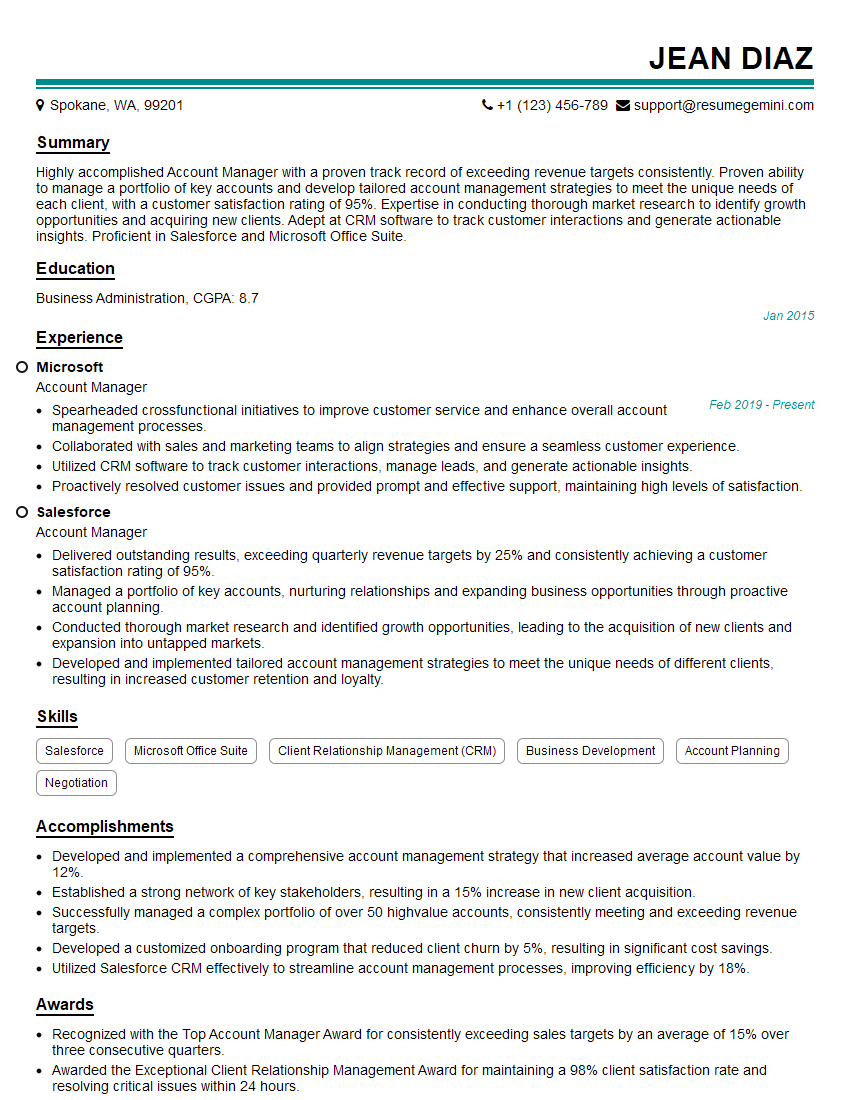
Account Manager Resume Sample
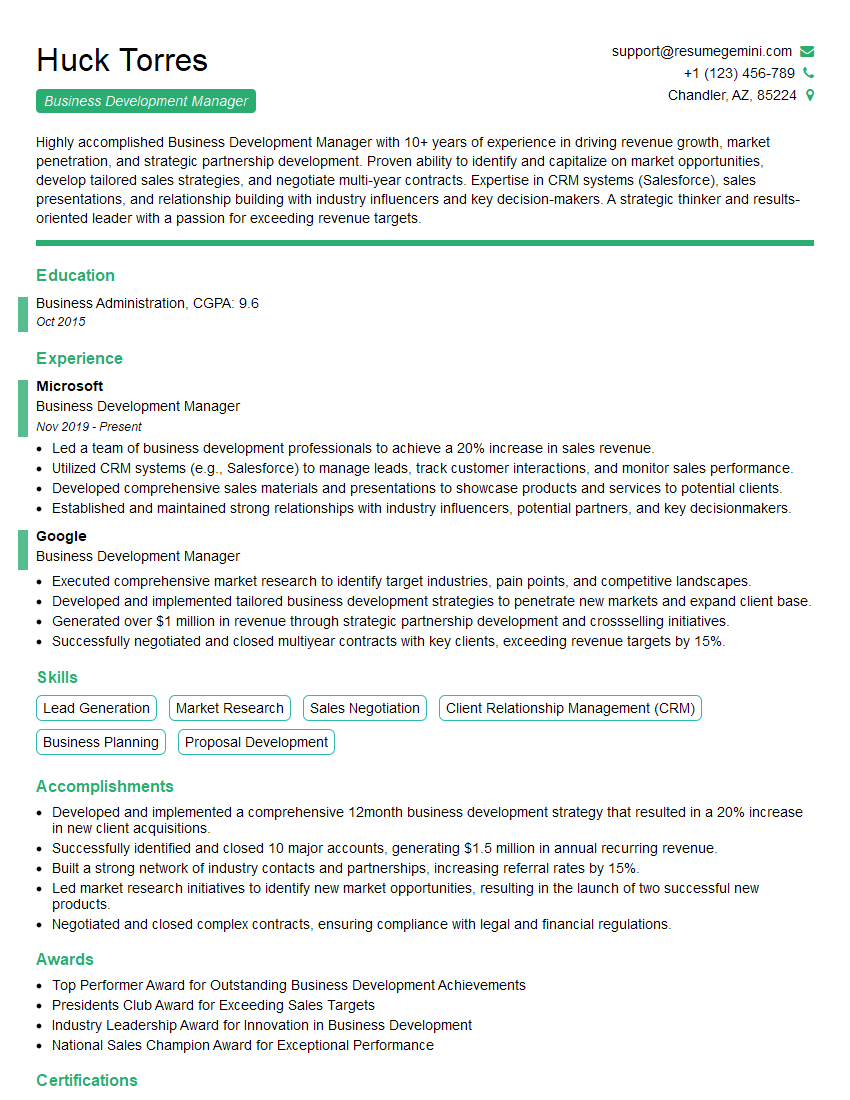
Business Development Manager Resume Sample
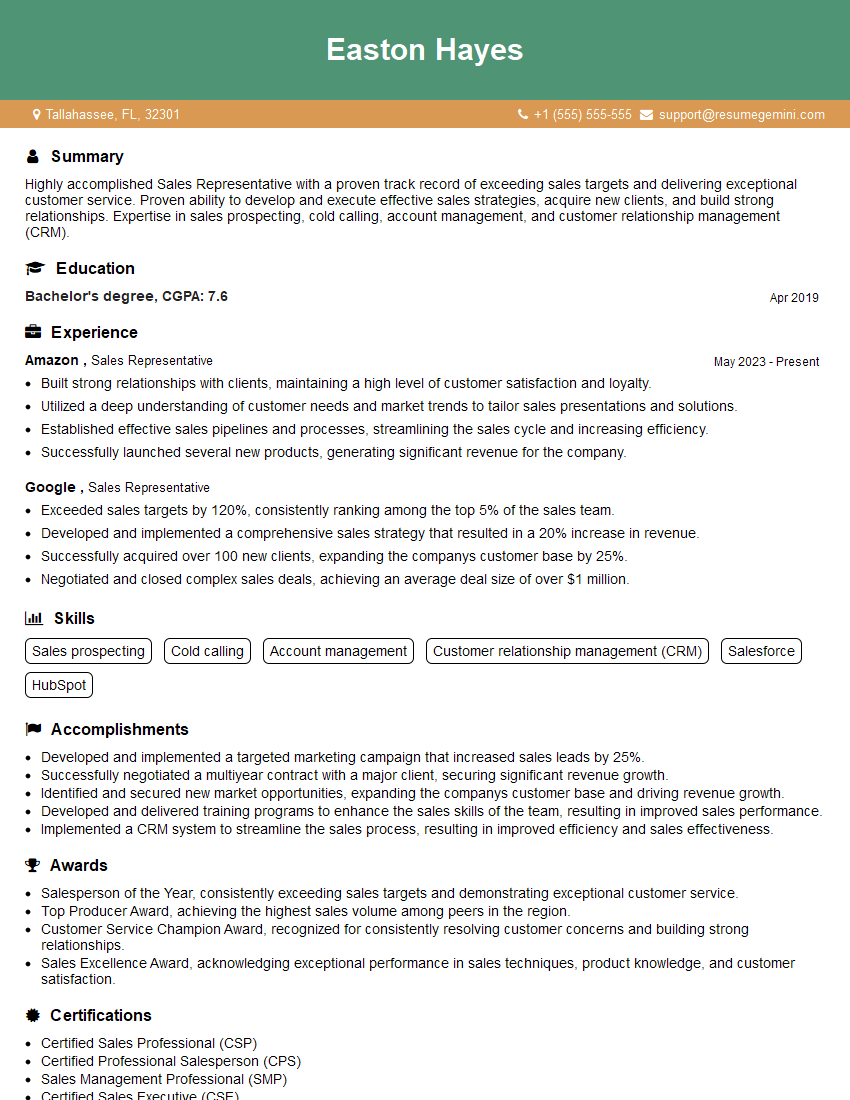
Sales Representative Resume Sample

Customer Service Manager Resume Sample
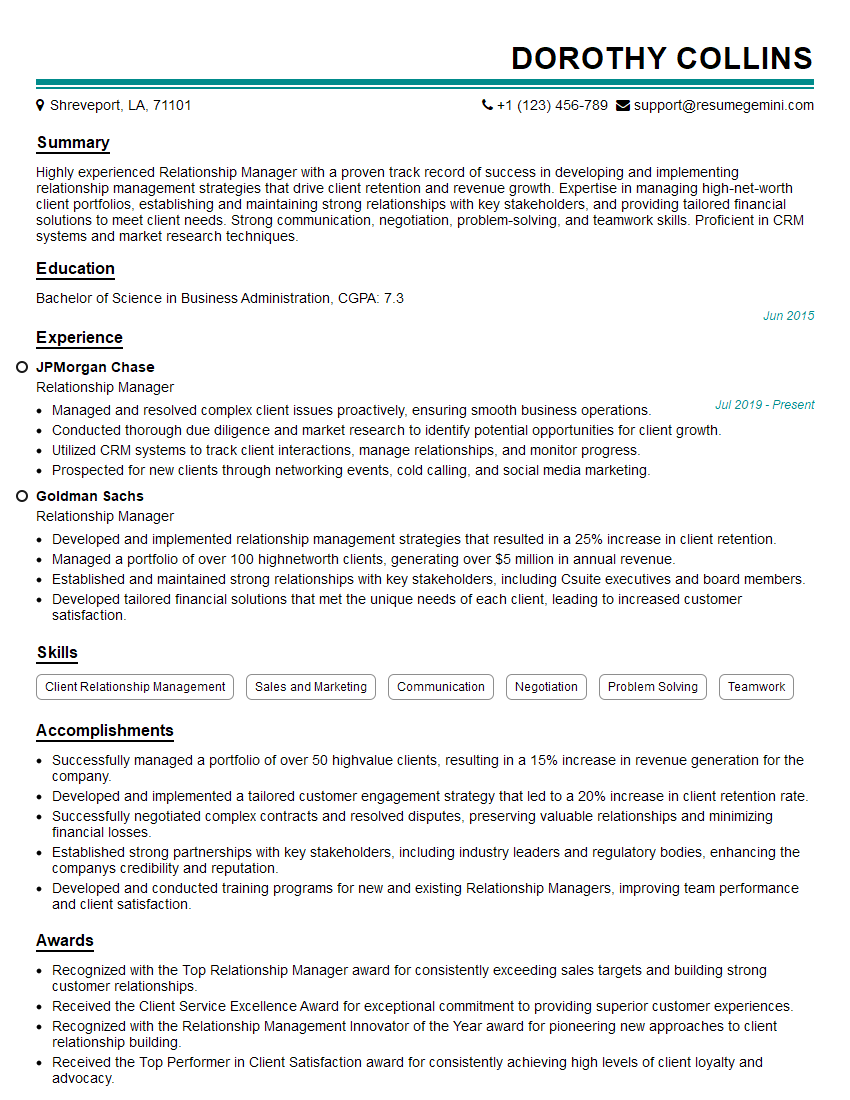
Relationship Manager Resume Sample
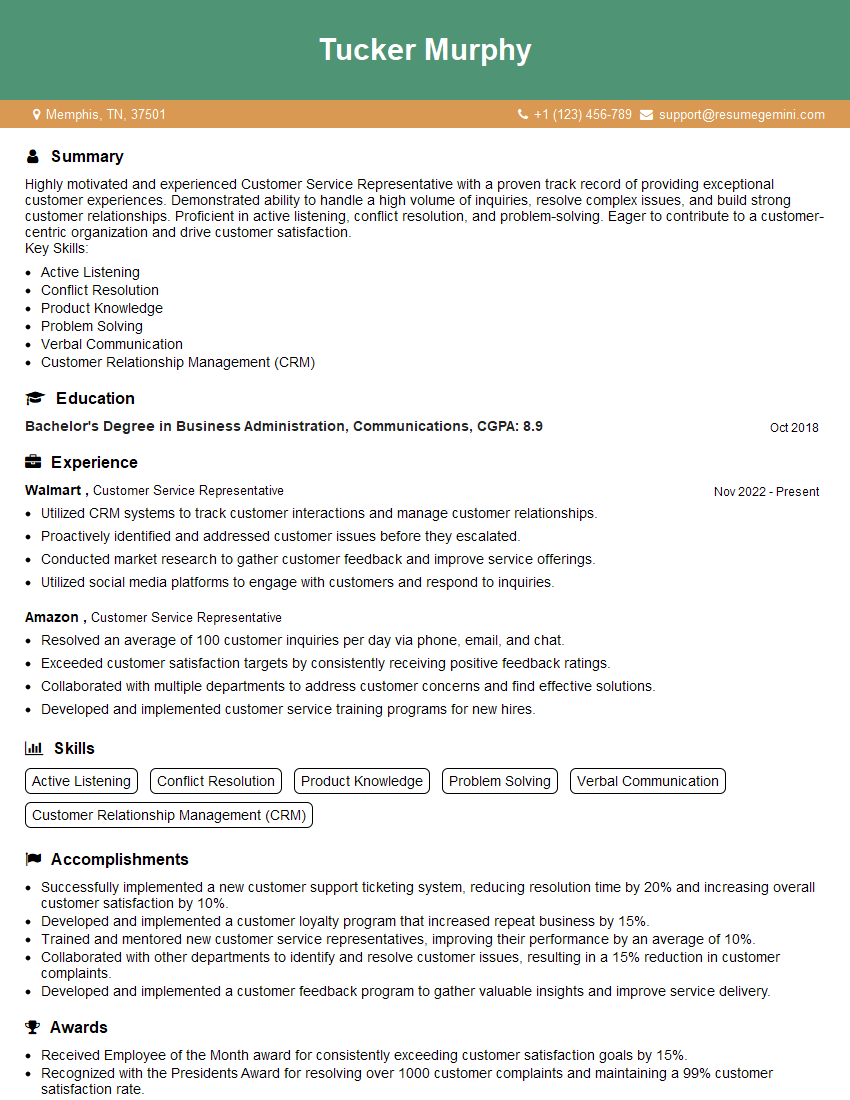
Customer Service Representative Resume Sample
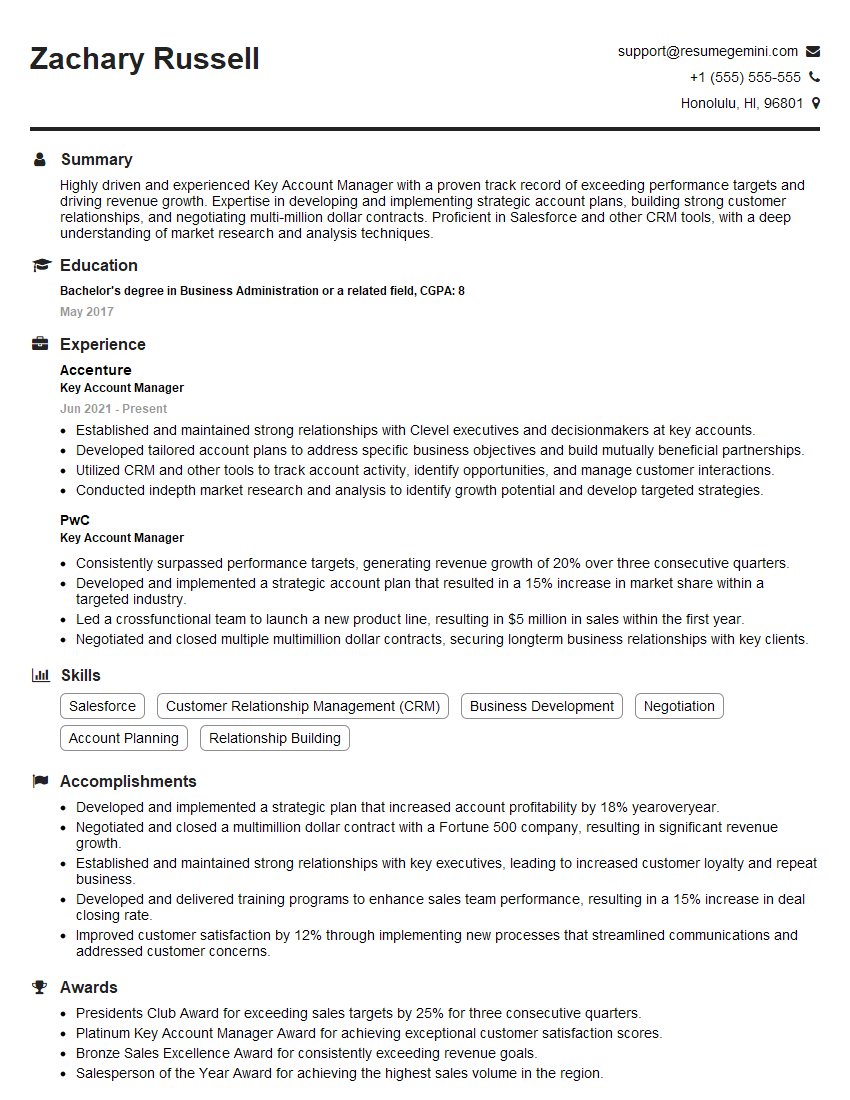
Key Account Manager Resume Sample
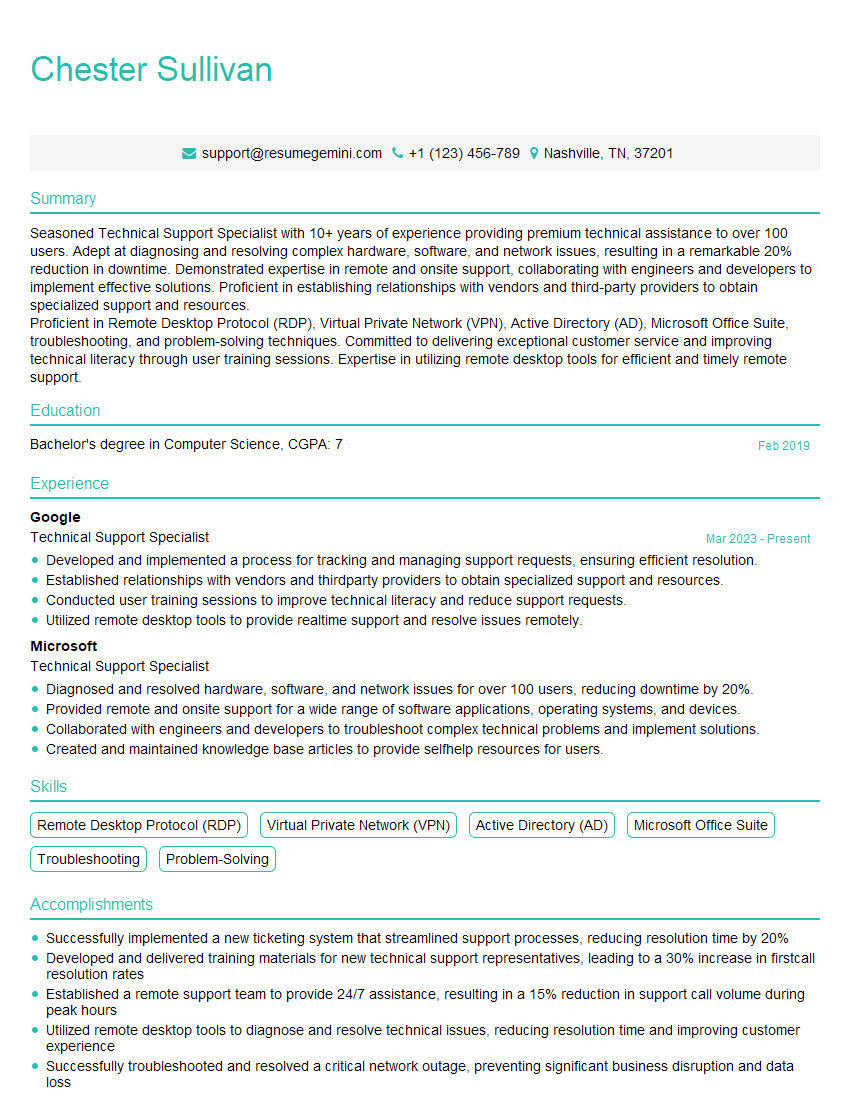
Technical Support Specialist Resume Sample
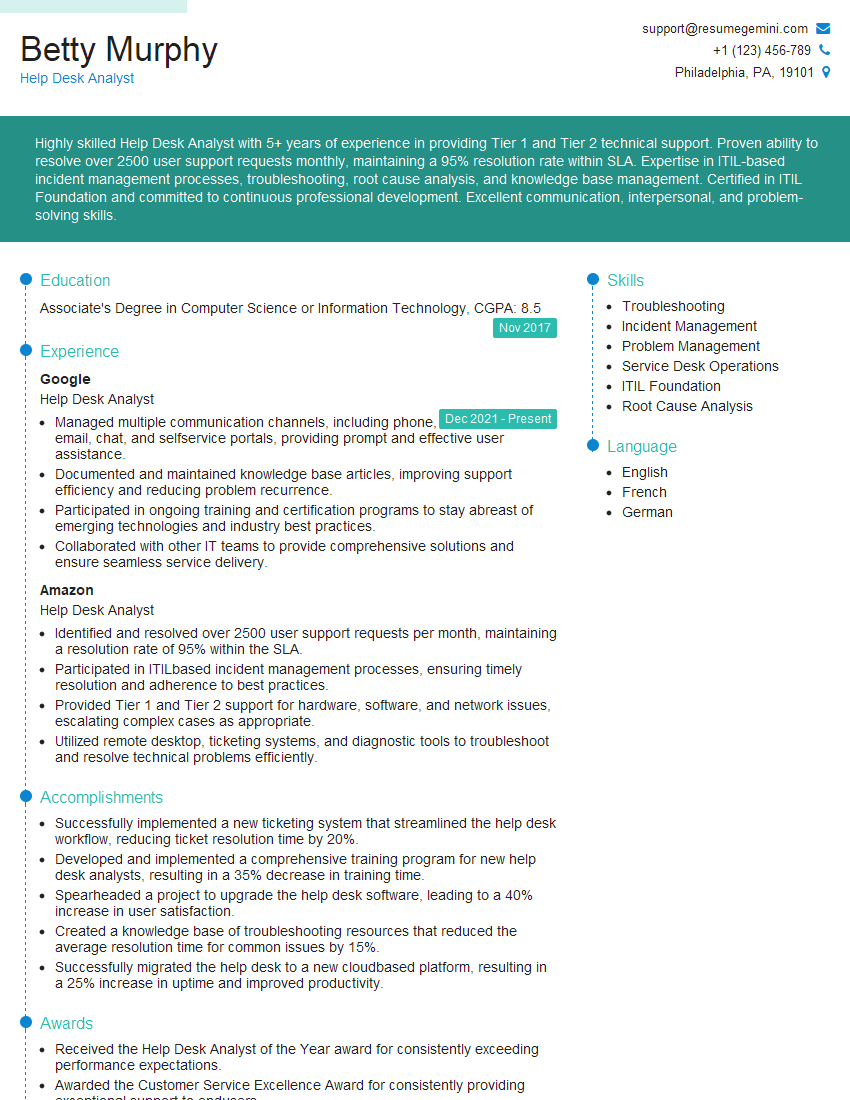
Help Desk Analyst Resume Sample
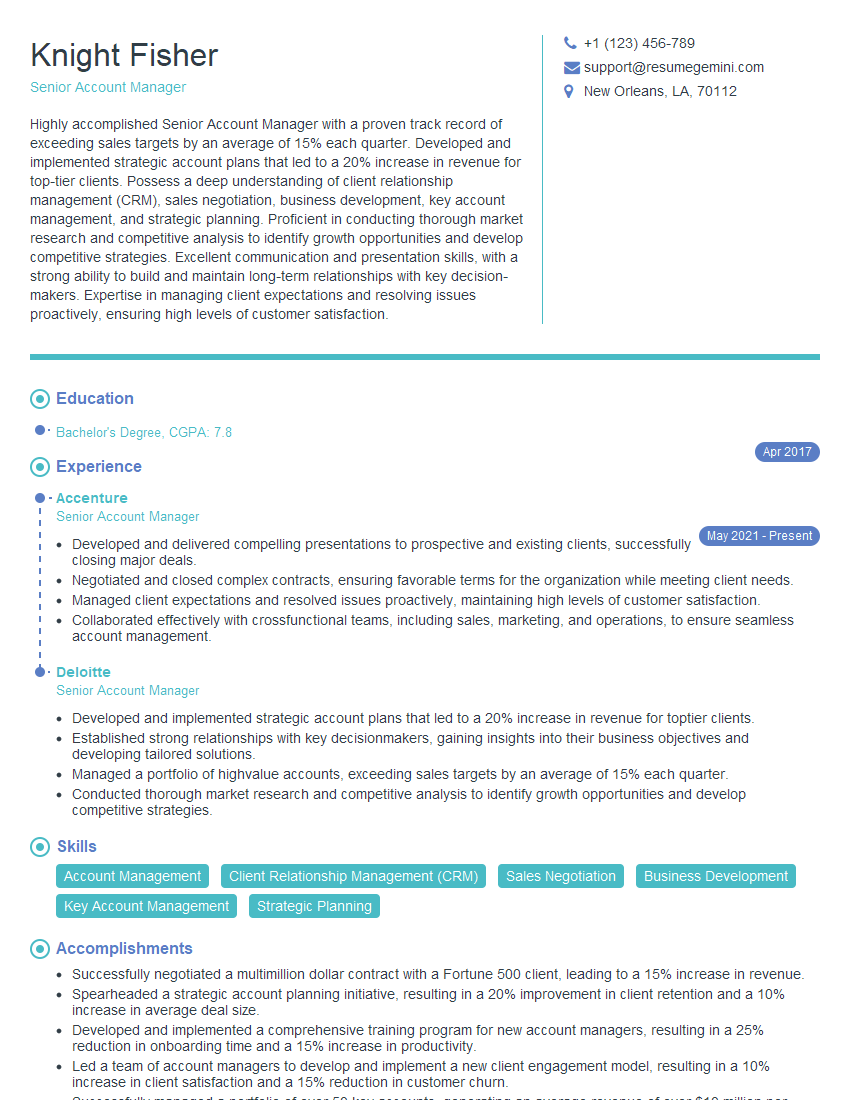
Senior Account Manager Resume Sample
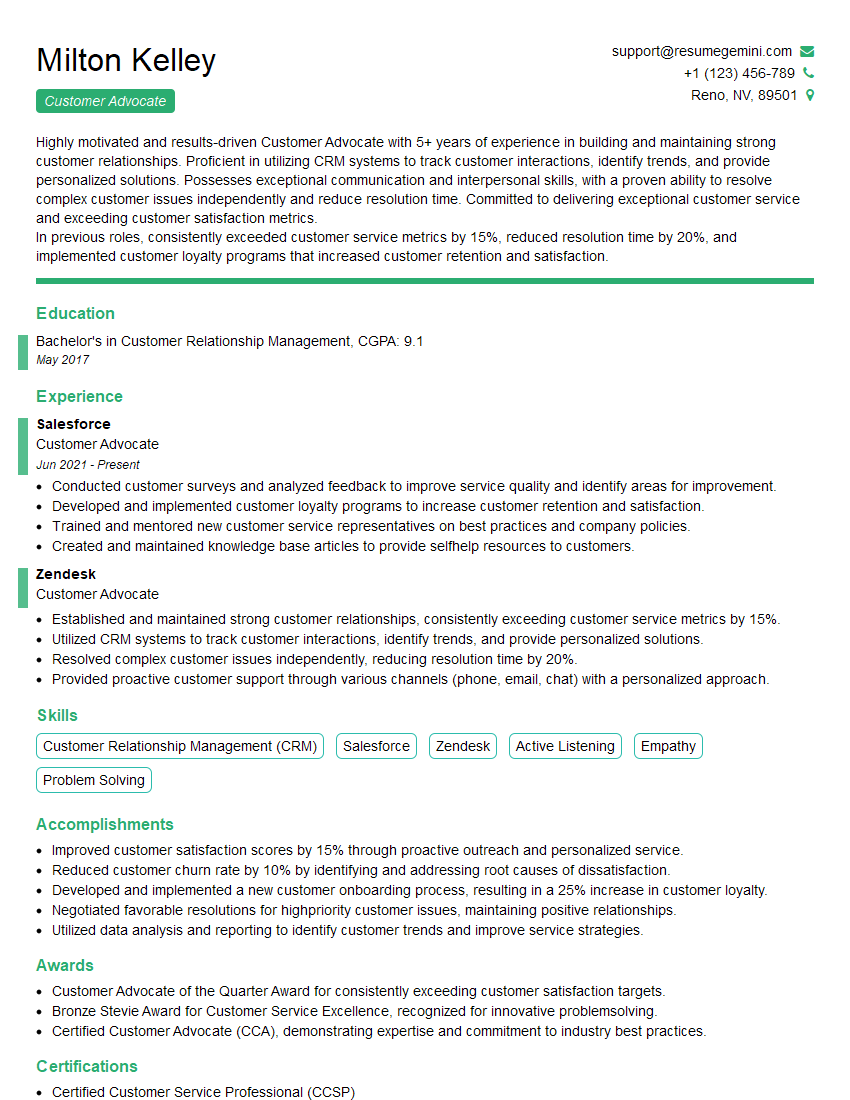
Customer Advocate Resume Sample
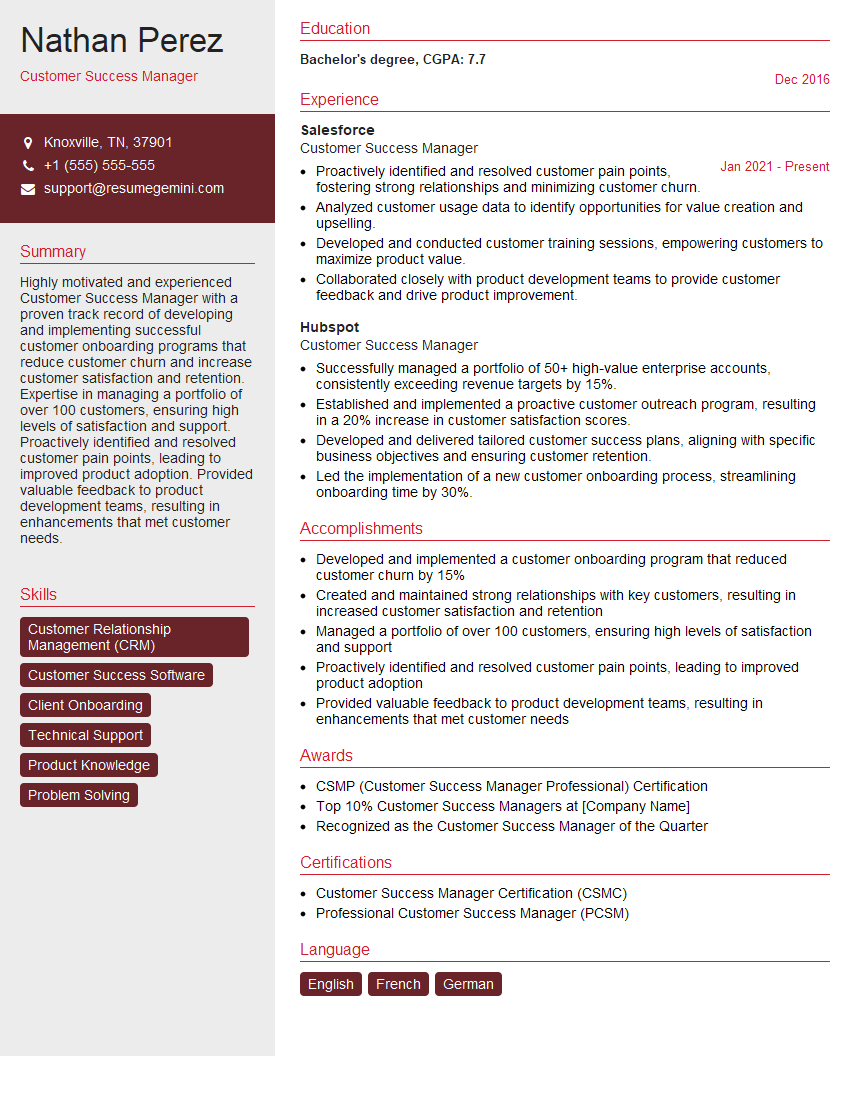
Customer Success Manager Resume Sample
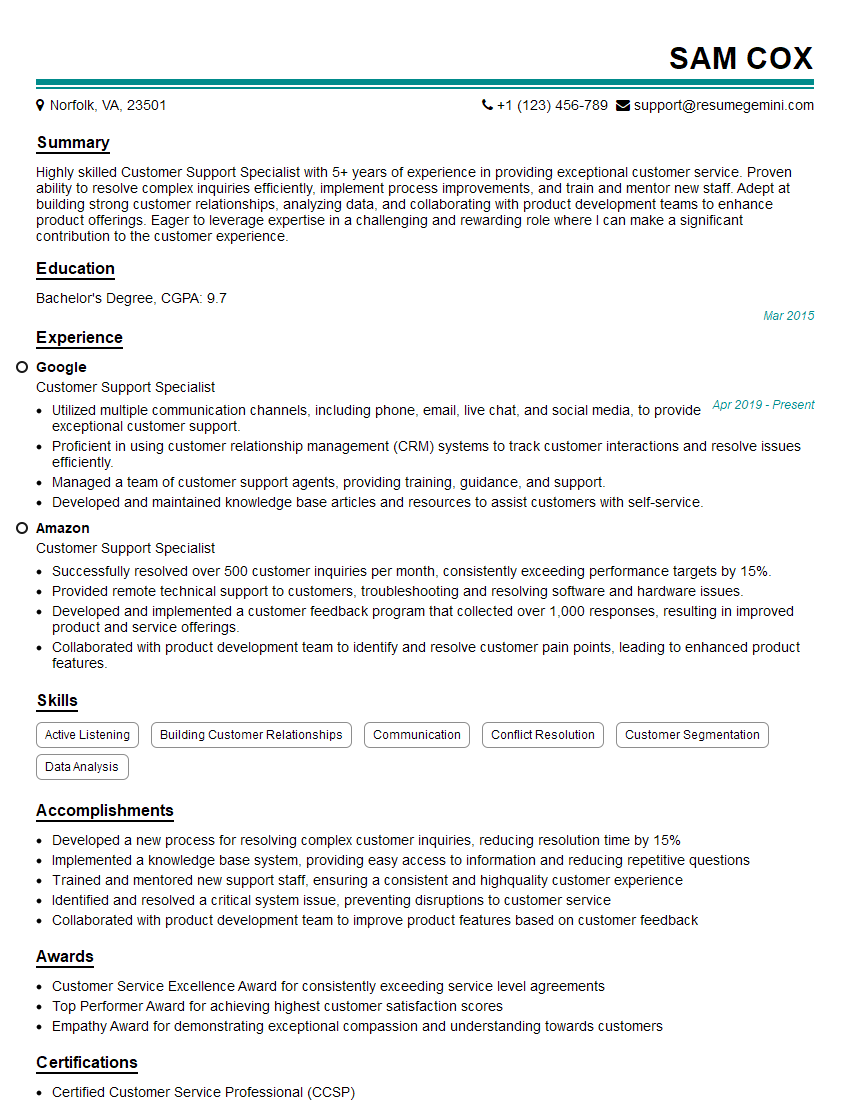
Customer Support Specialist Resume Sample
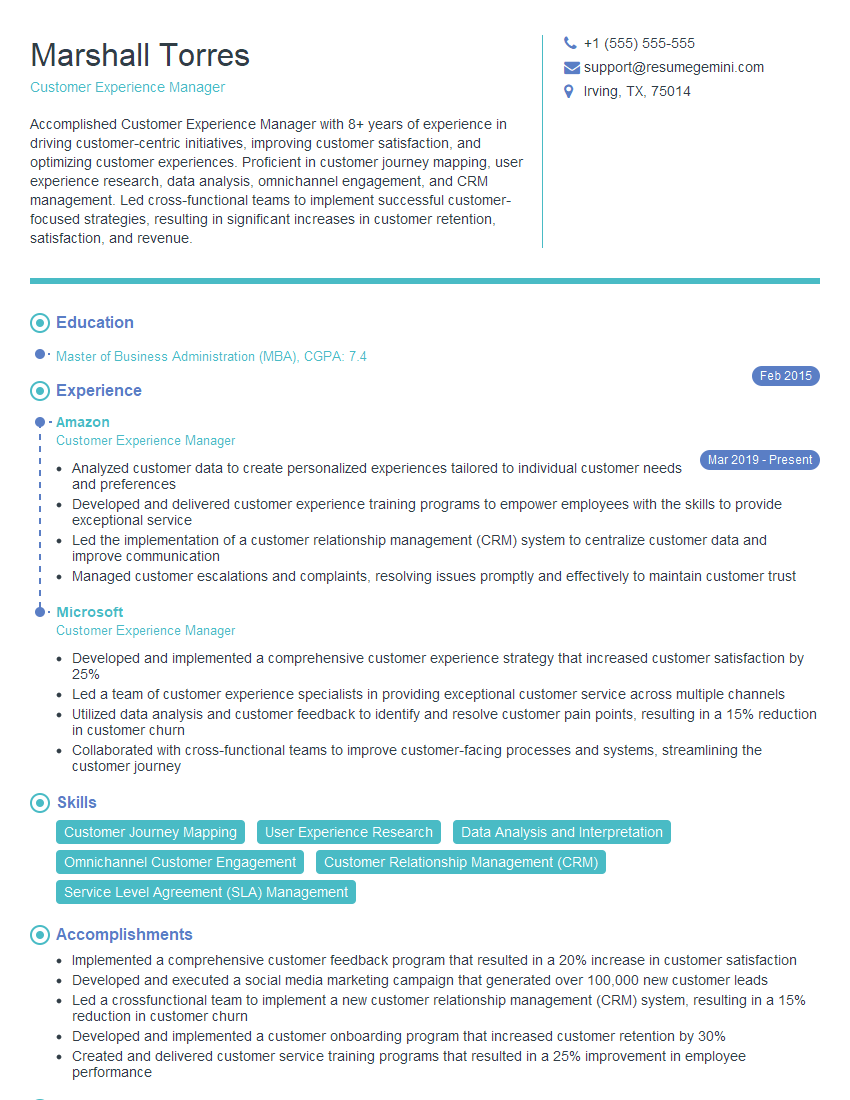
Customer Experience Manager Resume Sample
- Account Manager
- Business Development Manager
- Sales Representative
- Customer Service Manager
- Relationship Manager
- Customer Service Representative
- Key Account Manager
- Technical Support Specialist
- Help Desk Analyst
- Senior Account Manager
- Customer Advocate
- Customer Success Manager
- Customer Support Specialist
- Customer Experience Manager
Explore more articles
Users Rating of Our Blogs
Share Your Experience
We value your feedback! Please rate our content and share your thoughts (optional).
What Readers Say About Our Blog
I Redesigned Spongebob Squarepants and his main characters of my artwork.
https://www.deviantart.com/reimaginesponge/art/Redesigned-Spongebob-characters-1223583608
IT gave me an insight and words to use and be able to think of examples
Hi, I’m Jay, we have a few potential clients that are interested in your services, thought you might be a good fit. I’d love to talk about the details, when do you have time to talk?
Best,
Jay
Founder | CEO