The right preparation can turn an interview into an opportunity to showcase your expertise. This guide to Excellent physical and mental health interview questions is your ultimate resource, providing key insights and tips to help you ace your responses and stand out as a top candidate.
Questions Asked in Excellent physical and mental health Interview
Q 1. Explain the principles of stress management.
Stress management involves techniques and strategies designed to control and reduce stress levels. It’s not about eliminating stress entirely – some stress is beneficial – but rather about managing it effectively to prevent negative impacts on your physical and mental well-being. The core principles revolve around identifying stressors, developing coping mechanisms, and promoting a healthier lifestyle.
- Identify and understand your stressors: Keeping a stress journal can be immensely helpful. Note down situations, thoughts, or feelings that trigger stress. This awareness is the first step to managing them.
- Develop coping mechanisms: This could include relaxation techniques (discussed further in the next question), time management skills, problem-solving approaches, setting boundaries, and seeking social support.
- Lifestyle adjustments: A healthy lifestyle significantly influences stress resilience. This includes regular exercise, balanced nutrition, sufficient sleep, and mindfulness practices.
- Seek professional help when needed: If stress becomes overwhelming or persistent, don’t hesitate to consult a therapist or counselor. They can provide tailored strategies and support.
Example: Imagine a student facing exam stress. Identifying the stressor (exams), developing coping mechanisms (study planning, mindfulness exercises), and maintaining a healthy lifestyle (regular sleep, nutritious meals) are crucial for effective stress management.
Q 2. Describe different relaxation techniques and their effectiveness.
Numerous relaxation techniques can effectively reduce stress and promote well-being. The best technique depends on individual preferences and circumstances.
- Deep breathing exercises: Simple yet powerful. Slow, deep breaths activate the parasympathetic nervous system, reducing heart rate and blood pressure. Examples include diaphragmatic breathing and box breathing.
- Progressive muscle relaxation: This involves systematically tensing and releasing different muscle groups to relieve tension. It’s particularly effective for physical stress symptoms like headaches or muscle aches.
- Mindfulness meditation: Focusing on the present moment without judgment. Regular practice enhances self-awareness and reduces reactivity to stress triggers.
- Yoga and Tai Chi: These combine physical postures, breathing techniques, and meditation to promote relaxation and stress reduction.
- Guided imagery: Visualizing peaceful scenes can calm the mind and reduce anxiety. This technique is often used in therapy settings.
Effectiveness: Studies show these techniques are effective in lowering cortisol levels (the stress hormone), reducing blood pressure, and improving mood and sleep quality. The key is consistent practice. Even 10-15 minutes a day can make a significant difference.
Q 3. What are the key components of a balanced diet?
A balanced diet is essential for optimal physical and mental health. It’s not about strict diets but about consuming a variety of nutrient-rich foods from all food groups in appropriate proportions.
- Fruits and vegetables: Rich in vitamins, minerals, and antioxidants. Aim for a variety of colors to ensure a broad range of nutrients.
- Whole grains: Provide complex carbohydrates, fiber, and essential nutrients. Choose whole wheat bread, brown rice, oats, and quinoa over refined grains.
- Lean proteins: Essential for building and repairing tissues. Include sources like fish, poultry, beans, lentils, and tofu.
- Healthy fats: Crucial for brain function and hormone production. Choose unsaturated fats from sources like avocados, nuts, seeds, and olive oil.
- Dairy or dairy alternatives: Provide calcium and vitamin D, essential for bone health. Choose low-fat or fat-free options.
- Hydration: Water is vital for all bodily functions. Drink plenty of water throughout the day.
Example: A balanced breakfast might include oatmeal with berries, nuts, and a side of yogurt. This combines whole grains, fruits, healthy fats, and protein.
Q 4. How do you assess an individual’s physical fitness level?
Assessing an individual’s physical fitness level involves evaluating several key components, often using a combination of tests and assessments. The specific methods depend on the individual’s age, health status, and fitness goals.
- Cardiovascular fitness: Measured through tests like the treadmill test, bicycle ergometer test, or a simple step test. These assess endurance and the heart’s ability to handle exertion.
- Muscular strength and endurance: Assessed through tests like 1-rep max (for strength) and repetitions to failure (for endurance) using bodyweight exercises or weight machines.
- Flexibility: Measured using range-of-motion tests, such as the sit-and-reach test or shoulder flexibility tests.
- Body composition: This assesses the ratio of fat mass to lean mass. Methods include skinfold calipers, bioelectrical impedance analysis (BIA), or underwater weighing (hydrostatic weighing).
Professional assessment: A certified personal trainer or fitness professional can conduct a comprehensive fitness assessment, tailoring tests to the individual’s needs and limitations. They can also provide personalized training plans based on the results.
Q 5. What are the signs and symptoms of burnout?
Burnout is a state of emotional, physical, and mental exhaustion caused by prolonged or excessive stress. It’s not just feeling tired; it’s a deeper sense of depletion that impacts various aspects of life.
- Emotional exhaustion: Feeling emotionally drained, cynical, and lacking empathy.
- Depersonalization: Developing a detached and cynical attitude towards work or other responsibilities.
- Reduced personal accomplishment: Feeling a sense of inadequacy, low self-efficacy, and a diminished sense of accomplishment.
- Physical symptoms: Headaches, fatigue, sleep disturbances, digestive problems, and weakened immunity are common.
- Behavioral changes: Increased irritability, social withdrawal, procrastination, and substance abuse are potential signs.
Example: A healthcare professional constantly exposed to high-stress situations, like emergency room work, might experience burnout, manifesting as emotional exhaustion, cynicism towards patients, and physical ailments.
Q 6. Explain the importance of sleep hygiene.
Sleep hygiene refers to habits and practices that promote healthy sleep patterns. Consistent sleep hygiene is critical for physical and mental restoration.
- Consistent sleep schedule: Go to bed and wake up around the same time each day, even on weekends, to regulate your body’s natural sleep-wake cycle.
- Create a relaxing bedtime routine: Wind down an hour or two before bed with calming activities like reading, taking a warm bath, or listening to soothing music. Avoid screen time.
- Optimize your sleep environment: Ensure your bedroom is dark, quiet, and cool. A comfortable mattress and pillows are also essential.
- Avoid caffeine and alcohol before bed: These substances can interfere with sleep quality.
- Get regular exercise: Physical activity promotes better sleep, but avoid intense workouts close to bedtime.
- Manage stress effectively: Unresolved stress significantly impacts sleep. Utilize stress management techniques discussed earlier.
Example: A consistent bedtime routine might involve a warm shower, reading a book, and then sleeping in a dark, quiet room. This promotes relaxation and helps regulate the sleep-wake cycle.
Q 7. Discuss the benefits of regular exercise for physical and mental health.
Regular exercise offers profound benefits for both physical and mental health. It’s one of the most effective ways to enhance overall well-being.
- Physical health benefits:
- Improved cardiovascular health: Reduces the risk of heart disease, stroke, and high blood pressure.
- Weight management: Burns calories and helps maintain a healthy weight.
- Stronger bones and muscles: Improves bone density and muscle strength, reducing the risk of osteoporosis and falls.
- Improved sleep quality: Regular physical activity promotes better sleep patterns.
- Reduced risk of chronic diseases: Lowers the risk of type 2 diabetes, certain cancers, and other chronic conditions.
- Mental health benefits:
- Stress reduction: Exercise releases endorphins, which have mood-boosting effects.
- Improved mood and cognitive function: Increases levels of serotonin and dopamine, neurotransmitters associated with mood regulation and cognitive function.
- Reduced anxiety and depression: Regular exercise can be as effective as therapy in managing mild to moderate anxiety and depression.
- Enhanced self-esteem: Achieving fitness goals boosts self-confidence and self-esteem.
Example: A person who incorporates 30 minutes of moderate-intensity exercise most days of the week will experience improvements in their cardiovascular health, mood, sleep, and overall sense of well-being.
Q 8. How do you address nutritional deficiencies?
Addressing nutritional deficiencies requires a multi-pronged approach. It begins with accurate identification of the deficiency, typically through blood tests or other diagnostic tools. Once identified, the next step is to develop a personalized plan focusing on dietary adjustments and, in some cases, supplementation.
For example, if someone is deficient in iron, we might recommend incorporating iron-rich foods like red meat, spinach, and lentils into their diet. We’d also consider factors like bioavailability – how easily the body absorbs iron from different sources. If dietary changes alone aren’t sufficient, we might recommend iron supplements, carefully considering dosage and potential interactions with other medications.
Similarly, a Vitamin D deficiency might be addressed through increased sun exposure (with appropriate sun protection), consumption of Vitamin D-rich foods like fatty fish, or supplementation. The key is a holistic approach that considers the individual’s lifestyle, dietary preferences, and overall health status.
It’s crucial to work with a registered dietitian or healthcare professional to create a safe and effective plan, as self-treating can be risky. For instance, excessive supplementation can have harmful consequences.
Q 9. What are the common barriers to healthy eating?
Many barriers hinder healthy eating habits. These can be broadly categorized into environmental, social, and individual factors.
- Environmental factors: Limited access to fresh, affordable produce in certain areas (food deserts), pervasive marketing of unhealthy processed foods, and the convenience of fast food all contribute.
- Social factors: Social gatherings often center around unhealthy foods, making it difficult to maintain healthy habits in social settings. Cultural norms and family traditions can also influence dietary patterns, not always positively.
- Individual factors: Busy schedules, lack of cooking skills, restrictive diets (not medically necessary), emotional eating, and misconceptions about nutrition are significant personal obstacles.
Overcoming these requires a multifaceted strategy, addressing both individual choices and systemic issues. Education about healthy eating, access to affordable healthy food options, and creating supportive social environments are all crucial elements.
Q 10. Describe different types of physical activity and their benefits.
Physical activity encompasses various types, each offering unique benefits:
- Aerobic exercise (e.g., running, swimming, cycling) improves cardiovascular health, boosts endurance, and burns calories. It’s crucial for weight management and reducing the risk of heart disease.
- Strength training (e.g., weightlifting, bodyweight exercises) builds muscle mass, increases bone density, and improves metabolism. It’s essential for maintaining strength, preventing age-related muscle loss, and boosting overall fitness levels.
- Flexibility exercises (e.g., yoga, Pilates, stretching) improve range of motion, reduce muscle stiffness, and enhance balance. They’re vital for injury prevention and promoting overall body function.
- Balance exercises (e.g., Tai Chi) are particularly important for older adults, helping to prevent falls and improve stability.
The benefits extend beyond the physical. Regular physical activity reduces stress, improves mood, enhances sleep quality, and boosts cognitive function. A balanced program incorporating different types of activity is ideal for optimal health.
Q 11. What are the warning signs of depression and anxiety?
Depression and anxiety manifest differently in individuals, but some common warning signs include:
- Persistent sadness or low mood: More than just feeling down; it’s a pervasive feeling of hopelessness and despair.
- Loss of interest or pleasure: Apathy and lack of enjoyment in activities previously found pleasurable.
- Changes in appetite or sleep: Significant weight loss or gain, insomnia or excessive sleeping.
- Fatigue or low energy: Persistent tiredness and lack of motivation.
- Difficulty concentrating or making decisions: Impaired cognitive function.
- Feelings of worthlessness or excessive guilt: Negative self-perception and self-blame.
- Recurrent thoughts of death or suicide: Serious warning sign requiring immediate professional help.
- Restlessness or irritability: Increased anxiety and difficulty relaxing.
- Physical symptoms: Headaches, stomach problems, muscle tension.
It’s crucial to remember that these symptoms can overlap, and their intensity varies. If you experience several of these signs persistently, seeking professional help is essential.
Q 12. How do you tailor a fitness plan to individual needs and goals?
Tailoring a fitness plan requires a thorough understanding of the individual’s needs and goals. This involves a comprehensive assessment, including:
- Fitness level: Current activity levels, strength, and endurance.
- Health status: Any pre-existing conditions or limitations.
- Goals: Weight loss, muscle gain, improved endurance, stress reduction, etc.
- Preferences: Types of activities enjoyed, available time and resources.
- Lifestyle: Work schedule, family commitments, social activities.
The plan should be progressive, starting with manageable levels of activity and gradually increasing intensity and duration. It needs regular monitoring and adjustments based on the individual’s progress and feedback. For example, a beginner might start with short walks, gradually increasing the duration and intensity, while an experienced athlete might focus on more intense training regimens.
Regular check-ins are crucial to address any challenges and ensure the plan remains motivating and achievable. The plan should be viewed as a collaborative process, not a rigid prescription.
Q 13. Explain your understanding of mindfulness techniques.
Mindfulness techniques involve focusing on the present moment without judgment. It’s about cultivating awareness of thoughts, feelings, and sensations without getting carried away by them. This can involve various practices:
- Meditation: Focusing on the breath, body sensations, or sounds to quiet the mind.
- Mindful breathing: Paying attention to the natural rhythm of the breath, noticing its flow and sensations.
- Body scan meditation: Bringing attention to different parts of the body, noticing sensations without judgment.
- Mindful movement: Paying attention to physical sensations during activities like walking or yoga.
- Mindful eating: Savor each bite, paying attention to taste, texture, and smell.
The goal is not to eliminate thoughts but to observe them without getting entangled in them. It’s about increasing self-awareness and developing a non-reactive attitude towards one’s experiences. Regular practice can improve emotional regulation, reduce stress, and enhance overall well-being.
Q 14. How do you build rapport with clients struggling with mental health issues?
Building rapport with clients struggling with mental health issues requires empathy, patience, and a genuine desire to understand their experiences. It’s about creating a safe and non-judgmental space where they feel comfortable sharing their thoughts and feelings.
- Active listening: Paying close attention to what the client is saying, both verbally and nonverbally.
- Empathy: Trying to understand their perspective and feelings, validating their experiences.
- Non-judgmental acceptance: Creating a safe space free from criticism or disapproval.
- Building trust: Being reliable, consistent, and respectful of their boundaries.
- Collaboration: Working together to develop a treatment plan that aligns with their goals and values.
It’s also crucial to set clear boundaries, maintain professional objectivity, and refer clients to appropriate specialists when needed. Building a strong therapeutic relationship takes time and effort, but it’s fundamental to successful mental health care.
Q 15. How do you motivate clients to adopt healthier lifestyle choices?
Motivating clients to adopt healthier lifestyles requires a collaborative, individualized approach that goes beyond simply dictating changes. It’s about understanding their unique circumstances, goals, and challenges. I begin by building a strong therapeutic alliance based on trust and empathy. This involves active listening and validating their feelings about making changes.
I use motivational interviewing techniques, focusing on exploring their intrinsic motivations for change, rather than imposing external pressures. For example, instead of telling a client they should exercise, I might ask them about how increased physical activity might improve their energy levels or reduce stress. This allows them to identify their own reasons for change, making them more likely to stick with their goals.
I also incorporate SMART goal setting (Specific, Measurable, Achievable, Relevant, Time-bound). Setting small, attainable goals initially helps build confidence and momentum. Celebrating small victories along the way is crucial to maintain motivation. Finally, I provide ongoing support and encouragement, adapting strategies as needed to address challenges and setbacks. Regular check-ins and flexible goal adjustments ensure the plan remains relevant and achievable.
Career Expert Tips:
- Ace those interviews! Prepare effectively by reviewing the Top 50 Most Common Interview Questions on ResumeGemini.
- Navigate your job search with confidence! Explore a wide range of Career Tips on ResumeGemini. Learn about common challenges and recommendations to overcome them.
- Craft the perfect resume! Master the Art of Resume Writing with ResumeGemini’s guide. Showcase your unique qualifications and achievements effectively.
- Don’t miss out on holiday savings! Build your dream resume with ResumeGemini’s ATS optimized templates.
Q 16. Describe your experience with different types of therapeutic interventions.
My experience encompasses a range of therapeutic interventions tailored to individual client needs. I’m proficient in Cognitive Behavioral Therapy (CBT), which helps identify and modify unhelpful thought patterns and behaviors related to health. For example, a client struggling with emotional eating might learn to recognize and challenge negative self-talk that triggers unhealthy food choices.
I also utilize mindfulness-based techniques, such as meditation and yoga, to promote stress reduction and self-awareness. Mindfulness helps clients connect with their bodies and emotional states, fostering a more mindful relationship with food and activity levels. Acceptance and Commitment Therapy (ACT) is another valuable tool, helping clients accept difficult emotions and commit to actions aligned with their values, even when facing obstacles.
In certain cases, I integrate elements of solution-focused brief therapy, focusing on strengths and identifying practical solutions rather than dwelling on past problems. The choice of intervention depends on the client’s specific needs, preferences, and the nature of the challenges they face. I also collaborate with other healthcare professionals, such as physicians and registered dietitians, when necessary to ensure holistic care.
Q 17. What is your approach to promoting positive body image?
Promoting positive body image is paramount in my work. I avoid diet culture language and focus instead on body neutrality and self-compassion. This means helping clients appreciate their body’s capabilities rather than solely focusing on its appearance. We explore the societal pressures contributing to negative body image and challenge those internalized messages.
I encourage clients to engage in activities that they enjoy, which foster a positive relationship with their body rather than viewing exercise as solely a means of weight loss or body modification. This might involve activities like dancing, hiking, swimming, or simply taking a leisurely walk. We also work on building self-esteem and self-acceptance through techniques such as journaling, creative expression, and exploring personal values.
I emphasize that health is multi-faceted and not solely defined by physical appearance. Body respect involves treating our bodies with kindness and acknowledging its inherent worth, regardless of its shape or size. This approach creates a supportive environment where clients feel empowered to make healthy choices that nurture both their physical and mental well-being.
Q 18. How do you handle client resistance to change?
Client resistance to change is a normal part of the therapeutic process. Instead of viewing it as an obstacle, I see it as an opportunity to understand the underlying reasons for hesitation. I employ active listening and empathy to explore their concerns and fears. Perhaps they have past experiences that lead them to distrust change, or perhaps the suggested changes seem overwhelming or unrealistic.
I work collaboratively with clients to identify and address those concerns. This might involve breaking down large goals into smaller, more manageable steps, creating a sense of autonomy and control. It’s about empowering them to take ownership of their journey, and sometimes, that means adjusting the pace or approach based on their readiness.
I utilize motivational interviewing techniques to explore their ambivalence towards change and help them resolve any conflicting thoughts or feelings. Ultimately, the client’s decision to change must come from within; my role is to support and guide them throughout the process. If a client consistently resists change and isn’t ready to work toward their goals, I honor their autonomy and might consider referring them to other resources or professionals more aligned with their current needs.
Q 19. How do you maintain your own physical and mental well-being?
Maintaining my own physical and mental well-being is essential to effectively support my clients. This involves prioritizing self-care practices that I also encourage in my clients. I engage in regular physical activity, such as hiking and yoga, to manage stress and maintain physical health. Mindfulness practices, like meditation and deep breathing exercises, are integral to my self-care routine.
I also prioritize healthy eating habits and ensure sufficient sleep. Connecting with loved ones and engaging in hobbies outside of work helps me maintain a balanced lifestyle. It is crucial to maintain boundaries between my professional and personal life to prevent burnout. Regular supervision and peer support provide valuable opportunities for reflection and learning.
Continuous professional development keeps me up-to-date on the latest research and best practices. This commitment to lifelong learning enhances my effectiveness and reinforces my dedication to my own well-being and the well-being of my clients. By modeling healthy habits and self-care, I can provide a more authentic and effective example for those I serve.
Q 20. Explain your understanding of the connection between physical and mental health.
The connection between physical and mental health is profound and bidirectional. Physical health significantly impacts mental well-being. For instance, chronic pain, lack of sleep, or poor nutrition can contribute to anxiety, depression, and decreased cognitive function. Similarly, mental health significantly impacts physical health. Stress, anxiety, and depression can weaken the immune system, increase the risk of cardiovascular disease, and exacerbate existing physical conditions.
For example, someone experiencing chronic stress might develop headaches, digestive problems, or sleep disturbances. Conversely, someone with depression may neglect their physical health, leading to weight gain or loss, decreased energy levels, and a higher susceptibility to illness. Addressing both physical and mental health needs simultaneously is essential for optimal well-being. This holistic approach recognizes the interconnectedness of the mind and body, leading to more effective and sustainable outcomes.
In my practice, I integrate this understanding by considering the whole person. I might assess sleep patterns, dietary habits, and activity levels alongside emotional and cognitive factors. I may also collaborate with other healthcare providers to ensure coordinated care and address both the physical and mental dimensions of a client’s health concerns. This integrated approach leads to a more comprehensive and effective treatment plan.
Q 21. Describe different methods for assessing mental health conditions.
Assessing mental health conditions requires a multi-faceted approach. It involves gathering information from various sources, including clinical interviews, psychological testing, and observation. The clinical interview is fundamental, allowing me to obtain a detailed history of the client’s symptoms, personal experiences, and family history. This includes exploring their current emotional state, thought patterns, and behaviors.
Psychological testing, such as standardized questionnaires and personality assessments, can provide objective measures of various psychological constructs. These tools help quantify symptoms and provide further insights into underlying issues. For example, the Beck Depression Inventory (BDI) can assess the severity of depressive symptoms, while the State-Trait Anxiety Inventory (STAI) measures anxiety levels. Observation is also crucial, as it allows me to note nonverbal cues and behaviors that may provide valuable information.
Depending on the suspected condition, further assessments might be necessary, such as neuropsychological testing for cognitive impairment or medical examinations to rule out physical causes of symptoms. It’s important to remember that accurate diagnosis requires a thorough and comprehensive evaluation, considering the client’s entire context and integrating information from various assessment methods. The final assessment is always a clinical judgment made in collaboration with the client.
Q 22. How do you address ethical dilemmas related to patient confidentiality?
Patient confidentiality is paramount in healthcare. Ethical dilemmas arise when competing values clash, such as a legal obligation to report certain information versus the patient’s right to privacy. My approach involves a structured decision-making process:
- Identify the dilemma: Clearly define the conflict between confidentiality and other obligations (e.g., mandated reporting of child abuse, potential harm to self or others).
- Gather information: Thoroughly assess the situation, gathering all relevant facts and considering the patient’s perspective and wishes.
- Consult: Seek guidance from supervisors, ethics committees, or legal counsel when unsure about the best course of action. This is crucial for complex cases.
- Explore options: Identify all potential actions and their consequences, weighing the ethical implications of each. The goal is to find a solution that minimizes harm while upholding ethical standards.
- Document decisions: Meticulously document all steps taken, including consultations and rationale for the chosen action. This protects both the patient and the healthcare professional.
Example: If a patient confides in me about plans to harm themselves, I have a legal and ethical obligation to take steps to ensure their safety, which may involve breaking confidentiality to contact emergency services or their family with their consent, if possible. However, I would always prioritize obtaining their informed consent before disclosing any information.
Q 23. What is your experience with crisis intervention?
My experience with crisis intervention spans several years, including working in both hospital settings and community-based mental health programs. I’ve managed numerous situations involving acute anxiety, suicidal ideation, psychotic episodes, and substance abuse crises. My approach is grounded in a calm and empathetic demeanor, focusing on immediate safety and stabilization.
- Assessment: Quickly assess the individual’s immediate risk of harm to themselves or others.
- Safety: Prioritize the individual’s safety and create a safe environment, removing any immediate threats.
- Stabilization: Help the individual regulate their emotions and reduce their distress through techniques such as deep breathing exercises and grounding techniques.
- De-escalation: Use active listening and validation to de-escalate the crisis situation. Avoid confrontation and arguments.
- Collaboration: Work collaboratively with other healthcare professionals, such as psychiatrists, social workers, and emergency medical services, to develop a comprehensive care plan.
- Referral: Provide appropriate referrals for ongoing support, such as therapy, medication management, or substance abuse treatment.
Example: I once worked with an individual experiencing a severe panic attack. By using calming techniques, active listening, and validation, I helped the individual regain control of their breathing and reduce their anxiety. Subsequently, we discussed the underlying triggers and developed a plan for managing future episodes.
Q 24. How do you collaborate with other healthcare professionals?
Collaboration is essential for holistic patient care. I value open communication and teamwork. My approach involves:
- Regular Communication: Maintaining consistent communication with other healthcare providers through regular meetings, shared electronic health records, and direct phone calls/emails.
- Shared Decision-Making: Actively participating in multidisciplinary team meetings to discuss patient care plans and make informed decisions collaboratively.
- Respectful Dialogue: Approaching interactions with other professionals with respect and valuing their expertise. Openly sharing information and perspectives.
- Clear Documentation: Ensuring all interactions and decisions are clearly documented in the patient’s medical record to ensure continuity of care.
- Interprofessional Learning: Continuously seeking opportunities to learn from other healthcare professionals, enhancing my understanding of different perspectives and approaches to patient care.
Example: In managing a patient with diabetes, I collaborate closely with the patient’s physician, dietitian, and pharmacist. We work as a team to monitor blood glucose levels, adjust medications, and develop a comprehensive dietary plan.
Q 25. Describe your experience with developing and implementing wellness programs.
I have extensive experience in developing and implementing wellness programs, tailoring them to diverse populations and settings. My process typically involves:
- Needs Assessment: Identifying the specific health needs and interests of the target population through surveys, focus groups, or existing data.
- Program Design: Developing a comprehensive program that addresses the identified needs, including evidence-based strategies and engaging activities.
- Implementation: Effectively implementing the program, using a variety of methods such as workshops, group sessions, and individual coaching.
- Evaluation: Evaluating the effectiveness of the program using quantitative and qualitative data to assess its impact on participants’ health and well-being.
- Sustainability: Developing strategies to ensure the long-term sustainability of the program and its integration into the community.
Example: I once developed a workplace wellness program that included stress management workshops, healthy cooking demonstrations, and on-site fitness classes. The program resulted in a significant reduction in employee absenteeism and improved overall employee morale and productivity.
Q 26. What is your approach to conducting health assessments?
My approach to conducting health assessments is thorough and individualized, encompassing both physical and mental well-being. It involves:
- Comprehensive History: Gathering a detailed personal and family medical history, including lifestyle factors, such as diet, exercise, and sleep habits.
- Physical Examination: Performing a thorough physical examination, including vital signs, anthropometric measurements, and assessment of any physical limitations or impairments.
- Mental Health Assessment: Assessing mental health status using validated screening tools and clinical interview techniques to detect symptoms of anxiety, depression, or other mental health conditions.
- Functional Assessment: Evaluating the individual’s functional abilities in areas such as activities of daily living (ADLs), work productivity, and social interaction.
- Lifestyle Assessment: Assessing lifestyle behaviors, such as diet, physical activity, tobacco use, and alcohol consumption, and providing tailored recommendations.
Example: When assessing a patient, I might use a standardized questionnaire to screen for depression, alongside a physical examination to check for any related physical symptoms. I also discuss their lifestyle to determine if there are modifiable risk factors that can be addressed to promote overall well-being.
Q 27. How do you ensure the safety and effectiveness of exercise programs?
Ensuring the safety and effectiveness of exercise programs requires a multi-faceted approach:
- Individualized Programs: Designing programs tailored to each individual’s physical capabilities, health status, and goals. This includes considering pre-existing conditions and limitations.
- Proper Assessment: Conducting a thorough assessment of the individual’s fitness level before initiating an exercise program. This might involve a physical examination, functional tests, or fitness assessments.
- Gradual Progression: Gradually increasing the intensity and duration of exercise to prevent injuries and ensure proper adaptation.
- Proper Technique: Teaching proper exercise technique to reduce the risk of injuries and ensure effective training.
- Monitoring Progress: Regularly monitoring the individual’s progress and making adjustments to the program as needed. This may include tracking heart rate, perceived exertion, or other relevant metrics.
- Safety Precautions: Implementing appropriate safety measures, such as using proper equipment and ensuring a safe exercise environment.
Example: Before starting a client on a weight-training program, I’d assess their current strength levels and any joint limitations. I’d then design a program with gradual increases in weight and intensity, focusing on proper form to minimize risk of injury.
Q 28. What are your strategies for managing conflict with clients?
Managing conflict with clients requires a calm, professional, and solution-focused approach. My strategy involves:
- Active Listening: Carefully listening to the client’s concerns and validating their feelings without interrupting or becoming defensive.
- Empathy and Understanding: Attempting to understand the client’s perspective and responding with empathy and compassion.
- Clear Communication: Expressing my own views and perspectives in a clear, concise, and respectful manner, avoiding accusatory language.
- Collaboration: Working collaboratively with the client to identify the root causes of the conflict and find mutually agreeable solutions.
- Setting Boundaries: Clearly setting boundaries while maintaining respect for the client’s autonomy. This might involve referring the client to another professional if the conflict is beyond my capacity to resolve.
- Documentation: Documenting the conflict, the steps taken to resolve it, and the outcome.
Example: If a client expresses dissatisfaction with a program, I listen to their concerns, validate their feelings, and work collaboratively to modify the program to better meet their needs and expectations. If the conflict is irreconcilable, I may refer them to another professional.
Key Topics to Learn for Excellent Physical and Mental Health Interview
- Stress Management Techniques: Explore mindfulness, meditation, and time management strategies. Understand how to articulate your approach to handling pressure and maintaining composure in demanding situations.
- Work-Life Balance: Discuss your strategies for maintaining a healthy equilibrium between professional and personal life. Highlight examples demonstrating your ability to prioritize tasks and avoid burnout.
- Physical Well-being and its Impact on Performance: Explain how regular exercise, healthy eating, and sufficient sleep contribute to peak performance and productivity. Be prepared to discuss how you prioritize these aspects in your life.
- Resilience and Adaptability: Showcase examples where you have demonstrated the ability to overcome challenges and adapt to changing circumstances, both personally and professionally. Explain how you maintain a positive attitude during setbacks.
- Self-Care Practices: Describe the self-care strategies you employ to maintain your physical and mental well-being. This could include hobbies, social connections, or other activities that help you recharge.
- Mental Health Awareness and Support Systems: Demonstrate an understanding of mental health issues and the importance of seeking support when needed. Explain your approach to building a supportive network.
- Maintaining Energy and Focus: Discuss techniques you use to maintain energy levels and focus throughout the day. This could include strategies for managing distractions and prioritizing tasks effectively.
Next Steps
Mastering excellent physical and mental health is crucial for career success. It allows for increased productivity, better decision-making, and enhanced resilience in the face of challenges. A strong, ATS-friendly resume is essential for showcasing your skills and experience to potential employers. To create a compelling resume that highlights your commitment to well-being and career growth, we encourage you to utilize ResumeGemini. ResumeGemini provides a powerful platform for building professional resumes, and we offer examples of resumes tailored to demonstrate excellent physical and mental health capabilities. Take the next step towards your dream career by crafting a standout resume today.

Wellness Coach Resume Sample
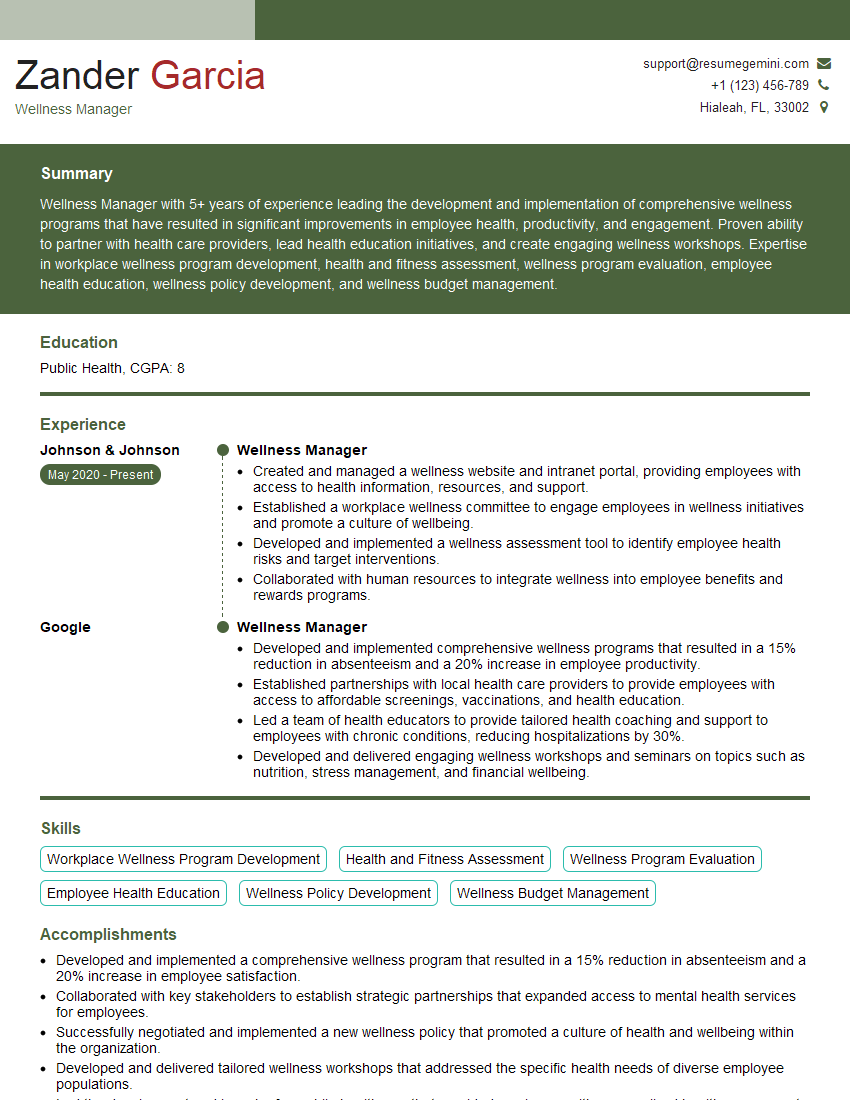
Wellness Manager Resume Sample
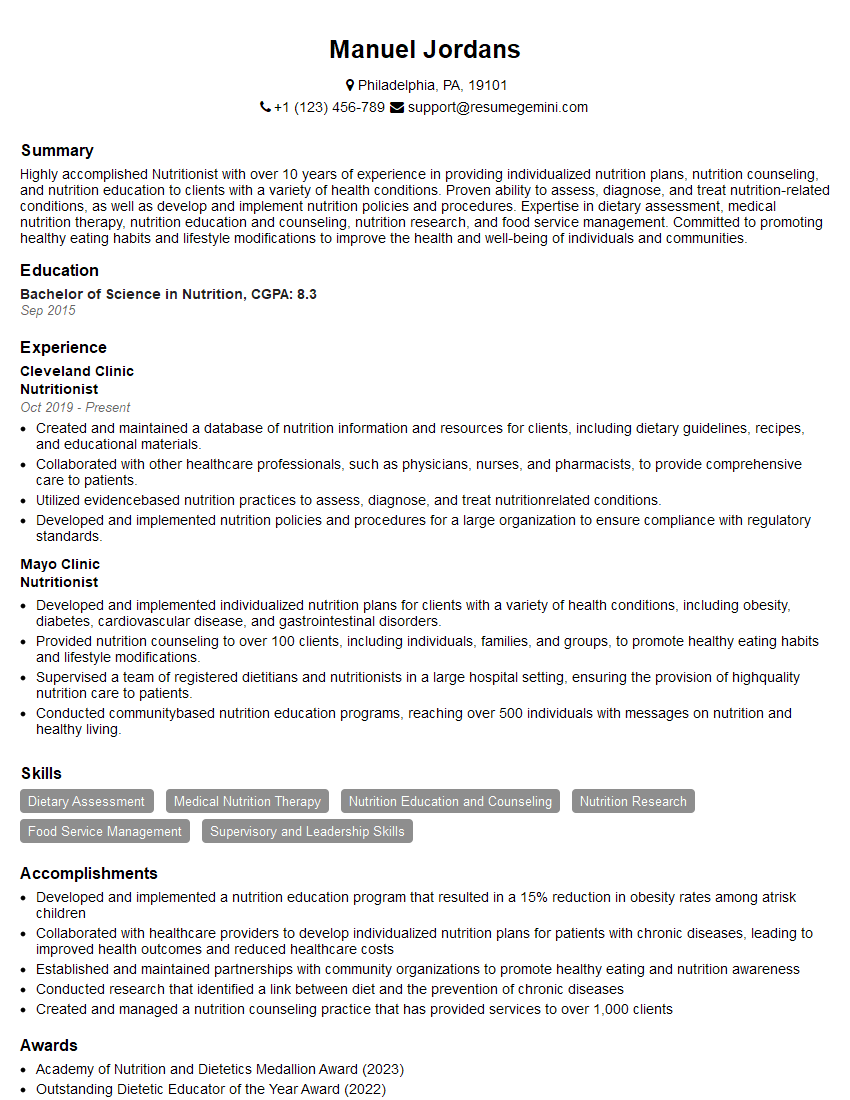
Nutritionist Resume Sample
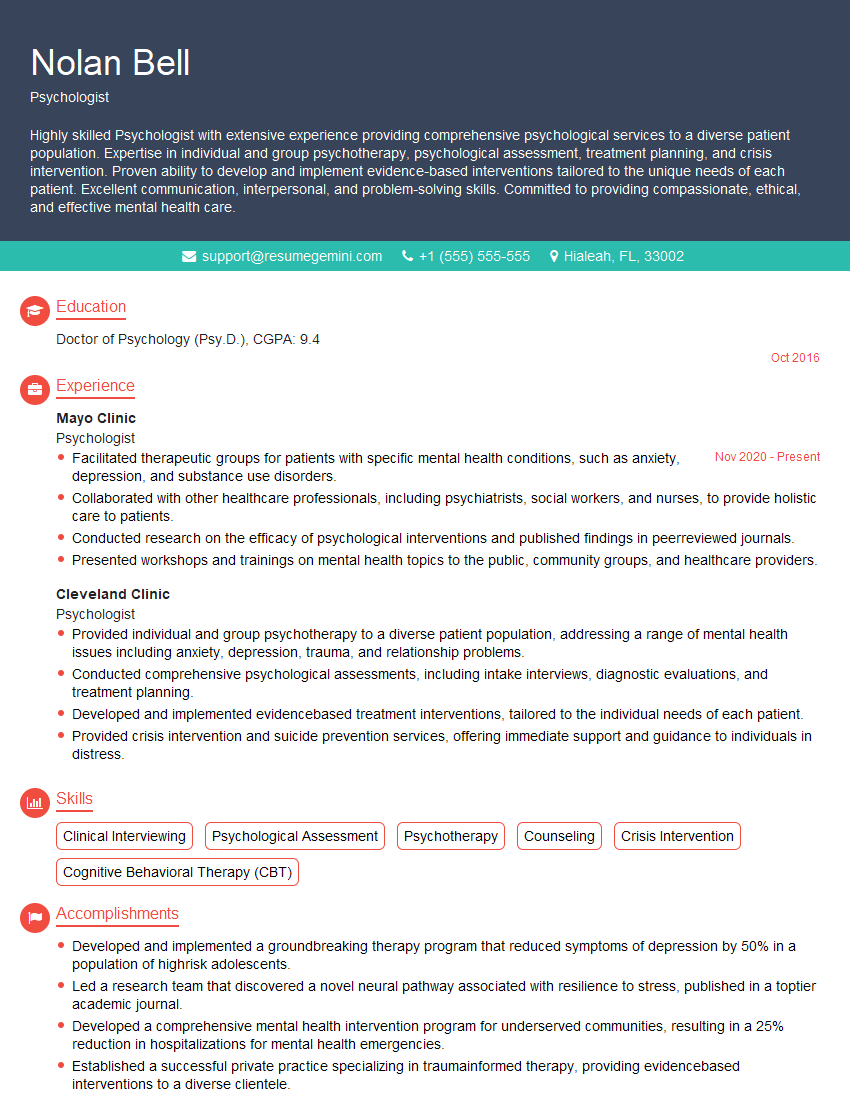
Psychologist Resume Sample
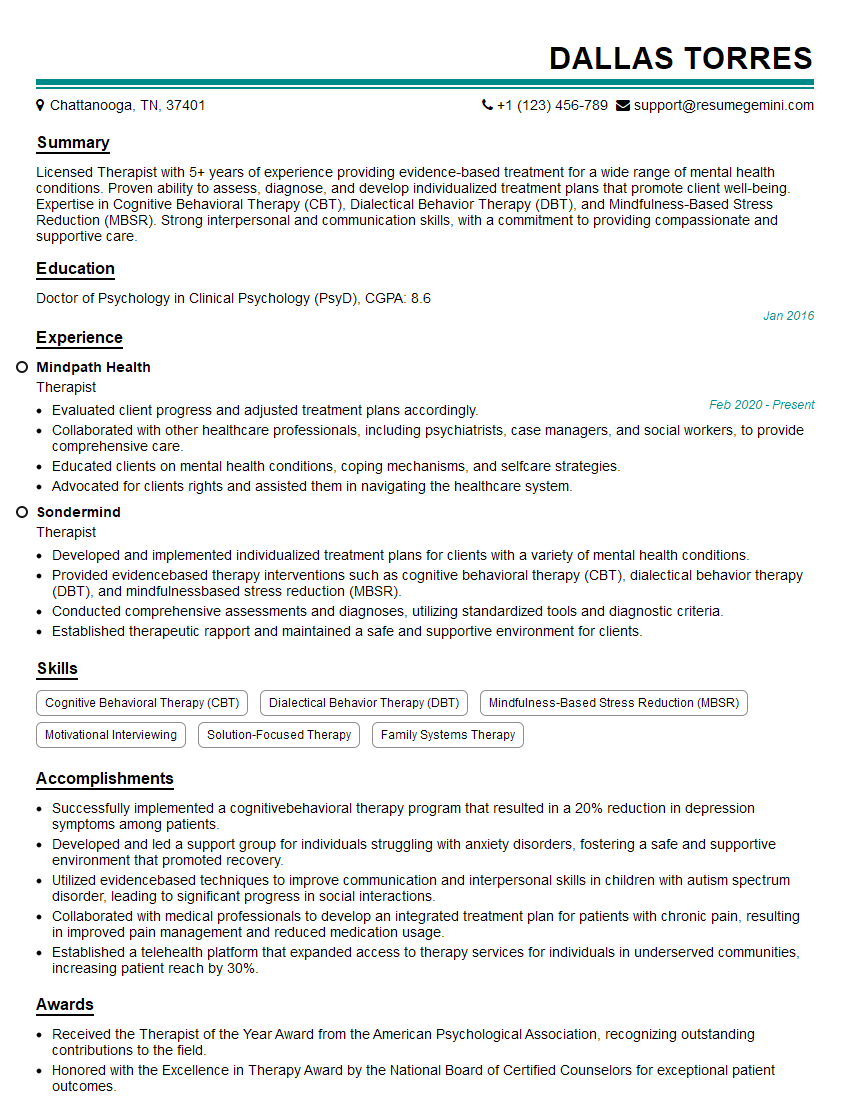
Therapist Resume Sample
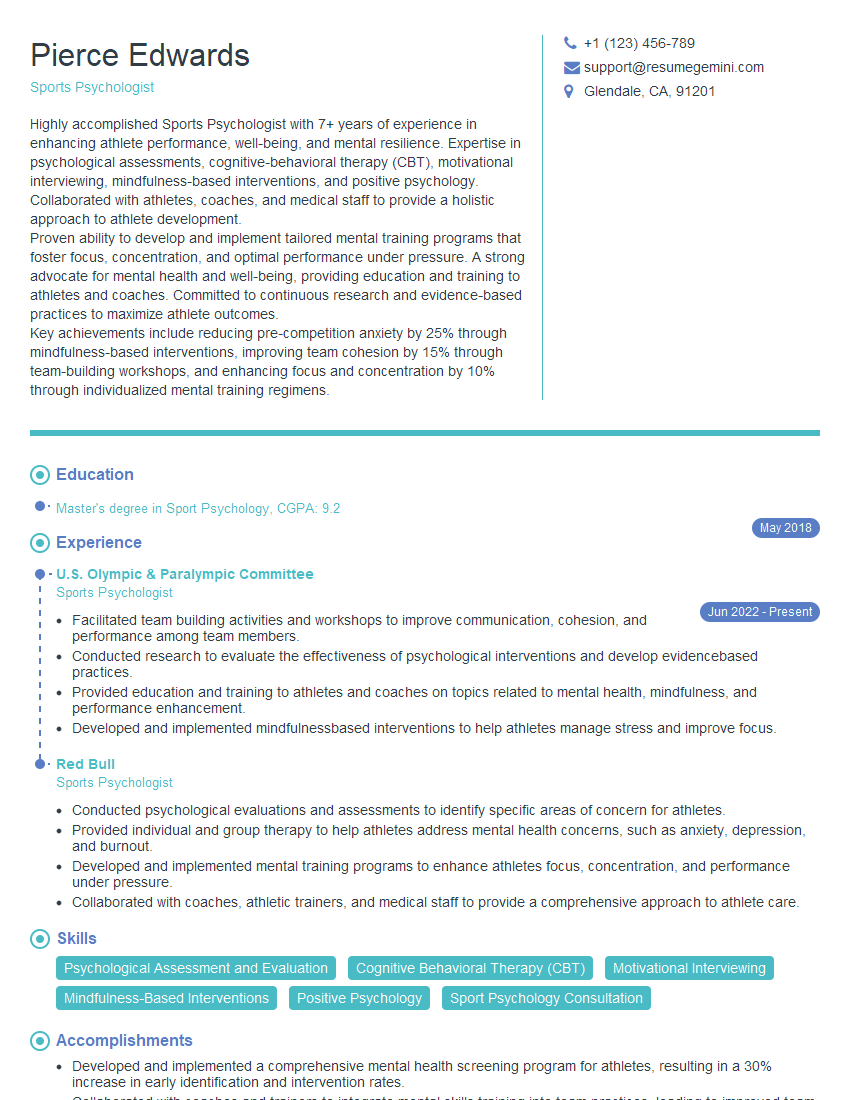
Sports Psychologist Resume Sample

Mental Health Counselor Resume Sample
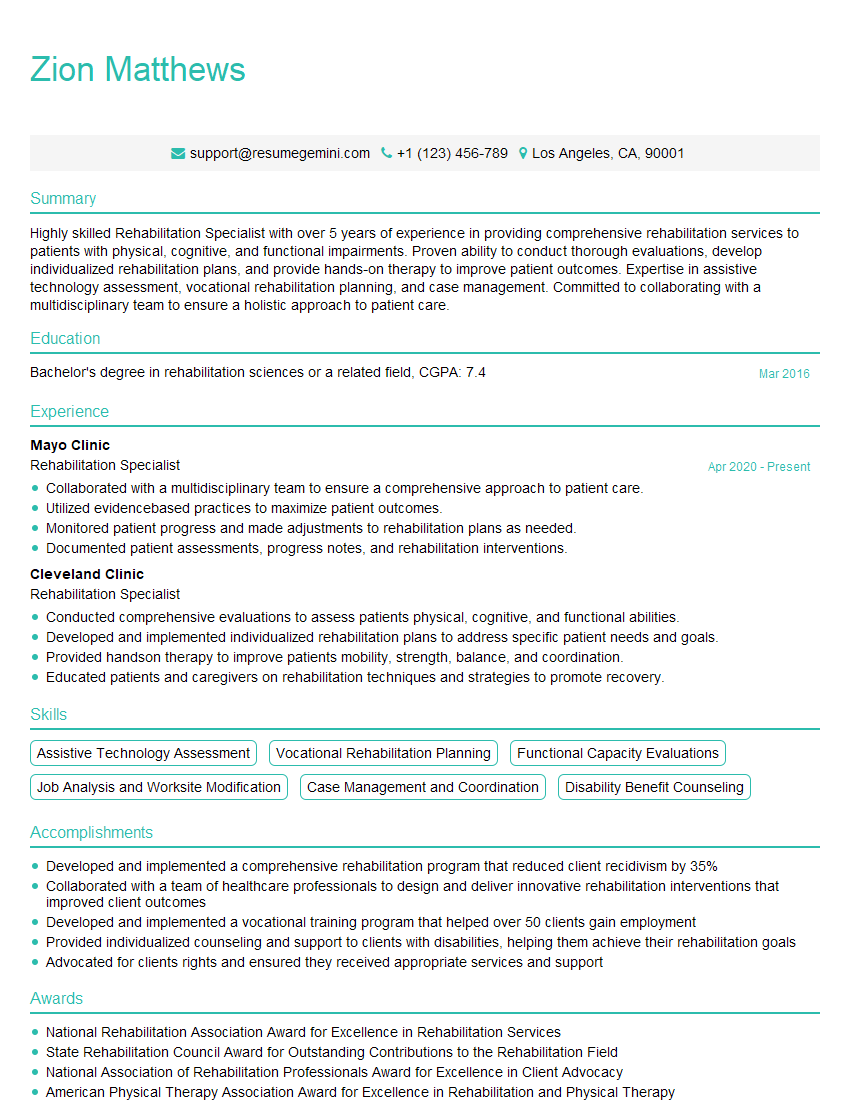
Rehabilitation Specialist Resume Sample
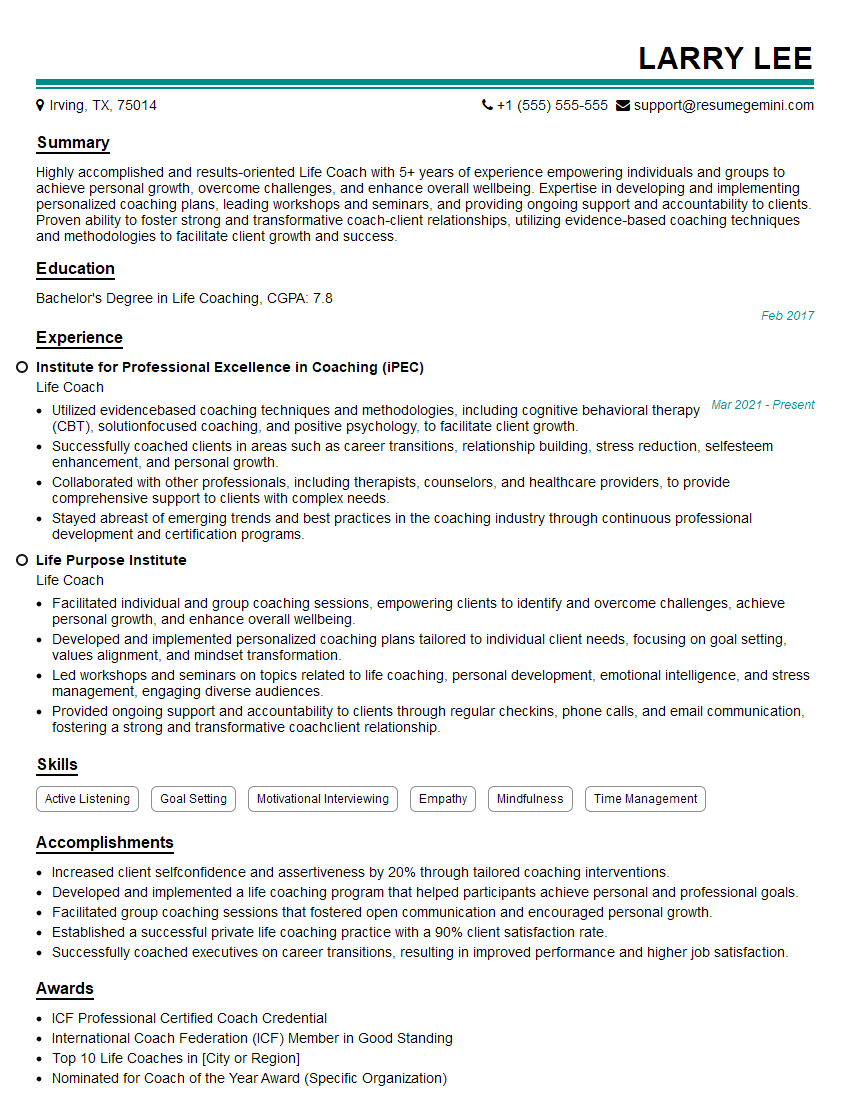
Life Coach Resume Sample
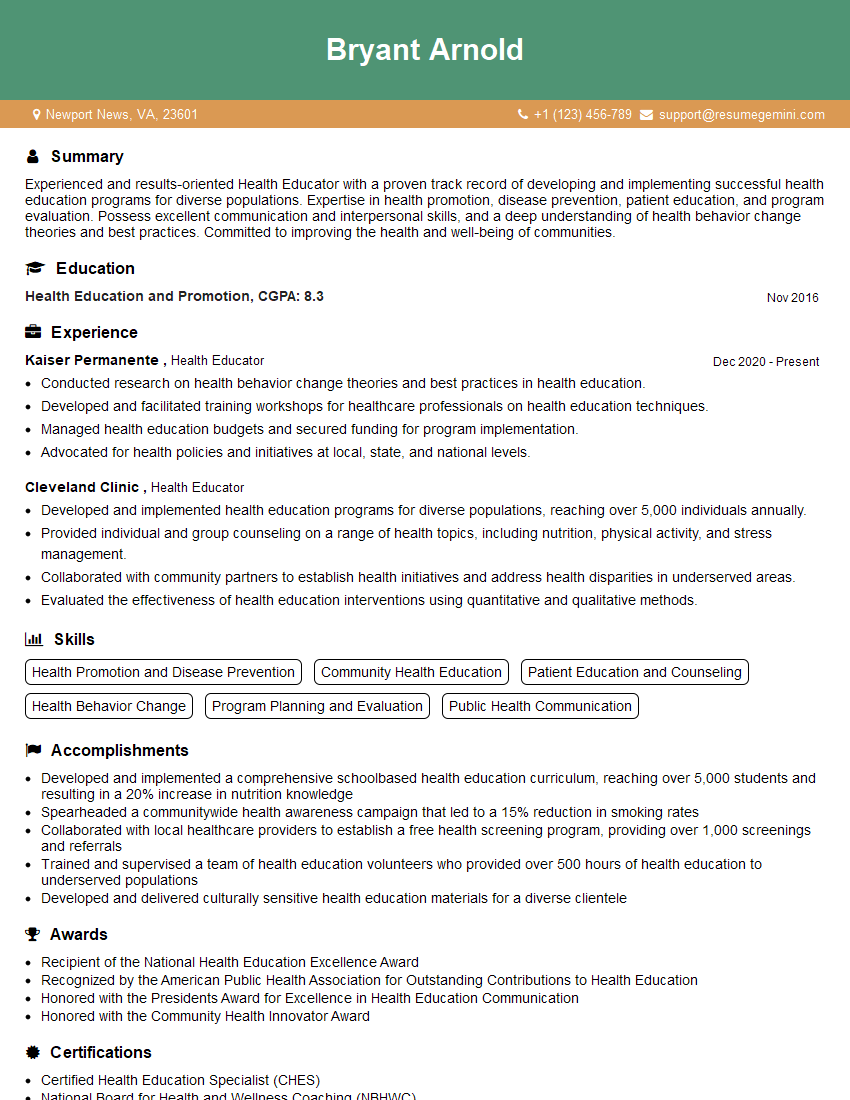
Health Educator Resume Sample
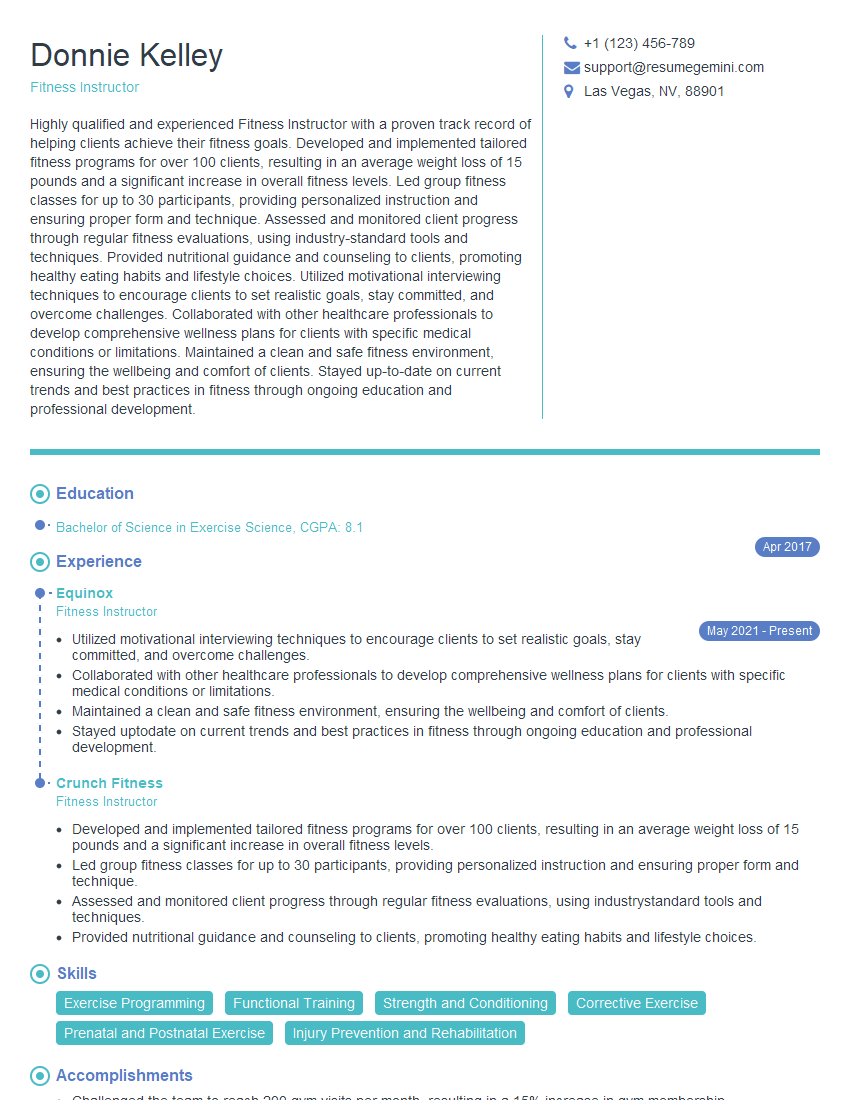
Fitness Instructor Resume Sample
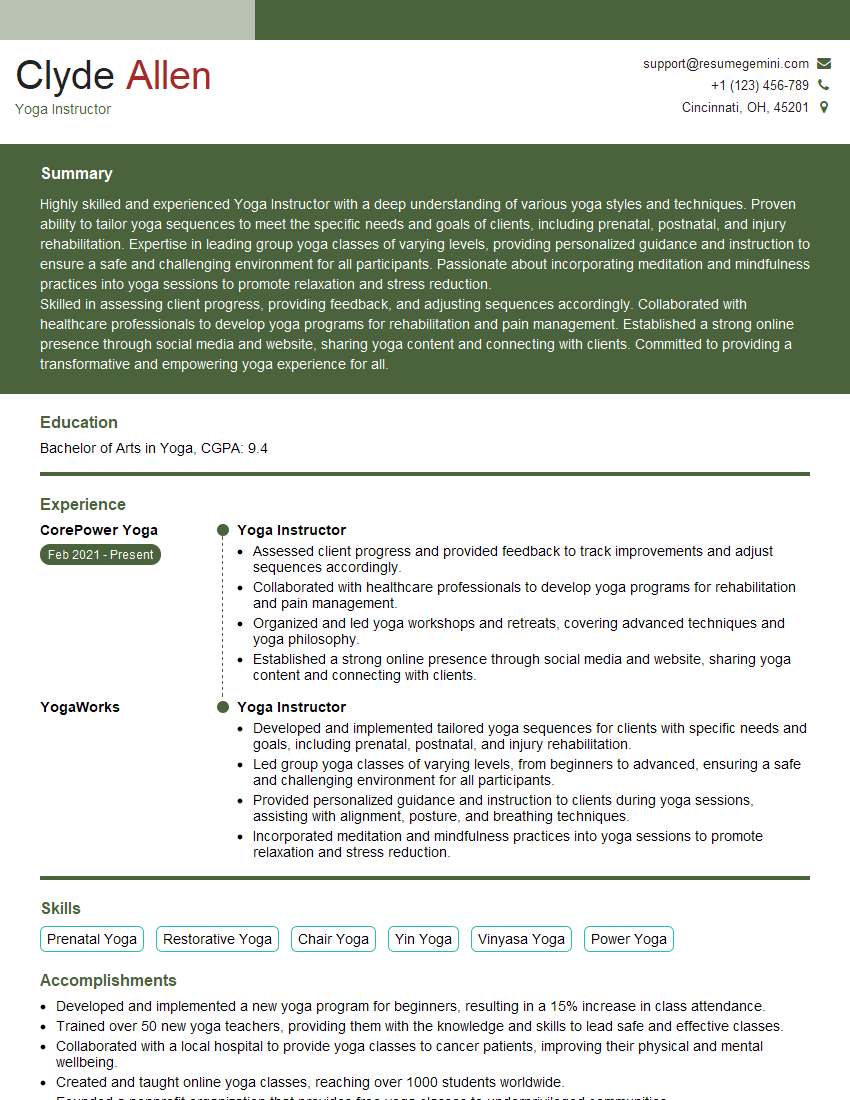
Yoga Instructor Resume Sample
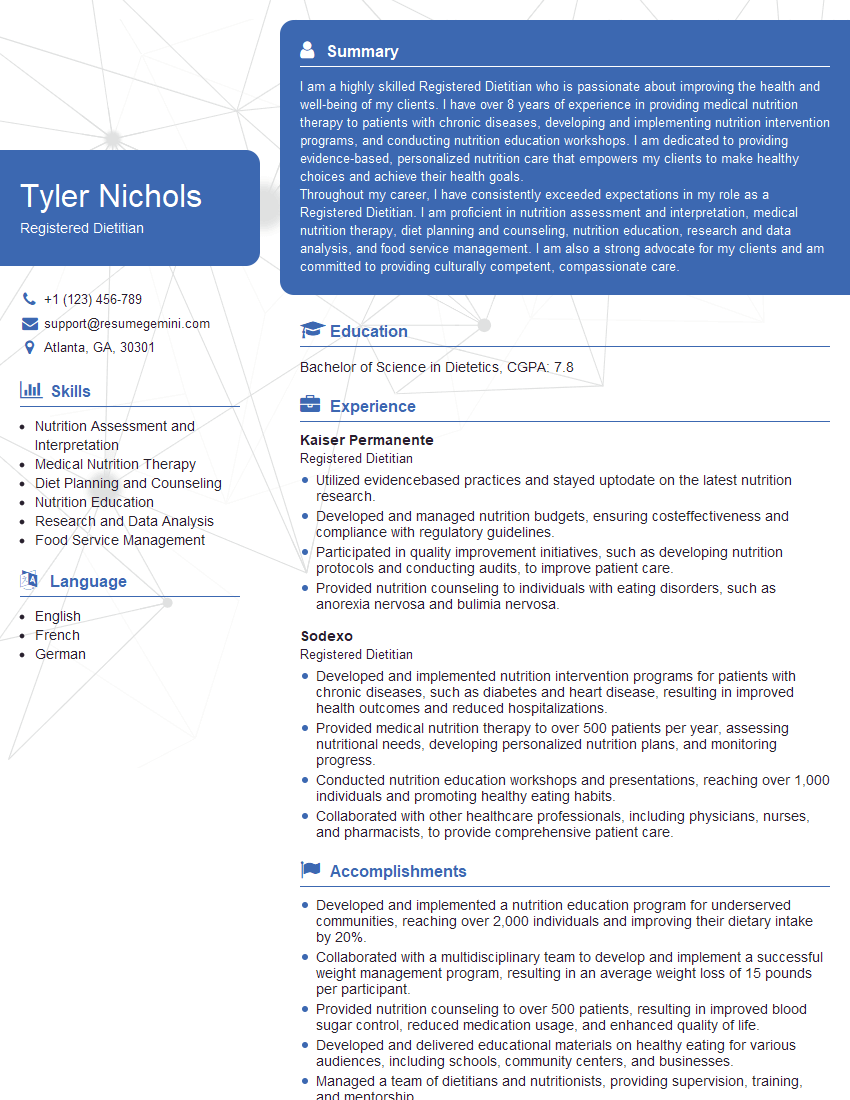
Registered Dietitian Resume Sample
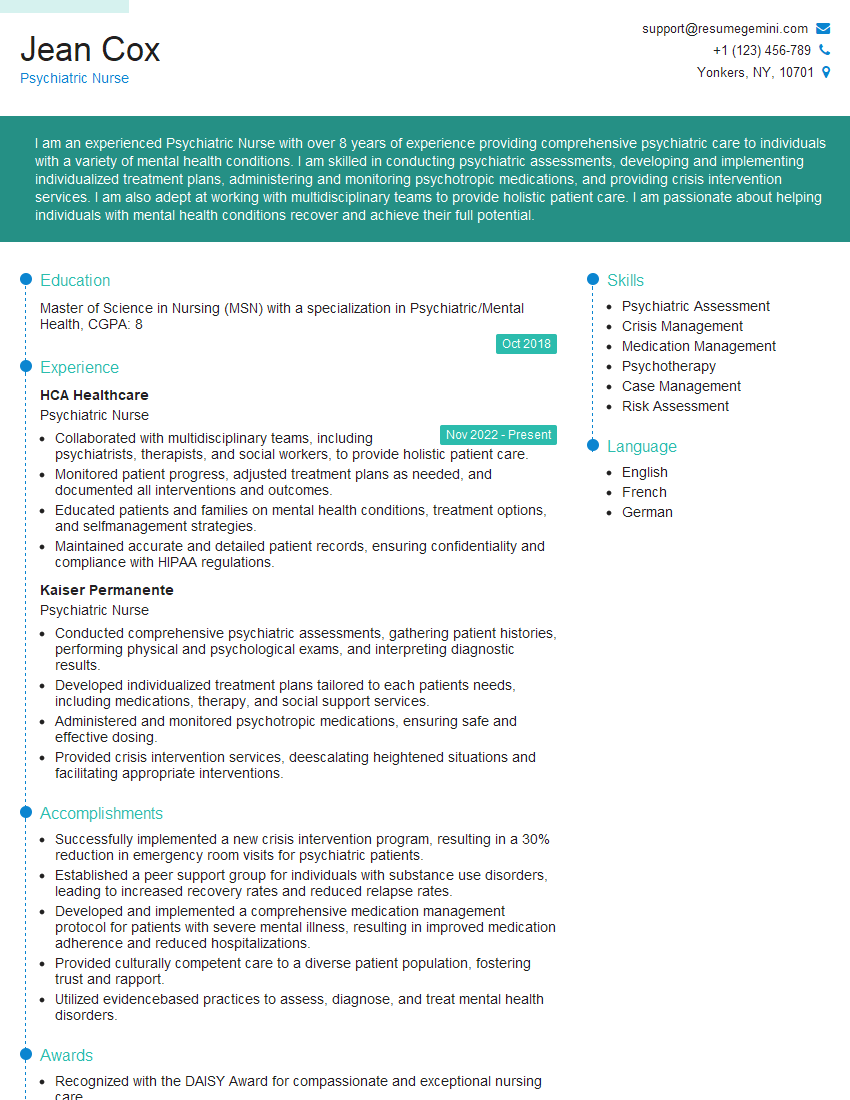
Psychiatric Nurse Resume Sample
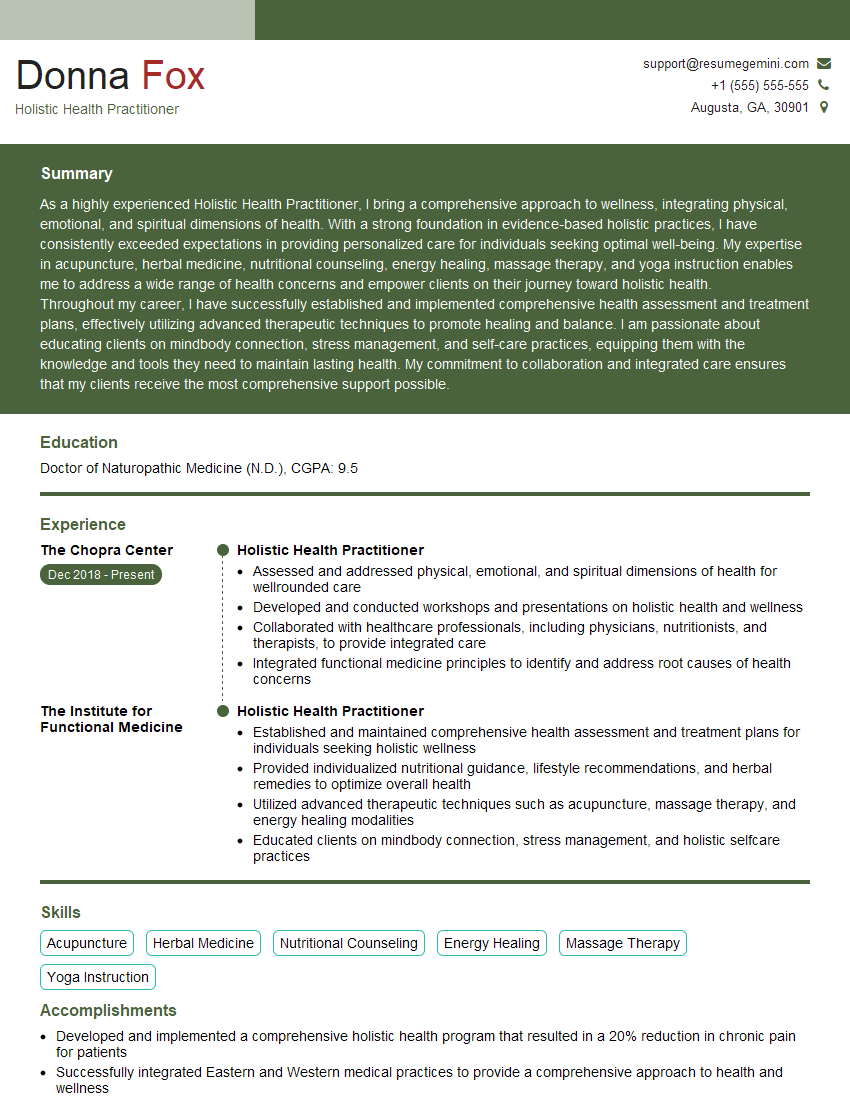
Holistic Health Practitioner Resume Sample
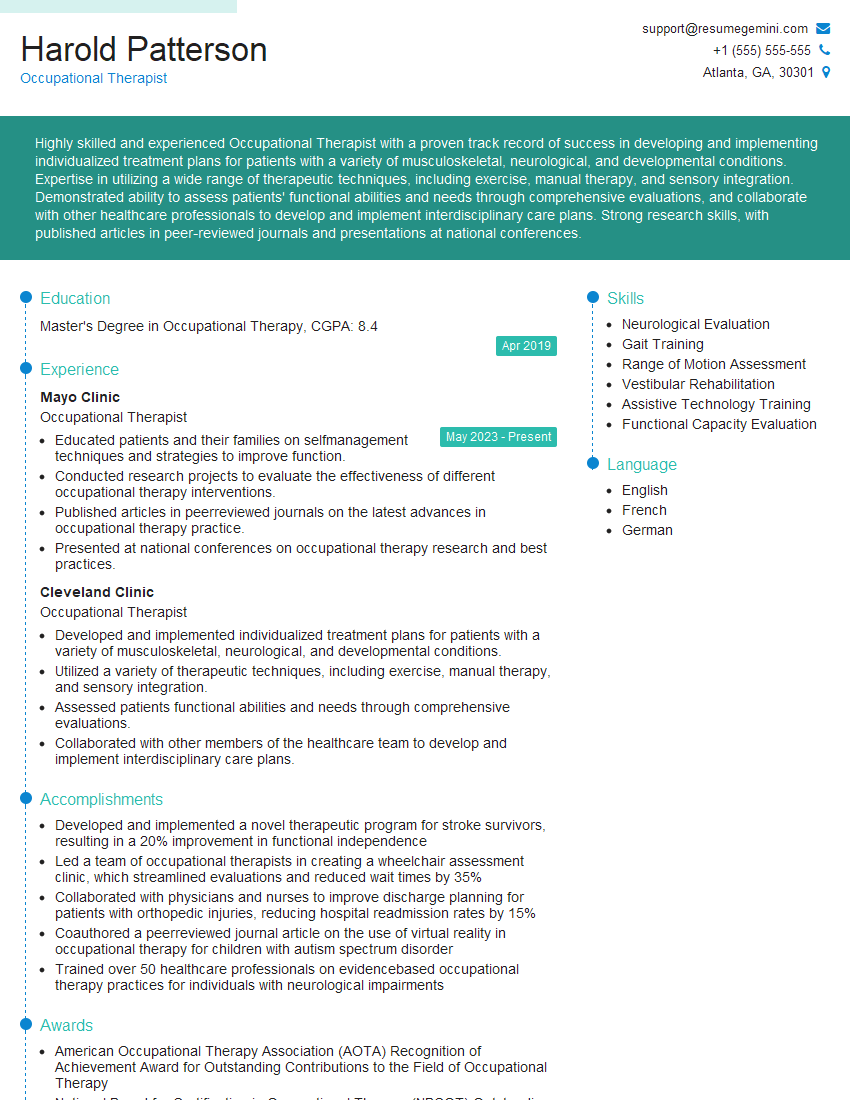
Occupational Therapist Resume Sample
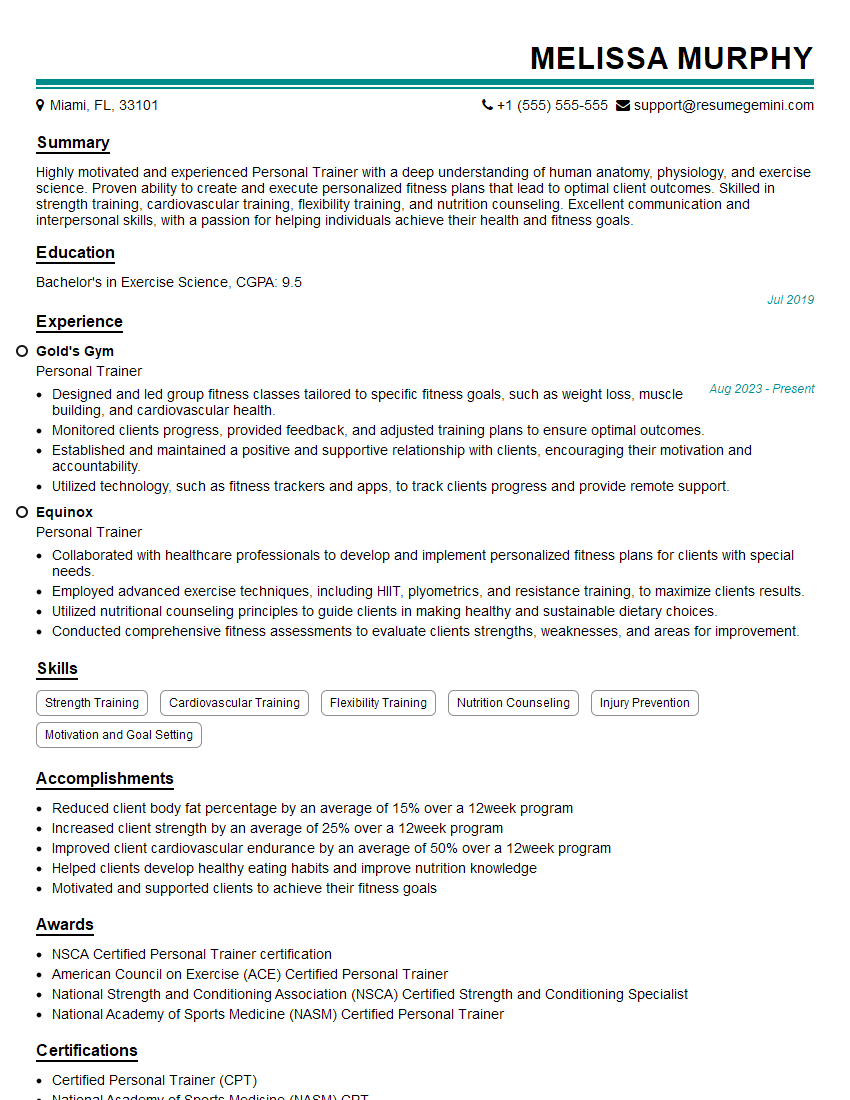
Personal Trainer Resume Sample
- Wellness Coach
- Wellness Manager
- Nutritionist
- Psychologist
- Therapist
- Sports Psychologist
- Mental Health Counselor
- Rehabilitation Specialist
- Life Coach
- Health Educator
- Fitness Instructor
- Yoga Instructor
- Registered Dietitian
- Psychiatric Nurse
- Holistic Health Practitioner
- Occupational Therapist
- Personal Trainer
Explore more articles
Users Rating of Our Blogs
Share Your Experience
We value your feedback! Please rate our content and share your thoughts (optional).
What Readers Say About Our Blog
I Redesigned Spongebob Squarepants and his main characters of my artwork.
https://www.deviantart.com/reimaginesponge/art/Redesigned-Spongebob-characters-1223583608
IT gave me an insight and words to use and be able to think of examples
Hi, I’m Jay, we have a few potential clients that are interested in your services, thought you might be a good fit. I’d love to talk about the details, when do you have time to talk?
Best,
Jay
Founder | CEO