Interviews are opportunities to demonstrate your expertise, and this guide is here to help you shine. Explore the essential Executive Functioning interview questions that employers frequently ask, paired with strategies for crafting responses that set you apart from the competition.
Questions Asked in Executive Functioning Interview
Q 1. Describe your approach to prioritizing competing deadlines.
Prioritizing competing deadlines requires a strategic approach combining urgency and importance. I utilize a matrix system, often visualizing it as a quadrant. The first quadrant houses urgent and important tasks – these are tackled immediately. The second quadrant contains important but not urgent tasks – these are scheduled proactively to prevent them from becoming urgent. The third quadrant represents urgent but not important tasks – these are delegated or, if necessary, quickly addressed with a focus on efficiency. Finally, the fourth quadrant encompasses tasks that are neither urgent nor important – these are either eliminated or deferred.
For example, if I have a crucial presentation due tomorrow (urgent and important) and a long-term strategic plan due in a month (important but not urgent), I’ll focus on the presentation first, but will dedicate specific time slots each week to advance the strategic plan. I might delegate tasks from the less important categories if feasible, such as responding to less critical emails, to focus my energies on higher-priority work.
Q 2. Explain how you organize complex projects into manageable tasks.
Organizing complex projects involves breaking them down into smaller, manageable tasks. I employ a Work Breakdown Structure (WBS), a hierarchical decomposition of the project into smaller, more easily managed components. This involves starting with the overall project goal and progressively breaking it down into phases, sub-phases, and ultimately, individual tasks. Each task should be clearly defined with specific deliverables and deadlines.
For instance, if the project is launching a new product, the WBS might start with ‘Launch New Product X’, which is then broken down into phases such as ‘Market Research’, ‘Product Development’, ‘Marketing Campaign’, and ‘Sales Strategy’. Each phase would further be divided into smaller, more manageable tasks. Using project management software helps significantly in visualizing this structure and tracking progress.
Q 3. How do you manage your time effectively in a high-pressure environment?
Effective time management in high-pressure environments hinges on several key strategies. First, I prioritize ruthlessly, using the matrix system mentioned earlier. Second, I utilize time-blocking techniques, scheduling specific blocks of time for dedicated tasks. This helps minimize context switching and maximizes focus. Third, I employ the Pomodoro Technique, working in focused bursts with short breaks in between to maintain concentration and prevent burnout. Finally, I regularly review my schedule and adjust as needed, being flexible yet firm in my commitment to deadlines.
For example, during a particularly busy period, I might dedicate my mornings to focused work on high-priority items, afternoons to meetings and collaborations, and evenings to reviewing progress and planning the next day’s tasks. Regular breaks and mindfulness exercises help prevent stress and maintain productivity.
Q 4. Describe a situation where you had to adapt to unexpected changes in a project.
In a previous project involving software development, we encountered an unexpected security vulnerability just weeks before the launch date. This necessitated an immediate course correction. We held an emergency meeting to assess the situation, prioritizing the remediation of the vulnerability. The team worked collaboratively, extending working hours and prioritizing the fix above all else. We successfully addressed the vulnerability before launch, demonstrating our adaptability and problem-solving capabilities under pressure. We also documented the issue and subsequent fixes to prevent similar occurrences in the future. This experience highlighted the importance of contingency planning and open communication within a team.
Q 5. How do you delegate tasks effectively?
Effective delegation involves selecting the right person for the right task. I consider each individual’s skills, experience, and workload before assigning tasks. Clear communication is crucial, providing specific instructions, expected outcomes, and deadlines. I also ensure that the individual has the necessary resources and support to complete the task successfully. Finally, I provide regular feedback and guidance, creating opportunities for growth and development.
For instance, if I have a data analysis task requiring expertise in a specific statistical software, I would delegate it to the team member most proficient in that area. I would also provide them with the necessary data set, documentation on the required analysis, and a clear deadline. Regular check-ins would ensure the task is progressing as planned and address any challenges they encounter.
Q 6. How do you identify and mitigate potential risks in a project?
Identifying and mitigating potential risks is a proactive process. I begin by brainstorming potential risks, using techniques such as SWOT analysis (Strengths, Weaknesses, Opportunities, Threats) and risk registers to catalog and assess these risks. For each identified risk, I determine its likelihood and potential impact. I prioritize mitigation strategies based on this assessment. Strategies might include developing contingency plans, establishing clear communication channels, and implementing robust monitoring systems.
For example, in a product launch, a potential risk might be a delay in manufacturing. To mitigate this, we might identify alternative suppliers or build buffer time into the schedule. Regularly monitoring the manufacturing process and communicating with the supplier are crucial in identifying and addressing potential delays early on.
Q 7. Explain your process for making strategic decisions.
My strategic decision-making process is data-driven and collaborative. I begin by clearly defining the problem or opportunity, gathering relevant data, and analyzing it objectively. This involves seeking diverse perspectives and conducting thorough research. Once a clear understanding of the situation is established, I evaluate different options, weighing the potential benefits and risks associated with each one. The decision is then documented, communicated effectively to relevant stakeholders, and a plan for implementation is established, including a system for monitoring and evaluating the effectiveness of the decision.
A recent example involved deciding on the best marketing strategy for a new product. We analyzed market research data, competitor strategies, and our own budget constraints. We then evaluated several marketing channels, including digital advertising, social media campaigns, and public relations. Ultimately, we opted for a multi-channel approach, which was implemented and monitored closely for its effectiveness. Post-campaign analysis helped us refine future marketing strategies.
Q 8. How do you handle conflicting priorities?
Handling conflicting priorities effectively involves a structured approach that prioritizes tasks based on urgency and importance. I utilize frameworks like the Eisenhower Matrix (urgent/important), which helps categorize tasks into four quadrants: Do, Decide, Delegate, and Delete. This allows me to focus on high-impact activities first, avoiding getting bogged down in less critical tasks.
For example, if I’m facing a tight deadline for a client presentation and simultaneously managing a long-term strategic project, I’d prioritize the presentation as it’s both urgent and important. I might delegate aspects of the strategic project, or postpone less critical elements, to ensure timely completion of the presentation. This requires strong self-awareness to recognize the true urgency and impact of each task, a skill I’ve honed over years of experience.
Q 9. Describe your experience with project planning and execution.
My project planning and execution experience centers around a phased approach: Initiation, Planning, Execution, Monitoring and Controlling, and Closure. In the planning phase, I utilize tools like Gantt charts and work breakdown structures (WBS) to visually represent tasks, dependencies, and timelines. This granular breakdown ensures clarity and accountability. I also incorporate risk management processes, identifying potential roadblocks and developing contingency plans. Execution involves regular check-ins, agile methodologies when appropriate, and proactive communication with stakeholders.
For instance, in a recent project involving the launch of a new software application, I used a WBS to break down the project into smaller, manageable tasks, assigning clear responsibilities and deadlines. The Gantt chart helped visualize the timeline and dependencies between tasks, allowing us to identify potential delays early and address them proactively. Regular stand-up meetings ensured transparent progress tracking and facilitated quick resolution of issues.
Q 10. How do you track progress and measure success in your projects?
Progress tracking and success measurement are integral to project management. I employ a multi-faceted approach that combines quantitative and qualitative metrics. Quantitative measures may include project timelines, budget adherence, and key performance indicators (KPIs) specific to the project’s goals. Qualitative metrics assess stakeholder satisfaction, team morale, and the overall effectiveness of the solution. Regular reporting and dashboards provide a visual representation of progress against targets.
For example, in a marketing campaign, quantitative metrics could include website traffic, conversion rates, and return on investment (ROI). Qualitative metrics might include customer feedback surveys and social media engagement. By tracking both, we gain a comprehensive understanding of the campaign’s success and areas for improvement. This data-driven approach allows for course correction during the project lifecycle and informs future strategies.
Q 11. How do you identify and resolve bottlenecks in a workflow?
Identifying and resolving bottlenecks requires a systematic approach. I begin by clearly defining the workflow, identifying each step and its associated timelines. Then, I analyze the workflow for potential constraints, such as resource limitations, dependencies, or process inefficiencies. This often involves direct observation, data analysis, and discussions with team members directly involved in the process. Once the bottleneck is identified, I work collaboratively with the team to brainstorm and implement solutions, which might involve process re-engineering, resource allocation adjustments, or technology integration.
For instance, in a manufacturing process, a bottleneck might be a slow machine. Addressing this could involve upgrading the machine, optimizing its maintenance schedule, or re-organizing the workflow to minimize its impact. This requires both technical understanding of the process and strong interpersonal skills to foster collaboration and buy-in from the team.
Q 12. How do you utilize technology to improve your efficiency?
Technology plays a crucial role in enhancing efficiency. I leverage a range of tools, including project management software (like Asana or Jira), collaboration platforms (like Slack or Microsoft Teams), and data visualization tools (like Tableau or Power BI). These tools facilitate communication, task management, progress tracking, and data analysis, streamlining workflows and improving overall productivity. Automation tools can handle repetitive tasks, freeing up time for more strategic work.
For example, using project management software allows for centralized task assignment, progress tracking, and communication, eliminating the need for numerous emails and meetings. Data visualization tools help identify trends and patterns in data, providing insights that inform decision-making. Automating routine tasks, such as data entry, further improves efficiency and reduces manual effort.
Q 13. Describe your experience with time management techniques.
Effective time management is critical to my success. I use a combination of techniques, including time blocking (scheduling specific times for specific tasks), the Pomodoro Technique (working in focused intervals with short breaks), and prioritization matrices (like Eisenhower Matrix). I also regularly review my schedule and adjust it based on changing priorities and unexpected events. This requires self-discipline and the ability to say ‘no’ to non-essential tasks to protect allocated time.
For example, I might dedicate the first two hours of my day to focused work on high-priority tasks, followed by a block of time for meetings and collaborative efforts. The Pomodoro Technique helps maintain focus during those focused work blocks. Regular schedule reviews ensure I stay on track and adapt to changing demands.
Q 14. How do you ensure accountability within a team?
Ensuring team accountability relies on establishing clear roles, responsibilities, and expectations from the outset. This includes well-defined goals, measurable KPIs, and regular progress updates. Open and honest communication is essential, fostering a culture of trust and mutual support. Utilizing collaborative tools allows for transparent progress tracking and facilitates quick issue resolution. Regular feedback sessions, both formal and informal, reinforce accountability and promote continuous improvement.
For instance, in a team project, I would assign clear roles and responsibilities, ensuring each member understands their contributions and their impact on the overall success. Regular stand-up meetings provide opportunities for progress updates and quick identification of roadblocks, promoting timely intervention and problem-solving. Regular feedback sessions help maintain alignment and address performance issues proactively.
Q 15. How do you stay organized and manage your workload?
Staying organized and managing workload effectively is paramount for any executive. My approach is multifaceted, relying on a combination of strategic planning and practical tools. I begin with prioritizing tasks using methods like the Eisenhower Matrix (urgent/important), ensuring I focus on high-impact activities first.
I utilize digital tools like project management software (e.g., Asana, Trello) to visually track progress, set deadlines, and assign responsibilities. These tools allow me to break down large projects into smaller, manageable tasks, preventing feeling overwhelmed. For instance, when leading a large-scale organizational restructuring, I broke down the project into phases: assessment, planning, implementation, and evaluation. Each phase had sub-tasks with clear deadlines and assigned team members tracked within the project management software. Regularly reviewing these tools and adjusting my schedule as needed is crucial.
Beyond digital tools, I rely on a strong system of physical organization as well. A clean workspace, well-maintained filing system (both digital and physical), and color-coded notes are all integral to my effectiveness. Finally, I schedule dedicated time for planning and reviewing my workload, ensuring I don’t get caught up in the daily grind without a clear vision of long-term goals.
Career Expert Tips:
- Ace those interviews! Prepare effectively by reviewing the Top 50 Most Common Interview Questions on ResumeGemini.
- Navigate your job search with confidence! Explore a wide range of Career Tips on ResumeGemini. Learn about common challenges and recommendations to overcome them.
- Craft the perfect resume! Master the Art of Resume Writing with ResumeGemini’s guide. Showcase your unique qualifications and achievements effectively.
- Don’t miss out on holiday savings! Build your dream resume with ResumeGemini’s ATS optimized templates.
Q 16. Describe a situation where you had to troubleshoot a complex problem.
During a recent project involving the implementation of a new client relationship management (CRM) system, we encountered a significant technical issue that prevented data migration. The problem stemmed from an incompatibility between the legacy database and the new CRM’s import functionality. This wasn’t just a simple fix; it threatened project deadlines and client satisfaction.
My approach involved a structured troubleshooting process. First, I gathered my team and we systematically reviewed all logs and documentation to identify the root cause. We used a root cause analysis (RCA) methodology, examining the issue from multiple angles. This revealed a data format discrepancy. Next, we brainstormed solutions. We considered multiple options, ranging from data conversion scripts to manual intervention. After careful evaluation, we opted for a hybrid approach: creating a custom script for the majority of the data and manually handling exceptions.
This required collaboration with our technical team, and involved several iterations of script refinement and testing. Through this meticulous process, we were able to resolve the issue successfully, demonstrating my ability to handle complex technical challenges while leading a team. The project was completed on time and to the client’s satisfaction.
Q 17. How do you handle interruptions and distractions?
Interruptions and distractions are inevitable, especially in fast-paced environments. My strategy for handling them involves a blend of proactive measures and reactive responses. Proactively, I establish dedicated focus blocks in my schedule, during which I minimize distractions. This often involves turning off notifications, closing unnecessary tabs, and communicating my availability to colleagues.
When interruptions occur, I practice assertive communication. I politely acknowledge the interruption and either address it briefly if it’s urgent, or schedule a time to discuss it later. This prevents me from losing focus on my primary tasks and respects the needs of others. Furthermore, I utilize time management techniques like the Pomodoro Technique to work in focused bursts, followed by short breaks. This allows me to regain concentration effectively and prevents burnout caused by continuous interruptions.
For instance, if someone comes to my office unexpectedly, I might say, “I’m in the middle of something crucial right now, but I can give you 5 minutes. Can we schedule a more detailed conversation in 30 minutes?” This sets clear expectations and ensures efficient use of time.
Q 18. How do you communicate effectively with stakeholders?
Effective communication with stakeholders is fundamental to my success. My approach is tailored to the audience and the context, employing various methods to ensure clarity and understanding. I believe in transparency, providing regular updates and proactively addressing concerns. I use a variety of communication channels, choosing the most appropriate method for each situation. This might include formal presentations, email updates, informal meetings, or even casual conversations, depending on the nature of the message and the audience.
When communicating complex information, I ensure that I am clear and concise, using visual aids like charts and graphs to support my points, and actively seeking feedback to confirm understanding. I also practice active listening, ensuring I fully understand stakeholder perspectives before responding. This includes asking clarifying questions and summarizing their concerns to demonstrate my comprehension. Finally, I maintain open lines of communication, fostering a collaborative environment where feedback is welcomed and valued.
For example, when presenting project updates to senior management, I start with a high-level summary of key findings, then go into more detail as needed, always being prepared to answer their questions thoroughly.
Q 19. How do you monitor your own performance and identify areas for improvement?
Monitoring my performance and identifying areas for improvement is an ongoing process. I utilize several strategies to ensure continuous self-assessment. First, I regularly review my accomplishments against pre-set goals and objectives, evaluating both my successes and areas where I fell short. This often involves using metrics and data to track progress objectively. I also actively solicit feedback from colleagues, supervisors, and even subordinates, using 360-degree feedback to get a holistic view of my performance.
Self-reflection plays a vital role. I regularly take time to analyze my actions, identifying patterns and areas that require attention. I maintain a journal to document both successes and challenges, helping me learn from my experiences. This might involve analyzing projects that were successful and those that encountered difficulties. Based on this analysis, I create a development plan outlining specific steps to address my weaknesses and enhance my strengths. This might include taking professional development courses, seeking mentorship, or adopting new strategies.
For instance, after realizing I had difficulty delegating effectively, I enrolled in a course on leadership and management and actively practiced delegating tasks more often, focusing on clear communication and providing support to my team members.
Q 20. How do you proactively anticipate potential problems?
Proactive problem anticipation is crucial for effective leadership. My approach involves a combination of foresight, planning, and risk assessment. I regularly review projects and processes, looking for potential weaknesses and vulnerabilities. This involves brainstorming potential issues and considering various scenarios, often using techniques like SWOT analysis (Strengths, Weaknesses, Opportunities, Threats) to comprehensively assess the situation.
I also leverage historical data and past experiences to identify recurring problems and develop preventive measures. For example, if a previous project encountered delays due to insufficient resource allocation, I would make sure to address this proactively in future endeavors. I foster a culture of open communication within my team, encouraging individuals to raise potential concerns early on. This ensures that issues are identified and addressed before they escalate into major problems.
Furthermore, I utilize contingency planning to prepare for unexpected events. This involves developing backup plans and alternative solutions, allowing for flexible response to unforeseen circumstances. For instance, when leading a product launch, we developed a comprehensive communication plan to address potential issues like product defects or supply chain disruptions.
Q 21. Explain your experience with problem-solving methodologies.
My experience with problem-solving methodologies is extensive and spans various frameworks. I regularly employ the root cause analysis (RCA) method, systematically investigating the underlying causes of issues rather than simply addressing surface-level symptoms. This often involves using tools like the 5 Whys to drill down to the root of the problem. I also utilize the Six Sigma methodology, focusing on minimizing process variation and improving efficiency. This involves defining problems, measuring performance, analyzing data, improving processes, and controlling the results.
In addition, I find the Design Thinking framework valuable, especially for tackling complex, ill-defined problems. This iterative process encourages empathy with users, defining the problem, ideating solutions, prototyping, and testing. I’ve successfully applied this methodology in scenarios requiring creative problem-solving, such as designing new training programs or developing innovative solutions for complex organizational challenges. Finally, I’m comfortable using agile methodologies, such as Scrum, for iterative project management, allowing for flexibility and adaptation throughout the process.
The choice of methodology depends on the specific problem’s nature and context. For instance, while RCA is useful for analyzing existing problems, Design Thinking is better suited for identifying and addressing new challenges.
Q 22. Describe your approach to decision-making under uncertainty.
Decision-making under uncertainty is a cornerstone of effective executive functioning. My approach involves a structured process that balances risk assessment with proactive information gathering. I begin by clearly defining the problem and the desired outcome. Then, I systematically identify potential options, considering their associated risks and rewards. This often involves a decision matrix or similar framework, allowing for a visual representation of the trade-offs. Crucially, I actively seek out diverse perspectives and information, even when it challenges my initial assumptions. This might involve consulting experts, conducting research, or performing scenario planning. Finally, I choose the option that best aligns with the overall goals, considering not just the immediate implications but also potential long-term consequences. It’s important to note that accepting a degree of ambiguity is often necessary; I focus on making the best informed decision possible given the available data, understanding that unexpected factors may still arise.
For example, in a previous role, we needed to decide whether to launch a new product with limited market research. Instead of relying solely on gut feeling, I built a model incorporating various scenarios (best-case, worst-case, and most-likely). This allowed us to identify key risk factors and potential mitigation strategies, leading to a more informed, and ultimately successful, launch.
Q 23. How do you create and maintain a positive and productive work environment?
Creating and maintaining a positive and productive work environment is paramount. My approach centers on fostering open communication, mutual respect, and shared goals. I prioritize building trust and rapport with team members through active listening, regular check-ins, and providing constructive feedback. I believe in empowering individuals by delegating responsibilities based on skills and interests, while offering guidance and support as needed. A key component is establishing clear expectations and processes, ensuring everyone understands their roles and responsibilities. Regular team meetings, both formal and informal, provide opportunities for collaboration, problem-solving, and team building. Recognizing and celebrating achievements, both big and small, is crucial for boosting morale and maintaining motivation. I also proactively address conflicts and concerns, ensuring a fair and equitable environment for all. Finally, I believe in leading by example, demonstrating the positive behaviors and work ethic I expect from my team.
For instance, in a previous project facing tight deadlines, I instituted daily stand-up meetings to track progress, address challenges proactively and foster a sense of shared responsibility. This transparency and collaborative approach helped alleviate stress and ensured we met our objectives successfully.
Q 24. How do you use data to inform your decisions?
Data-driven decision-making is essential for effective leadership. My approach involves systematically collecting and analyzing relevant data from various sources to gain a comprehensive understanding of the situation. This might involve using quantitative data such as sales figures, market research, or customer feedback surveys. Qualitative data, such as employee interviews or customer reviews, also provide valuable insights that complement the quantitative data. I use appropriate analytical tools and techniques to identify trends, patterns, and outliers in the data. This might include statistical analysis, data visualization, or predictive modeling. It is equally important to consider limitations and biases within the data before making inferences. The interpretation of data needs to be aligned with the context and other relevant factors. I then use the insights gleaned from the data to inform my decision-making process, ensuring that decisions are well-supported by evidence and minimize the impact of subjective biases.
For instance, when deciding which marketing campaign to prioritize, I analyzed past campaign performance data (click-through rates, conversion rates, cost per acquisition), combined with market research on target audience preferences. This data-driven approach ensured we allocated resources to the most effective campaigns, maximizing our return on investment.
Q 25. Describe a time you had to make a difficult decision with limited information.
In a previous role, our team faced a critical equipment malfunction during a major project. We had limited information about the cause of the failure, and the vendor’s support was delayed. The decision to either attempt an immediate in-house repair or wait for the vendor’s expertise was critical, given the project’s tight deadline. I followed a structured approach: I first assembled a team of skilled technicians to assess the immediate risks, potential solutions, and the likelihood of success for each option. We then identified potential consequences for both scenarios, including project delays, potential financial losses, and safety concerns. After weighing these factors and discussing the potential risks thoroughly with the team, we opted for a cautious approach—a temporary fix to keep the project moving forward while awaiting expert assistance. This mitigated the immediate risks and bought us time to find a more sustainable solution. While not ideal, the decision demonstrated the importance of risk assessment and collaborative decision-making under pressure with incomplete information.
Q 26. How do you handle stress and pressure effectively?
Effective stress and pressure management is crucial for maintaining productivity and well-being. My approach involves several strategies. Firstly, I prioritize proactive planning and organization; anticipating potential challenges and developing contingency plans reduces stress in the long run. Secondly, I maintain a healthy work-life balance. This includes regular exercise, adequate sleep, and time for relaxation and personal pursuits. Thirdly, I utilize mindfulness techniques, such as meditation or deep breathing exercises, to manage stress in the moment. Finally, I actively seek support from colleagues, mentors, or family when needed. Open communication about workload and challenges is essential for preventing burnout. By consistently practicing these strategies, I am better equipped to handle stressful situations calmly and effectively.
Q 27. Describe your experience working collaboratively on complex projects.
I have extensive experience collaborating on complex projects, often involving cross-functional teams with diverse skill sets. My approach emphasizes clear communication, shared goals, and a collaborative spirit. I actively participate in defining project scope, timelines, and responsibilities. I also foster open communication and regular feedback among team members, utilizing tools like project management software to track progress, identify roadblocks, and ensure alignment. I am adept at resolving conflicts and facilitating consensus among team members with varying perspectives. I actively seek input from all team members, valuing diverse ideas and expertise. My leadership style in such situations is one of support and guidance, fostering a team environment where everyone feels valued and empowered to contribute.
For example, in a recent project requiring software development, marketing, and sales collaboration, I facilitated regular cross-functional meetings, used project management tools to track tasks, and ensured everyone understood their roles and dependencies. This structured collaboration ensured successful project delivery.
Q 28. How do you adapt your approach to different working styles?
Adaptability to diverse working styles is vital for effective teamwork. I begin by understanding individual preferences and communication styles through observation and open dialogue. I value different approaches and strive to create a flexible environment that accommodates various needs. This might involve adjusting communication methods (e.g., email, instant messaging, face-to-face meetings), adapting task delegation based on individual strengths, or providing different levels of support as needed. I’m comfortable working with individuals who prefer structured approaches, as well as those who are more spontaneous and creative. The key is to actively seek to understand individual preferences, and adjust my approach to ensure effective communication and collaboration. A conscious effort to adapt my own communication style improves team dynamics and overall productivity. Open communication and regular feedback are central to adapting my approach successfully.
Key Topics to Learn for Executive Functioning Interview
- Self-Regulation: Understanding and applying strategies for managing emotions, impulses, and attention. Practical application: Discuss how you’ve navigated high-pressure situations and maintained focus on critical tasks.
- Working Memory: Holding and manipulating information in mind to complete complex tasks. Practical application: Describe your approach to managing multiple projects with competing deadlines and priorities.
- Cognitive Flexibility: Adapting to changing demands, shifting priorities, and considering different perspectives. Practical application: Provide examples where you’ve successfully adjusted your plans in response to unexpected challenges or new information.
- Planning & Organization: Setting goals, creating effective plans, and organizing resources efficiently. Practical application: Explain your method for breaking down large projects into manageable steps and tracking progress.
- Time Management: Prioritizing tasks, estimating time requirements, and managing deadlines effectively. Practical application: Discuss your strategies for time management and how you handle conflicting deadlines.
- Problem Solving: Identifying problems, analyzing situations, generating solutions, and evaluating outcomes. Practical application: Describe a complex problem you solved, highlighting your analytical approach and the steps you took.
- Decision Making: Gathering information, weighing options, and making sound judgments based on available data. Practical application: Explain your decision-making process and provide an example where you made a critical decision with positive results.
Next Steps
Mastering executive functioning skills is crucial for career advancement. Strong executive functions translate to increased productivity, improved leadership capabilities, and enhanced problem-solving abilities – highly valued traits in today’s competitive job market. To make yourself stand out, crafting a compelling and ATS-friendly resume is essential. ResumeGemini can significantly enhance your resume-building experience, helping you showcase your executive functioning strengths effectively. Examples of resumes tailored to highlight Executive Functioning skills are available to help guide you.
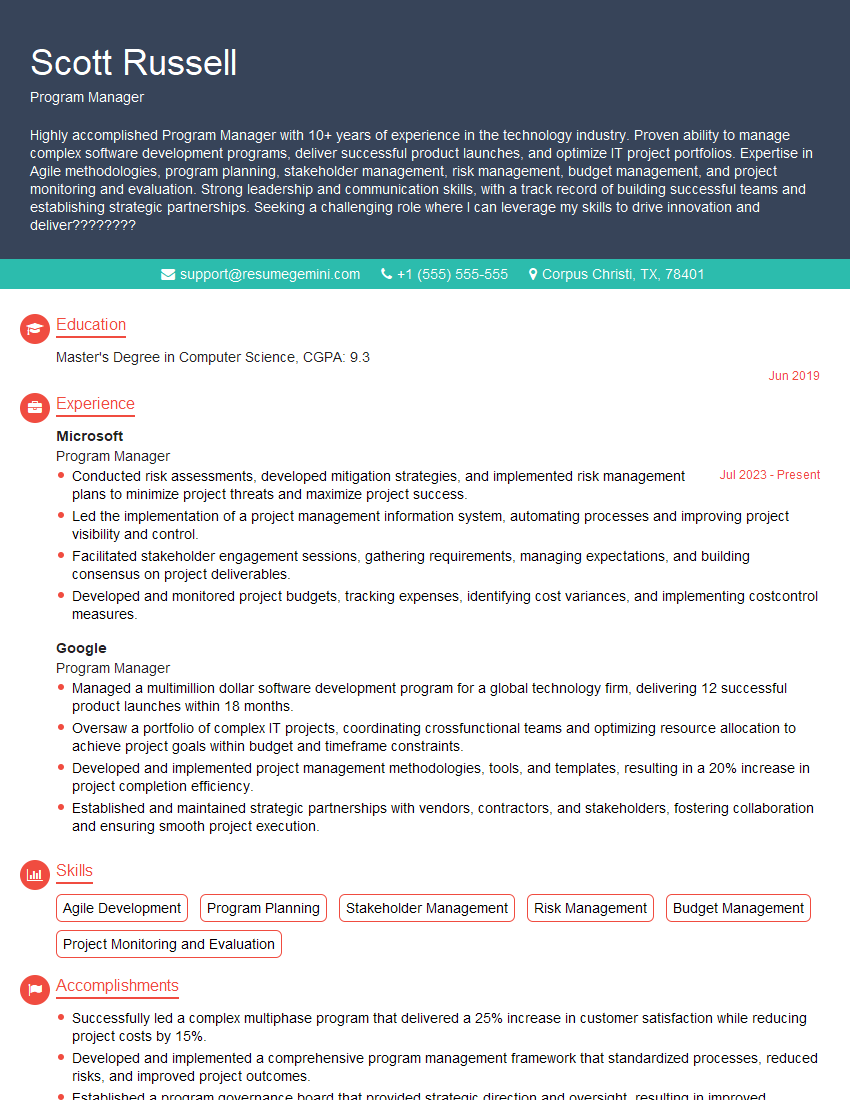
Program Manager Resume Sample
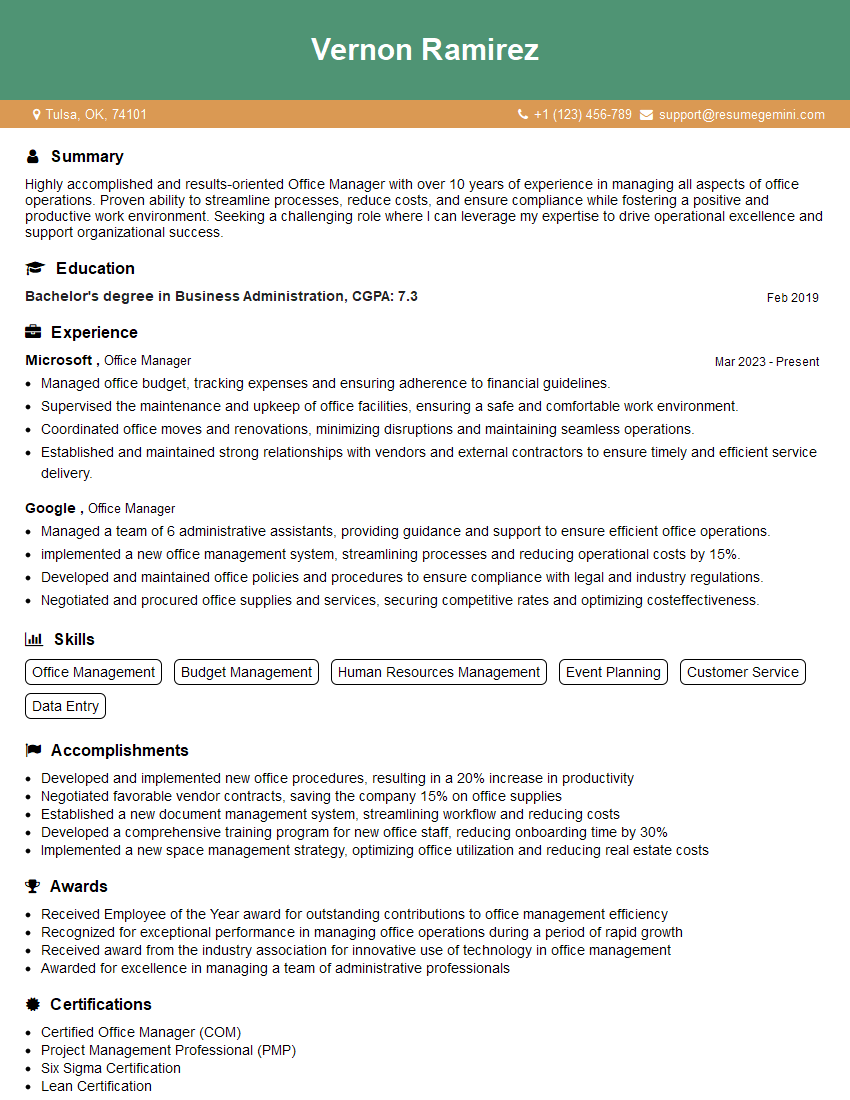
Office Manager Resume Sample
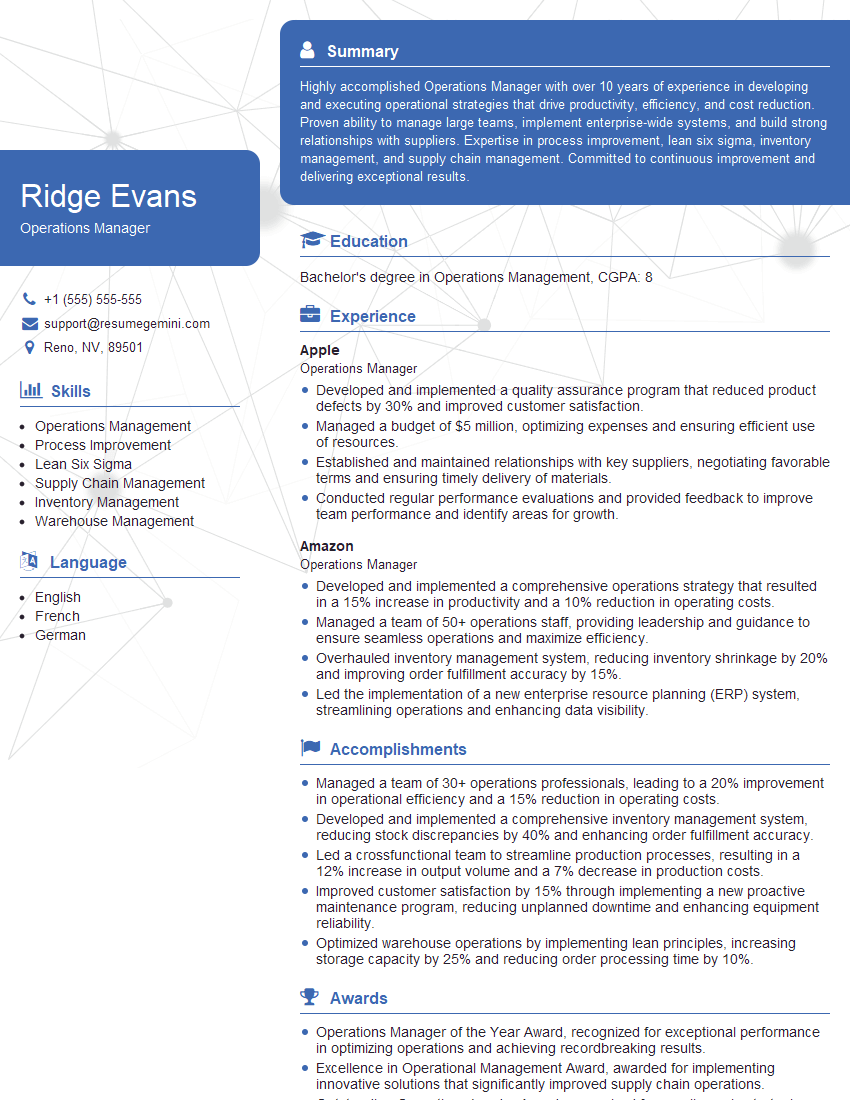
Operations Manager Resume Sample
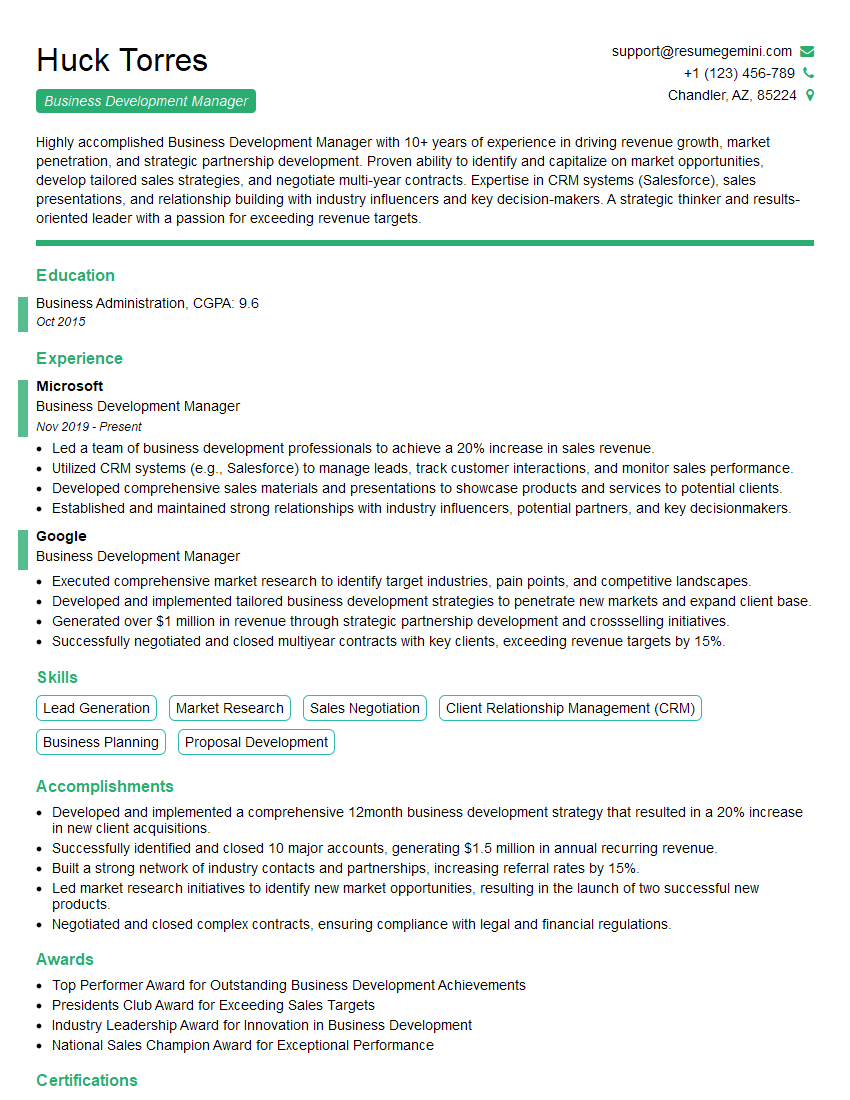
Business Development Manager Resume Sample
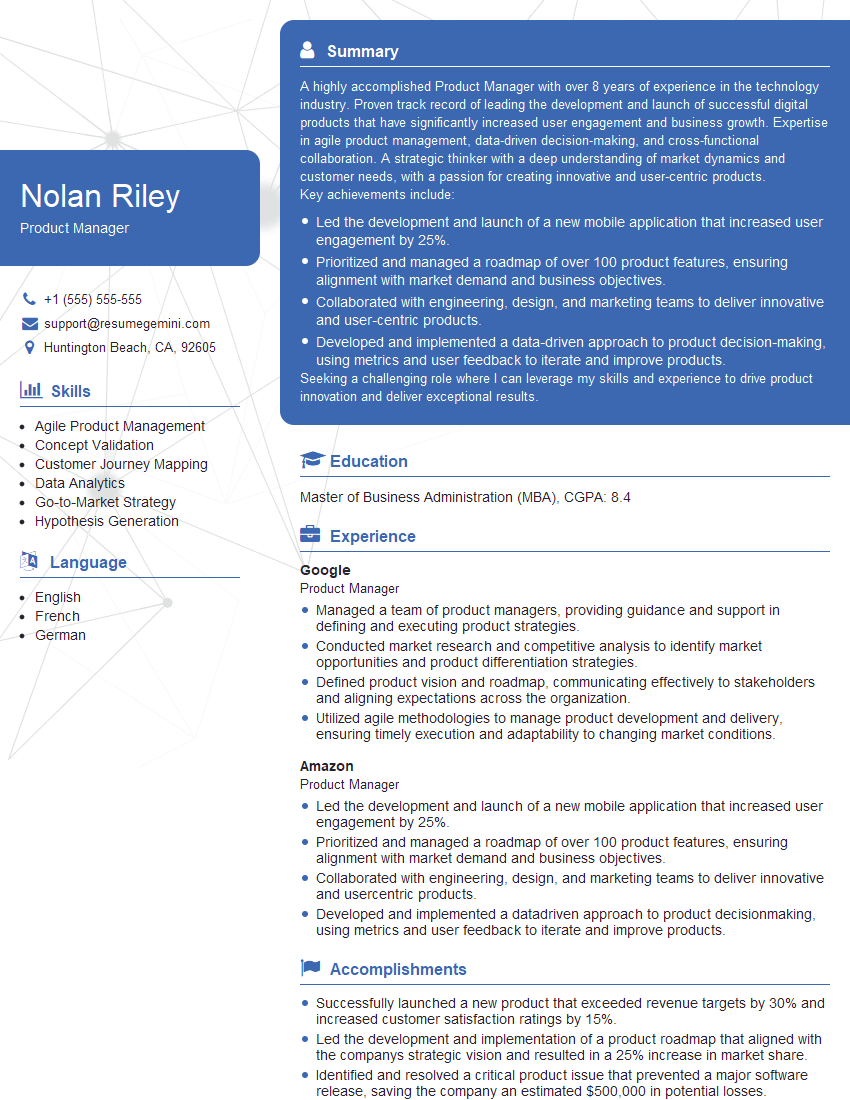
Product Manager Resume Sample
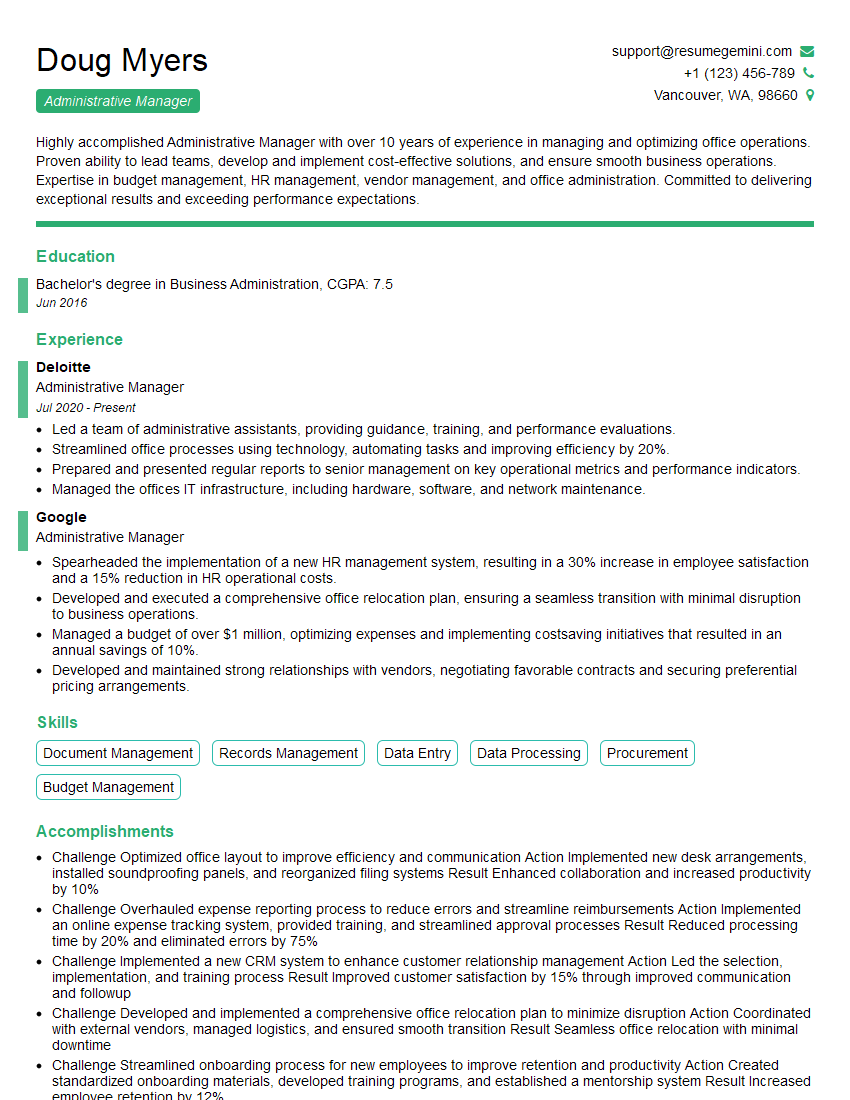
Administrative Manager Resume Sample
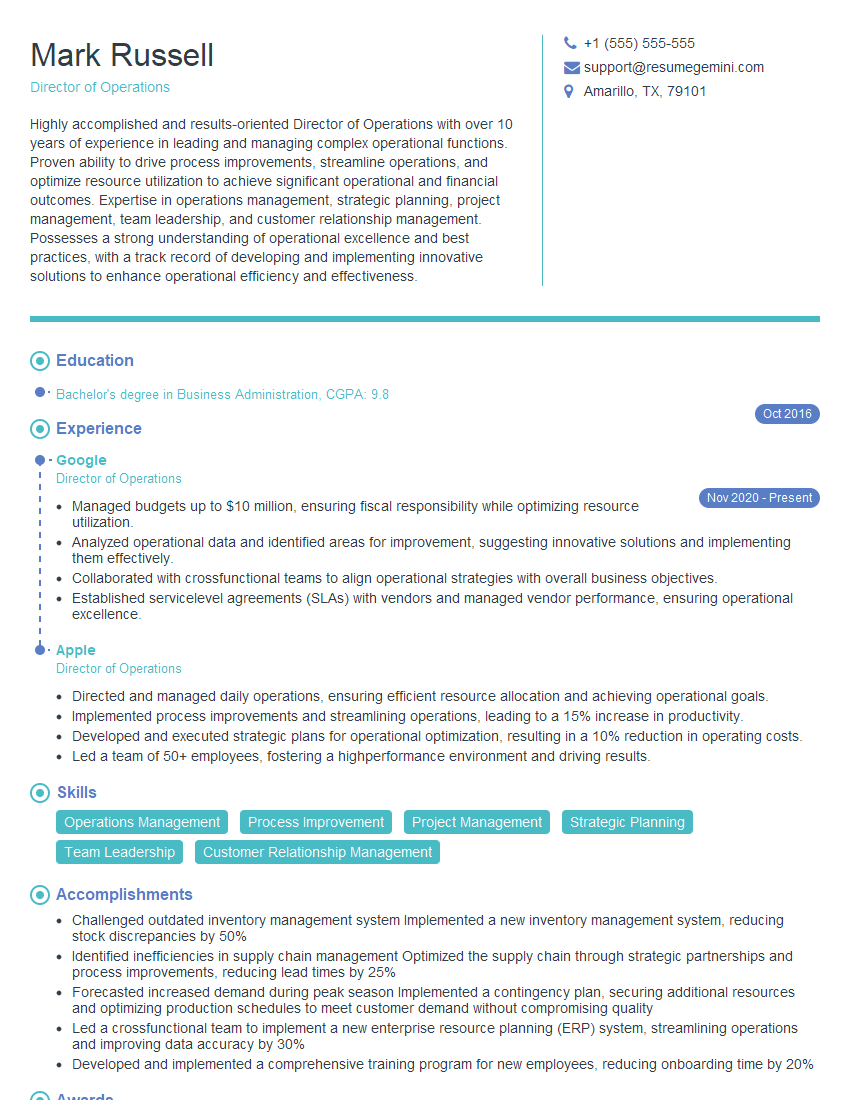
Director of Operations Resume Sample

Project Manager Resume Sample
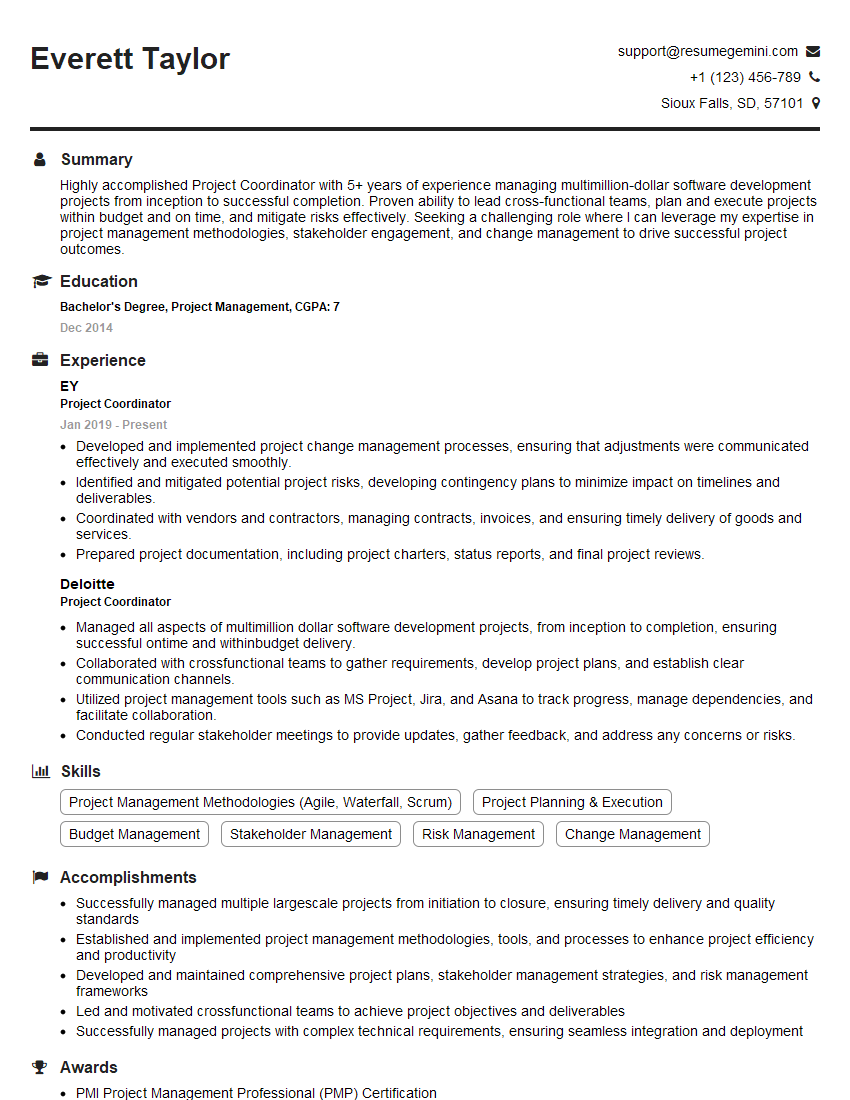
Project Coordinator Resume Sample

Chief of Staff Resume Sample
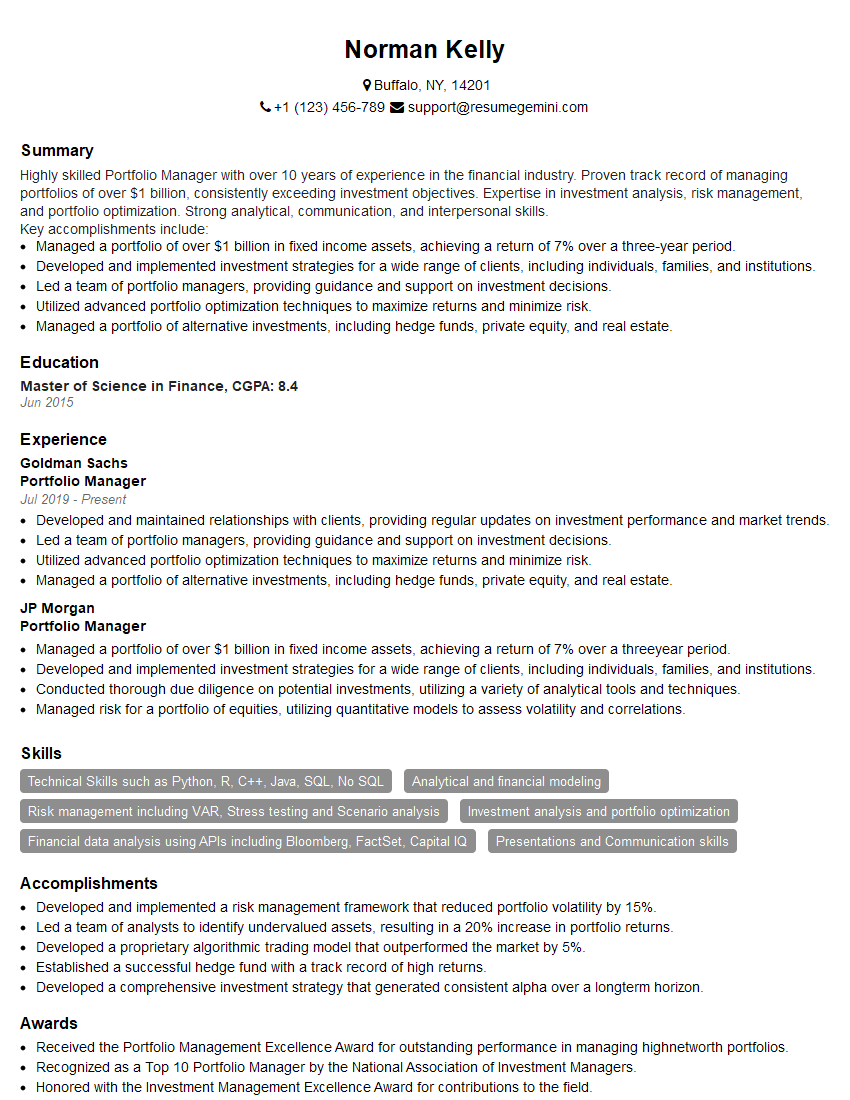
Portfolio Manager Resume Sample
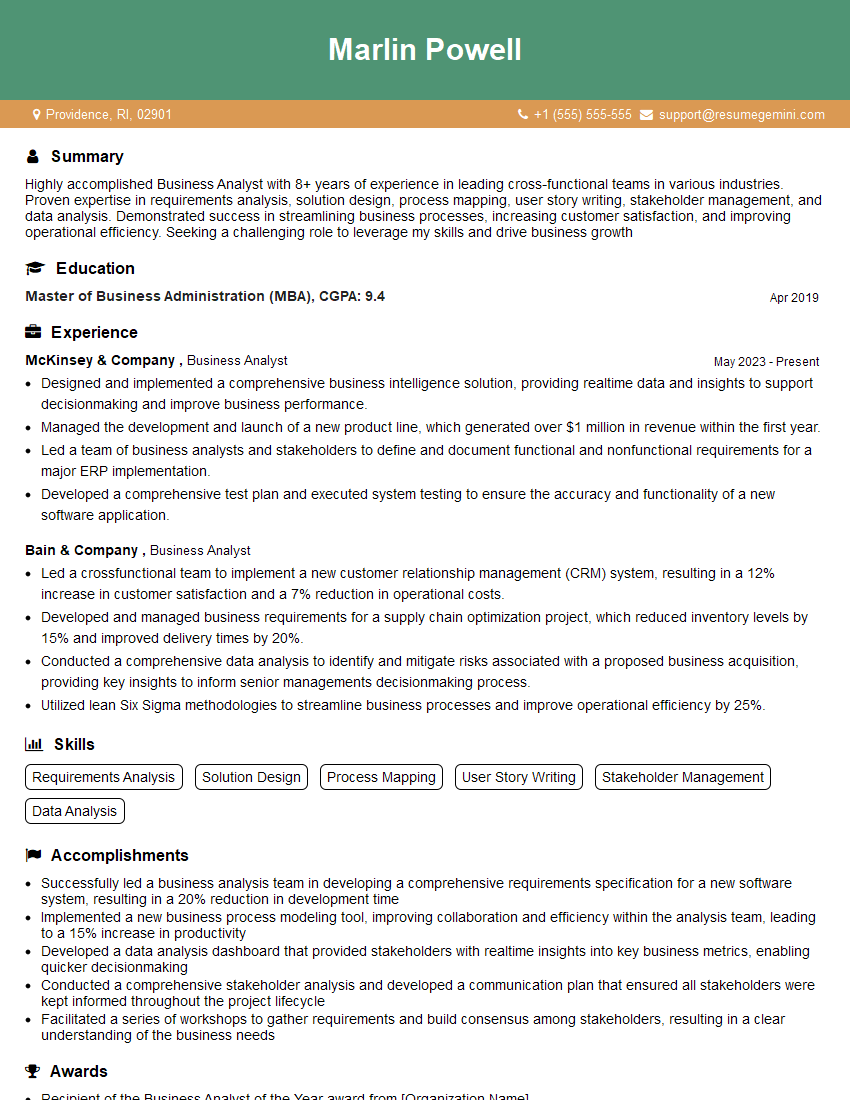
Business Analyst Resume Sample
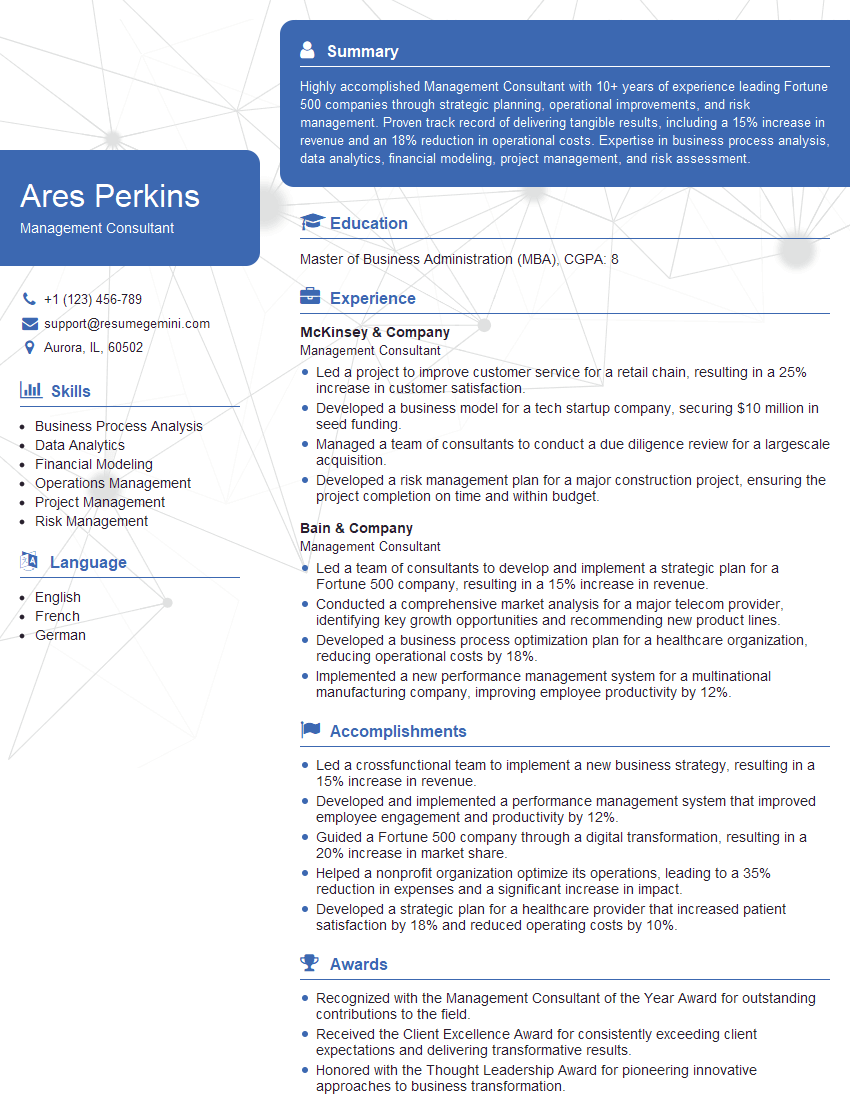
Management Consultant Resume Sample
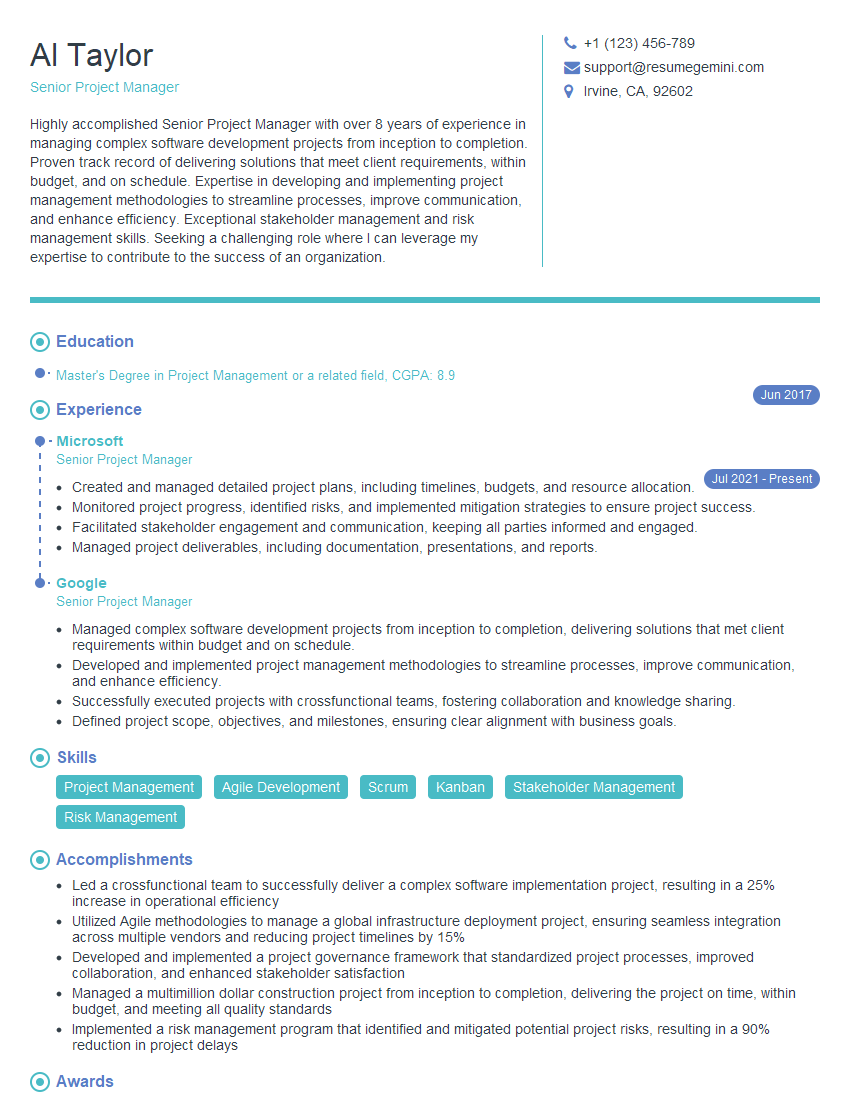
Senior Project Manager Resume Sample
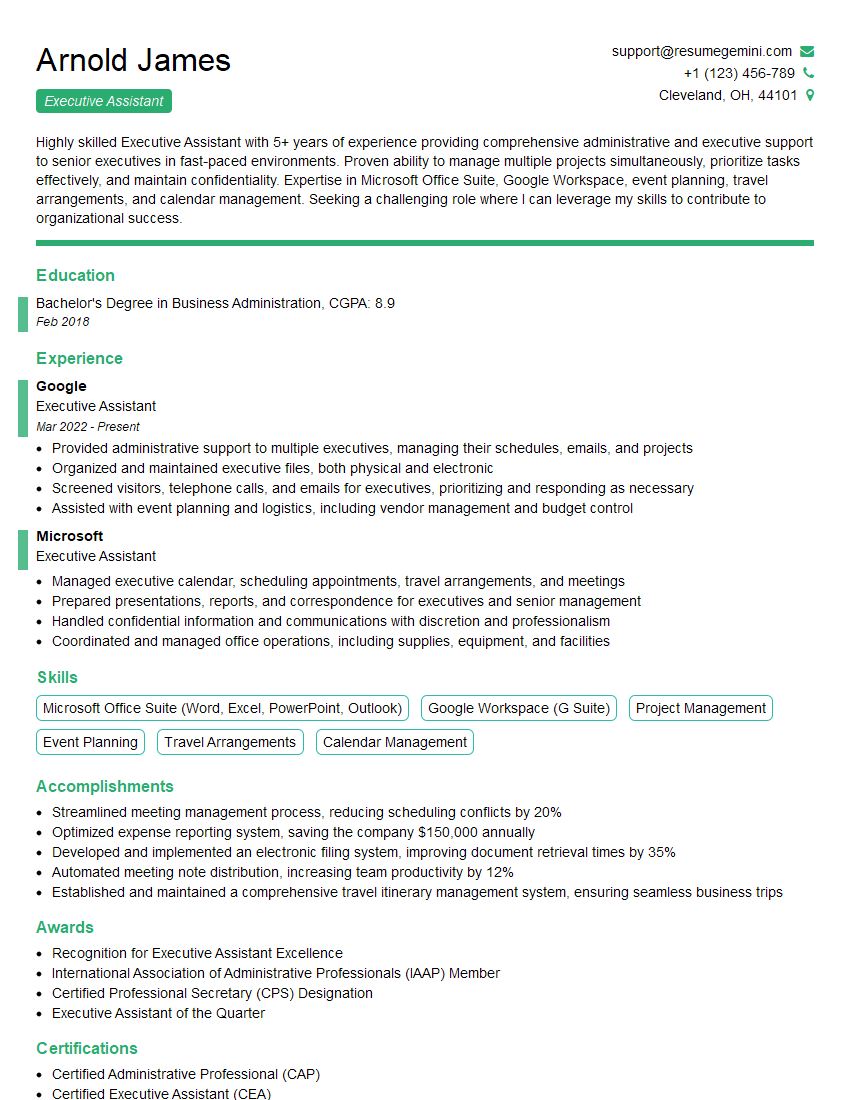
Executive Assistant Resume Sample
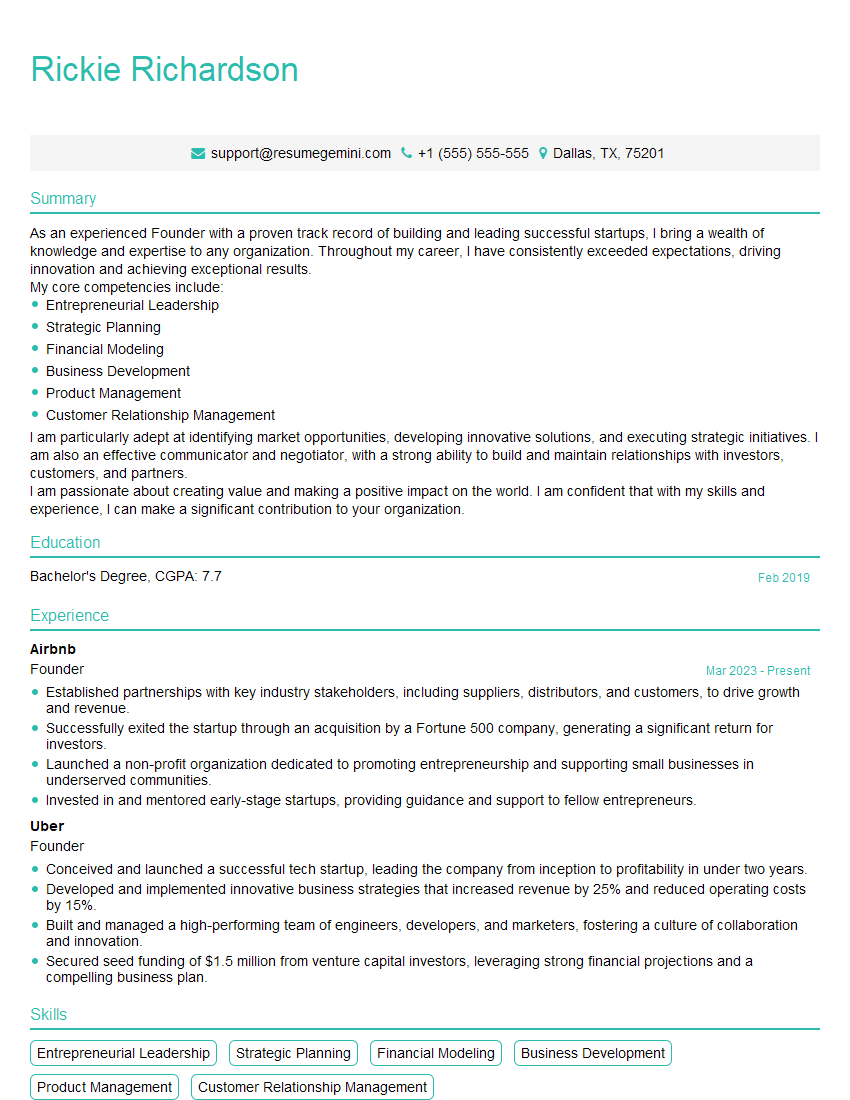
Founder Resume Sample
Explore more articles
Users Rating of Our Blogs
Share Your Experience
We value your feedback! Please rate our content and share your thoughts (optional).
What Readers Say About Our Blog
I Redesigned Spongebob Squarepants and his main characters of my artwork.
https://www.deviantart.com/reimaginesponge/art/Redesigned-Spongebob-characters-1223583608
IT gave me an insight and words to use and be able to think of examples
Hi, I’m Jay, we have a few potential clients that are interested in your services, thought you might be a good fit. I’d love to talk about the details, when do you have time to talk?
Best,
Jay
Founder | CEO