Interviews are more than just a Q&A session—they’re a chance to prove your worth. This blog dives into essential Experience in a marine environment interview questions and expert tips to help you align your answers with what hiring managers are looking for. Start preparing to shine!
Questions Asked in Experience in a marine environment Interview
Q 1. Describe your experience with marine ecosystems.
My experience with marine ecosystems spans over 15 years, encompassing research, surveying, and conservation efforts. I’ve worked extensively in diverse environments, from coral reefs to deep-sea trenches, studying everything from plankton communities to large marine mammals. My research has focused on understanding the complex interactions within these ecosystems, particularly the impact of climate change and human activities. For example, I led a team that investigated the effects of ocean acidification on shellfish populations in the Puget Sound, which involved meticulous data collection, statistical analysis, and the development of predictive models. Another project involved tagging and tracking gray whales to understand their migration patterns and habitat use. This required collaboration with various stakeholders, including government agencies and local communities.
- Expertise in various marine habitats: Coral reefs, kelp forests, estuaries, open ocean, deep-sea environments.
- Species-specific knowledge: Fish, invertebrates, marine mammals, seabirds, phytoplankton, zooplankton.
- Research methodologies: Data collection, statistical analysis, predictive modeling, remote sensing, GIS.
Q 2. Explain the process of marine surveying.
Marine surveying involves systematically collecting data about the physical, chemical, and biological characteristics of the marine environment. This is crucial for a wide range of purposes, including navigation, resource management, environmental impact assessments, and scientific research. The process typically involves several stages:
- Planning and design: Defining objectives, selecting appropriate methods and equipment, obtaining necessary permits.
- Data acquisition: Utilizing various techniques such as sonar, multibeam echosounders, remotely operated vehicles (ROVs), sediment sampling, water quality analysis, and biological surveys.
- Data processing and analysis: Cleaning, organizing, and interpreting collected data using specialized software and statistical methods.
- Report writing and dissemination: Presenting findings in a clear and concise manner, using maps, charts, and tables, for diverse audiences.
For instance, during a recent project, we used multibeam sonar to create a high-resolution bathymetric map of a coastal region to identify potential habitat for endangered sea turtles. The data was then processed using specialized software to generate 3D models and identify suitable areas for conservation efforts.
Q 3. What are the different types of marine pollution and their impacts?
Marine pollution is the contamination of oceans and seas by harmful substances. It encompasses various forms, each with severe consequences:
- Plastic pollution: Plastic debris, including microplastics, poses a significant threat to marine life through entanglement, ingestion, and habitat destruction. This leads to reduced biodiversity and disruption of food webs.
- Chemical pollution: Industrial discharges, agricultural runoff, and sewage contaminate the water with harmful chemicals, leading to toxic effects on marine organisms and potential human health risks through the consumption of contaminated seafood.
- Noise pollution: Shipping traffic, sonar, and seismic surveys generate underwater noise that disrupts the communication and navigation of marine animals, impacting their behavior and reproductive success.
- Nutrient pollution: Excess nutrients from fertilizers cause eutrophication, leading to algal blooms that deplete oxygen levels, creating “dead zones” and killing marine life.
- Thermal pollution: Discharge of heated water from power plants raises water temperatures, causing stress and mortality in marine organisms sensitive to temperature changes.
For example, I’ve witnessed firsthand the devastating impact of plastic pollution on seabirds during a research expedition in the Pacific Ocean. Many birds were found with stomachs full of plastic, leading to starvation and death.
Q 4. How do you ensure safety in marine operations?
Ensuring safety in marine operations is paramount. My approach involves a multi-layered strategy, encompassing:
- Risk assessment and mitigation: Identifying potential hazards and implementing appropriate safety measures, including emergency response plans.
- Proper training and certification: Ensuring all personnel have the necessary training and certifications for their specific roles, adhering to international maritime safety standards.
- Regular equipment maintenance and inspection: Maintaining vessels and equipment in optimal condition, performing regular inspections and repairs to prevent malfunctions.
- Communication and coordination: Establishing clear communication protocols and coordinating efforts among team members to ensure efficient and safe operations.
- Adherence to regulations: Strictly following all relevant safety regulations and guidelines issued by national and international maritime authorities.
For instance, before any offshore survey, we conduct thorough risk assessments, including weather forecasting and contingency planning for emergencies. Every team member is equipped with personal protective equipment (PPE) and undergoes safety training before deployment.
Q 5. What is your experience with marine navigation systems?
I possess extensive experience with various marine navigation systems, including GPS, electronic charts (ECDIS), radar, and automatic identification systems (AIS). I am proficient in using these systems for safe and efficient navigation in diverse marine environments. My experience includes operating these systems aboard research vessels, as well as interpreting and analyzing navigation data for research purposes.
For example, I’ve utilized ECDIS to plan and execute safe navigation routes during oceanographic research cruises, avoiding hazards such as shallow waters, shipping lanes, and potential weather disturbances. I’m also experienced in troubleshooting navigation system malfunctions, ensuring the safety of the vessel and crew.
Q 6. Describe your knowledge of marine regulations and safety standards.
My understanding of marine regulations and safety standards is comprehensive, encompassing international conventions such as SOLAS (Safety of Life at Sea), MARPOL (International Convention for the Prevention of Pollution from Ships), and STCW (Standards of Training, Certification and Watchkeeping for Seafarers). I’m familiar with various national and regional regulations pertaining to marine operations, environmental protection, and safety protocols. This includes knowledge of port state control procedures and other relevant legislation.
For example, I’ve been directly involved in ensuring compliance with MARPOL regulations during research cruises, managing waste disposal, and preventing pollution. Understanding these regulations is critical for conducting responsible and sustainable marine operations.
Q 7. Explain the principles of marine hydrodynamics.
Marine hydrodynamics is the study of fluid motion in oceans and seas. It’s governed by fundamental principles of fluid mechanics, including:
- Fluid properties: Density, viscosity, compressibility of seawater, which vary with temperature, salinity, and pressure.
- Wave motion: Understanding wave generation, propagation, and breaking, their impact on coastal structures and marine life.
- Currents and tides: Analysis of ocean currents, driven by wind, temperature gradients, and the Earth’s rotation, along with tidal forces influenced by the gravitational pull of the moon and sun.
- Ship hydrodynamics: Understanding the forces acting on vessels, including drag, lift, and propulsion, for efficient and safe navigation.
- Turbulence and mixing: The study of turbulent flow in the ocean, its role in mixing of water masses, and nutrient transport.
A practical application of this knowledge involves designing and optimizing the hull shape of ships for reduced drag and improved fuel efficiency. Another example is using hydrodynamic models to predict the movement of pollutants in coastal waters, aiding in environmental remediation efforts.
Q 8. How do you analyze marine data and interpret results?
Analyzing marine data involves a multi-step process combining statistical analysis, visualization techniques, and a deep understanding of the marine environment. First, the data—which could range from water temperature and salinity readings to species abundance and distribution data—needs thorough quality control to eliminate errors or outliers. This often involves checking for inconsistencies, identifying and handling missing values, and employing appropriate data cleaning techniques.
Next, depending on the research question, we apply appropriate statistical methods. This might involve descriptive statistics (like calculating means, medians, and standard deviations) to understand basic patterns, or more complex techniques such as regression analysis to investigate relationships between variables or ANOVA to compare means across different groups. Spatial analysis, often using GIS software, is crucial for understanding geographical patterns in marine data.
Finally, the interpretation of results is critical. This requires not just a strong statistical foundation but also a deep understanding of the ecological context. For instance, a statistically significant correlation between sea surface temperature and fish abundance doesn’t necessarily imply causation. We need to consider other factors and potential confounding variables before drawing conclusions. Visualizations like graphs and maps are essential tools for communicating findings clearly and effectively to both scientific and non-scientific audiences.
For example, during a study on coral reef health, I used multivariate analysis to determine the relationship between water quality parameters, coral cover, and fish diversity. This revealed a strong negative correlation between pollution levels and coral health, which was further supported by visual analysis of underwater surveys.
Q 9. What are the challenges of working in a remote marine environment?
Working in a remote marine environment presents numerous challenges, broadly categorized into logistical, environmental, and safety concerns. Logistical challenges include the difficulty of accessing remote locations, often requiring specialized vessels and potentially extensive travel time. Equipment transport and maintenance are also significant hurdles, given the limitations of remote locations and the often harsh conditions.
Environmentally, remote marine environments often experience extreme weather conditions, including storms, high winds, and heavy seas. These can disrupt research operations, potentially damage equipment, and even pose safety risks. Moreover, the remoteness often means limited access to resources like fresh water, medical care, and communication facilities.
Safety is paramount. Working at sea inherently involves risks, including falls, exposure to hazardous materials, and the potential for equipment malfunction. Remote locations often lack immediate access to rescue services, increasing the importance of rigorous safety protocols and well-trained personnel. During a research expedition in the Arctic, for example, we faced challenges including unpredictable ice conditions, extreme cold temperatures, and limited communication capabilities, which demanded strict adherence to safety procedures.
Q 10. Describe your experience with marine research methodologies.
My experience encompasses a wide range of marine research methodologies, from observational studies to experimental manipulations. Observational studies involve systematic data collection on natural populations, often involving techniques like underwater visual censuses (UVC) for fish populations, plankton nets for zooplankton assessments, and sediment coring to understand past environmental conditions. I have extensive experience with UVC, using standardized protocols to ensure data consistency and reliability across different sites and times.
Experimental methods allow for a more controlled investigation of cause-and-effect relationships. For instance, I have participated in experiments examining the effects of pollution or climate change on marine organisms, often involving carefully controlled mesocosm studies—enclosed ecosystems that allow scientists to manipulate environmental variables while observing the impacts on the organisms within. Data analysis for both observational and experimental studies often involves statistical modelling and geospatial analysis.
Furthermore, I’m proficient in remote sensing techniques, using satellite imagery and aerial photography to study large-scale patterns in marine ecosystems. This has proven invaluable in monitoring changes in coastal habitats like mangrove forests and seagrass beds over time.
Q 11. Explain the concept of ocean currents and their influence on marine life.
Ocean currents are large-scale movements of water driven by a combination of factors, including wind, temperature differences, salinity variations, and the Earth’s rotation (Coriolis effect). These currents are crucial components of the global ocean circulation system, playing a vital role in regulating Earth’s climate and distributing heat, nutrients, and oxygen throughout the oceans.
Their influence on marine life is profound. Currents transport nutrients that support primary productivity (the growth of phytoplankton), forming the base of the marine food web. They also influence the distribution and abundance of marine organisms by transporting larvae, adults, and even entire populations. For example, the Gulf Stream current carries warm water and organisms from the tropics northward, influencing the biodiversity of the North Atlantic. Conversely, upwelling currents bring nutrient-rich cold water to the surface, fueling highly productive ecosystems such as those found off the coast of Peru.
Understanding ocean currents is critical for fisheries management, conservation efforts, and predicting the impacts of climate change on marine ecosystems. Changes in current patterns due to climate change can disrupt the distribution of marine species, affecting fisheries and potentially leading to range shifts or even local extinctions.
Q 12. How do you address marine equipment malfunctions?
Addressing marine equipment malfunctions requires a systematic approach combining preventative maintenance, troubleshooting skills, and resourcefulness. Preventative maintenance is crucial to minimizing malfunctions. This involves regular inspections, cleaning, and servicing of equipment according to manufacturer guidelines. Before any deployment, a thorough pre-trip inspection is critical.
When malfunctions occur, a structured troubleshooting process is vital. This typically begins with identifying the problem, isolating the faulty component if possible, and consulting relevant manuals or technical documentation. If the problem cannot be resolved using on-site resources, communication with shore-based support is essential. Often this might involve remotely connecting with technicians or specialists via satellite communication.
In remote locations, improvisation and resourcefulness are often key to resolving issues until professional assistance can arrive. Using readily available materials to create temporary repairs or workarounds can be crucial for maintaining research operations. For example, during a research cruise, a critical piece of sampling equipment malfunctioned. Using spare parts and some ingenuity, I managed to create a temporary fix that allowed us to complete a critical sampling run, preventing project delays.
Q 13. What are the different types of marine vessels and their applications?
Marine vessels are incredibly diverse, each designed for specific purposes. Research vessels, for example, are equipped with advanced scientific instruments for collecting data on oceanographic parameters, biological samples, and geological features. These range from smaller coastal research boats to large oceanographic vessels capable of extended deployments.
Fishing vessels are designed for the capture of marine resources. Their design varies dramatically depending on the target species and fishing methods. Trawlers use large nets to capture fish from the ocean floor, while seiners encircle schools of fish with nets. Other types include longliners, which use long lines with baited hooks, and gillnetters, which use nets to entangle fish.
Support vessels play a crucial role in offshore operations, providing logistical support to research, oil exploration, and other activities. This could include tugboats for assisting larger vessels, supply vessels for transporting personnel and equipment, and crew boats for transporting personnel to offshore platforms.
Finally, specialized vessels like submarines are designed for underwater exploration and research. Remotely Operated Vehicles (ROVs) and Autonomous Underwater Vehicles (AUVs) are also increasingly used to explore and monitor the ocean depths.
Q 14. Describe your experience with marine resource management.
Marine resource management involves the sustainable use and conservation of marine resources, balancing human needs with the long-term health of the marine environment. This requires a multi-faceted approach integrating scientific understanding, policy development, and community engagement. My experience involves working on projects focusing on sustainable fisheries management, marine protected area design and management, and the assessment of the impacts of human activities on marine ecosystems.
Sustainable fisheries management is a critical aspect of marine resource management, aiming to ensure that fish stocks are harvested at levels that allow populations to replenish naturally. This often involves setting catch limits, regulating fishing gear, and creating marine protected areas (MPAs) to safeguard critical habitats. I have worked on projects developing and implementing sustainable fishing practices with local communities, ensuring that they remain involved in the management of their resources.
Effective marine resource management requires strong partnerships between scientists, policymakers, and stakeholders. Collaboration is key to building effective policies, implementing regulations, and monitoring the health of marine ecosystems. For example, I have worked on projects with local fishing communities and government agencies to develop and implement a community-based MPA, resulting in improved fish stocks and increased economic benefits for the local community.
Q 15. Explain your understanding of marine conservation efforts.
Marine conservation encompasses a wide range of efforts aimed at protecting and restoring the health of our oceans and marine ecosystems. It’s not just about individual species; it’s about preserving the intricate web of life that supports them. These efforts fall under several key strategies.
- Habitat Protection: Establishing marine protected areas (MPAs) – designated zones where human activities are restricted to safeguard vulnerable habitats like coral reefs, seagrass beds, and mangrove forests. For example, the creation of the Great Barrier Reef Marine Park in Australia is a significant example of large-scale habitat protection.
- Sustainable Fisheries Management: Implementing regulations to prevent overfishing, promote sustainable fishing practices, and protect endangered fish populations. This includes employing methods like catch limits, gear restrictions, and promoting selective fishing to minimize bycatch (unintentional capture of non-target species).
- Pollution Control: Reducing pollution from various sources, including plastic waste, chemical runoff, and noise pollution. Initiatives involve implementing stricter regulations on industrial discharges, promoting responsible waste management, and raising public awareness about the impacts of pollution.
- Climate Change Mitigation: Addressing climate change, a major threat to marine ecosystems, by reducing greenhouse gas emissions. This involves transitioning to renewable energy sources, improving energy efficiency, and advocating for international climate agreements.
- Research and Monitoring: Conducting scientific research to better understand marine ecosystems and the impacts of human activities, coupled with ongoing monitoring to track changes and evaluate the effectiveness of conservation measures. Sophisticated technologies like remote sensing and underwater robotics play a crucial role here.
Ultimately, successful marine conservation relies on a multi-faceted approach, involving governments, industries, communities, and individuals working together to achieve common goals. It’s a continuous process of adaptation and improvement based on scientific evidence and societal needs.
Career Expert Tips:
- Ace those interviews! Prepare effectively by reviewing the Top 50 Most Common Interview Questions on ResumeGemini.
- Navigate your job search with confidence! Explore a wide range of Career Tips on ResumeGemini. Learn about common challenges and recommendations to overcome them.
- Craft the perfect resume! Master the Art of Resume Writing with ResumeGemini’s guide. Showcase your unique qualifications and achievements effectively.
- Don’t miss out on holiday savings! Build your dream resume with ResumeGemini’s ATS optimized templates.
Q 16. How do you handle conflict resolution in a marine team environment?
Conflict resolution in a marine team is crucial, given the often high-pressure and challenging environment. My approach focuses on proactive communication and collaborative problem-solving. I believe in fostering a culture of respect and open dialogue where team members feel comfortable expressing their concerns.
- Open Communication: I encourage regular team meetings to discuss challenges and potential conflicts before they escalate. This ensures everyone’s voice is heard and misunderstandings are addressed promptly.
- Active Listening: I practice active listening to understand different perspectives, even if they differ from my own. This involves paying attention to both verbal and non-verbal cues.
- Mediation: If conflict arises, I act as a mediator, guiding team members toward a mutually acceptable solution. This involves facilitating a discussion that focuses on the issue, not on personalities.
- Focus on Shared Goals: I remind the team of our shared objectives and how resolving the conflict contributes to achieving those goals. This helps to shift the focus from individual differences to collaborative success.
- Documentation: For serious conflicts or those requiring formal resolution, maintaining clear and concise documentation is crucial for future reference and accountability.
For example, during a recent offshore operation, a disagreement arose about the optimal deployment strategy for a piece of equipment. By facilitating open discussion and considering all viewpoints, we reached a consensus that maximized efficiency and safety.
Q 17. What is your experience with marine seismic surveys?
Marine seismic surveys involve using sound waves to map the subsurface geology of the seabed. This is crucial for various applications, including oil and gas exploration, identifying potential geothermal resources, and understanding geological structures. I have extensive experience in planning, executing, and interpreting data from these surveys.
My experience includes:
- Survey Design: Designing survey parameters, such as source type (air gun array, vibroseis), receiver array configuration, and data acquisition protocols, to ensure optimal data quality and minimize environmental impact.
- Data Acquisition: Overseeing the deployment and operation of seismic equipment, including air guns, hydrophones, and streamers, and ensuring adherence to safety and environmental regulations.
- Data Processing and Interpretation: Utilizing specialized software to process raw seismic data, including noise reduction, migration, and velocity analysis. Then, interpreting processed data to create geological models and identify subsurface features.
For example, I was involved in a project where we used 3D seismic data to identify optimal locations for installing offshore wind turbines, minimizing environmental disruption while maximizing energy generation capacity. We carefully considered potential impacts on marine mammals and fish populations by employing mitigation strategies such as marine mammal observers and ramp-up procedures.
Q 18. Explain the process of underwater welding or ROV operations.
Underwater welding and Remotely Operated Vehicle (ROV) operations are both specialized and demanding tasks within the marine environment, requiring specific skills and safety protocols.
Underwater Welding: This involves welding underwater structures, often at significant depths. It’s a complex process that requires specialized equipment to handle the pressure, currents, and limited visibility. The process typically involves:
- Dry Welding: Using a diving bell or saturation diving system to create a dry environment for welding.
- Wet Welding: Welding directly underwater, requiring specialized techniques and equipment to prevent contamination and ensure weld integrity.
- Specialized Equipment: Using specialized welding equipment, including underwater torches, electrodes, and power supplies, designed for the harsh underwater environment.
ROV Operations: ROVs are remotely controlled underwater vehicles used for various tasks such as inspection, repair, and construction. Operating an ROV requires:
- Pilot Skills: Skilled piloting of the ROV using control systems to maneuver it precisely.
- Equipment Knowledge: In-depth understanding of the ROV’s systems, including cameras, manipulators, and sensors.
- Data Interpretation: Analyzing data from the ROV, including video footage, sensor readings, and other information, to make informed decisions.
In one project, I oversaw the use of an ROV to inspect a subsea pipeline for corrosion. The ROV’s high-resolution camera and sensors allowed us to identify areas needing repair without requiring divers, improving safety and cost-effectiveness.
Q 19. Describe your knowledge of marine renewable energy technologies.
Marine renewable energy technologies are crucial for a sustainable energy future, harnessing the power of the ocean to generate electricity. Several key technologies are emerging.
- Offshore Wind Energy: Utilizing wind turbines placed in offshore locations to generate electricity. This technology is rapidly expanding, driven by advancements in turbine design and power transmission technologies.
- Tidal Energy: Harnessing the power of ocean tides through various devices, such as tidal barrages, tidal turbines, and tidal fences. This technology is still in its development stages, with challenges associated with environmental impacts and cost-effectiveness.
- Wave Energy: Converting the kinetic energy of ocean waves into electricity. This involves various technologies, including oscillating water columns, point absorbers, and overtopping devices. The technology faces challenges in terms of wave variability and device survivability in extreme conditions.
- Ocean Thermal Energy Conversion (OTEC): Utilizing the temperature difference between warm surface water and cold deep water to generate electricity. This technology has the potential for large-scale electricity generation, but it faces challenges in cost and deployment.
My knowledge of these technologies includes understanding their environmental impact, economic feasibility, and technological advancements. For instance, I’ve worked on assessing the environmental impact of offshore wind farm development, considering factors such as noise pollution, habitat disturbance, and visual impacts.
Q 20. How do you ensure compliance with environmental regulations in marine projects?
Ensuring compliance with environmental regulations in marine projects is paramount. It requires a proactive and integrated approach that spans all project phases.
- Pre-Project Assessment: Conducting thorough environmental impact assessments (EIAs) to identify potential impacts and develop mitigation strategies. This often involves detailed studies of marine life, water quality, and sediment conditions.
- Permitting and Licensing: Obtaining all necessary permits and licenses from relevant authorities before commencing project activities. This includes complying with national and international regulations regarding marine pollution, endangered species protection, and other environmental concerns.
- Environmental Monitoring: Implementing ongoing environmental monitoring programs to track project impacts and ensure compliance with permit conditions. This often involves regular water quality sampling, benthic surveys, and marine mammal observations.
- Emergency Response Planning: Developing comprehensive emergency response plans to address potential spills or other incidents that could harm the environment. This includes detailing spill response procedures, equipment, and personnel.
- Stakeholder Engagement: Engaging with local communities, environmental groups, and other stakeholders throughout the project lifecycle to ensure transparency and address concerns. This promotes collaboration and builds trust.
For example, in a recent dredging project, we implemented a strict sediment management plan and regular water quality monitoring to ensure compliance with local regulations and minimize impacts on water quality and benthic communities.
Q 21. Explain your experience with using specialized marine software or equipment.
My experience encompasses a range of specialized marine software and equipment essential for various marine operations.
- Hydrographic Survey Software: I’m proficient in using software such as CARIS HIPS and SIPS for processing and analyzing hydrographic survey data. This allows for the creation of accurate bathymetric charts and maps.
- Seismic Data Processing Software: I have extensive experience with seismic processing software packages like Kingdom and SeisSpace for processing and interpreting marine seismic data to identify subsurface geological structures.
- ROV Control Systems: I am skilled in operating various ROV control systems, allowing for precise manipulation and data acquisition in underwater environments.
- Environmental Monitoring Equipment: I am experienced in using equipment for water quality analysis, sediment sampling, and marine mammal detection and identification.
- GIS Software: Proficiency in geographic information system (GIS) software like ArcGIS is critical for integrating and visualizing spatial data from various marine operations.
For example, I used CARIS HIPS to process hydrographic survey data for a port expansion project, creating high-resolution bathymetric maps crucial for safe navigation and infrastructure planning. This involved integrating multibeam sonar data, GPS positioning data, and tide corrections.
Q 22. What is your experience with marine habitat restoration projects?
My experience in marine habitat restoration encompasses a wide range of projects, from coral reef rehabilitation to seagrass meadow restoration and oyster reef construction. For instance, I participated in a project where we transplanted coral fragments onto degraded reefs using a variety of techniques, including the use of coral nurseries and innovative anchoring methods. We meticulously monitored the growth and survival rates, and adjusted our techniques based on the results. In another project, we focused on improving water quality in a seagrass bed by addressing nutrient runoff from nearby agricultural lands. This involved working with local communities and farmers to implement sustainable agricultural practices. Success in these projects required a multi-faceted approach combining ecological understanding, engineering solutions, and community engagement.
- Coral Reef Restoration: This involved assessing reef health, selecting appropriate coral species, and implementing various transplantation and nursery techniques.
- Seagrass Meadow Restoration: This involved identifying causes of degradation (e.g., pollution, dredging), improving water quality, and planting seagrass seedlings in suitable locations.
- Oyster Reef Construction: This involved designing and building artificial oyster reefs using materials that promote oyster settlement and growth while also providing habitat for other species.
Q 23. Describe your understanding of marine geological processes.
My understanding of marine geological processes encompasses the formation, composition, and dynamics of the ocean floor. This includes understanding processes like sedimentation, erosion, tectonic plate movement, and the formation of various geological features like submarine canyons, seamounts, and hydrothermal vents. For example, I’ve worked on projects where sediment analysis was critical for understanding the impact of coastal development on nearshore ecosystems. The grain size, composition, and layering of sediments can reveal much about past environmental conditions and the processes that have shaped the coastline. Similarly, understanding plate tectonics is vital in predicting and mitigating hazards like tsunamis and underwater landslides. It’s also important to understand how sea-level change, both natural and human-induced, affects coastal geomorphology and habitat distribution.
- Sedimentation: The deposition of particles carried by water, wind, or ice, forming layers on the ocean floor. The rate and type of sediment deposition impact habitat structure and species distribution.
- Erosion: The process by which geological materials are worn away and transported by natural forces like currents and waves. This shapes coastlines and can affect habitats.
- Tectonic Plate Movement: The movement of Earth’s tectonic plates can cause earthquakes, tsunamis, and create geological features like mid-ocean ridges and trenches.
Q 24. How do you use marine charts and navigation tools?
Marine charts are my primary navigational tools, providing crucial information on water depths, hazards, and geographic features. I use electronic chart display and information systems (ECDIS) which integrate chart data with GPS positioning, allowing for precise navigation and safety assessment. I’m proficient in using various navigational instruments, including GPS receivers, compasses, depth sounders, and radar. For example, during a recent research cruise, we used ECDIS to plan our route, avoiding known hazards like shallow reefs and shipwrecks. Real-time GPS data ensured that we remained on course and within safe operating limits. The interpretation of chart symbols and notations is critical for safe and efficient navigation. Understanding tidal currents and their impact on vessel movements is equally important.
- Electronic Chart Display and Information System (ECDIS): An electronic system for displaying nautical charts and navigational data.
- GPS (Global Positioning System): A satellite-based navigation system providing precise location information.
- Depth Sounders: Instruments measuring water depth beneath a vessel.
Q 25. Explain the different types of marine instrumentation and their usage.
Marine instrumentation is crucial for data acquisition and monitoring. I’ve worked extensively with a wide variety of instruments, including:
- Water quality sensors: These measure parameters like temperature, salinity, dissolved oxygen, pH, and turbidity. For instance, during a pollution monitoring event, we deployed sensors to measure the extent and impact of an oil spill on water quality parameters.
- Current meters: These measure the speed and direction of water currents, vital for understanding sediment transport and larval dispersal patterns.
- Acoustic instruments: These use sound waves to study the ocean environment, from measuring water depth (sonar) to mapping the seabed (multibeam sonar) to studying marine organisms (echosounders).
- Underwater video cameras and remotely operated vehicles (ROVs): These allow for visual observation of the underwater environment, enabling detailed surveys of habitats and species.
The choice of instrumentation depends on the specific research question or monitoring objective. Data collected from these instruments often requires sophisticated analysis techniques to extract meaningful information.
Q 26. Describe your experience in marine emergency response procedures.
My experience in marine emergency response procedures includes participation in drills and actual responses to incidents such as vessel collisions, oil spills, and medical emergencies at sea. I’m trained in emergency communication protocols, first aid and CPR, and the use of safety equipment, such as life rafts and fire extinguishers. For instance, during an oil spill response, I assisted in deploying booms to contain the spread of oil and participated in the cleanup efforts. A critical aspect of emergency response is effective communication and coordination amongst different teams and agencies. Following established safety protocols and maintaining a calm and organized approach are vital during such events. Detailed documentation of the incident and subsequent actions is crucial for learning from past events and improving future response capabilities. I’m familiar with relevant international maritime regulations (SOLAS, MARPOL, etc.) related to safety and pollution prevention.
Q 27. What is your understanding of the impact of climate change on the marine environment?
Climate change is significantly impacting the marine environment, leading to various detrimental effects. Rising sea temperatures cause coral bleaching and alter species distributions. Ocean acidification, caused by increased CO2 absorption, threatens shell-forming organisms like corals and shellfish. Changes in sea level lead to coastal erosion and habitat loss. Increased storm intensity and frequency cause damage to coastal infrastructure and ecosystems. Furthermore, changes in ocean currents and stratification affect nutrient cycling and primary productivity. The melting of polar ice caps contributes to rising sea levels and changes in ocean salinity. It’s a complex issue with cascading effects on marine biodiversity and ecosystem function. Mitigation strategies need to focus on reducing greenhouse gas emissions globally, alongside adaptation measures to protect vulnerable coastal communities and ecosystems.
Q 28. How do you manage marine waste and pollution?
Managing marine waste and pollution requires a multi-pronged approach, combining prevention, cleanup, and policy measures. Prevention involves reducing waste generation through responsible practices, such as proper waste disposal and reducing the use of single-use plastics. Cleanup involves removing existing pollution through physical methods (e.g., beach cleanups, oil spill response) and bioremediation techniques (e.g., using microorganisms to break down pollutants). Policy measures are vital, including regulations on waste discharge from vessels and industrial facilities, as well as promoting sustainable fishing practices. For instance, I’ve participated in projects where we monitored plastic pollution levels in coastal waters and implemented educational programs to raise awareness about the impacts of plastic waste on marine life. Effective waste management also requires international cooperation, given the global nature of marine pollution. Strict enforcement of existing regulations and the development of innovative technologies for waste treatment and disposal are crucial aspects of successful marine waste management.
Key Topics to Learn for Experience in a Marine Environment Interview
- Marine Ecology and Biology: Understanding key marine ecosystems, species interactions, and the impact of environmental factors. Consider practical applications like habitat restoration projects or marine resource management.
- Oceanography and Meteorology: Knowledge of ocean currents, tides, weather patterns, and their influence on marine activities. Think about how this knowledge informs decision-making in areas like navigation, fishing, or offshore operations.
- Marine Safety and Regulations: Familiarity with maritime laws, safety procedures, and emergency response protocols. Discuss your experience with risk assessment and mitigation strategies in a marine setting.
- Marine Technology and Equipment: Understanding the operation and maintenance of marine vessels, equipment, and instrumentation. Highlight your problem-solving skills in relation to technical challenges encountered in a marine environment.
- Data Collection and Analysis in Marine Science: Experience with various data acquisition methods (e.g., sonar, sampling techniques) and data analysis for research or operational purposes. Showcase your ability to interpret data and draw meaningful conclusions.
- Environmental Impact Assessment and Sustainability: Understanding the environmental consequences of marine activities and the principles of sustainable marine resource management. Illustrate your commitment to environmentally responsible practices.
Next Steps
Mastering the nuances of a marine environment is crucial for career advancement in this dynamic field. A strong understanding of these areas will significantly boost your interview performance and open doors to exciting opportunities. To maximize your job prospects, crafting an ATS-friendly resume is essential. ResumeGemini is a trusted resource that can help you build a professional and impactful resume that highlights your skills and experience effectively. We provide examples of resumes tailored to experience in marine environments to guide you through the process. Invest time in building a strong resume – it’s your first impression on potential employers.
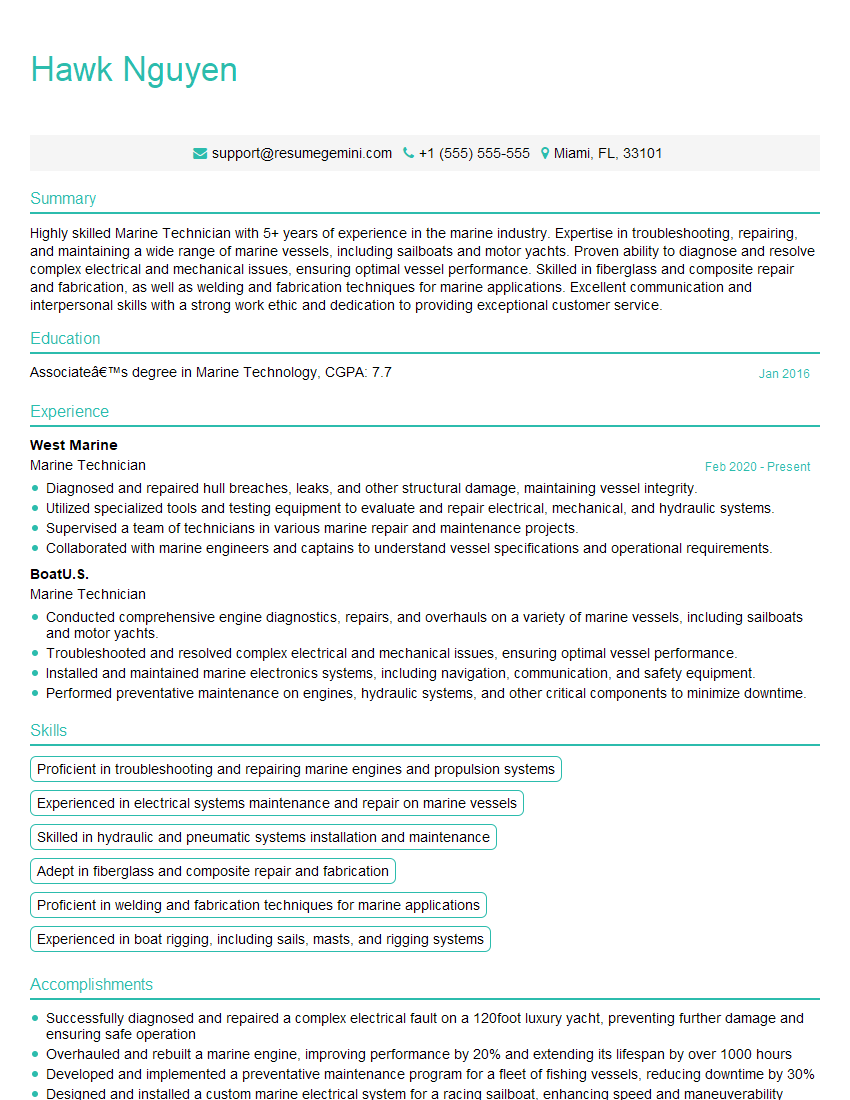
Marine Technician Resume Sample
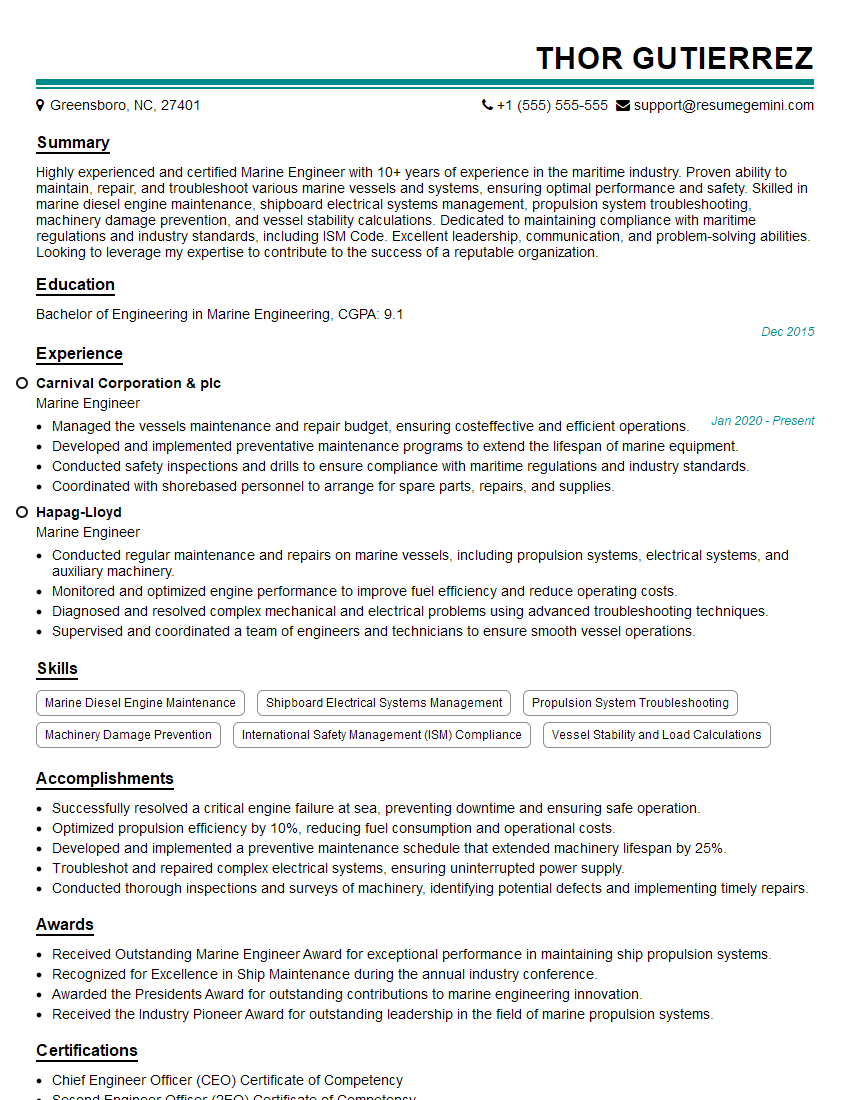
Marine Engineer Resume Sample
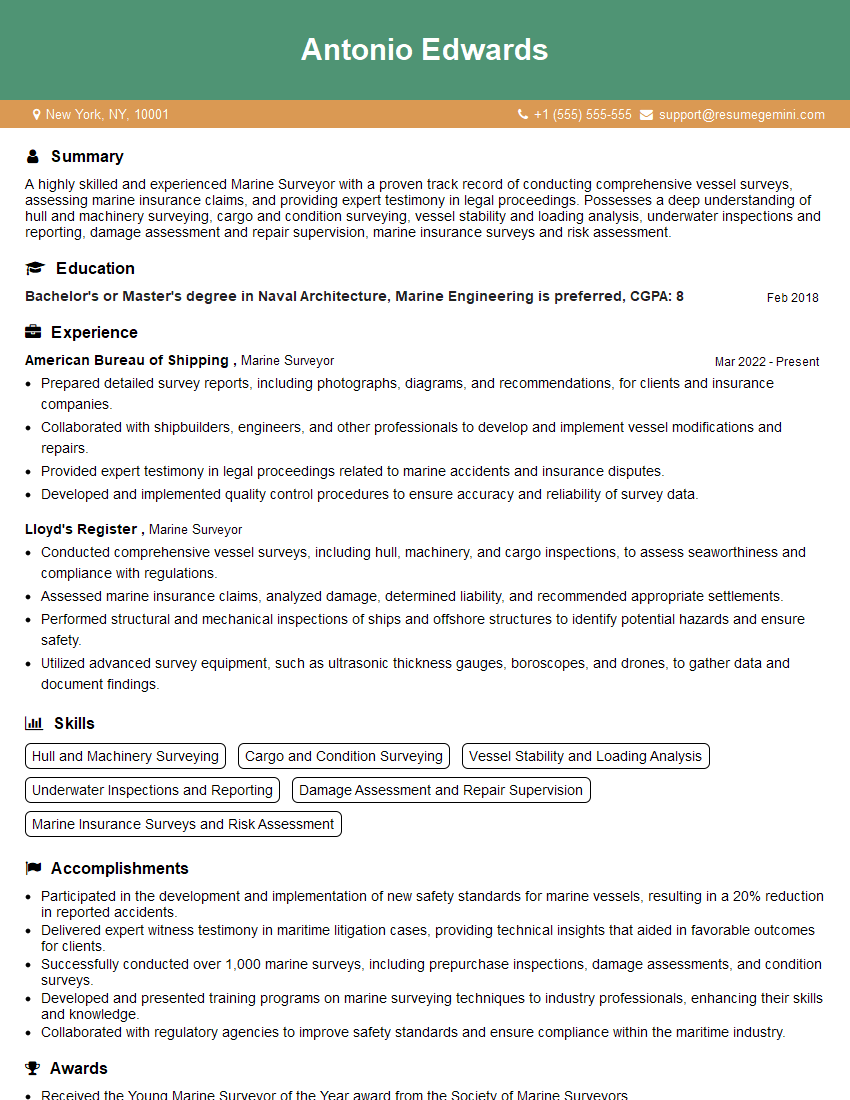
Marine Surveyor Resume Sample
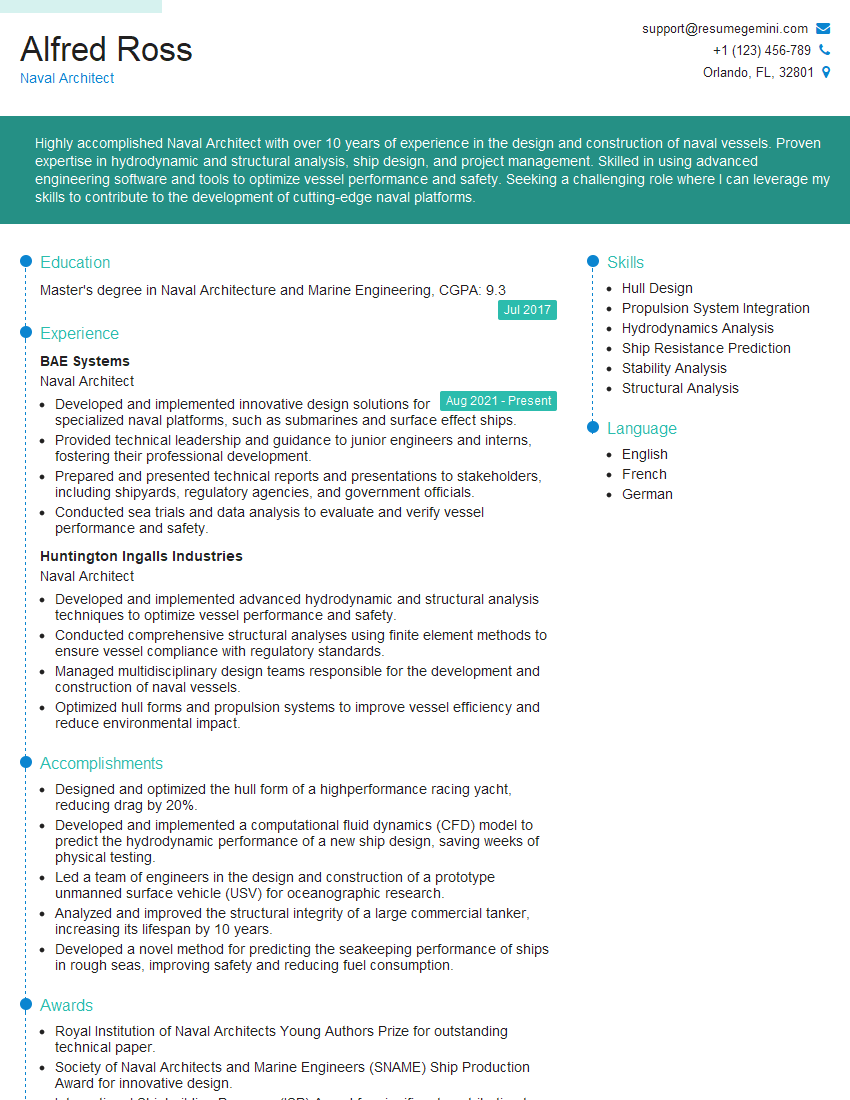
Naval Architect Resume Sample
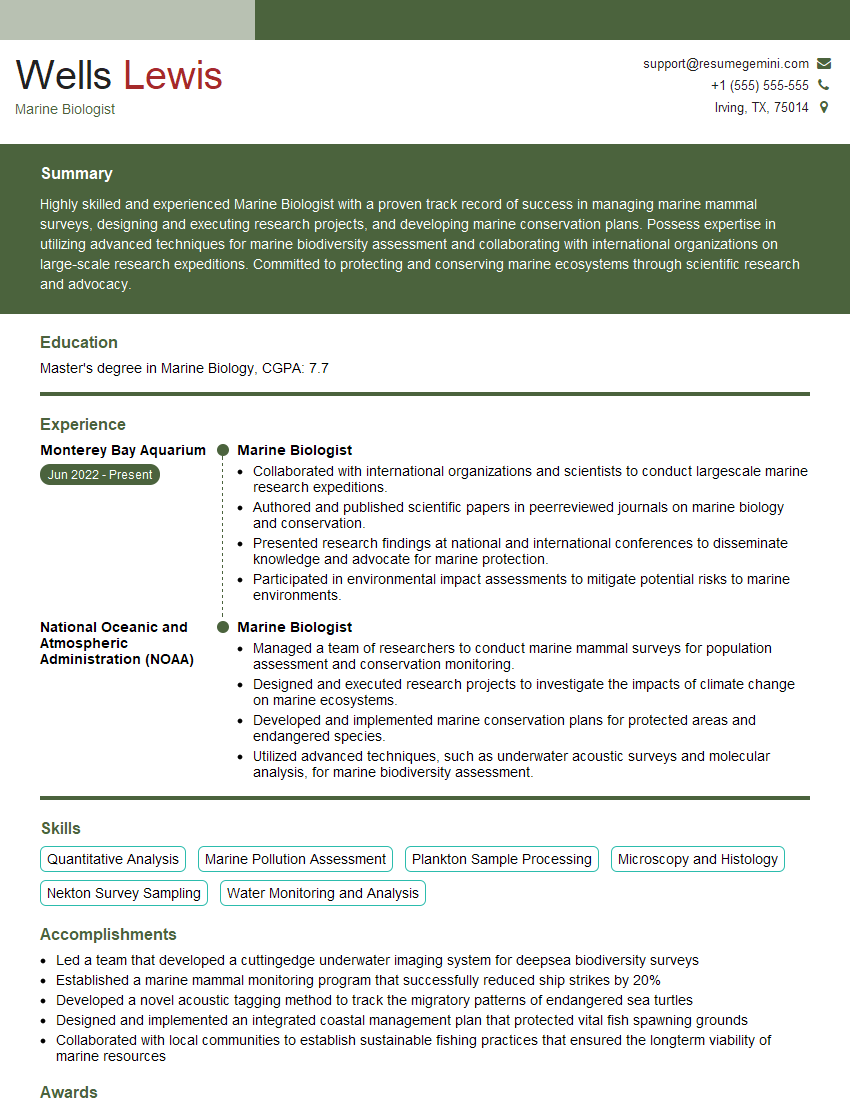
Marine Biologist Resume Sample
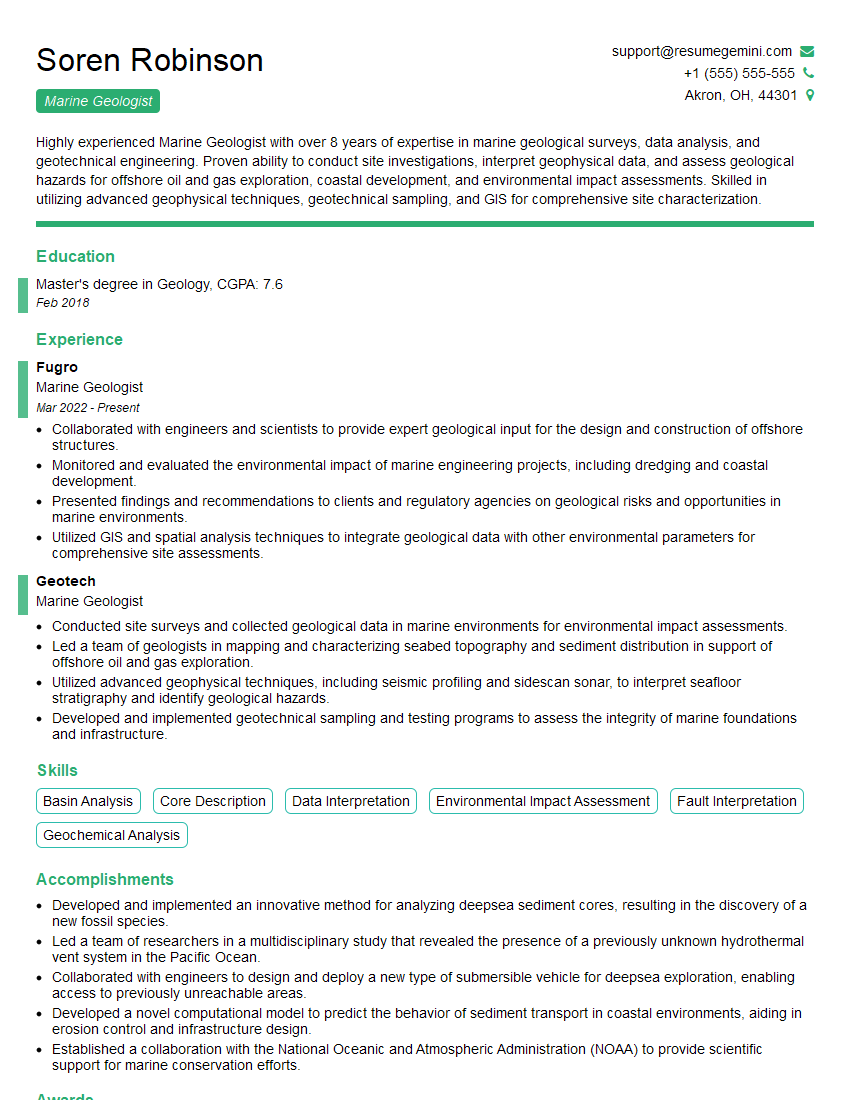
Marine Geologist Resume Sample
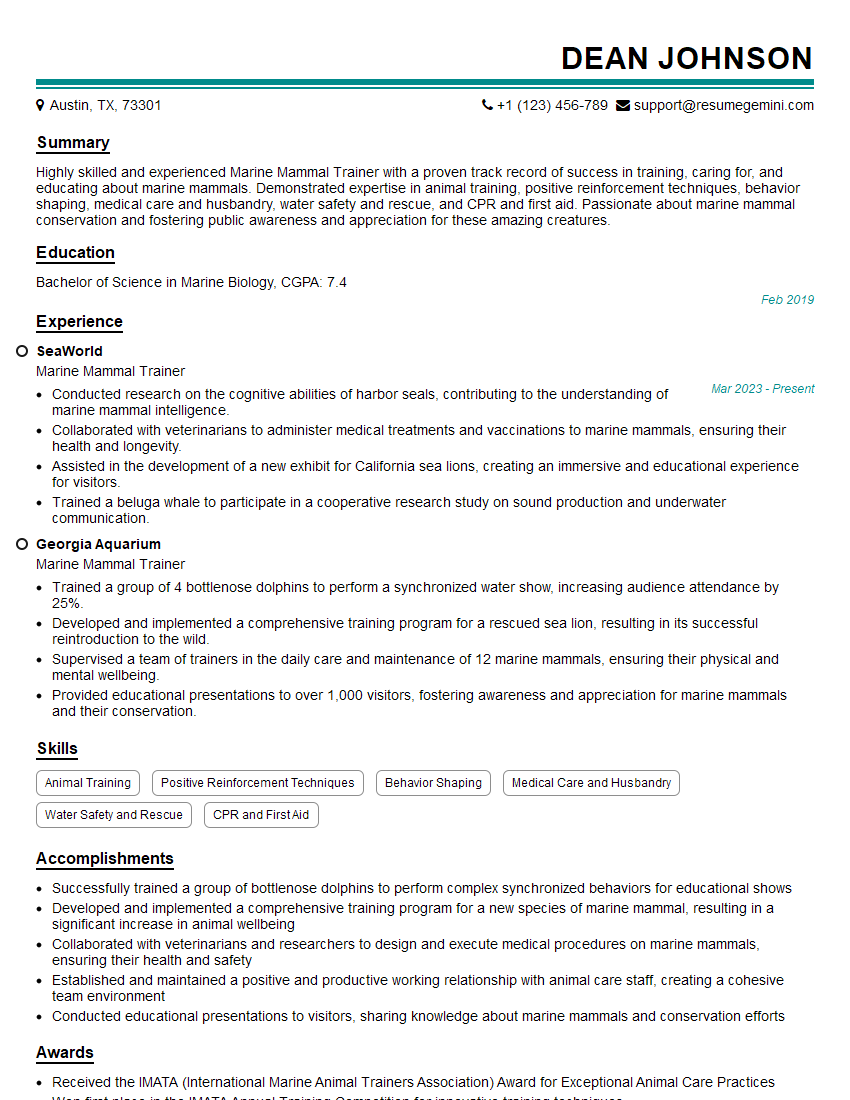
Marine Mammal Trainer Resume Sample
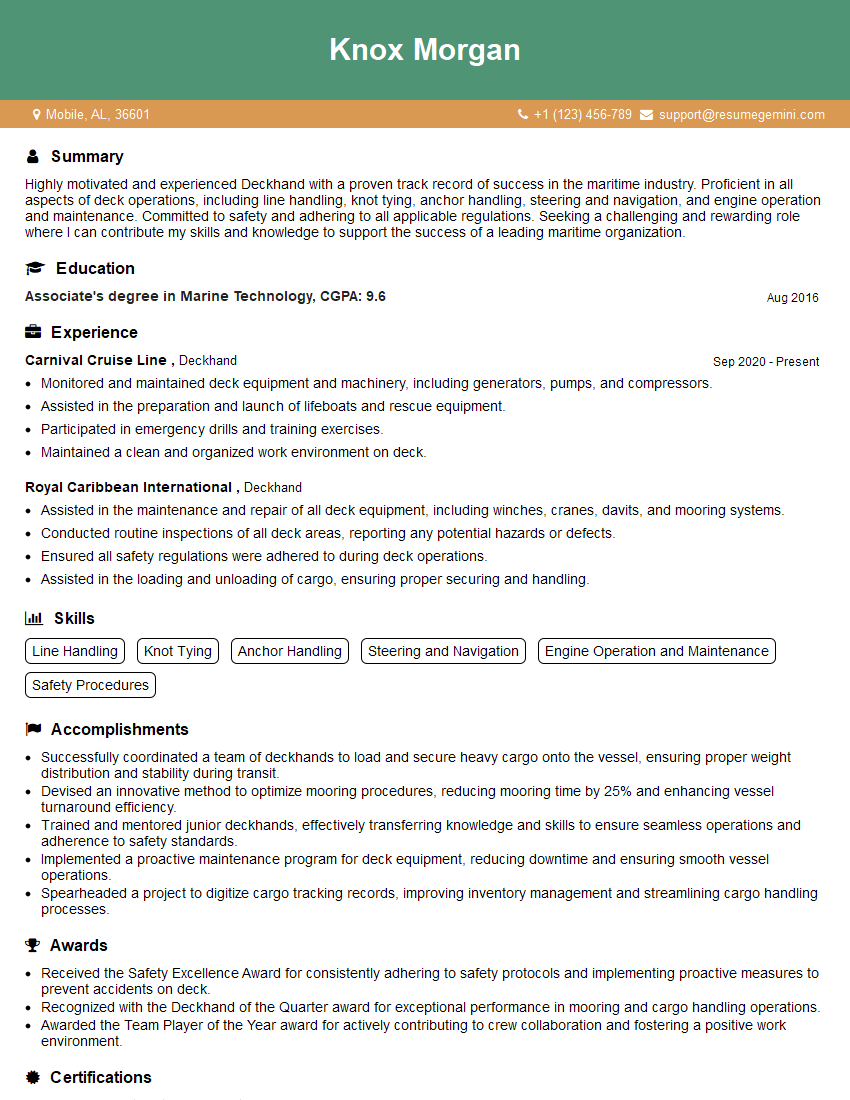
Deckhand Resume Sample
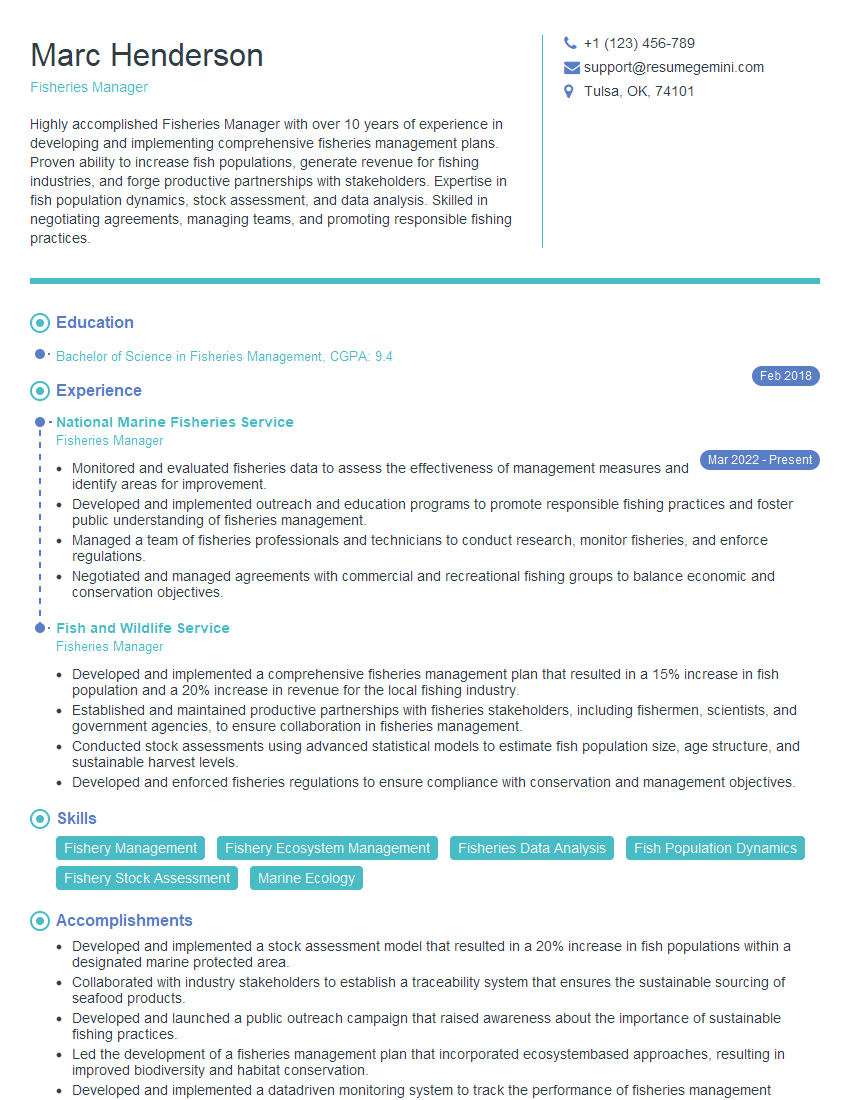
Fisheries Manager Resume Sample
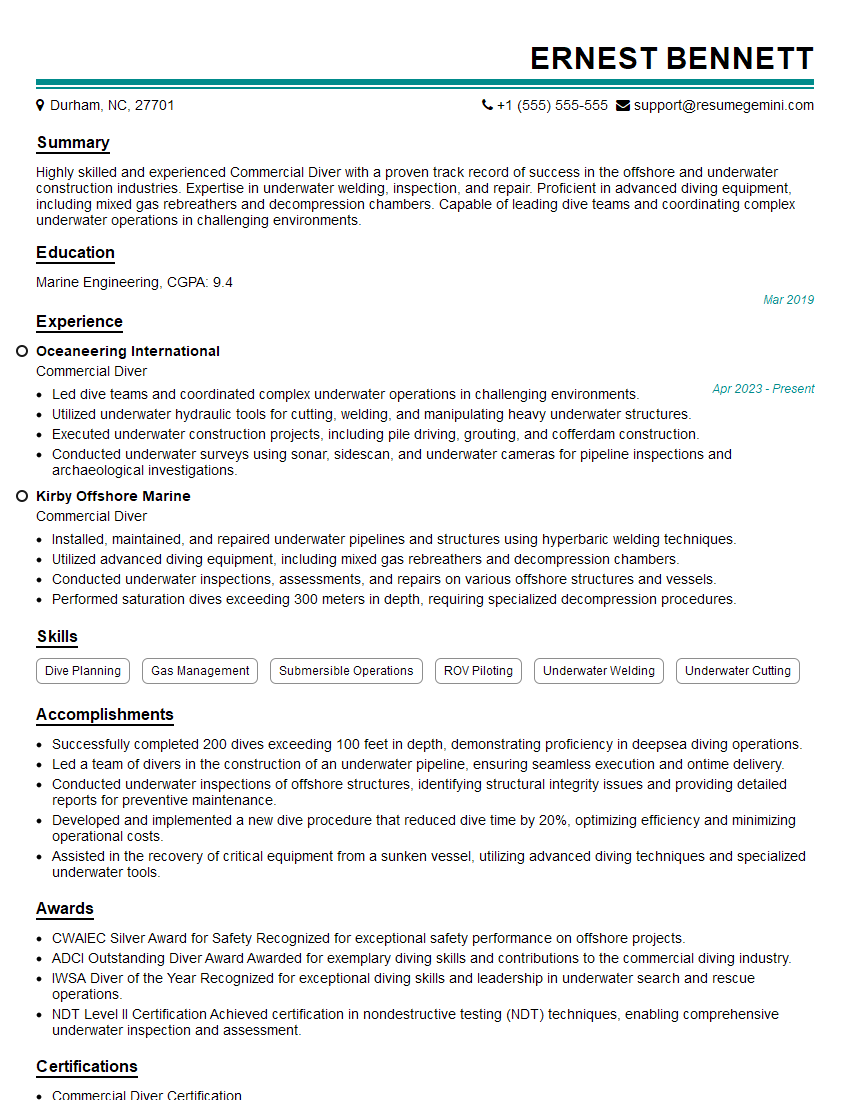
Commercial Diver Resume Sample
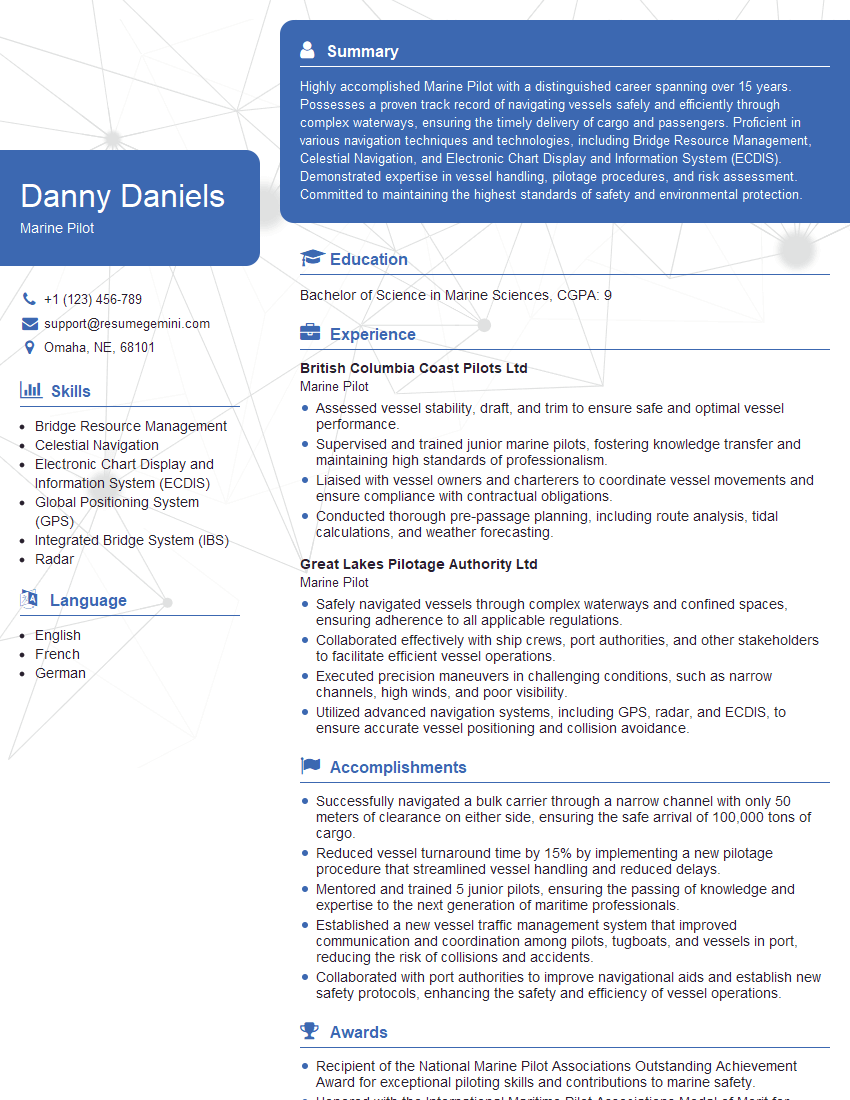
Marine Pilot Resume Sample
Explore more articles
Users Rating of Our Blogs
Share Your Experience
We value your feedback! Please rate our content and share your thoughts (optional).
What Readers Say About Our Blog
I Redesigned Spongebob Squarepants and his main characters of my artwork.
https://www.deviantart.com/reimaginesponge/art/Redesigned-Spongebob-characters-1223583608
IT gave me an insight and words to use and be able to think of examples
Hi, I’m Jay, we have a few potential clients that are interested in your services, thought you might be a good fit. I’d love to talk about the details, when do you have time to talk?
Best,
Jay
Founder | CEO