Interviews are opportunities to demonstrate your expertise, and this guide is here to help you shine. Explore the essential Experience in Hotel Housekeeping Operations interview questions that employers frequently ask, paired with strategies for crafting responses that set you apart from the competition.
Questions Asked in Experience in Hotel Housekeeping Operations Interview
Q 1. Describe your experience with managing housekeeping staff.
Managing a housekeeping team involves much more than just assigning tasks. It’s about building a cohesive unit that consistently delivers high-quality service. My approach focuses on clear communication, effective delegation, and ongoing support.
For instance, in my previous role at the Grand Majestic Hotel, I managed a team of 25 housekeepers and supervisors. I implemented a shift-based scheduling system using a software that optimized staffing levels based on occupancy rates, minimizing labor costs while ensuring adequate coverage. Regular team meetings allowed for open communication, addressing concerns, and celebrating successes. I also utilized a performance management system that tracked individual productivity and provided constructive feedback, fostering continuous improvement.
Furthermore, I delegated responsibilities based on individual strengths and experience, empowering team members to take ownership of their work. This fostered a sense of responsibility and improved overall team morale. For example, I identified a housekeeper with a knack for detail and assigned her the responsibility of training new hires on meticulous room checks.
Q 2. How do you ensure consistent cleaning standards across all rooms?
Maintaining consistent cleaning standards requires a multi-pronged approach: detailed checklists, regular inspections, and ongoing training. Think of it like baking a cake – you need the right recipe (checklists), the right ingredients (supplies), and the right technique (training).
At the Grand Majestic, we implemented a detailed, color-coded room check checklist with specific instructions and quality control measures. Every room cleaning involves a step-by-step visual check against the checklist, ensuring every detail is addressed. This checklist is regularly reviewed and updated based on guest feedback and changing standards. Beyond this, I conducted regular room inspections, both announced and unannounced, to maintain consistent standards. These inspections were followed up with feedback sessions, ensuring any deviations were addressed promptly.
Regular training sessions, including both classroom instruction and on-the-job shadowing, reinforced proper cleaning techniques and updated staff on any changes to our standards. We also used visual aids such as videos and diagrams to ensure understanding across language barriers.
Q 3. What methods do you use to track inventory and supplies?
Efficient inventory management is crucial for smooth housekeeping operations. We utilized a combination of manual and digital methods to track supplies and maintain optimal stock levels.
We used a spreadsheet-based inventory system to track the quantity of all cleaning supplies, linens, and amenities. Each housekeeper was responsible for reporting their supply usage at the end of their shift. This data was then used to generate reordering requests. To ensure accuracy, we conducted regular physical inventory counts to reconcile the spreadsheet data with actual stock on hand. Any discrepancies were investigated and corrected immediately.
We also implemented a par stock system – determining the optimal quantity of each item to maintain on hand. This helped to prevent overstocking and waste while ensuring we had enough supplies on hand to meet demand. Finally, we used a barcode system for high-volume items to streamline the inventory process. This system allowed for efficient tracking and ensured accurate counts during physical inventory.
Q 4. Explain your experience with implementing and maintaining a safety program in housekeeping.
A robust safety program is non-negotiable in housekeeping. It’s about creating a workplace where injuries are minimized and everyone feels safe. My approach involves proactive measures, regular training, and consistent enforcement of safety protocols.
At the Grand Majestic, we implemented a comprehensive safety program that included regular safety training sessions covering topics such as proper lifting techniques, the safe handling of cleaning chemicals, and emergency procedures. We provided all staff with personal protective equipment (PPE), including gloves, eye protection, and safety shoes. Furthermore, we conducted regular safety inspections of the housekeeping areas to identify and address any potential hazards promptly. These inspections were documented and used to improve safety procedures.
We also emphasized the importance of reporting all accidents and near misses, creating a culture of safety where employees felt comfortable speaking up without fear of reprisal. We maintained a detailed record of all safety incidents and used this data to proactively prevent future occurrences.
Q 5. How do you handle guest complaints related to housekeeping?
Handling guest complaints about housekeeping requires a calm, empathetic, and efficient approach. It’s about resolving the issue quickly and ensuring the guest feels valued.
My strategy involves actively listening to the guest’s complaint, acknowledging their feelings, and apologizing for any inconvenience. I then promptly investigate the issue, involving the relevant housekeeper if necessary. Once the cause of the complaint is identified, I work to resolve the problem immediately. For example, if the complaint is about a dirty room, I would arrange for immediate re-cleaning by a senior housekeeper. A follow up is crucial. I personally follow up with the guest to ensure the issue has been fully resolved to their satisfaction. I also document all complaints and use this data to identify areas for improvement in our processes.
In some cases, offering a gesture of goodwill, such as a complimentary upgrade or discount, can go a long way in restoring guest satisfaction. Always aim for a win-win outcome, where the guest feels heard and their concerns are addressed while improving our service.
Q 6. What is your experience with budgeting and cost control in housekeeping?
Budgeting and cost control in housekeeping requires a keen eye for detail and a strategic approach. It’s about optimizing resource allocation to maximize efficiency and minimize expenses without compromising quality.
At the Grand Majestic, I was responsible for managing the housekeeping department’s budget. This involved creating a detailed budget, forecasting expenses, and tracking actual spending against the budget. I implemented several cost-saving measures, including negotiating better deals with our cleaning supply vendors, optimizing linen usage through a systematic laundry program, and reducing energy consumption by implementing energy-efficient practices. For example, I introduced a system for tracking linen usage, identifying areas where waste could be reduced, leading to substantial savings on laundry costs.
Regular monitoring and analysis of expenses allowed for early detection of potential overspending and quick implementation of corrective actions. This involved regular reporting on key metrics such as cost per occupied room and supplies consumption rates, ensuring that we remained within budget while maintaining high standards.
Q 7. How do you motivate and train your housekeeping team?
Motivating and training a housekeeping team is about creating a positive work environment where staff feel valued, empowered, and continuously developed. This leads to higher job satisfaction, improved performance, and reduced turnover.
At the Grand Majestic, I implemented several initiatives to boost team morale. This included regular team meetings where accomplishments were celebrated and challenges discussed openly. I also created a system of recognition and rewards, where outstanding performance was acknowledged and appreciated. For example, we introduced a ‘Housekeeper of the Month’ award that recognized exceptional service and meticulous work. This fosters a sense of pride and competition in a positive manner. Further, I championed a mentorship program, pairing senior housekeepers with new recruits to provide hands-on training and support, fostering skill development and knowledge transfer.
Furthermore, I ensured that all staff received regular training on new cleaning techniques, safety protocols, and customer service best practices. This helped to keep them updated on industry standards and improve their skills, enhancing their job satisfaction and performance. I also encouraged participation in professional development opportunities, providing avenues for career advancement within the team.
Q 8. Describe your experience with scheduling and managing staff shifts.
Scheduling and managing staff shifts in housekeeping requires a keen understanding of occupancy levels, staff availability, and individual skill sets. My approach is multifaceted and data-driven. I begin by forecasting daily and weekly room cleaning needs based on historical occupancy data and upcoming reservations. Then, I develop a master schedule using a combination of spreadsheets and, in larger operations, specialized hotel management software (more on that later). This schedule accounts for variations in room types (e.g., suites require longer cleaning times), staff preferences (where possible, balancing needs with operational efficiency), and breaks.
For example, at my previous role at the Grand Majestic Hotel, we utilized a color-coded system on our schedule: green for standard rooms, yellow for suites, and red for VIP rooms. This allowed staff to quickly grasp their daily workload and prioritize based on complexity. I also built in buffer time to accommodate unexpected delays or last-minute room requests. Regular staff meetings are key for open communication and addressing any concerns or schedule conflicts promptly.
Q 9. How do you handle unexpected situations like a sudden increase in occupancy?
Unexpected surges in occupancy require immediate and decisive action. My first step is to assess the situation – how many extra rooms need cleaning, and what is the timeline? I immediately communicate the situation to my team, emphasizing the need for collaboration and flexibility. We then prioritize rooms based on guest arrival times, with immediate needs taking precedence. This often involves adjusting individual workloads and potentially calling in additional staff if necessary, drawing from a pre-established list of on-call housekeepers.
For instance, during a major conference at the Grand Majestic, we experienced a 30% unexpected increase in occupancy. By strategically reassigning tasks, focusing on high-priority rooms first, and utilizing our on-call staff, we managed to ensure all rooms were cleaned to standard before the guests’ arrival, maintaining our high standards of guest service. Sometimes, this also requires temporarily adjusting our cleaning standards to focus on the most essential aspects – ensuring clean linens, towels, and a generally tidy space – while maintaining a high standard of hygiene.
Q 10. What software or systems have you used to manage housekeeping operations?
Throughout my career, I’ve utilized a variety of software and systems to manage housekeeping operations. At smaller hotels, I’ve successfully employed simple spreadsheet programs like Microsoft Excel for tasks scheduling, inventory management, and reporting. Larger properties, however, benefit significantly from dedicated property management systems (PMS). These integrated systems streamline the entire process, automating tasks such as room status updates, work order assignments, and inventory tracking. I have extensive experience with Opera PMS and Guesty, both of which offer robust housekeeping modules.
For example, using Opera PMS, I could efficiently track room status changes in real-time, automatically assigning cleaning tasks to staff based on their availability and room type. This real-time tracking reduces errors and ensures efficient resource allocation. The system also generates insightful reports on productivity, labor costs, and cleaning supplies usage, assisting in data-driven decision-making and cost optimization.
Q 11. How do you prioritize tasks and delegate responsibilities effectively?
Effective task prioritization and delegation are fundamental to successful housekeeping management. I use a combination of methods, starting with a clear understanding of the daily tasks. This involves categorizing tasks based on urgency and importance (using a matrix prioritizing urgent/important tasks first). Then, I delegate responsibilities based on each housekeeper’s skills and experience. Experienced housekeepers often handle more complex tasks like suites or rooms with special requests. I always provide clear instructions and timelines, and ensure open communication channels for updates and support.
For instance, at the start of each shift, I hold a brief meeting to clearly outline tasks and expectations. This allows for immediate clarification and helps anticipate potential challenges. Regular follow-up ensures tasks are completed to standard and addresses any unforeseen problems. This methodical approach reduces errors, improves efficiency and ensures a smoother workflow, fostering a positive and collaborative working environment.
Q 12. Describe your experience with maintaining cleanliness in public areas.
Maintaining cleanliness in public areas is crucial for creating a positive guest experience. My approach is proactive and systematic. It starts with establishing a detailed cleaning schedule for all public areas, including lobbies, hallways, restrooms, and elevators, specifying the frequency and scope of cleaning for each area. This schedule accounts for peak hours and high-traffic zones requiring more frequent attention.
Beyond scheduling, I employ a rigorous quality control system. Regular inspections are crucial to ensure standards are met. I also encourage regular feedback from staff and guests, using it to improve the cleaning process and address any recurring issues. For instance, at the Grand Majestic, we implemented a daily checklist for public area cleaning, with specific attention to high-touch surfaces, and a weekly deep cleaning schedule for carpets and upholstery.
Q 13. How do you ensure the security of guest rooms and belongings?
Ensuring guest room and belongings security is paramount. This involves several strategies. First, we rigorously train all housekeeping staff on proper security procedures, including the importance of locking doors after cleaning, properly handling guest belongings, and reporting any suspicious activity. Second, we utilize key card access systems that restrict entry to authorized personnel only. Third, we implement a system for handling lost and found items, documenting all found items and storing them securely.
Furthermore, we emphasize the importance of reporting any security concerns or breaches immediately to management. Regular audits of security procedures and staff training help reinforce these practices and prevent potential security issues. Clear communication regarding security protocols helps create a culture of responsibility and awareness among the housekeeping team.
Q 14. What are your strategies for minimizing housekeeping-related operational costs?
Minimizing housekeeping operational costs involves a multi-pronged approach focused on efficiency and resource management. One key aspect is optimizing cleaning supplies usage. This involves implementing inventory control systems to track usage and prevent waste, exploring environmentally friendly and cost-effective cleaning products, and encouraging staff to use cleaning supplies efficiently. Another crucial element is optimizing staff scheduling to ensure appropriate staffing levels without overspending on labor costs.
For example, at my previous hotel, we implemented a training program on efficient cleaning techniques, reducing cleaning time per room. We also transitioned to concentrated cleaning products, significantly reducing storage space and procurement costs. Regular analysis of cleaning supply usage data helps identify areas for improvement and implement further cost-saving measures. Data-driven decision making, combined with continuous improvement strategies, is essential for long-term cost optimization.
Q 15. Explain your experience with dealing with hazardous materials and waste disposal.
Handling hazardous materials and waste disposal is paramount in hotel housekeeping. It’s not just about cleanliness; it’s about ensuring the safety of our staff and guests. We follow strict protocols adhering to all local, state, and federal regulations.
For example, we use color-coded bins for different types of waste: one for general waste, one for recyclables, and dedicated containers for hazardous waste, like broken glass, used cleaning chemicals (properly labeled and neutralized according to the manufacturer’s instructions), and used needles (if any medical emergencies occur on-property). Each staff member receives thorough training on the proper handling and disposal of these materials. We maintain detailed logs of hazardous waste disposal, ensuring compliance and traceability. We also contract with a licensed hazardous waste disposal company to ensure proper and safe removal of all hazardous materials off the property. This ensures we minimize any risks associated with incorrect storage or disposal. Regular inspections and staff training are key to maintaining this safety standard.
Career Expert Tips:
- Ace those interviews! Prepare effectively by reviewing the Top 50 Most Common Interview Questions on ResumeGemini.
- Navigate your job search with confidence! Explore a wide range of Career Tips on ResumeGemini. Learn about common challenges and recommendations to overcome them.
- Craft the perfect resume! Master the Art of Resume Writing with ResumeGemini’s guide. Showcase your unique qualifications and achievements effectively.
- Don’t miss out on holiday savings! Build your dream resume with ResumeGemini’s ATS optimized templates.
Q 16. How do you measure the performance of your housekeeping team?
Measuring housekeeping team performance requires a multi-faceted approach. We don’t just focus on speed; we prioritize quality and efficiency. Our key performance indicators (KPIs) include:
- Room Turnaround Time: The average time taken to clean and prepare a room after a guest checks out. We track this to identify bottlenecks and optimize cleaning processes.
- Guest Satisfaction Scores: Feedback from guest surveys and reviews provide valuable insights into the quality of housekeeping services. We regularly analyze these scores to identify areas for improvement.
- Inspection Scores: Regular room inspections conducted by supervisors help identify cleanliness inconsistencies and areas requiring attention. This ensures quality control and provides feedback to staff.
- Inventory Management: Tracking linen and supply usage helps us optimize stock levels and prevent shortages. This contributes to efficient operations and cost savings.
- Employee Attendance and Punctuality: Maintaining a consistent staff presence ensures that cleaning schedules are met and guest requests are addressed promptly.
By combining these different metrics, we get a holistic view of team performance and can pinpoint areas needing improvement. This data-driven approach helps us to reward high-performing staff and offer targeted training to address weaknesses.
Q 17. What are some common challenges you face in hotel housekeeping and how do you overcome them?
Hotel housekeeping faces various challenges. One common issue is staff shortages, especially during peak seasons. We mitigate this by effective scheduling, cross-training staff to handle various tasks, and offering attractive incentives. Another challenge is maintaining consistent quality across all rooms. Regular training, quality control inspections, and clear cleaning protocols help to standardize procedures. Dealing with difficult guests is another aspect. Training our staff in conflict resolution and customer service helps them address concerns effectively. We also face issues related to damage or theft in rooms, which we address through vigilant security measures and reporting procedures. Finally, maintaining efficient inventory management and preventing supply shortages require careful planning and tracking.
Q 18. How do you ensure compliance with all relevant health and safety regulations?
Compliance with health and safety regulations is a top priority. We achieve this through a multi-pronged approach:
- Regular Training: All housekeeping staff receive comprehensive training on safety procedures, handling hazardous materials, and using cleaning equipment safely. This includes CPR and First Aid training.
- Safety Audits: We conduct regular safety audits to identify and address potential hazards. This includes checks for fire safety equipment, proper handling of cleaning chemicals, and the overall safety of work areas.
- Personal Protective Equipment (PPE): Staff are provided with appropriate PPE, including gloves, masks, and eye protection, based on the tasks they perform. We enforce the use of PPE consistently.
- Emergency Procedures: We have well-defined emergency procedures for various scenarios, including fire, medical emergencies, and severe weather. Staff undergo regular drills to familiarize themselves with these procedures.
- Documentation: We maintain detailed records of all safety training, audits, and incidents to demonstrate compliance. We also keep records of all safety equipment servicing and maintenance.
Our commitment to safety extends beyond compliance; it’s integral to our operation and reflects our care for both our staff and our guests.
Q 19. Describe your experience with linen and laundry management.
Linen and laundry management is a crucial part of hotel housekeeping. It involves a cycle of collection, sorting, washing, drying, ironing, and distribution. We use a sophisticated linen management system, typically involving barcoding or RFID tagging to track linen items throughout the process. This enables precise inventory control and helps identify any shortages or damages. We partner with an external laundry service or manage an on-site laundry facility, ensuring appropriate cleaning methods are used to maintain hygiene standards and prolong the lifespan of linen. Regular inspections of linen ensure quality and prevent wear and tear. Effective linen and laundry management is crucial for guest satisfaction and maintaining the hotel’s image of quality.
Q 20. What is your approach to resolving conflicts between housekeeping staff members?
Resolving conflicts among housekeeping staff requires a fair and impartial approach. My strategy focuses on:
- Open Communication: I encourage staff to openly communicate their concerns or disagreements. I create a safe and inclusive environment where everyone feels comfortable expressing themselves.
- Active Listening: I listen carefully to understand each person’s perspective before intervening. This helps avoid misinterpretations and ensures a fair resolution.
- Mediation: If the conflict cannot be resolved directly, I mediate, guiding the parties towards a mutually acceptable solution. I focus on finding common ground and promoting understanding.
- Disciplinary Action: If the conflict involves serious misconduct or repeated violations, I implement appropriate disciplinary action according to the hotel’s policies. This ensures consistency and fairness across the team.
- Team Building: Regular team-building activities promote camaraderie and mutual respect among staff. This helps prevent conflicts and foster a positive work environment.
The goal is not just to resolve the immediate conflict but also to address the root causes to prevent future occurrences.
Q 21. How do you handle emergency situations requiring immediate attention (e.g., medical emergencies)?
Handling emergency situations requires quick thinking and a systematic approach. Our protocol emphasizes the following:
- Immediate Action: First responders (usually the supervisor on duty) assess the situation, provide first aid if necessary, and ensure guest safety.
- Calling for Help: We immediately contact emergency services (police, ambulance, fire department) as needed, clearly communicating the nature of the emergency and location.
- Securing the Area: The area is secured to prevent further accidents or injuries and to protect evidence in cases of crime or accidents.
- Guest Assistance: We offer assistance and support to those affected by the emergency, providing comfort and information. We make appropriate arrangements for affected guests, including relocation if necessary.
- Reporting and Documentation: A detailed report is prepared, documenting the incident, actions taken, and any injuries or damage. This is crucial for legal reasons and for future incident prevention.
Regular drills and training for staff are vital in ensuring smooth execution of emergency procedures. We conduct regular fire drills and first aid training to prepare the team for such eventualities.
Q 22. How familiar are you with various cleaning chemicals and their proper usage?
My familiarity with cleaning chemicals extends beyond simply knowing their names; I understand their chemical composition, proper dilution ratios, safety data sheets (SDS), and appropriate applications for various surfaces. This includes understanding the differences between disinfectants, sanitizers, and general-purpose cleaners. For example, I know that bleach solutions require specific dilutions to be effective yet safe, and that using the wrong cleaner on a delicate surface like marble could cause damage. I’m adept at selecting the right chemical for the job, ensuring both efficacy and the safety of both guests and staff. Proper storage and handling are paramount, which includes the use of appropriate Personal Protective Equipment (PPE) like gloves and eye protection.
- Disinfectants: Used to kill bacteria and viruses on surfaces.
- Sanitizers: Reduce the number of microorganisms to a safe level.
- General-purpose cleaners: Remove dirt and grime without necessarily killing germs.
I’m also trained on the proper disposal methods for each type of chemical, adhering strictly to all environmental regulations.
Q 23. Describe your experience with implementing and monitoring quality control procedures.
Implementing and monitoring quality control procedures is crucial for maintaining high standards. My approach is multi-faceted and involves regular room inspections, feedback mechanisms, and performance tracking. I establish clear checklists and standards for room cleanliness, ensuring consistent service delivery. These checklists would include details such as linen quality, bathroom cleanliness, and overall room presentation. I then conduct random room inspections to verify adherence. Discrepancies are addressed immediately, with feedback provided to the cleaning staff. We also use a scoring system to track performance across the team, identifying areas for improvement and providing constructive feedback and additional training where necessary. Guest feedback, whether positive or negative, is crucial; we actively monitor online reviews and solicit feedback directly to gauge guest satisfaction and proactively address any recurring issues.
For example, if consistent issues arise with bathroom cleanliness, we might implement additional training on proper cleaning techniques for that specific area, or introduce new cleaning products more effective for those surfaces.
Q 24. How do you maintain positive relationships with other hotel departments?
Maintaining positive relationships with other hotel departments is vital for efficient operations. I believe in open communication and proactive collaboration. For example, I work closely with Front Desk staff to ensure smooth check-in and check-out procedures, coordinating room availability and addressing any urgent cleaning requests. With Maintenance, I establish clear communication channels to report repairs promptly and ensure efficient service. A strong relationship with the Laundry Department is crucial for a consistent supply of clean linens and towels. Regular meetings and informal communication help foster a strong collaborative environment. I often find that simple acts of courtesy and helpfulness, like anticipating needs or offering assistance, go a long way in building positive relationships.
For instance, if a guest reports a maintenance issue, I’ll inform the relevant department and follow up to ensure it’s resolved quickly and efficiently, keeping both the guest and the maintenance team informed of progress. This kind of proactive communication builds trust and streamlines operations.
Q 25. What are your strategies for handling high-volume check-ins and check-outs?
Handling high-volume check-ins and check-outs requires meticulous planning and efficient teamwork. We prioritize rooms based on guest arrival times and departure times. I utilize a robust communication system, often a digital task management system, to ensure every room is ready on time. Staff assignments are optimized based on workload projections, with additional staff called in during peak periods. This could involve having a dedicated team for quick turnarounds on high-occupancy days. We also implement a standardized cleaning procedure to ensure consistency and speed without compromising quality. Training staff on efficient cleaning techniques and prioritizing tasks is key. Regularly reviewing cleaning timelines helps us identify bottlenecks and improve our response time.
For example, during peak season, we might break down the cleaning process into smaller tasks with multiple staff working in tandem within a room – one on the bathroom, one on the bedding, etc. This parallel processing approach significantly speeds up turnover time.
Q 26. Explain your understanding of environmental sustainability practices in housekeeping.
Environmental sustainability is a high priority in modern housekeeping. My understanding includes the implementation of various eco-friendly practices, such as using energy-efficient equipment, reducing water consumption, and employing biodegradable cleaning products. This involves adopting practices like using microfiber cloths instead of disposable cloths, promoting reusable water bottles and amenities, and implementing a linen re-use program. We carefully monitor water and energy usage, looking for opportunities to conserve resources, and track the usage of cleaning chemicals to minimize environmental impact. We also focus on proper waste segregation and recycling, minimizing our carbon footprint. Training our staff on these sustainable practices is crucial for ensuring consistent implementation.
For instance, we might switch to low-flow showerheads and faucets to reduce water usage, and implement a system for sorting and recycling plastic, paper, and glass waste.
Q 27. How do you train new staff members on proper cleaning techniques and safety protocols?
Training new staff members involves a combination of on-the-job training and classroom instruction. I begin with a comprehensive orientation, covering hotel policies, safety protocols, and the use of cleaning chemicals. This includes hands-on training on proper cleaning techniques, equipment usage, and emergency procedures. We use a combination of written materials, videos, and practical demonstrations to reinforce learning. Regular follow-up and feedback sessions ensure that new staff members are comfortable and proficient in their roles. Mentorship programs, where experienced staff members guide newcomers, are also highly effective. Regular competency checks and skill assessments track progress and identify areas requiring further attention.
For example, after a classroom session on chemical safety, staff would then work alongside an experienced cleaner, putting their knowledge into practice under supervision. Regular quizzes and feedback sessions keep the learning engaging and reinforce key points.
Q 28. What is your experience with managing the performance and productivity of a large housekeeping team?
Managing a large housekeeping team requires strong leadership, organizational skills, and effective communication. My approach focuses on clear delegation, performance monitoring, and staff motivation. I establish clear roles and responsibilities, ensuring that each team member understands their contribution to the overall goals. Regular performance reviews, both formal and informal, provide opportunities for feedback and improvement. I also prioritize staff motivation by recognizing achievements, providing opportunities for professional development, and fostering a positive and supportive work environment. Addressing conflicts promptly and fairly is critical for maintaining team cohesion. Utilizing performance management software to track productivity, attendance, and feedback allows for data-driven decision-making.
For example, I might implement a rewards system for teams achieving consistently high cleanliness scores or for individual staff members consistently exceeding expectations. I also empower staff to offer suggestions for process improvements, creating a culture of continuous improvement.
Key Topics to Learn for Experience in Hotel Housekeeping Operations Interview
- Room Attendant Duties & Procedures: Understanding the standard operating procedures for cleaning and maintaining guest rooms, including linen handling, amenity replenishment, and quality control checks.
- Cleaning Products & Equipment: Safe and effective use of cleaning agents, machinery (e.g., vacuum cleaners, floor polishers), and understanding environmentally friendly practices.
- Inventory Management & Supply Ordering: Tracking linen and supply levels, placing orders, and minimizing waste through efficient stock control. Practical application: Explain how you’d handle a sudden shortage of a key cleaning product.
- Health & Safety Regulations: Adherence to workplace safety protocols, handling hazardous materials, and understanding relevant legislation (e.g., OSHA guidelines).
- Guest Interaction & Communication: Professional communication skills, handling guest requests and complaints effectively, and maintaining a positive guest experience. Practical application: Describe a situation where you resolved a guest complaint related to housekeeping.
- Teamwork & Collaboration: Effective communication and cooperation with fellow housekeepers, supervisors, and other hotel departments (e.g., front desk, maintenance).
- Time Management & Productivity: Efficiently completing assigned tasks within given timeframes, prioritizing tasks, and managing workload effectively.
- Quality Control & Inspection: Understanding the standards for room cleanliness and maintenance, conducting thorough inspections, and identifying areas for improvement.
- Problem-Solving & Decision-Making: Approaching challenges independently, resolving unexpected issues (e.g., damaged property, guest emergencies), and making sound judgments.
- Technological Proficiency: Familiarity with housekeeping management software or digital tools used for task assignments, inventory tracking, and communication.
Next Steps
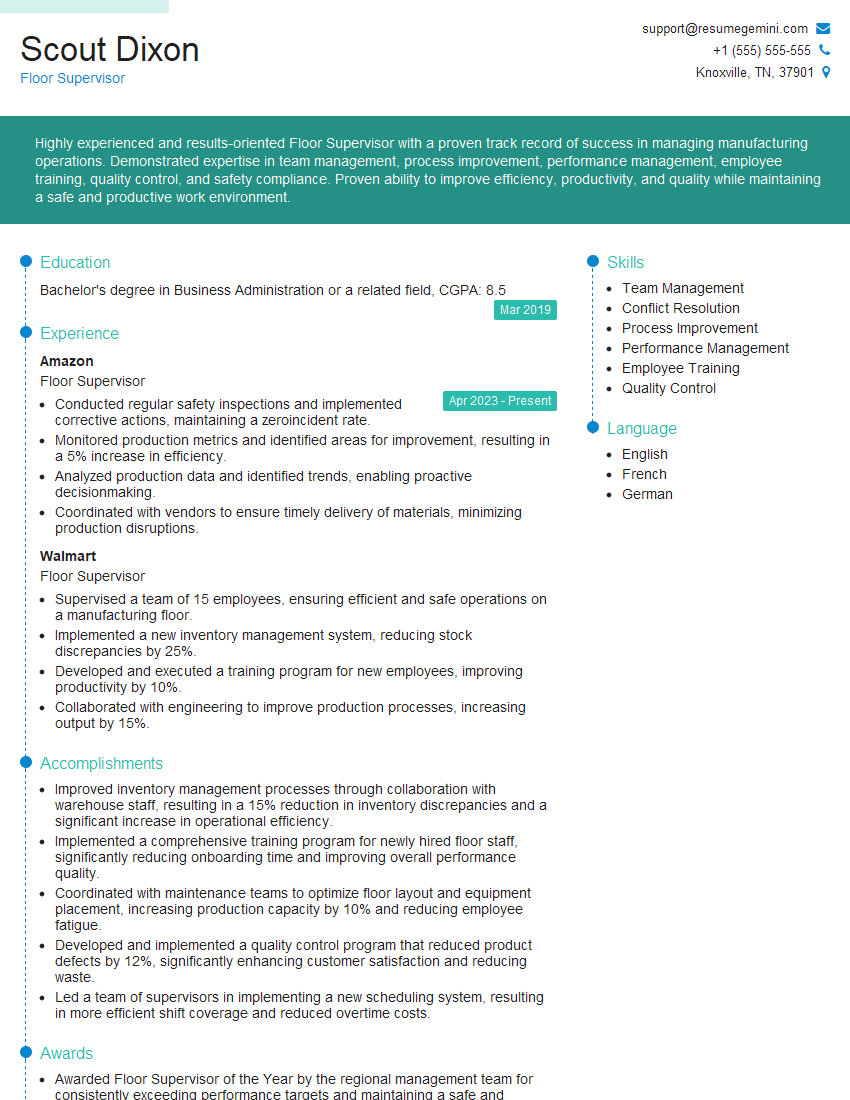
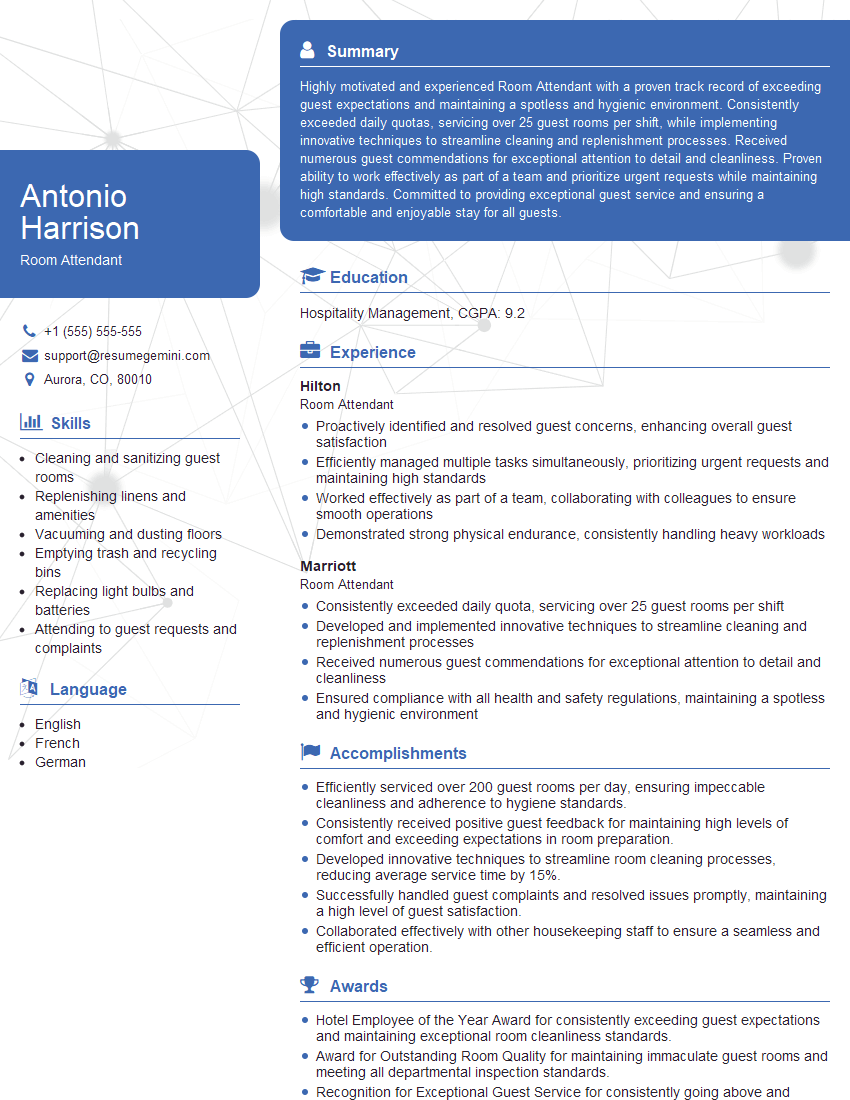
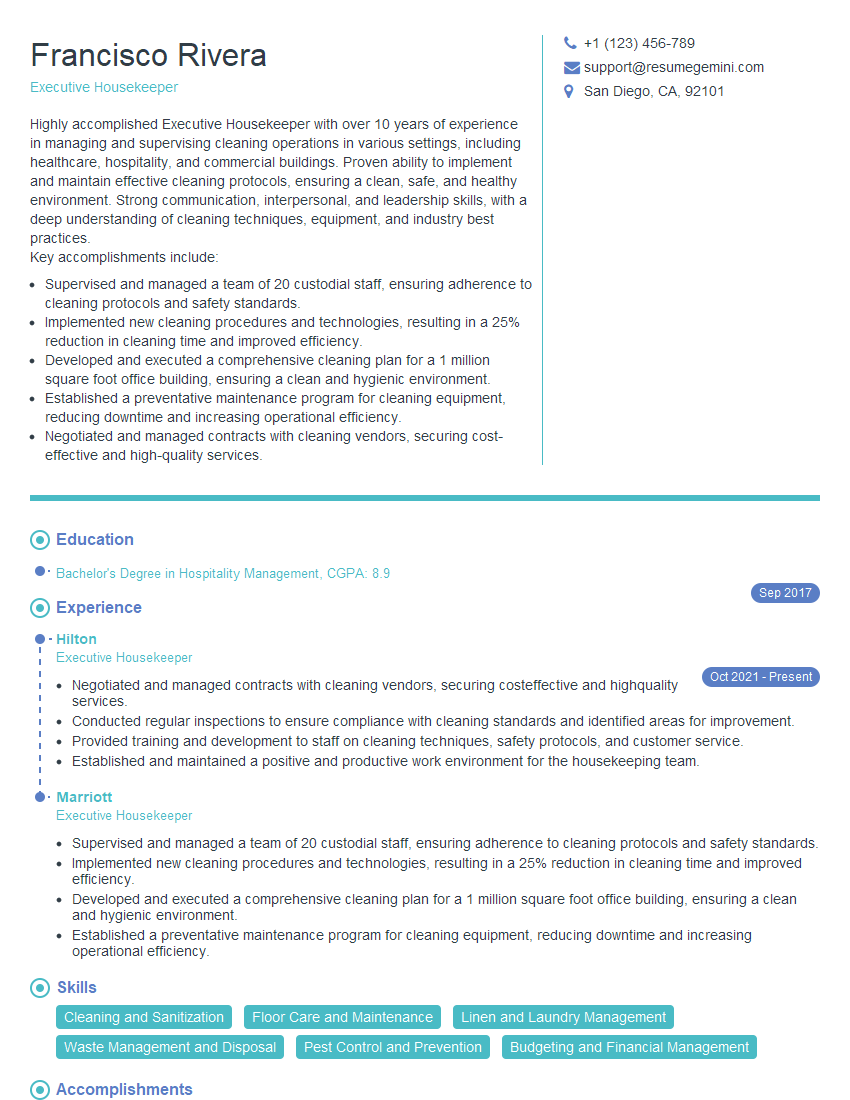
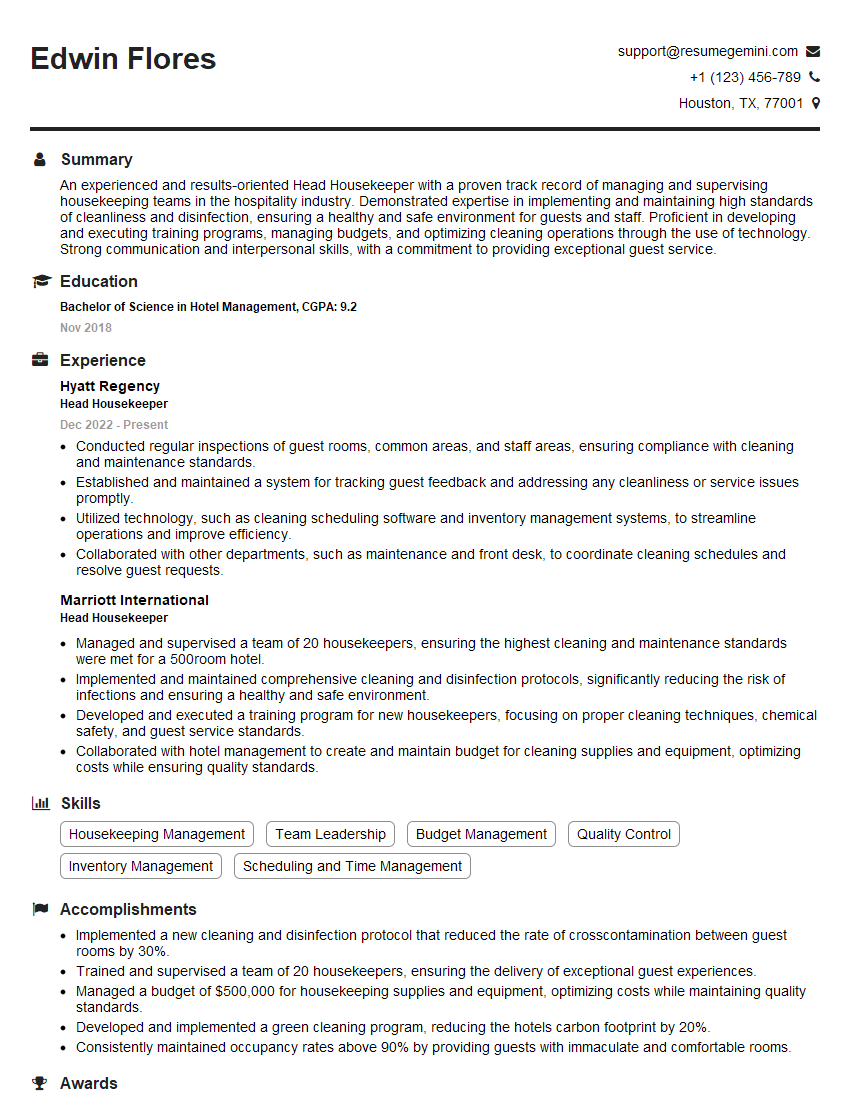
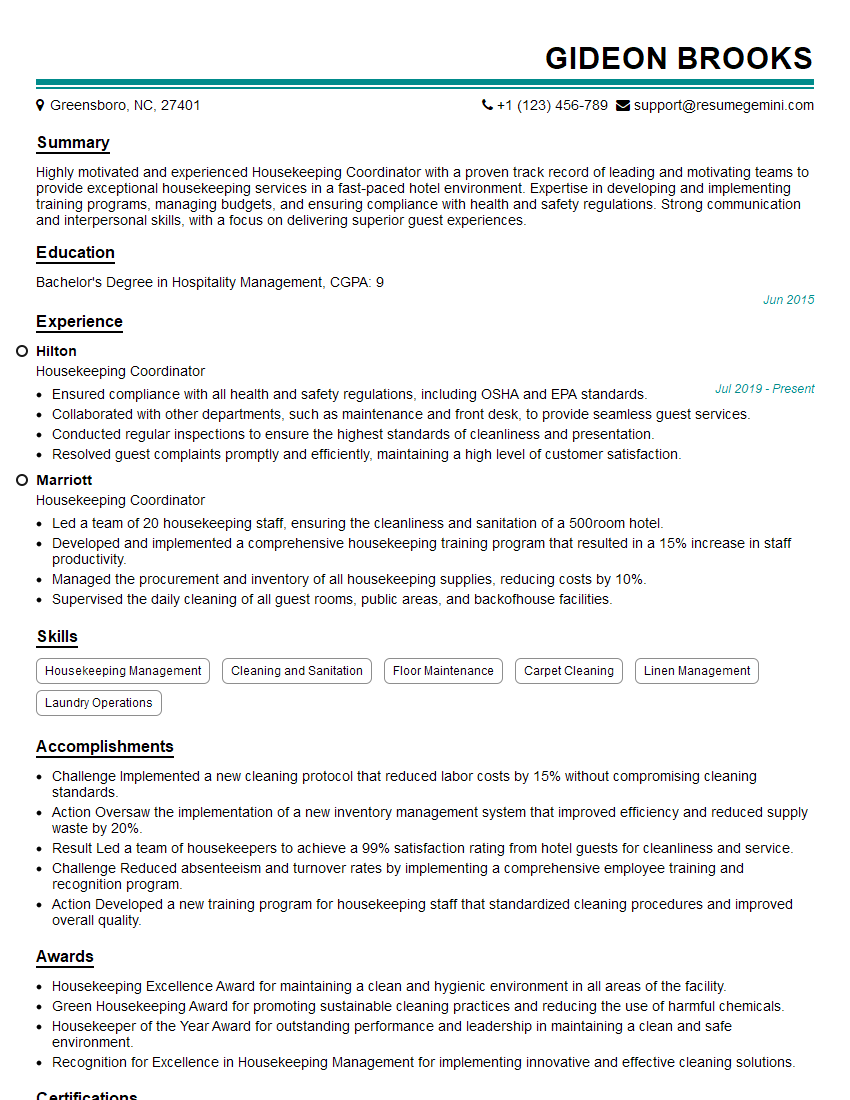
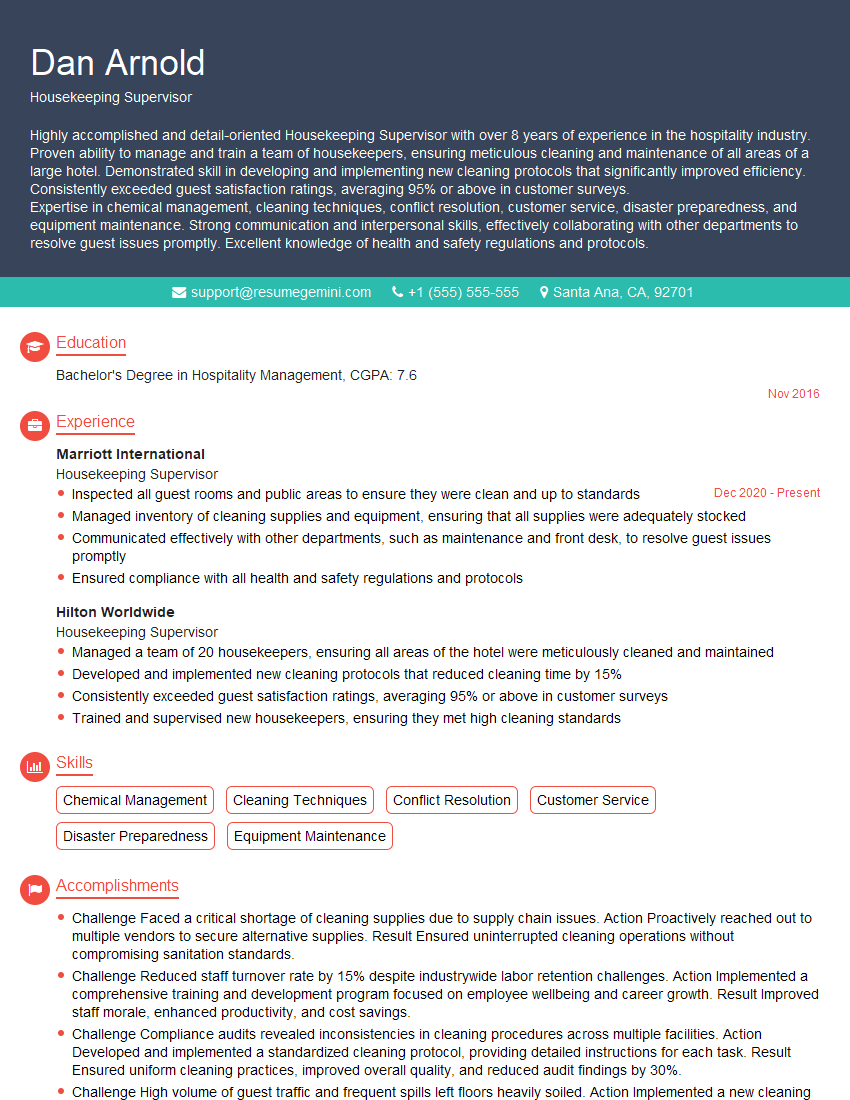
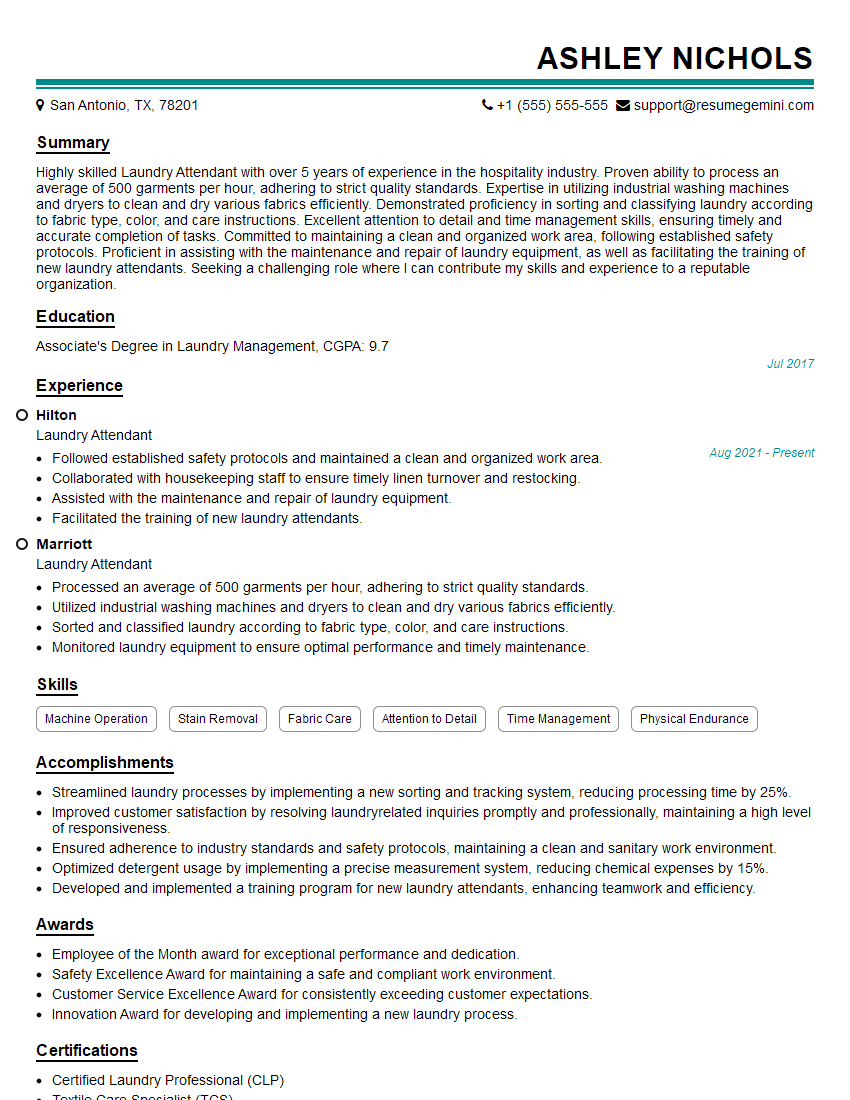
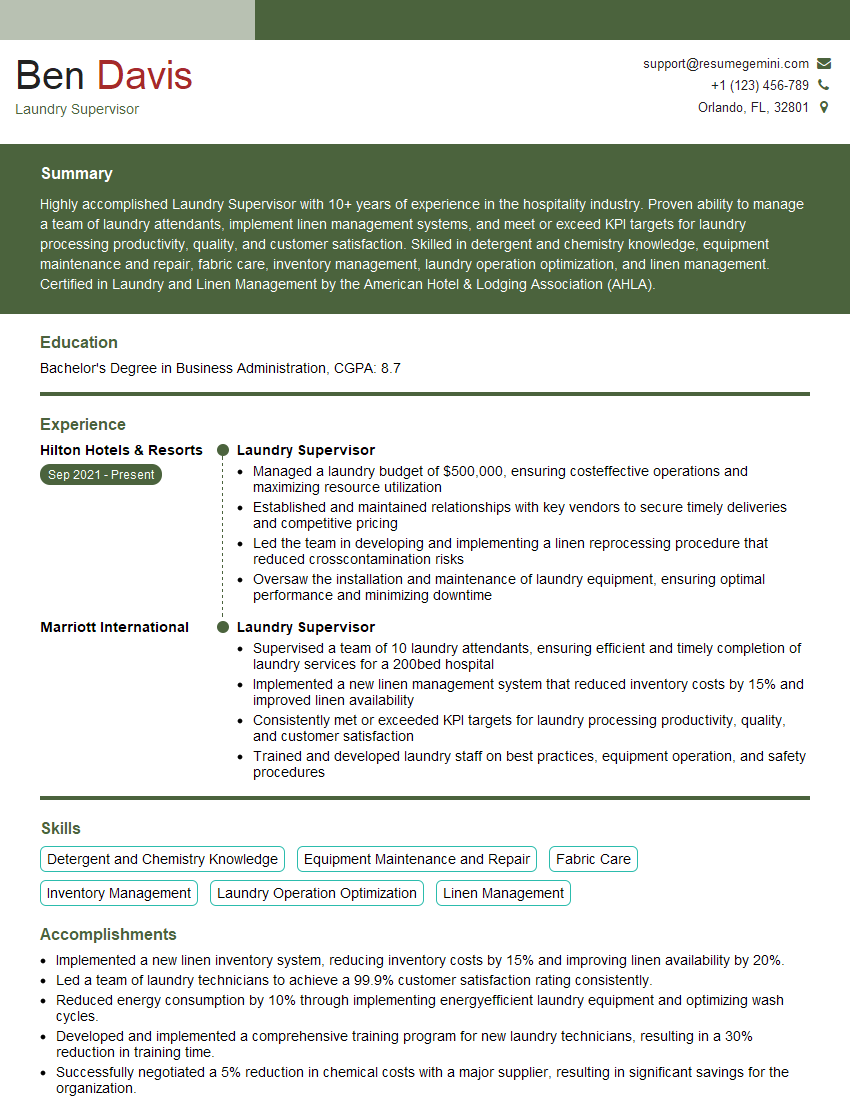
Mastering hotel housekeeping operations is crucial for career advancement within the hospitality industry, opening doors to supervisory roles and increased earning potential. An ATS-friendly resume is essential to get your application noticed by recruiters. To significantly enhance your job prospects, we strongly encourage you to leverage ResumeGemini, a trusted resource for building professional and effective resumes. ResumeGemini provides examples of resumes tailored specifically to highlight experience in Hotel Housekeeping Operations, helping you present your skills and achievements in the best possible light.
Explore more articles
Users Rating of Our Blogs
Share Your Experience
We value your feedback! Please rate our content and share your thoughts (optional).
What Readers Say About Our Blog
I Redesigned Spongebob Squarepants and his main characters of my artwork.
https://www.deviantart.com/reimaginesponge/art/Redesigned-Spongebob-characters-1223583608
IT gave me an insight and words to use and be able to think of examples
Hi, I’m Jay, we have a few potential clients that are interested in your services, thought you might be a good fit. I’d love to talk about the details, when do you have time to talk?
Best,
Jay
Founder | CEO